Unique Historical Boxes

Various artistic boxes from different eras, including a New Kingdom jewelry box and Edo period box, showcasing craftsmanship and cultural history.

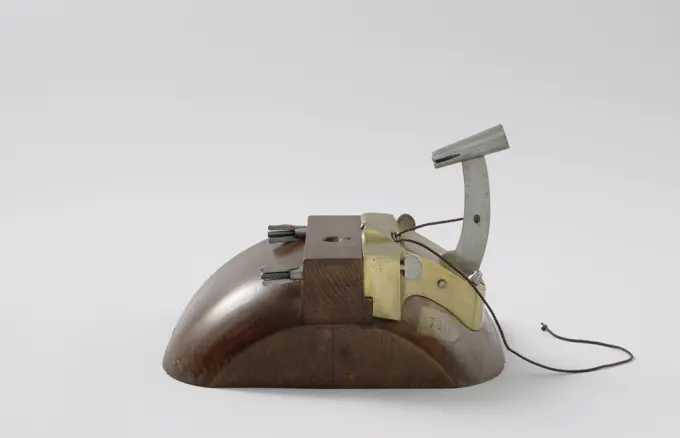
Round hat case, brown, lacquered wood with a lock of copper and a leather handle, anonymous, c. 1940 Round hat case, brown, lacquered wood with a lock of copper and a leather handle. There is a linen of linen in the suitcase. Netherlands Wood (plant material). Closure: Copper (Metal). Handle: Leather. Hat aid: Linen (Material) lacquering Round hat case, brown, lacquered wood with a lock of copper and a leather handle. There is a linen of linen in the suitcase. Netherlands Wood (plant material). Closure: Copper (Metal). Handle: Leather. Hat aid: Linen (Material) lacquering
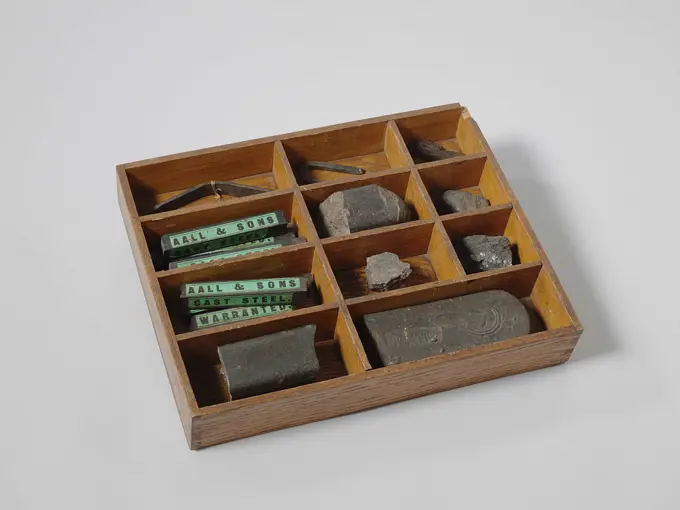
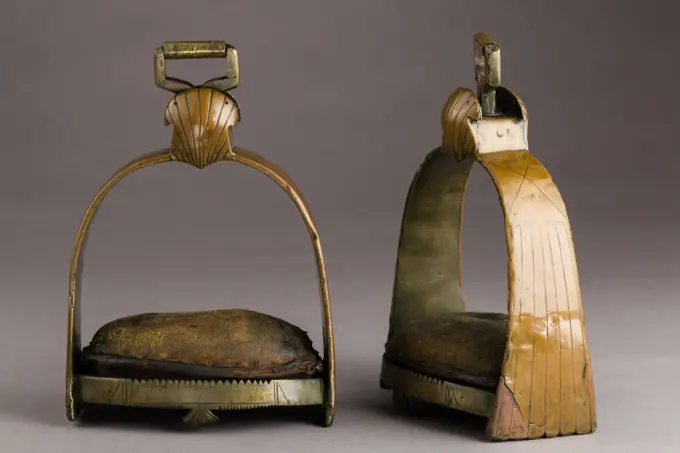
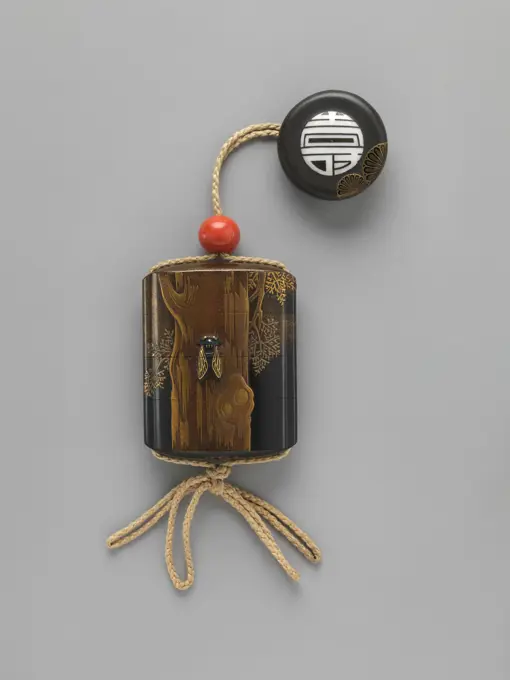
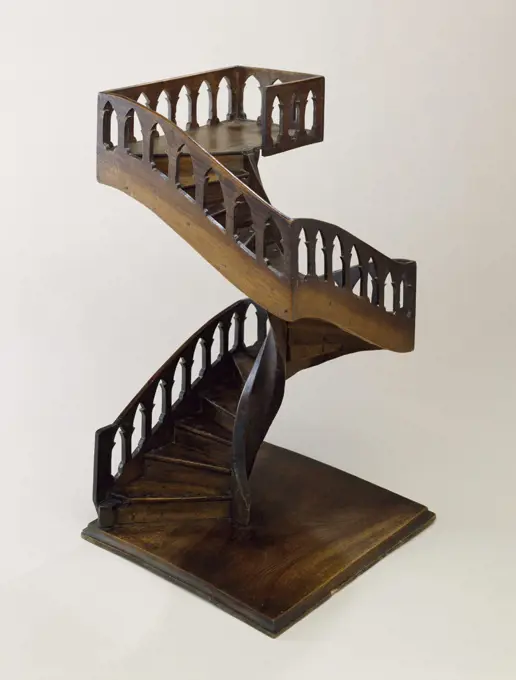
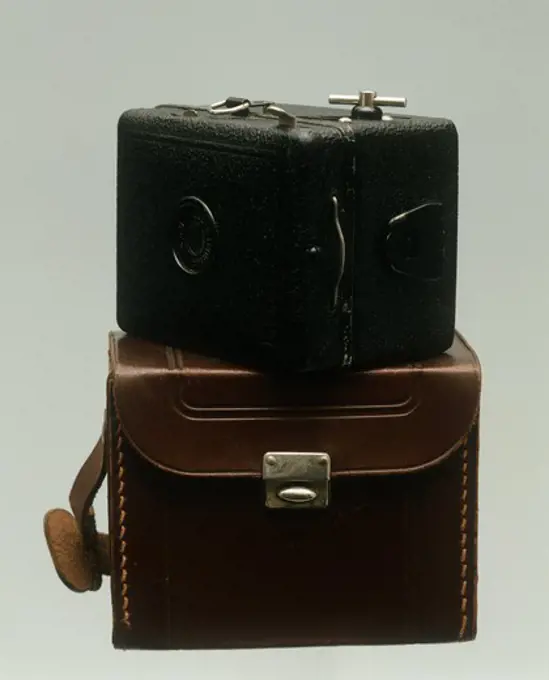
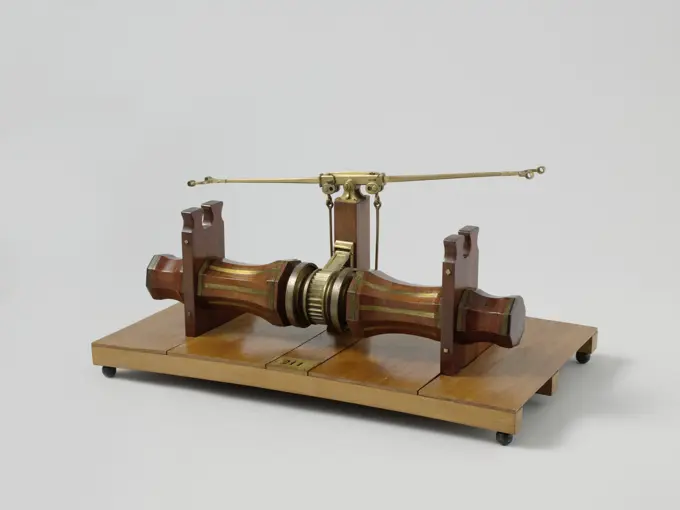
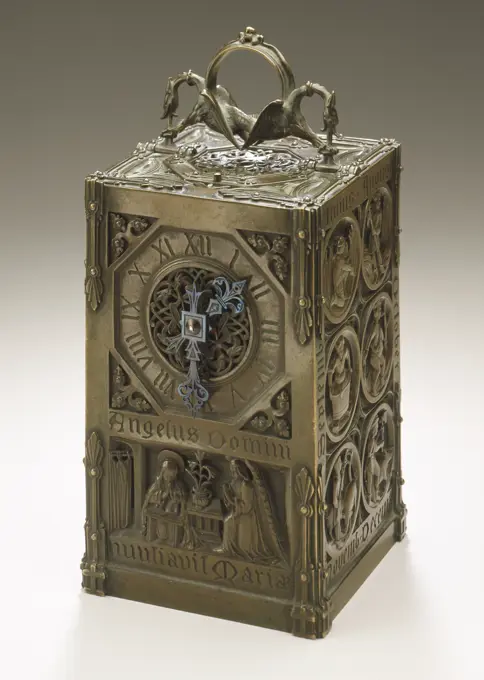
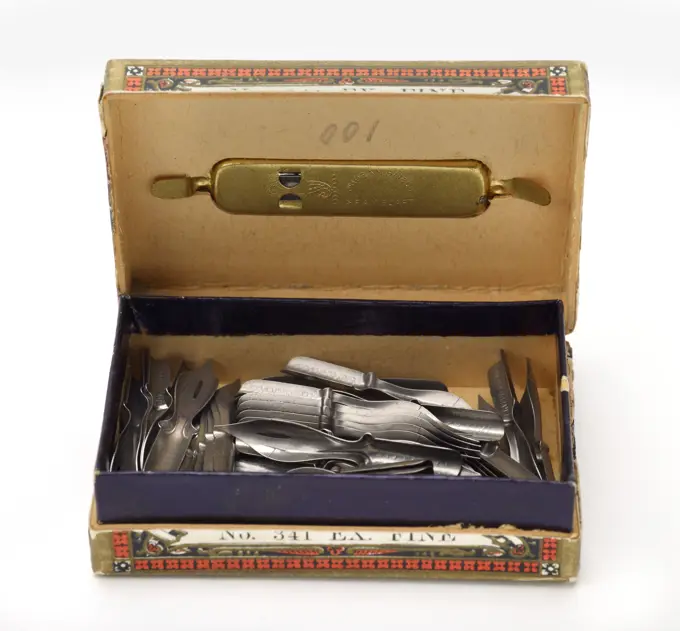
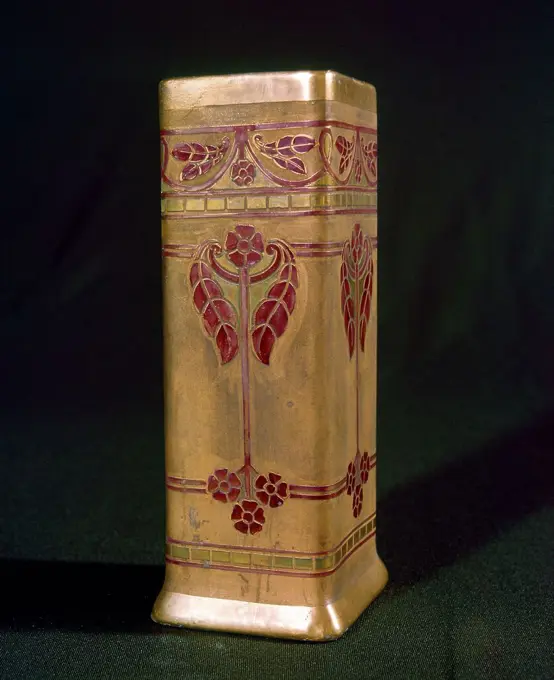
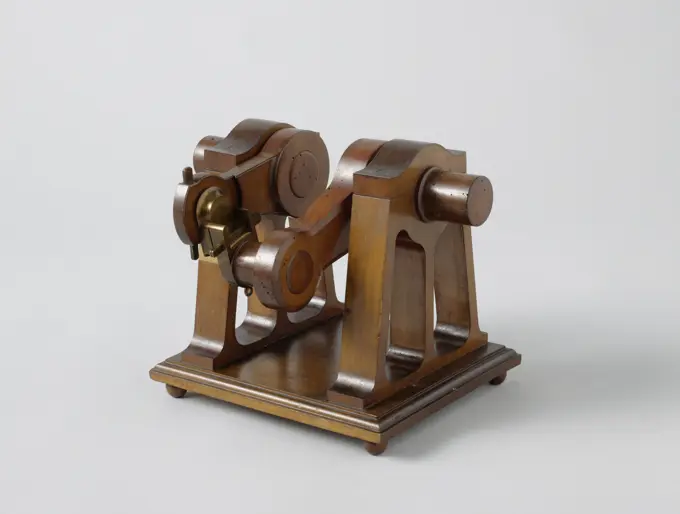
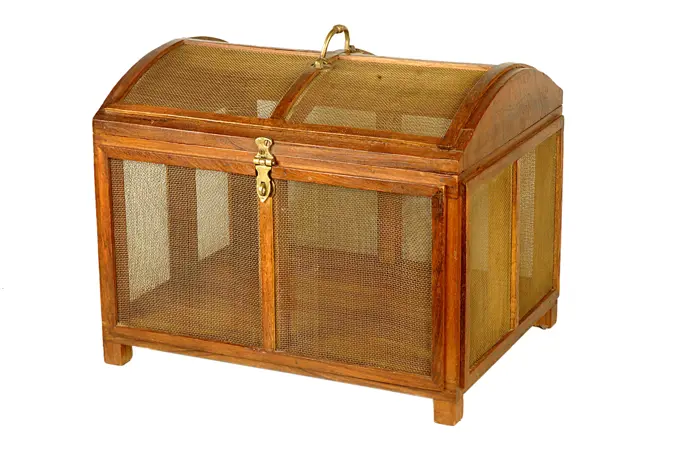
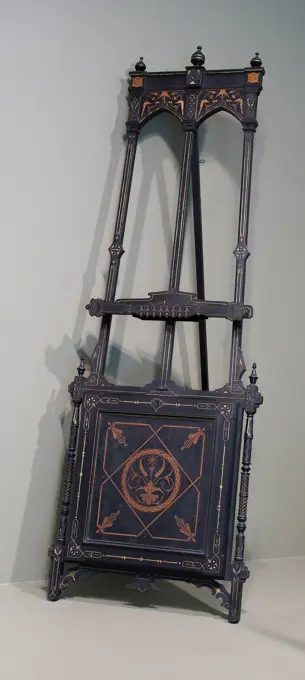
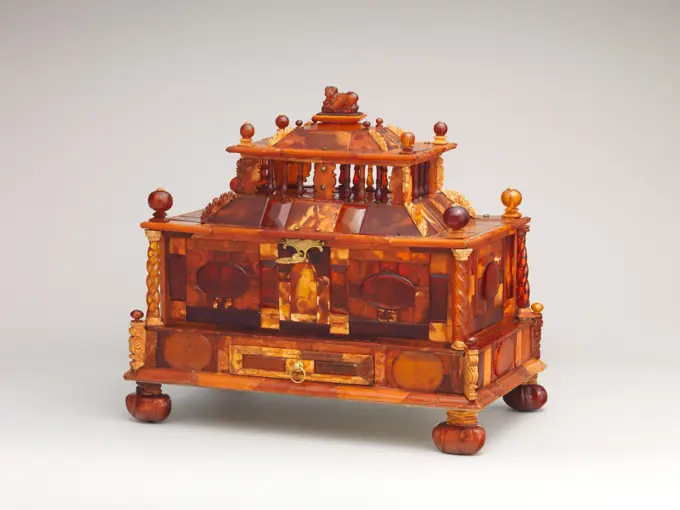
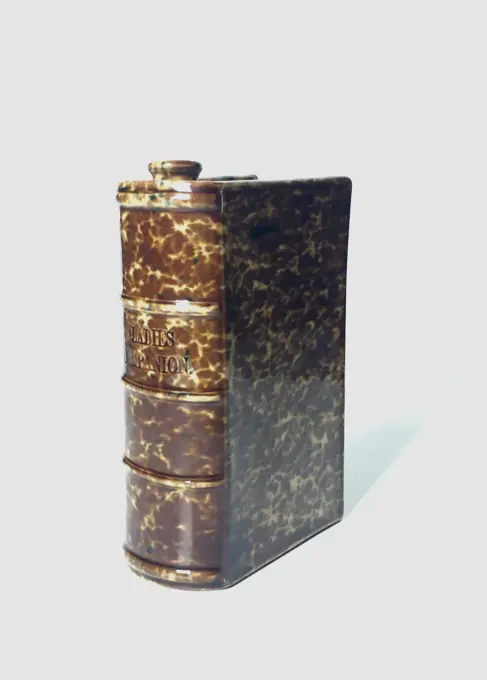
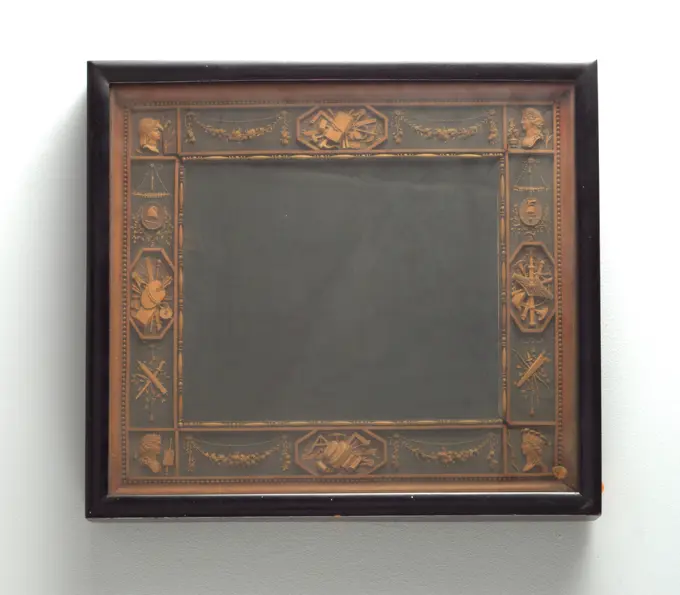
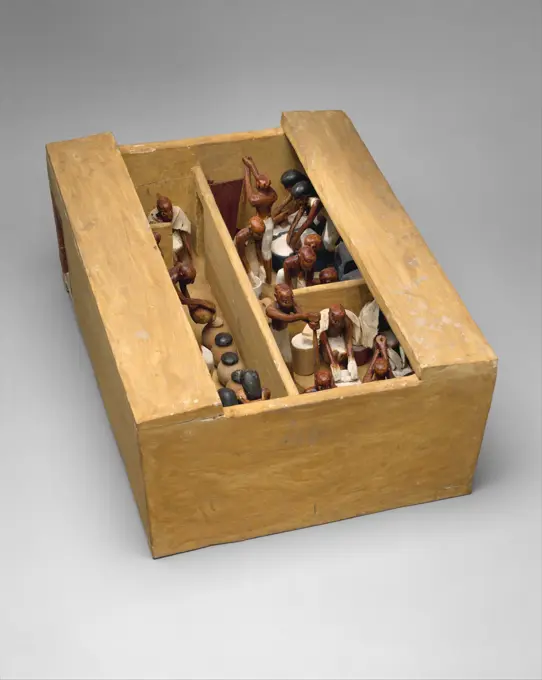
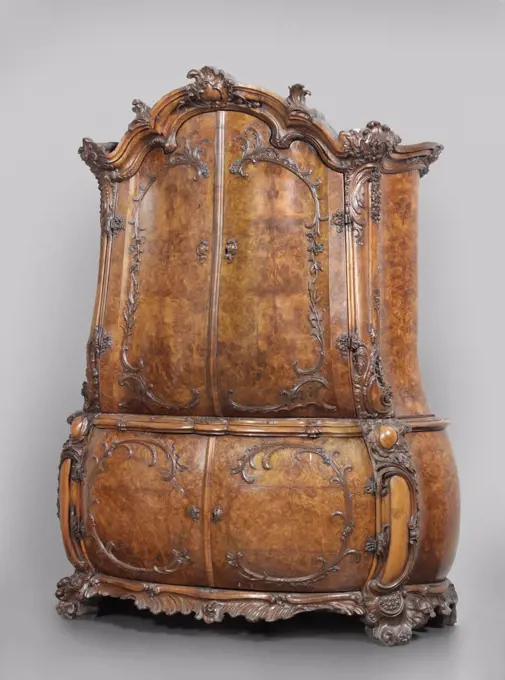
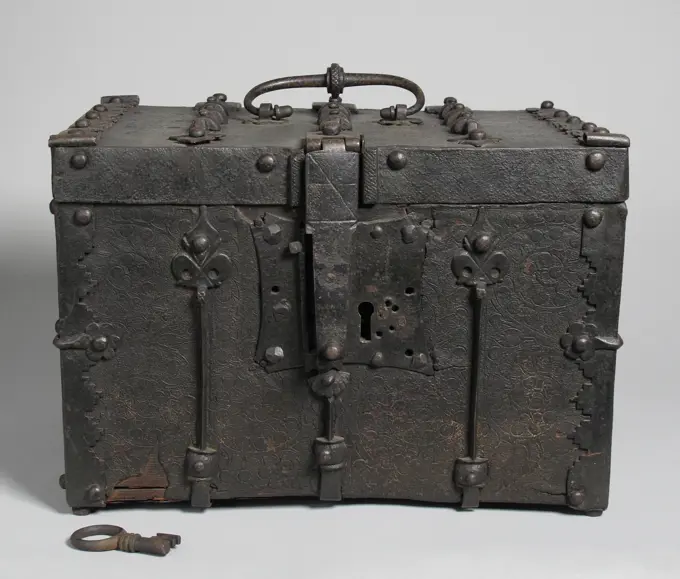
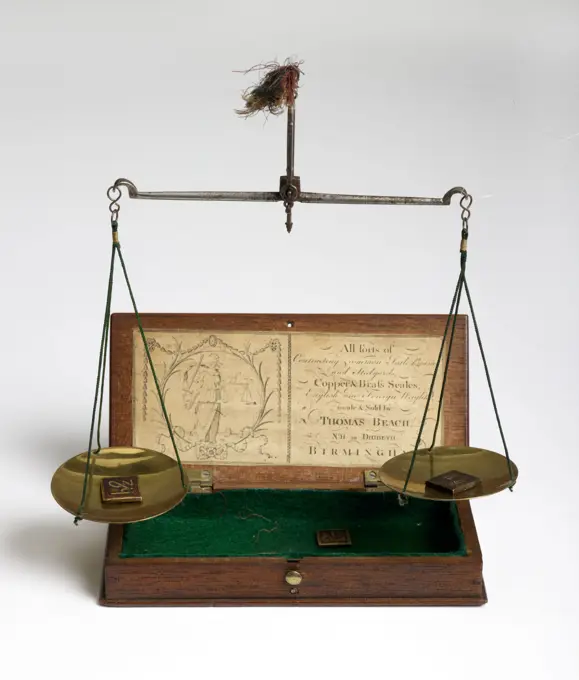
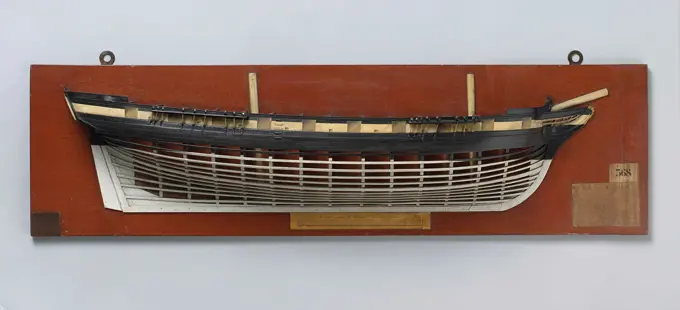
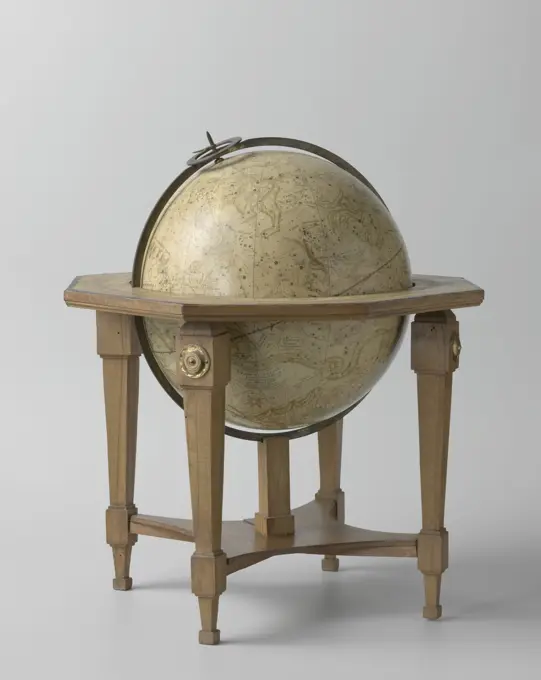
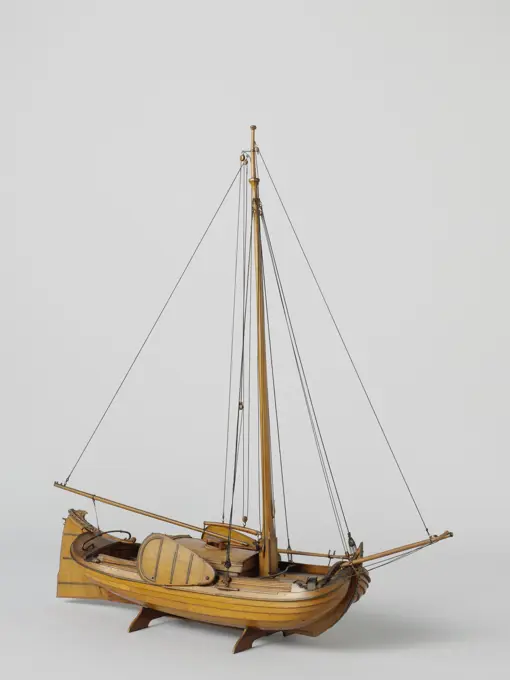
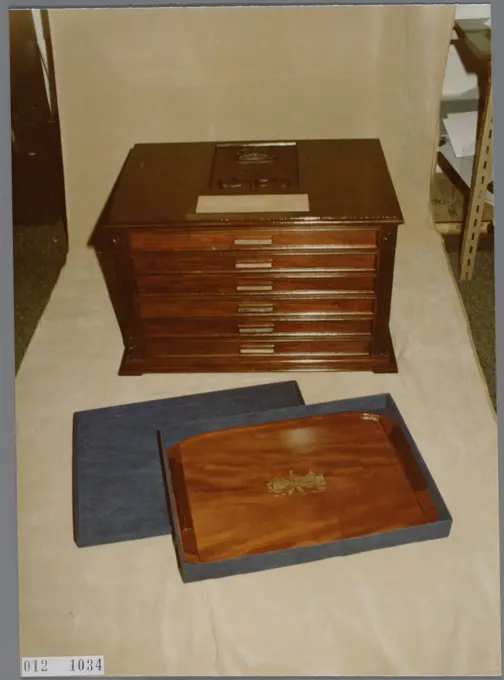
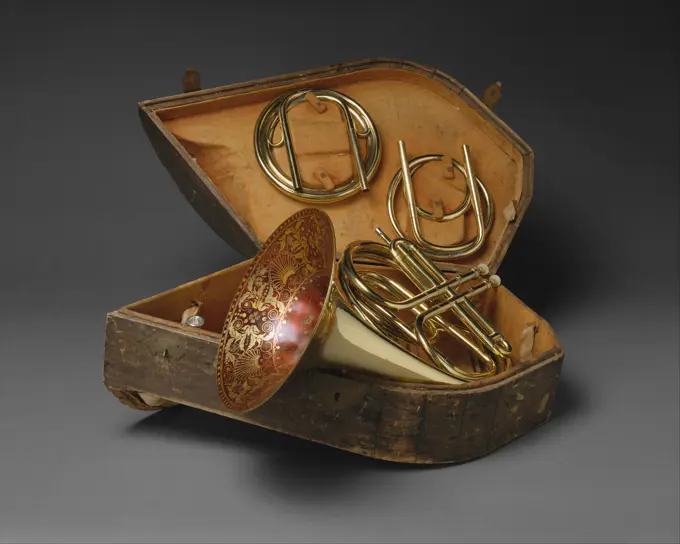
Nuthout sofa with inner work of poplar wood, anonymous, c. 1500 Nuthout sofa with inner work of poplar wood and decorated with Intarsia. In the pedestal a Frisian with a meander edge in Intarsia. The front is slightly spherical bent and shows a slightly protruding field on the corners and in the middle, between which two smooth panels; All this within profile lists and surrounded by Intarsia edges. The middle part forms the box lid. The side walls have smooth panels. See also BK-16632 and BK-NM-12354. Florence wood (plant material). walnut (hardwood). poplar (wood) Nuthout sofa with inner work of poplar wood and decorated with Intarsia. In the pedestal a Frisian with a meander edge in Intarsia. The front is slightly spherical bent and shows a slightly protruding field on the corners and in the middle, between which two smooth panels; All this within profile lists and surrounded by Intarsia edges. The middle part forms the box lid. The side walls have smooth panels. See also BK-16632 anModel of A Paddle Wheel, Rijkswerf Rotterdam, 1834 demonstration model Model of a scoop wheel (port) with eight moving plates. The axis does not extend to the outside of the wheel; From the extreme suspension, on the other hand, a curved arm runs inside, to which the axis of the eccentric is attached. This eccentric, which is mounted in the wheel, moves with spokes the plates, each of which is provided with its own axis. The model can be moved with a crank. Scale 1:10 (derived). model maker: Rotterdamafter design by: United Kingdom wood (plant material). brass (alloy). iron (metal)Ink jar, blue painted with children who pull a sled and with dancing children and the inscription "Vreede"., Anonymous, c. 1780 - c. 1820 Elongated ink pot made of blue painted faience, with two large and two small holes in the top. On one long side, children who pull a sledge (= the peace) are painted with the inscription "Vreede" above the performance. On the other side, a group of children are dancing for a column above which banners dance. The letter W is painted between the banners. The object is false. Delft (possibly)Netherlands (possibly) earthenware. tin glaze. Elongated ink pot made of blue painted faience, with two large and two small holes in the top. On one long side, children who pull a sledge (= the peace) are painted with the inscription "Vreede" above the performance. On the other side, a group of children are dancing for a column above which banners dance. The letter W is painted between the banners. The object is false. Delft (possibly)Netherlands (possibly) earthenwLidded Container for Gold Dust(Kuduo)Box with iron, steel and ore samples. The Royal Netherlands Navy was dependent on supplies of raw materials from abroad to build its new steel ships. This wooden tray contains samples of iron, steel and iron ore from a Norwegian ironworks. Eight bars of steel have been numbered according to their hardness. Also in the tray are a number of iron samples, pieces broken off a heavy iron bar, a strip of cemented iron and the results of two bend tests.Spinning Wheel 1700-1799 France. Glass; lampwork (verre de Nevers), metal armature .Pair of Stirrups 17th century German The large size of these stirrups is unusual for the period. They may have been used by a postilion, a driver riding one of the carriage horses. However stirrups for this purpose typically had simpler designs. Indeed, to prevent their legs being crushed between the two horses or the central wooden shaft, postilion riders wore heavy oversized reinforced boots, and they consequently needed larger spurs and stirrups. The small leather cushions are also unusual, and may be later additions.. Pair of Stirrups. German. 17th century. Iron, copper alloy, leather. Equestrian Equipment-StirrupsCase (Inr) with Design of Cicada on Tree Trunk 18th century Japan. Case (Inr) with Design of Cicada on Tree Trunk. Japan. 18th century. Case: gold and metal on black lacquer with mother-of-pearl inlay; Fastener (ojime): coral; Toggle (netsuke): lacquer medallion with design of chrysanthemums and the Chinese character for longevity. Edo period (1615-1868). InrStaircase Model, Planed and carved walnut and fir, Staircase model in French style., France, mid-late 19th century, models and prototypes, Decorative Arts, Staircase ModelDrum, anonymous, anonymous, c. 1780 - c. 1800 musical instrument. percussion instrument. drum Leave eighteenth-century North Dutch drum, painted with a trophy consisting of a drum, two guns with two powder spoons and bullets, seven flags, two guns with bayonets, three peaks, sabels, a helmet, a pattern bag, a stick with freedom hats and one Lion with a bundle of arrows and a crooked sword in his claws. The pattern bag says: 'Concordia'. Northern Netherlands wood (plant material). rope. iron (metal). calf (leather)  'tropaion', i.e. decorative ornament ~ weapons NetherlandsGermany, 20th century - Box Tengor camera, produced by Zeiss, 1925.Model of A Pump Windlass, Buldsmederij Leiden, c. 1852 demonstration model Model of a roasting spindle on a floor board. The octagonal drum, suspended between two cheeks that form the roasting pillar with two servants each, is also equipped with small drums outside the cheeks. The roasting spindle is operated with two wind trees on a yoke on the strut in the middle: there are two rails around the drum, on which brake mechanics run that block with an upward movement and are free if they fall, and each on one side of the yoke. The connecting rods between yoke and REM mechanics can be put in two positions for two forces. The strut in the middle also has five metal piles, which grab in the gear part of the drum to prevent the decline. The cheeks can each be taken into two halves. Scale 1:10 (estimate). Leiden wood (plant material). brass (alloy)The 9 x 12 cm travel camera is made of wood, formerly owned by chemical professor Joseph Johann Pohl, produced around 1850.tattered book stack isolated on white backgroundCarriage Clock. Lucien Falize (France, Paris, jeweler and goldsmith, founded 1838-1897). France, 1878. Furnishings; Accessories. Bronze, steel, clockworkArqueta gótica de Alcover, latón estampado sobre lámina de madera, siglo XIV, Iglesia parroquial de Alcover, Tarragona.Old book isolated on whiteBox of Perry Pen Nibs. Manufacturer: Josiah Mason. Card box with lid, pen nib mounted on top with gold foil surround containing 50 pen nibsJARRON MODERNISTA.Half Model of a 6-Gun Brig, anonymous, c. 1796 - c. 1797 ship model. half model. builder's model Polychromed mold model (starboard) of a two -mast. Get mirror, Hol Wulf, no details of fence or side gallery; Straight with square stirring king. Sail to front and behind something rising, one barkhout. Something peaked around. Scale approx. 1:40 (derived). Rotterdam (possibly) wood (plant material)Model of a Disengaging Gear for Paddle Wheels, D. van den Bosch, 1842 demonstration model Model of the disconnection of the crankshaft of a scoop wheel, on a ground board. Crankshaft and Rader axis are connected by a connecting piece, a so-called tug or rotation, which allows some impurity in the alignment of the axes. The tug can be taken apart and the piece on the Rader axis turned a quarter turn, so that stools are released and the stool with the stool pen can turn unhindered. Scale 1:10 (derived). Netherlands wood (plant material). brass (alloy)Brass design fitting on iron gauze wooden box, Jodhpur, Rajasthan, India Copyright: xSafatxAli/DinodiaxPhotoxScribe Set Box; Japan; wood, lacquer, gold, metalBarrack screen with six panels, made of a finely profiled nut wooden framework, anonymous, c. 1690 - c. 1710 House screen with six panels, made of a finely profiled nut wooden framework, stretched with a roughed red woolen fabric. The fabric extends over the hinges and is attached to the wood with originally gilded decorative nails, including a narrow pink silk strap. Band and nails follow the shape of the framework. The hinges are well displayed in miniature. Amsterdam silk. wood (plant material). walnut (hardwood). wool. metal. gilding (material) gilding House screen with six panels, made of a finely profiled nut wooden framework, stretched with a roughed red woolen fabric. The fabric extends over the hinges and is attached to the wood with originally gilded decorative nails, including a narrow pink silk strap. Band and nails follow the shape of the framework. The hinges are well displayed in miniature. Amsterdam silk. wood (plant material). walnut (hardwood). wool. metal. gilding (mModel of a Wheelbarrow Gun Carriage, anonymous, 1793 demonstration model Model of a wheelbarrow with a wheel, incomplete. In the container, cheeks of an affit have been installed, in the advance a recess for a cannon. On the sides are aiming for loading. The wheel is attached with copper. The legs of the wheelbarrow have an extendable pen on the bottom, which serves as a brake for the recuula. Netherlands wood (plant material). brass (alloy)Trunk. National Veneer Products Company (Mishawaka ; fabryka ; fl. ca. 1900-ca. 1925), factoryEasel c 1870-1880 New York. Ebonized walnut, light-wood inlay, and gilt decoration . Artist unknownSenet is one of the oldest known board games, 3.500 B.C. This is the father of Chess gameGunlock (Percussion) on a Dummy Breech of a 30-Pounder Carronade, Rijkswerf Amsterdam, 1836 percussion lock. scale model Percussieslot on wooden kulas of a carronade of 30 pounds. The heavy locking plate is mounted on the right -hand side against the closure with two bolts right through it, and two screws in the Kulas. The hammer turns in a right angle in relation to the barrel. The head of the hammer has a slot for the flame from the Zundgat when fired. In the shaft, a hole for the deduction is applied, a disc in the lock plate through which the rope is led backwards. The wooden kulas is that of a carronade of 30 pounds. Amsterdam wood (plant material). iron (metal). brass (alloy)Modern antiques, Germany, 20th century - Telefunken metal and bakelite radio, model Arcoletto, 1927.A891370 FIBER OPTICS EQUIPMENT ROBERT R. LEGALLEY (Project Engineer) DEC 14 89 EG&G/NTS PHOTO LAB Publication Date: 12/14/1989  CABLES; CABLES & WIRES; EDGERTON, GERMESHAUSEN & GRIER; EG&G; EQUIPMENT; EQUIPMENT & INSTRUMENTS; FIBER OPTICS; INSTRUMENTATION; INSTRUMENTS & EQUIPMENT; INSTRUMENTS AND EQUIPMENT; NEVADA; NEVADA TEST SITE; NTS; NUCLEAR ENERGY TECHNOLOGY; TEST SITES; WIRE & CABLES; WIRES  historical images. 1972 - 2012. Department of Energy. National Nuclear Security Administration. Photographs Related to Nuclear Weapons Testing at the Nevada Test Site.Inkstand and Paperweights; about 1715; Gilt bronze;Cartridge Box 1571 German. Cartridge Box 33687Casket ca. 1680 Attributed to Michel Redlin German During the Renaissance and the Baroque eras, amber, a fossilized tree resin known as the "gold of the Baltic Sea," was regarded as a substance of mythical origin with magical powers. This precious casket is a true Kunstkammer object; its architectural design and decoration are related to a drawing by Michel Redlin, documented as an amber carver in Gdansk in 1688. Three types of amber were used: opaque, translucent, and a milky variant. Landscapes and pastoral scenes were engraved into the amber surface from behind.. Casket 232119The dirk of the officer Soviet military The dirk of the officer Soviet military - marine sea fleet Copyright: xZoonar.com/AlexanderxStrelax 1957134Bride Box ca. 1780 European. Bride Box. European. ca. 1780. CedarBookFlask.   Maker: Lyman, Fenton & Co, American, 1849-52Frame; wood, carvedSand Glass of 30 Seconds, anonymous, c. 1860 sand glass The hourglass is mounted between wooden plates that are held together by brass bolts. France wood (plant material). cork (bark). brass (alloy). glass. sandModel Bakery and Brewery from the Tomb of Meketre ca. 1981-1975 B.C. Middle Kingdom This model of a combined bakery and brewery was discovered in a hidden chamber at the side of the passage leading into the rock cut tomb of the royal chief steward Meketre, who began his career under King Nebhepetre Mentuhotep II of Dynasty 11 and continued to serve successive kings into the early years of Dynasty 12.The making of bread and beer was closely related in ancient Egypt, both using basically the same kind of ingredients. The two processes are therefore combined here in one workshop complex, albeit with separate rooms. A guard with a baton sits inside the screened off main doorway that leads first into the brewery. Here a man crushes the grain with a pestle, then two women grind it into flour, which another man works into lumps of dough, possibly adding yeast from the square basin in the corner. After a second man has added water to the lumps of dough and treaded the mash with his feet in a tGun Lock (Percussion), anonymous, 1830 - 1860 percussion lock Iron percussion slot with deduction, on wooden board. The hammer has two quadrants at the axis, which is mounted between two cheeks. A double deduction is attached to the quadrants that, if drawn, the hammer moves. There is a support for the hammer if he refers. The final plate is mounted on a wooden board, which proposes the closure of the final, with a bolt right through it. Russia (possibly) iron (metal). wood (plant material). leather. ropeCabinet, Anonymous, c. 1755 - c. 1765ManTou Gu ( ). Culture: Chinese. Dimensions: Tripod (open): H. 30 x D. 10 x W. 10 in.(75.6.2 x 25.4 x 25.4 cm)Drum: Diam. 10 x H. 4 1/8 in. ( 25.4 x 10.4 cm). Maker: Golden Tone (or Voice) Workshop, Canton. Date: 19th century.Supported on a bamboo stand and similar in use and construction to the bangu, the smaller man tougu is used more in the South. It has a convex shape in contrast to the flat surface of the bangu. Museum: Metropolitan Museum of Art, New York, USA.Half Model of a 60-Gun Ship of the Line, anonymous, c. 1780 - c. 1820 ship model. half model. builder's model Polychromed mold model (starboard) of a three -mast. No gun ports, no decks indicated; Halfdek and baking deck can be distinguished by the Gillingen. Willed mirror, Hol Wulf, no fence or side gallery; Straight with square stirring king. The Zeeg rises on both ends, two mountain wood and one reehout. Quite sharp underwater ship. Netherlands wood (plant material)Box with Circular Scroll Designs 15th-16th century European. Box with Circular Scroll Designs. European. 15th-16th century. Leather (Cuir bouilli) with iron mounts. LeatherworkESCRITORIO EN MARFIL. Location: PRIVATE COLLECTION. MADRID. SPAIN.Coin Balance, 1790-1810. Maker: Thomas Beach (Birmingham).  Scales for weighing coinsUniversal equatorial sundial of Peter the Great, Bion, Nicolas (1653-1733)Case (France); Made by Gavet Coutelier (France); gilt leather, velvet, metal, ivory, ebony1/4 bag mate from Alkmaar, Anonymous, c. 1800  Spans contents of 1/4 bag size, v.z.v. Brand and labels. Alkmaar Wood (plant material). Nail: Iron (Metal)   AlkmaarModel of the Stern of an 84-Gun Ship of the Line, Rijkswerf Vlissingen, 1822 demonstration model Model of the stern of a line ship of 84 pieces. Technical model that demonstrates the construction with the cross -band of Sir Robert Seppings, on the piped blocks on a ground board. Around stern with seven throws on which five short rear apostles on either side. No galleries indicated. Two henna holes for double stirpen. Five decks: Koebrugdek, two guns, half -deck and upper championship: the guns and the semi -deck have a diagonal warp in the web, the deck beams supported by brass knees. Thirteen -part trusses with cross -context. No skin, but sentence. Flushing wood (plant material). brass (alloy)Bible with cast and worked small locks of silver, anonymous, c. 1700 - c. 1800 Bible with cast and worked small locks of silver. Leather band.  paper. silver (metal). leather Bible with cast and worked small locks of silver. Leather band.  paper. silver (metal). leatherExhibition, living beehive, bee museum, Rhodes Island, Dodecanese, Greece, EuropeHalf Model of an 18-Gun Brig.Polychromed mold model (starboard) of a tweemaster. Forethak worked out with galleon and sheek image of a gold-plated curl. The skin above the bark wood is closed, ten painted gunpaints on one deck. Wrinkled mirror, hollow wulf, fence with one light and excellent outside the ship's wall, no side gallery; Stir straight with square roofing. Side in front and behind something ascending, one bark wood. The model has two rest with all the diuffer blocks. Peaked round trip. Scale 1:40 (Scale by model).Brush Holder 19th century Japan. Brush Holder 62245Chest-on-frame base with five related chestpiecesScale - R.& T.Fairbanks & Co. R.& T.Fairbanks & Co.chests treasure isolated on white background. chestsManuel G Runyan, Fireplace Waffle Iron, c 1939 Fireplace Waffle IronTwo-Story Tower with aMoatBox in the Form of a Book, c. 1865-1880. France (probably), 19th century. Wooden box covered in leather with gilt metal enameled mounts; overall: 8 x 58.5 x 47 cm (3 1/8 x 23 1/16 x 18 1/2 in.).Model of a 30-pounder carronade in a battery Vlissingen. The carronade was invented by the Carron ironworks in Scotland. In English, the weapon was commonly known as a smasher’, owing to its devastating power at close range. Thanks to its modest dimensions and sliding mount to absorb recoil, this short cannon could also be deployed on smaller ships. The model displays all the requisite accessories: an ammunition rack, powder horns, pouch-topped powder kegs, shrapnel shells and cartridge cases.Old hole puncher with letter clipModel of a Ship's Stern in Construction on a Shipyard, anonymous, c. 1750 - c. 1825 demonstration model Construction model of a stern under construction on a yard on a ground board. It is a truss model with sentent in the piped blocks. Get mirror with four throws and eight short rear apostles between the top two throws, six of which are missing. No wulf, fence or side galleries. The model has three trusses of establishment, all the sides of which the short plugs are missing, and floating ration wooden. Four struts and the hoisting poles for the stern have been found; Two supports and the hoisting poles are on flat oval pads. Ten stoppers on the sides of the ground board. Netherlands wood (plant material)Case (Inr) with Design of Butterflies 19th century Japan. Case (Inr) with Design of Butterflies. Japan. 19th century. Lacquer, roiro, gold and coloured togidashi; Interior: fundame. Edo period (1615-1868). InrPaul Ward, Candle Stand, c 1938 Candle StandHalf Model of a 4-Gun Schooner.Mold model (starboard) of a tweemaster. The skin above the bark wood is closed, closed deck with semi-deck, the semi-deck has a railing. Uping inhibition, the predispours up to vertical. Wrecked mirror, hollow wulf, no details of the fence, no side gallery, falling stern; Stir straight with square roofing. Side to both ends ascending, one bark wood and one Reehout. Peaked round trip; Curved keel with emerging ends. The large mast lets back, the breeding is almost vertical. The model has two small rest. Scale approx. 1:40 (derived).Box with forty-four wood samples from Suriname, Anonymous, 1800 - 1858Bible with molded and worked small locks of silver. Bible with molded and worked small locks of silver. Leather band.Studio recording of an old leather case isolated on a white background studio recording of an old leather case isolated on a white backgroundModel of A Stern With Lumley's Patent Rudder. Black and pink model of an elliptical fence with screw window, with two supports on a base board. The stirrer has a heel and three stirring, the stirring king is round and runs to the deck, where a short stirring pin is sitting. The stir sheet is divided vertically into two pieces, the rear part with three stirrets attached to the front. The backblad has its own steering point, which is attached to a sliding mechanism that is attached to the wull with three legs: when rotating the rudder, the back sheet stores extra far from this mechanism.Detail on the sail school ship Gorch foresail in the harbour of Saint Cruz Tenerife, Canary islands, Spain,TAMBOR DE MADERA Y MEMBRANA DE CUERO LAPON. Location: MUSEO PIGORINI. Rome. ITALIA.Carborundum radio-receiver. 1917. Officine Marconi, Genova. National Museum of Science and Technology Leonardo Da Vinci. Milan. Italy.Bronze gilt and wood office desk titled 'Office Lady' by Albert Guenot (1894-1993) French designer. Dated 1937Compass. Small, rectangular instrument in the form of a four-locked book tape. At the top of the top a circle with 2 x I-XII hours. In the four corners of heads that symbolize the four wind directions. Rotatable disk with a stereographic projection of the globe. Names of countries sineated.Model of a Gentleman's Yacht, anonymous, 1700 - 1800 ship model. fully rigged model. show model Sloep, standing on a wooden red standard with gilt. The sides, the roef, the mirror and the Scheg decorated with gilded rocaille motifs. The sheg image formed by a lion's head. The sloop contains 4 green -painted rowing benches and 4 belts. In the Roef, which contains 3 checks on both sides, 2 long benches with red silk pillows. The indoor sides of the doors are painted with allegorical representations, as well as the ceiling of the Roef. The weapon of Amsterdam appears on one door. Stir decorated. Netherlands wood (plant material). silk. tin plate. glass. copper (metal)  ship-model (+ propulsion of vehicle, ship, etc. by human power)Colt Model 1851 Navy Percussion Revolver, Serial Number 29705, with Case and Accessories. Culture: American, Hartford, Connecticut. Dimensions: L. of pistol 13 in. (33 cm); L. of barrel 7 1/2 in. (19 cm); Cal.36 in. (9 mm); case: 14 1/4 x 6 3/8 x 2 1/4 in. (36.2 x 16.2 x 5.6 cm). Engraver: Engraved by Gustave Young (American (born Prussia), 1827-1895 Springfield, Massachusetts). Manufacturer: Samuel Colt (American, Hartford, Connecticut 1814-1862). Date: ca. 1853-54.Gustave Young (1827-1895), a German-born craftsman, engraved firearms with intricate and elaborate ornament for Colt in Hartford, Connecticut, and Smith & Wesson in Springfield, Massachusetts. His posthumous fame among firearms collectors caused the decoration on many pieces to be misattributed to his hand. Therefore, as one of the few documented examples of Young's work, this pistol is of primary importance as a touchstone for understanding his style and technique. Museum: Metropolitan Museum of Art, New York, USA.Basket 19th century Japan. Basket. Japan. 19th century. Bamboo. Edo (1615-1868) or Meiji period (1868-1912). Basketryclose up shot medieval wooden jewelry box engraved with a pearl necklace inside close up shot medieval wooden jewelry box engraved with a pearl necklace inside. Medieval historical jewelry and treasures Copyright: xZoonar.com/MarcoxDixBenedettox 22390655Artificial Horizon.Artificial horizon with spirit level and handwritten explanation in mahogany box. The circular horizon consists of darkened glass on a lead plate in a brass tripod with adjustable legs. The spirit level has on top of a scale of 0 in the middle up to 40 on either side; With a spring in the base, the spirit level is guaranteed in which it is set. The handwritten explanation is in French.Clockwork of men's watch, Anonymous, c. 1850 Wide watch timepiece with seven separate, small parts.  silver (metal) Wide watch timepiece with seven separate, small parts.  silver (metal)Old English dental case ca. early 1900s. Leather tool belt and bag for carrying items conveniently while working - path includedPhoto album with 24 photos, English and American, anonymous, diverse manufacturers, 1860 - 1900  Photo album with 24 photos on 12 sheets with insert pass-partouts. The album only contains portraits. The photos are from various manufacturers, including J. Moody, R. Griffiths and Frederick Argall, some photos are anonymous. The majority of the photos are made in England (especially in Cornwall), some photos are made in San Jose, California.  leather. cardboard. paper. photographic support. metal albumen print historical persons. historical persons - BB - woman. beard. head-gear: hat. sideburns. girl (child between toddler and youth)HOEGLOBE IN STOON, Johann Georg KLINGER, 1792  HOEGE LOOK in chair. Nuremberg Chair: Wood (Plant Material)Model of A Boyer, Rijkswerf Amsterdam, c. 1817 ship model. fully rigged model. show model Timing model of a one -mast flat -bottomed, a boenier. The model has a deck and a cabin, of which parts can be removed. The cabin is completely shot on inside and has a roef on top; De Kuip has benches in the sides, small back plecht. The bow is round and decorated with sunbathing and curl motifs, the Voorsteven is copied. Round stave decorated with praise and floral motifs, falling stern; Wide triangular rudder with decorated roser head and wooden tile stick. De Zeeg rises to both ends, a barkwood, swords. Three -part trusses, different construction in the fore ship. Overnaadse skin above the waterline, slippery side underneath. The rig consists of a ironing mast with curved top, a fork and long boom, a bowsprit; Landing for the large -scale on the back plecht. Amsterdam wood (plant material). brass (alloy). lead (metal). ropeLevel, anonymous, 1750 - 1880 level Worthy, consisting of a shooting shelter on a wooden plate. The board is an similar triangle with scalloped sides and a straight base. From the upper corner a perpendicular to the base has been drawn and a line with a brass shooting shell hangs. At the base, a rectangle has been saved, in which the lead can be guaranteed behind an iron bracket if the instrument is not used. A hanging hook on the back at the top corner. Netherlands (possibly) wood (plant material). brass (alloy). iron (metal). ropetattered book isolated on white backgroundHemelerrobe in chair, Johann Georg Klinger, 1790  Hemelerrobe in chair. Nuremberg stoel: wood (plant material). copper (metal)Ribbon ribbon, striped, gray with magenta, black, green and orange, in or before 1926 Ribbon on roll, striped, gray with magenta, black, green and orange. NijmegenFrance (possibly) textile materials. cardboard. paper Ribbon on roll, striped, gray with magenta, black, green and orange. NijmegenFrance (possibly) textile materials. cardboard. paperModel of a Yacht, anonymous, c. 1400 - c. 1950 ship model. hull model. show model Statenjacht, Palmhouten Model, furnished for feeding fourteen pieces of guns. Without rig. A sea horse on the pre -stem. The mirror decorated with cut war attributes. The model is on two sculpted feet. unknown wood (plant material). boxwood  ship-modelCase with Duelling Pistols. This case with duelling pistols and tools was made in the workshop of Jean Le Page in Paris. Up until the Battle of Waterloo (1815) Le Page was allowed to bear the title Arquebusier de L’Empereur’: gunmaker to Emperor Napoleon. This case came into the possession of Lieutenant Henry Sagermans of Brussels shortly after the Battle of Waterloo. Sagermans claimed the pistols were found in Napoleon’s travel carriage which had been abandoned near the battlefield.RVD / Royal House photo collection. Tray. Receive a gift from the state visit to the Antilles. zd}old suitcase isolated on white backgroundCor solo ca. 1850-55 Jean Louis Antoine Stölzel valves. This horn is a late version of the first French valve horn, which Antoine developed in 1829. Cors solo are horns with G as the highest key; as they were usually used by soloists, and most solo pieces called for F or E-flat and D horns, they were thus called cors solo. By exchanging the internal crooks, the horn can be played in the keys of G, F, E, E-flat, D, and C. Listen to experts illuminate this artwork's story Listen Play or pause #9311. Cor solo Supported by Bloomberg Philanthropies We're sorry, the transcript for this audio track is not available at this time. We are working to make it available as soon as possible.. Cor solo 503527An old suitcase with an alarm clock on wooden boards. Isolated on white background. The concept of time travel.. An old suitcase with an alarm clock on wooden boardsRustic wooden cutting board on rusty stone backgroundHalf model or a cruising boat, anonymous, c. 1860 - c. 1880 ship model. half model. builder's model Polychromed stacking model (starboard) of a two -mast. No guns; On the deck a deck house behind the large mast. Clipper. Elliptical fence, stir with round stirring king (American rudder) and wide -rounded rudder leaf. De Zeeg rises slightly on both ends. Peaked around. Both masts hell back. The trusses are scratched on the back of the model. Scale 1:20 (scale on model). Indonesian Archipelago wood (plant material)   East-Indiaold-fashioned coffee grinder Old-fashioned coffee grinder with wheel Copyright: xZoonar.com/IvonnexWierinkx 7573756