Vintage Fashion Accessories

Collection of elegant vintage fashion items including a dark pink umbrella, woman's bonnet, and decorative caps, showcasing silk and intricate designs.
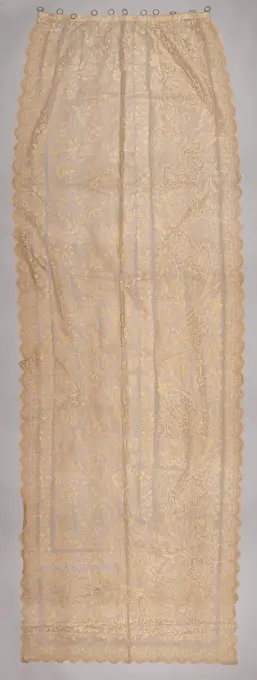
Machinial lace with rising flower and leaf vines within Schulpranden, Anonymous, c. 1890 Vitrage of machine side. The pattern has ascending flower and leaf vines within three scallops. The net curtain has sewn rings. Plauen (Possibly) cotton (textile) Vitrage of machine side. The pattern has ascending flower and leaf vines within three scallops. The net curtain has sewn rings. Plauen (Possibly) cotton (textile)
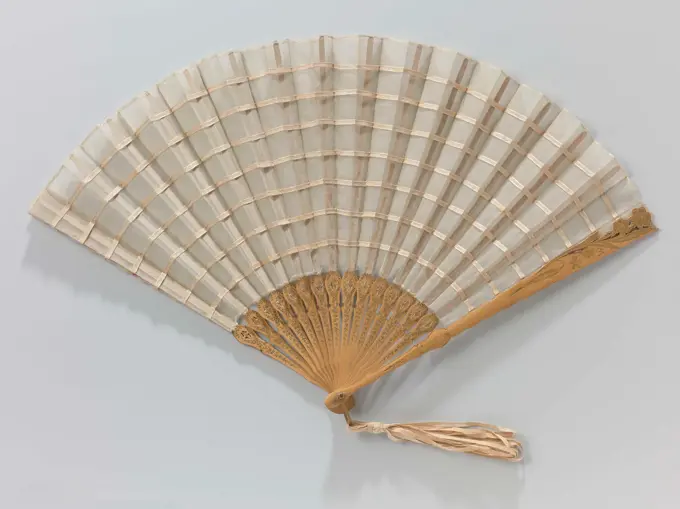
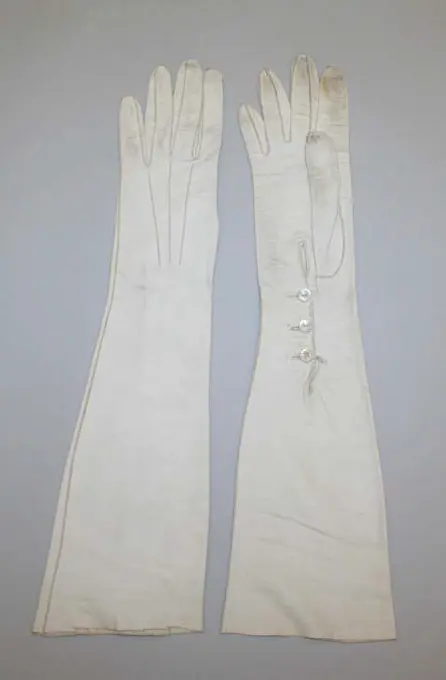
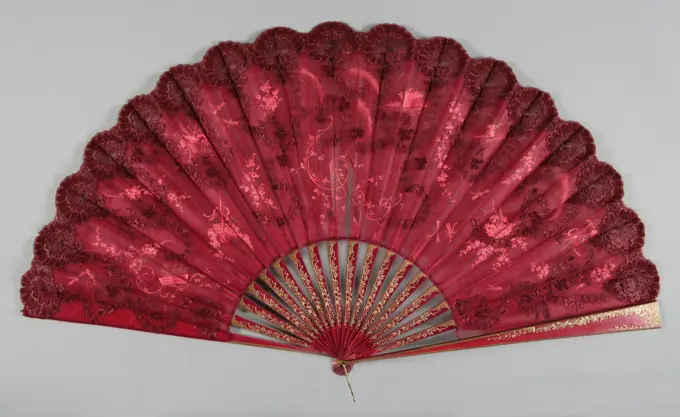
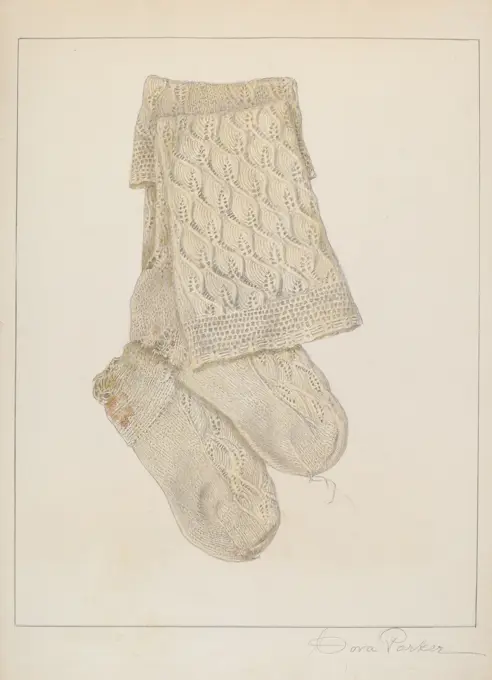
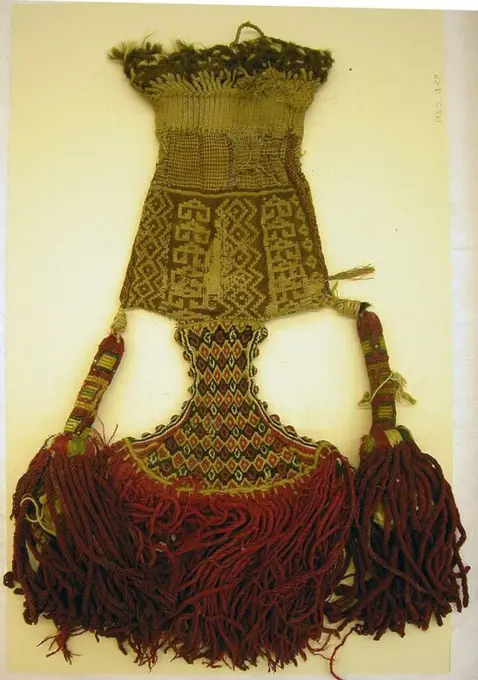
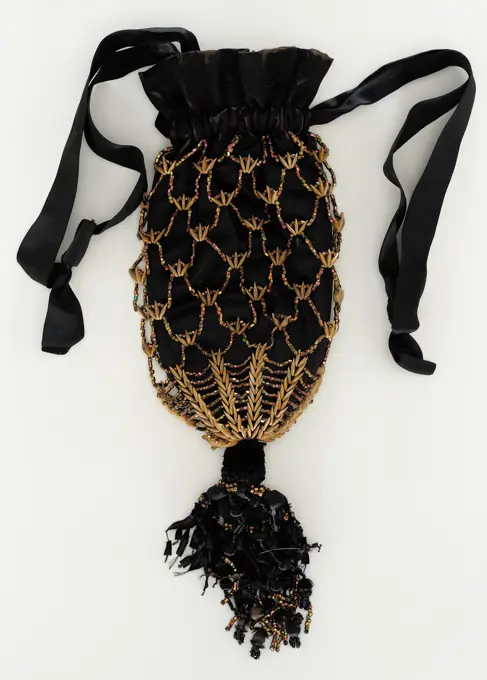
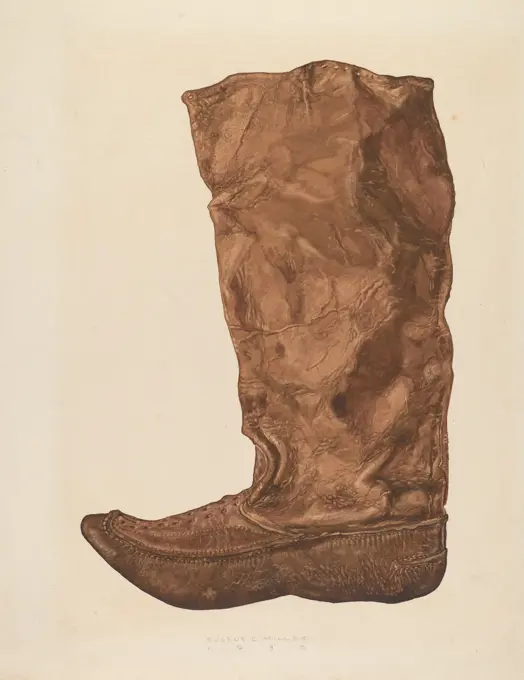
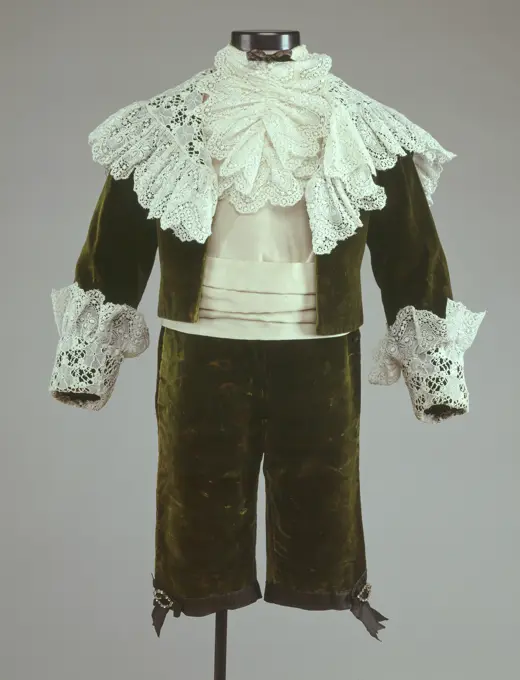
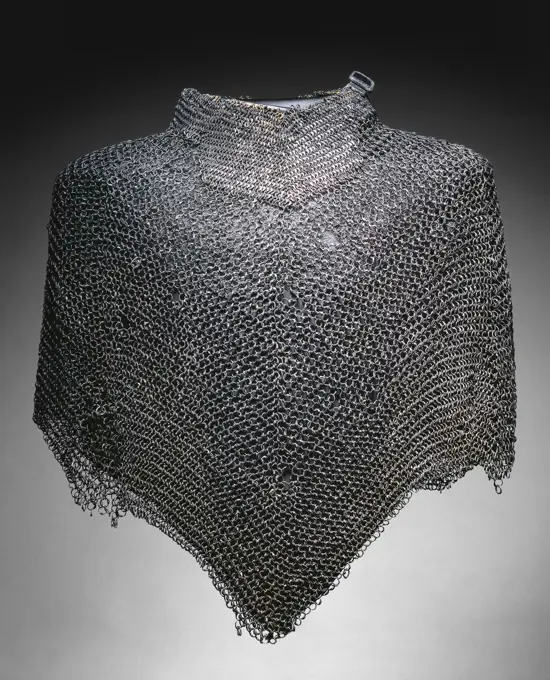
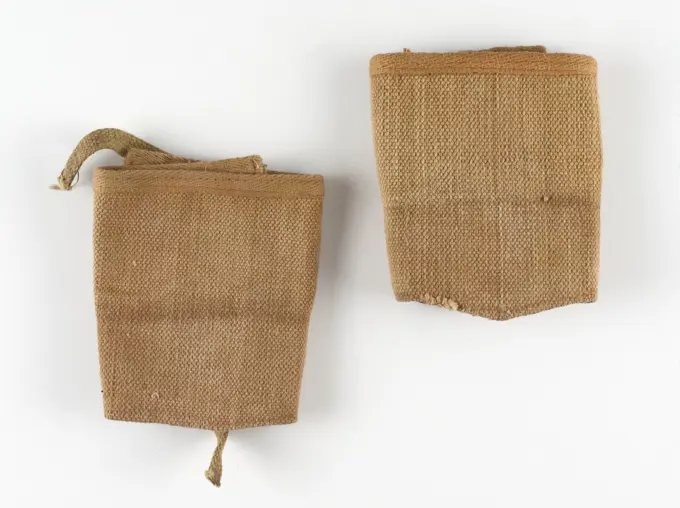
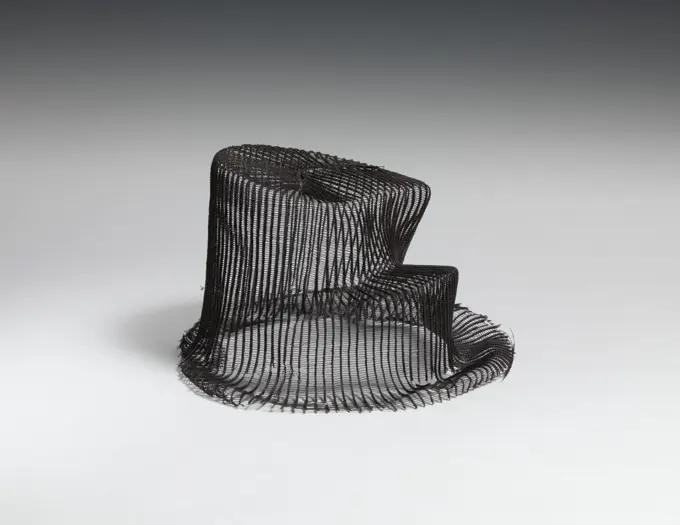
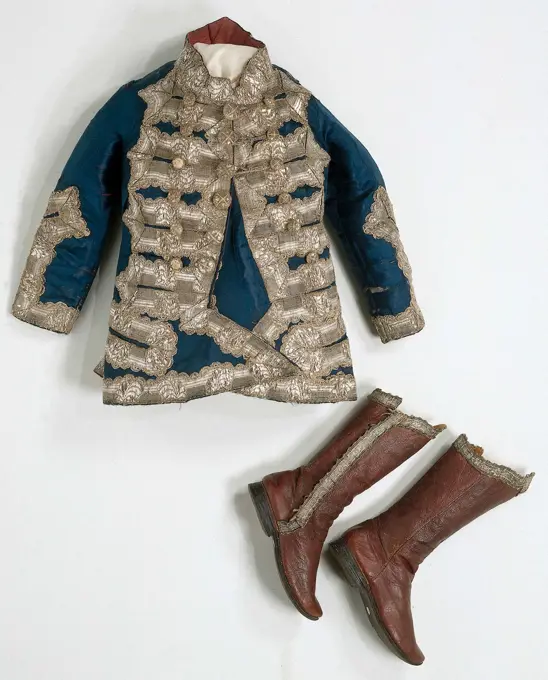
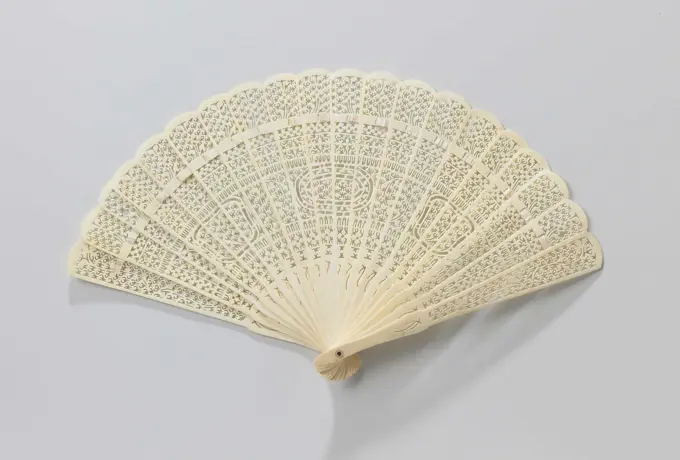
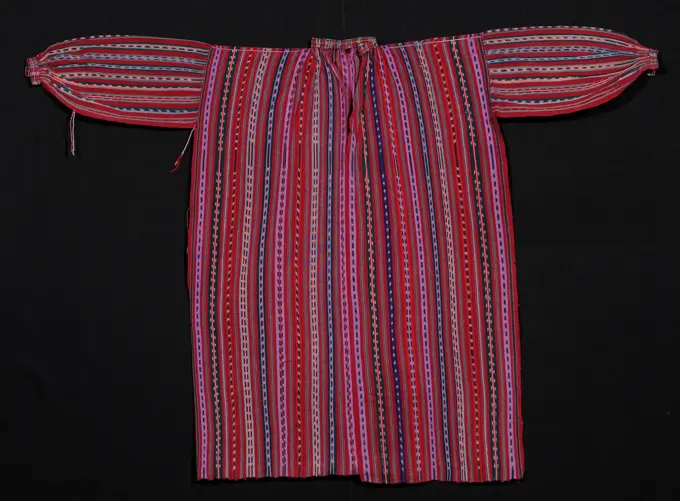
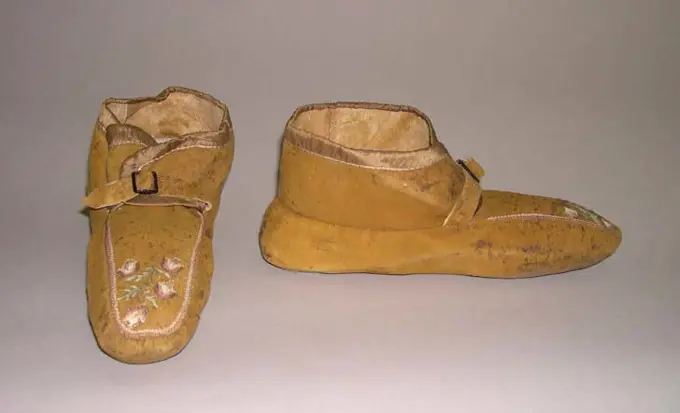
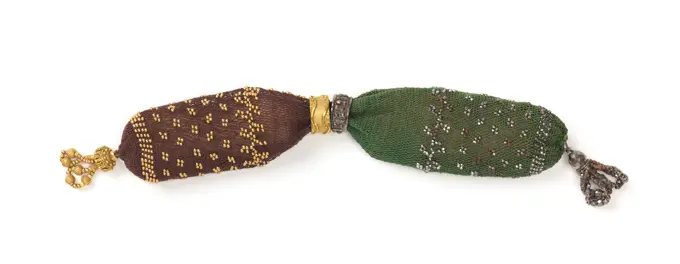
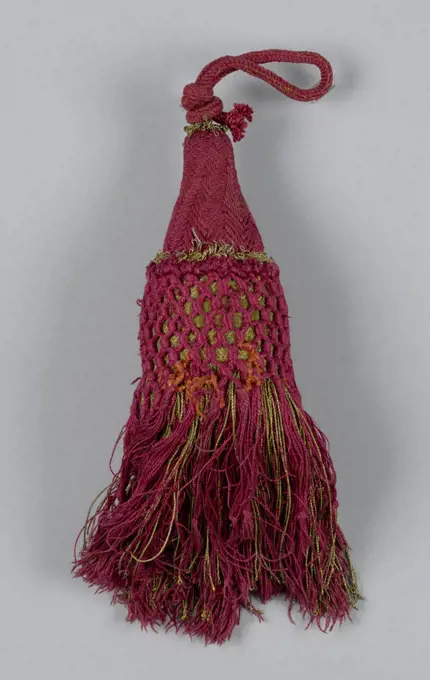
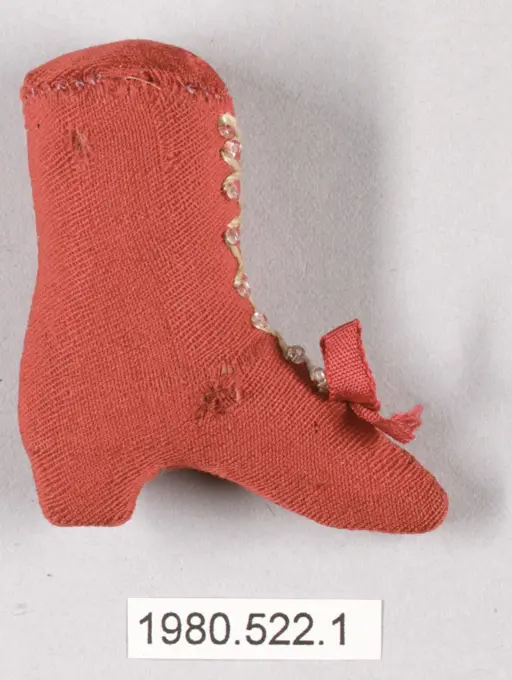
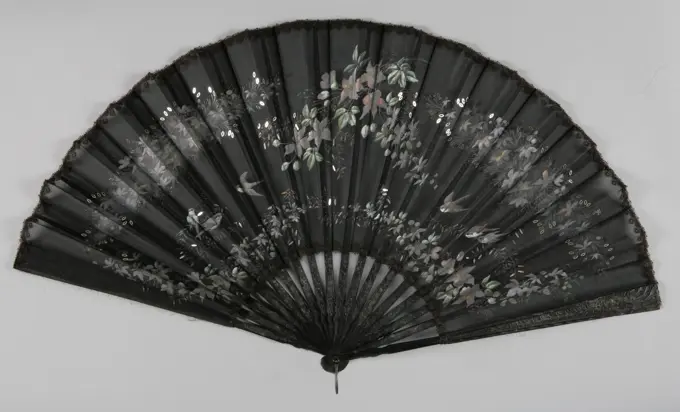
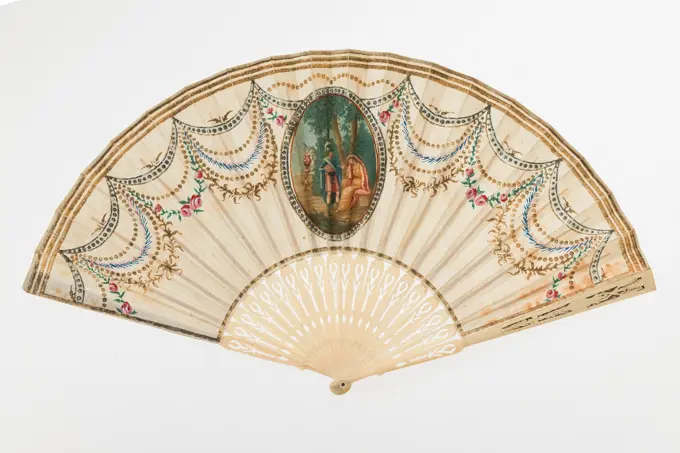
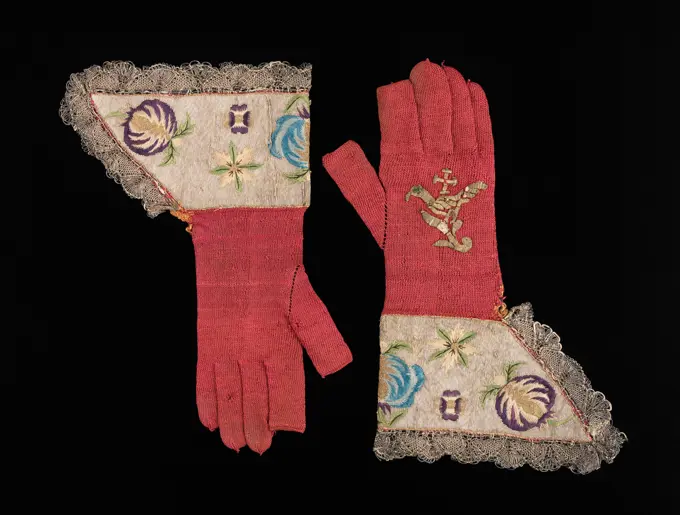
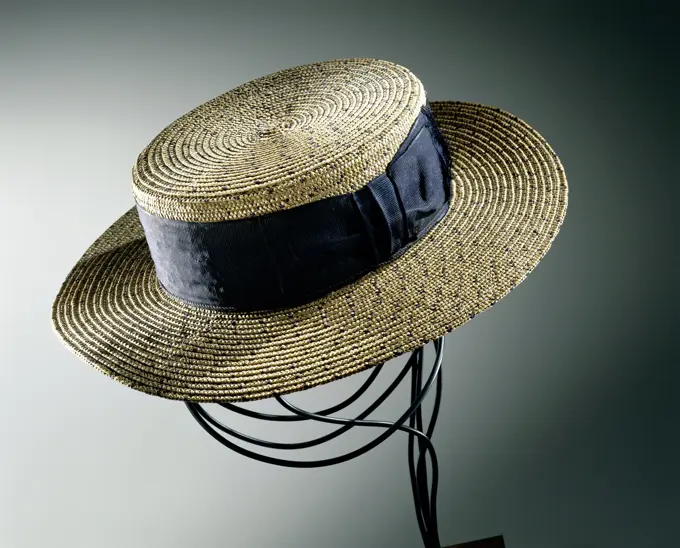
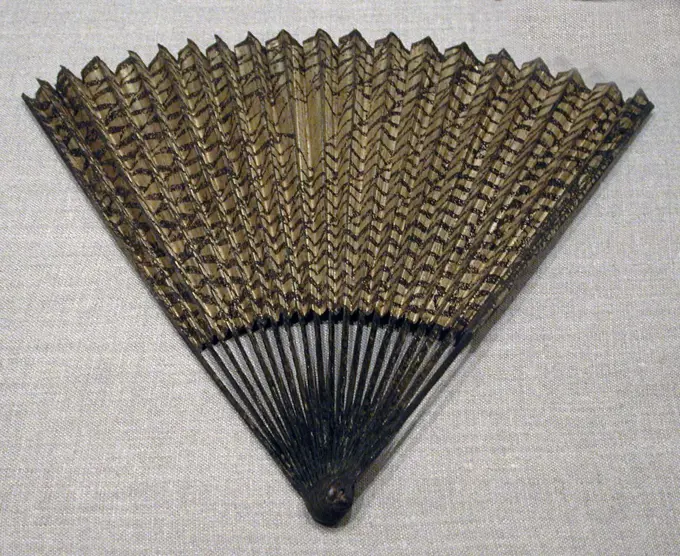
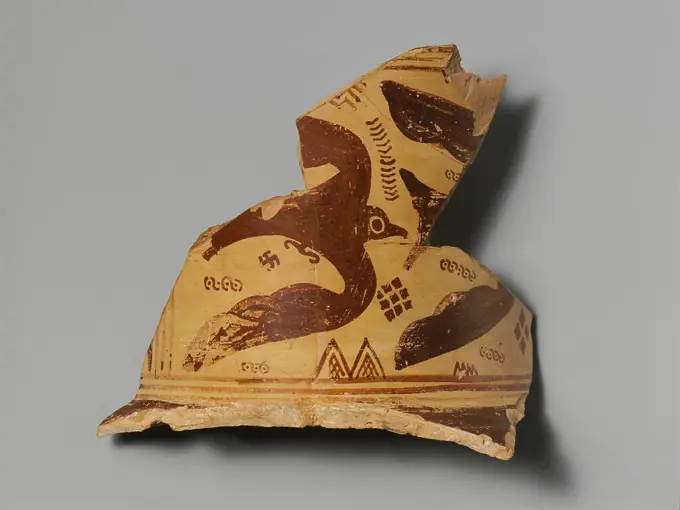
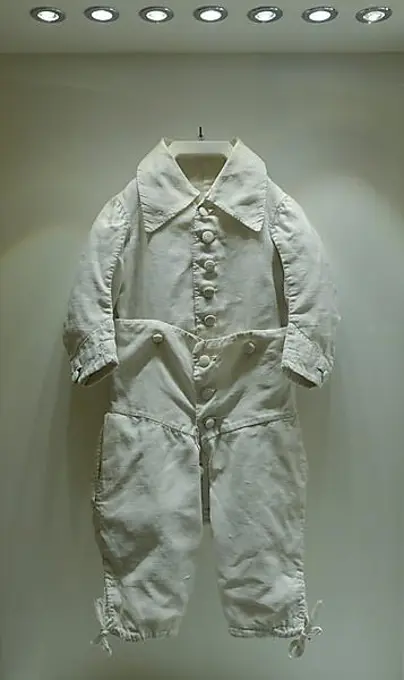
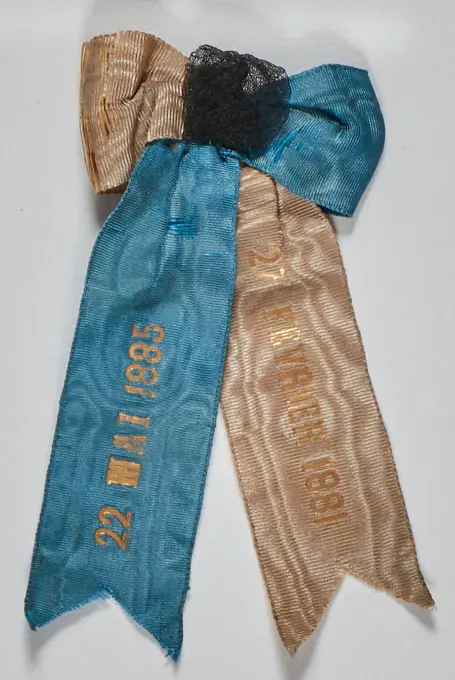
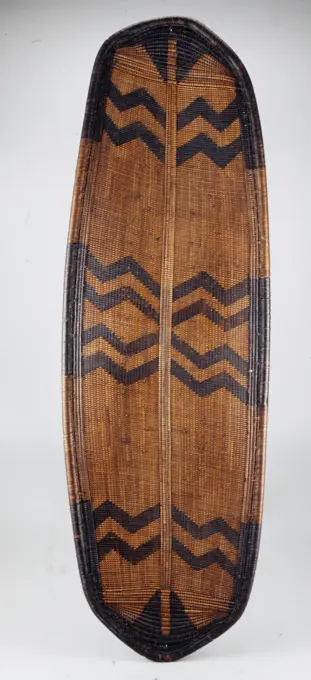
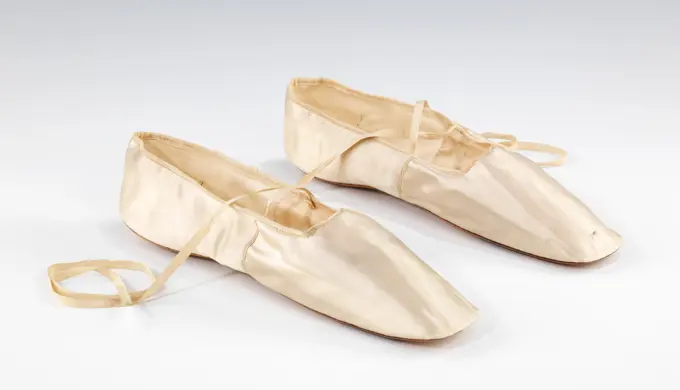
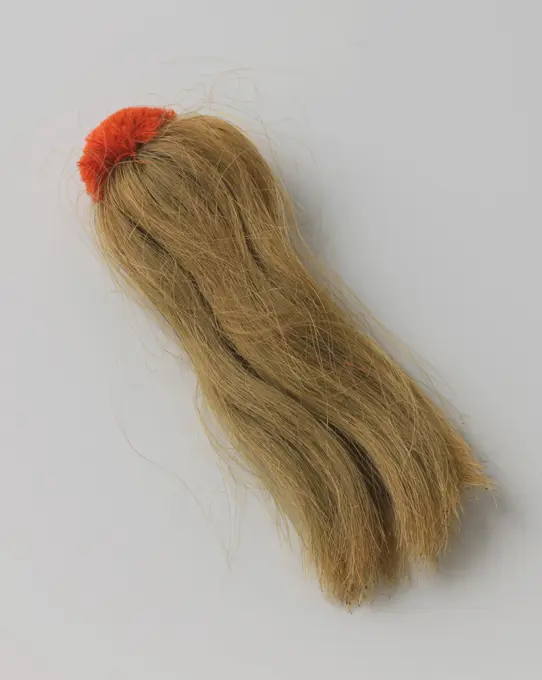
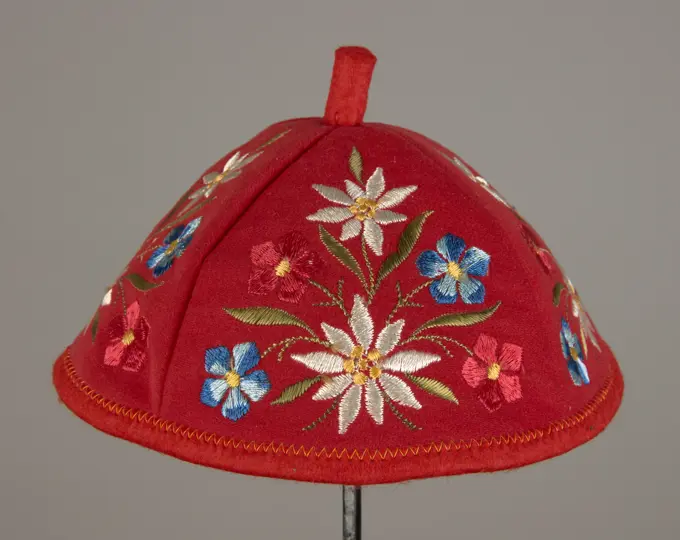
People's Swiss hat unknown label. Folding fan with batist leaf decorated with narrow concentric épricnel ricking ribs. An ajour cut, gold-plated and varnished wooden frame with copper fan ring and brush from ribbons. 18 Continuous legs with gold filled blind pressure in floral motif.Fan. Dated: 1935/1942. Dimensions: overall: 37.8 x 36.2 cm (14 7/8 x 14 1/4 in.). Medium: watercolor, graphite, and heightening on paper. Museum: National Gallery of Art, Washington DC. Author: Frank Maurer.Wedding gloves ca. 1887 American. Wedding gloves 100512Bliżej Kultury unknownFolded range, GAL1958.59.83 Gouache red muslin leaf with lace applications, red wooden frameCora Parker, Child's Stocking, c 1938 Child's StockingCoca Bag. Provincial Inca; Peru, Probably south coast. Date: 1476-1532. Dimensions: 44.5 x 16.5 cm (17 1/2 x 6 1/2 in.). Origin: Peru. Museum: The Chicago Art Institute, Chicago, USA.broken range GAL1984.35.2 Horn studded and painted cutCape ca. 1887 probably American. Cape 107811Tissue. Tissue striped tie in blue, white and brown. Folding fault with leaf of cream colored silk with gold colored lovers in symmetrical motif; Against the top edge in the form of connected ovals with rosettes in the middle of lovers, lovers regularly sprinkled over the other leaf, top edge of sheet of silver paper. The frame has 18 consecutive legs, is from ivory () And is unfinished. Clean pin from copper with pearl ring.Woman's Reticule. United States, circa 1860. Costumes; Accessories. Bronze beads, silk satin, canaloupe seedsEugene C Miller, Boot, 1938 BootMitaine of white cotton with open knitting and trimmed with crochet, c. 1800 - c. 1900 Mitaine of white cotton with open knitwear, with crocheted for a baby or child. Netherlands whole: Cotton (textile) crocheting / knitting Mitaine of white cotton with open knitwear, with crocheted for a baby or child. Netherlands whole: Cotton (textile) crocheting / knittingGlove from brown suede. Left glove from brown suede. On the hand three erratic shaped thickened cords up to the hood.Suit -. Toque van Groen felt trimmed with three bars green rip ribbon, decorated with black, yellow and red feathers.Bishop's Mantle (Cape), c. 1520-30. European (German or Swiss), early 16th century. Riveted steel (some brass) rings; reinforced collar; overall (display): 55.9 x 53.3 x 27.9 cm (22 x 21 x 11 in.); laid flat: 95.8 cm (37 11/16 in.); diameter: 1 cm (3/8 in.). Chain mail capes known as "bishop's mantles" were popular with German mercenary foot soldiers between about 1500 and 1550. They were often worn as the only element of armor.Fob early 19th century British. Fob 102447Burnus 19th century. Burnus 85605Parasol 1894 probably European. Parasol 122407Long ladies stocking of green silk jersey with decorated sounds, c. 1900 - c. 1940 Long ladies stocking of green silk jersey with decorated sound. Model: seam in the middle. Reinforced forefoot and heel. Double board at the top. Decoration: From the heel to halfway through the calf is a handle on which a stylized tree -shaped ornament covers. Germany (possibly) whole: Silk. Long ladies stocking of green silk jersey with decorated sound. Model: seam in the middle. Reinforced forefoot and heel. Double board at the top. Decoration: From the heel to halfway through the calf is a handle on which a stylized tree -shaped ornament covers. Germany (possibly) whole: Silk.Pair of Slippers, early 1700s. Italy, Venice, early 18th century. overall: 9 x 8.6 x 26 cm (3 9/16 x 3 3/8 x 10 1/4 in.).Glove of brown shine cotton, anonymous, c. 1900 - c. 1925 Glove of brown gloss cotton with three radiating cords on the hand. Split with two brown press studs. West-Europa whole: Cotton (textile) Glove of brown gloss cotton with three radiating cords on the hand. Split with two brown press studs. West-Europa whole: Cotton (textile)Parasol 1860s European. Parasol 122008Gaiter. Pair of English -style guêtrons and local making. COUNTED MACHINE, LEATHER, BRAISSED, 1940-1943 canvas. General Leclerc Museum of Hauteclocque and the Liberation of Paris, Jean Moulin Museum. 78985-9 English army, military equipment, war 1939-1945, war 39-45, Guetre, Second World WarFolded rangeWreath from Adam Mickiewiczs Funeral in Kraków J. Z.Bliżej Kultury unknownMan's inner hat (Tanggeon) 19th century Korea. Man's inner hat (Tanggeon). Korea. 19th century. Horsehair. Joseon dynasty (1392-1910). Costumes-AccessoriesEL INVIERNO-1967-(PAREJA EN LA CAMA). Author: DOMENICO GNOLI (1933-1970). Location: PRIVATE COLLECTION. Brüssel. Belgien.Boot Prince Willem V. Baars (Left boot) of Juchtleer, with silver galon and fat gates. White leather laces. According to tradition worn by Prince Willem V.Slippers. Culture: probably British. Date: 1795-1810.The transition from the high-heeled shoes of 18th century to flat 19th century styles is exemplified by this pair of delicately colored slippers. The sharply pointed toe became fashionable in the later 1780s, and remained the preferred style for about twenty-five years as the heel diminished to nothingness. Seen here is a classic example of the "Italian" heel; quite short with a deeply wedged seat, tapering sharply and flaring out to a tiny top piece. The shoes are neatly trimmed in white, and beautifully burnished on the soles. Museum: Metropolitan Museum of Art, New York, USA.. Brisé range of white leg à jour cut. The continuous legs are large for 1/3 smooth, for 2/3 plot of open work with three geometric shapes. Three medallions are created within circular arches through the concatenation of openings.Cape late 1870s American. Cape 107711. Folding rough with double leaf where on the satin front an elegant scene in aquatint in color - to the painting 'Le Prétendu' by Prosper-Etienne Berne-Bellecour - presenting a young couple in Empire clothing together with a parent couple dressed according to fashion from 1780 , on a frame of leg machine slidhed with geometric decorations. On a wooden garden bench is a military woolen wires to keep both hands up, while a woman sat down next to him on the sofa. To the right of her leans an older man (her father) With an elbow on the back of the garden bench and keeps an open book in his hand, while an older woman (his wife) Look forward to him a book in hand. The company is surrounded by a tree and shrubs. The satin leaf is double with a solid linen leaf. The frame is equipped with circles and shaded stripes. Metal closing pin, wooden edge and metal fan ring to which a silk brush.Underpants of Hendrik Casimir I, anonymous, 1630 - 1640  Underpants of white linen, Netherlands (possibly) linen (material)   NetherlandsSaint's Shirt, c. 1965, 37 1/2 x 53 in. (95.25 x 134.62 cm), Cotton; jaspé (ikat), Guatemala, 20th centuryParasol with deck of 'Point de Gaze de Bruxelles' needle side on stick, cut as a switch chain, ivory, anonymous, c. 1880 - c. 1900 Parasol with a deck of needle side, 'Point the Gaze de Bruxelles', on an ivory -colored sides lower deck. The side has a pattern of medallions and heart -shaped cartouches between fields with daisies and other flowers. The deck is lined with lavender -colored ponjé side. Eight whalein ribs. Ivory stick, cut with chains. Halfway through a copper slider, which can be pushed up, after which the stick can nod. On top of a button of ivory, in the form of two links, on which a long ivory -colored brush. BrusselsBrusselsivory carver: Belgium (possibly) deck, brush: Silk. deck: Taffeta. Lining: Taffeta. Stok: Ivory. Balein: Balene. Slide: Copper (Metal) cutting / casting Parasol with a deck of needle side, 'Point the Gaze de Bruxelles', on an ivory -colored sides lower deck. The side has a pattern of medallions and heart -shaped cartouches between fields with daisiBanyan. Culture: American. Date: 1725-99. Museum: Metropolitan Museum of Art, New York, USA.Moccasins ca. 1835 American. Moccasins 112733Folded range Decor Face sheet: Hironde flights, floral bouquets and butterflies.Bonnet 1868 American. Bonnet. American. 1868. strawHat -Accessory set ca. 1870 American. Accessory set. American. ca. 1870. CottonPair of gloves. Culture: British. Dimensions: L. 12 to 13 1/2 x W. 5 1/2 to 6 inches (30.5 to 34.3 x 14.0 to 15.2 cm). Date: first half 17th century. Museum: Metropolitan Museum of Art, New York, USA.White linen shirt with a founded corrugated neck and arm holes, trimmed with a strip of machine, anonymous, c. 1922 - c. 1923 A linen baby shirt with a round neck, without sleeves, trimmed with a narrow strip of machine side. Worn by mrs. C.U.E. Prior-Boissevain as a child. Indonesia linen (material). A linen baby shirt with a round neck, without sleeves, trimmed with a narrow strip of machine side. Worn by mrs. C.U.E. Prior-Boissevain as a child. Indonesia linen (material).EVENTAIL. Three landscapes in Switzerland. Satinette printing, golden wood. Paris, Carnavalet museum. 99096-4 Fashion accessory, EventailGlove of a Rijkostuum, Anonymous, c. 1934 Left glove made of white cotton and knitted in barley grain pattern, belonging to a rijkostuum. Netherlands whole: Cotton (textile) knitting Left glove made of white cotton and knitted in barley grain pattern, belonging to a rijkostuum. Netherlands whole: Cotton (textile) knitting. Mourning stitch from black hair felt. Model: Bipinal, with round globe. The sheets are trimmed with black ostriching. One leaf is high; The other leaf is lower and decorated with an orange bow over which a black lis is set, which is secured with a black knot. Black moiré lining.Miser's Purse (France); silk, metal; L: 20.5 cm (8 1/16 in.)Tassel, Medium: silk, metal thread, wooden core, linen, Skirt of red silk and gilt threads hanging from a galloon which is covered with red silk in knotted pattern. Head is covered with red silk in chevron design. Two collars of gold thread and a loop of red silk cord., Italy or Spain, late 17th century, trimmings, TasselChild's Cape. Dated: c. 1936. Dimensions: overall: 25 x 34.2 cm (9 13/16 x 13 7/16 in.) Original IAD Object: rendering is 1/4 actual size. Medium: watercolor, graphite, and gouache on paper. Museum: National Gallery of Art, Washington DC. Author: Irene M. Burge.Hat, 20th century, 6 7/8 x 6 1/2 x 7 3/16 in. (17.46 x 16.51 x 18.26 cm), Metallic threads, painted cloth, silk, button; needlework, Afghanistan, 20th centuryWomans hatFolded range, Facing decor: Domino in tulle in the shape of a 4 -leaf clover, in the center, a young woman in white glitter dress with silver and pink bustier, holding a garland of pink, framing and decor in golden glitter around the openings of Domino (glitter GAL1981.95.76 Face sheet: cream satin, painting, painted face., Silver and golden sequinsWedding slippers ca. 1856 American. Wedding slippers 102339Sheet, linen mark, coarse spin, medium weave ca. 1492-1473 B.C. New Kingdom. Sheet, linen mark, coarse spin, medium weave 560231Brisé fan, Painted horn sticks with steel spangles, silk ribbon, mother-of-pearl washer, Brisé fan with sticks of horn painted with leaves and roses at the tips and decorated with steel spangles; silk connecting ribbon; mother-of-pearl washer at the rivet., probably France, 1820-30, costume & accessories, Brisé fanPrzeszo Przyszoci K trader, Jan JoachimPincushions (2) British or American last quarter 19th centuryKontusz sash/belt. Manufaktura Szczepana Filsjeana (Kobyłka ; wytwórnia pasów ; 1787-1794), manufactureFolded range, painted decor: patterns of birds and flowers. GAL1990.36.3 Black gauze leaf and silver pailets, carved wooden frameShoes 1835-40 European. Shoes 104710MARLOTA (TUNICA) DE BOABDIL (1459/1528). Location: ALCAZAR / MUSEO DEL EJERCITO-COLECCIÓN. Toledo. SPAIN.EVENTAIL. "Departure of the warrior", early 19th century. Vignette silk, openwork ivory. Paris, Carnavalet museum. 99078-30 Fashion accessory, EventailBishop's Gloves first quarter 17th century Spanish Liturgical gloves are traditionally made of silk knit and embellished with gold metallic embroidery. Worn by Roman Catholic bishops and cardinals during pontifical masses, i.e., those celebrated by the bishop, their color corresponds to the color of vestments worn during the course of the liturgical year. These knitted gloves feature an elaborate gauntlet cuff embellished with floral and fruit forms. Red is the liturgical color for certain feast days and Palm Sunday.. Bishop's Gloves 156385Cap (Egypt); silk, linen, goldBonnet 1812-18 probably American. Bonnet 116852Straw boater, anonymous, c. 1900 - c. 1930 Straw hat, so -called Boater or Canotier, speckled, medium grab and sewn band stro, with dark blue rip ribbon. Low, oval, flat. Beige Leather Entrée. Capeline of white Ripszijde with plisser strip on the bottom, mesh rebellion. With the entrance to leather in which a blind -stamped motif. France whole:. Lint: Silk. Straw hat, so -called Boater or Canotier, speckled, medium grab and sewn band stro, with dark blue rip ribbon. Low, oval, flat. Beige Leather Entrée. Capeline of white Ripszijde with plisser strip on the bottom, mesh rebellion. With the entrance to leather in which a blind -stamped motif. France whole:. Lint: Silk.Brisé fan, Pierced tortoise shell sticks, silk ribbon, Brisé fan. Pierced tortoise shell sticks with brown silk connecting ribbon., possibly France, 19th century, costume & accessories, Brisé fanFan 1715-25 Carl Gustav Klingstedt Swedish. Fan. Carl Gustav Klingstedt (Swedish, 1657-1734). Dutch. 1715-25. ivory, mother-of-pearl, parchment, gouache, paintFolding Fan with Fishing Net Decoration late 16th-early 17th century Unidentified artist A similar fan was excavated from the tomb of Zhu Chunchen (died 1601) and his wife (died 1624) in Songjiang District, Shanghai. The fan was found in the wife's left hand.. Folding Fan with Fishing Net Decoration. Unidentified artist. China. late 16th-early 17th century. Folding fan; ink on gold-flecked paper and gold-flecked lacquered bamboo fan bones and end pieces. Ming dynasty (1368-1644). PaintingsRitual apronFan first half 18th century Dutch. Fan. Dutch. first half 18th century. Ivory, paper, tortoiseshell. FansShoe (Single). France or Austria, Vienna. Date: 1880-1889. Dimensions: . Brocaded; in rose. Origin: France. Museum: The Chicago Art Institute, Chicago, USA.Wrapper. Culture: American or European. Date: late 1880s. Museum: Metropolitan Museum of Art, New York, USA.Fragmentary neck-amphora (jar). Culture: Greek, Protoattic. Dimensions: b.: 11 1/8 × 12 1/8 × 5/8 in. (28.3 × 30.8 × 1.6 cm)c,d, joined: 9 × 10 × 1/2 in. (22.9 × 25.4 × 1.3 cm).a: 5 9/16 × 5 1/8 in. (14.1 × 13.1 cm).e: 5 1/8 × 4 7/8 × 1/2 in. (13.1 × 12.3 × 1.3 cm).f: 3 1/2 × 4 15/16 × 5/8 in. (8.8 × 12.5 × 1.6 cm).g: 2 1/16 × 3 3/4 × 9/16 in. (5.3 × 9.5 × 1.5 cm).h: 5 5/16 × 11 3/4 × 1/2 in. (13.5 × 29.8 × 1.3 cm).i: 11 1/4 × 8 1/2 × 7/16 in. (28.6 × 21.6 × 1.2 cm).k: 9 3/4 × 6 5/16 × 7/16 in. (24.8 × 16 × 1.2 cm).l: 2 1/4 × 2 7/16 × 3/8 in. (5.8 × 6.3 × 1 cm).m: 3 15/16 × 2 1/2 × 1/2 in. (10 × 6.3 × 1.2 cm).n: 3 7/8 × 5 1/16 × 9/16 in. (9.8 × 12.8 × 1.4 cm).o: 3 15/16 × 5 3/8 × 1/2 in. (10 × 13.6 × 1.2 cm).p: 5 1/16 × 8 5/8 × 9/16 in. (12.8 × 21.9 × 1.4 cm).q: 5 × 5 13/16 × 7/16 in. (12.7 × 14.8 × 1.1 cm). Date: ca. 675 B.C..On the neck, two birds of prey, probably eaglesThe decoration may be by the Polyphemos Painter, best known for the impressive depiction in Eleusis of the blindinEvening pumps ca. 1885 French. Evening pumps 157125Slippers 1790s British. Slippers 98232Shoe unknownPair Of Slippers (USA); soldered tinWoman's Shoe. United States, circa 1875. Costumes; Accessories. Leather with silk embroidery and silk satin ribbonChildren's clothing, Schiller's children's suit, Museum Schillers Geburtshaus, Niklastorstrasse, Marbach, Baden-Wuerttemberg, Germany, EuropeOvershoe -Glove from white tricot with split and two press studs. Left glove, part of a pair of white cotton jersey with split and two press studs.Gloves 1878 French. Gloves 104189Hat, first quarter 20th century, 9 x 8 1/2 in. (22.86 x 21.59 cm), Metal coins, gold threads, cotton, silk, rayon; needlework, Syria, 20th centuryWedding slippers 1880 American or European. Wedding slippers. American or European. 1880. leatherDuvelleroy, Louise Abbéma. EVENTAIL. "Winged woman carrying a basket of food with the victims of Martinique". Printing on paper, painted wood, ivory. Paris, Carnavalet museum. 99076-20 Fashion accessory, EventailAnonymous, commemorative badge bearing the dates February 27, 1881 and May 22, 1885 (attributed title), 1885-05. House of Victor Hugo - Hauteville House.Shield, late 19th-early 20th century, 55 x 17 x 4.5 in. (139.7 x 43.2 x 11.4 cm), Cane and raffia, Democratic Republic of Congo, 19th-20th centuryFan 1895 German. Fan 120672Tassel French 18th-19th centuryWedding slippers 1844 C. Middleton American Notions of feminine delicacy and daintiness in the Romantic period dictated that the proper lady should possess tiny feet and hands. This pair of classic flat slippers of the mid-nineteenth century shows the extremely narrow and tight style, which compressed the foot into an idealized symmetrical shape. The long ribbons laced around and extended the line of the shoe gracefully up the ankle. Although beautifully made, this type of shoe was so flimsy that it could endure only a handful of wearings.. Wedding slippers 156113Pleated Fan (China); silk leaf painted with tempera, carved ivory sticks, silk tasselobject on white - dress close upTextile Swatches Onondaga Silk Company, Inc. (1925-1981). , 1948-1959. Silk, 10 x 4 3/4 in. (25.4 x 12.1 cm).    1948-1959Poultry probably from Hoed Mariniers, ca. 1830, Anonymous, c. 1830  Plume of horsehair, set on yellow metal rod. Top of red wool core of white wire, wrapped with leather attached with white wire. Netherlands horsehair. wool. leather. metal   Netherlands