African Masks and Artifacts

Diverse collection of African masks and ceremonial artifacts, emphasizing intricate designs and cultural significance across regions.

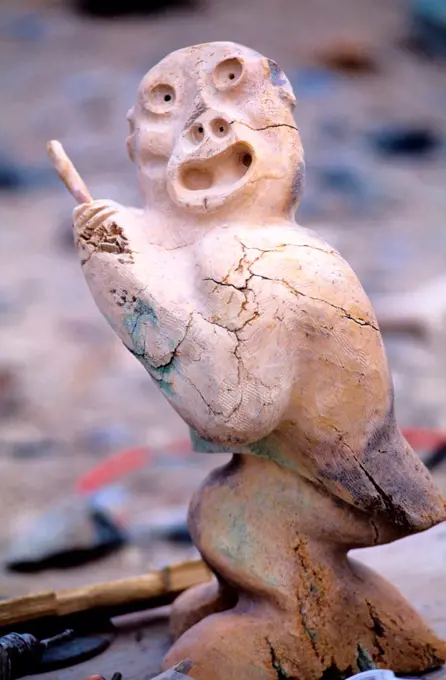
A figurine demonstrating disease. African, created by the Songye people of the Democratic Republic of Congo, 1880-1910.
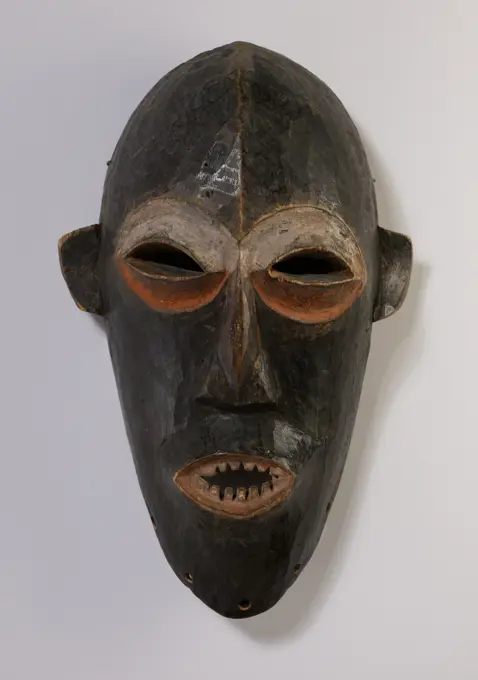
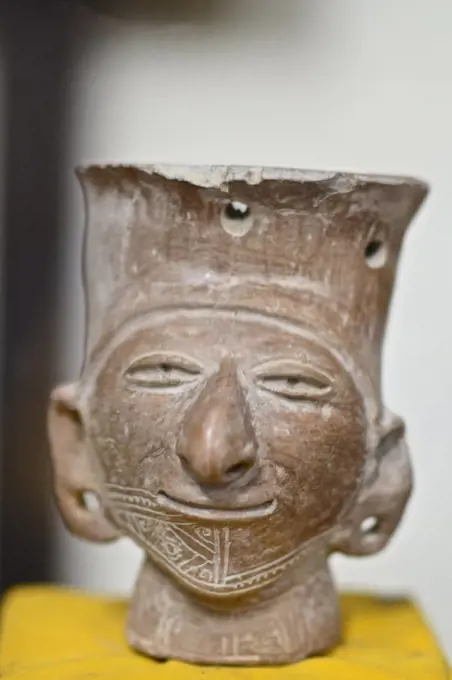
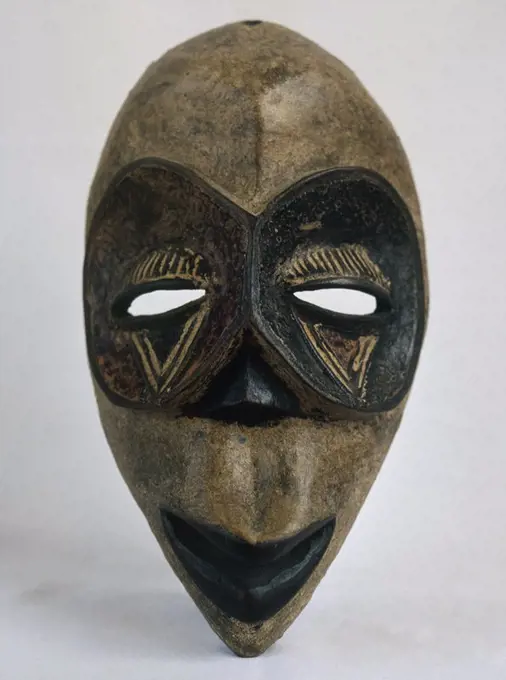
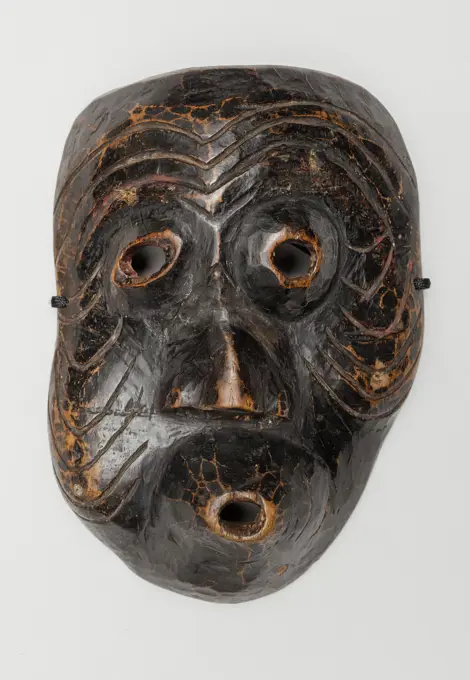
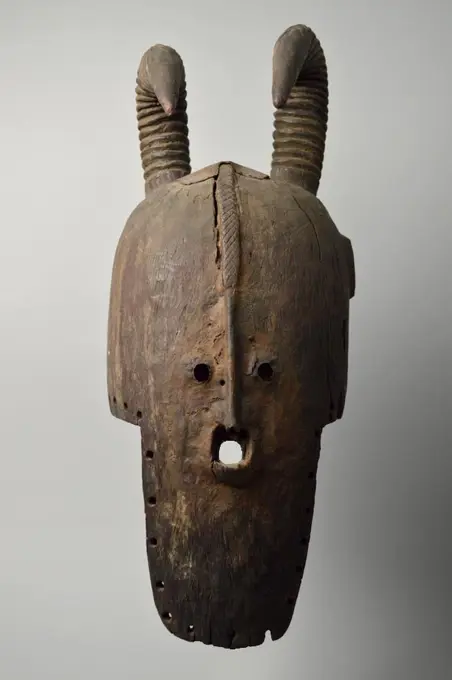
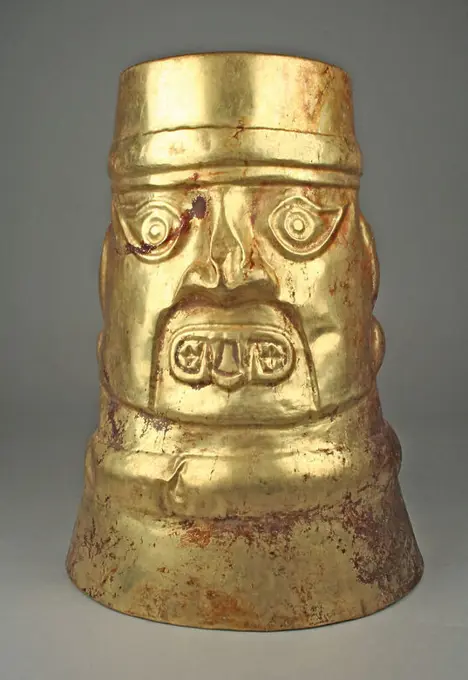
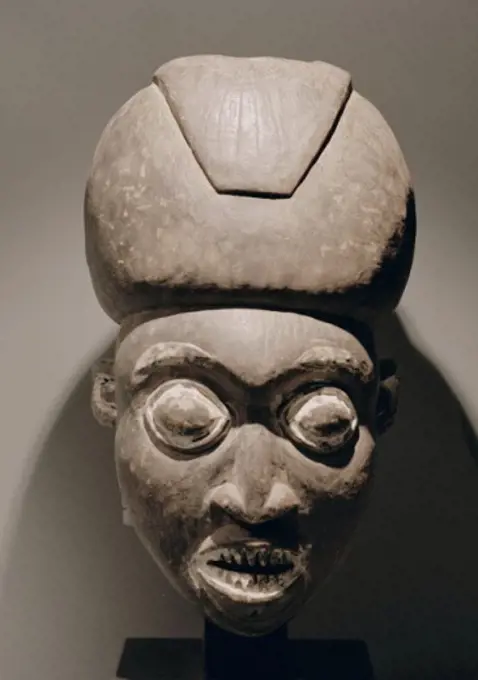
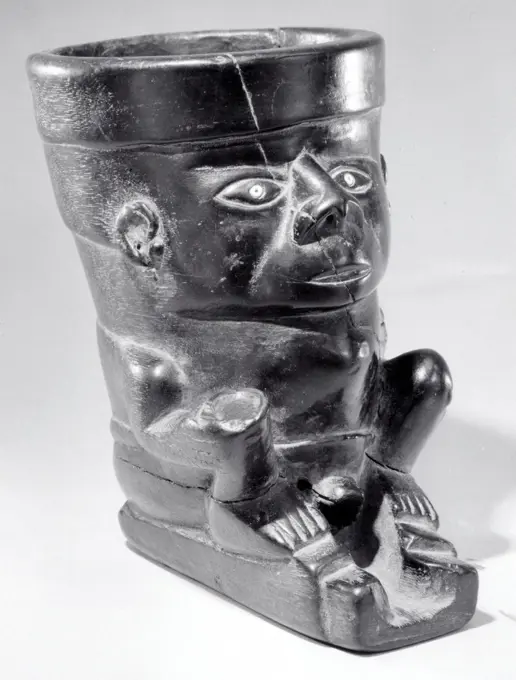
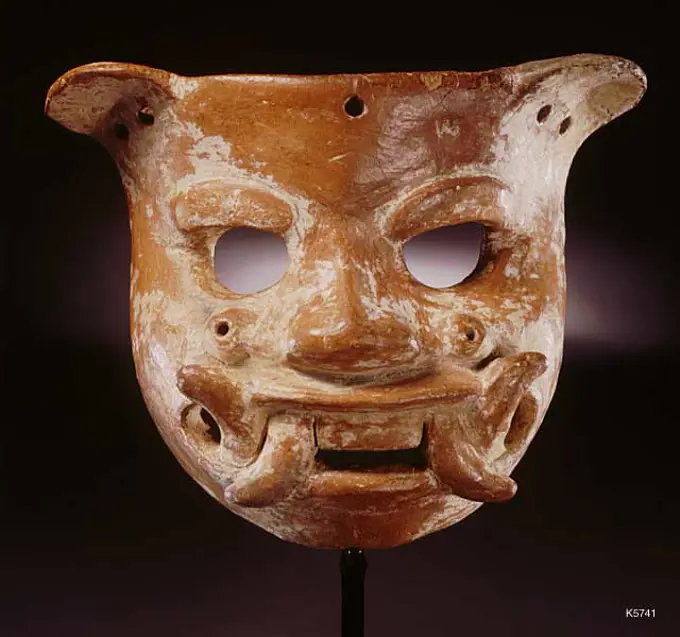
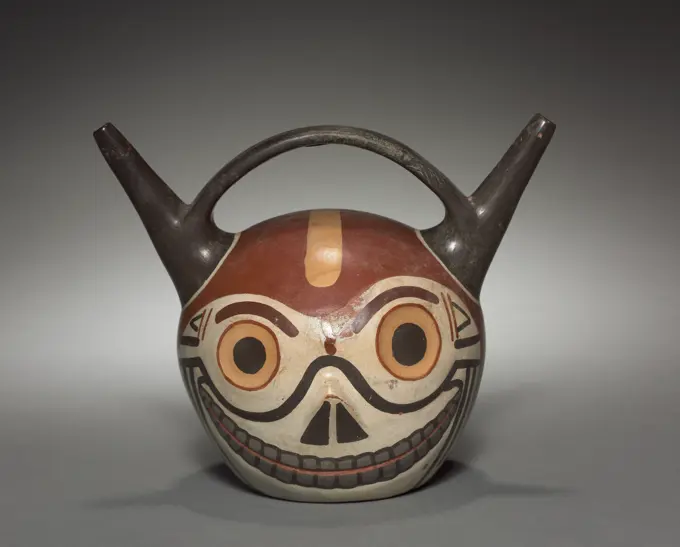
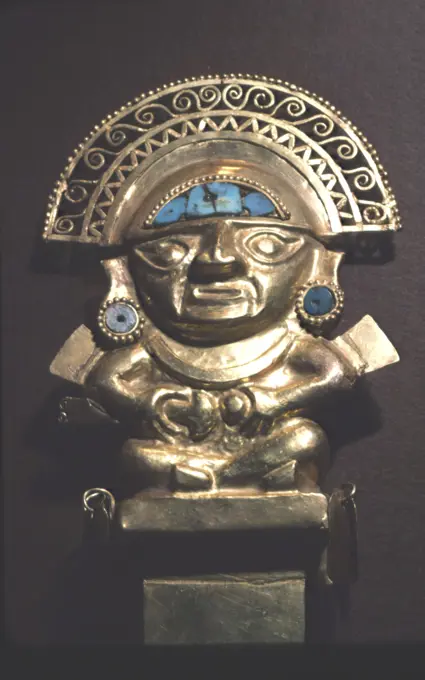
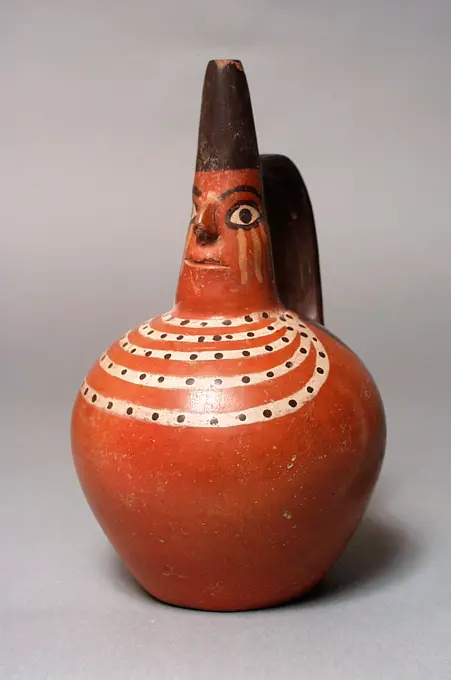
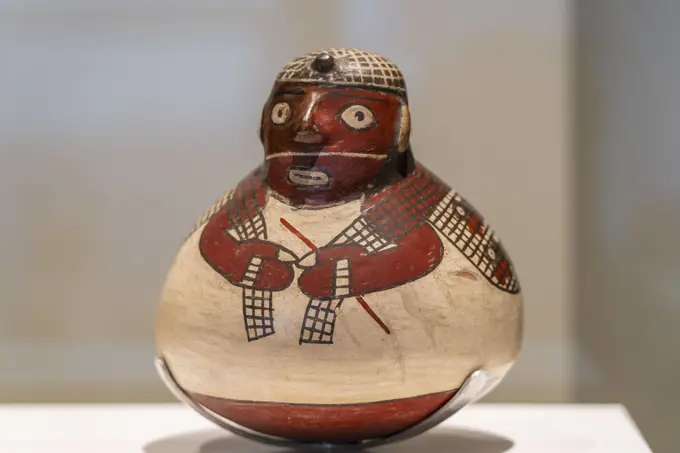
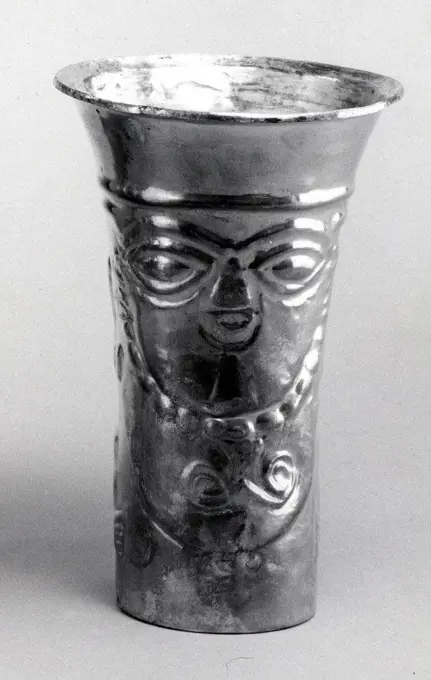
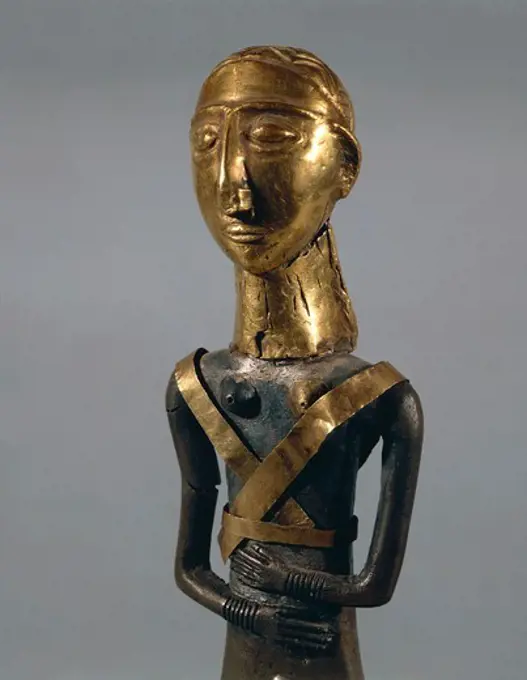
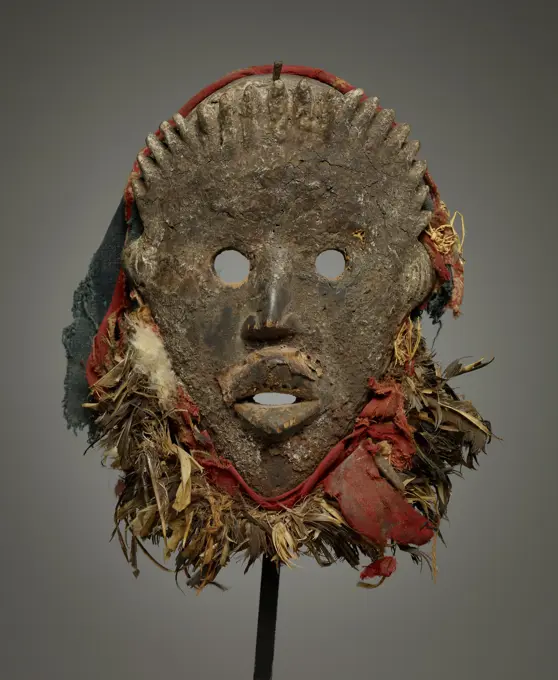
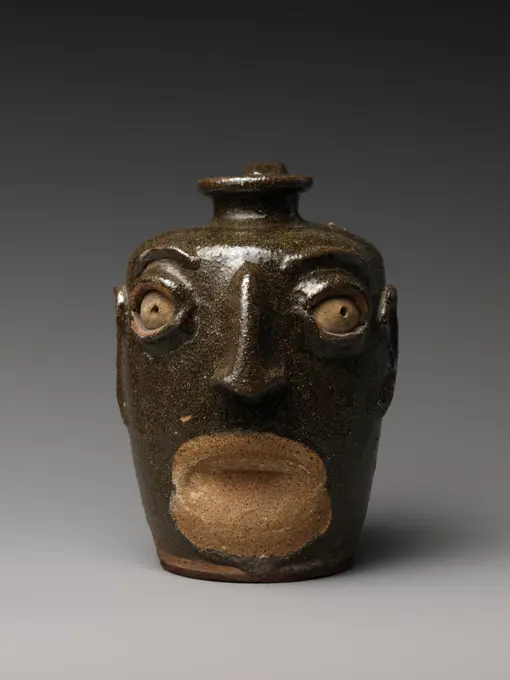
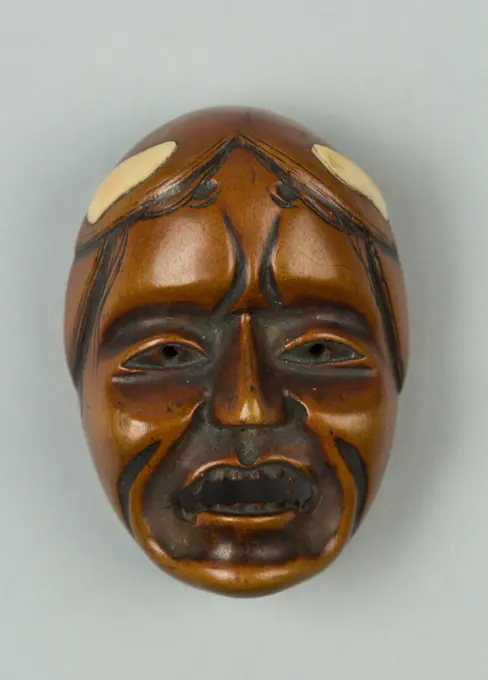
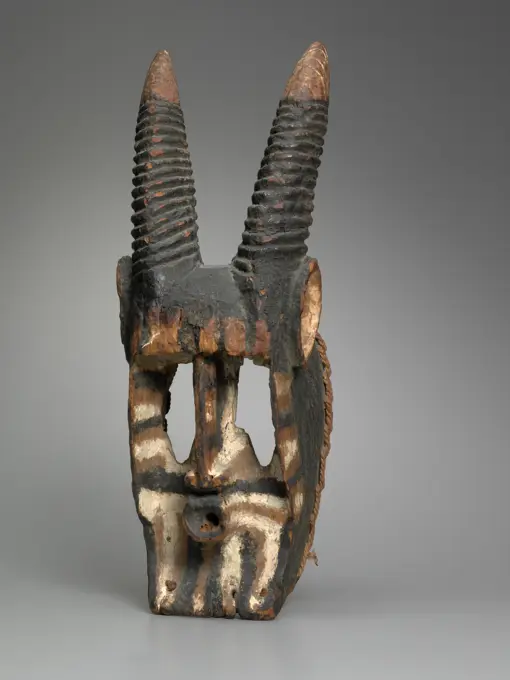
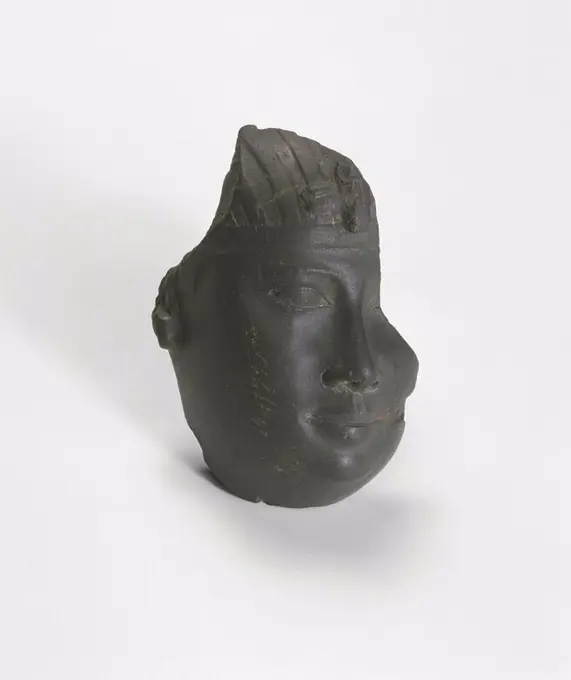
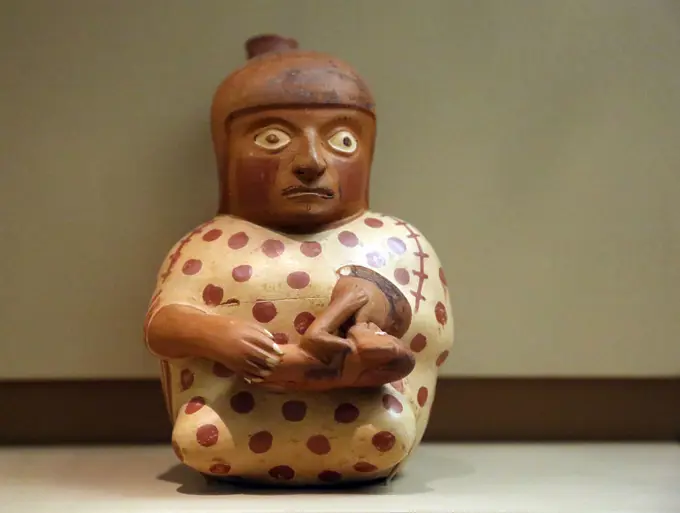
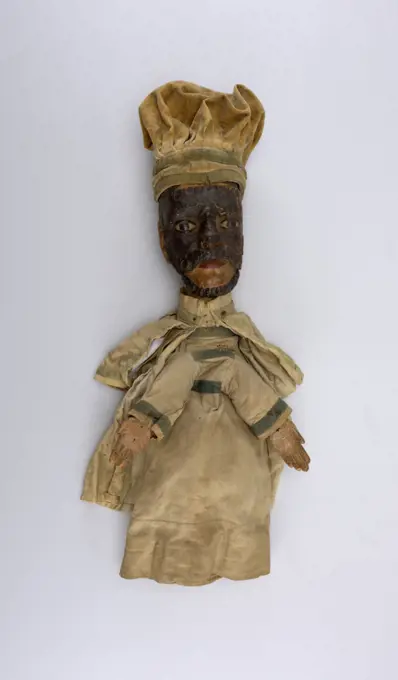
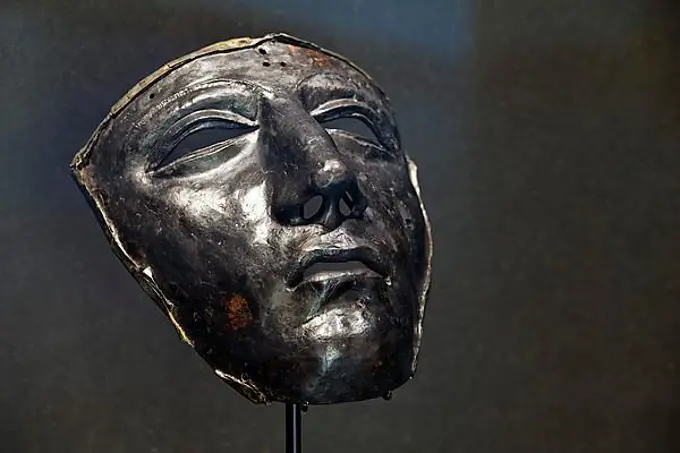
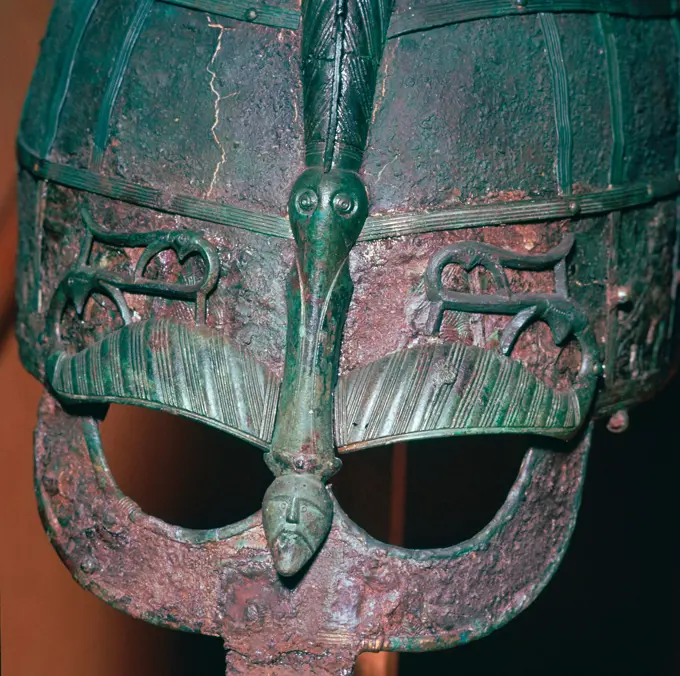
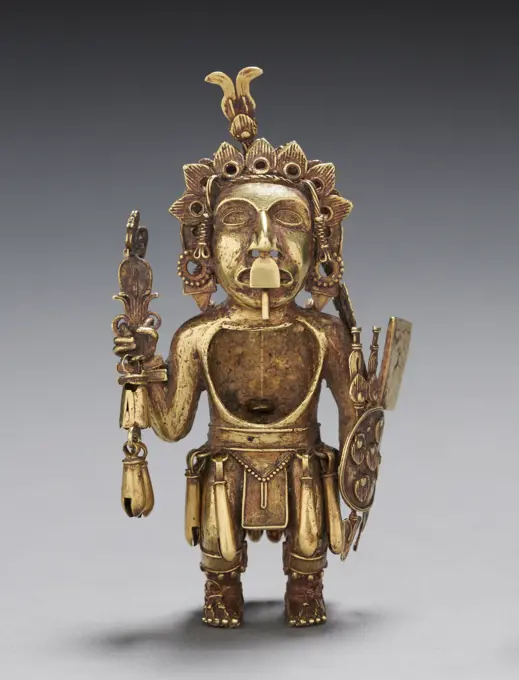
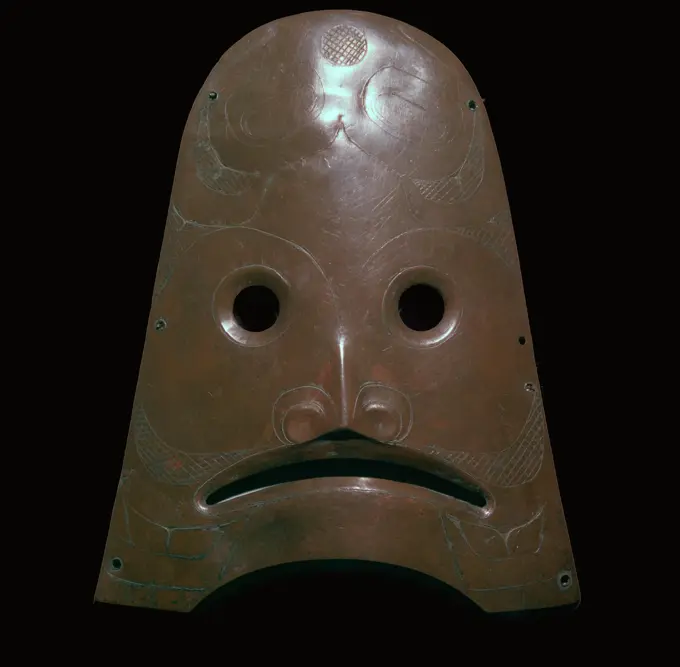
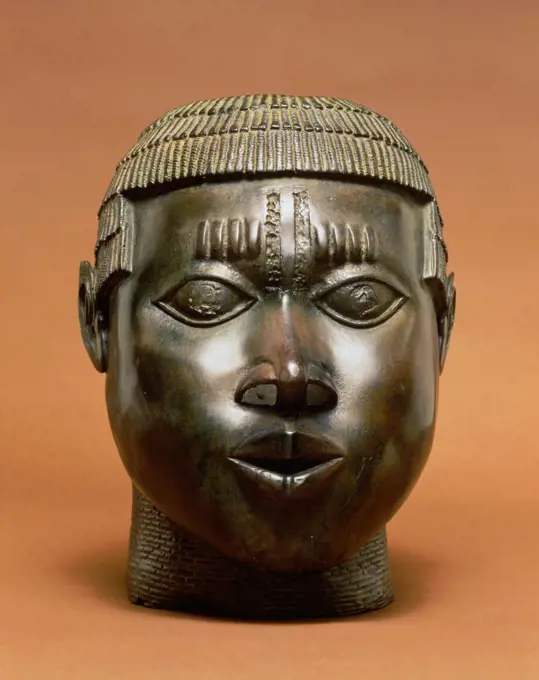
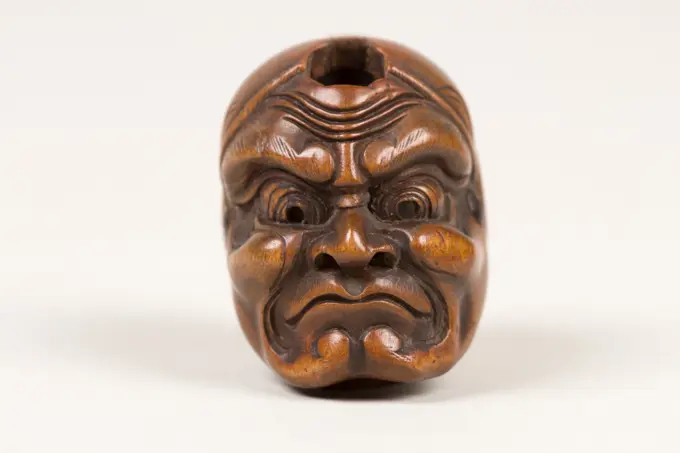
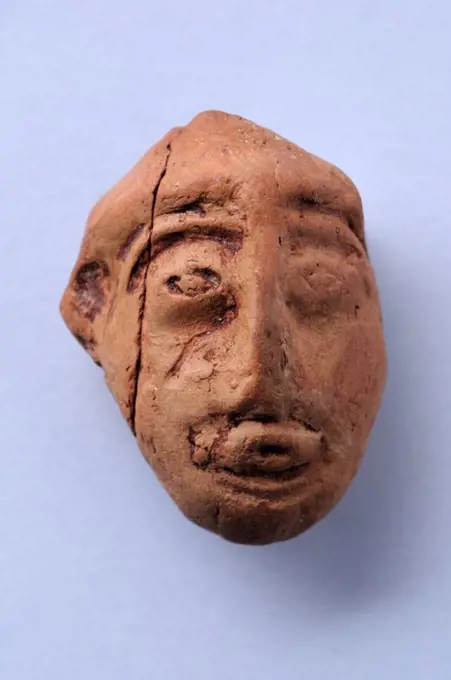
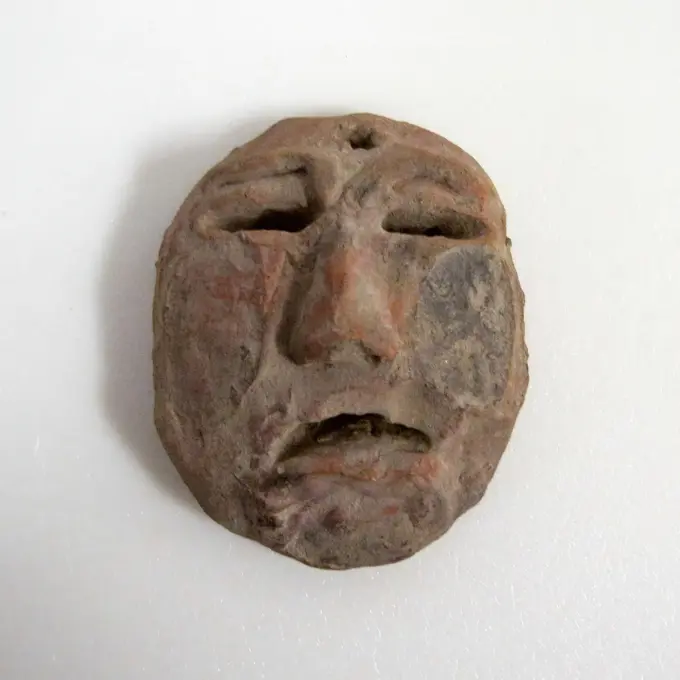
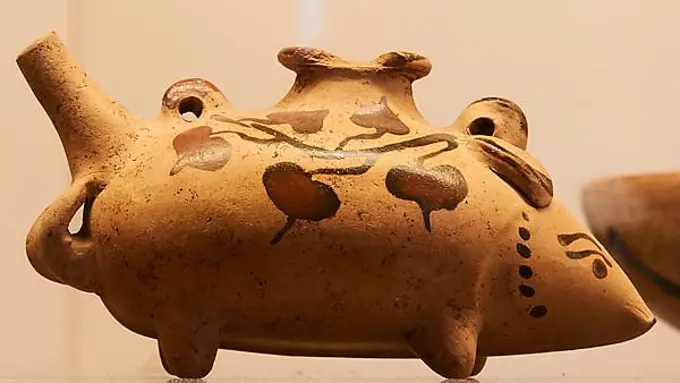
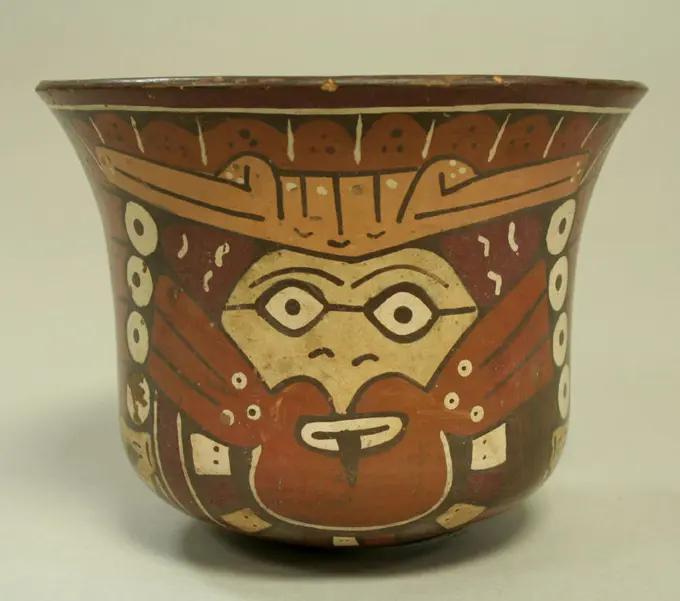
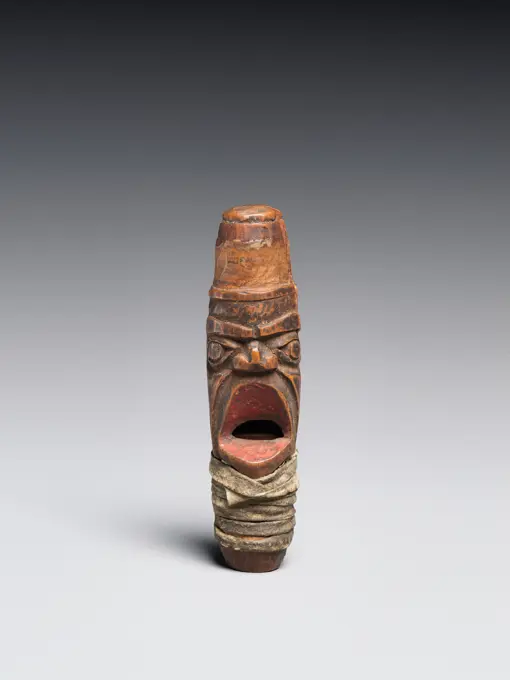
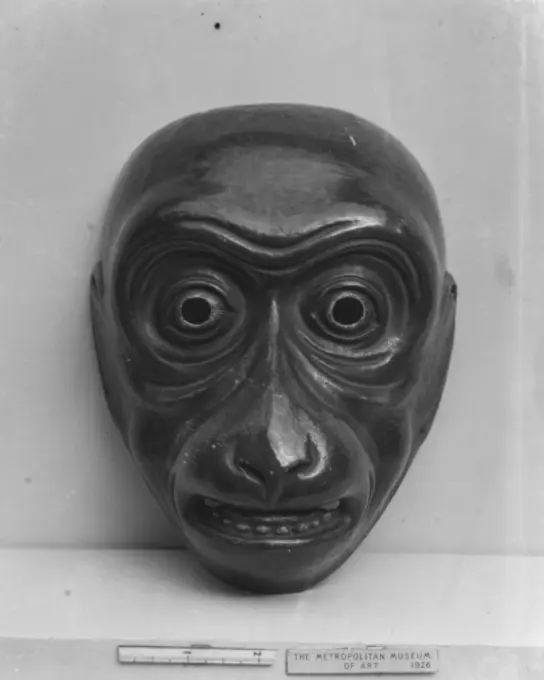
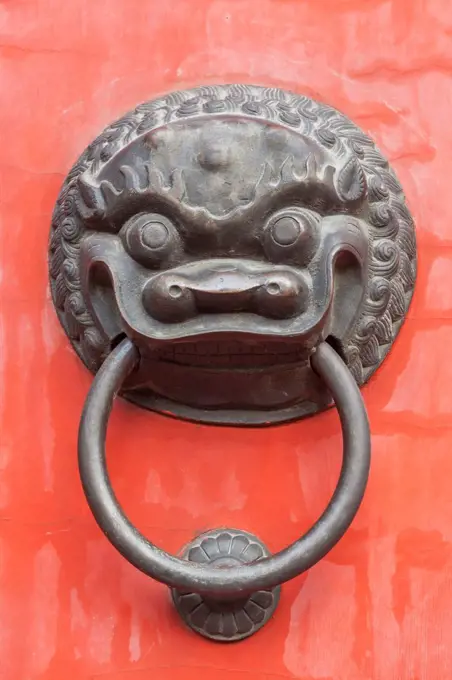
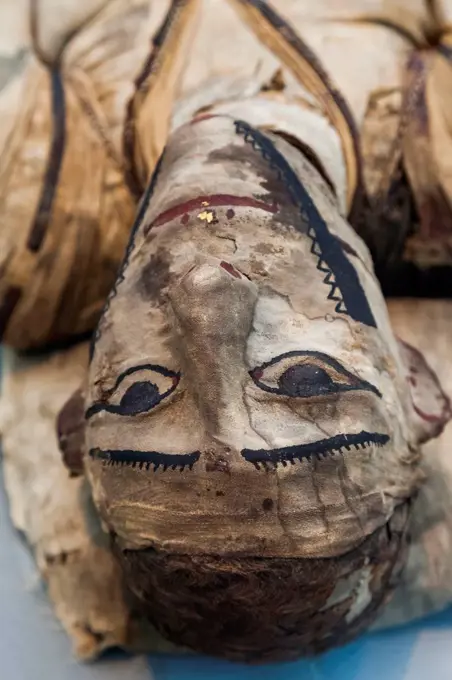
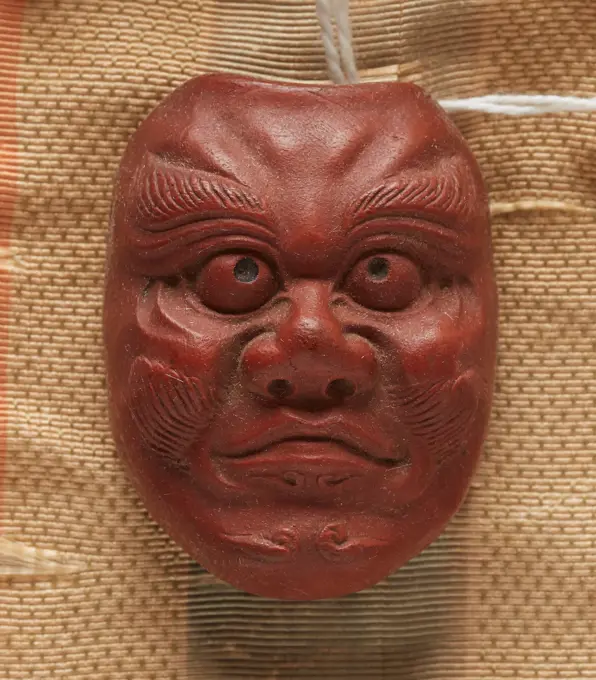
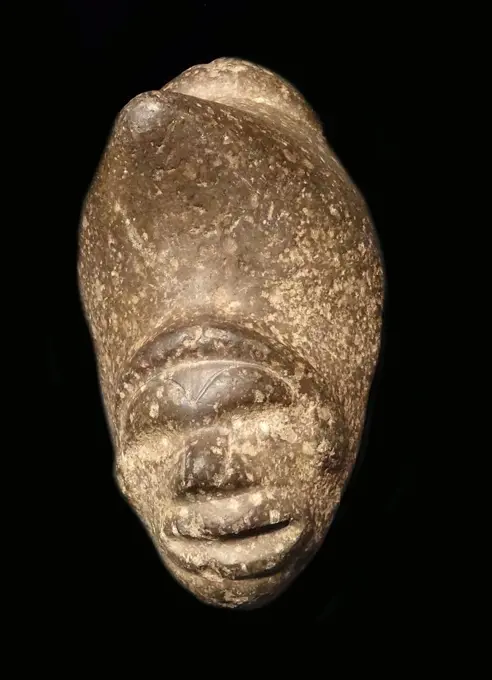
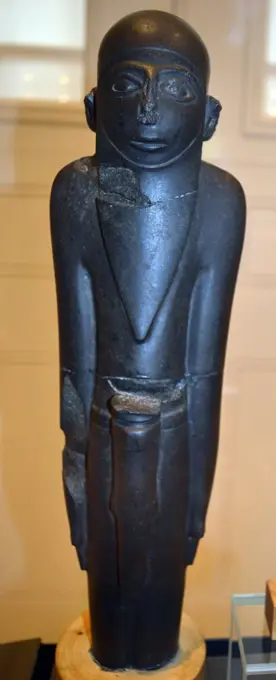
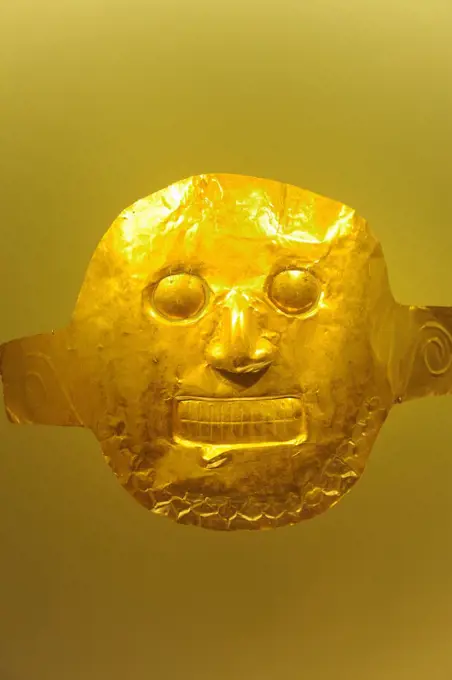
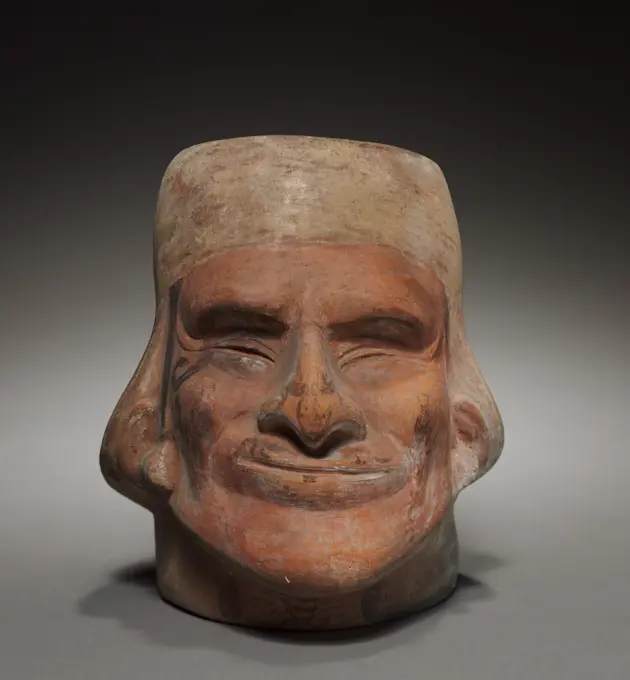
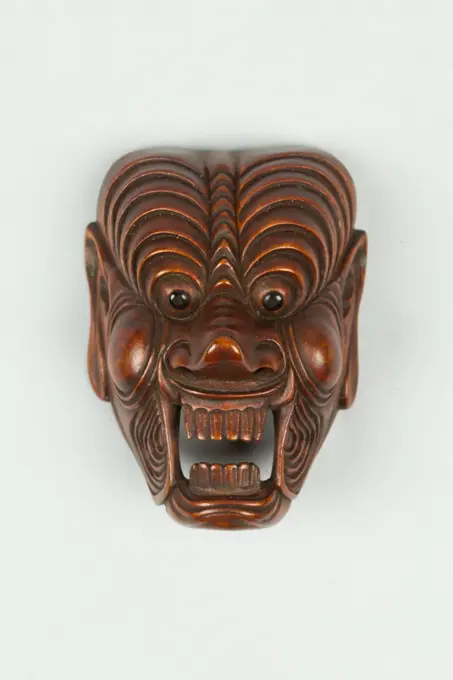
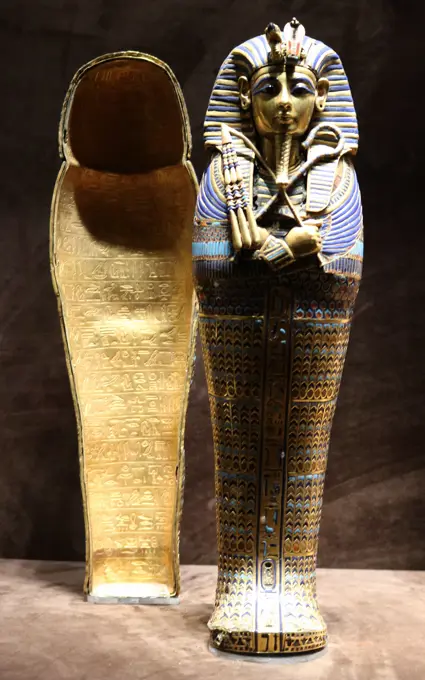
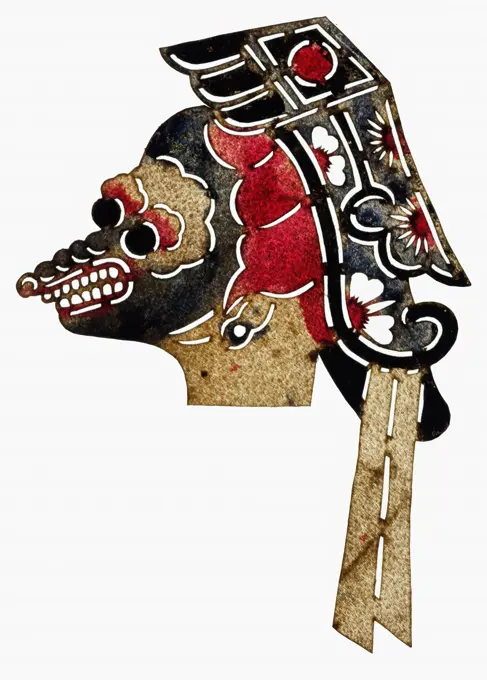
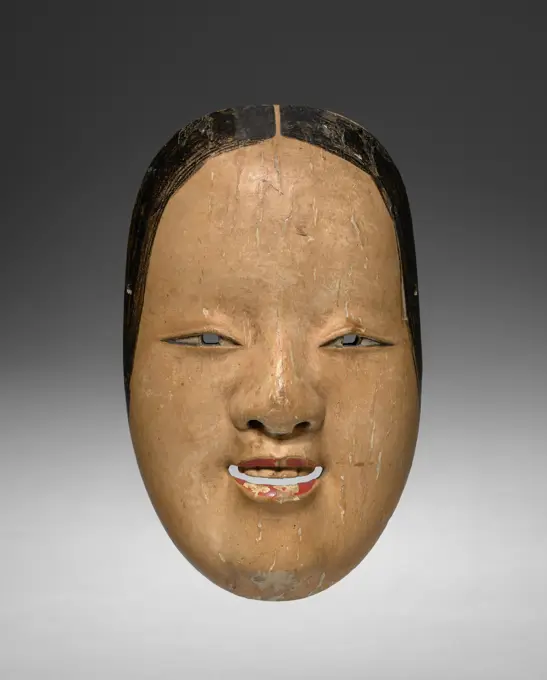
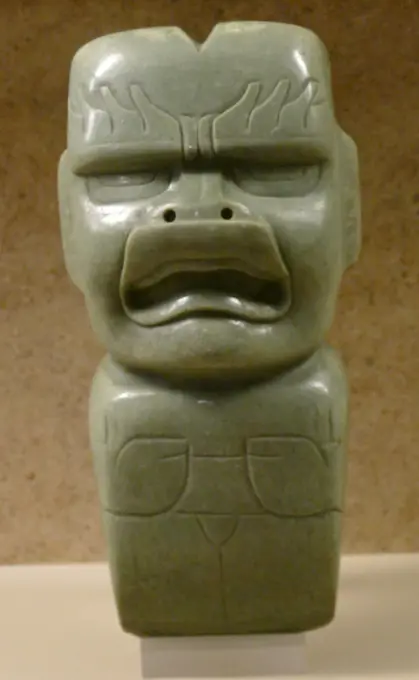
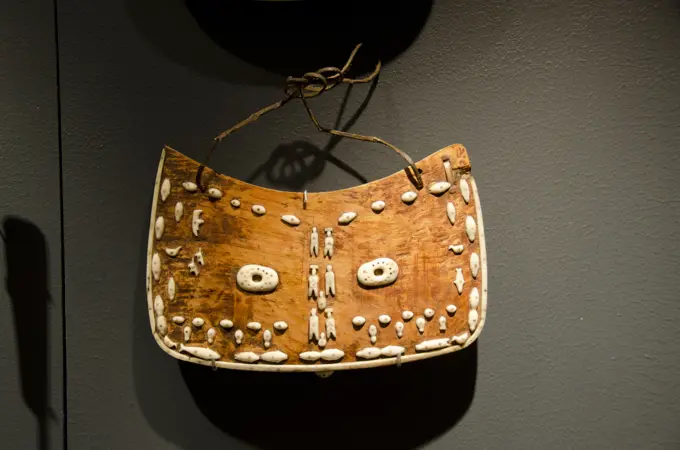
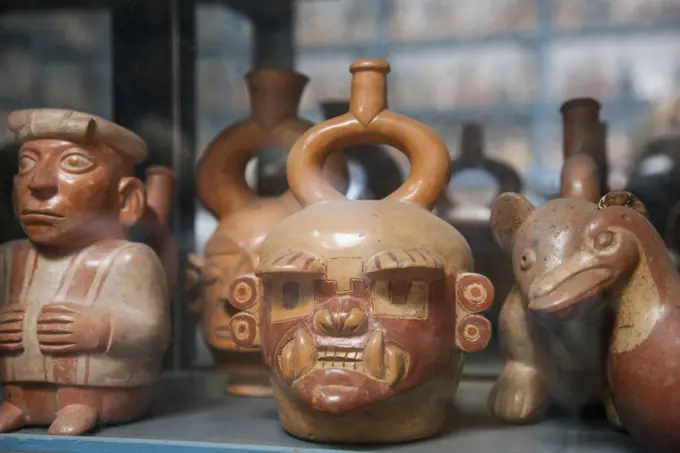
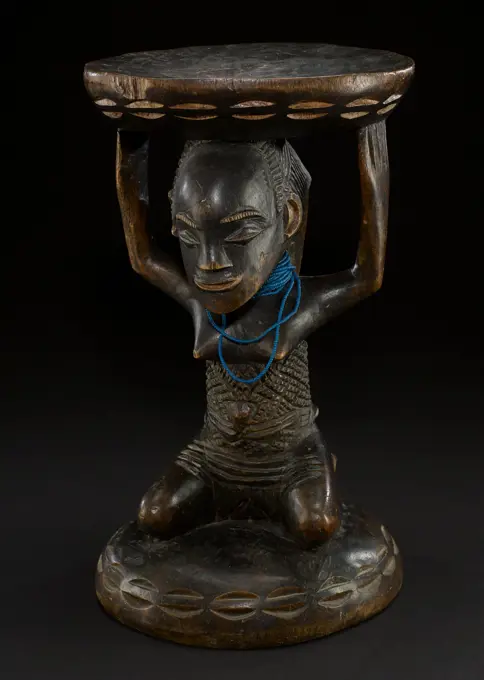
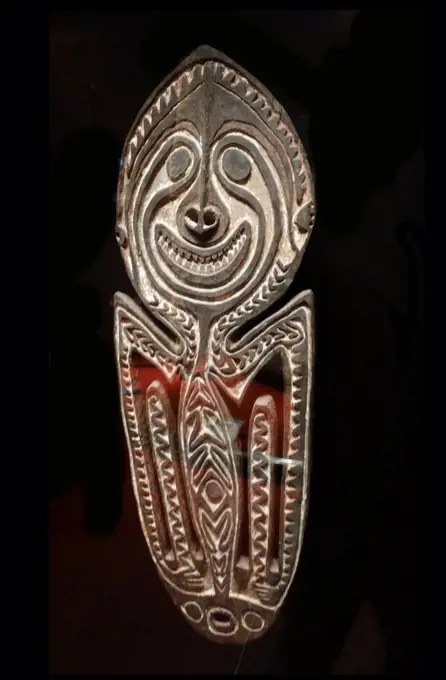
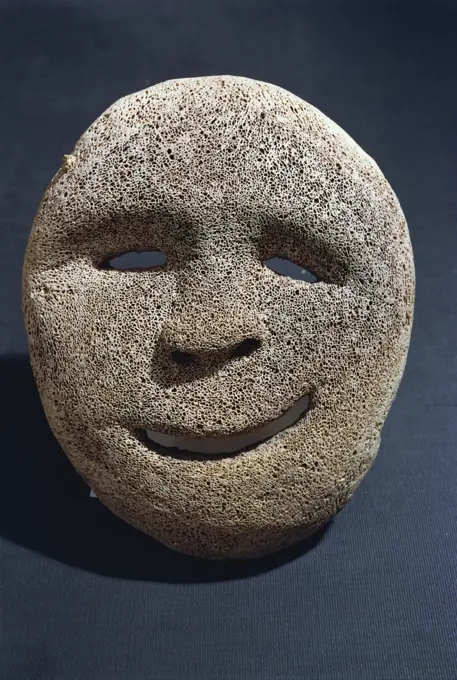
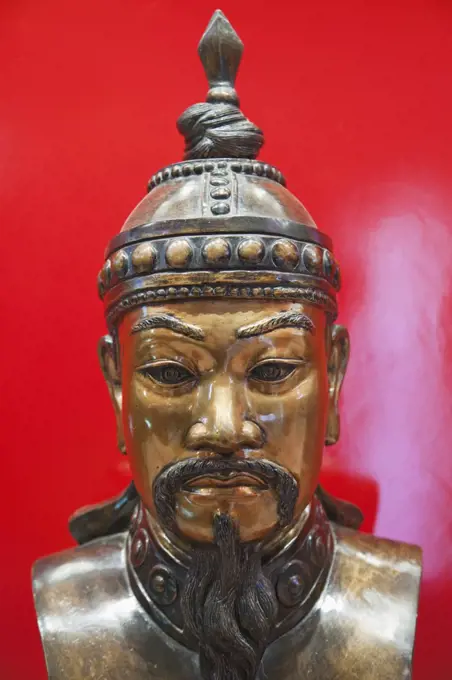
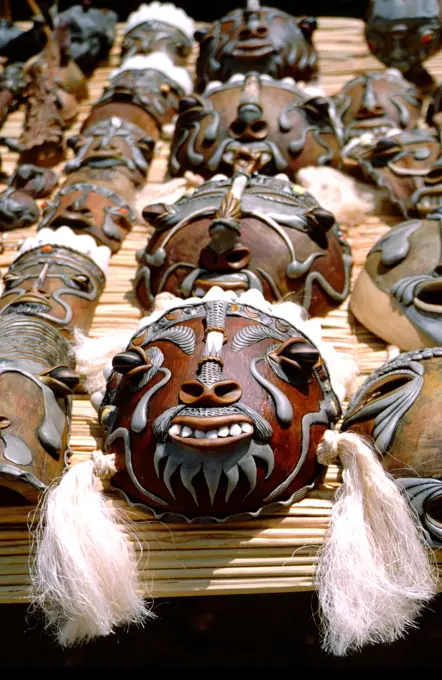
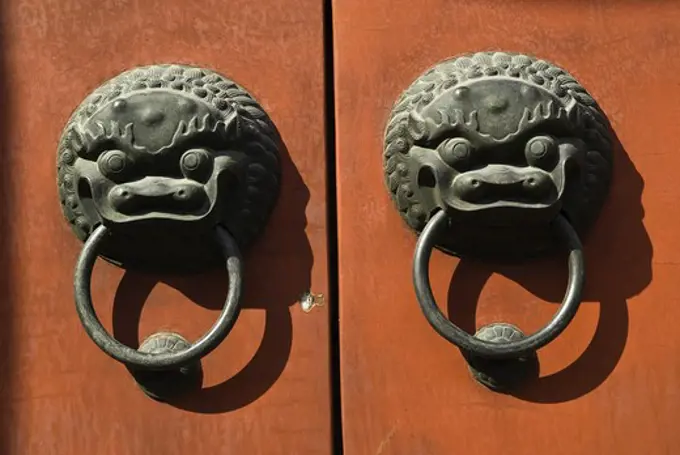
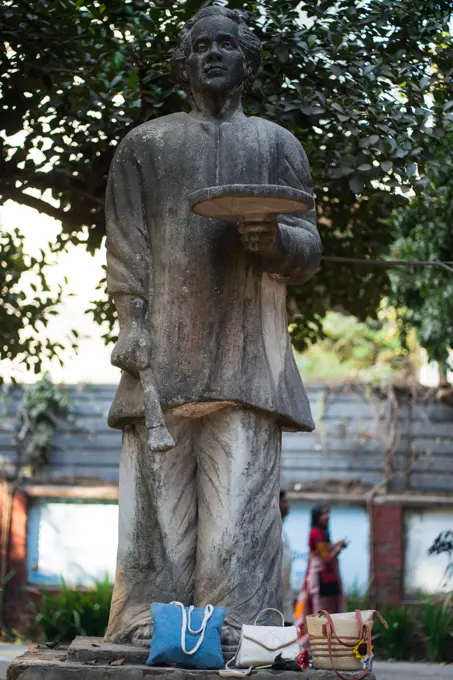
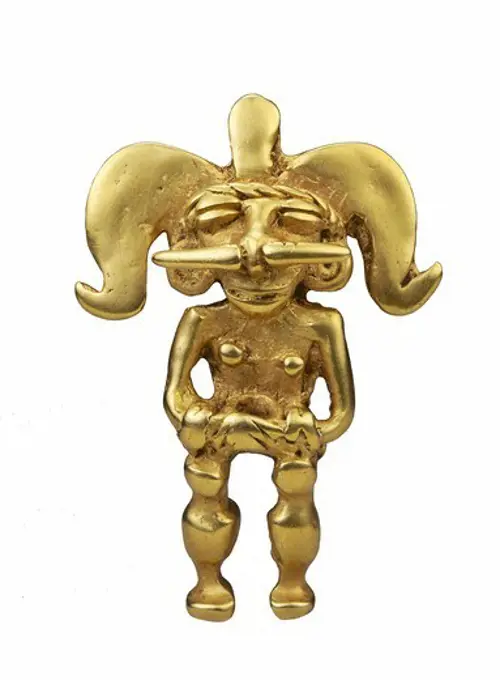
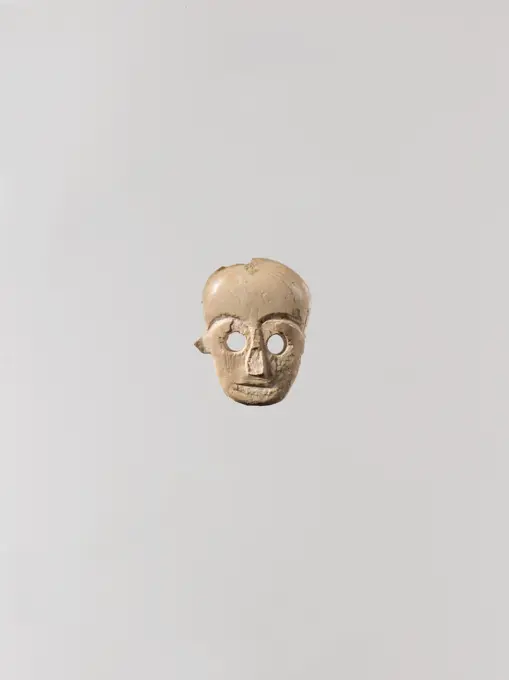
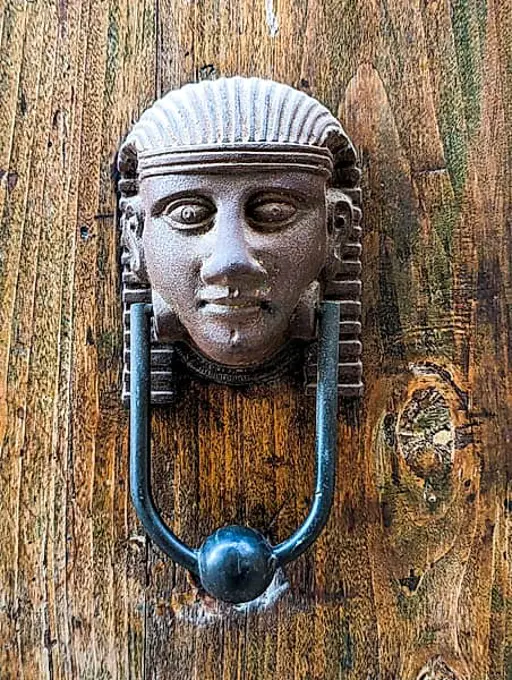
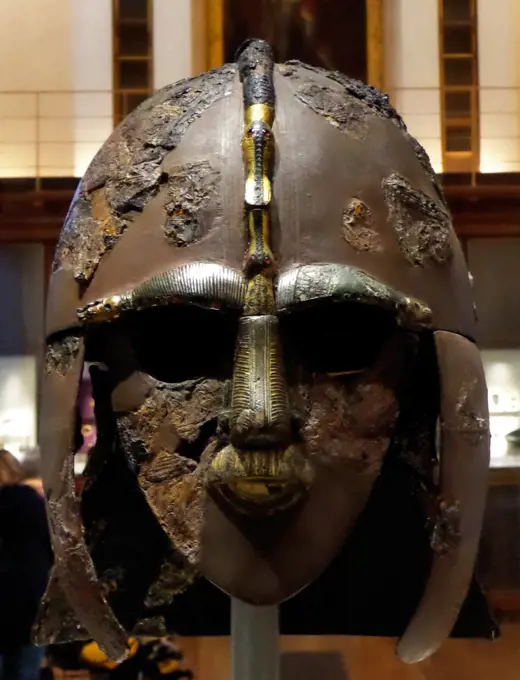
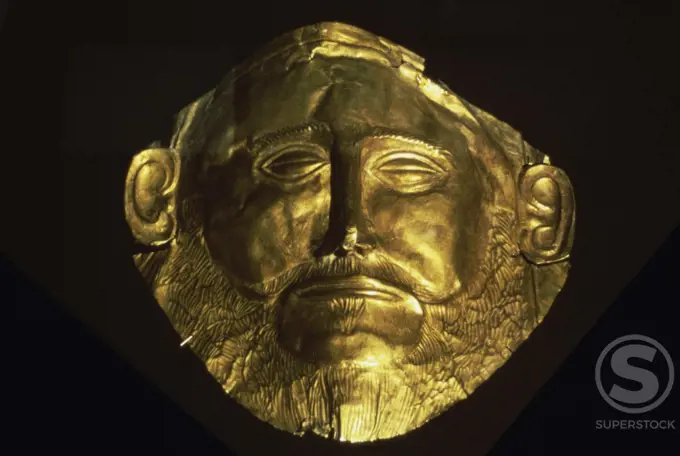
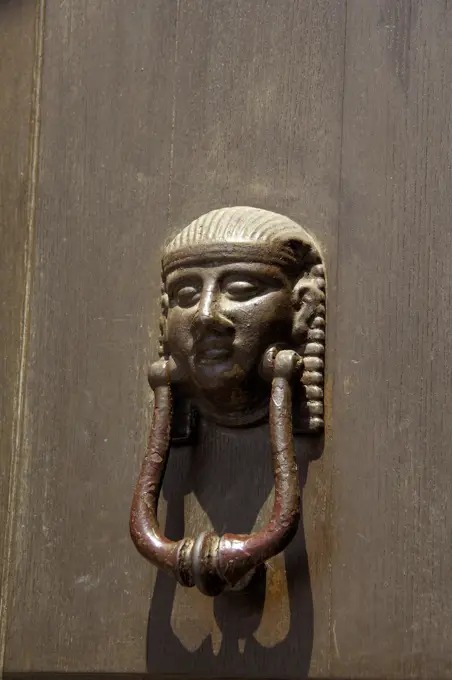
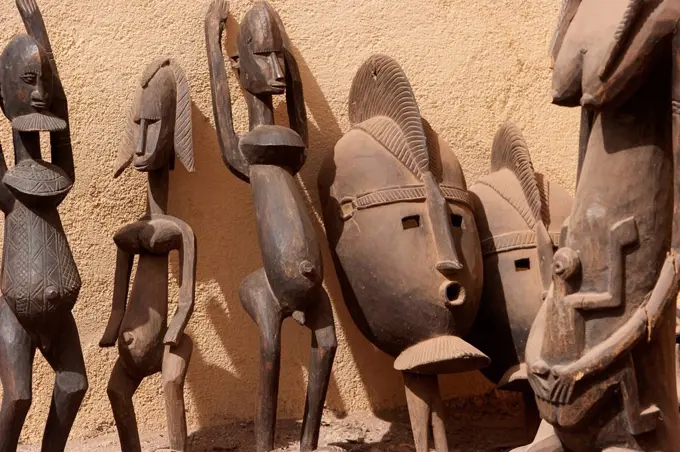
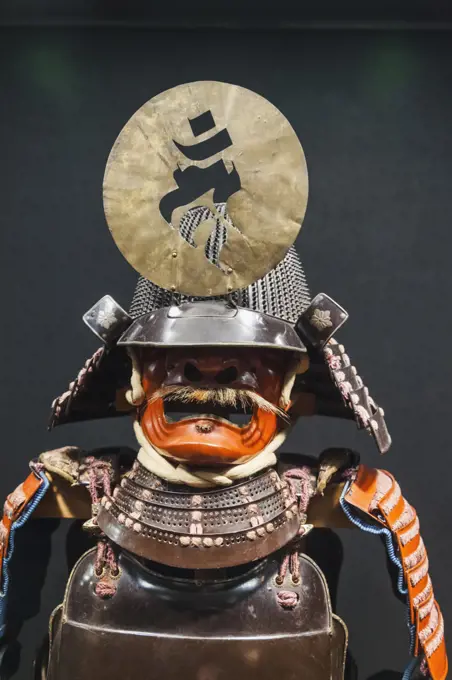
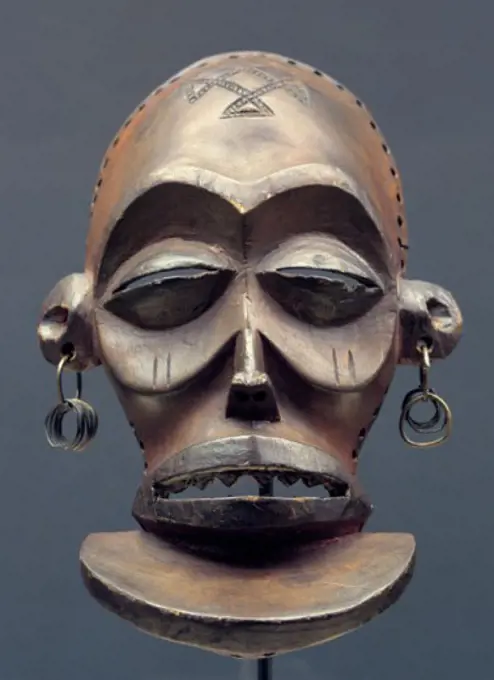
Mask Cihongo-Chokwe, Democratic Republic of the Congo  African Art Wood Koninklijk Museum voor Midden-Afrika, Tervuren, BelgiumMask, 20th century, 15-3/4 x 10-1/2 x 5-7/8 in. (40.0 x 26.7 x 14.9 cm), Wood, pigment, plant fibers, Democratic Republic of the Congo, 20th centuryFragment of a vase with modelled appliqué mask. Anthropomorphic crafts found in a ceremonial site. Agua Blanca. a commune in Machalilla Parish, Puerto López Canton, Manabí Province, Ecuador. It is east of the city of Puerto López.ARTE AFRICANO. MASCARA BAMILEKE. Foumban. Colección particular. Camerún.Ceramic vessel, Moche culture 100 AC-800 AC Perú.Mask. Japan, Edo Period, 1615-1868, 18th century. Jewelry and Adornments; masks. Carved wood with brown lacquerMask (Nyanga) Bobo. Mask (Nyanga), early 19th century. Wood, metal, height: 20 1/2 in. (52.1 cm).  Becoming Again Masquerade is a moment for playa chance to invent and experiment, even within established social needs and existing mask genres. These two pairs of related works demonstrate artistic innovation in existing masquerade genres over time. The two Bobo works share a basic forma domed helmet with an extended vertical face, close-set eyes, and ridged hornstypical of Bobo mask style. The archaic features, weathered surface, and evidence of local repairs suggest that the nineteenth-century mask (far left) was a work of considerable local importance. It may represent an intellectual and visual predecessor of the twentieth-century version. The Senufo kponyugu masks are both horizontal composite animal forms with long, projecting horns, a large, gaping mouth, and fearsome accoutrements such as sharp teeth and claws. Such details relate to Senufo cosmology, legends, and beliefs aboutInverse-Face Beaker. Culture: Lambayeque (Sicán). Dimensions: H. 10 1/2 in. (26.7 cm). Date: 9th-11th century. Museum: Metropolitan Museum of Art, New York, USA.Portrait Head Vessel, c. 200-550. Peru, North Coast, Moche style (50-800). Earthenware with colored slips; overall: 32 x 18.6 x 19.3 cm (12 5/8 x 7 5/16 x 7 5/8 in.).Goblet in the form of a head, 14th century, 5 3/4 x 5 1/8 x 5 1/4 in. (14.6 x 13 x 13.3 cm), Polychromed earthenware, Peru, Late North CoastA figurine demonstrating disease. African, created by the Songye people of the Democratic Republic of Congo, 1880-1910.The van eclaped van. The van eclaped van.Helmet Mask (Ngoin), Babanki Style, Cameroon African Art  Wood Private Collection, Geneva, SwitzerlandHunchback Paccha 15th-16th century Inca. Hunchback Paccha 310656Feline Mask With FangsSkull Vessel, 500-900. Wari (Pachacamac) style, Middle Horizon, Epoch 2. Earthenware with colored slips; overall: 14.5 x 17.8 x 12.6 cm (5 11/16 x 7 x 4 15/16 in.).Tumi gold ceremonial knife, detail. Turquoise insets.PERU.Mask used during funeral ceremonies for important people. From Sumatra, Indonesia.19th centuryTall Necked JarVase mit Brückenhenkel, die eine Figur mit Fischernetz darstellt Vase with a bridge handle depicting a figure with a fishing net, Nazca, southern coast of Peru, 200 BC to 800 AD, polychrome ceramic, MuEC, Barcelona, Catalonia, Spain LicenseRF Copyright: xZoonar.com/TOLOxBALAGUERx 23171331Decorative Inca water jars at the National Museum of Archaeology, Anthropology and History of Peru, Lima, PeruFace Beaker 14th-15th century Chimú. Face Beaker. Chimú. 14th-15th century. Silver. Peru. Metal-ContainersLittle statue representing a goddessHelmet crest - Carved killer whale finMask, 10 1/4 x 7 3/4 x 2 7/8 in. (26.04 x 19.69 x 7.3 cm), Wood, cotton, plant fibers, feathers, Sierra LeoneFace Jug ca. 1860-80 Unidentified Edgefield District potter Face jugs were made by African American slaves and freedmen working in potteries in the Edgefield District of South Carolina, an area of significant stoneware production in the nineteenth century. The distinctive features of the jugs, notably the kaolin inserts for the eyes, relate in style and material to ritualistic objects of the Congo and Angola region of western Africa, whence many slaves in South Carolina descended. This jug is missing its teeth and lipsa common loss, sometimes occurring as early as the firing stage.. Face Jug. American. ca. 1860-80. Alkaline-glazed stoneware with inset kaolin. Made in Edgefield District, South Carolina, United StatesGreen Market - Capetown, South AfricaNetsuke of Woman's Face 19th century Japan. Netsuke of Woman's Face. Japan. 19th century. Wood; ivory inlay to represent hair. Edo (1615-1868) or Meiji period (1868-1912). NetsukeMask Representing an Antelope(Walu)Painted and gilded mummy case of an infant. The constructional details of this case are not fully visible, but the materials used included linen and plant fibre. A painted bead-net on a pink background imitates the garment often shown worn by Osiris.Mask 8th-early 9th century Indonesia (Java). Mask 50421Ornamental elements representing two Gorgon heads, terracottaNgady Mwaash Mask, 20th century, 16 x 6-7/8 x 6-7/16 in. (40.6 x 17.5 x 16.4 cm), Wood, cloth, cowrie shells, beads, pigment, plant fibers, Democratic Republic of the Congo, 20th century, The Bushoong believe that in order to achieve balance in life, it is important to connect with their ancestors. The spirit world acts as an intermediary to the ancestors by communicating important guidance to the living.Ceremonial clubPre-history Shawnee effigy of a human facePre-Columbian Jewelry Moche culture 100 AC-800 AC Perú.Fragment of a Head from a Statue of a King. Egyptian. Date: 380 BC-343 BC. Dimensions: 10.6 × 8 × 5.4 cm (4 9/16 × 3 1/8 × 2 1/8 in.). Greywacke. Origin: Egypt. Museum: The Chicago Art Institute, Chicago, USA. Author: Ancient Egyptian.Inverse-Face Beaker A.D. 900-1100 Lambayeque (Sicán) These drinking vessels were likely used in ceremonial feasts before they were deposited in a high-status tomb. The orientation of the gods face on this example may relate to ritual practice and the consumption of the beakers liquid contents. Production of silver and gold objects in the Lambayeque culture reached epic proportions, and dozens, even hundreds, of vessels were placed in a single burial. Beakers were created in a centralized workshop.. Inverse-Face Beaker 316430Figure from reliquaries ensemble. Don Attilio Pecile et Jacques Savorgnan de Brazza. Made from wood, copper and brass. From Gabon.Pre-Columbian era. Ceramic molded in form of a nursing woman. Moche style. Early Intermediate (200A-600AD). Peru.Brighella, Carved and painted wood, glass and woven cloth, Carved head with small black beard, black moustache. Beige velvet cap with green bands. Natural cotton sleeves banded in green. Cotton twill cape, banded in green, a later addition. Carved wooden hands nailed onto the sleeves., Italy, early 18th century, theater, Decorative Arts, Puppet, PuppetIron face mask of a Roman cavalry helmet, Varus Battle or Battle of the Teutoburg Forest, Kalkriese Museum and Park, Osnabruecker Land region, Lower Saxony, Germany, Europe *** IMPORTANT: WARNING: Publication only with the following note: "Battle of the Teutoburg Forest in Osnabruecker Land region - Kalkriese Museum and Park" ***Detail of a Viking helmet from grave one at Vendel, Uppland, Sweden, 7th century Artist: UnknownFigure of a Warrior, after 1325 (thermoluminescence date of casting core, 1345-1575). Central Mexico, Tetzcoco, Aztec, Post-Classic Period. Gold-silver-copper alloy (cast); overall: 11.2 x 6.1 cm (4 7/16 x 2 3/8 in.).Native American copper mask representing a killer whale, 19th century. Artist: UnknownBenin Bronze Head for fhe Altars of Obas African Art Bronze Christie's Images, London, EnglandNetsuke of Double Mask 19th century Japan. Netsuke of Double Mask 59599Head child doll figurine terracotta. Height 4.4 cm Width 3.3 cm (1 st - 3 rd CE ) - Roman period, from " House of Griffins "- Archaeological site of Complutum in Alcalá de Henares ( Madrid ). SPAIN.Mask with Neck Guard. Armorer: Inscribed by Myochin Munemitsu (Japanese, Edo period, 18th century). Culture: Japanese. Dimensions: H. 13 1/4 in. (33.7 cm); W. 9 in. (22.9 cm); D. 5 in. (12.7 cm). Date: 18th century.Masks have long played an important role in Japanese culture: in religious ceremonies, dance, Noh theater, and military costume. For samurai, masks served as a principal face defense and helped secure the helmet to the head more firmly.The majority of masks were half-length (mempo), covering the nose and the face below the eyes. Their iron surfaces are either lacquered or a dark russet finish; the interiors are usually lacquered red. In addition to half masks, the Metropolitan Museum's collection is unusual in possessing numerous full masks (somen). The majority date from the peaceful Edo period. During that time, armorers like the Myochin clan took pride in making ever more varied masks as a demonstration of their creativity and their famous metalworking skiGold female idol, Inca, 15th c. Peru.Miniature Mask, 1500 BCE, Earthenware, Mexico, Pre-ClassicArchaeological Museum, Lipari Town, Lipari, Lipari Islands, Aeolian Islands, Sicily, Italy, EuropeBowl with Painted Trophy Head Designs 1st-6th century Nasca. Bowl with Painted Trophy Head Designs 308576Whistle Native American (Northwest Coast) 19th century Throughout the Northwest Coast, whistles of varying shapes and sizes are used to augment the ritual music associated with dancing. This whistle is constructed of two pieces that have been lashed togetherthe upper lashing is now missing. A stylized human face is carved around the cylindrical form, the mouth corresponding to the duct window of the whistle. Pigment has been used to intensify the grooved surface features of the whistle. Much of the dance traditions of the region incorporate a degree of transformation; whether it is visually apparent is inconsequential. In some instances, elaborate masks and regalia are employed to convey transformation, although these are not requisites for spiritual transcendence. The use of whistles, sometimes disguised as part of a dancer's regalia, is common to most dances. Some whistleslarge and smallemploy bellows to sound them and can consist of multiple whistles lashed together. The sound prKyogen mask ca. 1700 Japan. Kyogen mask 60226Bronze harness ornament in the shape of a dragon. Western Zhou period, 11th century BC.VASO MOCHICA - PERU. Location: MUSEO DE AMERICA-COLECCION. MADRID. SPAIN.China, Shanghai, Jade Buddha Temple, Door KnockerEngland, London, British Museum, Exhibit of Egyptian MummiesNetsuke, 19th century, Unknown Japanese, 2 × 1 7/16 × 15/16 in. (5.08 × 3.65 × 2.38 cm), Stoneware, Japan, 19th centuryPointed stone from the Taíno culture. Created by the Arawak people, the indigenous peoples of the Caribbean. Dated 16th CenturyWooden Huehue mask from Mexico, worn during Carnival celebrations. Dated 20th CenturyMacGregor Man', a basalt statue which depicts a bearded man wearing a skull cap and a belt and penis sheath. It is named after the Reverend William MacGregor, who purchased the piece together with a group of ivory statuettes said to have been found near Naqada.Bronze miniature mask , Masks, Peabody Museum of Archaeology and Ethnology, Tichnor Brothers Collection, postcards of the United StatesAnthropomorphic polychrome terracotta vessel with figure of seated priest or shaman, Vicus culture, circa 100 B.C.Golden Artifact In The Gold Museum In La Candelaria, The Old Town Of Bogota, Colombiainuit Statuette out of soap stone Island King William CanadaVase, before 1930. Peru, Mochica. Pottery; overall: 17.7 x 15.4 x 15.7 cm (6 15/16 x 6 1/16 x 6 3/16 in.).Netsuke of Mask 19th century Japan. Netsuke of Mask. Japan. 19th century. Wood; dark brown, inlaid eyes. Edo (1615-1868) or Meiji period (1868-1912). NetsukeAfrican mask, Dogon tribe, Mali, AfricaAn Egyptian Funerary model of a boat. Wood. 11st-12th Dynasties (2134-1783 BC)Miniature sarcophagus belonging to Tutankhamun, ancient Egyptian pharaoh who was the last of his royal family to rule during the end of the 18th Dynasty (ruled c. 1332 - 1323 BC) during the New Kingdom of Egyptian history. Sharm el-Sheikh Museum, 2021Shadow Puppet Head, 20th century, 5 in. (12.7 cm), China, 20th centuryCanada, Newfoundland and Labrador, L'Anse Aux Meadows. Norstead Viking Village. Wooden Viking face.Noh Mask, c 1700s- 1868. Japan, Edo period (1615-1868). Carved wood, pigment; overall: 21 x 12.7 cm (8 1/4 x 5 in.).Carving from the south-east Solomon Islands, in the South Pacific. Dated 20th CenturyJade pectoral, Olmec civilisation, Mexico 1200-400 BCGreenland, Nuuk. Greenland National Museum. Eskimo/Inuit and Greenlandic artifacts from Ammassalik, circa late1880s-1930s. Wooden bag embellished with ivory and shells.Close-up of carved, wooden African drum.In 1926, the Rafael Larco Herrera was founded to house the vast collections of pre-Incan art and artifacts collected by the Larco family. These pieces are in the storage gallery of the museum and date from the Mochica civilization, 100A.D. to 800A.D.Stool, c. 1900, 14 5/8 × 9 1/8 × 8 7/16 in. (37.15 × 23.18 × 21.43 cm), Wood, beads, Democratic Republic of Congo, 20th centuryVessel in the Form of a Severed Trophy Head 180 BCE-500 CE South Coast. Ceramic and pigment . NazcaKerewa tribal skull hook made from wood with natural pigments. Large 'agiba' or 'skull hooks' were used to display trophy skulls within the men's ceremonial houses of the Kerewa people of the Papuan Gulf region, on the south coast of New GuineaEskimo whalebone mask, exhibited in Portland Museum, Portland, Oregon, United States of America, North AmericaThe Exploration Place museum, Prince George, British Columbia, Canada.Metal bust of Ngo Quyen in a museum, Vietnam Military History Museum, Hanoi, VietnamSouth America, Brazil, Amazon, Amazon River, Alter do Chao, located near Santarem. Local handcrafted masks for sale made with fish scales and animal teeth.Uruguay, Montevideo Department, Montevideo. Carnival mask, Museo del Carnaval.Brass mythical lion door knockers, Jade Buddha Temple, Shanghai, ChinaDhaka, Bangladesh - 14 February 2026: View of a weathered stone statue holding a plate, standing amidst a park setting with bags at its base.Chimu Pendant. Chimu art. Jewelry. COLOMBIA. CUNDINAMARCA. Bogot. Gold Museum. Proc: PERU.Face from a statuette ca. 3300-3100 B.C. Predynastic, Naqada III. Face from a statuette. ca. 3300-3100 B.C.. Ivory. Predynastic, Naqada III. From EgyptVintage style doorknocker of an Egyptian head, a door in ItalySutton Hoo helmet. Early 7th century AD, England. One of only 4 early medieval helmets found in England. Made of Bronze, Silver wire and garnet. Features decorated panels depicting heroic scenes.Cones Tunisia, 2000, by Khaled Ben Slimane. Glazed pottery cones recall the shape of the hats worn by Sufi mystics. The rapidly drawn words and phrases are inspired by Sufi incantations. Khaled Ben Slimane (born 1951 in Sousse) is a Tunisian artist mostly known for his ceramic work. He lives and works in Tunisia. Funeral Mask of Agamemnon , Mycenae ca. 1500 BCE Greek Art Gold National Archaeological Museum, Athens, GreeceEurope, Italy, Sicily, Taormina. Door knocker with face.Wooden figures of deceased twins from the Yoruba people of Nigeria. Made from wood, beads and brass, 1870-1910.Masks For Sale On The Bamako-Djenne Road, MaliJapan, Honshu, Kanagawa Prefecture, Odawara, Odawara Castle, Tokiwagimon Gate, Samurai Gallery, Exhibit of Historic Japanese Armour