Anatomy of the Human Eye

Detailed illustrations of human eye anatomy, showcasing conditions like glaucoma and cataracts, emphasizing medical concepts and structures.

Human eye, illustration
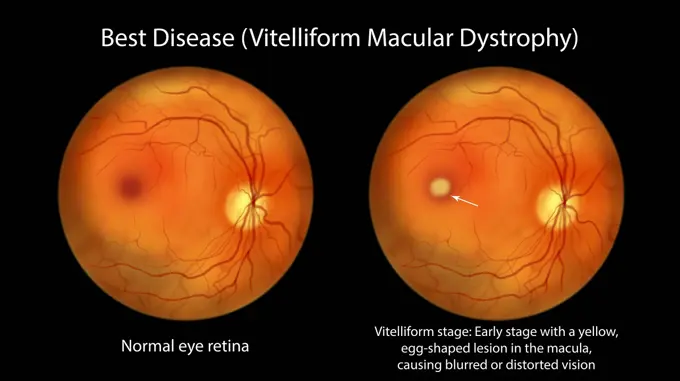
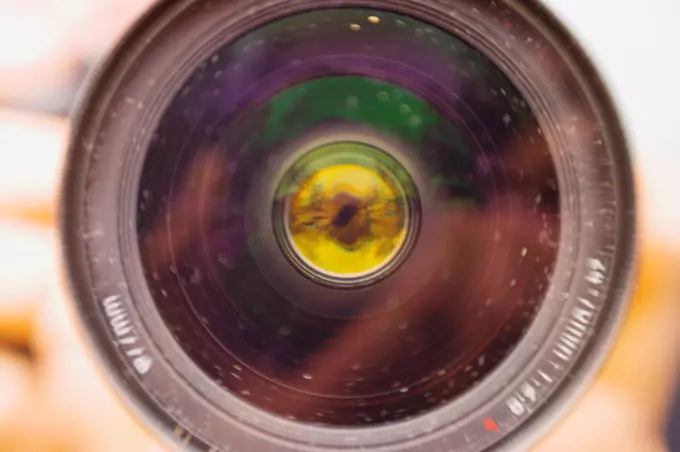
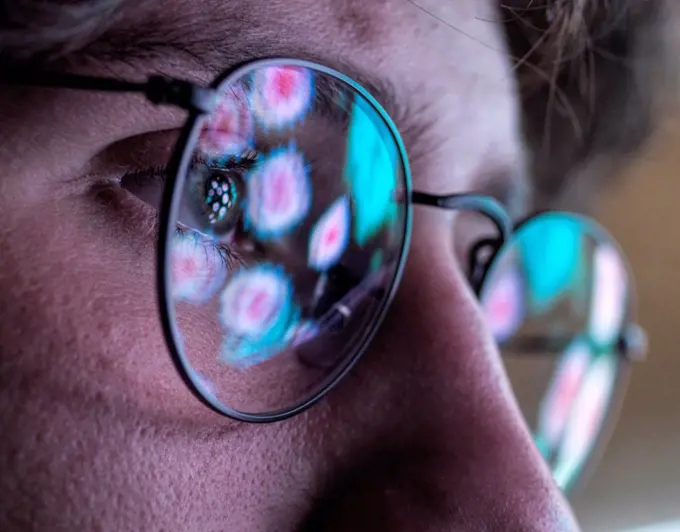
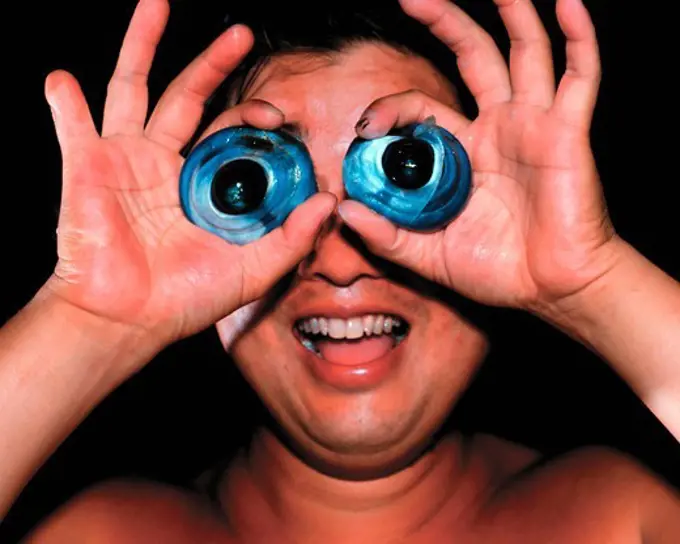
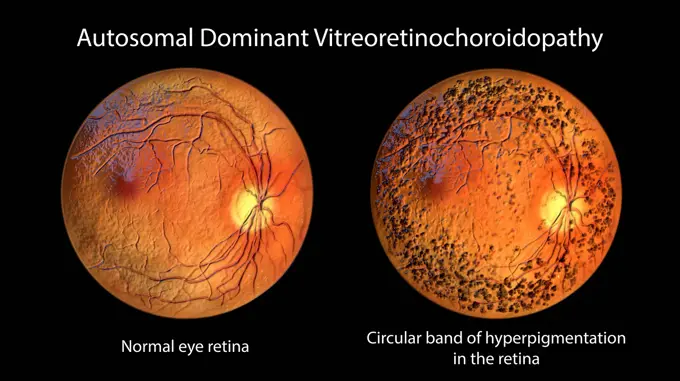
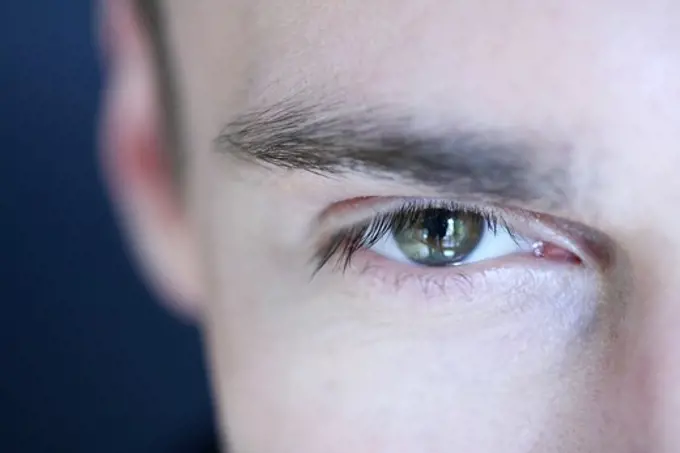
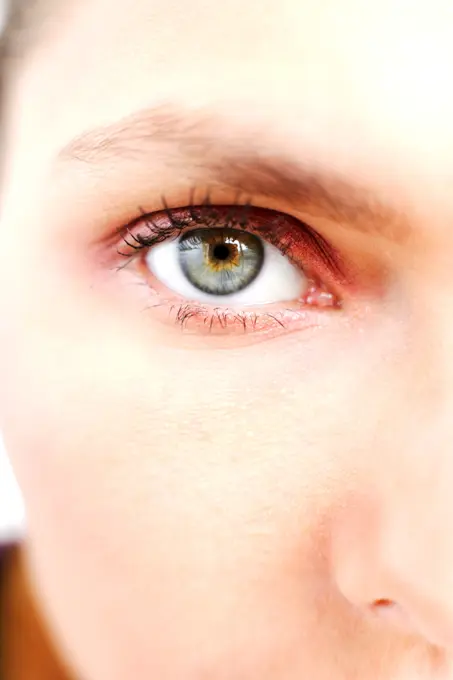
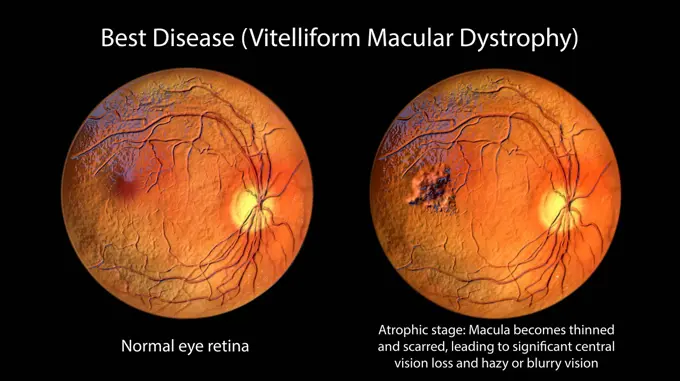
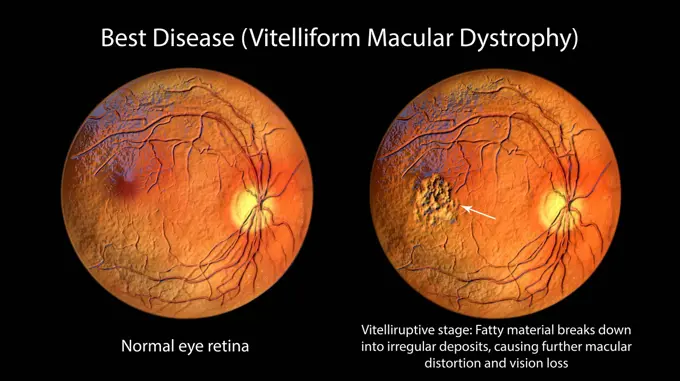
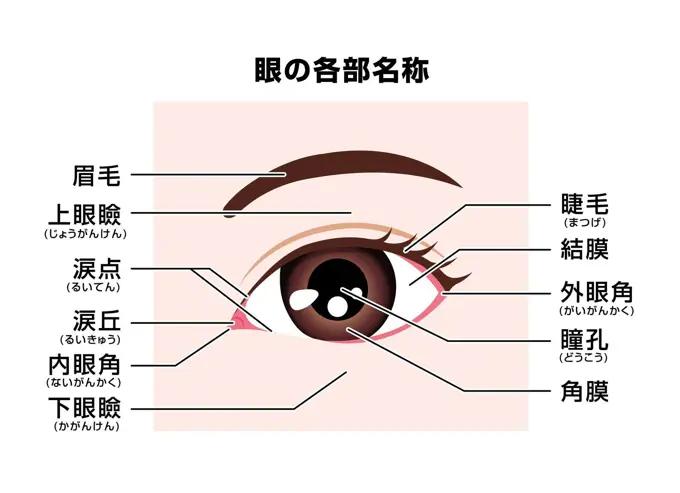
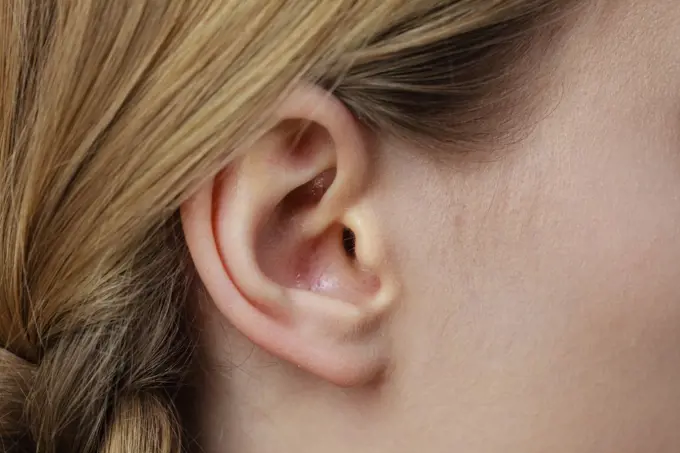
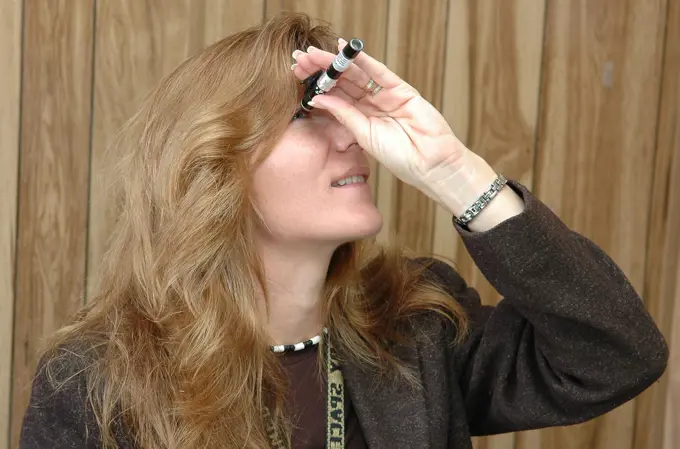
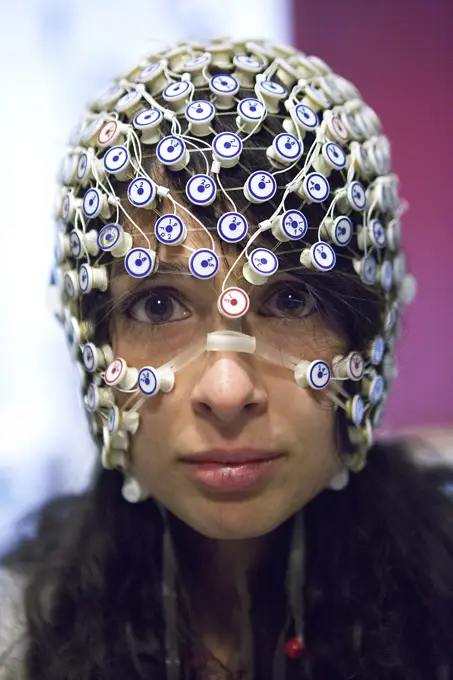
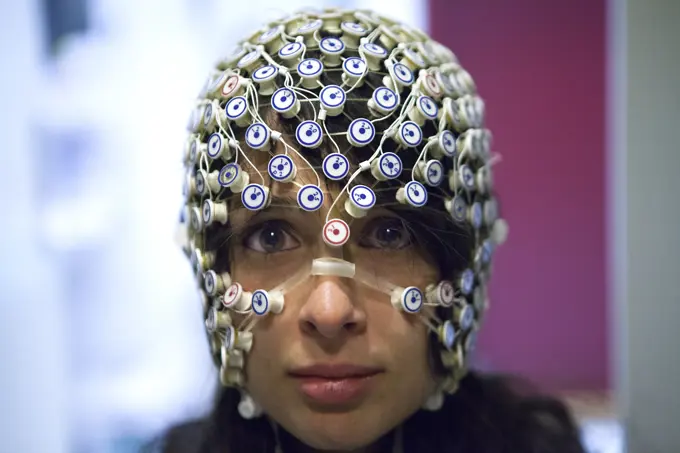
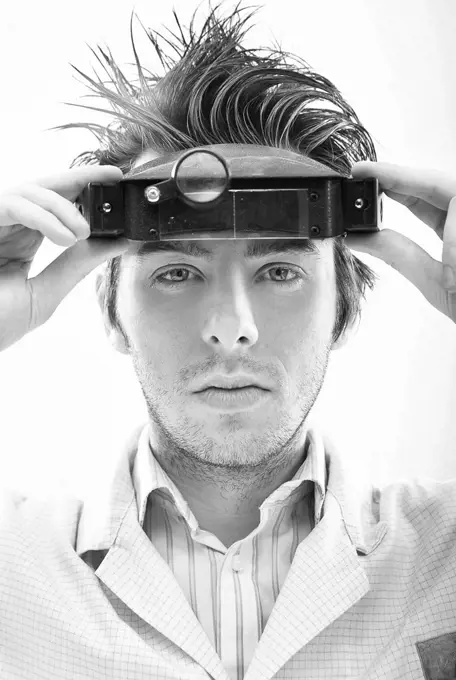
Scientist revives Bigeye Hound Shark Gulf of Aqaba Red SeaMale ear, extreme close-upHuman ear, computer illustration.Cataract eye close up view. Eyeball with cloudy lens. Anatomically accurate human organ of vision with aging problemsclose up shot of human noseBest disease, illustrationIllustration of the absence of sinuses in the superhero Aquaman. This particularity enables him to swim deep under water without having to respect the decompression stops.Illustration of the absence of sinuses in the superhero Aquaman. This particularity enables him to swim deep under water without having to respect the decompression stops.Best disease, illustrationReflection in Photographic LensClose up on female ear. Detail of the head with female human ear and hair close upAn isolated human eye ball with its muscles.Male scientist wearing eyeglasses with reflection of virusMan Substitutes Eyes of Giant Humboldt Squid for His OwnAutosomal dominant vitreoretinochoroidopathy, illustrationClose-up of man's eyeClose-up of an eye.Scientist in protective wear, glasses and respiratorBest disease, illustrationBest disease, illustrationStructure of human eye  ( names of parts )  vector illustration / JapaneseDetail of the head with female human ear and blonde braid hair, close up. Close up on female ear and braid hairKENNEDY SPACE CENTER, FLA. - Jamie Gurney reads a personal dosimeter that will be used by officials handling the radioisotope thermoelectric generator (RTG) before its move to the RTG facility at Kennedy Space Center.  The RTG is the baseline power supply for the NASAs New Horizons spacecraft, scheduled to launch in January 2006 on a journey to Pluto and its moon, Charon. As it approaches Pluto, the spacecraft will look for ultraviolet emission from Pluto's atmosphere and make the best global maps of Pluto and Charon in green, blue, red and a special wavelength that is sensitive to methane frost on the surface. It will also take spectral maps in the near infrared, telling the science team about Pluto's and Charon's surface compositions and locations and temperatures of these materials. When the spacecraft is closest to Pluto or its moon, it will take close-up pictures in both visible and near-infrared wavelengths.  It is expected to reach Pluto in July 2015.Reportage on a research team who are studying conscious thought in Geneva, Switzerland. The researchers use electroencephalography on a person looking at a geometrical shape in order to measure brain activity at the moment when the person perceives a change of perception in this same shape. The recordings allow the various cerebral micro-states to be detected. Dr Britz, a neuroscientist at the University of Geneva and the Lausanne Federal Polytechnic School, has brought to light an important characteristic of conscious thought. Using neuroimagery methods and mathematical analysis, she has shown that conscious thought can be broken down into a succession of cerebral micro-states, or « thought atoms » . The temporal sequence of these micro-states is chaotic. This chaotic organisation of cerebral activity seems to be the key to allowing the brain to react quickly to unexpected events. Each micro-state corresponds to a particular configuration of neuron activity in the brain. Researchers hReportage on a research team who are studying conscious thought in Geneva, Switzerland. The researchers use electroencephalography on a person looking at a geometrical shape in order to measure brain activity at the moment when the person perceives a change of perception in this same shape. The recordings allow the various cerebral micro-states to be detected. Dr Britz, a neuroscientist at the University of Geneva and the Lausanne Federal Polytechnic School, has brought to light an important characteristic of conscious thought. Using neuroimagery methods and mathematical analysis, she has shown that conscious thought can be broken down into a succession of cerebral micro-states, or « thought atoms » . The temporal sequence of these micro-states is chaotic. This chaotic organisation of cerebral activity seems to be the key to allowing the brain to react quickly to unexpected events. Each micro-state corresponds to a particular configuration of neuron activity in the brain. Researchers hcataractcataractIllustration of StyeDouble exposure of engineer working with survey equipment theodolite on a tripod against the city isolated on white backgroundMadman analyzing scientistCloseup of man's tongueMadman analyzing scientist