My Boards
View Pictures
  • My Boards
← Artworks

Ancient Art Reliefs

Artifacts featuring intricate relief sculptures from ancient cultures, depicting deities, battles, and daily life in various historic styles and themes.
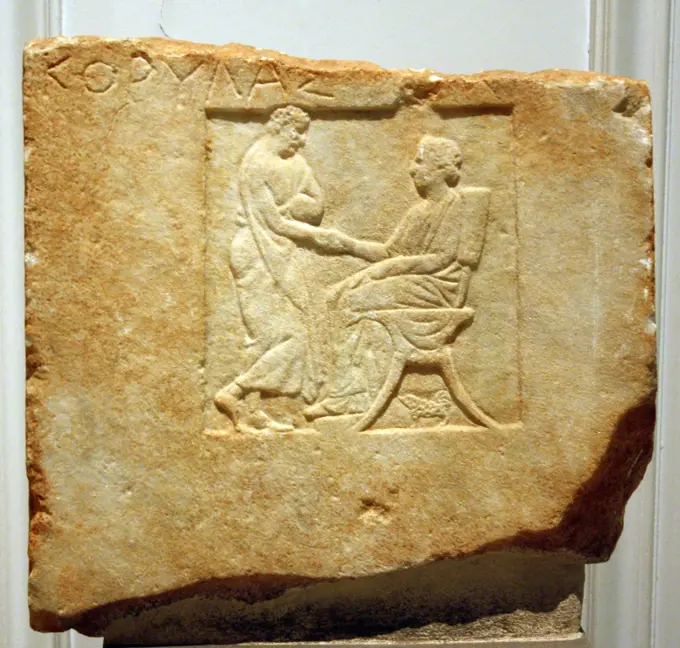
part of an Attic grave stele with funeral scene circa 300BC
283 assets in this story
6145-48875509
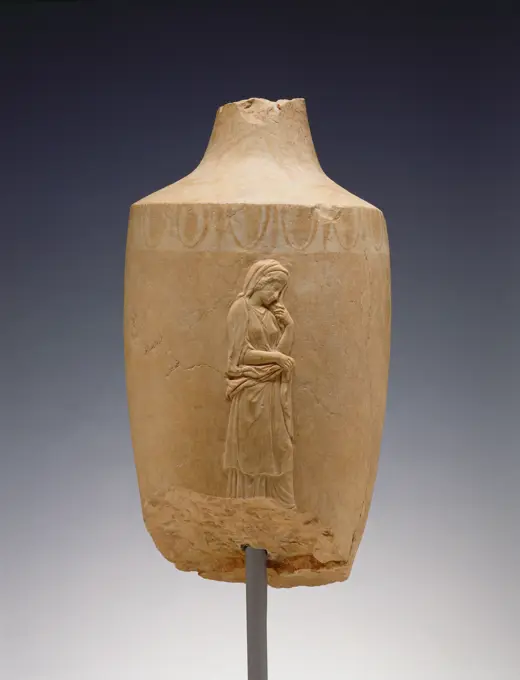
Funerary Lekythos. Unknown
4409-65661
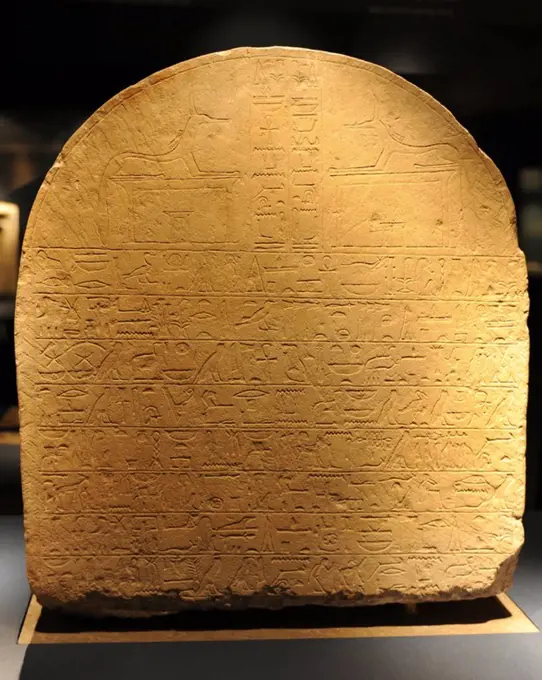
Stele from Harageh depicting two jackals face to face. Seneb, full name Khenti-kheti-emsaf-seneb invoking the gods Ptah, Osiris and Sobek. Double-side. Limestone. Late Middle Kingdom. 1800-1650 BC. Ny Carlsberg Glyptotek Museum. Copenhagen. Denmark.
6145-48840801
Head of a Kore from a Relief. Unknown
6145-29155850
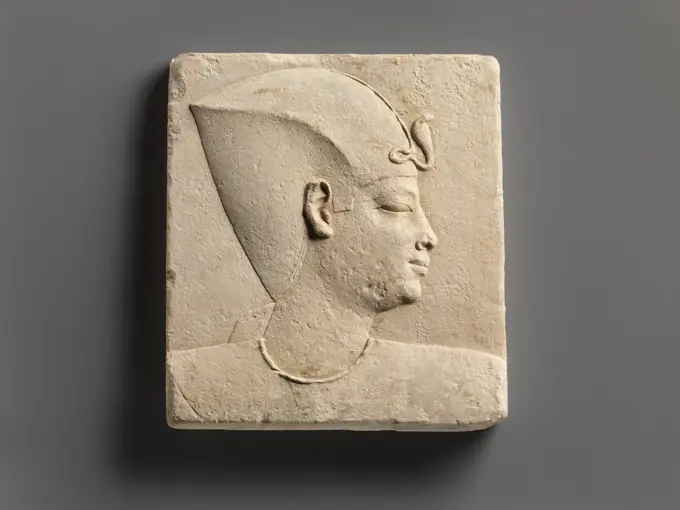
Relief of king's head in blue crown, head of child god on opposite side 400-200 B.C. Late Period-Ptolemaic Period Small Late Period and Ptolemaic reliefs or sculptures that depict a subject in a partial or unfinished way but are themselves complete objects constitute a special class of object. Guidelines like those for artists are often prominently exhibited as part of the object, although, in fact, many instances can be noted where the object simply could not serve as a suitable model for a traditional formal Egyptian representation. Personifications of kingship, figures that may represent the now emerging demigods Imhotep and Amenhotep Son of Hapu, and popular gods like Harpokrates or Isis, are heavily represented within the corpus. Taken together, the figures represented and the other features indicate the reliefs and sculptures of this class, sometimes called by Egyptologists "sculptors models / votives," were the material of a donation practice, perhaps connected with the prolifi
6145-29708196
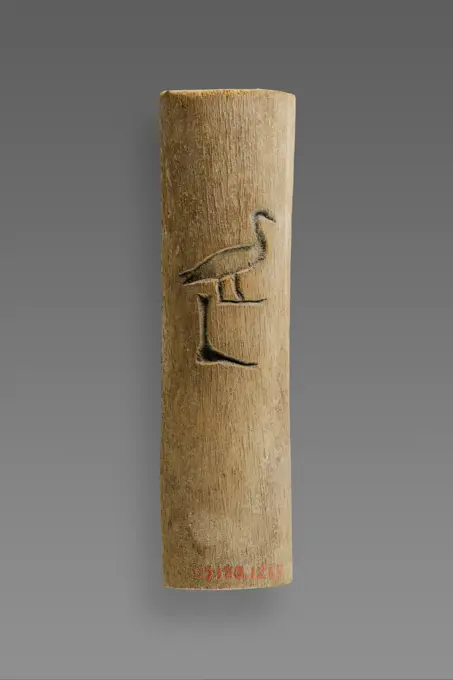
Cylinder, perhaps from a ceremonial whip ca. 1981-1802 B.C. Middle Kingdom This wooden cylinder may come from a ceremonial flail of the type held by kings and buried with nobles (see 12.183.15a-g). Two hieroglyphs, which could be read as Sab or Geb, are incised on the surface; these were once filled with blue paste.. Cylinder, perhaps from a ceremonial whip. ca. 1981-1802 B.C.. Wood, traces of blue paste. Middle Kingdom. From Egypt, Memphite Region, Lisht South. Dynasty 12
6145-29196513
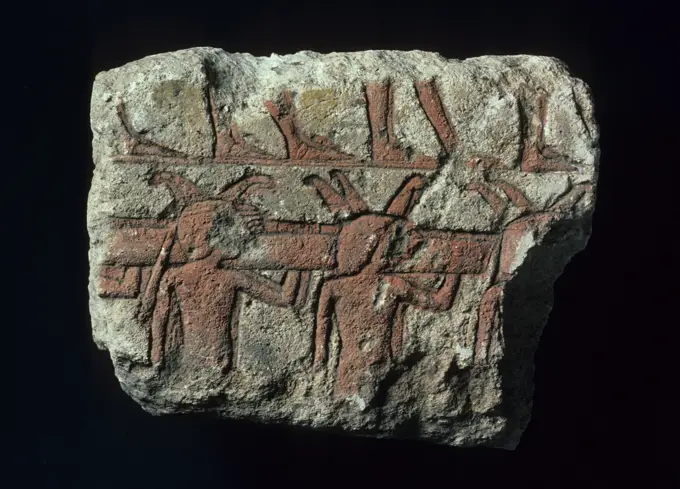
Relief with foreign soldiers ca. 1353-1336 B.C. New Kingdom, Amarna Period. Relief with foreign soldiers. ca. 1353-1336 B.C.. Limestone, paint (mostly modern). New Kingdom, Amarna Period. From Egypt; Probably originally from Amarna (Akhetaten); Probably from Middle Egypt, Hermopolis (Ashmunein; Khemenu). Dynasty 18
6145-29714980
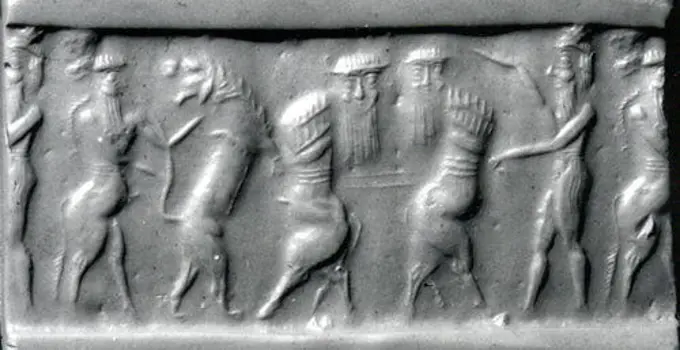
Cylinder seal ca. 15th-13th century B.C. Mitanni. Cylinder seal. Mitanni. ca. 15th-13th century B.C.. Hematite. Mitanni. Mesopotamia or Syria
4409-17283088
CAPITEL VISIGODO. Location: MUSEO ARQUEOLOGICO-COLECCION. Sevilla. Seville. SPAIN.
4443-19589083
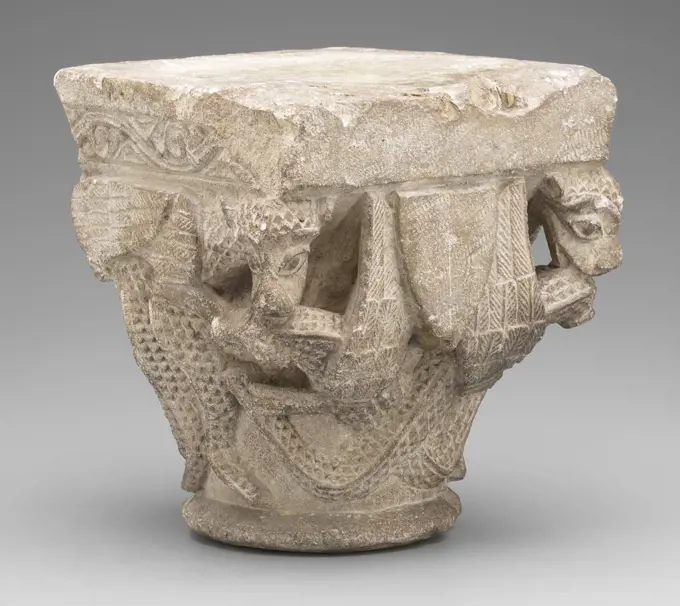
Romanesque Capital with AnimalOrnament, 13thcentury, Carved limestone, 26 × 24.2 × 23 cm (10 1/4 × 9 1/2 × 9 1/16in.), French,Languedoc, 13thcentury, Sculpture
4409-61046
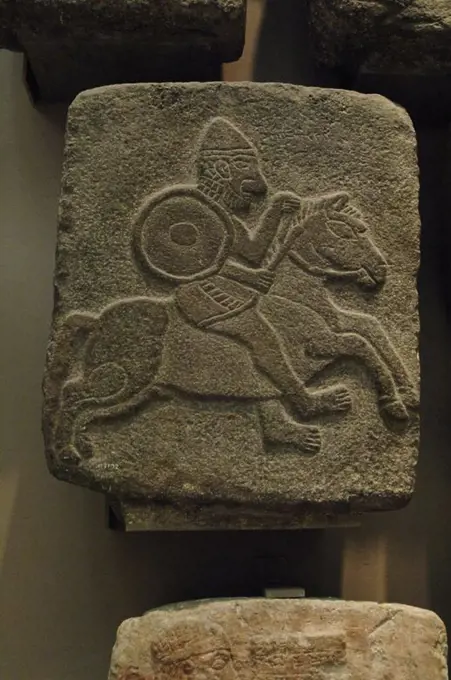
Black basalt relief depicting a soldier on a horse. He was one of the 187 reliefs that decorated the base of the south wall of the Palace of King Kapara. 10th century BC. From Tell Halaf, ancient Guzana. British Museum. London. United Kingdom.
4443-21910703
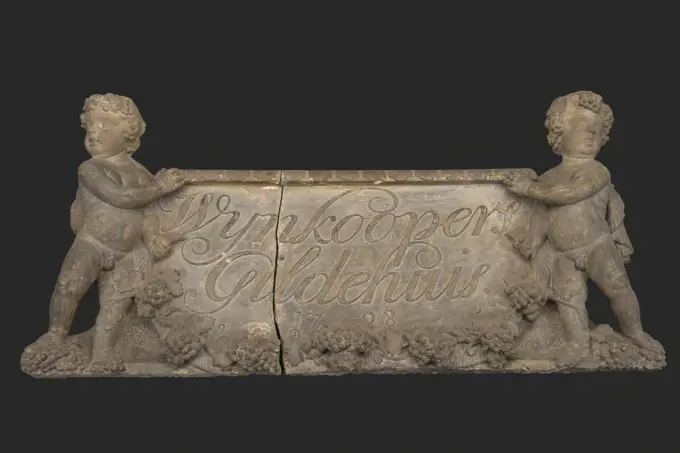
Jacob Janssens of Janson, Facade stone with two putti, vines and Wijnkoopers Gildehuis Ao 1728, facing stone sculpture sculpture building component sandstone stone, ca 470 kg sculpted minced meat Two putti grape vines text. Wine merchants Guildhall Ao 1728 (hewn center) Wine merchants guild trade in wine trade Wijnhaven Rotterdam City center Stadsdriehoek facade Originating from former Guildhall of the Wijnkopersgilde on the Wijnhaven Zuidzijde.
6145-29706107
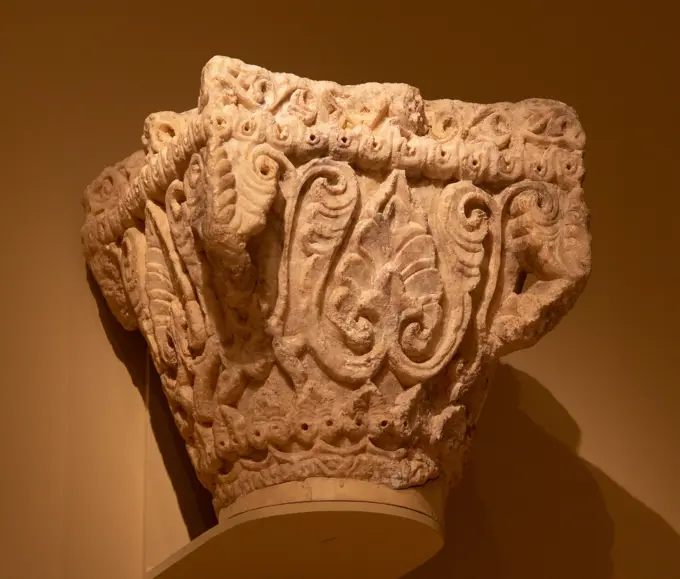
Capital with Palmettes and Leaves late 8th century This capital, carved of soft alabaster, demonstrates the emergence of the distinctive Beveled style from an earlier vegetal style in the early Abbasid period. Classical curled leaf forms on more traditionally decorated capitals gave way to the typical slant-cut and more abstract Beveled style carvings. This capital demonstrates a transition between the two styles.. Capital with Palmettes and Leaves. late 8th century. Alabaster, gypsum; carved in relief. Made in Syria, probably Raqqa. Sculpture
4443-19539424
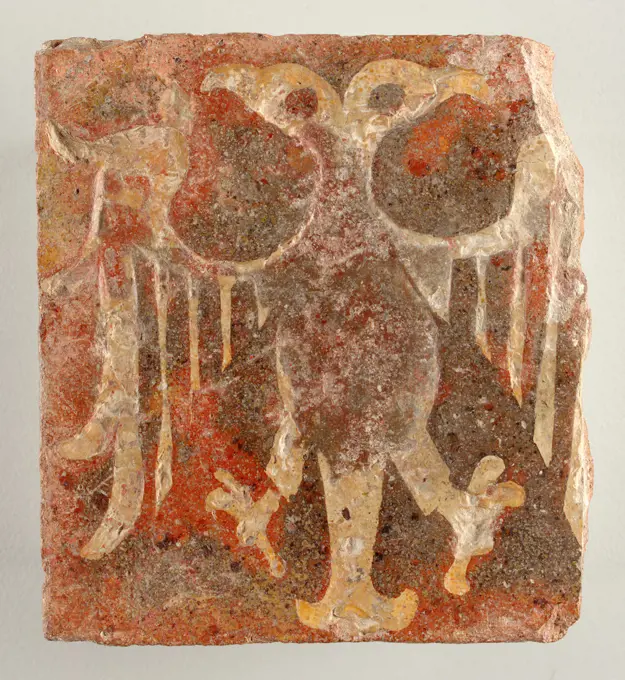
Floor tile, Red earthenware, inlaid with pipe clay, Square tile of red clay, stamped and inlaid with pipe clay in shape of double-headed. Right edge missing. Four circular pits on back., England, 14th century, ceramics, Decorative Arts, Floor tile
1746-21124046
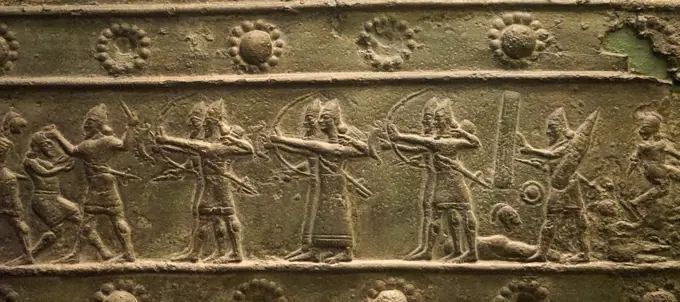
The Balawat Gates, three sets of gates from Balawat, an ancient Assyrian Empire, with embossed scenes showing scenes of warfare, the presentation of tribute and hunting of Lions and bulls.
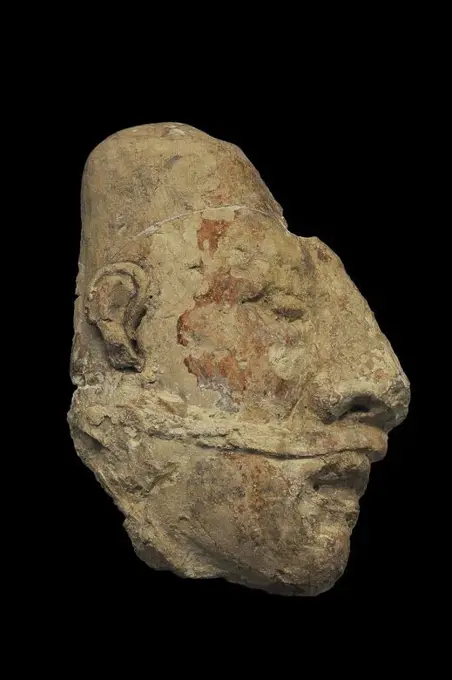
6145-43631723
Kapitel koryntyzujący. unknown, author
6145-43857367
Argos - head of gorgon , Antiquities, Sculpture, Monsters, Gorgons Greek mythology. Nicholas Catsimpoolas Collection
4409-21516597
YESERIA ARABE CON ESCRITURA CUFICA-FRAGMENTO. Location: MUSEO HISTORIA DE LACIUDAD. ONDA. Castellón. SPAIN.
6145-29799531
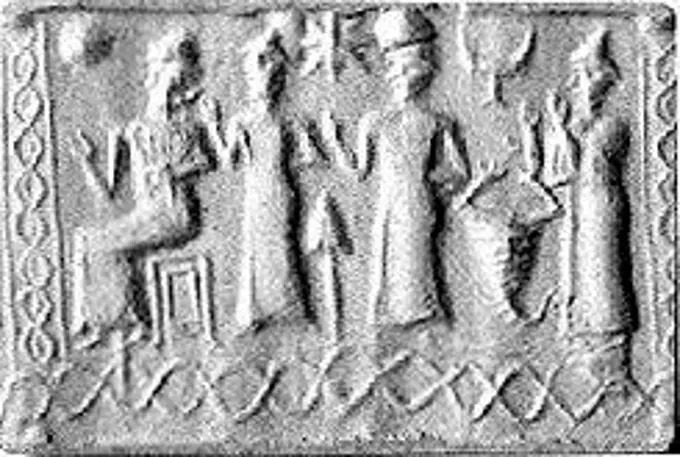
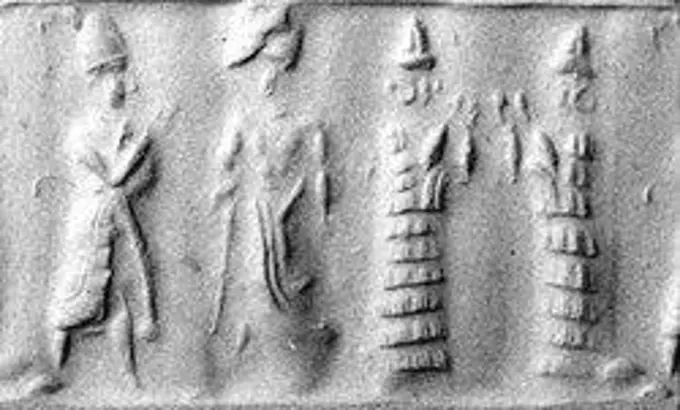
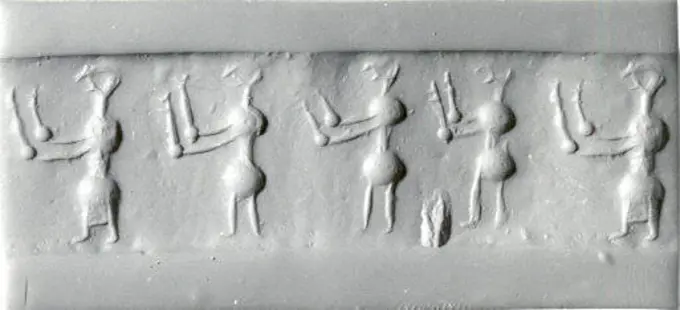
Cylinder seal and modern impression: suppliant goddesses and worshipers ca. early 2nd millennium B.C. Babylonian Although engraved stones had been used as early as the seventh millennium B.C. to stamp impressions in clay, the invention in the fourth millennium B.C. of carved cylinders that could be rolled over clay allowed the development of more complex seal designs. These cylinder seals, first used in Mesopotamia, served as a mark of ownership or identification. Seals were either impressed on lumps of clay that were used to close jars, doors, and baskets, or they were rolled onto clay tablets that recorded information about commercial or legal transactions. The seals were often made of precious stones. Protective properties may have been ascribed to both the material itself and the carved designs. Seals are important to the study of ancient Near Eastern art because many examples survive from every period and can, therefore, help to define chronological phases. Often preserving imager
6145-29708170
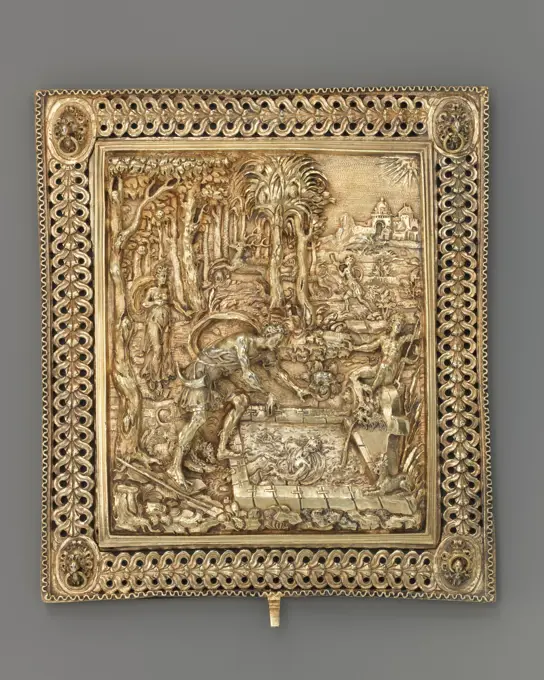
Narcissus at the Source ca. 1600 Christoph Jamnitzer Visually rich, narratively dense, and rendered with exquisite craftsmanship, this gilded silver plaque was likely meant to adorn a box or cabinet. Small caskets decorated with precious metal plaques with iconographically, symbolically, or thematically related subjects were a specialty of the Jamnitzer family. Four consecutive generations of these Nuremburg goldsmiths reached the apex of their skill in Christoph Jamnitzer (1563-1618), grandson of famed 16th-century master Wenzel Jamnitzer (1507/8-1585). This relief combines several episodes from Ovids story of Narcissus from his famous text published in 8 A.D., the Metamorphoses, depicted as a continuous narrative within a unified pictorial space. In the background is Narcissus, as he is first described by Ovid, seen through the eyes of his admirer, the nymph Echo, who sees him hunting deer in the forest, with horn raised and hounds in pursuit. In the midground is Echo who follows Na
1746-19669985
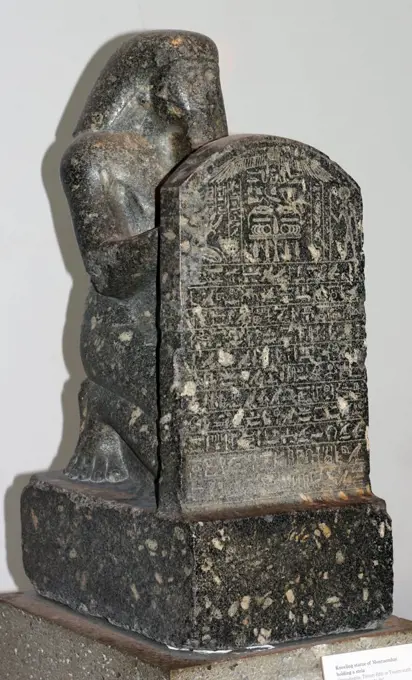
Statue of Montuemhat kneeling and holding up a stele. 25th or 26th Dynasty (approx. 670-650 BC) Egyptian. Made from Granodiorite. The stele shows the prophet Montuemhat offering to Atum-Khepri, and contains text from the Book of the Dead.
4443-21922890
Hearthstone, from Antwerp Belgium, with narrow frame, with the history of Susanna, hearth fireplace part ceramics brick, baked Hearthstone of the Antwerp type with narrow list depicting Susanna who is led to justice by the two elders (Daniel 13: 28v) building history heat old testament religion bible Susanna elder judge
6145-29709064
Tile China. Tile 61604
6145-29817820
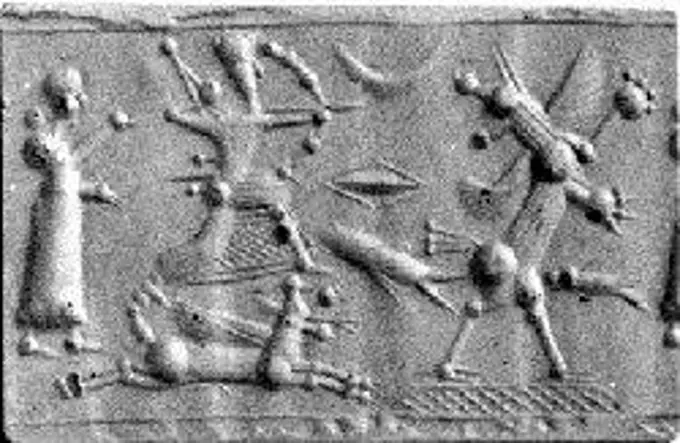
Cylinder seal ca. 2350-2150 B.C. Akkadian. Cylinder seal 323870
6145-29193674
Sketch of a King ca. 1295-1070 B.C. New Kingdom, Ramesside. Sketch of a King 549383
6145-58865103
Korbeel with a key piece, with sliced representation of a nun from the monastery in the Oude Hoogstraat in Amsterdam, Anonymous, c. 1550 - c. 1600 Korbeel and key piece of oak. On the consolorous front piece, a nun is sculpted in relief for a shell. The sides show a volute with rolling work. The key piece is decorated with an angelic head. Coming from the monastery in the Oude Hoogstraat in Amsterdam. unknown oak (wood) Korbeel and key piece of oak. On the consolorous front piece, a nun is sculpted in relief for a shell. The sides show a volute with rolling work. The key piece is decorated with an angelic head. Coming from the monastery in the Oude Hoogstraat in Amsterdam. unknown oak (wood)
4409-67199911
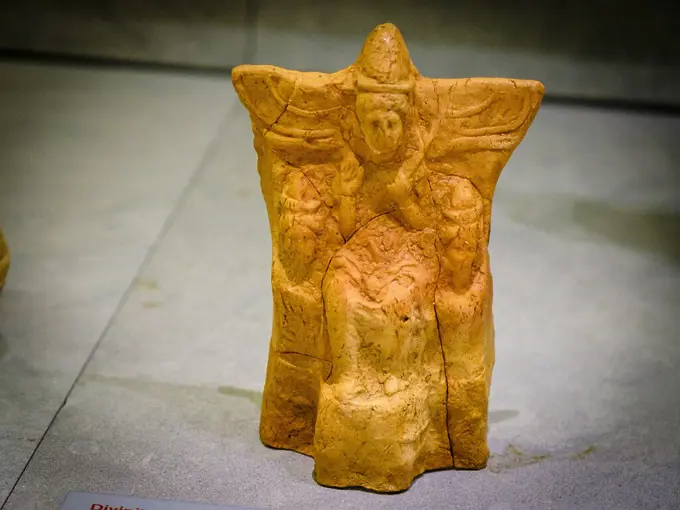
enthroned deity, 400-300 BC, Archaeological Museum of Ibiza and Formentera, Ibiza, Spain.
6145-29732748
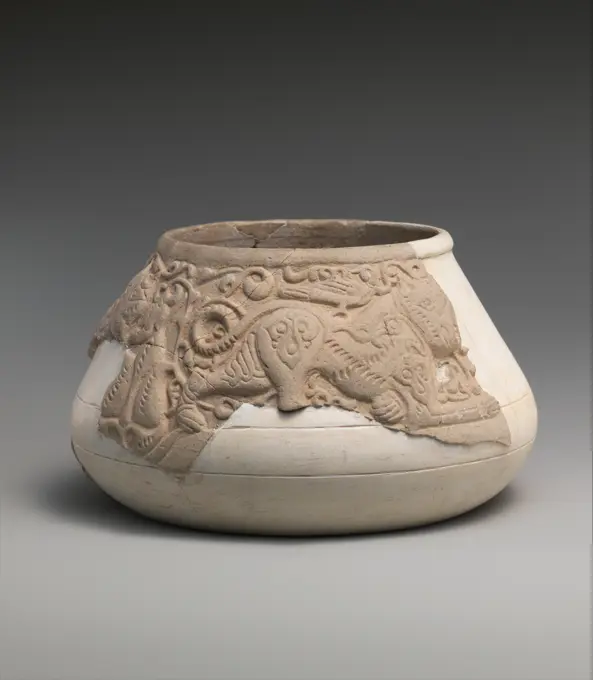
Master Model 11th century. Master Model. 11th century. Earthenware; gritty white body, unglazed. Excavated in Iran, Nishapur. Ceramics
7155-70375687
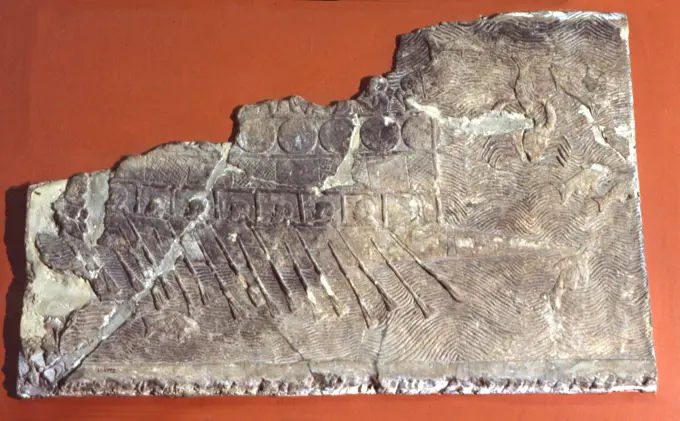
Assyrian relief of a Phoenician warship, scene from Sennacherib's expedition to Phoenicia and Palestine, 702 BC. IRAQ.
4409-17424636
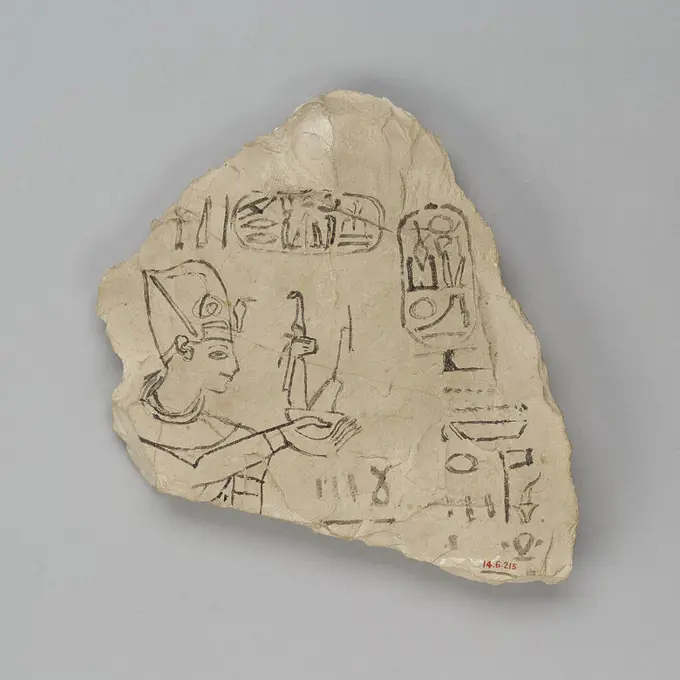
Ostracon Depicting Ramesses IX attributed to the chief draftsman Amenhotep. Dimensions: H. 15 cm (5 7/8 in.); W. 14.5 cm (5 11/16 in.). Dynasty: Dynasty 20. Reign: reign of Ramesses IX. Date: ca. 1126-1108 B.C.. Museum: Metropolitan Museum of Art, New York, USA.
4409-17391949
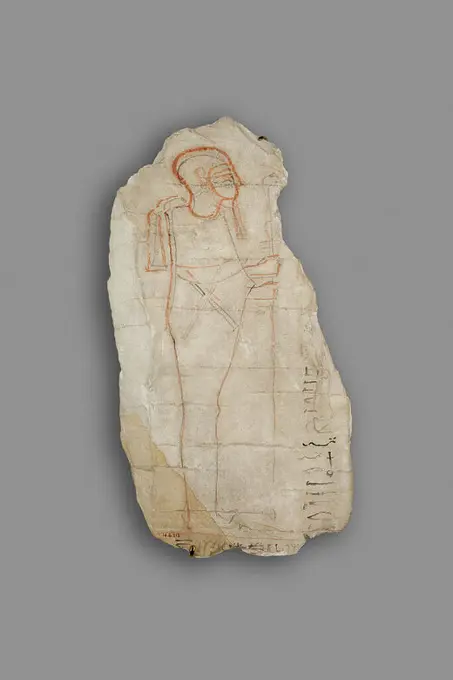
Figured Ostracon with an Artist's Sketch. Dimensions: H. 29 cm (11 7/16 in.), w. 13.5 cm (5 5/16 in.). Dynasty: Dynasty 19-20. Date: ca. 1295-1070 B.C.. Museum: Metropolitan Museum of Art, New York, USA.
6145-29078847
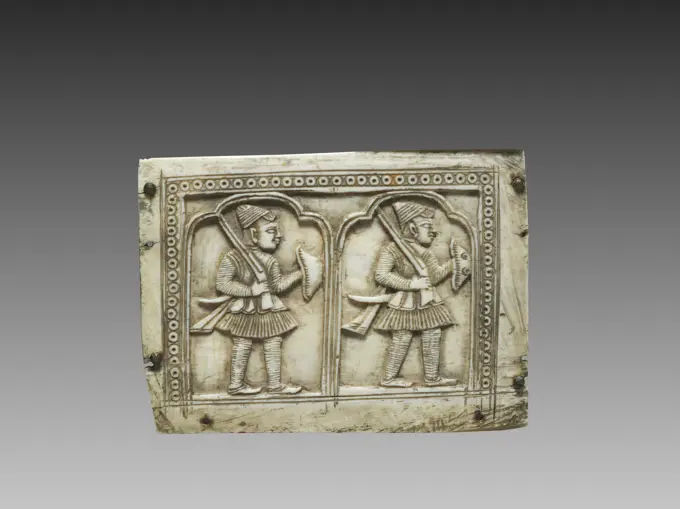
Panel from a Box, c. 1700. India, North East Deccan, Visakhapatnam district, Mughal Dynasty (1526-1756). Ivory; overall: 8 x 13.4 cm (3 1/8 x 5 1/4 in.).
6145-29798571
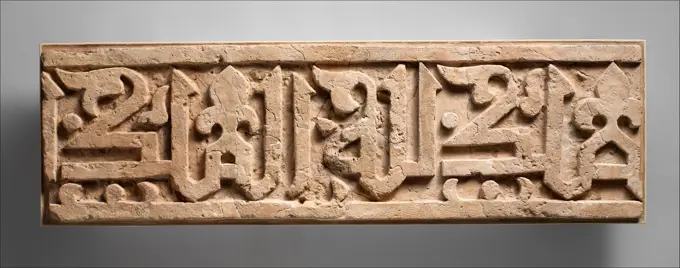
Fragment of a Frieze with Repeating Phrase, "Sovereignty is God's" 11th century Found at the Tepe Madrasa part of the Nishapur site, this panel was believed by the excavators to have adorned the façade of the areas large mosque. Compared to a bowl that has the same inscription (38.40.118), the writing on this panel is more angular and less fluid.. Fragment of a Frieze with Repeating Phrase, "Sovereignty is God's" 449592
4409-17565347
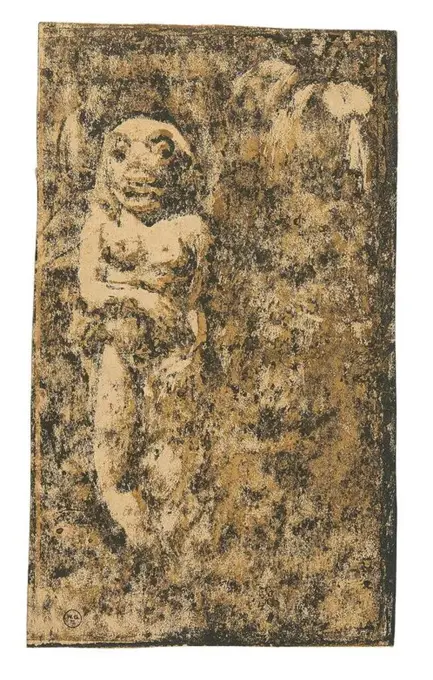
Oviri. Paul Gauguin; French, 1848-1903. Date: 1894. Dimensions: 208 × 123 mm (image/sheet). Wood-block print, printed twice in deep yellow ocher and black ink (recto); wood-block print in black ink over stenciled yellow ink and a red ink tone block (verso); on cream wove paper (an imitation Japanese vellum). Origin: France. Museum: The Chicago Art Institute, Chicago, USA.
1848-53505591
Votive altar with Aquileia and Roma, 238 AD, National Archaeological Museum, Villa Cassis Faraone, UNESCO World Heritage Site, important city in the Roman Empire, Friuli, Italy, Aquileia, Friuli, Italy, Europe
6145-29786301
Auspicious Emblem with Pururavas and Urvashi 1st century B.C.-1st century A.D. India. Auspicious Emblem with Pururavas and Urvashi 38712
6145-29784123
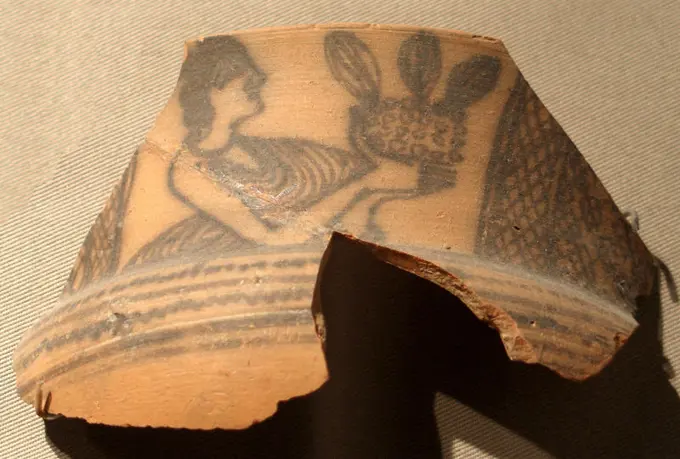
Shard: Neckpiece with Female Offerer and Crosshatched Ornamentation ca. 4th-5th century Pakistan. Shard: Neckpiece with Female Offerer and Crosshatched Ornamentation 51264
1899-20257473
Relief of the tympanum depicting the Adoration of the Magi. 14th century. Convent of Santo Domingo (Convent of Saint Dominic). La Coruna, Galicia, Spain. Archaeological and History Museum of A Coruna (San Anton Castle). Galicia, Spain.
4409-17395832
Antropomorphic head. Head of the sacrificed. Drawn on the VIII sheet of the Excavation Memory. It was collected in 1787 by captain Antonio del Rio in Palenque, Chiapas, Mexico. Maya culture. Late Classic period (600-900 AD). Stucco. Museum of the Americas. Madrid, Spain.
6145-44300683
Head of a Female Figure. Unknown
4409-20999627
Islamic art. Gravestone. Marbled limestone. Egypt. 880-881. The State Hermitage Museum. Saint Petersburg. Russia.
4409-17405165
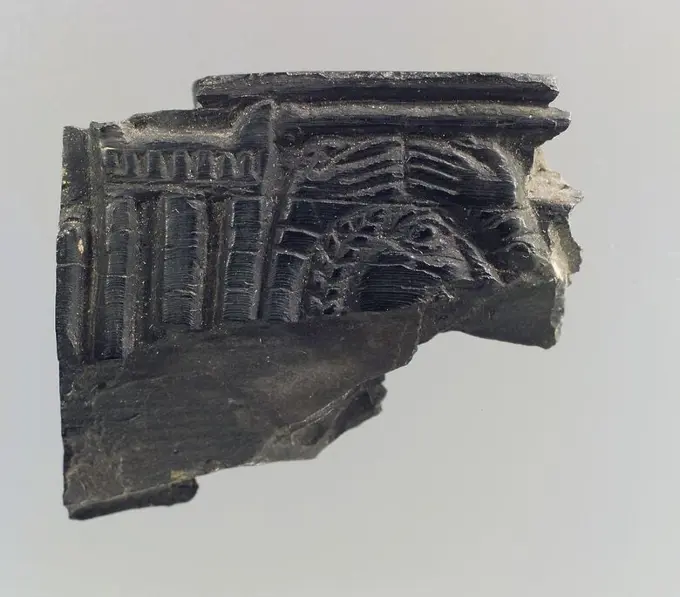
Plaque fragment. Culture: Iran. Dimensions: 1.18 x 1.3 x 0.31 in. (3 x 3.3 x 0.79 cm). Date: ca. 9th century B.C.. Museum: Metropolitan Museum of Art, New York, USA.
1788-14517
Votive slab in triangular form with Jupiter Dolichenus, Apollo, Minerva, Diana and Syriac Juno, from Hungary
6145-29162874
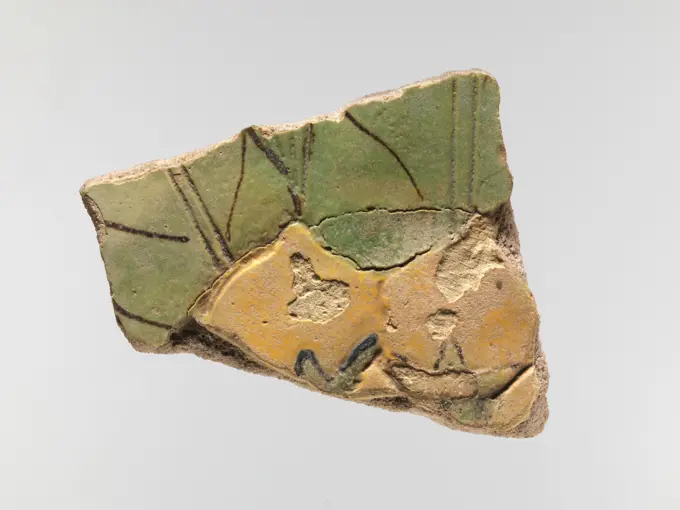
Tile with persea fruit and leaves ca. 1353-1336 B.C. New Kingdom, Amarna Period Among the faience figural tiles found in the area of the Great Palace, the ceremonial palace, was this one depicting yellow persea fruit and its leaves. Many other tiles are known depicting birds, flowers, and fish, among other subjects. The clear fine colors of the plants created in glaze would have mimicked plentiful gardens and marshes, frequent themes also in relief and wall paintings (see 30.4.136) created for royal surroundings.Elaborate decoration of columns and relief with inlaid materials is well-attested from Amarna, and indeed has a long tradition in Egypt. Faience tiles like this one, with an originally semi-round contour, may have been inlaid into stone wall reliefs. There are Amarna architectural reliefs that could accept the tiles, but no tiles have actually been found still attached.. Tile with persea fruit and leaves 571930
6145-29197783
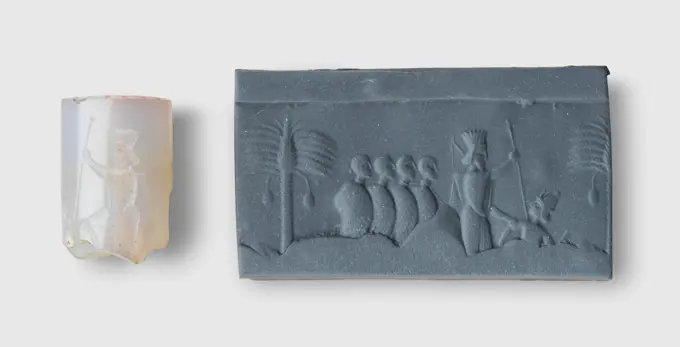
Cylinder seal and modern impression: battle scene with king, soldiers, enemy ca. 6th-5th century B.C. Achaemenid This chalcedony cylinder seal, which is broken off at the bottom, features an image of the Persian king spearing a defeated enemy. As shown in the modern impression of the seal, the king faces right. He wears a robe with wide, flaring sleeves and a fluted crown. He carries a bow and a quiver of arrows over his shoulder. He grasps another man by the arm and stabs him from above with a spear. Only the head and shoulders of the victim survive. He is clean shaven and wears a version of the double crown worn by Egyptian kings, albeit with the raised back of the crown and uraeus duplicated. Behind the king is a row of bound prisoners who are also tied to each other by the neck. The prisoners are clean shaven and wear patterned robes. A date palm with pendulous fruit is in the terminal field between the prisoners and the kings victim.The content of this seal is reminiscent of the
6145-59050056
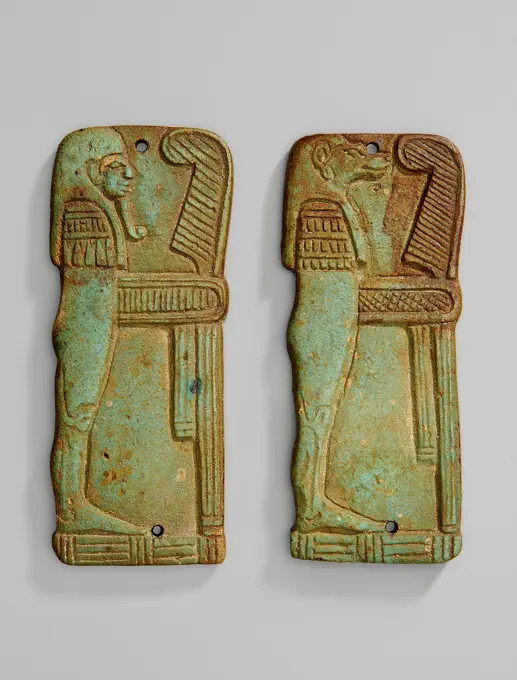
Amulet - a plaque in the shape of the god Imseti, Amulet - a plaque with the representation of God Hapi;  664-525 BC ; Half period, 26 dynasty (-664-00-00--525-00-00);Hapi (Mitol.), Imseti (Mitol.), Scene.gal.g
6145-29792424
Cylinder seal ca. 3100-2900 B.C.. Cylinder seal. ca. 3100-2900 B.C.. Talc. Jemdet Nasr. Mesopotamia
6145-29745865
Panel fragment ca. 8th-7th century B.C. Iran. Panel fragment 324174
4409-17425864
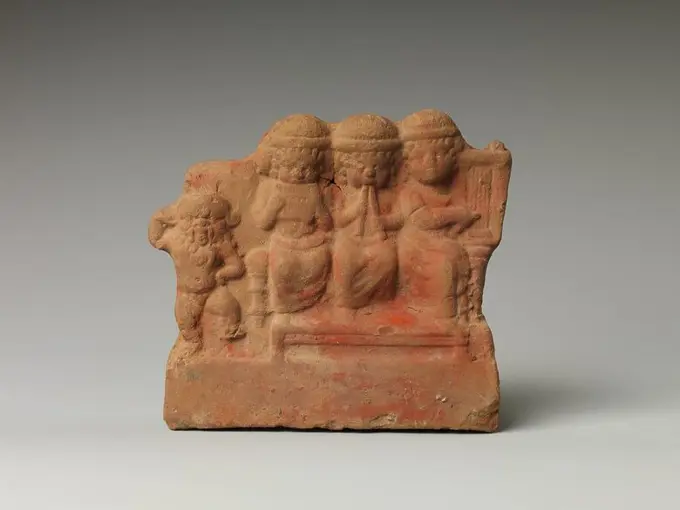
Dancing Bes alongside seated group of musicians. Dimensions: H. 8.8 cm (3 7/16 in.); W. 9.9 cm (3 7/8 in.); D. 3.2 cm (1 1/4 in.). Date: 332-30 B.C..This elaborate terracotta depicts Bes dancing alongside a trio of musicians seated on a bench. The musicians include a syrinx (Pan-pipe) player, a double-flute player, and one playing a lyre with a plectrum. They wear long garments and shoulder-length curly hair over which they pull round caps with folded brims. The bench has elaborate carved armrests and a long footstool. Museum: Metropolitan Museum of Art, New York, USA.
4409-54316
ARTE MINOICO. GRECIA. DISCO DE FESTOS. Realizado en terracota tiene 45 caracteres jeroglíficos grabados por las dos caras junto con elementos móviles en disposición espiral de la periferia al centro. Los símbolos no han sido descifrados. (Epoca de los Nuevos Palacios, hacia el 1600 a. C.). Museo de Heraklio. CRETA.
4409-28821565
Cabeza de jugador de pelota con mascara. Museo de Monte Albán.Oaxaca .México.
4443-73181669
Clodt von Jürgensburg, Peter, work, Dead horse and wolf, plaster, sculpture, h. 11.5 cm
4409-60231
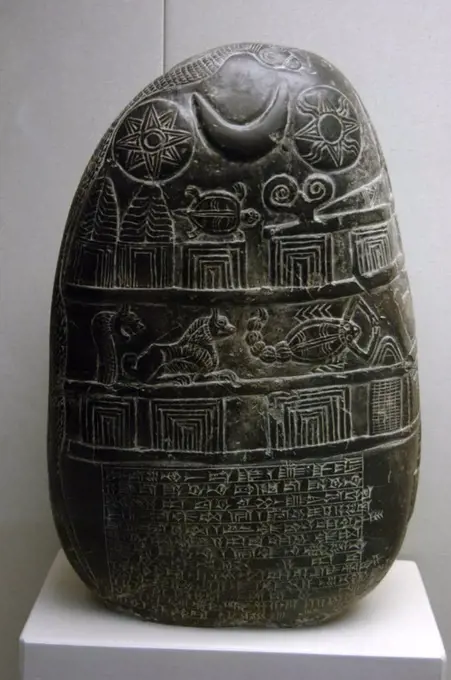
Mesopotamian Art. Kassite Dynasty. The Eanna-shum-iddina kudurru (1125-1100 B.C.). It describes the land grant made by Governor Eanna-shum-iddina to Gula-Eresh witnessed by his surveyor Amurru-Bel-Zeri. The bottom is inscribed in cuneiform script and at the top are depicted gods and zodiac signs in relief. British Museum. London. United Kingdom.
6145-29725357
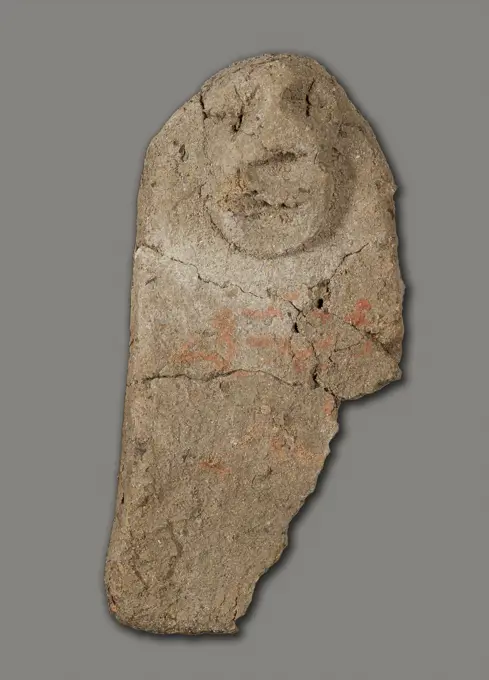
Magical Figure ca. 1802-1550 B.C. Late Middle Kingdom-Second Intermediate Period These tablets of unfired clay with attached crude faces were found as a group by the Museum's excavators at Lisht South in loose surface sand west of the mastaba of Senwosretankh, a high official and possibly the architect of the pyramid complex of Senwosret I (ca. 1961-1917 B. C.), east of which he erected his own very elaborate mastaba tomb (see acc. nos. 33.1.2 and other pieces). The mud figures and little coffin (acc. no. 33.1.66) that had contained some of them must have been buried, however, considerably later than the early twelfth dynasty tomb close to which they were found. In fact, during the thirteenth and following dynasties people deposited a number of objects in the by then sacred area around a legendary ruler's pyramid and its dependant monuments, believing conceivably that potent magical powers could thus be released. These flat mud figures, for instance, are inscribed in now much-faded red
4409-63010737
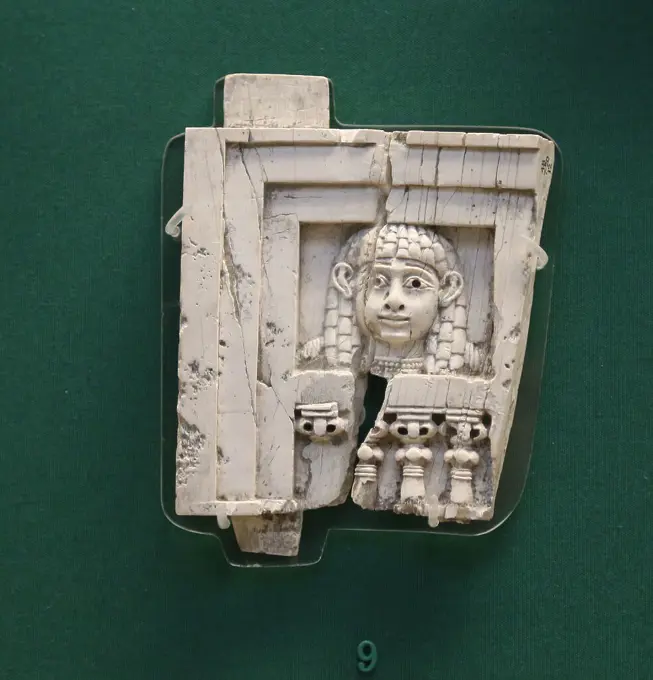
Woman at the window. Phoenician. Ivory from Nimrud, Iraq. 8th BCE. Iraq. British Museum. London. UK.
4466R-21955076
Engraved stone in the ruins at Ephesus Turkey
1746-28970225
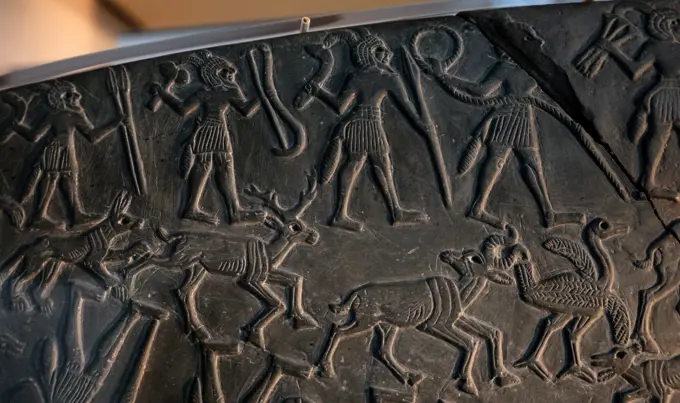
Detail from the Hunter's Palette an Ancient Egyptian cosmetic palette showing a complex iconographic lion hunt. Dated 3100 BC
4409-63013959
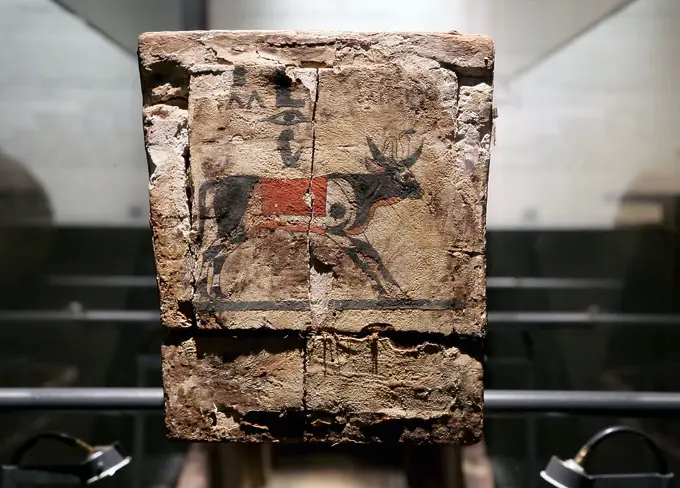
Sarcophagus from El-Asasif. Tomb of Pabasa. Ptolemaic Period. 3rd to 1st century BC. Egypt. Painted and varnished wood. Lisbon. Portugal.
1788-23403
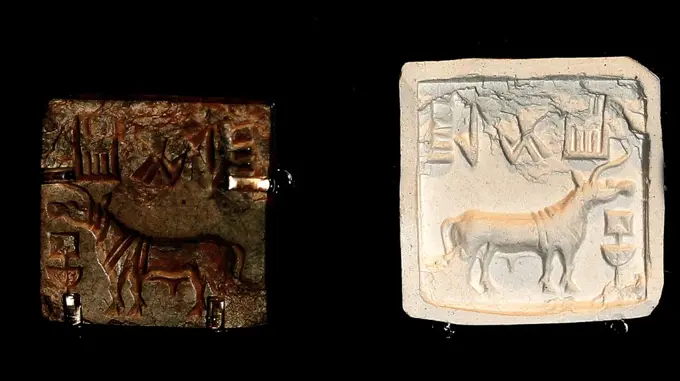
Steatite seal depicting an elephant, late Mohenjo-daro period
1746-21124526
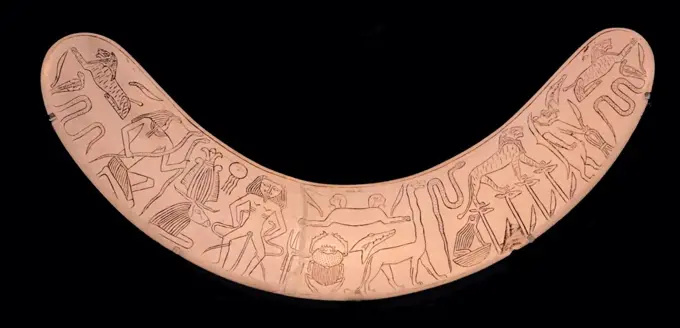
Hippopotamus ivory, Amuletic wand from the Middle Kingdom, Egypt.
4409-17545685
Mosaic Fragment with Man Leading a Giraffe. Byzantine; Syria or Lebanon. Date: 401 AD-500 AD. Dimensions: 170.8 × 167 × 6.35 cm (67 1/4 × 65 3/4 × 2 1/2 in.). Stone in mortar. Origin: Tyre. Museum: The Chicago Art Institute, FLORENCIA, USA. Author: BYZANTINE.
6145-59042631
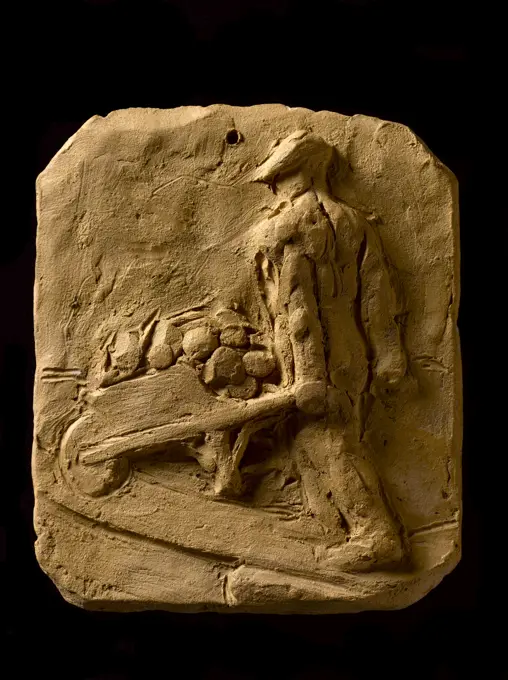
Aimé-Jules Dalou (1838-1902). "Tank top at the wheelbarrow". Terracotta, 1897. Museum of Fine Arts of the City of Paris, Petit Palais. Wheelbarrow, tank top, worker, wear, terracotta, transport
4409-137186
JARRON IBERICO CON DIBUJO DE CABALLO. (DEPOSITO: MUSEO NUMANTINO).
1788-16019
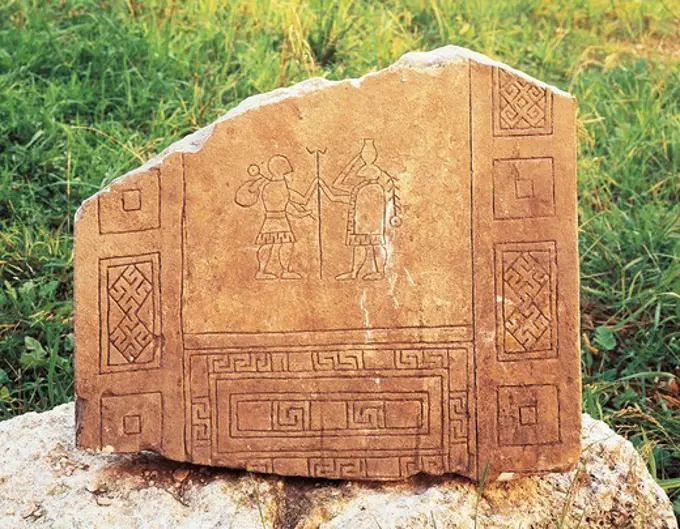
Daunian civilization, engraved stele, from Siponto, Apulia Region, Italy
6145-29827166
Cylinder seal ca. 2350-2150 B.C. Akkadian. Cylinder seal. Akkadian. ca. 2350-2150 B.C.. Serpentine, green. Akkadian. Mesopotamia
1746-19670568
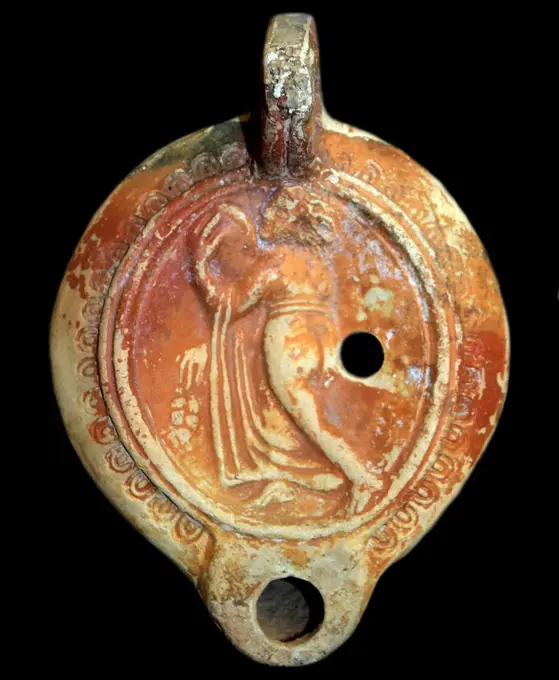
Terracotta lamp with a maenad playing a tambourine. Roman, made at Benghazi, Libya
1788-15072
Italy, Prehistory, Head of stele-statue of Malgrate type, From Verrucola (Liguria Region)
6189-53751137
Labyrinth stele, 8th-11th centuries, Labyrinth engraved in stone, path of perfection for salvation, Romanesque church of San Pantaleón, Museum of prehistory and archeology (MUPAC), Santander, Cantabria, Spain
1746-19674489
Fragments from of a Ancient Roman funeral monument. Barcelona. Spain 2013
4409-17372602
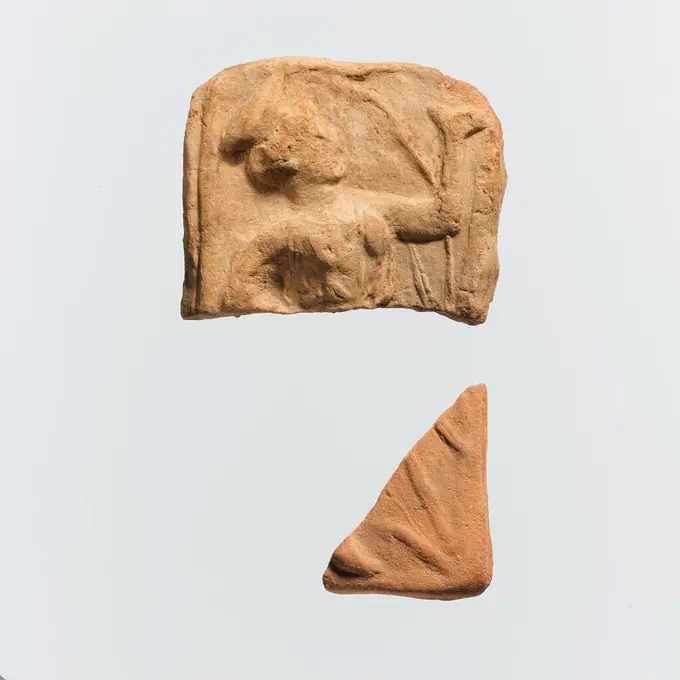
Two fragments of a terracotta plaque. Culture: Greek. Dimensions: H. of a 3 3/4 in. (9.5 cm); H. of b 3 1/4 in. (8.2 cm). Date: late 5th century B.C..Dancing woman. Museum: Metropolitan Museum of Art, New York, USA.
6145-29773784
Cylinder seal with animal-monster contest scene 9th - 8th century B.C. Babylonian. Cylinder seal with animal-monster contest scene. Babylonian. 9th - 8th century B.C.. Flawed and veined neutral Chalcedony (Quartz). Neo-Babylonian. Mesopotamia
6145-29213870
Stucco Fragment probably 8th-12th century. Stucco Fragment 741517
1788-41206
Gold foil decorated with winged griffins, from Klalevo, Bulgaria. Goldsmith art. 3rd Century BC.
6145-29756046
Cylinder seal with mythological contest scene late 9th - 8th century B.C. Assyrian Although engraved stones had been used as early as the seventh millennium B.C. to stamp impressions in clay, the invention in the fourth millennium B.C. of carved cylinders that could be rolled over clay allowed the development of more complex seal designs. These cylinder seals, first used in Mesopotamia, served as a mark of ownership or identification. Seals were either impressed on lumps of clay that were used to close jars, doors, and baskets, or they were rolled onto clay tablets that recorded information about commercial or legal transactions. The seals were often made of precious stones. Protective properties may have been ascribed to both the material itself and the carved designs. Seals are important to the study of ancient Near Eastern art because many examples survive from every period and can, therefore, help to define chronological phases. Often preserving imagery no longer extant in any othe
1746-19691793
Terracotta female figure, northwest Pakistan, 200BC-AD200. Such hand-modelled figures with pinch noses, split pellet eyes and full buttocks were common in the Peshawar region and much further afield.
1848-50888192
Roman amphitheatre museum display of stonework detail Cadiz, Spain, Europe
4409-60300901
Arrian stele, fragmented stele with anthropomorphic, middle ages, Vitoria-Gasteiz Museum of Sacred Art, María Inmaculada Cathedral, Álava, Spain.
4409-17336684
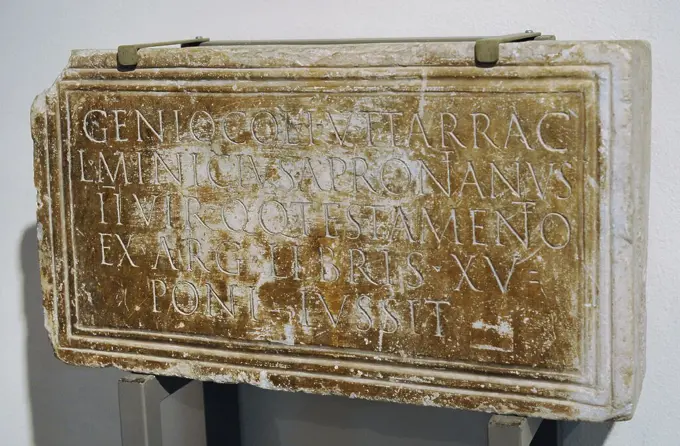
Roman pedestal dedicated to the Geni of the Colonia Tarraco, Spain. Marble. 2nd century. Replica. National Archaeological Museum, Tarragona. Spain.
4409-17336674
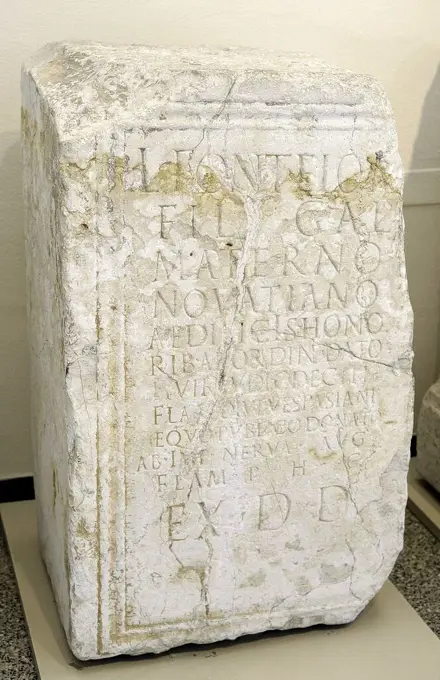
Roman statue pedestal. 96-98 AC. Dedicated to Lucius Fonteius Maternus Navatianus. Spain. National Archaeological Museum, Tarragona. Spain.
4409-17338505
Base from a perirrhanterion (basin for purification water) a dedication to Poseidon-Erechtheus. Inscription: Epiteles and Oinochares, the sons of Sonautes from the demo of Pergasai, dedicate this to Poseidon-Erechtheus. 460-450 BC. Marble from Penteli. Acropolis Museum. Athens. Greece.
4409-13753
LEON EN PIEDRA - SIGLO III AC. Location: MUSEO ARQUEOLOGICO-COLECCION. Sevilla. Seville. SPAIN.
4409-65763814
Faustgina's sarcophagus. Decorated: masks and Jewish symbols (menorah, shofar,Iulav and teerm shalom. Rome. Late 3rd century. National Roman Museum (Baths of Diocletian). Rome. Italy.
6145-45456053
Bliżej Kultury Jan olmbrew (1492 1501)
6188-66513195
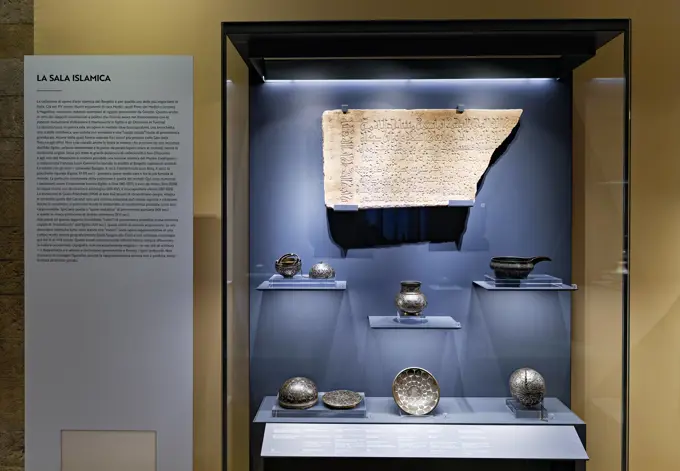
Florenz, Toskana, Italien. Nationales Museum des Bargello. Nationales Kunstmuseum. Islamische Kunst Florence Tuscany Italy. Museo Nazionale del Bargello. National Art Museum. Islamic art Copyright: xZoonar.com/MarcoxBriviox 22664015
PREVIOUS
of 3
NEXT
2401 S. Ervay, Suite 206
Dallas, Texas 75215
United States
Get Started
Free ResearchMy BoardsMy Cart
For Creators
How To License Your ContentContributor PortalFrame of Mind
Resources
API accessPricing
Contact
+1 866 236 0087help@viewpictures.co.uk Contact form
©2026 View Pictures. All Rights Reserved. -B
This site is protected by reCAPTCHA and Google Privacy Policy and Terms of Service apply.