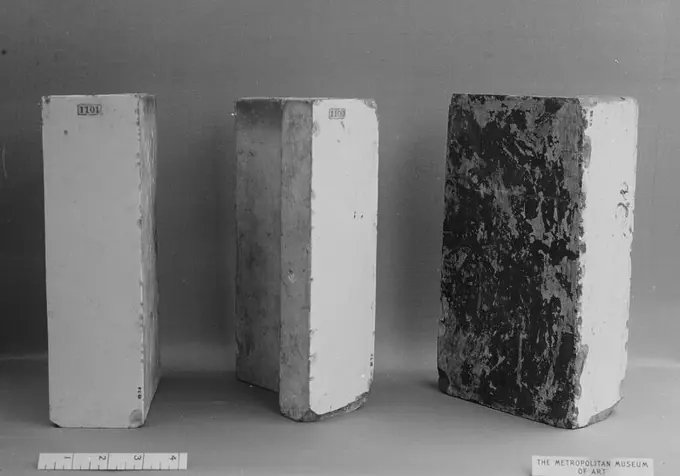
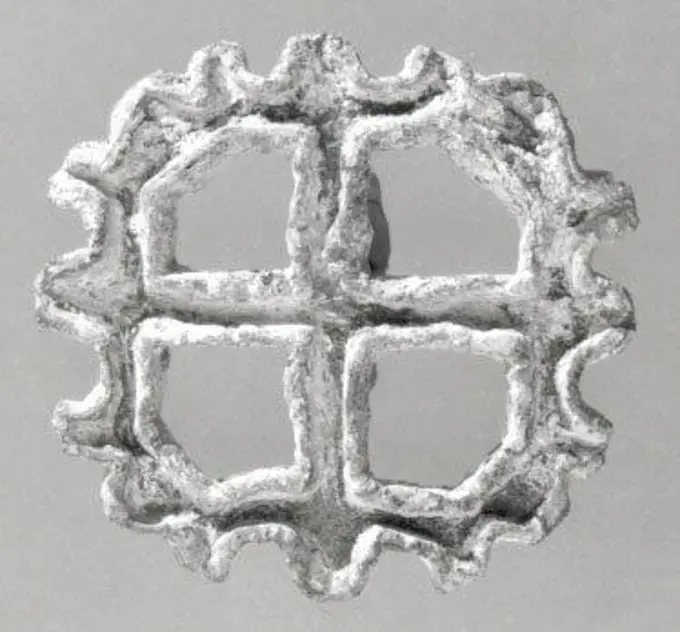
Ancient Artifact Fragments

Historical fragments of pottery and artifacts with intricate designs from ancient Greece, presented in monochrome for a timeless feel.
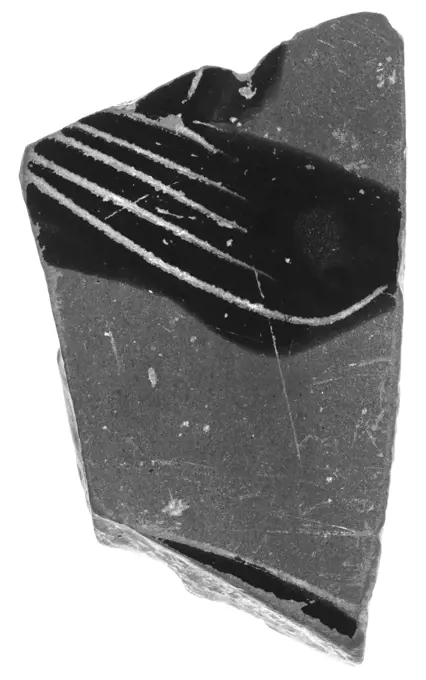
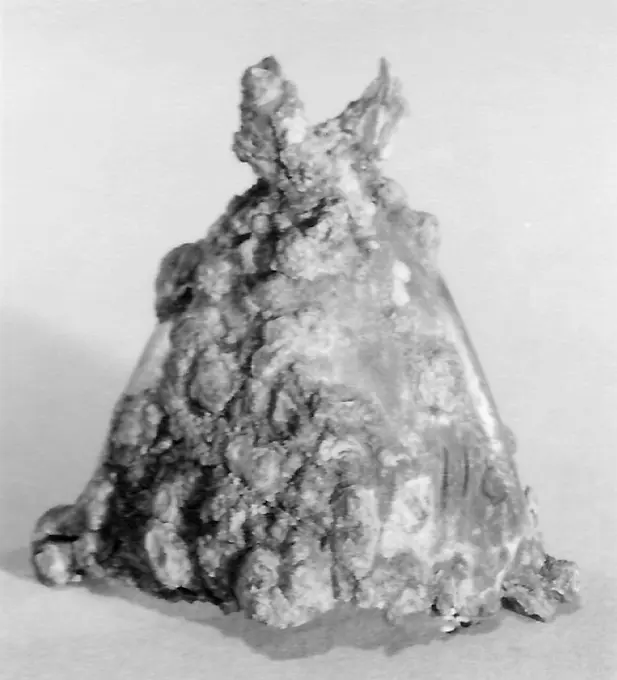
Attic Black-Figure Panathenaic Amphora Fragment; Attributed as akin to the Kuban Group; Athens, Greece, Europe; 400 B.C; Terracotta; 4.6 cm (1 13,16 in.)
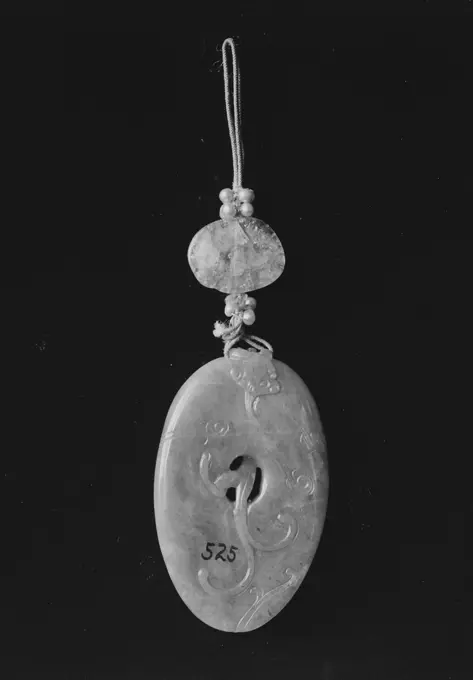
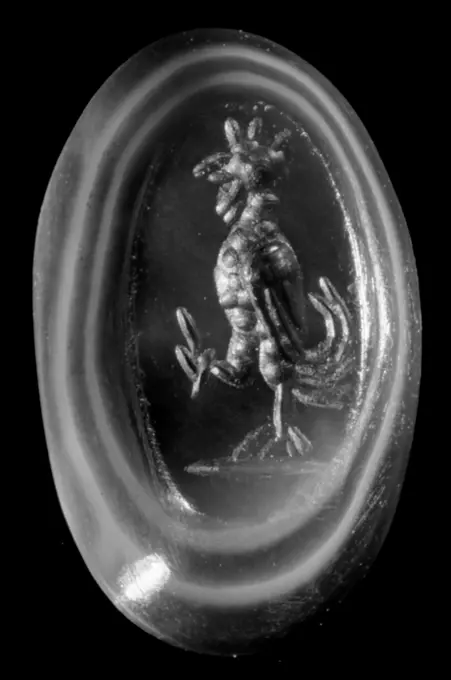
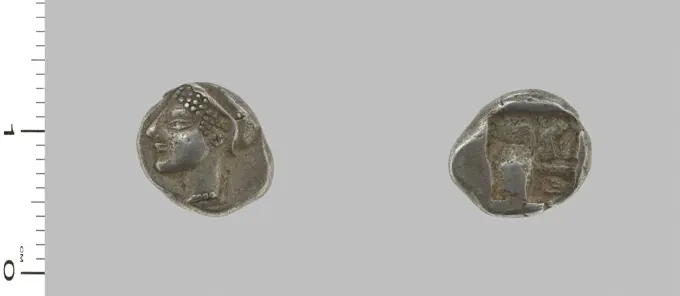
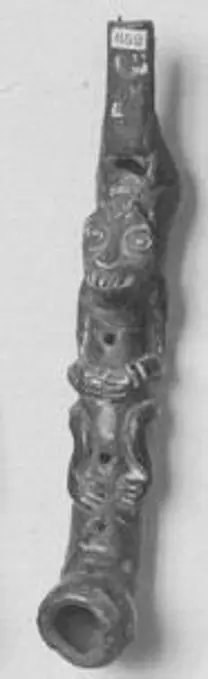
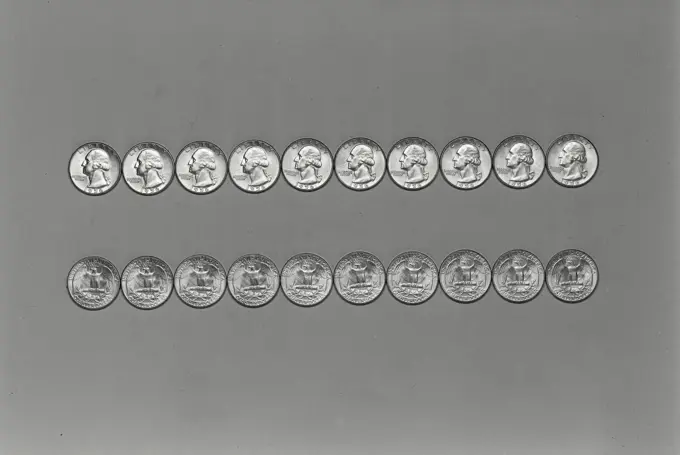
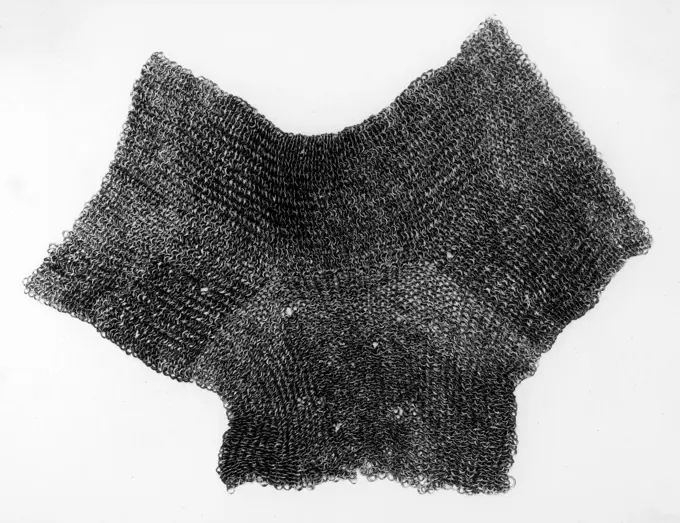
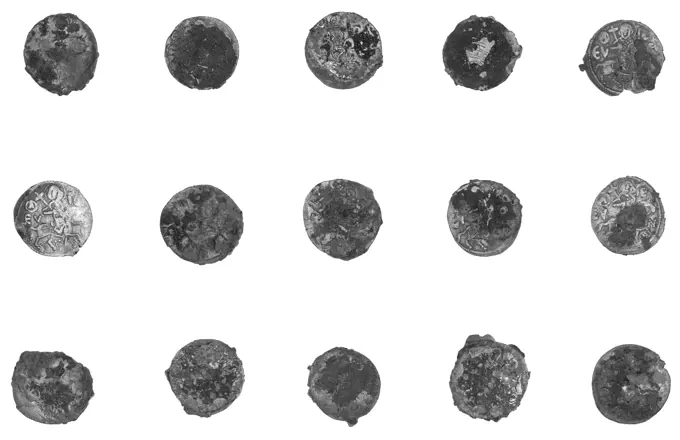
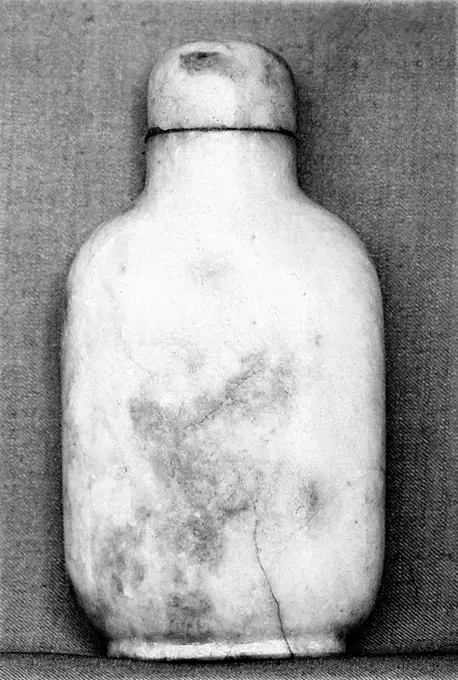
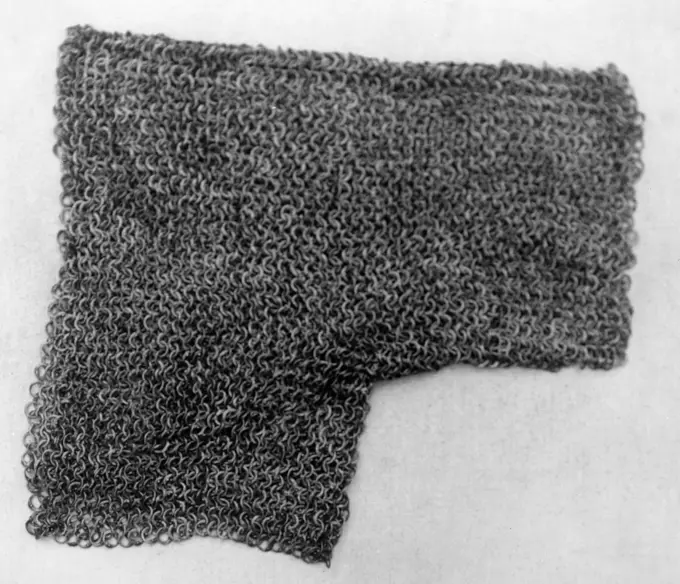
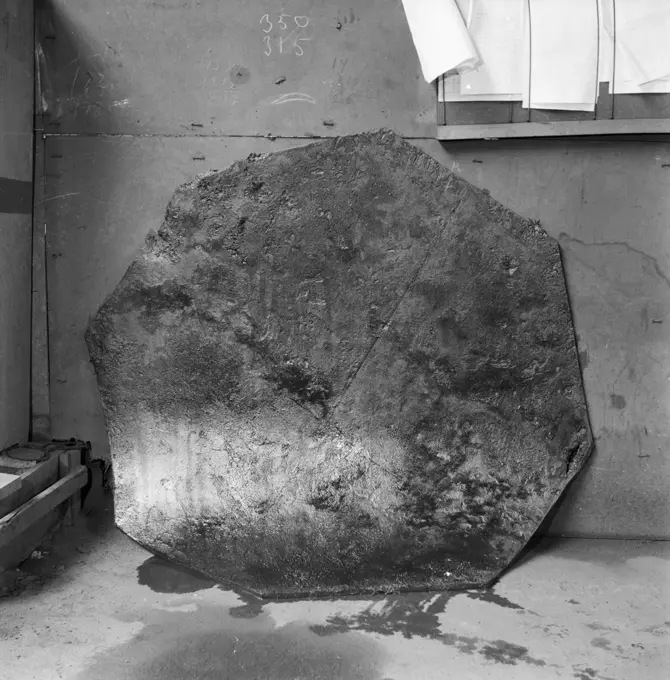
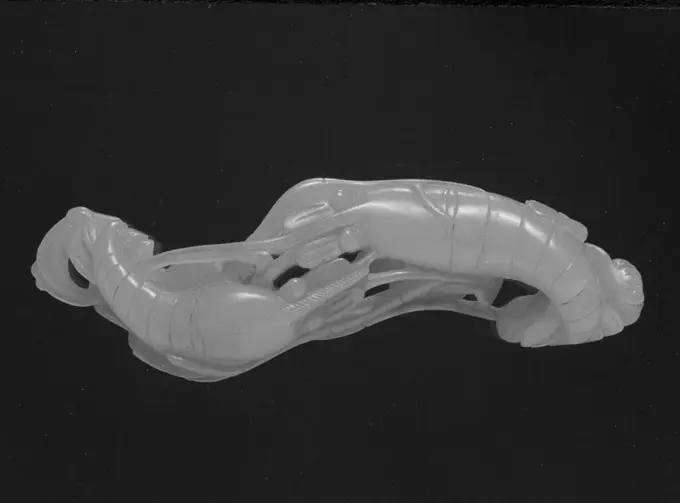
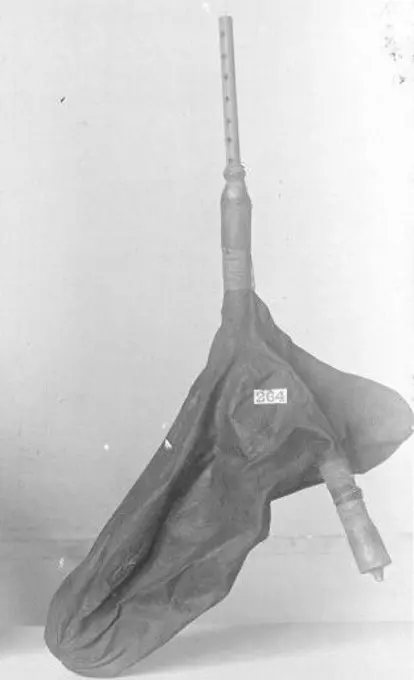
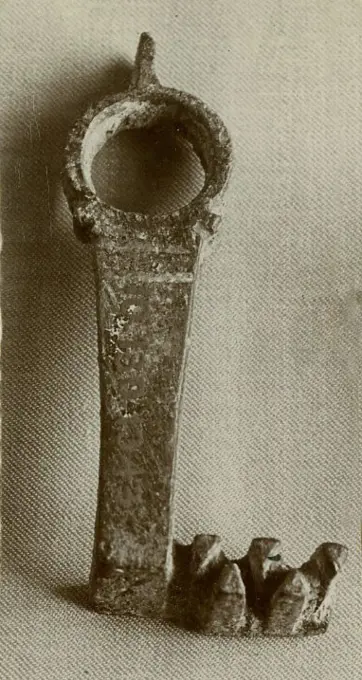
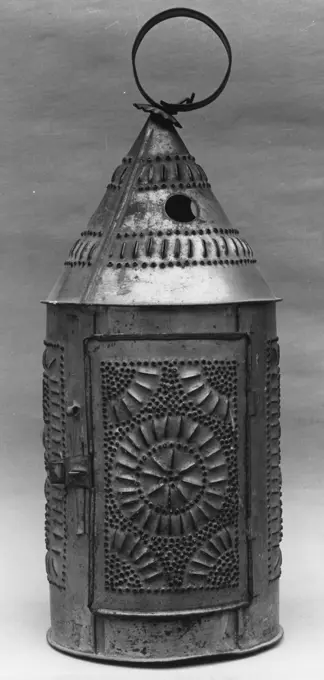
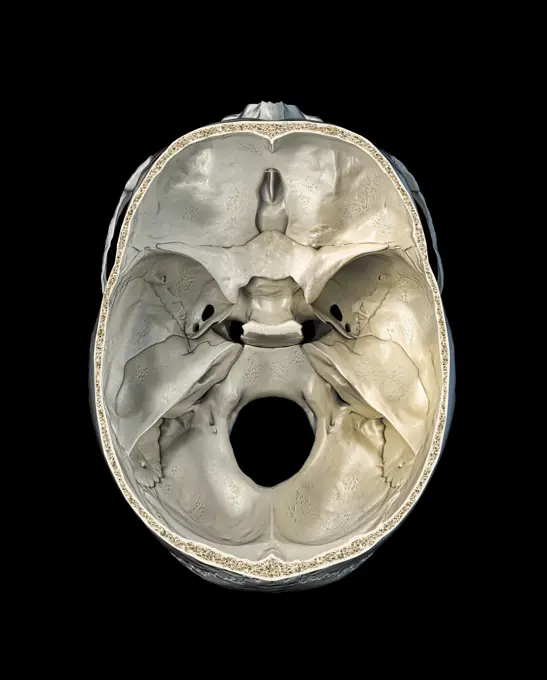
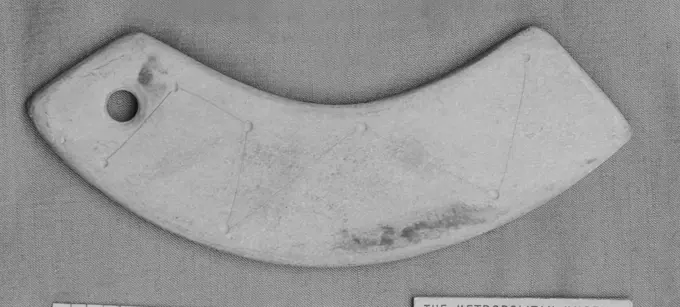
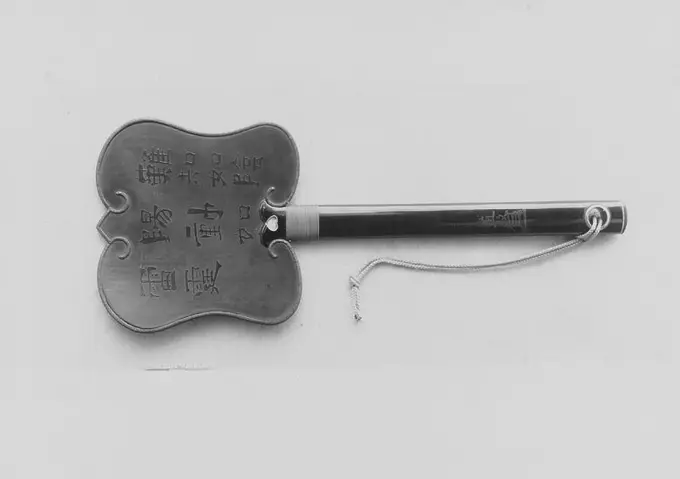
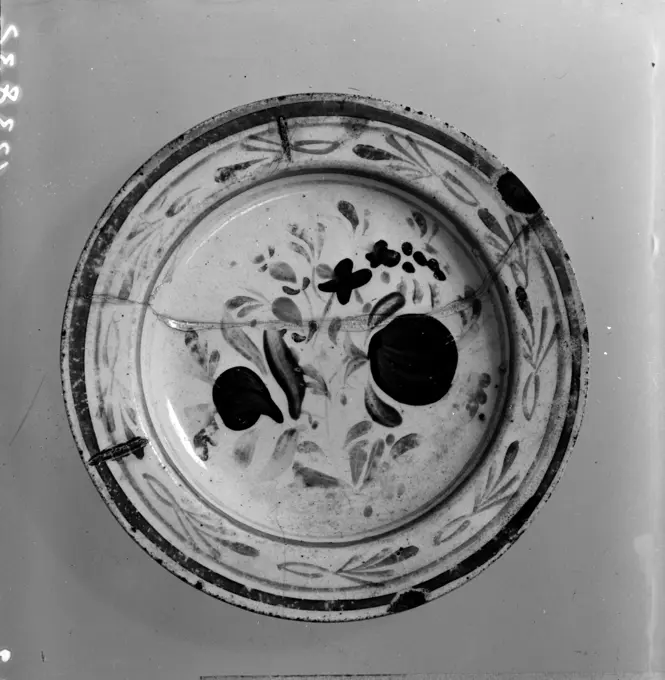
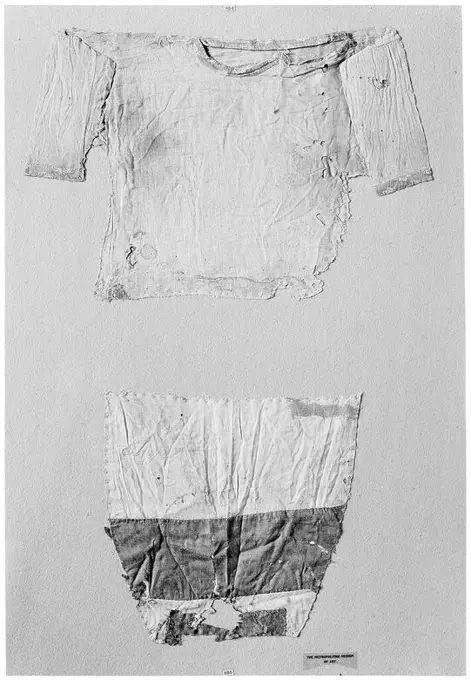
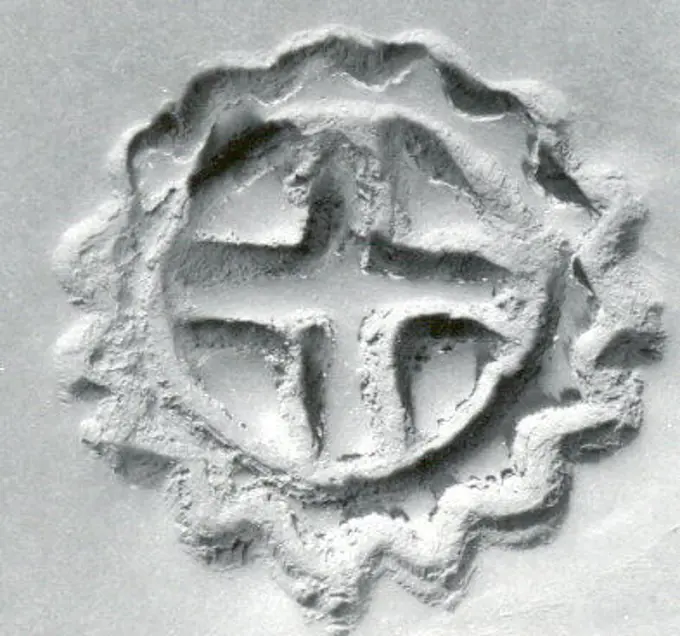
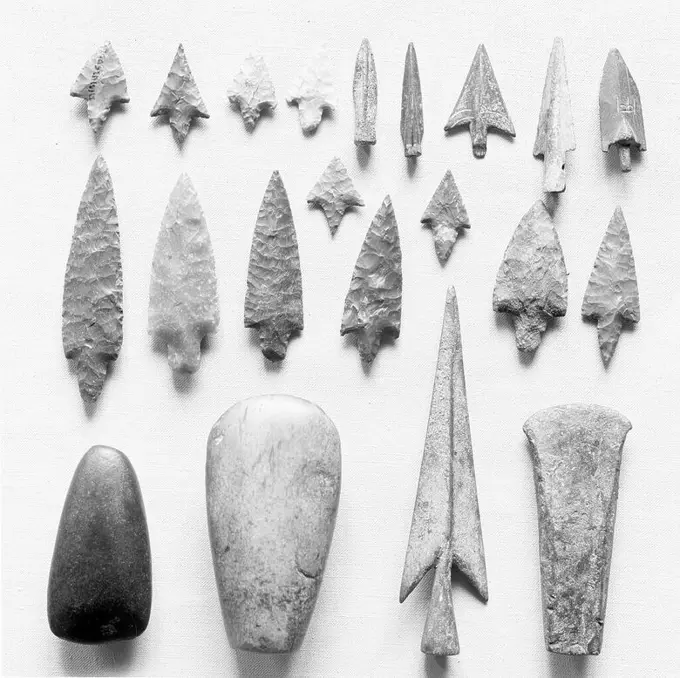
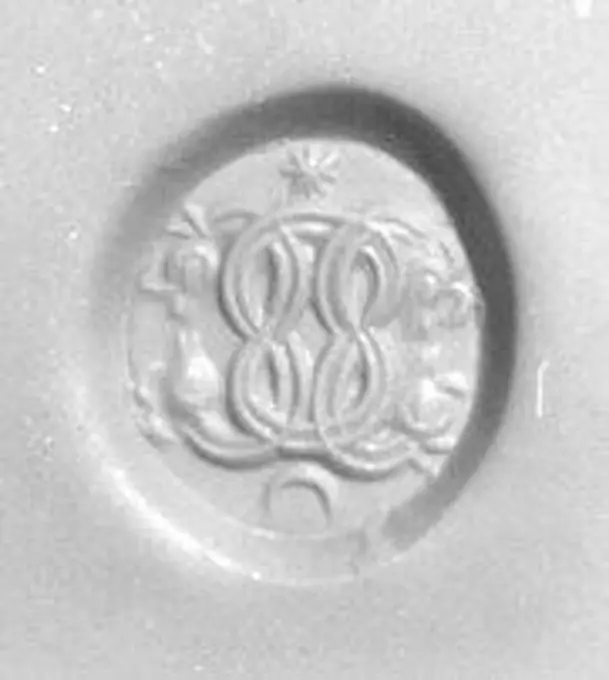
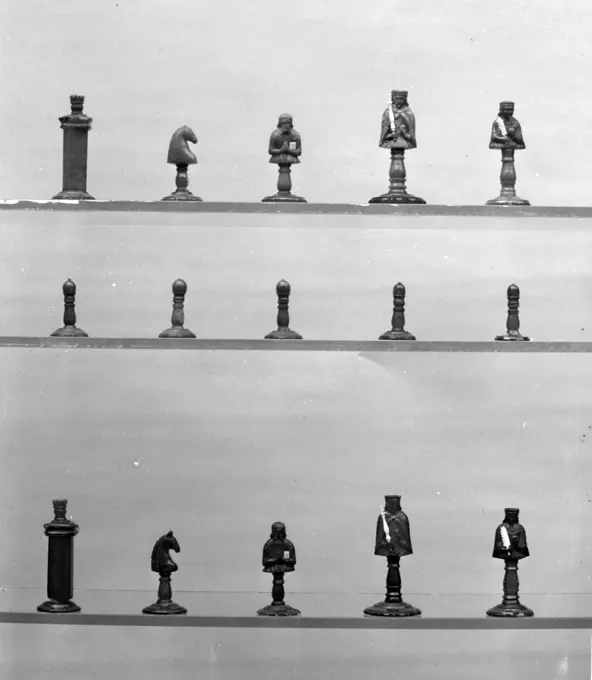
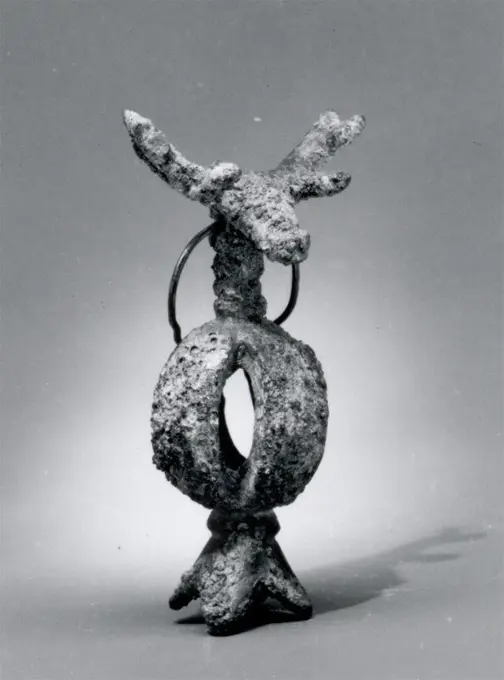
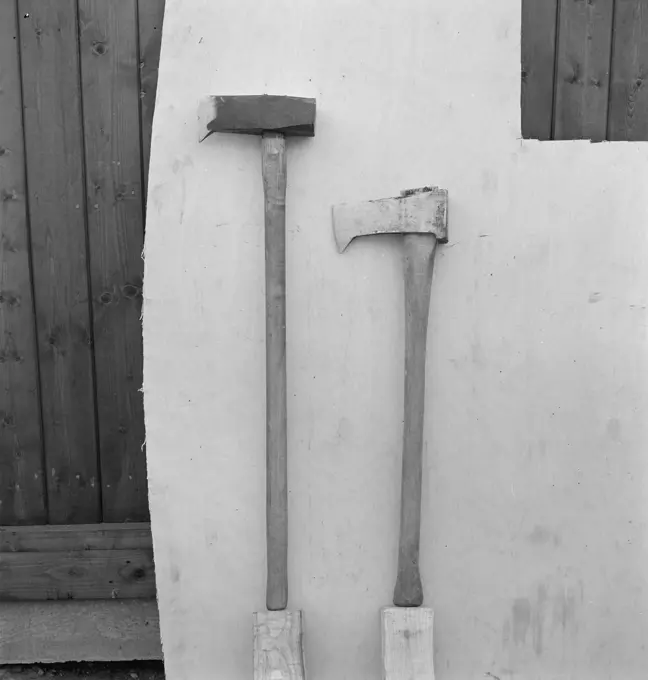
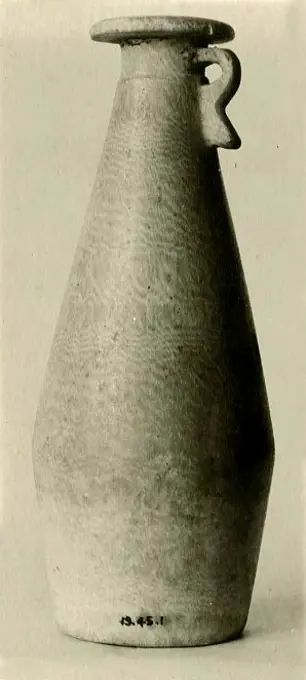
Bell 100 BC-200 AD Italian (Ancient Rome). Bell 501736Pendant China. Pendant. China. Jadeite, light emerald-green. Qing dynasty (1644-1911), Qianlong period (1736-95). JadeCase 18th century French. Case 198261Bowl 7th-6th millennium B.C.. Bowl 327113Engraved Gem. UnknownCicada late 19th to early 20th century China. Cicada 43013V 5970. Thule (depicted name)Vintage Photograph. Sardines neatly packed in a vintage tin can.Fragment of a Shoulder Band 4th-5th century. Fragment of a Shoulder Band 443882Thule circulatory tank.Thule (depicted - name)Sleeve weight. Culture: China. Dimensions: H. 1 1/8 in. (2.9 cm); W. 1 1/8 in. (2.9 cm); D. 15/16 in. (2.4 cm). Museum: Metropolitan Museum of Art, New York, USA.Collection of the Dutch Heidematschappij. Drainage, pipes, plastic, wood, clean. undatedAttic Red-Figure Oinochoe Fragment. Attributed to Douris (Greek (Attic), active 500 - 460 B.C.)Sweden, Blekinge, Blekinge, Karlskrona, Karlskrona, external marina (depicted, town).Sweden, Blekinge, Blekinge, Karlskrona, Karlskrona, External War Gogs (depicted, City)Stamp seal ca. 3rd-7th century A.D. Sasanian. Stamp seal. Sasanian. ca. 3rd-7th century A.D.. Marble, purple-red with pink spots. Sasanian. Iran or MesopotamiaSceptre China. Sceptre. China. Jadeite. Qing dynasty (1644-1911), Qianlong period (1736-95). JadeTrihemiobol fromPhocaea. Mint: Phocaea Artist: UnknownBorder (From Lappet). France, Valenciennes. Date: 1720-1729. Dimensions: 10 x 61.8 cm (3 7/8 x 24 3/8 in.). Linen, bobbin straight lace of a type known as "Valenciennes" with a five hole mesh ground. Origin: Valenciennes. Museum: The Chicago Art Institute, Chicago, USA.Bead with Head 4th-8th century Atlantic Watershed. Bead with Head 313041Sweden, Blekinge, Blekinge, Karlskrona, Karlskrona, external marina (depicted, town).Sweden, Blekinge, Blekinge, Karlskrona, Karlskrona, External War Gogs (depicted, City)Glass square bottle with base inscription 2nd century A.D. Roman Translucent blue green; handle in same color.Slanting rim folded out, down, over, and in, and flattened on top surface, forming a restricted oval opening to mouth; cylindrical neck with tooling marks around base; uneven shoulder, partially pushed in, with rounded corners; tall, misshapen square body with vertical sides; sides with irregular concave profile towards top; two opposite sides have vertical ribbing in shallow relief (from mold ); bottom pushed in at center with part of circular pontil; broad three-ribbed handle applied in a thick pad to edge of shoulder, drawn up, turned in at an acute angle, and trailed onto neck and underside of rim with a single upright fold.On bottom, four projecting circular bosses, one at each corner, and a Greek inscription in relief, written in retrograde, across the middle: BACOY.Intact; many bubbles; some soil encrustation and creamy brown weathering on exterior, encrustation, weatheLazio Roma Rome SS. Giovanni e Paolo, Museum31. Hutzel, Max 1960-1990 Medieval: Ceramic fragments, sculptural fragments, fresco fragments, inscribed tomb markers. Houses one of the best collections of Malagan medieval ceramics for casting wall monuments, copies of which are housed in campanile. Specific Location: Museum Antiquities: Ceramic fragments, sculptural fragments, architectural fragments Object Notes: Basilica has separate record and is filed separately. German-born photographer and scholar Max Hutzel (1911-1988) photographed in Italy from the early 1960s until his death. The result of this project, referred to by Hutzel as Foto Arte Minore, is thorough documentation of art historical development in Italy up to the 18th century, including objects of the Etruscans and the Romans, as well as early Medieval, Romanesque, Gothic, Renaissance and Baroque monuments. Images are organized by geographic region in Italy, then by province, city, site complex and monument.Glass cliché with photography of Babylonian cylindrical seals from the collection of Konstanty Schmidt Ciżyński (I) unknownTemple Model 1st-8th century Mezcala. Temple Model 315075Stater (Coin) Depicting a Sea Turtle. Greek. Date: 600 BC-550 BC. Dimensions: Diam. 1.9 cm; 11.84 g. Silver. Origin: Greece. Museum: The Chicago Art Institute, Chicago, USA. Author: ANCIENT GREEK.Mint: Aegina, Stater fromAegina, 550-530/25 B.C., Silver, 12.22 g, 20mm, Made in Aegina, Islands off Attica, Greek, 6th century B.C., NumismaticsTemple Model 1st-8th century Mezcala. Temple Model 315073Stamp seal ca. 3rd-7th century A.D. Sasanian. Stamp seal. Sasanian. ca. 3rd-7th century A.D.. Agate, brown white. Sasanian. Iran or MesopotamiaSnuff Bottle 19th century China. Snuff Bottle 41250Pottery Whistle 19th century Mexican. Pottery Whistle. Mexican. 19th century. clay (blackware). Mexico. Aerophone-Whistle Flute-whistleMonochrome sepia image of old bricks still lifeEdging British, Northamptonshire 19th century View more. Edging. British, Northamptonshire. 19th century. Bobbin lace. Textiles-LacesEngraved Gem Inset Into a Hollow Ring. UnknownFragment of Sleeve. Dimensions: 3 15/16 in. high 2 5/16 in. wide (10 cm high 5.9 cm wide). Date: 2nd-3rd century. Museum: Metropolitan Museum of Art, New York, USA.Stamp seal (ovoid) with animals 12th - 7th century B.C. Syro-Anatolian. Stamp seal (ovoid) with animals. Syro-Anatolian. 12th - 7th century B.C.. Steatite, black. Iron Age I-II. Northern Syria or southeastern AnatoliaThumb ring China. Thumb ring 43906Section of a spoon handle 1783 French, Toulouse. Section of a spoon handle 198406Transparent plastic bag with handle vector illlustration. Glossy polyethylene mockup. Plastic packaging isolated on transparent background. Polyethylene packaging for storing and carrying items. Transparent plastic bag with handle. Polyethylene packaging for storing and carrying itemsVintage Photograph. An arrangement of quarters in two lines.Stone Female Figure 1st-8th century Mezcala. Stone Female Figure 312650Campania Caserta Capua Museo Campano67. Hutzel, Max 1960-1990 Medieval: Byzantine architectural fragments; parchment fragments with miniatures (12th century) from Montecassino; painted wooden crucifix (13th century); Carolingian crucifixes; Bishop's miter (11th century) of gold and silver damask; fresco (13th century). Post-medieval: Architecture (15th century). Formerly the Palazzo Antignano. Unusual Catalan/Moorish-style portal; Paintings on panel and canvas (15th-18th centuries); marble intarsia (16th century); marble sculpture: busts of Christ and Mary (17th century); sculpture of saints in marble and in wood (15th century); painted and gilded sculpture in wood; marble grave sculpture (16th century); sarcophagus with allegorical carvings; gold reliquary "Rosa d'Oro"; crucifix made of elephant tusk Specific Location: Pianterreno Antiquities: Italic sculpture (seated women holding babies); inscription. Photo campaign #1: 533 photos. Roman relief and sculpture; cinerary urns; Greek anOzyrys. unknown, authorSweden, Blekinge, Blekinge, Karlskrona, Karlskrona, external marina (depicted, town).Sweden, Blekinge, Blekinge, Karlskrona, Karlskrona, External War Gogs (depicted, City)Armpit Defense 16th century German From about the third century B.C. through the early fourteenth century A.D., mail, also called chain mail, was the predominant and most effective type of body armor known in Europe. From about the mid-fifteenth century onward, mail was used in conjunction with full plate armor to fill the gaps between plates. Separate mail sleeves were made to be worn with a cuirass (breastplate and backplate); shaped panels of mail called gussets, covered the armpits or the crooks of the elbows and were attached to arming jackets, garments specially tailored to be worn under armor; and mail breeches, called brayettes or pairs of paunces, could be worn by men fighting on foot.. Armpit Defense 34856Stamp seal ca. late 3rd-early 2nd millennium B.C. Bactria-Margiana Archaeological Complex. Stamp seal 326878Sherd ca. early to mid-3rd millennium B.C. Indus. Sherd 324713Stamp seal ca. 3rd-7th century A.D. Sasanian. Stamp seal. Sasanian. ca. 3rd-7th century A.D.. Bronze. Sasanian. Iran or MesopotamiaFragment. Dimensions: 7 7/8 in. high 2 15/16 in. wide (20 cm high 7.5 cm wide). Date: 5th century. Museum: Metropolitan Museum of Art, New York, USA.Campania Caserta Capua Museo Campano95. Hutzel, Max 1960-1990 Medieval: Byzantine architectural fragments; parchment fragments with miniatures (12th century) from Montecassino; painted wooden crucifix (13th century); Carolingian crucifixes; Bishop's miter (11th century) of gold and silver damask; fresco (13th century). Post-medieval: Architecture (15th century). Formerly the Palazzo Antignano. Unusual Catalan/Moorish-style portal; Paintings on panel and canvas (15th-18th centuries); marble intarsia (16th century); marble sculpture: busts of Christ and Mary (17th century); sculpture of saints in marble and in wood (15th century); painted and gilded sculpture in wood; marble grave sculpture (16th century); sarcophagus with allegorical carvings; gold reliquary "Rosa d'Oro"; crucifix made of elephant tusk Specific Location: Pianterreno Antiquities: Italic sculpture (seated women holding babies); inscription. Photo campaign #1: 533 photos. Roman relief and sculpture; cinerary urns; Greek anAttic Black-Figure Band Cup Fragment. UnknownTrebizond Coin; about 13th century; Silver, Byzantine Coinage of the empire of TrebizondsTrebizond Coin; about 13th century; Silver, Byzantine Coinage of the empire of TrebizondsEngraved Gem. UnknownCylinder seal ca. 18th-16th century B.C. Babylonian. Cylinder seal 328764Snuff Bottle China. Snuff Bottle 41197Hand 3rd-7th century Central Asia. Hand. Central Asia. 3rd-7th century. Red clay. SculptureSleeve of Mail 16th century German From about the third century B.C. through the early fourteenth century A.D., mail, also called chain mail, was the predominant and most effective type of body armor known in Europe. From about the mid-fifteenth century onward, mail was used in conjunction with full plate armor to fill the gaps between plates. Separate mail sleeves were made to be worn with a cuirass (breastplate and backplate); shaped panels of mail called gussets, covered the armpits or the crooks of the elbows and were attached to arming jackets, garments specially tailored to be worn under armor; and mail breeches, called brayettes or pairs of paunces, could be worn by men fighting on foot.. Sleeve of Mail 34852Jewelry element in the shape of a horn ca. 1878-1840 B.C. Middle Kingdom. Jewelry element in the shape of a horn. ca. 1878-1840 B.C.. Gold inlaid with carnelian. Middle Kingdom. From Egypt. Dynasty 12Bisschopsring, found in the grave of St. Bernulphus in the choir of the St. Pieterskerk in Utrecht, Anonymous, c. 1050 Bishops ring of gold, forged from a round rod that is thickened in the middle. The ends are not connected. Northern Netherlands gold (metal)   Sint-Pieterskerk Bishops ring of gold, forged from a round rod that is thickened in the middle. The ends are not connected. Northern Netherlands gold (metal)   Sint-PieterskerkTextile Fragment 4th century. Textile Fragment 443484Campania Caserta Capua Museo Campano09. Hutzel, Max 1960-1990 Medieval: Byzantine architectural fragments; parchment fragments with miniatures (12th century) from Montecassino; painted wooden crucifix (13th century); Carolingian crucifixes; Bishop's miter (11th century) of gold and silver damask; fresco (13th century). Post-medieval: Architecture (15th century). Formerly the Palazzo Antignano. Unusual Catalan/Moorish-style portal; Paintings on panel and canvas (15th-18th centuries); marble intarsia (16th century); marble sculpture: busts of Christ and Mary (17th century); sculpture of saints in marble and in wood (15th century); painted and gilded sculpture in wood; marble grave sculpture (16th century); sarcophagus with allegorical carvings; gold reliquary "Rosa d'Oro"; crucifix made of elephant tusk Specific Location: Pianterreno Antiquities: Italic sculpture (seated women holding babies); inscription. Photo campaign #1: 533 photos. Roman relief and sculpture; cinerary urns; Greek anStamp seal ca. 3rd-7th century A.D. Sasanian. Stamp seal. Sasanian. ca. 3rd-7th century A.D.. Agate. Sasanian. Iran or MesopotamiaSweden, Blekinge, Blekinge, Karlskrona, Karlskrona, external marina (depicted, town).Sweden, Blekinge, Blekinge, Karlskrona, Karlskrona, External War Gogs (depicted, City)Toggle. Culture: China. Dimensions: L. 4 in. (102. cm); D. 7/8 in. (2.2 cm). Date: 18th century. Museum: Metropolitan Museum of Art, New York, USA.Shell ca. 1802-1640 B.C. Middle Kingdom. Shell 546795Sruti Upanga 19th century Indian. Sruti Upanga. Indian. 19th century. Cane, goatskin, hemp, wax. India. Aerophone-Reed Vibrated-bagpipeKey 30 B.C.-A.D. 364 Roman Period. Key. 30 B.C.-A.D. 364. Copper alloy. Roman Period. From EgyptFanchon mid-19th century Belgian. Fanchon 168374Lantern 1700-1900Menschlicher Schädel im transversalen Querschnitt von oben gesehen. Menschlicher Schädel im transversalen Querschnitt von oben gesehen. LicenseRF Copyright: xZoonar.com/Pixelchaosx 23158913Bead China. Bead 43139Huang: Emblem of the North China. Huang: Emblem of the North 43080Flower Vase 19th century Japan. Flower Vase. Japan. 19th century. Clay covered with a glaze over which there is a dappled glaze (Mino ware, Zhun type). Edo (1615-1868) or Meiji period (1868-1912). CeramicsFlat War Fan (Uchiwa). Culture: Japanese. Dimensions: L. 17 3/4 in (45.1 cm); W. 7 in. (17.8 cm). Date: 17th century. Museum: Metropolitan Museum of Art, New York, USA.Plate 1825-50 British (American market). Plate. British (American market). 1825-50. Earthenware, gaudy dutch. Made in Staffordshire, EnglandChild's Tunic. Dimensions: 14 3/8 in. high 14 3/16 in. wide (36.5 cm high 36 cm wide). Date: 5th-6th century. Museum: Metropolitan Museum of Art, New York, USA.Lazio Roma Frascati Episcopal Palace6. Hutzel, Max 1960-1990 Exterior views of the castle, formerly called Rocca, that is now the Episcopal Palace. Interior views of dining room and living room, along with paintings and frescoes. Antiquities: Assorted Roman and Etruscan antiquities in the courtyard, including two sarcophagi, statues, stele, an urn, busts. General Notes: There were two sets of prints made from the same set of negatives. One set is labelled Episcopio and the other Vescovado; they have now been integrated into a single numerical sequence. German-born photographer and scholar Max Hutzel (1911-1988) photographed in Italy from the early 1960s until his death. The result of this project, referred to by Hutzel as Foto Arte Minore, is thorough documentation of art historical development in Italy up to the 18th century, including objects of the Etruscans and the Romans, as well as early Medieval, Romanesque, Gothic, Renaissance and Baroque monuments. Images are organized by geogCompartmented stamp seal ca. late 3rd-early 2nd millennium B.C. Bactria-Margiana Archaeological Complex. Compartmented stamp seal. Bactria-Margiana Archaeological Complex. ca. late 3rd-early 2nd millennium B.C.. Copper alloy. Bronze Age. Bactria-MargianaNecklace ca. 14th-12th century B.C. Iran. Necklace 325929Elizabeth Morley, Caddy Spoon, 1796/97, silver.Still Life with Fruit Severin Roesen (American, born Germany, ca. 1815-after 1872). Still Life with Fruit, ca. 1860. Oil on canvas, 40 1/16 x 50 1/8 in. (101.7 x 127.3 cm).  In the mid-nineteenth century, still-life painting underwent a revival in the northeastern United States. Working in a style based on Dutch models, which depicted a multitude of fruits and flowers, Severin Roesen cultivated a popular following with the German community in Pennsylvania. This composition, one of his most elaborate, portrays a grand arrangement of various fruits, a birds nest, and a finely painted glass of water, and conveys a sense of wealth and abundance. American Art ca. 1860Implements (Celt). Culture: Italian, Tuscany. Date: ca. 10,000-5,000 B.C.. Museum: Metropolitan Museum of Art, New York, USA.Watch 19th century Watchmaker: Ranna. Watch. possibly Austrian. 19th century. Metal, enameled; ivory, gold wires, pearls. HorologyStamp seal ca. 3rd-7th century A.D. Sasanian. Stamp seal. Sasanian. ca. 3rd-7th century A.D.. Chalcedony, gray. Sasanian. Iran or MesopotamiaChessmen (32) Italian or German, Königsberg 18th-19th century View more. Chessmen (32). Italian or German, Königsberg. 18th-19th century. Amber. Chess SetsEuro coin coffin, X-rayOpenwork rattle bell or pendant 1st millennium B.C. Iran. Openwork rattle bell or pendant 326578Collection Dutch Heidematschappij. Bijlen. undatedVector Illustration of balance made of decorative stones for coloring pages.Pendant 4th-8th century Atlantic Watershed. Pendant 313027Collection of the Dutch Heidematschappij. by squirrels. undatedJug 522-30 B.C. Late Period-Ptolemaic Period. Jug. 522-30 B.C.. Travertine (Egyptian alabaster). Late Period-Ptolemaic Period. From EgyptStamp seal ca. 8th-9th century A.D. () Islamic. Stamp seal 323738Brick. Culture: China. Dimensions: H. 5 3/4 in. (14.6 cm); W. 3 in. (7.6 cm); L. 10 1/2 in. (26.7 cm). Date: ca. 1412-30. Museum: Metropolitan Museum of Art, New York, USA.Fragment of a Band. Dimensions: 5 7/8 in. high 1 7/8 in. wide (15 cm high 4.7 cm wide). Date: 6th century. Museum: Metropolitan Museum of Art, New York, USA.Pair of vase handles French 19th century View more. Pair of vase handles. French. 19th century. Gilt bronze. Metalwork-Gilt BronzeAnefo photo collection. Figurine of artist Hans Bayens. Sculpture, sculptures, bronze. November 1, 1965Glass Fragment 1750 German. Glass Fragment 466484Compartmented stamp seal ca. late 3rd-early 2nd millennium B.C. Bactria-Margiana Archaeological Complex. Compartmented stamp seal 326799Ministry of Information First World War Official Collection Specimens of Charms worn by soldiers and sailors.