Ancient Artifact Fragments

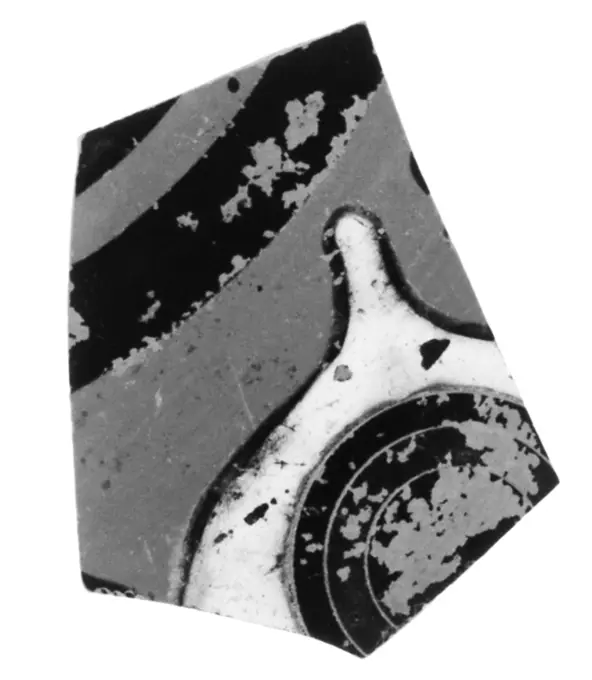
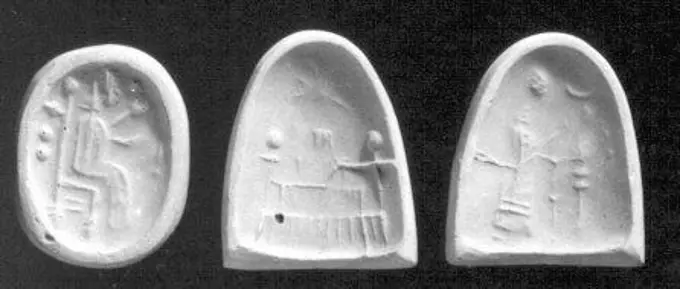
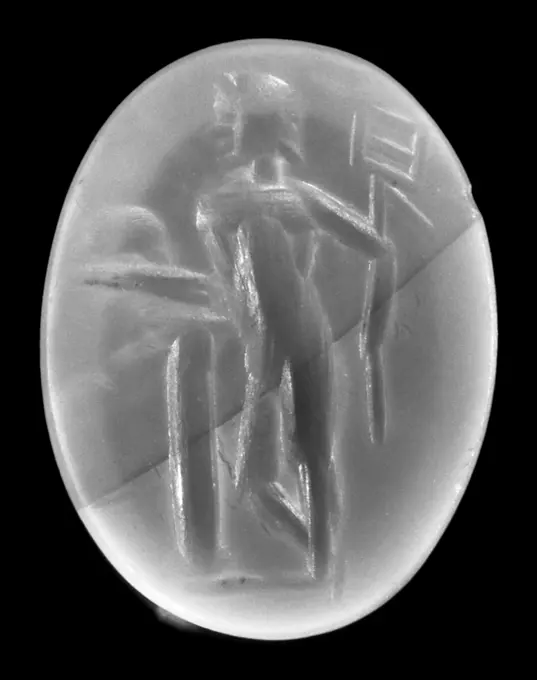
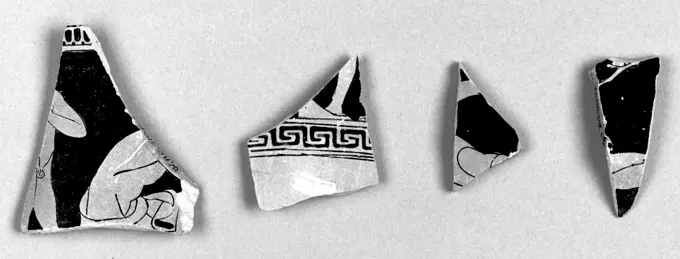
Historical fragments of pottery and artifacts with intricate designs from ancient Greece, presented in monochrome for a timeless feel.
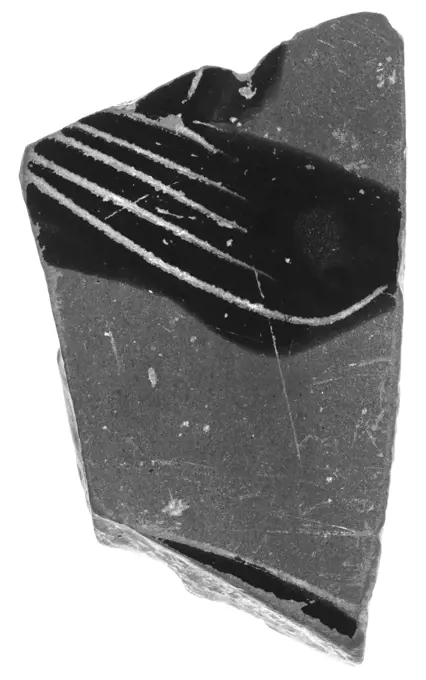
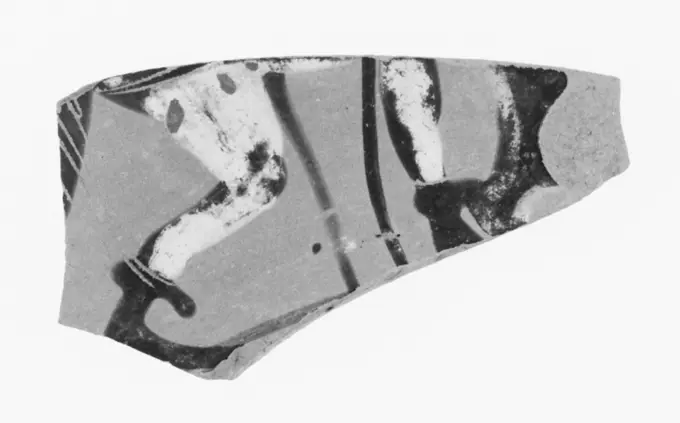
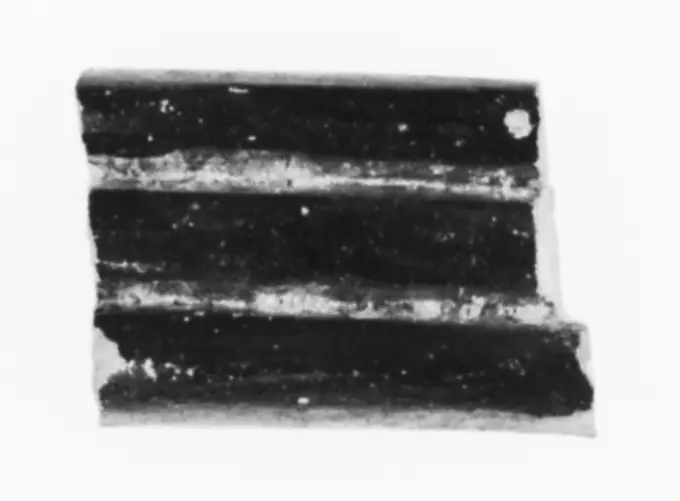
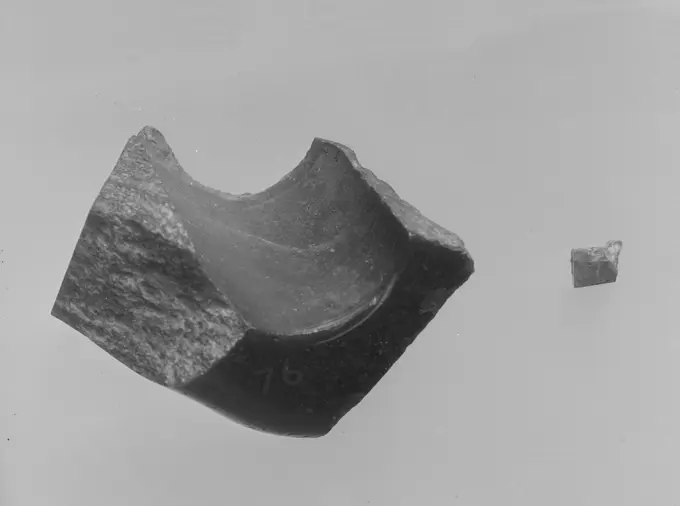
Attic Black-Figure Panathenaic Amphora Fragment; Attributed as akin to the Kuban Group; Athens, Greece, Europe; 400 B.C; Terracotta; 4.6 cm (1 13,16 in.)
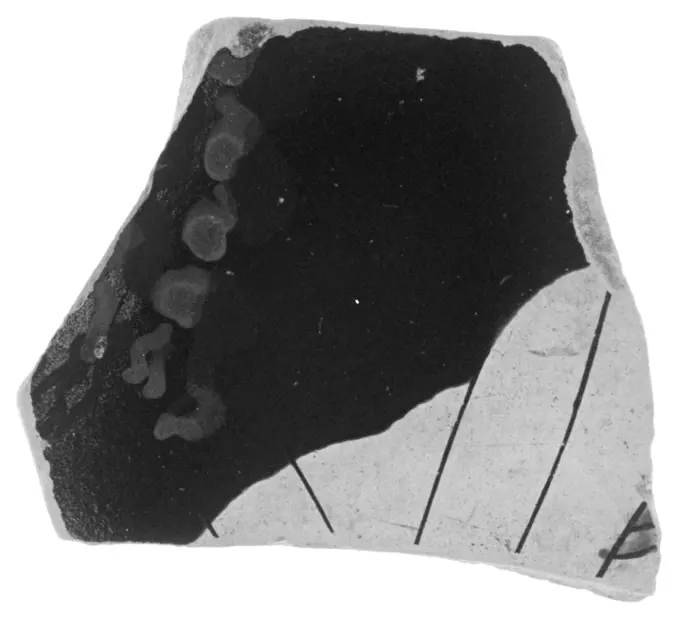
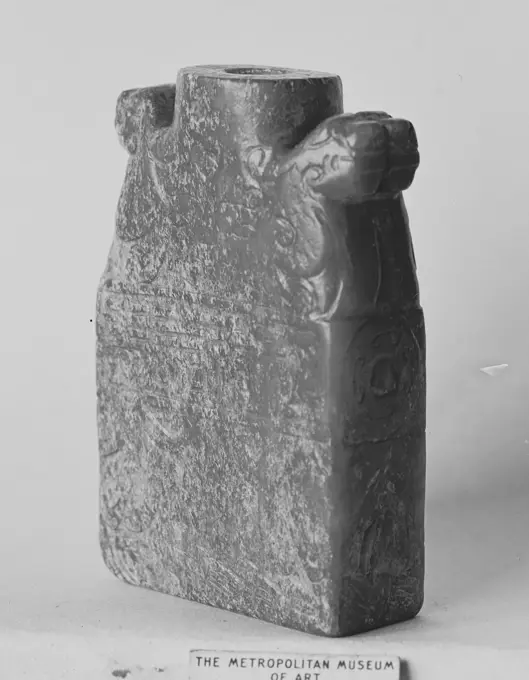
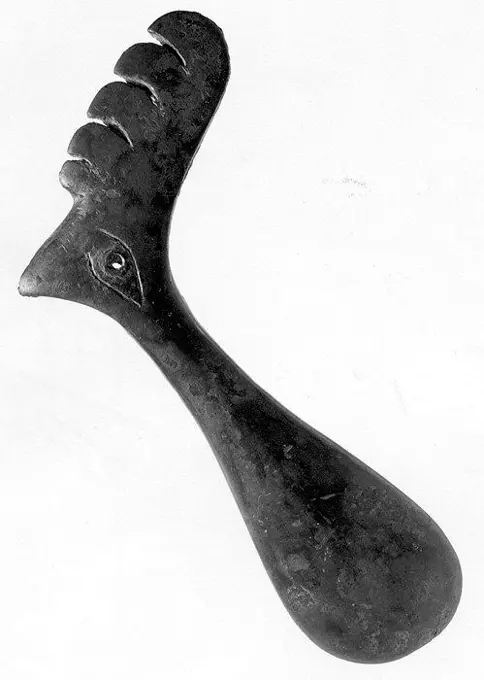
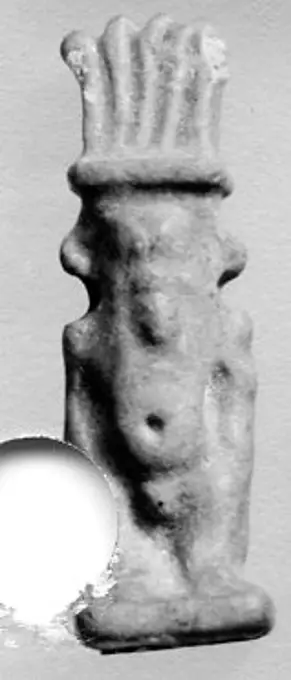
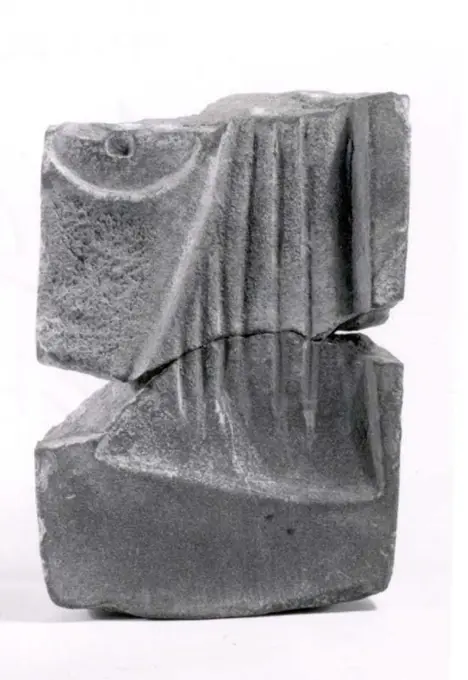
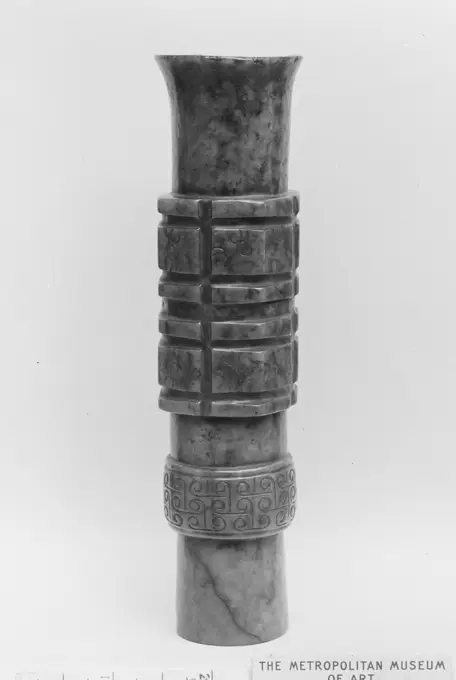
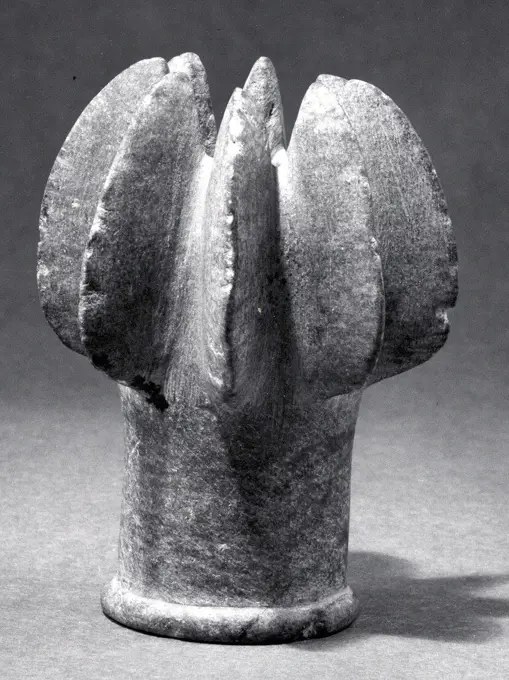
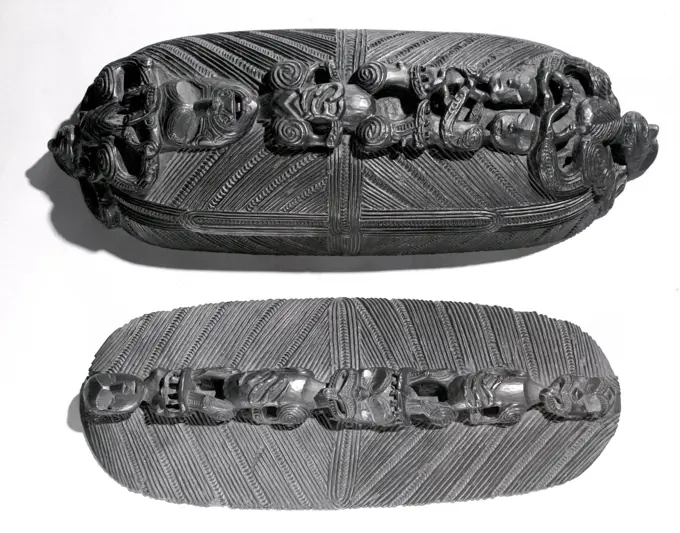
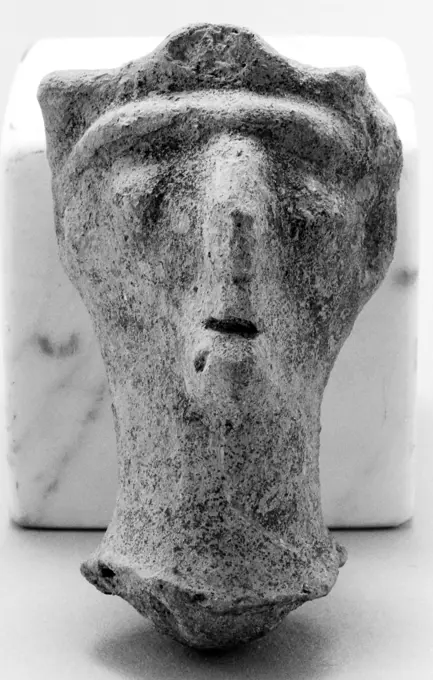
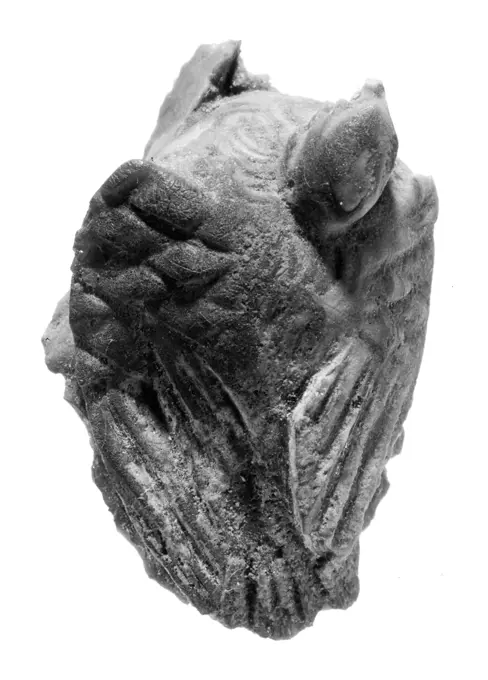
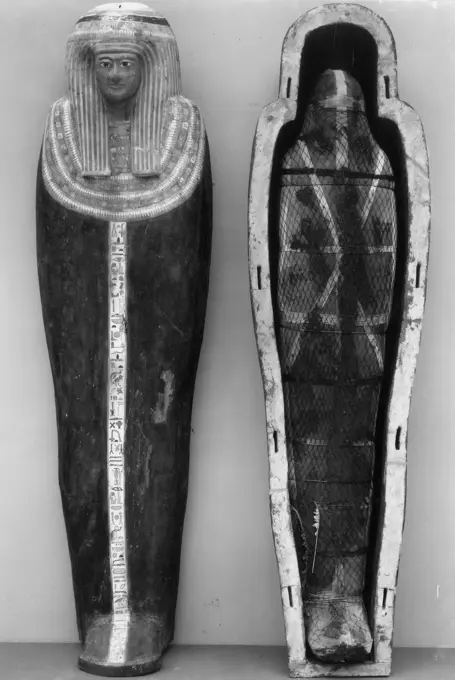
Attic Black-Figure Panathenaic Amphora Fragment; Attributed as akin to the Kuban Group; Athens, Greece, Europe; 400 B.C; Terracotta; 4.6 cm (1 13,16 in.)Attic Black-Figure Kylix Fragment. UnknownLock. UnknownPilgrim Flask. UnknownAttic Black-Figure Neck Amphora Fragment. UnknownRed-Figure Skyphos Fragment (part of 93.AE.54). Kleophrades Painter (Greek (Attic), active 505 - 475 B.C.)Fibula. UnknownBead China. Bead 43152Stemless Cup. UnknownBottle China. Bottle. China. Jade. Han dynasty (206 B.C.-A.D. 220). JadeRelief fragment, tomb of Meketre ca. 1981-1975 B.C. Middle Kingdom. Relief fragment, tomb of Meketre. ca. 1981-1975 B.C.. Limestone, paint. Middle Kingdom. From Egypt, Upper Egypt, Thebes, Southern Asasif, Tomb of Meketre (TT 280, MMA 1101), MMA excavations, 1920. Dynasty 12Shu amulet 664-332 B.C. Late Period. Shu amulet 558452Axe head ca. 2300-2000 B.C. Hattian. Axe head 324469Attic Red-Figure Calyx Krater Fragment. UnknownSweden, Blekinge, Blekinge, Karlskrona, Karlskrona, external marina (depicted, town).Sweden, Blekinge, Blekinge, Karlskrona, Karlskrona, External War Gogs (depicted, City)Wine Bottle. Culture: Japan. Dimensions: H. 8 in. (20.3 cm). Date: 18th century. Museum: Metropolitan Museum of Art, New York, USA.Fragmentary Fibula. UnknownTube. Culture: China. Dimensions: H. 3 1/2 in. (8.9 cm); W. 2 1/2 in. (6.4 cm); D. 1 1/2 in. (3.8 cm). Museum: Metropolitan Museum of Art, New York, USA.Bracelet. UnknownAttic Black-Figure Eye Cup Fragment. UnknownSpearhead with bent tang and slotted blade ca. 2300-2000 B.C. Hattian. Spearhead with bent tang and slotted blade 324461Attic Black-Figure Eye Cup Fragment. UnknownHanging Vase 19th century Japan. Hanging Vase. Japan. 19th century. Paste covered with polychrome splashes (Seto ware). Edo (1615-1868) or Meiji period (1868-1912). CeramicsAxe with shaft hole ca. late 3rd-early 2nd millennium B.C. Bactria-Margiana Archaeological Complex. Axe with shaft hole 327471Stamp seal ca. 3rd-7th century A.D. Sasanian. Stamp seal. Sasanian. ca. 3rd-7th century A.D.. Agate. Sasanian. Iran or MesopotamiaAttic Black-Figure Lekythos Fragment. UnknownBes amulet 664-332 B.C. Late Period. Bes amulet. 664-332 B.C.. Faience. Late Period. From Egypt. Dynasty 26-30Campania Napoli Naples S. Lorenzo Maggiore37. Hutzel, Max 1960-1990 Medieval: Sculpture, architecture, architectural sculpture (including Roman spolia) 13-14th century Chapter house; sarcophagi, gravestones; wall painting. Fragment of mosaic; sculptural fragments in the Sala Capitolare. Post-medieval: Architecture, architectural sculpture, ceiling painting fresco cycle; prints depicting Venice c. 1845 (4), sculpture; life-size creche figures dressed in original Neapolitan costume Church restored in 1882, 1926, 1944; excavations under the transept undertaken between 1958-1962, and in the cloister in 1976, have revealed remains of a Roman macellum (market), street, and the paleochristian basilica of the 6th c. AD. Antiquities: Pottery: black-glazed, archaic banded, domestic wares, bucchero; architectural terracottas, statuettes, lamps, sculpture fragments Object Notes: 3 color negatives with no prints at the end. General Notes: Most objects/paintings/frescoes unidentified. Three batches Female Head. UnknownSherd ca. early to mid-3rd millennium B.C. Indus. Sherd 324705Cupola seal engraved on back and face Hittite ca. 1400-1200 BCE View more. Cupola seal engraved on back and face. Hittite. ca. 1400-1200 BCE. Black steatite. Hittite Empire. Syria or AnatoliaHeart Amulet 305-30 B.C. Ptolemaic Period. Heart Amulet. 305-30 B.C.. Gold foil. Ptolemaic Period. From EgyptAttic Black-Figure Mastoid Cup Fragment. UnknownLotus Petal Pendant ca. 1353-1336 B.C. New Kingdom, Amarna Period. Lotus Petal Pendant. ca. 1353-1336 B.C.. Faience. New Kingdom, Amarna Period. From Egypt, Middle Egypt, Amarna (Akhetaten), Various houses in the town, Petrie/Carter excavations, 1891-92. Dynasty 18Headdress Made 1801-1900 Austria. Heavy gold embroidery with wired gold lace .Attic Red-Figure Vase Fragment. UnknownMold ca. 9th century B.C. Iran. Mold. Iran. ca. 9th century B.C.. Stone. Iron Age II. Iran, HasanluFlask. UnknownUnattributed Trebizond Coin. UnknownShoe. England. Date: 1501-1600. Dimensions: 22 × 11.5 × 1.5 cm (8 5/8 × 4 1/2 × 5/8 in.). Leather with one strap and original buckle. Origin: England. Museum: The Chicago Art Institute, Chicago, USA.Fragment of an Archaic Kline Monument. UnknownAbstract Stone Figure late 3rd millennium B.C. Valdivia. Abstract Stone Figure 317704Apulian Red-Figure Lekanis Lid. Attributed to a Follower of the Stoke-on-Trent Painter (South Italian (Apulian), active 330 - 310 B.C.)Zanze late 19th century Angolan. Zanze 501129Shard 15th century Korea. Shard. Korea. 15th century. Pottery. Joseon dynasty (1392-1910). CeramicsCicada late 19th to early 20th century China. Cicada 43026Fragment of a Sleeve 3rd-4th century. Fragment of a Sleeve 443998Trimming; metallic strips and metallic wrapped linen threadEngraved Gem. UnknownBeaker ca. 1830 Bohemian Similarly decorated glass was made at the Josephinehütte and Neuwelt glasshouses.. Beaker. Bohemian. ca. 1830. Glass. GlassBasin; Italy; 1st century A.D; Bronze; 14.8 × 53 cm (5 13,16 × 20 7,8 in.)Leg from a Model Bed ca. 1550-1295 B.C. New Kingdom. Leg from a Model Bed. ca. 1550-1295 B.C.. Wood. New Kingdom. From Egypt. Dynasty 18Storage jar ca. 3rd-7th century A.D. Sasanian. Storage jar 322676Meiping vase 19th century China. Meiping vase. China. 19th century. Stoneware with Jun-type glaze. Qing dynasty (1644-1911). CeramicsTextile Fragment 3rd-4th century. Textile Fragment 443370Dish (one of a pair) 18th century British, Staffordshire. Dish (one of a pair) 682696Fragment Turkestan. Fragment. Turkestan. Nephrite. JadeUnknown, Caddy Spoon, 1903, silver.Tube China. Tube. China. Jade. Han dynasty (206 B.C.-A.D. 220). JadeTool () ca. 1295-1070 B.C. New Kingdom, Ramesside. Tool (). ca. 1295-1070 B.C.. Flint. New Kingdom, Ramesside. From Egypt, Memphite Region, Lisht North, MMA excavations. Dynasty 19-20Bell early 1st century Italian (Ancient Roman). Bell 502513Wine Bottle 1780 Japan. Wine Bottle. Japan. 1780. Clay covered with a crackled transparent glaze, decorated with polychrome enamels and gold (Kyoto ware, Mizoro type). Edo period (1615-1868). CeramicsStrainer; South Russia (Bosporan Kingdom); 4th century B.C; Silver; 16 × 10.4 cm (6 5,16 × 4 1,8 in.)Unattributed Trebizond Coin. UnknownDancing Anklets. Dimensions: Overall: 5.1 x 19.7cm (2 x 7 3/4in.). Date: ca. 1850-89. Museum: Metropolitan Museum of Art, New York, USA.Attic Black-Figure Eye Cup Fragment. UnknownCrescent-Shaped Engraved Ornament. UnknownAxe head late 2nd-early 1st millennium B.C. Iran. Axe head 325256Mace Head 12th-5th century B.C. Cupisnique. Mace Head 310671Flint knife, vintage engraved illustration. From Natural Creation and Living Beings.Jar sherd 4th millennium B.C. Iran This sherd comes from the shoulder of a ceramic jar, likely one with a squat, globular body and a flaring rim. It is made of a buff clay with a cream slip, with painted brown geometric decoration on the exterior. It was excavated at Tall-i Nokhodi, a prehistoric site in southwestern Iran occupied during the fourth and third millennia B.C. Excavations have been limited in scope, but the presence of ovens there suggest it was a small settlement. Metal finds from the site, including a cast bronze axe head, indicate a precious metalworking industry there, one which prefigures the magnificent and extensive bronzeworking of the neighboring Elamites in centuries to come.This sherd was excavated in 1962 by the British Institute of Persian Studies. However, the Met acquired it in 1978 as a result of its financial contributions to the Institutes excavations at Tepe Nush-i Jan, another site in Iran. At the time the Iranian government allowed foreign excavators Flower receptacle. Culture: China. Dimensions: H. 4 in. (10.2 cm); W. 7 1/2 in. (19.1 cm); L. 1 1/2 in. (3.8 cm). Museum: Metropolitan Museum of Art, New York, USA.Karte von Katar auf verwittertem Holz - Map of Qatar on weathered wood Karte von Katar auf verwittertem Holz - Map of Qatar on weathered wood Copyright: xZoonar.com/lantapixx 10446146Sampler 19th century German. Sampler 228606Engraved Gem. UnknownLoop-handled wedge shaped stamping device 7th-6th millennium B.C.. Loop-handled wedge shaped stamping device. 7th-6th millennium B.C.. Chlorite or steatite, black. Neolithic-Chalcolithic. Northern Syria ()Vase from an incense set. Culture: China. Dimensions: H. 4 1/2 in. (11.4 cm); W. 1 2/5 in. (3.6 cm). Date: 18th century. Museum: Metropolitan Museum of Art, New York, USA.Yinqing square seal China. Yinqing square seal 44385Stamp seal (oval conoid) with cultic scene, deity, and divine symbols late 8th century B.C. Assyrian. Stamp seal (oval conoid) with cultic scene, deity, and divine symbols 321654Engraved Gem. UnknownAttic Red-Figure Keras Fragment. UnknownZanguleh (zangula) late 19th Century Iranian (Persian). Zanguleh (zangula) 504810Studs ca. 9th century B.C. Iran. Studs 324987Lazio Viterbo Viterbo Museo Civico10. Hutzel, Max 1960-1990 Views of paintings (Middle Ages through 18th c.), frescoes, a tabernacle, coffin, sculpture reliefs, portal fragments, busts, sculpture, tapestry found in the Pinacoteca, Second floor gallery and Second floor cloister sequences. Antiquities: Many views of Etruscan and Roman fragments, sculpture, sarcophagi, pottery, masks, jewelry and other objects found in the Storeroom sequence (inventory numbers on back of prints), and the Cloister, Second floor Cloister, Valle Giulia, Sala Romana and Sala Etrusca sequences. General Notes: There are eight separate numerical sequences for this location. The cloister as an architectural structure, rather than museum site, is documented in the record and file for S. Maria della Verita, Cloister, all views of which are stored in Medieval core collection. Five views from the Museo Civico Second floor cloister sequence are stored in Medieval. German-born photographer and scholar Max Hutzel (1911-Fragment of a Seated Female Figure. UnknownEngraved Gem. UnknownTreasure Box (Wakahuia) 1830s-40s Maori people, Te Arawa. Treasure Box (Wakahuia) 313854Attic Black-Figure Eye Cup Fragment. UnknownMale Head. UnknownTwo pictures.Pendant. UnknownMummy of Nesiamun ca. 712-525 B.C. Late Period The mummy is not on view, but lies in its coffin (26.3.11a, b).. Mummy of Nesiamun. ca. 712-525 B.C.. Human remains, linen, mummification material. Late Period. From Egypt, Upper Egypt, Thebes, Deir el-Bahri, Complex of Mentuhotep II, Court, south side, intrusive burial no. 3, MMA excavations, 1922-23. Dynasty 25-26Green jasper adze. Neolithic period. mali. 19.5cm.Brush holder China. Brush holder. China. Nephrite. Qing dynasty (1644-1911), Qianlong period (1736-95). JadeTextile Fragment 5th-6th century. Textile Fragment 444209Print 1775-1883. Print 6781Snuff bottle with stopper 18th-19th century China. Snuff bottle with stopper. China. 18th-19th century. Clear yellow amber with jadeite. Qing dynasty (1644-1911). Snuff BottlesMedallion China. Medallion 68809Relief fragment, tomb of Meketre ca. 1981-1975 B.C. Middle Kingdom. Relief fragment, tomb of Meketre. ca. 1981-1975 B.C.. Limestone, paint. Middle Kingdom. From Egypt, Upper Egypt, Thebes, Southern Asasif, Tomb of Meketre (TT 280, MMA 1101), MMA excavations, 1920. Dynasty 12Document Sealing With the Throne Name of Amenhotep III ca. 1390-1353 B.C. New Kingdom. Document Sealing With the Throne Name of Amenhotep III. ca. 1390-1353 B.C.. Mud. New Kingdom. From Egypt, Upper Egypt, Thebes, Malqata, West Villas, West Villa B, MMA excavations, 1910-12. Dynasty 18