Ancient Artifacts

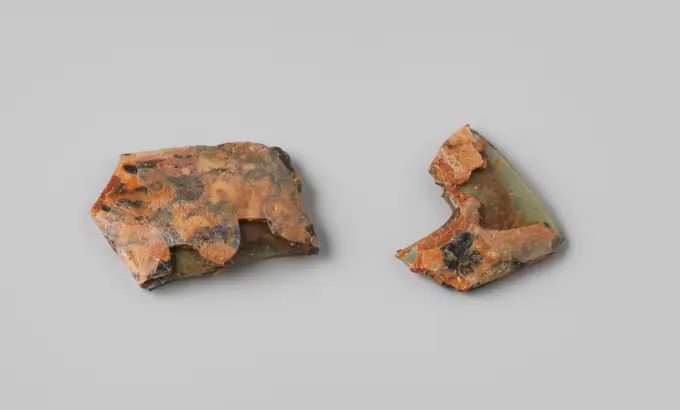
Fragments of historic materials including glass and wood, suggesting their archaeological significance and age.

Shards of wine bottles from the wreck of the East Indians Hollandia, Anonymous, 1700 - in Or Before 1743  Typologically not identifiable, belly, fragment. Netherlands .   Second
Shards of wine bottles from the wreck of the East Indians Hollandia, Anonymous, 1700 - in Or Before 1743 Typologically not identifiable, belly, fragment. Netherlands . Second
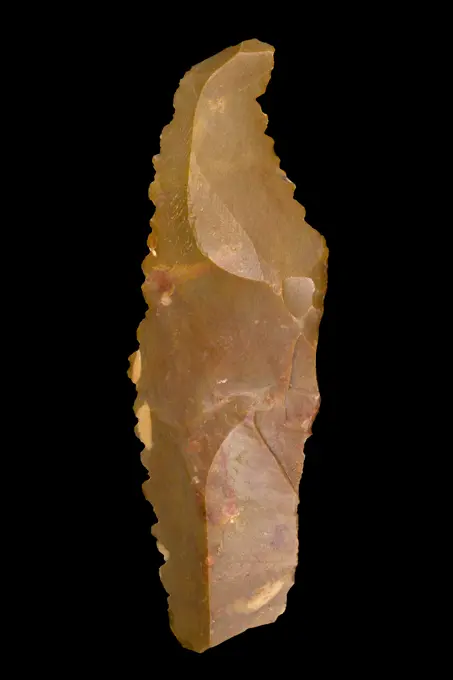
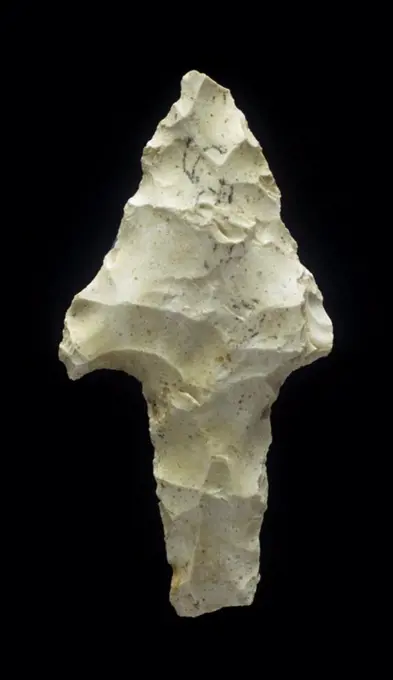
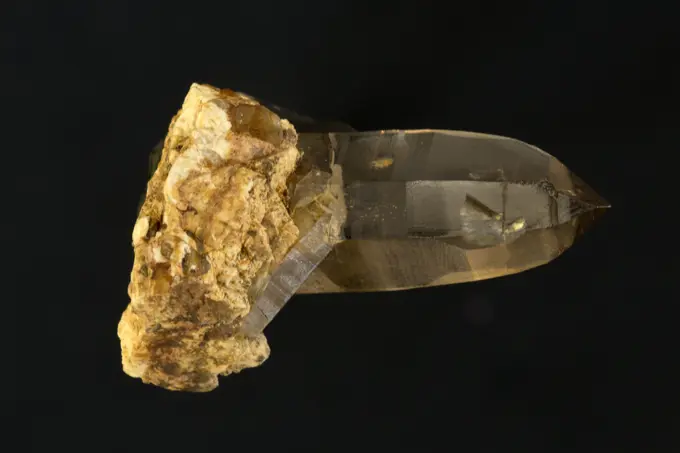
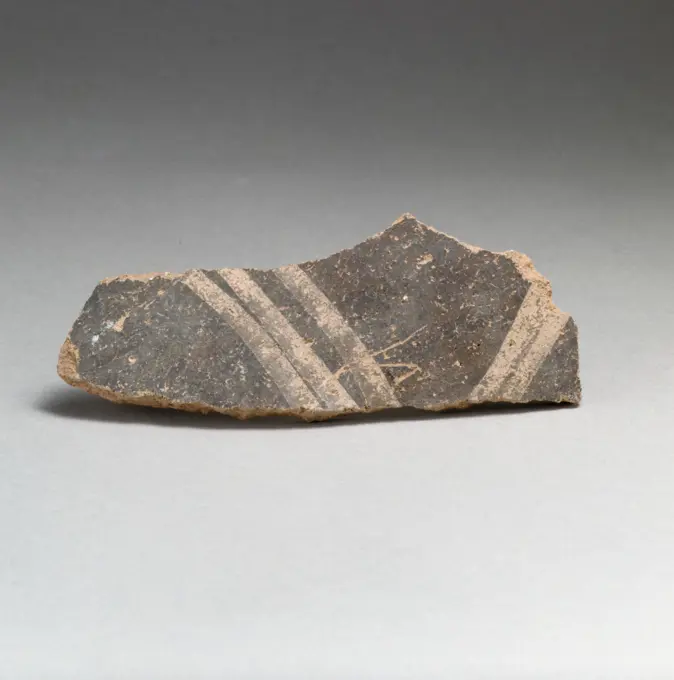
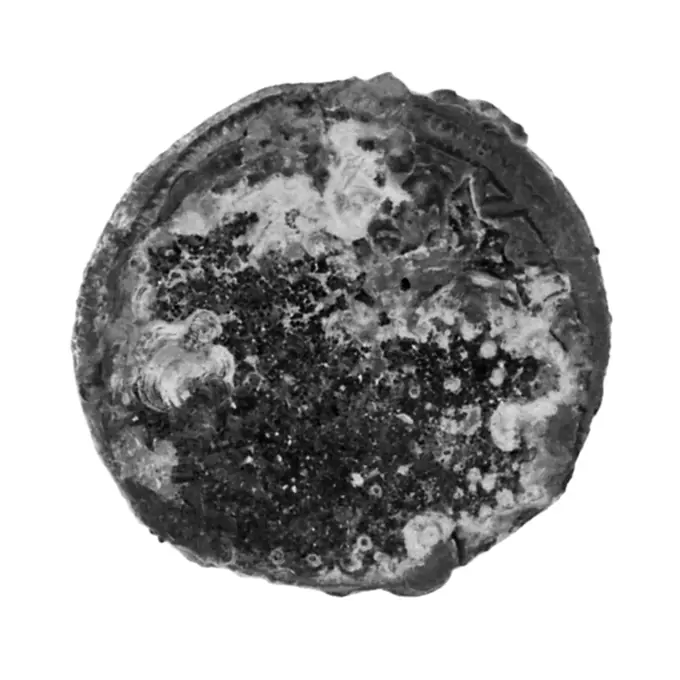
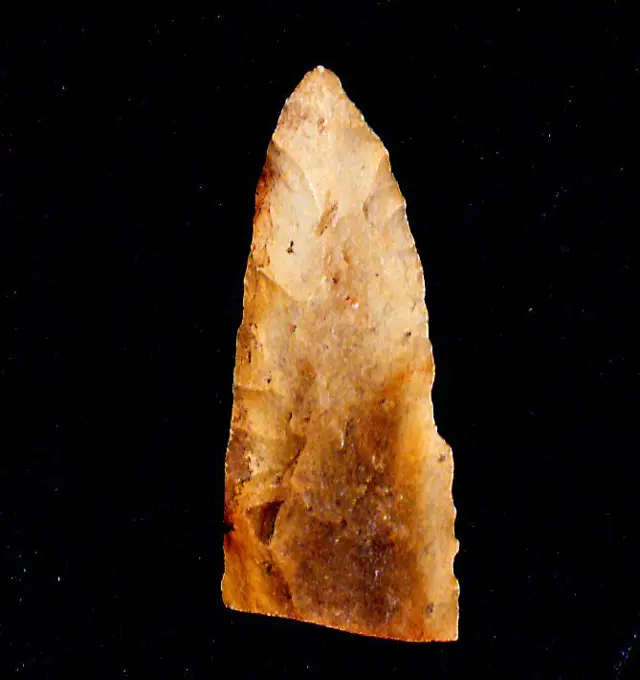
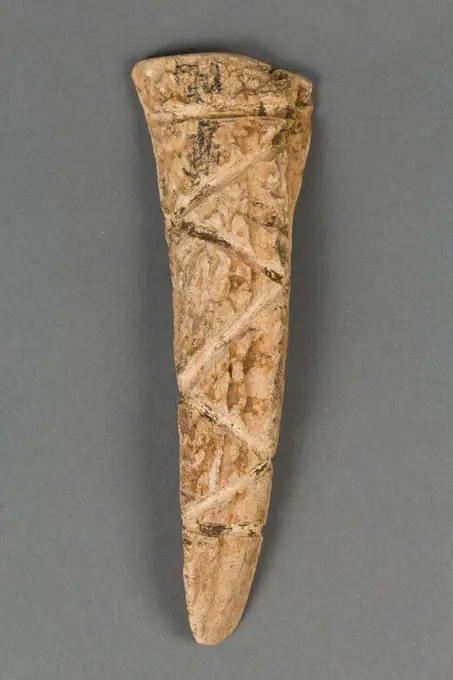
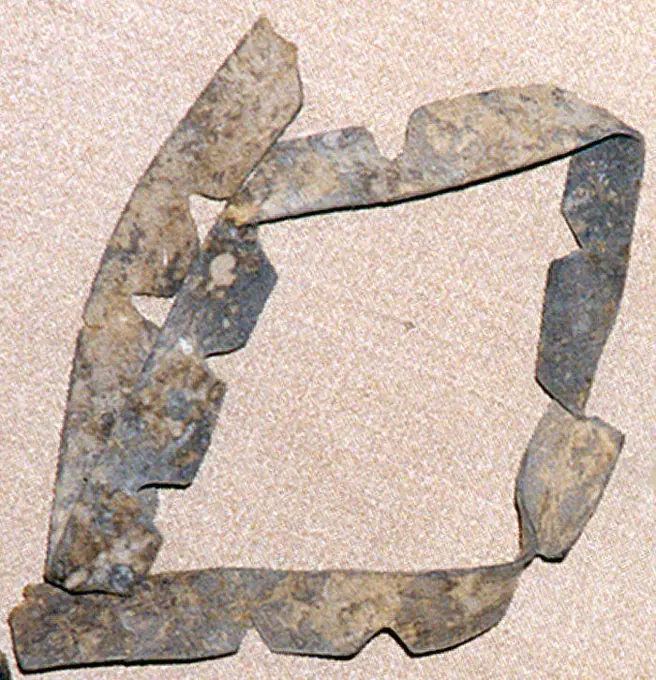
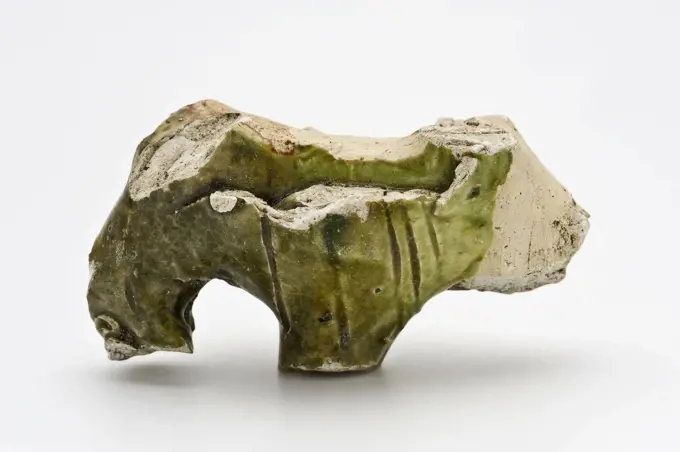
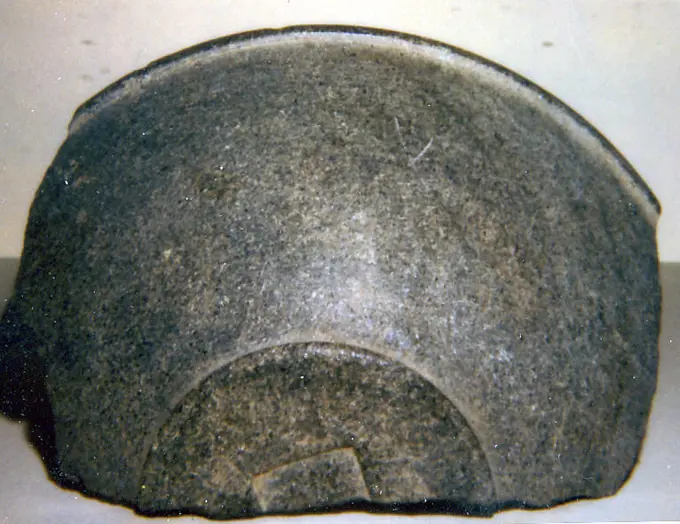
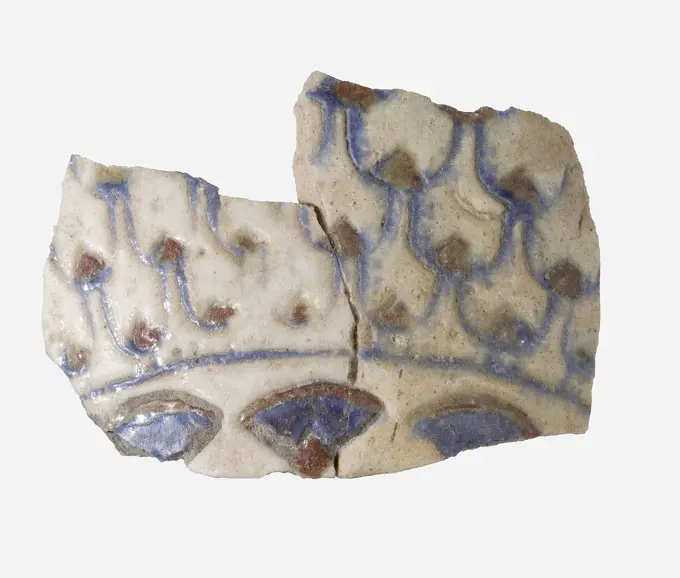
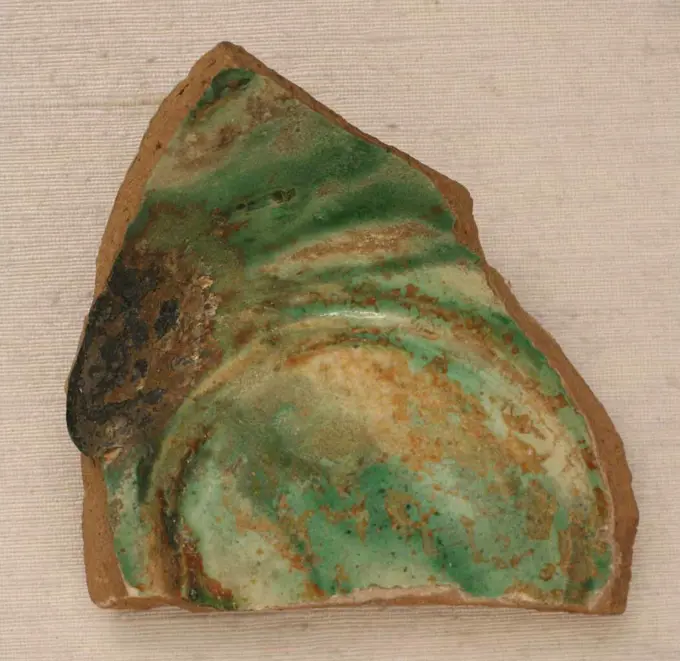
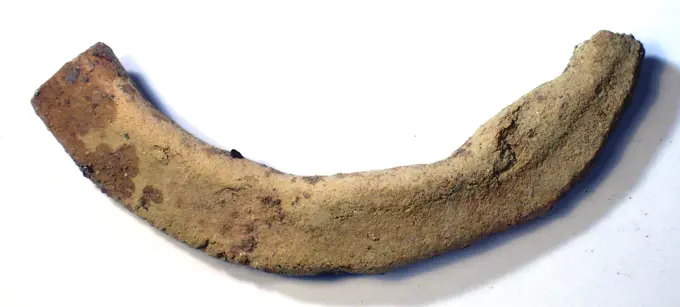
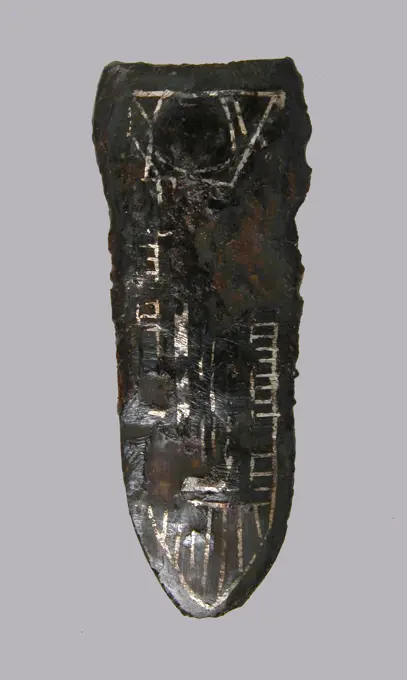
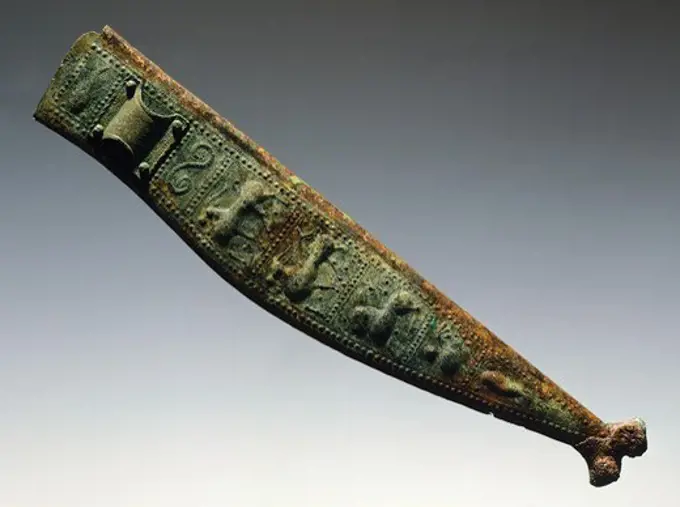
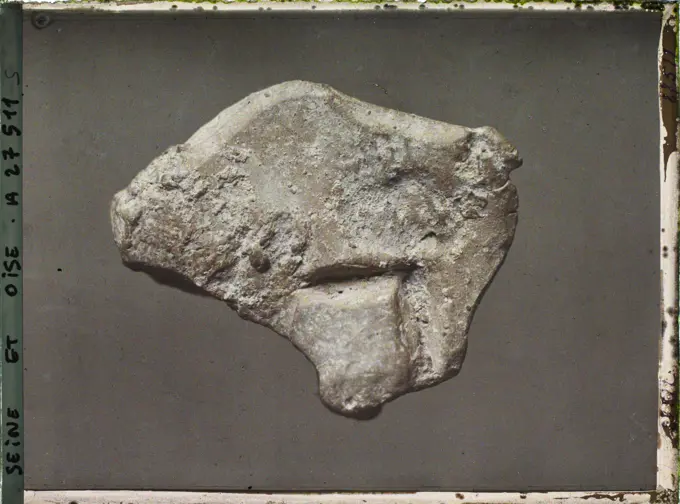
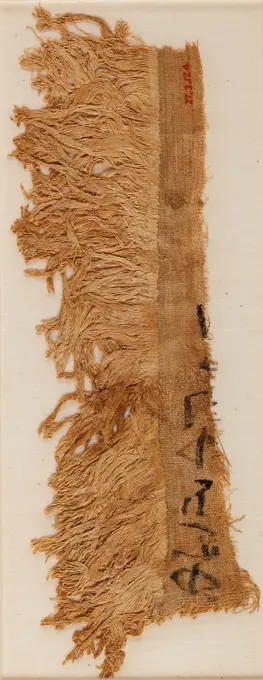
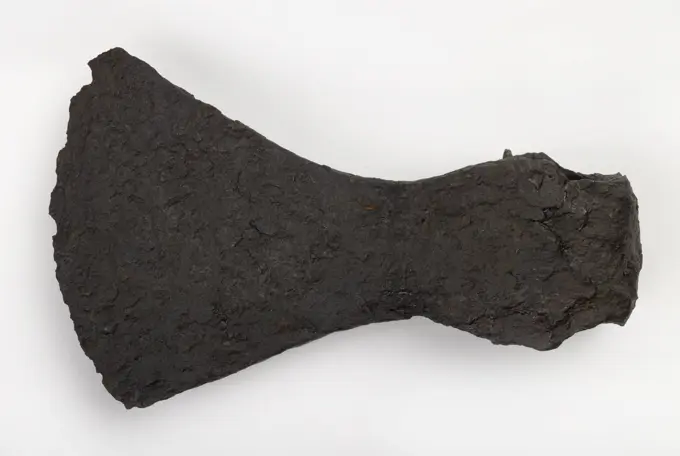
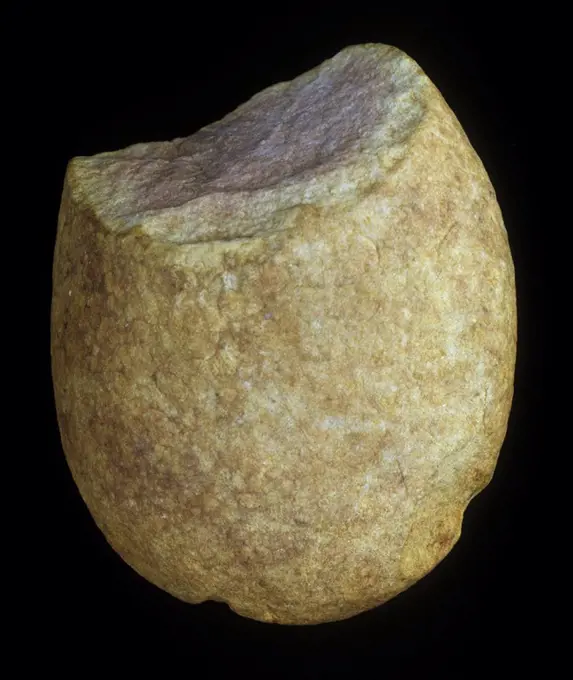
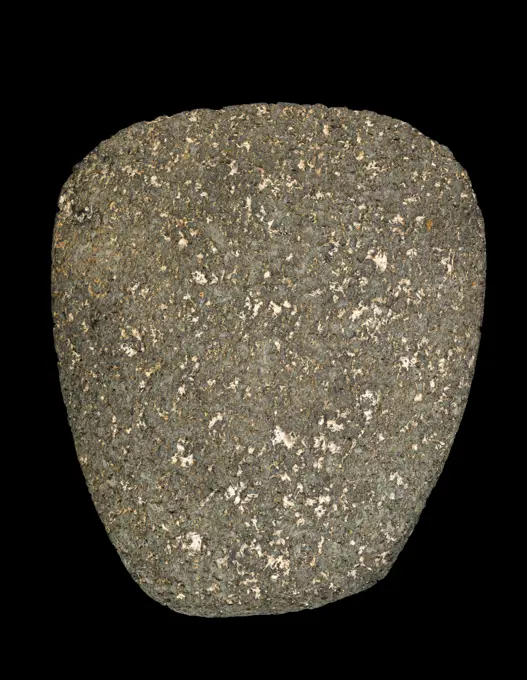
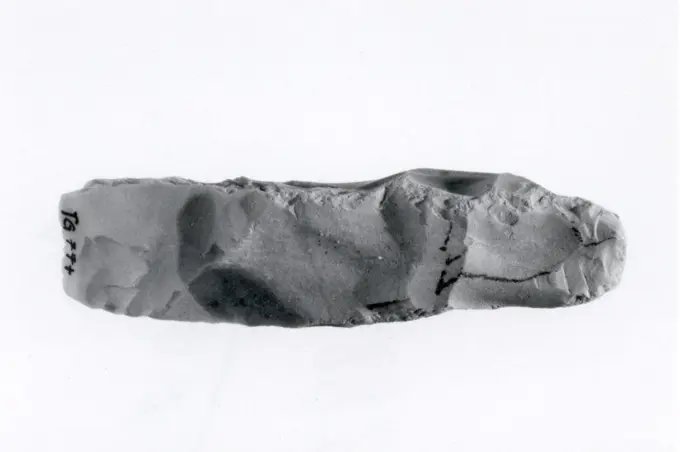
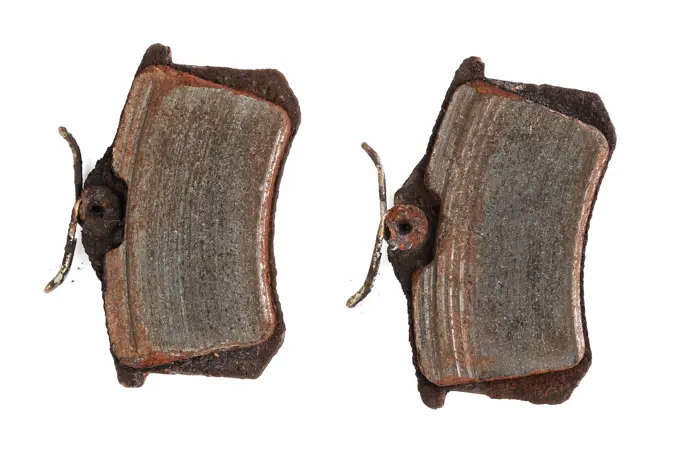
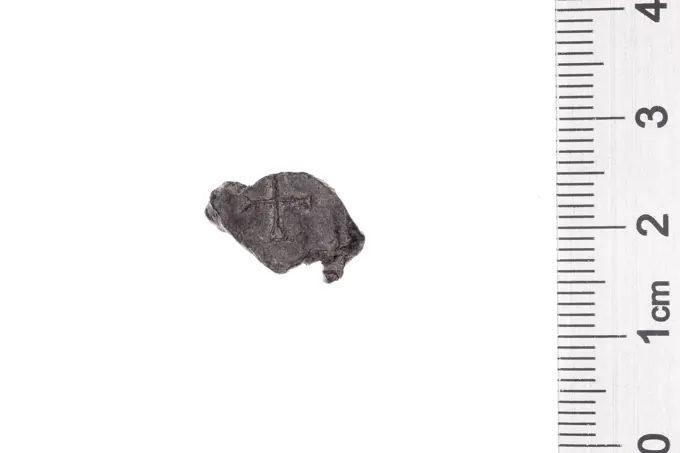
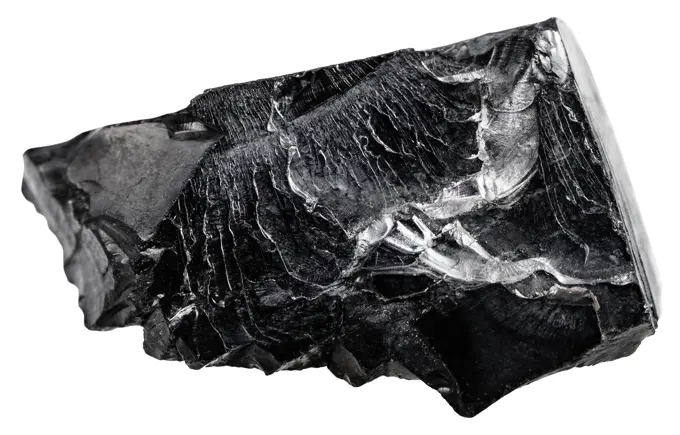
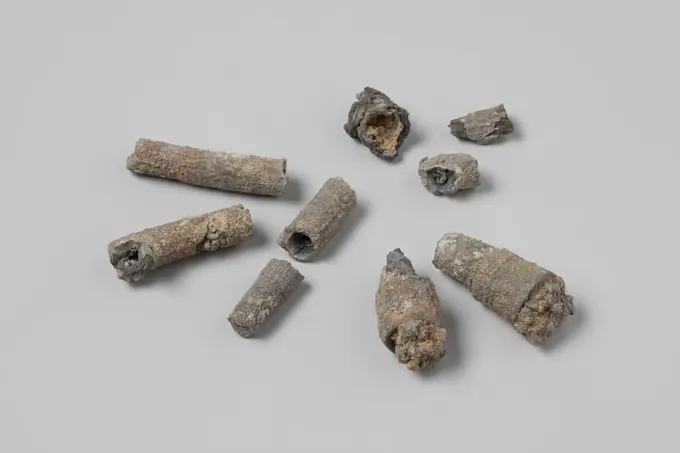
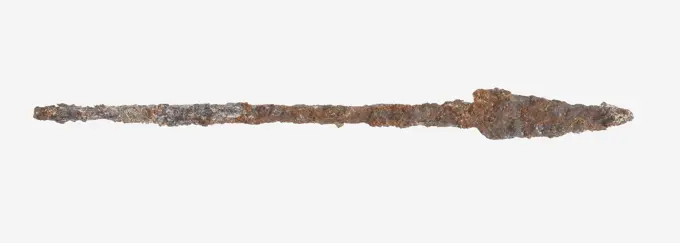
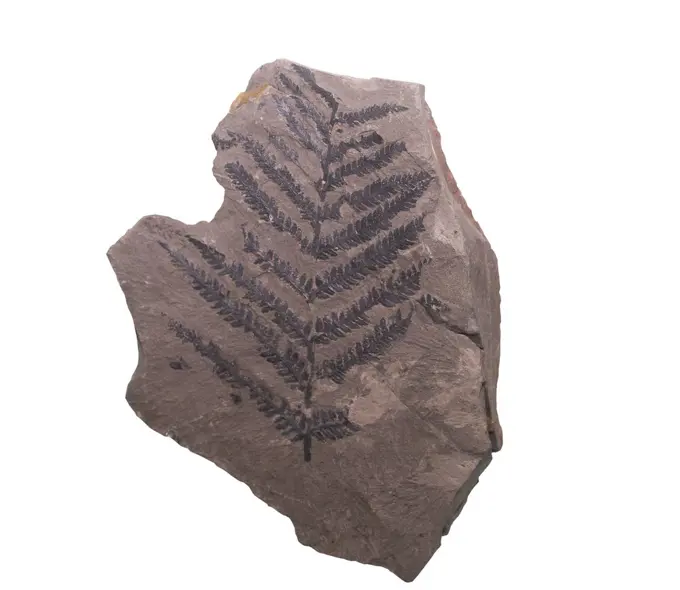
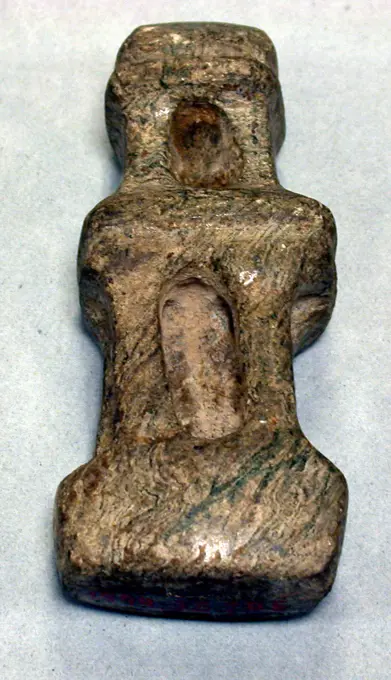
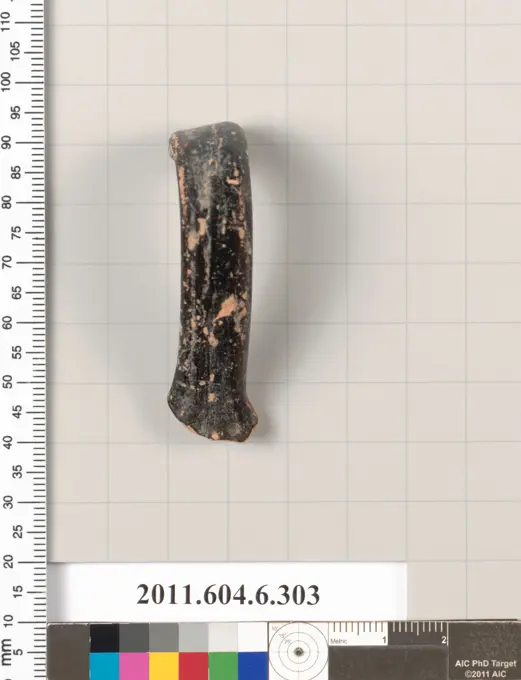
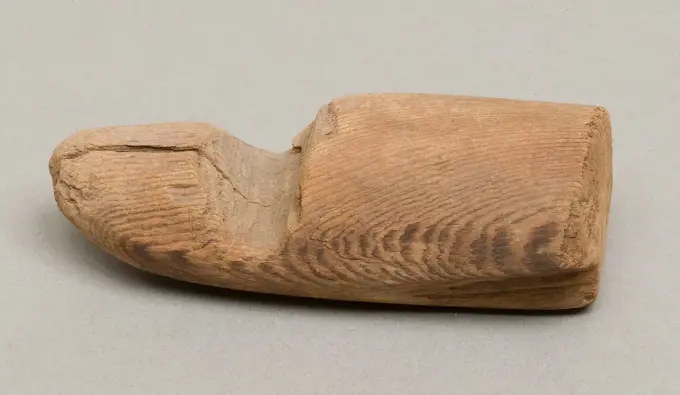
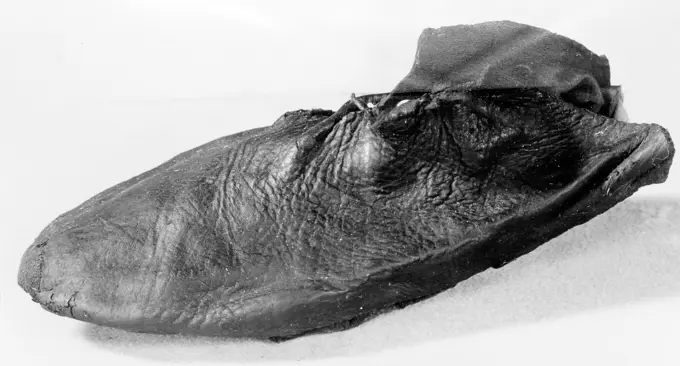
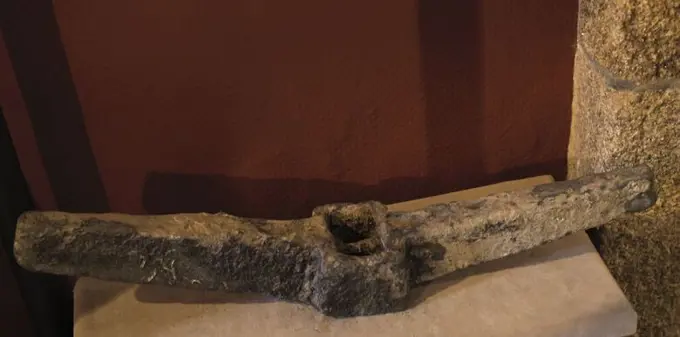
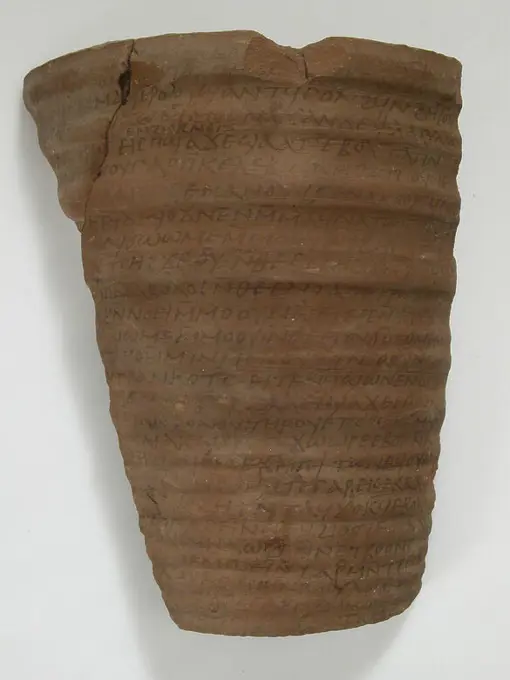
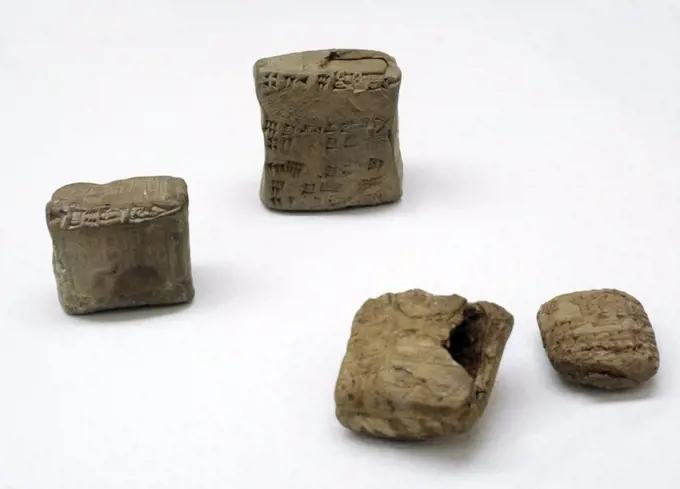
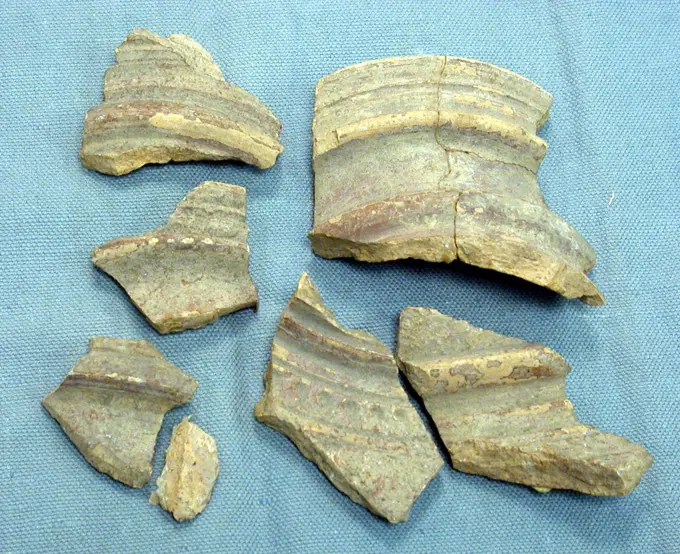
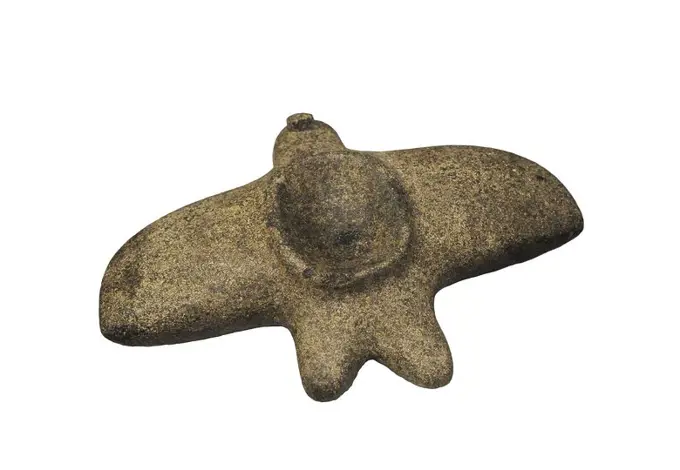
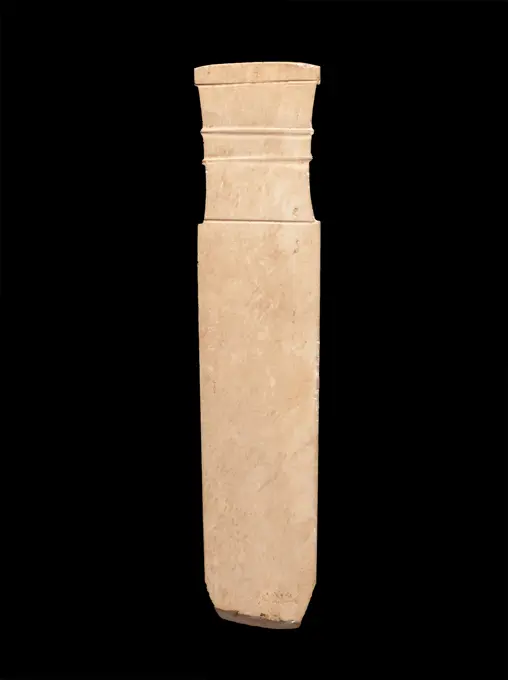
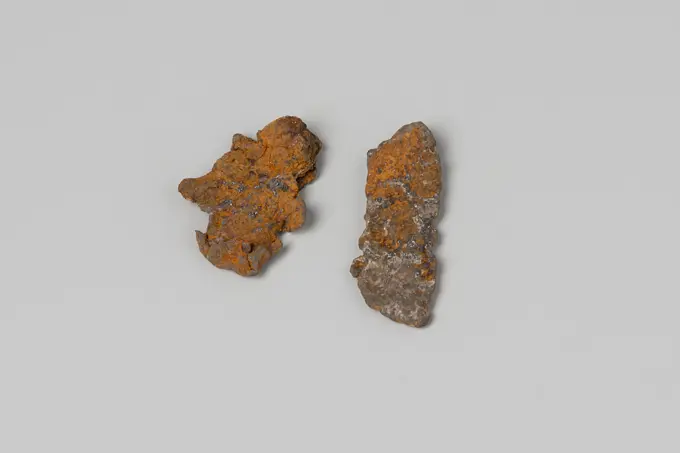
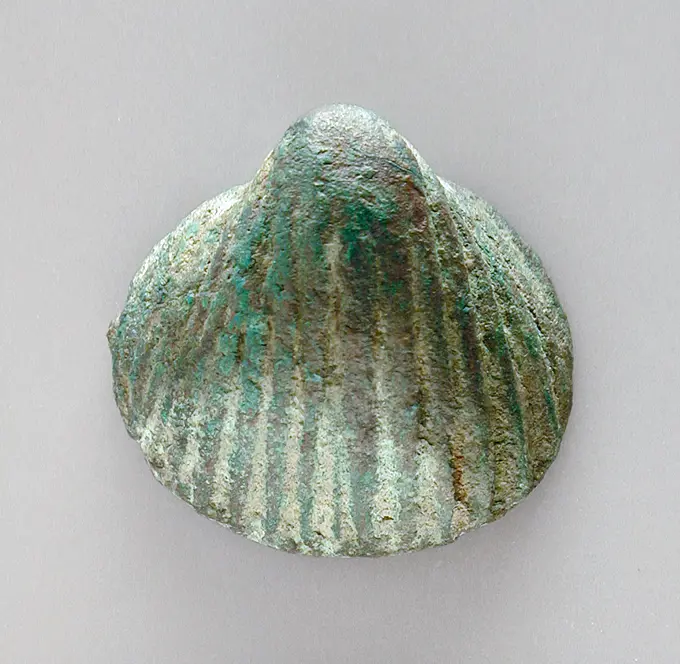
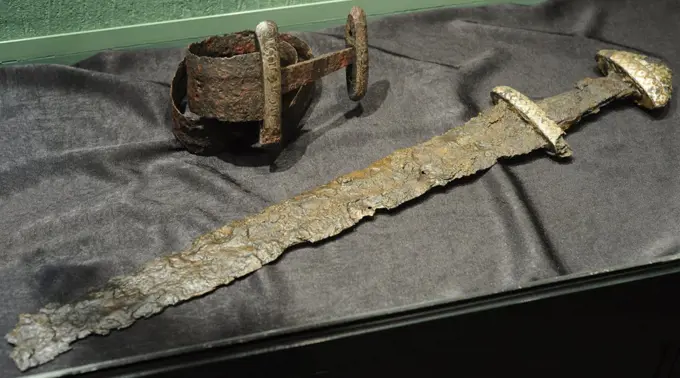
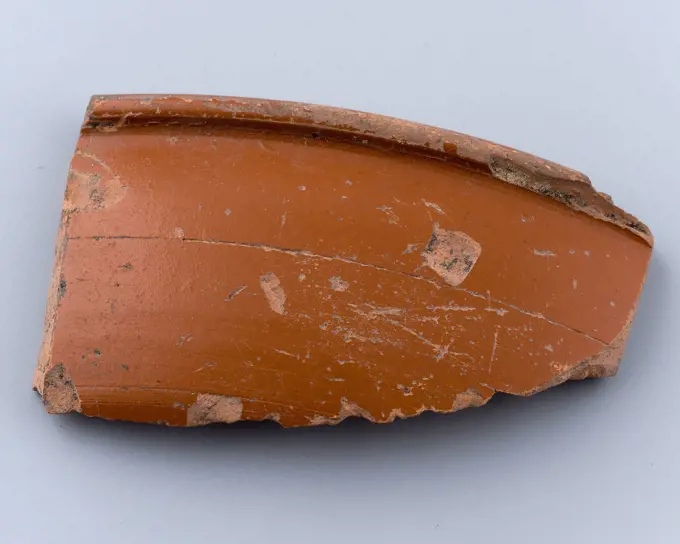
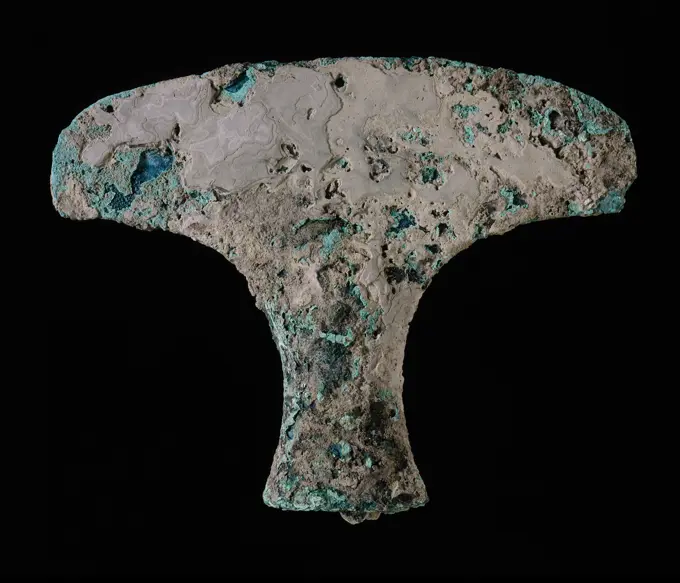
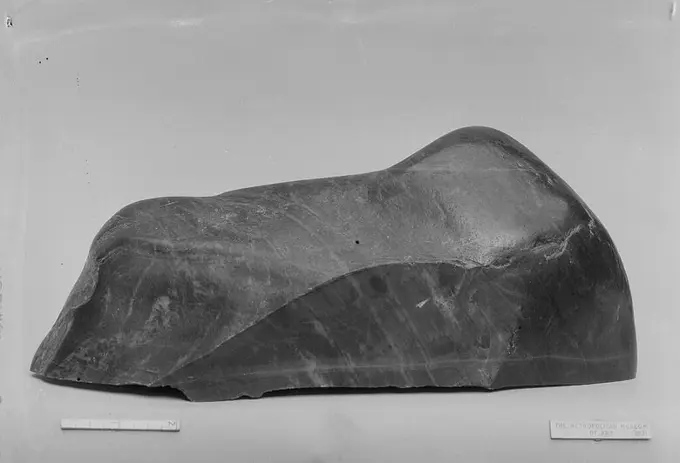
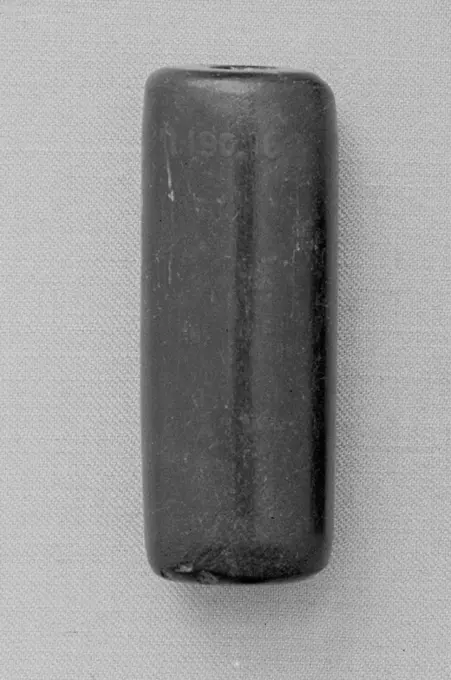
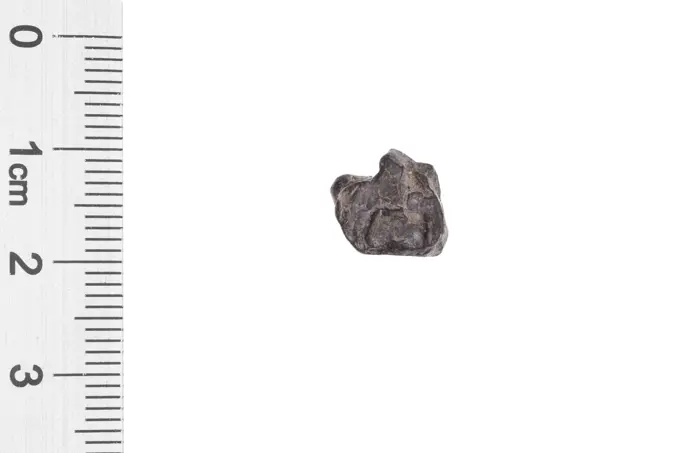
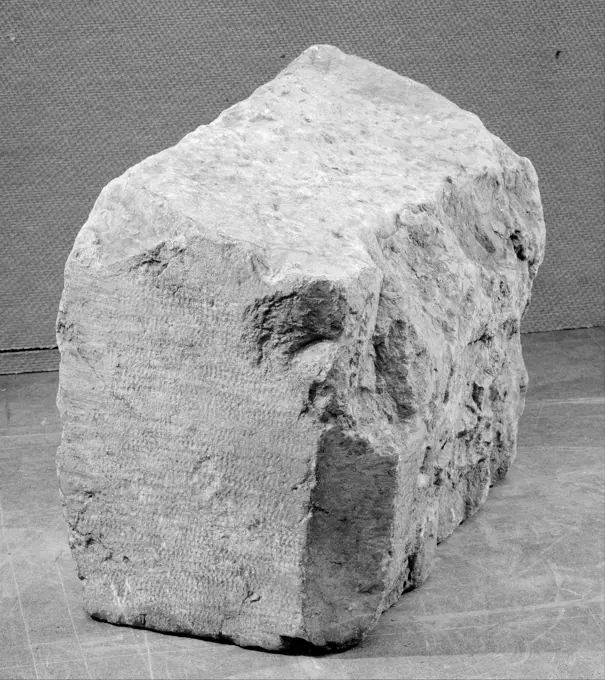
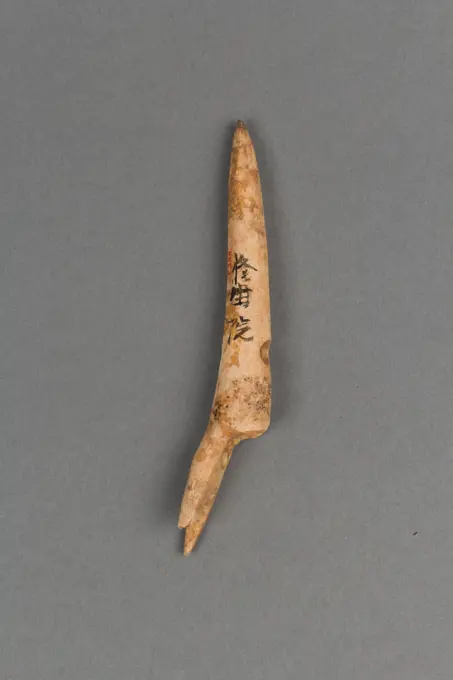
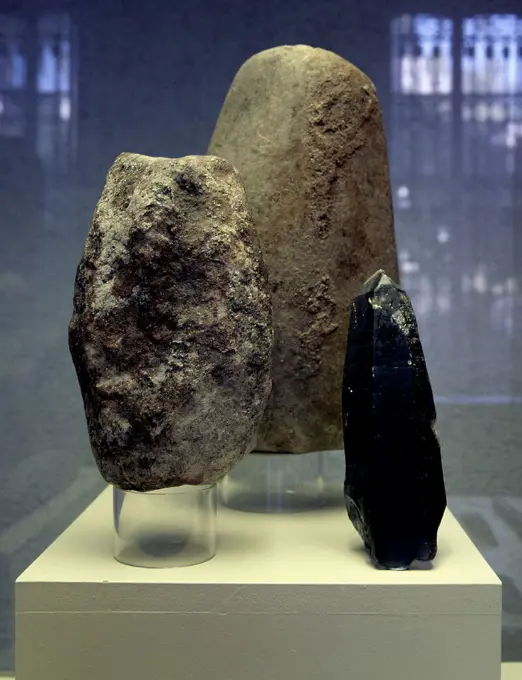
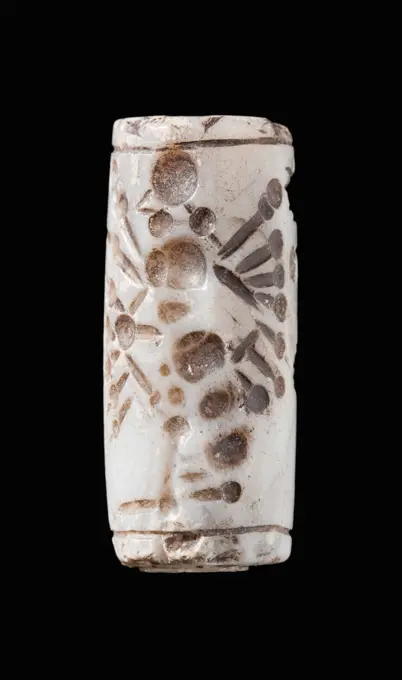
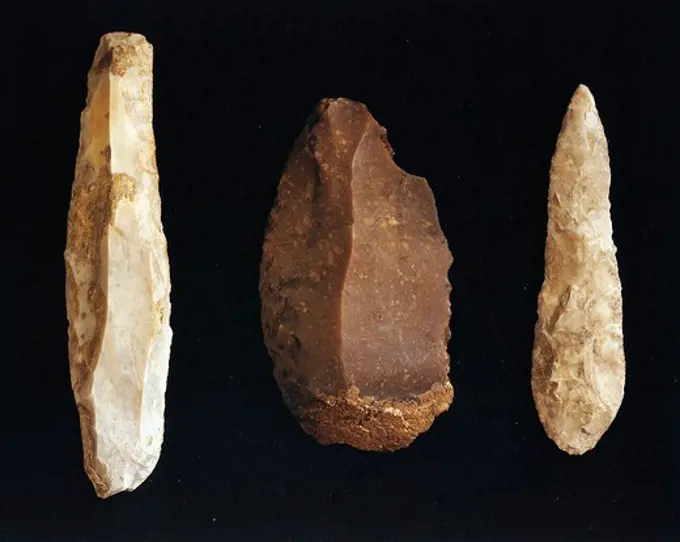
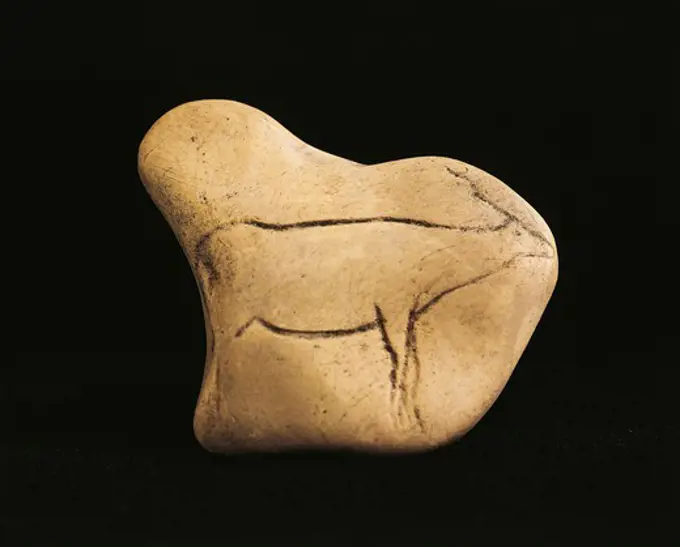
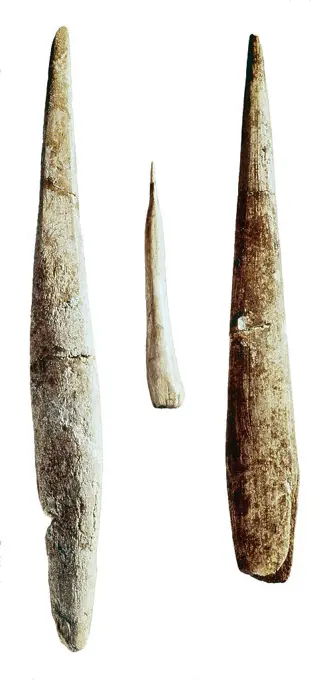
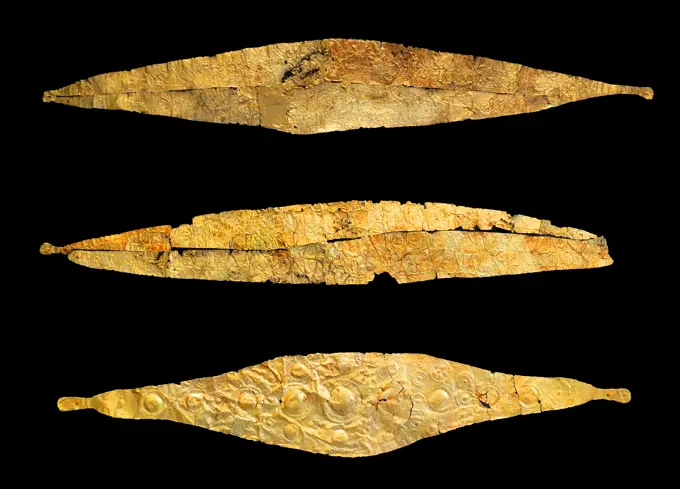
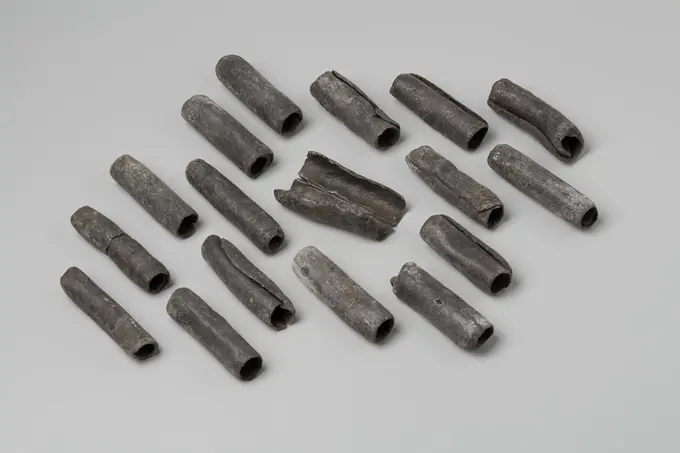
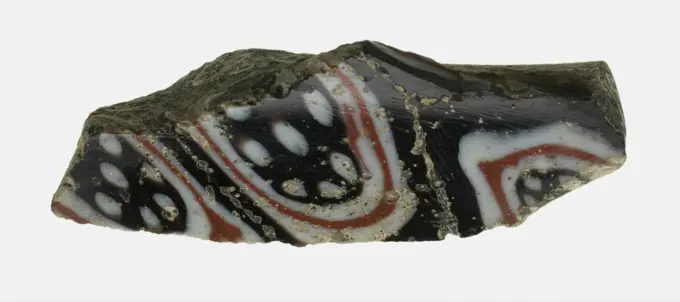
Serrated flint knife. Neolithic period. North Africa. 13,6 cm.Fragment 9th century. Fragment 451542PIEZA DE AJUAR DEL PALEOLITICO: PUNTA DE FLECHA DE ALETAS Y PEDUNCULO DE SILEX, DE LA CUEVA DE AMBROSIO (DEPOSITO: MUSEO ARQUEOLOGICO NACIONAL).Drohiczyn seal. unknown, managerCuneiform tablet: fragment, content uncertain ca. late 1st millennium B.C.. Cuneiform tablet: fragment, content uncertain 322101Smoky Quartz Mount Maloso, Zomba, Malawi     Date: Terracotta vessel fragment with polychrome motifs ca. 1800-1700 B.C. Minoan From Knossos, CretePolychrome fragment, on each side a dotted design with orange borders.. Terracotta vessel fragment with polychrome motifs 248541Vase fragment Minoan. Vase fragment 247858Unattributed Trebizond Coin. UnknownIndian arrowhead from Georgia and North & South Carolina , Archaeological assemblages, Charles F. Walcott Archaleogical CollectionAttic Panathenaic Amphora Fragment. Attributed to the Euphiletos Painter (active about 530 - 510 B.C.)Arrowheads, needles, hooks and harpoons. Culture: Japan. Dimensions: W. 1 3/4 in. (4.4 cm); L. 5 1/2 in. (14 cm). Museum: Metropolitan Museum of Art, New York, USA.Leather belt strap ca. 7th-9th century A.D. Alanic. Leather belt strap 327576Large earthenware in the shape of bear, glazed, ornament or figurine, artifact soil found pipe earthenware ceramics earthenware glaze leadglaze, hand molded molded glazed baked Ornament or part of figurine. Green glazed nose or mouthpiece with round hole. Decorated with slanted incised lines and remnants of ornamentation at the 'hind legs'. White shard archeology Stadscentrum Stadsdriehoek Rotterdam Playing Laurenskerk sieren Soil discovery found during the restoration of the Laurenskerk in Rotterdam.Hornblende. minerals. North America; USA; New York; St. Lawrence County; Russell; East RussellFragment of a Bowl 1st century Pakistan (ancient region of Gandhara). Fragment of a Bowl 38663Fragment of a Vase ca. 1390-1353 B.C. New Kingdom. Fragment of a Vase. ca. 1390-1353 B.C.. Faience. New Kingdom. From Egypt, Upper Egypt, Thebes, Malqata, Palace of Amenhotep III, MMA excavations, 1911-12. Dynasty 18Drohiczy seal;  XI-XIII century (1090-00-00-1110-00-00);guild seals, customs seals, touches, seals of customs chambers, official seals, seals with a crossCycladic figure. Artist: UnknownFragment 8th-9th century. Fragment 448796Fragment of a Jar early 9th century. Fragment of a Jar 456210Faience workshop refuse ca. 1802-1450 B.C. Late Middle Kingdom-Early New Kingdom. Faience workshop refuse. ca. 1802-1450 B.C.. Low-fired whitish clay. Late Middle Kingdom-Early New Kingdom. From Egypt, Memphite Region, Lisht North, Cemetery south of pyramid, House A1, so-called "faience factory", MMA excavations, 1920-22. Dynasty 13-18, earlyDrohiczyn seal. unknown, managerBelt Strap End 4th-7th century Frankish or Burgundian. Belt Strap End. Frankish or Burgundian. 4th-7th century. Iron, silver inlay. Made in Burgundy. Metalwork-IronBronze dagger sheath with embossed decorations and animal figures, Italy. Paleoveneti Civilization.Beverly Bennett Dobbs, Alaska's Largest Nugget, September 8, 1903, gelatin silver print.Saint-Germain-en-Laye, France , 1921 - Seine -et -Oise - Auguste Léon - (June) (French - Saint-Germain-en-Laye , France). Museum, represented animal , fantastic animal, archaeological vestige, sculpture, prehistory, Animal , Habitat , Architecture , Art, France, St Germain-en-Laye, bison of the Tuc d 'Audoubert 58030 cave, given by Count BégouenFragment of buyer from the wreck of the East India Hollandia.parts or artifacts; eroded fragments: Materials; Copper.Linen mark (Type XXVI) ca. 1961-1917 B.C. Middle Kingdom. Linen mark (Type XXVI). ca. 1961-1917 B.C.. Linen. Middle Kingdom. From Egypt, Upper Egypt, Thebes, Deir el-Bahri, Tomb MMA 507 (The Slain Soldiers), MMA excavations, 1926-27. Dynasty 12Iron Axehead, Mediaeval. Found at Weoley Castle sitePIEZA DE AJUAR PALEOLITICO: CANTO TRABAJADO DE CUARCITA (DEPOSITO: MUSEO ARQUEOLOGICO NACIONAL).Polished stone axe. North Africa, Neolithic. 7,9cm.Fragment of the necklace; Unknown Night -Tamanian workshop; approx. 2600 2350 BC ; Early period D Azira III (-2600-00-00--2350-00-00);Chisel ca. 4600-3600 B.C. Ghassulian. Chisel 326526Painted Cylindrical Jar. Egypt, Naqada III Period, 3400-3100 B.C.. Furnishings; Serviceware. CeramicBrake cheeks for car brakes brake cheeks for car brakesDrohiczyn seal. unknown, managerFOSSILES.Drohiczyn seal. unknown, managerStamp Seal, Gabled. Northern Syria or southeast Anatolia, circa 3500 - 3100 B.C.. Tools and Equipment; seals. Black serpentineDrohiczyn seal. unknown, managerraw shungite gemstone isolated on white macro shooting of natural mineral stone - raw shungite gemstone isolated on white background Copyright: xZoonar.com/ValeryxVoennyyx 9078612Fragmenten klisteerspuit uit het wrak van de Oost-Indiëvaarder Hollandia. Tools and instruments, medical, enema syringe; fragm of needles, corroded: threaded ends id. NG 1980-27H1632/1799: fragm id. NG 1980-27H1632: fragm of tapering tube id. NG 1980-27H1456.Arrowhead ca. 1390-1353 B.C. New Kingdom. Arrowhead. ca. 1390-1353 B.C.. Iron. New Kingdom. From Egypt, Upper Egypt, Thebes, Malqata, Palace of Amenhotep III, MMA excavations, 1911-12. Dynasty 18Fossil Ammonite isolate background with clipping pathStone Temple Model 1st-8th century Mezcala. Stone Temple Model 317538Terracotta fragment of an undetermined shape 6th/5th centuries B.C. Greek, Attic Black glazed fragment of a handle from an undetermined shape. Terracotta fragment of an undetermined shape. Greek, Attic. 6th/5th centuries B.C.. Terracotta; black glaze. Archaic/Classical. VasesLoom Heddle Jack ca. 1850-1070 B.C. Late Middle Kingdom or New Kingdom, Ramesside. Loom Heddle Jack. ca. 1850-1070 B.C.. Wood. Late Middle Kingdom or New Kingdom, Ramesside. From Egypt, Memphite Region, Lisht North, Late New Kingdom Settlement, MMA excavations, 1920-22. Dynasty 19-20Shoe (Toe) Made 1501-1600 England. Leather .autumn leaf autumn leaf isolated on a white background Copyright: xZoonar.com/RuslanxNassyrovx 7013741Anchor stock. Lead. From Punta del Molino, Port of Palams (Girona province, Catalonia, Spain). 1st century BC. Archaeological and History Museum (San Anton Castle). A Coru–a, Galicia, Spain.Fragmented decorative batter from the wreck of the East Indieschief Hollandia. Fitting, decorative fitting or fragment; Fragm, ID. NG 1980-27H1133, Squashed, Eroded, Left Wing Twisted.Ostrakon. Culture: Coptic. Dimensions: 6 x 7 5/16 in. (15.3 x 18.6 cm). Date: 7th century. Museum: Metropolitan Museum of Art, New York, USA.Sumer. Mesopotamia. Near East. Documents in envelopes. Lagash and Umma. Ur III period (22th-21st century BC). Iraq. The State Hermitage Museum. Saint Petersburg. Russia.Sherds ca. 3rd-7th century A.D. Sasanian. Sherds 322435rough tiger-eye stone on dark background macro shooting of natural mineral rock specimen - rough tiger-eye stone on dark granite background from South Africa Copyright: xZoonar.com/ValeryxVoennyyx 11391970Plesiosaur or crocodile tooth. Toarcian (180 million years). Nancy. 3cm long. - Blouet brothers collectionset of various Tinguaite Phonolite rocks isolated set of various Tinguaite Phonolite rocks isolated on white background Copyright: xZoonar.com/ValeryxVoennyyx 15151286Bird shaped mortar. Zoolith used to grind hallucinogenic substances. It was collected in 1777 by Captain Geronimo Verde on Santa Catarina Island (Brazil). Sambaqui culture (3000 BC-500 AD). Stone. Coast of Brazil. Museum of the Americas. Madrid, Spain.Drohiczyn seal. unknown, managerMOTON ANIMADO DEL 4.Manche ". Jade. Shang Dynasty (1765 - 1122 BC), China. Paris, Cernuschi Museum. 101270-20 Asian art, Chinese art, Extreme-East art, Shang dynasty, prehistoric time, Shang time, jade, handle, prehistorySculpted head of a lady. Most likely the tomb decoration for a woman of wealth. the hairstyle dates it as later 1st century AD. Roman.Fragment lead from the wreck of the East Indieschief Hollandia. Parts or artifacts; eroded fragments: Materials; Lead.Shell Figurine. Egypt, probably Ptolemaic Period (323 - 30 BCE) or modern. Sculpture. BronzeScandinavia. Middle ages. Jewelery. Swords. From Vold, Grue k., Hedmark, 10th century and Kaupang, Larvik k., Vestfold, 9th century. Historical Museum. Oslo. Norway.Map of Cuba on rusty metalEarthenware fragment terra sigillata, bowl bowl crockery holder soil find ceramic pottery clay engobe, Edge fragment of dish or bowl. Terra sigillata orange core and red engobe on the outside archeology Rotterdam food preparation cooking kitchen Soil discovery area New construction Rotterdam.Adze. Thailand, Ban Chiang culture, 300 B.C.-A.D. 150. Tools and Equipment; adzes. Copper alloyTesson (common name), 1400. Sandstone with brown under cover. Cernuschi Museum, Asia Museum of Asia in the city of Paris.Native Copper     Date: Flint labret. Mali, Neolithic. 5cm.Karte von Belgien auf rostigem Metall- Map of Belgium on rusty metal Karte von Belgien auf rostigem Metall- Map of Belgium on rusty metal Copyright: xZoonar.com/lantapix,x 9837028close up of an empty wooden sign on white background with clipping pathShard. Ceramics, jin or yuan dynasty. Paris, Cernuschi museum. 50145-1 Ceramic, Jin, Tesson, Yuan dynastyFragment of a Boulder. Culture: China, Turkestan. Dimensions: H. 4 7/8 in. (12.4 cm); W. 11 3/4 in. (29.8 cm); Th. 4 in. (10.2 cm). Museum: Metropolitan Museum of Art, New York, USA.Piece of untouched died of natural causes treeBead China. Bead 43145Drohiczyn seal. unknown, managerBlock Fragment ca. 1130-40 French. Block Fragment 478800Toggle harpoon head Japan The Jmon period is the earliest period in Japanese history, lasting from roughly 14,000 to 300 BCE. The Jmon people were primarily hunter-gatherers, hunting land animals and gathering vegetables and nuts on the land as well as hunting and fishing at sea. This toggle harpoon head, which works by detaching from the shaft of the harpoon once it is stuck in an animal while remaining attached to the shaft by a rope, facilitated the hunting of larger animals at sea. It allowed the Jmon people to practice both opportunistic as well as deliberate hunting of large sea mammals including whales, which are known to have been part of the diet of some Jmon communities along with other sea mammals like seals.. Toggle harpoon head. Japan. Bone. Final Jmon period (ca. 1000-300 B.C.). BoneRib bones isolated on white backgroundAJUAR FUNERARIO - IDOLOS DEL DOLMEN DE ALBERITE VILLAMARTIN - IV MILENIO AC. Location: MUSEO DE CADIZ-ARQUEOLOGIA. Cadiz. SPAIN.Relief fragment, tomb of Meketre ca. 1981-1975 B.C. Middle Kingdom. Relief fragment, tomb of Meketre 562303Floral Decoration On The Top Of A Roman Pillar, Side, TurkeyCylinder Seal. Iran, Mesopotamia or Syria, 8th-7th century B.C.. Tools and Equipment; seals. Gray chalcedonyEmpty wooden cutting board with cracks and scuffs located on a dark concrete backgroundGlass Fragment 16th century British. Glass Fragment. British. 16th century. Pot metal glass. Glass-StainedItaly, Prehistory, Stone Age. Tools made from flint. From FermoPrehistory, France, Upper Paleolithic. Bone engraved with figure of deer. From Laugerie-Basse in Aquitaine.JABALINA DEL PALEOLITICO SUPERIOR.Gold decorations for a robe or dress, from Circle A, a 16th-century BC royal cemetery, of the Bronze Age citadel of Mycenae in southern Greece. Characteristic of the early phase of the Mycenaean civilizationFragment of a Bowl. Byzantine or Italian; Italy, Campania or Apulia. Date: 1201-1400. Dimensions: 3.8 × 13.7 × 13.3 cm (1 1/2 × 5 3/8 × 5 1/4 × in.). Ceramic. Origin: Istanbul. Museum: The Chicago Art Institute, Chicago, USA.Loden role from the wreck of the East Indiesman 't flying heart. To tubularly loden pictures. Black-gray and silver gray in color. One has been rolled out. Roll or lead.Fragment of a Plate 100 BCE-100 CE Roman Empire. In ancient Rome, there was a high demand for colorful glass that could dazzle banquet guests alongside the expensive silver and gold serving wares meant to impress. Fragments like this one would have once been a part of larger mosaic dishes. The mosaic pattern was made by sagging molten glass into bowl-shaped molds, a technique used on many of these fragments is similar to millefiori, ìthousand flowersî in Italian, a modern glass-making method in which tiny rods of colored glass are bundled together, wrapped in a sheet of glass, fused, and then thinly sliced to reveal swirls of a flower-like patterns. They were arranged side by side, sometimes together with bits of colored glass, and fused together with heat.. Glass, mosaic glass technique . Ancient RomanDrohiczyn seal. unknown, managerTextile fragment ca. 6th-7th century A.D. Sasanian. Textile fragment 328839Drohiczyn seal. unknown, managerWeight: 1 kedet  ca. 1981-1640 B.C. Middle Kingdom. Weight: 1 kedet . ca. 1981-1640 B.C.. Hematite. Middle Kingdom. From Egypt, Memphite Region, Lisht North, Cemetery, MMA excavations, 1920-22. Dynasty 12-13Ax head ca. 2100-1950 B.C. First Intermediate Period-early Middle Kingdom. Ax head 544276