Ancient Artifacts

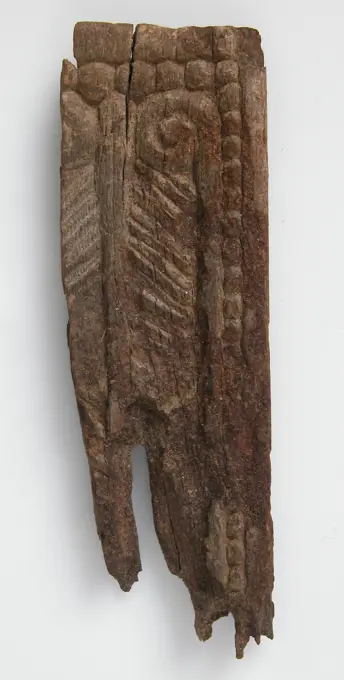
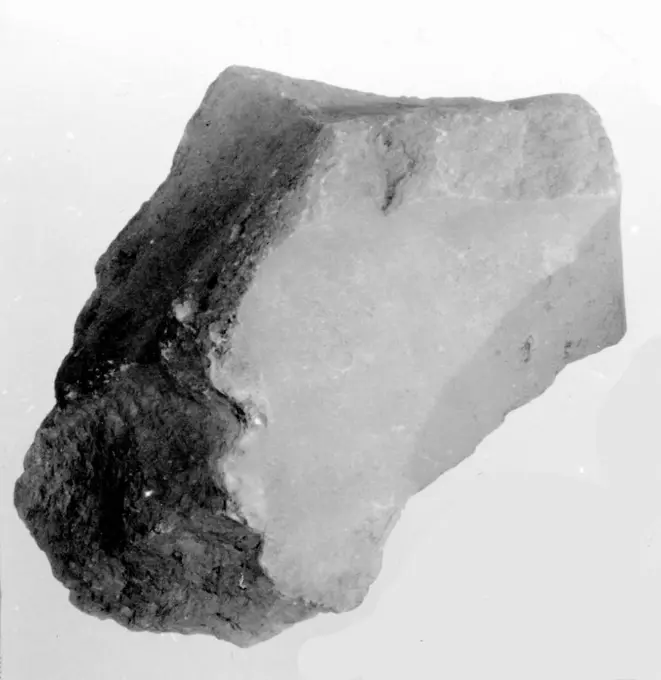
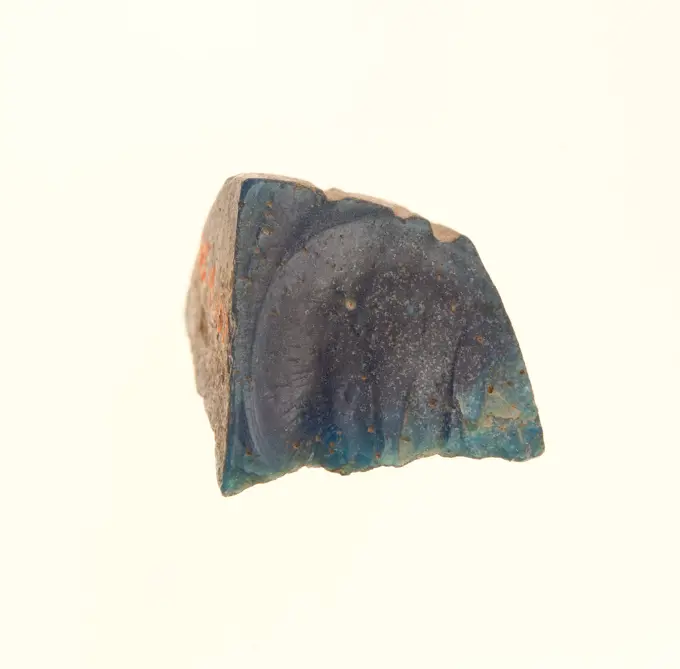
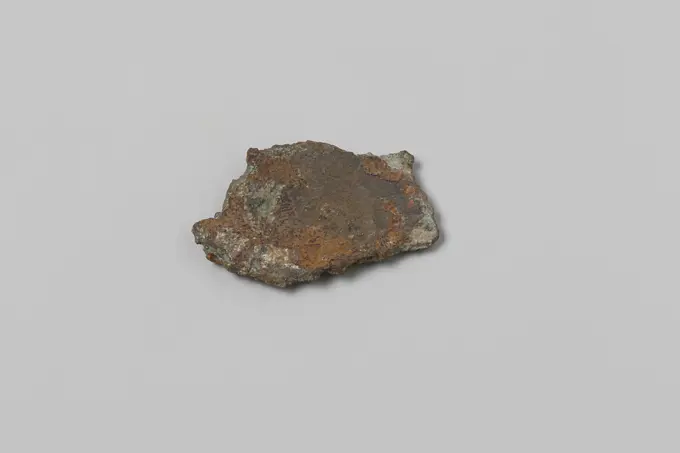
Fragments of historic materials including glass and wood, suggesting their archaeological significance and age.

Shards of wine bottles from the wreck of the East Indians Hollandia, Anonymous, 1700 - in Or Before 1743  Typologically not identifiable, belly, fragment. Netherlands .   Second
Shards of wine bottles from the wreck of the East Indians Hollandia, Anonymous, 1700 - in Or Before 1743 Typologically not identifiable, belly, fragment. Netherlands . Second
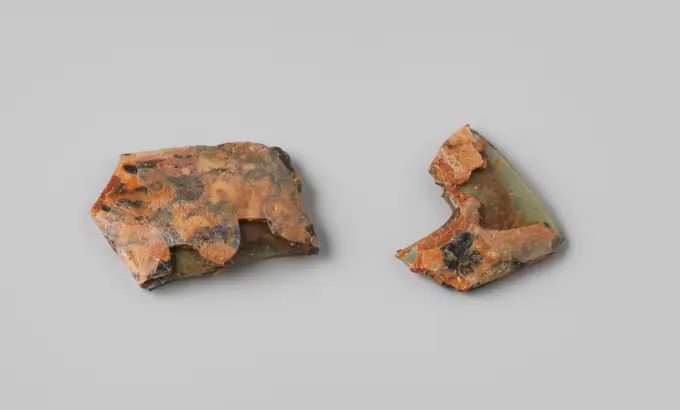
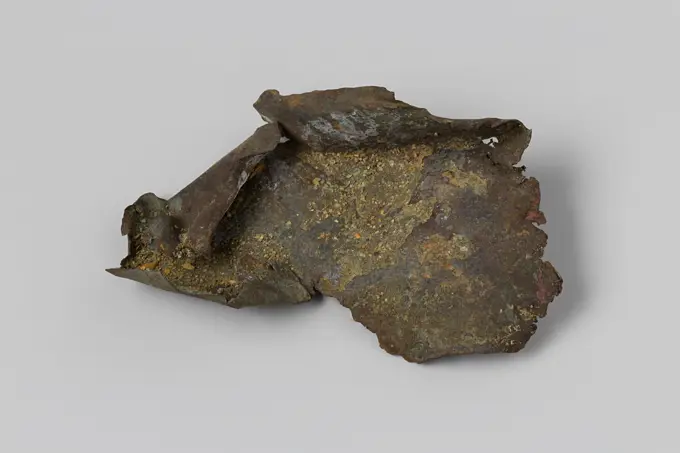
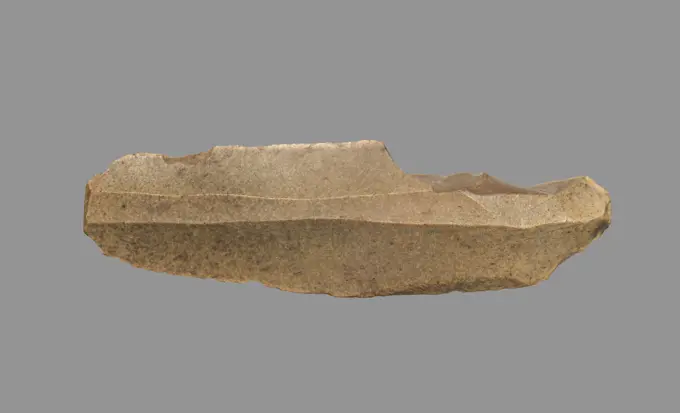
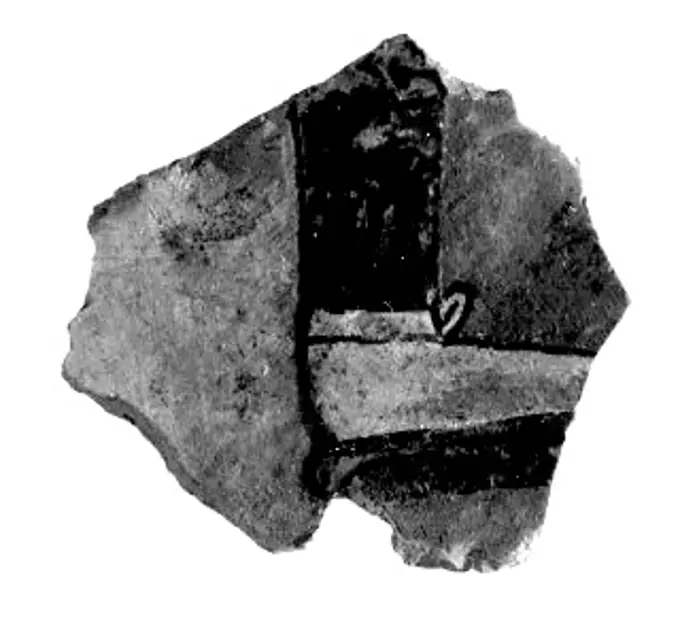
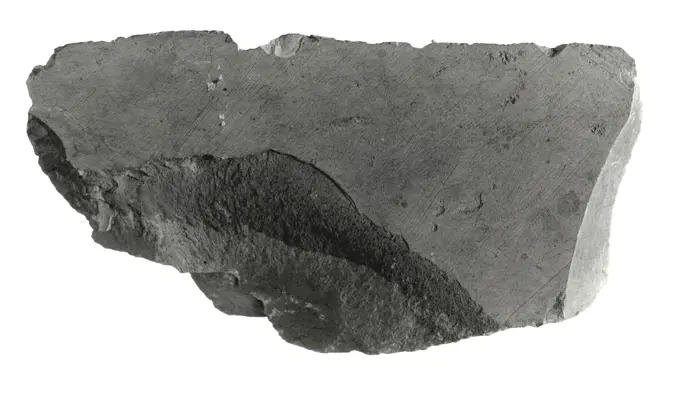
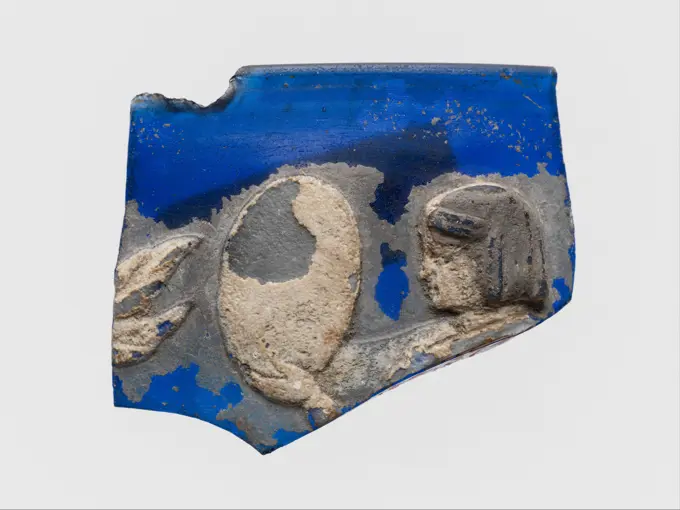
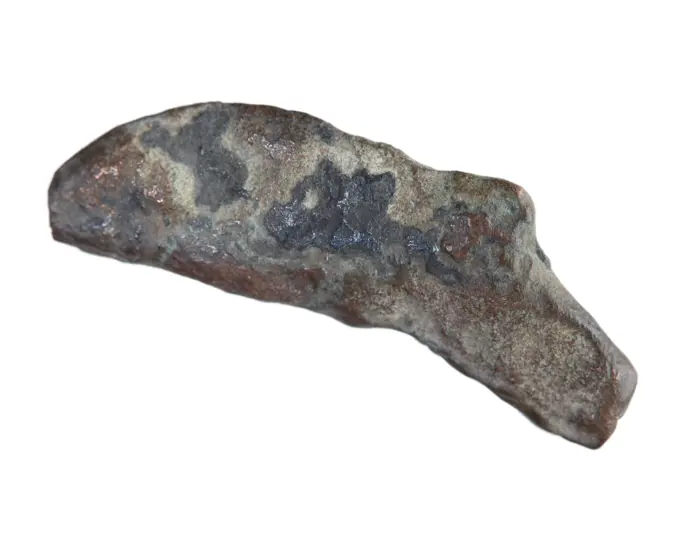
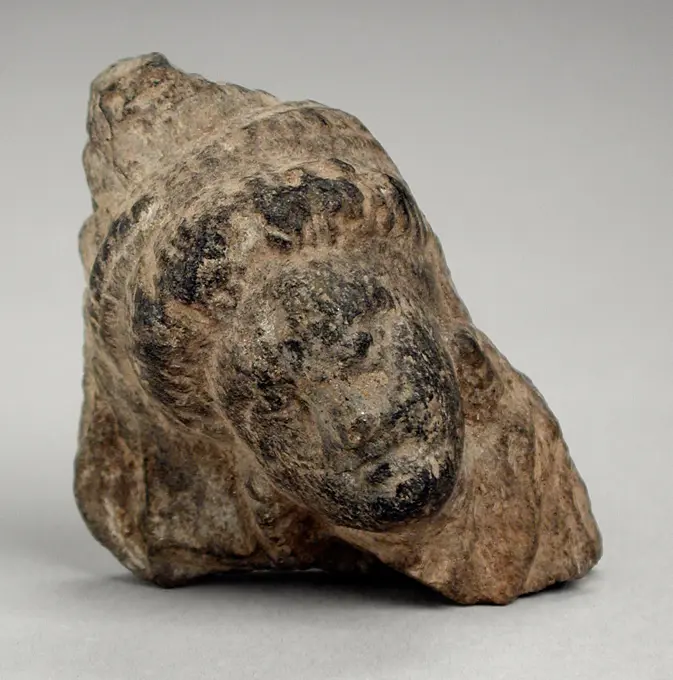
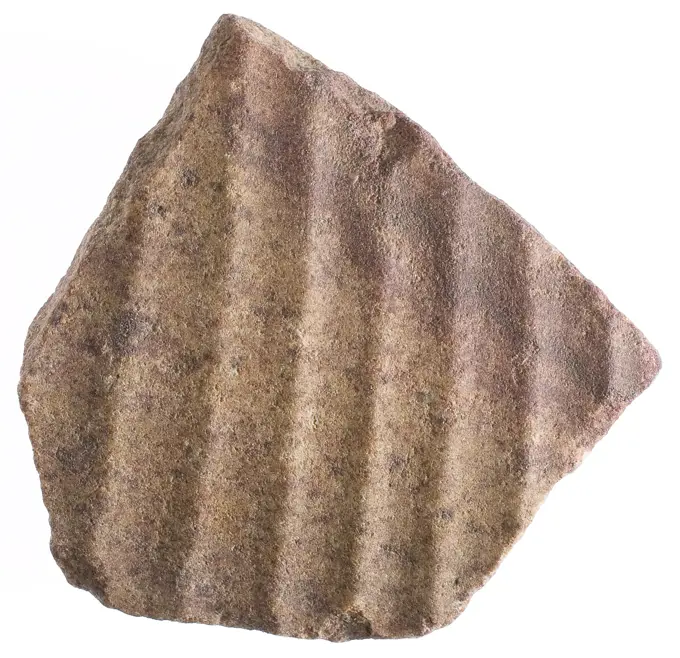
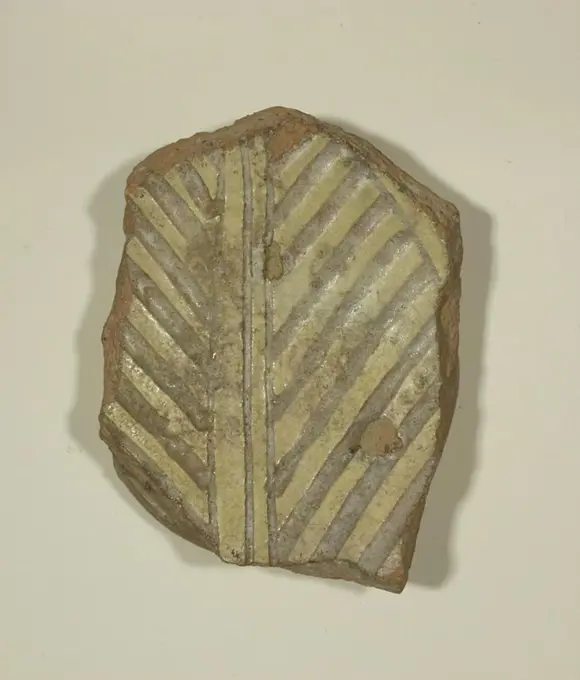
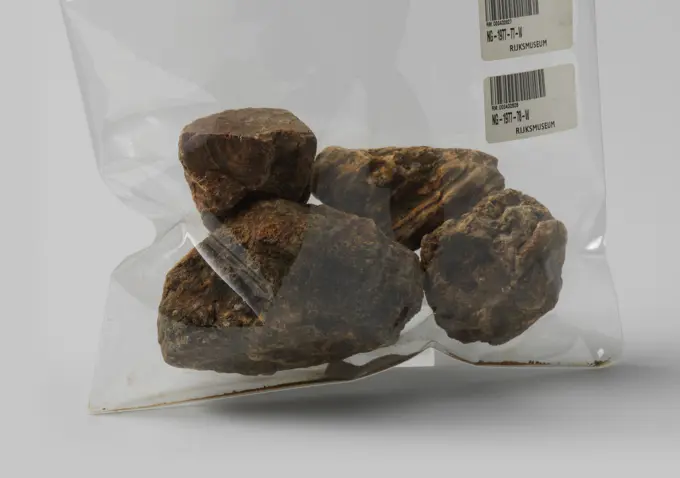
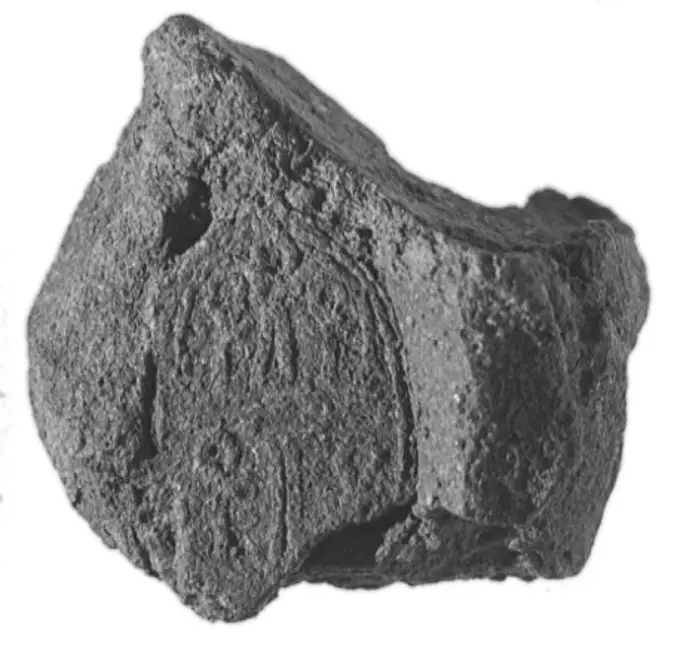
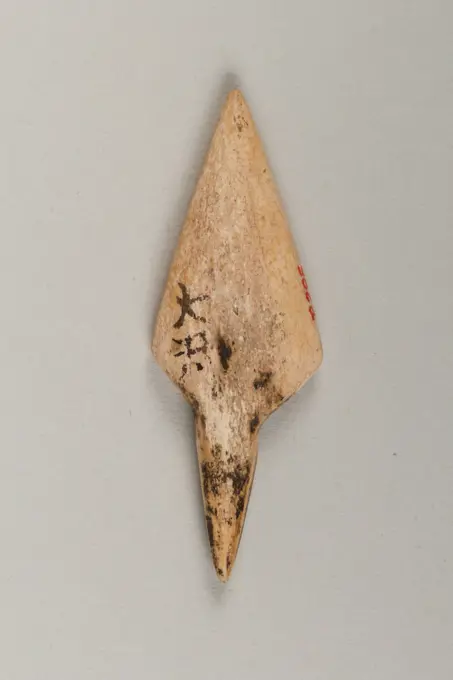
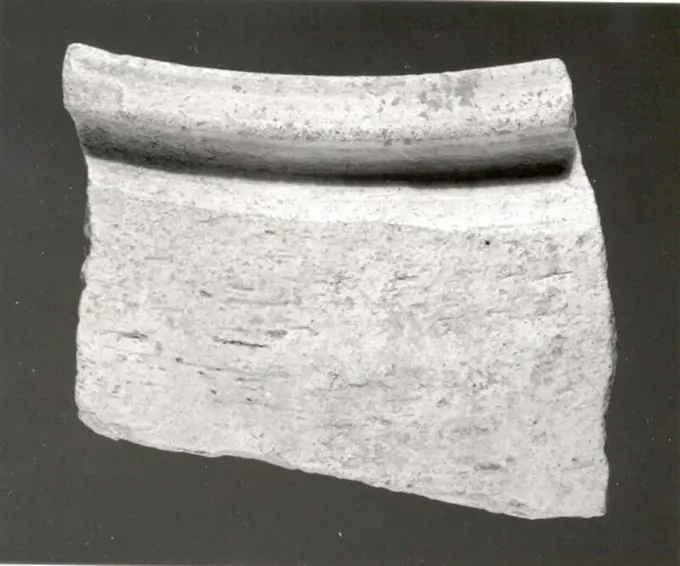
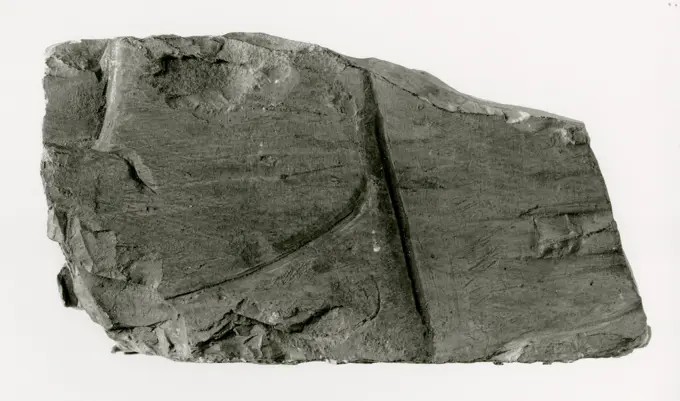
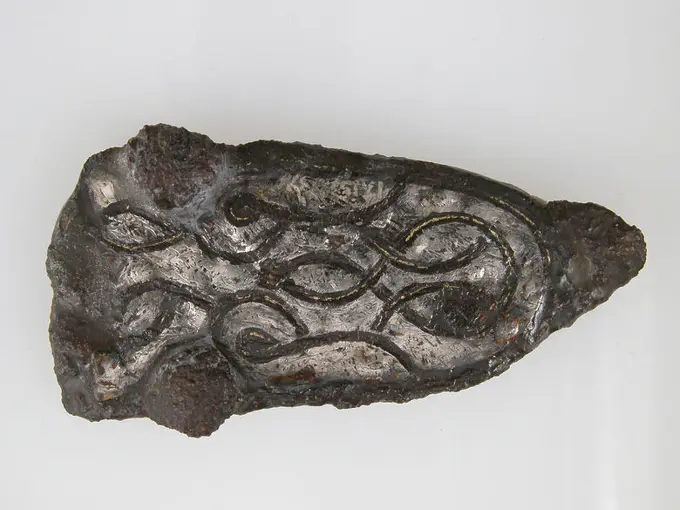
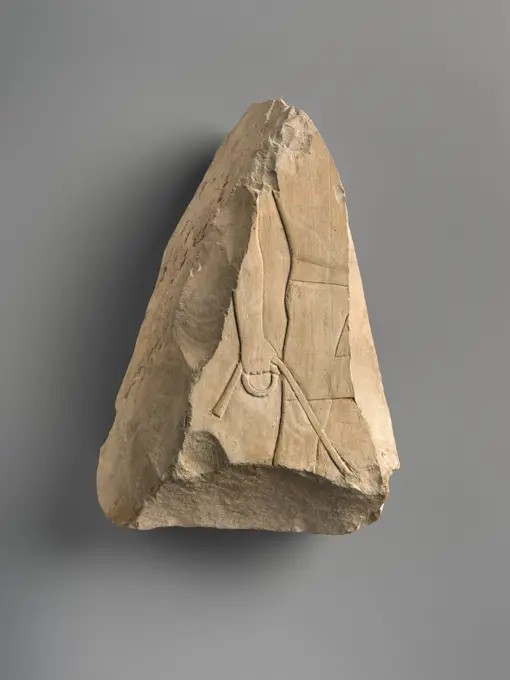
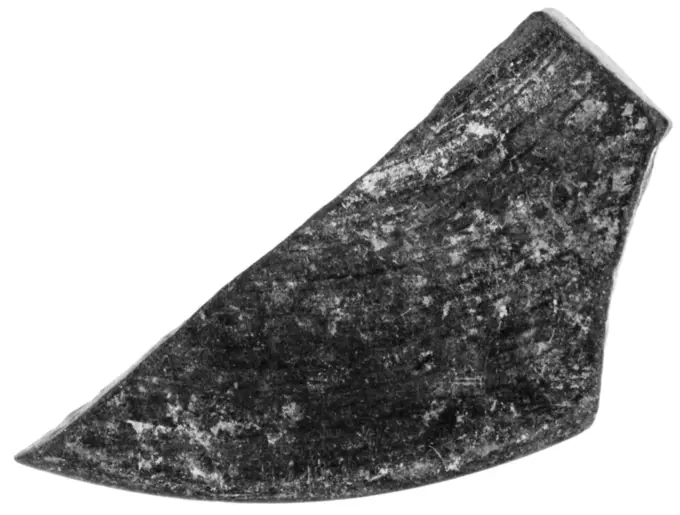
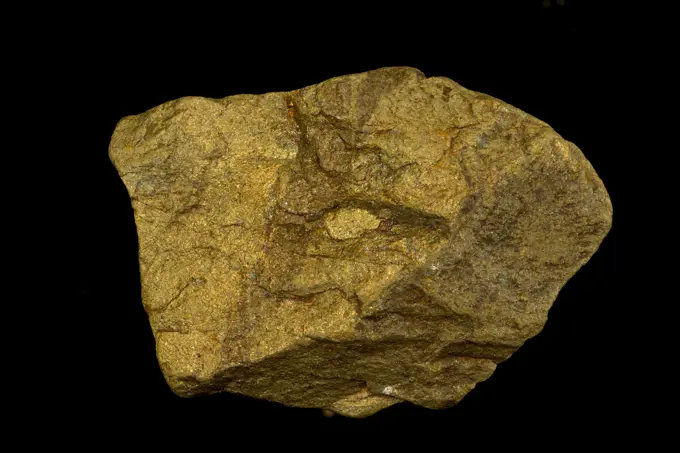
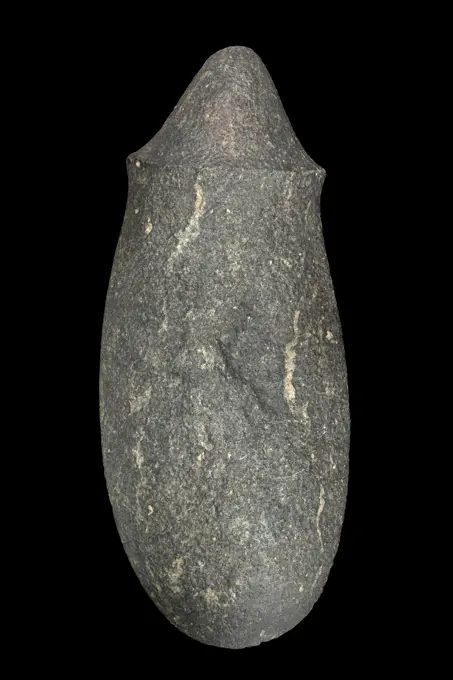
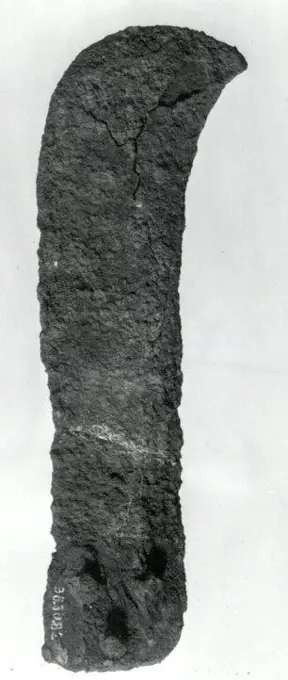
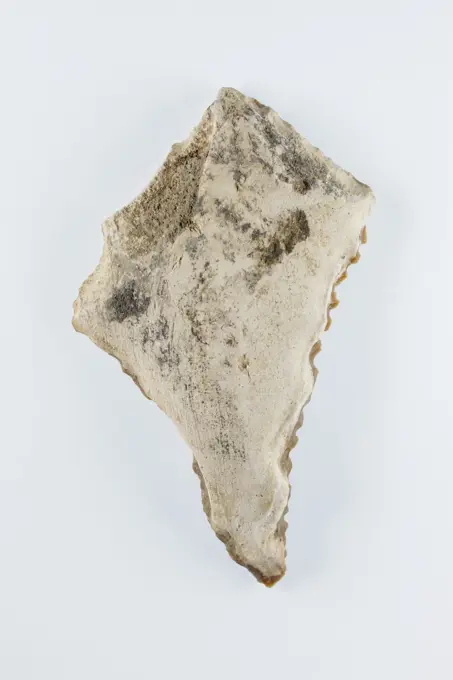
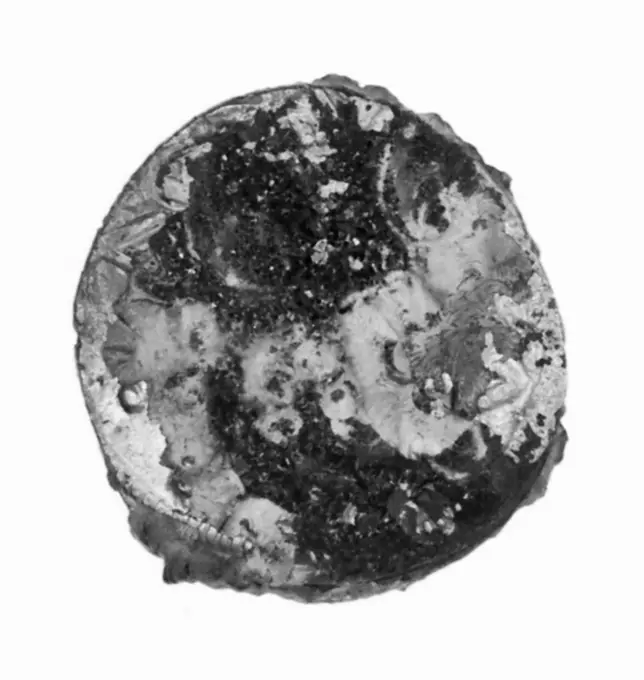
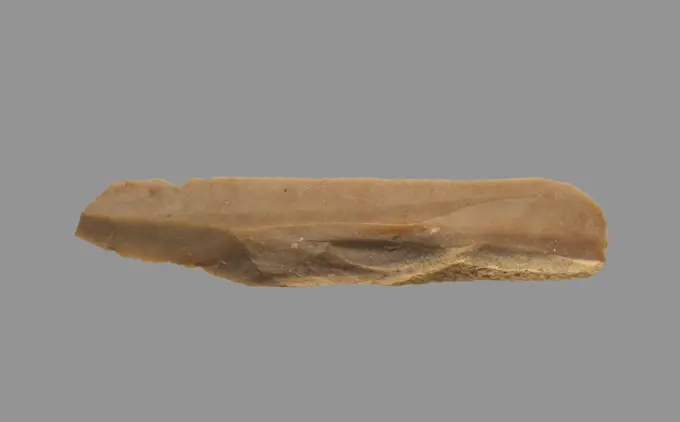
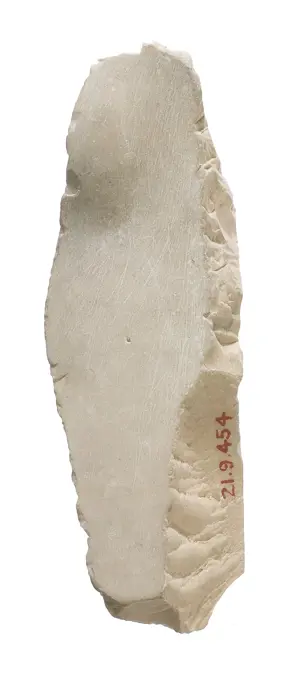
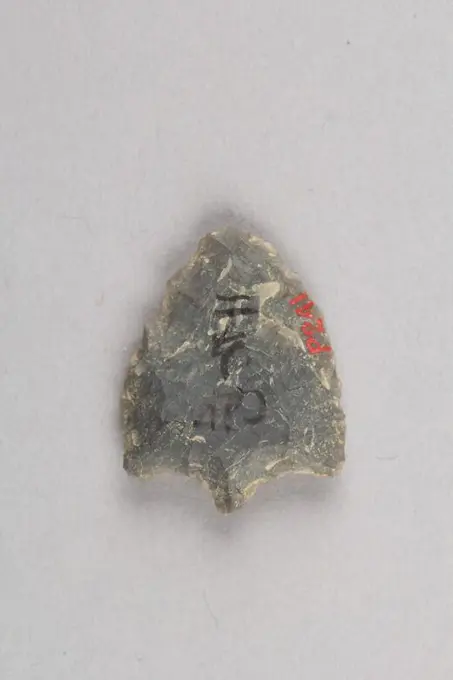
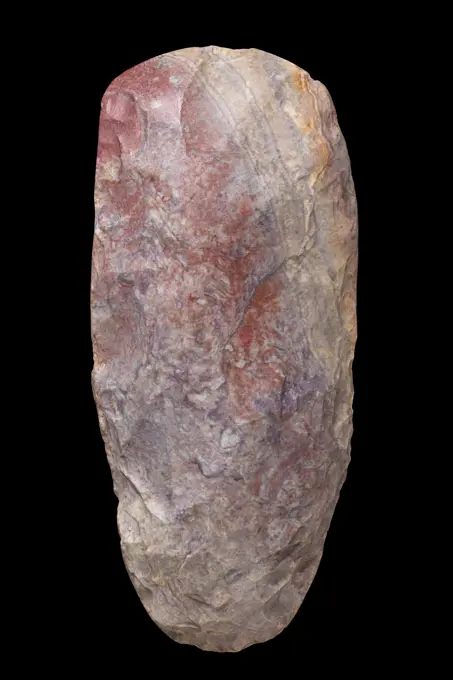
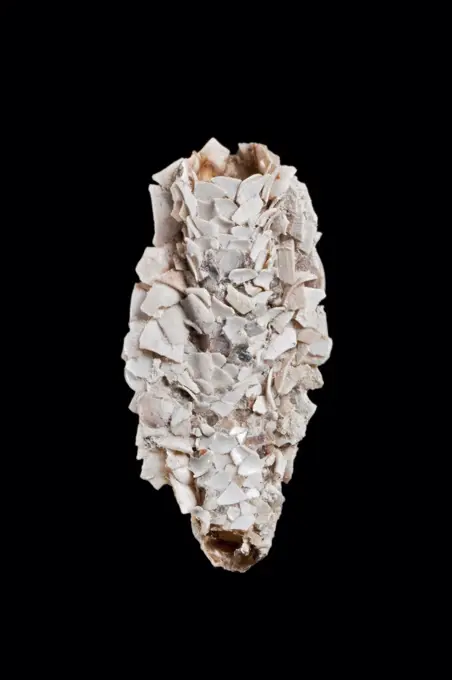
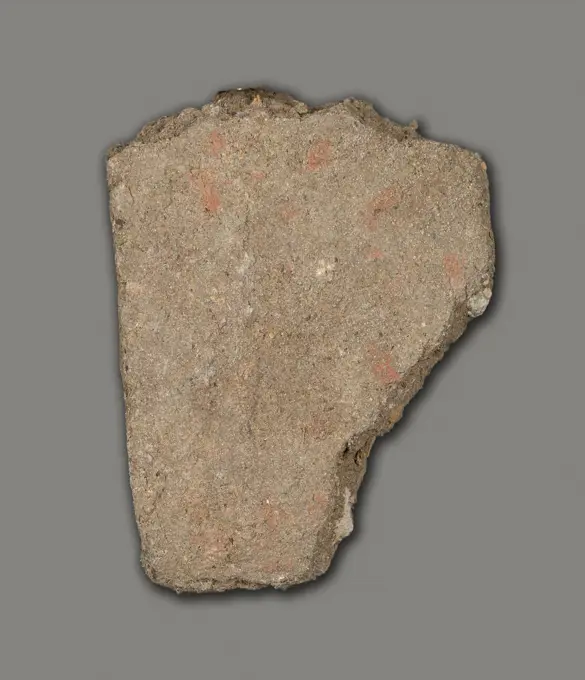
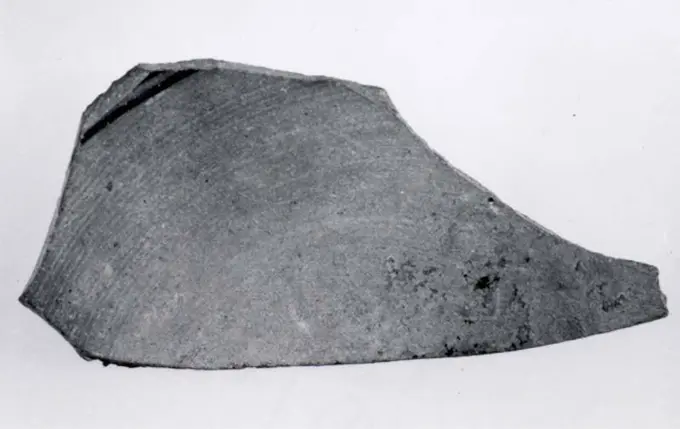
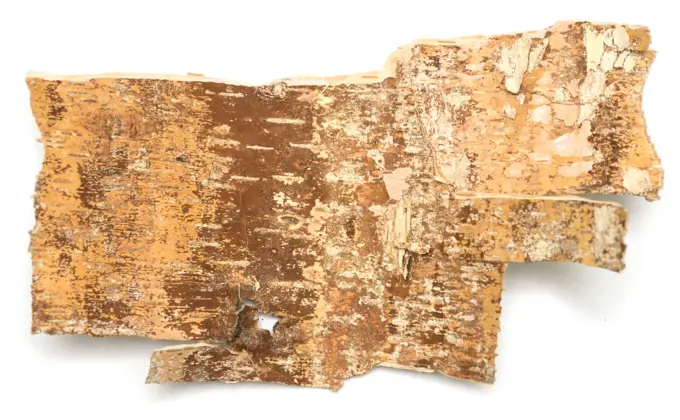
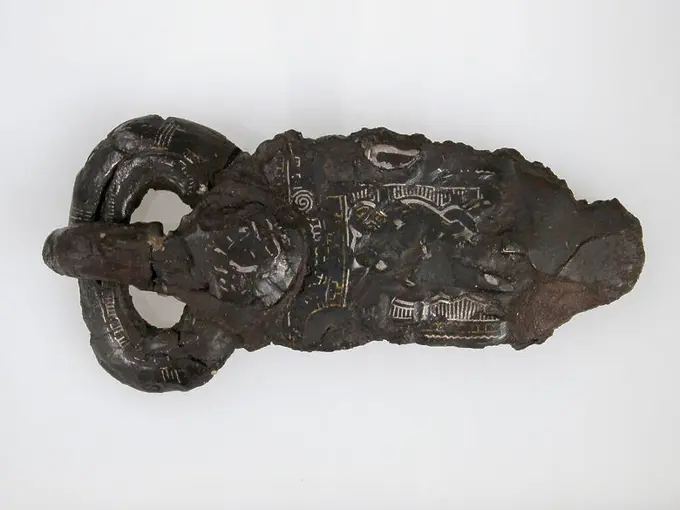
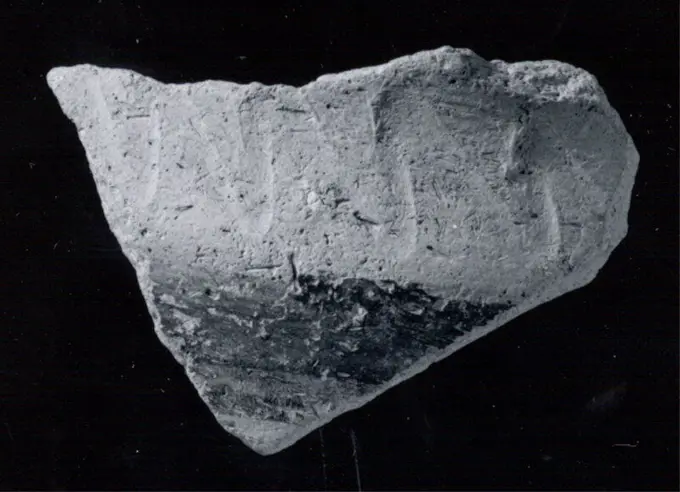
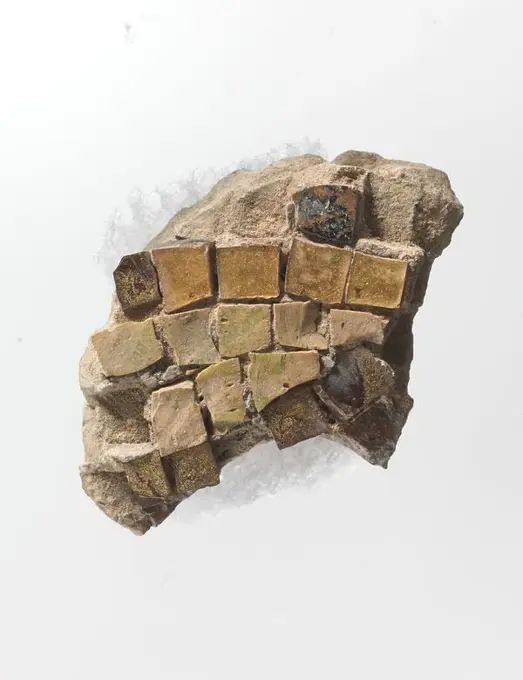
Fragment; (possibly) belonging to the Retable of Soest. .Fragment 13th century Crusader. Fragment. Crusader. 13th century. Stained Glass. Glass-StainedFragment; (possibly) belonging to the Retable of Soest. .Fragment of buyer from the wreck of the East India Hollandia.parts or artifacts; eroded fragments: Materials; Copper.Sickle Blade, 1980-1801 BC. Egypt, Middle Kingdom, Dynasty 12. Flint; overall: 5 cm (1 15/16 in.).Relief fragment from tomb of Meketre ca. 1981-1975 B.C. Middle Kingdom. Relief fragment from tomb of Meketre 669005Head and neck of camel ca. 2nd century B.C. Parthian. Head and neck of camel 324623Shards of wine bottles from the wreck of the East Indians Hollandia, Anonymous, 1700 - in Or Before 1743  Typologically not identifiable, belly, fragment. Netherlands .   SecondFragment of a terracotta architectural tile. Culture: Lydian. Dimensions: Overall: 4 1/8 x 4 1/2 in. (10.5 x 11.4 cm). Date: 6th century B.C..Decorated terracotta tiles were fixed to the roof line and upper walls of Lydian houses. Museum: Metropolitan Museum of Art, New York, USA.Fragment of a Small Bowl or Kyathos. UnknownFragment tin object or herd, batter artifact soil find tin metal, cast Piece of batter with an open worked flat square containing tip; possibly part of closure archeology Rotterdam rail tunnel Soil discovery Rotterdam tunnel trajectory.Attic Red-Figure Duck Askos Fragment (comprised of 2 joined fragments). UnknownFemale Head Fragment. UnknownRelief fragment, tomb of Meketre ca. 1981-1975 B.C. Middle Kingdom. Relief fragment, tomb of Meketre. ca. 1981-1975 B.C.. Limestone, paint. Middle Kingdom. From Egypt, Upper Egypt, Thebes, Southern Asasif, Tomb of Meketre (TT 280, MMA 1101), MMA excavations, 1920. Dynasty 12Brok from V.O.C. ship De 'Witte Leeuw', Before 1613  Brok from V.O.C. ship the 'Witte Leeuw', Lead White, Raw material for paint.  lead white   Sint-HelenaWall casing 664-610 B.C. Late Period, Saite see 23.3.468. Wall casing. 664-610 B.C.. Limestone. Late Period, Saite. From Egypt, Upper Egypt, Thebes, Deir el-Bahri, Tomb of Nespekashuty (TT 312, MMA 509), MMA excavations, 1922-23. Dynasty 26Male Head. UnknownGlass cameo cup fragment early 1st century A.D. Roman Translucent cobalt blue with overlays in opaque white and translucent dark blue.Vertical rim with everted lip and beveled inner edge; cylindrical body with slightly convex curving side.On interior, horizontal groove below rim; on exterior, in relief female figure in white, probably standing, facing left and holding up in front of her in both hands a large oval object, perhaps a drum or tambourine; her head is in profile with her hair in blue overlay arranged in a fringe and thick hanging tresses at back; on the left are the tips of two leafy sprays or branches.Rim fragment with chip at left, broken at sides and bottom; dulling, slight pitting, whitish weathering on exterior, and faint iridescence.Rotary grinding marks on interior.. Glass cameo cup fragment 249609Greece, Sarmacja, Olmia, V The beginning of the 4th century BC, Dolphin money, AE MintMale Head. Afghanistan, 5th-6th century. Sculpture. SchistBliżej Kultury Władysław Jagiełło (CA 1351 1434), Mint of KrakówPoland, Władysław Warneńczyk (1434 1444), Denar, 1434 1444, Town of Krakow W ADYS AW WARNE Czyk (King of Poland, 1434 1444), Mint of KrakówFan scraper ca. 4600-3600 B.C. Ghassulian. Fan scraper 326514body fragment with garment pleats ca. 1353-1336 B.C. New Kingdom, Amarna Period. body fragment with garment pleats 561686Raised relief fragment 664-610 B.C. Late Period, Saite see 23.3.468. Raised relief fragment. 664-610 B.C.. Limestone. Late Period, Saite. From Egypt, Upper Egypt, Thebes, Deir el-Bahri, Tomb of Nespekashuty (TT 312, MMA 509), 1st chamber E. wall; 4th register, MMA excavations, 1922-23. Dynasty 26One of Three Hundred Sixty Heads, Five Molds, Fifteen Oscilla and Other Figural and Vase Fragments. UnknownSherds ca. 1300 B.C. Mitanni. Sherds 327372Glass Fragment from a Vessel 4th-early 5th century Coptic. Glass Fragment from a Vessel. Coptic. 4th-early 5th century. Glass. Made in Kharga Oasis, Byzantine Egypt. Glass-VesselsCoin 8th-9th century. Coin. 8th-9th century. Copper. Excavated in Iran, Nishapur. CoinsFragment of a Bowl with Bird's Wing. Byzantine; Asia Minor, Constantinople. Date: 1201-1400. Dimensions: 1.9 × 8.6 × 6 cm (3/4 × 3 3/8 × 2 3/8 in.). Ceramic. Origin: Istanbul. Museum: The Chicago Art Institute, Chicago, USA.Brok from V.O.C. ship De 'Witte Leeuw', Before 1613  Brok from V.O.C. ship the 'Witte Leeuw', Lead White, Raw material for paint.  lead white   Sint-HelenaPlaque ca. 3rd-7th century A.D. Sasanian. Plaque. Sasanian. ca. 3rd-7th century A.D.. Glass. Sasanian. Mesopotamia, CtesiphonAttic Footbath Fragment (part of 81.AE.196.1). UnknownSealing ca. 2030-1640 B.C. Middle Kingdom. Sealing 565885Arrowhead Japan The Jōmon period is the earliest period in Japanese history, lasting from roughly 14,000 to 300 BCE. The Jōmon people were primarily hunter-gatherers, using arrowheads such as this one to hunt a variety of land animals. Archaeological evidence indicates that the Jōmon hunted over 60 species of mammal throughout the Japanese archipelago, including tanuki (Japanese raccoon dogs) and monkeys, both of which would likely be considered unpalatable in contemporary Japanese society.. Arrowhead 62276Vase fragment Minoan. Vase fragment 247813Sherd ca. 2500-1750 B.C. Iran This sherd is made of a pale red clay. It is typical of Namazga IV/V ceramics from Turkmenistan, dating to ca. 2500-1750 B.C. It was excavated in 1937 at a prehistoric site in the vicinity of Nishapur in northeastern Iran. While Nishapur itself was founded by the Sasanian king Shapur I (reigned ca. A.D. 241-272), this sherd shows that human habitation there goes back to the prehistoric period. Furthermore, the prehistoric pottery from Nishapur has close affinities with ceramic materials from Central Asia rather than with contemporary sites in Iran, meaning that in this period its inhabitants were likely culturally linked to their neighbors to the east. At the same time, Nishapurs location on what later became known as the Great Khorasan Road suggests that it was part of the trade network that facilitated the import of precious stones such as lapis lazuli, carnelian and turquoise from Central Asia to Mesopotamia.. Sherd 323678Raised relief fragment 664-610 B.C. Late Period, Saite see 23.3.468. Raised relief fragment. 664-610 B.C.. Limestone. Late Period, Saite. From Egypt, Upper Egypt, Thebes, Deir el-Bahri, Tomb of Nespekashuty (TT 312, MMA 509), 1st chamber N. door; W. jamb, MMA excavations, 1922-23. Dynasty 26Playing Task from the wreck of the East India Hollandia. Rectangular, Square, Flat, Engraved Diagonal Cross on One Side, Game token.Buckle Plate. Culture: Frankish. Dimensions: Overall: 2 7/8 x 1 7/16 x 3/8 in. (7.3 x 3.7 x 1 cm). Date: 4th-7th century. Museum: Metropolitan Museum of Art, New York, USA.Sunk relief fragment 664-610 B.C. Late Period, Saite see 23.3.468. Sunk relief fragment. 664-610 B.C.. Limestone. Late Period, Saite. From Egypt, Upper Egypt, Thebes, Deir el-Bahri, Tomb of Nespekashuty (TT 312, MMA 509), Lunette, 2nd chamber, MMA excavations, 1922-23. Dynasty 26Raised relief fragment of a man bringing a leashed animal 664-610 B.C. Late Period, Saite See 23.3.468.. Raised relief fragment of a man bringing a leashed animal. 664-610 B.C.. Limestone. Late Period, Saite. From Egypt, Upper Egypt, Thebes, Deir el-Bahri, Tomb of Nespekashuty (TT 312, MMA 509), 1st chamber W. wall; bottom register, MMA excavations, 1922-23. Dynasty 26Arrowheads, needles, hooks and harpoons. Culture: Japan. Dimensions: W. 1/2 in. (1.3 cm); L. 1 3/4 in. (4.4 cm). Museum: Metropolitan Museum of Art, New York, USA.Undecorated Base Fragment. UnknownRelief fragment from the tomb of Meketre ca. 1981-1975 B.C. Middle Kingdom. Relief fragment from the tomb of Meketre 668882Chalcopyrite Main Ore Mineral of Copper Montana, USA     Date: Sealing ca. 7th century A.D. Sasanian. Sealing 323448Glass Fragment 17th century South Netherlandish. Glass Fragment. South Netherlandish. 17th century. Colorless glass. Glass-StainedBasalt Throat Axe. Neolithic period. North Africa. 26cm.Key. UnknownKnife blade ca. 3rd-7th century A.D. Sasanian. Knife blade. Sasanian. ca. 3rd-7th century A.D.. Iron. Sasanian. Iran, Qasr-i Abu NasrSickle Insert ca. 1184-664 B.C. Probably New Kingdom, Ramesside-Third Intermediate Period This small piece of flint was a key element to a successful agricultural season in ancient Egypt. Grain was a staple of the economy, as bread and beer made from grain were consumed daily. They also formed the foundation of eternal sustenance, as funerary offerings. Ancient Egyptians used sickles made from flint and wood to reap grain. Pieces of flint such as this one were shaped to fit into a wooden haft along with a number of other such inserts, and secured with an adhesive. The flint pieces provided a sharp edge to cut the grain stalks. With use, the flint would wear down and develop a shiny gloss. The flint inserts could be re-sharpened or replaced as needed. Sickle inserts could be made in a variety of ways. The earliest were fully bifacially retouched, then later they were made on blades (long narrow pieces of flint). Starting in the 2nd millennium BC, some sickle inserts were made on large fBlock of Relief ca. 1961-1917 B.C. Middle Kingdom. Block of Relief 555637Knee fragment, probably male ca. 1353-1336 B.C. New Kingdom, Amarna Period. Knee fragment, probably male 549773Unattributed Trebizond Coin. Unknownpolished bead of natural labradorite rock isolated polished bead of natural labradorite rock isolated on white background close up Copyright: xZoonar.com/ValeryxVoennyyx 21467053Sickle Blade, 1980-1801 BC. Egypt, Middle Kingdom, Dynasty 12. Flint; overall: 5 cm (1 15/16 in.).knee fragment (), probably male ca. 1353-1336 B.C. New Kingdom, Amarna Period. knee fragment (), probably male 549774Attic Black-Figure Oinochoe Fragment. UnknownPan fragments ca. 5th-7th century A.D. Sasanian or Islamic. Pan fragments 322431Volute-krater fragment 4th century B.C. Greek, South Italian, Apulian. Volute-krater fragment. Greek, South Italian, Apulian. 4th century B.C.. Terracotta; red-figure/black-glaze. Late Classical. VasesFragment of a terracotta plaque. Culture: Greek, Cretan. Dimensions: 2 1/2 in x 3 in. (6.5 cm x 7.6 cm). Date: 5th century B.C..Head and upper body of a satyr seen from the back. Museum: Metropolitan Museum of Art, New York, USA.Greece, Sarmacja, Olmia, V The beginning of the 4th century BC, Dolphin money, AE MintFragment 13th century Crusader. Fragment 475357Head of Akhenaten or Nefertiti ca. 1352-1336 B.C. New Kingdom, Amarna Period. Head of Akhenaten or Nefertiti 549624Arrowhead. Culture: Japan. Dimensions: W. 3/4 in. (1.9 cm); L. 1 in. (2.5 cm). Museum: Metropolitan Museum of Art, New York, USA.Earthenware fragment with ear and cartouche, green and yellow glazed, fire dome fragment earthenware pottery earthenware glaze lead glaze, w 11.2 hand-formed glazed baked earthenware fragment with large ribbon ear and oval cartouche. Green glazed yellow glaze over the ear bottom no glaze. Cartouche shows the biblical representation of Adam and Eve in paradise Function of object is probably fire bell archeology Rotterdam City Triangle Schielandshuis pottery bible religion Soil discovery: Schielandshuis Rotterdam.Tarantine Head Fragment. UnknownAx cut in pink jasper. Neolithic period. North Africa. 16,2 cm.Caddisfly case built of snail shells, GermanyCounter Plate of a Belt Buckle 7th century Frankish. Counter Plate of a Belt Buckle 465055 Frankish, Counter Plate of a Belt Buckle, 7th century, Iron, silver and brass inlay, Overall: 2 3/8 x 1 x 3/16 in. (6.1 x 2.5 x 0.5 cm). The Metropolitan Museum of Art, New York. Gift of J. Pierpont Morgan, 1917 (17.191.339)Copper pressed thimble, thimble sewing kit soil find copper metal, pressed Copper pressed thimble tipped on the top crossing without groove in the shaft with groove on board archeology Rotterdam railway tunnel seamstress tailor sewing textile repair clothing needle and thread repair Soil discovery: rail tunnel Rotterdam.Fragment of a musket size. Musketmaat, fragment consisting of brass and leather sleeve with ears, without bottom and with distorted top. Default description musketmaat: brass with leather covered. Equipped with two eyelets on the side to by doing a cord with which the lid was held and the size was hung on the bone core. A muskettle walker had twelve powder buds and a bag with bullets. The powder buds contain a carefully disposed amount of gunpowder for one shot.Warp spacer ca. 1295-1070 B.C. New Kingdom, Ramesside. Warp spacer. ca. 1295-1070 B.C.. Wood. New Kingdom, Ramesside. From Egypt, Memphite Region, Lisht North, Late New Kingdom Settlement, MMA excavations, 1920-22. Dynasty 19-20Magical Figure ca. 1802-1550 B.C. Late Middle Kingdom-Second Intermediate Period These tablets of unfired clay with attached crude faces were found as a group by the Museum's excavators at Lisht South in loose surface sand west of the mastaba of Senwosretankh, a high official and possibly the architect of the pyramid complex of Senwosret I (ca. 1961-1917 B. C.), east of which he erected his own very elaborate mastaba tomb (see acc. nos. 33.1.2 and other pieces). The mud figures and little coffin (acc. no. 33.1.66) that had contained some of them must have been buried, however, considerably later than the early twelfth dynasty tomb close to which they were found. In fact, during the thirteenth and following dynasties people deposited a number of objects in the by then sacred area around a legendary ruler's pyramid and its dependant monuments, believing conceivably that potent magical powers could thus be released. These flat mud figures, for instance, are inscribed in now much-faded redDrohiczy seal;  XI-XIII century (1090-00-00-1110-00-00);guild seals, customs seals, touches, seals of customs chambers, official seals, seals with a crossDrohiczyn seal. unknown, managerSherd ca. early to mid-3rd millennium B.C. Indus. Sherd 324706Wood Fragment 4th-7th century Coptic. Wood Fragment. Coptic. 4th-7th century. Wood. Made in Kharga Oasis, Byzantine Egypt. Woodwork-MiscellanyFragment of the Canopic Chest of Siptah ca. 1194-1188 B.C. New Kingdom, Ramesside. Fragment of the Canopic Chest of Siptah. ca. 1194-1188 B.C.. Travertine (Egyptian alabaster). New Kingdom, Ramesside. From Egypt, Upper Egypt, Thebes, Valley of the Kings, Tomb of Siptah (KV 47), Davis excavations, 1912. Dynasty 19Sealing ca. 2030-1640 B.C. Middle Kingdom. Sealing 565355Close up golden Baltic amber stone on gray backgroundGlass Fragment ca. 1479-1458 B.C. New Kingdom This lump of dark blue glass was found with votive objects were probably presented to the goddess Hathor in her chapel at Hatshepsut's temple at Deir el-Bahri. After these offerings had served their purpose they were discarded in vast quantities in various dumps near the temple where they were found by modern excavators.. Glass Fragment. ca. 1479-1458 B.C.. Glass. New Kingdom. From Egypt, Upper Egypt, Thebes, Deir el-Bahri, Temple of Hatshepsut, Egypt Exploration Fund excavations, 1905. Dynasty 18Fragments Shoe sole and two heels from the wreck of the East Indians Hollandia, Anonymous, 1700 - in Or Before 1743  Shoe; fragm, sole, four-tiered heel with square pins, dried, curved. Netherlands leather. pinnen: wood (plant material)   Secondbirch bark isolated on white backgroundKarte von Rumänien auf rostigem Metall - Map of Rumania on rusty metal Karte von Rumänien auf rostigem Metall - Map of Rumania on rusty metal Copyright: xZoonar.com/lantapix,x 9735410Belt Buckle. Culture: Frankish. Dimensions: Overall: 5 15/16 x 2 3/4 x 1 in. (15.1 x 7 x 2.5 cm). Date: 7th century. Museum: Metropolitan Museum of Art, New York, USA.Carinated jar or bowl sherd ca. early 2nd millennium B.C.. Carinated jar or bowl sherd 326091Canosan Oinochoe Fragment. Unknown about 300 B.C.Male Head. UnknownSchede van Mes from the wreck of the East Indians Hollandia, Anonymous, 1700 - in Or Before 1743 sheath. knife (tool) Knife, scabbard; fragm of rim, on the inside imprint of the engraved decoration motif of handle. Netherlands leather   SecondFragment of the shell out of the vessel;  6,000 BC (-6000-00-00--5001-00-00);The collection of the ancient EastFalse coin, pennyKnife with Ivory handles from either Alaska or Canada. Dated 19th CenturyFragment; (possibly) belonging to the Retable of Soest. .Velvet Fragment, late 1500s - early 1600s. Italy, late 16th - early 17th century. Velvet (cut and uncut); silk; average: 28.1 x 19 cm (11 1/16 x 7 1/2 in.).Reaal van Vieren, beaten in Mexico, mint from the wreck of the East Indians' t Vliegend Hart, Francisco de la Pena Flores, 1733  Silver coin, beaten on irregular coin plate. Front: crowned coat of arms; on the left: letters placed above each other; Van Overschriek is visible at the top left. Reverse: Cross in multi -pass; Between cross arms: arms figures. Mexico silver (metal) striking (metalworking)  MexicoMosaic fragment. Culture: Sasanian. Dimensions: 1.37 x 2 in. (3.48 x 5.08 cm). Date: ca. 3rd-7th century A.D..Written sources state that in 540, the Sasanian emperor Khusraw I (r. 531-79) decorated his palace at Ctesiphon with mosaics commemorating the Sasanian army's siege of the Byzantine city of Antioch. Excavations at the site uncovered fragments of mosaics with vibrant colors and gilding in the palace precinct. The use of a medium associated with Byzantine imperial architecture at the Sasanian capital is an example of the complex cultural and political exchanges made between the two empires. Museum: Metropolitan Museum of Art, New York, USA.Attic Black-Figure Cup Fragment. UnknownFragment buyer from the wreck of the East Indieschief Hollandia. Parts or artifacts; eroded fragments: Materials; Copper.