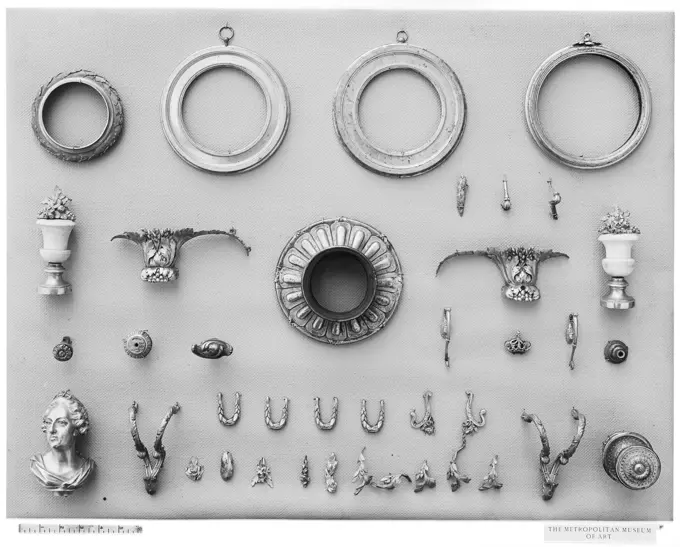
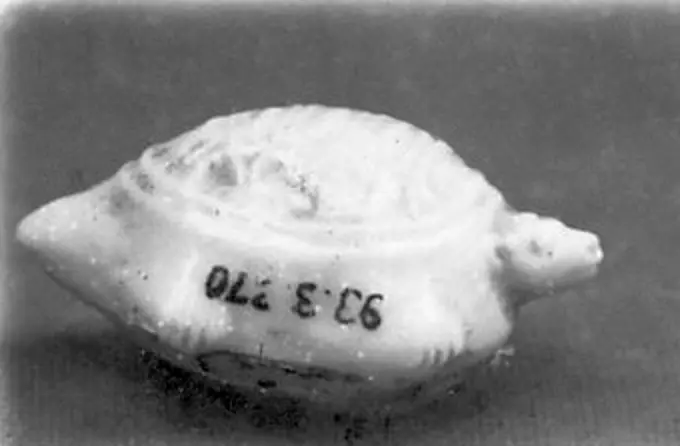
Ancient Artifacts

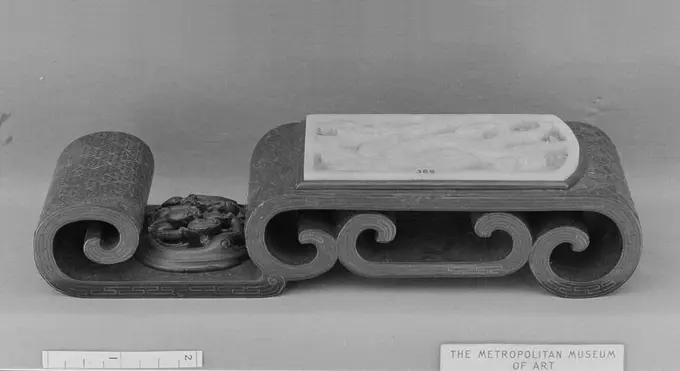
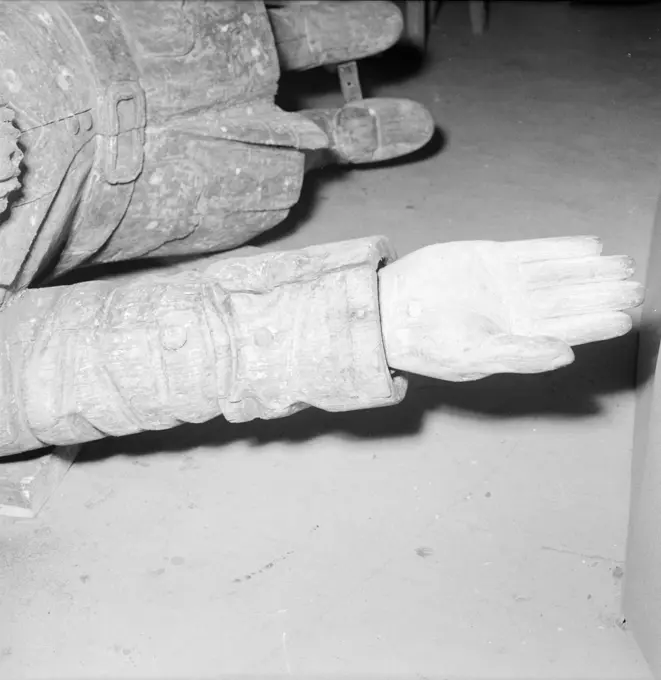
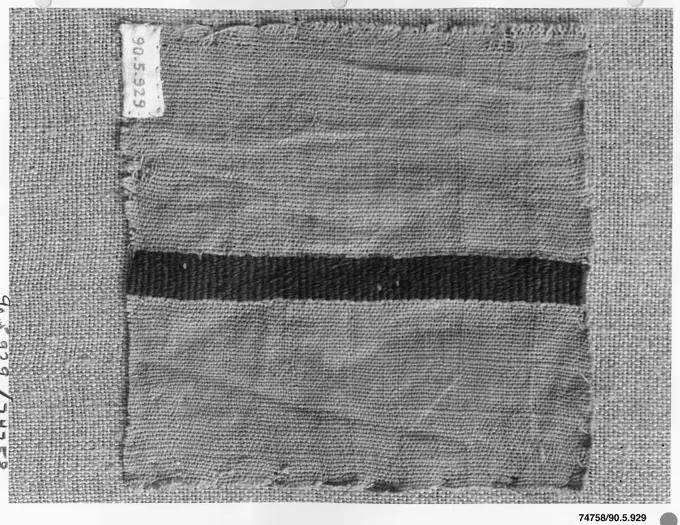
Fragments of ancient artifacts including pottery and ceremonial tools, hinting at historical significance and artistic design.
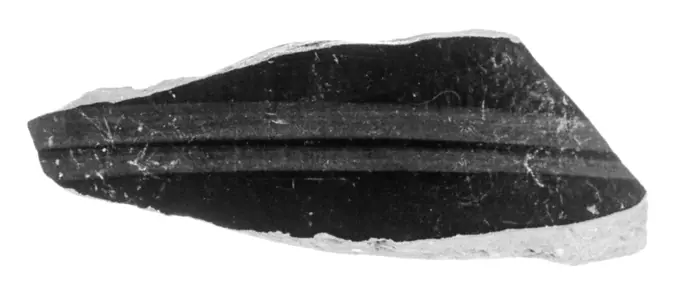
Attic Black-Figure Panel Amphora Fragment. Unknown
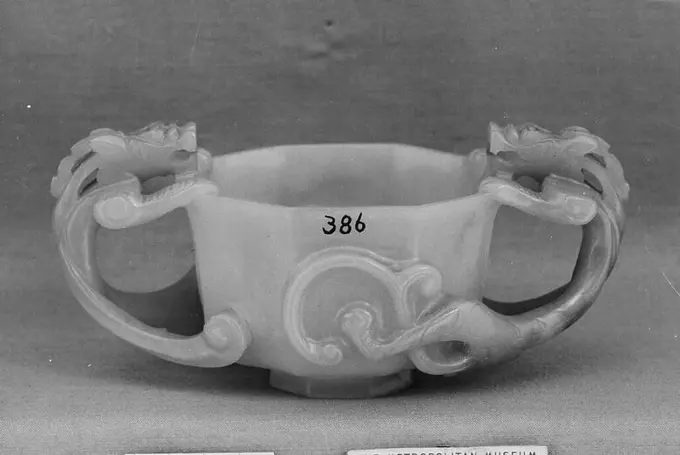
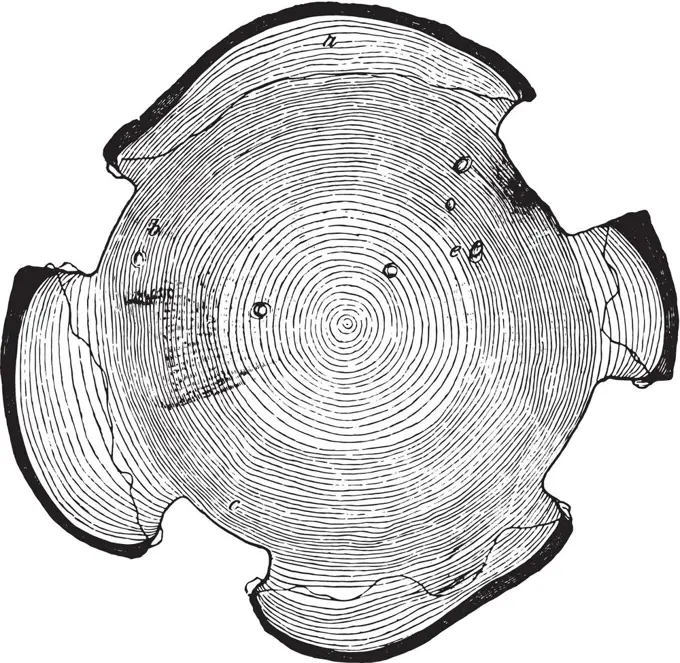
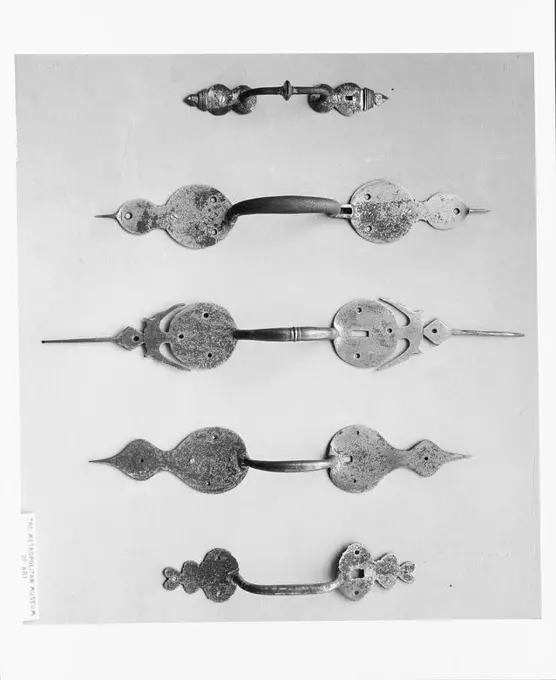
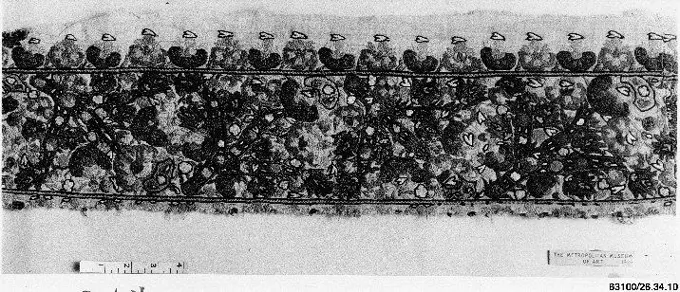
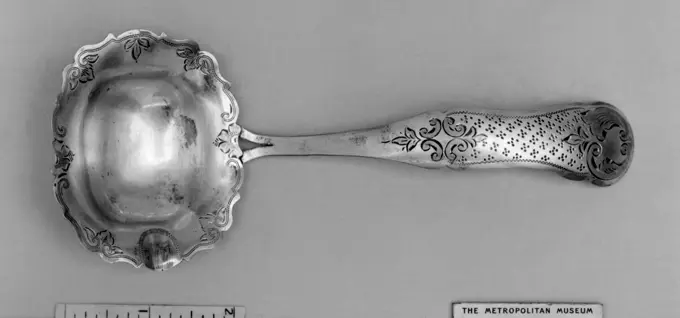
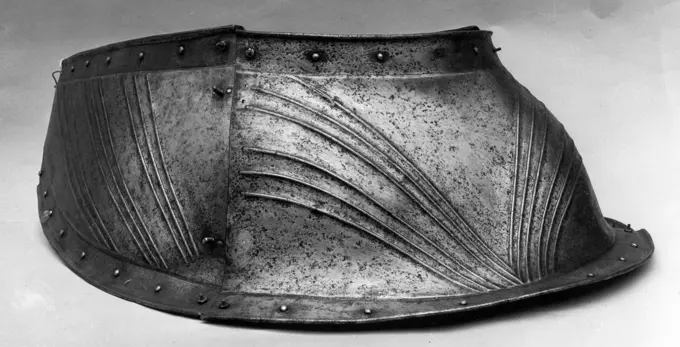
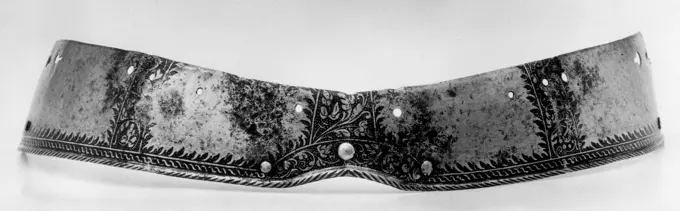
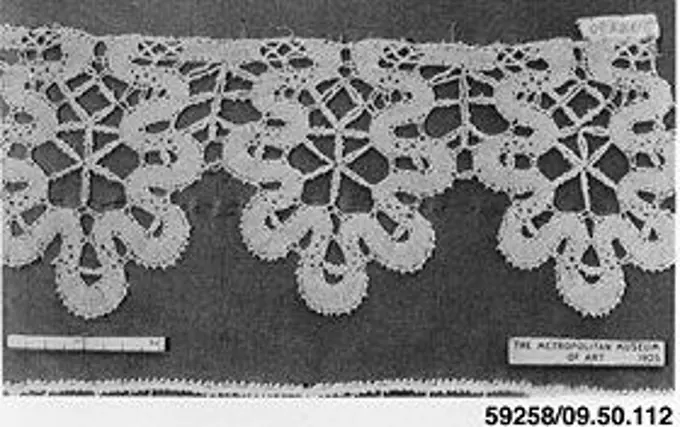
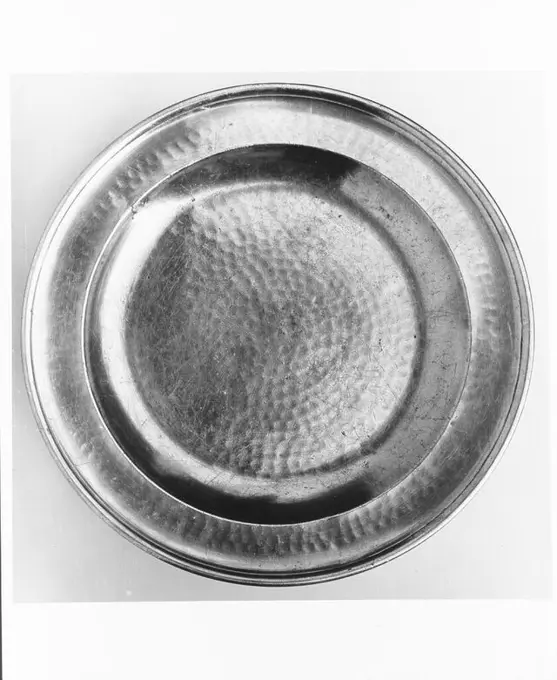
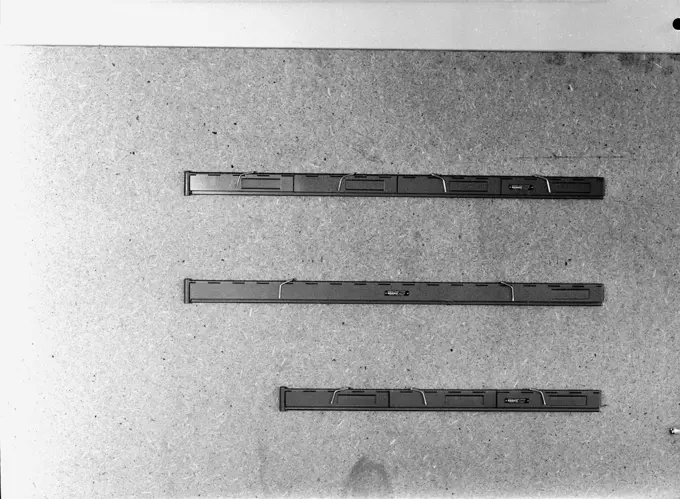
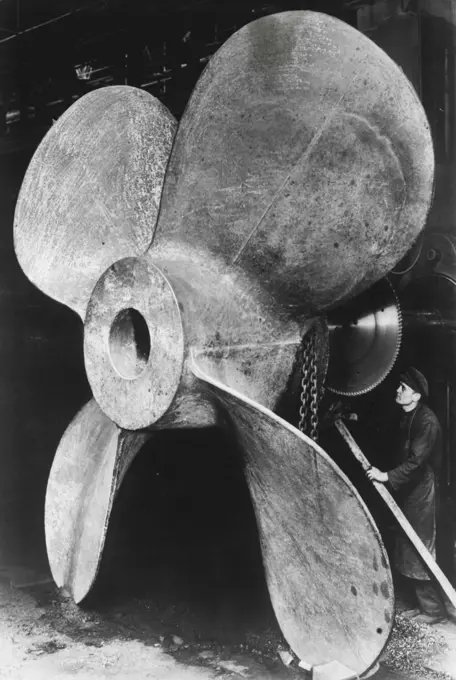
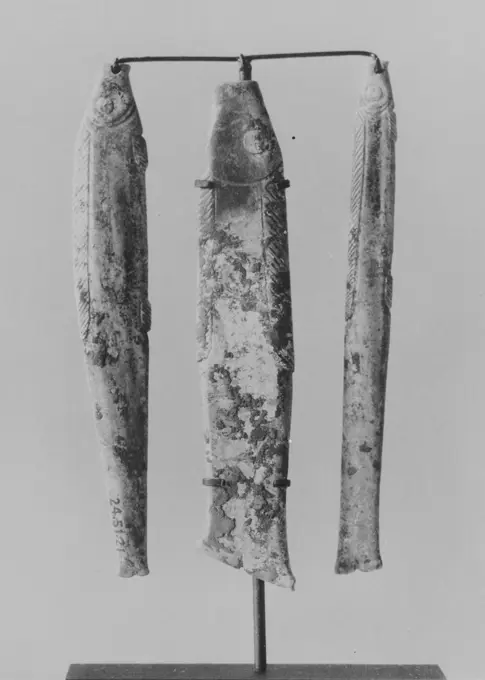
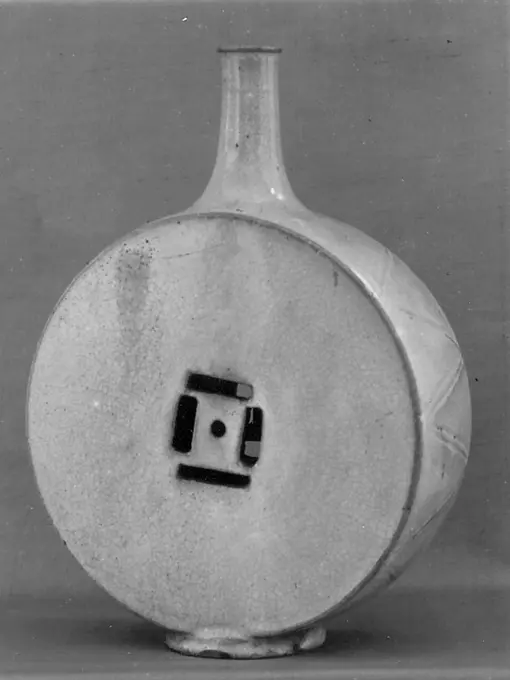
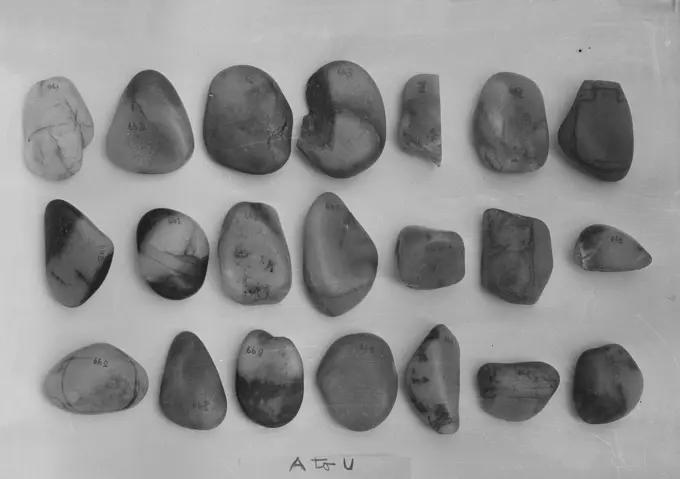
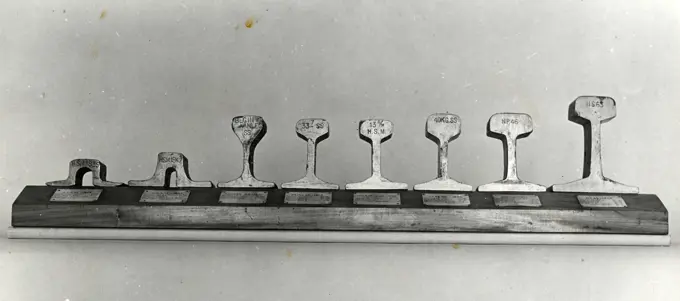
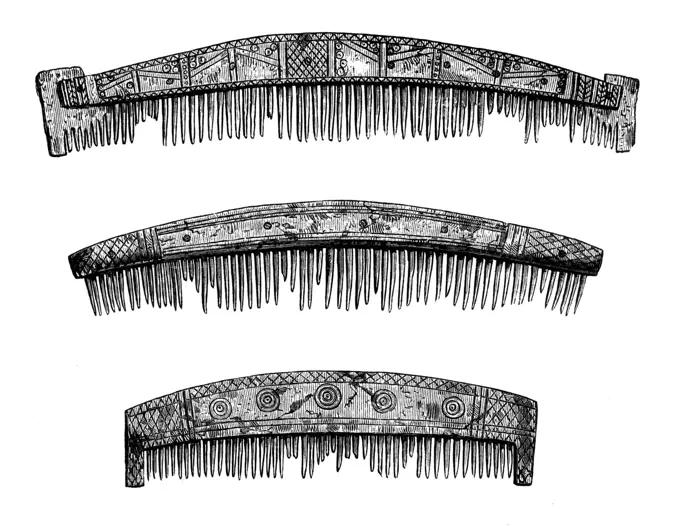
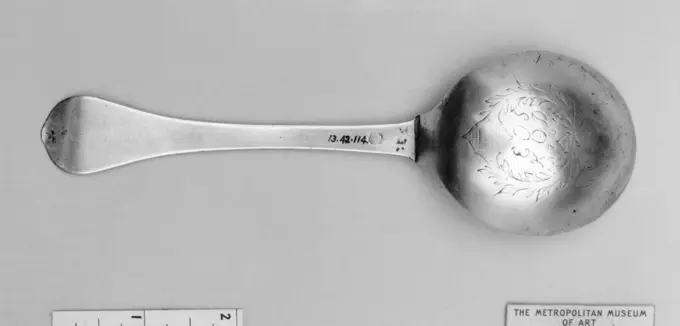
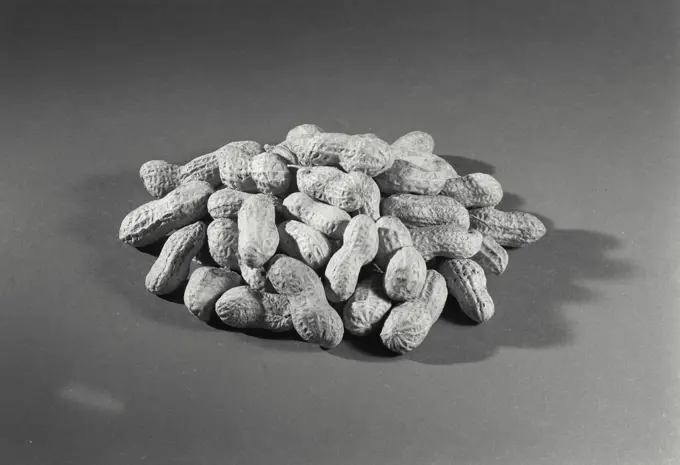
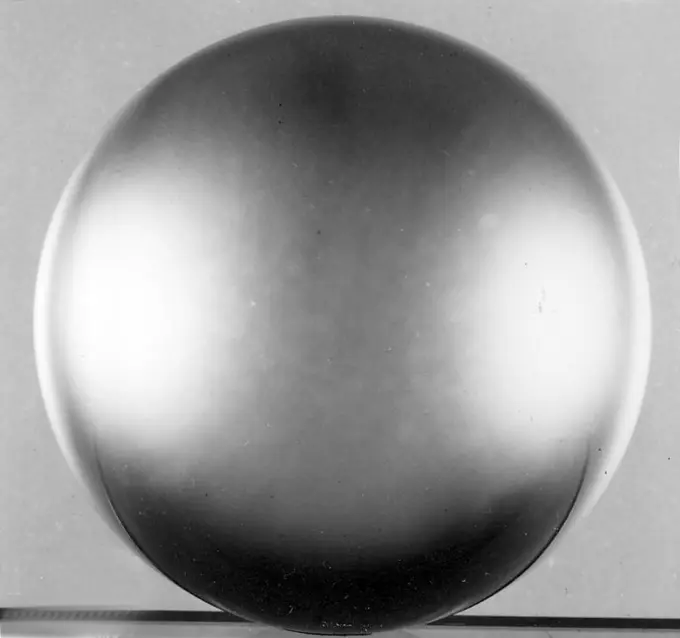
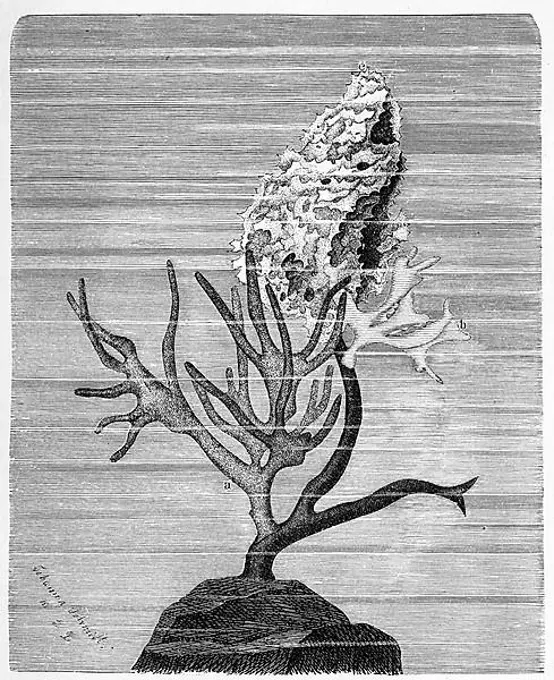
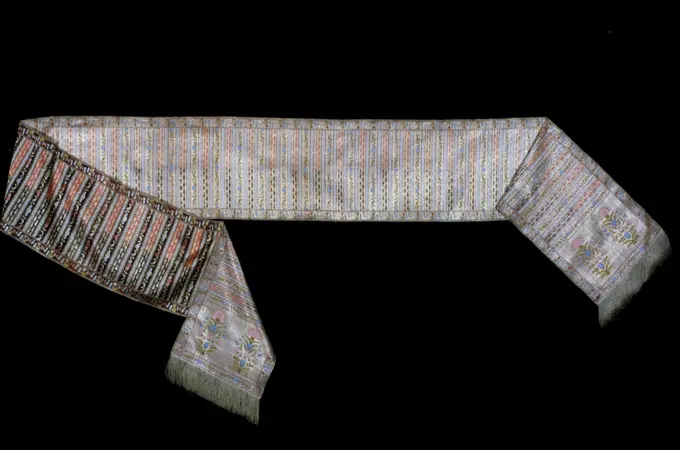
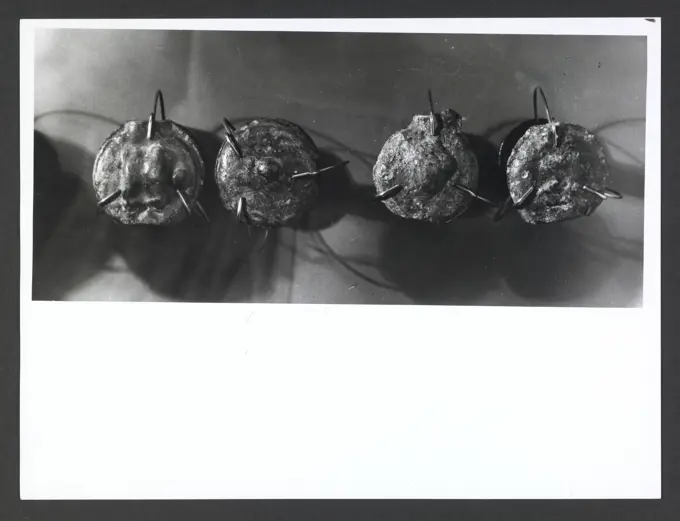
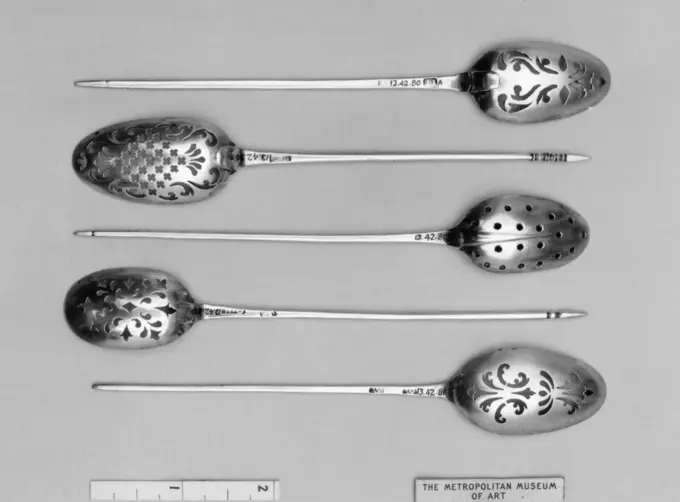
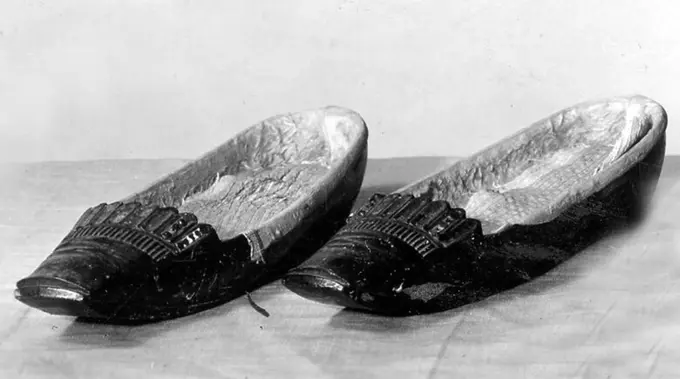
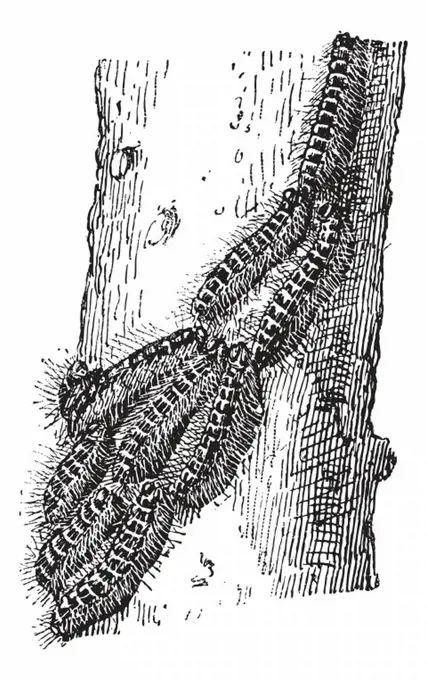
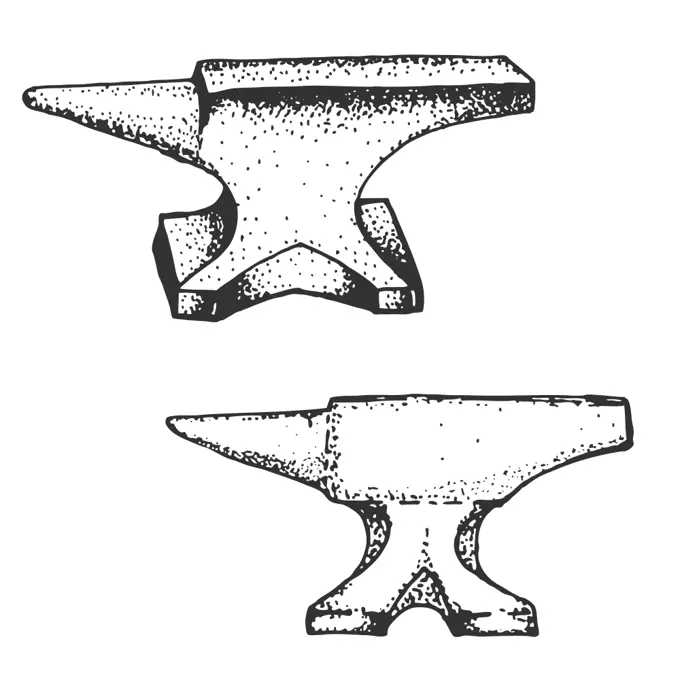
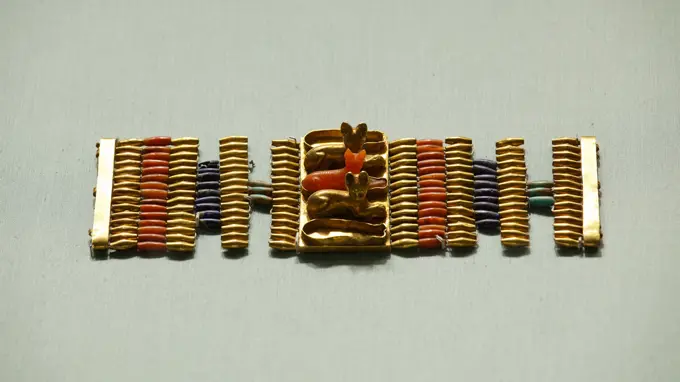
P-A-Fun D-N, Ni-Mpp L, Nkko, Jeep, B T! P-Fa Den D, Nikko Mpe L, Nakko, Jeep.Bear's Paw Shoe Made 1501-1600 England. Leather .Panpipes 19th century () Bolivian. Panpipes. Bolivian. 19th century (). cane. La Paz, Bolivia. Aerophone-Blow Hole-panpipeMiniature Loving-Cup. Culture: China. Dimensions: H. 1 15/16 in. (4.9 cm); W. 4 1/4 in. (10.8 cm). Museum: Metropolitan Museum of Art, New York, USA.Dish China. Dish. China. Nephrite, sage-green. Qing dynasty (1644-1911), Qianlong period (1736-95). JadeJohn H Tercuzzi, Topaz Ring, c 1938 Topaz RingCross section of a pine throne submitted to tapping, vintage engraved illustration.Fan Holder 18th-19th century China. Fan Holder 68837Door Handle. Dimensions: H. 23 3/8 in. (59.4 cm). Date: 1700-1800. Museum: Metropolitan Museum of Art, New York, USA.Rummer. Culture: British, probably. Dimensions: H. 5 in. (12.7 cm). Date: ca. 1800. Museum: Metropolitan Museum of Art, New York, USA.Border late 17th century. Border 447871Chastity belt, made of silver, 16th century, Silberner Keuschheitsguertel, digital improved reproduction from a publication of the year 1880, chastity belt, made of silver, 16th century, digital improved reproduction from a publication of the year 1880Skeleton Part Bones From Toes, Fibula, Shinbone and Ankle Joint 1077405427Conserving factory Gifhorn, stairs with boxes fully frozen deepest peasLadle 19th century Dutch. Ladle. Dutch. 19th century. Silver. Metalwork-SilverPapyrus Fragments Inscribed in Greek or Demotic Greek. Papyrus Fragments Inscribed in Greek or Demotic, 30 B.C.E-395 C.E. Papyrus, ink, a: Glass: 7 15/16 x 9 15/16 in. (20.2 x 25.3 cm).   Egyptian, Classical, Ancient Near Eastern Art 30 B.C.E-395 C.E.Peytral 1510-30 German, Nuremberg. Peytral 27303Attic Black-Figure Siana Cup Fragment. UnknownButton. UnknownWaist Lame ca. 1555-60 Attributed to Wolfgang Grosschedel German. Waist Lame 690153Gendang late 19th century Bornean. Gendang. Bornean. late 19th century. Wood, snakeskin, rattan. Borneo. Membranophone-single-headed / goblet drumFragment 17th century Italian. Fragment 215513Mould for Making Communion Tokens, 17th Century, from Burns, "Old Scottish Communion Plate"; Black and White Illustration;ARCO Y FLECHA DE LA LAMINA IX EN LA PAGINA 74 DE LA RELACION DE MICHOACAN. Location: INSTITUTO DE COOPERACION IBEROAMERICANA. MADRID. SPAIN.Dish. Culture: American. Dimensions: H. 1 1/8 in. (2.9 cm); Diam. 14 3/4 in. (37.5 cm). Maker: Simon Edgell (1687-1742). Date: 1713-42.Born and trained in England before emigrating to America in the early 1710s, the pewterer and merchant Simon Edgell imported large amounts of pewter from England for resale in his Philadelphia shop. This dish, remarkable for its considerable size and overall pattern of hammering, is among the few surviving pieces stamped with his mark. Edgell also dealt in brass hardware and other metals. Museum: Metropolitan Museum of Art, New York, USA.Attic Red-Figure Kylix Fragment.Cabinets, details. >>German Technics Eclipse Themselves.A ship - Propeller, cast in corrosive resistant V2A - casting instead of bronze.This screw - propeller, belonging to the Lloyd - steamer "Europe" has made 190 million rotations in three years. June 20, 1939. (Photo by Atlantic Photo).Dress Border. Culture: French. Dimensions: L. 18 x W. 12 inches45.7 x 30.5 cm. Date: early 19th century. Museum: Metropolitan Museum of Art, New York, USA.Twelve long-handled teaspoons 1895 Russian. Twelve long-handled teaspoons 207831Fragment of a Band 6th-7th century. Fragment of a Band 443696Plaque in the shape of a fish China. Plaque in the shape of a fish. China. Jade (nephrite). Shang (ca. 1600-1046 B.C.)Western Zhou dynasty (1046-771 B.C.). JadePilaster possibly 16th century possibly French. Pilaster. possibly French. possibly 16th century. Carved walnut, originally gilded. WoodworkRoasting Rack 1700-1800. Roasting Rack 6868Fan Made 1801-1900 France. Pierced and gilded pearl sticks and guards; painted paper mount .Sweden, Blekinge, Blekinge, Karlskrona, Karlskrona, external marina (depicted, town).Sweden, Blekinge, Blekinge, Karlskrona, Karlskrona, External War Gogs (depicted, City)blur in iran antique door entrance and      decorative handle for backgroundMail Brayette. Culture: German. Dimensions: H. 12 in. (30.48 cm); W. 16 in. (40.64 cm); Wt. approx. 2 lb. 3 oz.(1 kg). Date: 15th to 16th century. Museum: Metropolitan Museum of Art, New York, USA.Sweden, Blekinge, Blekinge, Karlskrona, Karlskrona, external marina (depicted, town).Sweden, Blekinge, Blekinge, Karlskrona, Karlskrona, External War Gogs (depicted, City)Piece 20th century China. Piece 69878Tobacco box ca. 1760 I. H. Hamer. Tobacco box 187166Folding Harpsichord 1757 Christian Nonnemacker A rare form of a small harpsichord, the folding harpsichord was made to sit on a table. It has a removable keyboard as well as a soundboard in three hinged sections that fold up. The instrument has a limited range of three and a half octaves a few octaves and a quiet sound, which would have been well suited for private music making.Technical description: Composed of one rectangular and two trapezoidal sections hinged together so that the sections fold into a rectangular box shape for travel, case of light brown wood (stained poplar); compass C/e-c4, rosewood naturals with ivory arcades, accidentals veneered on the sides with rosewood and plated with ivory, two-rail keyframe, keys guided by pins between the rear ends of the levers, keyboard must be withdrawn to fold the instrument; jacks and tongues of pear, quill plectra, brass leaf springs, small lead weights, the jacks for the lower springs, small lead weights, the jacks for the lower 2Bottle 18th century Japan. Bottle. Japan. 18th century. Clay covered with a white crackled glaze. Edo period (1615-1868). CeramicsVase A.D. 8th-10th century Islamic Period. Vase 572327Spatula ca. 1981-1640 B.C. Middle Kingdom. Spatula. ca. 1981-1640 B.C.. Slate. Middle Kingdom. From Egypt, Memphite Region, Lisht North, Cemetery, MMA excavations, 1915-16. Dynasty 12-13Twenty-One Pebbles China, Turkestan. Twenty-One Pebbles. China, Turkestan. Nephrite. StoneStephen Adams I, Caddy Spoon, 1798/99, silver.Ducasble bandage, vintage engraved illustration. Industrial encyclopedia E.-O. Lami - 1875.Pen rest. Culture: China. Dimensions: H. 3 3/4 in. (9.5 cm); W. 2 in. (5.1 cm); L. 5/16 in. (0.8 cm). Museum: Metropolitan Museum of Art, New York, USA.Musette 18th century French. Musette 502347Flood irrigation, Irrigation boards, vintage engraved illustration.Sweden, Blekinge, Blekinge, Karlskrona, Karlskrona, external marina (depicted, town).Sweden, Blekinge, Blekinge, Karlskrona, Karlskrona, External War Gogs (depicted, City)Textile Fragment 2nd-3rd century. Textile Fragment 444396White beaker decorated with red lines 18th century Glasshouse of Bernard Perrot, Verrerie Royale d'Orléans This beaker was made in the Orléans glasshouse of Bernard Perrot (active from 1649 to 1709), the most famous member of an Italian glassmaking family that probably went to France as followers of Louis Gonzaga. The beaker is an example of one of his inventions, the use of patterned molds with intaglio decoration to cast molten glass into small bottles, beakers, medallions, and vials and then displayed the motifs in relief. Perrot specialized in colored glass, producing agate bodies, imitation porcelain in white glass, and a transparent red glass.. White beaker decorated with red lines. French, Orléans. 18th century. Glass. GlassLink wheels.Halberd Head with Five Blades ca. second half of the 13th century Indonesia. Halberd Head with Five Blades 39412Image of a series of rail profiles over the years. From left to right H.S.M. 1839, H.S.M. 1842, start construction S.S., 33.7 S.S., H.S.M. 13 cm., S.S. 40 kg., NP 46 and NS 63.Textile Fragment 8th-9th century. Textile Fragment. 8th-9th century. Linen, silk; tapestry weave, embroidered. Attributed to Egypt. TextilesBlack and White Illustration of Anglo Saxon Combs found in 1771 on Kingston Downs near Canturbury, Kent.Spoon ca. 1708 Ole Olsen. Spoon. Norwegian, Kagerø. ca. 1708. Silver. Metalwork-SilverMedallion 18th century China. Medallion 68806Vintage Photograph. A pile of peanuts in their shell.Ball 19th century China. Ball. China. 19th century. Quartz. HardstoneSponges, sitting on a seaweed stalk, Spongelia pallescens, Historical, digitally restored reproduction from a 19th century originalFragment with a Dog, Hare, and a Bunch of Grapes 5th-6th century. Fragment with a Dog, Hare, and a Bunch of Grapes 444004Anefo photo collection. Design of the National Marine Monument to be in Scheveningen. April 5, 1966Brushes and skunk, vintage engraving. Brushes and skunk, vintage engraved illustration. Magasin Pittoresque 1876. Copyright: xZoonar.com/PatrickxGuenettex 10679717Sash, 18th century, L.157 x W.14-¼ in., Silk, metallic thread, Iran, 18th century, Folded in half and wound around the waist, the cummerbund style, this sash would add considerable girth, reinforcing the grand stature of the wearer. In addition, the elaborately woven pattern and costly metallic threads would communicate social status as well as wealth, all important messages in a society that valued ostentatious display as an indication of personal power.Abruzzo Chieti Chieti Museo Nazionale di Antichita93. Hutzel, Max 1960-1990 Exterior views of part of the former Villa Frigeri, which along with a neighboring palazzo, houses the Museo Nazionale di Antichita. Views also of the gardens, fountain (17th century) and the restored interior. The so-called "Capestrano Warrior" (5th century B.C.) is found in the Antiquities core collection under Men, Youths, Warriors--Stone--Etruscan, Italic. Hutzel views include statues, funerary monuments, portrait busts and mosaics, many of which were excavated from Alba Fucens. Hutzel paid particular attention to the colossal statue of Hercules (late Hellenistic); the funerary temple reliefs of Lucius Storax; various nudes, torsos and heads, including the portrait bust of Agrippina Minore and the sepulchral portrait relief of Lucius Poditius (1st century A.D.); gravestones with inscriptions and bas-reliefs; Roman coins; bronze figurines (mainly warriors); and bronze vessels, utensils, helmets and ornamentsDish. Culture: China. Dimensions: Diam. 10 1/4 in. (26 cm). Museum: Metropolitan Museum of Art, New York, USA.Archer's ring China. Archer's ring. China. Jade. Han dynasty (206 B.C.-A.D. 220). JadePiece ca. 1850 Philippine. Piece 229554Textile Fragment 4th-5th century. Textile Fragment 444234Sword pommel China. Sword pommel. China. Jade. Han dynasty (206 B.C.-A.D. 220). JadeStrainer spoon 18th century James Tookey. Strainer spoon 192197Attic Red-Figure Oinochoe Fragment. UnknownAppliqué ca. 5th-4th century B.C.. Appliqué 327502Engageantes 18th century Belgian. Engageantes 83983Nail Violin German early 19th century The German violinist Johann Wilde invented the nail violin around 1740. The instrument consists of a wooden soundbox (circular or semicircular) and metal nails. Sound is produced by drawing a violin bow across the nails, creating bell-like tones. While it has limited capabilities, the instrument was popular in the eighteenth century and other makers built similar instruments in various forms. The body of this example is a half circle, with a blackened wooden frame and a varnished wooden soundboard. Technical description: A C-shaped open arc of blackened, varnished wood with a varnished spruce "soundboard" attached over one side with 14 brass nails; between the edge of the soundboard and the outer circumference of the arc, 30 pins are driven to graduated heights, their flattened tops protected by a semicircular brass wire; a printed paper label glued around the side of the arc identifies each pin with a pitch letter and solfège syllable; natural pitPair of Sabots. France, Normandy. Date: 1760-1790. Dimensions: 24.1 x 7.2 x 5.1cm (9 1/2 x 2 7/8 x 2 in.). Wood, carved with inset jewels. Origin: Normandy. Museum: The Chicago Art Institute, Chicago, USA.BlownbottleString of Eighteen Beads China. String of Eighteen Beads 43125Bliżej Kultury unknownProcessionary, vintage engraved illustration. Dictionary of words and things - Larive and Fleury - 1895.Umbria Terni Narni S. Giovenale, Cathedral05. Hutzel, Max 1960-1990 Medieval: Architectural sculpture, cosmati pavement, wall painting, mosaic (12th century). Post-medieval: 1982 & 1986 photos Architecture, architectural sculpture (17th century); painting, frescoes (17-18th century); sculpture, tombstones (16-18th century); metalwork, processional cross, candlestick, reliquary, chalice (16-17th century) General Notes: Site comprises two separate photo campaigns. Bibliographic material sent, now in Center Library German-born photographer and scholar Max Hutzel (1911-1988) photographed in Italy from the early 1960s until his death. The result of this project, referred to by Hutzel as Foto Arte Minore, is thorough documentation of art historical development in Italy up to the 18th century, including objects of the Etruscans and the Romans, as well as early Medieval, Romanesque, Gothic, Renaissance and Baroque monuments. Images are organized by geographic region in Italy, then by province,Sweden, Blekinge, Blekinge, Karlskrona, Karlskrona, external marina (depicted, town).Sweden, Blekinge, Blekinge, Karlskrona, Karlskrona, External War Gogs (depicted, City)set of the hand drawn anvils. Vector illustration.Cuff Bracelets Decorated with Cats ca. 1479-1425 B.C. New Kingdom The cats on this bracelet are similar to elements of royal jewelry dating to the beginning of Dynasty 18. The animal was sacred to the goddess Bastet, the benign counterpart of Sakhmet who incorporated the fierceness of a lioness.. Cuff Bracelets Decorated with Cats. ca. 1479-1425 B.C.. Gold, carnelian, lapis-lazuli, turquoise glass. New Kingdom. From Egypt, Upper Egypt, Thebes, Wadi Gabbanat el-Qurud, Wadi D, Tomb of the Three Foreign Wives of Thutmose III. Dynasty 18Leaf French 18th century View more. Leaf. French. 18th century. Gilt bronze. Metalwork-Gilt BronzeOrnament in the Form of a Tortoise 1800 Japan. Ornament in the Form of a Tortoise. Japan. 1800. White porcelain (Hirado ware). Edo period (1615-1868). Ceramics04/30/1922. Prize from HM the King for the country house pigeon shooting at the Flower Festival. This cup has been Modeled by Mr. Luis Perinat -.Artistic drawing of old , antique and ornamental park or garden bench made from stone.. Drawing of Old Antique Outdoor Park or Garden Stone Bench or SeatCup 19th century Japan. Cup. Japan. 19th century. Porcelain (Kyoto ware). Edo (1615-1868) or Meiji period (1868-1912). CeramicsTextile Fragment ca. 1035-94. Textile Fragment 448645Plate late 10th century. Plate. late 10th century. Glass; free blown. Excavated in Iran, Nishapur. GlassSagebien wheel, vintage engraved illustration. Industrial encyclopedia E.-O. Lami - 1875.Edging 18th century French. Edging 222517Anefo photo collection. Archaeological finds at metrouwbouw, Waterlooplein Amsterdam. January 6, 1972. Amsterdam, Noord-HollandJohn paper doll accessory , Hats. Phyllis Tyler Paper Doll CollectionOne Bronze Pendant on Ring. Unknown