Ancient Artifacts

Fragments of ancient artifacts including pottery and ceremonial tools, hinting at historical significance and artistic design.
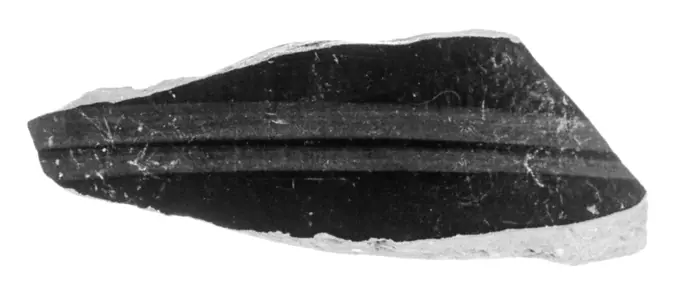
Attic Black-Figure Panel Amphora Fragment. Unknown
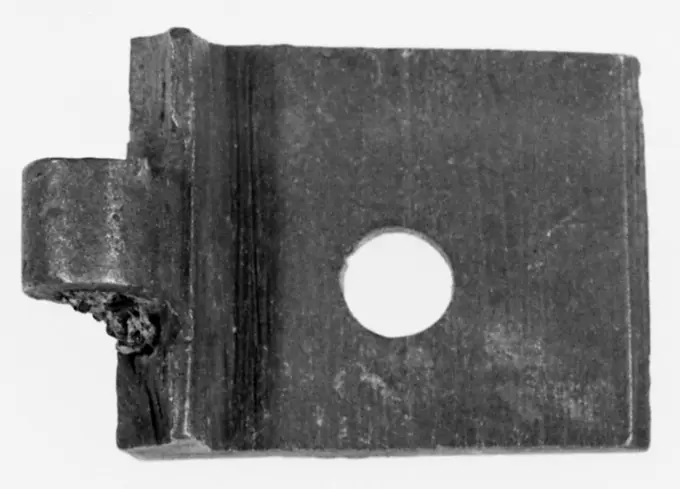
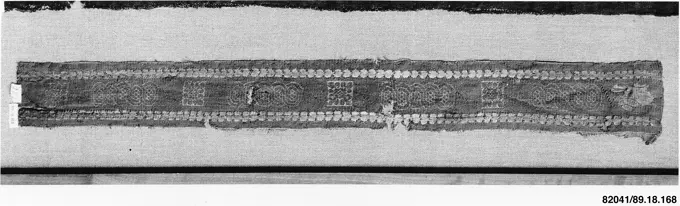
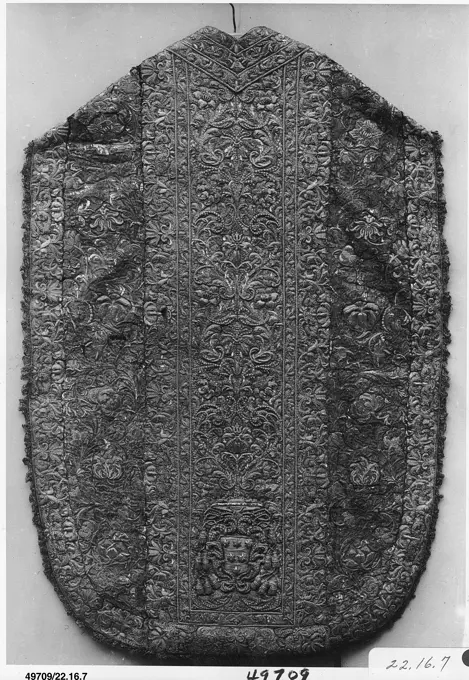
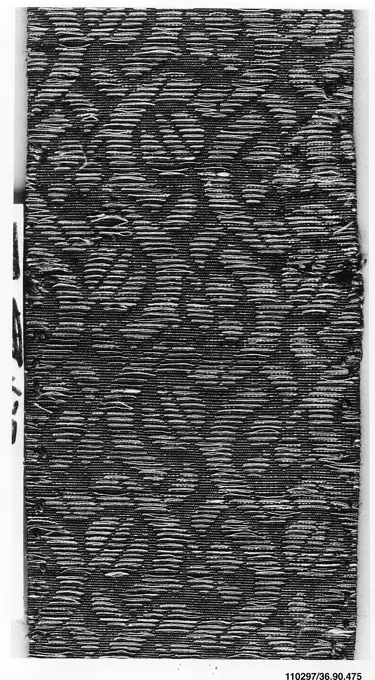
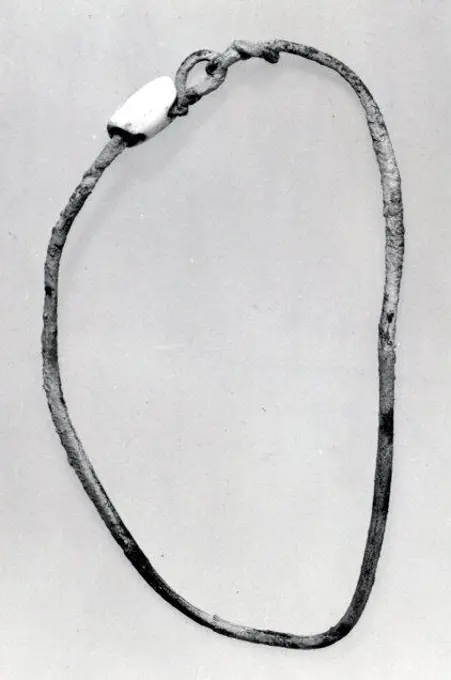
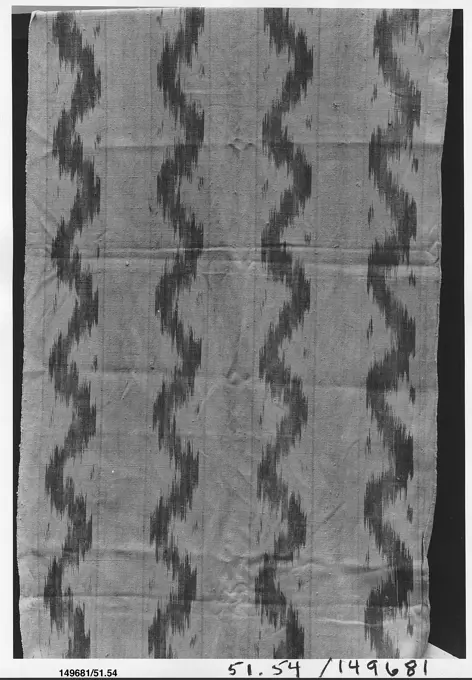
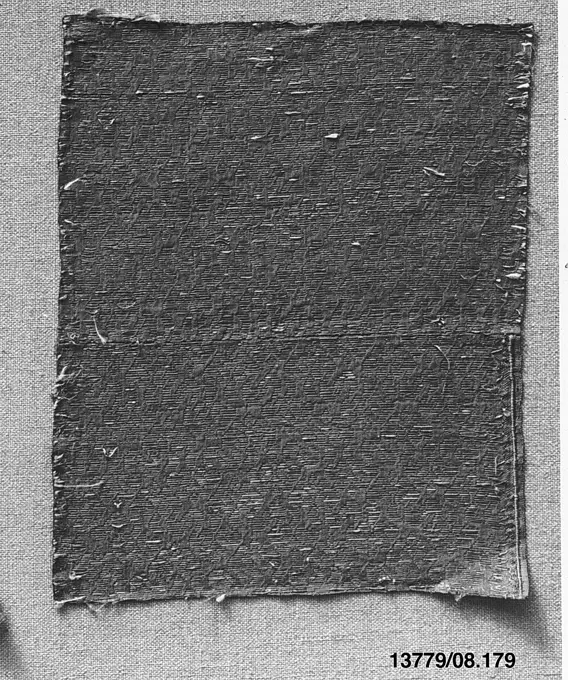
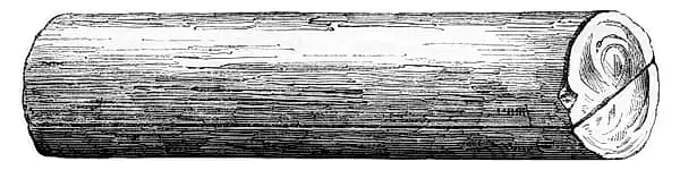
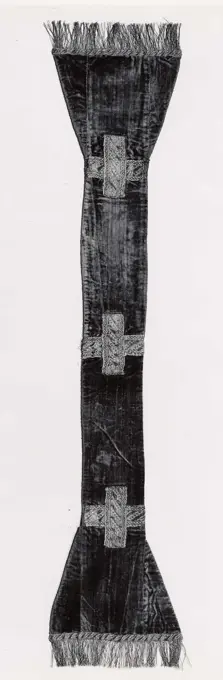
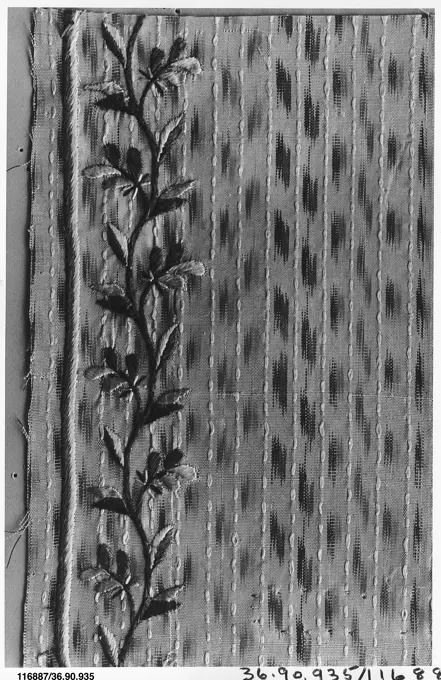
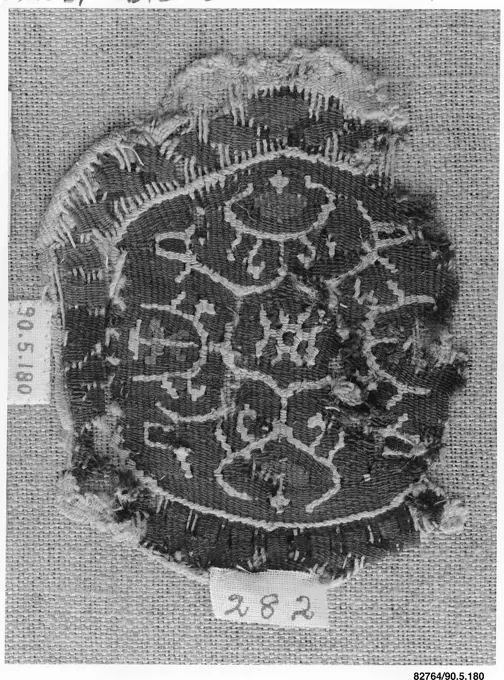
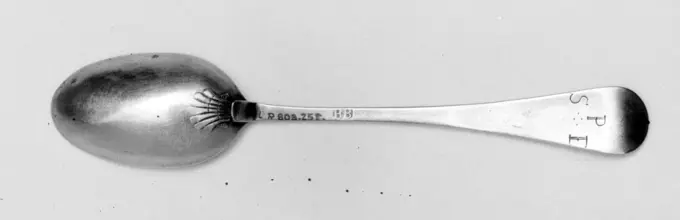
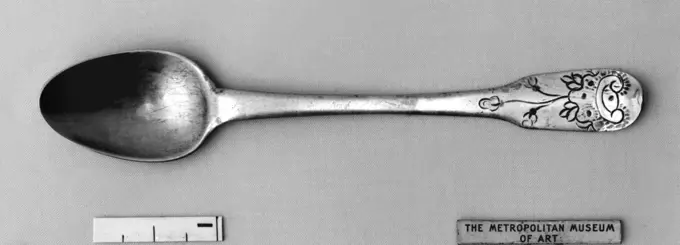
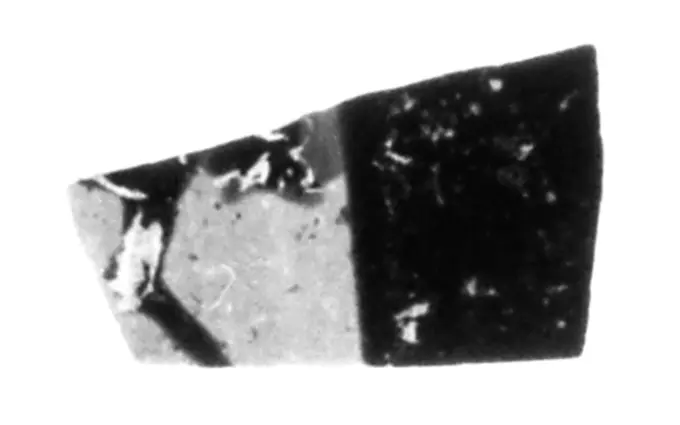
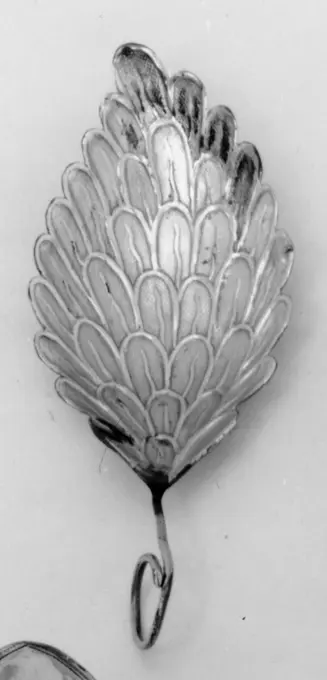
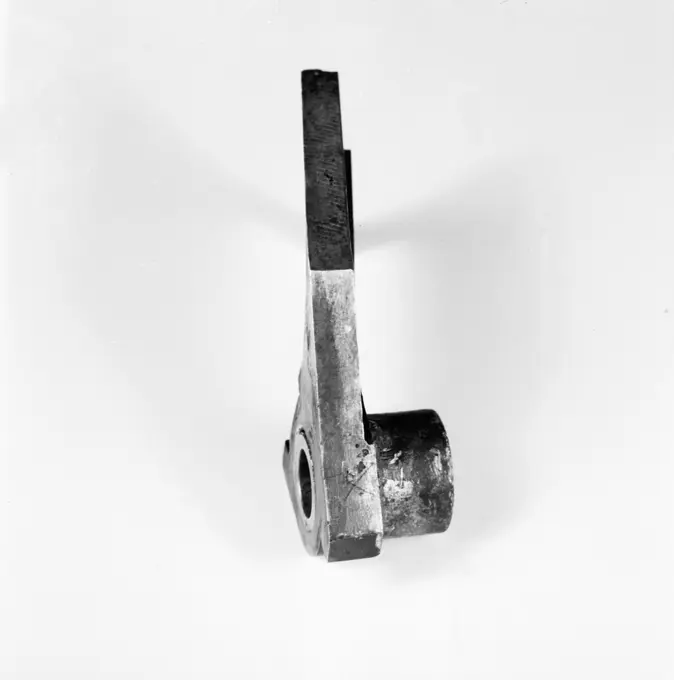
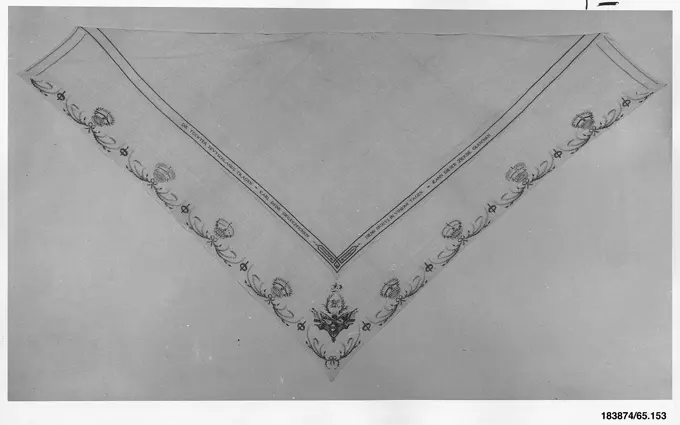
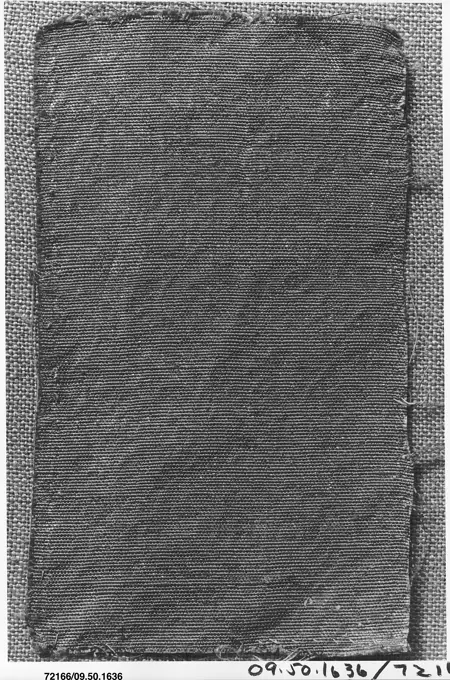
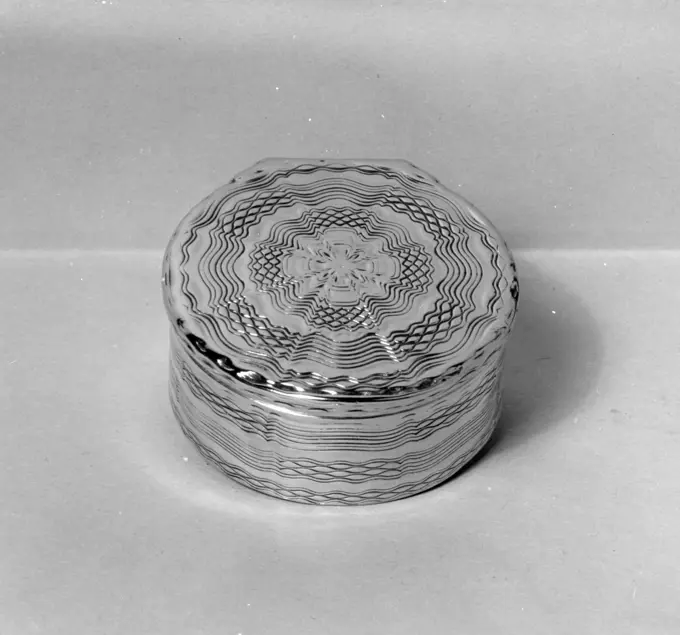
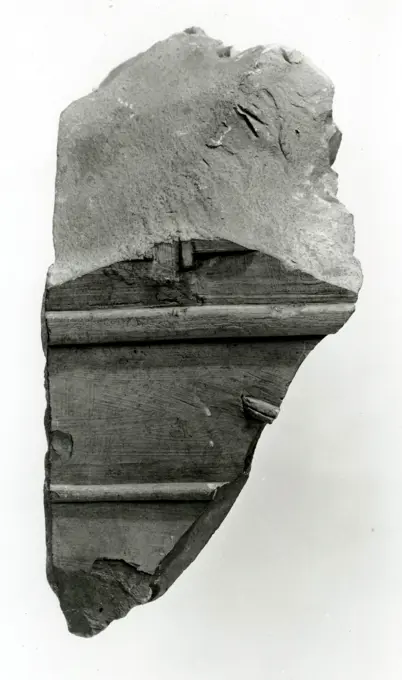
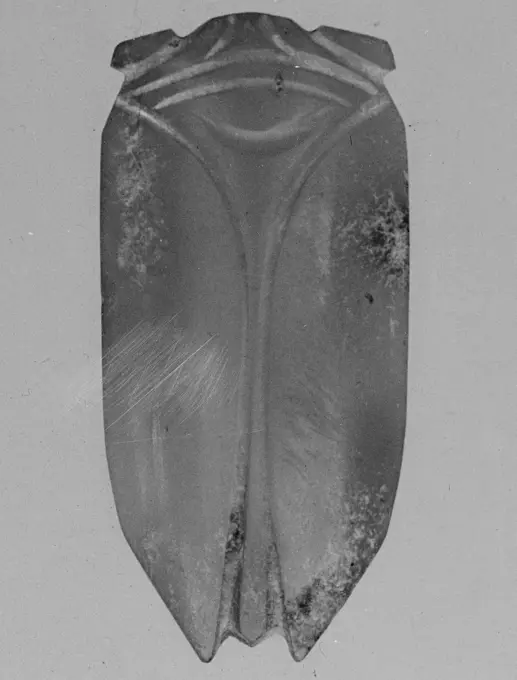
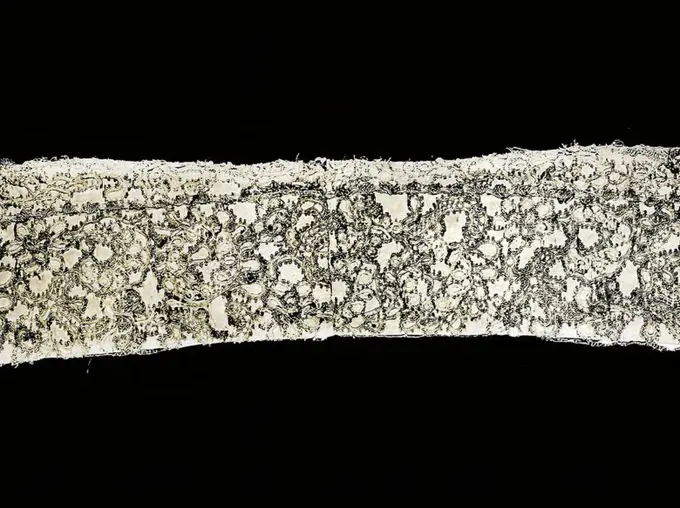
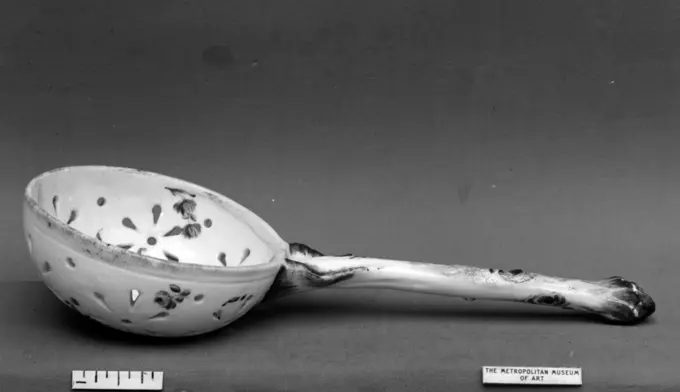
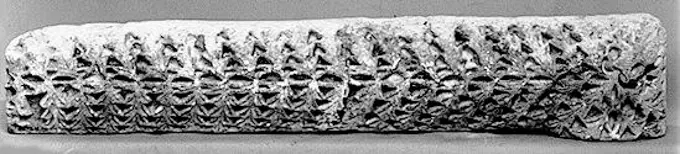
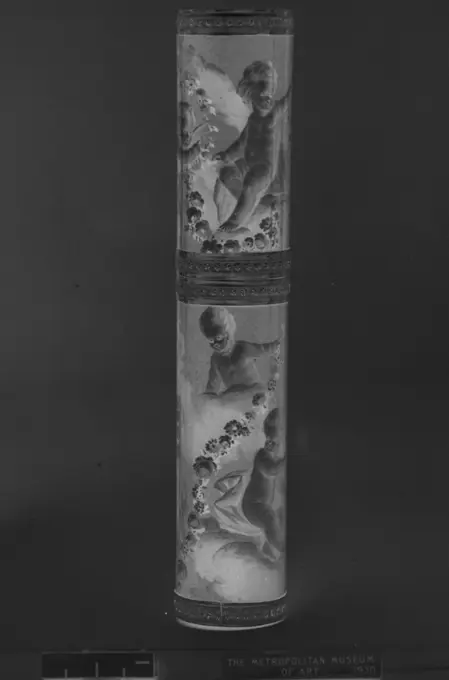
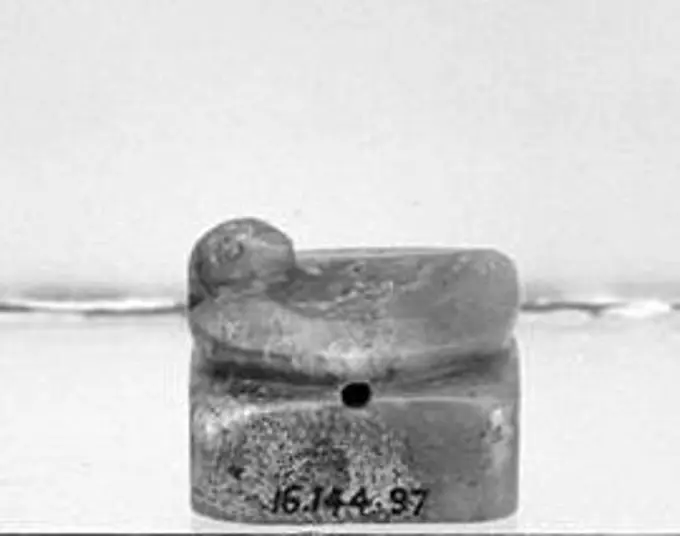
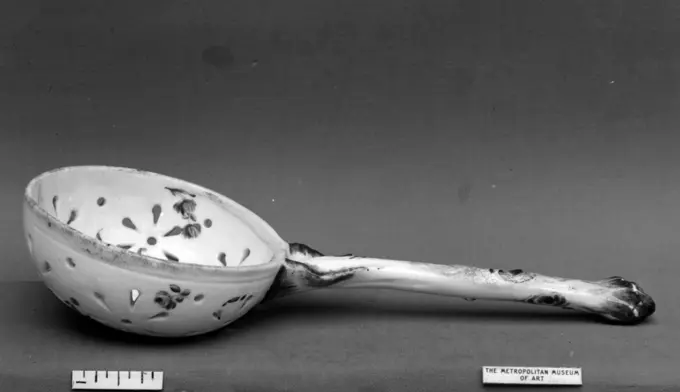
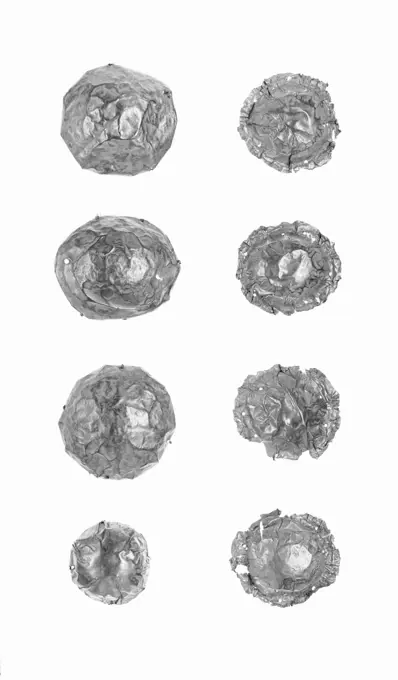
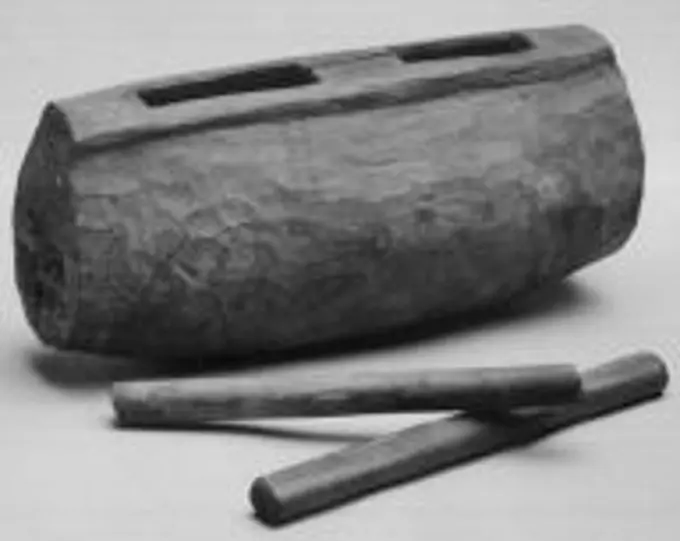
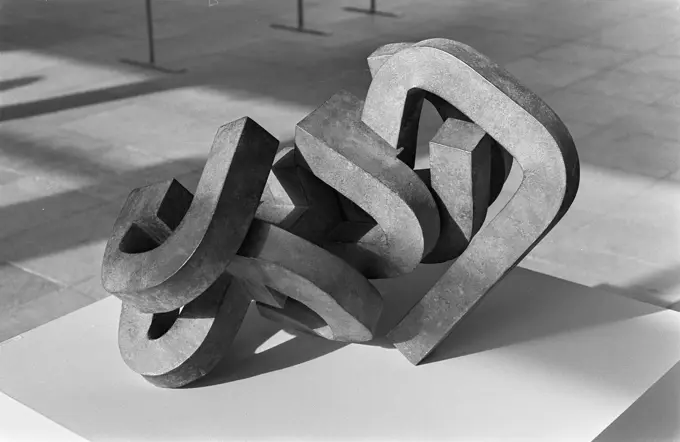
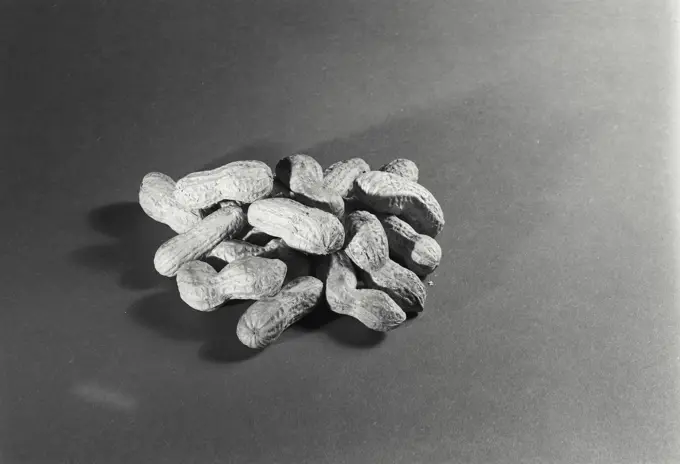
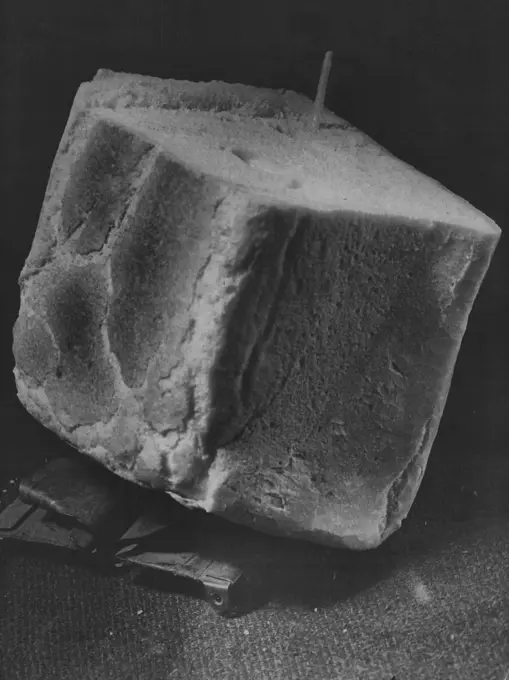
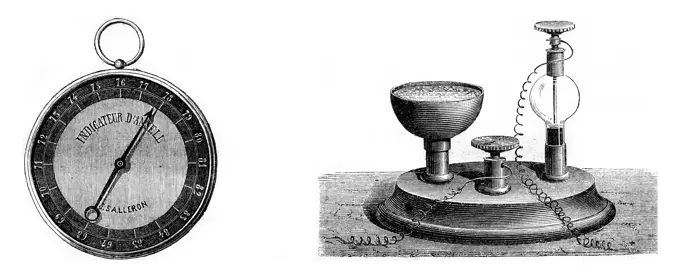
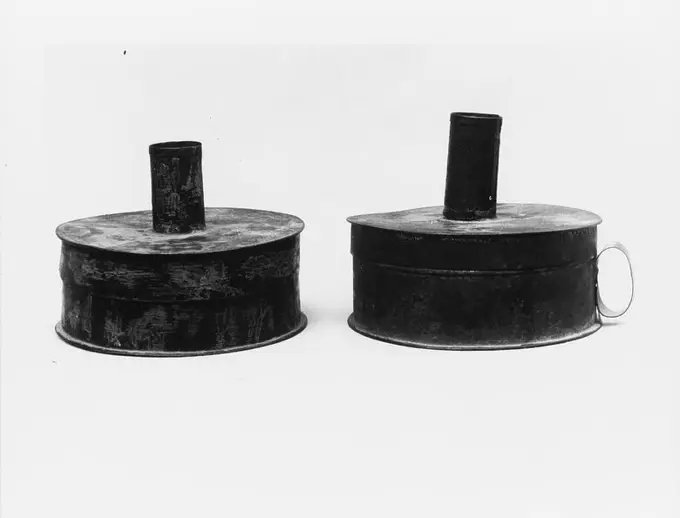
Attic Black-Figure Panel Amphora Fragment. UnknownTextile Fragment 8th-9th century. Textile Fragment. 8th-9th century. Wool; embroidered. Attributed to Egypt. Textiles-EmbroideredCeremonial Ax. Culture: China. Dimensions: H. 4 1/2 in. (11.4 cm); W. 2 7/8 in. (7.3 cm). Date: 13th-11th century B.C.. Museum: Metropolitan Museum of Art, New York, USA.Attic Black-Figure Panathenaic Amphora Fragment. Attributed as akin to the Kuban Group (Greek (Attic))Hinge Fragment. UnknownSampler 19th century German. Sampler 228591Textile Fragment 3rd-4th century. Textile Fragment 443373Relief fragment, tomb of Meketre ca. 1981-1975 B.C. Middle Kingdom. Relief fragment, tomb of Meketre 562140Chasuble 17th century Italian. Chasuble 221407Piece 16th century Italian. Piece 223577Attic Red-Figure Pelike Fragment (part of 86.AE.199.1).Tea Jar 18th century Japan. Tea Jar. Japan. 18th century. Paste covered with glaze (Takatori ware). Edo period (1615-1868). CeramicsPiece 18th century French. Piece 214126Fragment Made 1601-1625 Italy. fancy simple satin .Fragment British 19th century View more. Fragment. British. 19th century. Applied. Textiles-LacesCollection Dutch Heidematschappij. Damage pine snout stick (Pissodes Notatus). undatedNeck ring ca. 2nd-4th century A.D. Parthian or Sasanian. Neck ring 323246Curtain 18th century Spanish, Majorca. Curtain 227536Fragment. Dimensions: 14 3/16 in. high 4 7/16 in. wide (36 cm high 11.2 cm wide). Date: 5th century. Museum: Metropolitan Museum of Art, New York, USA.Lock. UnknownAttic Black-Figure Mastoid Cup Fragment. UnknownBlade ca. 2030-1640 B.C. Middle Kingdom . Blade. ca. 2030-1640 B.C.. Flint. Middle Kingdom . From Egypt, Memphite Region, Lisht North, MMA excavationsPiece 16th-17th century Italian or Spanish. Piece 216301Whetstone 1574 French. Whetstone 195333Textile Fragment 3rd-4th century. Textile Fragment 443791Piece 16th-17th century Italian. Piece 214355Former coffin found at Mount Lupfen, in Wurttemberg in 1846, vintage engraved illustration. Magasin Pittoresque 1861Strip Made 1401-1500 Venice. Crimson cut velvet on red satin ground; pile on pile voided twill velvet .Band 3rd-4th century. Band. 3rd-4th century. Linen, wool; tapestry weave. Attributed to Egypt. TextilesManiple 17th century Spanish Appliquéd crosses of wide gilt-metal-thread tape decorate this maniple (a long, narrow piece of material used in the liturgy), made of plain yellowish green silk cut velvet from seventeenth-century Spain.The maniple, which is completed at both ends with gilt metal fringe, forms a set with a burse (a square pocketlike receptacle for the corporal, or the cloth used to cover the elements of the Eucharist)in the Lehman Collection (1975.1.1875B).. Maniple 460577Piece early 19th century British. Piece 219441Sample early 19th century French. Sample 224036Textile Fragment 5th-6th century. Textile Fragment 443666Spoon 1750-70 Probably Benjamin Brenton. Spoon 7766Snuff bottle with stopper 18th-19th century China. Snuff bottle with stopper 41114Coffee spoon mid-18th century Johann Christian Kessler. Coffee spoon 188123 Maker: Johann Christian Kessler, 1719 ca. 1765, Coffee spoon, mid-18th century, Silver, L. 4 3/4 in. (12.1 cm). The Metropolitan Museum of Art, New York. Gift of Mrs. Samuel P. Avery, 1897 (97.2.88)Wall clock-thermometer (pendule et thermomètre en cartel) Clockmaker: Claude-Siméon Passemant Porcelain plaques by Sèvres Manufactory French Decorator Charles Nicolas Dodin French 1764-70Sweden, Blekinge, Blekinge, Karlskrona, Karlskrona, external marina (depicted, town).Sweden, Blekinge, Blekinge, Karlskrona, Karlskrona, External War Gogs (depicted, City)Sagat late 19th century Egyptian. Sagat 501898Attic Black-Figure Band Cup Fragment. UnknownSamuel Pemberton, Caddy Spoon, c. 1795, silver.Axe head ca. 2350-2150 B.C. Iran. Axe head 326003Sword (Estoc) ca. 1525 German or Swiss. Sword (Estoc). German or Swiss. ca. 1525. Steel, wood, leather. SwordsSweden, Blekinge, Blekinge, Karlskrona, Karlskrona, external marina (depicted, town).Sweden, Blekinge, Blekinge, Karlskrona, Karlskrona, External War Gogs (depicted, City)Plaque in the shape of a fish China. Plaque in the shape of a fish 42942Fragment of Turban Cloth 18th century. Fragment of Turban Cloth 450644Scarf 1809-10 Austrian. Scarf 229121Sword pommel China. Sword pommel 42786Cover early 19th century. Cover. early 19th century. Silk; embroidered. Attributed to Turkey. Textiles-EmbroideredBeaker ca. 3100-2900 B.C.. Beaker 324055Piece 16th-17th century Italian or Spanish. Piece 216659Snuffbox 1743-44 French, Paris In eighteenth-century Europe, Paris led the production of high-quality luxury goods. Parisian goldsmiths made a wide range of small, personal articles such as snuffboxes; étuis to hold sealing wax, tweezers, or utensils for sewing; souvenirs, which contained thin ivory tablets for note taking; and shuttles for knotting lace. Gold snuffboxes and boxes decorated with portrait miniatures were prized and frequently given as royal gifts, often to ambassadors or members of the court in lieu of cash payments for their services. Coveted and admired, these boxes were produced from a variety of materials. The best were skillfully made of gold and embellished with diamonds, enameled decoration, lacquer, and other luxurious materials. By the middle of the century, the taking of snuff had become an entrenched social ritual, and the snuffbox, too, had become an important social prop. Snuffboxes were considered highly fashionable accessories, with some merchants advertiFragment 18th century Danish. Fragment. Danish. 18th century. Needle lace. Textiles-LacesRaised relief fragment 664-610 B.C. Late Period, Saite see 23.3.468. Raised relief fragment. 664-610 B.C.. Limestone, varnish. Late Period, Saite. From Egypt, Upper Egypt, Thebes, Deir el-Bahri, Tomb of Nespekashuty (TT 312, MMA 509), Lunette, North door, MMA excavations, 1922-23. Dynasty 26Attic Black-Figure Oinochoe Fragment. UnknownDarabukka late 19th century Middle East. Darabukka. Middle East. late 19th century. Wood; skin or parchment.. Syria. Membranophone-single-headed / vase-shaped drumPiece ca. 1830 British. Piece 221909Textile Fragment 6th century. Textile Fragment 443750Cicada China. Cicada. China. Jade (nephrite). Han dynasty (206 B.C.-A.D. 220) or later. JadeStrainer. UnknownTapestry Panel Fragment 10th-15th century Peru; central coast (). Tapestry Panel Fragment 307847Fragment 18th century French. Fragment. French. 18th century. Bobbin lace. Textiles-LacesNecklace Rattle ca. 1850-89 African. Necklace Rattle 505076Piece 18th-19th century Japan. Piece. Japan. 18th-19th century. Silk. Textiles-WovenOld antique door and door handleTile 1881-85 J. and J. G. Low Art Tile Works. Tile 8517Design for a sheath with the whore of Babylon, Heinrich Aldgrever, 1528 print Design for a dagger sheath. The lower part is decorated with a candlestone consisting of leaf vines and two dolphins, worn by a putto. Above that the whore of Babylon and the seven -member monster. Germany paper engraving ornament ~ candelabrum. the scarlet woman, the whore of Babylon; she is usually sitting on a scarlet beast with seven heads and ten hornsSangenkin ( 弦琴 ) 19th century Japanese. Sangenkin ( 弦琴 ) 502118Pillowcase Italian 19th centuryFurniture Hardware 1670-1870 View more. Furniture Hardware. 1670-1870. BrassFragment. Probably England. Date: 1650-1675. Dimensions: 16.2 × 55 cm (6 3/8 × 21 5/8 in.). Silk and silk-wrapped linen, bobbin straight lace of a type known as "Gimp". Origin: England. Museum: The Chicago Art Institute, Chicago, USA.It is a part or attachment by which the handle is held in the hand. It is usually made up of rubber or cloth. It has a smooth even surface, vintage engraved line art illustration. Bicycle Accessories 1900.Textile Fragment 5th-6th century. Textile Fragment 445767Piece 17th century Italian. Piece 227122Sugar spoon Factory Mennecy ca. 1750-60 View more. Sugar spoon. French, Mennecy. ca. 1750-60. Soft-paste porcelain. Mennecy. Ceramics-PorcelainFragment from a Molding with Vines and an Amphora (Vase) 6th century The monastic community of Bawit, founded in the 300s by Apa (Father) Apollo at a small village, grew to consist of numerous complexes with residences, chapels, and service structures and two large churches profusely decorated with sculptures and paintings, often reused from other sites, all affiliated with the Coptic church. The more important buildings were decorated with courses of sculpted stone freely combining floral and geometric motifs inspired by classical art - rosettes, acanthus leaves, meander patterns - with more recent Christian themes. These sculptural elements, demonstrating the Byzantine love of complex patterning with lush textures, were originally painted in rich, vibrant colors like those surviving in textiles.. Fragment from a Molding with Vines and an Amphora (Vase) 453860Étui 18th century () French In eighteenth-century Europe, Paris led the production of high-quality luxury goods. Parisian goldsmiths made a wide range of small, personal articles such as snuffboxes; étuis to hold sealing wax, tweezers, or utensils for sewing; souvenirs, which contained thin ivory tablets for note taking; and shuttles for knotting lace. Gold snuffboxes and boxes decorated with portrait miniatures were prized and frequently given as royal gifts, often to ambassadors or members of the court in lieu of cash payments for their services. Coveted and admired, these boxes were produced from a variety of materials. The best were skillfully made of gold and embellished with diamonds, enameled decoration, lacquer, and other luxurious materials. By the middle of the century, the taking of snuff had become an entrenched social ritual, and the snuffbox, too, had become an important social prop. Snuffboxes were considered highly fashionable accessories, with some merchants advertisiSeal China. Seal. China. Jade. Han dynasty (206 B.C.-A.D. 220). SealsSugar spoon ca. 1750-60 Mennecy. Sugar spoon. French, Mennecy. ca. 1750-60. Soft-paste porcelain. Mennecy. Ceramics-PorcelainCap crown French early 18th century View more. Cap crown. French. early 18th century. Needle lace, point dAlençon. Textiles-LacesRound Applique. UnknownRound Applique. UnknownNgonge Congolese late 19th centurySnuff Bottle China. Snuff Bottle 41080M'Kul late 19th century Fang people. M'Kul. Fang people. late 19th century. Wood. Gabon. Idiophone-Struck-slit drumLower whale jaw (Ziphius cavirostris), 1912 - 1926, by James McDonald.Anefo photo collection. Exhibition of the Spanish artist Eduardo Chillida in Stedelijk Museum Amsterdam opened E. Chillida at Plastic. 25 April 1969. Amsterdam, Noord-HollandVintage Photograph. A pile of peanuts in their shell.Today's photograph of the bread.Broken Thermometer in Loaf -- After her two children had left home, Mrs. W. R. Mayer, of Brunswick, found part of a thermometer in the loaf from which she had cut their lunches. She immediately sent an urgent message to the school and instructed the teacher to take the children's lunches from them.The loaf of bread with the thermometer sticking out of it was brought to The Herald office later by Mr. Mayer. He said his wife found a bit of glass in the toast she was eating but thought it had come from a glass butter dish. October 02, 1947.The trapper (depicted - name).The trapper (depicted - name)Ansell equipment to recognize the presence of fire-damp, vintage engraving. Ansell equipment to recognize the presence of fire-damp, vintage engraved illustration. Magasin Pittoresque 1869. Copyright: xZoonar.com/PatrickxGuenettex 10678464Tinder Box. Dimensions: H. 3 in. (7.6 cm). Date: 1700-1800. Museum: Metropolitan Museum of Art, New York, USA.Sweden, Blekinge, Blekinge, Karlskrona, Karlskrona, external marina (depicted, town).Sweden, Blekinge, Blekinge, Karlskrona, Karlskrona, External War Gogs (depicted, City)Skioptic image with motifs of unknown port in Konstanz.Pilden has been stored in cardboard labeled: the journey in 1906. Arlberg banana 2. Konstanz 6.Rattle 19th century Guyanese. Rattle. Guyanese. 19th century. fruit shells or seeds, cotton. Demerara, Guyana. Idiophone-Shaken-rattlePendant for a Chain. UnknownCopper engraving by Theodor de Bry from 1548-1598 depicting designs for knife handles. The print shows ornamental patterns, decorative motifs, and symmetrical designs typical of Renaissance craftsmanship.Karte von Slowenien auf verwittertem Holz - Map of Slovenia on weathered wood Karte von Slowenien auf verwittertem Holz - Map of Slovenia on weathered wood Copyright: xZoonar.com/lantapixx 11266634Plate 1751-83 Worcester factory. Plate. British, Worcester. 1751-83. Soft-paste porcelain. Worcester factory (British, 1751-2008). Ceramics-PorcelainFragment. Dimensions: 28 15/16 in. high 21 7/16 in. wide (73.5 cm high 54.5 cm wide). Date: 3rd-4th century. Museum: Metropolitan Museum of Art, New York, USA.