Ancient Artifacts

Historical relics featuring ancient coins, cuneiform inscriptions, and decorated stone pieces, each representing the cultures of past civilizations.
Crown with discs and uraeus coils ca. 1353-1336 B.C. New Kingdom, Amarna Period. Crown with discs and uraeus coils 567664
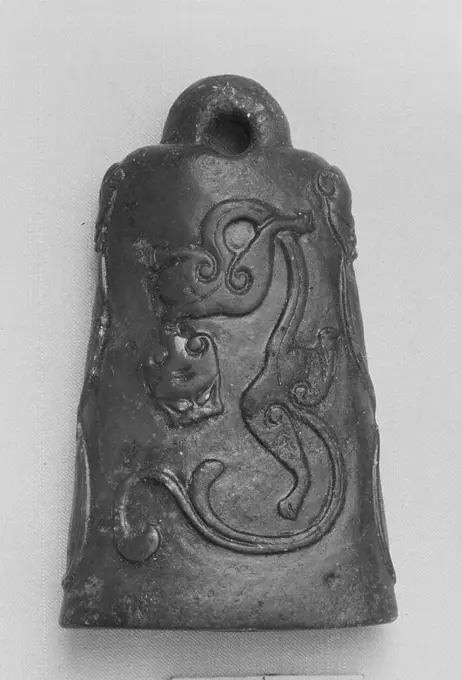
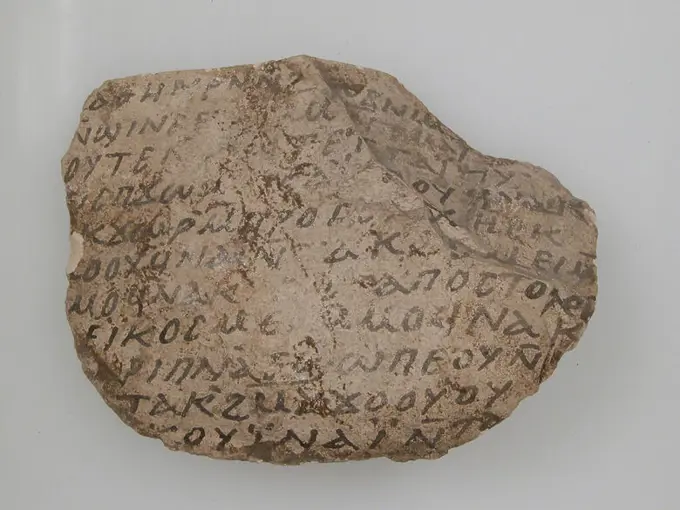
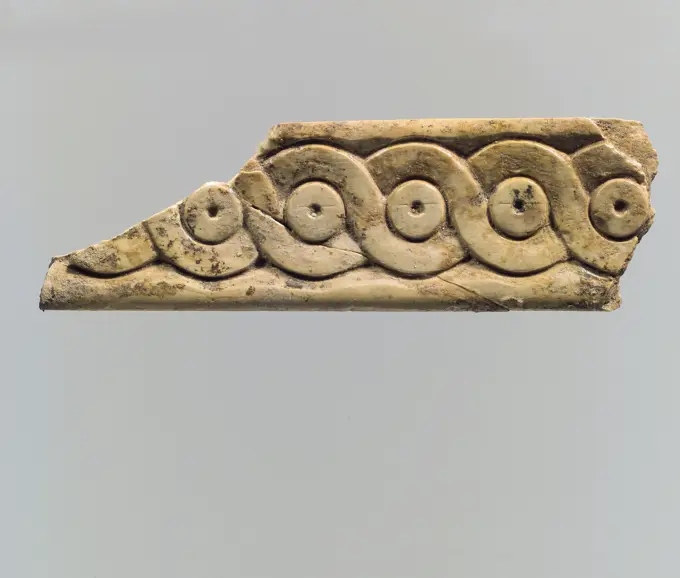
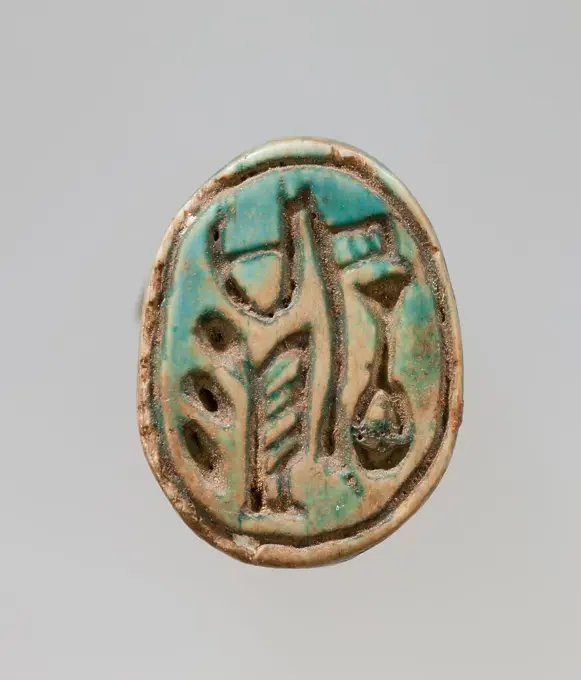
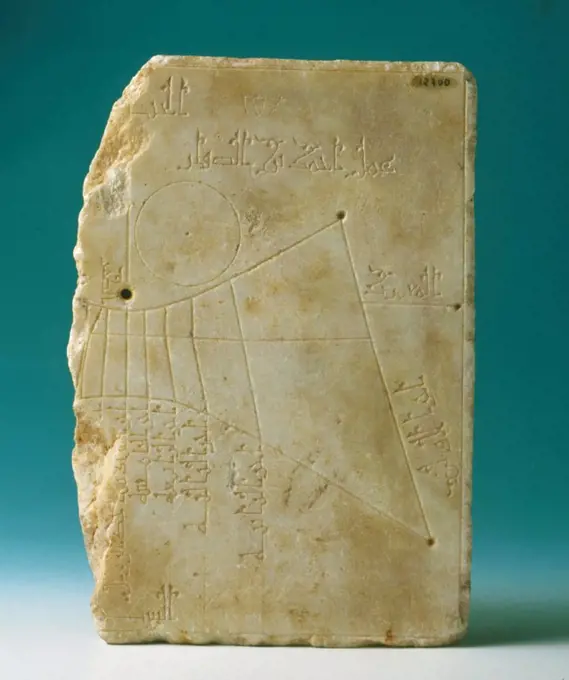
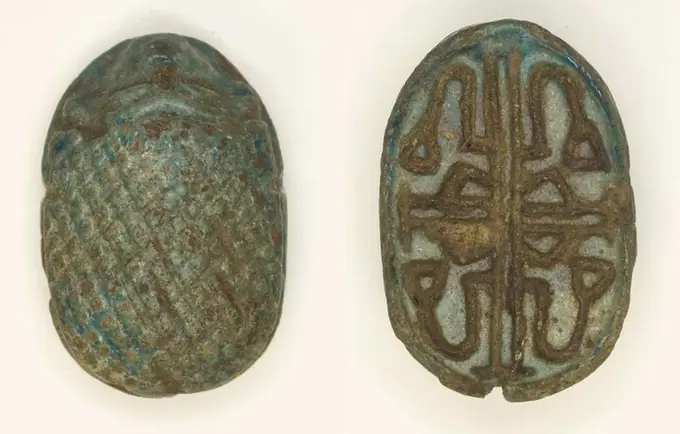
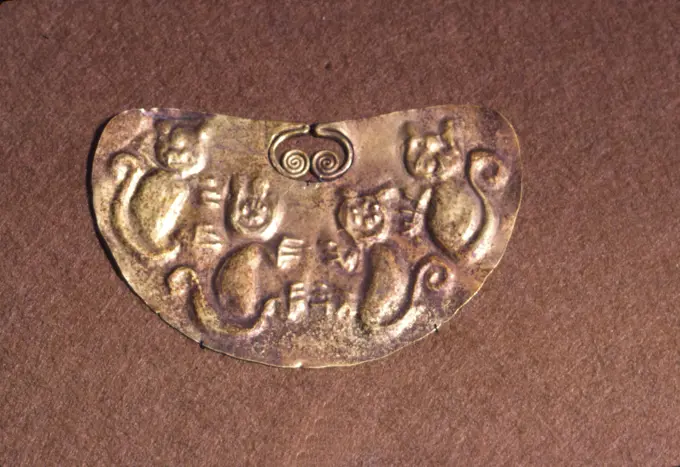
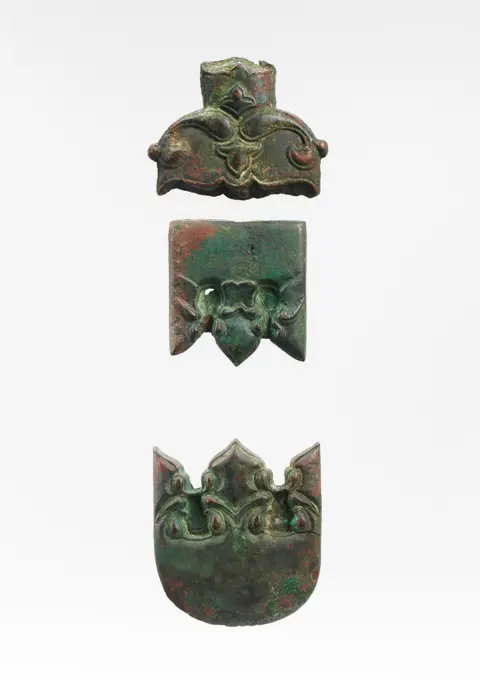
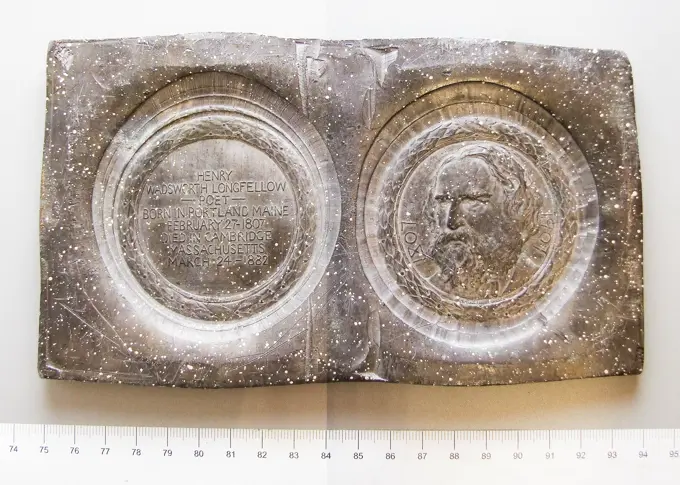
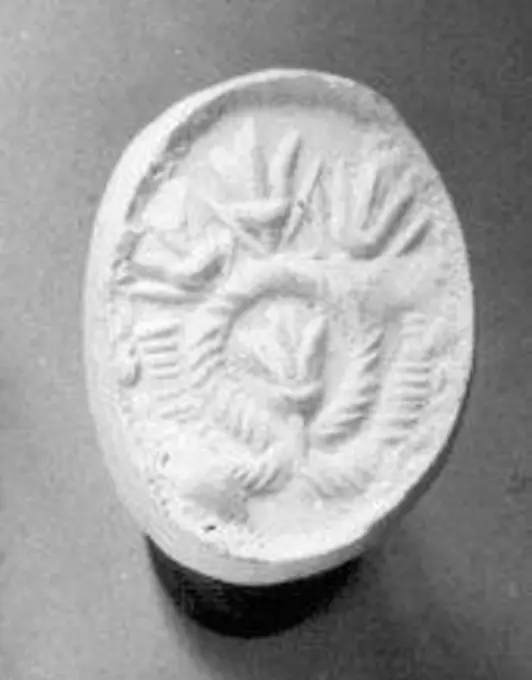
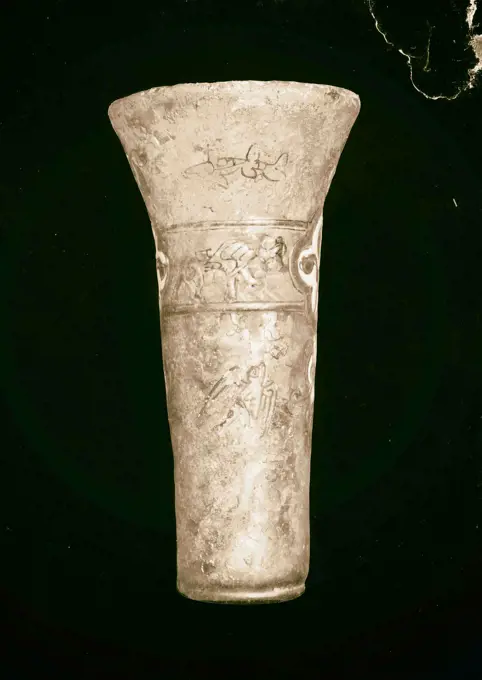
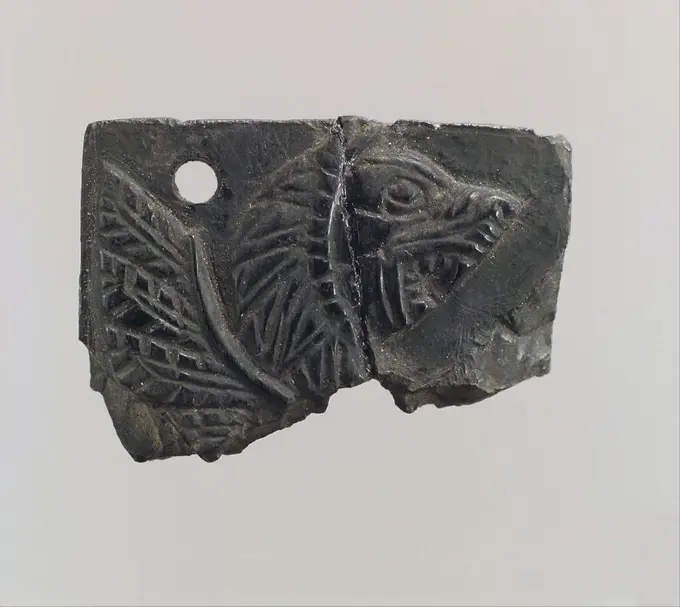
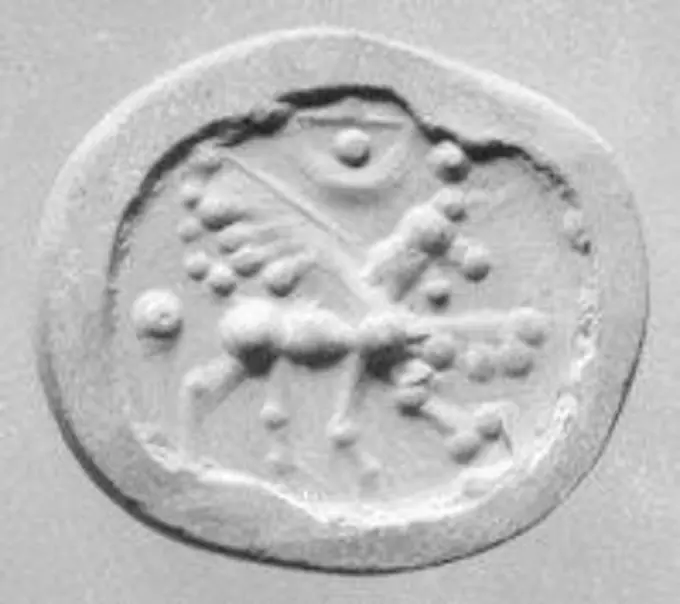
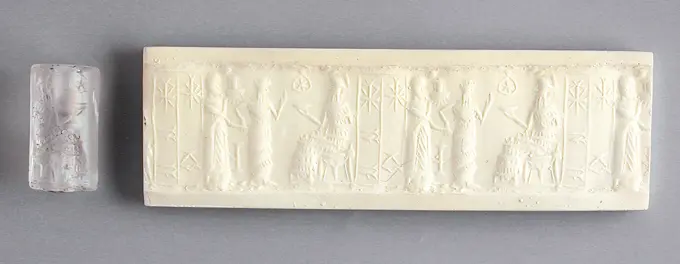
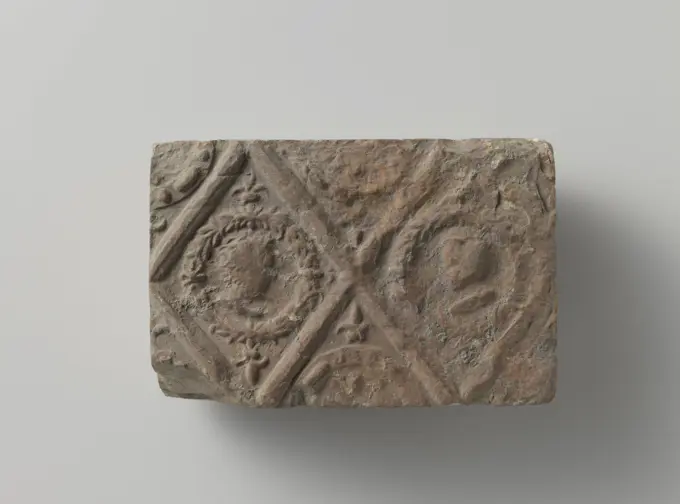
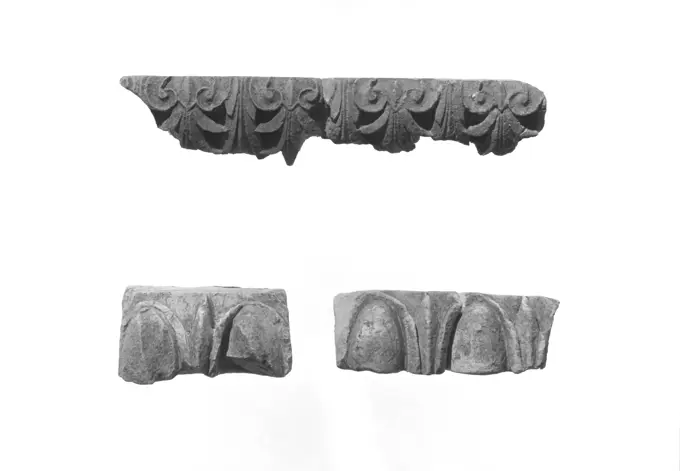
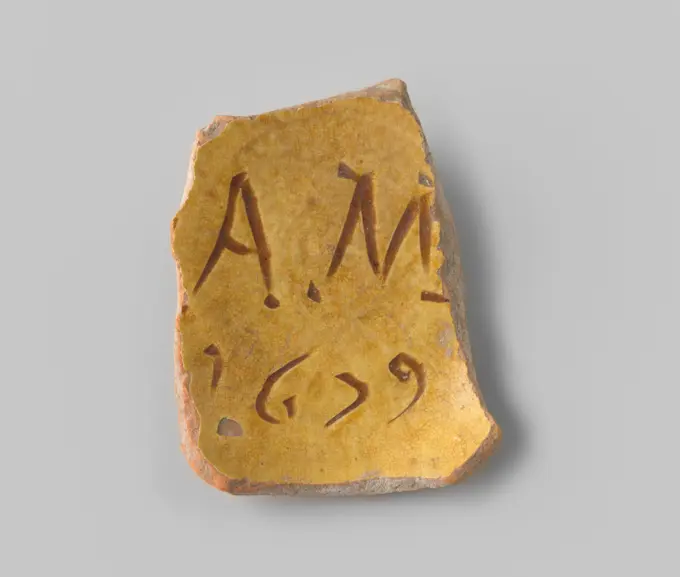
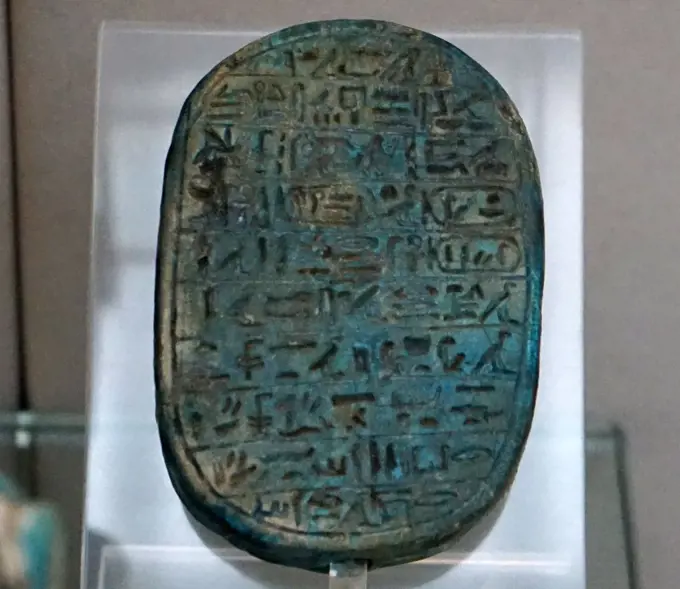
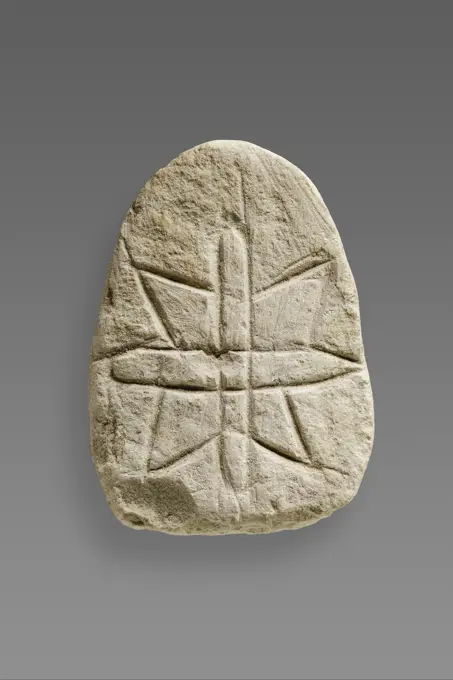
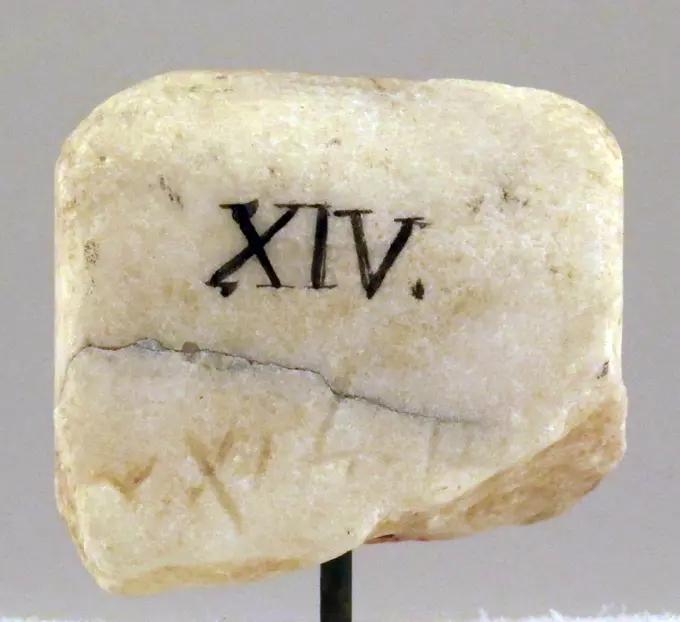
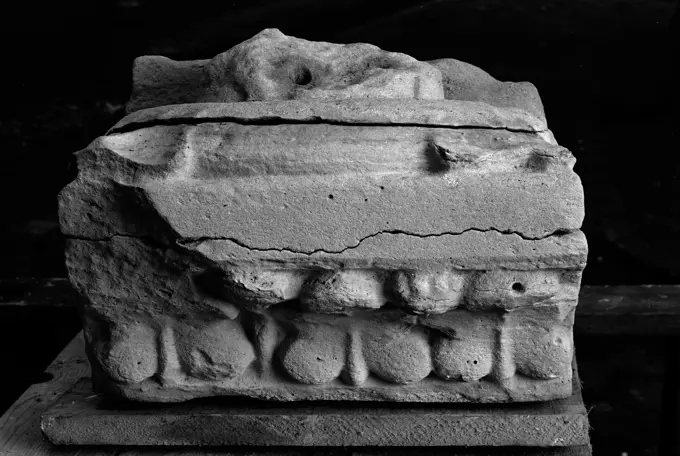
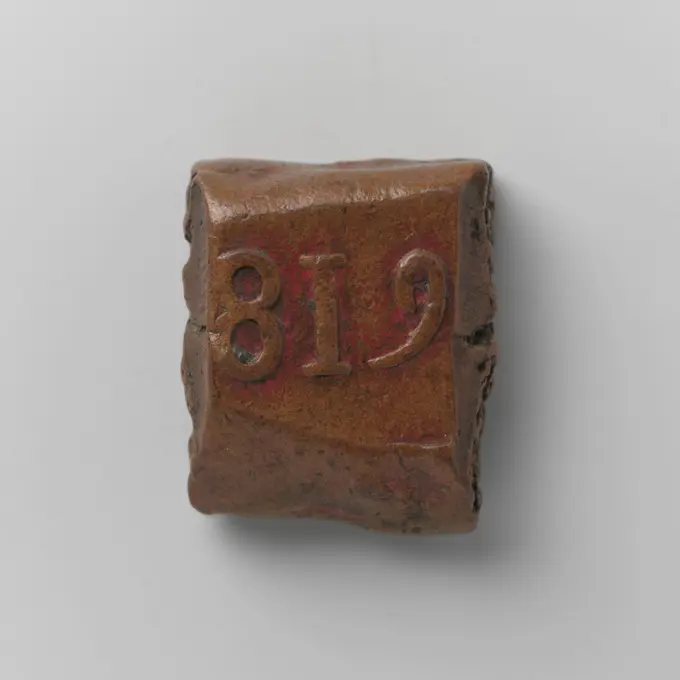
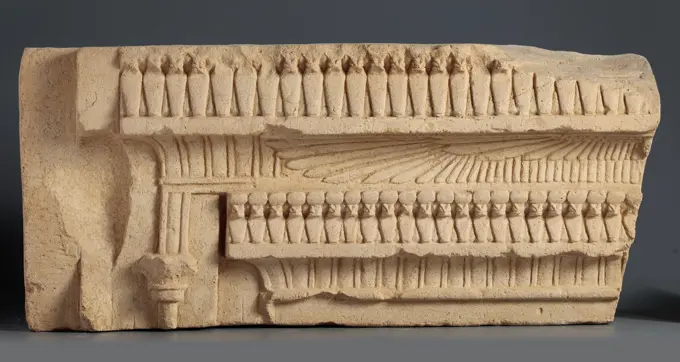
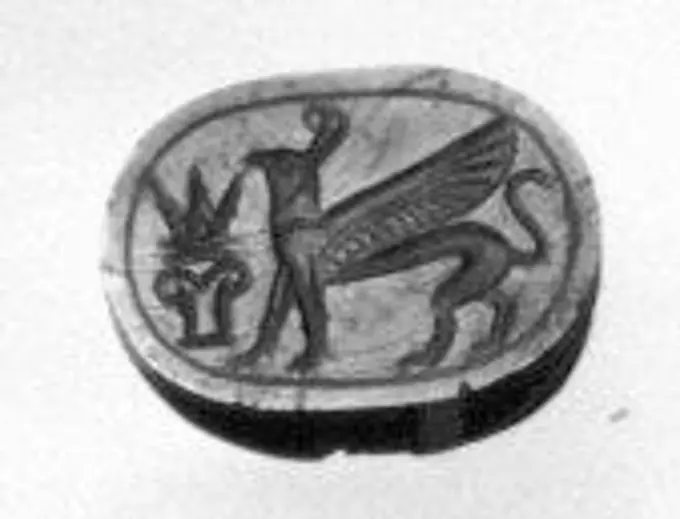
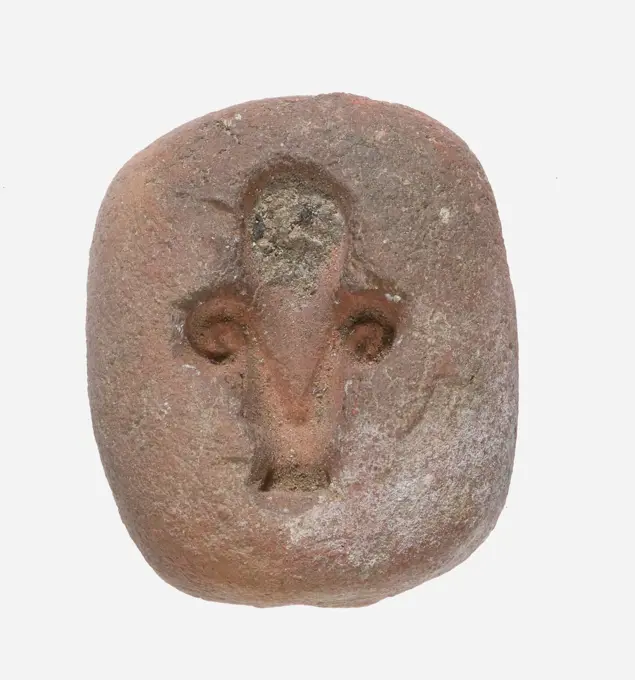
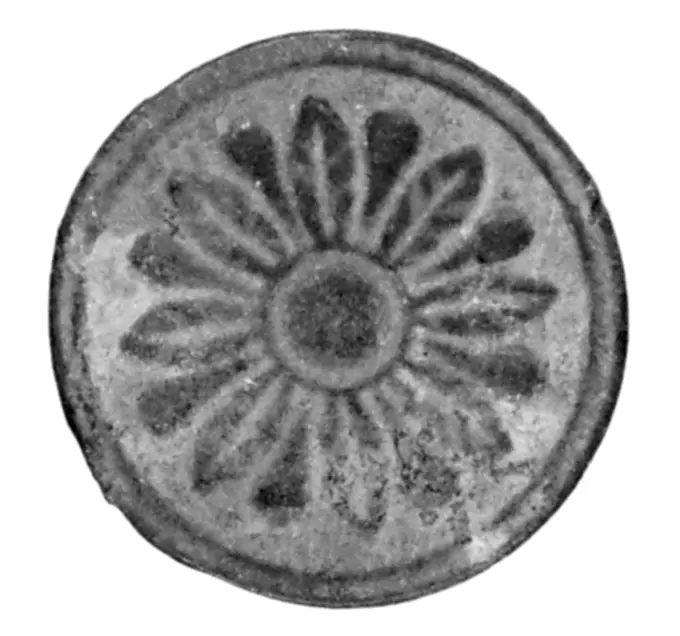
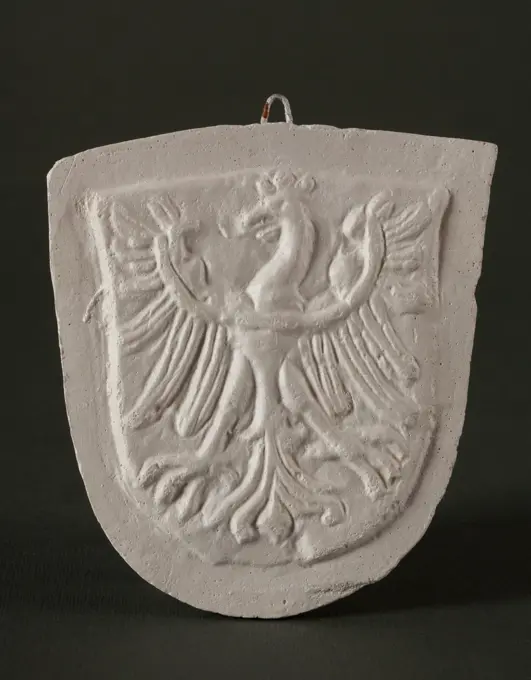
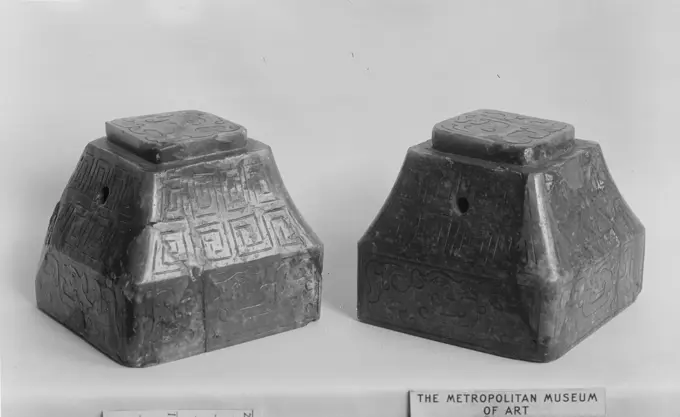
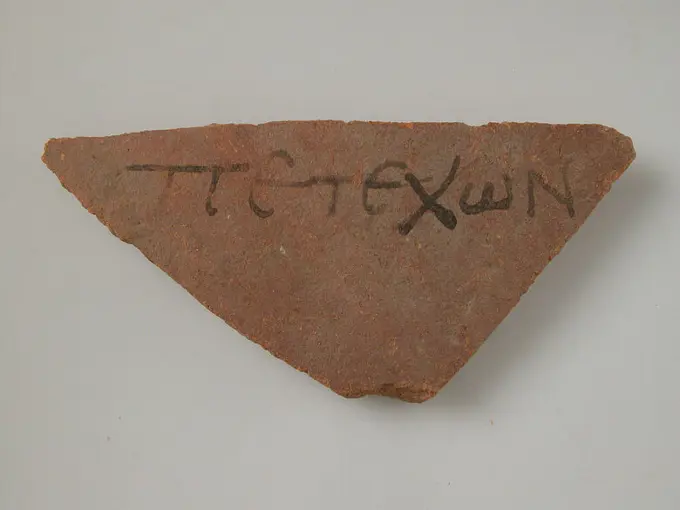
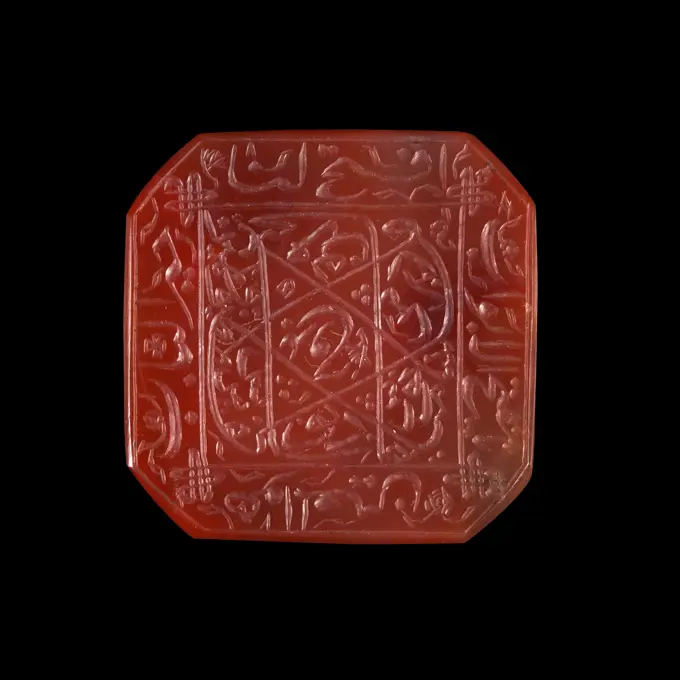
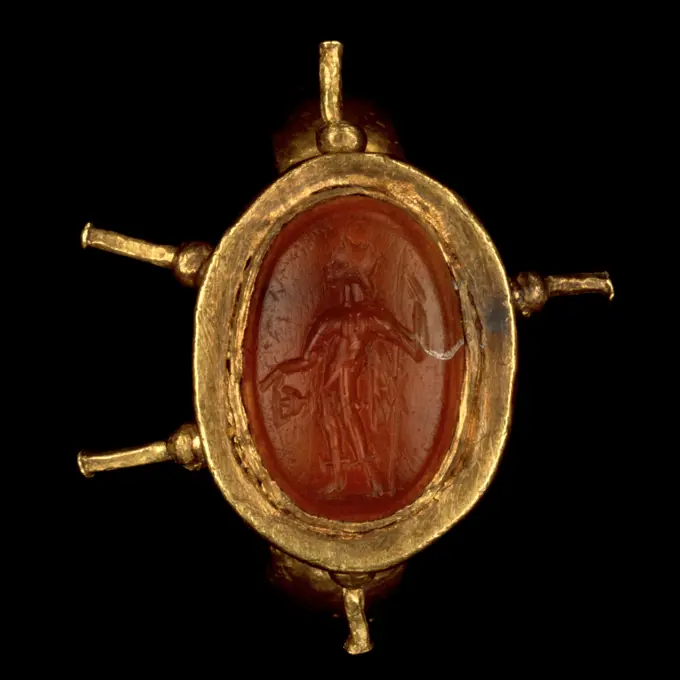
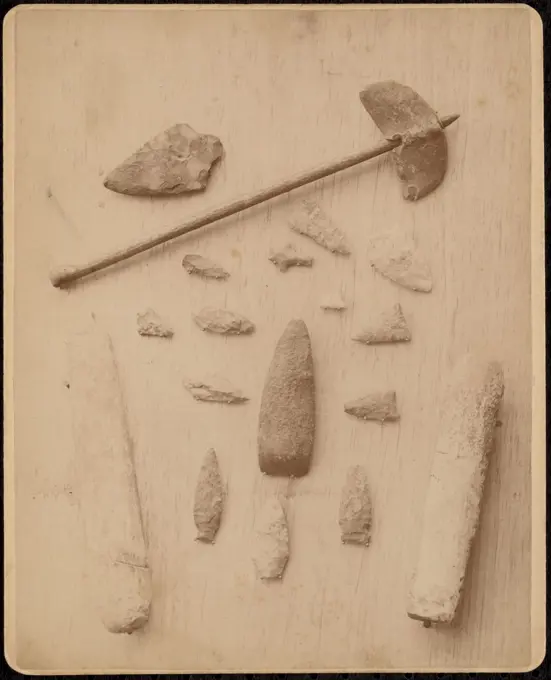
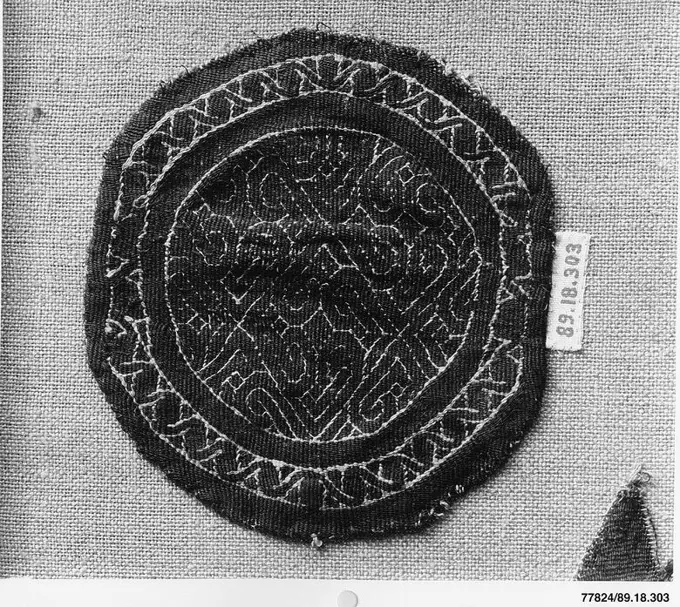
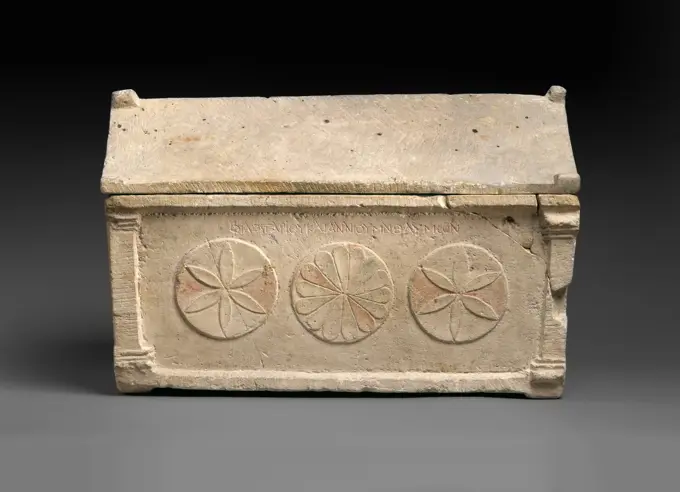
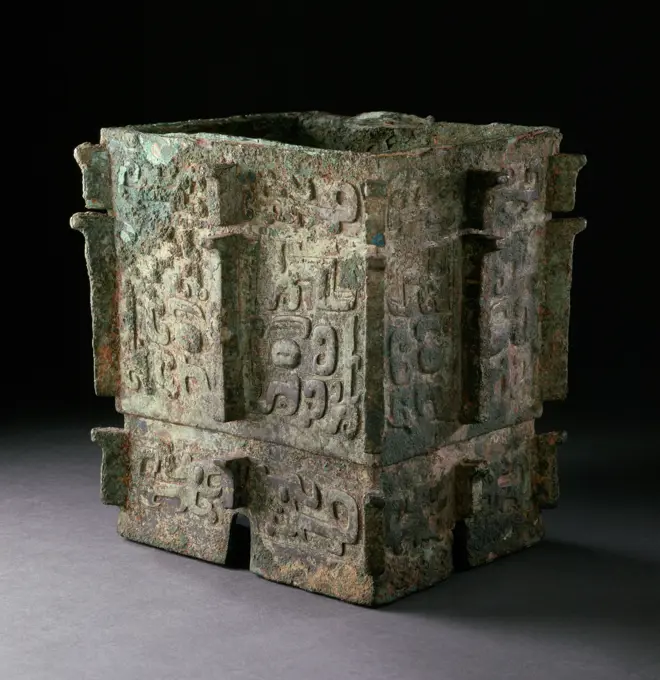
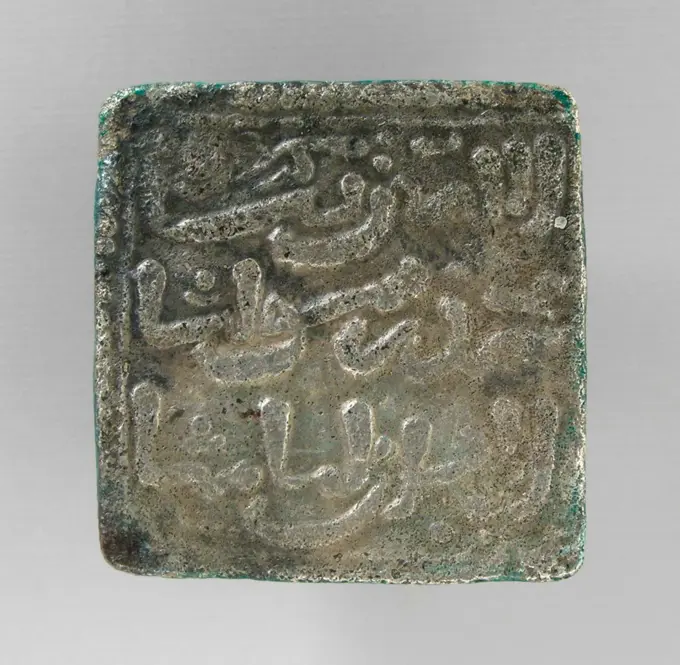
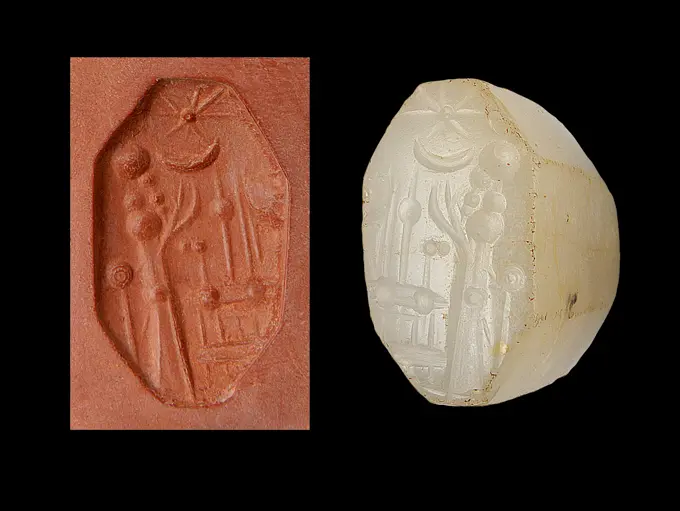
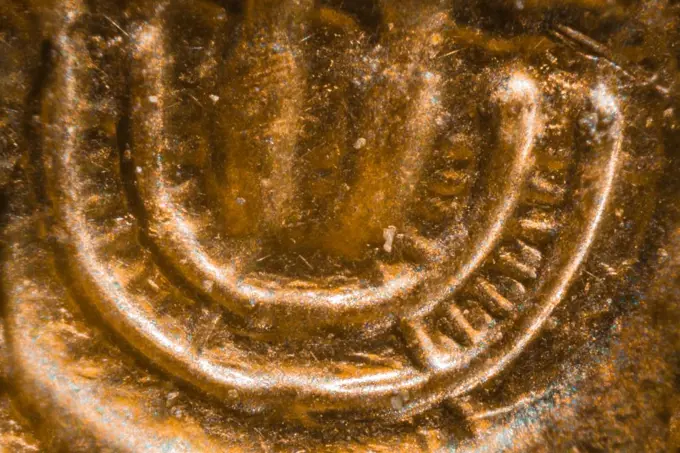
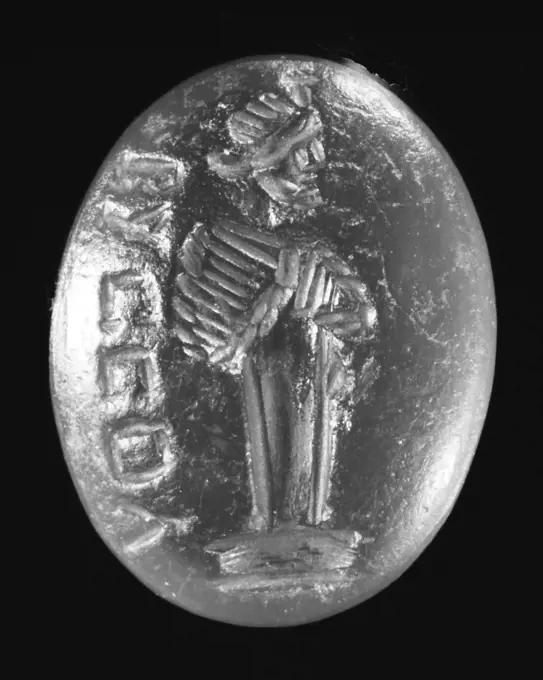
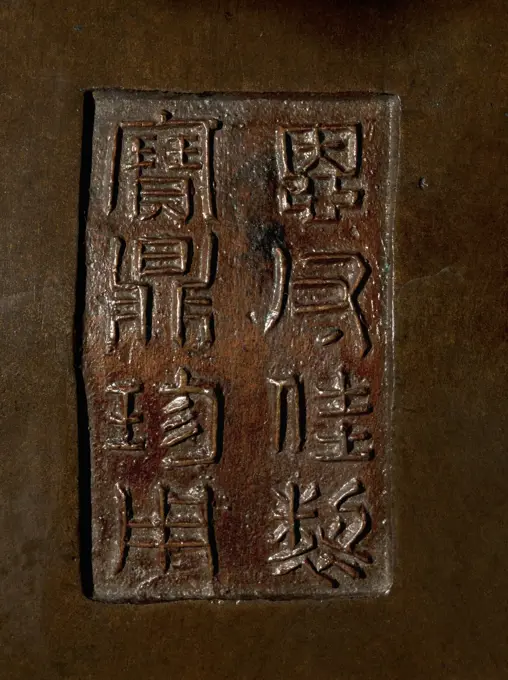
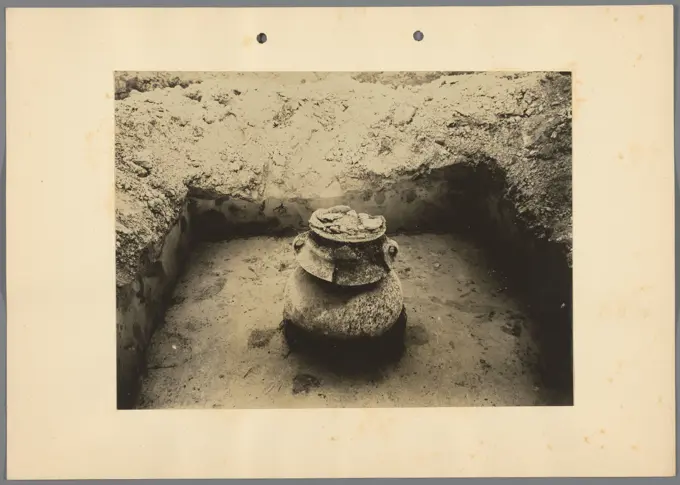
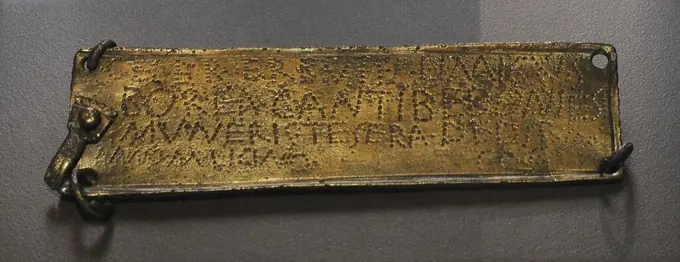
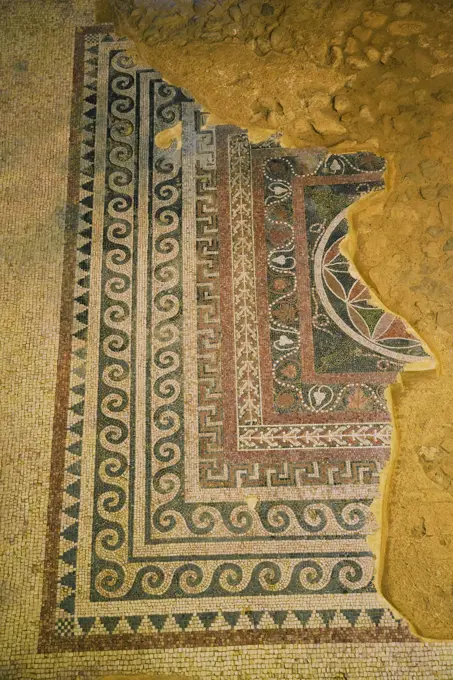
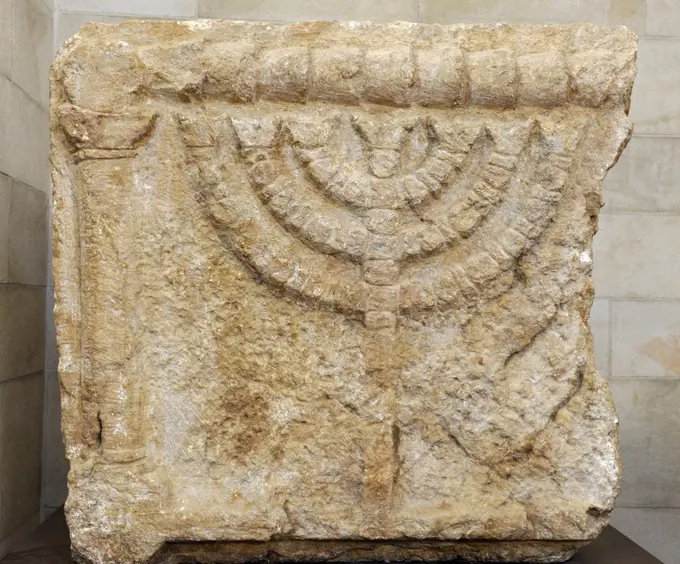
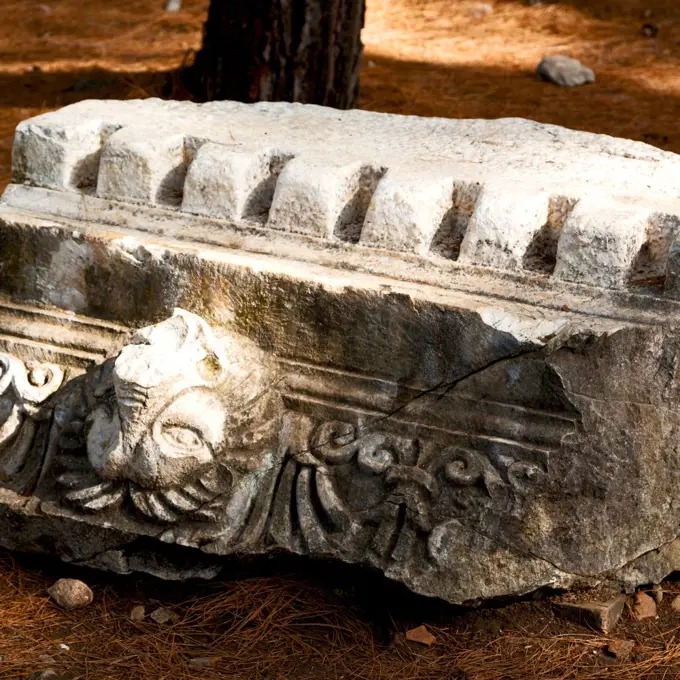
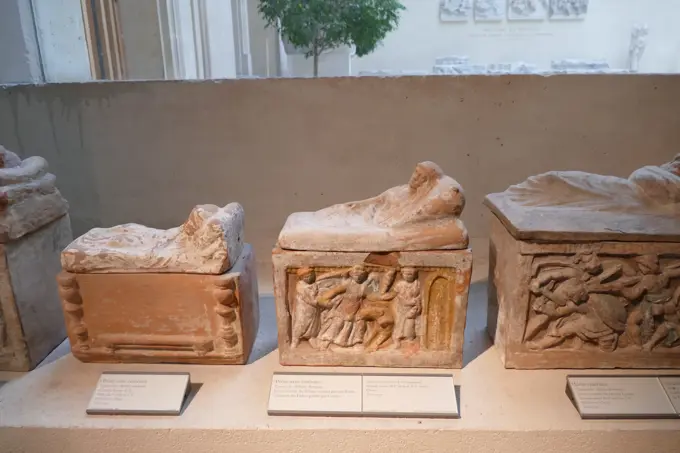
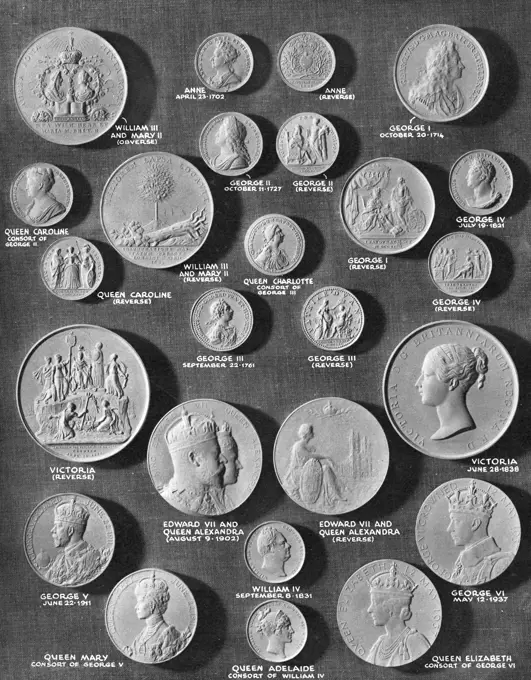
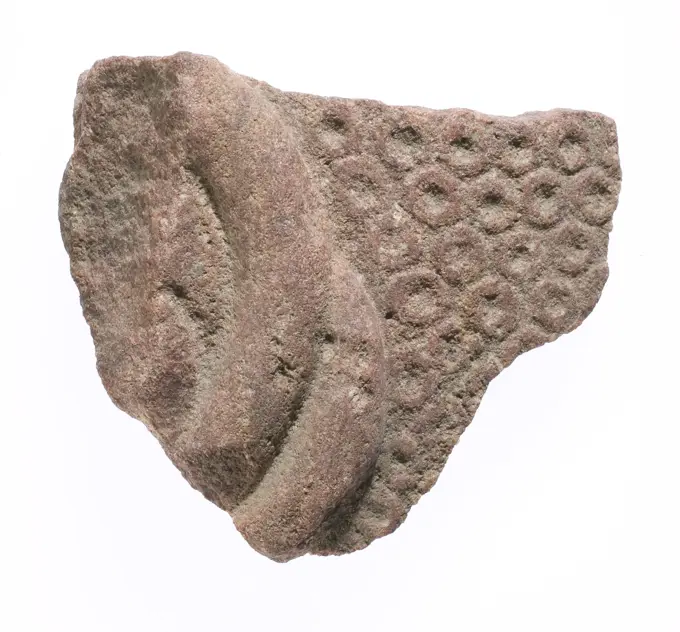
Prehistory, Italy. Fragments of engraved ceramic vase. From the grotto of Tane del Diavolo, Parrano, province of Terni.Girdle ornament. Culture: China. Dimensions: H. 2 3/4 in. (7 cm); W. 1 5/8 in. (4.1 cm); D. 5/8 in. (1.6 cm). Museum: Metropolitan Museum of Art, New York, USA.Bead China. Bead 43129Pilgrim's Flask with Saint Menas, 400-600. Egypt, Coptic, 400s-500s. Terracotta; overall: 8.7 x 6.5 cm (3 7/16 x 2 9/16 in.).Ostrakon. Culture: Coptic. Dimensions: 4 1/8 x 3 1/16 in. (10.5 x 7.8 cm). Date: 600. Museum: Metropolitan Museum of Art, New York, USA.Amulet in the Form of a Warrior 2nd-1st century B.C. India. Amulet in the Form of a Warrior 38288Artifacts From A Maya Civilization At Copan Ruins; Copan, HondurasFragment 14th century. Fragment 446316Border strip ca. 9th-8th century B.C. Assyrian This fragment of a narrow strip is decorated with an incised row of connected circles, called a guilloche pattern, set within a border marked by raised edges above and below. Carved ivory pieces such as this were widely used in the production of elite furniture during the early first millennium B.C. They were often inlaid into a wooden frame using joinery techniques and glue, and could be overlaid with gold foil or inlaid with colored glass or stone pieces to create a dazzling effect of gleaming surfaces and bright colors. This strip has light horizontal scratches on the back, probably to help the glue join the surface of the ivory to another element made out of wood or ivory.Built by the Assyrian king Ashurnasirpal II, the palaces and storerooms of Nimrud housed thousands of pieces of carved ivory. Most of the ivories served as furniture inlays or small precious objects such as boxes. While some of them were carved in the same style as thFragment of a Stand for Water Jars Carved with a Vase and Vegetal Scroll 6th-7th century. Fragment of a Stand for Water Jars Carved with a Vase and Vegetal Scroll. 6th-7th century. Limestone; carved in relief. Found Egypt, Saqqara. SculptureScarab Inscribed for the God's Wife Nefertari. Dimensions: l. 1.5 cm (9/16 in); 1.1 cm (7/16 in). Dynasty: Dynasty 18. Reign: reign of Ahmose. Date: ca. 1550-1525 B.C.. Museum: Metropolitan Museum of Art, New York, USA.RELOJ DE SOL. Nº INV. 12700.. (ALTURA 34,5 CM. LONGITUD 24 CM) MUSULMAN. (EXPOSICION :ARTE ISLAMICO ESPAÑOL)(DEPOSITO: MUSEO ARQUEOLOGICO DE CORDOBA ).Figurine ca. 8th-7th century B.C. Iran. Figurine 323802Italy - Tuscany region - Cortona (Arezzo province) - Hellenistic period (323-146 b.C.) - Etruscan academy. Leaden leaf with an Etruscan inscriptionScaraboid: Face Motif on Top, Floral Designs on Base. Egyptian. Date: 1650 BC-1550 BC. Dimensions: 2.5 × 1.9 × 1.3 cm (1 × 3/4 × 1/2 in.). Glazed steatite. Origin: Egypt. Museum: The Chicago Art Institute, Chicago, USA. Author: Ancient Egyptian.Mold for Menat. Egypt, New Kingdom-Late Period, 1550-333 B.C.. Tools and Equipment; molds. Clay, TerracottaGold nose ornament with cats. Vicus. Pre-Inca civilisation. PERU.Matrices for Sword Mounts 10th-11th century Iraqi or Iranian Bronze molds such as these were used to form the metal parts of a sword hilt and scabbard, usually made of the soft metals gold, silver, or copper. The three molds shown here are for the guard and the upper and lower scabbard mounts. The parts were formed in halves, then joined along the edges. The cross-shaped guard of the Nishapur sword exhibited nearby shows these joining seams.. Matrices for Sword Mounts 24879Medal of Henry Wordsworth LongfellowCentennial.  Artist: Bela Lyon Pratt, American, 1867-1917, Art School Certificate of Completion, 1888, B.F.A. 1899  Subject: Henry Wadsworth Longfellow, American, 1807-1882 Manufacturer: Tiffany and Company, American, founded 1837Stamp seal ca. 3rd-7th century A.D. Sasanian. Stamp seal. Sasanian. ca. 3rd-7th century A.D.. Carnelian. Sasanian. Iran or MesopotamiaScarab of King Ay. Dimensions: L. 1.9 × W. 1.4 × H. 0.7 cm (3/4 × 9/16 × 1/4 in.). Dynasty: Dynasty 13-17. Date: ca. 1802-1550 B.C..Scarab shaped seal inscribed with the prenomen of Ay: "the good god Merneferre.". Museum: Metropolitan Museum of Art, New York, USA.Antique glass, stone items, 1898, Middle EastPlaque fragment. Culture: Iran. Dimensions: H. 13/16 x W. 1 3/16 x D. 3/16 in. (2.1 x 3 x 0.5 cm). Date: ca. 9th century B.C..This ivory plaque with a winged, snarling lion is one of several similarly decorated ivory fragments excavated at Hasanlu. The creature's mane is rendered in triangular tufts, while its wing is shown with four feathers emerging from a curved band. A dowel hole at the upper left suggests how such carved plaques were once attached to pieces of furniture or other objects. Although winged lions exist in both Assyrian and northern Syrian art, this example reflects a style of ivory carving found at Hasanlu. Museum: Metropolitan Museum of Art, New York, USA.Ancient Egyptian seal imprint with inscription of King Peribsen m of clay, Early Dynastic Period, I DynastyRoof Tile End, One of a Pair, 20th century, Unknown Japanese, 5 1/2 in. (13.97 cm), Earthenware, Japan, 20th centuryStamp seal (scaraboid) with monster and divine symbols 7th - 6th century B.C. Assyro-Babylonian. Stamp seal (scaraboid) with monster and divine symbols. Assyro-Babylonian. 7th - 6th century B.C.. Veined and mottled neutral Chalcedony (Quartz). Neo-Assyrian / Neo-Babylonian. Northern Syria or eastern AnatoliaHead with Stephane. UnknownSquare brick with inscription  "Dizzo and ecctasia. I love!";  4th century (301-00-00-400-00-00);conmemorative scarab of Amenhotep III conmemorative scarab of Amenhotep III, steatite, Thebes, 18 Dynasty, reign of Amenhotep III, Gregorian Egyptian Museumn Musei Vaticani, State of the Vatican City, Roma, Lazio, Italia Copyright: xZoonar.com/BartomeuxBalaguerxRotgerx 21377931Column Capital from the Chapterhouse of the Cistercian Monastery in Jędrzejów unknownOld Babylonian Cylinder Seal. Mesopotamia, Babylonian, 2225-1875 B.C.. Tools and Equipment; seals. Rock crystalSOLAR STONE CALENDAR. AZTECAN COSMOGONY - 15th CENTURY. Location: MUSEO NACIONAL DE ANTROPOLOGIA. MEXICO CITY. CIUDAD DE MEXICO. TONATIUH. DIOS DEL SOL.Hearing stone with a representation of two man's heads in windows, c. 1499 - c. 1699 Highstone with a representation of two man's heads in windows Southern Netherlands earthenware Highstone with a representation of two man's heads in windows Southern Netherlands earthenwareCornice Fragment with Palmettes. UnknownCylinder seal ca. 18th-16th century B.C. Babylonian. Cylinder seal 328762Excerpt (foot) with red shard, in a volatile manner in yellow enamel am 1679 (or am 1619), anonymous, 1200 - 1899  Italy earthenware  Italy earthenwareFaience vessel decorated with blue lotus flowers from the 18th Dynasty. Dated 14th Century BCSacrificial Stone, 1898, Religious articles, Gelatin silver print, Mat / 10 1/2 x 13 3/4 in. (26.7 x 34.9 cm)Weights Pharmacist Balance from the wreck of the East Indieschief Hollandia. Tools And Instruments, Medical, Apothecaries' Weight; ID. NG 1980-27H2750 Drachms, eroded.Stamp ca. 1981-1640 B.C. Middle Kingdom. Stamp. ca. 1981-1640 B.C.. Limestone. Middle Kingdom. From Egypt, Memphite Region, Lisht South, South of the tomb of Imhotep, north of the royal causeway, MMA excavations, 1930-31. Dynasty 12-13Coin dated A.H. 372/ A.D. 982. Coin. dated A.H. 372/ A.D. 982. Silver. From Iran, Nishapur. Mint Arrijan. CoinsMarble bowl fragment with Phoenician inscription ca. 389 B.C. Cypriot. Marble bowl fragment with Phoenician inscription. Cypriot. ca. 389 B.C.. Marble, white. Classical. Cesnola InscriptionsTonstempelsiegel Tonstempelsiegel Copyright: xZoonar.com/TOLOxBALAGUERx 22682468Harness and strap buckles Japan. Harness and strap buckles. Japan. Gilt bronze. Kofun period (ca. 300-710). MetalworkBase with claws on a plinth in enforcement, excavation of the hotel-god, former Church Sainte-Madeleine-en-La-Cite (Cat 86) Anonymous. Claw base we rather in Encorbously, The Excavations of the H�tel-Dieu, train Sainte-Madeleine-en-La-Cit� Church (Cat 86). Pierre.Heart Scarab ca. 1550-1295 B.C. New Kingdom. Heart Scarab. ca. 1550-1295 B.C.. Dark Green Stone. New Kingdom. From Egypt. Dynasty 18Bonk from 2 pennies of the Dutch East Indies, 1819, Willem I (King of the Netherlands), 1818 - 1819 coin Copper rectangular mint. Front: Within a rectangular list value indication 2 St. Rail side: within a rectangular frame year. Surabaya copper (metal) striking (metalworking)North Iranian silver goblet with mythological figures. 1st mill BC. IRAN.Fragment wylewu i imadła amfory ze stemplem. Eukleitos (ca 160-ca 146 a.C.), potter's workshopAmulet of Bes Head and Serpent 1070 BCE-664 BCE Egypt. Faience . Ancient EgyptianStamp. Dimensions: h. 2.9 cm (1 1/8 in). Dynasty: Dynasty 13. Date: ca. 1802-1640 B.C.. Museum: Metropolitan Museum of Art, New York, USA.Bath Scraper 12th-13th century Prolonged exposure to water and steam in a hammams hot rooms loosens dead skin and forces impurities out of the body, which are then wiped or scrubbed away with any number of exfoliating implements, such as a mitt or sponge. A group of ceramic scrapers similar to this one are believed to come from Iran. Their decoration includes a variety of animal, floral, and geometric patterns, suggesting customers could select their own designs.. Bath Scraper 447923Copy of the overpinned 234641 MNW; Parandowska, Ewa; after 2000 (2000-00-00-0-00-00);Sunny disk, architectural elements, columns, copies, ureusze, Polish excavations in Faras (Sudan)Scarab of an Official ca. 1760-1670 B.C. Middle Kingdom. Scarab of an Official. ca. 1760-1670 B.C.. Brown glazed steatite. Middle Kingdom. From Egypt. mid Dynasty 13Kettledrum banner. unknown, authorStamp seal (scarab) with monster 8th - 7th century B.C. Phoenician. Stamp seal (scarab) with monster. Phoenician. 8th - 7th century B.C.. Hematite. Iron Age II. Levant or SyriaHead with Saccos(). UnknownCompartmented stamp seal ca. late 3rd-early 2nd millennium B.C. Bactria-Margiana Archaeological Complex. Compartmented stamp seal 326703Mold for a Lily Bead ca. 1390-1353 B.C. New Kingdom. Mold for a Lily Bead. ca. 1390-1353 B.C.. Pottery. New Kingdom. From Egypt, Upper Egypt, Thebes, Malqata, Khor west of camp or E. side of S. Village, MMA excavations, probably 1911-12. Dynasty 18Head with Melon Coiffure. UnknownSeal China. Seal 41040Button. UnknownZygmunt Bell (Shield with Coat of ARMS Biały)  Zygmuntów Tower, Wawel Cathedral, Krakow Beheem, Hans (FL. 1520)Seal China. Seal. China. Nephrite, sage green. Han dynasty (206 B.C.-A.D. 220). SealsStamp seal ca. 3rd-7th century A.D. Sasanian. Stamp seal. Sasanian. ca. 3rd-7th century A.D.. Meteoric stone. Sasanian. Iran or MesopotamiaOstrakon. Culture: Coptic. Dimensions: Overall: 2 1/16 x 4 7/16 x 3/8 in. (5.3 x 11.2 x 0.9 cm). Date: 4th-7th century. Museum: Metropolitan Museum of Art, New York, USA.seal of Michał Jerzy Wandalin Mniszech, Starost of Lublin. Mniszech, Michał Jerzy Wandalin (1748-1806), signatoryAmulet with inscription Arabsk;  around 1769 (1764-00-00-1774-00-00);Amulets, Osman dynasty (1299-1922), inscriptions, Naschi, Islamic art, Turkish (culture)potter's seals, Archeological Museum. Úbeda, Jaén province, Andalusia, Spain.Ring. UnknownIndian implements found in Stoughton and Sharon, MA. Indian implements found in Stoughton and Sharon, MAFloor tile decorated with a lion, anonymous, c. 1299 - c. 1499  France earthenware. lead glaze  France earthenware. lead glazeFragment. Dimensions: 4.5 in. high 4.50 in. wide (11.43 cm high 11.43 cm wide). Date: 3rd-4th century. Museum: Metropolitan Museum of Art, New York, USA.Limestone ossuary with lid ca. 1st century B.C-1st century A.D. Roman Despite the use of a similar rosette design, this ossuary differs from the other displayed in the case to the left in that its decoration is carved in relief and still retains traces of its original red paint. It has a Greek inscription identifying two individuals whose bones it contained. Their names are Philoutarion and Annios, suggesting that they may have been Hellenized Jews.. Limestone ossuary with lid. Roman. ca. 1st century B.C-1st century A.D.. Limestone, paint. Late Hellenistic or Early Imperial. Stone SculptureLidless Square Ritual Wine Container (Fangyi) with Masks and Dragons. China, Late Shang dynasty, late Anyang phase, about 1100-1050 B.C.. Furnishings; Accessories. Cast bronzeDirham. Spain or North Africa, 1163-1242/558-640 A.H.. Tools and Equipment; coins. CoinBake  STEMPLA from scenes adoration of divine symbols; Unknown workshop Nowobabilo VI century BC ; Nowobabilo period (-600-00-00--501-00-00);Babylonia, Czartoryska, Maria Ludwika (1883-1958), Czartoryska, Maria Ludwika (1883-1958)-collection, Działyńska, Izabela (1830-1899), Działyńska, Izabela Elżbieta née Czartoryski (1830-1899)-collection, Mesopotamia, Gwiazda (iconogr.), Priests (iconogr.), Stamp seals, transmission (provenance), Roly of God of Nab (icon), Corroste of the Moon (iconogr.), Nowobabiloan art, Boga's shovel Marduka (iabgr.)Ornament ca. late 3rd millennium B.C.. Ornament. ca. late 3rd millennium B.C.. Faience. Early Bronze Age. Mesopotamia, Tell TayaIsraeli 10 Agorot coin under the microscope. Closeup macro photography.Scarab with Dancing Satyr. UnknownEngraved Gem; Roman Empire; 1st century; Carnelian; 1.1 x 0.9 x 0.4 cm (7,16 x 3,8 x 3,16 in.)Dagger () Hilt 15th century () Italian. Dagger () Hilt 463983Stamp seal (bifacial scaraboid) with animal and divine symbol late 8th - 7th century B.C. Assyrian. Stamp seal (bifacial scaraboid) with animal and divine symbol. Assyrian. late 8th - 7th century B.C.. Limestone, olive brown. Neo-Assyrian. Mesopotamia or SyriaMold: Grapes with Cartouche ca. 1390-1353 B.C. New Kingdom. Mold: Grapes with Cartouche. ca. 1390-1353 B.C.. Pottery. New Kingdom. From Egypt, Upper Egypt, Thebes, Malqata, Palace of Amenhotep III, MMA excavations, 1910-11. Dynasty 18Vase Fang ding. Bronze. Chine. Par musée musée malée. 76403-22 Chinese art, bronze, archating bronze, writing, inscription, decorative motif, fang ding vaseUrn from the Bronze Age, found near Dömsöd, Jan Lanting (attributed to), Albert Egges van Giffen, 1928 photograph  Dömsödhon Paper. baryta paper gelatin silver print urn. excavation ~ archaeology DömsödTessera of Boreas. Celer of Guinzo de Limia, organized gladiatorial games in 64 and gave this tessera to the gladiator Boreas commemorating the event. 64 AD. Bronze. From Ilipula (Niebla, Huelva province, Andalusia, Spain). National Archaeological Museum. Madrid. Spain.Israel, Dead Sea, Masada, dawn view of the Masada Plateau, floor mosaicRECIPIENTE DE PIEDRA BASALTICA ENCONTRADAS EN LAS EXCAVACIONES DE LA CIUDAD CAFARNAUM. Location: EXTERIOR. CAFARNAUM. ISRAEL.Pilgrim Flask dated A.H. 1150/ A.D. 1711. Pilgrim Flask. dated A.H. 1150/ A.D. 1711. Pewter. Attributed to Armenia. MetalInscribed marble plaque 1st century A.D. Roman, Cypriot A funerary inscription for a woman called Salaminia, the wife or daughter of Kotho Euios.. Inscribed marble plaque 241996Unknown photographer, beam fragment in Baalbek (without dat.): View. Photo, 13 x 18.1 cm (including scan edges) unbek. Fotograf : Gebälkfragment in Baalbek (ohne Dat.)grave marker, Monographic Museum of Pollentia, Alcudia, Mallorca, Balearic Islands, Spain.Stone lintels decorated with the Seven-Branched Menorah synagogue at Eshtemoa. Southern Hebron hill region. 3rd-4th century CE. Rockefeller Archaeological Museum. Jerusalem. Israel.ESTELA FUNERARIA VASCA. Location: MUSEO DE SAN TELMO. DONOSTI-SAN SEBASTIAN. Guipuzcoa. SPAIN. in phaselis temple turkey asia old ruined column and destroyed stoneVessel ca. 1900-1600 B.C. Old Assyrian Trading Colony or Hittite. Vessel 325241Small cinerary urn used to hold the ashes of the deceased.Coronation Medals of the Kings and Queens of England, from William and Mary to George VI.     Date: Buddhist sculptures from Sarnath, India