Ancient Artifacts

Historical relics featuring ancient coins, cuneiform inscriptions, and decorated stone pieces, each representing the cultures of past civilizations.
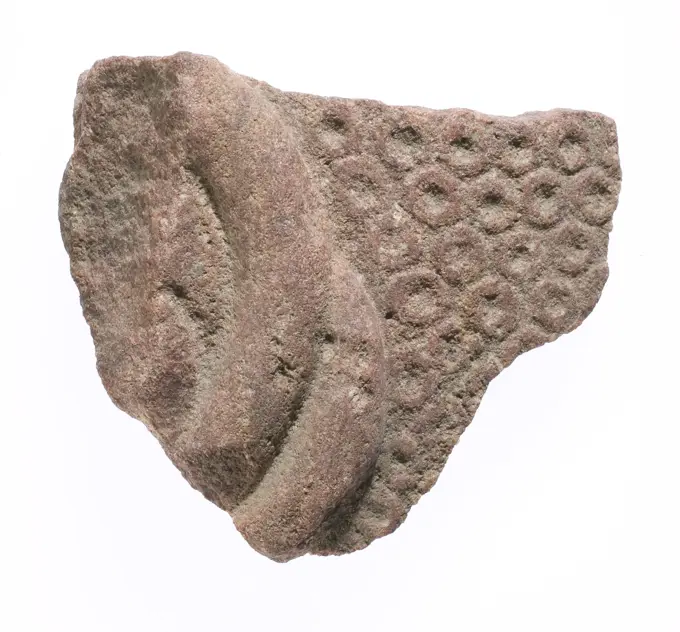
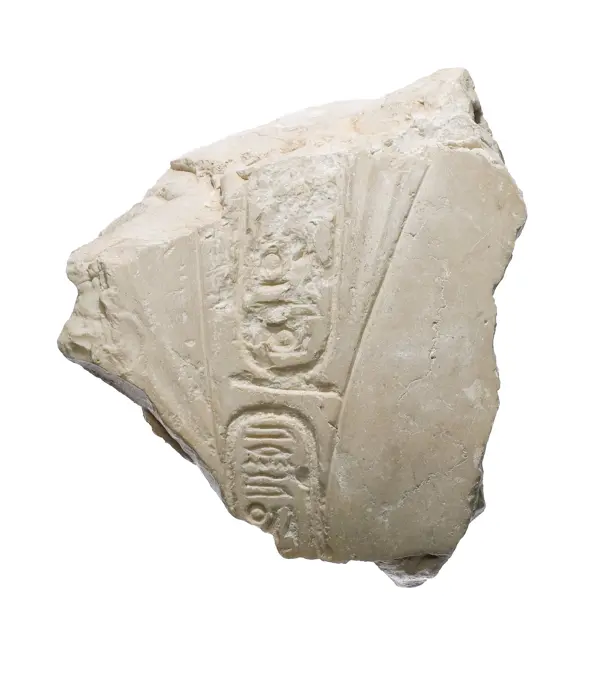
Crown with discs and uraeus coils ca. 1353-1336 B.C. New Kingdom, Amarna Period. Crown with discs and uraeus coils 567664
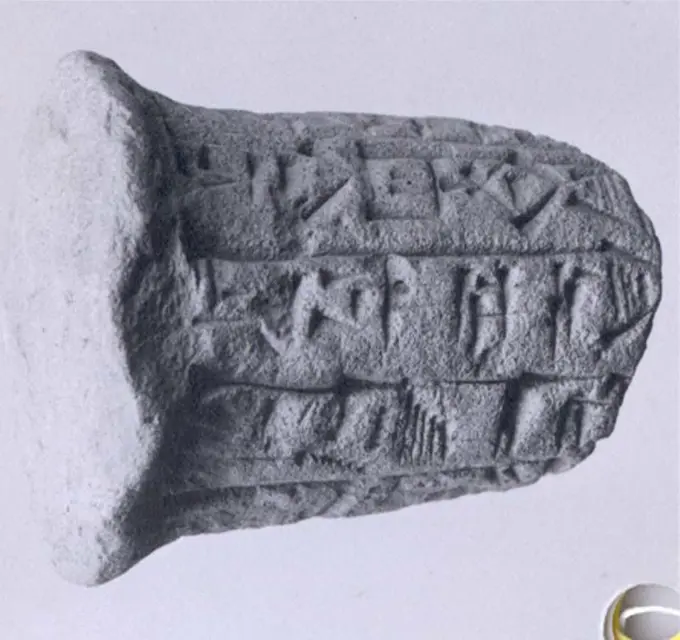
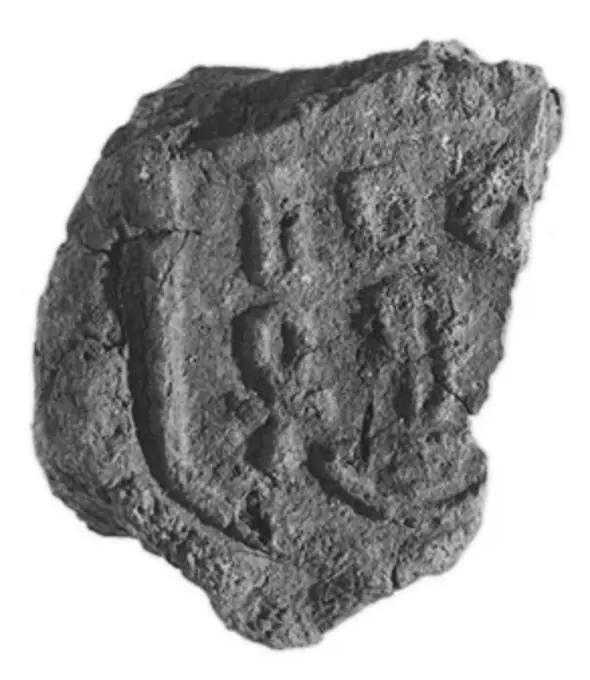
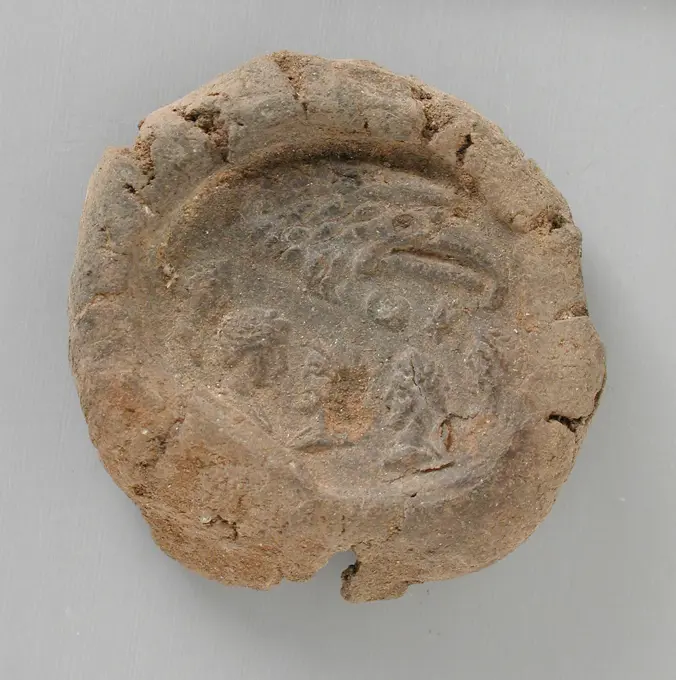
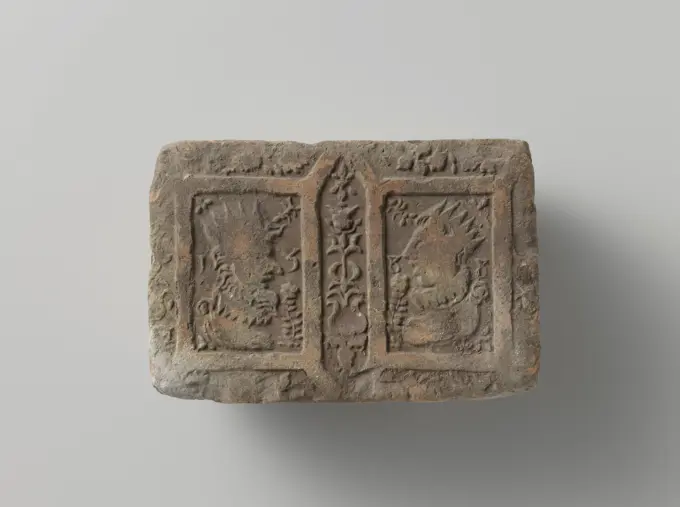
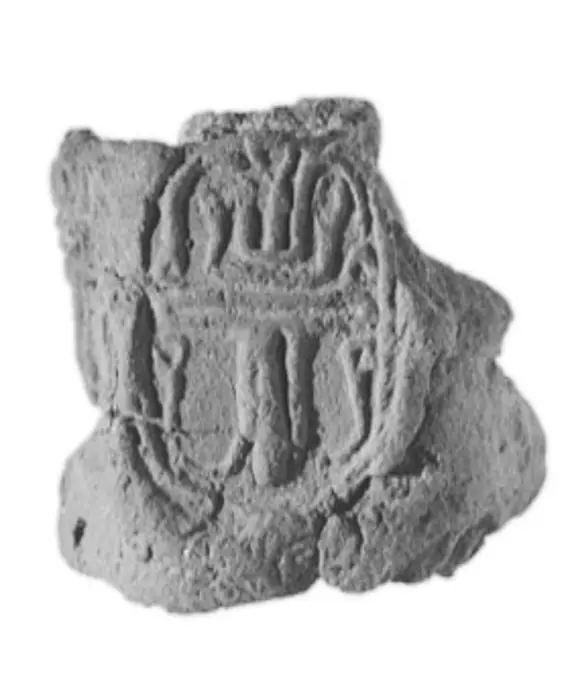
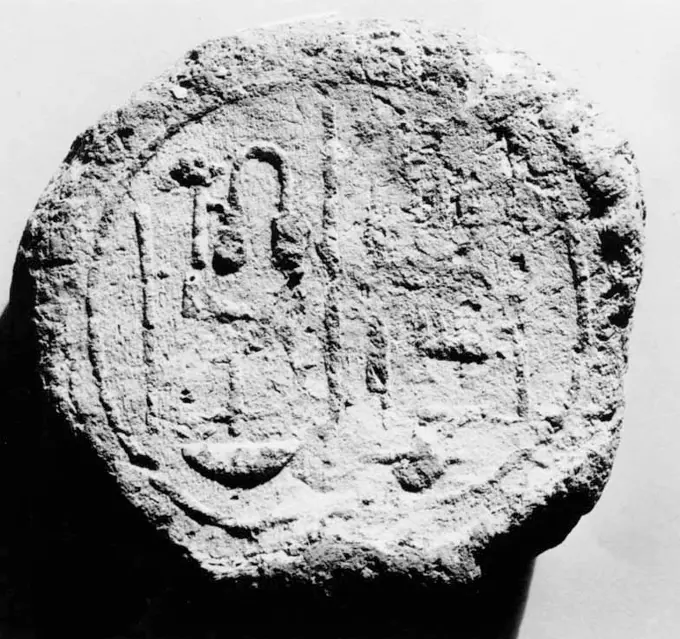
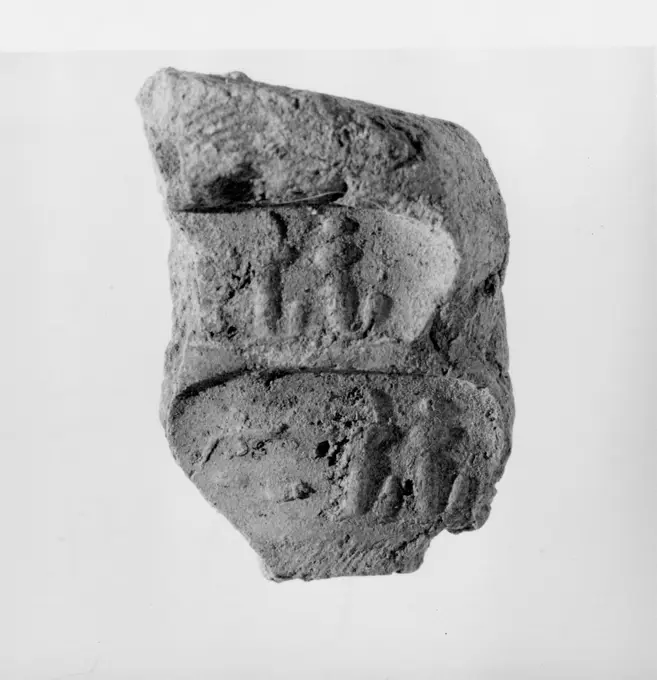
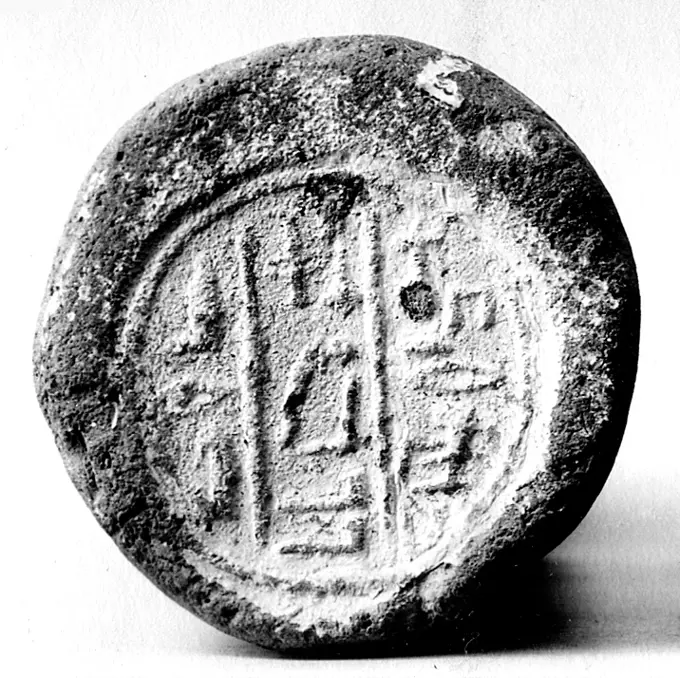
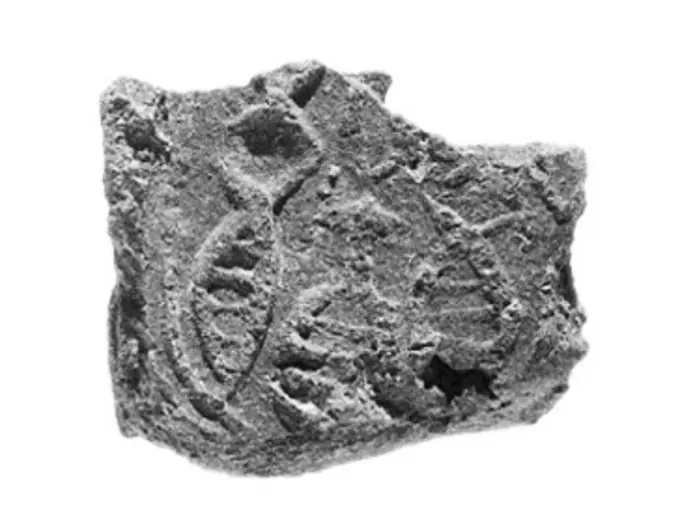
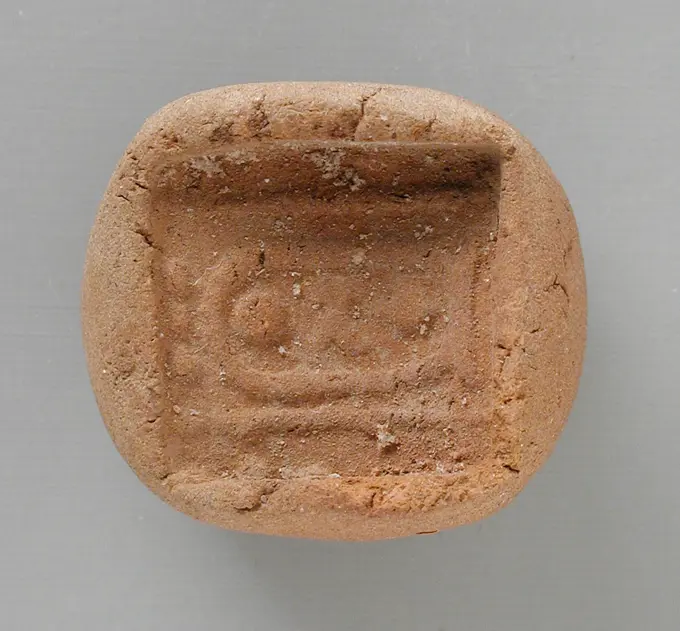
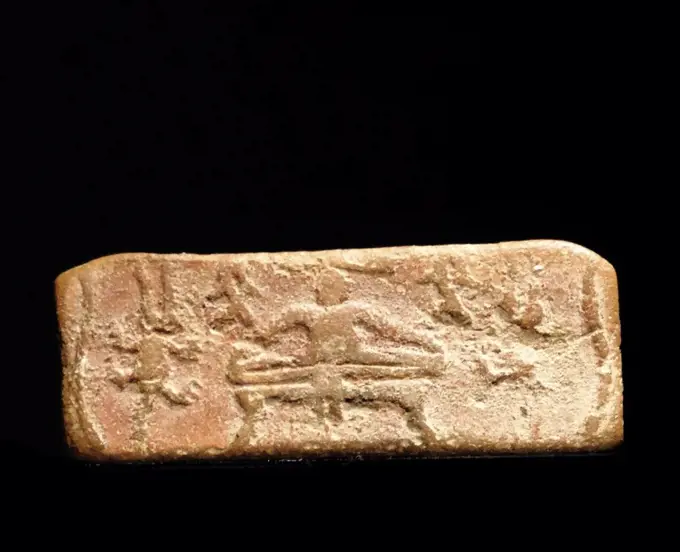
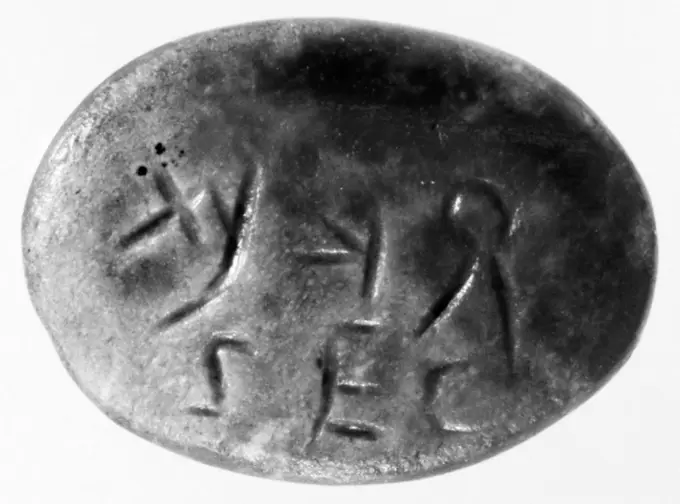
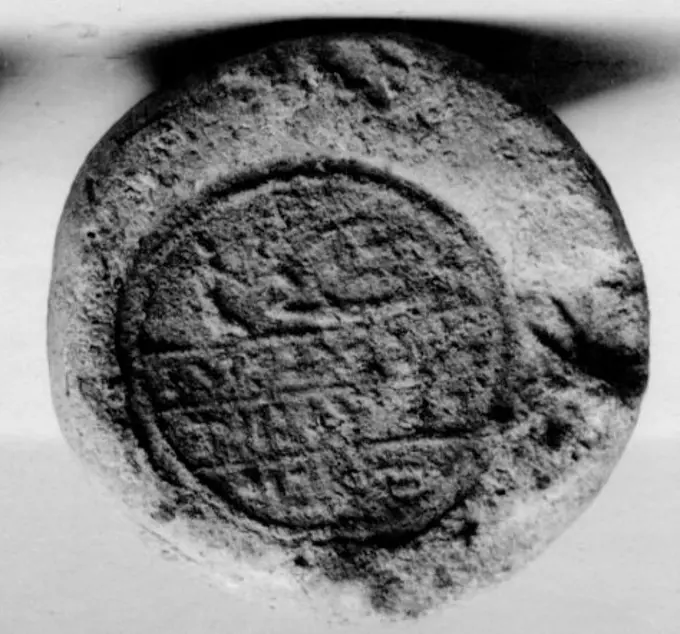
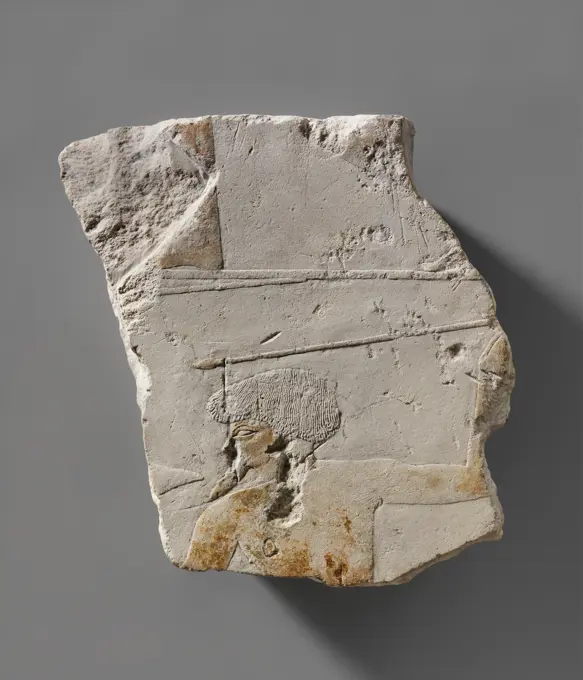
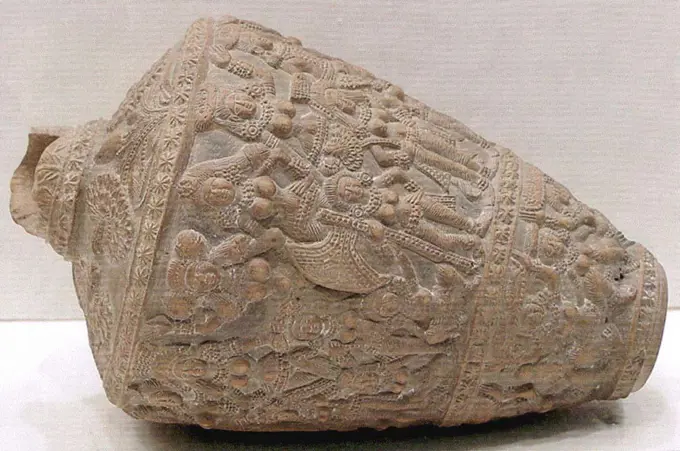
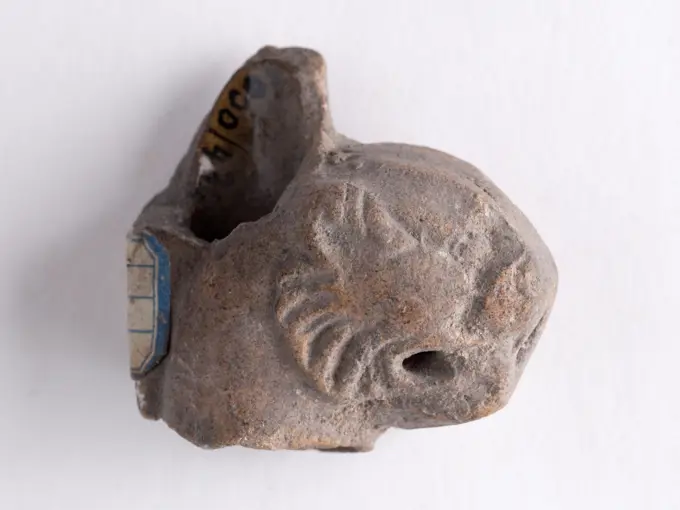
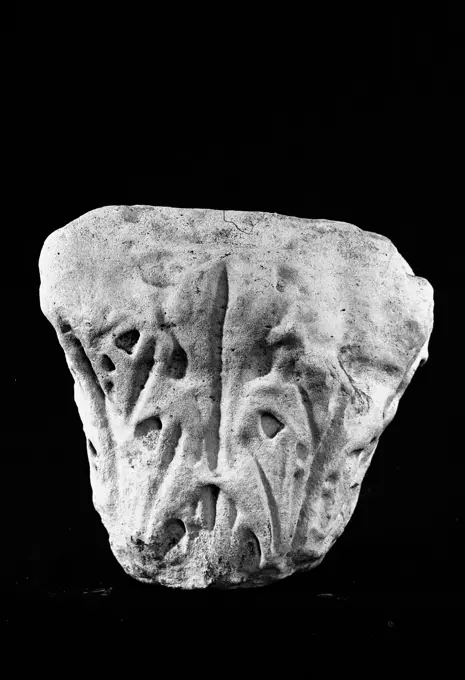
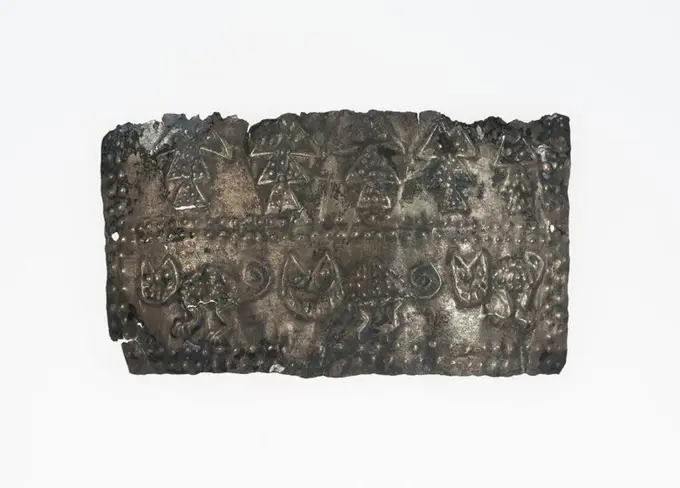
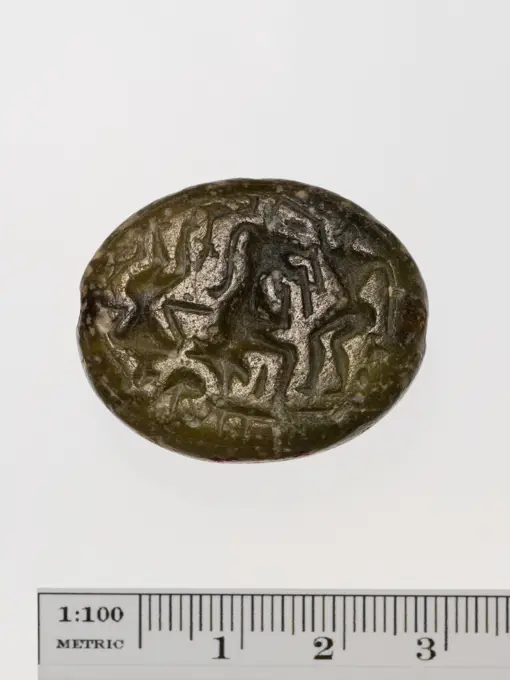
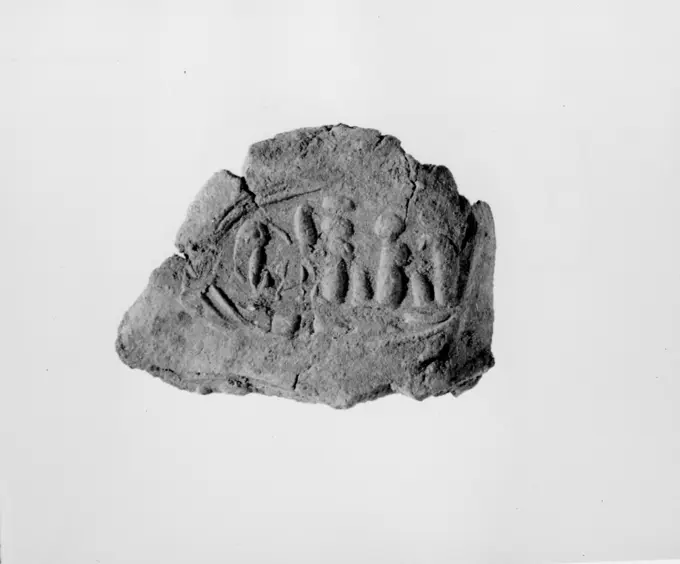
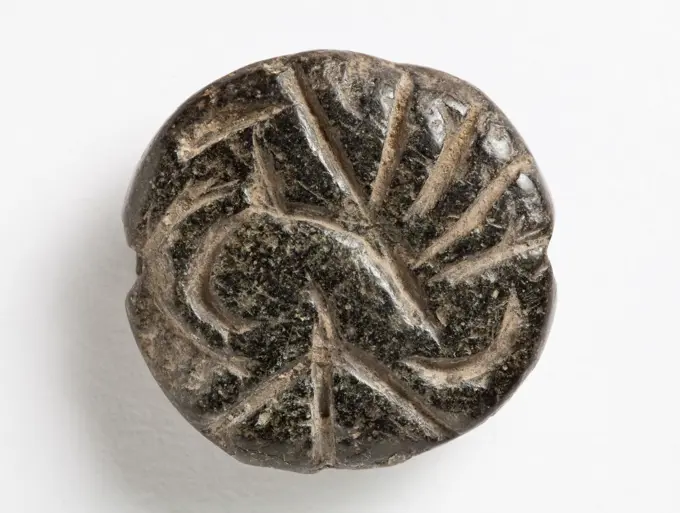
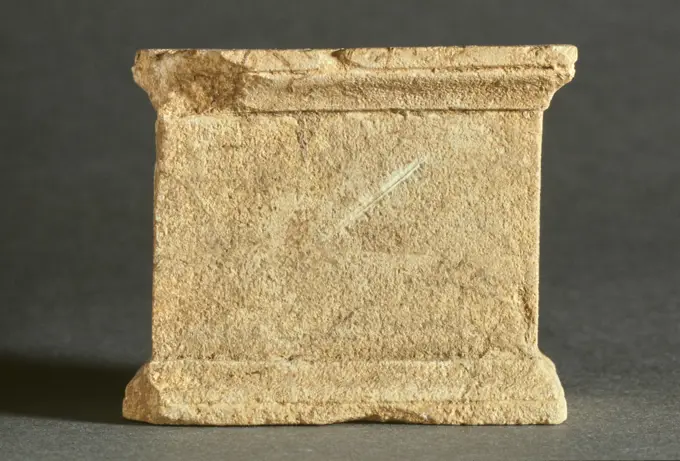
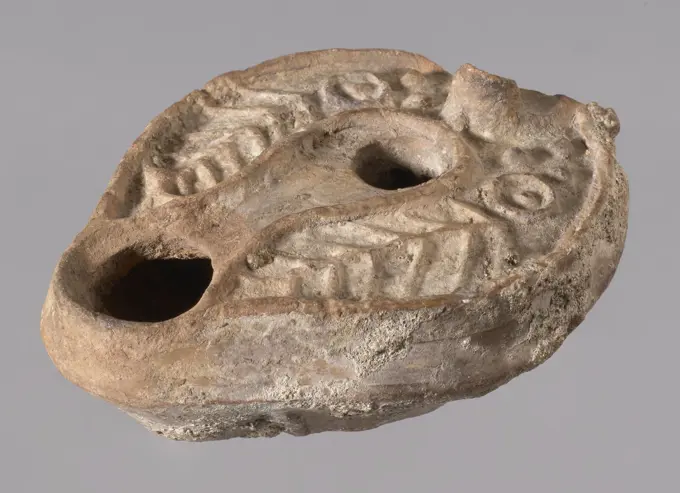
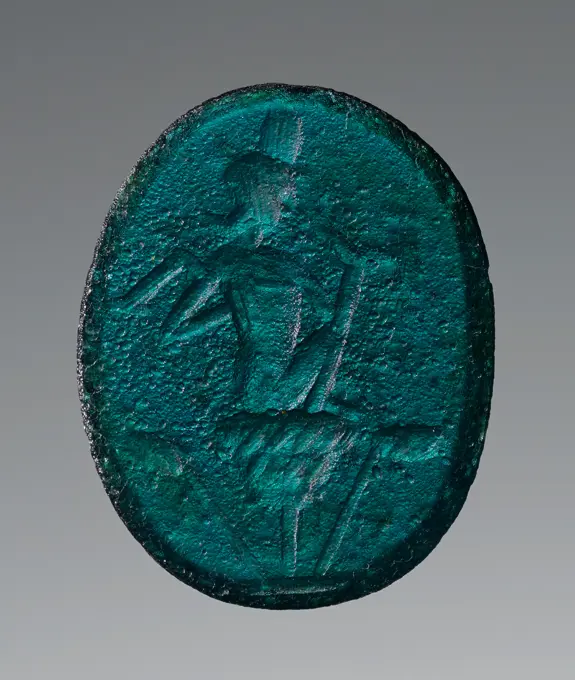
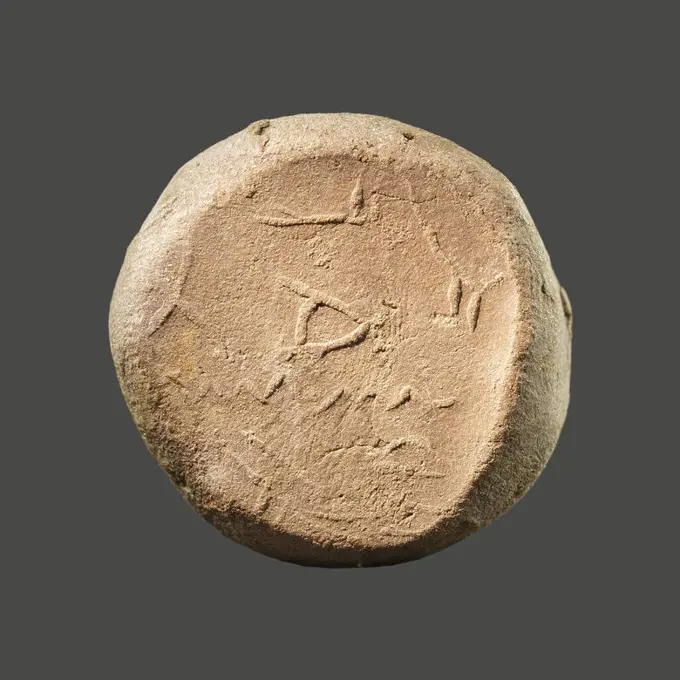
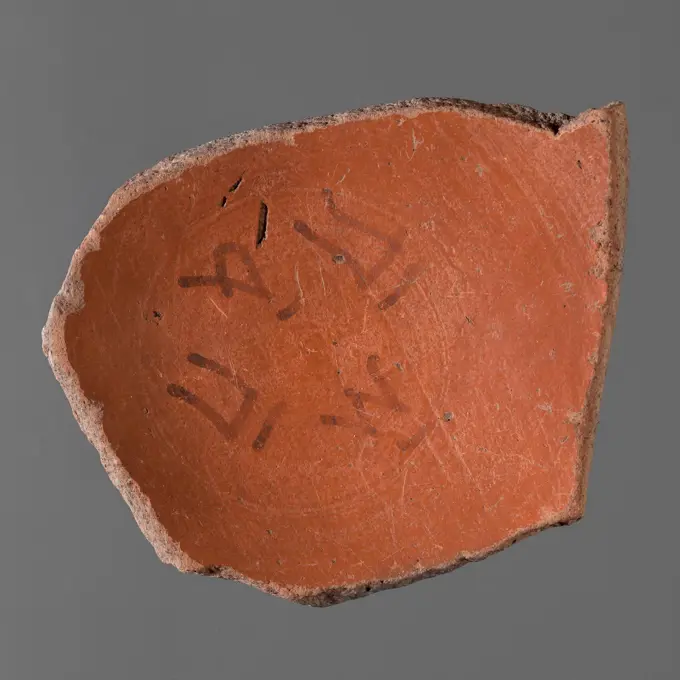
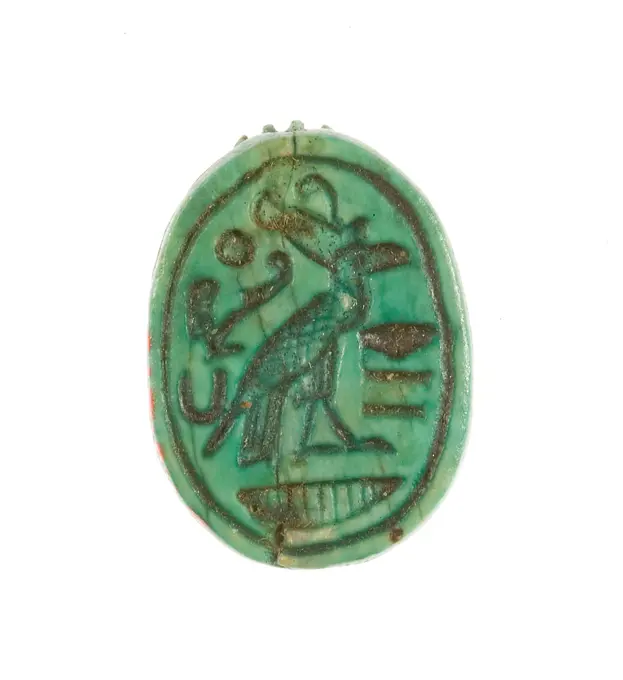
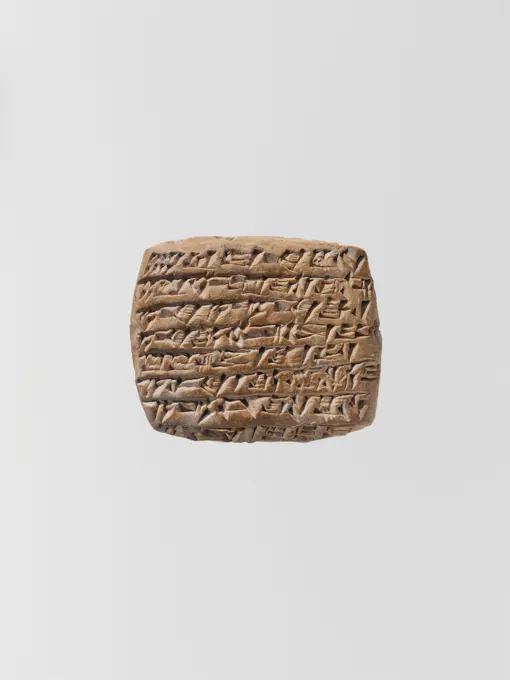
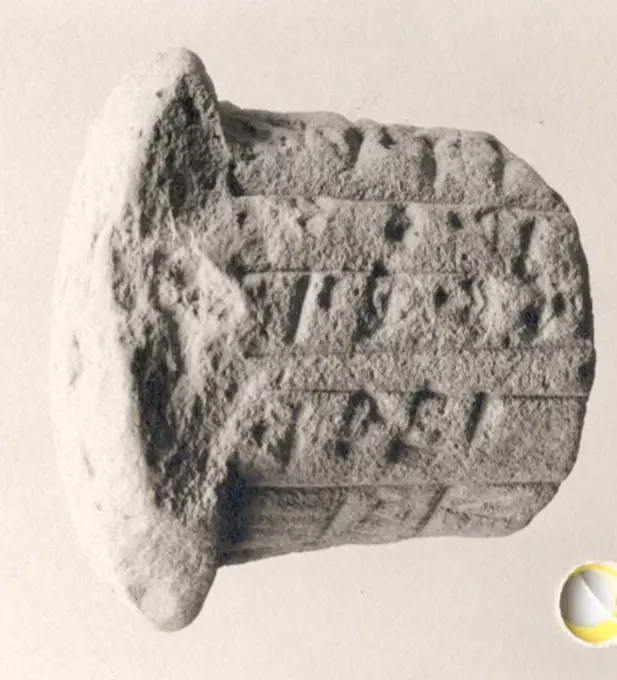
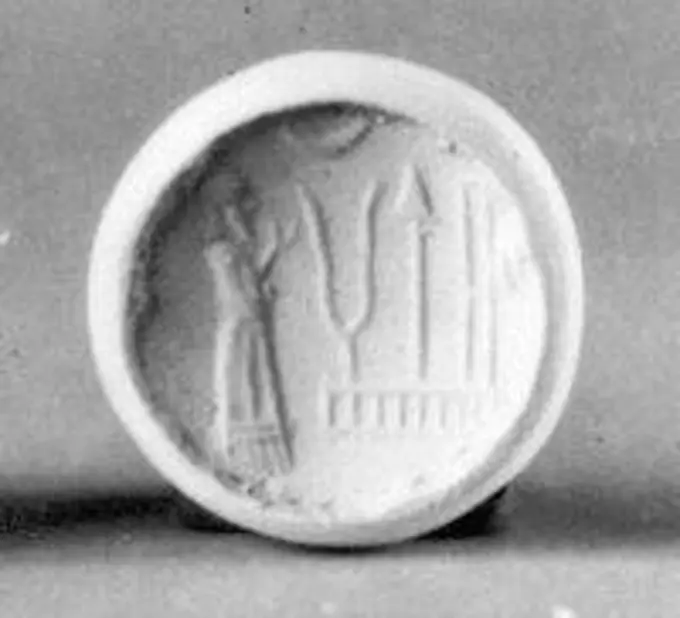
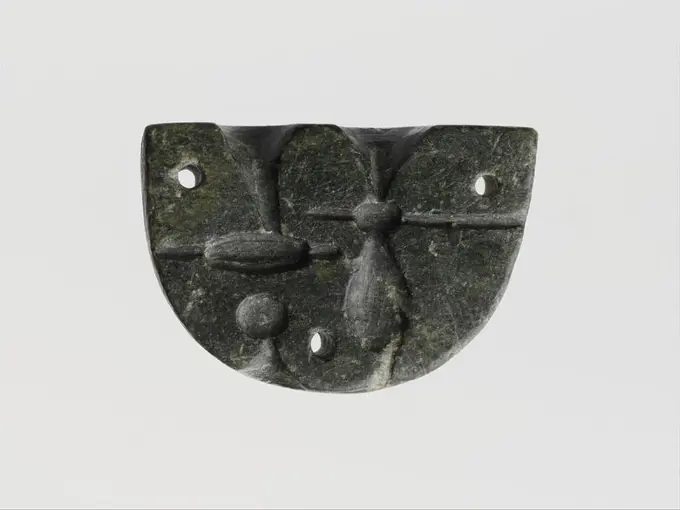
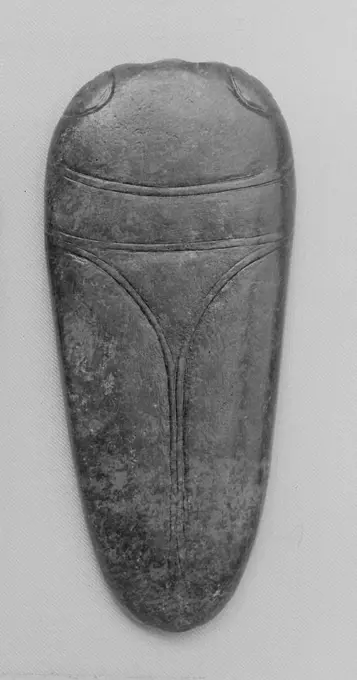
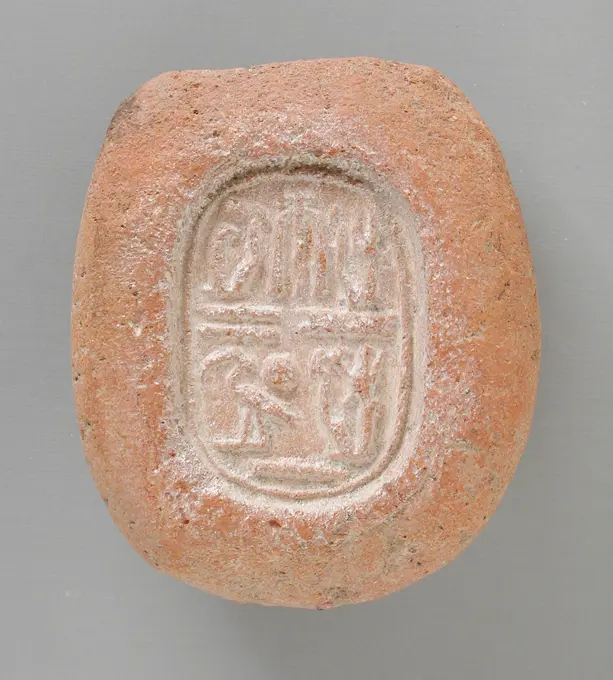
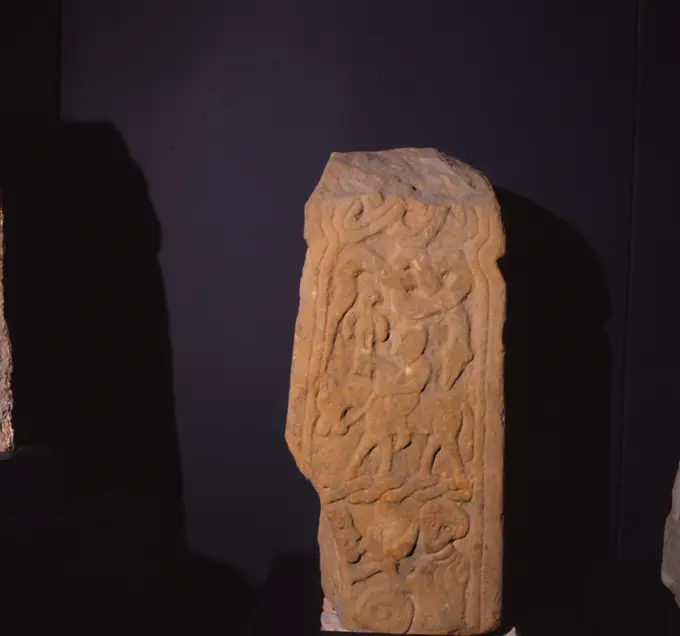
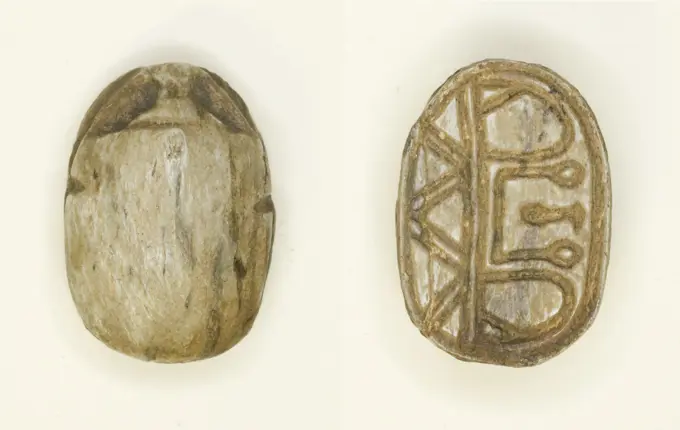
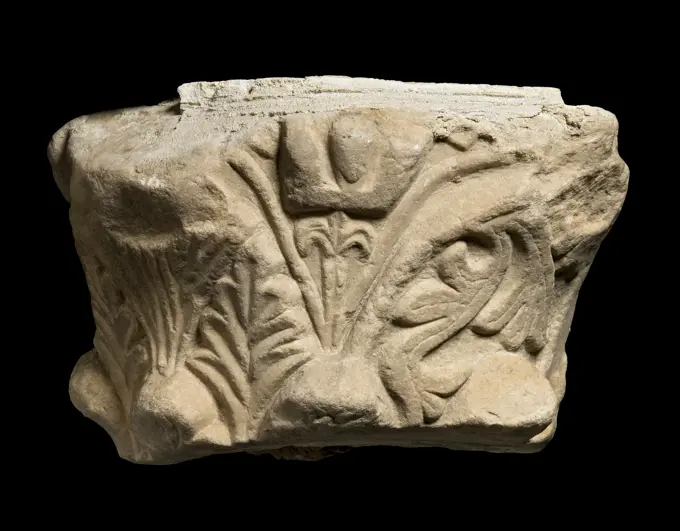
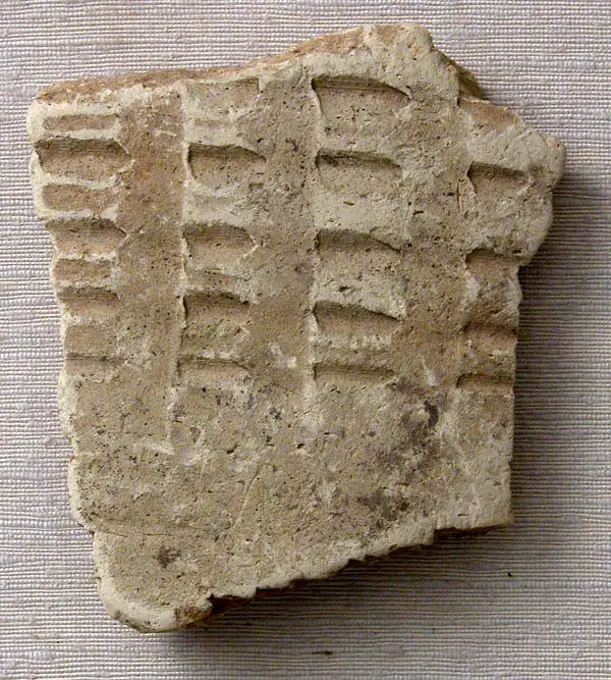
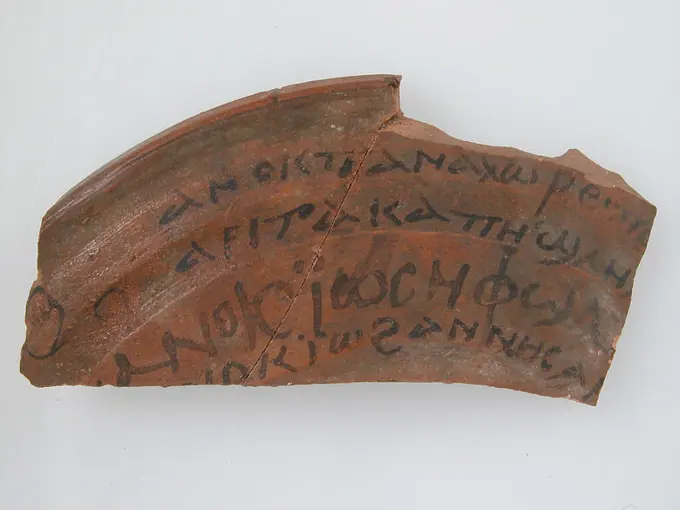
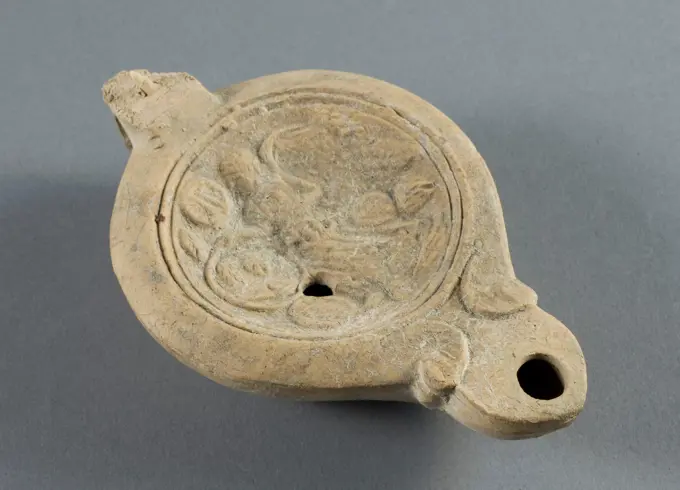
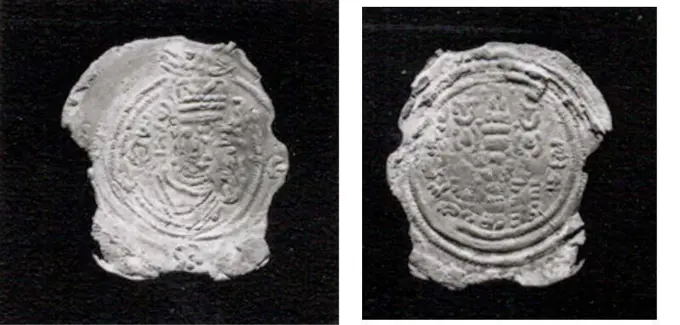
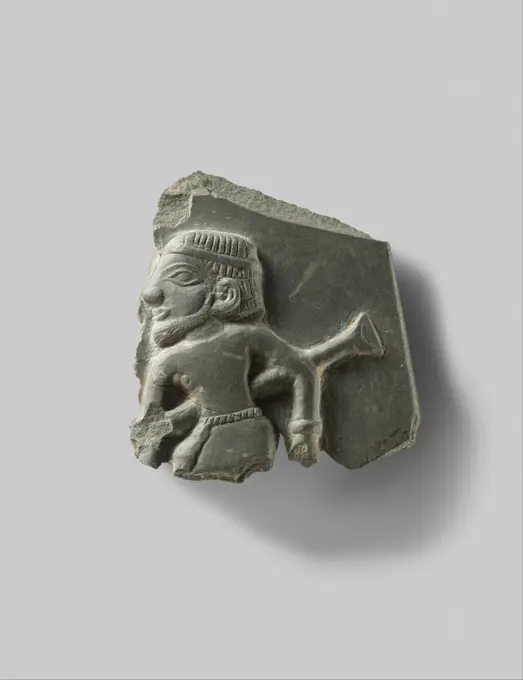
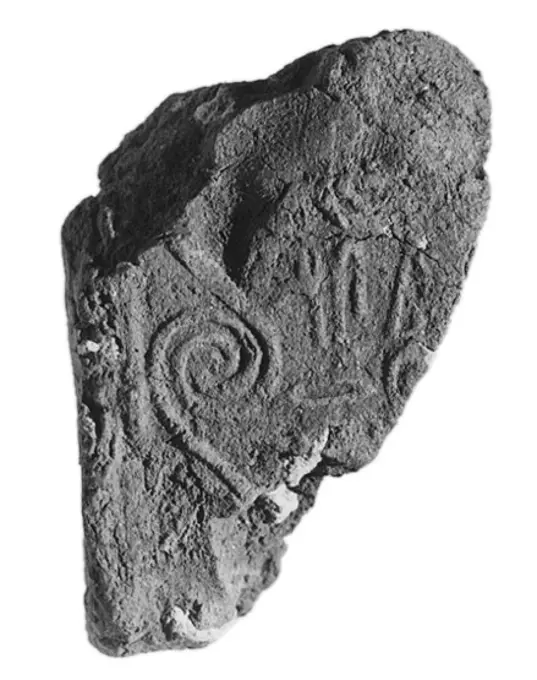
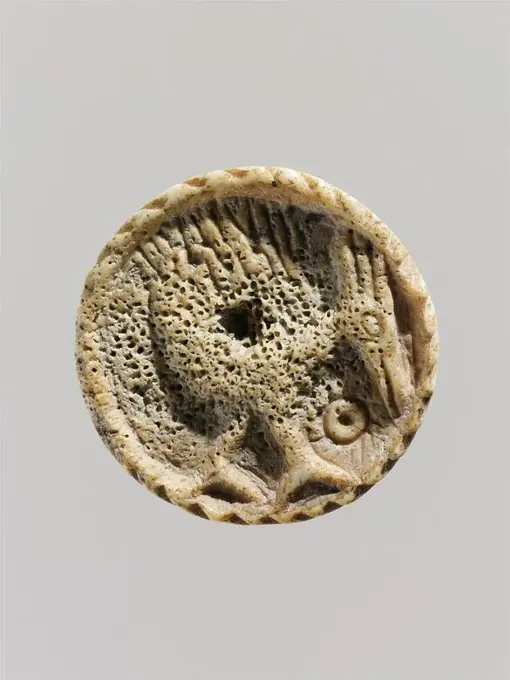
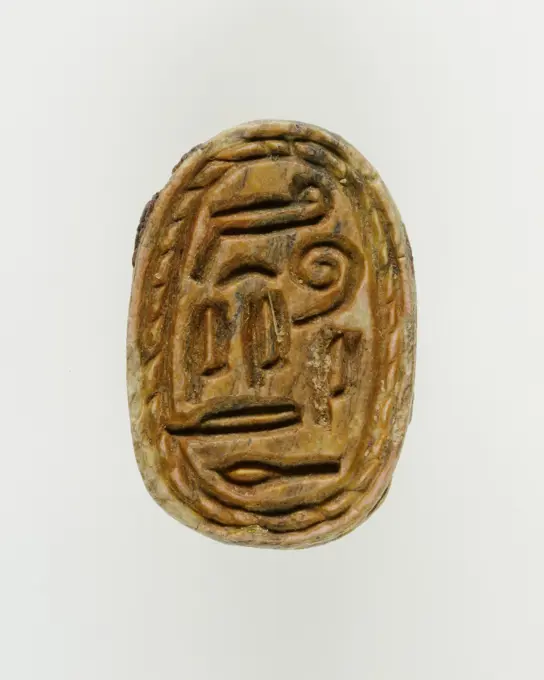
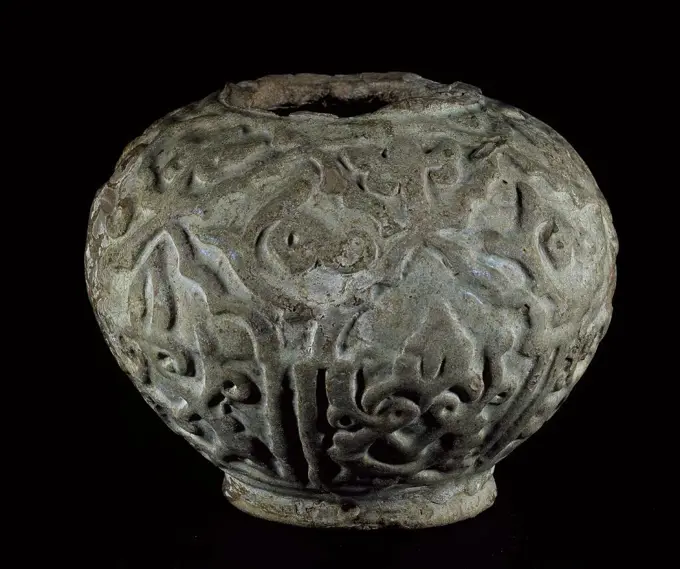
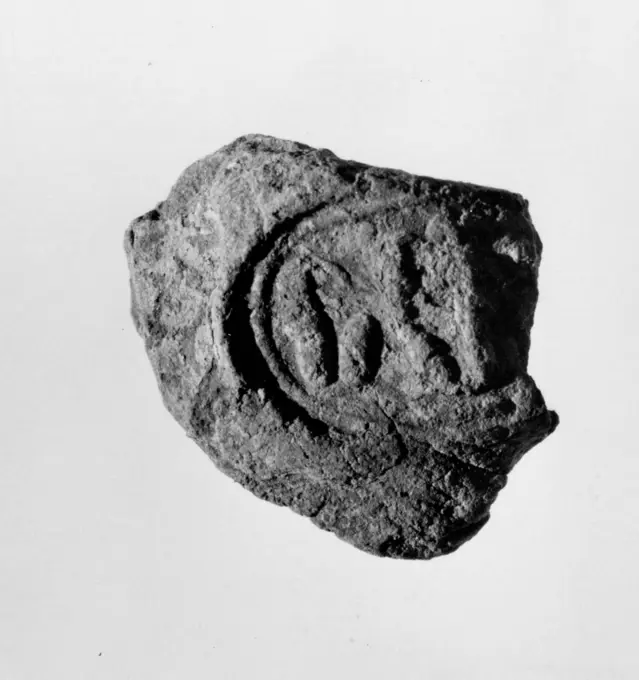
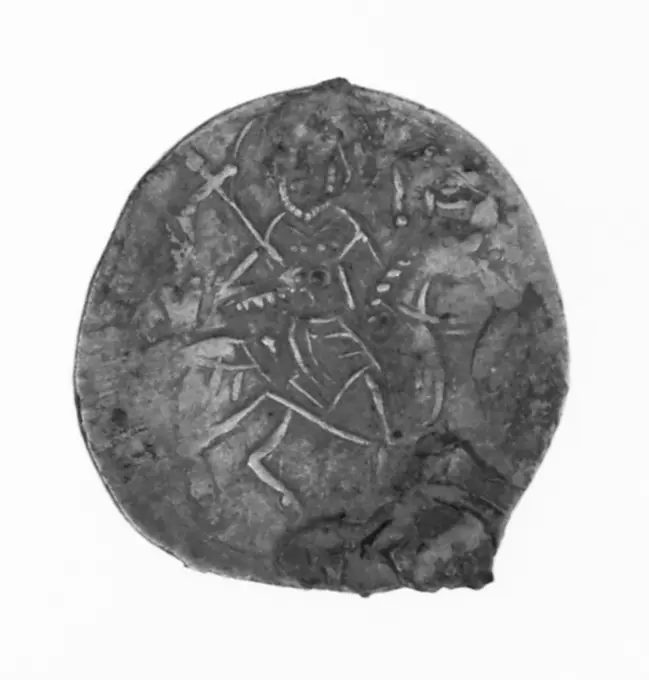
Unattributed Trebizond Coin. UnknownTabliczka klinowa ze spisem robotników. nieznany urzędnik babiloński, authorCrown with discs and uraeus coils ca. 1353-1336 B.C. New Kingdom, Amarna Period. Crown with discs and uraeus coils 567664Votive cone with cuneiform inscription of Gudea ca. 2090 B.C. Neo-Sumerian. Votive cone with cuneiform inscription of Gudea 321894Fireplace, on which a climbing lion between two lilies. Fireplace, on which a climbing lion between two lilies and the year 1564. Oilted edge. Of fine baked earth.Sealing ca. 2030-1640 B.C. Middle Kingdom. Sealing 565870Funerary Cone of the High Priest of Amun Hapuseneb ca. 1479-1458 B.C. New Kingdom This funerary cone is stamped with a seal inscribed for man named Hapuseneb who was high priest of the god Amun and seal-bearer of the king of Lower Egypt during the joint reign of the female pharaoh Hatshepsut and her nephew, Thutmose III. Hapusenb's tomb (TT 67) is in the Sheikh Abd el-Qurna cemetery of western Thebes. The tomb's facade seems to have been decorated with funerary cones stamped with two different, but similar, seals. In this example, the Inscription consists of three rows of hieroglyphs separated by raised lines. The second stamp has the same rows of hieroglyphs, but the separating lines have been omitted. For other examples of this second seal type, see cones 15.10.41 and 28.3.26. (CHR). Funerary Cone of the High Priest of Amun Hapuseneb. ca. 1479-1458 B.C.. Pottery. New Kingdom. From Egypt, Upper Egypt, Thebes. Dynasty 18Sealing ca. 1981-1640 B.C. Middle Kingdom. Sealing 564854Sealing ca. 2030-1640 B.C. Middle Kingdom. Sealing 565873Seal Impression Bearing an Eagle's Head and Five Emperor's Profiles. Egypt, Roman Period (30 BCE - 395 CE). Tools and Equipment; seals. Semi-baked clay with black scorchingHearing stone of baked earth with diamond -shaped distribution, with images of a king and queen surrounded with flowers and fruits, anonymous, 1588 Hearing stone of baked earth with diamond -shaped distribution. With square, image treasures of a king and a queen surrounded with flowers and fruits. With the year 1588. Almost entirely equal to BK-NM-9598. Southern Netherlands earthenware Hearing stone of baked earth with diamond -shaped distribution. With square, image treasures of a king and a queen surrounded with flowers and fruits. With the year 1588. Almost entirely equal to BK-NM-9598. Southern Netherlands earthenwareSealing ca. 2030-1640 B.C. Middle Kingdom. Sealing 565797Funerary Cone ca. 1550-1295 B.C. New Kingdom. Funerary Cone. ca. 1550-1295 B.C.. Pottery. New Kingdom. From Egypt, Upper Egypt, Thebes, Khokha, Tomb MMA  1, forecourt, MMA excavations, 1911. Dynasty 18Funerary Cone of the Scribe Amenhotep ca. 1550-1295 B.C. New Kingdom This cone has the impression of a stamp seal inscribed for a scribe named Amenhotep who was also an overseer of craftsmen of the god Amun. For a drawing of this impression see http://www.funerarycones.com/, number 315.. Funerary Cone of the Scribe Amenhotep Funerary Cone of the Scribe Amenhotep ca. 1550-1295 B.C. New Kingdom This cone has the impression of a stamp seal inscribed for a scribe named Amenhotep who was also an overseer of craftsmen of the god Amun. For a drawing of this impression see http://www.funerarycones.com/, number 315.. Funerary Cone of the Scribe Amenhotep. ca. 1550-1295 B.C.. Pottery. New Kingdom. From Egypt, Upper Egypt, Thebes. Dynasty 18Sealing fragment ca. 2030-1640 B.C. Middle Kingdom. Sealing fragment 565829Document Sealing With the Throne Name of Amenhotep III ca. 1390-1353 B.C. New Kingdom. Document Sealing With the Throne Name of Amenhotep III. ca. 1390-1353 B.C.. Mud. New Kingdom. From Egypt, Upper Egypt, Thebes, Malqata, West Villas, West Villa B, MMA excavations, 1910-12. Dynasty 18Hearing stone with image, anonymous, c. 1400 - c. 1950 Hearing stone with a representation of a warrior lying on the ground that is pierced by another. Southern Netherlands earthenware Hearing stone with a representation of a warrior lying on the ground that is pierced by another. Southern Netherlands earthenwareFunerary Cone of Nefretper ca. 1550-1295 B.C. New Kingdom This cone has the impression of a stamp seal inscribed for a royal cup-bearer named Nefretper. For another example of this type of seal see 04.2 353 and for a drawing of the impression see http://www.funerarycones.com/, number 213.. Funerary Cone of Nefretper Funerary Cone of Nefretper ca. 1550-1295 B.C. New Kingdom This cone has the impression of a stamp seal inscribed for a royal cup-bearer named Nefretper. For another example of this type of seal see 04.2 353 and for a drawing of the impression see http://www.funerarycones.com/, number 213.. Funerary Cone of Nefretper. ca. 1550-1295 B.C.. Pottery. New Kingdom. From Egypt, Upper Egypt, Thebes. Dynasty 18Bliżej Kultury Władysław Jagiełło (CA 1351 1434), Mint of KrakówSealing ca. 1981-1640 B.C. Middle Kingdom. Sealing 560394Belt with Aten cartouche from Akhenaten prostrate () ca. 1352-1336 B.C. New Kingdom, Amarna Period. Belt with Aten cartouche from Akhenaten prostrate () 549644Mold with Cartouche of King Apries. Egypt, Late Period, 26th Dynasty, reign of Apries (589 - 578 BCE). Tools and Equipment; molds. TerracottaTerracotta seal with a male cult figure; from the Indus Valley civilization at Mohenjo Daro; Indian Sub-continent; 2500-2300 B.C.Capital with Palm Leaves 6th-7th century. Capital with Palm Leaves 456159Engraved Gem. UnknownSealing ca. 1981-1640 B.C. Middle Kingdom. Sealing 560333Funerary Cone of the Chief of the Merchants Tjay ca. 1550-1295 B.C. New Kingdom This cone has the impressions of an oval stamp seal inscribed for a man named Tjay who was the chief of the merchants. For a drawing of the impression see http://www.funerarycones.com/, number 311.. Funerary Cone of the Chief of the Merchants Tjay Funerary Cone of the Chief of the Merchants Tjay ca. 1550-1295 B.C. New Kingdom This cone has the impressions of an oval stamp seal inscribed for a man named Tjay who was the chief of the merchants. For a drawing of the impression see http://www.funerarycones.com/, number 311.. Funerary Cone of the Chief of the Merchants Tjay. ca. 1550-1295 B.C.. Pottery. New Kingdom. From Egypt, Upper Egypt, Thebes. Dynasty 18Funerary Cone ca. 1550-1295 B.C. New Kingdom. Funerary Cone. ca. 1550-1295 B.C.. Pottery. New Kingdom. From Egypt, Upper Egypt, Thebes, Khokha, Tomb MMA  1, forecourt, MMA excavations, 1911. Dynasty 18Coin 718-814. Coin. 718-814. Copper. Excavated in Iran, Nishapur. CoinsFragment from a battle scene depicting a foreigner throwing a spear and holding a distinctive shield ca. 1961-1917 B.C. Middle Kingdom This fragment is a rare example of a Middle Kingdom battle scene and shows a Semitic man with curly hair and a pointed beard hurling a spear. The figure probably stood on top of the fortifications of a walled town that was under siege by the Egyptian army.. Fragment from a battle scene depicting a foreigner throwing a spear and holding a distinctive shield 544150Pot ca. 1st century B.C. India (Bengal). Pot. India (Bengal). ca. 1st century B.C.. Ceramic. Shunga period. CeramicsPendant: female head 5th century B.C. Italic Pendant in the shape of a female head in profile, facing left.. Pendant: female head 256071Bliżej Kultury Arkadiusz, Mint of ConstantinopleStatuette. Terracotta. High Empire. Felid's head. Paris, Carnavalet museum. 50053-13 High-Empire, statuette, terracotta, felid headUnfinished Scarab Uncertain. Unfinished Scarab 557508Hearing stone with men's head and the letters V i in Lauwerkrans, c. 1575 - c. 1625 Hearing stone with men's head and the letters V i in Lauwerkrans, placed in profiled window. A double -headed eagle in the half windows on the sides. The half windows on the top and bottom are filled with half medallions with star motif. Southern Netherlands earthenware Hearing stone with men's head and the letters V i in Lauwerkrans, placed in profiled window. A double -headed eagle in the half windows on the sides. The half windows on the top and bottom are filled with half medallions with star motif. Southern Netherlands earthenwareStone Adedso Tank Fragment Decores Acanthic Leaves, Unknown Provenance, Second Holidays from XII CENTURY (Cat HC 2) Anonymous. Stone-backed marquee fragment decorated with acanthic leaves, unknown provenance, second half of the twelfth century (Cat. HC 2). Pierre.Terracotta shell ca. 2200-1050 B.C. Minoan Pendant in the shape of a clay shell.. Terracotta shell 252336 Minoan, Terracotta shell, ca. 22001050 B.C., Clay, L. 1 1/4 in. (3.3 cm). The Metropolitan Museum of Art, New York. Bequest of Richard B. Seager, 1926 (26.31.410)Fragment of a Band with Raised Relief Depicting Felines and Fish. Possibly Chimú; North coast, Peru. Date: 1000-1470. Dimensions: L. 5.7 cm (2 1/4 in.). Silver. Origin: Peru. Museum: The Chicago Art Institute, Chicago, USA.Stamp Roller 9th-15th century Manteño. Stamp Roller 317708Appliqué for a funeral couch. UnknownSealing fragment ca. 2030-1640 B.C. Middle Kingdom. Sealing fragment 565830Fragment wylewu misy. nieznany warsztat północno mezopotamski, workshopSpindle Whorl, 700s - 900s. Iran, early Islamic period, 8th - 10th century. Bone, incised; overall: 0.5 x 3 x 3 cm (3/16 x 1 3/16 x 1 3/16 in.).Shard with Three Goddesses ca. 3rd century B.C. India. Shard with Three Goddesses 38363Funerary Cone of the Scribe Kanakht ca. 1550-1295 B.C. New Kingdom This cone has the impression of a stamp seal inscribed for a scribe named Kanakht. For a drawing of this impression see http://www.funerarycones.com/, number 534.. Funerary Cone of the Scribe Kanakht Funerary Cone of the Scribe Kanakht ca. 1550-1295 B.C. New Kingdom This cone has the impression of a stamp seal inscribed for a scribe named Kanakht. For a drawing of this impression see http://www.funerarycones.com/, number 534.. Funerary Cone of the Scribe Kanakht. ca. 1550-1295 B.C.. Pottery. New Kingdom. From Egypt, Upper Egypt, Thebes. Dynasty 18Steatite scaraboid seal 8th century B.C. Greek Flattened scaraboid of green, translucent steatite, perforated horizontally. Two men, in reversed positions, on either side of a large quadruped. The latter has its mouth wide open and is perhaps a lion, for ot has a long, tufted tail; but the long, erect ears (or horns) make the identity uncertain. In the field are other, nondescript animals and ornaments.. Steatite scaraboid seal. Greek. 8th century B.C.. Steatite. Geometric. GemsBliżej Kultury Mint of Kraków, Władysław Warneńczyk (King of Poland, 1434 1444)Document Sealing With the Throne Name of Amenhotep III ca. 1390-1353 B.C. New Kingdom. Document Sealing With the Throne Name of Amenhotep III. ca. 1390-1353 B.C.. Mud. New Kingdom. From Egypt, Upper Egypt, Thebes, Malqata, King's Palace, West magazine, MMA excavations, 1910-12. Dynasty 18Button ca. 3rd-7th century A.D. Sasanian. Button 323085Stamp Seal, Hemispheroid. Western Iran, about 4th millennium B.C.. Tools and Equipment; seals. Brown serpentineBoss ca. 9th century B.C. Iran. Boss. Iran. ca. 9th century B.C.. Copper, bronze. Iron Age II. Iran, HasanluBliżej Kultury Mint of Kraków, Władysław Warneńczyk (King of Poland, 1434 1444)Altar. UnknownUnattributed Trebizond Coin. UnknownBelt Buckle Plate 6th-7th century Frankish. Belt Buckle Plate 465042 Frankish, Belt Buckle Plate, 6th7th century, Iron, silver and brass inlay, Overall: 1 7/16 x 1 3/8 x 5/16 in. (3.6 x 3.5 x 0.8 cm). The Metropolitan Museum of Art, New York. Gift of J. Pierpont Morgan, 1917 (17.191.328)Scarab Rabbit with Hathor Sistrum 1550 BCE-525 BCE Egypt. Steatite . Ancient EgyptianOil lamp. unknown, craftsmanEngraved Gem. UnknownReference sealing. Dimensions: L. 3 cm (1 3/16 in.). Dynasty: Dynasty 12. Reign: early reign of Senwosret I. Date: ca. 1961-1954 B.C..Small lumps of clay were often used to seal goods or documents. They are called sealings. On one side they often bear an impression of the seal used, while another side can show an impression of the object itself or of its closing mechanism (such as a string). This lump of clay bears a seal impression, but its conical shape suggests that it was never attached to an object. It can therefore be identified as a reference sealing, which was used to verify the authenticity of sealings that were attached to documents or goods. Or it could have been used as proof of authorization for certain dealings. This reference seal was found together with two others (25.3.267b, c) and a third one (26.3.282) was discovered in another area of the same tomb. The reference sealing here shows an impression from the same seal as 25.3.267c that reads "Storehouse of the Great (GFragment of the bowl on the foot; Unknown Nubian workshop; 2. PO. XII-XV century (1151-00-00-1500-00-00);inscribed ceramics, nuub ceramics, inscriptions, bowls on the foot, nubian vesselsfragments of an altar or small decorated cipo, hero emerging from the vegetation surrounded by rays, 5th century BC, Oppidum de Puente Tablas, Iberian culture, Iberian Museum of Jaén, Andalusia, Spain.Scarab Lord of the Two Lands Maatkare (Hatshepsut), with Nekhbet Vulture Wearing the Double Crown ca. 1479-1458 B.C. New Kingdom. Scarab Lord of the Two Lands Maatkare (Hatshepsut), with Nekhbet Vulture Wearing the Double Crown. ca. 1479-1458 B.C.. Steatite (glazed). New Kingdom. From Egypt, Upper Egypt, Thebes, Deir el-Bahri, Temple of Hatshepsut, Foundation Deposit 7 (G), MMA excavations, 1926-27. Dynasty 18, earlyCuneiform tablet: quittance ca. 20th-19th century B.C. Old Assyrian Trading Colony. Cuneiform tablet: quittance 325856Votive cone with cuneiform inscription of Gudea ca. 2090 B.C. Neo-Sumerian. Votive cone with cuneiform inscription of Gudea 321893Stamp Seal, Semi-Bulla-Shaped. Northern Syria, 10th-8th century B.C.. Tools and Equipment; seals. Brown serpentineUpper fragment of the gara; Unknown Nubian workshop; 1. PO. VIII century (701-00-00-750-00-00);Faras (Sudan), relief decorations, architectural elements, rosettes (ornament), Nubian crafts, Polish excavations in Faras (Sudan), HungaryCylinder seal ca. 15th-14th century B.C. Mitanni. Cylinder seal 324355Bliżej Kultury Władysław Jagiełło (CA 1351 1434), Mint of KrakówCosmetic palette ca. 1st century B.C.-A.D. 1st century Parthian. Cosmetic palette. Parthian. ca. 1st century B.C.-A.D. 1st century. Stone. Parthian. MesopotamiaStamp seal (conoid) with cultic scene late 8th - 6th century B.C. Assyro-Babylonian. Stamp seal (conoid) with cultic scene. Assyro-Babylonian. late 8th - 6th century B.C.. Blue Chalcedony (Quartz). Neo-Assyrian / Neo-Babylonian. MesopotamiaScarab of Ramesses II ca. 1295-1070 B.C. New Kingdom, Ramesside. Scarab of Ramesses II 559956Lead ornament in the form of a rosette 6th-5th century B.C. Greek, Laconian Small flat votive figurines of cast lead have been found in great quantities at the ancient sanctuaries of Laconia; over one hundred thousand, dating from the seventh century B.C. to the Classical period, were dedicated to the goddess Artemis Orthia in Sparta.. Lead ornament in the form of a rosette 251702 Greek, Laconian, Lead ornament in the form of a rosette, 6th5th century B.C., Lead, Diameter: 7/16 in. (1.2 cm). The Metropolitan Museum of Art, New York. Gift of A. J. B. Wace, 1924 (24.195.136)Basement with hourglass, basement ornament building component limestone stone, sculpted Basement with rectangular top and bottom. In the middle inverted balustrade. At the front an hourglass flanked by curls. Roughly made timeFeature with image, Anonymous, 1587 Fireplace with an image of two royal busts; A man and a woman and the year 1587. Southern Netherlands earthenware Fireplace with an image of two royal busts; A man and a woman and the year 1587. Southern Netherlands earthenwareSerpentine mold for casting bead pendants. Culture: Minoan. Dimensions: Overall: 1 3/4 x 1 1/4 in. (4.5 x 3.1 cm). Date: ca. 1600-1400 B.C..This piece is half of a bivalve mold. The two parts were attached by the three holes, visible at the top and bottom. The funnel-shaped cuttings along the straight edge are the sprues through which the liquid metal was poured into the mold. Museum: Metropolitan Museum of Art, New York, USA.Edging 18th century possibly Flemish. Edging. possibly Flemish. 18th century. Bobbin lace. Textiles-LacesInskrypcja Hezykiasa. unknown, Nubian workshopCicada late 19th to early 20th century China. Cicada 43029Stamp, Gabled with Rounded Back. Northern Syria or southeast Anatolia, circa 3500 - 3100 B.C.. Tools and Equipment; stamps. Black serpentine rockMold with Name of King Ramses VIII. Egypt, New Kingdom, 20th Dynasty, reign of Ramses VIII (1141 - 1139 BCE). Tools and Equipment; molds. TerracottaViking Cross-Shaft Fragment from Sockburn, County Durham, 10th century. Artist: Unknown.Scarab Floral Motifs, Hieroglyphs, and Geometric Designs 1650 BCE-1550 BCE Egypt. Steatite . Ancient EgyptianCapital ca. 1130-40 Catalan. Capital 470950Sherds ca. 3rd-7th century A.D. Sasanian. Sherds 328951Ostrakon. Culture: Coptic. Dimensions: 2 3/4 x 5 1/16 in. (7 x 12.8 cm). Date: 600. Museum: Metropolitan Museum of Art, New York, USA.Lamp 1 CE-200 CE Italy. terracotta . Ancient RomanCoin ca. 7th-8th century A.D. Islamic. Coin. Islamic. ca. 7th-8th century A.D.. Copper. early Islamic. Iran, Qasr-i Abu NasrPendant depicting Horus A.D. 3rd-4th century Roman Period. Pendant depicting Horus. A.D. 3rd-4th century. Lead. Roman Period. From EgyptFragment of a ceremonial palette illustrating a man and a type of staff ca. 3200-3100 B.C. Predynastic, Late Naqada III. Fragment of a ceremonial palette illustrating a man and a type of staff 547391Administrative Seal ca. 1981-1640 B.C. Middle Kingdom. Administrative Seal. ca. 1981-1640 B.C.. Clay (unfired). Middle Kingdom. From Egypt, Memphite Region, Lisht South, South of the tomb of Imhotep, north of the royal causeway, MMA excavations, 1930-31. Dynasty 12-13Snuifrasp made of palmhout cut with two lions at the top, anonymous, 1770 Snuiftrasp made of palmhout cut with two lions at the top that wear a crown with the letters i.i.p. Below that a crown -bearing double eagle. Below 1770. Around surrounded by ornaments.  boxwood Snuiftrasp made of palmhout cut with two lions at the top that wear a crown with the letters i.i.p. Below that a crown -bearing double eagle. Below 1770. Around surrounded by ornaments.  boxwoodGame Piece with a Bird. Culture: French. Dimensions: Overall: diam. 1 9/16 x 7/16 in. (diam. 4 x 1.1 cm). Date: ca.1050. Museum: Metropolitan Museum of Art, New York, USA.Scarab of an Official ca. 1760-1670 B.C. Middle Kingdom Administrative changes during Dynasty 12 lead to an increase in bureaucracy and, subsequently, in the production and use of seals. This is reflected in the beginning of the mass production of scarabs, the most popular shape for amulets, in late Dynasty 12 through Dynasty 13 (ca. 1850-1640 B.C.). Thousands of these late Middle Kingdom scarabs bear the names and titles of officials, who would wear them as amulets, but who could also use them to seal documents, containers or doors. However, the scarabs primary function remained that of a protective amulet. Several inscriptions add a funerary epithet to the owners name, indicating that the amulet was manufactured after the owner had passed away. An inscription, surrounded by a decorative rope border, mentions the name and titles of Ay, a chief of police. His name is followed by an epithet.. Scarab of an Official 557044REDOMA CON EL GOLLETE PERDIDO DECORADA CON RELIEVES AL ESTILO ALMOHADE - SIGLO XII - CERAMICA DE AL-ANDALUS. Location: INSTITUTO VALENCIA DE DON JUAN-COLECCION. MADRID. SPAIN.Menat fragment ca. 1479-1458 B.C. New Kingdom. Menat fragment. ca. 1479-1458 B.C.. Faience. New Kingdom. From Egypt, Upper Egypt, Thebes, Deir el-Bahri, Hatshepsut Hole, Hathor Shrine, MMA excavations, 1922-23. Dynasty 18Amulet, Duamutef 304 B.C.-A.D. 364 Ptolemaic or Roman Period. Amulet, Duamutef. 304 B.C.-A.D. 364. Faience. Ptolemaic or Roman Period. From EgyptVase fragment Minoan. Vase fragment 247790Document Sealing With the Throne Name of Amenhotep III ca. 1390-1353 B.C. New Kingdom. Document Sealing With the Throne Name of Amenhotep III. ca. 1390-1353 B.C.. Mud. New Kingdom. From Egypt, Upper Egypt, Thebes, Malqata, West Villas, West Villa B, MMA excavations, 1910-12. Dynasty 18bracteate denarius. Zakon krzyżacki (1190-), issuer