Ancient Artifacts

A series of historical artifacts including oil lamps and decorative spoons, showcasing intricate details and cultural significance.
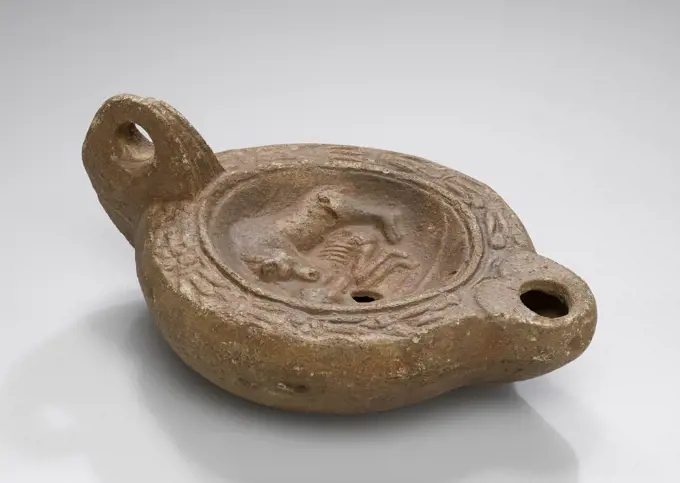
Lamp, North Africa; 1st - 4th century; Terracotta; 3 x 8 x 11.2 cm (1 3,16 x 3 1,8 x 4 7,16 in.)
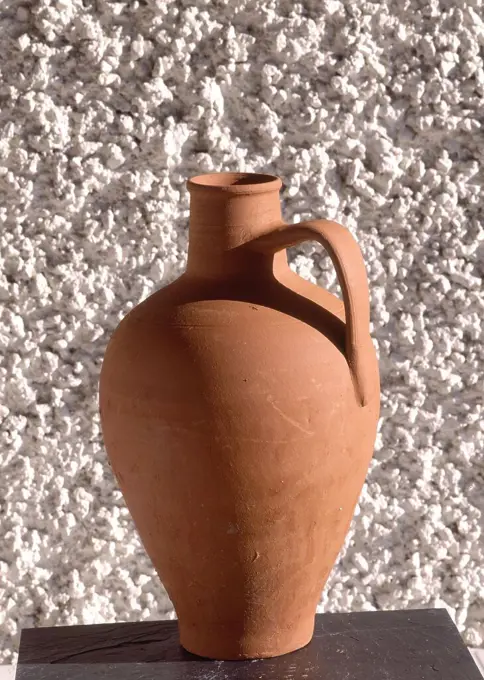
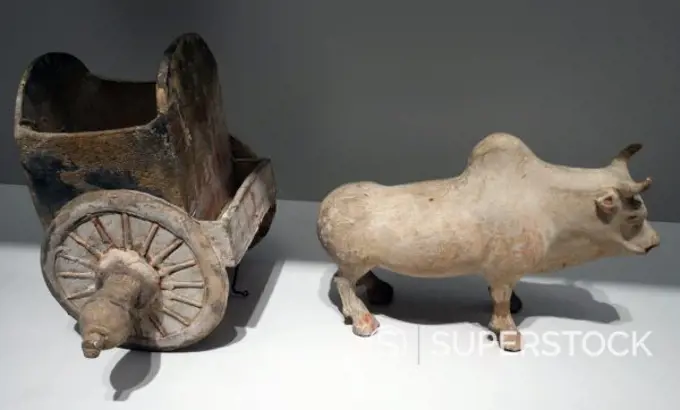
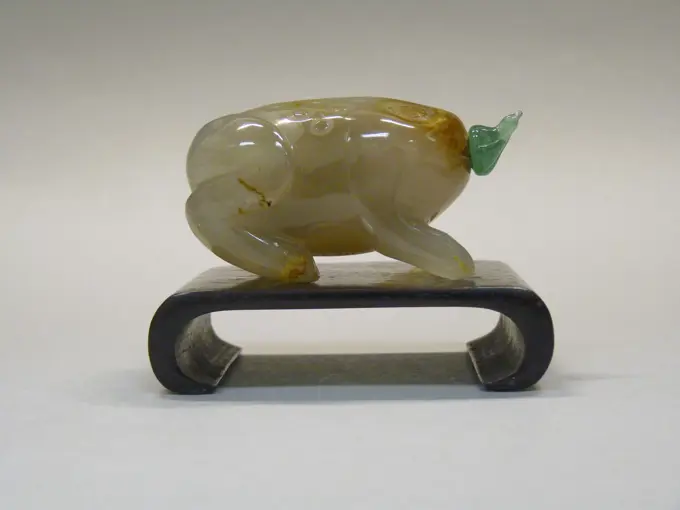
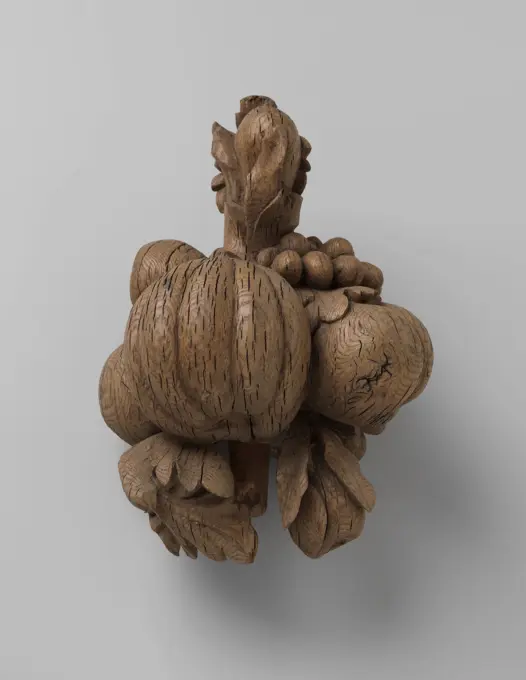
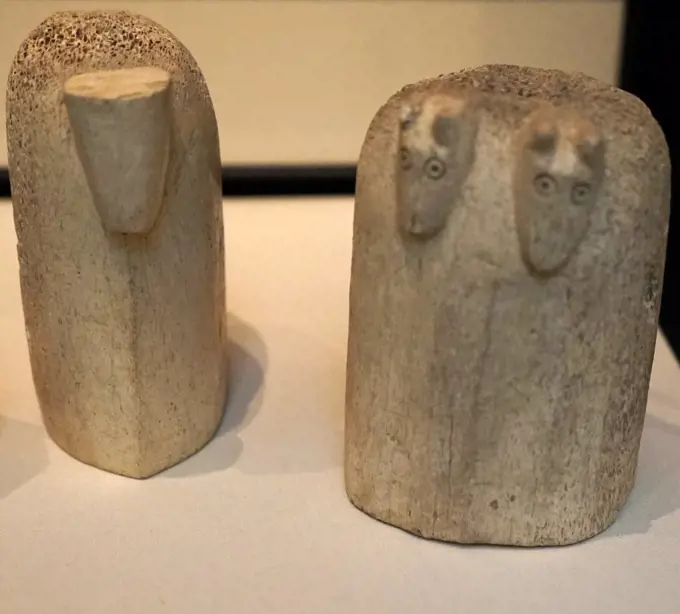
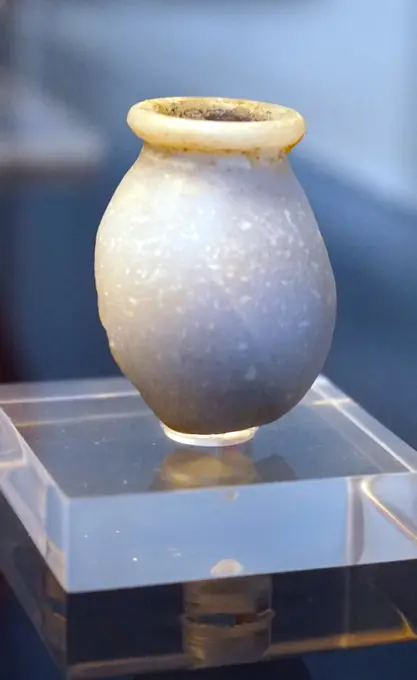
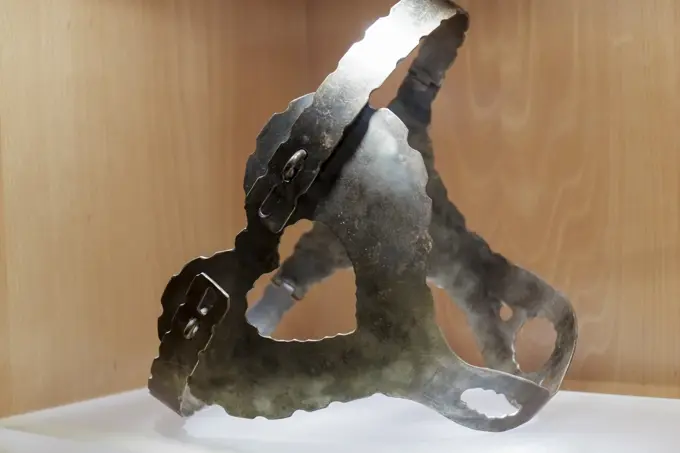
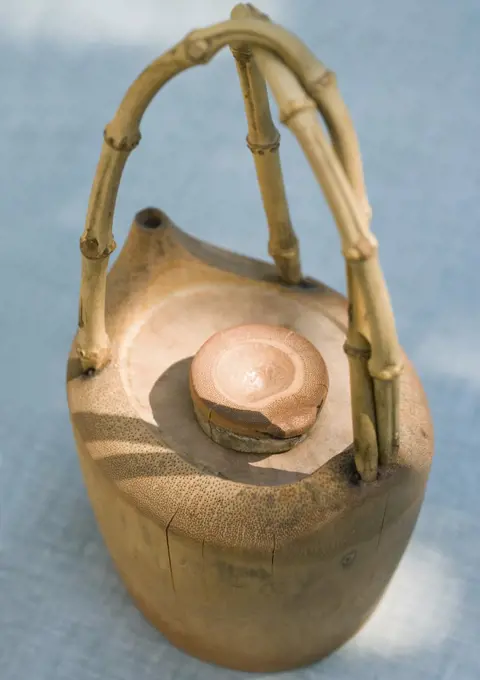
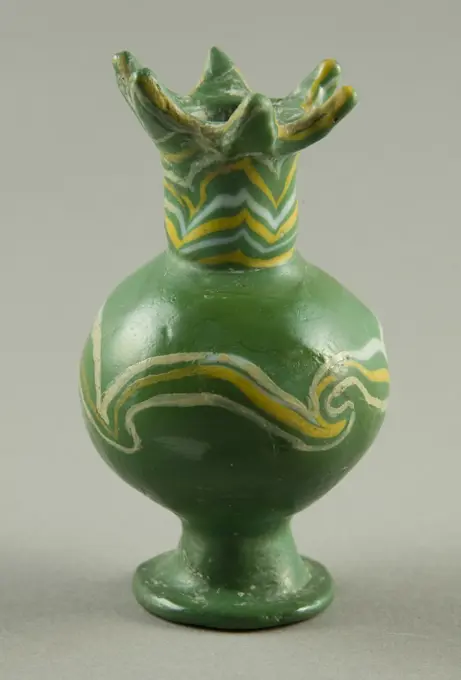
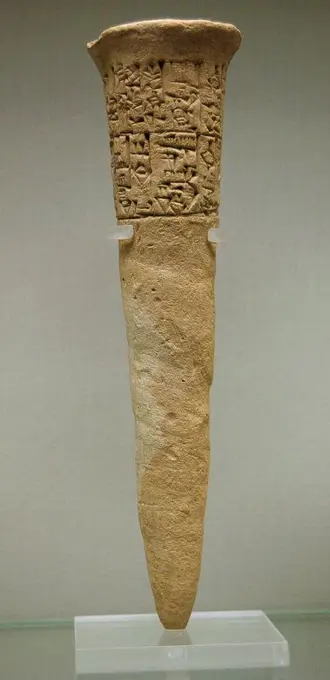
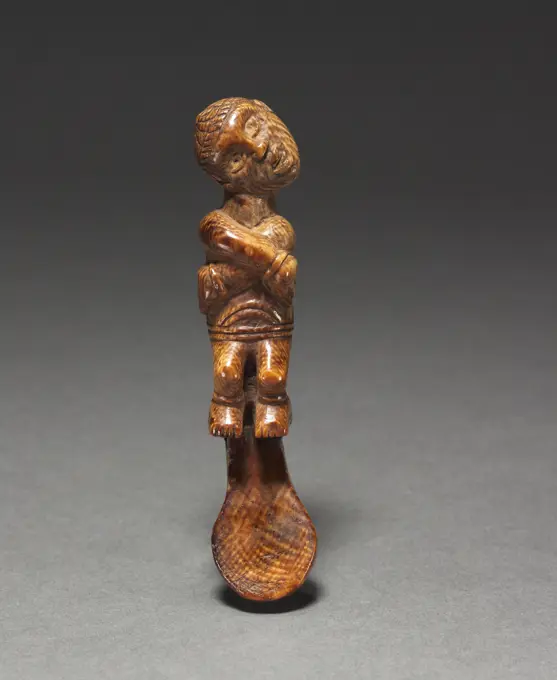
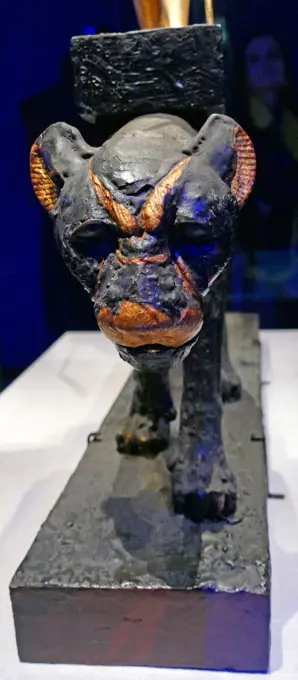
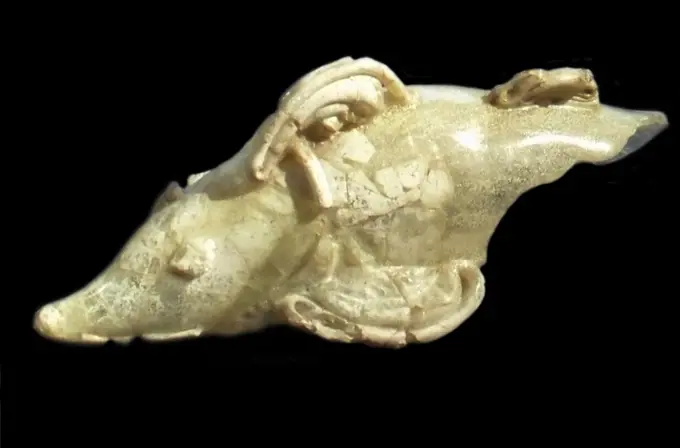
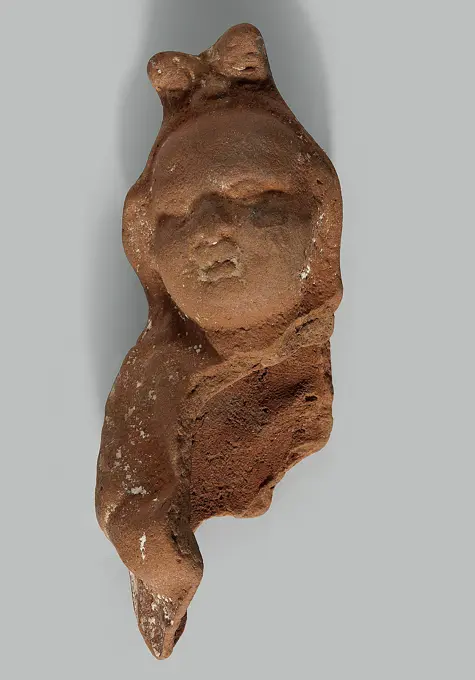
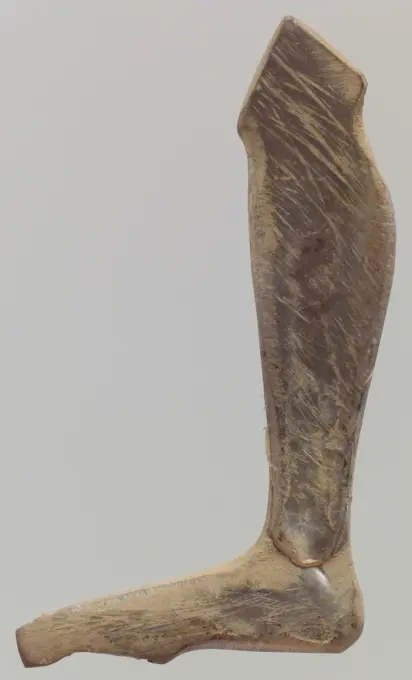
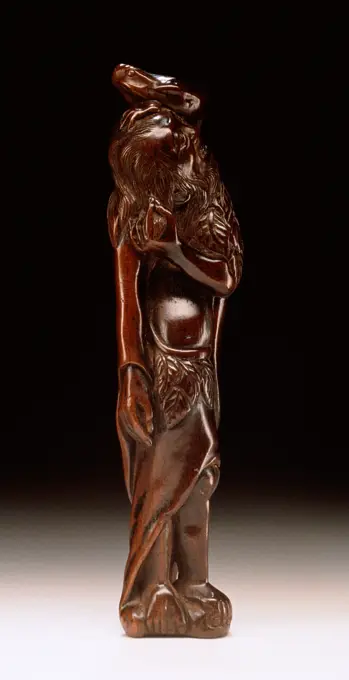
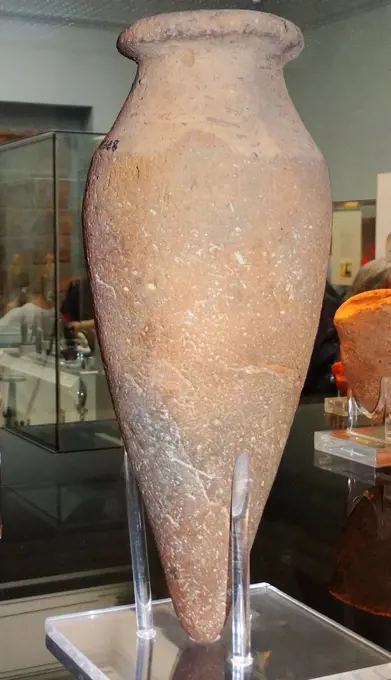
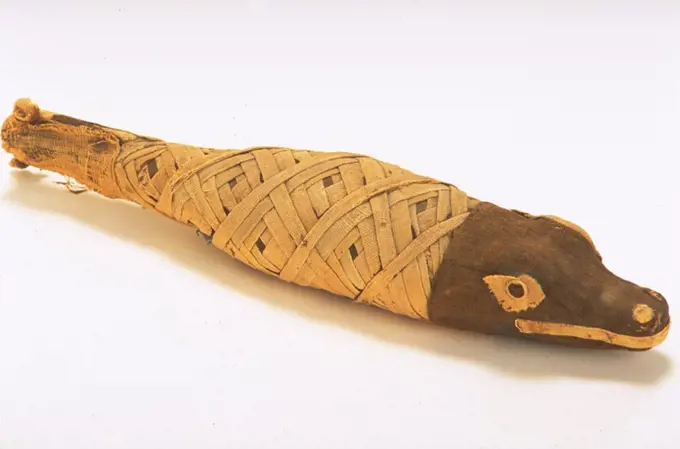
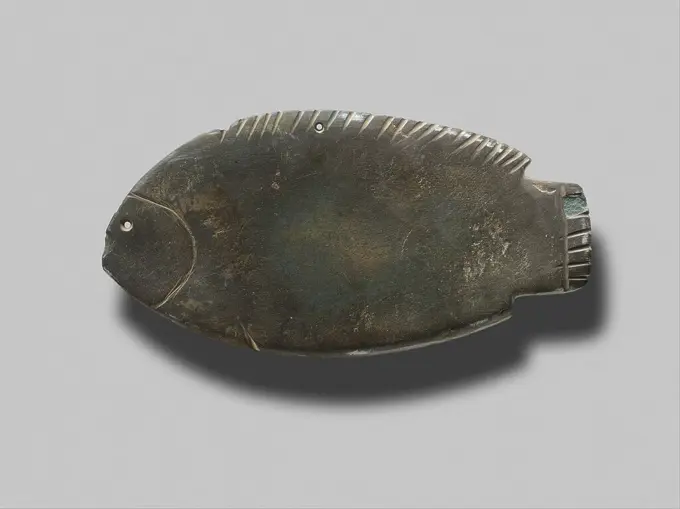
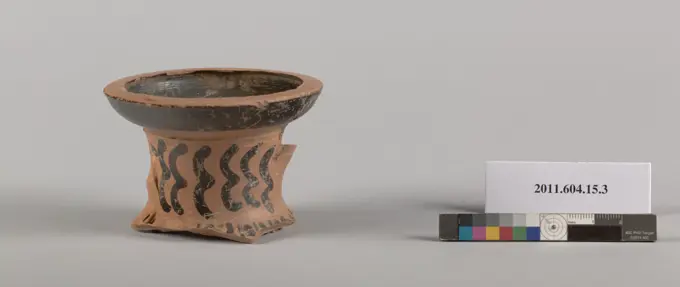
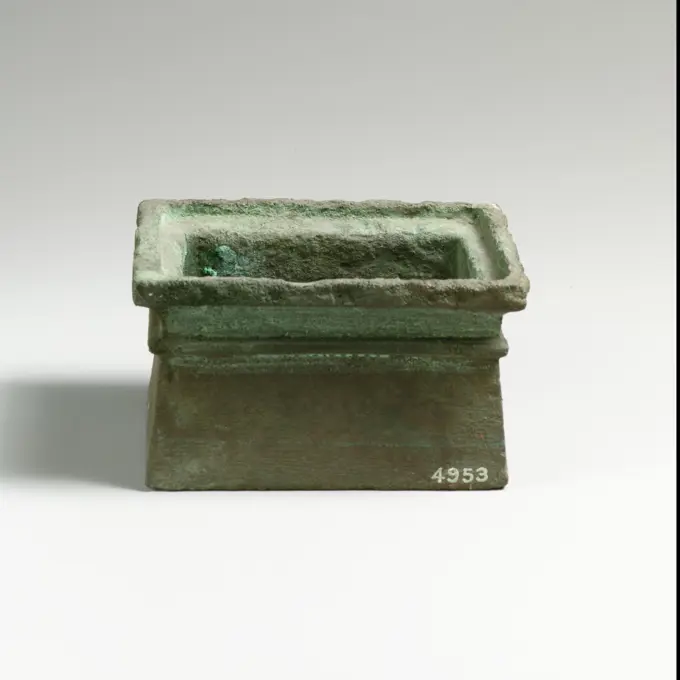
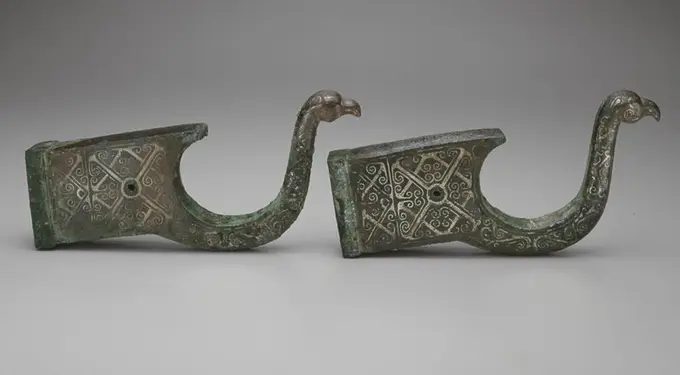
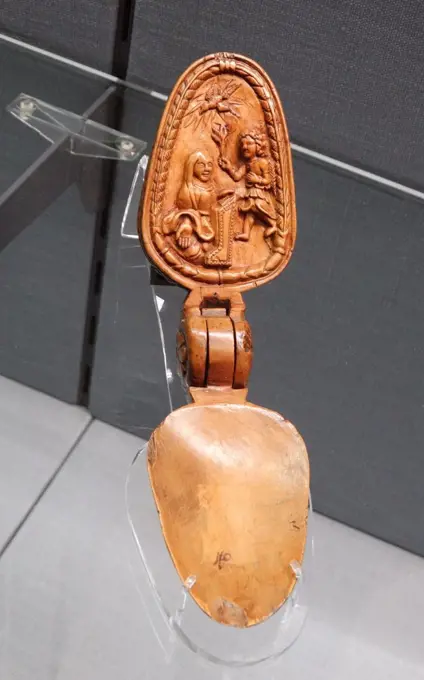
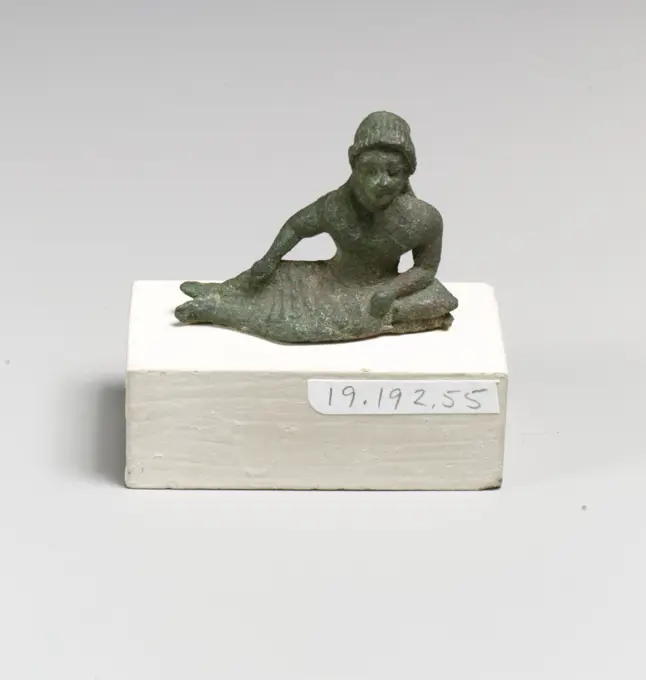
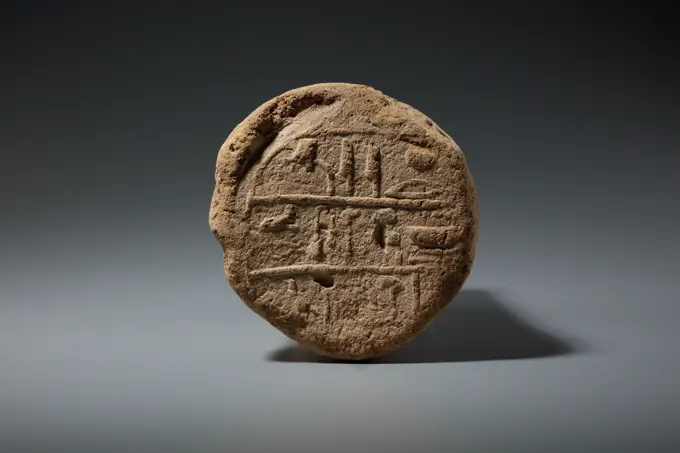
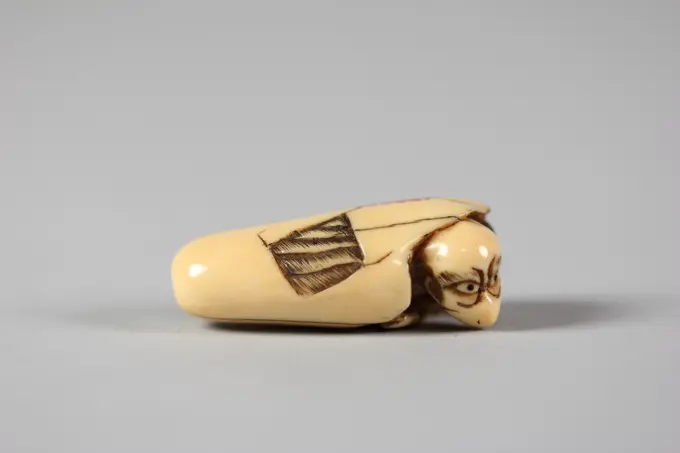
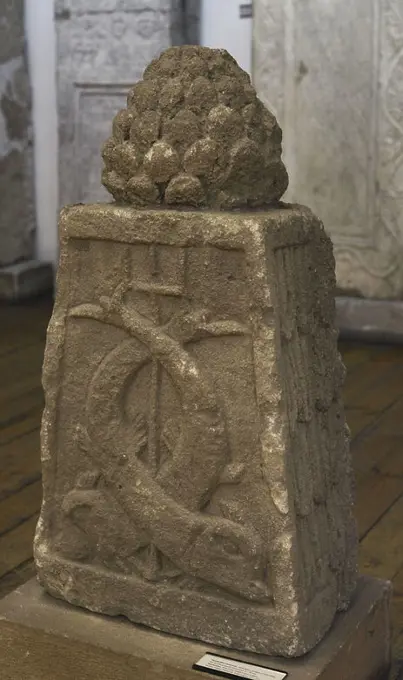
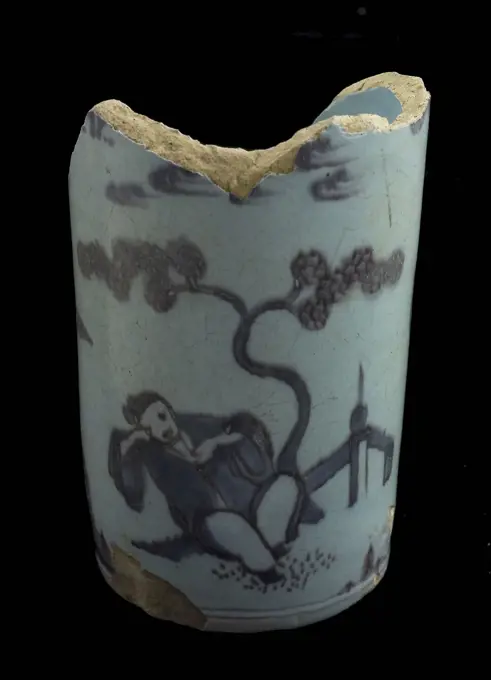
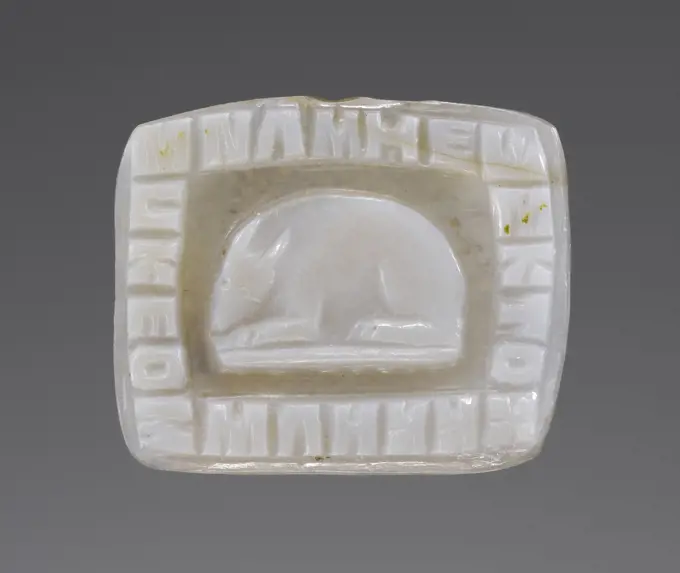
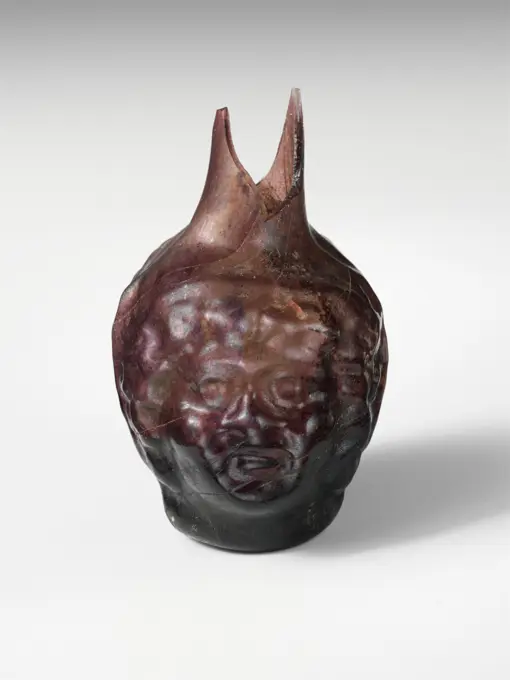
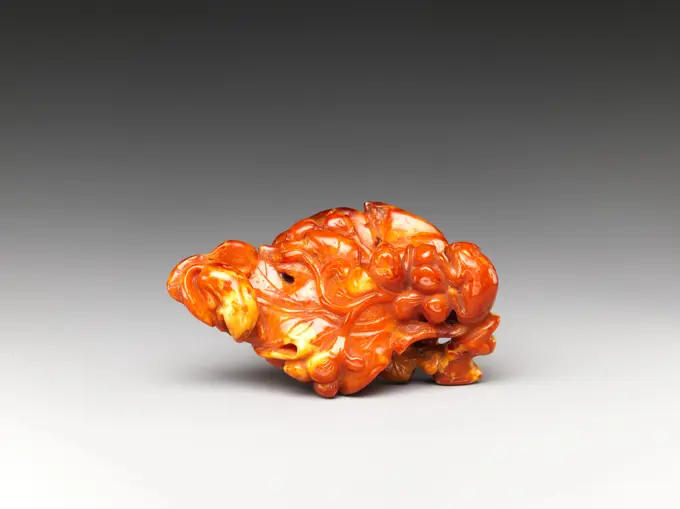
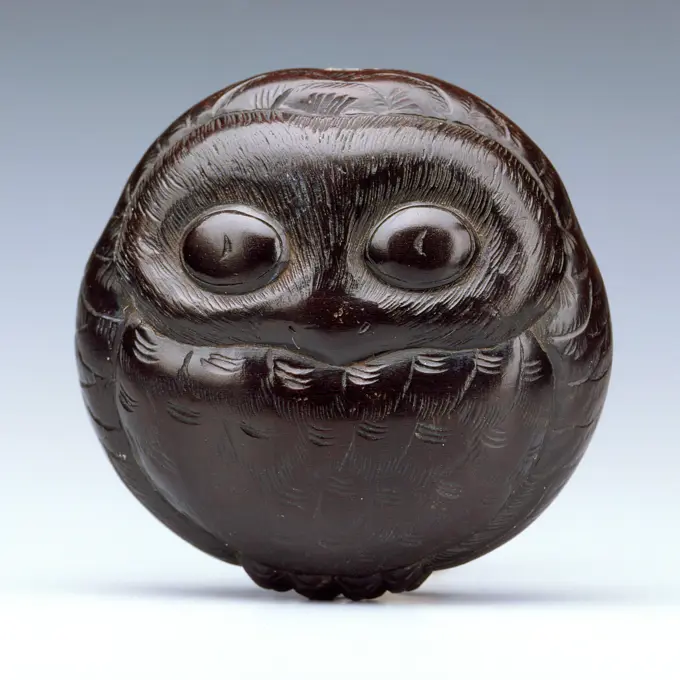
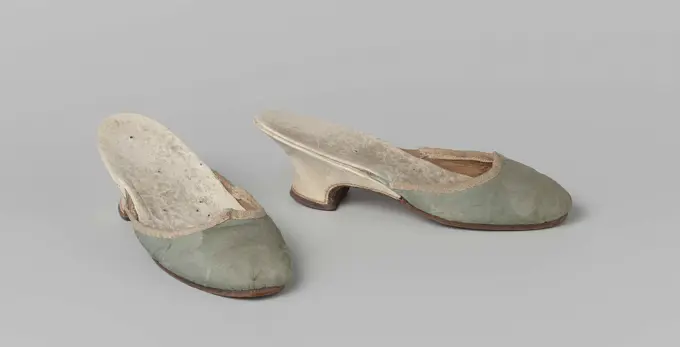
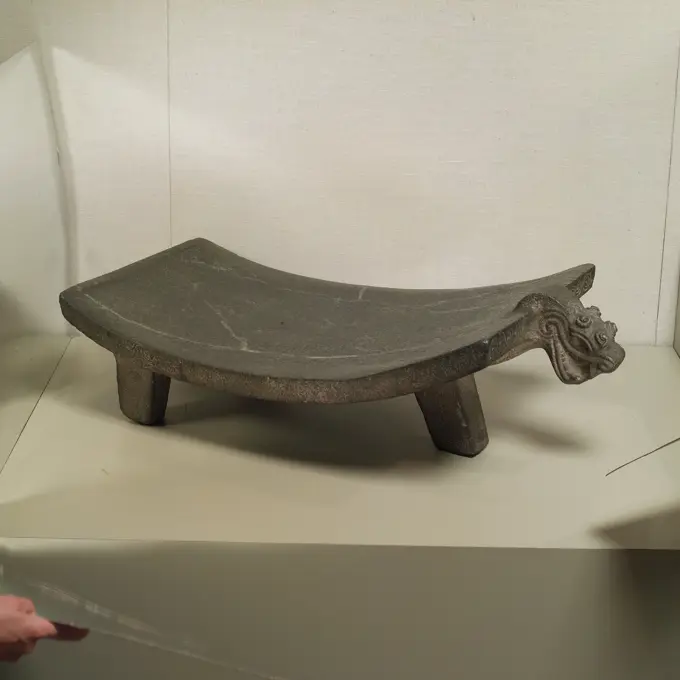
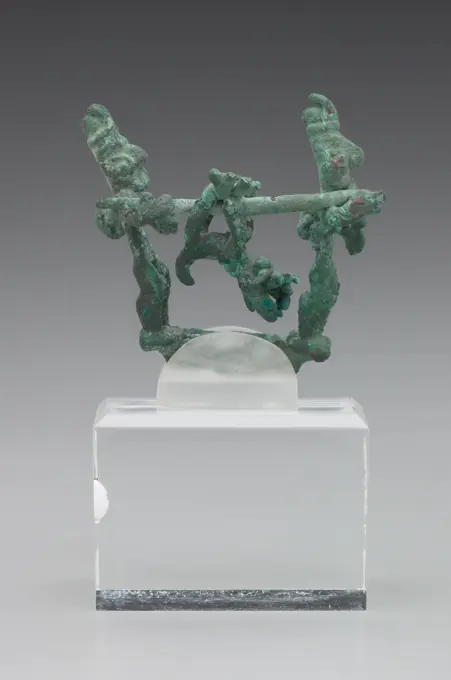
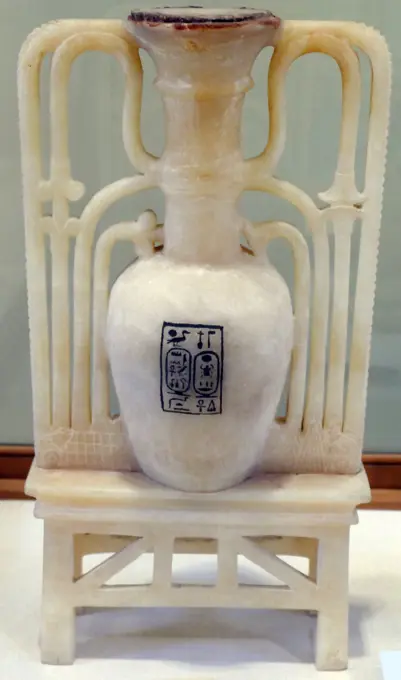
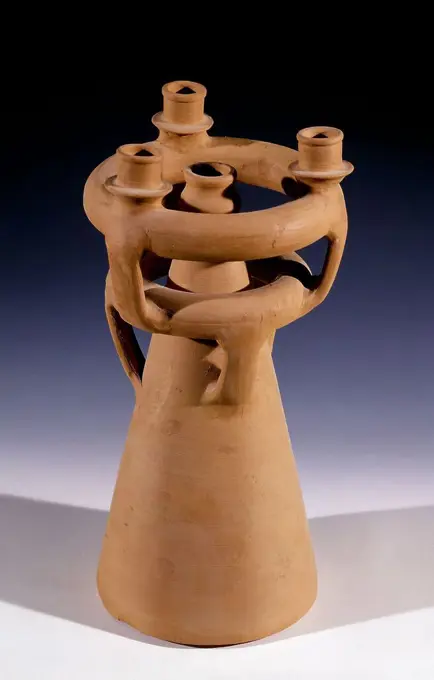
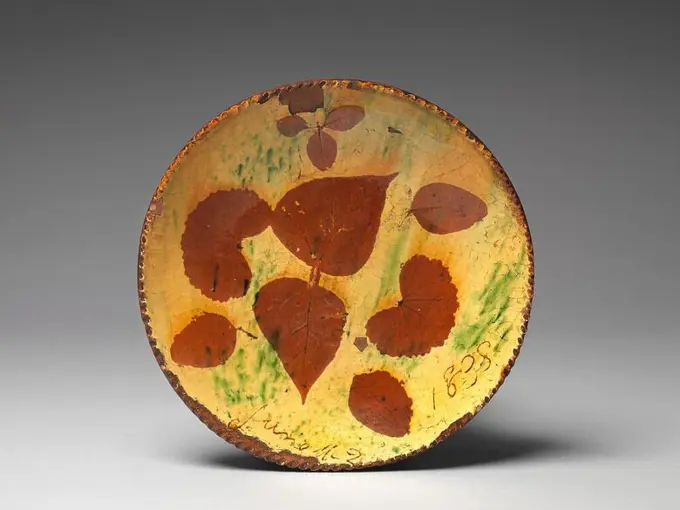
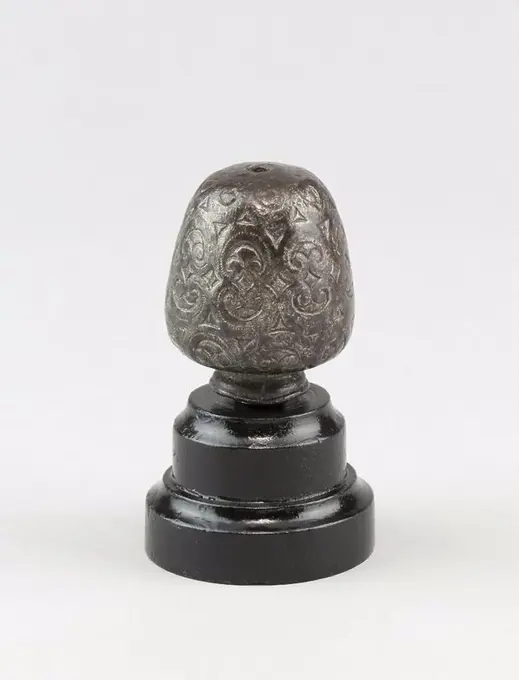
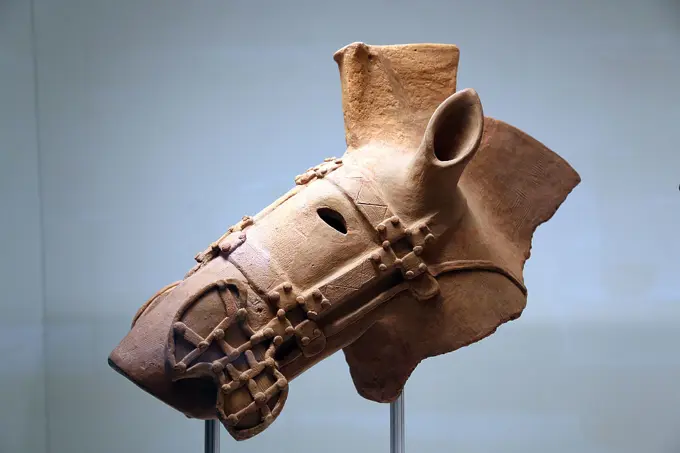
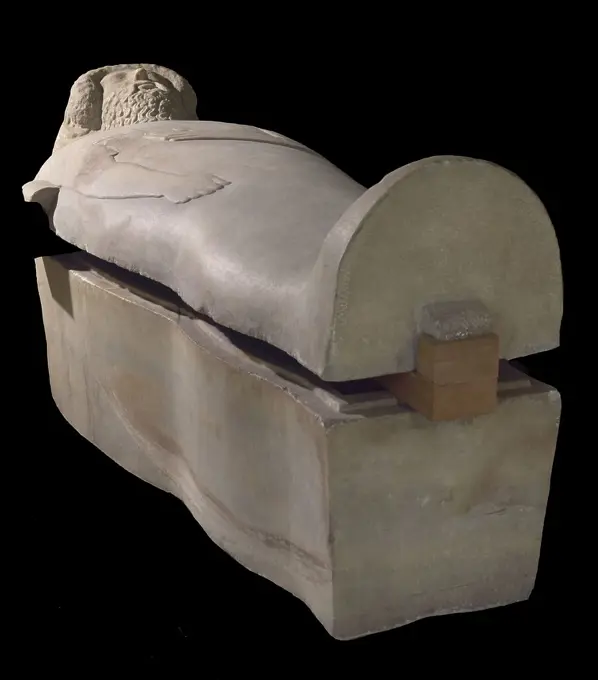
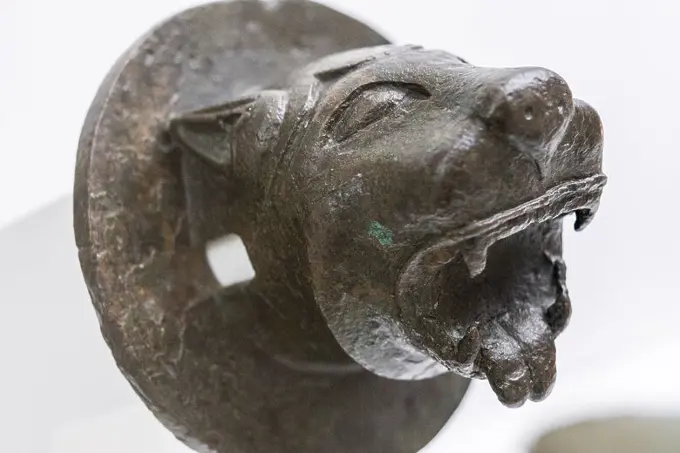
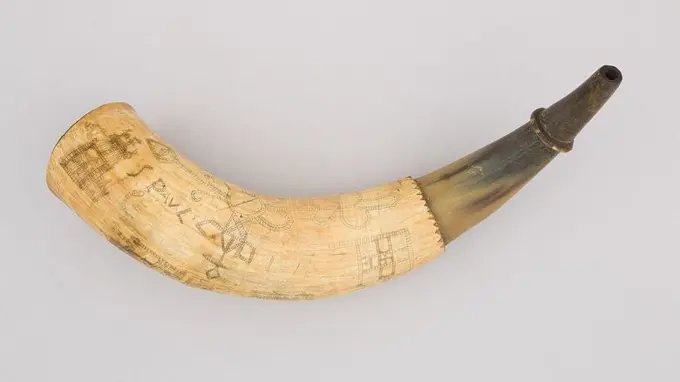
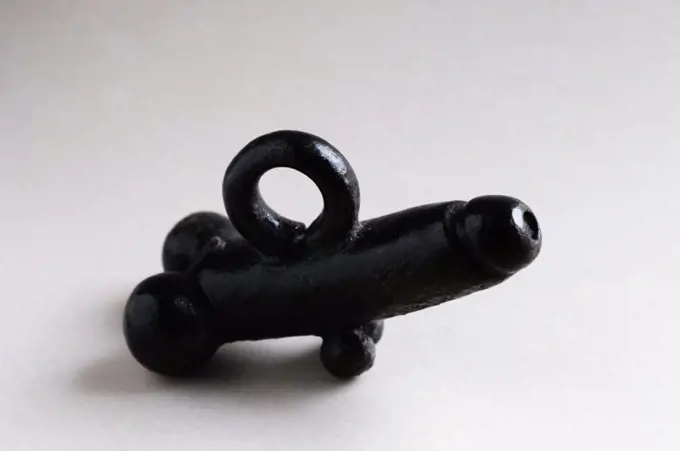
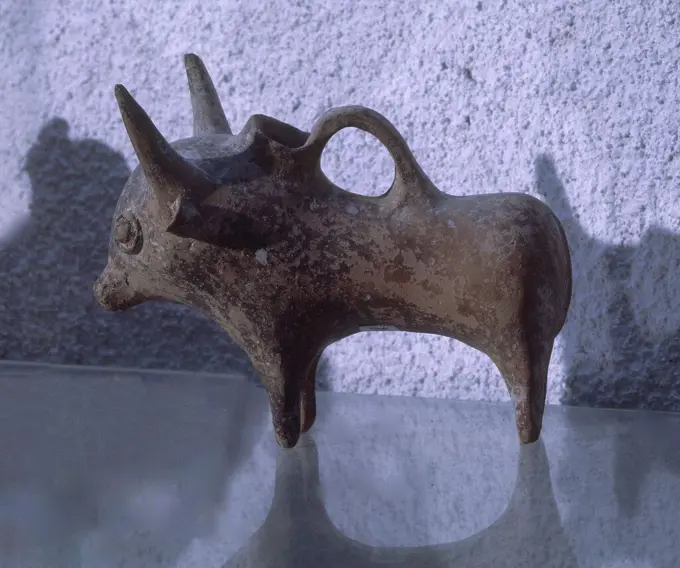
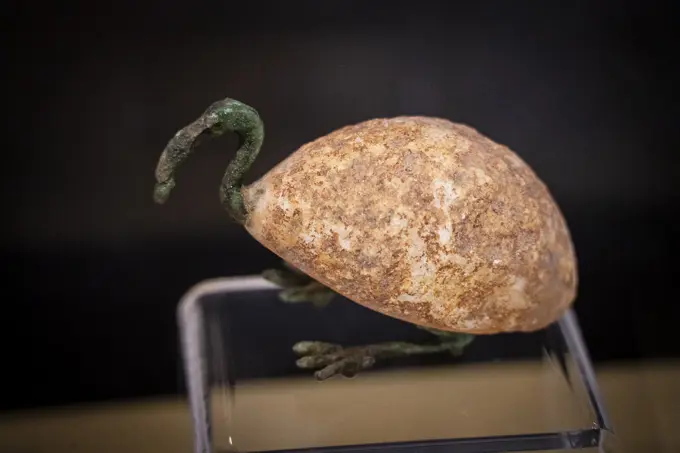
Votive statuette of an ibis, bronze and alabaster stone, late Egyptian period, Huesca museum, Aragon community, Spain.jarra, , siglo I a.C. Procedente de Numancia, museo Numantino de Soria, Soria, Comunidad Autónoma de Castilla, Spain, Europe.UTIL DE LABRANZA-COLODRA.CANTARO DE ARCILLA ROJA CON UN ASA-ARTE POPULAR S XX. Location: ALFARERIA. Badajoz. SPAIN.Earthenware Horse and Oxcart, China. Dated 7th CenturyLimestone ball game Marker's Sphere from Tabasco, Mexico. Dated 250-900 AD.Snuff Bottle China. Snuff Bottle 41443Terracotta votive offering, Ibero-Roman culture, probably from the mid-1st century AD. , Archeological Museum. Úbeda, Jaén province, Andalusia, Spain.Fruits of wood, anonymous, c. 1675 - c. 1699 Wooden group of fruits, probably from a garden fence. Northern Netherlands (possibly)Netherlands (possibly) wood (plant material). oak (wood) Wooden group of fruits, probably from a garden fence. Northern Netherlands (possibly)Netherlands (possibly) wood (plant material). oak (wood)Goldsmith's model for a bowl with a representation of Roman Charity ca. 1540-50 Said to be based on a design by Sebald Beham This is a goldsmith's model. The center medallion representing Roman Charity recalls the work of the Nürnberg painter and engraver Georg Pencz.. Goldsmith's model for a bowl with a representation of Roman Charity. possibly Southern German, Nuremberg. ca. 1540-50. Boxwood and fruitwood. Sculpture-MiniatureWhalebone chess pieces from Anglo-Saxon England. Dated 9th CenturyTripod Bowl. Culture: Mixtec. Dimensions: H. 4 7/8 x Diam. 4 1/4 in. (12.4 x 10.8 cm). Date: 10th-13th century. Museum: Metropolitan Museum of Art, New York, USA.Deer Effigy Vessel, 250-600. Mesoamerica, Maya style, Classic Period (250-900). Earthenware; overall: 22.8 x 24.7 x 18 cm (9 x 9 3/4 x 7 1/16 in.).Teapot 1734 Meissen Manufactory German. Teapot 206290Fragments earthenware fire clock with large lying ear, decorated with finger impressions, firecock firecock firefighting earthenware ceramics earthenware glaze lead glaze, hand turned hand shaped decorated glazed baked Top of earthenware fire dome Red shard of external glazed Very large lying ear flat with raised edges Decorated with finger impressions Small smoke hole with lobed collar Beroet at the bottom by use archeology Poortugaal Albrandswaard indigenous pottery deaf fireplace heat fire prevention Soil discovery: Poortugaal hofterrein.Bell ca. 8th-7th century B.C.. Bell 326579anthropomorpher Deckel aus Ton anthropomorpher Deckel aus Ton Copyright: xZoonar.com/TOLOxBALAGUERx 22682432Fragment of an anhydrite vessel from the Middle Kingdom, Buhen. Dated 1900 BCFunerary Cone of the Royal Herald Intef ca. 1479-1453 B.C. New Kingdom This cone has the impression of a stamp seal inscribed for the royal herald Intef who served during the joint reign of Thutmose III and Hatshepsut. He was owner of tomb TT 155 in the Dira Abu el-Naga cemetery of Western Thebes.Hundreds of stamped pottery cones like this one have been found in the non-royal cemeteries of the Theban necropolis. More than six hundred different stamps have been recorded. Although a few cones are inscribed with the names of identifiable tomb owners like Intef, most record the names of people whose tombs cannot be identified.During the 1926-27 field season, the Museum's excavators uncovered a Middle Kingdom tomb (MMA 110) with rows of unstamped cones embedded along the upper edge of the façade (see fig. 1). It is quite likely that stamped cones, which date to the New Kingdom and later, were used in the same way, identifying the tomb owner by name and title. Intef's tomb facade appears to Egg of a Casuaris from V.O.C. ship De 'Witte Leeuw', Before 1613 egg (material) Egg of a casuaris from V.O.C. ship the 'Witte Leeuw'. Large egg with gray -white dish and black spots. southeast Asia egg (material)   Sint-HelenaLisbon, Portugal. Old pharmacy and medical related items. Chastity belt. (Editorial Use Only)Bamboo teapotVase 1295 BCE-1186 BCE Egypt. Glass, core-formed technique . Ancient EgyptianBronze statuette of a child with a bunch of grapes 1st-2nd century A.D. Roman Seated child holding grapes with both arms.. Bronze statuette of a child with a bunch of grapes 247974Bronze water spout in the form of a lion mask (one of a pair) ca. 100 B.C.-A.D. 100 Greek or Roman Impressive water spouts such as this must have adorned a monumental public fountain-house (nymphaeum), probably in one of the more important Cypriot cities.. Bronze water spout in the form of a lion mask (one of a pair) 698259Miniature Headdress 664-332 B.C. Late Period. Miniature Headdress 550947Season, presented by child with attribute ,, 1725 - 1740  Northern Netherlands terracotta (clay material)  Northern Netherlands terracotta (clay material)Mesopotamia. Clay foundation peg. 1st Dynasty of Lagash. 2400Bc. From Bad-Tibira. Iraq. British Museum. London. England. United Kingdom.Vases and bowl of alabaster and jug imported from the Levant. Tomb 55 of Meidum, Egypt. Reign of Snofru. Old Kingdom. 4th Dynasty. 2613-2589 BC. Ny Carlsberg Glyptotek Museum. Copenhagen. Denmark.Female Figurine, late 1800s-early 1900s. Central Africa, Democratic Republic of the Congo (most likely), Cabinda, or Republic of the Congo, probably Yombe people. Ivory; overall: 12 x 2.5 x 4.5 cm (4 3/4 x 1 x 1 3/4 in.).Spindle whorl, reel. Spindle whorl, reel. Clay. Miscellaneous-ClayMorion-Burgonet Made 1575-1595 Augsburg. Steel, gilding, and brass .Votive Plaque with Bull 1201-1400 Java. Gold worked in repoussÈ .Gilded wooden statue of a lion from the tomb of King Tutankhamun. 1326 BCIchtyomorphic bottle. 1st century AD glass part of the treasure of Bagram, AfghanistanHarpokrates;  Hellenistic or Roman period (0-00-00-0-00-00);Daszewski, Wiktor A. (1936-), Daszewski, Wiktor A. (1936-)-collection, Harpokrates (mitol.), Dar (provenance)Chambered nautilis, 5 3/4 x 4 1/2 x 3 1/4 in. (14.61 x 11.43 x 8.26 cm), Earthenware, Peru, Pre-ColumbianFigurine  a standing god Shou Lao with two small characters unknownInlay: leg and foot ca. 2600-2350 B.C. Sumerian. Inlay: leg and foot 325458Gama, the Immortal with Toad. Miwa (school of) (Japan, late 18th-19th century). Japan, late 18th century. Costumes; Accessories. Cherry woodEgyptian pottery vessel, Middle Kingdom, about 1900-1800 BC From BuhenSilenus, Minton and Company, British, 1793 - 1968, Glazed stoneware, The dark green version of this pattern was issued in 1831 as model number 19. While many companies produced versions of the 'Silenus' jug, the dark green color is unique to Minton., England, ca. 1840, ceramics, Decorative Arts, Jug, JugGroup statue ca. 2575-2465 B.C. Old Kingdom. Group statue. ca. 2575-2465 B.C.. Limestone. Old Kingdom. From Egypt; Possibly from Southern Upper Egypt, Elkab. Dynasty 4African mask, Warega or Ogowe or Kwele tribe, Gabon, AfricaFragmentary Statue of a Hunting Hound. Unknown late 1st-early 2nd century A.D.MOMIA DE COCODRILO. EGIPCIO. (DEPOSITO: MUSEO ARQUEOLOGICO NACIONAL).Furniture leg in shape of bull's leg ca. 2960-2770 B.C. Early Dynastic Period. Furniture leg in shape of bull's leg 591194Fish-shaped palette. Dimensions: H: 11.9 cm (4 11/16 in.); W: 23.5 cm (9 1/4 in.). Date: ca. 3300-3100 B.C.. Museum: Metropolitan Museum of Art, New York, USA.Terracotta fragment of a neck-amphora(jar) second half of the sixth century B.C. Greek, Boeotian Mouth and neck of a neck-amphora; the top of the rim is reserved; the inner part of the rim is concave and glazed; the inside of the neck is glazed towards the top and reserved further down below; on the exterior of the neck, a palmette on one side, and a zig zag pattern on the other; handle attachments are preserved. Terracotta fragment of a neck-amphora(jar). Greek, Boeotian. second half of the sixth century B.C.. Terracotta; black-figure. Archaic. VasesDeer skull and crossed leg bones cleaned and isolated on white backgroundBOTIJO DE GALLO - BARRO SIN COCER. Location: ALFARERIA. SALVATIERRA DE LOS BARROS. Badajoz. SPAIN.ESCULTURA EN MADERA. Author: HONORIO GARCIA CONDOY (1900-1953). Location: PRIVATE COLLECTION. MADRID. SPAIN.Madrid, M.A.N. Arte Egipcio. Ídolo oculado de forma rectangular. Piedra caliza. (alt.32.2, anch.16) s.I a.c.- I d.c. Procedencia: región del Yemen. Colección Luciana Bernadelli.Box Cypriot. Box 244467Bow Support for a Crossbow. China. Date: 399 BC-300 BC. Dimensions: 19.3 × 8.4 × 3.0 cm (7 1/2 × 3 1/4 × 1 1/8 in.). Bronze inlaid with strand silver. Origin: China. Museum: The Chicago Art Institute, Chicago, USA.Clay lidChrism Spoon depicting the 'Annunciation'. Dated 16th CenturyJug. Dated: c. 1939. Dimensions: overall: 21.4 x 29.9 cm (8 7/16 x 11 3/4 in.). Medium: watercolor, graphite, colored pencil, and gouache on paper. Museum: National Gallery of Art, Washington DC. Author: Alfred Parys.Statuette of a girl. Statuette of a girl 250788 Statuette of a girl, Bronze, H.: 1 1/4 x 1 5/8 in. (3.2 x 4.1 cm). The Metropolitan Museum of Art, New York. Rogers Fund, 1919 (19.192.55)Funerary Cone of Wesy ca. 1550-1352 B.C. New Kingdom. Funerary Cone of Wesy. ca. 1550-1352 B.C.. Pottery. New Kingdom. From Egypt, Upper Egypt, Thebes, Sheikh Abd el-Qurna. Dynasty 18Netsuke of Monkey in a Bulb 19th century Japan. Netsuke of Monkey in a Bulb 60032Tombstone. Pine cone, dolphins and trident. 2nd-3rd centuries AD. From Archar (Ratiaria), Vidin province, Bulgaria. National Archaeological Museum. Sofia. Bulgaria.Leaping Carp, 1700s. China, Qing dynasty (1644-1911). Jade; overall: 12.7 cm (5 in.).Fragment faience vase or jug, blue and purple on light blue, Chinese motifs, vase jug crockery holder soil find ceramic pottery glaze tin glaze, archeology ChinaAuguste Rodin, Left Hand, possibly 1880 Left HandPig with ridge on back (or 'Fish-Pig') still bank, 19th century, 3 x 6 1/2 x 2 1/4 in. (7.62 x 16.51 x 5.72 cm), Ceramic, England (possibly), 19th centuryAphrodite figurine Anadiomene;  Hellenistic or Roman period (0-00-00-0-00-00);Daszewski, Wiktor A. (1936-), Daszewski, Wiktor A. (1936-)-collection, gift (provenance)Water jar ca. 1550-1295 B.C. New Kingdom. Water jar 553606Gem; Europe; 18th - 19th century; Stone;Glass double head-shaped flask late 2nd-early 3rd century A.D. Roman Translucent streaky purple.Cylindrical neck expanding downward at base; body in shape of a double head; oval bottom with broad, slightly curved ridge running across it and trace of oval pontil scar. Continuous mold seam running down body in hair at junction of heads and across bottom as ridge.On body, two heads back to back with similar features: wavy hair drawn back at sides and surrounding face down to neck, large circular hollow eyes, high knobby cheeks, small mouth with straight lips, and prominent chin.Body complete but rim and most of neck missing; some bubbles, elongated on neck, and blowing striations; dulling and iridescent weathering on exterior, some soli encrustation and black enamel-like weathering on interior. Glass double head-shaped flask 245379Ornament with Squirrels and Grapes 18th century China Also a common theme in painting, squirrels and grapesboth known for their ability to multiplyallude to wishes for generations of children, particularly boys. Amber, which was known in China as early as the third century, was imported from both the Baltic region and Burma.. Ornament with Squirrels and Grapes. China. 18th century. Amber. Qing dynasty (1644-1911). AmberTurtle box with figures in relief, anonymous, 1825 Round box with flat lid of turtle, cut into deep relief with figures on the top and bottom in a landscape. On the side an inscription: 'Hermanus van den Abeelen Broederlijk Makten van Mavda Canton 1825'. Canton . cutting Round box with flat lid of turtle, cut into deep relief with figures on the top and bottom in a landscape. On the side an inscription: 'Hermanus van den Abeelen Broederlijk Makten van Mavda Canton 1825'. Canton . cuttingSnuff Bottle 19th century China. Snuff Bottle. China. 19th century. Porcelain with green jadeite stopper. Qing dynasty (1644-1911). Snuff BottlesOwl. Seishinsai Ikkei (Japan, active late 18th-early 19th century). Japan, early 19th century. Costumes; Accessories. Ebony; manjū typeScarab. UnknownLadies Mule with trash of blue silk damask, insole and heel covered with white glacéle. Ladies Mule With Trash or Blue Silk Damask, Insole and Chop Covered With White Shops Leather.Ceremonial Metate 10th-11th century Honduras; Maya () Metates as large and impressive as this are rare. Known examples come from northwestern Honduras. This is the region where the ancient Maya and the peoples of Central America diverged culturally. The two differing cultural traditions can be seen here in a synthesis that produced this elaborately carved metate. Metates were quite common in Precolumbian Central America while they were not in the Maya realm. Yet this metate—even though it has the requisite three legs, up-curving central plate, and imposing, well-carved head on the front—is not stylistically consistent with Central American examples. It is made of a harder, polishable stone, is shorter in the leg, and plainer in overall appearance. The plainness focuses attention on the imposing feline head, details of which call to mind aspects of Maya feline depictions.. Ceremonial Metate 313091Portable domestic shrine depicting worshippers surrounding a central linga, a symbol of the god Shiva. Dated 19th CenturyFinial or Ornament in the Shape of Two Hunters Carrying aDeer.  Maker: UnknownPowder Horn 1776 Colonial American. Powder Horn 29574Powder Horn 1853 American. Powder Horn 29586Figurine of horse andriderPottery net-sinker from Buhen, an ancient Egyptian settlement on the West bank of the River Nile. Dated 20th Century BCOrnamental unguent vase made from alabaster. From the tomb of King Tutankhamen. 1323 BC. 18th dynasty, New KingdomAmulet of the Goddess Isis with Horus as a Child 700 BCE-1 BCE Egypt. Faience . Ancient EgyptianCANDELABRO SIN VIDRIAR JUDIO - ARTE POPULAR - SIGLO XX. Location: ALFARERIA RUBIO. SPAIN.Plate. Culture: American. Dimensions: 7 1/2 × 1 3/8 in. (19.1 × 3.5 cm). Maker: Conrad Ranninger (American, 1809-1869). Date: 1838. Museum: Metropolitan Museum of Art, New York, USA.Sword Pommel. German. Date: 1570-1600. Dimensions: Overall. Iron. Origin: Germany. Museum: The Chicago Art Institute, Chicago, USA.Horse head, haniwa. Japan. 5th-6th century. Ceramic. Museum of Cultures of the World. Barcelona. Spain.SARCOFAGO ANTROPOIDE MASCULINO FENICIO - SIGLOS V/IV AC - PROCEDENTE DE PUNTA DE VACA. Location: MUSEO DE CADIZ-ARQUEOLOGIA. Cadiz. SPAIN.Hubcap or horn with feline head, Bronze, made with lost wax, End of the 7th century BC. to early 6th century BC. Necropolis of "La Joya", Huelva Museum, Huelva, Andalusia, Spain.Roman terracotta statuette of gladiators. ITALY.Vase 18th century China. Vase 44126Powder Horn. Culture: Colonial American. Dimensions: L. 13 in. (33 cm); Diam. 3 1/4 in. (8.3 cm); Wt. 13 oz. (368.5 g). Date: 1760.This powder horn is engraved with views of Saint Paul's Church and Fort Solom (). Museum: Metropolitan Museum of Art, New York, USA.Bronze statuette of a youth 1st century B.C.-2nd century A.D. Roman A chlamys is draped over his left shoulder.. Bronze statuette of a youth 246424Owl shaped corbel. 12th century. Sandstone. From France. National Museum. Warsaw. Poland.Phallic pendant of bronze ( Amulet ). Length 34 mm Height 22 mm Width 7 mm ( 1 St - 3 rd CE ) - Roman period, from the " House of Hyppolytus "- Archaeological site of Complutum in Alcalá de Henares ( Madrid ). SPAIN.Male head 4th-3rd century B.C. Cypriot The solid bearded head is probably from a horseman. The face is mold-made, the headdress added by hand.. Male head 241042MUSEO-TORO DE CERAMICA CHIPRIOTA (2000-1600 AC). Location: MONASTERIO DE STA MARIA DE MONTSERRAT-MUSEO. MONTSERRAT. Barcelona. SPAIN.Skull of human against the gradient background