Ancient Artifacts

A series of historical artifacts including oil lamps and decorative spoons, showcasing intricate details and cultural significance.
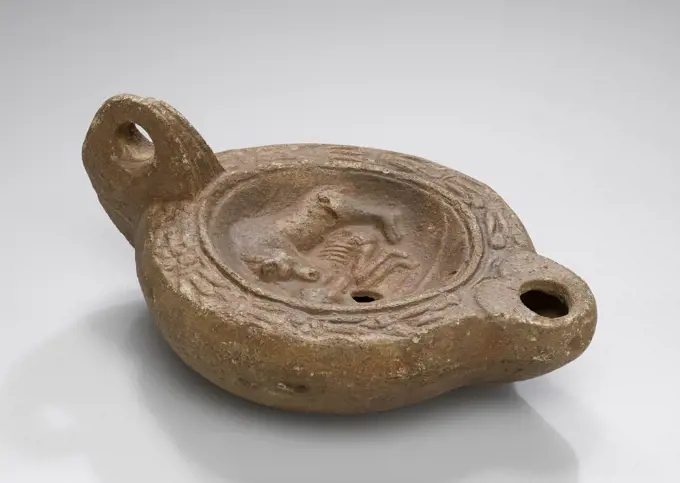
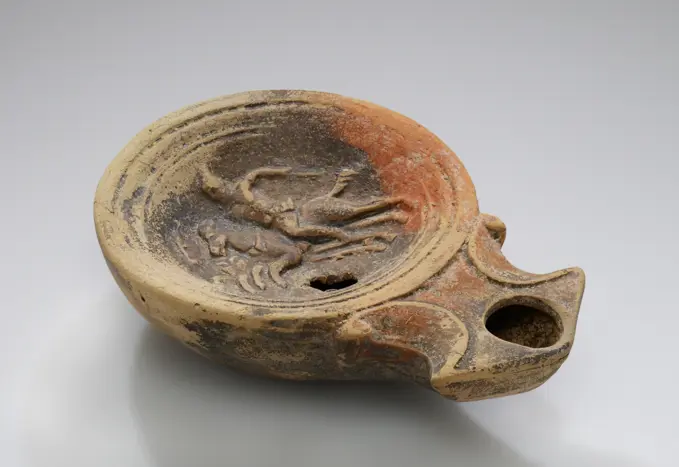
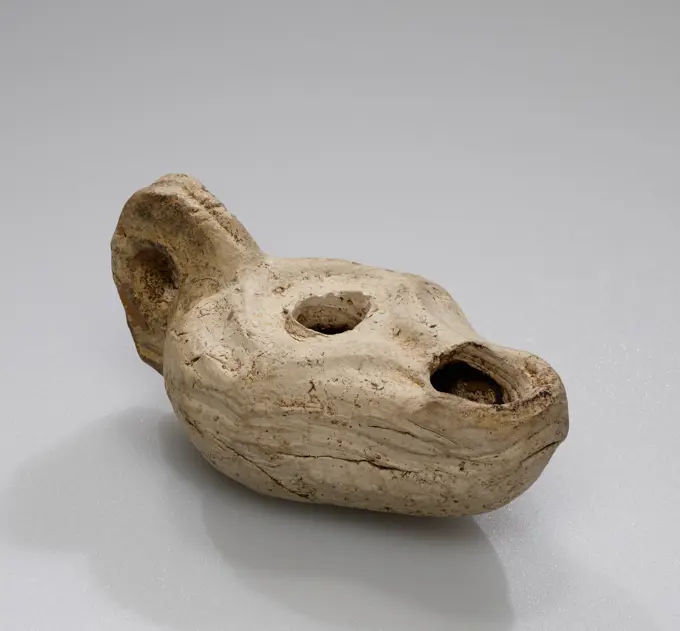
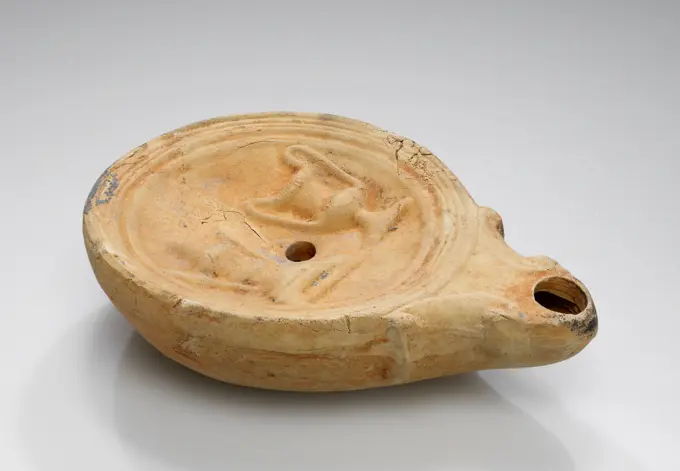
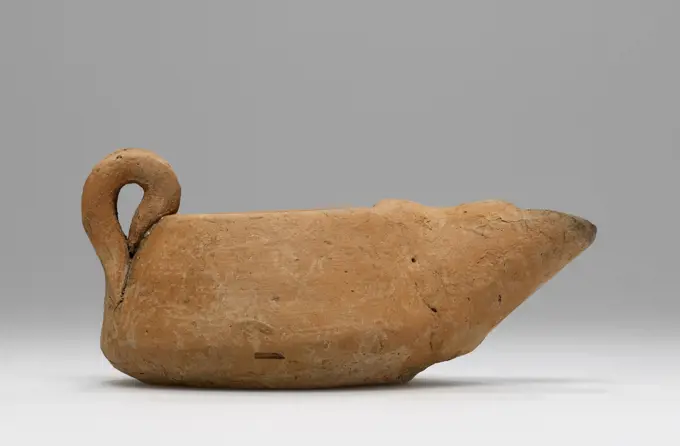
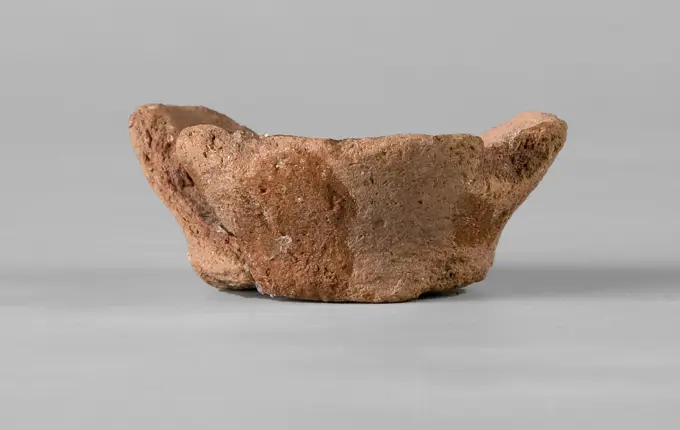
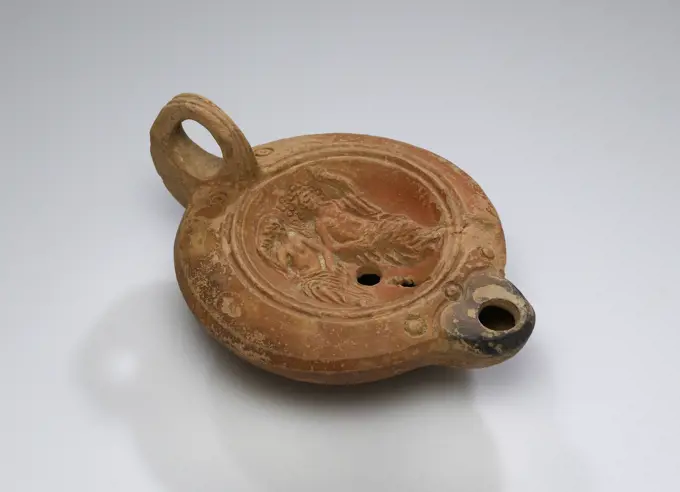
Lamp, North Africa; 1st - 4th century; Terracotta; 3 x 8 x 11.2 cm (1 3,16 x 3 1,8 x 4 7,16 in.)
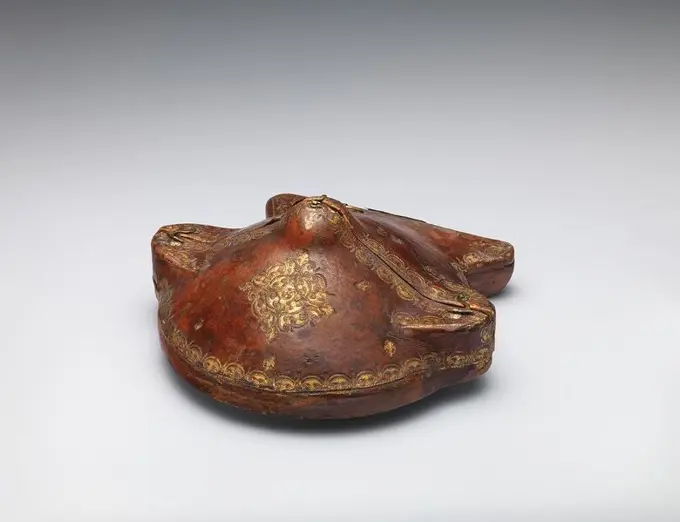
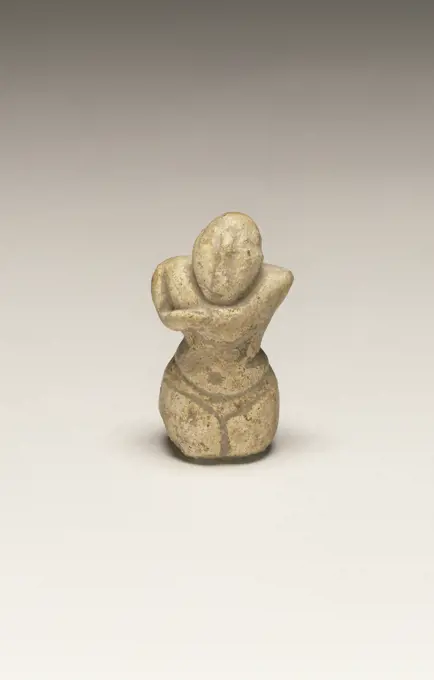
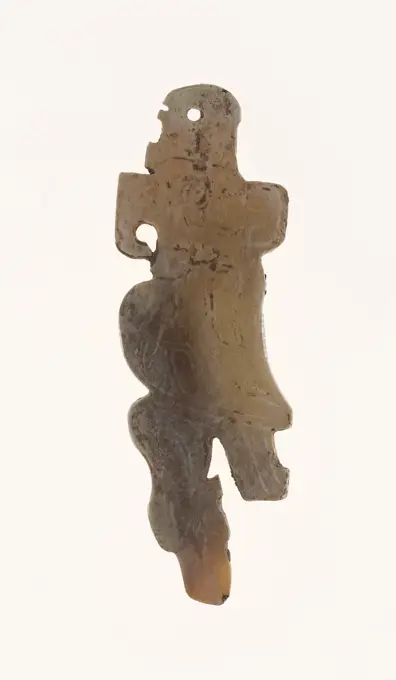
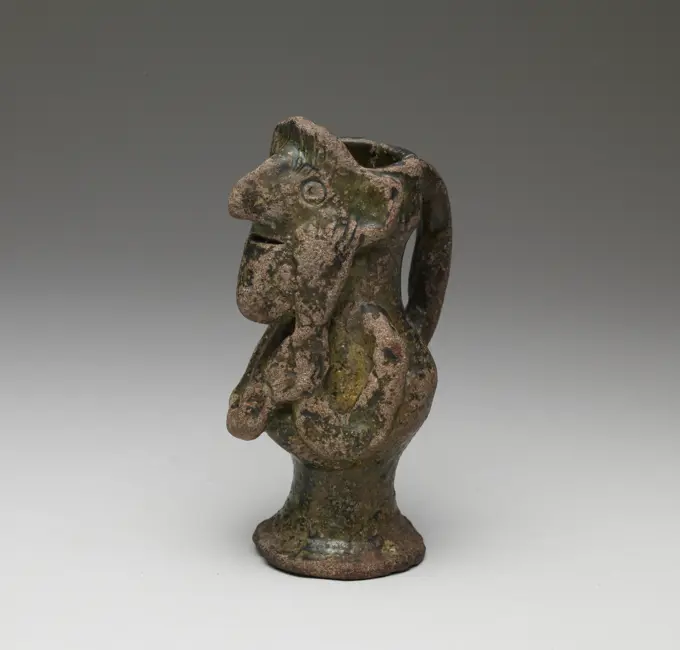
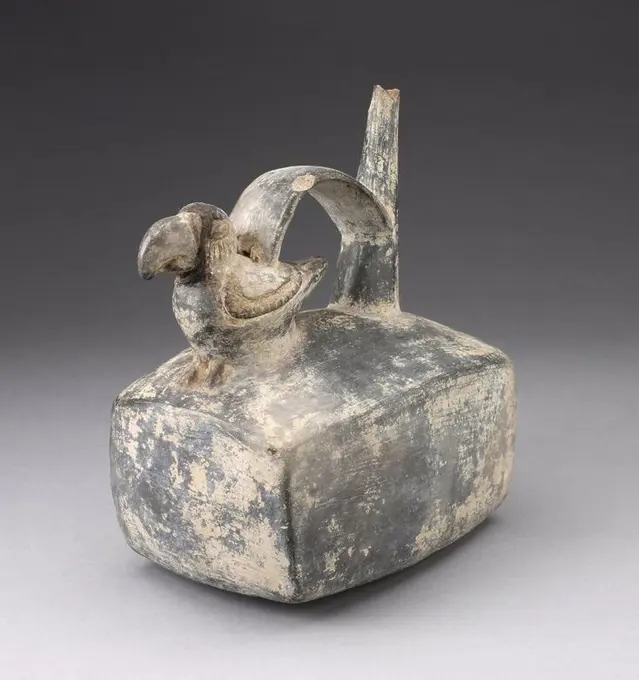
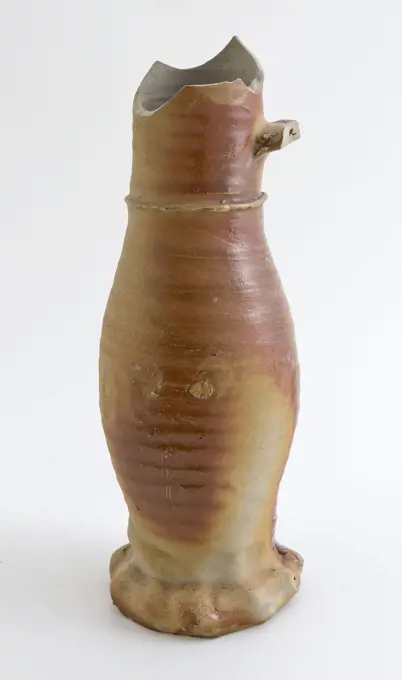
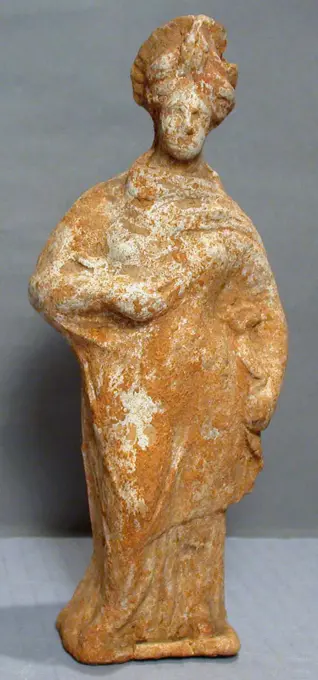
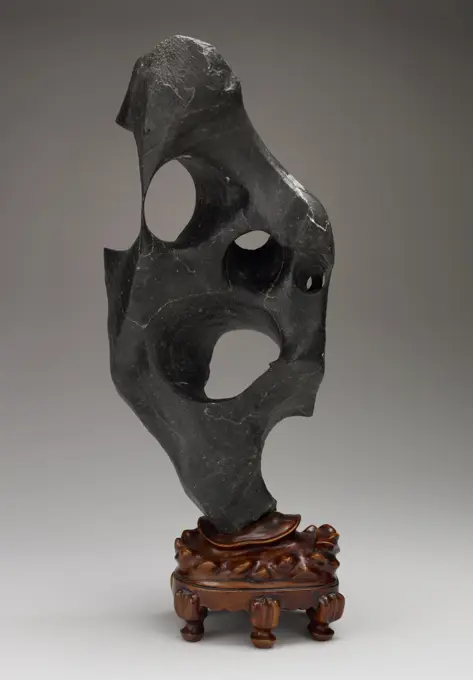
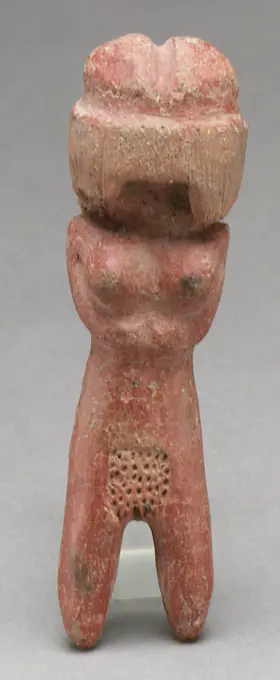
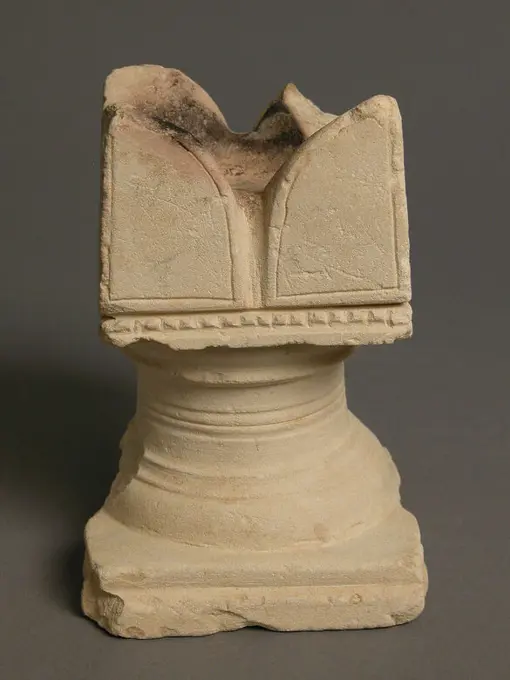
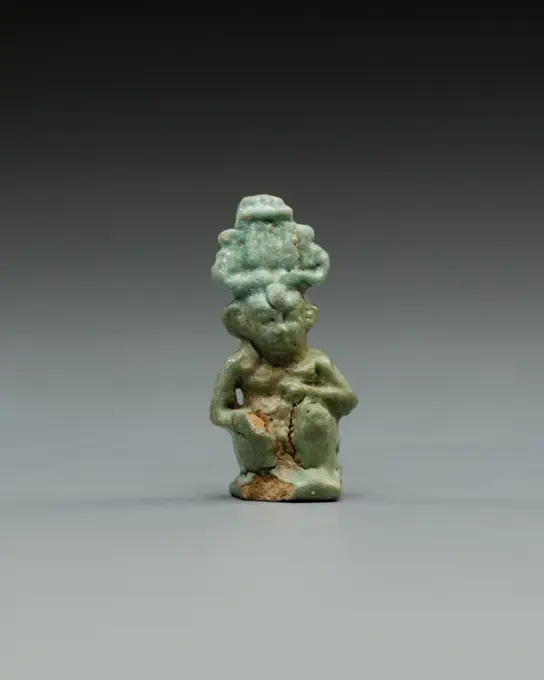
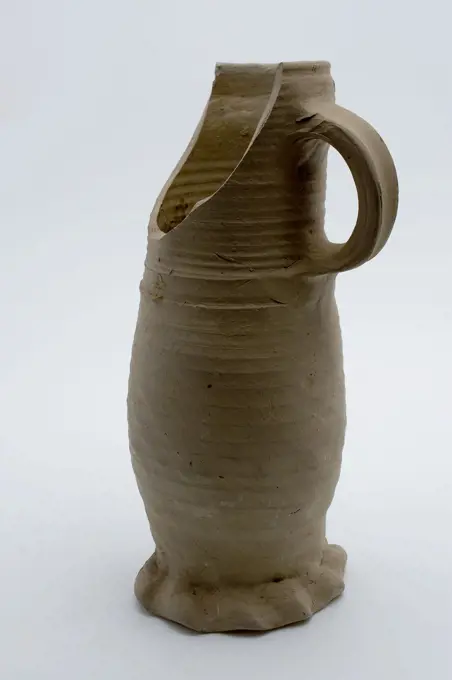
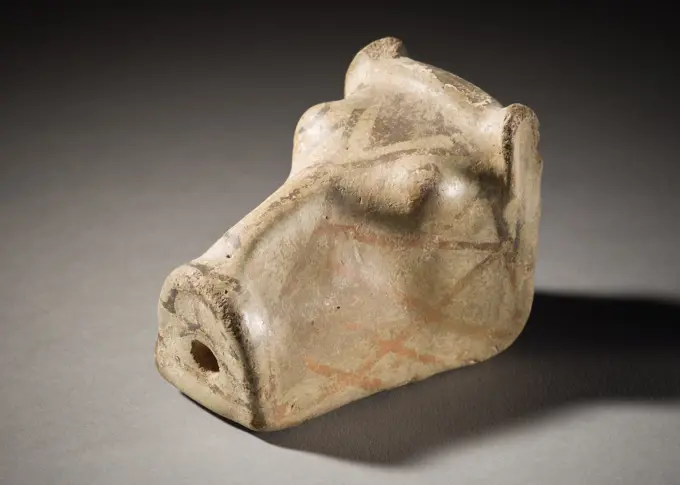
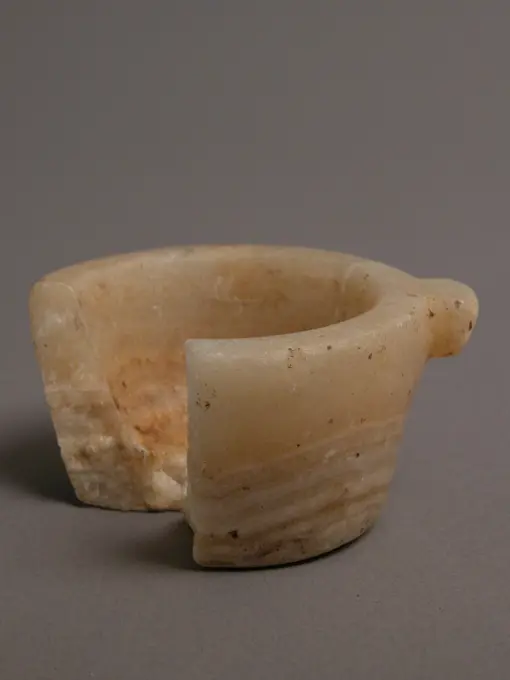
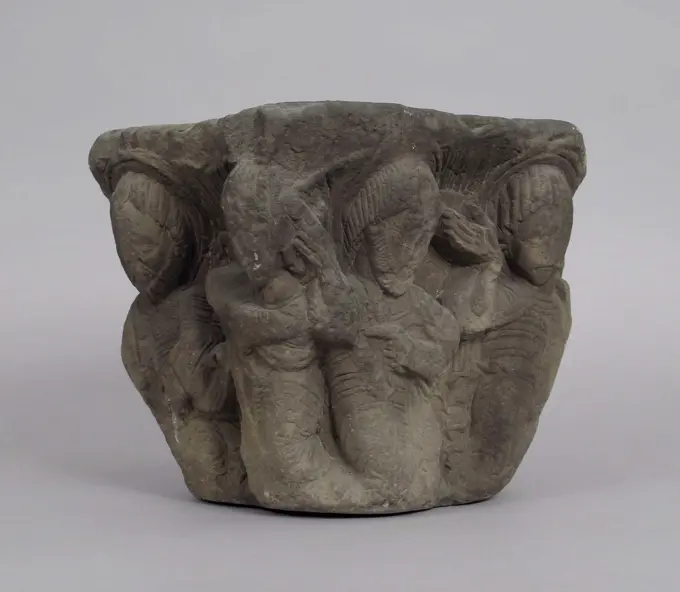
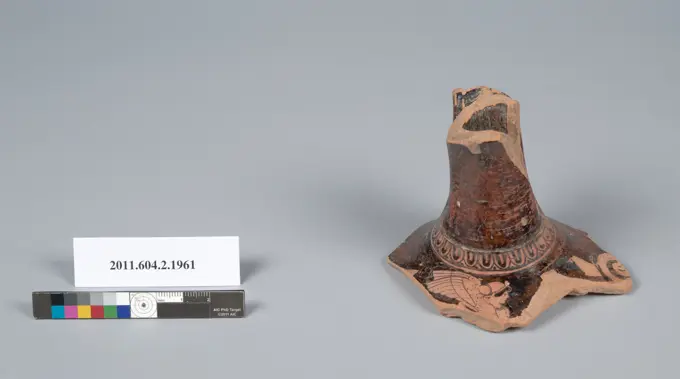
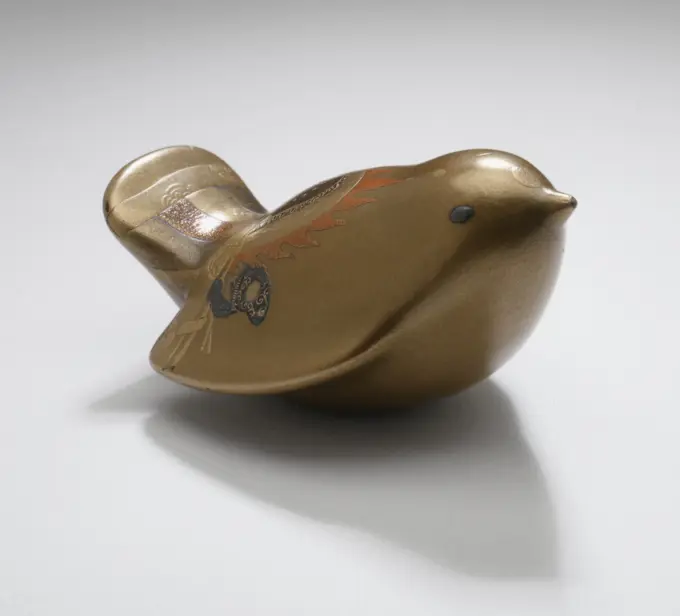
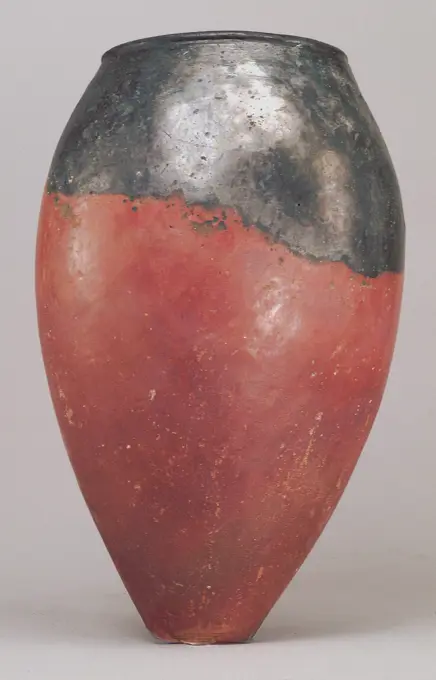
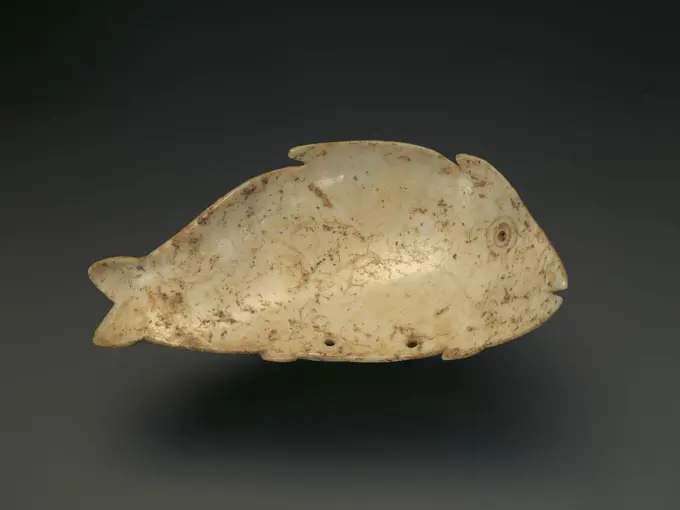
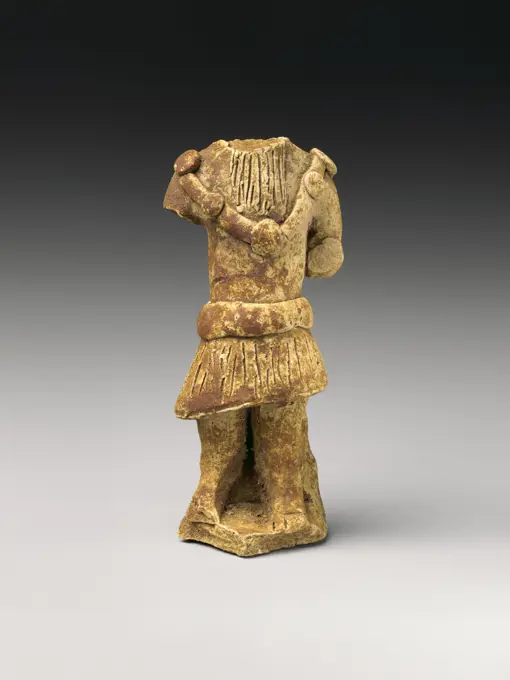
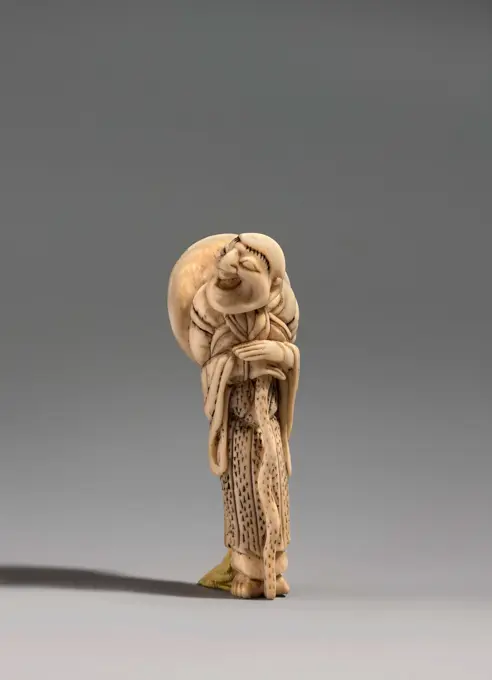
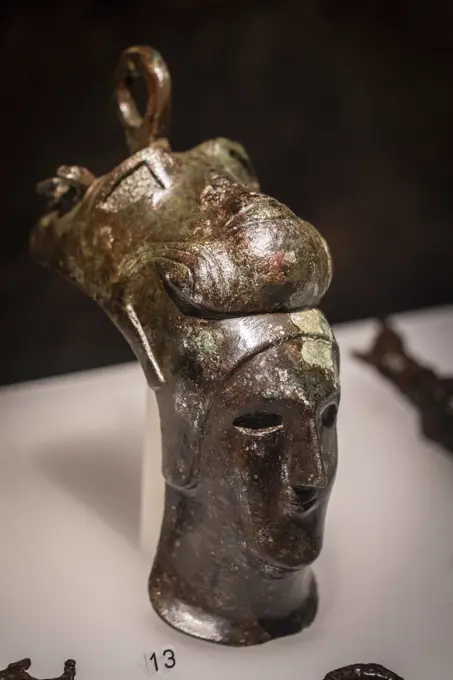
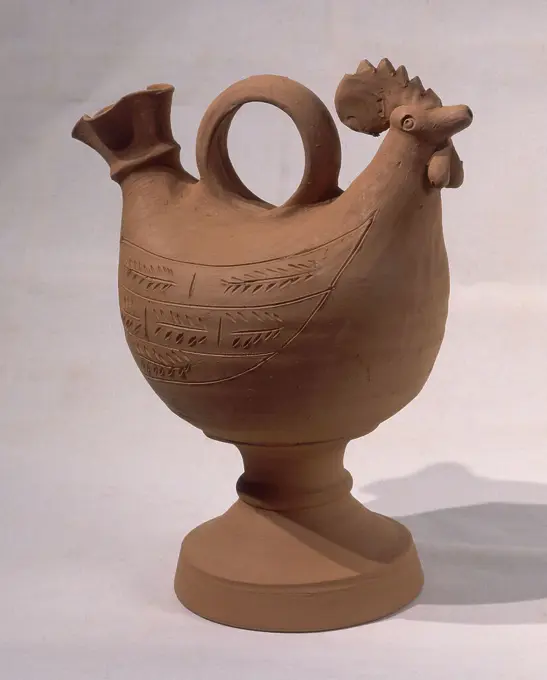
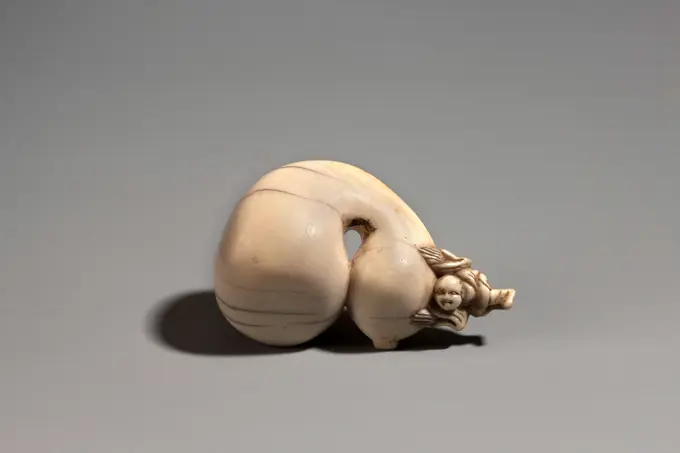
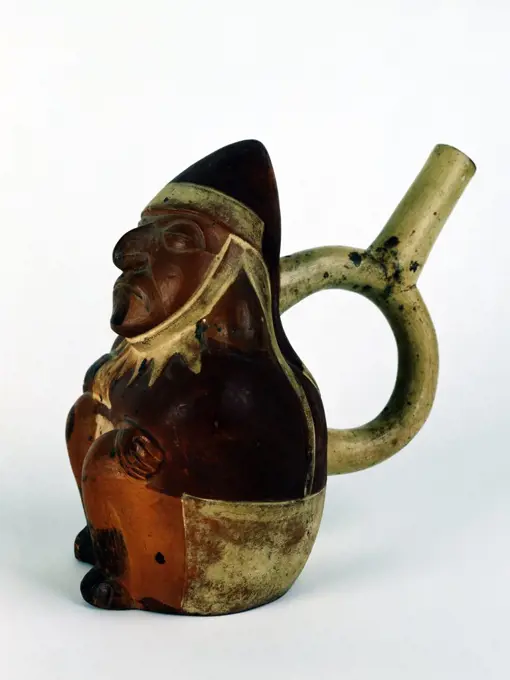
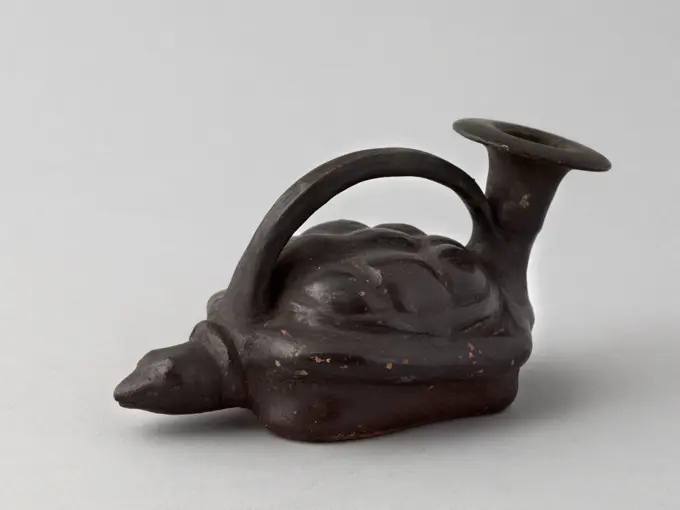
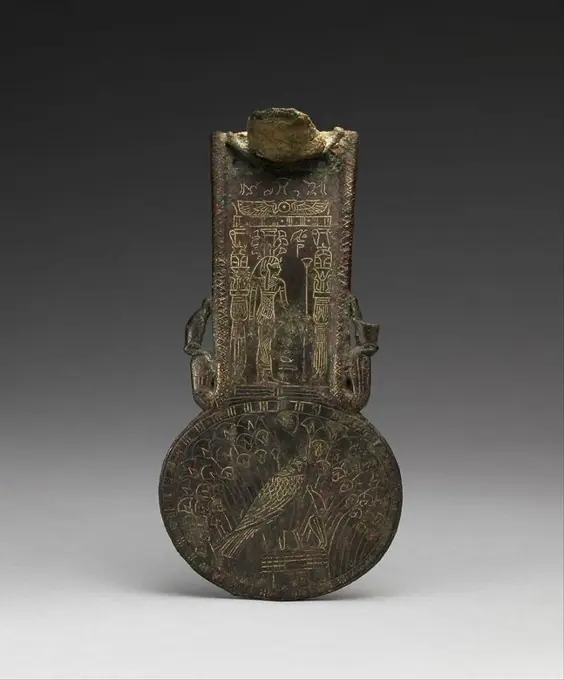
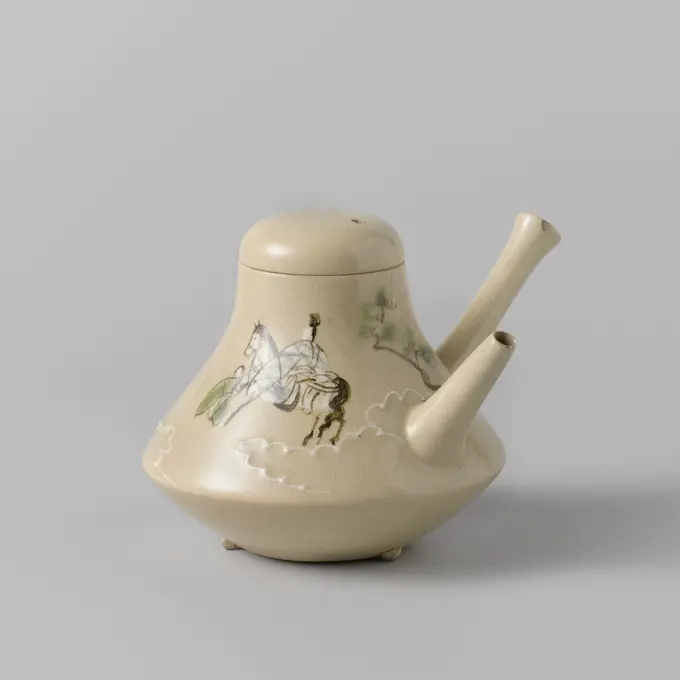
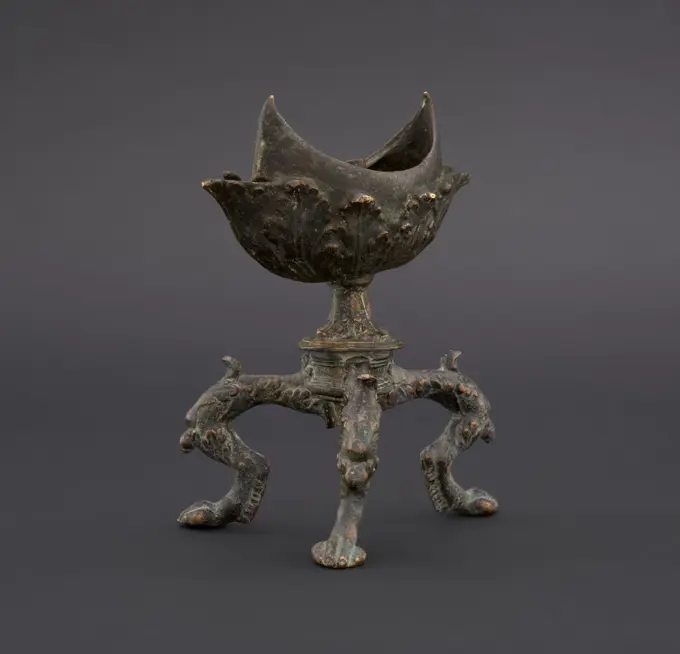
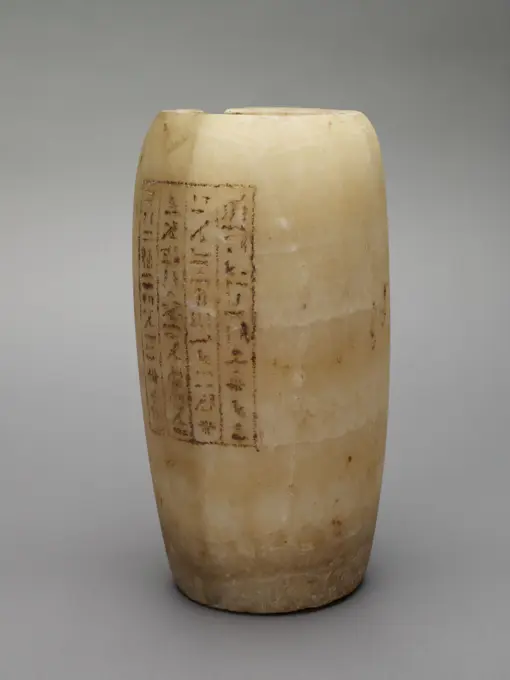
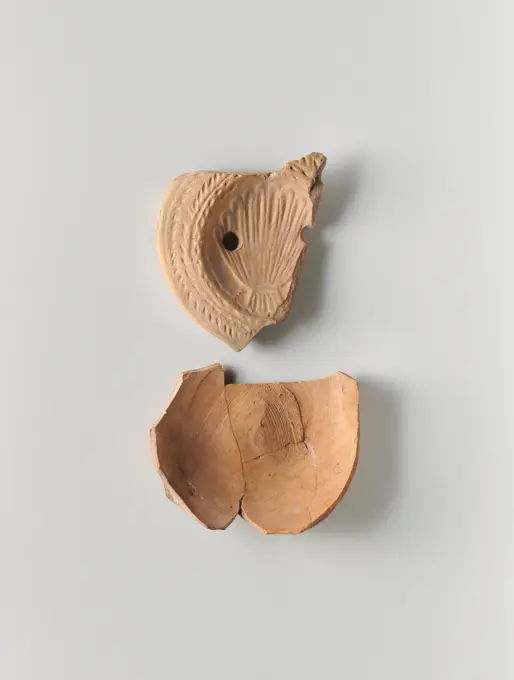
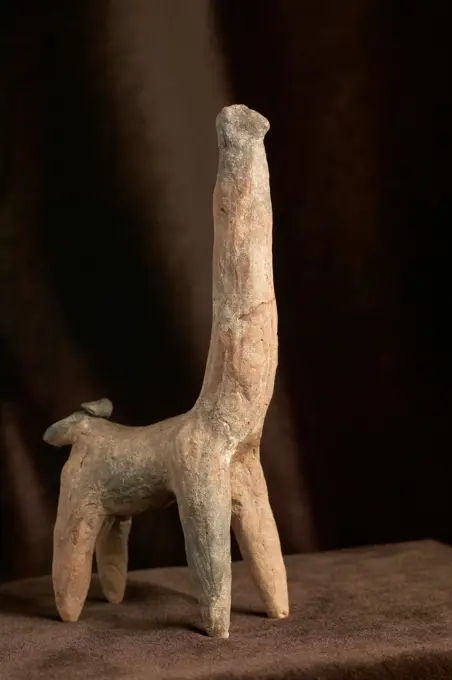
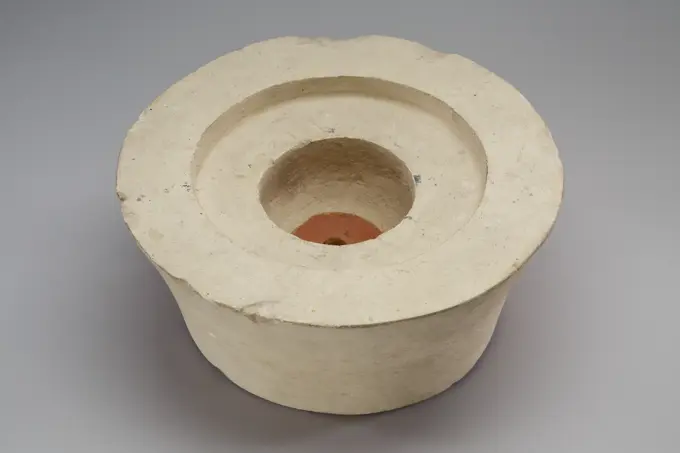
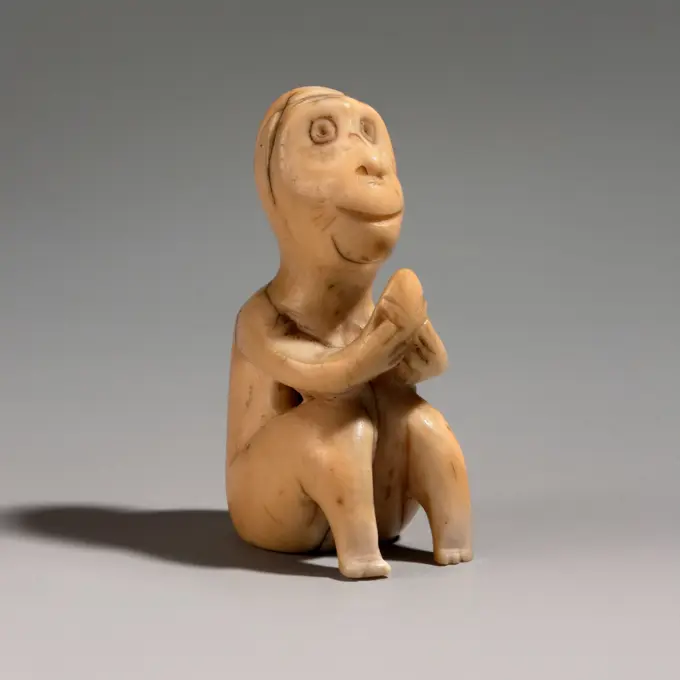
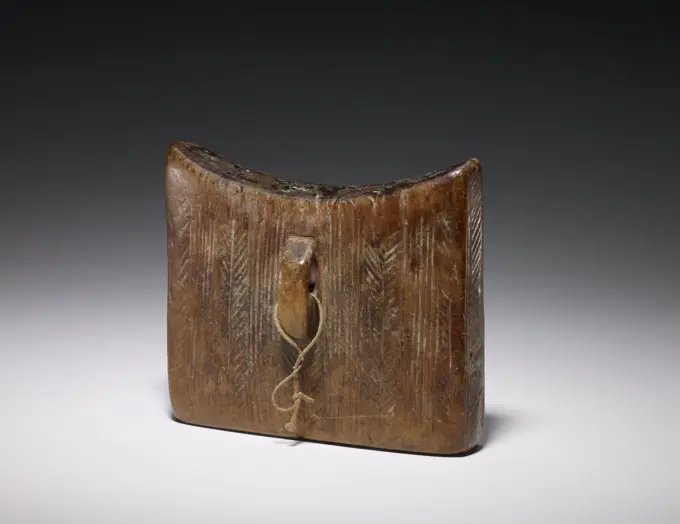
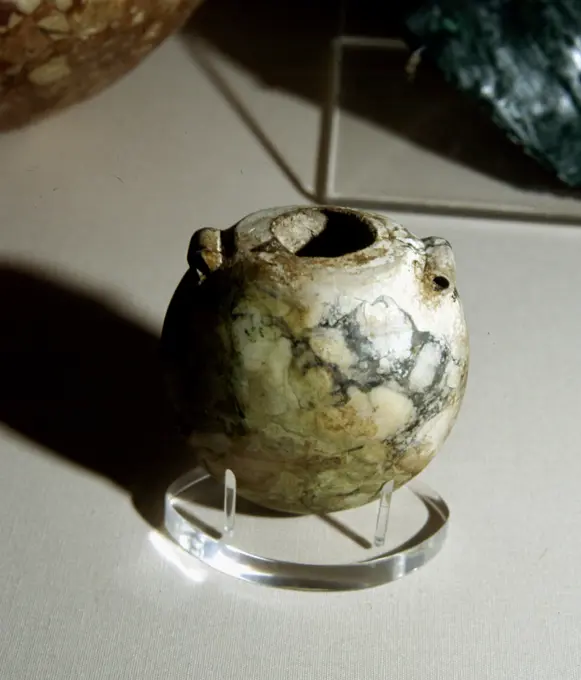
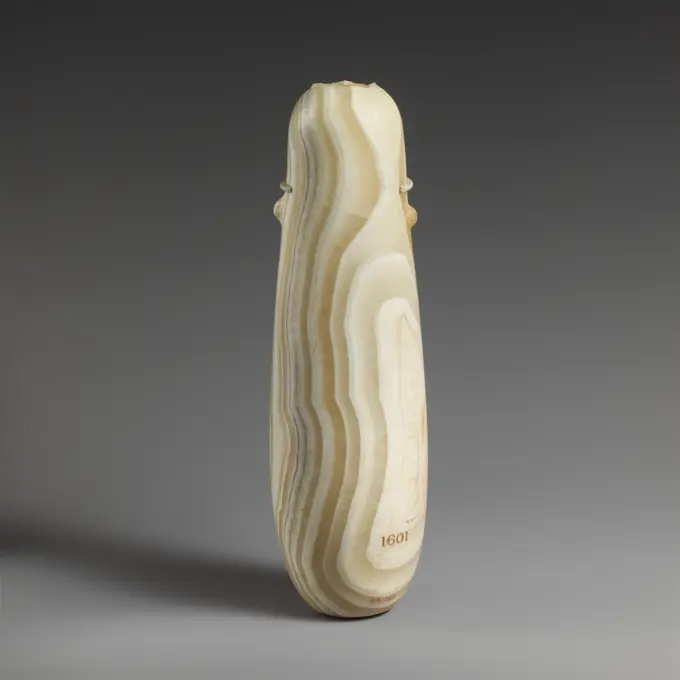
Oil LampDragon head (Architectural part) China. Dragon head (Architectural part) 52564Lamp. UnknownLizard-Head Spoon 13th-15th century Taíno Taíno sculptors created another class of objects created figural and abstract imagery for use in the cohoba ceremonies, known variably as spoons, spatulas, vomitivos, or "vomit sticks." Artists featured zoomorphic or anthropomorphic figures on these ritual implements, imbuing them with identities that featured prominently in their use in purging and fasting. Such activities induced weakened physical state and mental confusion, and combined with ritual use of cohoba, formed integral parts of rituals performed by specialist healers known as behique (or bohíte or buhuittihu).. Lizard-Head Spoon. Taíno. 13th-15th century. Bone. Dominican Republic, Caribbean. Bone/Ivory-ImplementsLamp. UnknownCase (part of a traveling set). Culture: French, Strasbourg. Dimensions: Overall (confirmed): 5 7/8 × 12 × 13 in. (14.9 × 30.5 × 33 cm). Date: ca. 1756.This unusually shaped case was specifically created for the safekeeping of a gilt-silver covered bowl and stand, or écuelle, in which hot broth was served during the elaborate dressing ritual known as the toilette. The écuelle was made by a Strasbourg silversmith--either Joachim-Frédéric Kirstein I or Jean-Frédéric Krug. Museum: Metropolitan Museum of Art, New York, USA.Lamp. UnknownLamp, North Africa; 1st - 4th century; Terracotta; 3 x 8 x 11.2 cm (1 3,16 x 3 1,8 x 4 7,16 in.)Amulet Seal. Eastern Anatolia, 4th-3rd millenium, B.C.. Jewelry and Adornments; amulets. StoneBottle;  IX-11th century (801-00-00-1100-00-00);Semerau-Siemianowski, Władysław (1849-1938)-collection, Semerau-Siemianowski, Władysław (1849-1938), Dar (provenance), Art of IslamLamp. UnknownLamp. UnknownStanding Female Figure with Crossed Arms; Thessaly, Greece; 6th - 5th millennium B.C; Terracotta; 5.1 x 3 x 2.4 cm (2 x 1 3,16 x 15,16 in.)Bird Pendant 1300 BCE-1000 BCE China. Jade .HachaFace Jug 14th century British What clearer indication could there be that the English potters enjoyed their work than the comical faces that enliven these jugs Such pieces have been excavated across Britain—in East Anglia, London, and Lincoln—but were also sent in large numbers to Norway.. Face Jug 479661Stoneware jug, Jug or jacobakan, jug on pinched foot, Jug or jacobakan jug crockery holder soil find ceramic stoneware glaze salt glaze, hand turned fried glazed Gray bottom-belly-shoulder-neck fragment of stoneware jug Turnings on lower part Pinched foot. Cylindrical neck with vertical ribbon ear Small collar on the transition from neck to belly. Some loose blobs of clay are baked on the stomach archeology Rotterdam City Center Stadsdriehoek Groenendaal underground pit indigenous earthenware import drinking serve serve Soil discovery: underground pit Rotterdam Groenendaal separate find 1975.09.23.Lamp, South Anatolia, Anatolia; 2nd century B.C.; Terracotta; 3.3 × 6.1 × 9 cm (1 5,16 × 2 3,8 × 3 9,16 in.)LampSquare Spouted Vessel with Parrot Molded on Handle. Moche or Lambayeque; North coast, Peru. Date: 250 AD-550 AD. Dimensions: H. 19.5 cm (7 9/16 in.). Ceramic and pigment. Origin: North Coast. Museum: The Chicago Art Institute, Chicago, USA.Fragment Jug or jacobakan, jug on squeeze foot, partly flamed, Jug or jacobakan jug crockery holder fragment soil found ceramic stoneware glaze salt glaze, surface 7.0 hand turned glazed baked stoneware gray shard faded gray with reddish-brown and gray glaze stains bandoor rings ring around edge neck shoulder pinched foot . Jug is probably baked too hot with the nice discoloration due to archeology import pottery pour serving drink wine beerFigure of crocodile. Dimensions: l. 13.7 cm (5 3/8 in). Dynasty: Dynasty 12-13. Date: ca. 1981-1640 B.C.. Museum: Metropolitan Museum of Art, New York, USA.AryballosTerracotta statuette of a woman late 4th century B.C. Greek, Boeotian By the end of the 4th century B.C., a new repertoire of terracotta figurines emerged. Appreciated for their naturalistic features, preserved pigments, variety, and charm, these figurines are known as Tanagras, from the site in Boeotia where they were found in great numbers. The majority of these figurines depict women or girls elegantly wrapped in thin himations (cloaks), reflecting an intimate examination of the personal world of mortal women and children.. Terracotta statuette of a woman. Greek, Boeotian. late 4th century B.C.. Terracotta with traces of white slip. TerracottasScholar's Rock (Mo shi), 18th century, 17 3/4 x 8 1/4 x 6 1/4in. (45.1 x 21 x 15.9cm), Stone, China, 18th centuryFemale Figure late 3rd millennium B.C. Valdivia In the third millennium B.C., inhabitants of Ecuador's southwest coast developed the earliest known ceramic figurine tradition in the Americas. Noted for their stylized representation, these clay statuettes are rooted in earlier stone figurine traditions from the same region. While some of the ceramic figures are relatively plain, consisting of simple grooved plaques reminiscent of their stone predecessors, others, like the one pictured here, display substantially more detail. The figurine, certainly a female, has a red slipped body with rounded breasts and strippling along her lower abdomen. Her hands are clasped beneath her chest and her legs are splayed. As is typical of many Valdivian statuettes at this time, the figure's face is almost completely obscured by an elaborate coiffure that cascades down her back. Found in domestic as well as ceremonial contexts, some scholars have suggested that Valdivian figurines represent fertility figIncense Burner. Culture: Coptic. Dimensions: Overall: 5 13/16 x 3 15/16 x 4 5/16 in. (14.8 x 10 x 10.9 cm). Date: 4th-7th century. Museum: Metropolitan Museum of Art, New York, USA.Squatting Harpokrates with hemhem and flail Late Period-Ptolemaic Period 664-30 B.C. View more. Squatting Harpokrates with hemhem and flail. 664-30 B.C.. Faience. Late Period-Ptolemaic Period. From EgyptStatuette of a man, Apollo type 7th-5th century B.C. Etruscan. Statuette of a man, Apollo type 246394Gray stoneware jug on squeeze foot, jug be found on the bottom of the ceramic stoneware, hand-turned gray stoneware jug be placed on the squeeze foot. Slim model wide neck opening. Flat bandage fastened to the neck Coarse spinning yarns along the entire length of the jug Light collar on transition between neck and shoulder archeology Rotterdam rail tunnel of indigenous pottery import serving serve serving table Soil discovery: rail tunnel or construction site Rotterdam.Bell Głonka (ear decorated with a braid)  Zygmuntów Tower, Wawel Cathedral, KrakowJug ca. 1780-1580 B.C. Canaanite. Jug 323120Handle 7th-8th century The dot-in-circle motif recalls designs presumed to be of magical significance, most likely an abstract eye to ward off the evil-eye, which serves an apotropaic function. Easily reproduced with a tool and visible in many cultures and times, this symbol may have lost its meaning, and become simply a decorative pattern, or may have one that we have not yet discovered. Handle 452867Fragment of a Cross, 30 BC-AD 395. Egypt, Roman Empire. Wood;Zapinka do pasa. unknown, craftsmanBoar Head. Western Iran, Achaemenid, late Achaemenid (400-300 BC). Sculpture. Buff ware, cream slip, brown/black painted decorationVessel 4th-7th century Coptic. Vessel. Coptic. 4th-7th century. Alabaster. Made in Kharga Oasis, Byzantine Egypt. Lapidary Work-AlabasterCapital with Christ Giving the Keys to Saint Peter 1150-1200 Southwest French. Capital with Christ Giving the Keys to Saint Peter 466227Bowl;The collection of ancient EgyptOffering stands from Golan. Over 6,500-5,500 years ago, made from basalt.Pottery Whistle ca. 800-1500 Costa Rican. Pottery Whistle. Costa Rican. ca. 800-1500. Clay. Pre-Columbian. Central Region, Costa Rica. Aerophone-Whistle Flute-whistleSeal with names of Nebhepetre Mentuhotep Middle Kingdom ca. 2030-1640 B.C. View more. Seal with names of Nebhepetre Mentuhotep. ca. 2030-1640 B.C.. Steatite, glazed. Middle Kingdom. From Egypt. Dynasty 11Flask. UnknownTwo hippopotami figurine. Dimensions: l. 15 cm (5 7/8 in). Dynasty: Dynasty 12, mid-13. Date: ca. 1900-1640 B.C.. Museum: Metropolitan Museum of Art, New York, USA.Sculpture. Figure, sitting or hacking, without head. Bracelets around both arms and chain, or more likely a flower wreath around the neck.Head, 8th century, 3 1/2 x 7 1/4 x 3 in. (8.89 x 18.42 x 7.62 cm), Earthenware, Venezuela, 8th centuryHead - figurine fragment. unknown, craftsmanKey Handle 1st-7th century Roman. Key Handle 462897Glass bottle with dolphin handles. Culture: Roman, Rhenish. Dimensions: H.: 4 13/16 in. (12.3 cm). Date: 3rd-early 4th century A.D..Colorless with pale greyish blue green tinge; handles in same color.Uneven, cracked-off rim; cylindrical neck, expanding downwards with horizontal tooled indent around base; sloping shoulder with rounded slightly overhanging edge; cylindrical body, tapering slightly downwards and curving in to concave bottom; two small "dolphin" handles dropped onto bottom of neck, drawn down over shoulder, then up and in, forming loop, and trailed off above.On body, bands of faint horizontal wheel-cut lines, one below shoulder, another halfway down side, and possibly a third near bottom, each comprising two parallel lines.Body complete, but broken at rim and neck with some losses; bubbles and striations; dulling, creamy white weathering, and iridescence.Colorless cylindrical bottle with handles in the form of dolphins. Museum: Metropolitan Museum of Art, New York, USWhite clay pipe, unnoticed, with smooth handle, clay pipe smoking equipment smoke bottom pottery ceramic pottery, pressed finished baked white clay pipe unnoticed with smooth handle Very small and probably very early clay pipe archeology smoking tobaccoTerracotta fragment of a lekythos (oil flask) second quarter of the 5th century B.C. Greek, Attic Part of the handle and neck of a lekythos; at the juncture of the neck and shoulder, a chamfer; below, an egg pattern with dots in the interstices; on the shoulder, head and upper torso of a winged woman to right, wearing a chiton and a sakkos; leaves and tendrils from the ornament. Terracotta fragment of a lekythos (oil flask). Greek, Attic. second quarter of the 5th century B.C.. Terracotta; red-figure. Classical. VasesLamp, South Anatolia, Anatolia; 1st - 4th century; Terracotta; 3 x 7.4 x 10 cm (1 3,16 x 2 15,16 x 3 15,16 in.)Snuff Bottle, 1644-1911. China, Qing dynasty (1644-1911). Glass; overall: 6.8 cm (2 11/16 in.).PotRing fragment. Iran. End of the 7th century BC. Paris, Cernuschi museum. 35179-4 Ring, bronze, fragment, animalStylized Plover. Japan, 19th century. Costumes; Accessories. Lacquer with pigment and gold flecksBlack-topped red ware jar ca. 3650-3300 B.C. Predynastic, Naqada II. Black-topped red ware jar 547291Plane, 1600s. Spain, 17th century. Oak; overall: 88.3 cm (34 3/4 in.).Soldier's figurinePair of Earrings, 1540-1296 BC. Egypt, New Kingdom, Dynasty 18, 1540-1296 BC. Travertine;Fragments from lion statue made from sandstone. Barcelona, Spain 2013Fish Pendant. Culture: Colima. Dimensions: L. 6 1/8 in. (15.6 cm). Date: 2nd century B.C.-A.D. 3rd century.This shell carving of a fish, said to be from Colima in West Mexico, is cut out of a large white shell. The fish has an arched body with two dorsal fins and two fins on its underside. The mouth is slightly open; the eye has two concentric circles, the inner one being perforated. There are two suspension holes near the bottom edge. Museum: Metropolitan Museum of Art, New York, USA.Bladderball with the weapon of George III, Anonymous, c. 1800 - c. 1850 The object consists of two in handles on wooden parts, which form the top and top of the bellows, the red-painted leather in between, which is sounded with nails on the edges of those parts, and the tube of yellow copper. The top is covered with yellow copper plate, in which a mold has been pressed with the help of a mold, consisting of the crowned and the motto surrounded by the garter of George III, king of Great Britain, between a crowned lion and A unicorn and with the motto 'dieu et mon droit', furthermore three ostriches placed in a crown, garlands of roses and thistles and oak leaf along the edge, as well as the term 'patent'. The bottom has a painting with Chinese landscape motifs in paint on green background. England brass (alloy). wood (plant material). leather. brass (alloy) painting The object consists of two in handles on wooden parts, which form the top and top of the bellows, the red-painted leather Copper bucket of scale, scale weighing instrument measuring instrument part ground find brass copper metal, beaten Copper bowl of scale. Bowl shaped Turned top edge. Remains of three riveted anchorages for suspension but also dented by the 'claws' of scale archeology Rotterdam City center Stadsdriehoek Oudehaven roads sell trade market shop retail Soil discovery: Oude Haven Rotterdam.Anonymous, located. Cernuschi Museum, Asia Museum of Asia in the city of Paris.Figurine ca. 2100-2000 B.C. Neo-Sumerian. Figurine. Neo-Sumerian. ca. 2100-2000 B.C.. Ceramic. Ur III. Mesopotamia, NippurRing bottle. Culture: American. Dimensions: H. 12 1/8 in. (30.8 cm). Date: 1820-30. Museum: Metropolitan Museum of Art, New York, USA.Netsuke in the shape of laughing pilgrim monk leaning on a staff, with the hat pushed back. unknown, sculptorbronze parades with the head of a warrior with a wolf head headdress bronze parades with the head of a warrior with a wolf head headdress, necropolis of Piquia, Arjona, Iberian Museum of Jaén, Andalusia, Spain Copyright: xZoonar.com/Tolox 21714960Fragment of the bottom of a bowl, anonymous, 1400 - 1600 Come, fragment of the bottom of the raised edge. Hard and thick shard of gray-white soil, at the front and rear with partially translacid turquoise-blue colored lead glaze covered. Coming from Cairo.  earthenware Come, fragment of the bottom of the raised edge. Hard and thick shard of gray-white soil, at the front and rear with partially translacid turquoise-blue colored lead glaze covered. Coming from Cairo.  earthenwareBOTIJO CON FORMA DE GALLO EN BARRO. Location: ALFARERIA. Guadix. GRANADA. SPAIN.Netsuke - little man carrying an enormous gourd. unknown, sculptorSeated Chieftain Ai Apec,  from Moche IV,  Peru,  USA,  Florida,  Jacksonville,  The Museum of Contemporary Art,  Pre-Columbia Ceramic Collection,  circa 200-500 A.D.Parthian period. Throne leg (). Ivory; carving. 2nd c. BC. Old Nisa. Turkmenistan. The State Hermitage Museum. Saint Petersburg. Russia.Knob 4th century Coptic. Knob 477767Anonymous. Double peach cut of longevity. Jade, Ming era (XIV-XVII). Museum of Fine Arts of the City of Paris, Petit Palais. 112502-2Funerary Cone of the Royal Herald Intef ca. 1479-1453 B.C. New Kingdom This cone has the impression of a stamp seal inscribed for the royal herald Intef who served during the joint reign of Thutmose III and Hatshepsut. He was owner of tomb TT 155 in the Dira Abu el-Naga cemetery of Western Thebes.Hundreds of stamped pottery cones like this one have been found in the non-royal cemeteries of the Theban necropolis. More than six hundred different stamps have been recorded. Although a few cones are inscribed with the names of identifiable tomb owners like Intef, most record the names of people whose tombs cannot be identified.During the 1926-27 field season, the Museum's excavators uncovered a Middle Kingdom tomb (MMA 110) with rows of unstamped cones embedded along the upper edge of the façade (see fig. 1). It is quite likely that stamped cones, which date to the New Kingdom and later, were used in the same way, identifying the tomb owner by name and title. Intef's tomb facade appears to Guttus in the shape of a turtle. Molded terracotta. Apulie (Italy), 4th century BC. AD Museum of Fine Arts of the City of Paris, Petit Palais. 59232-15 Antiquity, Greek-Roman antiquity, ancient art, drink, ceramic, jug, large Greece, guttus, humor, libations, molding, object of ceremony, ancient period, pottery, container, religious rite, ritual, turtle, vase, wine, wine , animal, reptile, sacrificeFOREIGN OLDMenat counterpoise for attachment to the missing aegis of a goddess. Dimensions: H. 19.1 cm (7 1/2 in.); W. 9.7 cm (3 13/16 in.); D. 4.2 cm (1 5/8 in.). Dynasty: Dynasty 22-26. Date: ca. 800-525 B.C..The upper part of this menat depicts an elaborate light shrine with a goddess inside in precious metal inlay. Two small columns formed from Hathor emblem capitals above an open lotus and papyrus-bundle half-column support the roof. Its cornice is emblazoned with a winged sun-disk, and above a frontal Hathor emblem and two seated cats may be seen. The goddess beneath the shrine is labeled "the god's mother" and described as "residing in Sedjem()." Her sistrum-box crown, unusually here with plant decoration, indicates she is Nebethetepet, associated with Hathor and a kind of personification of the original creative act performed by the god Atum. On the roundel of the menat the falcon Horus may be seen among in a clump of papyrus in the marshes where he was hidden by his mother, Isis and someStringedInstrumentTeapot with a horsemen in a landscape, anonymous, c. 1800 - c. 1825 Teapot of stoneware with a pear -shaped body, three small legs around the foot and the handle at right angles to the spout, covered with a beige glaze and painted under the glaze with a white sludge, brown and green. On the belly a landscape with a rider, next to a servant. A tree on the other side. A chip in the handle. Japan stoneware. glaze painting / vitrification Teapot of stoneware with a pear -shaped body, three small legs around the foot and the handle at right angles to the spout, covered with a beige glaze and painted under the glaze with a white sludge, brown and green. On the belly a landscape with a rider, next to a servant. A tree on the other side. A chip in the handle. Japan stoneware. glaze painting / vitrificationa small hammer breaks the walnut shellPair of Stirrups ca. 1500 German These stirrups, due to their small size, may have been made for a child. The brass foil covering the iron, when new, would have given them a shiny golden aspect. Still recalling the shape of the examples made throughout all the 15th century, they are typical of the stirrups made in eastern Germany and Austria. The scale motif at the top is inspired by the decoration found on late Medieval Bohemian spurs and stirrups.. Pair of Stirrups. German. ca. 1500. Iron, copper alloy. Equestrian Equipment-StirrupsOlive lamp;  XVIII/19th century (1785-00-00-1825-00-00);Battle of the Monkey and Octopus. Japan, mid-19th century. Costumes; Accessories. Ivory with sumiCanopic Jar Body. Inscribed for Ta-nefert-irty, daughter of the general Psamtek-neb-pehty, born of the lady Ta-Kesh.Terracotta oil lamp ca. A.D. 200-350 Roman, Cypriot Loeschcke Type 8. Mold-made. Discus: scallop shell; two filling holes, one to each side. Shoulder, slightly sloping outward: narrow band of impressed dots around edge of discus and broad impressed herringbone pattern. Undefined, concave base; on base, inscribed in large Greek letters in three lines: CYPIWNOC, "of Sphyridon."Broken and repaired, now in two separate pieces, comprising part of discus and shoulder as a single piece, and in four joined pieces part of part of side and most of base. Reddish buff clay.. Terracotta oil lamp. Roman, Cypriot. ca. A.D. 200-350. Terracotta. Late Imperial. TerracottasCeramic giraffe (158mm in height. Recovered from Mapungubwe Hill. Northern Province. South Africa.  Photographed at the Mapungubwe Museum. University of Pretoria.Neck fragment of a can from the wreck of the East India Hollandia.Stoneware, Rhenish, Frechen-Ware, JUG; Fragm or Neck, Handle Broken Off, Relieved Band on Exterior SIM. NG 1978-9H172 and Star-Shaped Stamp Sim. NG 1980-27H468.Lamp wick holder ca. 2030-1640 B.C. Middle Kingdom. Lamp wick holder. ca. 2030-1640 B.C.. Limestone, pottery. Middle Kingdom. From Egypt, Fayum Entrance Area, Lahun, Pyramid interior, BSAE excavations 1914. Dynasty 13gift (provenance), netsuke, Japanese artHeadrest, 6 5/16 x 7 1/2 x 2 15/16 in. (16.03 x 19.05 x 7.46 cm), Wood, string, EthiopiaProject Graly-Manzag 2013-2016 Carnavalet Museum, Medals CollectionLimestone vase. Second Dynasty.2700 BC. Tomb of, Khasekhemwy, Abydos.Alabaster alabastron (perfume vase) 6th-5th century B.C. Cypriot The lip is missing and both lugs are broken. The veining of the stone is particularly pronounced and beautiful.. Alabaster alabastron (perfume vase) 243998Vase;  18th century (1700-00-00-1800-00-00);Goldweight Gourd, 19th-20th century, 15/16 x 1 1/16 in. (2.38 x 2.7 cm) (irregular), Brass, Ghana, 19th-20th centurySnuff Bottle China. Snuff Bottle 41643Ancient Greece. Cooking devices. 6th-4th century BC. Museum of the Ancient Agora. Athens, Greece.