Ancient Artifacts

A variety of ancient objects including lamps, pottery, and figurines that reflect historical significance and craftsmanship from different eras.
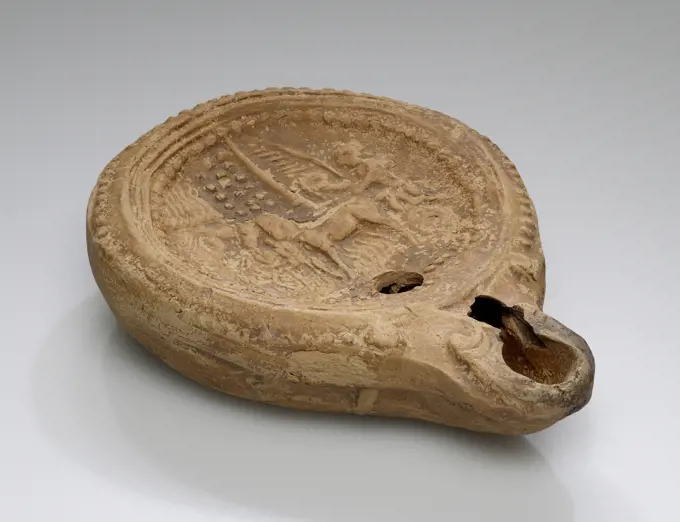
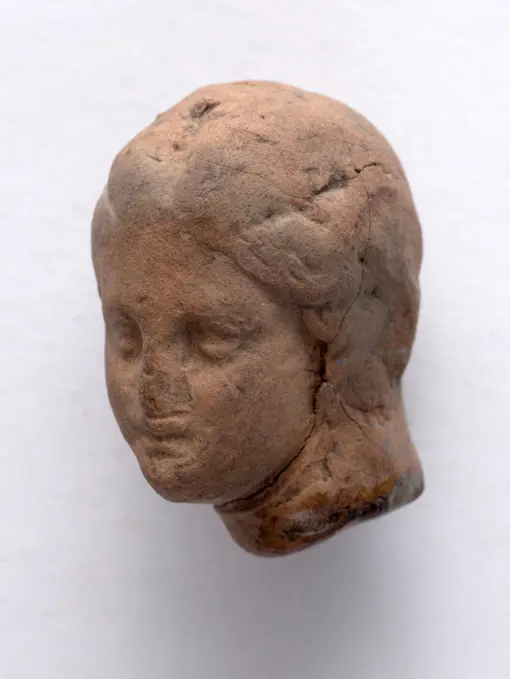
Lamp, Anatolia; 1st - 4th century; Terracotta; 2.5 x 8 x 10.5 cm (1 x 3 1,8 x 4 1,8 in.)
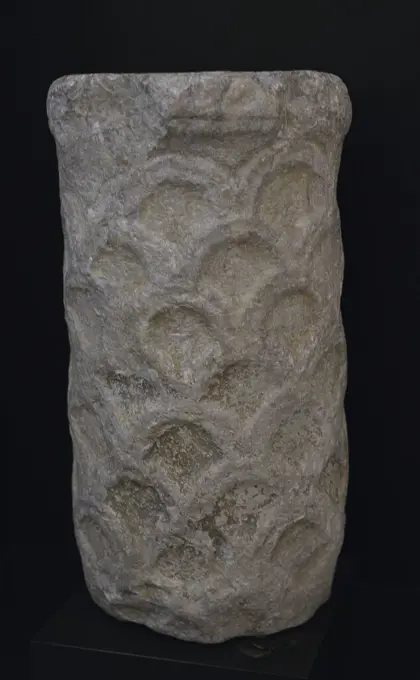
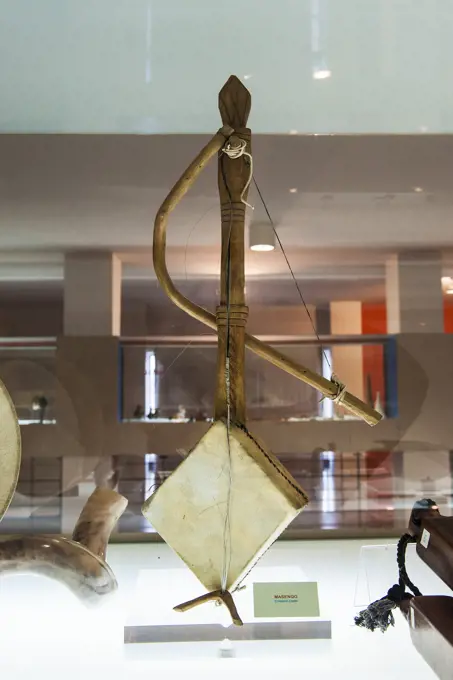
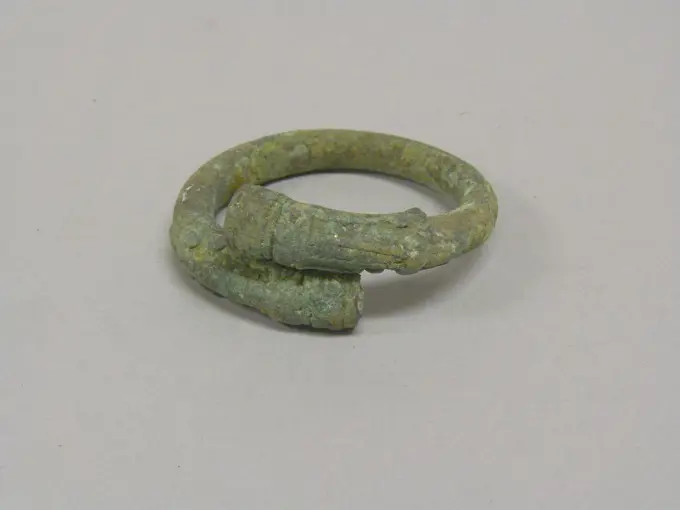
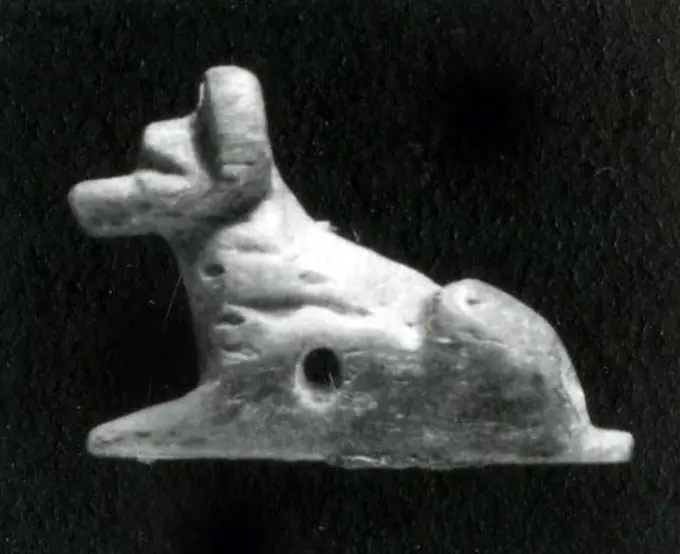
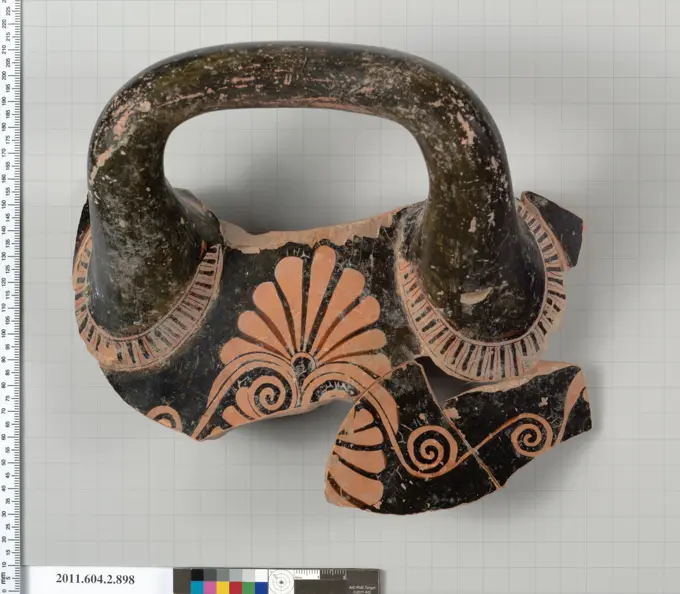
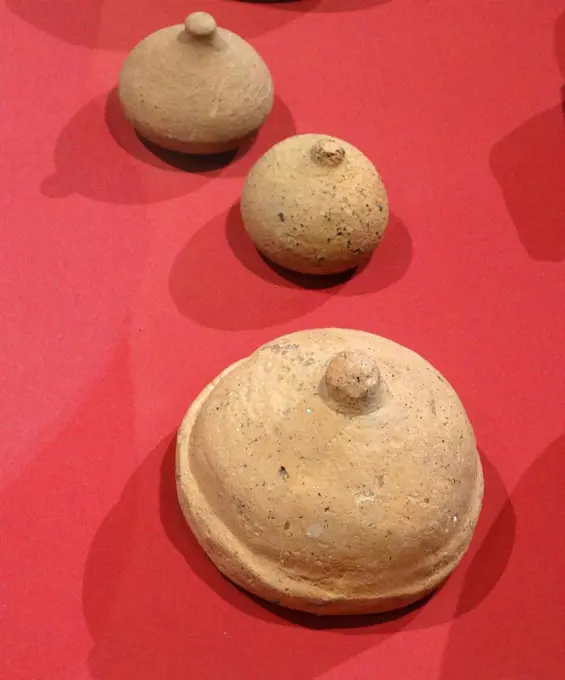
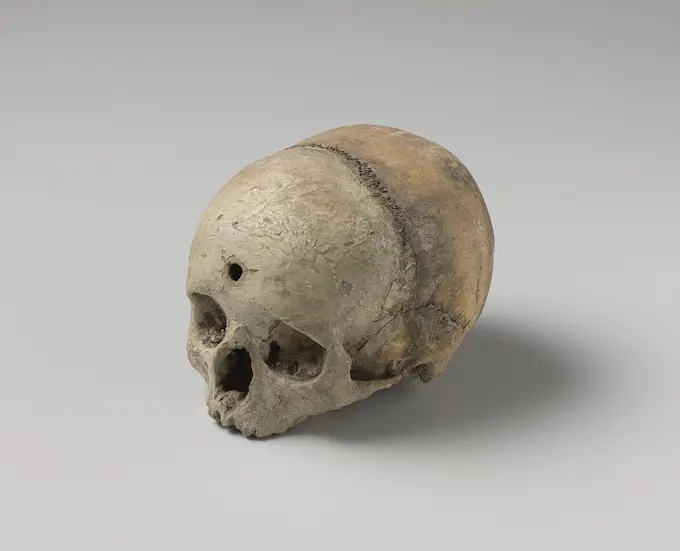
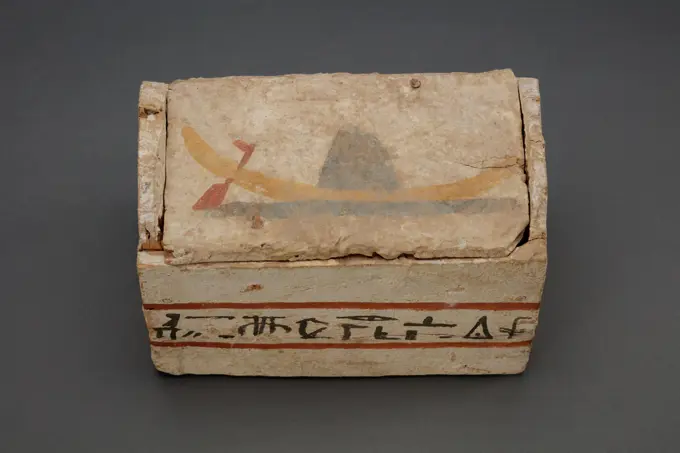
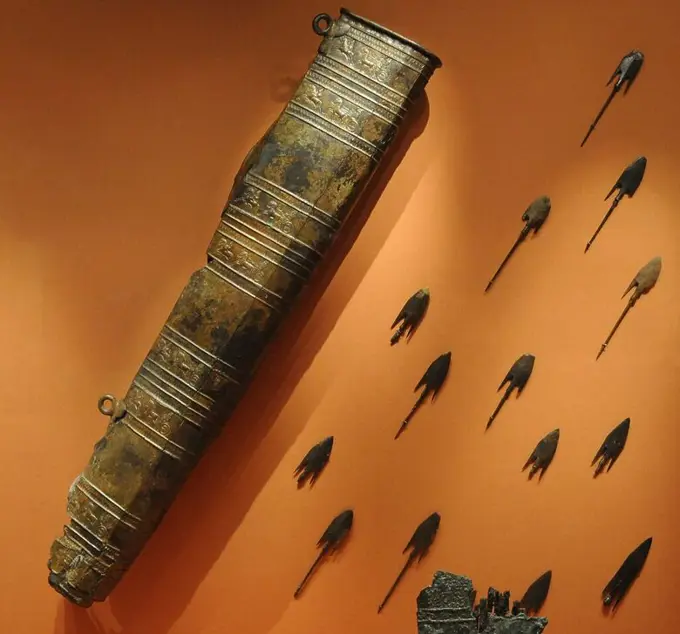
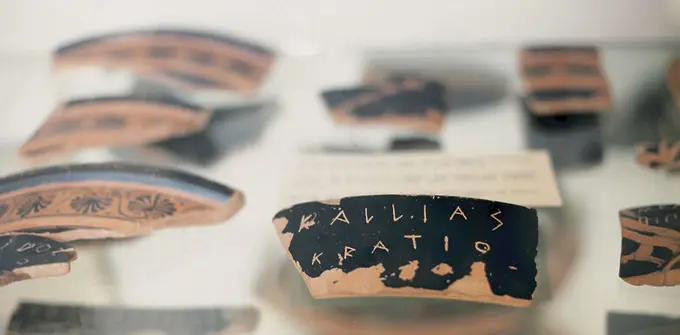
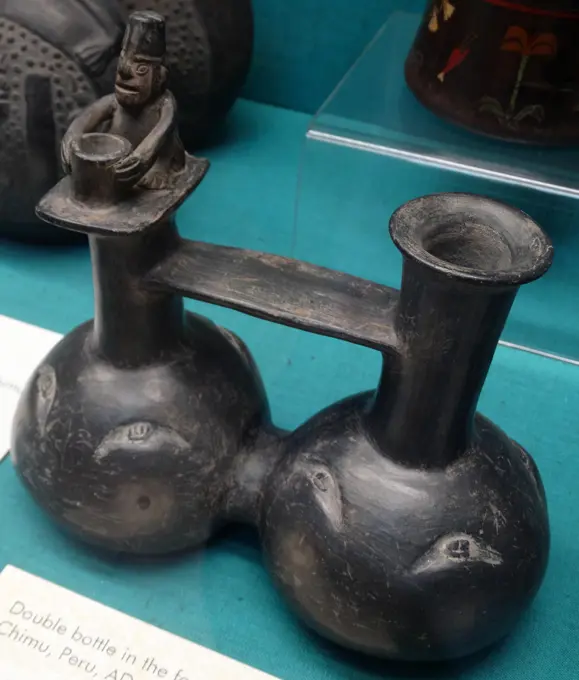
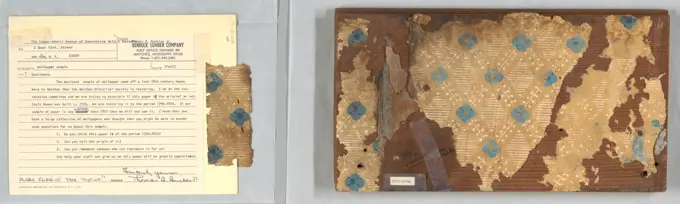
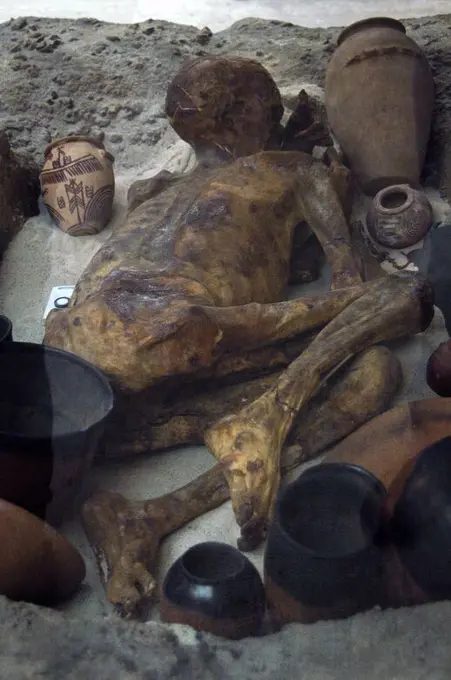
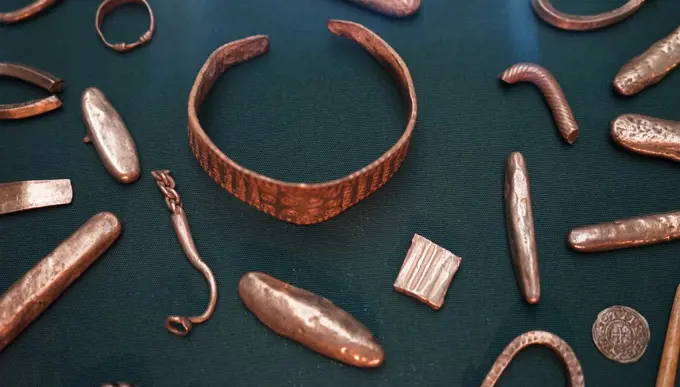
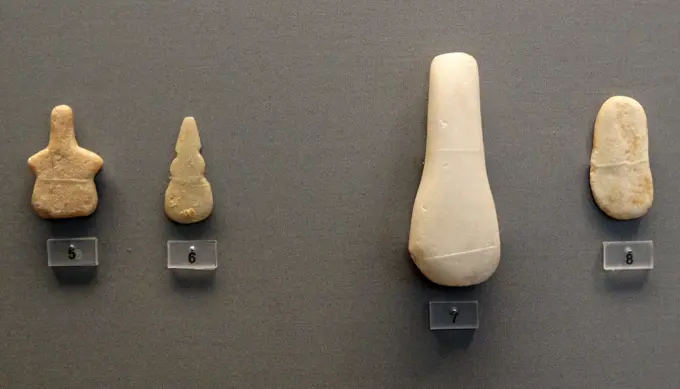
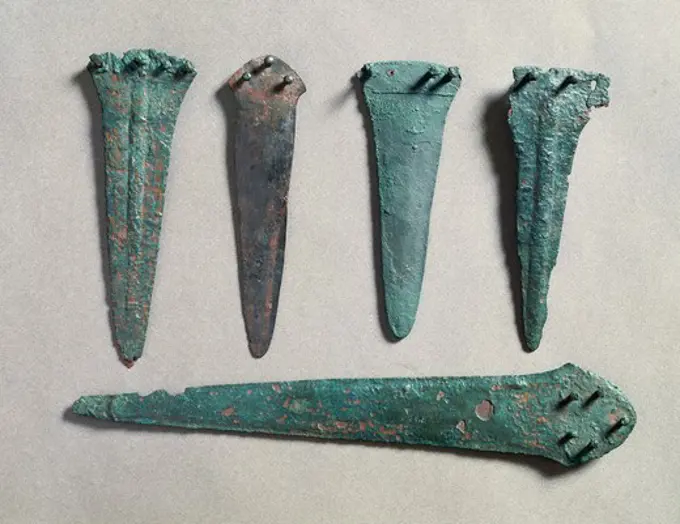
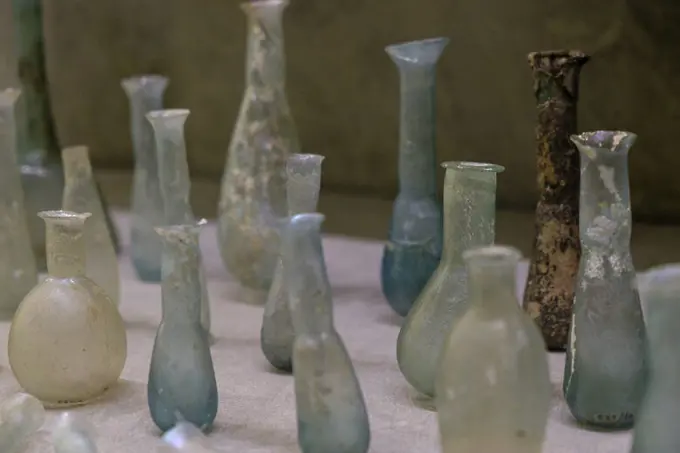
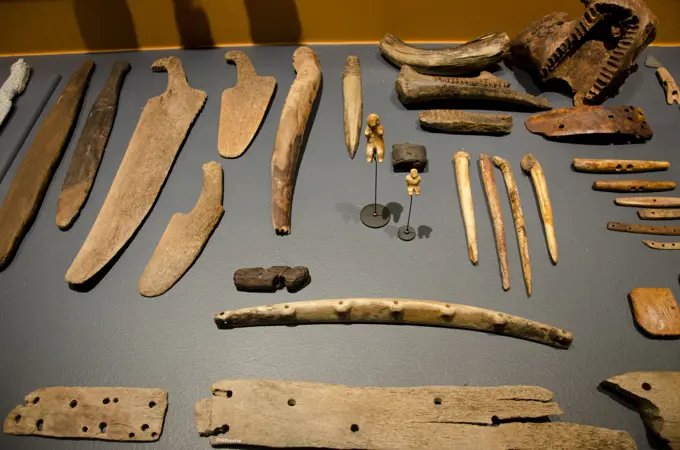
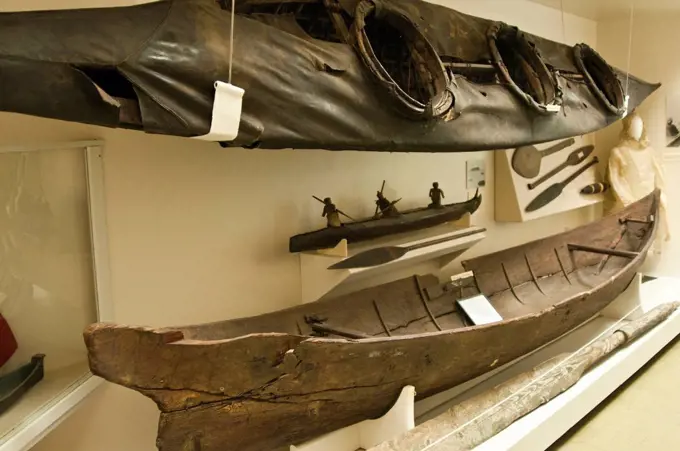
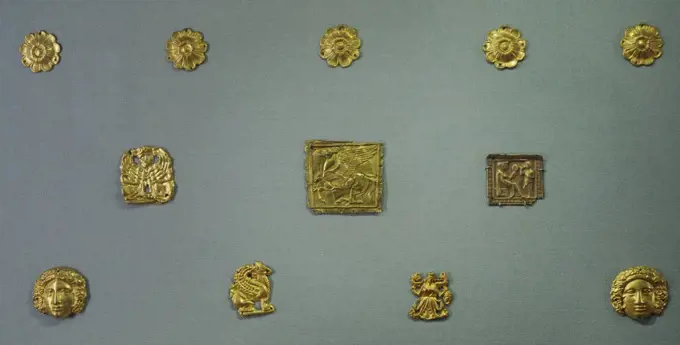
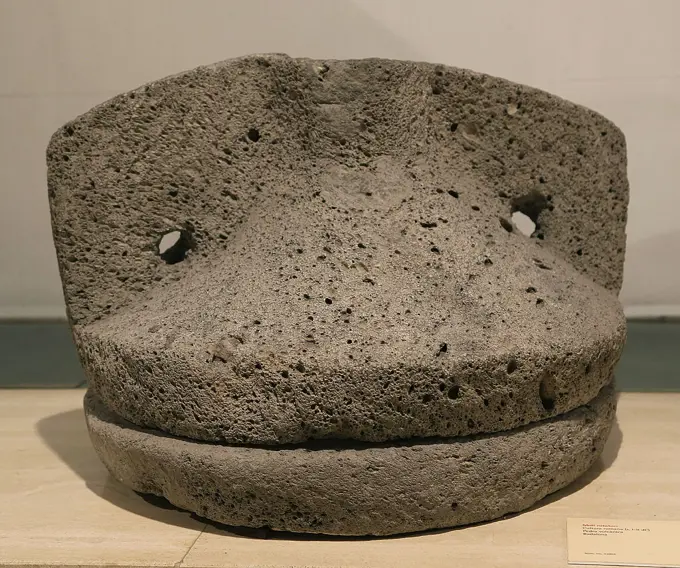
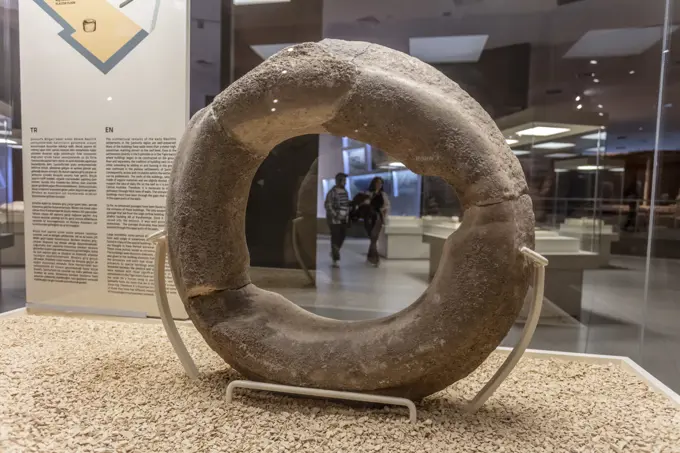
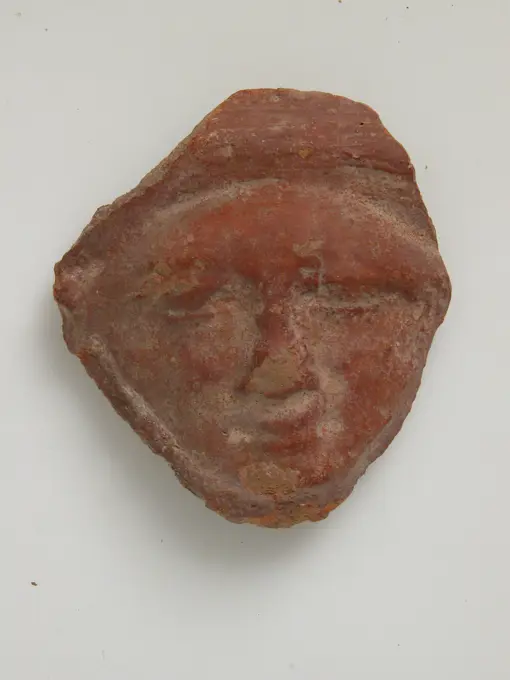
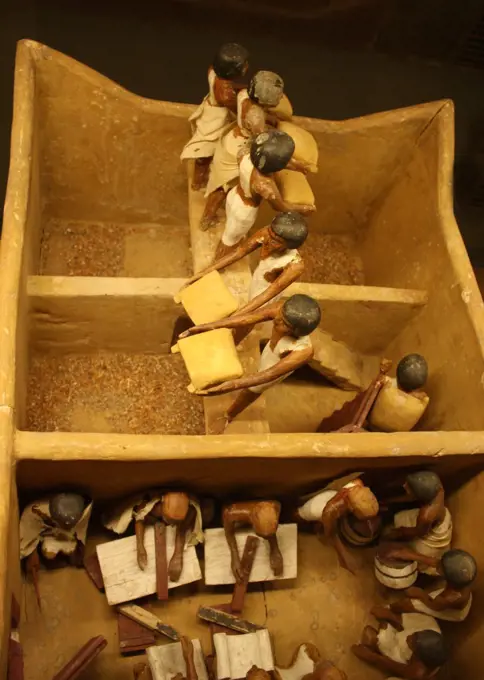
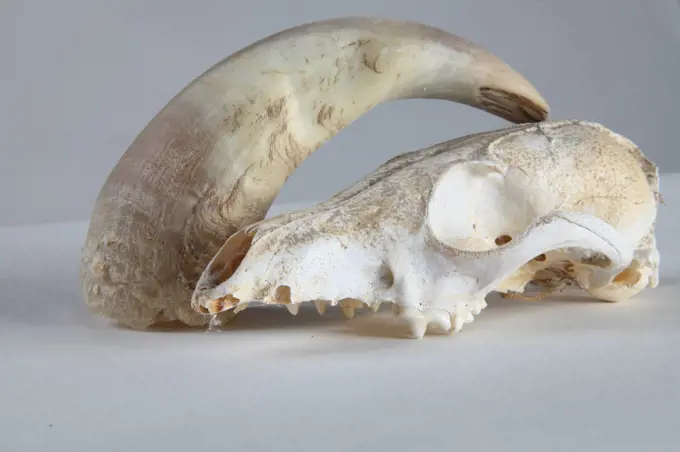
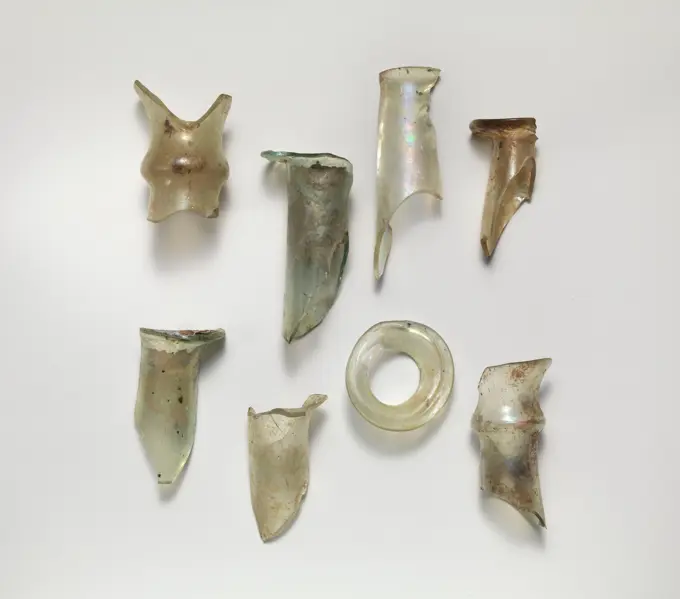
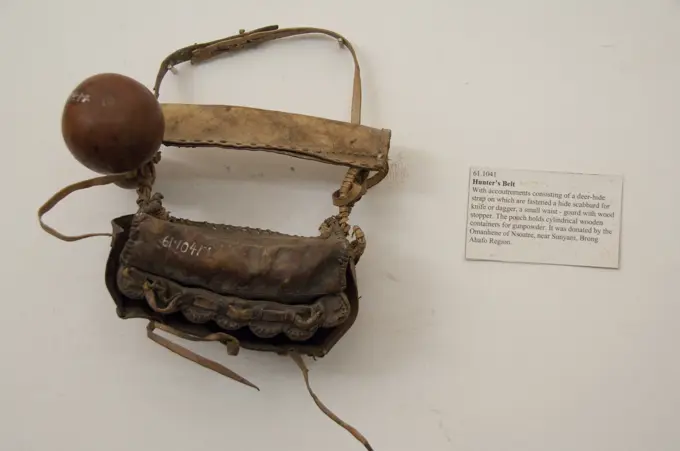
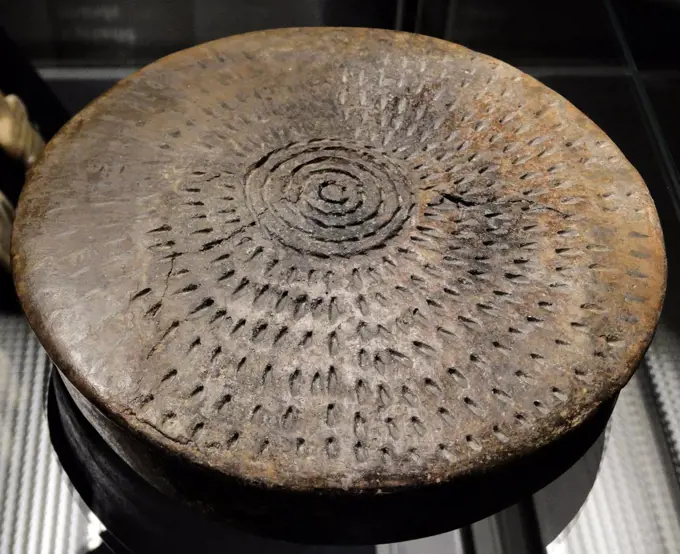
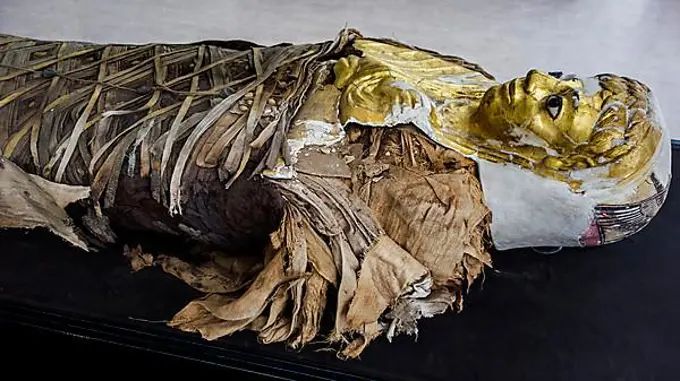
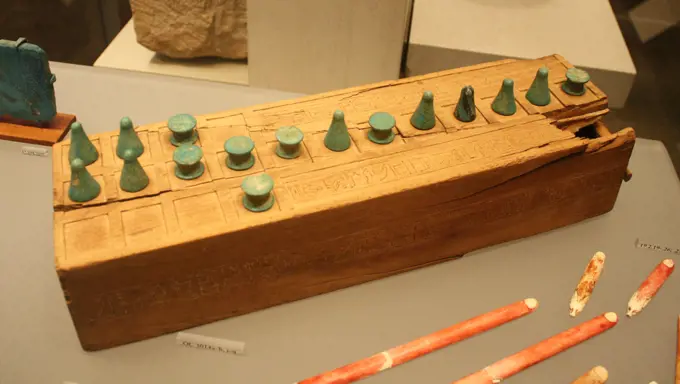
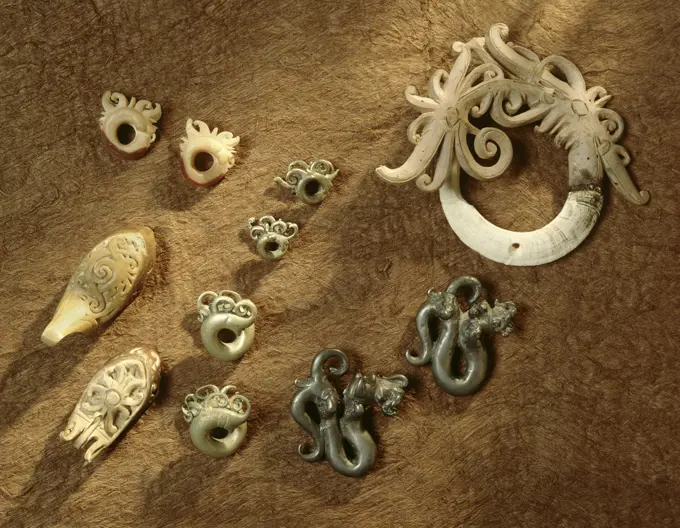
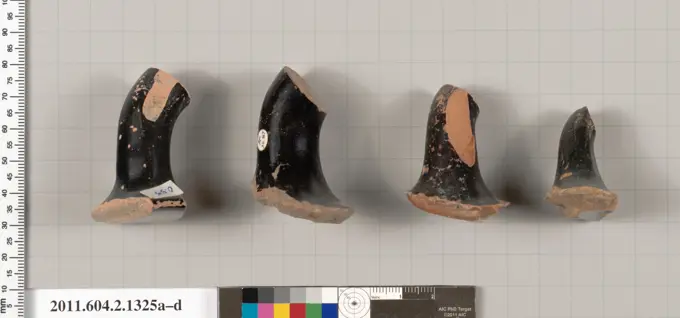
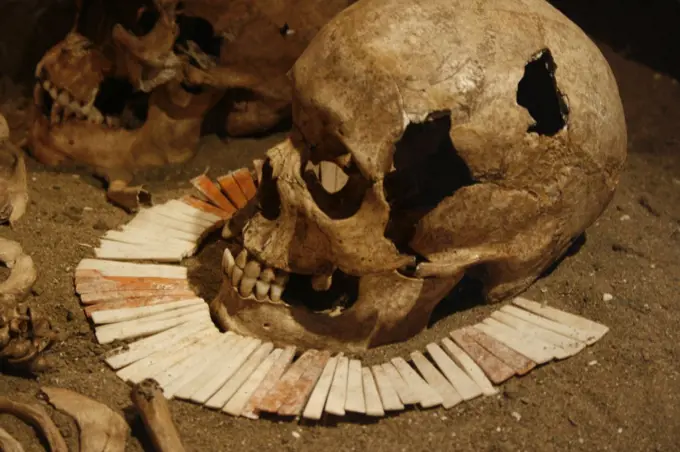
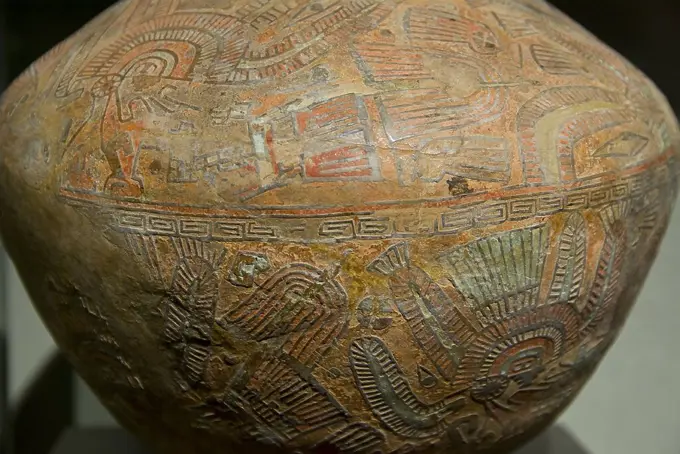
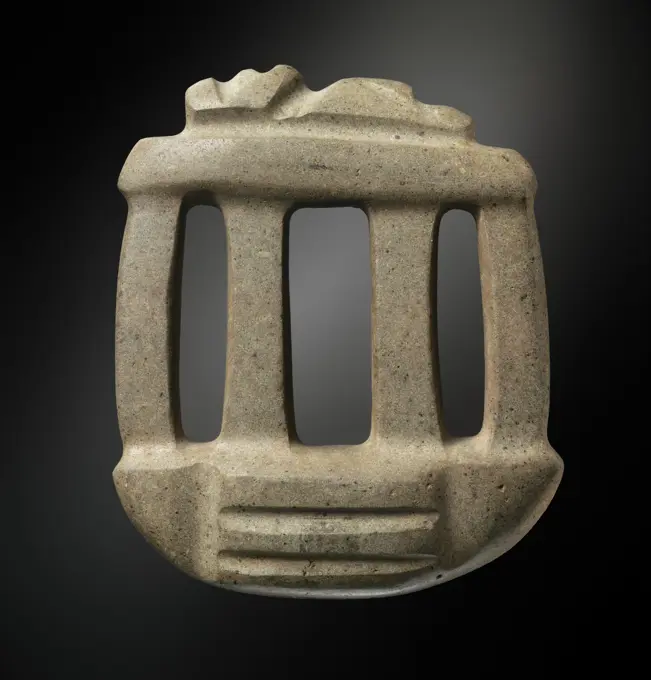
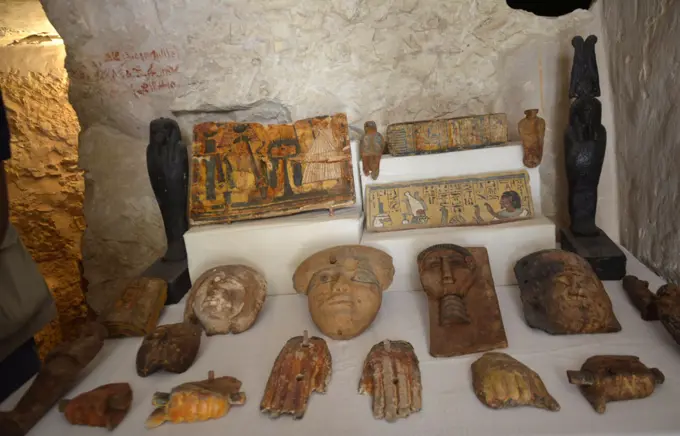
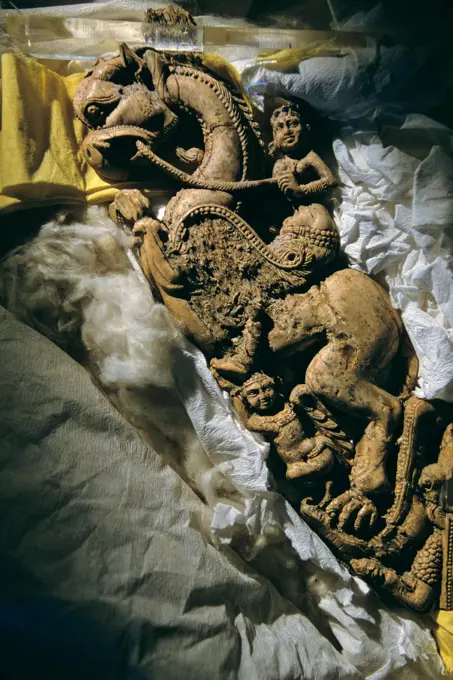
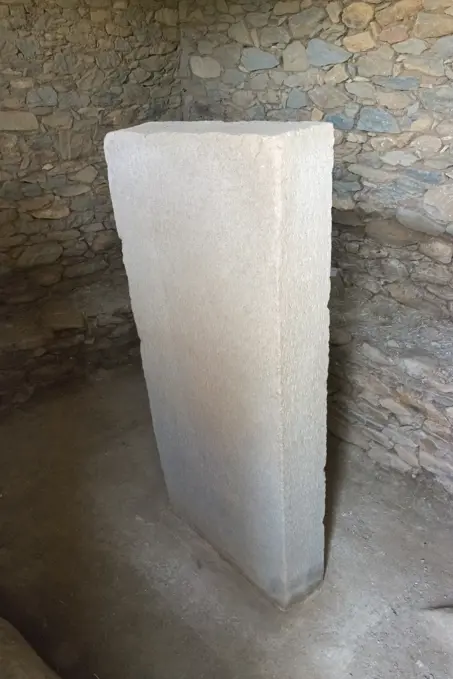
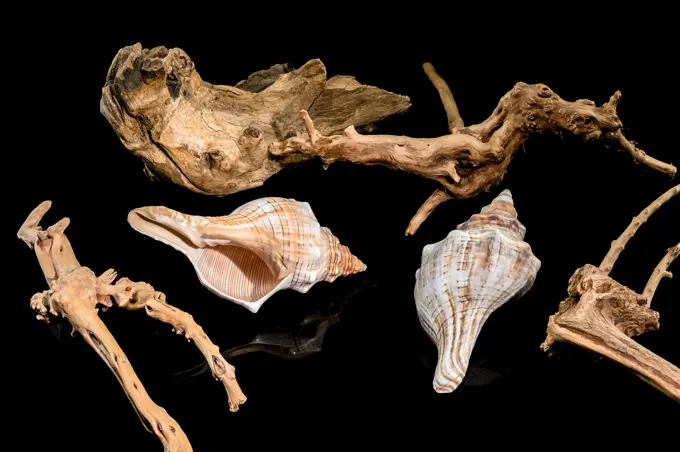
Statuette. Terracotta. Hellenistic. Head. Paris, Carnavalet museum. 50145-2 Antiquity, Hellenistic, statuette, terracotta, head, ancientFragment of shaft covered by imbrication of semicircles. Marble. 7th century. From the Cerro de la Virgen (Cerro de la Virgen Hill), Toledo, Spain. Museum of Visigoth Councils and Culture. Toledo, Castile-La Mancha, Spain.Terracotta fragments of a kylix (drinking cup) second quarter of the 5th century B.C. Greek, Attic Interior, one fragment has the top of a head and part of a bent arm of a male to left; the other fragment has part of the meander pattern; Exterior, lower body of draped male sitting on a block seat to right; lower drapery, frontal calf and right foot of male; the second fragment has the lower body of a draped male sitting on a block seat to left; part of a knobby stick; start of handle root; below, a tendril. Terracotta fragments of a kylix (drinking cup) 693560Spain, Murcia region, Barranda, music museumOverlapping Solid Bangle with Applied End Decoration 1000 B.C.-A.D. 400 Thailand. Overlapping Solid Bangle with Applied End Decoration 53324Manistein Manistein in the area of ​​Mustang, NepalAnubis amulet ca. 2110-2030 B.C. Old Kingdom-First Intermediate Period. Anubis amulet. ca. 2110-2030 B.C.. Ivory. Old Kingdom-First Intermediate Period. From Egypt. Dynasty 8-11Terracotta fragment of a bell-krater (bowl for mixing wine and water) mid-5th century B.C. Greek, Attic Complete handle, with tongue pattern around the handle roots; two addorsed palmettes with tendrils. Terracotta fragment of a bell-krater (bowl for mixing wine and water). Greek, Attic. mid-5th century B.C.. Terracotta; red-figure. Classical. VasesTerracotta votive offerings. From an Etruscan or Etrusco-Campanian selection once featured in Henry Welcome's museum. 4th-2nd Century BC.The Jewish Holocaust Memorial, designed by Kenneth Treister in memory of all Jews that were lost in the Holocaust.Skull belonging to the monument for Cristoffel Pullmann. A skull with hole in forehead.Shabti Box of Ankhshepenwepet ca. 712-664 B.C. Third Intermediate Period (Kushite) The burial of Ankhshepenwepet included two small wooden shabti boxes with vaulted ends and flat lids. These were painted white, and inscribed with an offering prayer in black bordered with red lines around the box. As was usual for shabti boxes of this era, each lid was painted with an image of a boat in green-blue, yellow, and red, with a band of blue-green beneath the boat to represent water. These representations are likely connected with a pilgrimage to the sacred site of Abydos, cult place of the god Osiris, ruler of the dead. By traveling to this holy place, either in reality or symbolically, the deceased became associated with this god and was aided in his or her journey to join the ranks of the blessed dead.On the other box (25.3.207), the boat has its sail up, as if it were traveling south on its return from Abydos. This one depicts a boat with a cabin, perhaps meant to represent a second boat tceramic trousseau or comb, bronze age, Navarra,Spain.Quiver. Bronze. 8th century BC. Decorated with images of Urartian battle chariots and mounts. Cuneiform inscription of King Sarduri II on the top edge: To god Haldi, his Lord, did Sarduri dedicate. The State Hermitage Museum. Saint Petersburg. Russia.Capital from a Roman 1st Century AD column; Barcelona; SpainFragment 8th-9th century. Fragment 448865Hammered Brass Rectangle before 16th century Peruvian. Hammered Brass Rectangle 309290ARTE GRIEGO. GRECIA. Detalle de un OSTRACON u OSTRACA. Fragmento de cerámica u otro material similar que en la antigüedad era aprovechado para escribir sobre él. Museo Arqueológico. Atenas.Double bottle in the form of two potatoes. Chimu, Peru. Dated 15th CenturyMESA DE OFRENDA CALCAREA. PROCEDE DE HERAKLEOPOLIS MAGNA. PRIMER PERIODO INTERMEDIO 2170-2002 AC. Location: EGYPTIAN MUSEUM. KAIRO. EGYPT.Sidewall- Fragment (possibly USA); block-printed paper; 37.5 x 20 x 2 cm (14 3/4 x 7 7/8 x 13/16 in.)Terracotta fragments of kylikes (drinking cups) 5th century B.C. Greek, Attic Left halves of five kylix handles. Terracotta fragments of kylikes (drinking cups). Greek, Attic. 5th century B.C.. Terracotta; red-figure. Archaic /Classical. VasesEgyptian tomb with a body naturally preserved and surrounded by grave goods. His naturally preservation is due to dry heat given off by the sand where he was buried. Known as Ginger mummy. Dated circa 3400 BC. Late Predynastic Period. British Museum. London. United Kingdom.The Cuerdale Hoard, a hoard of more than 8,600 items, including silver coins, English and Carolingian jewellery, hack silver and ingots. Dated 9th CenturyViolin-shaped Cycladic figurines depicting female idols. Early Cycladic I period, Grotta-Pelos culture, 3200-2800 BC.Prehistory, Spain, Bronze Age. El Argar culture. Daggers.Neolithische Schale mit geriffeltem Dekor Neolithische Schale mit geriffeltem Dekor Copyright: xZoonar.com/BartomeuxBalaguerxRotgerx 22556809Icelandic Women's brooches, ornamented similarly to that from Viking Age Scandinavia. The most frequent finds are womens brooches, which were used to fasten the over-tunics at the shoulders. 9th century.White-ground kylix, potted in Euphronios' workshop, from Athens. Dated 5th Century BC(Leaf-shaped dish with orb design), Unknown Japanese, 3 3/16 x 10 1/16 x 6 in. (8.1 x 25.56 x 15.24 cm), Glazed ceramic, JapanItalic Lamp Fragment. UnknownTerracotta fragment of a kylix (drinking cup) 500-470 B.C. Greek, Attic Interior, part of exergue. Terracotta fragment of a kylix (drinking cup) 691792Jadeite. minerals. BurmaTurritella Shell on Driftwood with Black Backgroundungüentarios de vidrio, 25 aC - 150 despues de Cristo, Museo arqueológico de Ibiza y Formentera, Patrimonio de la Humanidad «Ibiza, biodiversidad y cultura», Ibiza, balearic islands, Spain.Bronze Skulpturen Bronze Skulpturen im Archäologischen Museum von Delphi, Weltkulturerbe der UNESCO in Delphi, Griechenland Bronze sulptures at Delphi Archaeological Museum, UNESCO World Heritage Site in Delphi, Greece *** Bronze sculptures Bronze sculptures at Delphi Archaeological Museum, UNESCO World Heritage Site in Delphi, Greece Bronze sculptures at Delphi Archaeological Museum, UNESCO World Heritage Site in Delphi, GreeceGreenland, capitol city of Nuuk. Greenland National Museum. Late Thule culture artifacts, c. 1700's. Carved ivory, wood, and bone everyday utensils and tools.Remains of a fishing boat. Wood. 12th-13th centuries. Museum of History and Navigation. Riga. Latvia.Fire pit of kiva in covered dig at Mesa Verde National Park, Southwestern ColoradoAlaska Native kayaks on display at the Cordova Historical Museum, Southcentral Alaska, SpringScythian burial tumulus of Kul-Oba. Plaques. Goddess with the Mirror and Scythian, Head of Maenad, Rosette, Sea Dragon, Griffin, Sphinx, Pegasus and Snake-Limbed Goddess. Gold; embossing. Bosporan Kingdom. 4th century B.C. The State Hermitage Museum. Saint Petersburg. Russia.JadeiteGlass Fragments 4th century Coptic. Glass Fragments 477316Domestic rotatory mill. volcanic stone. Daily grind. Used to grind cereals. Two pieces. 1st - 2nd Century AD. From Badalona. Archaeological Museum. Barcelona. Spain.Neolithic stone ring passageway of a settlement found in the Gobekli Tepe area, Sanliurfa Museum, Sanliurfa, Turkey. (Editorial Use Only)Stone monster, photographed full-sizeThe ancient Kingdom of Khotan was one of the earliest Buddhist states in the world and a cultural bridge across which Buddhist culture and learning were transmitted from India to China. Gaochang is the site of an ancient oasis city built on the northern rim of the inhospitable Taklamakan Desert in Xinjiang, China. A busy trading center, it was a stopping point for merchant traders traveling on the Silk Road. The ruins are located 30 km southeast of modern Turpan. Gaochang is called Karakhoja or Qarakhoja in Uighur. The archaeological site is also known in early published reports as Chotscho, Khocho, or Qoao.England, Kent, Lullingstone Roman Villa, Display of Roman RuinsBasalt Nutcrackers from the Acheulean industry. Acheulean refers to an archaeological industry of stone tool manufacture characterized by distinctive oval and pear-shaped 'hand-axes' associated with early humans.Mexico.Mexico city.National Museum of Antropology.Maya culture.Human skull.Armour, spear points and sword. Bronze and iron. Late 5th century BC. From the Svetitsa tumulus. Krun, near Shipka, Stara Zagora region, Bulgaria. National Archaeological Museum. Sofia. Bulgaria.China, Ningxia Province, Yinchuan, museum at the Western Xia TombsHead Fragment 4th-7th century Coptic. Head Fragment 478488Pair of thong sandals. Vegetable fibres. New Kingdom (1530-1077 BC). Egypt. Egyptian Museum of Turin. Italy.Granary, Dynasty 11, c. 2009-1998 BC.Prehistory, Italy, Bronze Age. Finds from the excavations of Piediluco, province of Terni.Replica of a painted wood coffin from an XXV-XXVI Dynasty Egyptian tomb. 716-525 BCClay cylinder of Sennacherib. Neo-Assyrian. Niniveh, Iraq. 704-681 BC. Commemorative document. British Museum. London. GBR.Collection of magical jewellery of the New KingdomFresco Fragment. UnknownMedal from Austria,“Bienfaisance”.  Artist: Heinrich Kautsch, Austrian, 1859-1943France, Brittany, Rennes, Spring 2015. Creative illustration photography in the studio. Photography by Martin Bertrand.France, Bretagne, Rennes, Printemps 2015. Photographie d'illustration cretive en studio. Photographie de Martin Bertrand.Fragment European or Middle Eastern ca. 1150-ca. 1250 View more. Fragment. European or Middle Eastern. ca. 1150-ca. 1250. Glass, ceramic. Glass-VesselsFragment European or Middle Eastern ca. 1150-ca. 1250 View more. Fragment. European or Middle Eastern. ca. 1150-ca. 1250. Glass, ceramic. Glass-VesselsFragment European or Middle Eastern ca. 1150-ca. 1250 View more. Fragment. European or Middle Eastern. ca. 1150-ca. 1250. Glass, ceramic. Glass-VesselsFragment European or Middle Eastern ca. 1150-ca. 1250 View more. Fragment. European or Middle Eastern. ca. 1150-ca. 1250. Glass, ceramic. Glass-VesselsAfrica, Ghana, Accra. National Museum, regarded as one of the finest museums in sub-Saharan Africa. Deer hide hunter's belt.Fragment of a vessel, either a lid or a so-called ëfrying paní, with stamped decoration Cycladic, about 2800-2700 BC Found on Antiparos, Greecebronze votive offering, Iberian sanctuaries of Collado de los Jardines and Castellar de Santisteban, Iberian culture, Archeological Museum. Úbeda, Jaén province, Andalusia, Spain.Boat replica, Old Fort, Surat, Gujarat, India, Asia India Copyright: xAjitxParekh/DinodiaxPhotox -Old vase purposely broken in a decorative way, Morocco, AfricaClose-up of a mummy from Fayum, Faiyum and part of a painted mummy case with a portrait mask from the Coptic period in EgyptMinor arts from reign of Thutmose IV and Amenhotep. Game Pieces, Dynasty 18 (1550-1295 B.C.). Faience.Orang Ulu jewellery, Sarawak, Malaysia, Southeast Asia, AsiaFragments of pipe heads and pipes from the wreck of the East Indians' t Vliegend Hart, WS, 1700 - 1735  Six heads, two shards and 24 pieces of stem from earthen Goudse pipes. The heads carry the heel brand crowned WS, with the attack on the underwater residence. Fragments of Bowls and Stems. Gouda pipe clayTerracotta fragments of skyphoi (deep drinking cups) 6th/5th centuries B.C. Greek, Attic Parts of four handles from skyphoi. Terracotta fragments of skyphoi (deep drinking cups). Greek, Attic. 6th/5th centuries B.C.. Terracotta; red-figure. Archaic/Classical. VasesPanama, Ancient Skull In MuseumSeries of prehistoric flints 1898, Middle EastTextile Fragment 5th-6th century. Textile Fragment 443345chisel and dagger, Arenaza cave, galdames, Arkeologi Museoa, museum aqueologico, Bilbao, Bizkaia, Basque Country, Spain.Mexico.Mexico city.National Museum of Anthropology.Ceramic vessel.Italy, Calabria, Francavilla Marittima, Bracelets and fibulas from the necropolis of Macchiabate, bronze jewelryTemple Model 200 B.C.-A.D. 500 Mezcala Stone models in the Mezcala style come largely from the present-day state of Guerrero, in southwest Mexico. A particularly long-lived tradition, these works may have been produced over some one thousand years, from as early as 500 B.C. Little is known about their archaeological contexts, and there are few points of reference with surviving architecture in the region. It is possible that these models emulate buildings with stone columns, such as those from Cuetlajuchitlán; alternatively they could recall above- or below-ground funerary structures, in which case the columns would represent wood supports of a tomb or a funerary pyre. Mezcala models may have served multiple functions over time, in keeping with the Mesoamerican custom of repurposing or recarving stone objects. Oblong models, for example, may have been recarved from celts, ritual tools of great symbolic importance. Several have holes drilled into the base, which could have been used to England, Gloucestershire, Cotswolds, Chedworth Roman Villa, The Bath House Mosaic FlooringFragment deski stropowej. nieznany warsztat egipski, workshopstone mill, Iberian culture, Archeological Museum. Úbeda, Jaén province, Andalusia, Spain.Italy. Lombardy. Arsago Seprio, Lombard necropolis. Civic Museum.Helmet and Uniform Display in Mel Fisher Maritime Museum, Key West, Florida, USA.navetiformbrAlemany navetiform Alemany, bronze age, 1650-850 BC, Calvia, Mallorca, Balearic Islands, Spain Copyright: xZoonar.com/BartomeuxBalaguerxRotgerx 21389177Gilded statuette of Gemehsu as a falcon (konde), from the tomb of King Tutankhamen. A photograph taken within a tomb in the Draa Abul-Naga burial site for noblemen on the left bank of the Nile, near the Valley of the Kings. The tomb contains mummies believed to be a goldsmith called Amenemhat, who lived sometime between 1550 BC to 1292 BCAfghanistan, Kabul, National Museum of Afghanistan, Begram Ivories from Kapissa, found in vaults in Presidential PalaceEzana Stone with inscription, Aksum, EthiopiaElegant mussel bowl on driftwood with black background Elegant mussel bowl on driftwood with black background copyright: xzoonar.com/serhiixzarevx 22521438Homo sapiens cranium Cro-Magnon, France, Palaeolithic superior (30.000 BC)Necklace, needle and decorative beads, 400-350 BC, Archaeological Museum of Ibiza and Formentera, Spain.Bronze Buddhist bell, national treasure #302, and museum guard at the National Museum of Korea Seoul South KoreaMushrooms, Mushroom Museum, Saumur, Loire Valley, FranceIDOLO DE MIKELDI-ANTIGUO SIMBOLO RELIGIOSO. Location: MUSEE HISTORIQUE. Bilbao. Biscay. SPAIN.Italy. Rome. Tomb of Caecilia Metella, Via Appia. 1st century BC. Gravestones.