Ancient Artifacts

A variety of ancient objects including lamps, pottery, and figurines that reflect historical significance and craftsmanship from different eras.
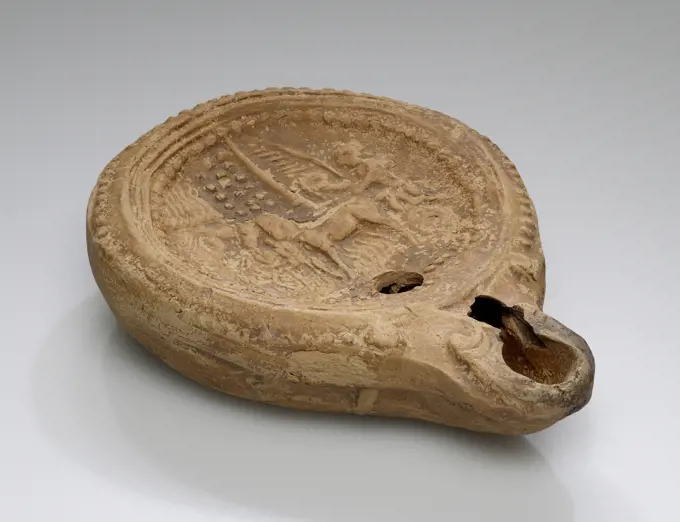
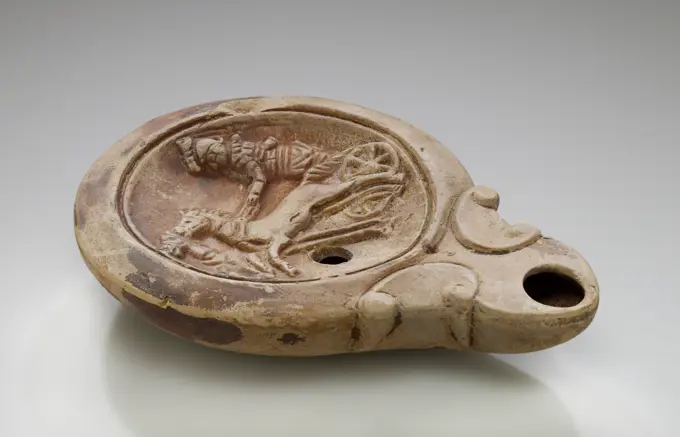
Lamp, Anatolia; 1st - 4th century; Terracotta; 2.5 x 8 x 10.5 cm (1 x 3 1,8 x 4 1,8 in.)
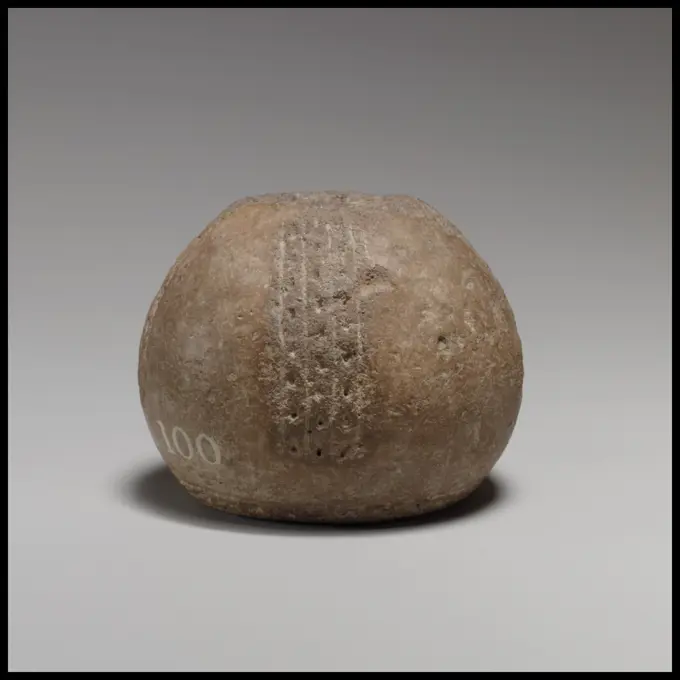
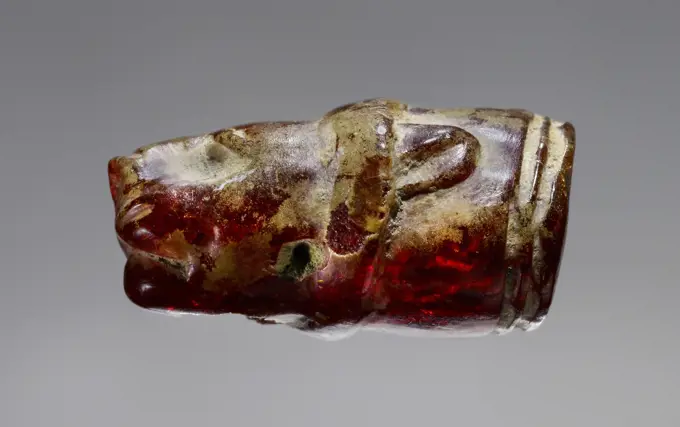
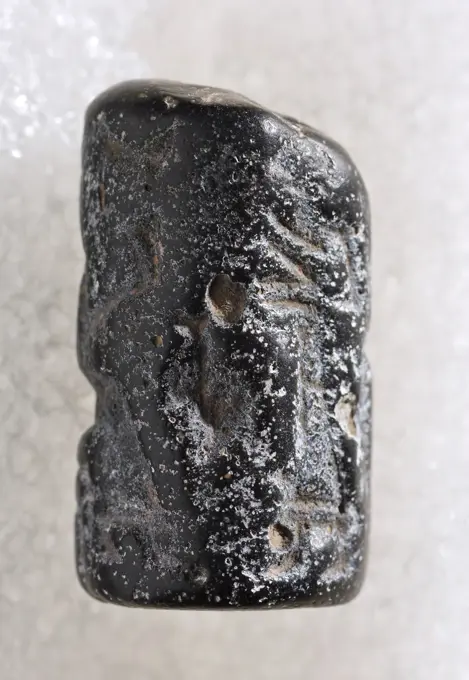
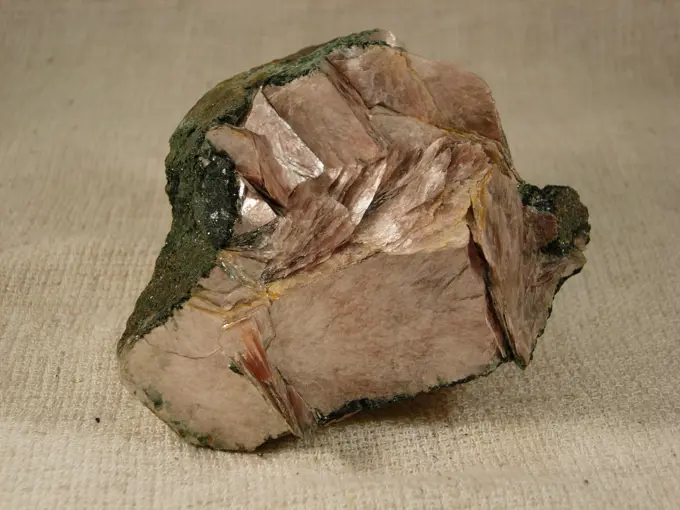
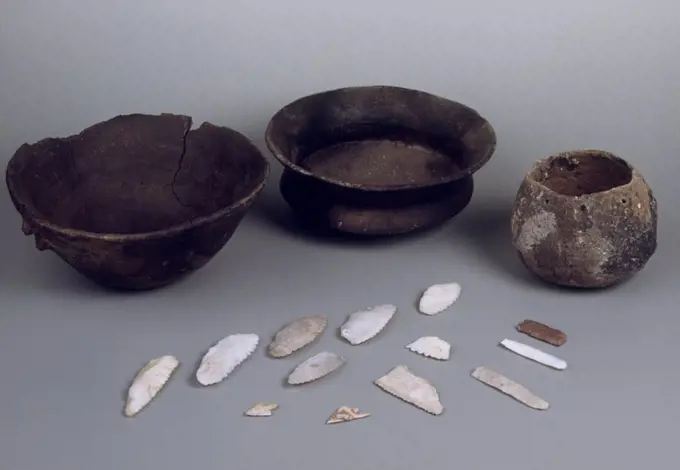
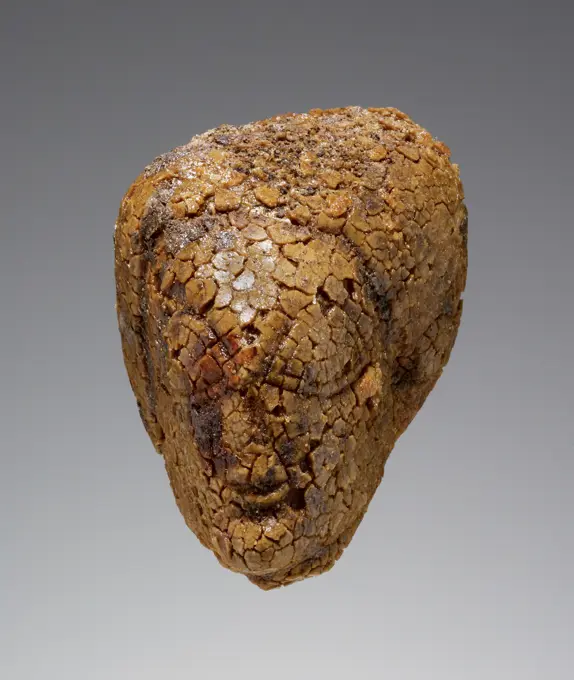
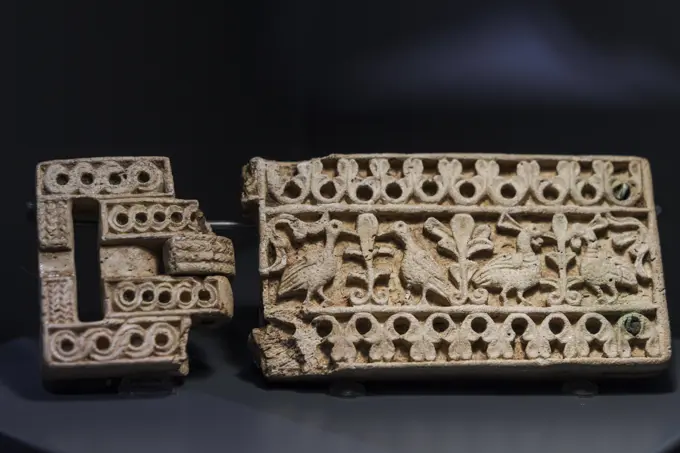
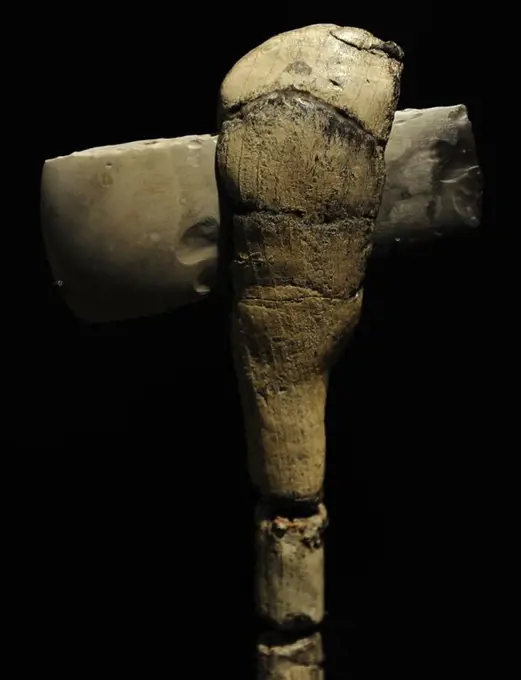
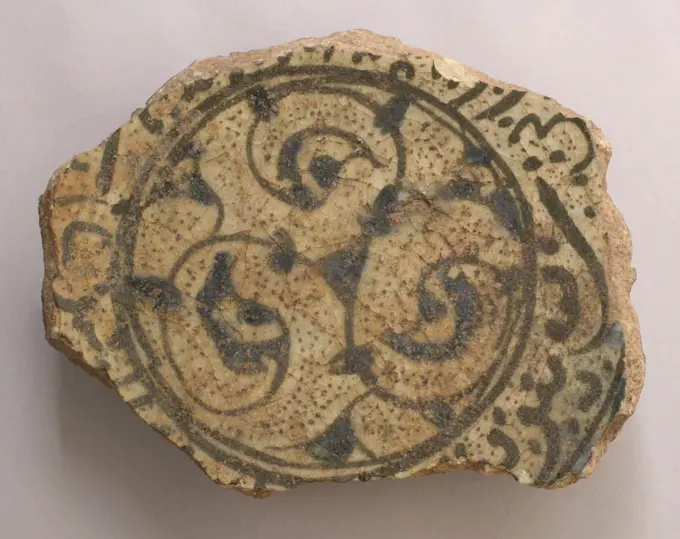
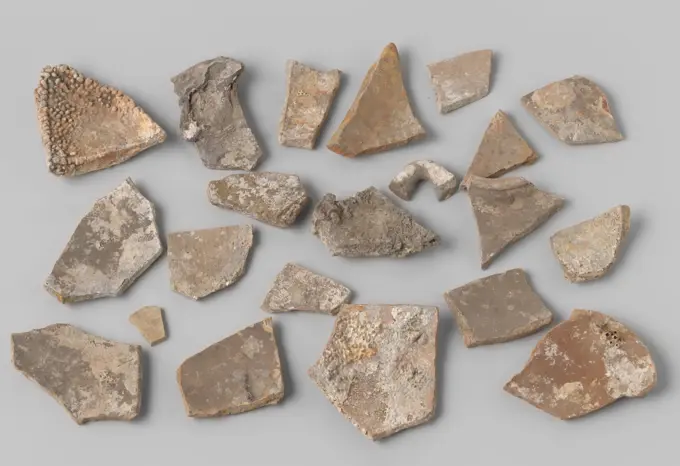
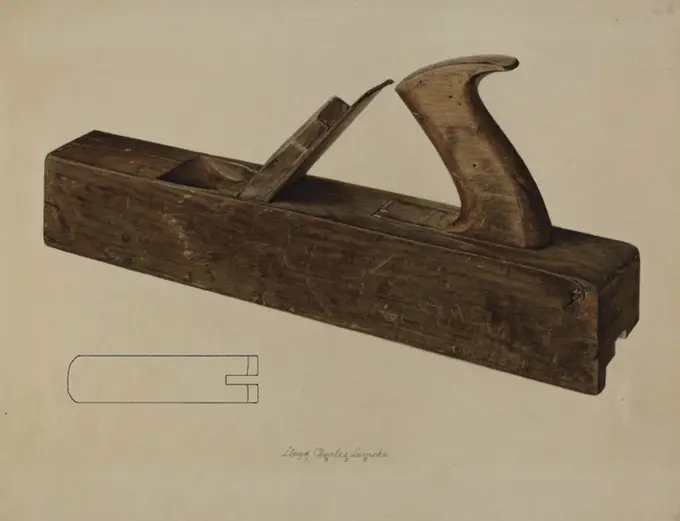
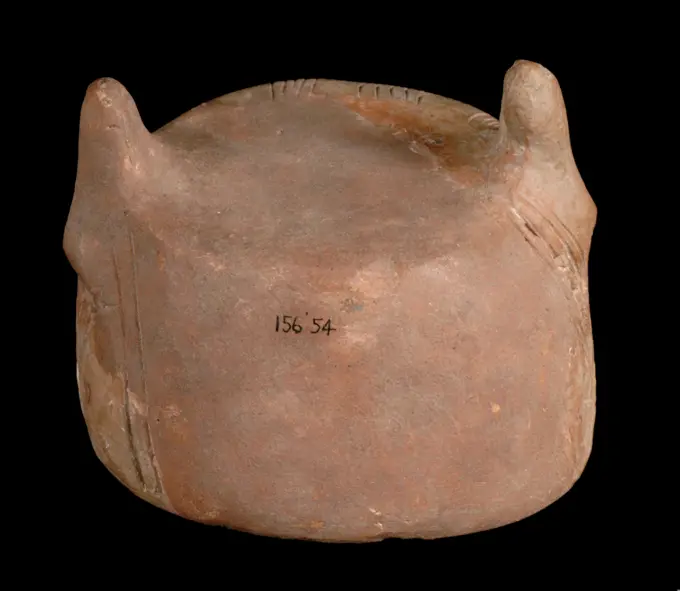
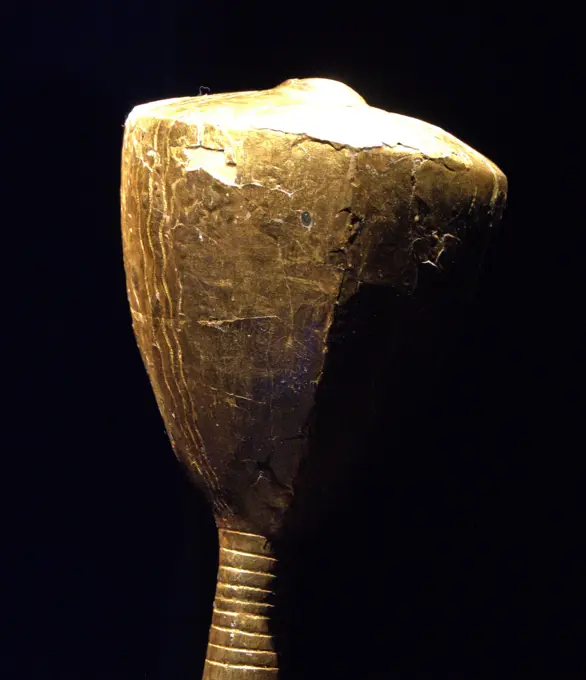
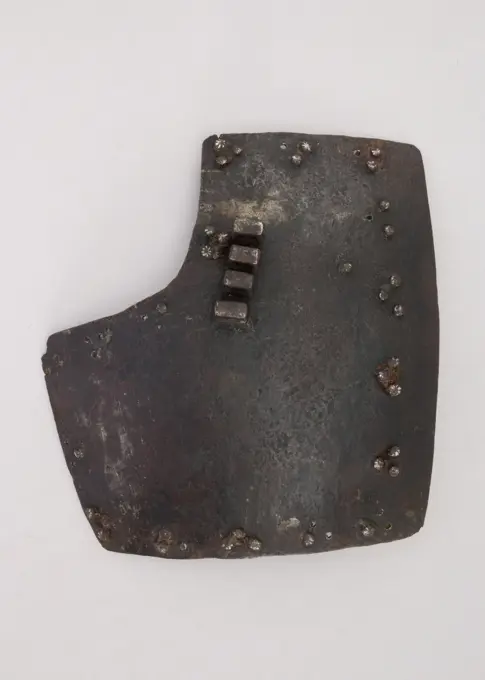
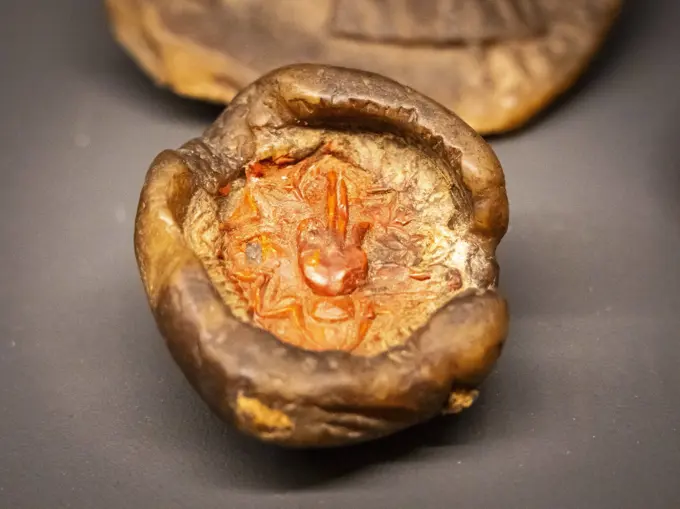
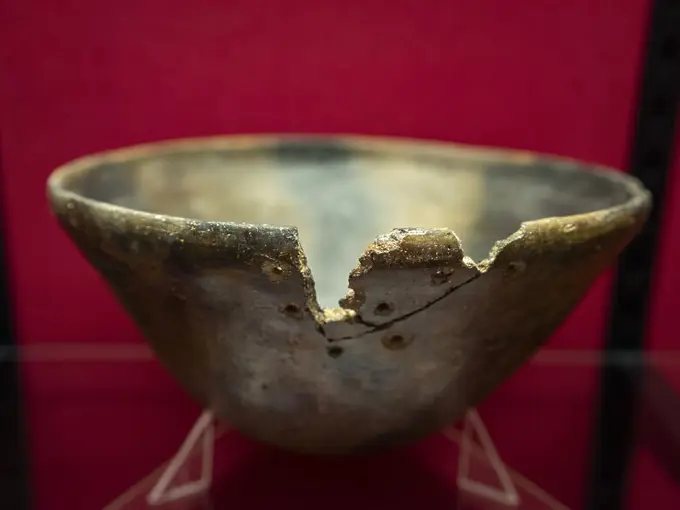
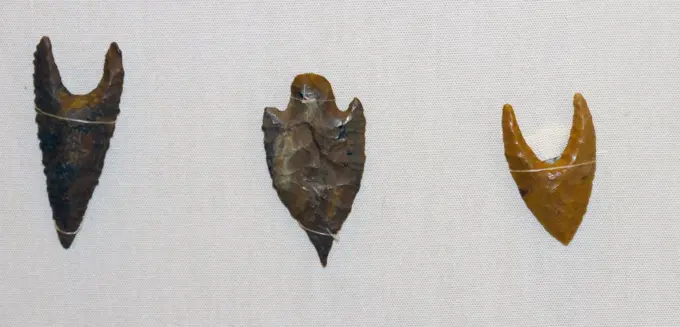
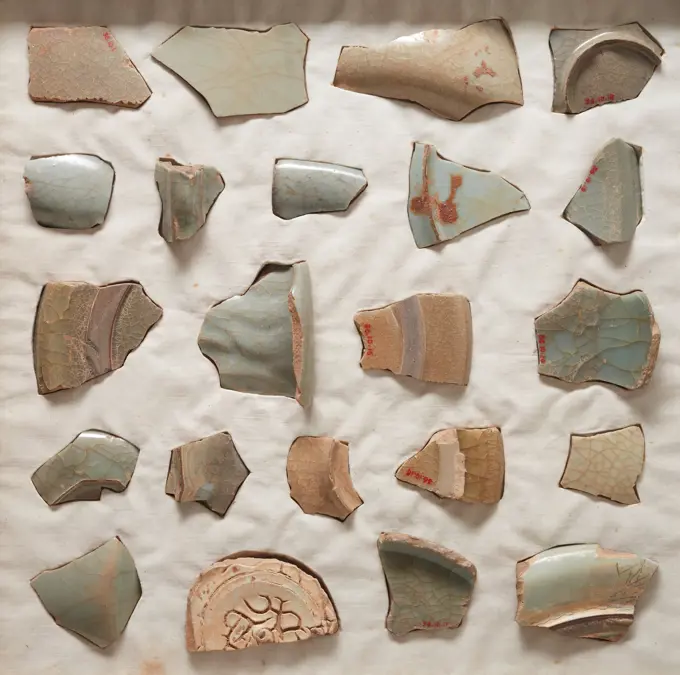
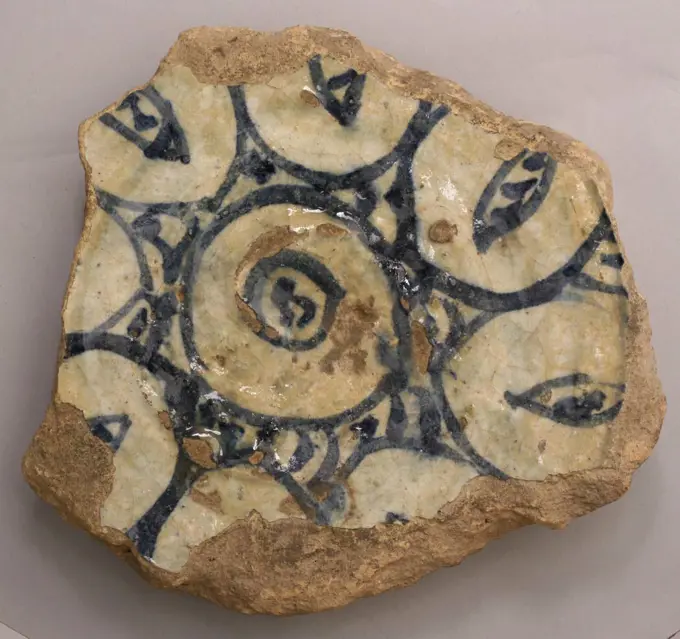
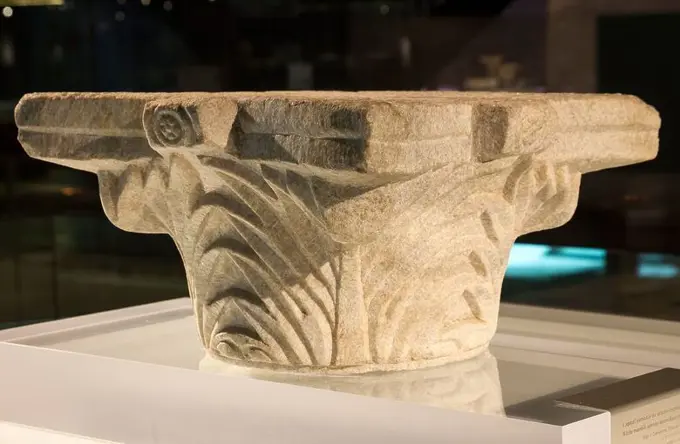
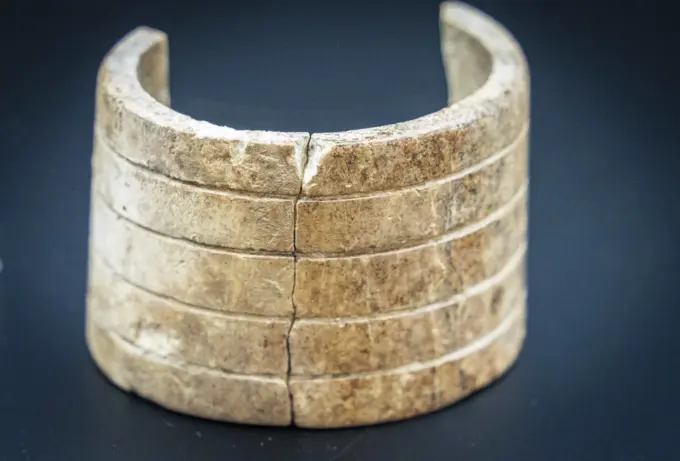
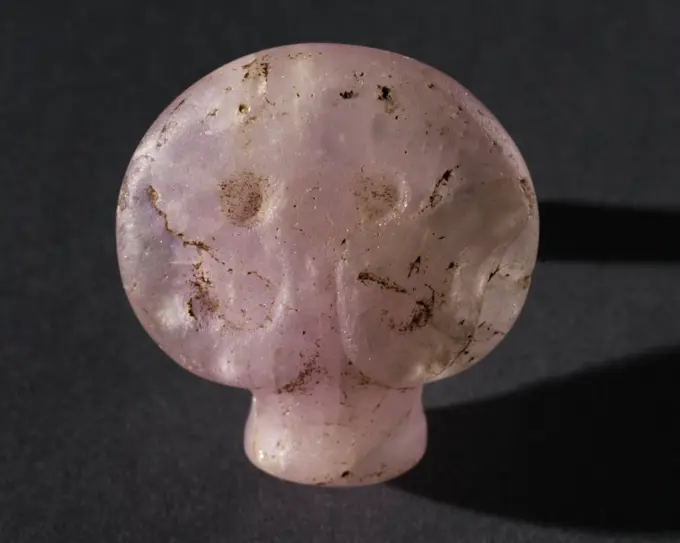
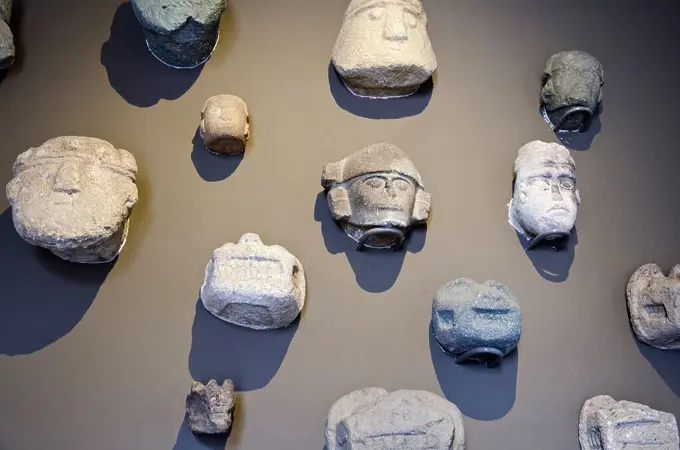
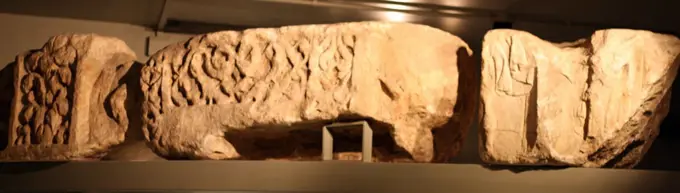
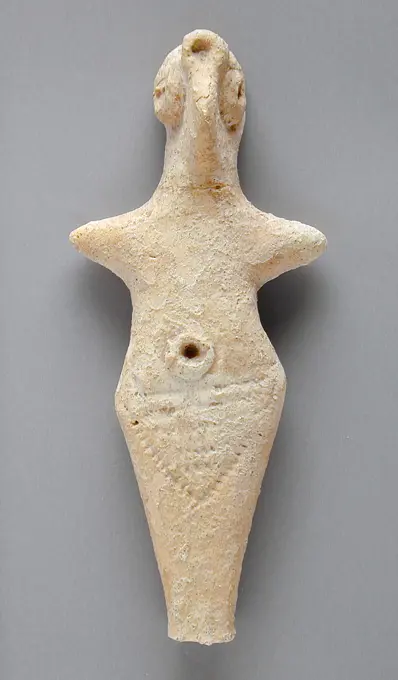
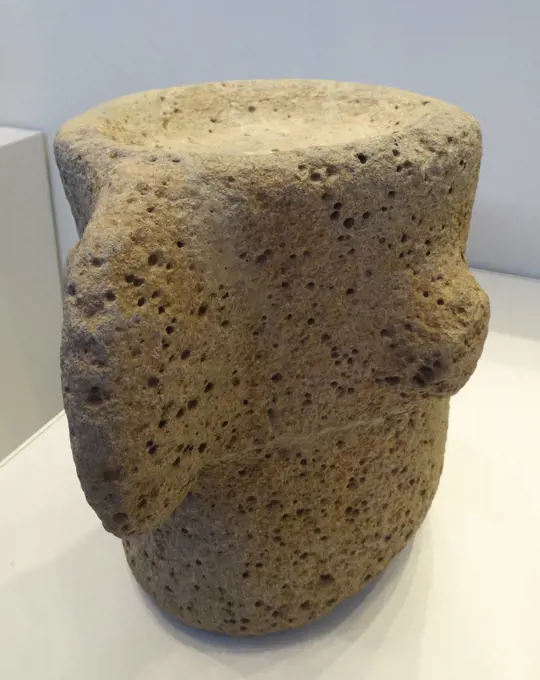
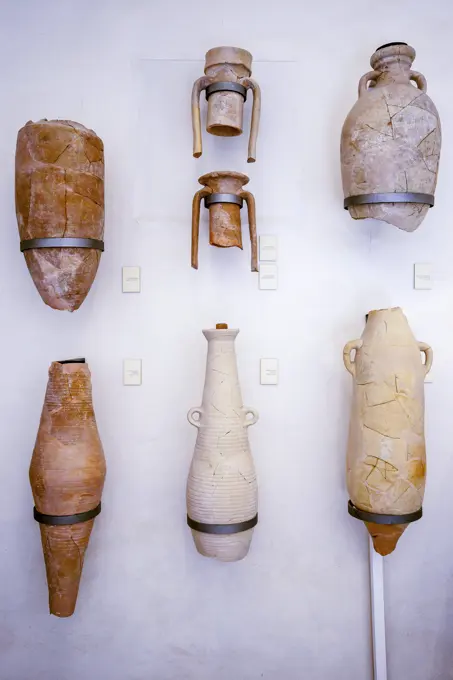
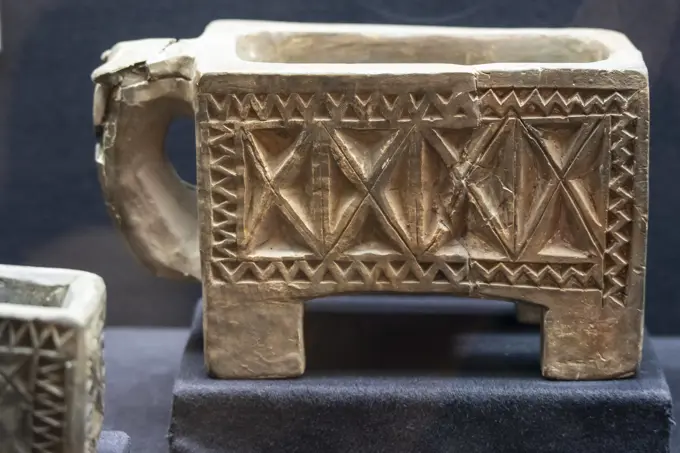
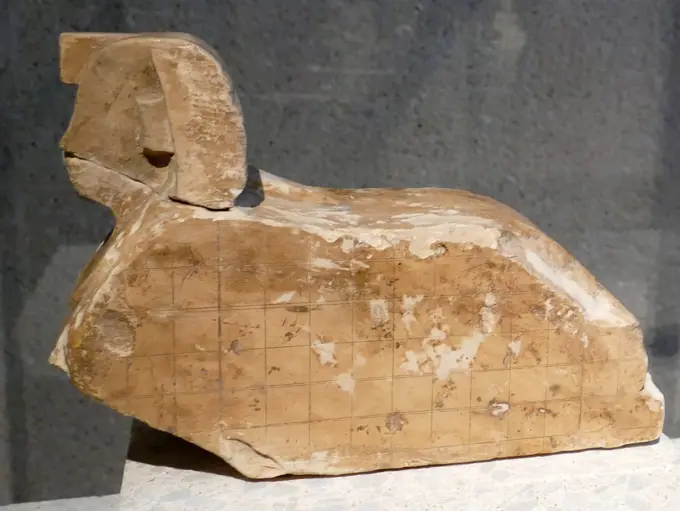
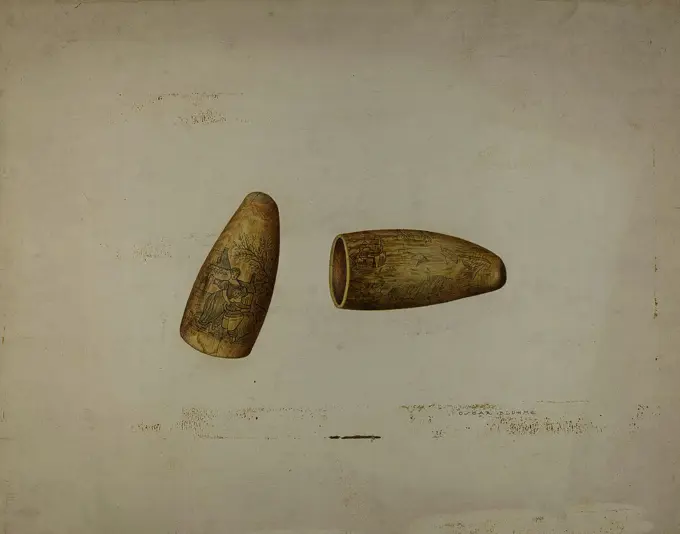
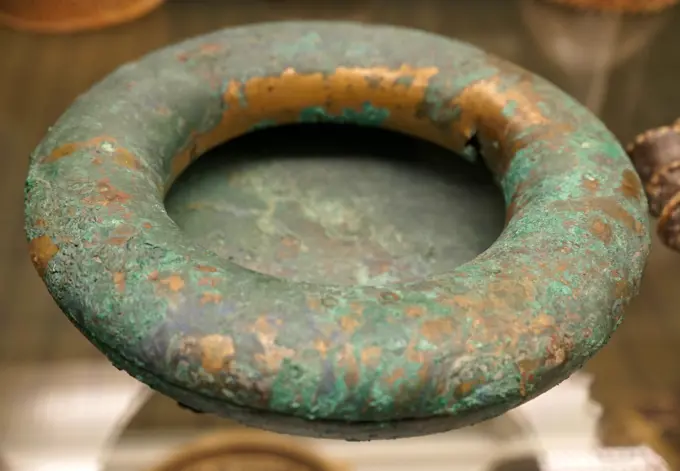
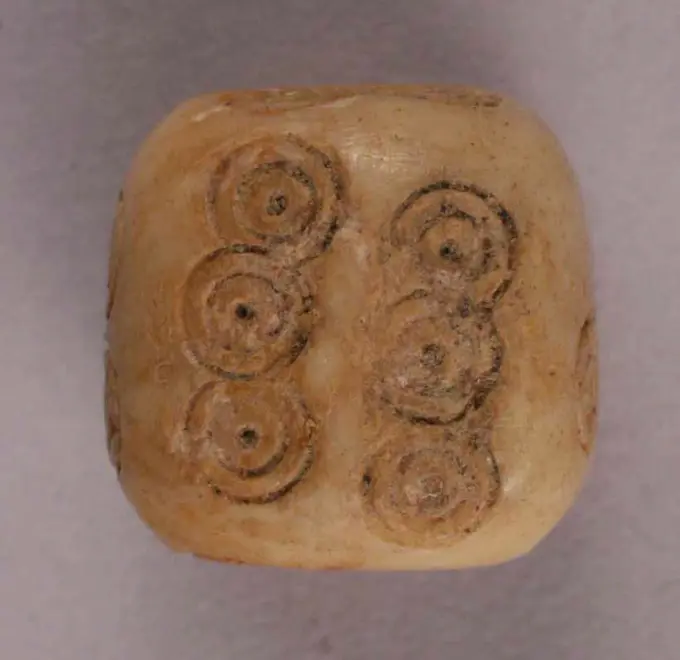
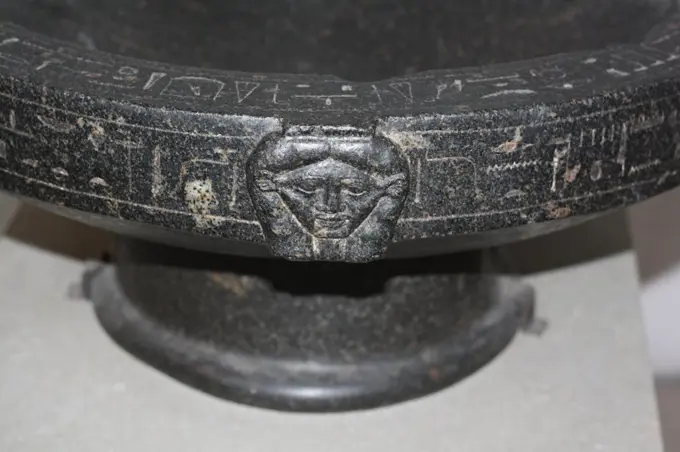
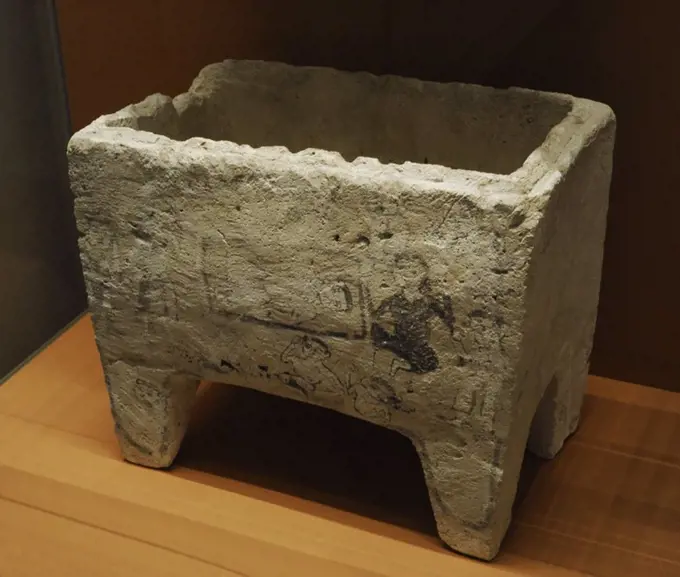
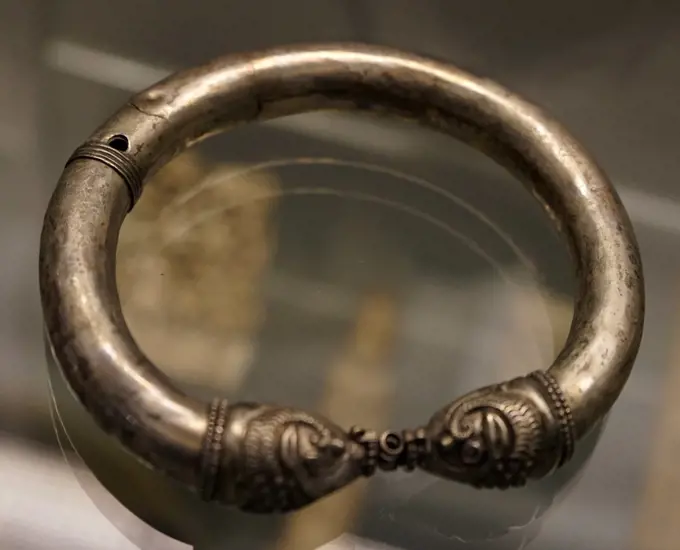
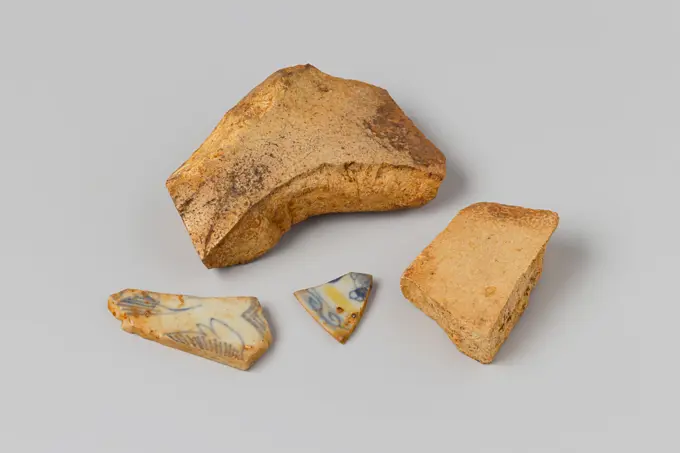
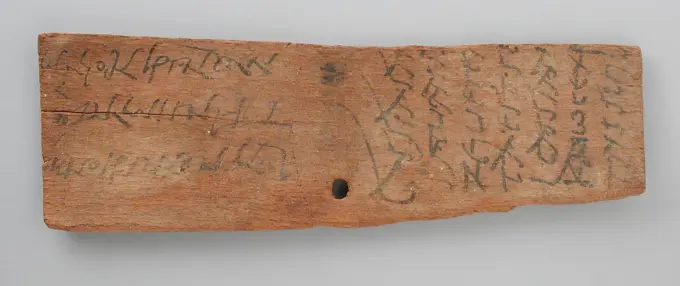
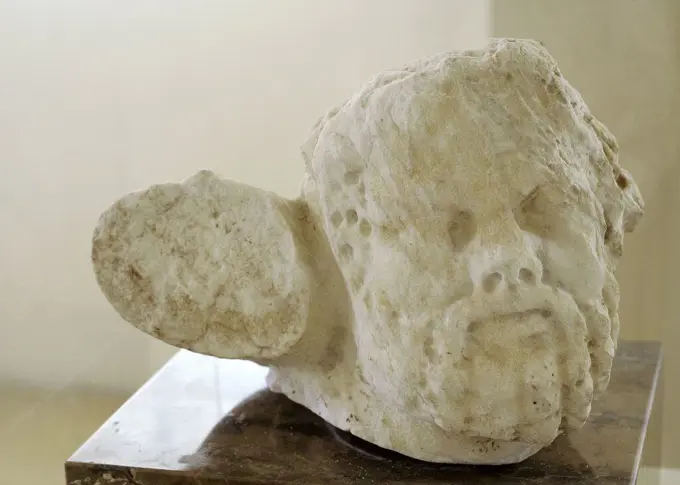
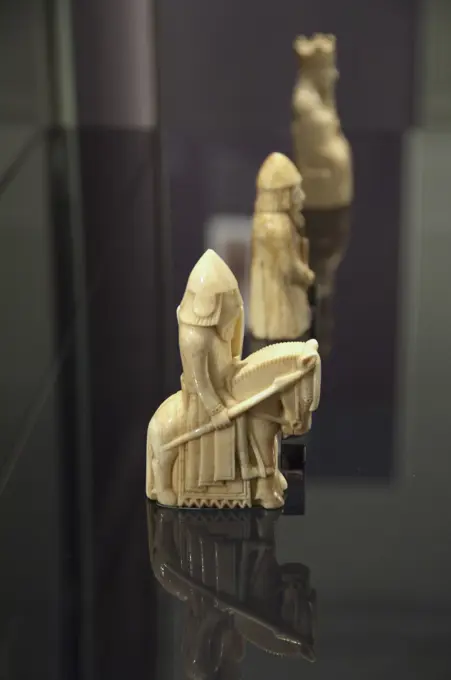
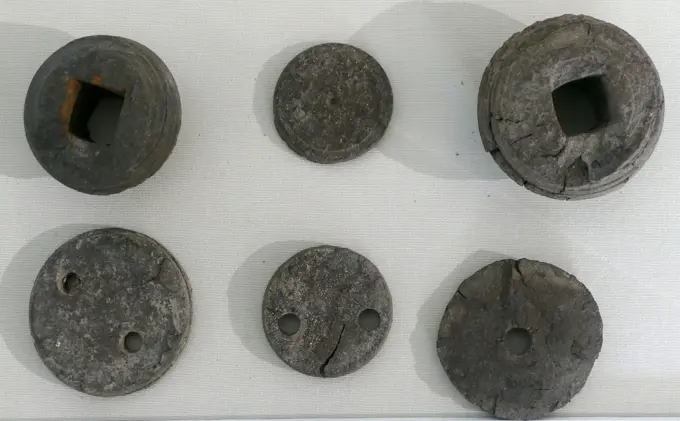
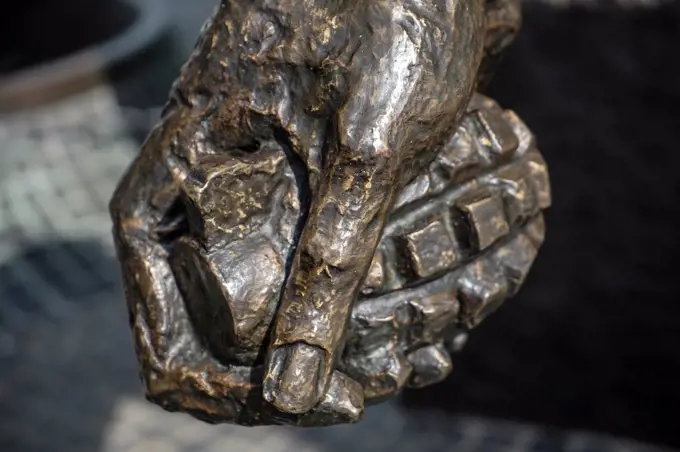
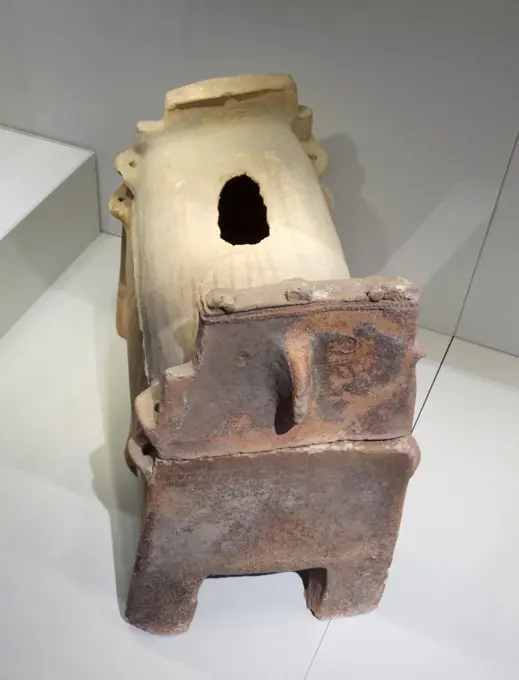
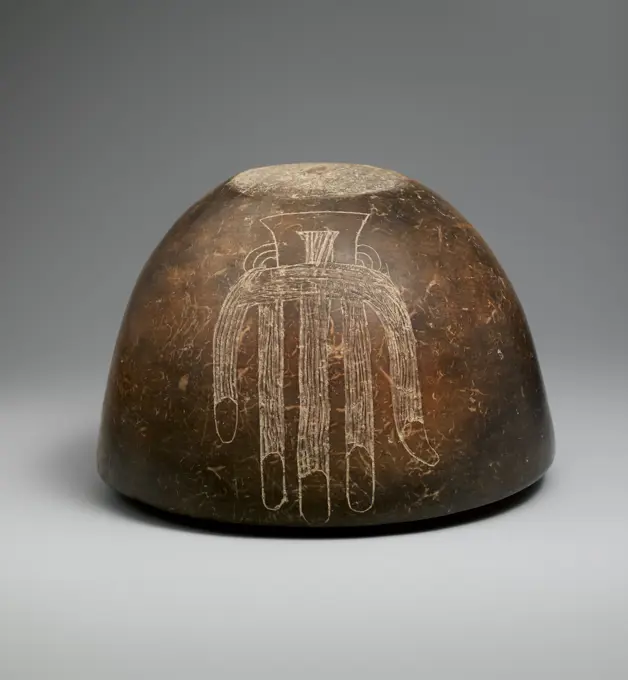
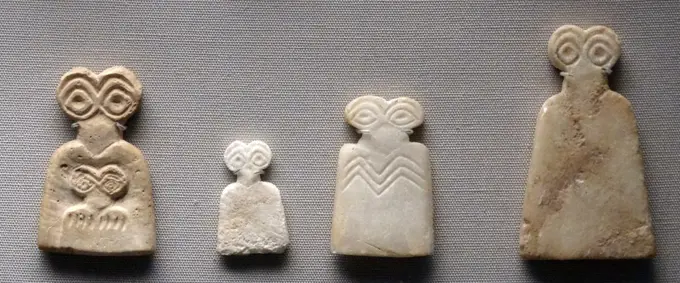
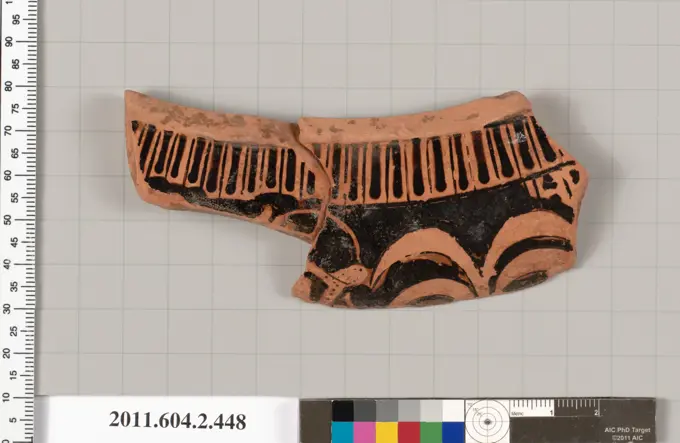
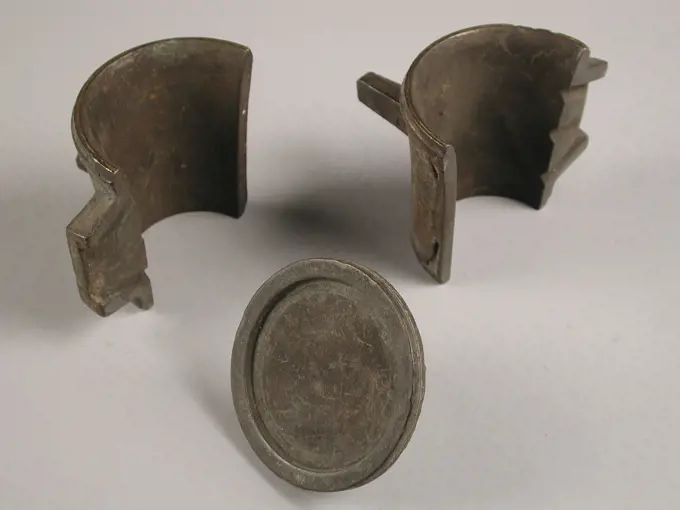
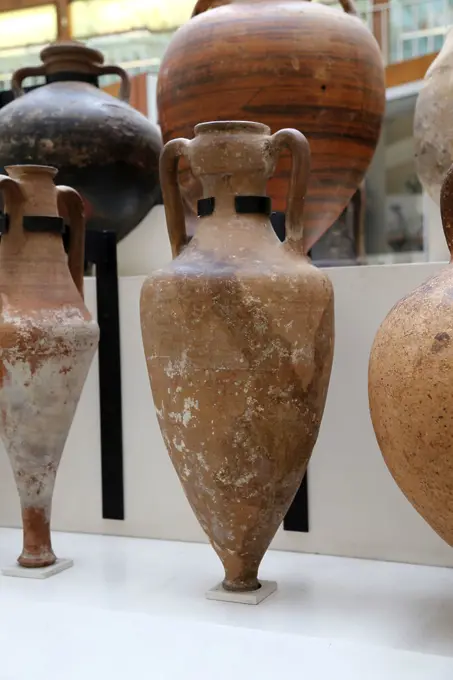
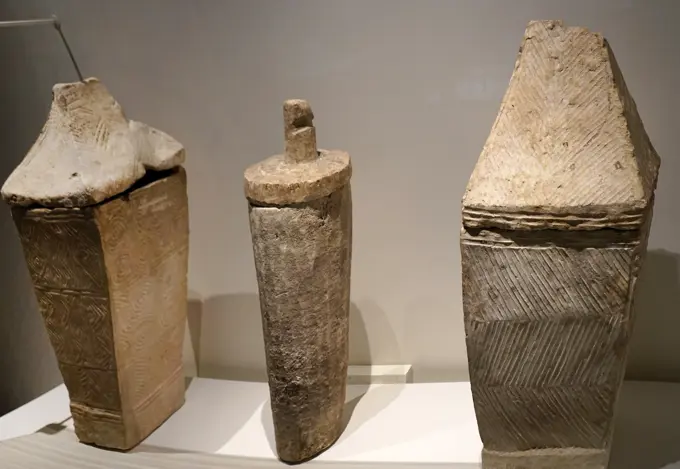
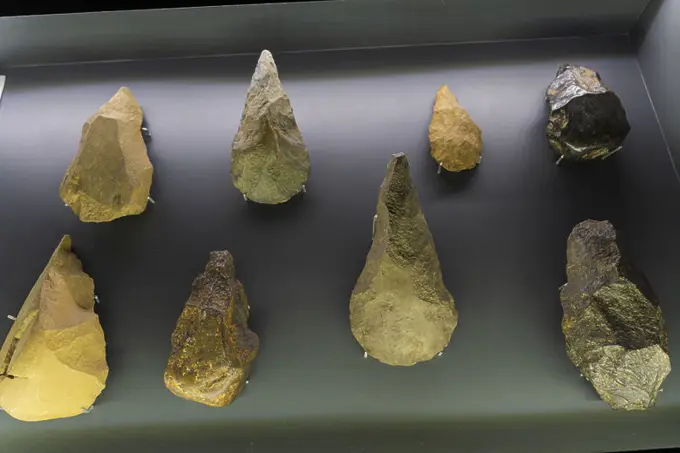
stele of the goddess of the Sun Gate stele of the goddess of the Sun Gate, 5th century BC, main square, Tablas bridge, Iberian Museum of Jaén, Andalusia, Spain Copyright: xZoonar.com/Tolox 21714929Terracotta conical-hemispherical spindle-whorl with flat base ca. 2000-1725 B.C. Cypriot Spindle whorls aided in the making of cloth for garments and bedding. They were placed in tombs, perhaps so that the deceased could continue to spin wool in the afterlife.. Terracotta conical-hemispherical spindle-whorl with flat base 240525Pendant: Lion's Head; Italy; 525 - 480 B.C; Amber; 9 × 17 × 9 mm (3,8 × 11,16 × 3,8 in.)CERAMICA DE IBIZA.One of twenty-one seals, 800 BCE - 400 CE, various, Various semi-precious stones, Mesopotamia, 8th century BCE - 5th century CEMargarite. minerals. North America; USA; Massachusetts; Hampden County; ChesterBouwfragment, anonymous, 1600 - 1699 Balk key made of oak. Northern Netherlands (possibly)Netherlands (possibly) wood (plant material). oak (wood) Balk key made of oak. Northern Netherlands (possibly)Netherlands (possibly) wood (plant material). oak (wood)VASIJA DE MADERA DE FORMA CONCAVA Y ASA CURVADA PROCEDENTE DE LA GOMERA. Location: ARCHAEOLOGICAL MUSEUM. SANTA CRUZ DE TENERIFE. TENERIFFA. SPAIN.Pomeranian Culture. Iron Age. 7th-3rd century BC. Poland. Hut urn. From Rybno. Archeological Museum of Gdansk. Poland.AJUAR CERAMICO Y OBJETOS DE SILEX DE LA EDAD DE BRONCE, PROCEDENTES DE LA CUEVA DE ESTREMERA: VASO GLOBULAR, PLATO CARENADO, CUENCO LISO CON MAMELON, INDUSTRIA LITICA. (DEPOSITO: MUSEO ARQUEOLOGICO NACIONAL).Pendant: Female Head. UnknownEarly medieval brooch of Santa María de Hito Early medieval brooch of Santa María de Hito, X century, Valderredible. Museum of prehistory and archeology MUPAC, Santander, Cantabria, Spain Copyright: xZoonar.com/BartomeuxBalaguerxRotgerx 21880703Flint axe on a helve of ash wood. 3100-3000 BC. From Sigerslev Mose, eastern Zealand. National Museum of Denmark. Copenhagen. Denmark.Terracotta amphora fragment with stamped handle ca. 180 B.C. Greek, Rhodian There are two stamps on the handle. On the top is a large circular stamp with a central rose emblem; the surrounding inscription gives the name of the annual official Xenophantos and the month Sminthios. On the side is a small square stamp with the letter B, representing the number 2.The Inscription reads Ἐπι Ξενοφαντου Σμινθίου. Terracotta amphora fragment with stamped handle 241974Fragment 14th century. Fragment 445482Shards of Martavanen from V.O.C. ship De 'Witte Leeuw', Before 1613  Shards of Martavanen from V.O.C. ship De 'Witte Leeuw'. southeast Asia stoneware. porcelain   Sint-HelenaLamp with a tragic mask; Unknown Italian workshop; Second half I/beginning of the second century (69-00-00-110-00-00);Mould, Kaupang, Larvik k., Vestfold. 9th-10th century. Ingot (in a mould). Store Husum, Stokke k., Vestfold. 10th century. Leas weight and debris from lead casting. Kaupang, Larvik k., Vestfold. 9th century. Historical Museum. Oslo. Norway.Spindle Whorl A.D.1-500 Peruvian; north coast (). Spindle Whorl 308911Fragment of the inscription on the plaster;  VII-XIV century () (650-00-00-699-00-00);Rabbet Plane. Dated: 1938. Dimensions: overall: 26.9 x 35.1 cm (10 9/16 x 13 13/16 in.). Medium: watercolor, graphite, and pen and ink on paper. Museum: National Gallery of Art, Washington DC. Author: Lloyd Charles Lemcke.Shards of Martavanen from V.O.C. ship De 'Witte Leeuw', Anonymous, Before 1613  Shards of Martavanen from V.O.C. ship De 'Witte Leeuw'. southeast Asia porcelain. stoneware   Sint-HelenaHead of a WomanNeolithic Pot Lid, 6500 BC - 4000 BC. Pottery lid excavated in Vinča region, Yugoslavia (present day Serbia), central BalkansGilded wooden mace from the tomb of King Tutankhamen 1336 - 1326 B.C.Right breastplate from a brigandine ca. 1450 Italian The four staples are for the attachment of a lance rest.. Right breastplate from a brigandine 23152Talaiotyc Bulls head Talaiotyc Bulls head, 650 - 123 B.C. Museo Municipal de Ciutadella, Bastió de sa Font, Ciutadella, Menorca,balearic islands, Spain Copyright: xZoonar.com/Tolox 21724069Fragments taken from the Temple of Apollo in DelphiBischöfliches Siegel Episcopal seal, red and yellow stamped wax, 13th century, Huesca Diocesan Museum, Aragon community, Spain Copyright: xZoonar.com/Tolox 22307643Argaric bowl, Eras del Alcázar, Ancient Bronze, Archeological Museum. Úbeda, Jaén province, Andalusia, Spain.Flint arrowheads, lance heads and knivesFragment of Bowl, 1127-1279, H.3-1/2 x W.1-3/4 in., pottery, China, 12th-13th centuryFragment kartonażu. unknown, authorFragment of a Bowl 15th century. Fragment of a Bowl 446336Anonymous / "Capital of spiny acanthus", 5th century.Limoge figure made of bronze with gilding and blue enamel decoration.Ivory bracelet with incised decoration of parallel lines Ivory bracelet with incised decoration of parallel lines, final bronze, Huelva Museum, Huelva, Andalusia, Spain Copyright: xZoonar.com/BartomeuxBalaguerxRotgerx 21733690Bull's-Head Amulet, c. 3500 BC-2950 BC. Egypt, Predynastic Period, Naqada II-III Periods. Amethyst; overall: 3.4 x 3.7 x 2.6 cm (1 5/16 x 1 7/16 x 1 in.).Chavín nailed head Chavín culture 900 BC-200 BC Perú.Bracelet fragments Cypriot. Bracelet fragments 242705Lamp. UnknownRoman building stone block, decorated with various relief imagery. Found in the Roman city of Bath, England, and wouldve originally been sourced from English quarries. local to bath. Circa 1st-3rd century AD.Female Figurine. Anatolia, Syro-Hittite, 3000-2000 B.C.. Sculpture. TerracottaOffering stands from Golan. Over 6,500-5,500 years ago, made from basalt.Tolo Balaguer kitchen utensils, Son Fornes Archaeological Museum, talayotic period room 1300-123 a. C., Montuiri, Es Pla region, Mallorca, Spain LicenseRF Copyright: xZoonar.com/BartomeuxBalaguerxRotgerx 23338881Iberian Excised Box Iberian Excised Box, Valladolid Museum - Provincial Museum of Antiquities, Autonomous Community of Castile and Leon, Spain Copyright: xZoonar.com/BartomeuxBalaguerxRotgerx 22539420Terracotta fragment of an amphora (jar) 6th century B.C. Greek, Attic Black glazed fragment from an amphora. Terracotta fragment of an amphora (jar). Greek, Attic. 6th century B.C.. Terracotta; Black glaze. Archaic. VasesDagger-Axe or Halberd with Whorl Decoration Dian. Dagger-Axe or Halberd with Whorl Decoration, 5th century B.C.E.-early 1st century C.E. Bronze, 12 x 6 in. (30.5 x 15.2 cm).   Asian Art 5th century B.C.E.-early 1st century C.E.CicadaTerracotta fragments of a kylix: Band cup (drinking cup) third quarter of the 6th century B.C. Greek, Attic The largest fragment has below the rim, a charioteer, leaning forward, holding the goad and reins in his hand; behind the horses, a youth running to right, looking back to the charioteer, with his bent right arm behind him, and his bent left arm in front of him; the two other fragments are black glazed fragments from the rim of the cup. Terracotta fragments of a kylix: Band cup (drinking cup). Greek, Attic. third quarter of the 6th century B.C.. Terracotta; black-figure. Archaic. VasesA model of a sphinx from ancient EgyptStamp Seal. Iran, circa 1350-1000 B.C. or earlier. Tools and Equipment; seals. Bone, carvedSaint-Germain-en-Laye, France , 1921 - Seine -et -Oise - Auguste Léon - (June) (French - Saint-Germain-en-Laye , France). Museum, animal represented , fantastic animal, picking , hunting, archaeological vestige, sculpture, accessory, prehistory, weapon, sculpted decor, Animal, economic activity, housing , architecture, art, clothing, France, St Germain-en-Laye, Laugerie Basse: Powder Fragmt, Sitting animal 53761: Bton Fragmt of Commt 53760: Poignard 8150-Decorated bone 15209. Pointe 8151 = Double Pan bone, decorated with a snake head 53925 , Fragment of Bton de Commt with animal head seen from the front in the round bump n ° 53757. Bouquetin engraved on pal. of Renne 8146.Double Column Base, late 1400s. France, late 15th century. Marble; overall: 30.5 x 49.1 x 25.4 cm (12 x 19 5/16 x 10 in.).Terracotta fragment of a stamnos (jar) 450-430 B.C. Greek, Attic The profile of the mouth has two tooled grooves, in between the grooves, there is an egg pattern with dots in the interstices; the neck is of medium length, and curves in; at the juncture of the neck and shoulder, there is a ring flanked by two tooled lines. Terracotta fragment of a stamnos (jar). Greek, Attic. 450-430 B.C.. Terracotta; red-figure. Classical. VasesScrimshaw: Walrus Tusk. Dated: 1941. Dimensions: overall: 40.6 x 50.9 cm (16 x 20 1/16 in.) Original IAD Object: 5" long; 2 1/4" wide. Medium: watercolor, graphite, and pen and ink on paper. Museum: National Gallery of Art, Washington DC. Author: Oscar Bluhme.Ancient Greek bronze kothon on a tripod stand. Dated 500 BCDice 9th-10th century This object was excavated at Nishapur.Nishapur was a vital city in the early and middle Islamic periods, located along one of the main trajectories that connected Iran and West Asia Islamic lands with Central Asia and China. These itineraries are often referred to by the term Silk routes’ but were in fact crucial to the movement of constellations of materials and objects, as well as people and ideas. The diverse population of Nishapur and its surroundings, from the better-researched elite groups of merchants, land-owning aristocracy, and literates, to the less-known artisans, farmers, miners, and servants, were instrumental in adapting global cultural trends to create their own distinctive visual languages. This is seen in the material remains of everyday life in medieval Nishapur - from pots and pans to lighting devices, inkwells, textiles and trimmings, jewelry, games and toys, talismanic devices, weapons, coins, and architectural fragments.Nishapur lost its poBasin of Montuemhat. Granodiorite, 25th or 26th Dynasty, about 670-650BC possibly from Thebes. The part facing you shows the head of the goddess Hathor. The opposite side is damaged but would have shown Montuemhat presenting the bowl to a deity, perhaps Hathor or Mut.Prehistory, Italy. Figurine of idol. From the Caverna (cave) delle Arene Candide, Finale Ligure, province of Savona.Vase neck ca. 1050-1000 B.C. Cypriot Short, cylindrical neck and flat rim with two ring handles which are fastened by a loop to a rectangular attachment.. Vase neck. Cypriot. ca. 1050-1000 B.C.. Bronze. Early Iron Age. BronzesOssuary. Alabaster; painting. Chorasmia. 7th c. Tok-Kala necropolis. Uzbekistsan. Asia. The State Hermitage Museum. Saint Petersburg. Russia.Horse with Bowl. Afghanistan, 2nd century. Sculpture. TerracottaTerracotta fragment of a stamnos (jar) first quarter of the 5th century B.C. Greek, Attic Complete handle from a stamnos; the handle is glazed on the inside. Terracotta fragment of a stamnos (jar). Greek, Attic. first quarter of the 5th century B.C.. Terracotta; red-figure. Archaic/Early Classical. VasesTubular armlet with ram head, from Iran. Dated 9th CenturyShards of Martavanen from V.O.C. ship De 'Witte Leeuw', Anonymous, Before 1613  Shards of Martavanen from V.O.C. ship De 'Witte Leeuw'. southeast Asia stoneware   Sint-HelenaABRIGO DE BELEN. DETALLE RUEDA Y RAMIFORME.Feet for Standing Buddha (1973.15), c. 600s. Thailand, Mon-Dvaravati Period, c. 7th Century. Sandstone; overall: 40.5 cm (15 15/16 in.).funerary urn, necropolis of Castejon Castle, first iron age,, Museum of Navarra, Pamplona, Navarra,Spain.Brooch of bone from Santa Maria de Hito, Valderredible, Cantabria, Spain. The decoration of the plate is based on the representation of peacocks, partridges and plant an geometrical patterns.10th century. Influence islamic art. Visigoth era. Museum of Prehistory and Archaeology of Cantabria. Santander. Spain.Italic civilizations, 8th century b.C. Detail of a male figure carving of a bronze sword scabbard. From the necropolis of Mandrione di Cavalupo, province of Viterbo.Scherven of porcelain and stoneware from the wreck of the East India Hollandia.Stoneware, Rhenish, Frechen-Ware, Jug; Fragm or Lower part or bodies; Fragm or porcelain.Earring, from a collection of six, 11th-16th century, 2 1/8 x 2 1/4 x 11/16 in. (5.4 x 5.72 x 1.75 cm), Gold, Ecuador, Pre-ColumbianLimestone inscribed box fragment. Culture: Cypriot. Dimensions: H.: 2 x 3 x 7/8 in. (5.1 x 7.6 x 2.2 cm).Fragment of an inscribed box (ex-voto), dedicated to the Lady of Paphos. Museum: Metropolitan Museum of Art, New York, USA.Mummy Label with Greek Inscription on Wood. Egypt, Roman Period (2nd century CE). Tablets. WoodSculptural group of a fountain. Fragment. Leg of Dionysus and head of a Silenus. Mid-2nd century AD. Spain. National Archaeological Museum. Tarragona. Spain.Scotland, Outer Hebrides, Isle of Lewis. Stornoway Museum, The Lewis Chessmen, famous Nordic12th century medieval ivory chess pieces (knight) found on the Isle of Lewis in 1831.Collection of coal money from Kimmeridge oil-shale, DorsetStatue of a Sphinx. UnknownDetail from the Insurgents Memorial to Polish fighters of Warsaw uprising in Warsaw PolandARTE IBERICO. ESPAÑA. CABALLO DE CASAS DE JUAN NUÑEZ. Piedra calcárea blanquecina. Faltan la cabeza y las patas. Su altura es de 75 cm. Fechado en el s. V a. C. Se puede distinguir la correa del estribo y en la base del cuello otra correa ancha. Procede del descubrimiento fortuito en Casas de Juan Núñez (Albacete). Museo de Albacete. Castilla-La Mancha.fragment of column with satyr, Museum-Interpretation Center of the archaeological park of Segóbriga, Saelices, Cuenca, Castilla-La Mancha, Spain.Item from a selection of ossuary's, burial containers and incense burners from a burial cave from Peking over 6,500-5,500 years ago. Made from painted pottery.Dish; Unknown Night -Tamanian workshop; approx. 2600 2350 BC ; Early period D Azira III (-2600-00-00--2350-00-00);Bowl, Incised Hands 7th-9th century Veracruz The thin-walled bowl in medium to dark-brown clay has a flat bottom and elegantly curved walls decorated on the outside with two incised hands on opposite sides. The outstretched fingers of hands are pointing up. The vessel walls and fingernails are burnished while the hands and bottom are roughened and have a grey color.. Bowl, Incised Hands. Veracruz. 7th-9th century. Ceramic. Mexico, Mesoamerica, Veracruz. CeramicsSumerian stone head and eye figurines made of glazed faience and clay. From the Eye Temple, Tell Brak, Syria; during the Late Uruk period, 3300-3000 BCTerracotta fragment of a column-krater (bowl for mixing wine and water) 460-440 B.C. Greek, Attic At the shoulder, a band of tongues; below, back of the head of a filleted youth to left; top of a palm tree; the panel ornament is comprised of ivy. Terracotta fragment of a column-krater (bowl for mixing wine and water). Greek, Attic. 460-440 B.C.. Terracotta; red-figure. Classical. VasesThree parts of four-piece bronze mold for beaker, cast molding tool tools base metal bronze and , c: h 5,1, cast Four-piece bronze mold to pour cup Rotterdam tin foundry tin pourer Meeuws Druy craft Molds come from the originally 18th century Rotterdam tinnegieter J Druy. The large molds that were not signed or dated were the property of the tinker guild and were rented to the small tin caster.Kono altar, second quarter of 20th century, 16 3/4 x 21 1/2 x 7 5/8 in. (42.55 x 54.61 x 19.37 cm), Wood, cloth, soil, beeswax, animal blood, unidentified materials, Mali, 20th century, The key element of the shrine of the Kono association of the Bamana people was a portable altar, often zoomorphic in shape, called a boli. Its awesome power derived from the manner in which it was made: animal bones and horns, vegetable matter, woven cloth, pieces of metal, and a wide range of other substances and materials were packed around a wooden framework sheltering a cotton doll. Over time, the boli was ritualistically covered with beeswax, animal blood, millet porridge, and earth from termite moundsaccumulated layers that not only gave the boli its distinctively cracked appearance but also large quantities of potentially harmful vital energy.Amphora for wine or oil. Greek. 5th century BC. British Museum. London. United Kingdom.Bell Break (Herb Dębno)  Zygmuntów Tower, Wawel Cathedral, KrakowFunerary urn characteristic of the Austronesian animistic culture. Dated 1st CenturyHearing stone with representation of two climbing lions, placed in two windows, Anonymous, c. 1575 - c. 1625 Hearing stone with representation of two climbing lions, placed in two windows. The half windows at the top and bottom are filled with diamond-shaped flowers. Southern Netherlands (possibly) earthenware Hearing stone with representation of two climbing lions, placed in two windows. The half windows at the top and bottom are filled with diamond-shaped flowers. Southern Netherlands (possibly) earthenwareOcelot offering vessel from Teotihuacan. Dated 300 ADPIEDRA GRABADA PREHISPANICA PROCEDENTE DEL POBLADO DE ZONZAMAS. Location: CASTILLO DE SAN GABRIEL. ARRECIFE. LANZAROTE. SPAIN.PICOS DE MINA DE LA EDAD DEL BRONCE. Location: MUSEO ARQUEOLOGICO-COLECCION. Oviedo. ASTURIAS. SPAIN.Fragment of the bowl;  VI century (501-00-00-600-00-00);dishes, decorative vessels, Coptic dishes, tables, Polish excavations in Tell ATRIB (Egypt)Presentation of finds from shipwrecks, top parts of cutlery; Exhibition price of the sea. .stone tools pickaxes and axes, bifaces and trihedrons, Museum of prehistory and archeology (MUPAC), Santander, Cantabria, Spain.Knickous, light brown, the edge is knitted in predealous stitch and a decorative seam runs from the edge to the heel. Knickous, light brown, the edge is knitted in predealous stitch and a decorative seam runs from the edge to the heel. The rest medium-knitted by hand in tricot stitch. This stocking was worn for a long time. First you have tried to stop the holes with coarse light brown, brown and dark brown wires. When this no longer succeeded, five repair pieces have been sewn. Of these, three are woven in plain / flat binding and one in twill binding and a piece of felt is used. These pieces have a red / brown color. In view of the differences, no couple with NG-2006-110-18-b.