Ancient Artifacts

Photos of ancient tools and objects like sickle blades, flint pieces, and other archaeological artifacts reflecting historical craftsmanship.
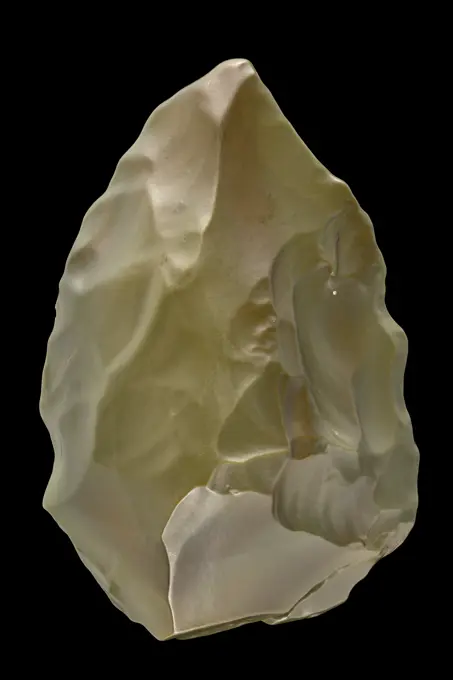
Green Jasper Nucleus. Neolithic period. Mali. 6,8 cm.
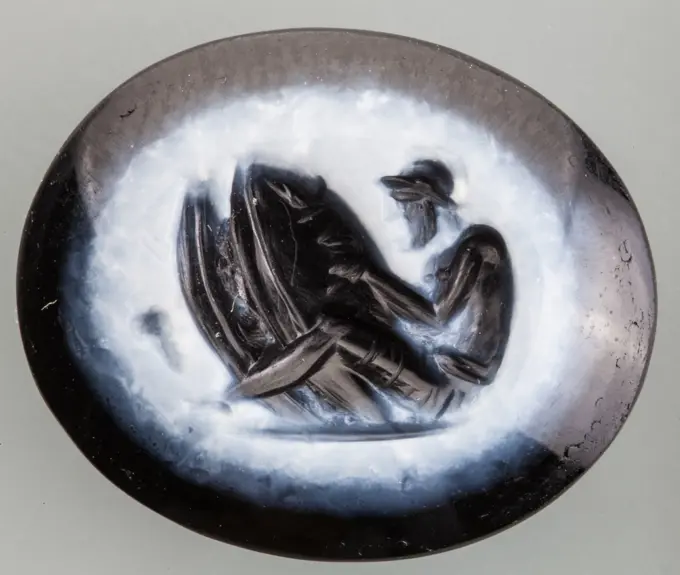
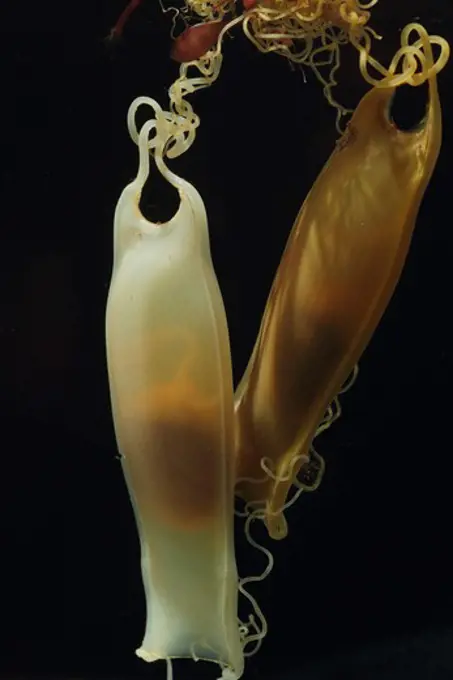
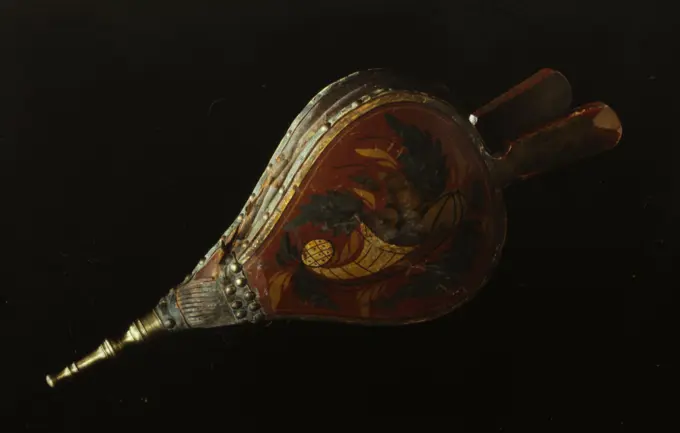
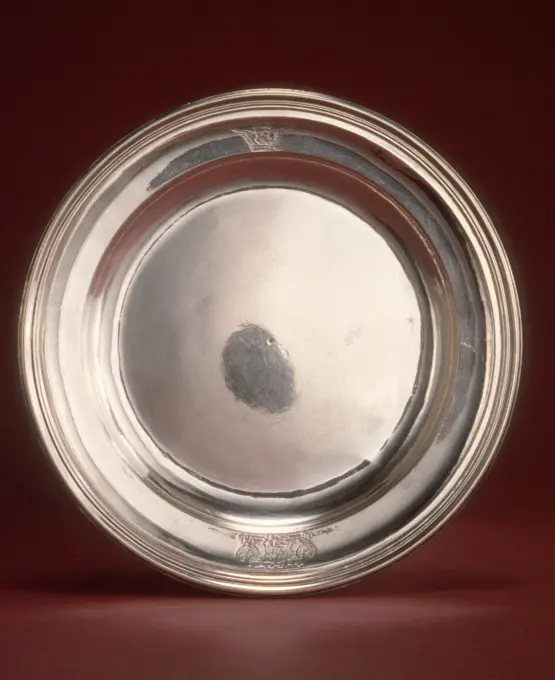
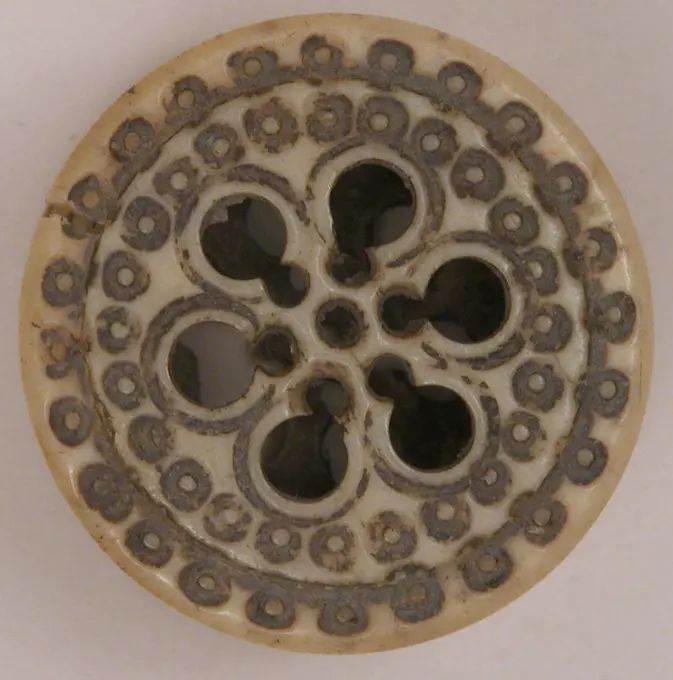
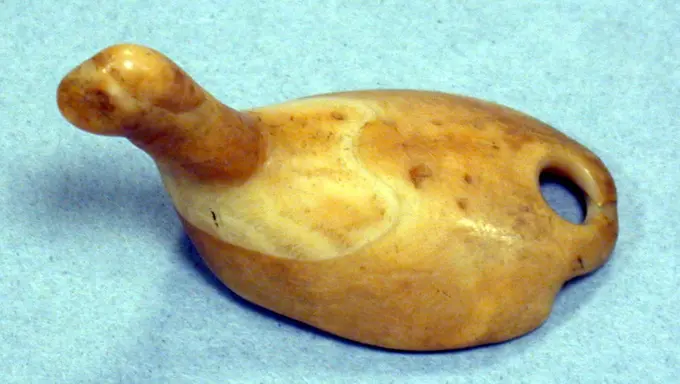
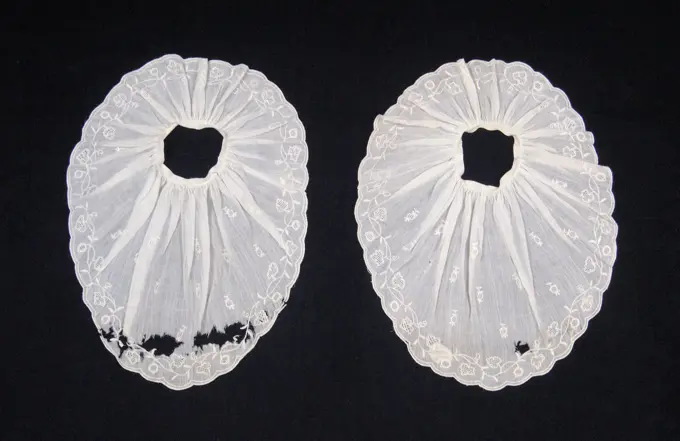
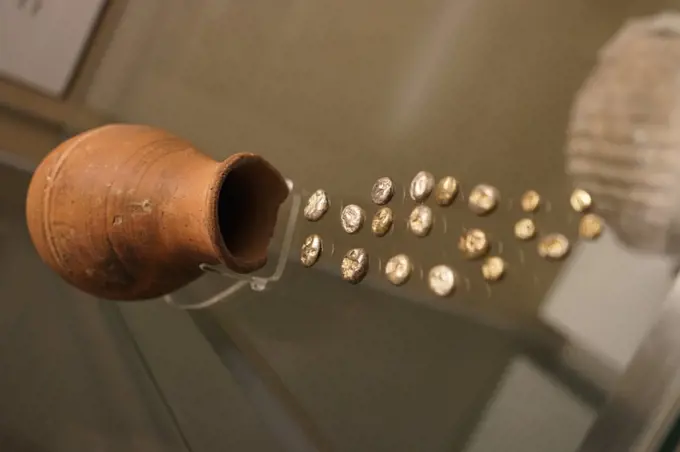
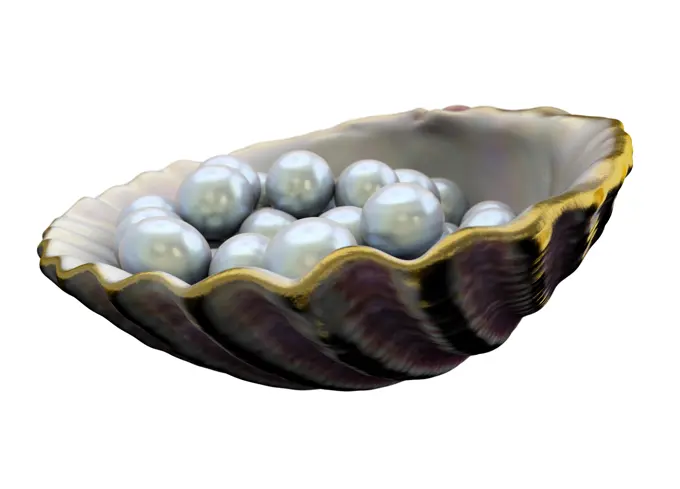
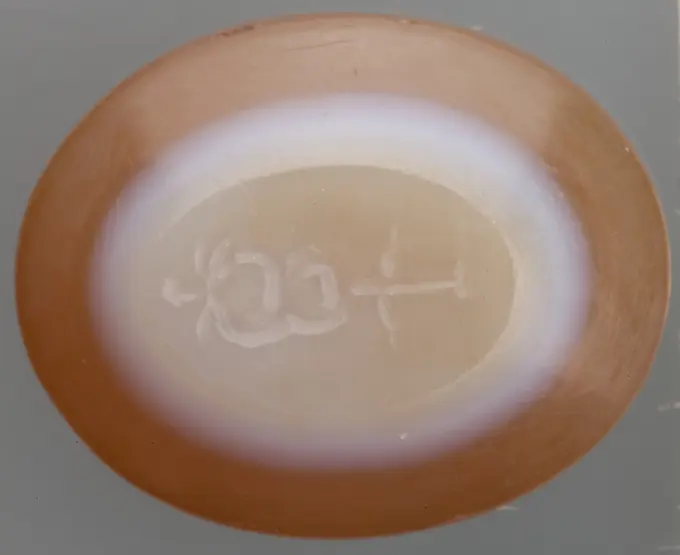
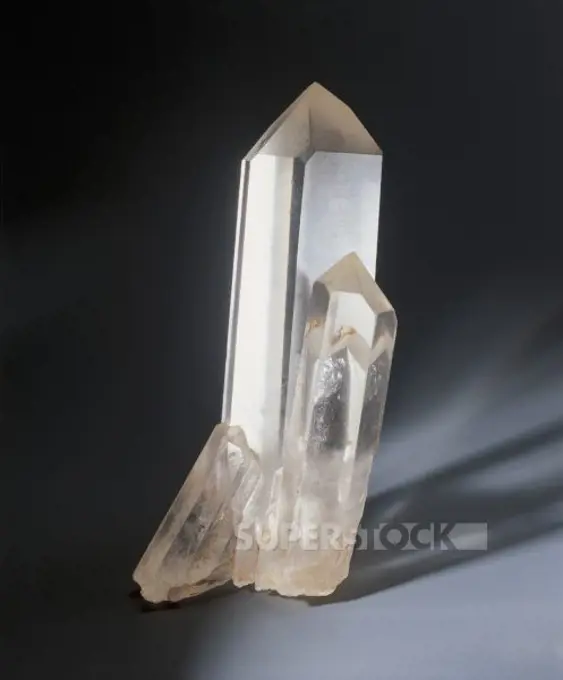
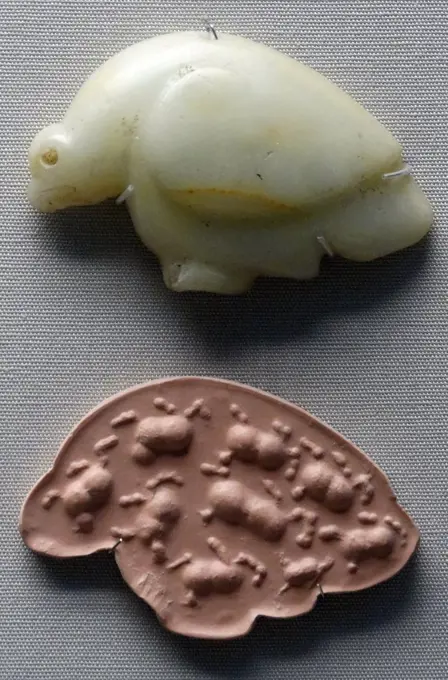
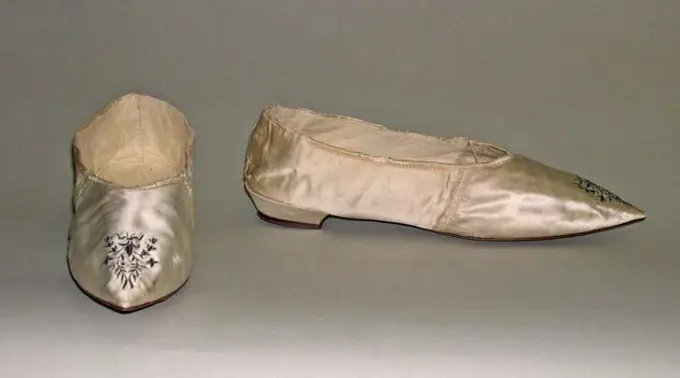
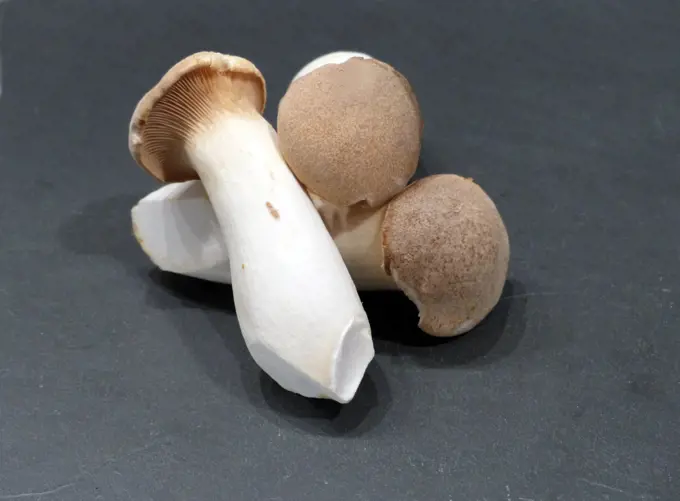
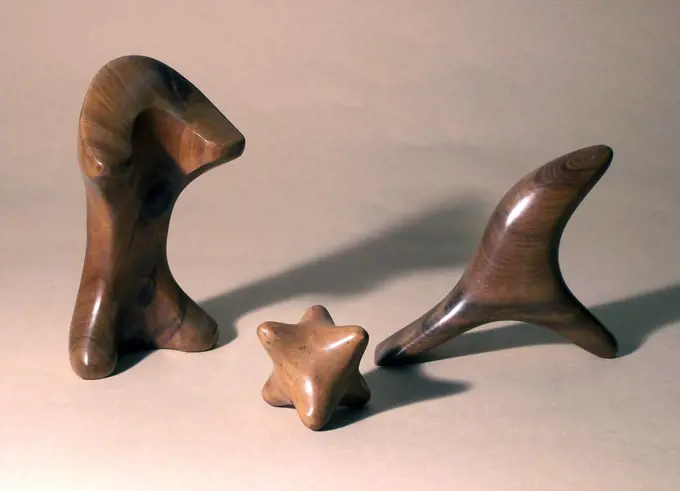
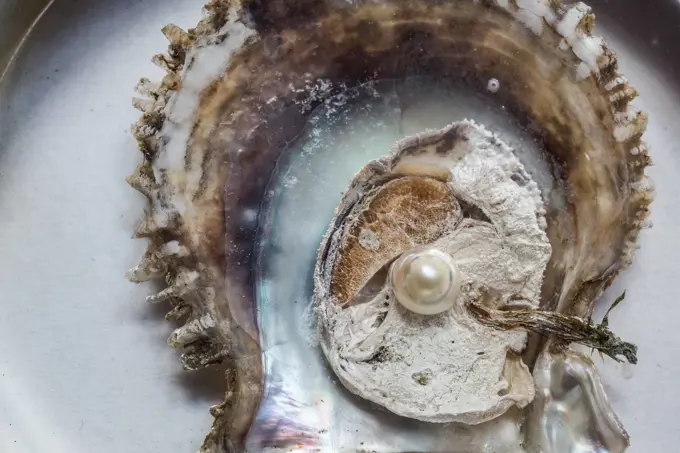
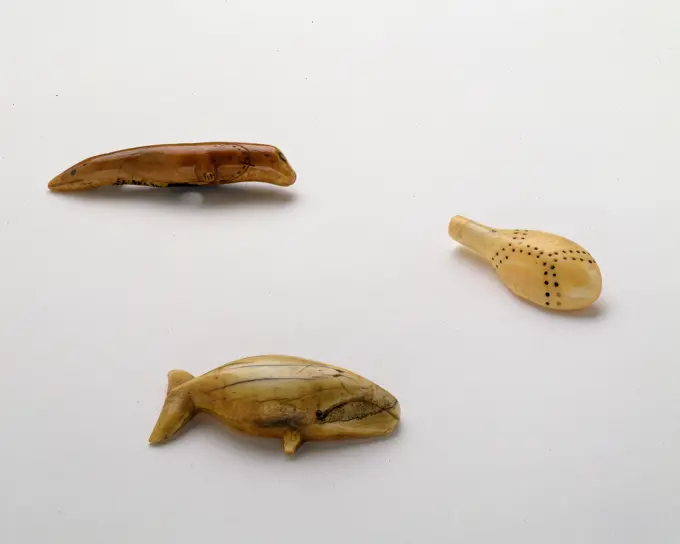
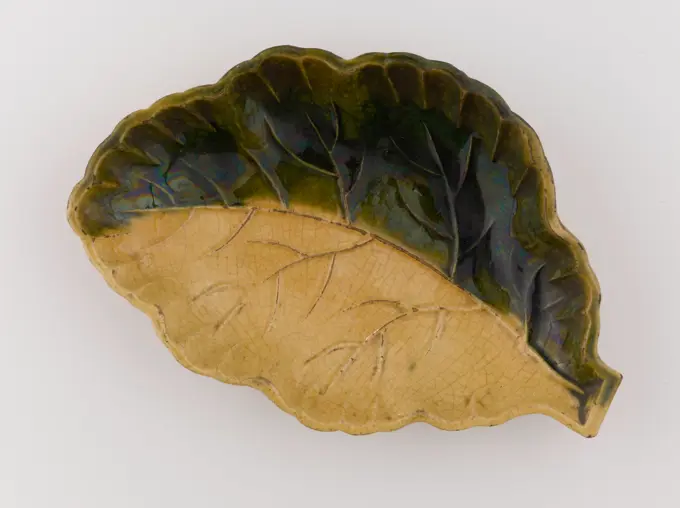
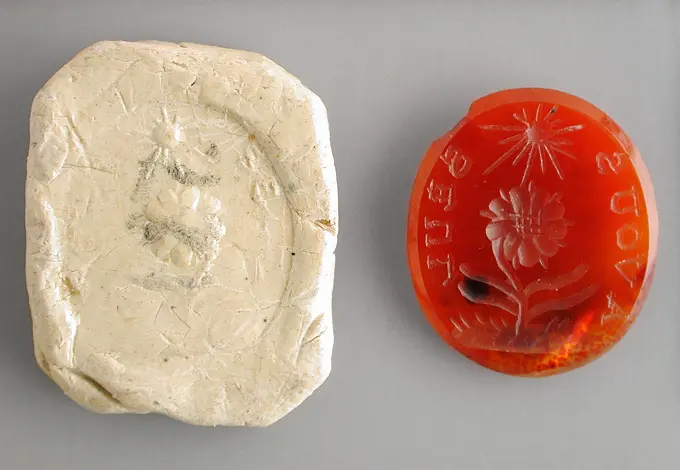
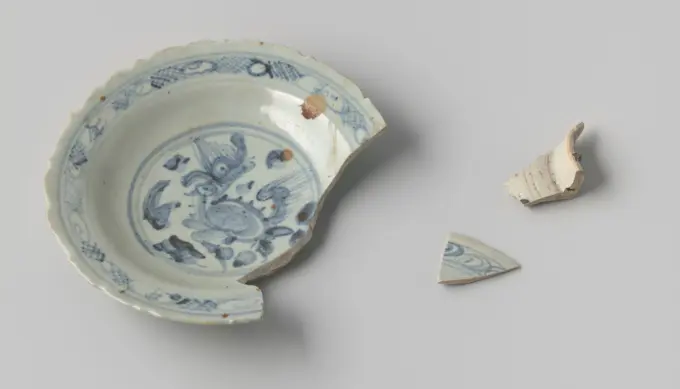
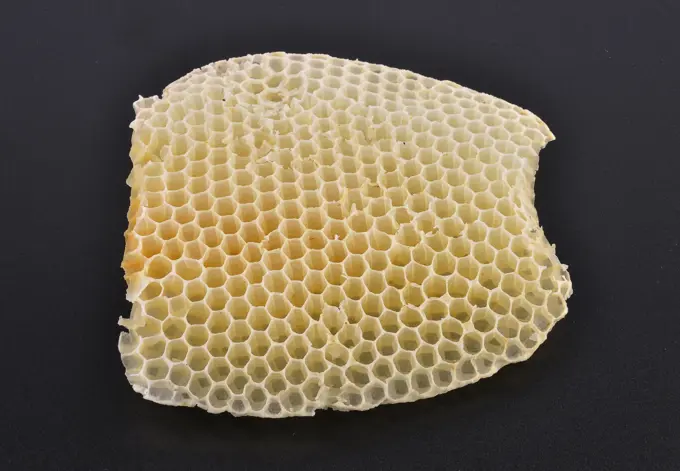
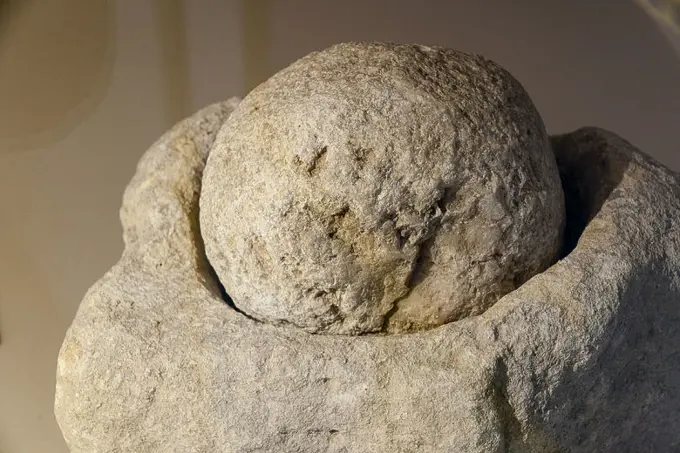
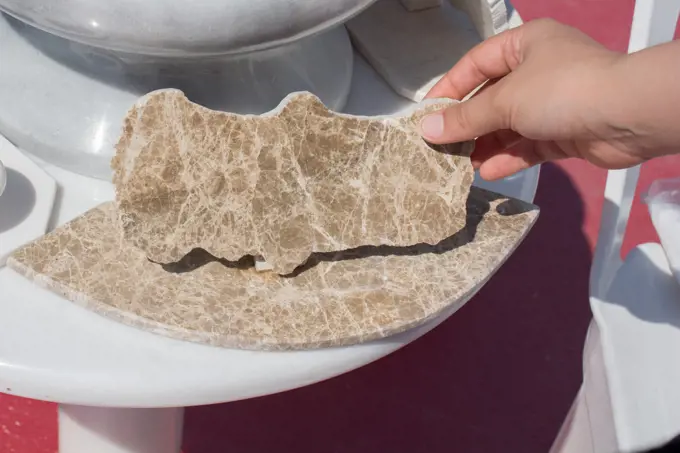
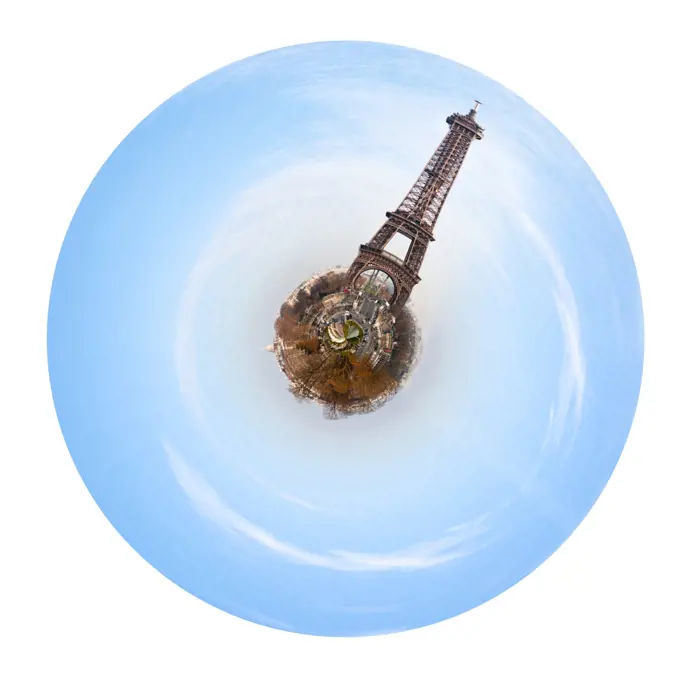
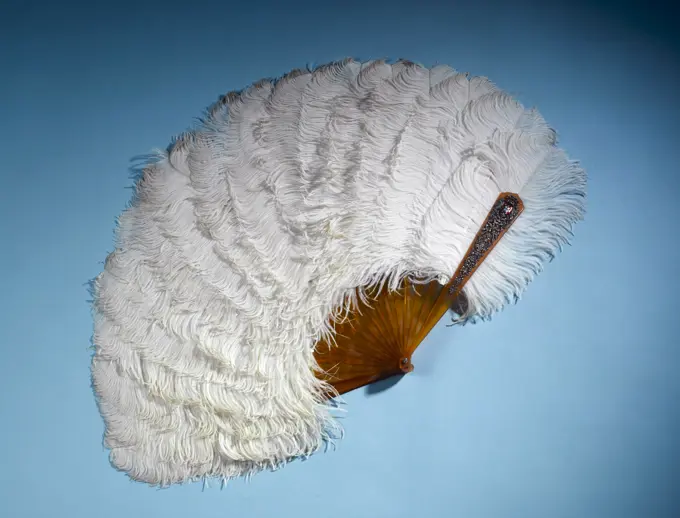
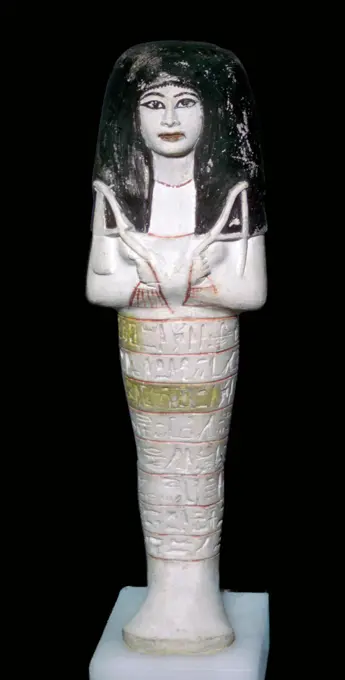
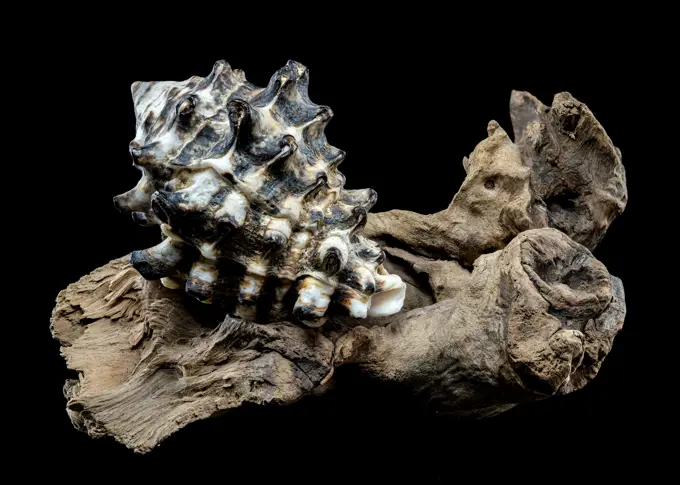
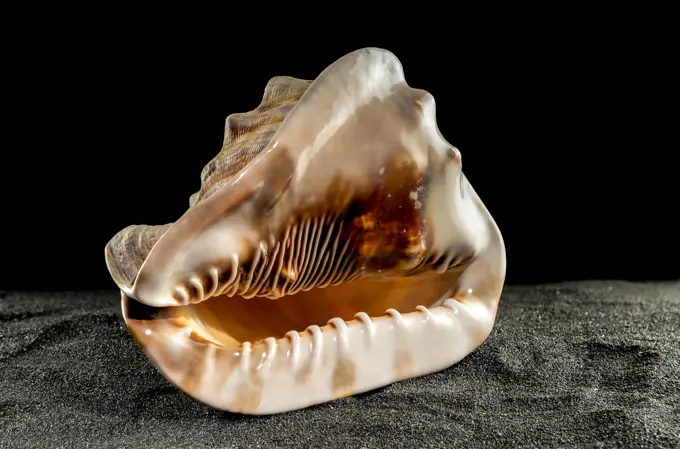
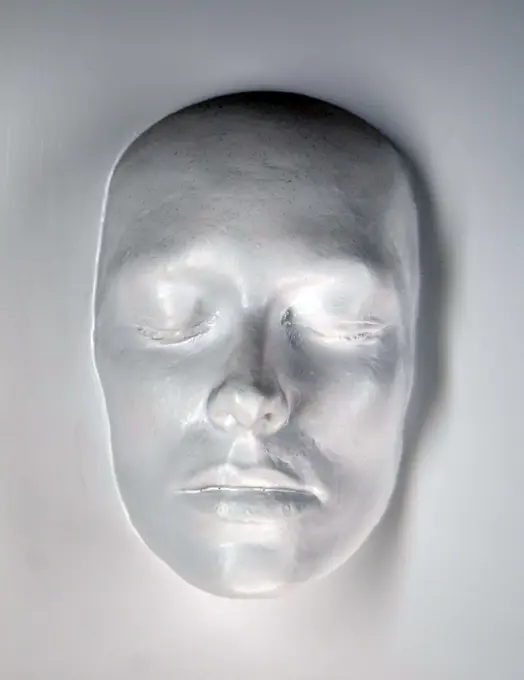
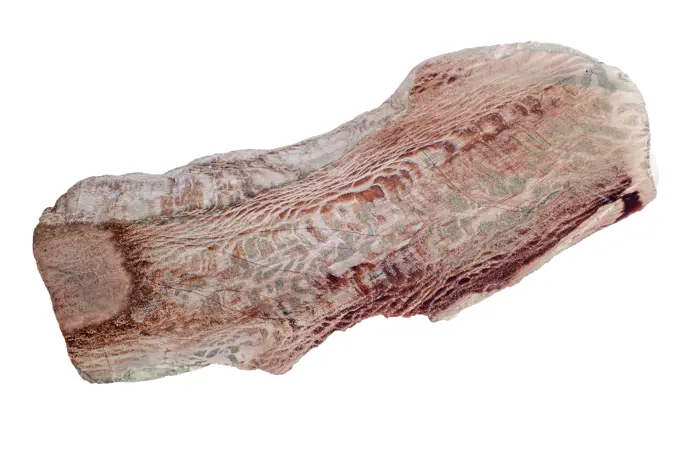
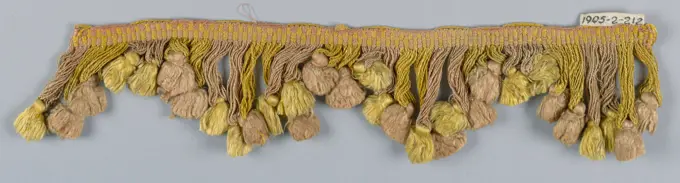
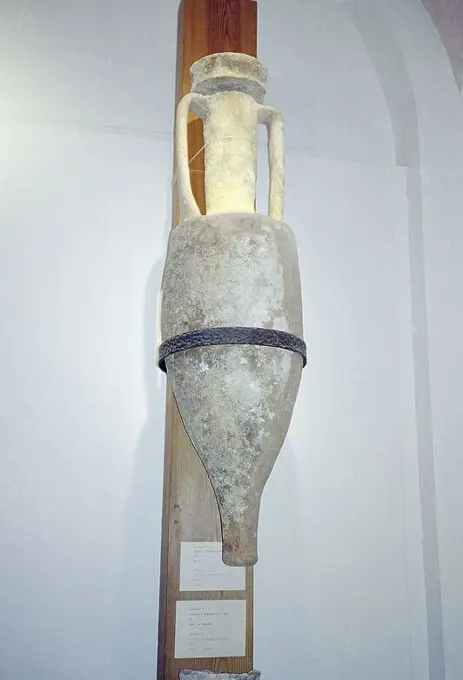
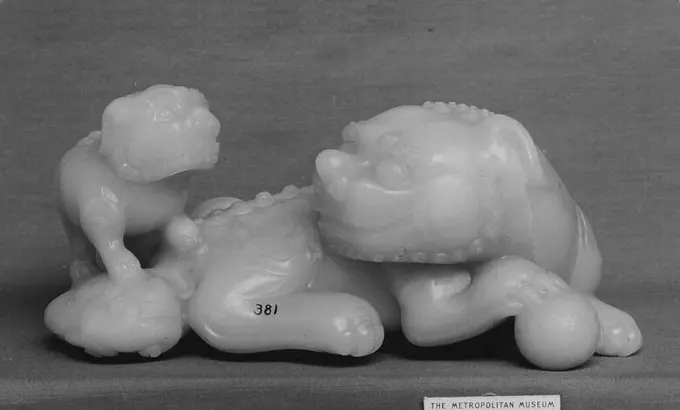
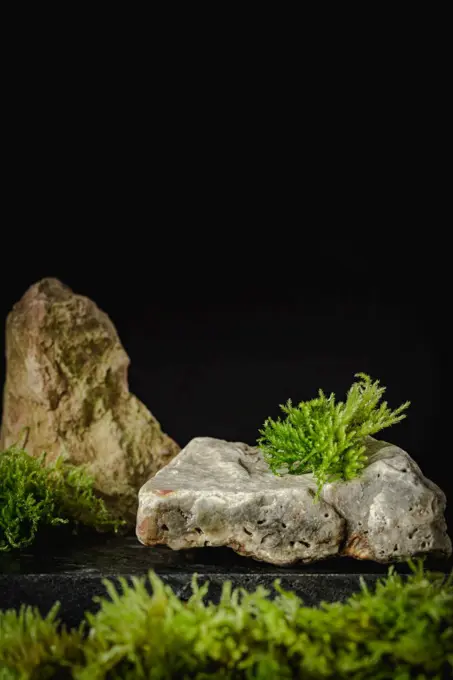
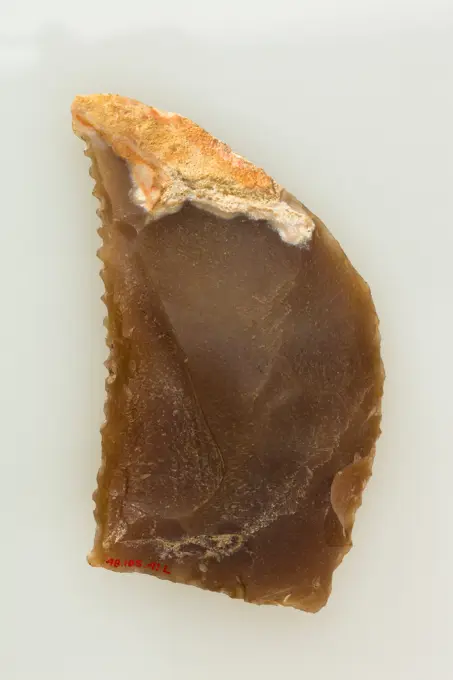
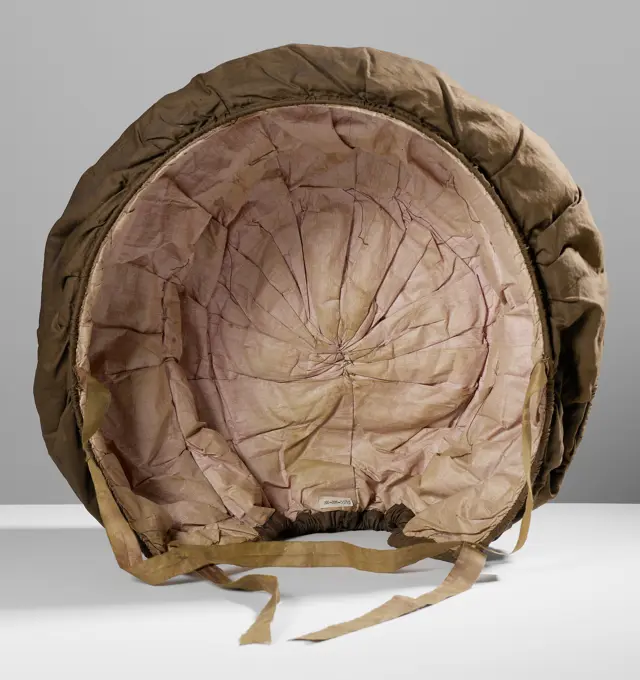
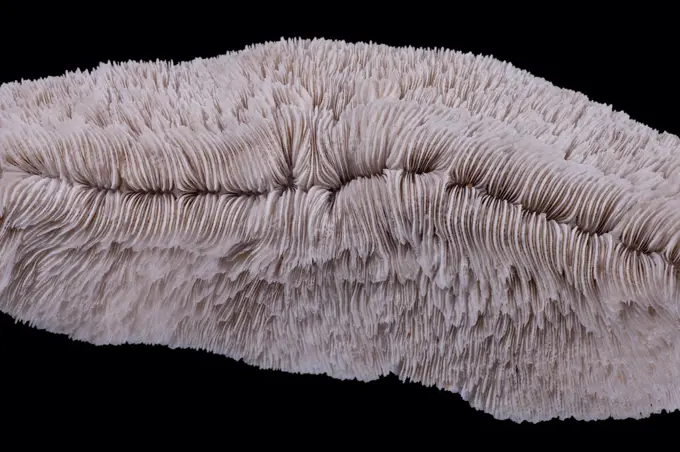
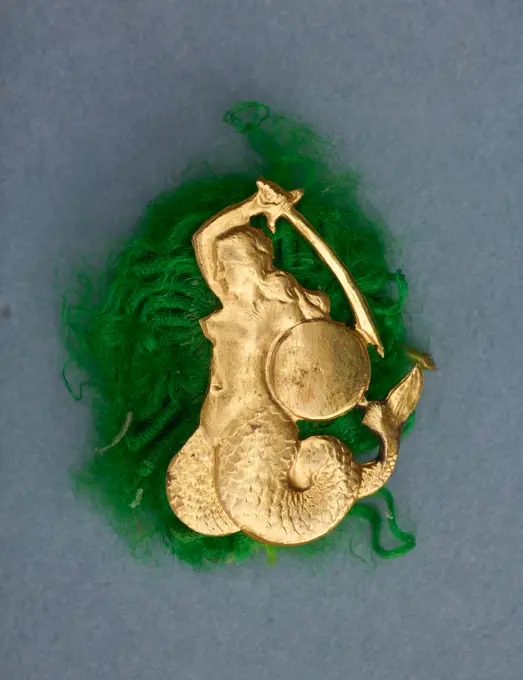
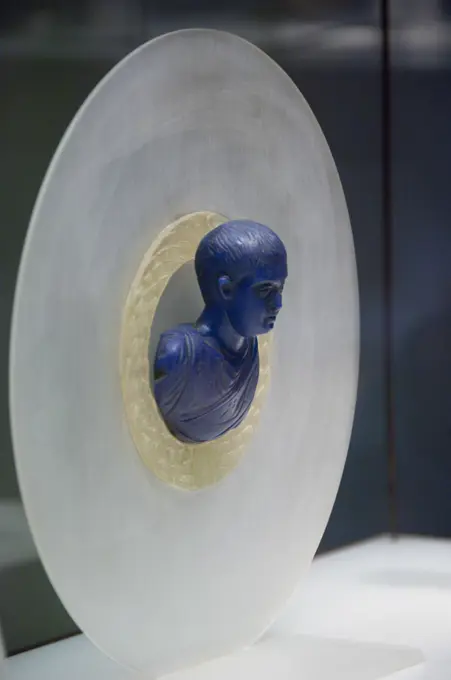
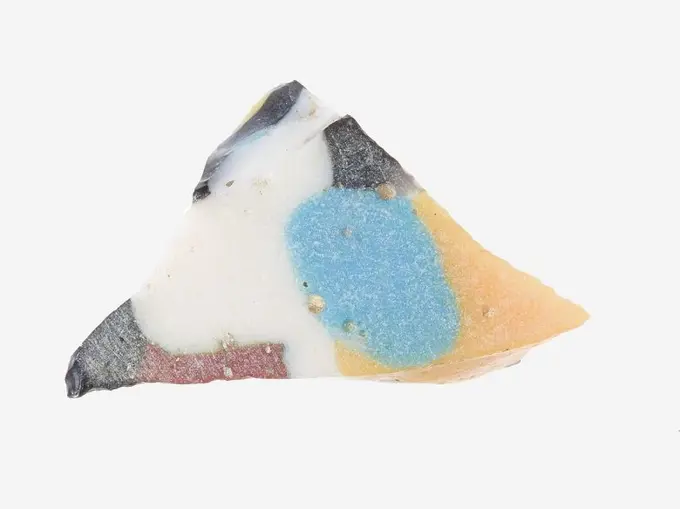
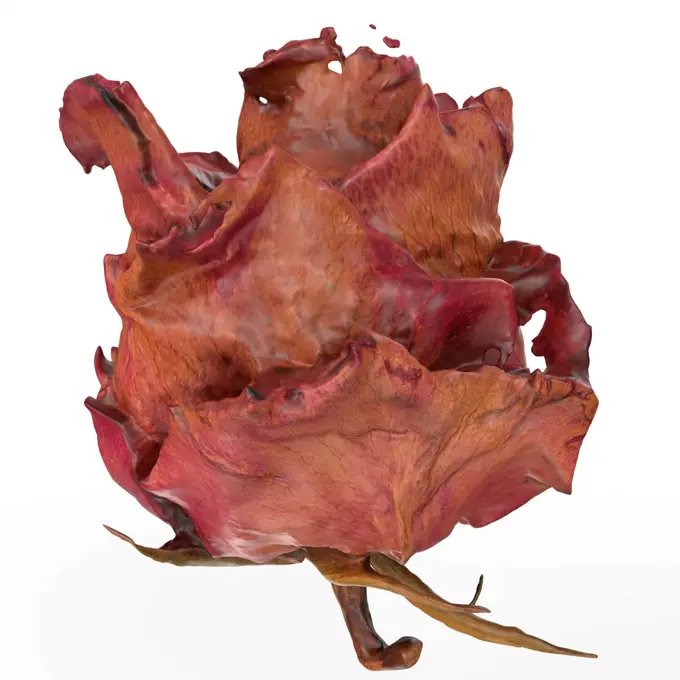
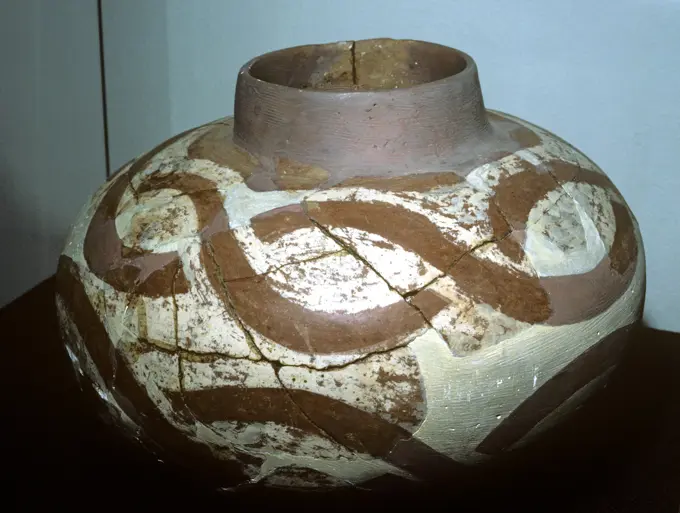
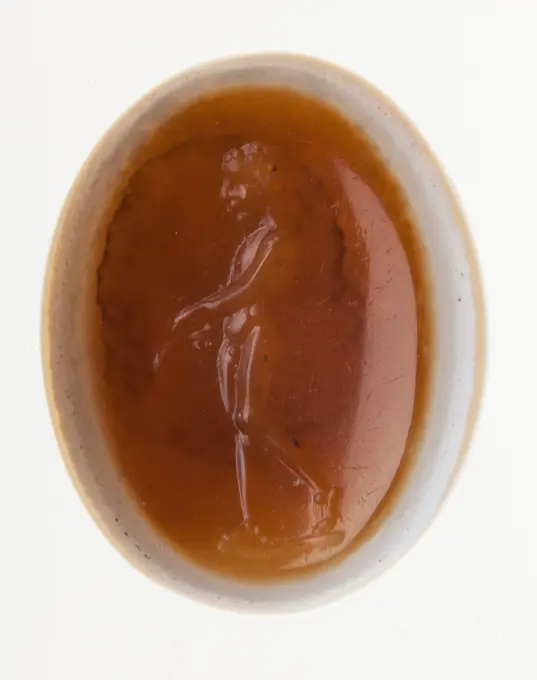
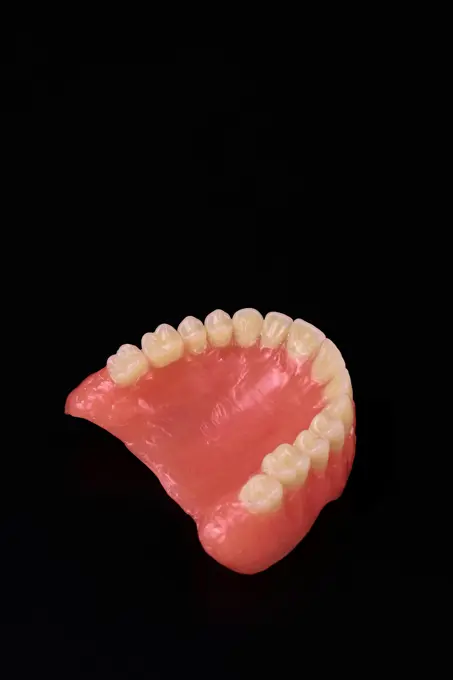
Close up photo of hairstylist hands holding bowl of shaving foam and wooden shaving brush. man He in black glovers is standing indoor barbershop . Shaving accessories. Close up photo of hairstylist hands holding bowl of shaving foam and wooden shaving brush. man He in black glovers is standing indoor barbershop . Shaving accessories.Spartan OtryadesLesser Spotted Dogfish (Scyliorhinus canicula) 'Mermaid's Purse' eggcase, with developing early embryo and yolk sac visable inside (photographed in tank)Fire Bellows, c. 1840, 2 1/2 x 18 1/2 x 8 1/2 in. (6.35 x 46.99 x 21.59 cm), Wood, leather, metal, United States, 19th centuryDecorative Door Boss And Nail; steel-plated wrought ironwooden geometric shapes on a green backgroundWasp nest in a barnPaul de Lamerie, Dinner Plates (set of twelve), 1725/26, silver.Beads ca. 9th century B.C. Iran. Beads 325286Poelzig Hans (1869-1936), exhibition of porcelain Volkstedter models after sketches by Poelzig and Moeschke in the porcelain pavilion, Dresden (1921): Large hanging lamp. Photo on paper, 16.9 x 21.7 cm (including scan edges)Éventail (Fan). Sheila Hicks (American, born 1934); France, Paris. Date: 1990. Dimensions: 91.5 x 160.1 cm (36 x 63 in.). Skeins of linen, wrapped with cotton floss, couched with linen to handmade paper with imbedded hemp fibers; backed with linen, plain weave. Origin: Paris. Museum: The Chicago Art Institute, Chicago, USA.Mumia ibisa. unknown, authorSpool 3rd-12th century The dot-in-circle motif recalls designs presumed to be of magical significance, most likely an abstract eye to ward off the evil-eye, which serve an apotropaic function. Easily reproduced with a tool and visible in many cultures and times, this symbol may have lost its meaning, and become simply a decorative pattern, or may have one that we have not yet discovered. The likelihood of these designs bearing significance increases when the dot-in-circles form birds, another apotropaic symbol; and/or when there are inscriptions, including abbreviated words or symbolic letters.. Spool. 3rd-12th century. Bone; pierced, incised, and inlaid with paint. From Egypt. Ivories and BoneWhite shimeji in a paper bagFragment 13th century Crusader. Fragment 475371Quartz. minerals. Europe; EnglandLid;  K.Xix/P.XXW. (1891-00-00-1910-00-00);Loon 10th-16th century Inuit. Loon 309552Water holder 18th century China. Water holder. China. 18th century. Nephrite (jade). Qing dynasty (1644-1911), Kangxi period (1662-1722). JadeEngageantes 1760-80 possibly British. Engageantes 170583Round-mouthed jug from ancient Greece. Dated 7th Century BCTassel, Medium: linen, metal wire Technique: braided and knotted, Linen tassel, braided and knotted. Double loops attached to pear-shaped unit from which hang three elaborate knottings connected with one another in shape of human figures. Hair of figures made of tarnished metal wire. Suspended center element., Italy, Europe, 17th century, trimmings, TasselBundle of razor clams. Overhead shot. Isolated over black slateOpen shell with white pearls isolated. Beautiful half of clam shell and pearls Open shell with white pearls isolated on white background. Beautiful half of clam shell and pearls. Shiny white pearls in mother of peral. 3D Illustration Copyright: xZoonar.com/ElenaxBurditckaiax 17797772Magic gemma with the performance of GanimedesClam-shell-shaped Hammer. Dimensions: L. 8.4 × W. 5.3 × H. 3.2 cm (3 5/16 × 2 1/16 × 1 1/4 in.). Dynasty: Dynasty 18. Reign: Joint reign of Hatshepsut and Thutmose III. Date: ca. 1479-1458 B.C.. Museum: Metropolitan Museum of Art, New York, USA.Two Shackles.Two harp closures linked to each other, each with two chain shapes at the end. The locking pins have no thread, but are riveted. The whole is painted black. This type of harp closures was used for gear chains.Pendant ca. 9th century B.C. Iran. Pendant 325295Studio shot of ginger on white backgroundA pine conePair of tassels 17th century Italian. Pair of tassels. Italian. 17th century. Linen. Textiles-TrimmingsCaduceusFragment 1700-1800 American. Fragment. American. 1700-1800. Free-blown glass. Made in Wistarburg, New Jersey, United StatesWeights of loom. Roman period. National Archaeological Museum. Tarragona, Catalonia, Spain.Earring-hook type with sphere ends. Earring-hook type with sphere ends 243424Minerals: Quartz (Silicon Oxide)Frightened Harlequin model ca. 1740 Meissen Manufactory German. Frightened Harlequin 207188Stack of rough stonesSumerian stamp seals, usually in the shape of stylised animals, have been found at sites of the Late Uruk period, 3300-3000 BC. From Ur, Iraq, Sumerianhair accessory. Hairpin hair accessory. Hairpin Copyright: xZoonar.com/sad444i.uax 1922939Cap early 19th century American. Cap 98134Slippers 1795-1800 American. Slippers 98054Three brown herbal pleurotus on slate. Three brown herbal pleurotus on slate.Vietnam handies. Polished wood shapes for holding in the hand to sooth the nerves.Set of brand new hand made horn combLarge plate with engraved symbols. From Catacomb 15 at Beth She'arim, 4th century.Close-up of conch shellAuster oyster with shiny pearl copyright: xzoonar.com/dr.xlangeex 13363137Clothing clasp - Bowhead whaleRavier. Sandstone, yellow and green covered. Paris, Cernuschi museum. Japanese art, Japanese ceramic, sheet, gres, ravier, dishIntaglio. Eastern Mediterranean, Roman, 332 B.C.-A.D.395. Tools and Equipment; seals. StoneStirrup Spout Bottle with Couple 3rd-7th century Moche. Stirrup Spout Bottle with Couple. Moche. 3rd-7th century. Ceramic, slip. Peru. Ceramics-ContainersShards of signs from V.O.C. ship De 'Witte Leeuw', Anonymous, Before 1613 plate (dishes) Shards of signs from V.O.C. ship De 'Witte Leeuw', 85 present. Shatou porcelain   Sint-HelenaPair of Mitten Gauntlets Made 1800-1900 Germany. Steel and leather .Mold for a Nefer Bead ca. 1390-1353 B.C. New Kingdom. Mold for a Nefer Bead. ca. 1390-1353 B.C.. Pottery. New Kingdom. From Egypt, Upper Egypt, Thebes, Malqata, Khor west of camp or E. side of S. Village, MMA excavations, probably 1911-12. Dynasty 18Bienenwabe auf schwarz - Natural comb on black Bienenwabe auf schwarz - Natural comb on black Copyright: xZoonar.com/lantapixx 11625333mortar, Son Fornes archaeological museum, talayotic period room (1300-123 a. C.), Montuiri, Es Pla region, Mallorca, Spain.Güiro late 19th century Cuban A güiro is a hollowed tube most often made of gourd but also of wood, metal or plastic with ridges on one side. Rhythmic accompaniment is produced when a stick or comb is rubbed against the ridges. Common in both the Caribbean and Sub-Saharan Africa where it has many names, it provides a rhythmic pulse for different types of Latin-American and Africa music.. Güiro 502003PinkMap of Turkey outlined on marble in handfresh blueberry on silver spoon over a white rustic wood tablelittle planet - urban spherical skyline of Paris with big Eiffel tower isolated on white backgroundRoasted and salted cashews in a rowOil LampNotched Disk China. Notched Disk 51280Lamarche Vinit, fan. Folding range. Face in white ostrich feathers, ditto back, strand frame, throat, blonde scales head, silver metal rter and diamonds, bail -free model. Around 1900. Galliera, fashion museum of the city of Paris. Accessory, 1900 years, ostrich, white, ecaille, event, feminine, woman, ostrich feather, bird featherEgyptian painted limestone shabti. Artist: UnknownOintment Jar ca. 1479-1458 B.C. New Kingdom. Ointment Jar. ca. 1479-1458 B.C.. Travertine (Egyptian alabaster). New Kingdom. From Egypt, Upper Egypt, Thebes, Deir el-Bahri, Temple of Hatshepsut, Foundation Deposit 8 (H), MMA excavations, 1926-27. Dynasty 18Kiefernzapfen-makro. Pine cones in front of pastel-colored backgroundVasum Muschel und Treibholz Komposition mit Stacheln Vasum Muschel und Treibholz Komposition mit Stacheln Copyright: xZoonar.com/SerhiixZarevx 22652869Oval amulet with Quranic inscription. unknown, craftsmanKing Helmet seashell on a dark background Caribbean King Helmet sea snail shell Cassis Tuberosa on a black sand background Copyright: xZoonar.com/SerhiixZarevx 21438200Cast of a female face. Dated 21st CenturyChip petrified tree with annual rings. Isolated on white Chip petrified tree with annual rings. Isolated on white Copyright: xZoonar.com/PavelxSytilinxxxxxVolgograd,xRussia.x 22057608Fringe (Spain); silkCERAMICA ROMANA - ANFORA UTILIZADA EN LOS BARCOS. Location: ARCHAEOLOGICAL MUSEUM. Denia. Alicante. SPAIN.Pieces of peruvian pottery, inca ceramicDrilled hemispheroid seal ca. 3500-2900 B.C.. Drilled hemispheroid seal. ca. 3500-2900 B.C.. Marble, pink cream color. Late Uruk-Jemdet Nasr. Mesopotamia or southwestern IranNutria skull with incisorsLion and cub. Culture: China. Dimensions: H. 3 11/16 in. (9.3 cm); W. 8 1/8 in. (20.7 cm); D. 5 3/16 in. (13.2 cm). Date: 18th century. Museum: Metropolitan Museum of Art, New York, USA.Abstract podium for organic cosmetic products. Natural style. Stone podium with green moss on dark background. Still life for the presentation of cosmetic products. Copy space. Abstract podium for cosmeticHuman skull mold on illuminated studio backgroundSickle Insert ca. 1184-664 B.C. Probably New Kingdom, Ramesside-Third Intermediate Period This small piece of flint was a key element to a successful agricultural season in ancient Egypt. Grain was a staple of the economy, as bread and beer made from grain were consumed daily. They also formed the foundation of eternal sustenance, as funerary offerings. Ancient Egyptians used sickles made from flint and wood to reap grain. Pieces of flint such as this one were shaped to fit into a wooden haft along with a number of other such inserts, and secured with an adhesive. The flint pieces provided a sharp edge to cut the grain stalks. With use, the flint would wear down and develop a shiny gloss. The flint inserts could be re-sharpened or replaced as needed. Sickle inserts could be made in a variety of ways. The earliest were fully bifacially retouched, then later they were made on blades (long narrow pieces of flint). Starting in the 2nd millennium BC, some sickle inserts were made on large fCap ca. 1830 American. Cap. American. ca. 1830. no medium availableGlass Fragments 4th century Coptic. Glass Fragments 479154Hood of Calèche of brown twill cotton supported by four semicircular ribs, lined with pink cotton and decorated with brown satin ribbons, anonymous, c. 1775 - c. 1783 Hood of Calèche of brown twill cotton supported by four semicircular ribs of wood or reeds. The fabric is wrinkled over the ribs, creating the convex shape. The hem is formed by a 1.5 cm tunnel through which a brown satin ribbon is pulled through, which ends in the middle behind a founded round opening in a flat bow. Lined with global pink cotton. Netherlands (possibly) whole: Cotton (textile). lining: cotton (textile). ribbon: Satin cutting Hood of Calèche of brown twill cotton supported by four semicircular ribs of wood or reeds. The fabric is wrinkled over the ribs, creating the convex shape. The hem is formed by a 1.5 cm tunnel through which a brown satin ribbon is pulled through, which ends in the middle behind a founded round opening in a flat bow. Lined with global pink cotton. Netherlands (possibly) whole: Cotton Mushroom Coral (Ctenactis echinata) from the Red Sea, Meeresmuseum Ozeania, Riedenburg, GermanyDuif, c. 1400 - c. 1950 An iron bird with rotated wings. Probably used in a church.  iron (metal) An iron bird with rotated wings. Probably used in a church.  iron (metal)Dronino meteorite - Iron ungrouped ataxite. Found in April 2003 near the Dronino village, Ryazan District, Russian Federation.Mermaid shaped badgePortret ApollaGermany, Cologne. Roman Germanic Museum. Very rare two-dimensional ancient Roman colored glass plate.Base Fragment of a Dish of Polychrome Mosaic Glass. Dimensions: L. 2.9 cm (1 1/8 in), w. 1.5 cm (9/16 in). Dynasty: Dynasty 18. Reign: reign of Amenhotep III. Date: ca. 1390-1353 B.C..Among the glass fragments found at the site of Malqata during the Museum's excavations from 1910-1912 were nine pieces of mosaic glass that probably come from the same dish (11.215.724-.732). The dish was made in a mold and, judging from a rim fragment (11.215.727) and a base fragment (11.215.729), it was about 15 cm (5 7/8 in) in diameter. Museum: Metropolitan Museum of Art, New York, USA.Dried Rose isolated on white backgroundOrangen Calcit am Strand - Orange calcite on beach Orangen Calcit am Strand - Orange calcite on beach Copyright: xZoonar.com/lantapixx 7169747BLIŻEJ KULTURYclassic round black antique bomb with a long burning rope wick isolated on a white background. old round bombEurope, Bulgaria. Vessel, bulging. Clay. Neolithic. Tschawdar-Kremikowtzi. BulgariaA young manA detailed view of dentures against a dark backdrop A closeup image featuring a denture set against a black background, highlighting details of the artificial teeth and gums Copyright: xZoonar.com/FernandoxGenzorx 21935279