Ancient Artifacts

Photos of ancient tools and objects like sickle blades, flint pieces, and other archaeological artifacts reflecting historical craftsmanship.
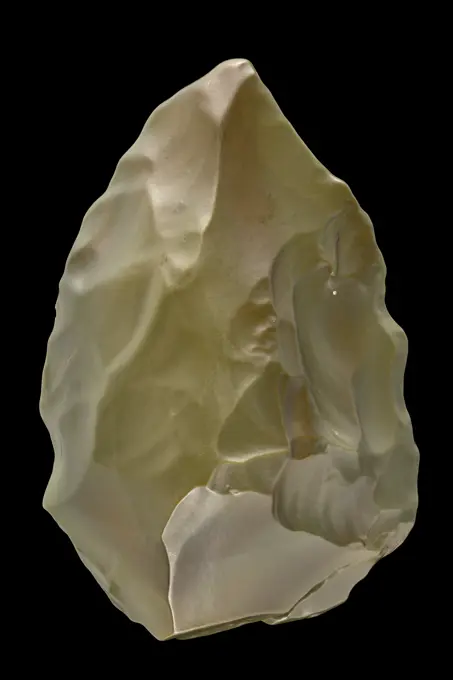
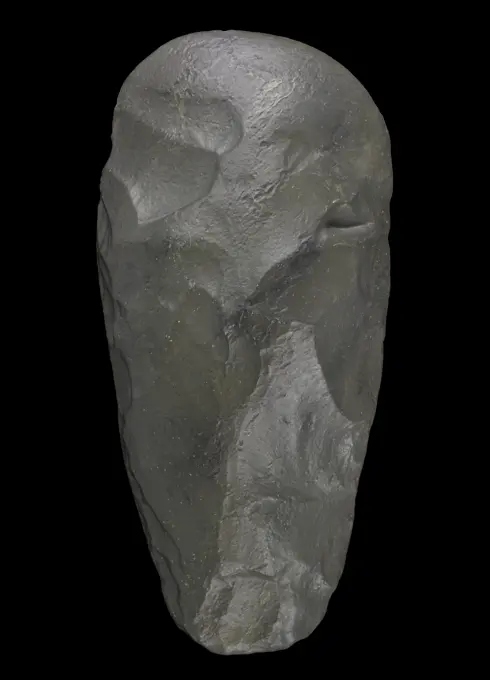
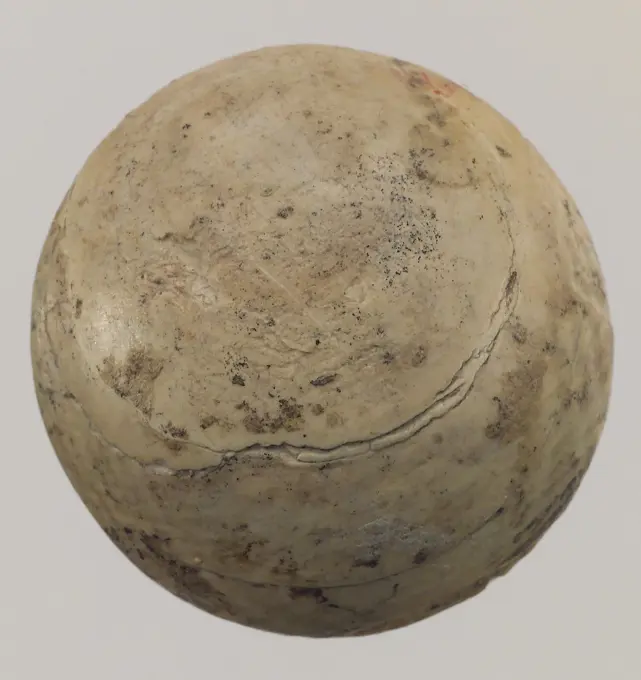
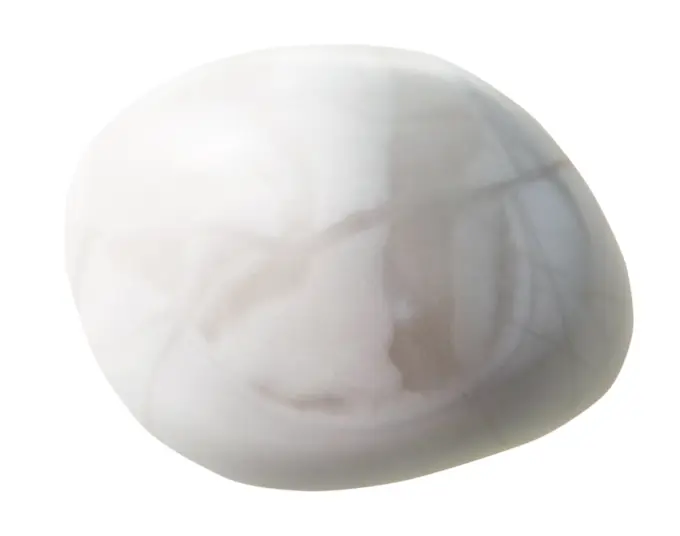
Green Jasper Nucleus. Neolithic period. Mali. 6,8 cm.
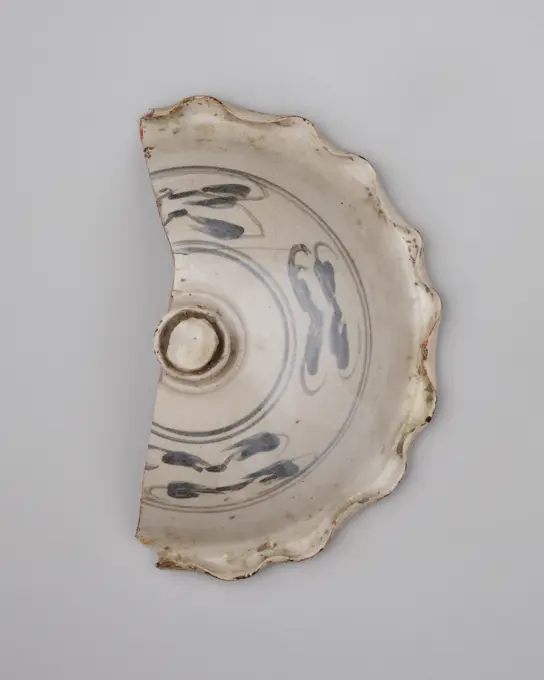
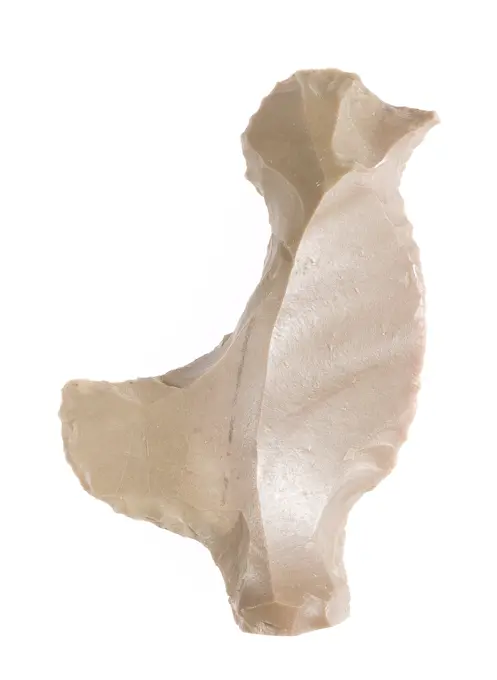
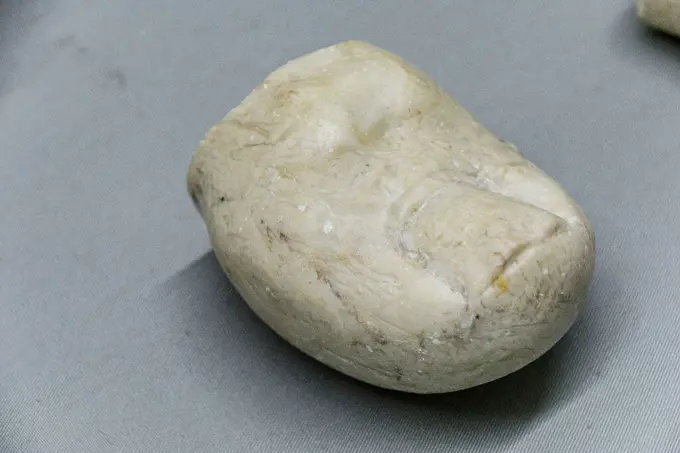
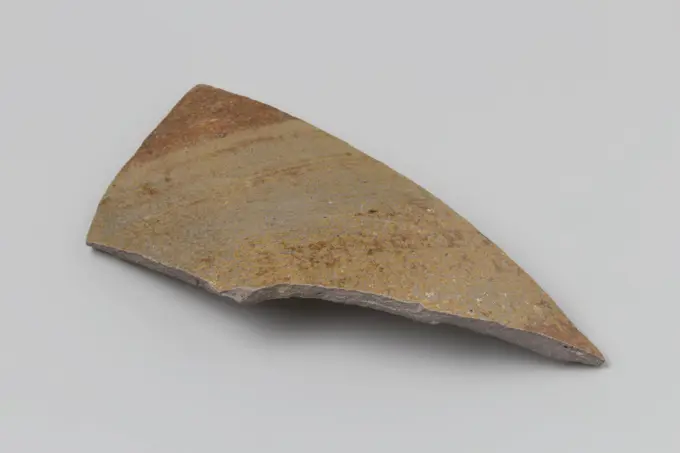
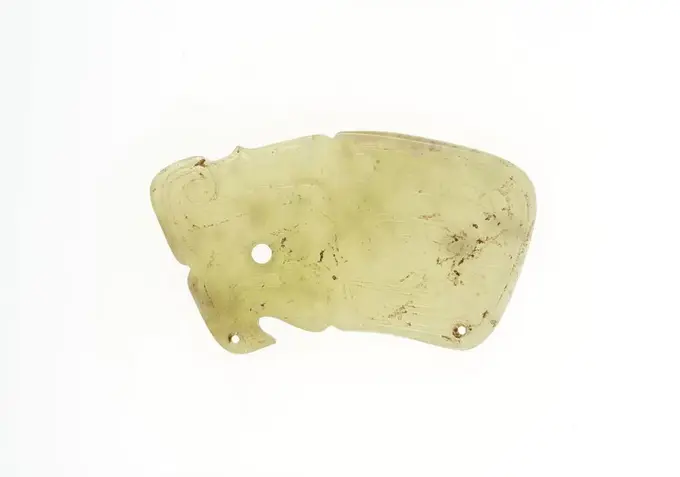
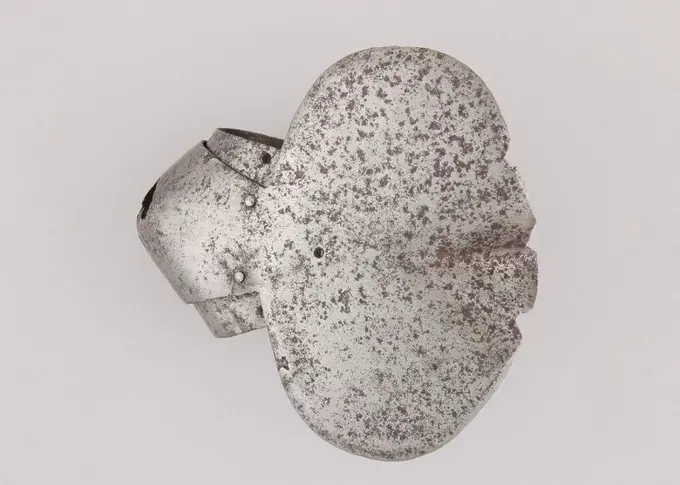
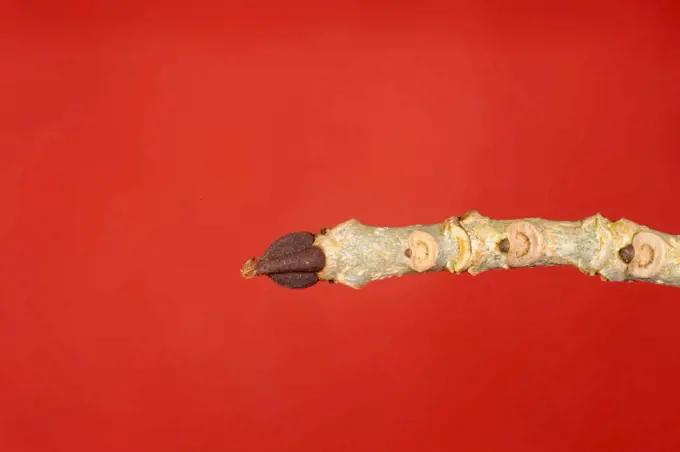
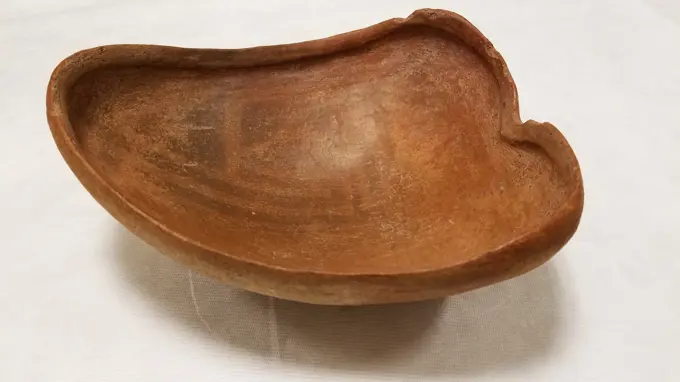
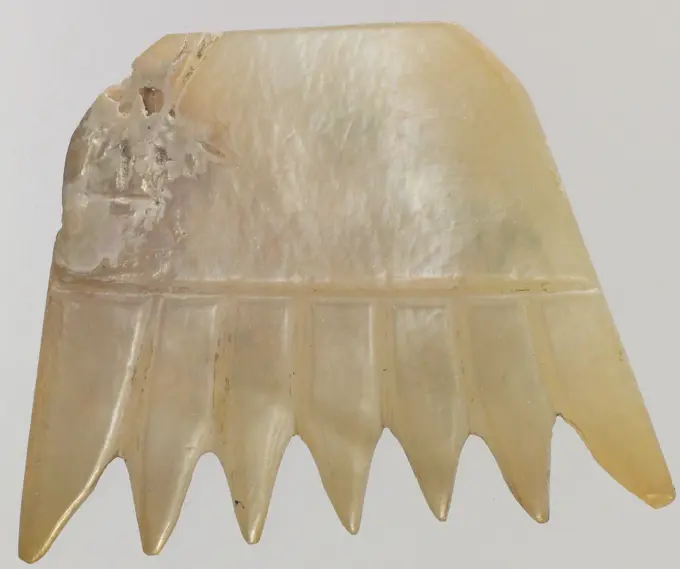
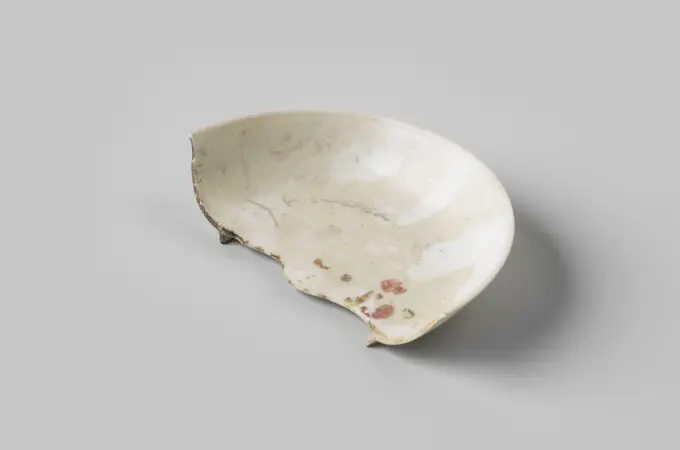
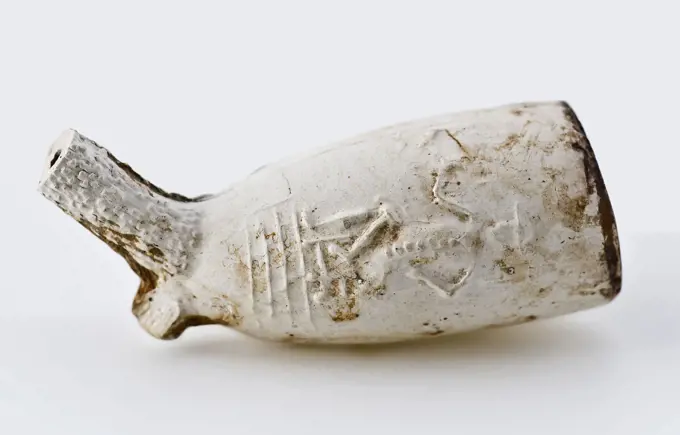
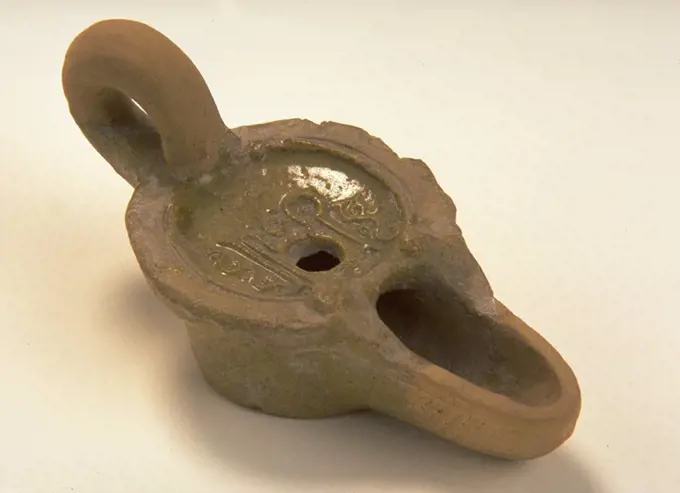
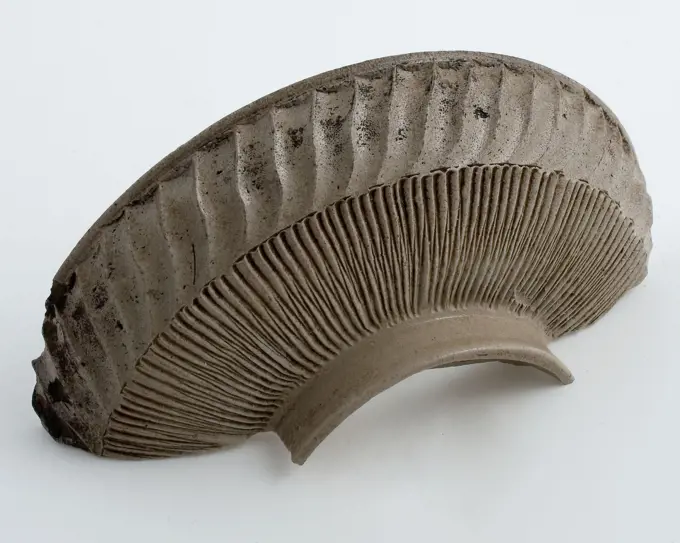
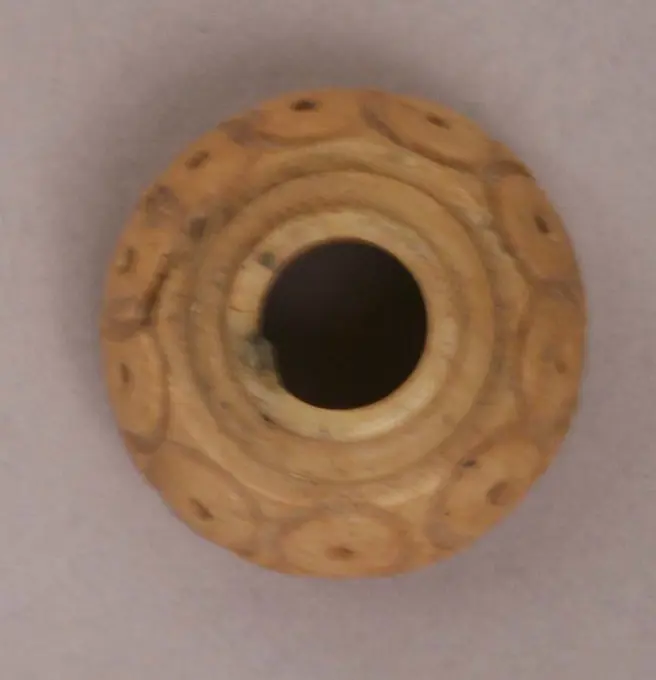
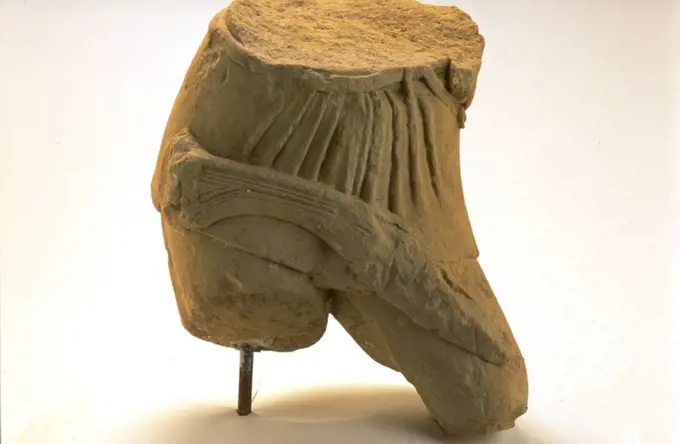
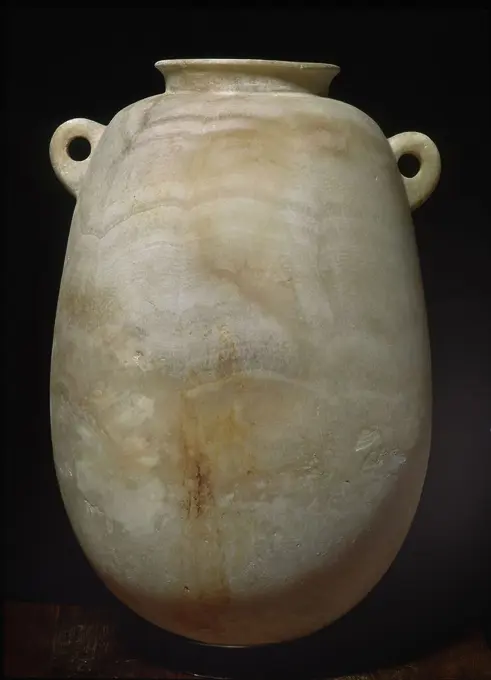
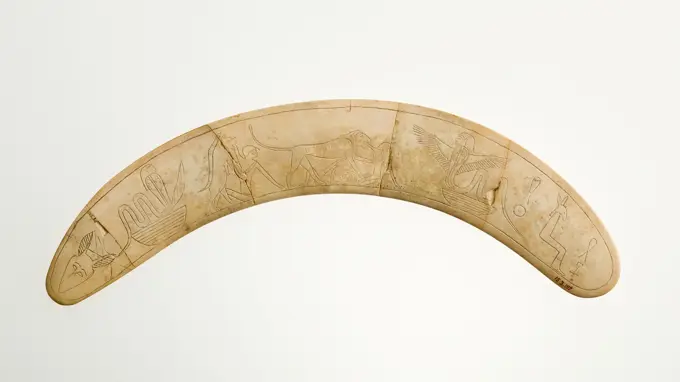
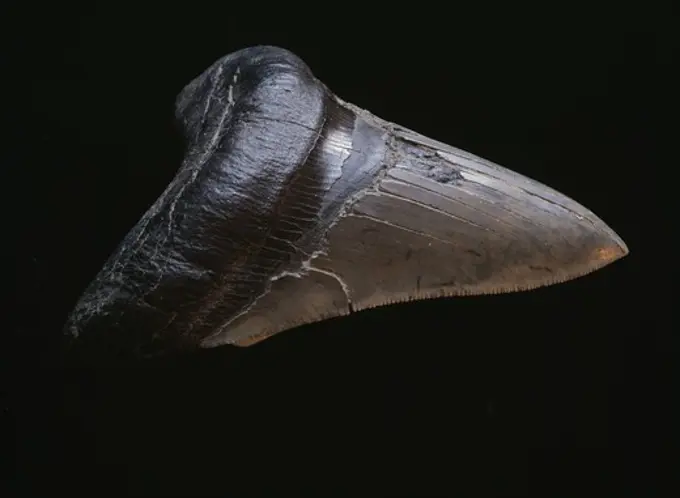
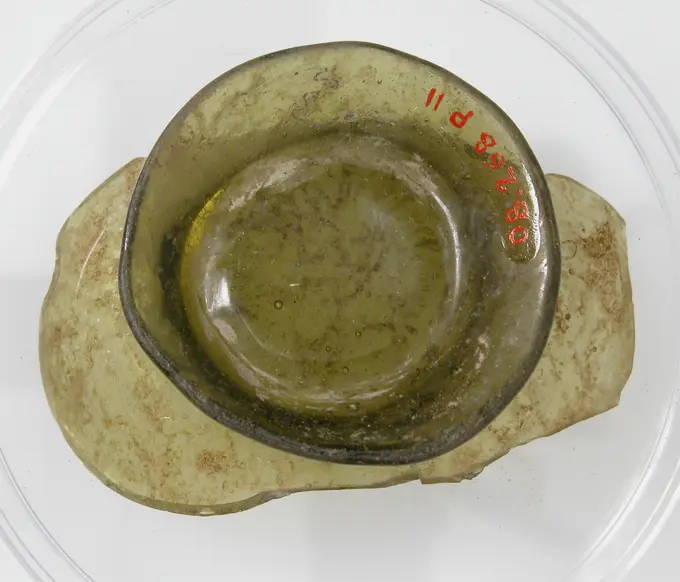
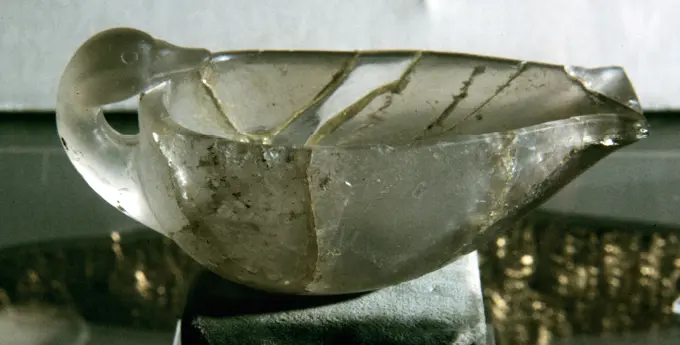
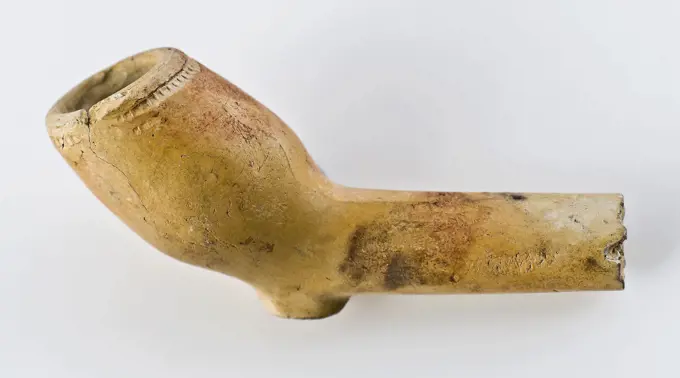
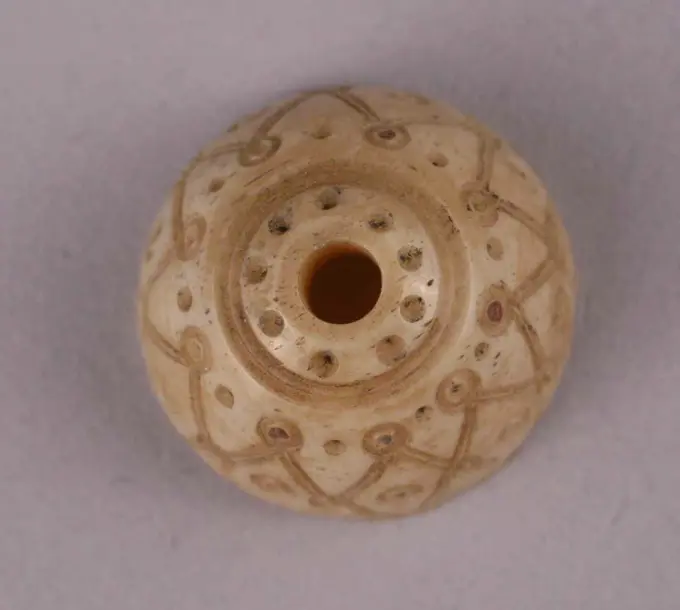
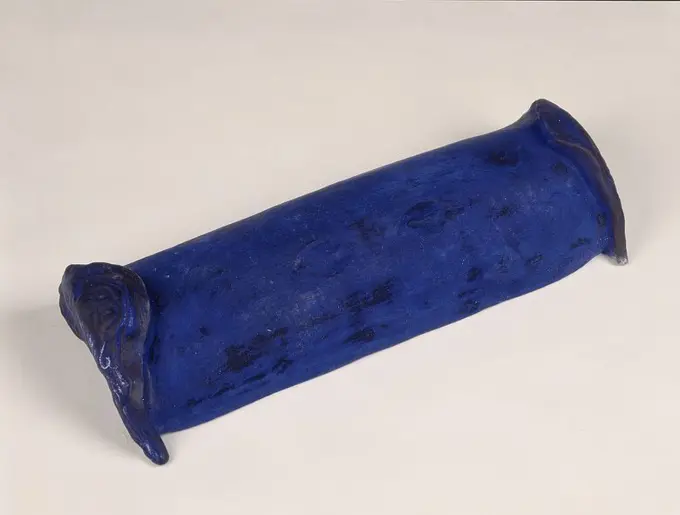
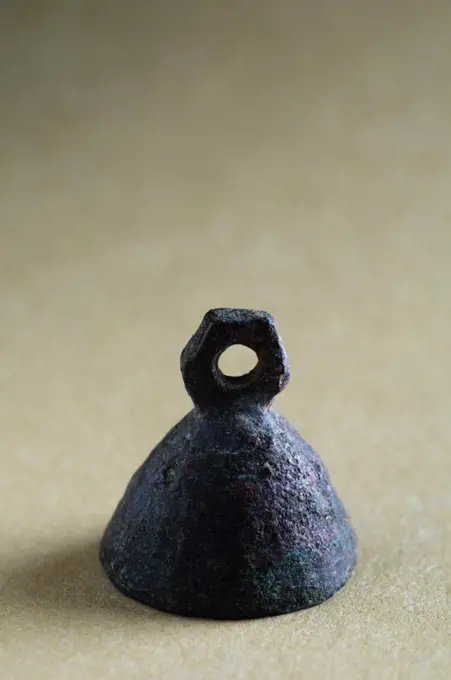
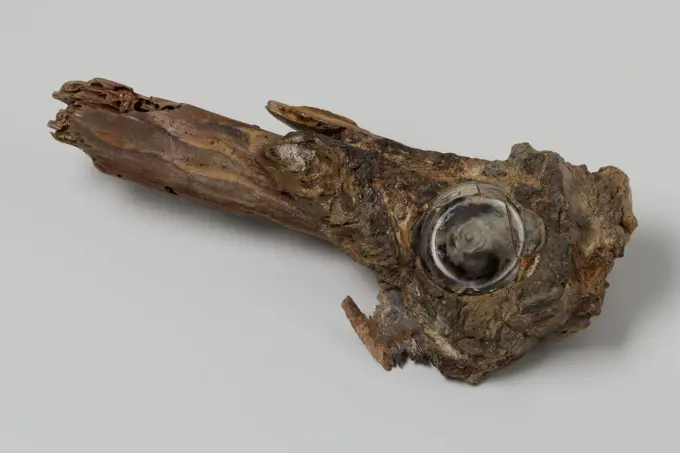
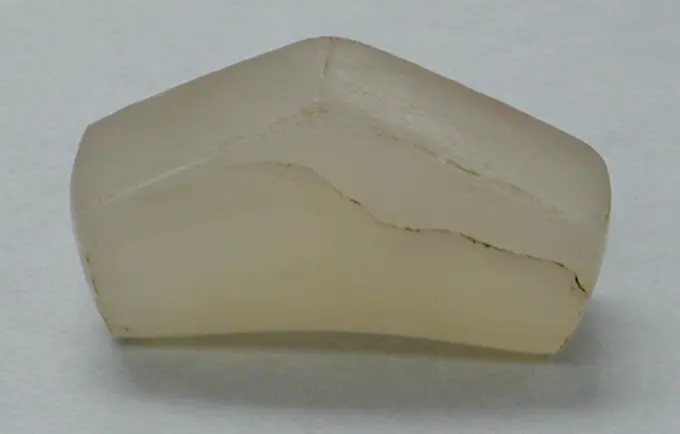
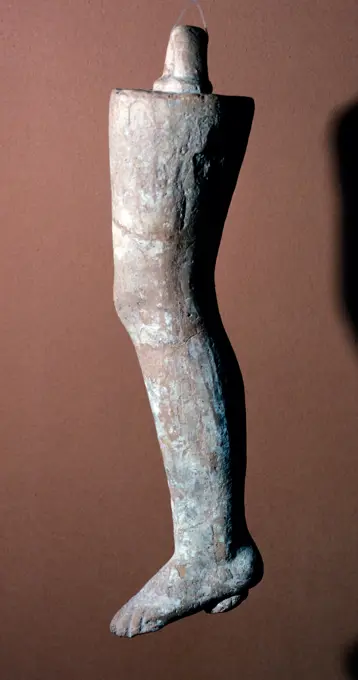
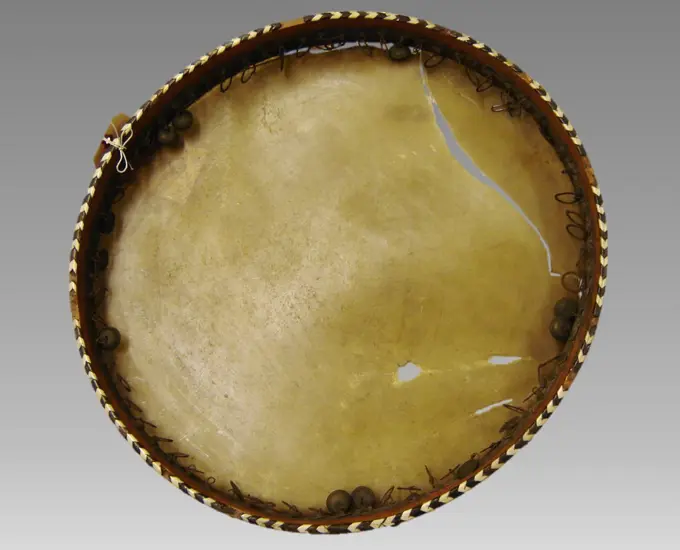
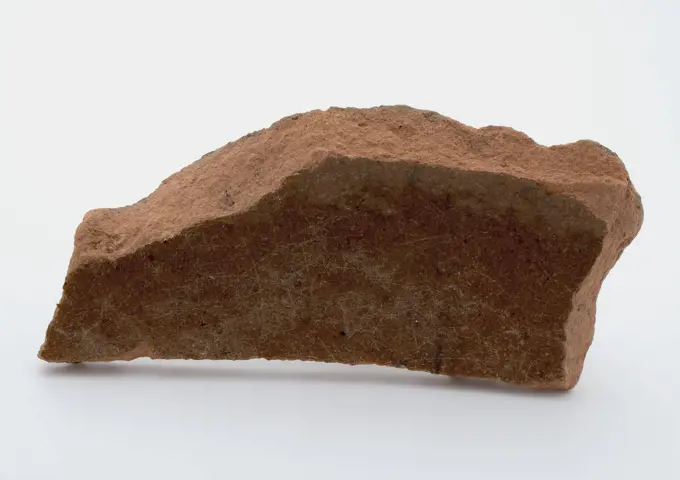
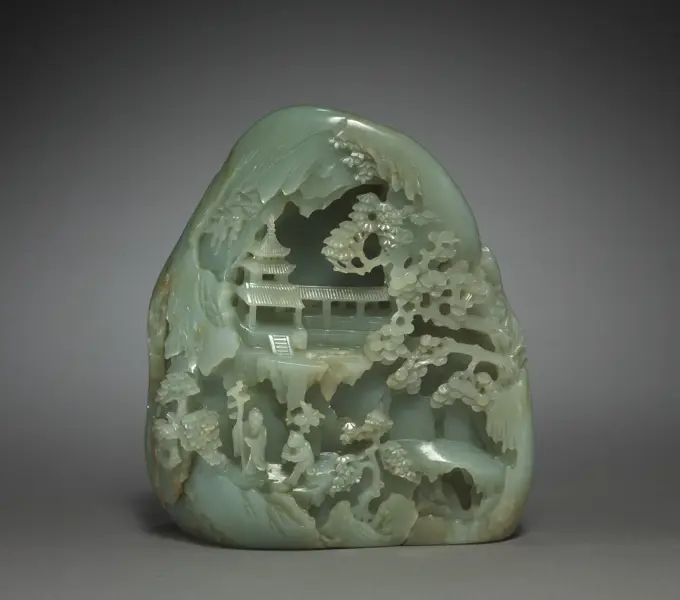
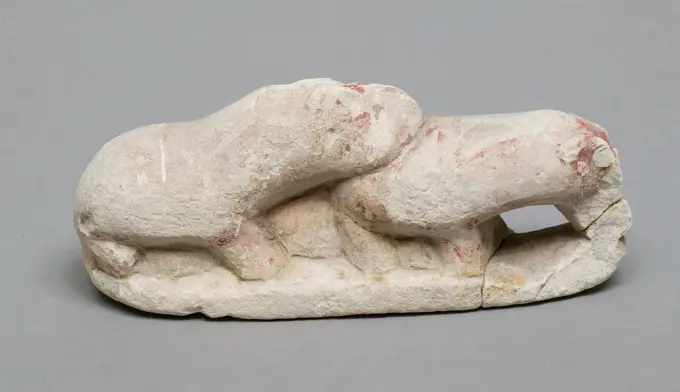
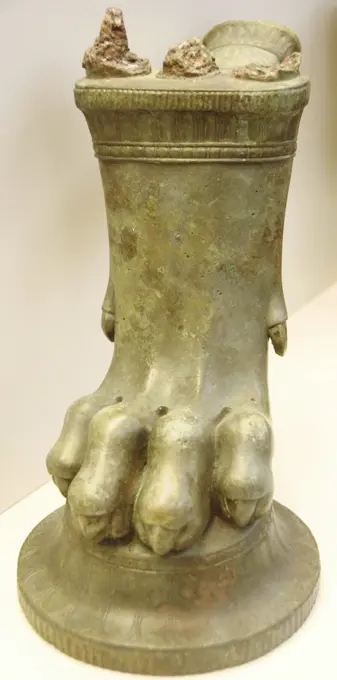
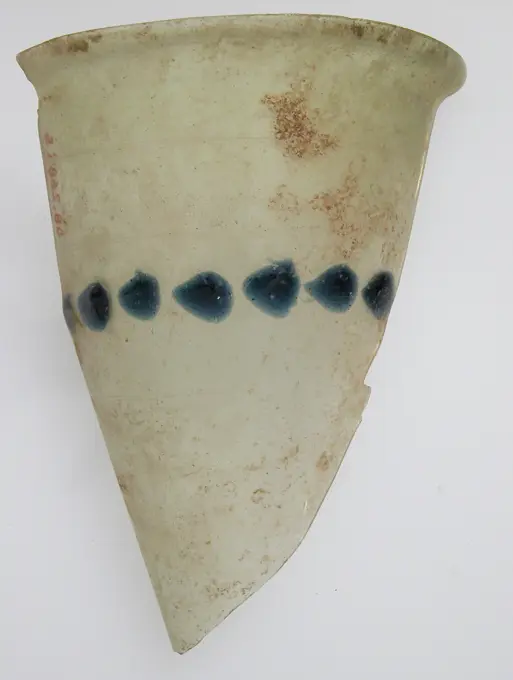
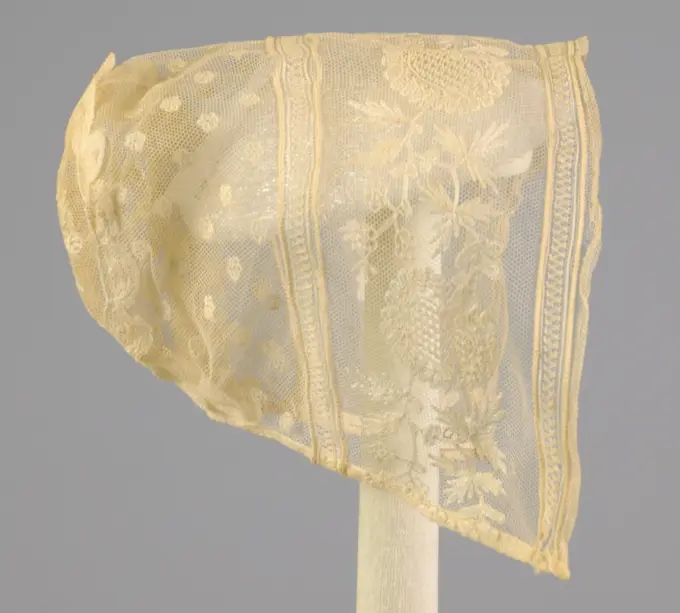
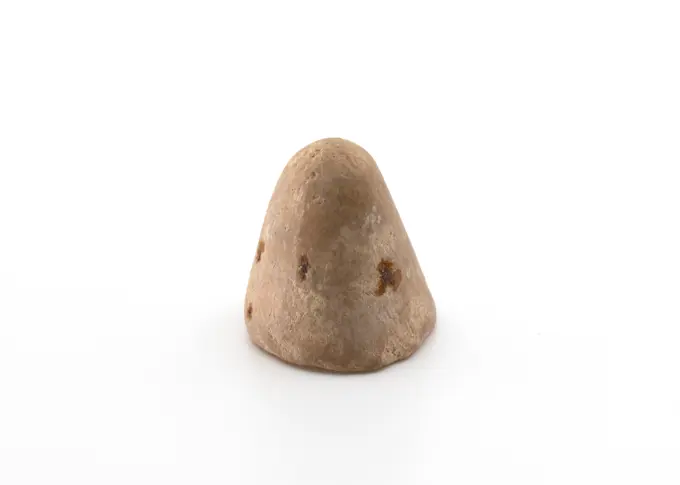
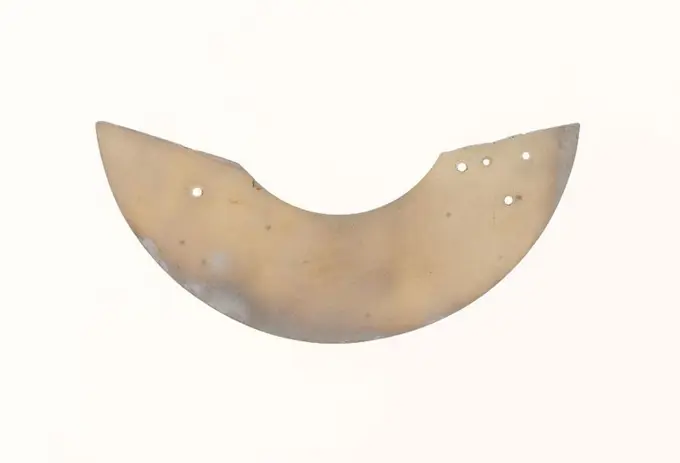
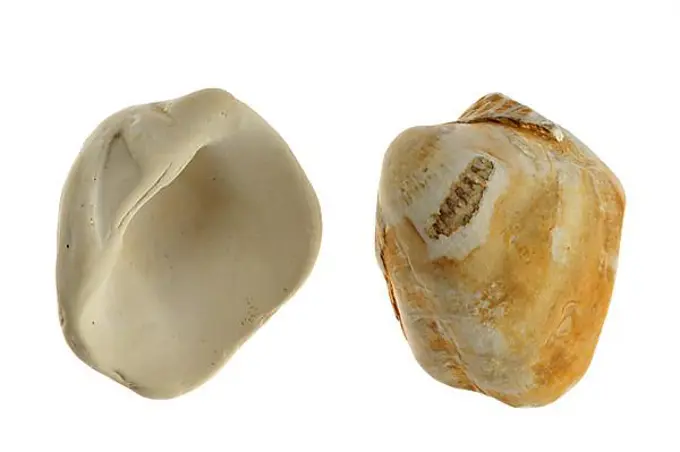
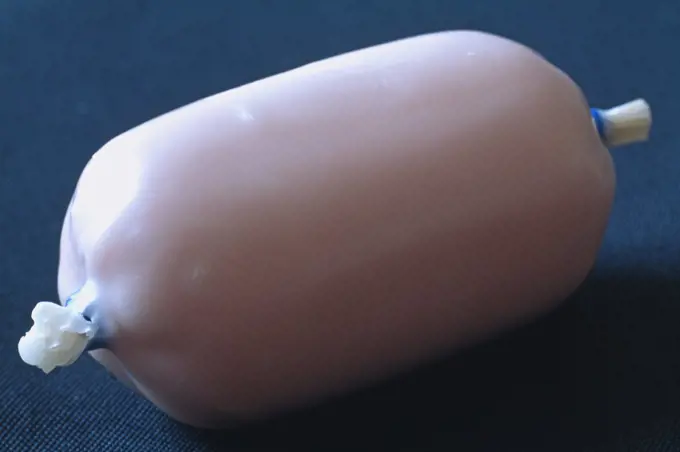
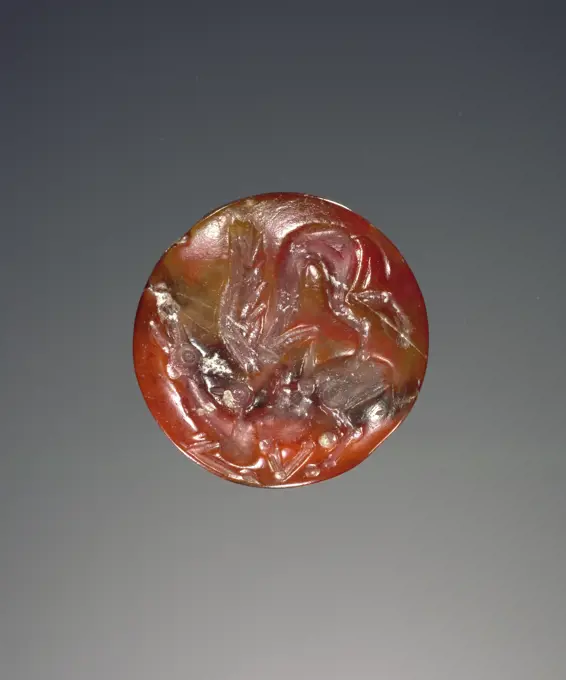
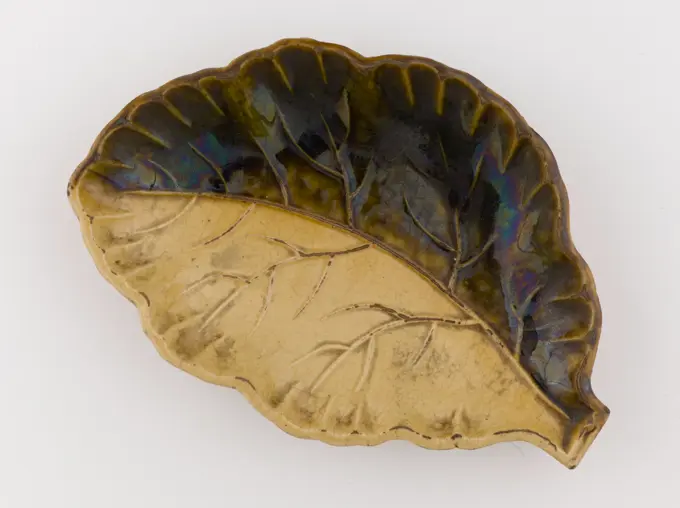
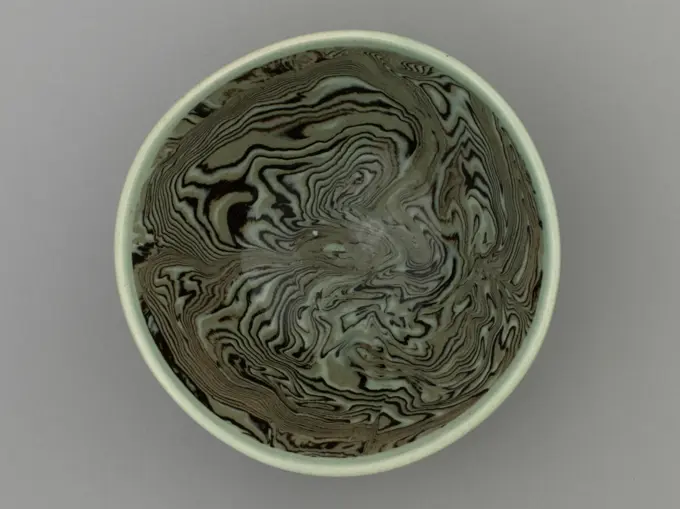
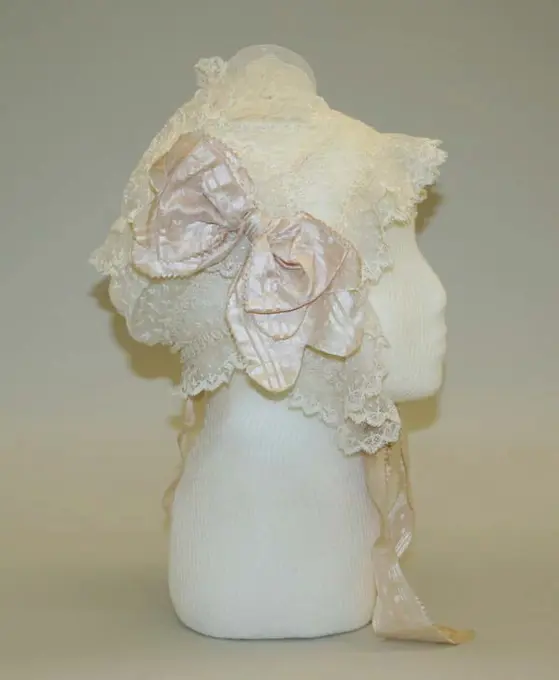
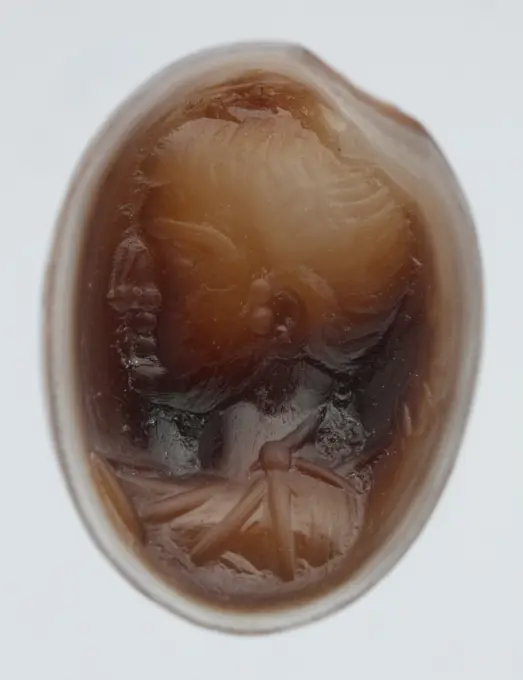
Sickle Blade, 1980-1801 BC. Egypt, Middle Kingdom, Dynasty 12. Flint; overall: 5 cm (1 15/16 in.).Hinge..Flint shaped like a bird ca. 3300-2900 B.C. Predynastic-Early Dynastic. Flint shaped like a bird. ca. 3300-2900 B.C.. Flint. Predynastic-Early Dynastic. From Egypt; Said to be from Egypt, Upper Egypt, Thebes, Dra Abu el-Naga. Naqada III-Dynasty 1Vessel Fragment 4th-7th century Coptic. Vessel Fragment 478505finger, fragment of marble statue, Roman period, Evora Museum, Evora, Alentejo, Portugal, Europe.Scher van A Stonegoedkan from the wreck of the East Indians' t Vliegend Hart ,, 1700 - 1735  One elongated curved wall shard of a stoneware can. Brown glazed on the inside. Germany stoneware. glazePendant with Dragon Head. China. Date: 1100 BC-900 BC. Dimensions: 4.3 × 2.4 cm (1 11/16 × 15/16 in.). Jade. Origin: China. Museum: The Chicago Art Institute, Chicago, USA.Toggle -Green Jasper Nucleus. Neolithic period. Mali. 6,8 cm.FOREIGN OLDSpa water bottle with flattened, spherical body, anonymous, c. 1600 - c. 1800 Light inserted soul, sideways flattened around body, transferred to a high neck. Southern Netherlands glass glassblowing Light inserted soul, sideways flattened around body, transferred to a high neck. Southern Netherlands glass glassblowingElbow Defense (Couter). Culture: Italian. Dimensions: H. 6 3/4 in. (17.1 cm); W. 4 3/4 in. (12.1 cm); D. 7 in. (17.8 cm); Wt. 11.9 oz. (337.4 g). Date: ca. 1430-40. Museum: Metropolitan Museum of Art, New York, USA.Terminal bud of ash on a red background FranceHead of a Cycladic statue. Early Cycladic II Period, 2800-2300 BCBuilding fragment of wood with Festoen, Anonymous, c. 1400 - c. 1950 A Festoen. Completely broken.  linden A Festoen. Completely broken.  lindenPrinting Block (USA); wood, copper, brass; 1941-87-1-hStock 1800-1850 European. Stock. European. 1800-1850. cotton, metalBowl with Resist Design 7th-10th century Proto-Taíno (Early Ostionoid) Formed in the organic shape of a large leaf, or perhaps in the shape of a sliced guanábana fruit, this shallow bowl with a slightly inverted rim contains a slip-painted resist design on its interior. The potter used a fine paste as visible in the losses on the rim of the vessel. The design on the interior features solid rectilinear shapes and lines of equal thickness forming right angles. Pottery traditions in the Caribbean existed as early as 500 B.C., and this bowl comes from a transitional phase between what are known as Saladoid and Ostionoid cultures. These agricultural societies were the precursor to the Taíno civilizations that expanded throughout the Greater Antilles after about 1000 A.D.. Bowl with Resist Design. Proto-Taíno (Early Ostionoid). 7th-10th century. Ceramic, pigment. Dominican Republic. Ceramics-VesselsPlastic convex;  19th century (1801-00-00-1900-00-00);Stem fragment of goblet with hollow baluster, calyx decorated with ribs, drinking glass drinkware tableware holder fragment soil find glass, free blown Stem fragment of goblet. Stem with elongated hollow baluster and profile ring and bud between the baluster and the base of the chalice. The chalice embossed with ribs. Clear and colorless glass Oily discolored by irides partly already chipped archeology Valckensteyn Poortugaal Albrandswaard drink wine serve beer serve serve Soil discovery: castle Valckensteyn in Poortugaal now Albrandswaard 1961-1962.Inlay ca. 2600-2500 B.C. Sumerian. Inlay 325455Arretine ware fragment 1st century B.C.-1st century A.D. Roman Forelegs of a horse.. Arretine ware fragment 250282Dish, found at V.O.C. ship Witte Leeuw, possibly from Zeelelie, Anonymous, 1775 - 1800  Dish found at V.O.C. ship De 'Witte Leeuw', 50 present. This object is 18th century and cannot therefore be from the freight of the Witte Leeuw. It is unclear whether the object will come from the site or whether it was mixed later, possibly with material from the Zeelelie. China porcelain   Sint-HelenaChristiaan Wouters, White pipe head with cord dancer and pipe smoker embossed as decoration, clay pipe smoking equipment smoking floor found ceramic earthenware, pressed baked White pipe head with corded dancer and pipe smoker decorated as decorative handle On the left rope dancer with long stick in his hands. Below the initials of the maker On the right pipe smoker sitting on chair on quay or canal under the tightrope the initials: KW archeology indigenous product smoking tobaccoLUCERNA DE VOLUTAS CON ESCENA DE CUADRIGA EN EL DISCO. ROMANO. (DEPOSITO: MUSEO ARQUEOLOGICO NACIONAL).Tremolite. minerals. North America; USA; Connecticut; Litchfield County; Canaan; New England Limestone QuarrySmall half saucer with carved edge trim, industrial stoneware, dish crockery holder soil find ceramic stoneware glaze salt glaze, w 4.6 in form pressed glazed baked carved Small dish decorated in the style of the carving technique but manufactured industrially. Industrial stoneware. Gray entirely glazed Internal smooth wall. Externally decorated with wreath of fine lines comb decoration scalloped cuts above. Standring archeology Rotterdam North Agniesebuurt Schiekade St. Franciscus Gasthuis uitheems pottery import serve serving Soil discovery: during work on the Schiekade on the grounds of the former St. Franciscus Gasthuis third waste pit.Fragment of bracelet (title awarded). Bronze. Carnavalet museum, history of Paris.Horn. UnknownButton or Bead 9th-10th century The dot-in-circle motif recalls designs presumed to be of magical significance, most likely an abstract eye to ward off the evil-eye, which serves an apotropaic function. Easily reproduced with a tool and visible in many cultures and times, this symbol may have lost its meaning, and become simply a decorative pattern, or may have one that we have not yet discovered.. Button or Bead 449994Miniature Bas-relief Cherring with a dollhouse, Anonymous, c. 1400 - c. 1950 Bas-relief with four birds sitting on a bowl of which one drinks.  . Bas-relief with four birds sitting on a bowl of which one drinks.  .FRAGMENTO DE ESCULTURA DE ELCHE. IBERICO. (DEPOSITO: MUSEO ARQUEOLOGICO NACIONAL).Ear Stud, 1540-1296 BC. Egypt, New Kingdom, Dynasty 18. Travertine; diameter: 3.2 cm (1 1/4 in.).ALABASTRON FENICIO DE TIPO EGIPCIO PROCEDENTE DE LA NECROPOLIS DE LAURITA DEL CERRO DE SAN CRISTOBAL, ALMUNECAR - SIGLO VII AC. Location: MUSEO ARQUEOLOGICO-CERAMICA FENICIA. GRANADA. SPAIN.Magic wand ca. 1850-1640 B.C. Middle Kingdom Wands such as this were a common feature in burials of the late Middle Kingdom. This one shows signs of wear on one tip, suggesting that it was used over a period of time before being placed in the tomb. The wand is decorated on one side with the figures of protective deities most of whom carry knives to ward off evil spirits.Some wands, like this one, and 30.8.218 are inscribed on the front with the words "protection by day" and "protection by night." Another wand in the collection (08.200.19) has a longer inscription on the back. The texts indicate that the wands were used to defend infants against malign forces, perhaps by scratching a circle in the earth around the area where they slept. Having provided defense against illness during life, after death the wands were placed in the tomb to ensure the continued protection of the deceased's spirit in its eternal afterlife.. Magic wand. ca. 1850-1640 B.C.. Ivory: Hippopotamus. Middle Kingdom.Biface suboval. Dark green jasper. Mali, Early Acheulean. 18 cm.IceBliżej KulturyBowl cover. Bluish gray decor sandstone under cover. Cernuschi Museum, Asia Museum of Asia in the city of Paris.Head of a womanHendrick Jansz., Clay pipe from the waste from Rotterdam pipe making, clay pipe smoking equipment smoke floor foundry pottery h 2,8, pressed pressed pressed clay Clay pipe from the waste of Rotterdam pipe making. Heel mark. heel mark: HI in bead-edge archeology Rotterdam Hillegersberg-Schiebroek Hillegersberg Noord Hillegersberg Zuid Right Rottekade indigenous pottery craft workshop smoking tobacco Hendrick Jansz Soil discovery: Judge Rottekade Rotterdam at number 71 in 1976.Gray earthenware jug, carrot shaped, folded neck opening, olive jug pitcher pottery earthenware ceramic pottery, hand-turned fried olives jug. Carrot-shaped. Folded neck edge Unevenly shaped Gray shard. Unglazed. Turning laths on the sides archeology Rotterdam Westerhaven indigenous pottery import store store transport warehouse cellar olive honey Soil discovery: 1852 found in the ground near the Westerhaven.Tooth, close-upWhite asparagus, vegetables, foodPoisson. "Jade. XVIIIE W. Rixie SCA, Male Cernuss. 101271-12 Jade, fish, 19th XIXth 19th 19th 19th 19th century, 18th 18th 18th 18th 18th 18th 18th centuryBlowjob from the wreck of the East Indieschief Hollandia. Pipe, Bowl, Healmar: Three Crosses (Coat of Arms of the City of Breda); Fragm, 1HSM1.Foot of a Vessel 4th-early 5th century Coptic. Foot of a Vessel 479111Crystal Duck bowl, Mycenaean.Sagrada Familia. Crypt. Lectern detail. Author: ANTONI GAUDI.Silver sugar sprinkle spoon with open-worked tray, scoop spoon spoon kitchen utensils silver, sawn engraved Oval boat-shaped trough slightly turned back curved stem pointed spiked end finely filed zigzag edge along the top edge rear handle (smashed) sugar spreading sprinkle serve sugarHendrick Jansz., White clay pipe, marked, with smooth handle, clay pipe smoking equipment smoke floor pottery ceramics pottery, hand-formed baked White clay pipe marked with smooth handle. Heel mark. heel mark: HI within beaded archeology smoking tobacco Hendrick Jansz.Button or Bead 9th-10th century This object was excavated at Nishapur.Nishapur was a vital city in the early and middle Islamic periods, located along one of the main trajectories that connected Iran and West Asia Islamic lands with Central Asia and China. These itineraries are often referred to by the term Silk routes’ but were in fact crucial to the movement of constellations of materials and objects, as well as people and ideas. The diverse population of Nishapur and its surroundings, from the better-researched elite groups of merchants, land-owning aristocracy, and literates, to the less-known artisans, farmers, miners, and servants, were instrumental in adapting global cultural trends to create their own distinctive visual languages. This is seen in the material remains of everyday life in medieval Nishapur - from pots and pans to lighting devices, inkwells, textiles and trimmings, jewelry, games and toys, talismanic devices, weapons, coins, and architectural fragments.Nishapur lPILLOWS - 1996-1997. Author: JOSE MARIA SICILIA. Location: PRIVATE COLLECTION.Quill vintage paper sheet on wooden boardPendant of a bronze bell . Diameter 1.5 cm High 1, 6 cm. ( 1 St - 3 rd CE ) - Roman period, from the " House of Hyppolytus "- Archaeological site of Complutum in Alcalá de Henares ( Madrid ). SPAIN.Fragment of a wooden board on which an iron concretion in which shells, a lice comb and a foot of a glass are absorbed, from the wreck of the East Indies Fleet in 1735 't Vliegend Hart, 1700 - 1735 drinking glass Partly affected by pileworm wooden board, one of which is enclosed by an iron concretion. In the concretion there are shell fragments, a fragment of a lice comb and the bottom with soul of a user glass.  Oak (Wood). Beaker: Glass. Lice comb: Bone (Material). concretionary stoneStone Pulidor before 16th century Mexican. Stone Pulidor 317033Votive leg, dedication for healing of a body part, Greek relief from Boetia.Anthropomorphic FigureScaraboid; Group of the Leaping Lions; Asia Minor; late 5th century B.C; Blue chalcedony; 0.8 × 2.1 × 1.6 cm (5,16 × 13,16 × 5,8 in.)Roll of toilet paper White roll of toilet paper isolated on white material Copyright: xZoonar.com/AlexanderxStrelax 1957170Ceramic Trumpet in the Form of a Shell 11th-14th century Central coast (). Ceramic Trumpet in the Form of a Shell 310449Daf late 19th Century Azerbaijani. Daf 502486Knob ca. 8th century B.C. Assyrian This is one of a group of ivory knobs found in a storage room in the large building at Nimrud named Fort Shalmaneser by the excavators. Carved ivory was widely used in the production of elite furniture during the early first millennium B.C. Ivory plaques and strips were often inlaid into a wooden frame using joinery techniques and glue. Knobs such as these could have been used to mask dowel holes and nail heads in a finished piece of furniture. Built by the Assyrian king Ashurnasirpal II, the palaces and storerooms of Nimrud housed thousands of pieces of carved ivory. Most of the ivories served as furniture inlays or small precious objects such as boxes. While some of them were carved in the same style as the large Assyrian reliefs lining the walls of the Northwest Palace, the majority of the ivories display images and styles related to the arts of North Syria and the Phoenician city-states. Phoenician style ivories are distinguished by their use of iFragment of red earthenware, partly glazed, fragment crockery holder kitchen utensils earthenware ceramics earthenware glaze lead glaze, hand molded hand-turned glazed fried Fragments of red pottery Frying pans jugs pots of grass and bottom of small jug Spicy or only partly glazed with lead glaze archeology Rotterdam Stadscentrum Stadsdriehoek Hoogstraat indigenous pottery water washing cooking nutrition food preparation handicraft pottery Soil discovery Hoogstraat Rotterdam 15 June 1983.Cap ca. 1850 American. Cap 169451Polishing Stone (pulidor) Mexican before 16th centuryMiniature Mountain with Daoist Paradise, 1736-95. China, Qing dynasty (1644-1911), Qianlong reign (1736-95). Green jade with brown markings; overall: 17.5 cm (6 7/8 in.).Sugar Dipper. Dated: c. 1939. Dimensions: overall: 34.4 x 24.1 cm (13 9/16 x 9 1/2 in.). Medium: watercolor and graphite on paper. Museum: National Gallery of Art, Washington DC. Author: Annie B. Johnston.Archer's Ring. Culture: Indian. Dimensions: L. 1 7/16 in. (3.7 cm); W. 1 3/16 in. (3 cm); Wt. 0.4 oz. (11.3 g). Date: 18th century. Museum: Metropolitan Museum of Art, New York, USA.Two hippopotami figurine ca. 1900-1640 B.C. Middle Kingdom. Two hippopotami figurine. ca. 1900-1640 B.C.. Limestone, red paint. Middle Kingdom. From Egypt, Memphite Region, Lisht North, cemetery south of the tomb of Senwosret (758), Pit 603, MMA excavations, 1907-08. Dynasty 12, mid-13one Magnesite gem stone isolated on white natural mineral gemstone - one Magnesite gem stone isolated on white background close up Copyright: xZoonar.com/ValeryxVoennyyx 8555467Fragment 9th-10th century. Fragment 451565Bronze vase as lion's foot. 7th-6th Century B.C. Archaic Age. Olympia Archaeological Museum. Ilia Province. Peloponnese region. Greece.Glass Fragment 4th-early 5th century Coptic. Glass Fragment 479099Bonnet ca. 1840 Irish. Bonnet 168524Chessman ca. 3rd-7th century A.D. Sasanian Objects such as this one can present problems of interpretation when they are not preserved as part of a set. This conical ceramic token is identified as a chessman, but it could just as well be a backgammon piece, or some sort of token not related to board games at all. Chess, whose origin is traditionally attributed to India, and backgammon are both attested in Iran by the late Sasanian period. The small town and fortress of Qasr-i Abu Nasr is located near Shiraz in southern Iran at a strategic point at the intersection of defensive mountains, available water sources, and along roads entering the Shiraz plain. The site was excavated by archaeologists from The Metropolitan Museum of Art for three seasons from 1932-1935. The town was occupied, at least intermittently, from the Parthian period (3rd century B.C.-3rd century A.D.) to the Muzaffarid period (13th-14th century A.D.). The major occupation, including the extensive fortress, dates to tI. Prehistoric Greek terra cotta lamps now in the Boston Museum of Fine arts.Model Ointment Jar from a Foundation Deposit. Dimensions: h. 4.3 cm (1 11/16 in.). Dynasty: Dynasty 18. Reign: Joint reign of Hatshepsut and Thutmose III. Date: ca. 1479-1458 B.C.. Museum: Metropolitan Museum of Art, New York, USA.Plate; Eastern Mediterranean; 2nd - 3rd century; Glass; 1.7 x 14.7 cm (11,16 x 5 13,16 in.)Leather case for a pistol PIRMETLibyan grater bowl, Herramélluri, 1st century BC, Museum of Romanization, Calahorra, La Rioja, Spain, Europe.Curved Pendant. China. Date: 1600 BC-1046 BC. Dimensions: 7.1 × 5.3 cm (2 13/16 × 2 1/16 in.). Jade. Origin: China. Museum: The Chicago Art Institute, Chicago, USA.Figure of a supernatural being , Sculpture, Supernatural beings.  Leon Abdalian CollectionOne side of Discus with enlisted figures. A Laengdeperer.Fossilized cockles (Venericor planicosta) (Megacardita planicosta) from the Eocene epoch on white backgroundSausage wrapped in white plastic packagingLentoid engraved seal; Crete, Greece; about 1400 B.C. - 1300 B.C; Carnelian or jasper; 1.5 × 0.9 cm (9,16 × 3,8 in.)Puppet (Wayang Klitik) of a Fish(Ekan)Woman's BonnetRavier. Sandstone, yellow and green covered. Paris, Cernuschi museum. Art of the table, Japanese art, Japanese ceramic, gres, ravier, dishShin Chul (born in 1963). "Bowl". Celadon sandstone and covered, Neriage technique. 2014. Provenance: Korea. Paris, Cernuschi museum. Paris, Cernuschi museum. 144390-8 Asian art, coreen art, art of extreme-oral, bowl, ceramic, gres, dishesRayed trough shell (Mactra stultorum cinerea) (Mactra corallina cinerea) close up showing umbo, cardinal teeth, lateral teeth and hinge plateOld Ceramic Pot Old ceramic pot on an isolated studio background Copyright: xZoonar.com/AndreyxSkatx 14789002Cap ca. 1830 American. Cap 98037Tassel 17th century Italian. Tassel. Italian. 17th century. Linen. Textiles-TrimmingsMughal jade terrapin from Allahabad, India. Carved from green nephrite or jade, found in 1803 at the bottom of a water cistern, in the Allahabad Fort. Dated 17th CenturyBust of a ManSeal Paste Box (Yinnihe). China, Jiangxi Province, Jingdezhen, Qing dynasty, Kangxi mark and period, 1662-1722. Furnishings; Accessories. Wheel-thrown porcelain with peach-bloom glazeParasol ca. 1845 French. Parasol 121934