Ancient Artifacts

Fragments and items from historical periods, showcasing glasswork and jade carvings. Displays a range of ancient techniques and materials.
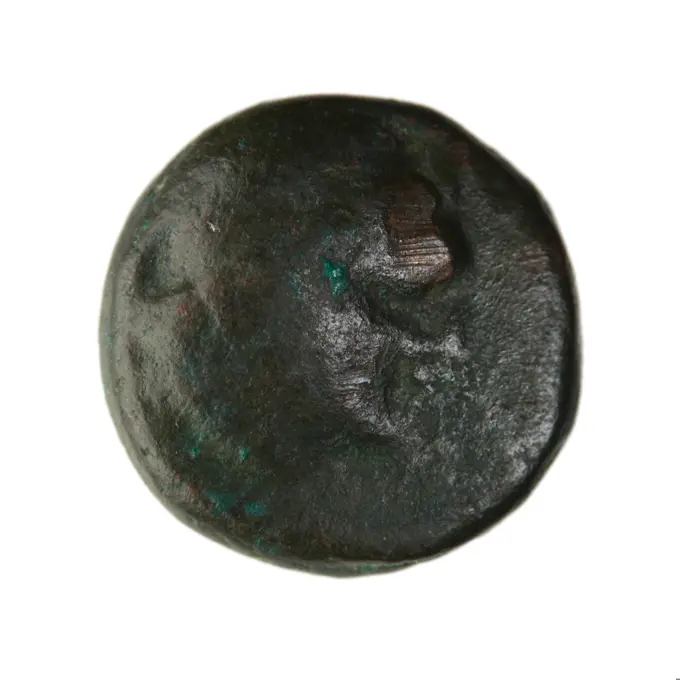
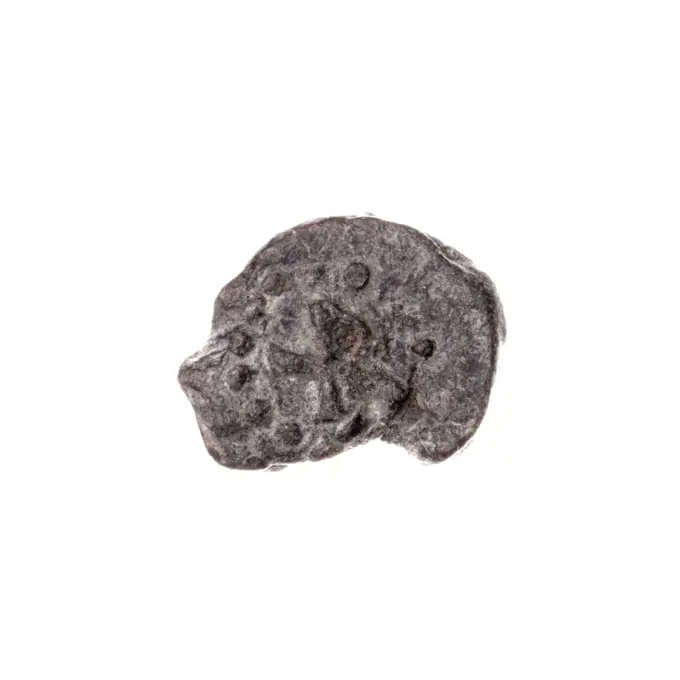
Greece, Kimerian Bospor, Pantikapajon, around the first half of the second century BC, bronze (AE) Panticapaeum
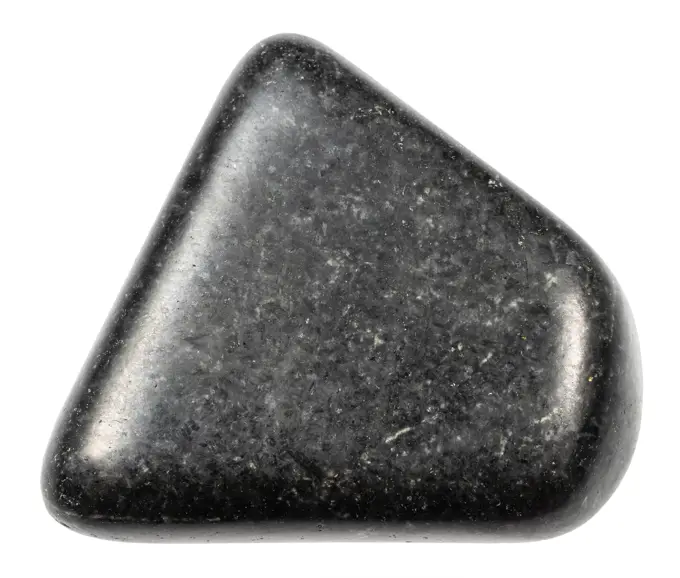
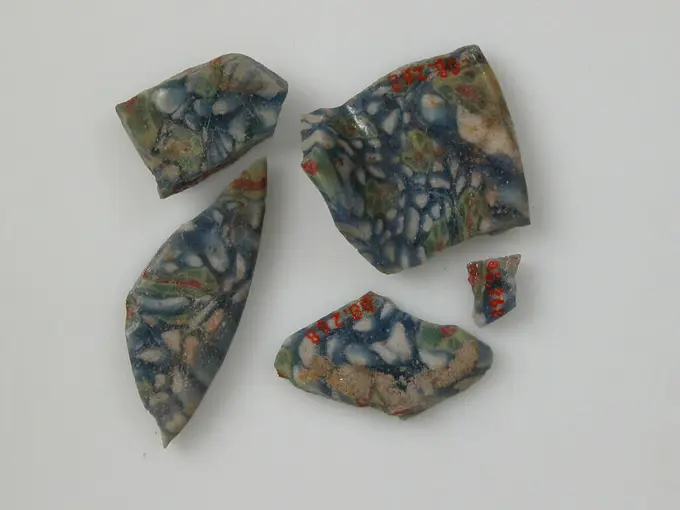
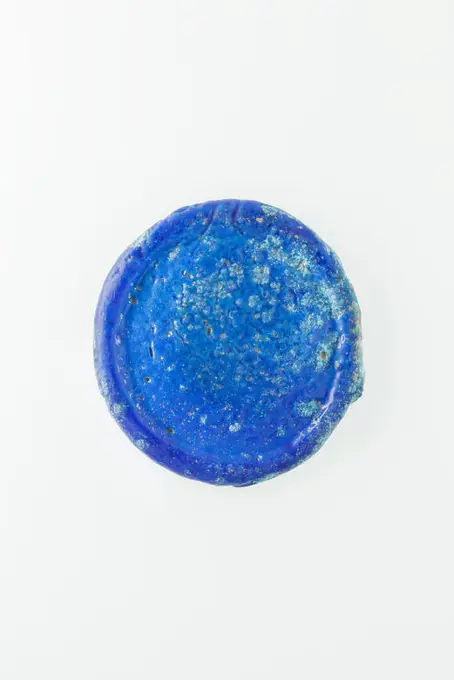
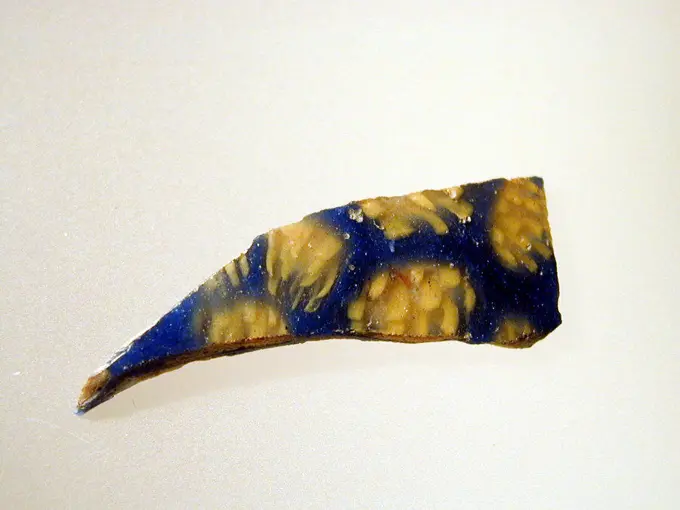
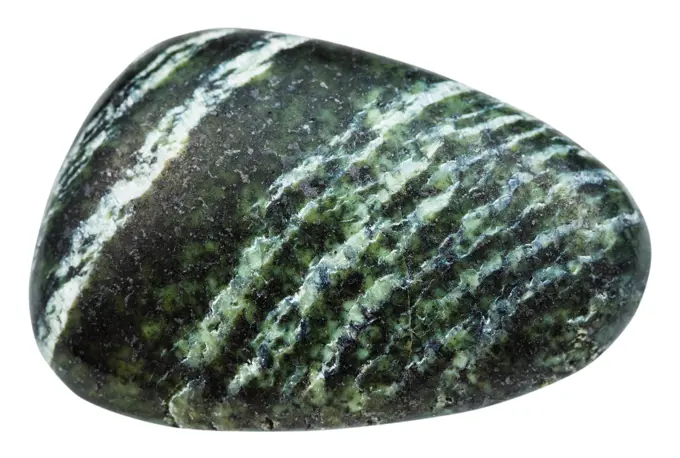
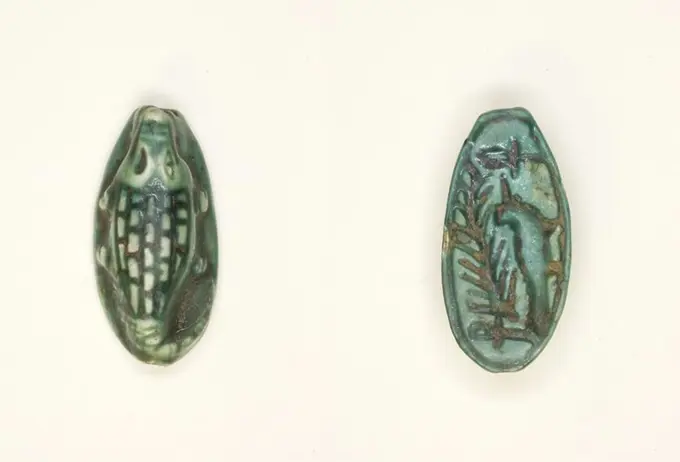
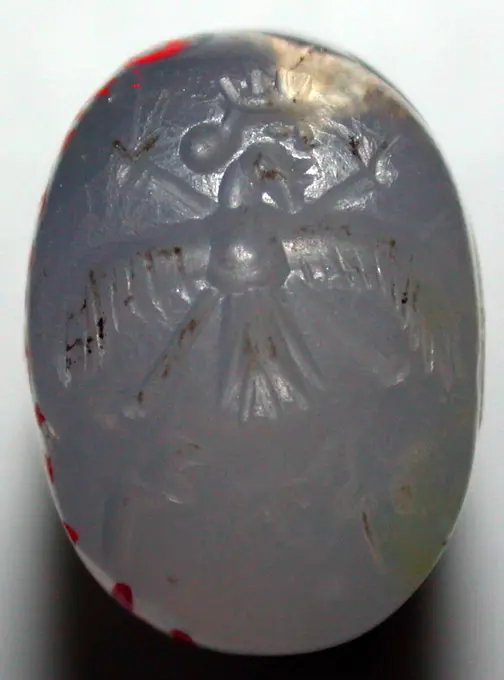
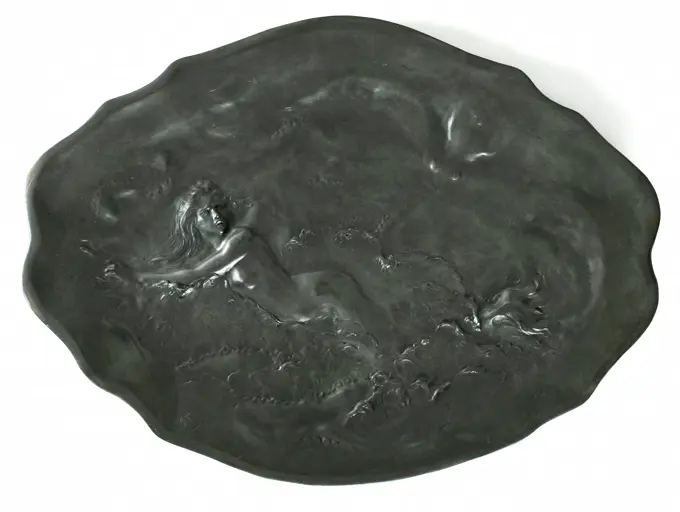
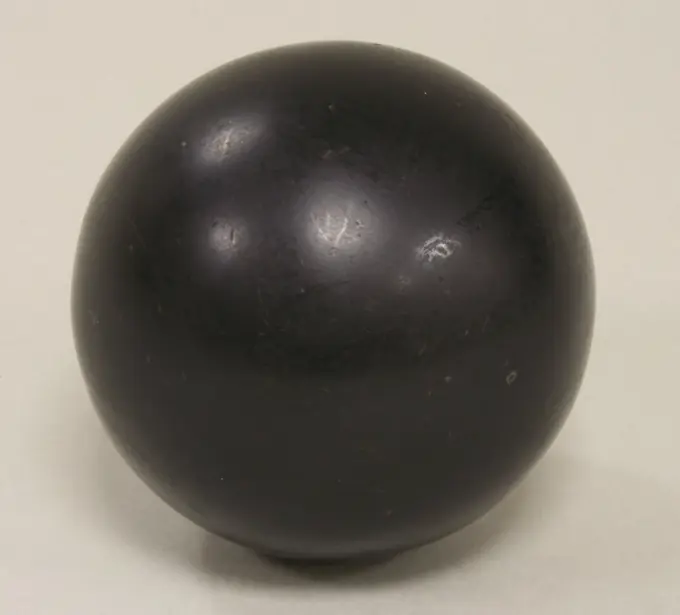
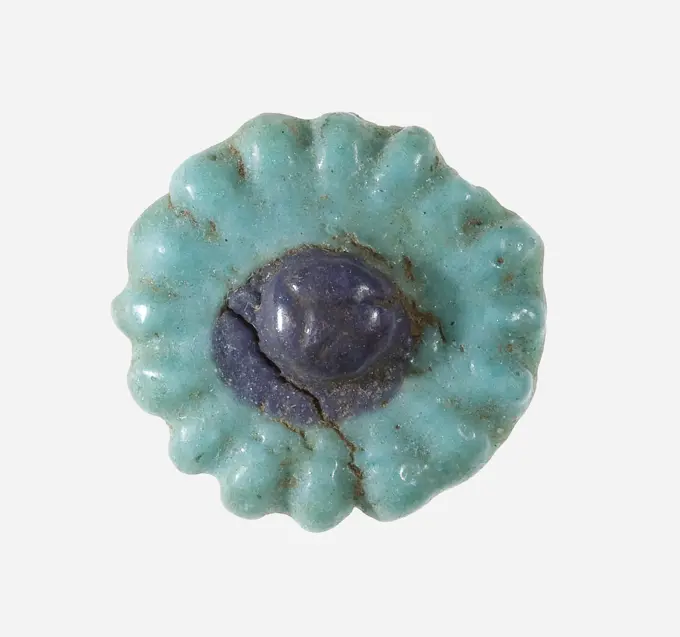
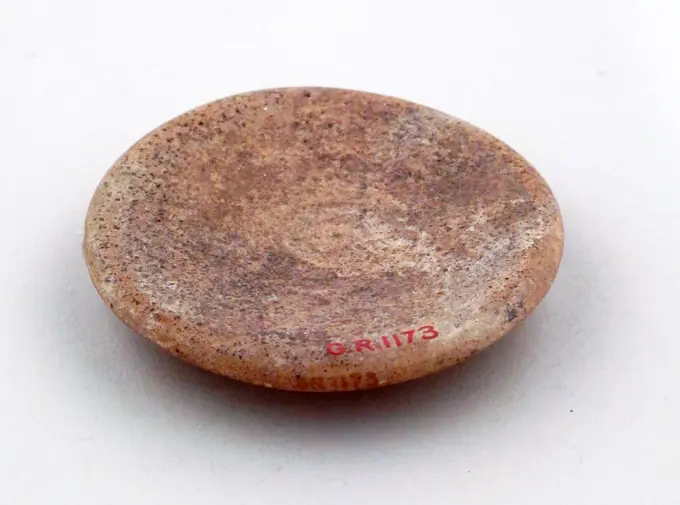
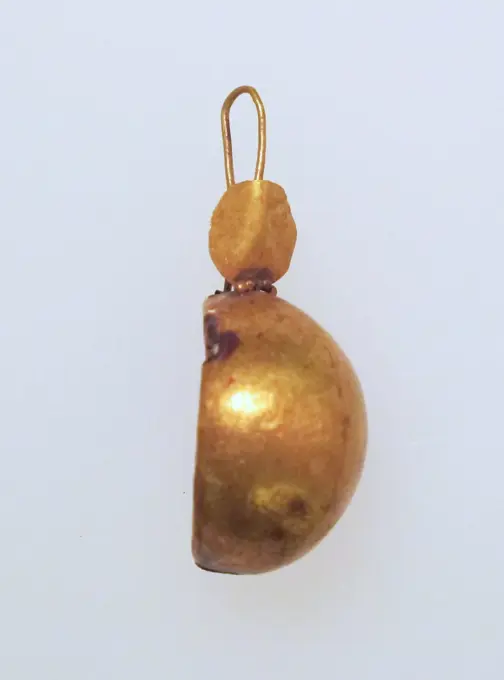
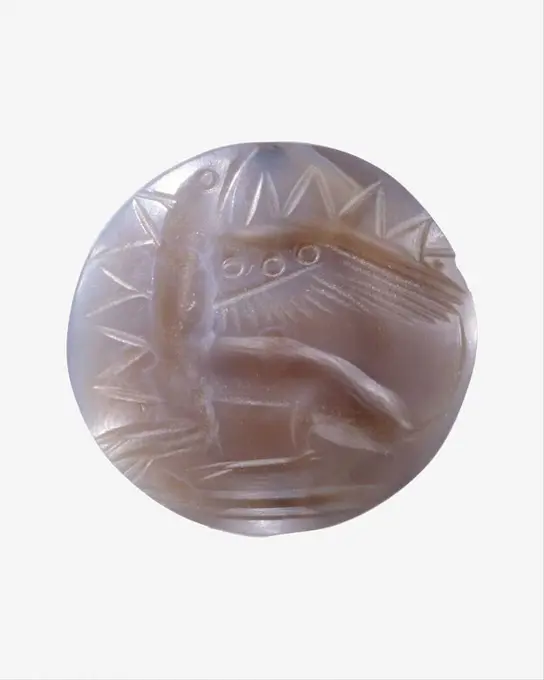
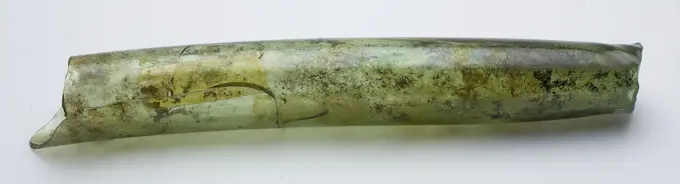
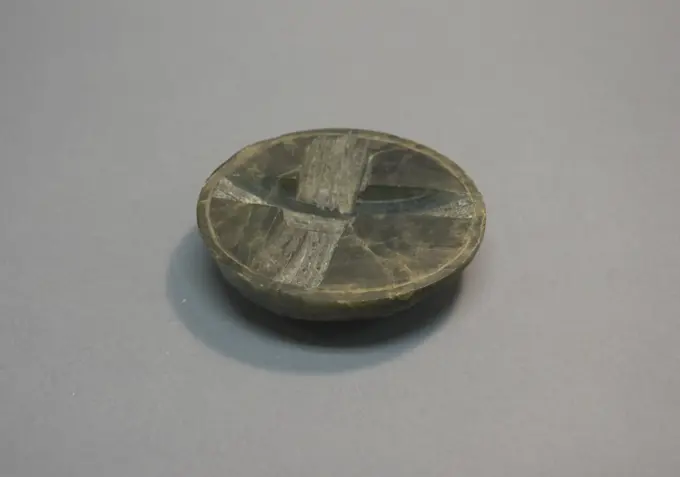
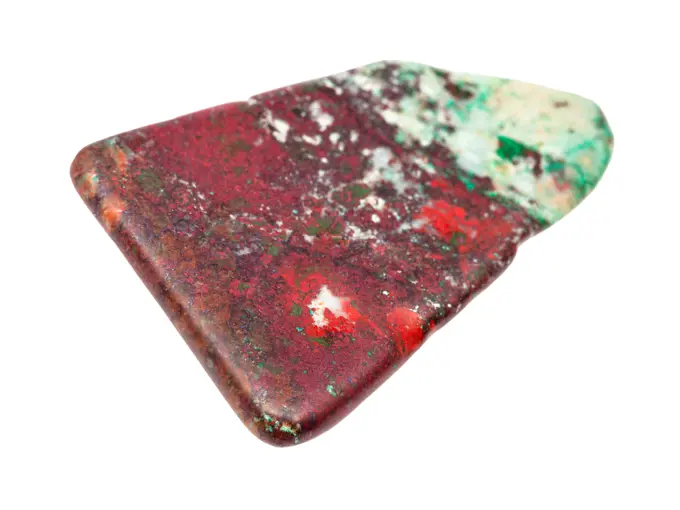
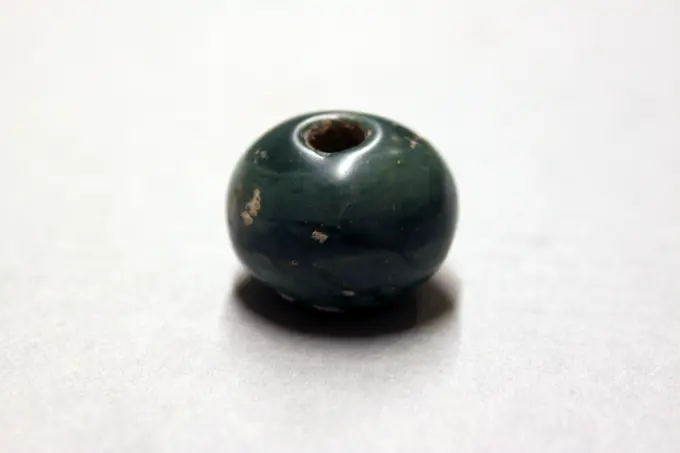
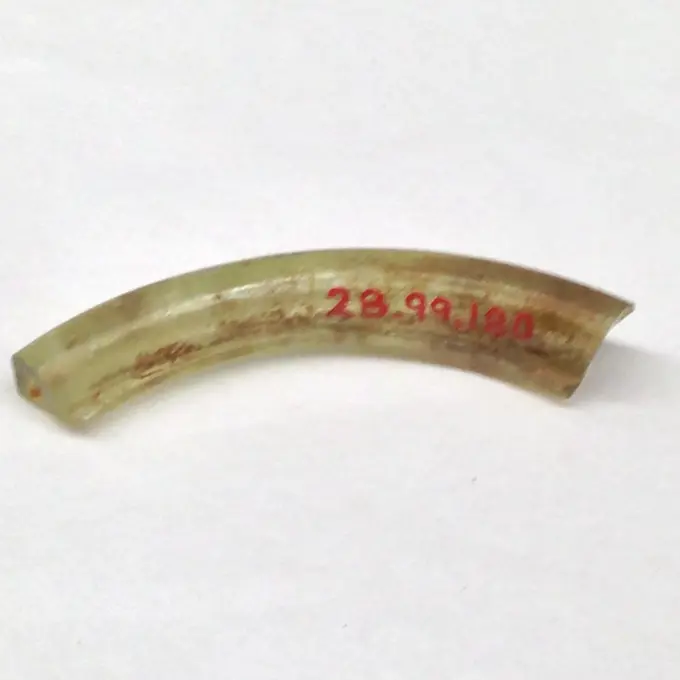
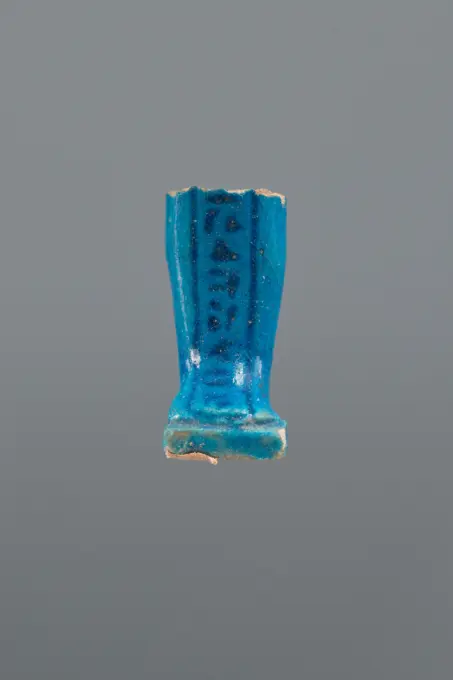
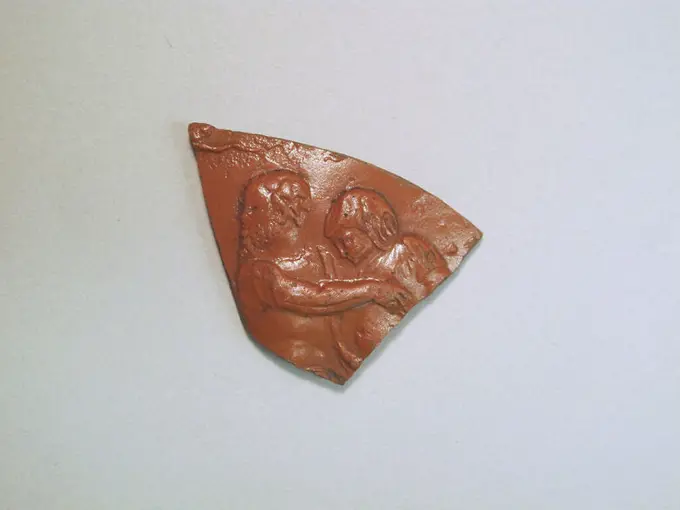
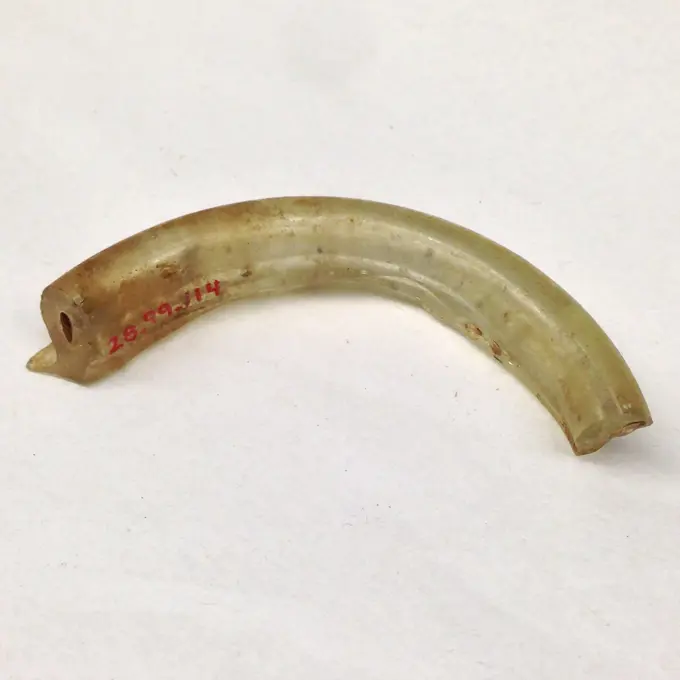
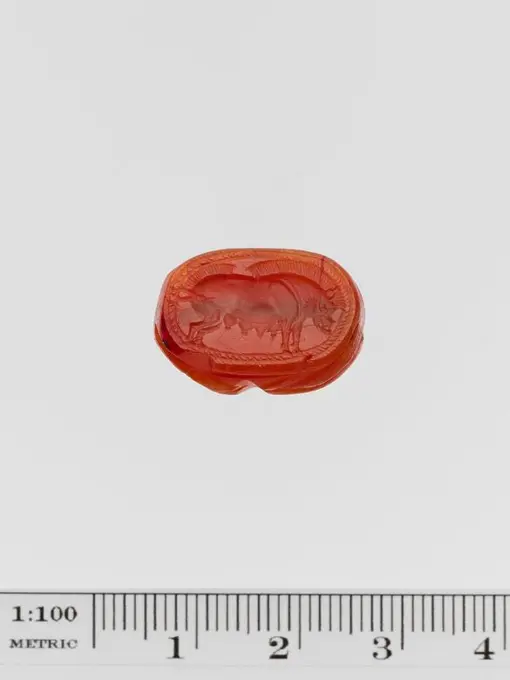
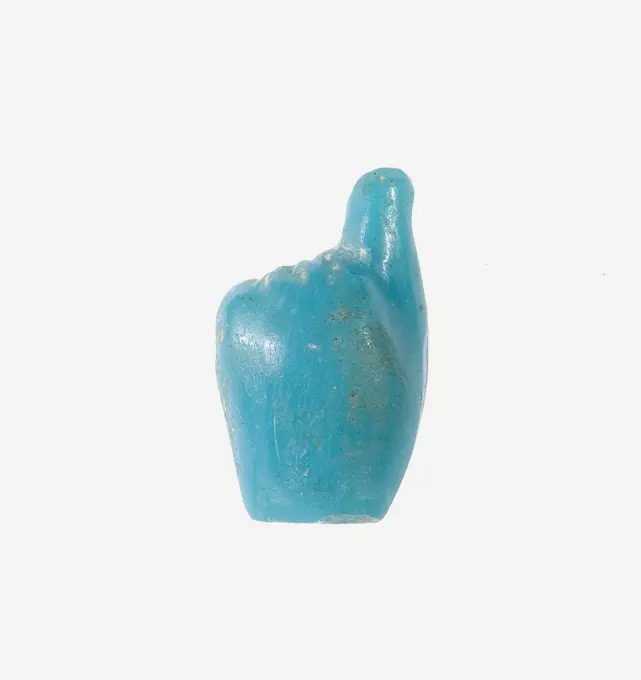
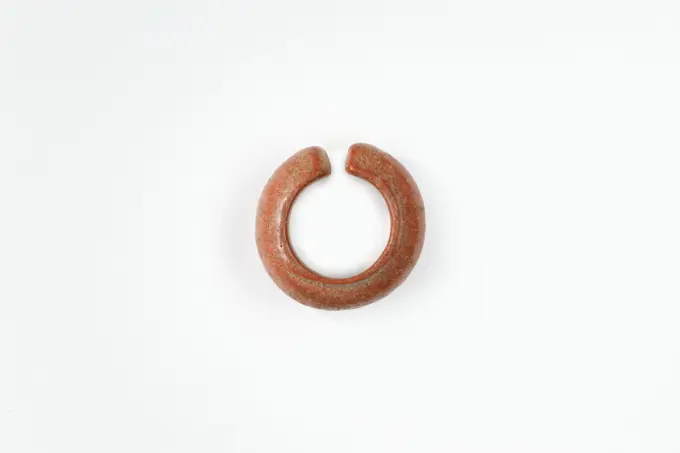
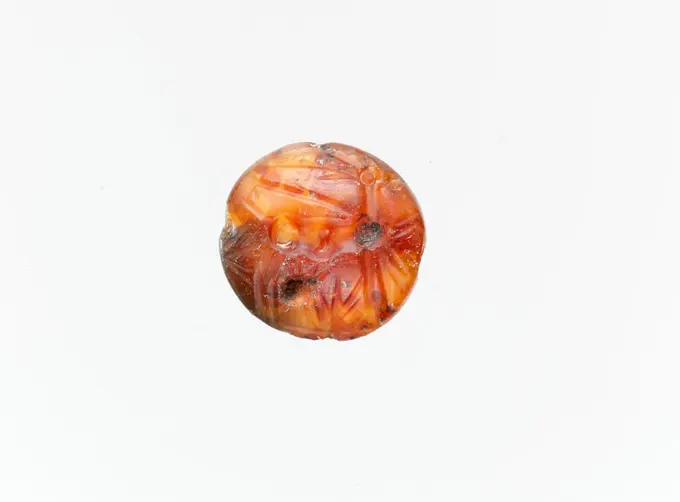
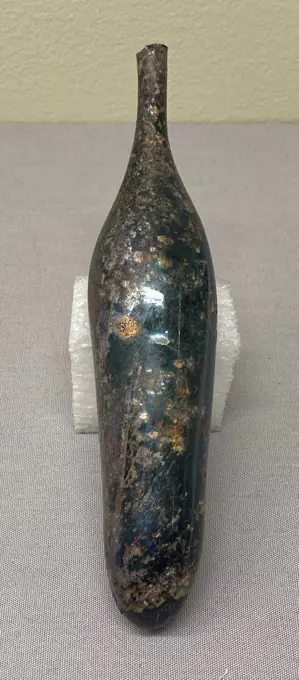
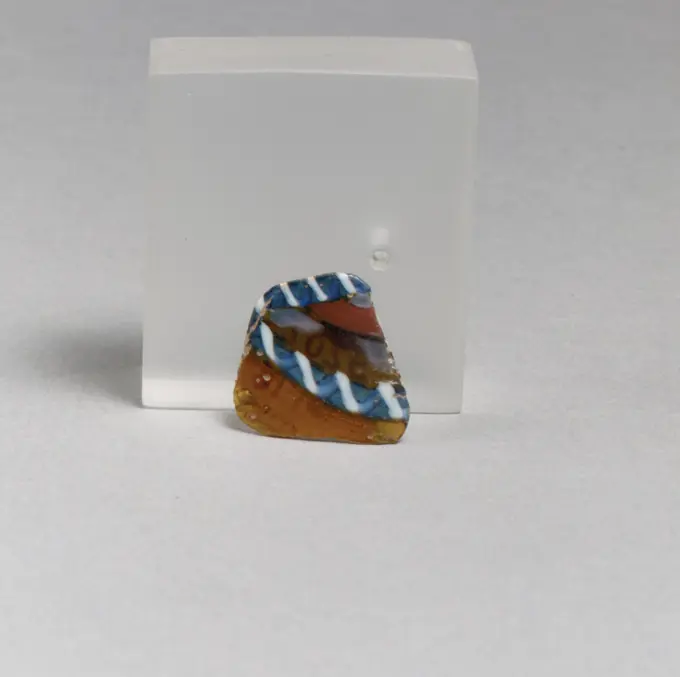
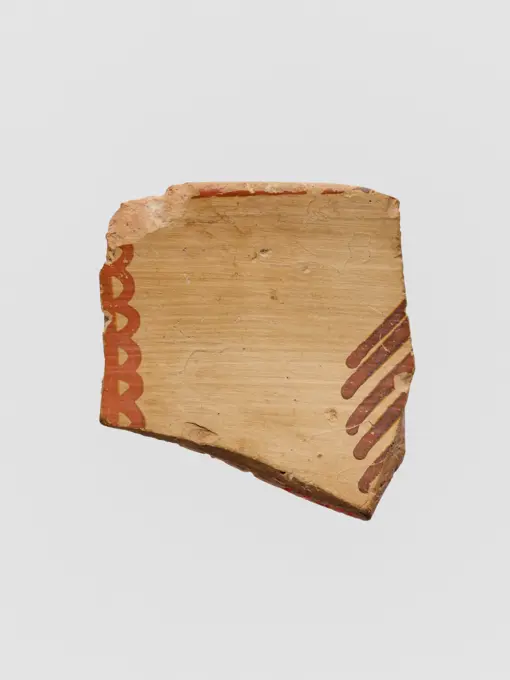
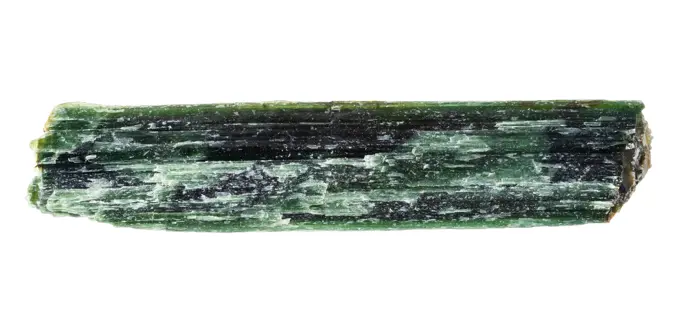
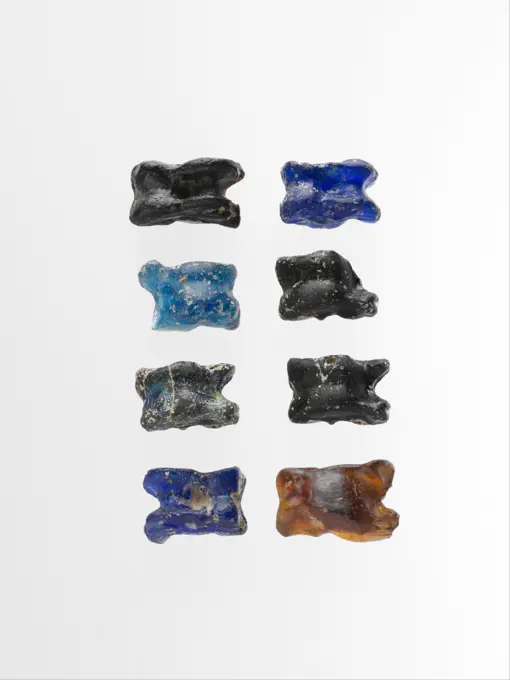
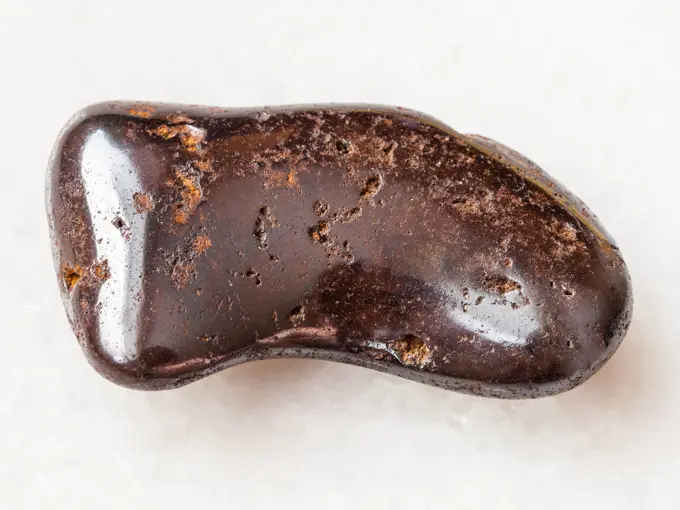
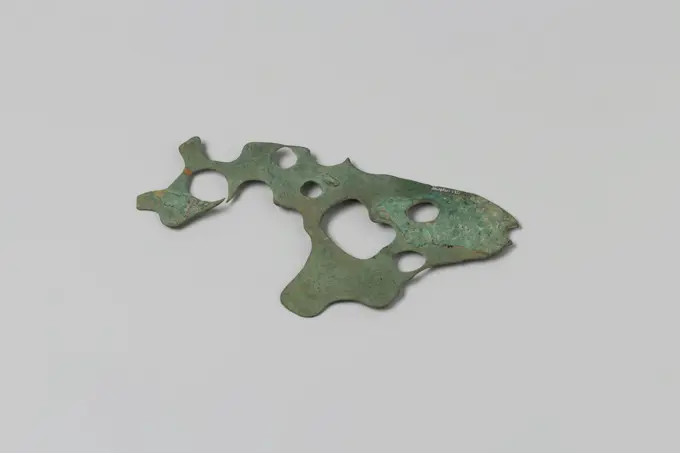
Fragment ca. 1150-ca. 1250 European or Middle Eastern. Fragment 694312Round Plaque 3rd century B.C.-A.D. 2nd century Vicús. Round Plaque 315521Bell 100 BC-200 AD European. Bell 502159Mosaic glass bowl fragment 2nd-mid-1st century B.C. Greek, Eastern Mediterranean. Mosaic glass bowl fragment. Greek, Eastern Mediterranean. 2nd-mid-1st century B.C.. Glass; cast. Hellenistic. GlassPendant. UnknownButton or Bead 9th-10th century The dot-in-circle motif recalls designs presumed to be of magical significance, most likely an abstract eye to ward off the evil-eye, which serves an apotropaic function. Easily reproduced with a tool and visible in many cultures and times, this symbol may have lost its meaning, and become simply a decorative pattern, or may have one that we have not yet discovered.. Button or Bead 450006polished diabase mineral isolated on white close up of sample of natural stone from geological collection - polished diabase mineral isolated on white background from Karelia Copyright: xZoonar.com/ValeryxVoennyyx 21467129Erosaria Spurca from v.O.C.-ship the 'White Lion'. Shell from v.o.c.-ship the 'white lion'.Glass Fragments from a Vessel. Culture: Coptic. Dimensions: Storage (petri dish diam.): 3 7/16 in. (8.8 cm). Date: 4th-early 5th century. Museum: Metropolitan Museum of Art, New York, USA.Inlay, hieroglyph. Dimensions: Dia. 4 cm (1 9/16 in.). Dynasty: Dynasty 26. Reign: reign of Psamtik I. Date: 664-610 B.C.. Museum: Metropolitan Museum of Art, New York, USA.Glass mosaic bowl fragment late 1st century B.C.-early 1st century A.D. Roman Thick-walled body fragment.Translucent cobalt blue, opaque yellow, and colorless.Convex curving side.Mosaic pattern formed from sections of a single cane outlined with a broad band of blue in a colorless ground with a pattern of yellow rods.Polished exterior; pitting of surface bubbles on exterior; dulling and creamy weathering on interior and jagged edges.. Glass mosaic bowl fragment 257384Button ca. 6th-8th century A.D. Sasanian or Islamic. Button 322958tumbled gemstone of Chrysotile isolated on white macro shooting of natural mineral stone - tumbled gemstone of Chrysotile green asbestos, serpentine asbestos, white asbestos isolated on white background Copyright: xZoonar.com/ValeryxVoennyyx 9191526Scaraboid: Crocodile. Egyptian. Date: 1550 BC-1069 BC. Dimensions: 0.6 × 1.9 × 1 cm (1/4 × 3/4 × 3/8 in.). Glazed steatite. Origin: Egypt. Museum: The Chicago Art Institute, Chicago, USA. Author: Ancient Egyptian.Conical seal ca. 6th-5th century B.C. Achaemenid. Conical seal. Achaemenid. ca. 6th-5th century B.C.. Chalcedony. Achaemenid. IranThiébaut Frères/Auguste Ledru. "Flat the octopus". Étain, 1894. Museum of Fine Arts of the City of Paris, Petit Palais. 70007-3 Tin, naked woman, swimming, female naked, octopus, relief, wave, dishAmulet of the Goddess Tawaret (Toeris). Egyptian. Date: 1070 BC-656 BC. Dimensions: 3.5 × 1 × 1.25 cm (1 3/8 × 3/8 × 1/2 in.). Faience. Origin: Egypt. Museum: The Chicago Art Institute, Chicago, USA. Author: Ancient Egyptian.Chalcedony scaraboid seal ca. 450-400 B.C. Greek, Ionian Ram.. Chalcedony scaraboid seal. Greek, Ionian. ca. 450-400 B.C.. Chalcedony, blue. Classical. GemsSickle Blade, 1980-1801 BC. Egypt, Middle Kingdom, Dynasty 12. Flint; overall: 5 cm (1 15/16 in.).Feeding cup for infant ca. 1950-1850 B.C. Middle Kingdom. Feeding cup for infant. ca. 1950-1850 B.C.. Pottery. Middle Kingdom. From Egypt, Memphite Region, Lisht North, MMA excavations, 1908-09; Possibly from cemetery west of Senwosret (758), Pit 848. Dynasty 12, early-midSphere before 16th century () Mexican. Sphere 317642Green Tourmalline stone against white backgroundMosaic glass inlay fragment 1st half of 1st century A.D. Roman Opaque white and other, uncertain colors.Fragment of thick, flat block, with one straight edge.Irregular mosaic pattern covering all of surface.Pitting of surface bubbles, brilliant iridescence, and patches of thick creamy weathering on all surfaces.Probably used as decoration in wall or ceiling revetment.. Mosaic glass inlay fragment 257289Daisy Bead ca. 1390-1353 B.C. New Kingdom. Daisy Bead. ca. 1390-1353 B.C.. Faience. New Kingdom. From Egypt, Upper Egypt, Thebes, Malqata, Palace of Amenhotep III, MMA excavations, 1911-12. Dynasty 18Phiale, miniature 3rd-2nd century B.C. Etruscan Yellow clay, no decoration.. Phiale, miniature. Etruscan. 3rd-2nd century B.C.. Terracotta; achroma ware. Hellenistic. VasesEarring-hook type with discs of thin foil. Earring-hook type with discs of thin foil. Gold. Gold and SilverBird Plaque Ornament. Culture: Vicús. Dimensions: H. 2 x W. 2 in. (5 x 5 cm). Date: 3rd century B.C.-A.D. 2nd century. Museum: Metropolitan Museum of Art, New York, USA.Glass Inlay. Dimensions: H. 1.2 cm (1/2 in), w. 4 cm (1 9//16 in). Dynasty: Dynasty 18. Reign: reign of Amenhotep III. Date: ca. 1390-1353 B.C.. Museum: Metropolitan Museum of Art, New York, USA.Agate Lentoid. Culture: Minoan. Dimensions: diameter 1 1/16 in. (2.7 cm)depth 1/2 in. (1.2 cm). Date: ca. 1450-1400 B.C..Griffin. Museum: Metropolitan Museum of Art, New York, USA.Stop of Vaatwerk from the wreck of the East Indians Hollandia, Anonymous, 1700 - in Or Before 1743  Vessel part, stopper; eroded; tapering cylinder with conical, originally octagonal faceted finial. Netherlands glass   SecondHollow, slightly curved tube fragment, green, possibly fragment of distilling equipment, glass laboratory glass soil find glass forest glass, hand-blown Hollow slightly curved tube fragment in clear light green glass (forest glass). Glass thickness on one side decreases with larger diameter on the other side so that transit on one side is barely half that of the thin-walled end archaeological Rotterdam rail tunnel laboratory Soil discovery: rail tunnel Rotterdam.Fragment tumbler from the wreck of the East Indieschief Hollandia. Base, Fragm, Circular, Flat, Straight Sides. Tumbler.Mint: Phocaea, Trihemiobol fromPhocaea, ca. 500 B.C., Silver, 1.245 g, 9mm, Made in Phocaea, Ionia, Greek, 6th-5th century B.C., NumismaticsDrohiczy seal;  XI-XIII century (1090-00-00-1110-00-00);guild seals, customs seals, touches, seals of customs chambers, official seals, seals with a crossbig black spa stones isolated on whiteFragment. Culture: European or Middle Eastern. Dimensions: L. 1 in. (2.5 cm). Date: ca. 1150-ca. 1250. Museum: Metropolitan Museum of Art, New York, USA.Partly- Carved Bowl 20th century China. Partly- Carved Bowl 62102Finger stall. Dimensions: L. 4.3 cm (1 11/16 in.); W. 2 cm (13/16 in.). Dynasty: Dynasty 18. Reign: reign of Thutmose III. Date: ca. 1479-1425 B.C.. Museum: Metropolitan Museum of Art, New York, USA.closeup of sample of natural mineral from geological collection - polished Cuprite and Chrysocolla stone isolated on white background. polished Cuprite and Chrysocolla stone isolatedBead 8th-13th century. Bead. 8th-13th century. Stone. Excavated in Iran, Nishapur. StoneVase fragment East Greek/Sardis, Lydian Half circles in black.. Vase fragment 252711 East Greek/Sardis, Lydian, Vase fragment, Terracotta, Overall: 4 x 1 1/2in. (10.1 x 3.8cm). The Metropolitan Museum of Art, New York. Gift of The American Society for the Excavation of Sardis, 1926 (26.199.143)Grunge wallet isolated on white backgroundFragment ca. 1150-ca. 1250 European or Middle Eastern. Fragment 694334Nogi uszebti. unknown, authorPinhead Roman. Pinhead. Roman. Glass. GlassFragment. Culture: European or Middle Eastern. Dimensions: L. 2 1/2 in. (6.4 cm). Date: ca. 1150-ca. 1250. Museum: Metropolitan Museum of Art, New York, USA.Relief from the tomb of Queen Neferu: part of a sunshade (see 26.3.353-1) ca. 2051-2030 B.C. Middle Kingdom. Relief from the tomb of Queen Neferu: part of a sunshade (see 26.3.353-1). ca. 2051-2030 B.C.. Limestone, paint. Middle Kingdom. From Egypt, Upper Egypt, Thebes, Deir el-Bahri, Tomb of Neferu (TT 319, MMA 31), MMA excavations, 1923-25. Dynasty 11Cylinder Seal. Iran, Mesopotamia or Syria, Neo-Elamite period, circa 700-639 B.C.. Tools and Equipment; seals. Buff marbleFragment. Culture: European or Middle Eastern. Dimensions: L. 1 7/8 in. (4.8 cm). Date: ca. 1150-ca. 1250. Museum: Metropolitan Museum of Art, New York, USA.Old brake pads disk brake, isolated on a white backgroundVase fragment. Culture: Roman. Dimensions: 1 5/8 × 1 5/16 × 3/16 in. (4.1 × 3.3 × 0.4 cm). Date: 1st century B.C.-1st century A.D..Initiation scene. Museum: Metropolitan Museum of Art, New York, USA.Inlay. Culture: Sasanian or Islamic. Dimensions: 0.12 x 0.62 x 0.75 in. (0.3 x 1.57 x 1.91 cm). Date: ca. 7th-8th century A.D.. Museum: Metropolitan Museum of Art, New York, USA.Fragment ca. 1150-ca. 1250 European or Middle Eastern. Fragment 694215Sealing ca. 7th century A.D. Sasanian. Sealing 323391polished sandy Jasper gemstone on white marble macro shooting of natural mineral rock specimen - polished sandy Jasper gemstone on white marble background Copyright: xZoonar.com/ValeryxVoennyyx 11947691Fragment ca. 1150-ca. 1250 European or Middle Eastern. Fragment 694202Mosaic glass fragment. The small glass fragment shows on violet background distorted white circles, which outwards - from the inside out - white, green and yellow frame. In Roman times, it used colored, ornamented glass for vessels, mosaics, wall decorations and furniture ornaments. For the production, different colored glasses were molded into tubes and rods. These were compressed and heated, causing a long bar. The glass sliced now had a wide variety of amorphous or floral patterns.Fragment of an Inlay Depicting a Rosette 100 BCE-100 CE Italy. In ancient Rome, there was a high demand for colorful glass that could dazzle banquet guests alongside the expensive silver and gold serving wares meant to impress. Fragments like this one would have once been a part of larger mosaic dishes. The mosaic pattern was made by sagging molten glass into bowl-shaped molds, a technique used on many of these fragments is similar to millefiori, ìthousand flowersî in Italian, a modern glass-making method in which tiny rods of colored glass are bundled together, wrapped in a sheet of glass, fused, and then thinly sliced to reveal swirls of a flower-like patterns. They were arranged side by side, sometimes together with bits of colored glass, and fused together with heat.. Glass, mosaic glass technique . Ancient Romanagate on a white backgroundBead ca. 1981-1640 B.C. Middle Kingdom. Bead. ca. 1981-1640 B.C.. Carnelian. Middle Kingdom. From Egypt, Memphite Region, Lisht North, cemetery south of pyramid below House A3.1, Pit 320, MMA excavations, 1914-14. Dynasty 12-13Cast Fragment; Workshop in the Eastern Mediterranean, Eastern Mediterranean; 2nd century B.C. - 1st century A.D; Glass; 2.5 cm (1 in.)Carnelian scarab. Culture: Greek. Dimensions: Length: 13/16 in. (2 cm). Date: late 6th-early 5th century B.C..Beetle is carinated; wild sow. Museum: Metropolitan Museum of Art, New York, USA.Model Dagger. Egypt, Ptolemaic Period or later (323 BCE - 600 CE). Arms and Armor; daggers. BronzeTalismanSnuff Bottle. Culture: China. Dimensions: H. 3 1/4 in. (8.3 cm). Museum: Metropolitan Museum of Art, New York, USA.Small bottle. unknown, craftsmanRing Fragment Decorated with a Floral Design ca. 1390-1353 B.C. New Kingdom. Ring Fragment Decorated with a Floral Design. ca. 1390-1353 B.C.. Faience, dark blue. New Kingdom. From Egypt, Upper Egypt, Thebes, Malqata, Palace of Amenhotep III, MMA excavations, 1910-11. Dynasty 18Hand Inlay ca. 1390-1353 B.C. New Kingdom. Hand Inlay. ca. 1390-1353 B.C.. Faience. New Kingdom. From Egypt, Upper Egypt, Thebes, Malqata, King's Palace, MMA excavations, 1910-12. Dynasty 18Gemma (intaglio) z portretem chłopca. warsztat italski, workshopPenannular Earring ca. 1550-1295 B.C. New Kingdom. Penannular Earring. ca. 1550-1295 B.C.. Faience. New Kingdom. From Egypt; Probably from Northern Upper Egypt, Deir el-Ballas. Dynasty 18Seal, lentoid. Culture: Minoan, Crete. Dimensions: Diameter: 11/16 x 5/16 in. (1.8 x 0.7 cm). Date: ca. 1450-1375 B.C.. Museum: Metropolitan Museum of Art, New York, USA.Bottle late 8th-9th century This glass bottle was excavated at the site of Tepe Madrasa in Nishapur.  Nishapur was a vital city in the early and middle Islamic periods, located along one of the main trajectories that connected Iran and West Asia Islamic lands with Central Asia and China. These itineraries are often referred by the term Silk routes’ but were in fact crucial to the movement of constellations of materials and objects, as well as people and ideas. The diverse population of Nishapur and its surroundings, from the better-researched elite groups of merchants, land-owning aristocracy, and literates, to the less-known artisans, farmers, miners, and servants, were instrumental in adapting global cultural trends to create their own distinctive visual languages. This is seen in the material remains of everyday life in medieval Nishapur — from pots and pans to lighting devices, inkwells, textiles and trimmings, jewelry, games and toys, talismanic devices, weapons, coins, and archiSealing pistongrilled eggplant oubergine on a fork macro close upDried beans macro at studio white backgroundGlass striped mosaic bowl fragment late 1st century B.C.-early 1st century A.D. Roman Rim fragment of thin-walled bowl.Translucent honey brown, blue, purple appearing opaque brick red, and opaque white.Applied vertical coil rim, with rounded top edge; straight side slanting downward.Rim in blue with white spiral thread; body decorated with mosaic pattern formed from bands slanting from top left to bottom right in combinations of brown, blue with white spiral thread, brown with white splashes, purple, and white.Pinprick bubbles; exterior polished, with pitting of surface bubbles; dulling and creamy weathering on interior and some iridescent weathering on edges.. Glass striped mosaic bowl fragment. Roman. late 1st century B.C.-early 1st century A.D.. Glass; cast. Early Imperial. GlassFragment. Culture: European or Middle Eastern. Dimensions: L. 1 5/8 in. (4.1 cm). Date: ca. 1150-ca. 1250. Museum: Metropolitan Museum of Art, New York, USA.Terracotta rim fragment with curvilinear motifs ca. 1400-1300 B.C. Mycenaean Rim fragment with curvilinear design.. Terracotta rim fragment with curvilinear motifs. Mycenaean. ca. 1400-1300 B.C.. Terracotta. Late Helladic IIIA. VasesFragment ca. 1150-ca. 1250 European or Middle Eastern. Fragment 695138Celt before 16th century Mexican. Celt 317261Fragment iron from the wreck of the East Indians Hollandia, 1700 - in Or Before 1743 fragment Parts of artefacts; eroded fragments: materials; iron. Netherlands iron (metal)   SecondFragment ca. 1150-ca. 1250 European or Middle Eastern. Fragment 694339raw chrysotile mineral isolated on white close up of sample of natural stone from geological collection - raw chrysotile mineral isolated on white background from Middle Ural Copyright: xZoonar.com/ValeryxVoennyyx 21467090Group of eight glass astragali (knucklebones) 3rd-2nd century B.C. Greek 1992.266.3: Translucent deep purple.Shaped like the knucklebone of a sheep or goat. Solid with continuous mold seam along sides and ends.Chipped and broken at one end; one deep area of pitting, dulling, and faint weathering.1992.266.4: Translucent cobalt blueShaped like the knucklebone of a sheep or goat. Solid with continuous mold seam along sides and ends.Intact; dulling, slight pitting, patches of black weathering, and iridescence.1992.266.5: Translucent blueShaped like the knucklebone of a sheep or goat. Solid with continuous mold seam along sides and ends.Broken off at one end; pinprick bubbles; dulling, slight pitting, and iridescent weathering.1992.266.6: Translucent deep purple.Shaped like the knucklebone of a sheep or goat. Solid with continuous mold seam along sides and ends.Broken off at one end; dulling, black weathering, and iridescence.1992.266.7: Translucent deep purple.Shaped like the knucklebone oFragment ca. 1150-ca. 1250 European or Middle Eastern. Fragment 694318Fragment ca. 1150-ca. 1250 European or Middle Eastern. Fragment 694344tumbled hydrogoethite stone on white macro shooting of natural mineral rock specimen - tumbled hydrogoethite stone on white marble background from Eupatoria district, Crimea Copyright: xZoonar.com/ValeryxVoennyyx 11949837Bust of a womanScarab Uninscribed 1985 BCE-525 BCE Egypt. Stone . Ancient Egyptiangreen Tinguaite phonolite gemstone isolated macro shooting of natural mineral stone - green Tinguaite phonolite gemstone isolated on white background Copyright: xZoonar.com/ValeryxVoennyyx 9082139Fragment ca. 1150-ca. 1250 European or Middle Eastern. Fragment 694278Mercury Dies, giovanniStop of crockery from the wreck of the East India Hollandia. Vessel part, stopper; ID. NG 1979-527.Fragment, pine, portion of cresting from a frame, with two broken C-scrolls and two garlands of flowers, France, ca. 1750, Decorative Arts, FragmentHandle of vascular work from the wreck of the East Indians Hollandia, Anonymous, 1700 - in or before 1743  Vessel part, handle fragm, looped rod, lower end broken, lens-shaped in section, tapering downward, flattened upper end. Netherlands glass   SecondFragment sheet metal from the wreck of the East Indians Hollandia, 1700 - in Or Before 1743 fragment Parts of artefacts; eroded fragments: materials; copper. Netherlands copper (metal)   SecondSpindle Whorl Spindle Whorl, 1000-1532. Clay, pigment   Arts of the Americas 1000-1532WarriorAgate sliceCoffee bean on sack(burlap)