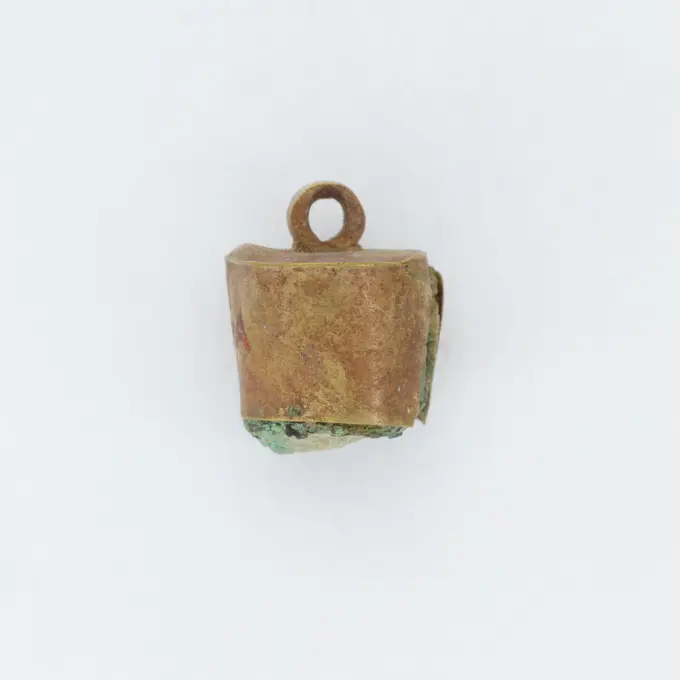
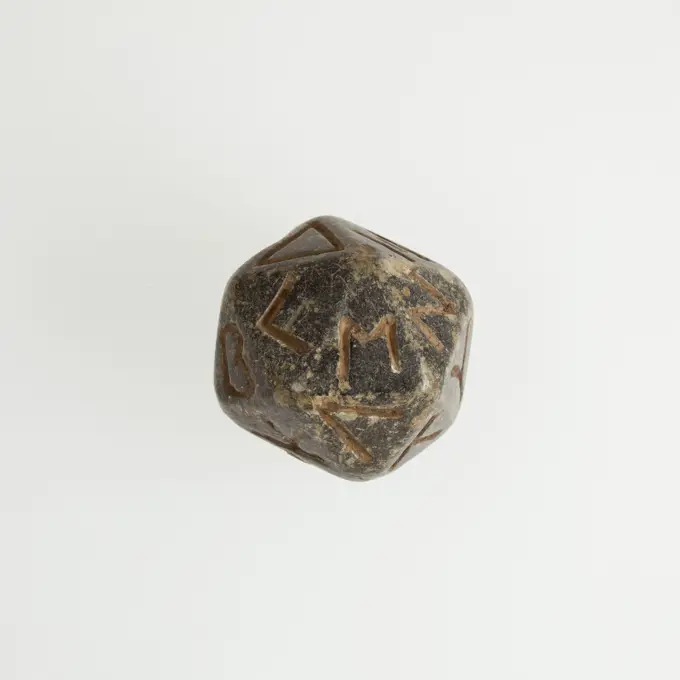
Ancient Artifacts

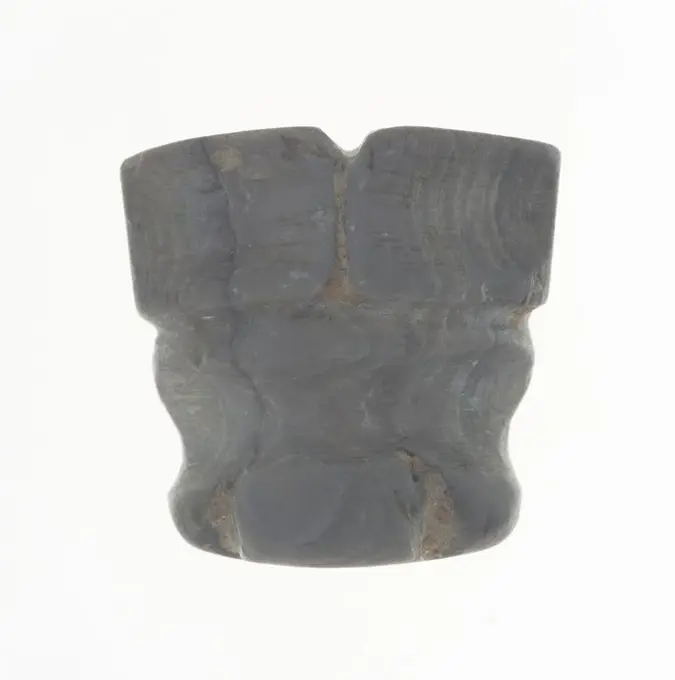
Fragments and items from historical periods, showcasing glasswork and jade carvings. Displays a range of ancient techniques and materials.
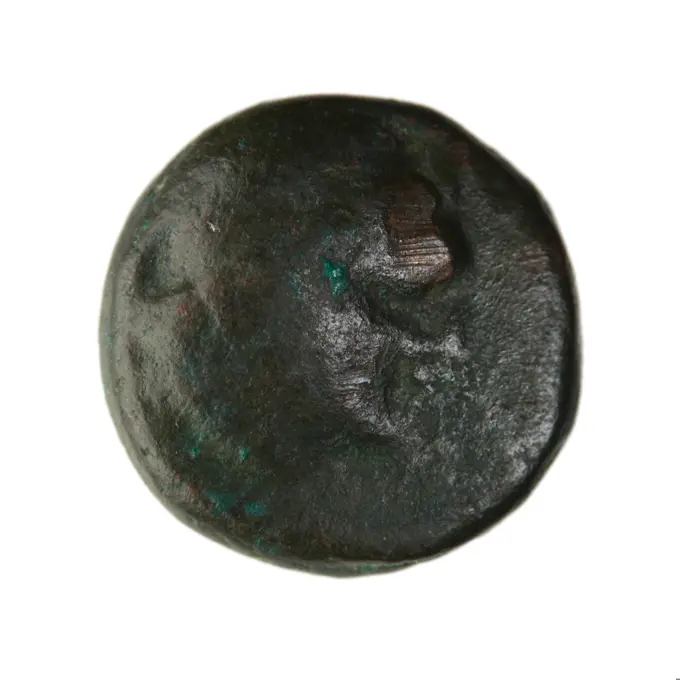
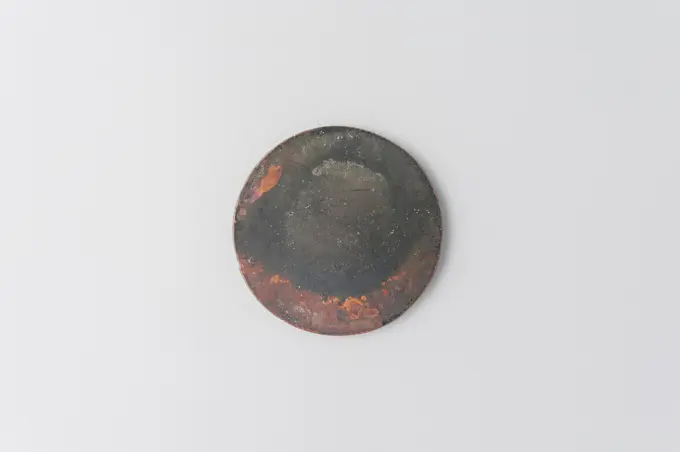
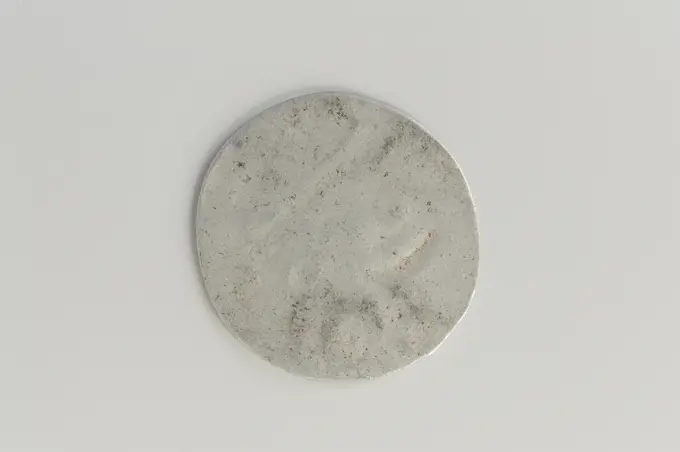
Greece, Kimerian Bospor, Pantikapajon, around the first half of the second century BC, bronze (AE) Panticapaeum
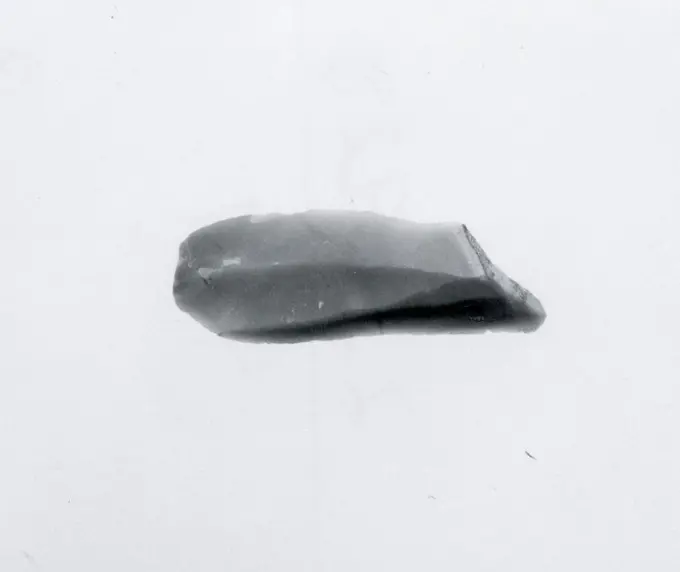
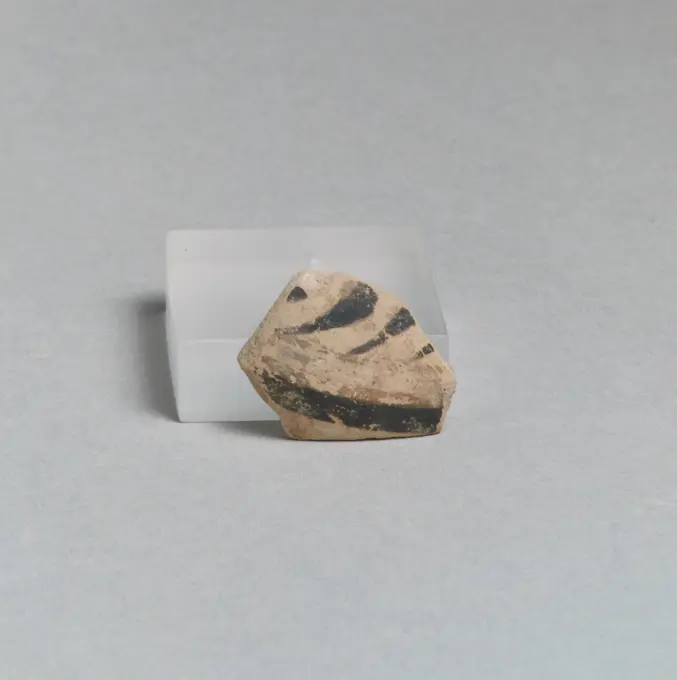
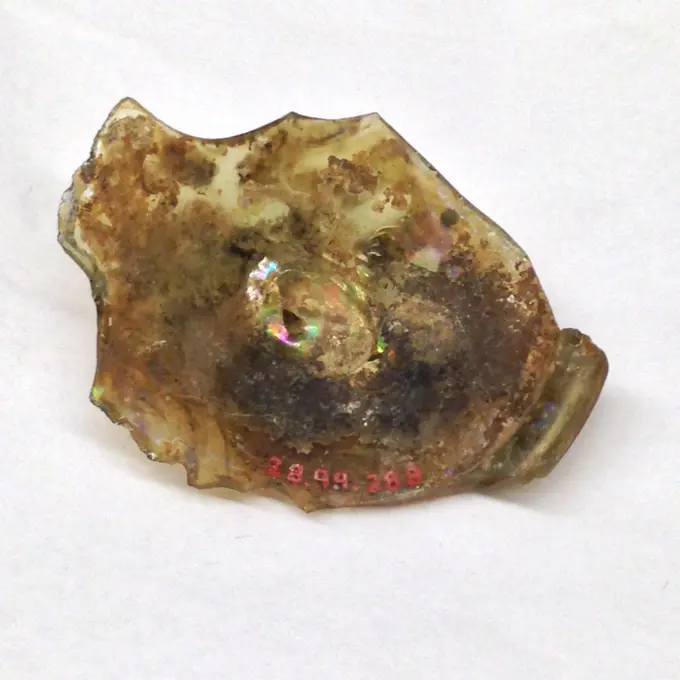
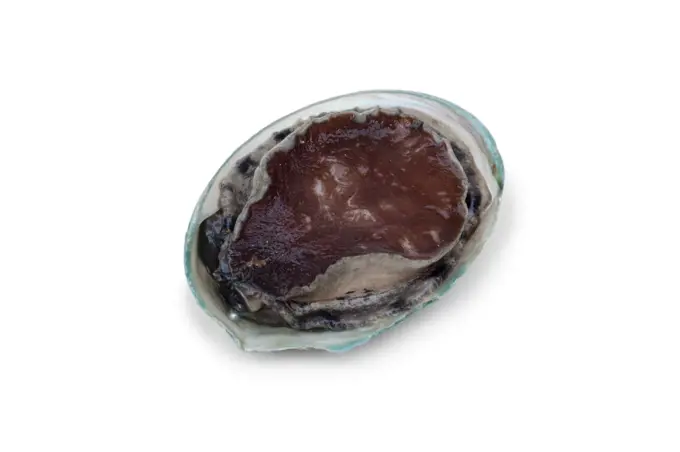
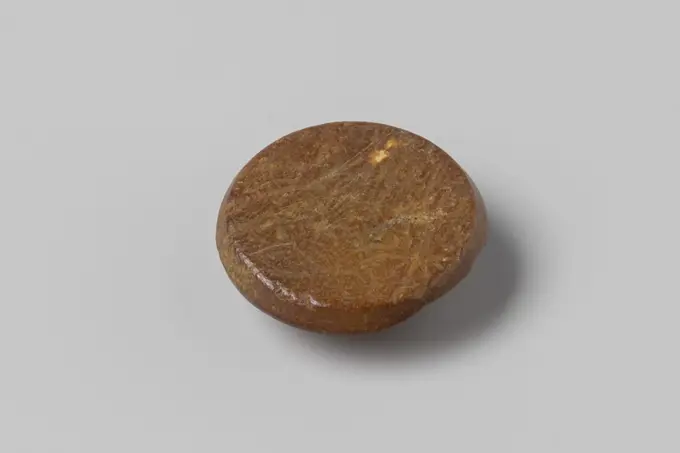
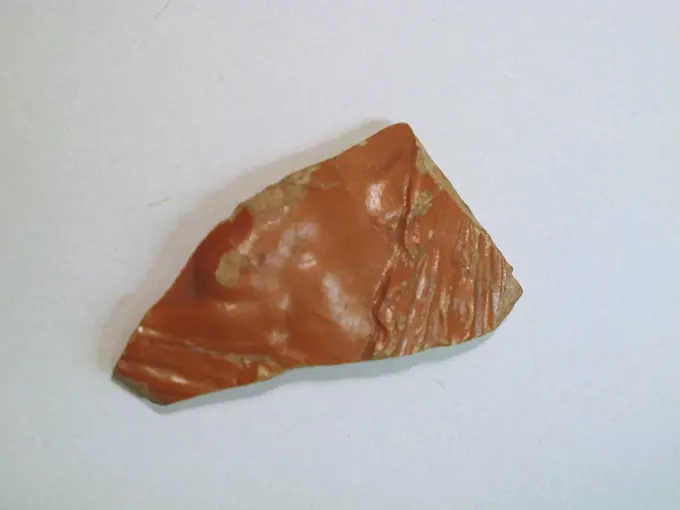
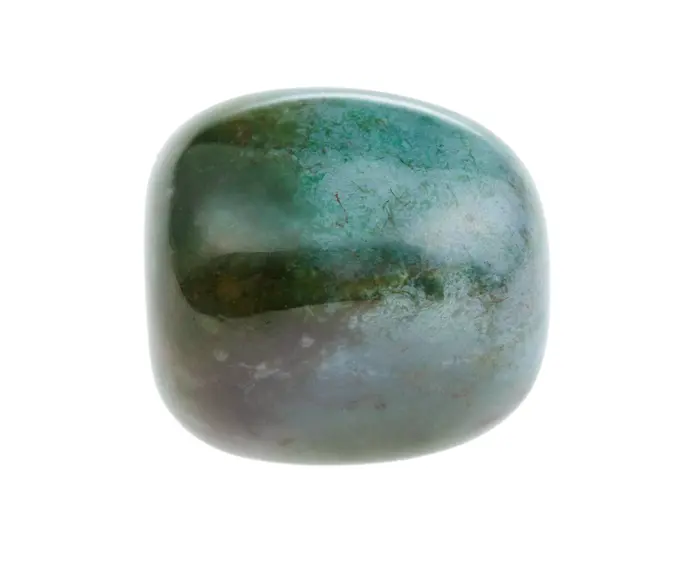
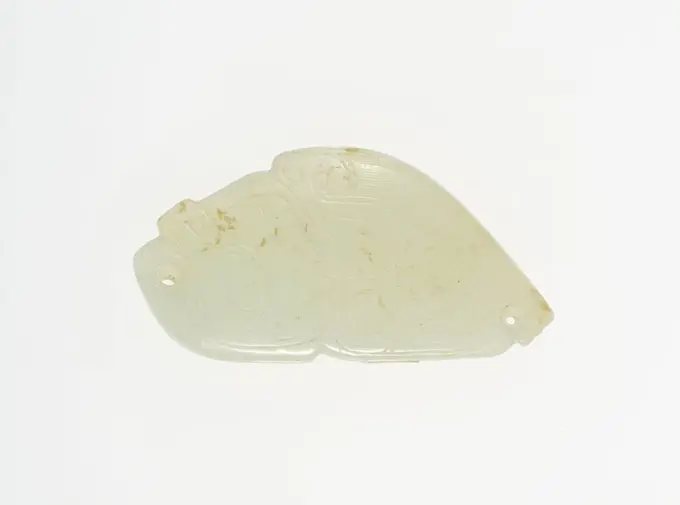
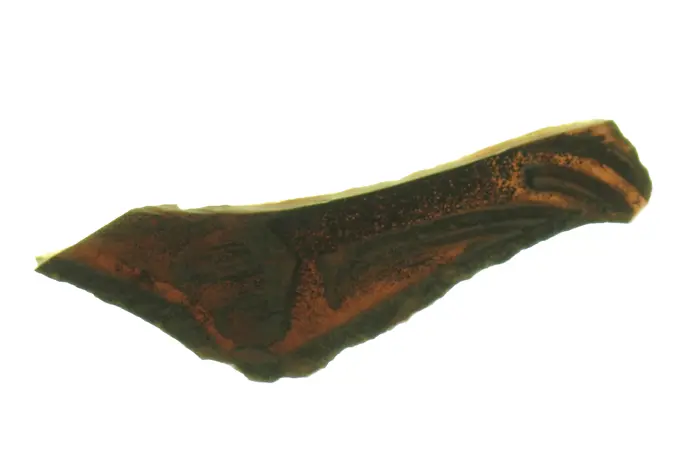
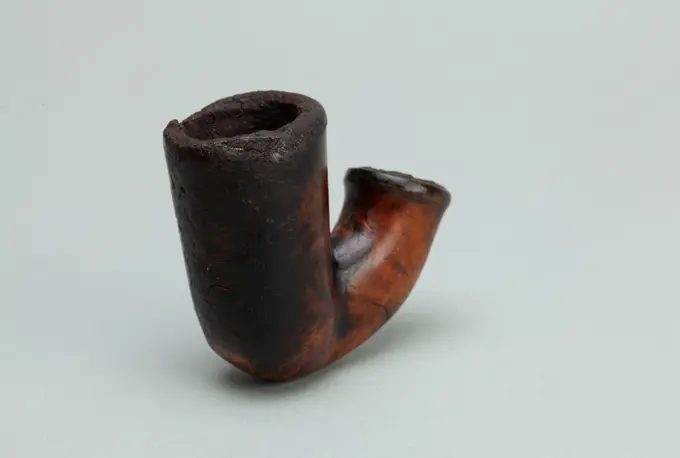
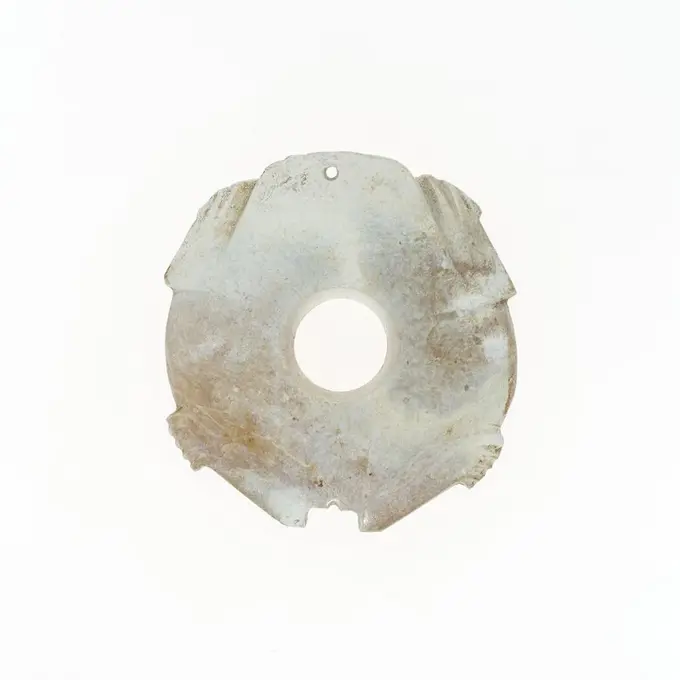
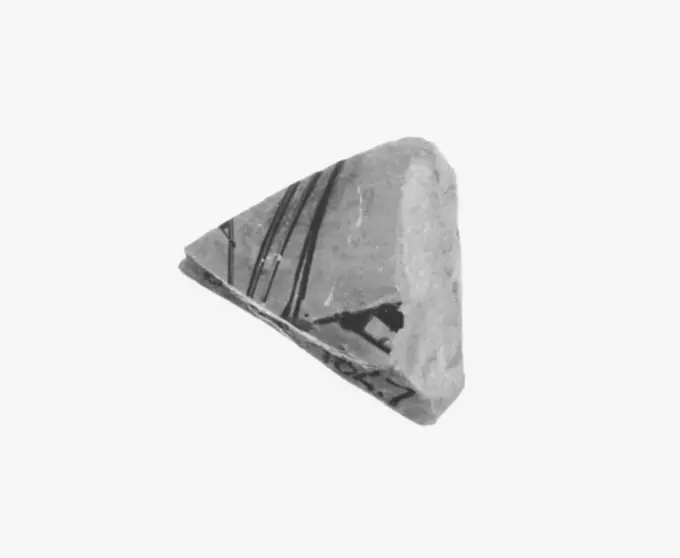
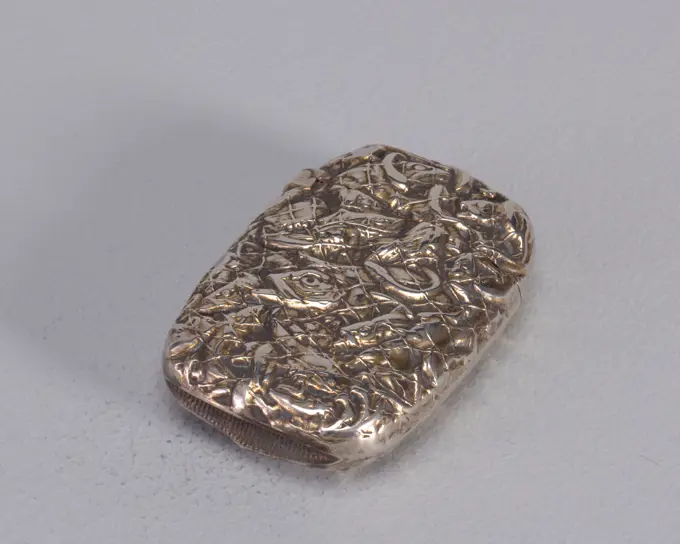
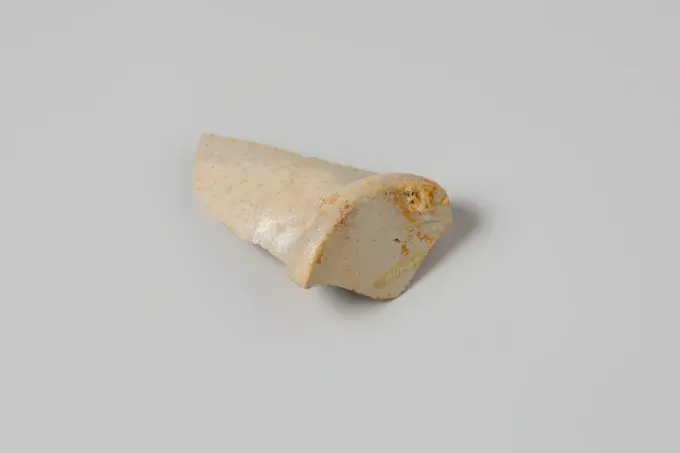
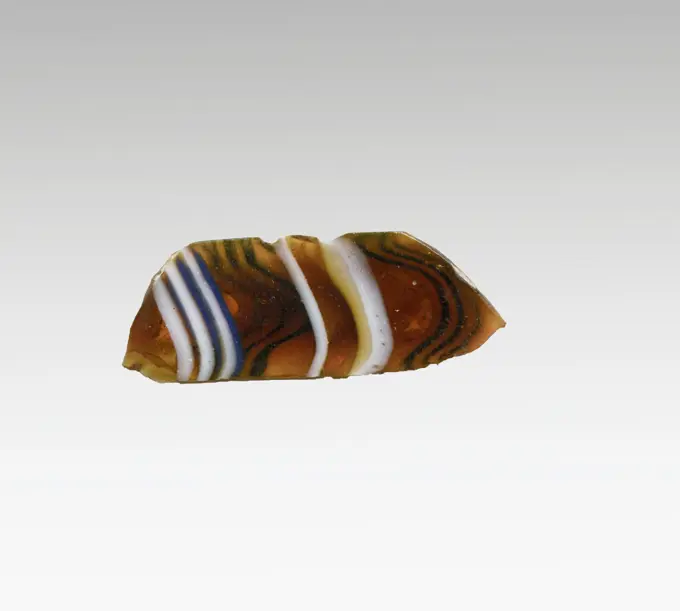
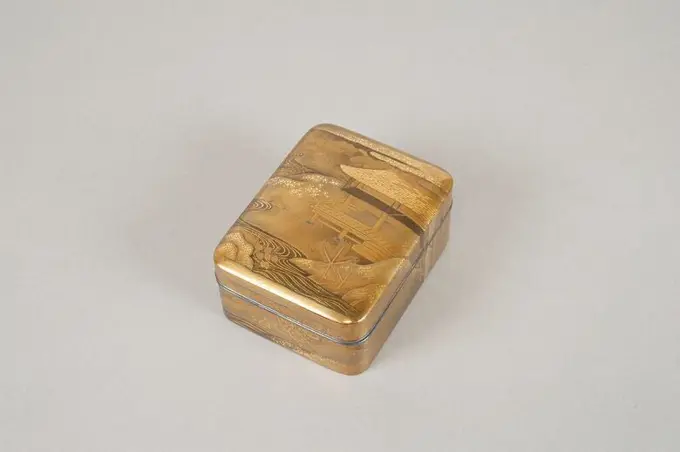
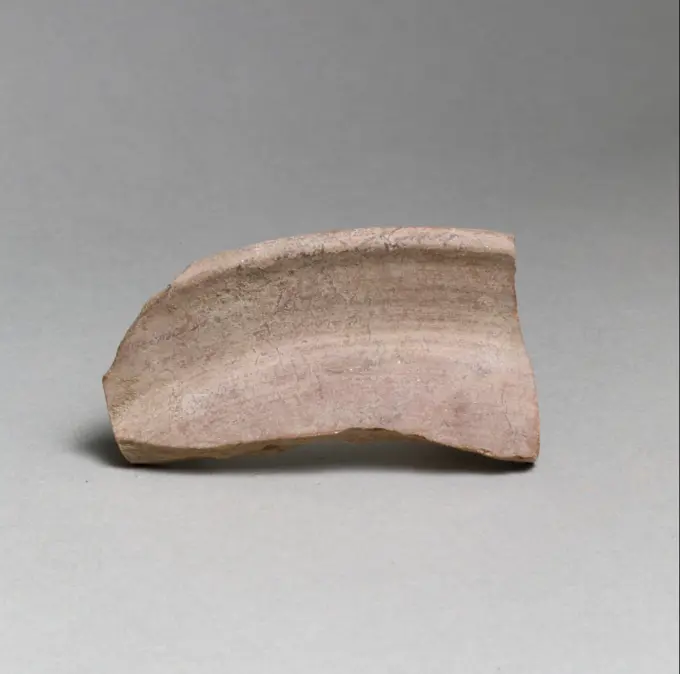
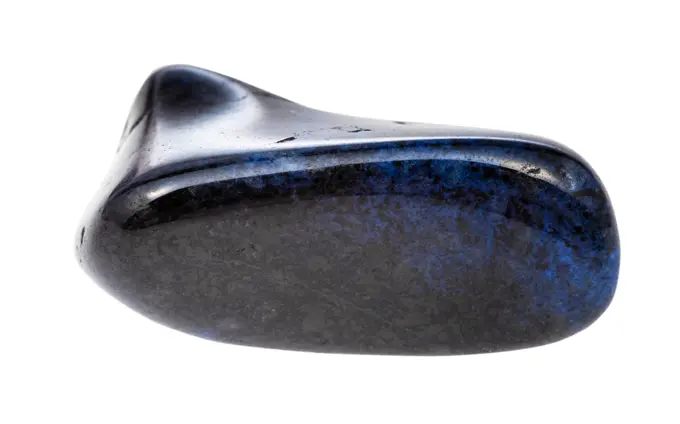
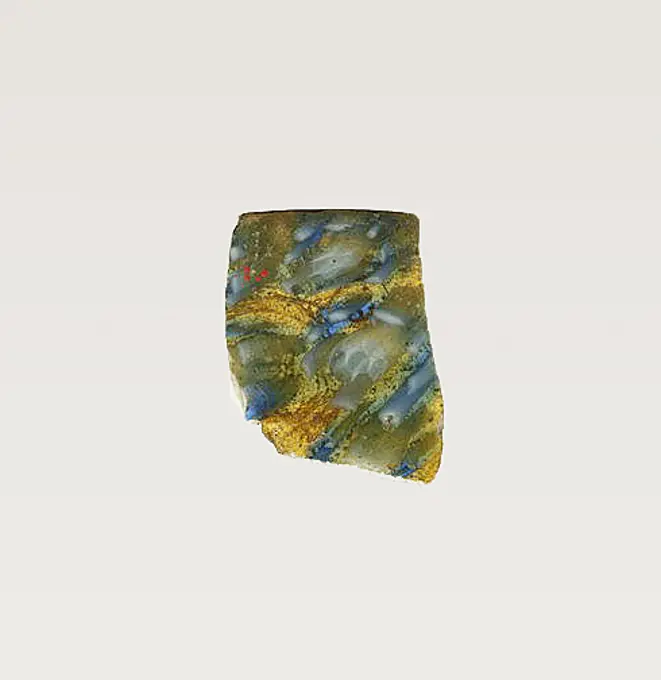
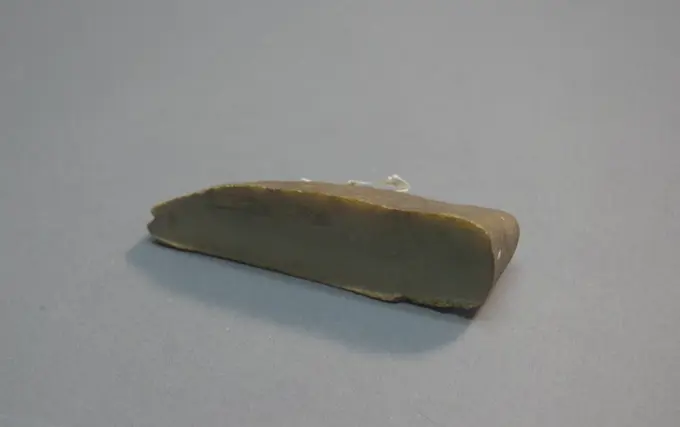
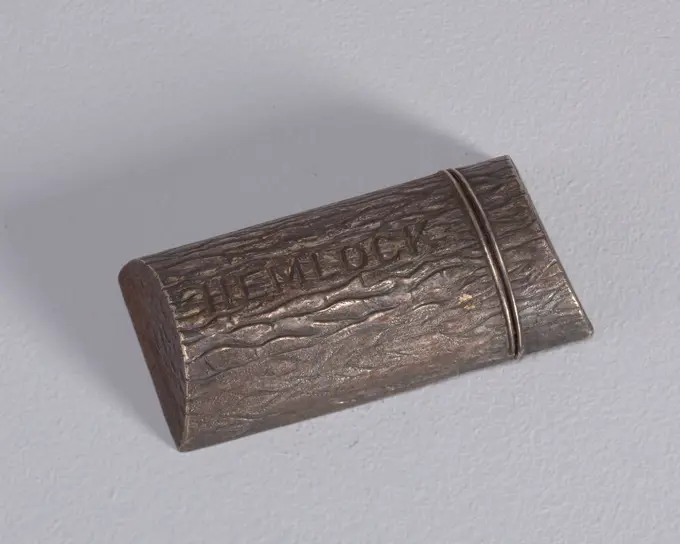
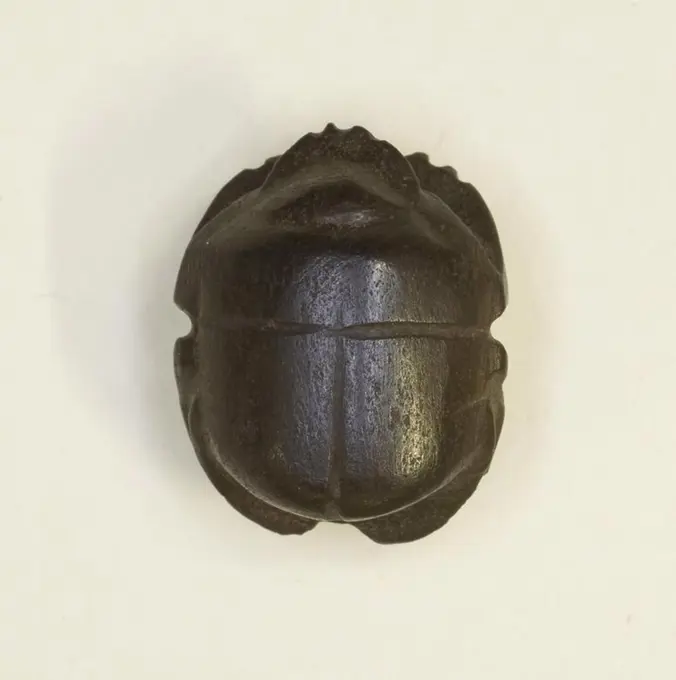
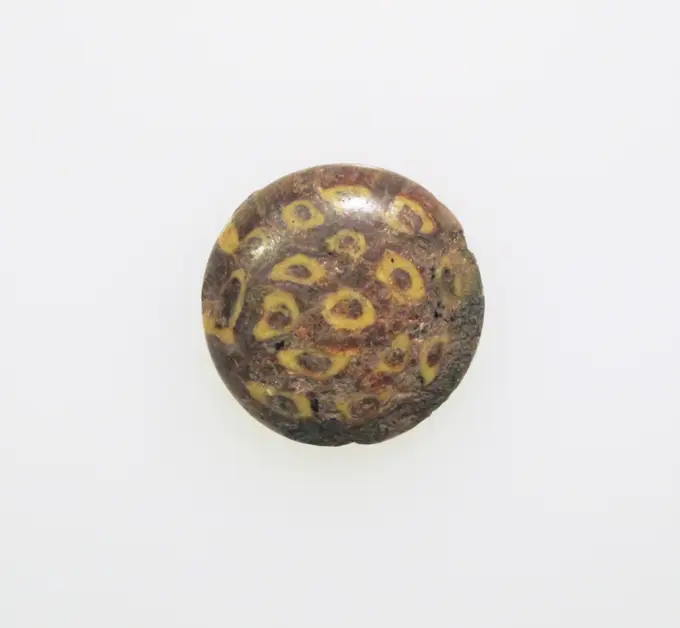
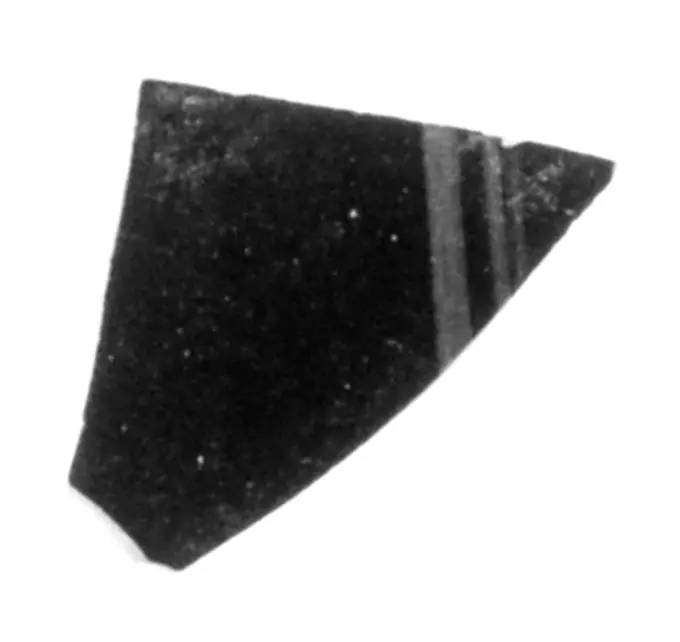
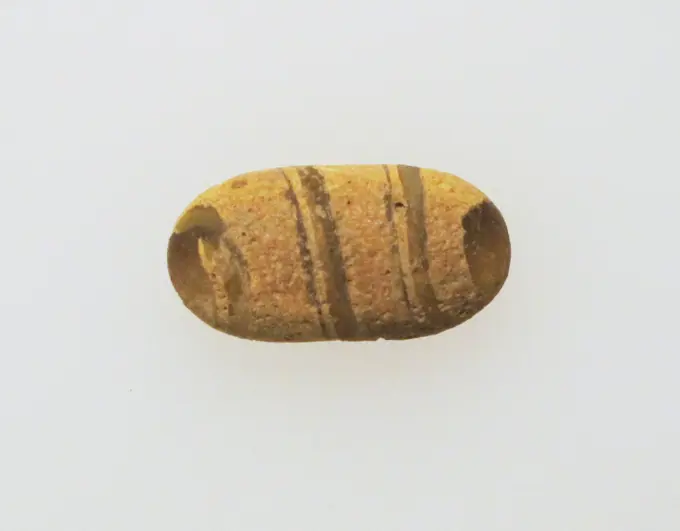
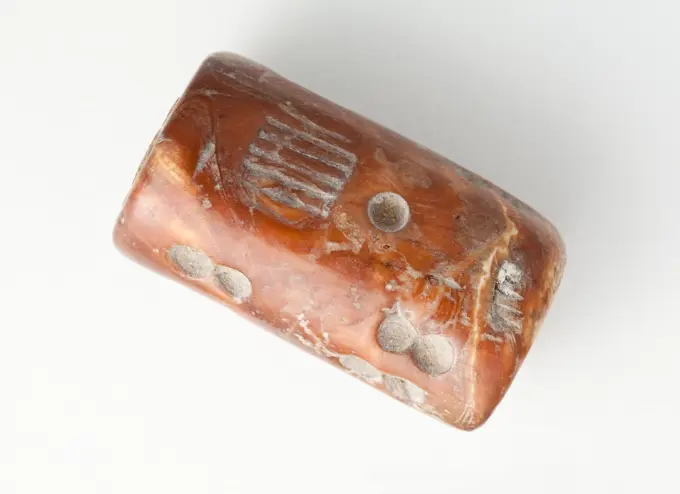
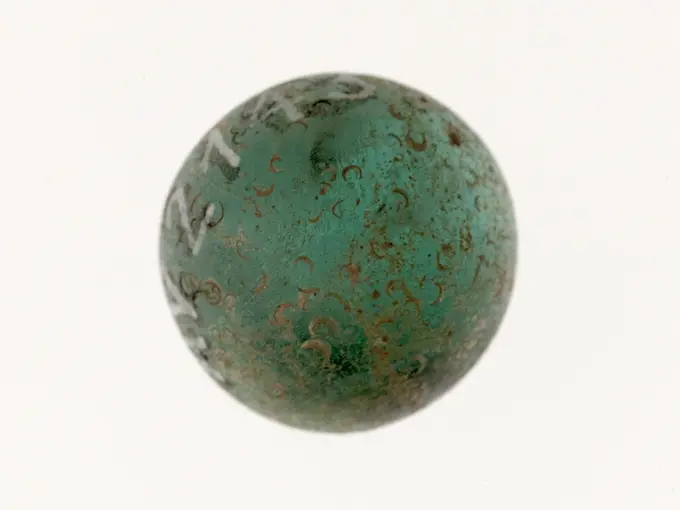
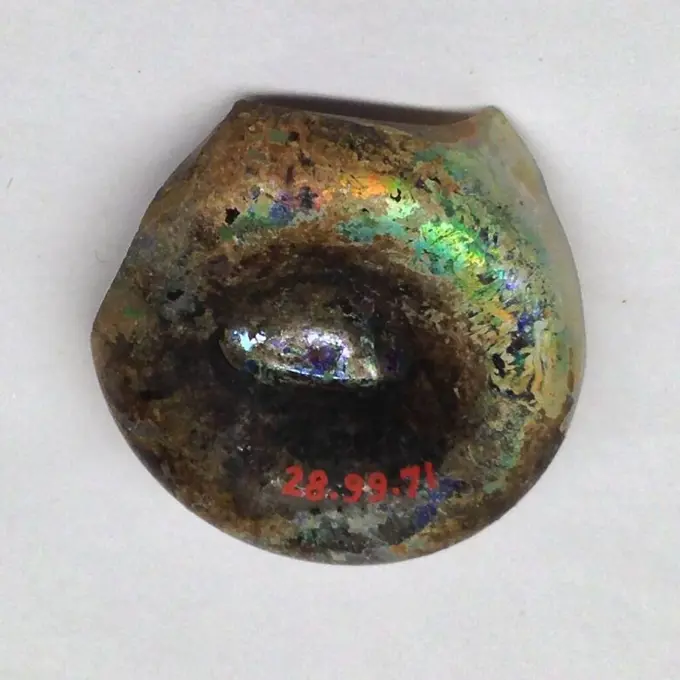
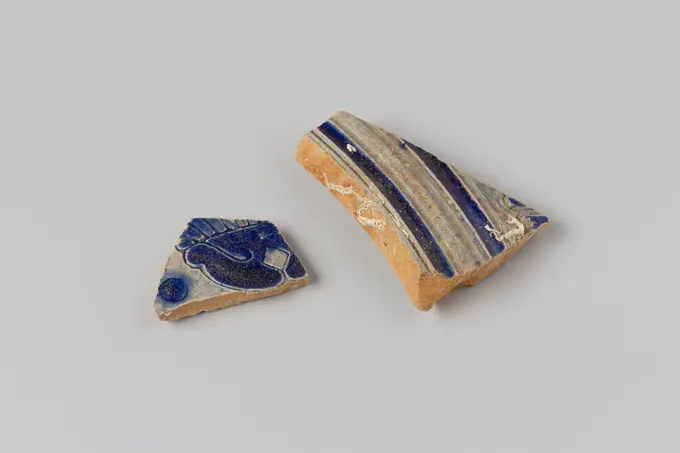
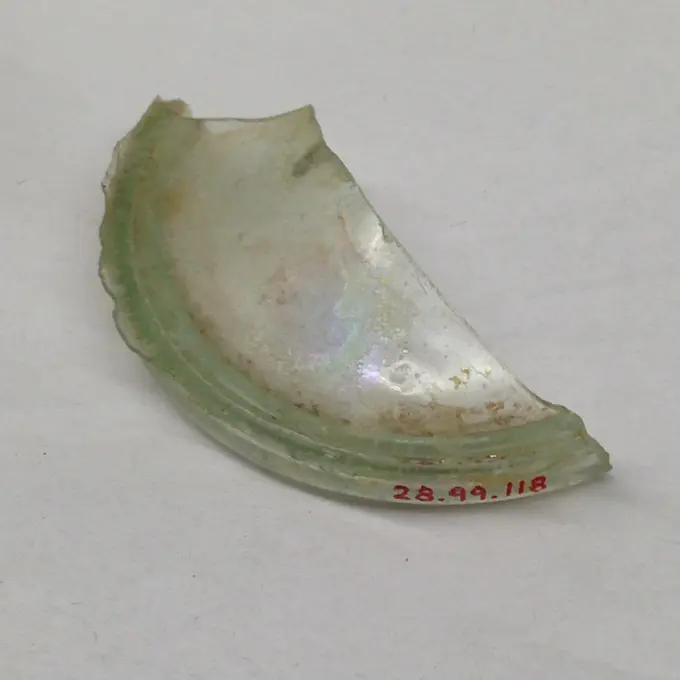
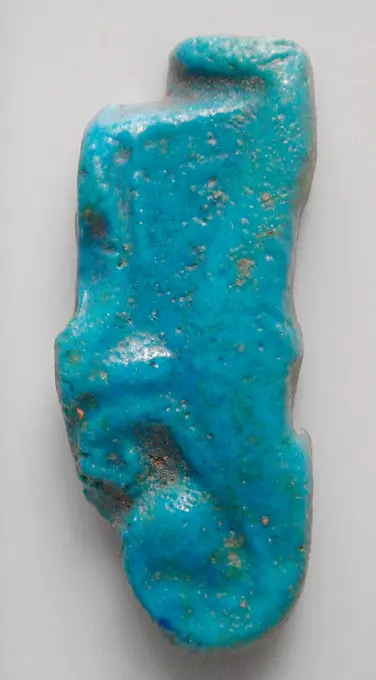
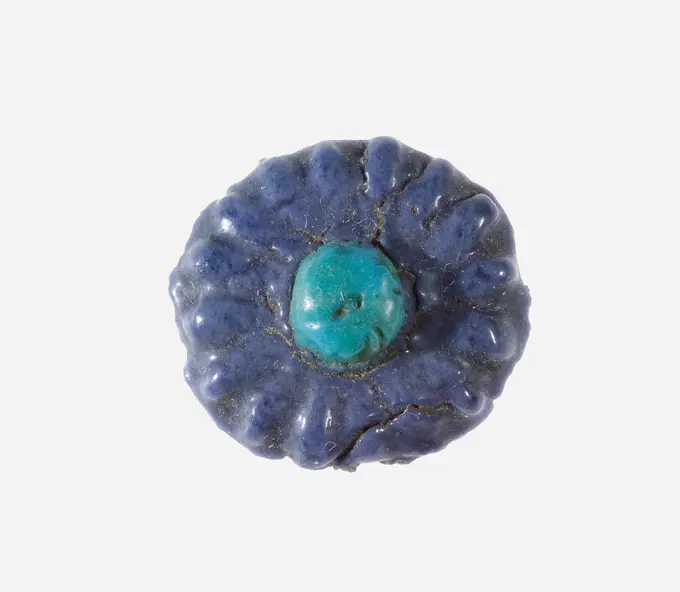
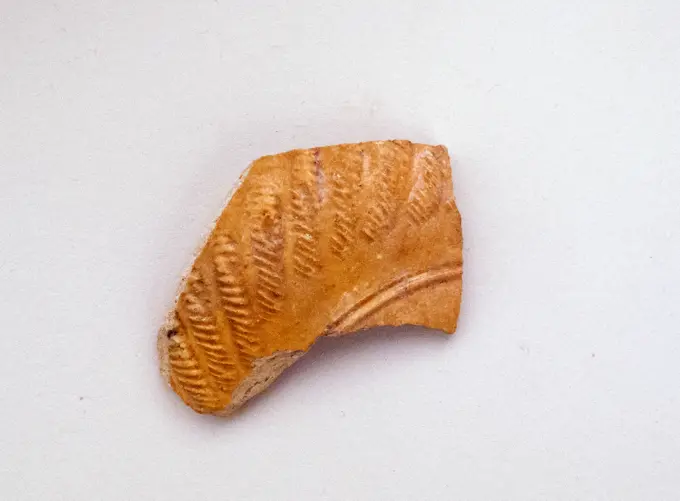
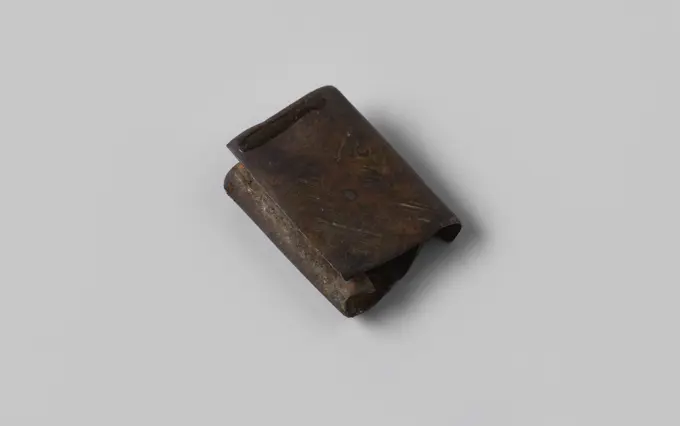
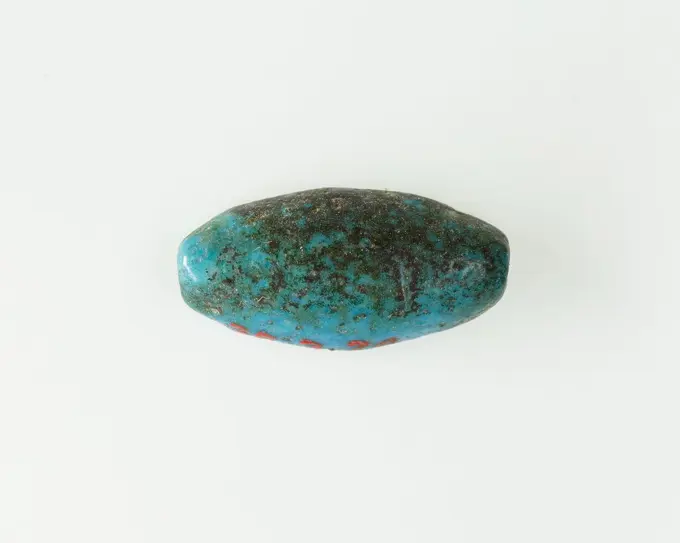
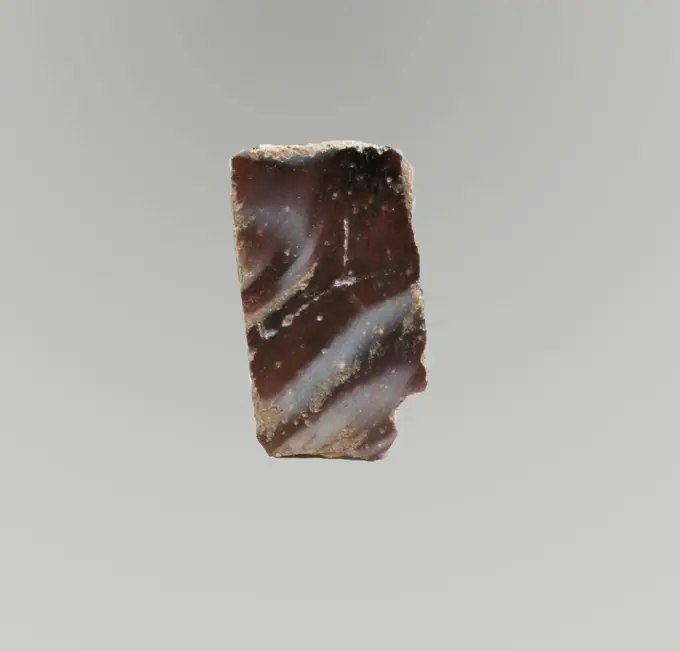
Glass mosaic inlay fragment late 1st century B.C.-early 1st century A.D. Roman Translucent purple and opaque white.Thin, flat parallelogram.Marbled mosaic pattern formed from sections of a single cane in purple ground with irregular white threads and streaks.Weathered chip at one corner; polished upper side; pitting and weathering of surface bubbles; dulling, deep pitting, and iridescent weathering on underside and edges. Glass mosaic inlay fragment. Roman. late 1st century B.C.-early 1st century A.D.. Glass; cast. Early Imperial. GlassPendant with Animal Head. China. Date: 2000 BC-1 BC. Dimensions: 3/4 × 11/16 × 1/4 in. Jade. Origin: China. Museum: The Chicago Art Institute, Chicago, USA.Blade ca. 4600-3600 B.C. Ghassulian. Blade 326558Greece, Kimerian Bospor, Pantikapajon, around the first half of the second century BC, bronze (AE) PanticapaeumShards of a basement bottle from the East Indiesman Hollandia.Typologically Not Identible, Base, Fragm wreck.Oil Lamp 4th-7th century Coptic. Oil Lamp 478697Vase fragment ca. 500-425 B.C. Greek, Laconian. Vase fragment. Greek, Laconian. ca. 500-425 B.C.. Terracotta. Archaic or Classical. VasesVase fragment ca. 1600-1450 B.C. Minoan. Vase fragment 247716Fragment ca. 1150-ca. 1250 European or Middle Eastern. Fragment. European or Middle Eastern. ca. 1150-ca. 1250. Glass, ceramic. Glass-VesselsPendant Roman. Pendant. Roman. Glass. GlassVase fragment Roman, Gaul Inscribed.. Vase fragment. Roman, Gaul. Terracotta. VasesFresh raw abalone on white backgroundButton from the wreck of the East India hollandia. Button. (1) SIM. NG 1980-27H1502 (1.8D, 0.3T)Stone Pulidor before 16th century Mexican. Stone Pulidor 317160Vase fragment 1st century B.C.-1st century A.D. Roman. Vase fragment 250435Fragment sign from V.O.C. ship De 'Witte Leeuw', Before 1613 plate (dishes) Fragment sign from V.O.C. ship the 'Witte Leeuw'. Jingdezhen porcelain   Sint-HelenaVase fragment Minoan. Vase fragment 247754Plaque 700 BCE-500 BCE China. Jade .Scherf of a storage jar from the wreck of the East Indians Hollandia, Anonymous, 1700 - in Or Before 1743  Stoneware, Rhenish, Langerwehe-ware, storage-jar; fragm of body with wavy pattern, sim. NG 1980-27H909. Cologne stoneware   Secondpolished heliotrope gemstone isolated on white closeup of sample of natural mineral from geological collection - polished heliotrope bloodstone gemstone isolated on white background Copyright: xZoonar.com/ValeryxVoennyyx 14986475Carnavalet museum, medal collectionPendant. China. Date: 1100 BC-900 BC. Dimensions: 2.5 × 4.9 × 0.5 cm (1 15/16 × 1 × 3/16 in.). Jade. Origin: China. Museum: The Chicago Art Institute, Chicago, USA.Glass Fragment 12th-14th century French. Glass Fragment. French. 12th-14th century. Pot-metal glass, vitreous paint. Glass-StainedFragment ca. 1150-ca. 1250 European or Middle Eastern. Fragment. European or Middle Eastern. ca. 1150-ca. 1250. Glass, ceramic. Glass-VesselsPipe bowlFragment ca. 1150-ca. 1250 European or Middle Eastern. Fragment 695152Toad Pendant. China. Date: 1100 BC-900 BC. Dimensions: Diam. 1 11/16 in.; 1/8 in. greatest thickness. Jade. Origin: China. Museum: The Chicago Art Institute, Chicago, USA.Glass mosaic fragment late 1st century B.C.-early 1st century A.D. Roman Thin-walled rim fragment.Semi-opaque greyish blue, translucent deep purple appearing black, and opaque yellow.Vertical, rounded rim; shallow convex curving side, tapering downward.Mosaic pattern formed from polygonal sections of a single cane in a purple ground outlined with a thick, irregular blue band and containing a scatter of yellow dots.Polished exterior; pitting and weathering of surface bubbles; dulling, pitting, and iridescent weathering on interior, rim, and edges.Cut down into a triangle.. Glass mosaic fragment 257296Attic Red-Figure Cup Fragment. UnknownFishnet Matchsafe; Manufactured by Gorham Manufacturing Company (United States); USA; silver; 5.5 x 3.6 x 1.2 cm (2 3/16 x 1 7/16 x 1/2 in. )Fragment straight steel of glass from the wreck of the East Indians Hollandia, Anonymous, 1700 - in Or Before 1743 drinking glass Glass, stem glass, stems, plain; fragm of lower end, solid, tapering, cf. NG 1980-27H1283. Netherlands glass   SecondButton from the wreck of the East India hollandia.knoop. (1) ID. NG 1980-27H183 (1.7D)Glass mosaic fragment late 1st century B.C.-early 1st century A.D. Roman Thin-walled body fragment.Translucent purple, opaque white, yellow, and red.Slightly convex curving side; two almost straight edges at right angle to each other.Composite mosaic pattern formed from polygonal sections of two canes, both in a purple ground: one with a white circle around a ring of red rods and a central white rod, and the other with a white circle around a ring of white rods and a central yellow rod.One corner broken off and unweathered; polished exterior; pitting and weathering of surface bubbles on exterior; dulling and iridescent weathering on interior and edges.Possibly cut down into a triangle in antiquity.. Glass mosaic fragment 257209Scherf of a jug of the wreck of the East Indians Hollandia, Anonymous, 1700 - in or Before 1743  Stoneware, Rhenish, Westerwald, jug; (1)fragm of base, sim. NG 1980-27H2615. Westerwald stoneware   SecondDetailed and colorful image of leopard jasper mineralAttic black-figure plate fragment with part of male legs and genitals facingleftDrohiczy seal;  XI-XIII century (1090-00-00-1110-00-00);guild seals, customs seals, touches, seals of customs chambers, official seals, seals with a crossFragment. Culture: European or Middle Eastern. Dimensions: L. 2 1/8 in. (5.4 cm). Date: ca. 1150-ca. 1250. Museum: Metropolitan Museum of Art, New York, USA.Mosaic glass ribbed bowl fragment late 1st century B.C.-early 1st century A.D. Roman Body fragment.Translucent honey brown, cobalt blue, and opaque white.Convex curving side tapering downward.Ribbon mosaic pattern formed from sections of a single cane in brown ground with irregular wavy white and blue threads in parallel lines; on exterior, single long vertical rib with flattened top and rounded outer edge.Polished interior; pitting of surface bubbles on interior; dulling and creamy iridescent weathering on exterior; some weathering and chipping of jagged edges.. Mosaic glass ribbed bowl fragment. Roman. late 1st century B.C.-early 1st century A.D.. Glass; cast. Early Imperial. GlassIncense Container. Culture: Japan. Dimensions: H. 1 3/8 in. (3.5 cm); W. 2 1/2 in. (6.4 cm); L. 3 in. (7.6 cm). Date: 19th century.Designs of pine trees and an open veranda with two "bearded baskets" evoke an episode from Chapter 23 of the Tale of Genji, "The First Warbler" (Hatsune), in which Genji pays a New Year's Day visit to his daughter by Lady Akashi. Museum: Metropolitan Museum of Art, New York, USA.Vase fragment East Greek/Sardis, Lydian. Vase fragment 252772 East Greek/Sardis, Lydian, Vase fragment, Terracotta, Overall: 3 1/8 x 2 7/8in. (7.9 x 7.3cm). The Metropolitan Museum of Art, New York. Gift of The American Society for the Excavation of Sardis, 1926 (26.199.205)polished Dumortierite gem stone isolated on white closeup of sample of natural mineral from geological collection - polished Dumortierite gem stone isolated on white background Copyright: xZoonar.com/ValeryxVoennyyx 14990032Shard (Study Collection) China. Shard (Study Collection). China. Blue-and-white porcelain. Ming (1368-1644)-Qing (1644-1911) dynasties. CeramicsSharf of a sign from the wreck of the East Indians Hollandia, Anonymous, 1700 - in Or Before 1743 plate (dishes) Porcelain, plate, type 2; fragm of base, sim NG 1980-27H507. Netherlands porcelain   SecondStone Pulidor before 16th century Mexican. Stone Pulidor 317197Cylinder seal ca. 2960-2649 B.C. Early Dynastic Period. Cylinder seal. ca. 2960-2649 B.C.. Stone. Early Dynastic Period. From Egypt. Dynasty 1Scarab ca. 1635-1458 B.C. Second Intermediate Period-Early New Kingdom. Scarab. ca. 1635-1458 B.C.. Carnelian or red jasper. Second Intermediate Period-Early New Kingdom. From Egypt, Upper Egypt, Thebes, Dra Abu el-Naga, Carnarvon excavations, 1913. Dynasty 17-18Bead ca. 3rd-7th century A.D. Sasanian. Bead. Sasanian. ca. 3rd-7th century A.D.. Glass. Sasanian. Iran, Qasr-i Abu NasrCoin China. Coin 61146Planets-manager. Cornalet Collection Sites 2013-2016. Numismatic.Glass mosaic fragment late 1st century B.C.-early 1st century A.D. Roman Thin-walled body fragment.Translucent blue, honey yellow, and opaque white.Shallow convex curving side.Mosaic pattern formed from large polygonal sections of a single cane in a yellow ground with a circle of white rods oultined in blue surrounding a white rosette of six petals around a central hexagonal rod.Chipped on one corner; pinprick bubbles; polished exterior; pitting of surface bubbles on exterior; dulling, pitting, and creamy weathering on interior and edges; chipped corner unweathered.. Glass mosaic fragment. Roman. late 1st century B.C.-early 1st century A.D.. Glass; cast. Early Imperial. GlassSample of a Jadeite Pebble 20th century China. Sample of a Jadeite Pebble. China. 20th century. Jadeite. JadeUninscribed glass scarab ca. 1070 BC or later Third Intermediate Period or later A number of small amulets or other items were found in the excavation of Nespekashuty's tomb, spanning its long use life. See the discussion under 23.3.468.. Uninscribed glass scarab. ca. 1070 BC or later. Pale blue glass. Third Intermediate Period or later. From Egypt, Upper Egypt, Thebes, Deir el-Bahri, Tomb of Nespekashuty (TT 312, MMA 509), MMA excavations. Dynasty 26Block weight of half an Amsterdam pound, Abraham Groengraft, 1736 weight The cast round upwards narrowing object has a smooth wall, which is decorated with two grooves, and a flat top and top. In the latter, which protrudes slightly over the wall, the broken brand with the crowned city coat of arms of Amsterdam and GG, as well as the smashed dates 1736 and 1737. On the wall the dates 1738 to 1742. Amsterdam brass (alloy) casting  AmsterdamInlay: banquet scene with a seated figure holding a palm frond. Culture: Sumerian. Dimensions: 1.97 x 2.05 in. (5 x 5.21 cm). Date: ca. 2600-2500 B.C..This plaque is cut from a piece of pearly shell in the shape of a seated figure facing to the left, missing the head, feet and right arm. The figure's gender cannot be determined by any surviving features or by the garment. The body is fully covered except for the left hand, which holds a branch-like object, either a palm frond, date spathe, or an implement such as a whip or fly whisk. A decorative border marked by two incised lines runs from the lap to the hem. The plaque was probably set in bitumen (a tar-like substance used as an adhesive) with pieces of shell and stone to create a composition in contrasting colors, a characteristic technique of the late Early Dynastic period exemplified by the well-known Standard of Ur, now in the British Museum. Nippur, the great holy city of southern Mesopotamia, was the home of the chief deity EnlFinger Grip before 16th century Mexican. Finger Grip 317113"Hemlock - Goodyear Lumber Co." Matchsafe; USA; metal; 3.4 x 6.7 x 1.3 cm (1 5/16 x 2 5/8 x 1/2 in. )Scarab Amulet. Egyptian. Date: 664 BC-610 BC. Dimensions: .75 × 1.5 × 1 cm ( 1/4 × 5/8 × 3/8 in.). Hematite. Origin: Egypt. Museum: The Chicago Art Institute, Chicago, USA. Author: Ancient Egyptian.sunflower seeds on a white background3 steine - 3 stones 3 steine - 3 stones Copyright: xZoonar.com/RichardxKittenbergerx 280702Pinhead Roman 1st century BCE-5th century CE View more. Pinhead. Roman. 1st century BCE-5th century CE. Glass. GlassObsidian bead in the form of of a figure-of-eight shield ca. 2200-1450 B.C. Minoan Grooved.. Obsidian bead in the form of of a figure-of-eight shield 252333 Minoan, Obsidian bead in the form of of a figure-of-eight shield, ca. 22001450 B.C., Obsidian, Length (as preserved): 1/2 in. (1.3 cm). The Metropolitan Museum of Art, New York. Bequest of Richard B. Seager, 1926 (26.31.405)Seal China. Seal 40969Vase fragment ca. 1600-1450 B.C. Minoan. Vase fragment 247714Plate of silver with email painting, anonymous, c. 1500 - c. 1525 Round, silver plate, on which a bird in a blue, violet and green translucid email painting.  silver (metal). Round, silver plate, on which a bird in a blue, violet and green translucid email painting.  silver (metal).Glass border molding fragment late 1st century B.C.-early 1st century A.D. Roman Fragment of thin, flat strip or panel.Opaque blue green and white.Straight band of white overlay on upper surface.Broken on all sides, and weathered on jagged edges; polished surface; iridescent weathering on uunderside.Probably used as decoration in wall or ceiling revetment or as inlay for furniture.. Glass border molding fragment 256999Bead China. Bead. China. Jade. Han dynasty (206 B.C.-A.D. 220). JadePendant Sasanian ca. 3rd-7th century CE View more. Pendant. Sasanian. ca. 3rd-7th century CE. Gold. Sasanian. Iran, Qasr-i Abu NasrGlass mosaic counter or inlay ca. 3rd century A.D. Roman, Egyptian Translucent green and opaque yellow.Plano-convex disk with rounded edge.Concentric pattern of hollow circles in yellow: one at center, surrounded by one ring of six circles, and an outer ring of nine circles, and two solid yellow lines running from outer circle to edge on both sides.Intact, but slightly chipped around edge; dulling, brown weathering, and faint iridescence.. Glass mosaic counter or inlay. Roman, Egyptian. ca. 3rd century A.D.. Glass. Imperial. GlassGabbro mace head ca. 2500-1900 B.C. Cypriot Spherical with a hole through the center.. Gabbro mace head. Cypriot. ca. 2500-1900 B.C.. Gabbro. Early Bronze Age. Miscellaneous-StoneAttic Black-Figure Oinochoe Fragment. UnknownPinhead Roman Colorless and opaque yellow lozenge shaped millefiori pinhead.. Pinhead. Roman. Glass. GlassLecythus, Glass, Irridescent, pale green body of two conjoined tubes with flanged mouth and emerald green loop handles., Roman Empire, probably Syria, 4th century, glasswares, Decorative Arts, Lecythusstone isolated on white backgroundCylinder Seal. Mesopotamia, Early Dynastic Style of Mesopotamia, about 2750-2350 B.C.. Tools and Equipment; seals. Shell ()Button. Glass. Paris, Carnavalet museum. 51538-6 Button, glassVase fragment East Greek/Sardis, Lydian. Vase fragment 252666 East Greek/Sardis, Lydian, Vase fragment, Terracotta, length 1 9/16 in. (3.9 cm) diameter 1in. (2.5 cm). The Metropolitan Museum of Art, New York. Gift of The American Society for the Excavation of Sardis, 1926 (26.199.96)Tool () ca. 5000-3100 B.C. Neolithic-Predynastic Period. Tool (). ca. 5000-3100 B.C.. Flint. Neolithic-Predynastic Period. From Egypt, Upper Egypt, Thebes, Libyan Desertunpolished transparent iceland spar mineral close up of sample of natural stone from geological collection - unpolished transparent iceland spar mineral isolated on white background from Krasnoyarsk Krai Copyright: xZoonar.com/ValeryxVoennyyx 21467091Fragment. Culture: European or Middle Eastern. Dimensions: Diam. 1 7/8 in. (4.8 cm). Date: ca. 1150-ca. 1250. Museum: Metropolitan Museum of Art, New York, USA.Shards of pots from the wreck of the East India Hollandia.Stoneware, Rhenish, Westerwald, Pot; or body, sim. NG 1980-27H2624.Fragment ca. 1150-ca. 1250 European or Middle Eastern. Fragment 694219Drohiczy seal;  XI-XIII century (1090-00-00-1110-00-00);guild seals, customs seals, touches, seals of customs chambers, official seals, seals with a cross, seal with the image of the faceImsety Bead from a Mummy Bead Net. Egypt, 25th - 26th Dynasty Late Period (755 - 525 BCE). Jewelry and Adornments; beads. Faience, blue glaze, executed in bas-reliefDaisy Bead ca. 1390-1353 B.C. New Kingdom. Daisy Bead. ca. 1390-1353 B.C.. Faience. New Kingdom. From Egypt, Upper Egypt, Thebes, Malqata, Palace of Amenhotep III, MMA excavations, 1910-11. Dynasty 18Vase fragment East Greek/Sardis, Lydian. Vase fragment 252798 East Greek/Sardis, Lydian, Vase fragment, Terracotta, Overall: 2 3/8 x 1 1/8in. (6 x 2.8cm). The Metropolitan Museum of Art, New York. Gift of The American Society for the Excavation of Sardis, 1926 (26.199.231)Vase fragment Roman Fragment of yellow enamelled vase with raised pattern around shoulder.. Vase fragment. Roman. Terracotta. VasesFragment of the rim of a dish, anonymous, c. 1200 - c. 1299 Fragment of the edge of a dish. The hard gray -yellow shard is exaggerated with a thick glaze layer of dark blue, nuanced to warm -green. Decorated with lines and inscriptions in green black, original metal gloss. The outside is thinner glazed and gray blue. Syria earthenware. glaze. luster (textile) painting / vitrification Fragment of the edge of a dish. The hard gray -yellow shard is exaggerated with a thick glaze layer of dark blue, nuanced to warm -green. Decorated with lines and inscriptions in green black, original metal gloss. The outside is thinner glazed and gray blue. Syria earthenware. glaze. luster (textile) painting / vitrificationExcerpt of copper from the wreck of the East Indians Hollandia, 1700 - in or before 1743 fragment Varied parts or fragments, strips and strip-shaped fragments; fragm. Netherlands copper (metal)   SecondOrnament cone. Ornament cone. Glass. GlassAmulet - PigCoin Weight 13th-16th century or earlier. Coin Weight 442882Cowroid. Dimensions: l. 1.5 cm (9/16 in.). Dynasty: Dynasty 18, early. Reign: reign of Thutmose II-Early Joint reign. Date: ca. 1492-1473 B.C..This cowrie-shaped amulet has no inscription on the base. It was found inside a khol jar which had been placed in the coffin of an unnamed woman that was discovered in the tomb of Hatnefer (see 36.3.1). Five other cowroids were found in the kohl pot including three others in the Museum's collection (26.3.20, .21, .23). Two others are now in the Egyptian Museum, Cairo. A number of other objects had also been placed in the coffin including two mirrors (36.3.12, .13), three faience bowls (36.3.8-.10) , a circular wood box (36.3.11a, b). Museum: Metropolitan Museum of Art, New York, USA.Cap probably from a cylindrical pendant ca. 1750 B.C. Old Kingdom. Cap probably from a cylindrical pendant. ca. 1750 B.C.. Gold, copper alloy. Old Kingdom. From Egypt, Memphite Region, Lisht North, cemetery south of pyramid below House A1:1, Pit 885, MMA excavations, 1920-21. Dynasty 13, midDenar - Brakteat; approx. 1307/1308- 1317/1318 (1307-00-00-1318-00-00);polished Ox s eye gemstone on white macro shooting of natural mineral rock specimen - polished Ox s eye gemstone on white marble background from South Africa Copyright: xZoonar.com/ValeryxVoennyyx 11949864Twenty-sided die (icosahedron) with faces inscribed with Greek letters 2nd century B.C.-4th century A.D. Ptolemaic Period-Roman Period A number of polyhedral dice made in various materials have survived from the Hellenistic and Roman periods, usually from ancient Egypt when known. Several are in the Egyptian or Greek and Roman collections at the Museum. The icosahedron - 20-sided polyhedron - is frequent. Most often each face of the die is inscribed with a number in Greek and/or Latin up to the number of faces on the polyhedron. Nothing specific about the use of these polyhedra is preserved, so theories are built on clues provided by some variant examples. One unusual example uses Greek words, a few of which resemble those associated with throws of the astragals (knucklebones), and this has led to suggestions they were used for games. Another remarkable example discovered in Dakhleh Oasis in Egypt in the 1980s records an Egyptian gods name in Demotic (the Egyptian script of these lateFragment. Culture: European or Middle Eastern. Dimensions: L. 2 5/8 in. (6.7 cm). Date: ca. 1150-ca. 1250. Museum: Metropolitan Museum of Art, New York, USA.Coin Weight 10th-12th century. Coin Weight 453514tumbled Turritella Agate gemstone on white marble macro shooting of natural mineral rock specimen - tumbled Turritella Agate gemstone on white marble background from Wyoming, USA Copyright: xZoonar.com/ValeryxVoennyyx 11947276