Ancient Artifacts

Collection of historical artifacts including jewelry, ornaments, and pottery fragments representing diverse cultures and time periods.
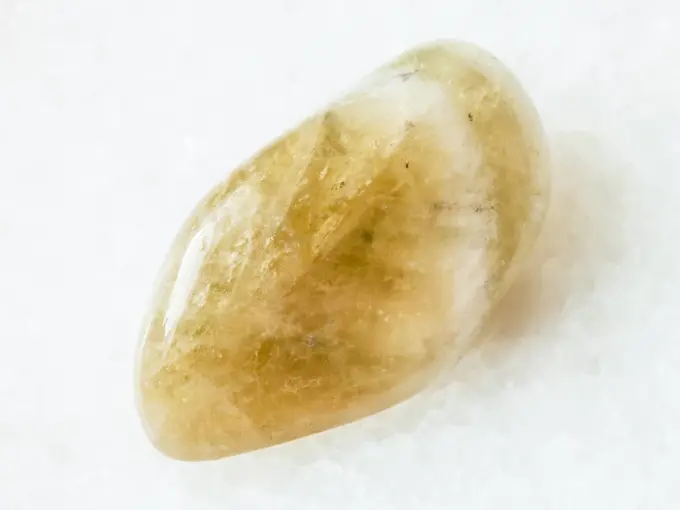
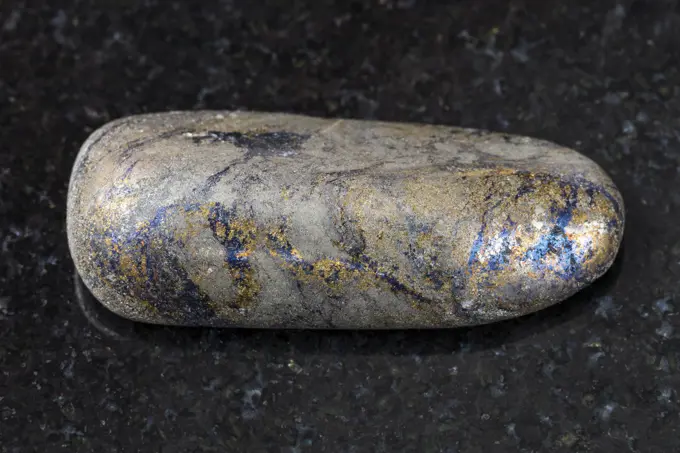
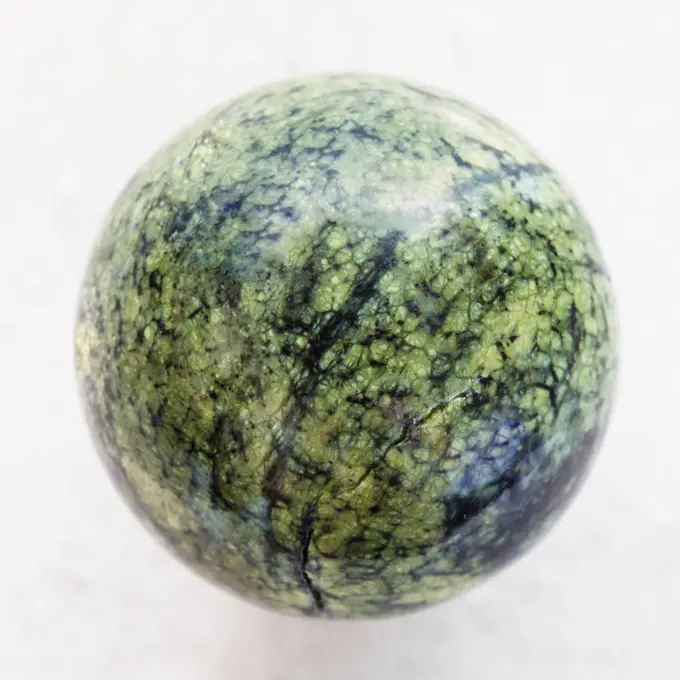
polished Prasiolite gemstone on white macro shooting of natural rock specimen - polished Prasiolite green quartz , Vermarine gemstone on white marble background from Brazil Copyright: xZoonar.com/ValeryxVoennyyx 12349130
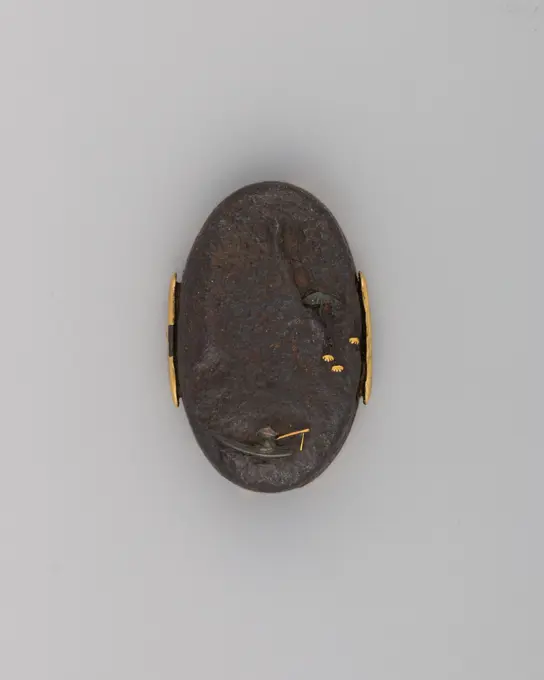
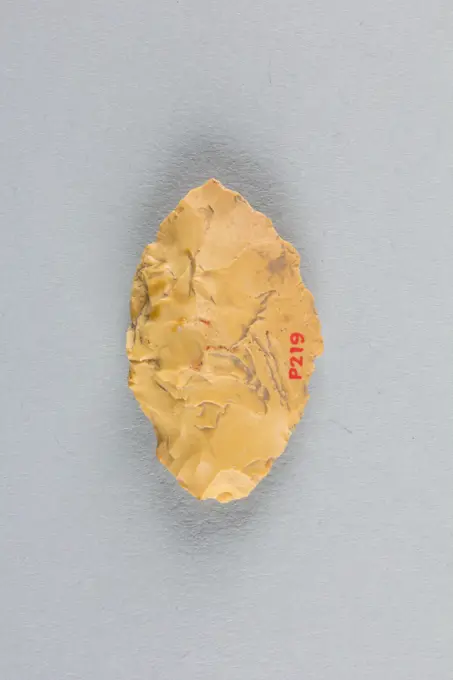
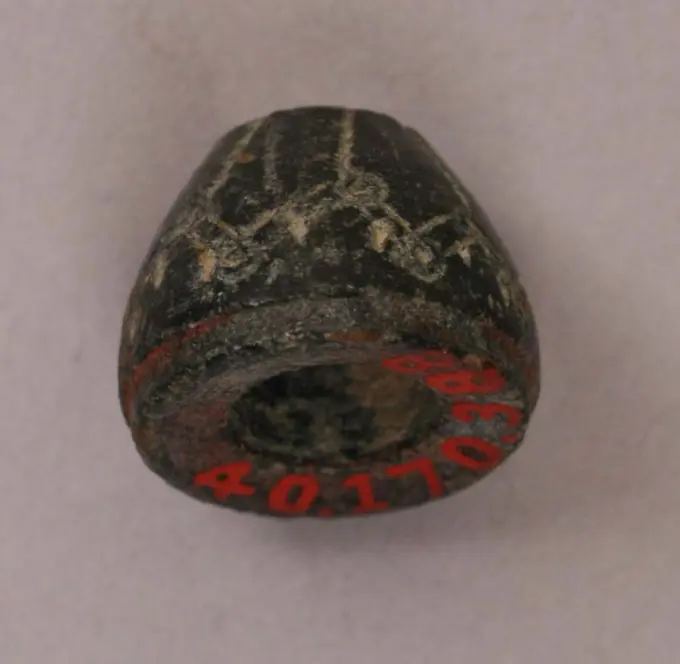
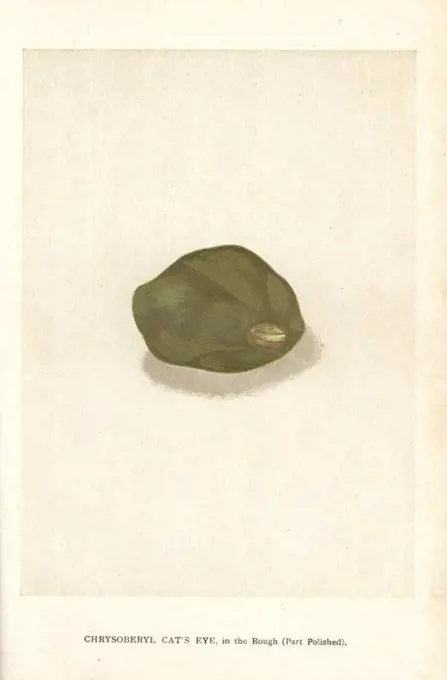
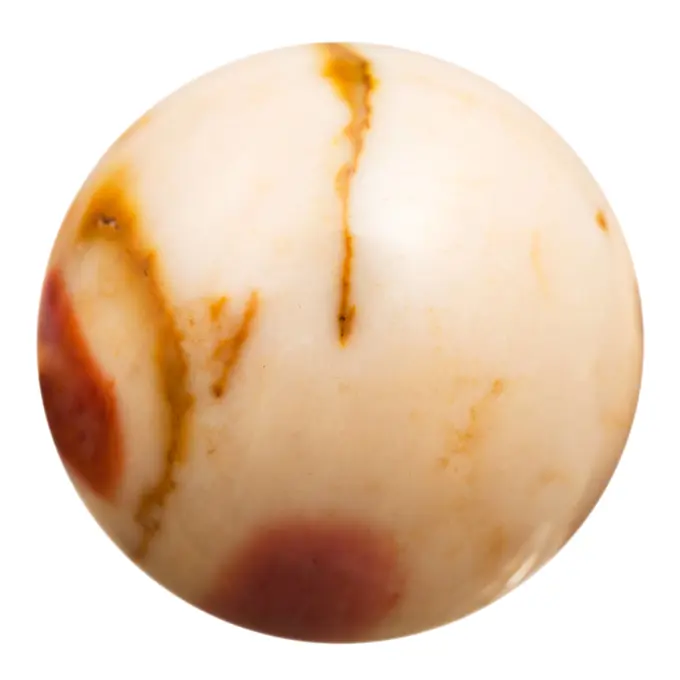
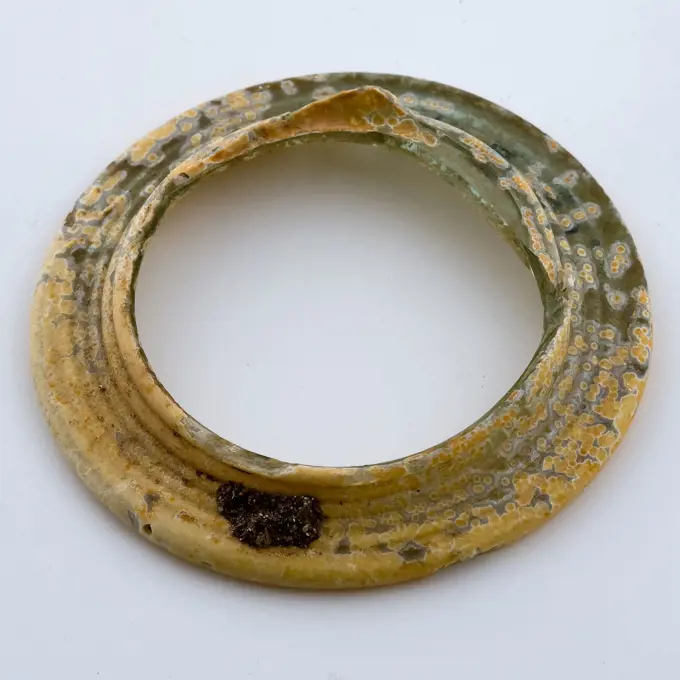
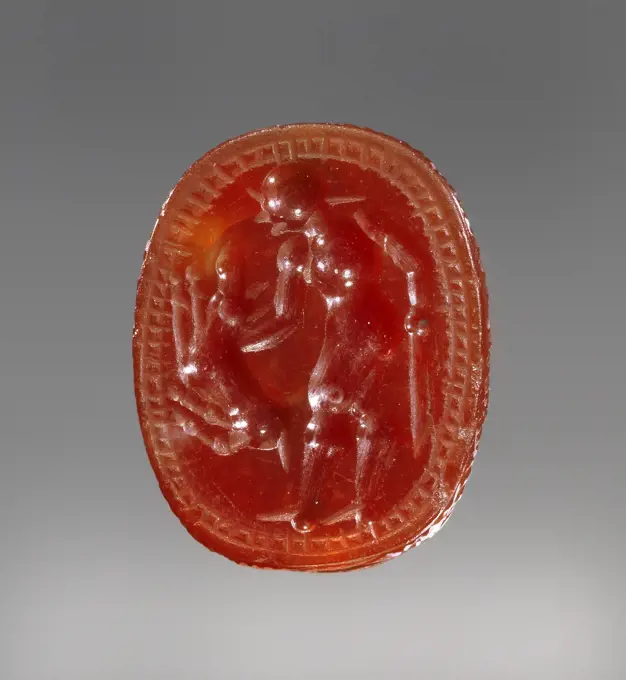
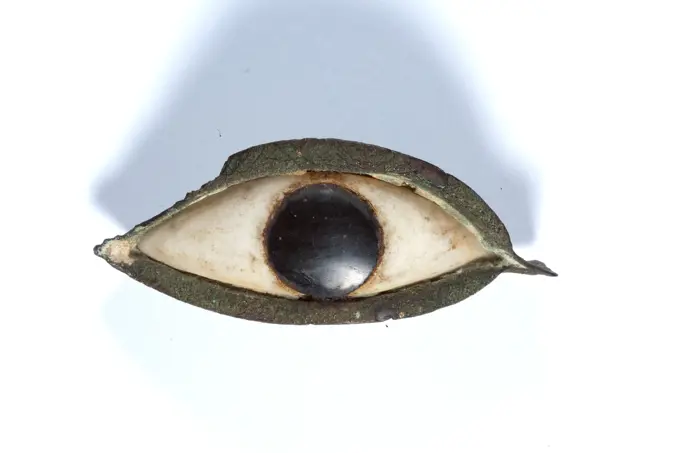
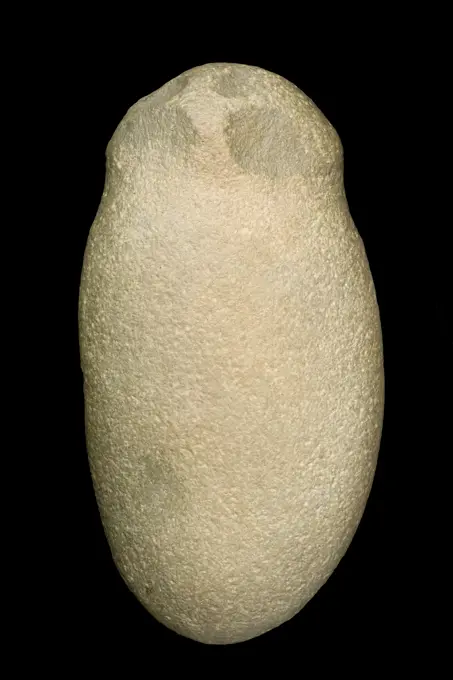
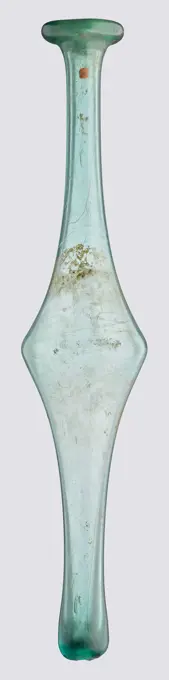
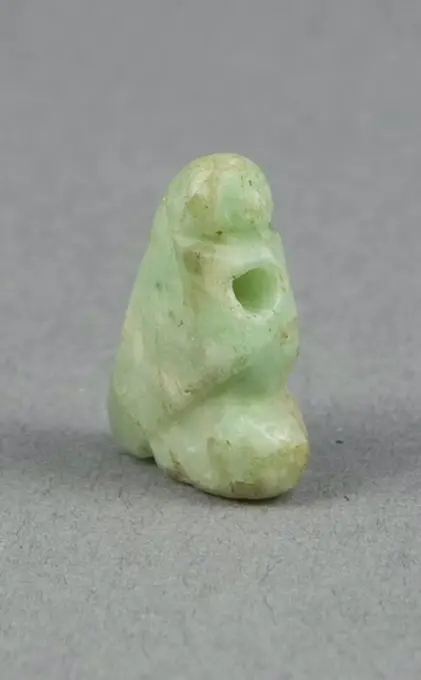
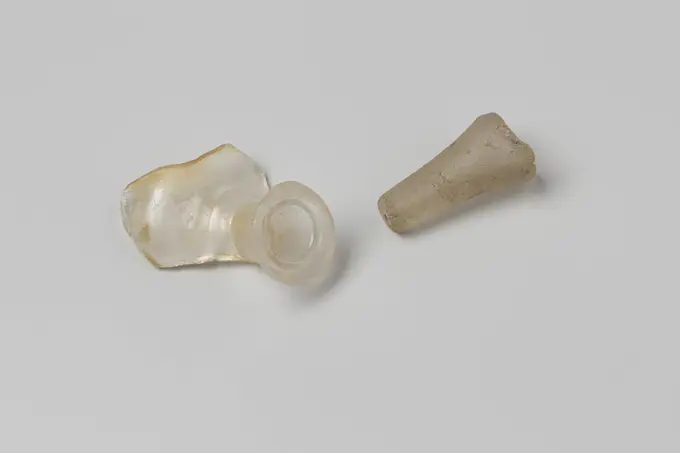
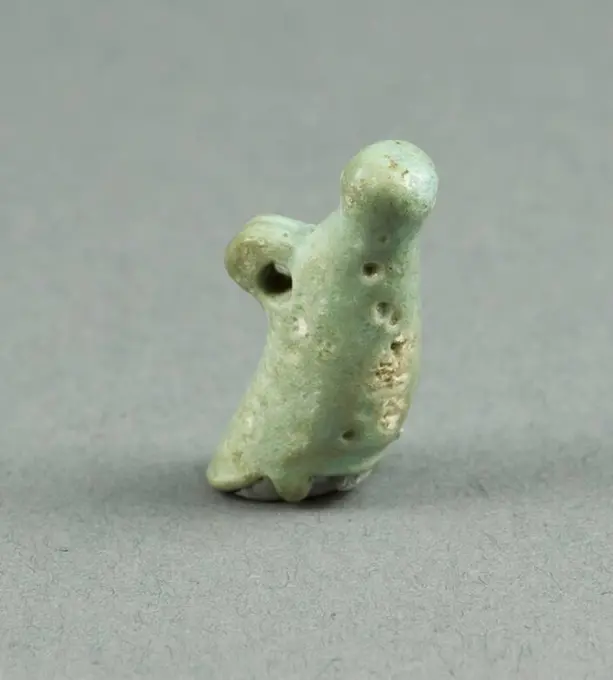
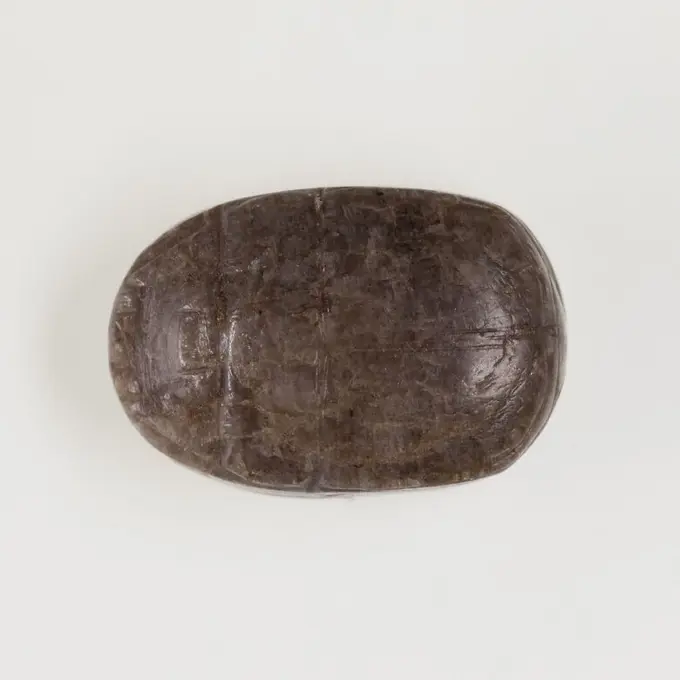
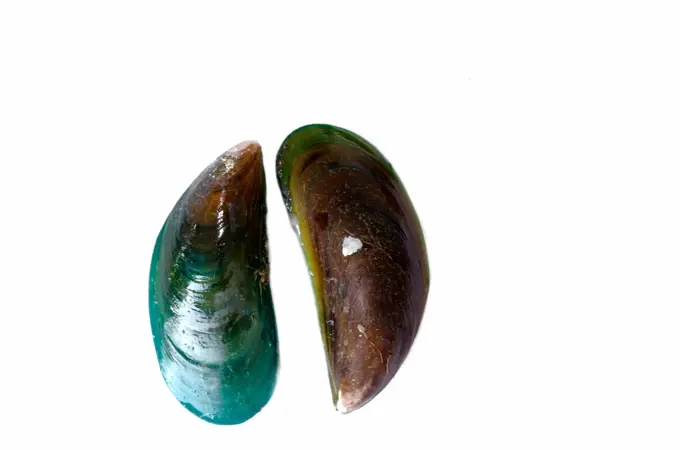
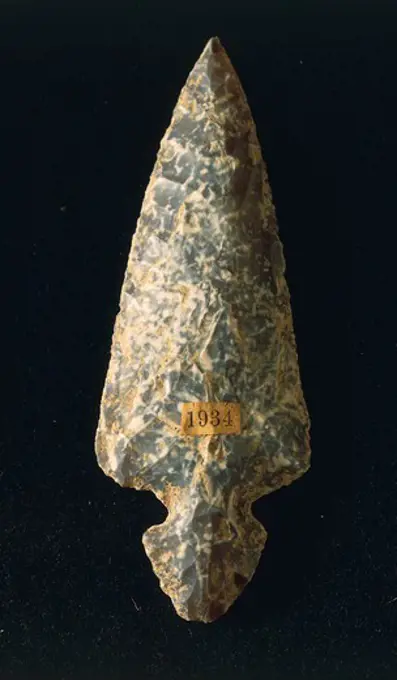
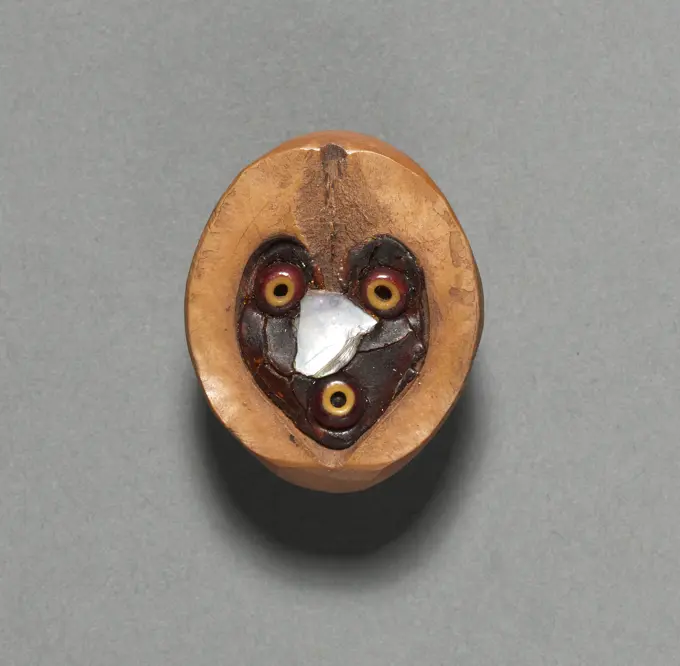
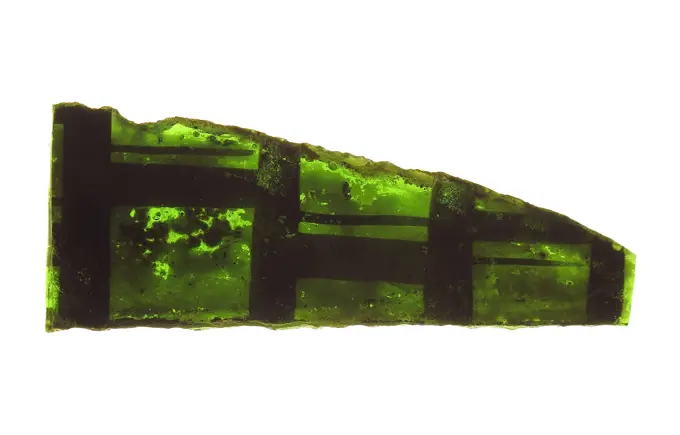
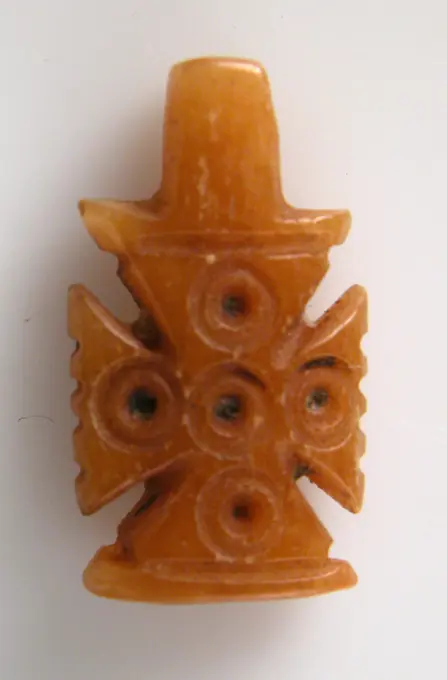
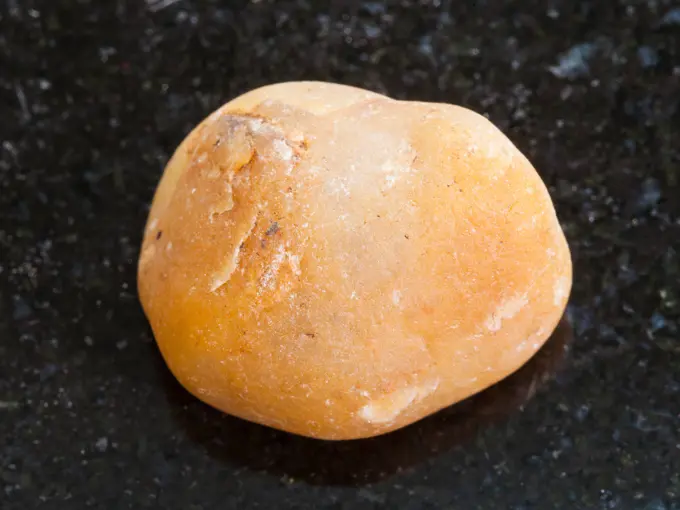
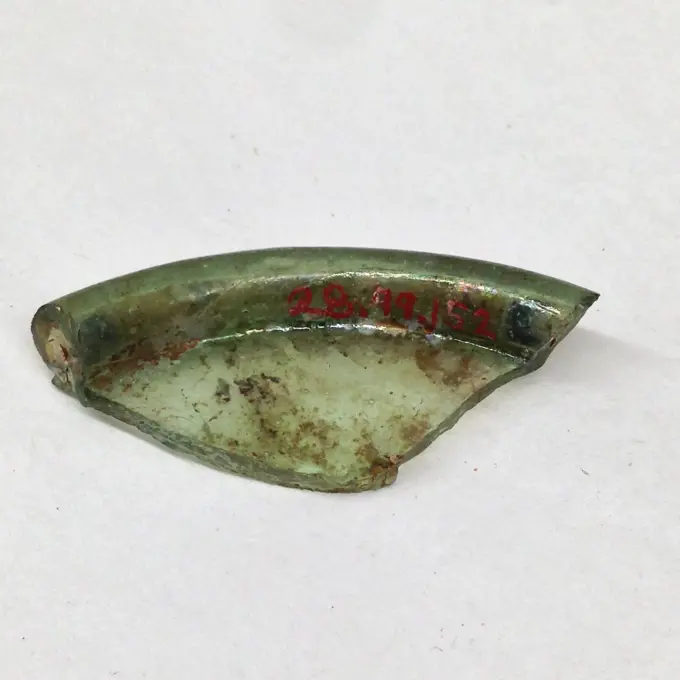
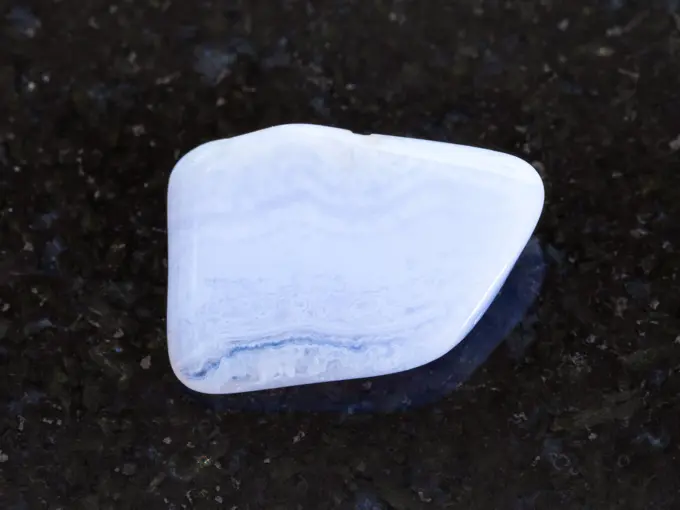
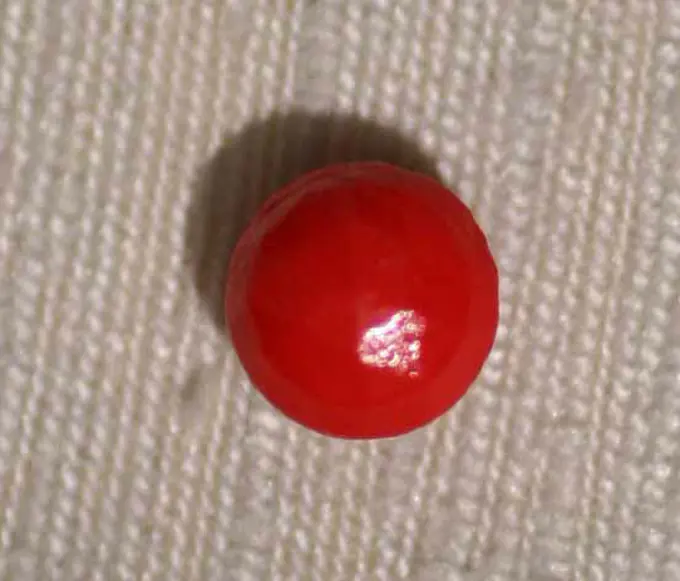
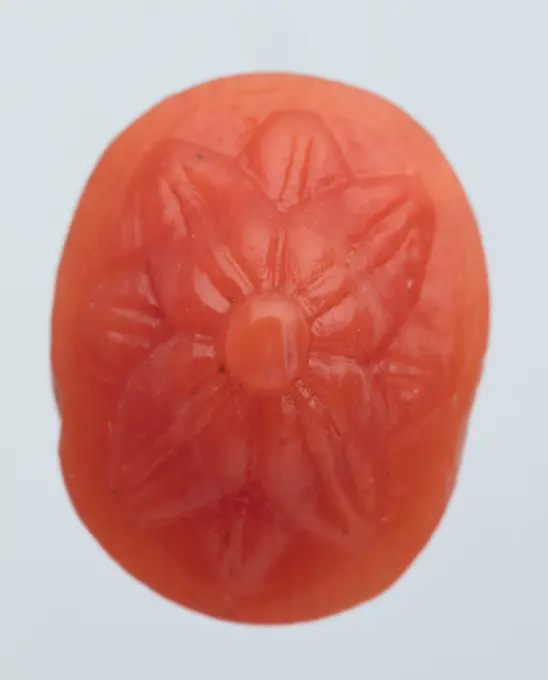
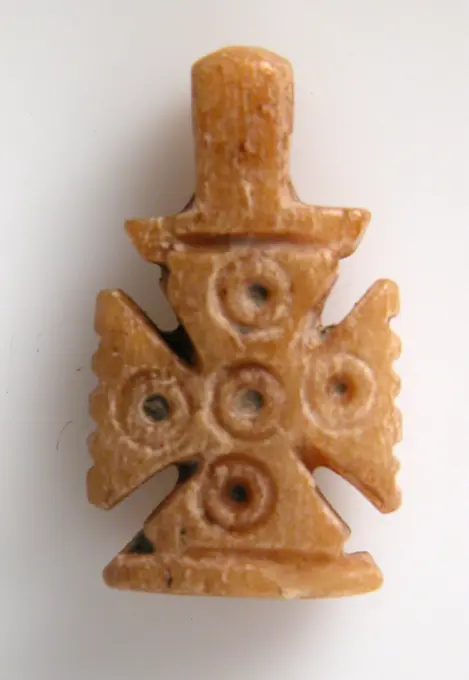
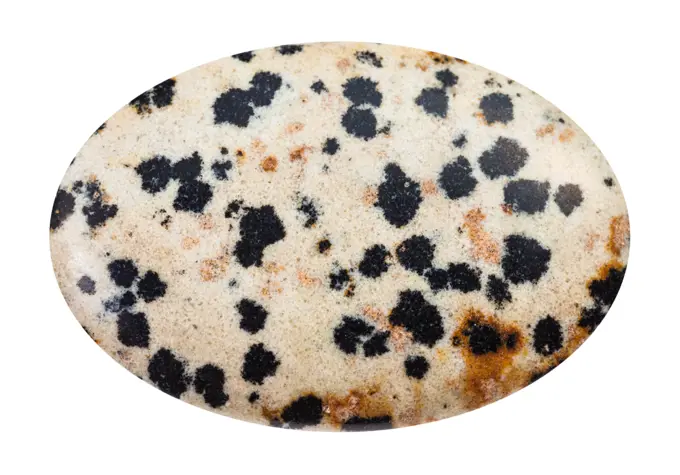
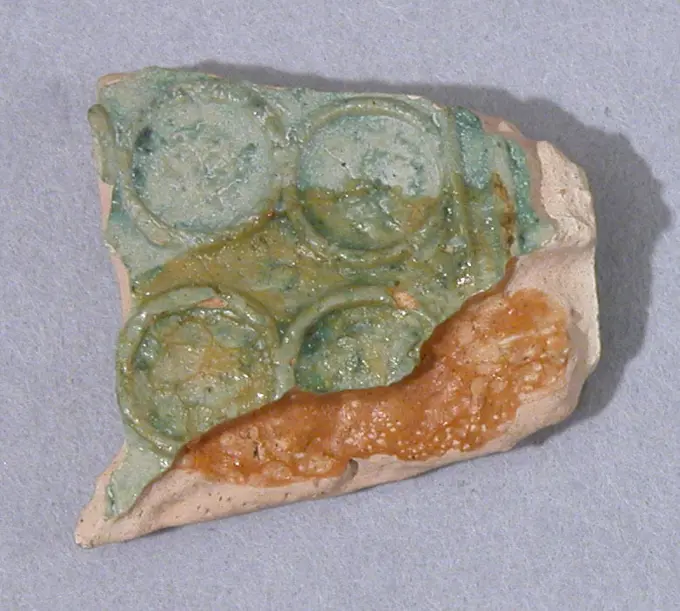
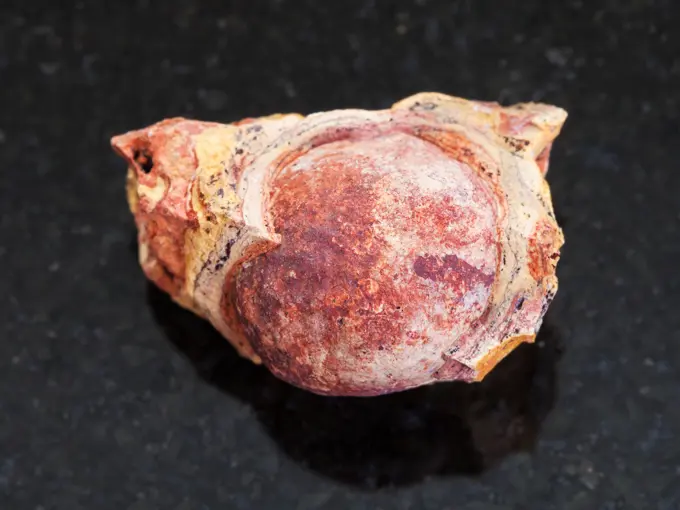
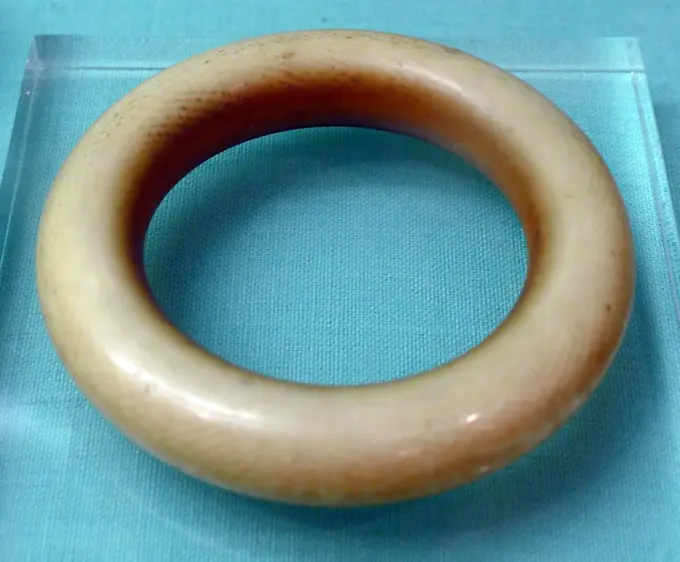
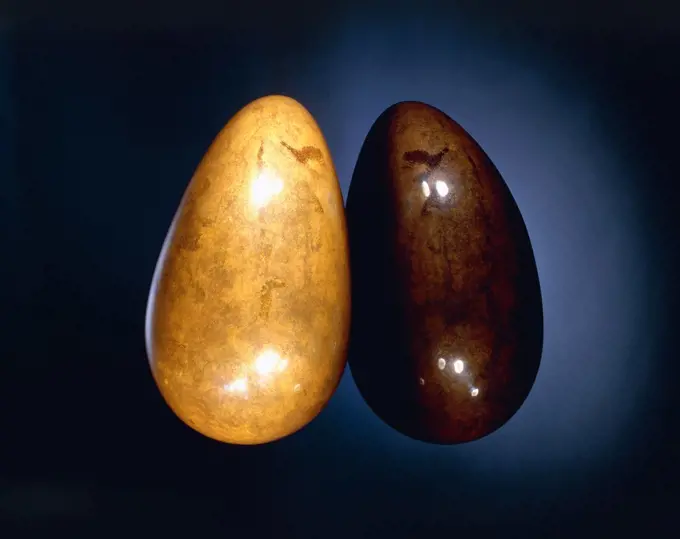
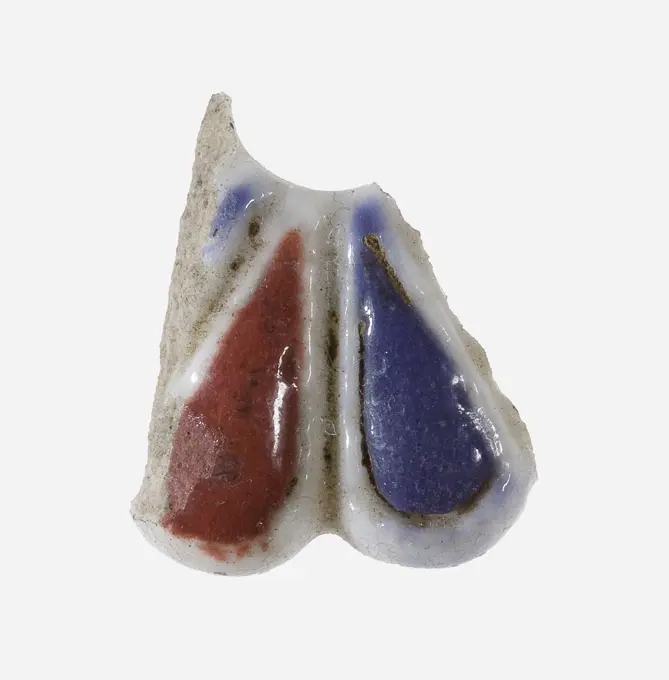
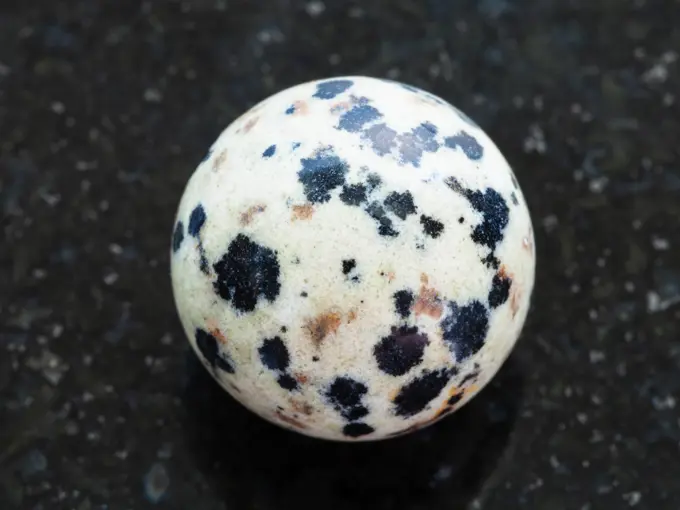
Pig 206 BCE-220 CE China. Jade .Costume Ornament 11th-12th century Peru; central coast (). Costume Ornament 308691Silver. minerals. North America; USA; Montana; Jefferson County; ElkhornSword Pommel (Kashira) 17th century Japanese A kashira is a pommel cap mounted at the end of a sword hilt, usually made as part of a set with a matching fuchi (hilt collar).. Sword Pommel (Kashira). Japanese. 17th century. Gold. Sword Furniture-Fuchi-KashiraChalcedony intaglio: Lion-headed serpent ca. 2nd-3rd century A.D. Roman. Chalcedony intaglio: Lion-headed serpent 245145Arrowhead Japan. Arrowhead 62404Beads probably 8th-12th century. Beads. probably 8th-12th century. Stone or glass (). Excavated in Iran, Nishapur. JewelryButton or Bead or Spindle Whorl 8th-10th century This object was excavated at Nishapur.Nishapur was a vital city in the early and middle Islamic periods, located along one of the main trajectories that connected Iran and West Asia Islamic lands with Central Asia and China. These itineraries are often referred to by the term Silk routes’ but were in fact crucial to the movement of constellations of materials and objects, as well as people and ideas. The diverse population of Nishapur and its surroundings, from the better-researched elite groups of merchants, land-owning aristocracy, and literates, to the less-known artisans, farmers, miners, and servants, were instrumental in adapting global cultural trends to create their own distinctive visual languages. This is seen in the material remains of everyday life in medieval Nishapur - from pots and pans to lighting devices, inkwells, textiles and trimmings, jewelry, games and toys, talismanic devices, weapons, coins, and architectural fraFragment ca. 1150-ca. 1250 European or Middle Eastern. Fragment 695303One of twenty-one seals, 800 BCE - 400 CE, various, Various semi-precious stones, Mesopotamia, 8th century BCE - 5th century CEMirror before 16th century Mexican. Mirror 317411Chrysoberyl cat's eye in the rough (part polished). Chromolithograph by an unknown artist from Edwin Streeter's "Precious Stones and Gems," London, George Bell & Sons, 1892. Streeter was a famous Victorian jeweller with a shop in London, and author of several books on precious stones.Ornament, leaves ca. 1550-1295 B.C. New Kingdom. Ornament, leaves. ca. 1550-1295 B.C.. Faience. New Kingdom. From Egypt. Dynasty 18Bead 8th-13th century. Bead 450857PUNTAS DE VENABLO EN PIEDRA DE SILICE. Location: ARCHAEOLOGICAL MUSEUM. KIEV. UKRAINE.macro shooting of natural mineral stone - polished Simbircite ( Yellow Calcite, River Volga Amber) gemstone from Ulyanovsk region in Russia isolated on white backgroundArrowhead ca. 10,000 B.C.-5000 B.C. European, Italian peninsula. Arrowhead. European, Italian peninsula. ca. 10,000 B.C.-5000 B.C.. Stone. Archery Equipment-ArrowheadsFragment 9th century. Fragment 451526ball from natural mineral gem stone Mookaite ball from natural mineral gem stone Mookaite Radiolarite, Australian jasper isolated on white background Copyright: xZoonar.com/ValeryxVoennyyx 8701142Three bottom fragments with hollow souls, drinking glass drinking utensils tableware holder soil find glass largest shard, blown out of hand Three bottom fragments of three different objects Two soul fragments with pontilemark made of green tinted but clear glass One fragment with yellow irisation made of glass thread archeology Rotterdam Stadscentrum Stadsdriehoek New port drinking table serving wine water Soil discovery Rotterdam Nieuwe Haven 1st round cesspit.Scarab; Etruria; 4th century B.C; Carnelian; 0.7 × 1.3 × 1.1 cm (1,4 × 1,2 × 7,16 in.)Fragments of Splashed Ceramic 9th century. Fragments of Splashed Ceramic 853308Horse, 1600s. China, Qing dynasty (1644-1911). Jade; overall: 3.4 cm (1 5/16 in.).Frog Amulet, c. 1540-1296 BC. Egypt, New Kingdom, Dynasty 18. Carnelian; overall: 0.9 x 0.9 cm (3/8 x 3/8 in.). The frog, because of its numerous offspring, was a symbol of fertility. In fact, the hieroglyphic sign for 100,000 was a tadpole. Frog amulets were very popular both in semiprecious stone and in faience, and were worn by women hoping for an easy delivery. Both sexes wore the frog in expectation of a successful rebirth in the afterlife.Incisedcelt.  Artist: UnknownFragment. Culture: European or Middle Eastern. Dimensions: L. 1 5/8 in. (4.1 cm). Date: ca. 1150-ca. 1250. Museum: Metropolitan Museum of Art, New York, USA.A pair of eyes from the sarcophagus mask;  around 1069-332 BC ; 3rd transition period-ny (-1069-00-00--332-00-00);Society of Encouragement of Fine Arts (Warsaw - 1860-1940) - collection, Tyszkiewicz, Michał (1828-1897), Tyszkiewicz, Michał (1828-1897) - collections, gift (provenance), fragments of sarcophagus, masks, eyestumbled Arsenopyrite stone on dark background macro shooting of natural mineral rock specimen - tumbled Arsenopyrite stone on dark granite background from Transbaikalia Zabaykalye, Russia Copyright: xZoonar.com/ValeryxVoennyyx 11392011Agate on a black backgroundHache a gorge en basalte. Periode Neolithique. Afrique du Nord. 19,4 cm.dry leaf dry leaf on white background ficus Copyright: xZoonar.com/SerhiixPavlovx 6658118Fragment of a Bowl 10th century. Fragment of a Bowl 450220Bliżej KulturyPit from a Balanites tree with a hole caused by a rodent ca. 2381-2323 B.C. Old Kingdom. Pit from a Balanites tree with a hole caused by a rodent. ca. 2381-2323 B.C.. Plant Remains ("Balanites Aegyptiaca"). Old Kingdom. From Egypt, Memphite Region, Saqqara. Dynasty 5UNGUENTARIUM; unknown eastern workshop; III-IV century AD (290-00-00-310-00-00);Bead in the Shape of a Conch Shell, c. 6th-8th century, 5/16 x 5/8 x 5/16 in. (0.8 x 1.6 x 0.8 cm), Stone, Myanmar (Burma), 5th-9th centuryAmulet of a Falcon. Egyptian. Date: 2160 BC-1650 BC. Dimensions: 1.6 × 1.3 × 0.5 cm (5/8 × 1/2 × 3/16 in.). Green Feldspar. Origin: Egypt. Museum: The Chicago Art Institute, Chicago, USA. Author: Ancient Egyptian.Fragments Medicine or perfume bottle from the wreck of the East Indieschief Hollandia. Medicine Bottle or Perfume Bottle; Fragm, Neck, Circular, Everted Mouth, R-String Rim, With Fragm or Shoulder, Oblique.Amulet of the Crown of Upper Egypt. Egyptian. Date: 1070 BC-656 BC. Dimensions: 2.2 × 1.1 × 1 cm (7/8 × 7/16 × 3/8 in.). Faience. Origin: Egypt. Museum: The Chicago Art Institute, Chicago, USA. Author: Ancient Egyptian.ball from Serpentine gemstone on white macro shooting of natural mineral rock specimen - ball from Serpentine gemstone on white marble background Copyright: xZoonar.com/ValeryxVoennyyx 11947260Scarab, uninscribed. Dimensions: l. 1.6 cm (5/8 in). Dynasty: Dynasty 12-18. Date: ca. 1981-1550 B.C.. Museum: Metropolitan Museum of Art, New York, USA.Dahliensamen, flowers of the dahlia and faded flowers of dahlia seeds, flowers of the dahlia and faded flowers copyright: xzoonar.com/heikexraux 21260574green mussel isolated on the white.Mosaic glass fragment. The small glass fragment shows a violet background several flowers in millefiori technique, which are separated from each other by a honeycomb similar white grid. The flowers consist of yellow dots, representing the smaller white dots the petals. In Roman times, they used colored, ornamented glass for vessels, mosaics, wall decorations, and furniture ornaments. For the production, different colored glasses were shaped to tubes and rods. These were compressed and heated, causing a long bar. The glass sliced now had a wide variety of amorphous or floral patterns.An artificial nose made from plated metal. An early example of prosthetic technology. Used as an aid for those who lost their noses due to disease or injury. From Europe, 18th Century.Indian arrowhead from Georgia and North & South Carolina , Archaeological assemblages, Charles F. Walcott Archaleogical CollectionKainite, sulphate.polished rhyolite rainforest jasper gemstone macro shooting of natural mineral rock specimen - polished rhyolite rainforest jasper gemstone on dark granite background Copyright: xZoonar.com/ValeryxVoennyyx 11383717Prehistory, Italy, Eneolithic. Polished flint dagger, from Umbria region.Iron helmet Iron helmet of the medieval knight. Very heavy headdress. Copyright: xZoonar.com/ValeryxxSibrikovx 6496715Shell pendant or bead. Date: ca. 3850-2960 B.C.. Museum: Metropolitan Museum of Art, New York, USA.Nekhbet amulet 664-380 B.C. Late Period. Nekhbet amulet 561526Large And Small Stone On SandGambling Dice, before 1917. California, Tulare, Unassigned. Hollow shell, resin, glass beads, mica/shell fragment; overall: 1.5 x 2 cm (9/16 x 13/16 in.).Figurine 7th-6th millennium B.C.. Figurine 327136Glass Fragment 13th century French. Glass Fragment. French. 13th century. Pot metal glass. Made in Paris, France. Glass-StainedRed semi-precious natural jasper stone isolated on white backgroundBliżej KulturyAgainst White Backgroundpolished black Obsidian volcanic glass gem closeup of sample of natural mineral from geological collection - polished black Obsidian volcanic glass gem isolated on white background Copyright: xZoonar.com/ValeryxVoennyyx 14990591Pendant Cross 5th-7th century This small cross would haven been strung on a necklace or string and worn around the neck. It is decorated with a pattern of incised circles. Similar patterns of concentric circles are found throughout early Byzantine art. These circles may have represented the reflective qualities of mirrors, which in the ancient and early Byzantine world were believed to deflect evil.Crosses were everywhere in the early Byzantine world. They marked religious, secular, and domestic buildings, public works, clothes and jewelry, and objects in the home. The cross was a sign of Christ's triumph over death and the hope of eternal life and was frequently ascribed apotropaic, or protective, powers by the faithful.. Pendant Cross 446234tumbled yellow chalcedony stone on dark macro shooting of natural mineral rock specimen - tumbled yellow chalcedony stone on dark granite background Copyright: xZoonar.com/ValeryxVoennyyx 11380376Ring: Oval. Egyptian. Date: 1350 BC. Dimensions: W. 0.6 cm (1/4 in.); diam. 1.4 cm (9/16 in.). Faience. Origin: Egypt. Museum: The Chicago Art Institute, Chicago, USA. Author: Ancient Egyptian.Fragment ca. 1150-ca. 1250 European or Middle Eastern. Fragment 694281thunderstone fossil on white marble macro shooting of natural mineral rock specimen - thunderstone fossil on white marble background Copyright: xZoonar.com/ValeryxVoennyyx 11947580tumbled blue lace agate gemstone on dark macro shooting of natural mineral rock specimen - tumbled blue lace agate chalcedony, sapphirine gemstone on dark granite background Copyright: xZoonar.com/ValeryxVoennyyx 11383613Metal button, sphere of tin with fixed eye, knot clothing accessory clothing soil find tin metal, die-cast Metal knot Tin. Sphere at the front slightly flattened at the rear. Metal loop on short pen as eye archeology dress up adornGlass Fragments 4th century Coptic. Glass Fragments 479182Arrowhead with peduncle in cut stone. Neolithic period. North Africa. 4 cm.Agate on a black backgroundBead 8th-10th century This object was excavated at Nishapur.Nishapur was a vital city in the early and middle Islamic periods, located along one of the main trajectories that connected Iran and West Asia Islamic lands with Central Asia and China. These itineraries are often referred to by the term Silk routes’ but were in fact crucial to the movement of constellations of materials and objects, as well as people and ideas. The diverse population of Nishapur and its surroundings, from the better-researched elite groups of merchants, land-owning aristocracy, and literates, to the less-known artisans, farmers, miners, and servants, were instrumental in adapting global cultural trends to create their own distinctive visual languages. This is seen in the material remains of everyday life in medieval Nishapur - from pots and pans to lighting devices, inkwells, textiles and trimmings, jewelry, games and toys, talismanic devices, weapons, coins, and architectural fragments.Nishapur lost its poPendant of Bell Form 8th-12th century Indonesia (Central Java). Pendant of Bell Form 64345Bliżej KulturyPendant Cross 5th-7th century This small cross would haven been strung on a necklace or string and worn around the neck. It is decorated with a pattern of incised circles. Similar patterns of concentric circles are found throughout early Byzantine art. These circles may have represented the reflective qualities of mirrors, which in the ancient and early Byzantine world were believed to deflect evil.Crosses were everywhere in the early Byzantine world. They marked religious, secular, and domestic buildings, public works, clothes and jewelry, and objects in the home. The cross was a sign of Christ's triumph over death and the hope of eternal life and was frequently ascribed apotropaic, or protective, powers by the faithful.. Pendant Cross 446231West Indian mahogany, Cuban Mahogany, Genuine Mahogany or Mahogany (Swietenia mahogany, Cedrela mahogani, Cedrus mahogany, Swietenia fabrilis, Swietenia acutifolia), seed, Everglades-Nationalpark, Florida, United States, North AmericaVase. Linthorpe Pottery (England, 1879-1889). England, circa 1880. Furnishings; Accessories. Earthenware, glazeBliżej KulturyGlass Fragment 15th century European. Glass Fragment. European. 15th century. Pot metal glass. Glass-StainedRutabega.macro shooting of natural mineral stone - tumbled Dalmatian Stone (Dalmatian Jasper) gemstone from Mexico isolated on white backgroundFragment 9th century. Fragment 451518rough Bauxite stone on dark background macro shooting of natural mineral rock specimen - rough Bauxite stone on dark granite background Copyright: xZoonar.com/ValeryxVoennyyx 11380623Bangle made from ivory, 19th century, Western IndiaPrehnite. minerals. North America; USA; Connecticut; Hartford County; FarmingtonThe Beginning of the World; Le Commencement du Monde. Constantin Brancusi (1876-1957). Bronze with a deep gold patina. Cast in 1924. 28.5cm long.Melon-Shaped Snuff Bottle with a Squirrel and Fruiting Branches 1800-1900 China. Tourmaline with carved decoration .polished Prasiolite green quartz gemstone closeup of sample of natural mineral from geological collection - polished Prasiolite green quartz gemstone isolated on white background Copyright: xZoonar.com/ValeryxVoennyyx 14989599Steatite triangular prism ca. 2400-1900 B.C. Minoan Man with pole or branch; badly worn, remains of arrowhead and branch ().. Steatite triangular prism. Minoan. ca. 2400-1900 B.C.. Serpentine. Early Minoan III-Middle Minoan I. GemsHalved fresh onion lying on freeze-dried onion flakes, studio photography with black backgroundFragment of a Bead in the Form of a Daisy ca. 1390-1353 B.C. New Kingdom. Fragment of a Bead in the Form of a Daisy. ca. 1390-1353 B.C.. Faience. New Kingdom. From Egypt, Upper Egypt, Thebes, Malqata, Palace of Amenhotep III, MMA excavations, 1910-11. Dynasty 18Quartz. mineralsLew i lwicaTassel 17th century Italian. Tassel. Italian. 17th century. Linen. Textiles-TrimmingsHACHAS Y PICOS ASTURIENSES. Location: ARCHAEOLOGICAL MUSEUM. Pontevedra. SPAIN.Detailed and colorful image of orange calcite mineralBeads 6th-12th century. Beads 446670ball from Dalmatian Jasper gemstone on dark macro shooting of natural mineral rock specimen - ball from Dalmatian Jasper gemstone on dark granite background Copyright: xZoonar.com/ValeryxVoennyyx 11383936Textile Ornament. Culture: Chimú. Dimensions: D. 2 1/8 in. (5.4 cm). Date: 14th-15th century. Museum: Metropolitan Museum of Art, New York, USA.