Ancient Artifacts

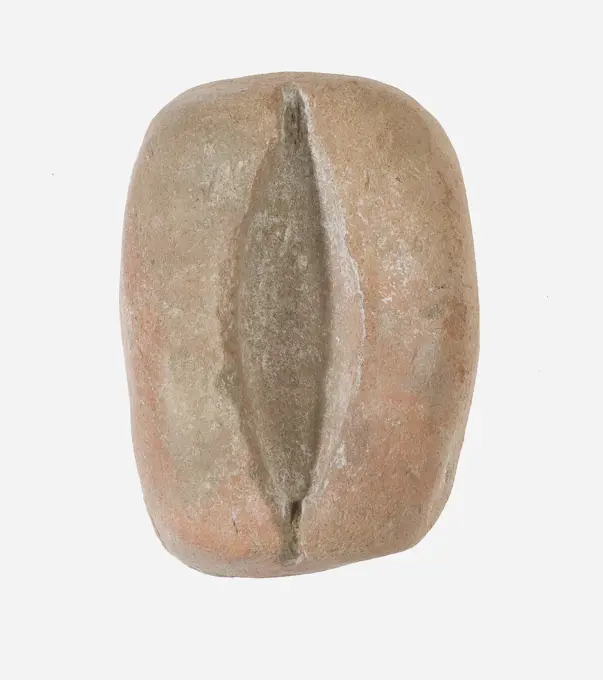
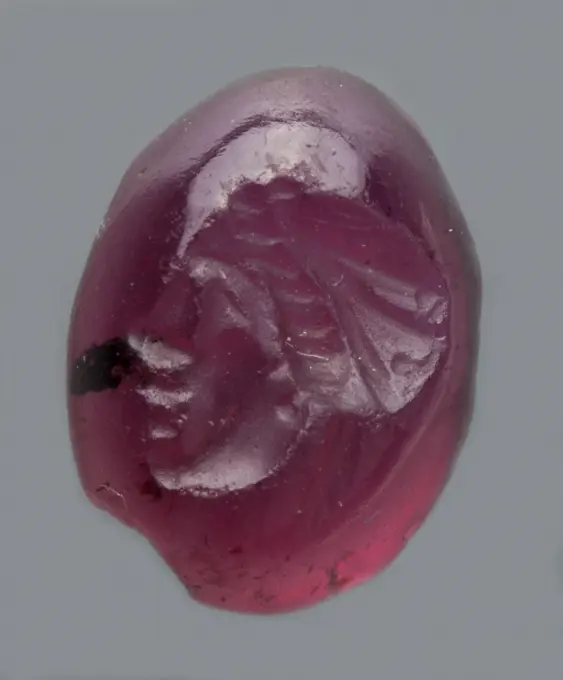
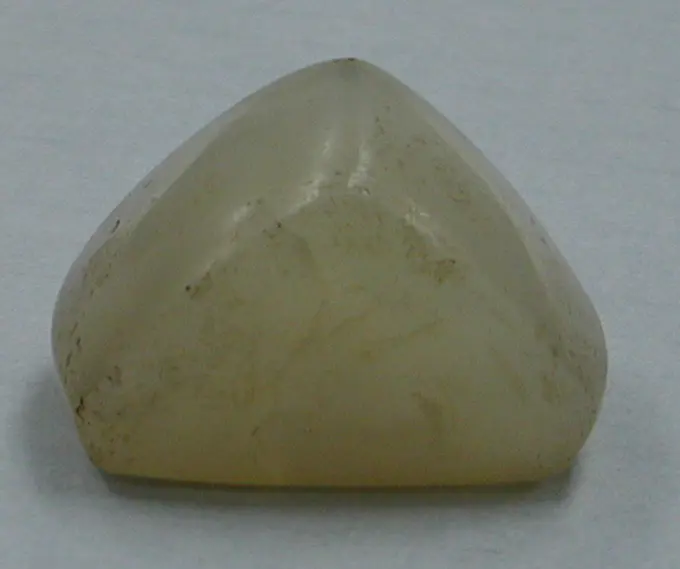
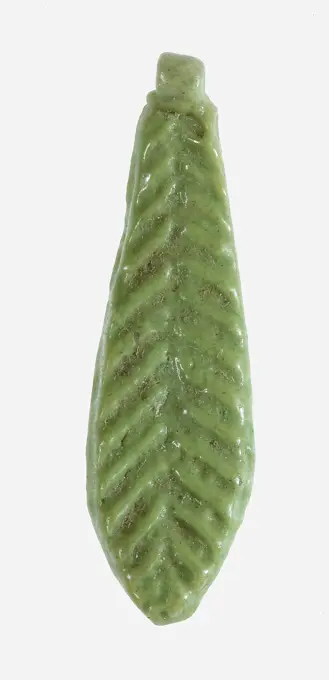
Collection of historical artifacts including jewelry, ornaments, and pottery fragments representing diverse cultures and time periods.
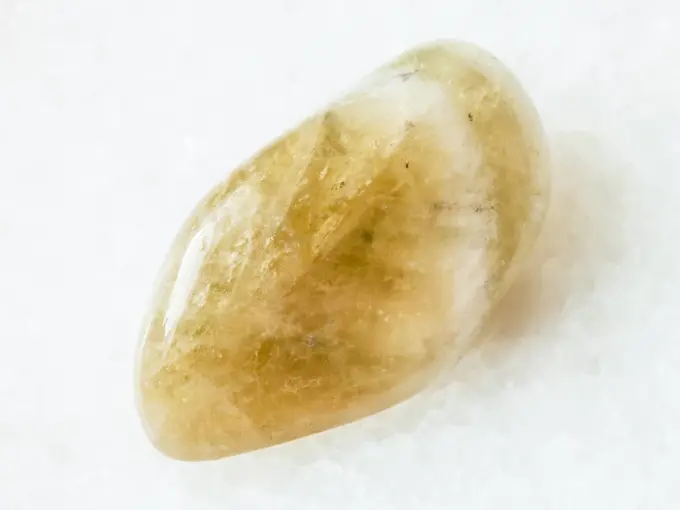
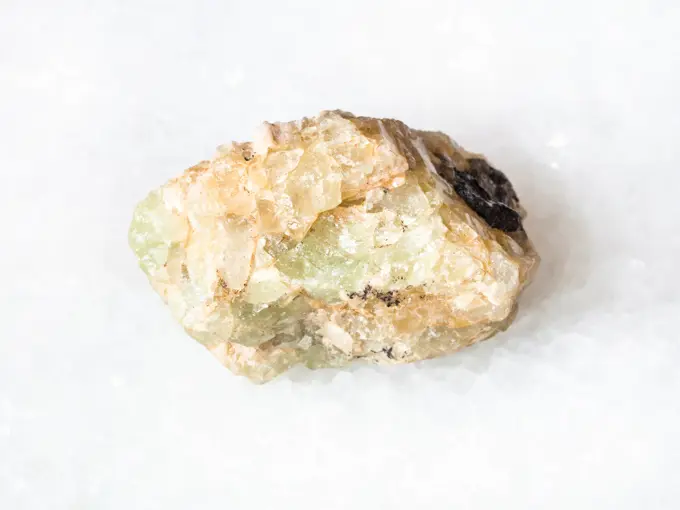
polished Prasiolite gemstone on white macro shooting of natural rock specimen - polished Prasiolite green quartz , Vermarine gemstone on white marble background from Brazil Copyright: xZoonar.com/ValeryxVoennyyx 12349130
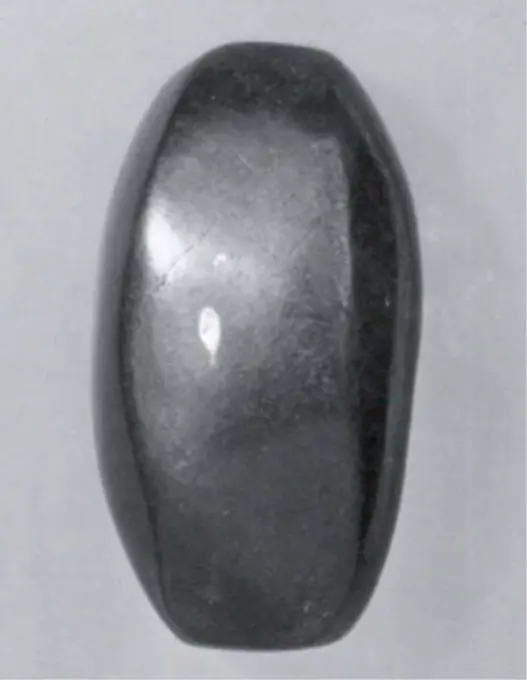
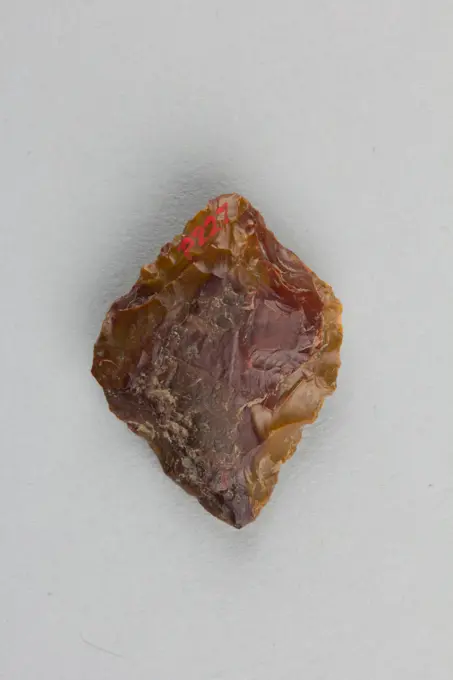
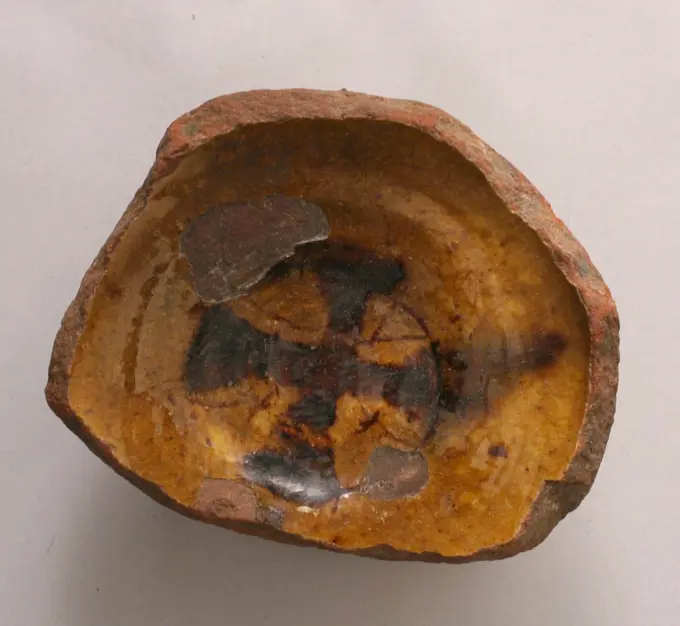
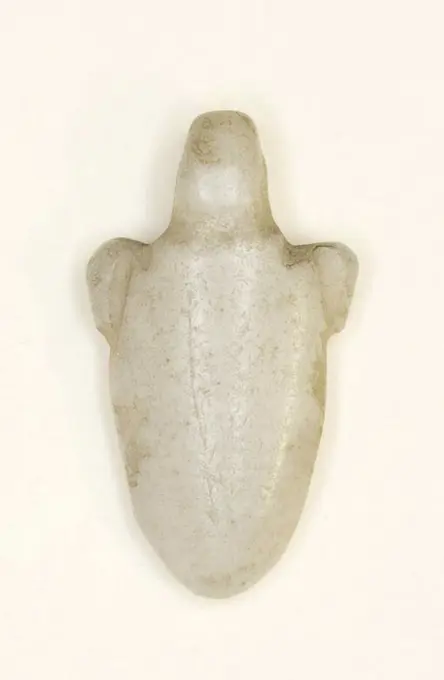
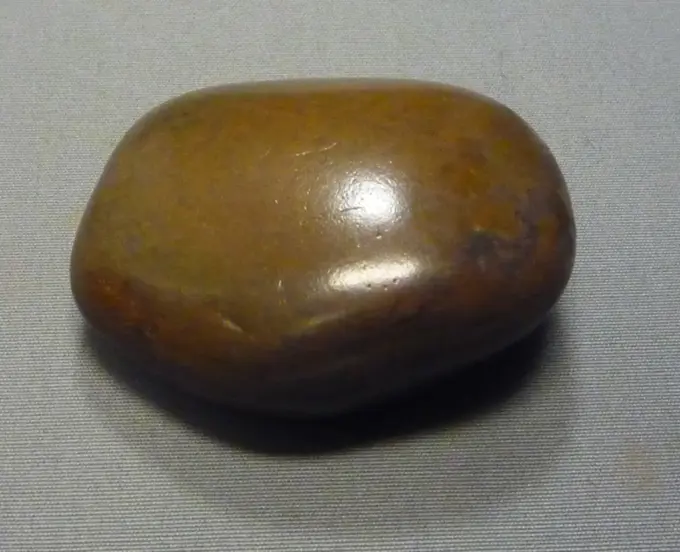
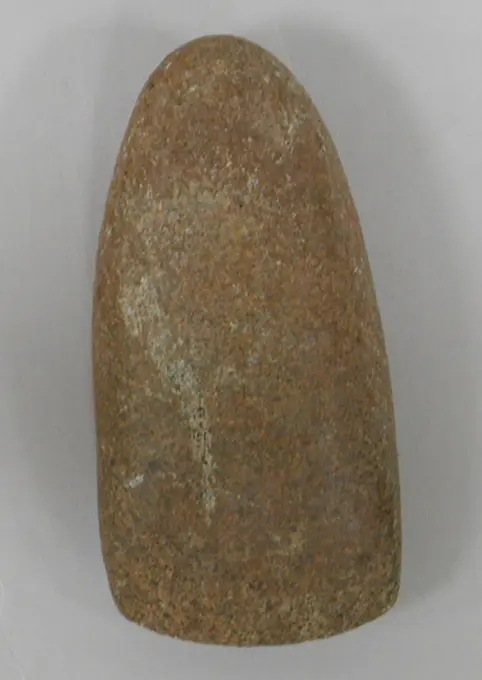
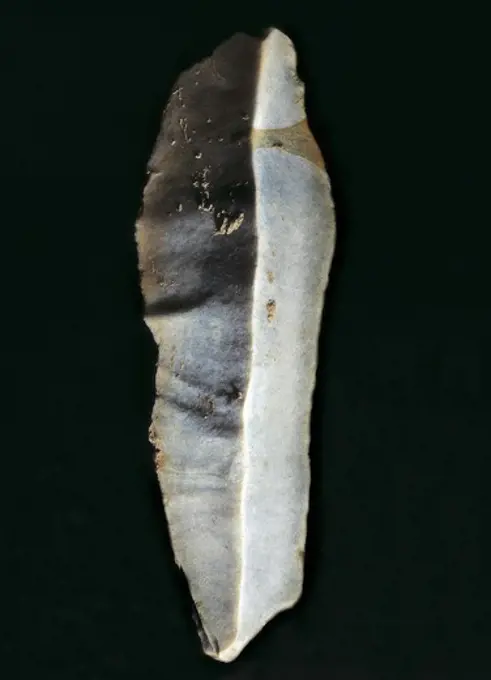
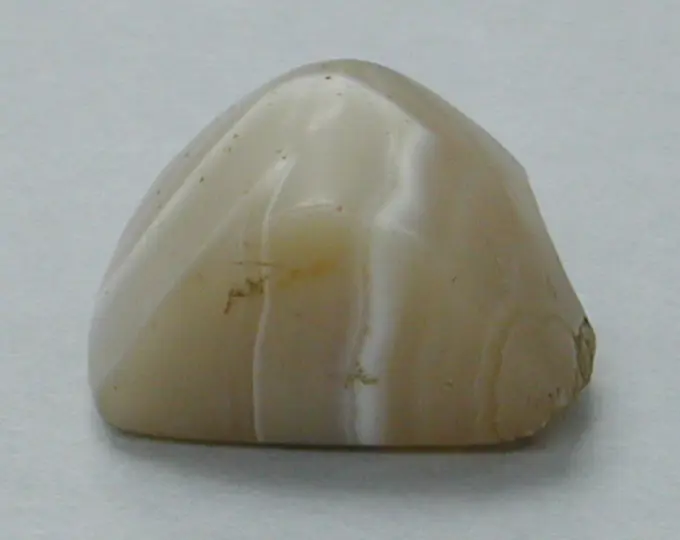
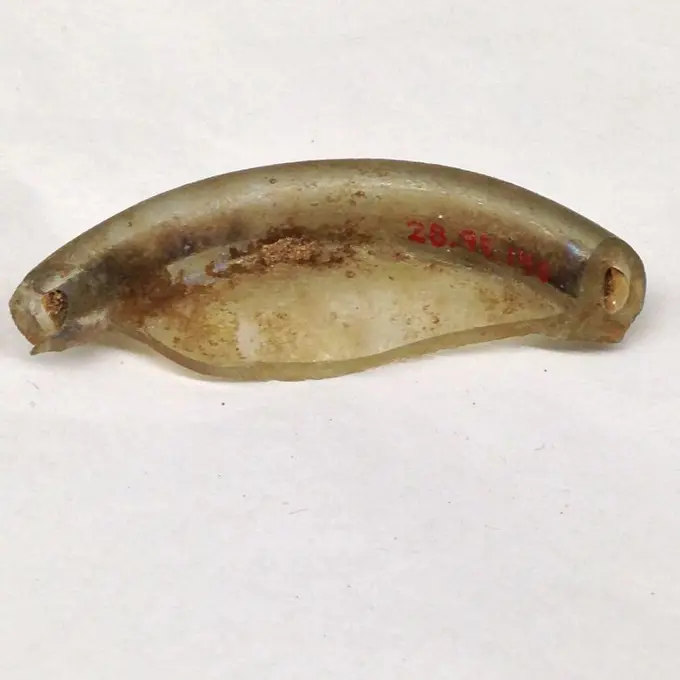
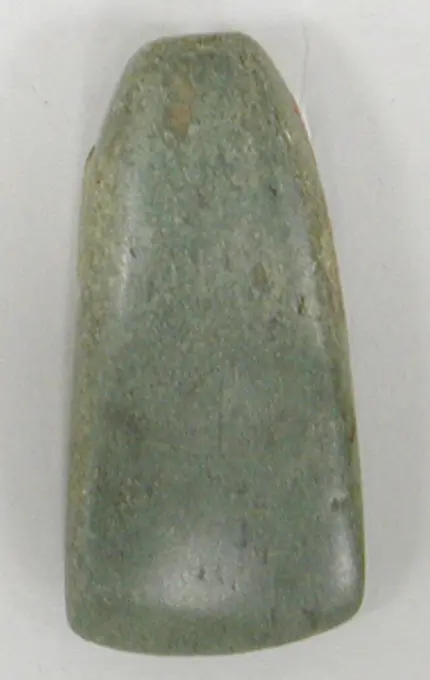
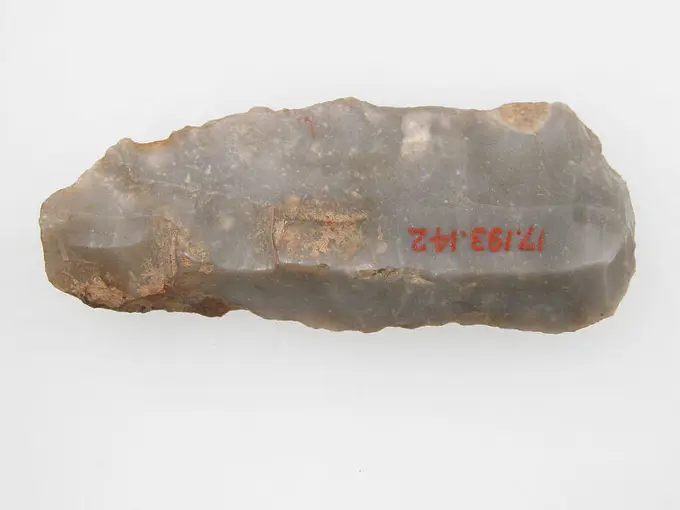
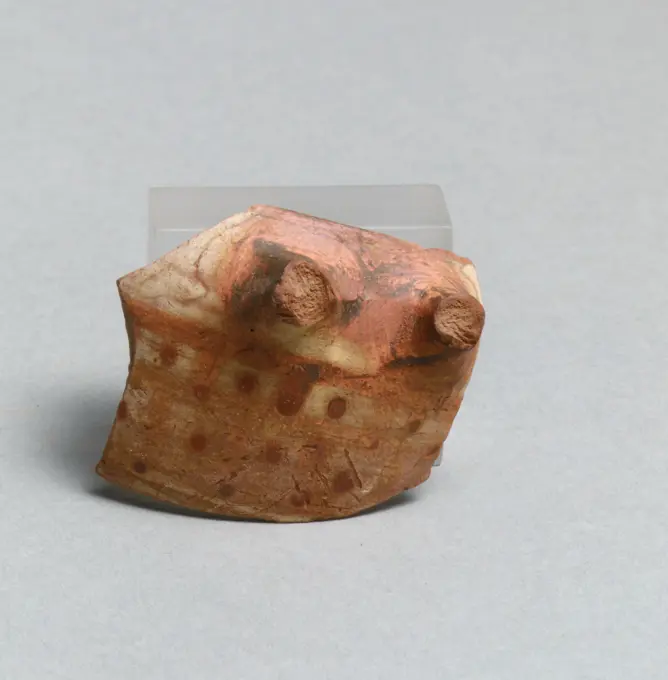
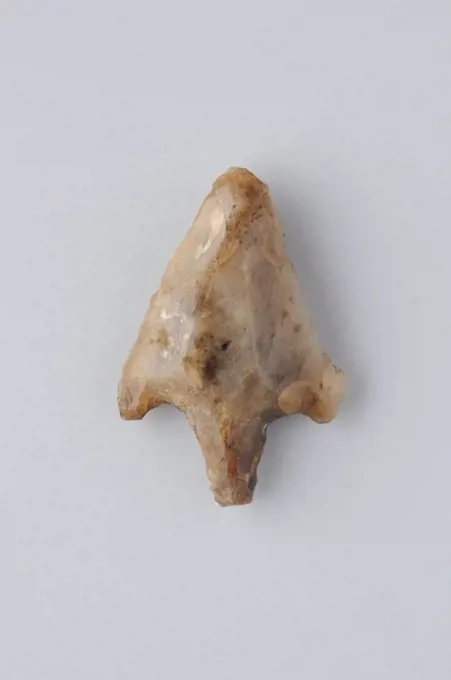
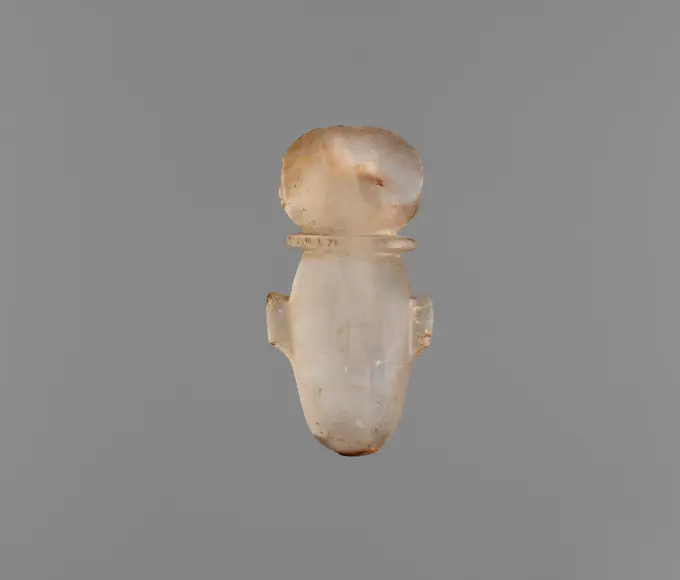
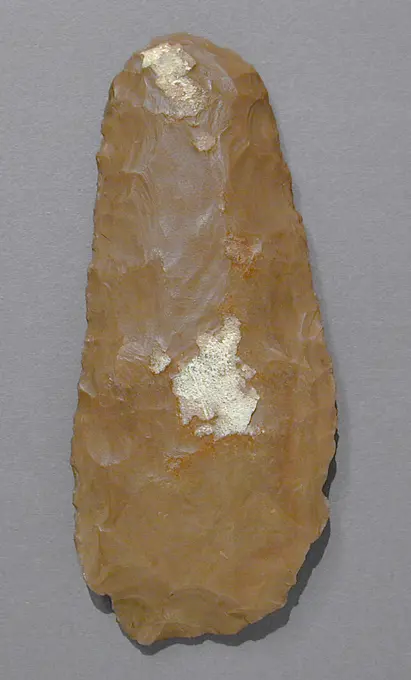
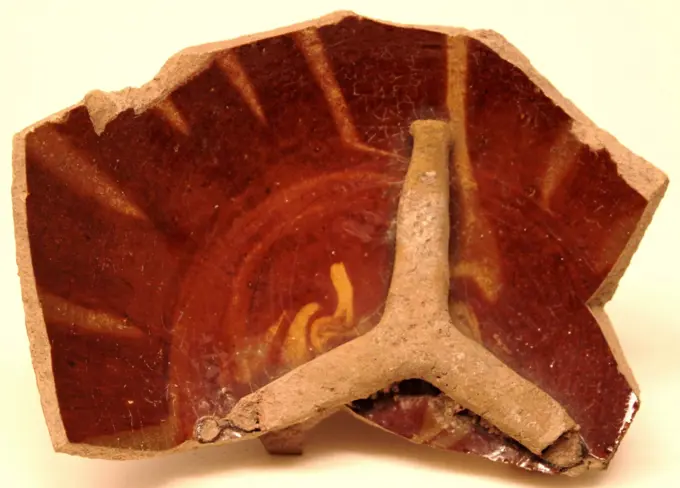
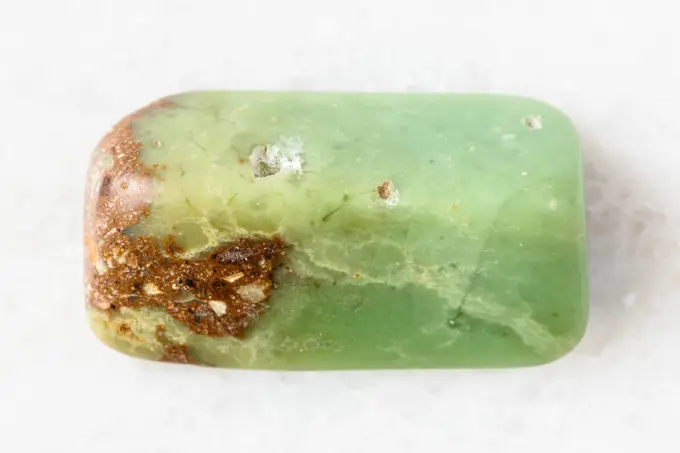
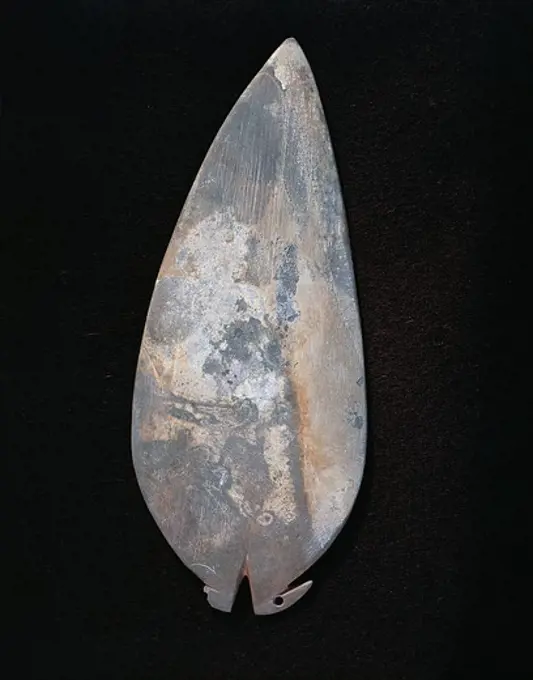
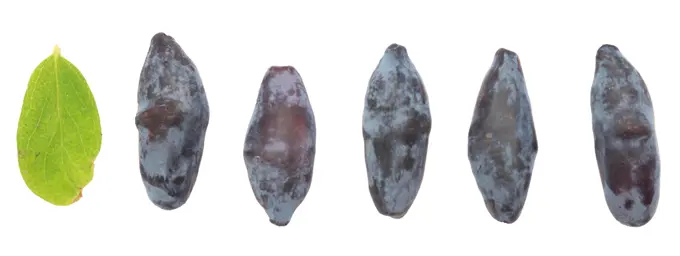
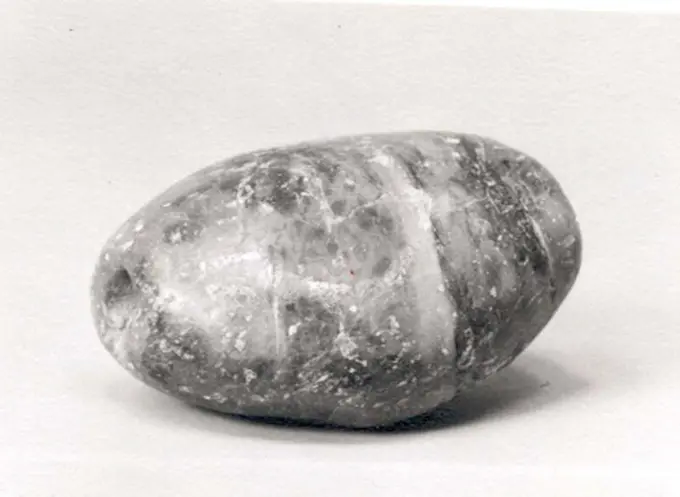
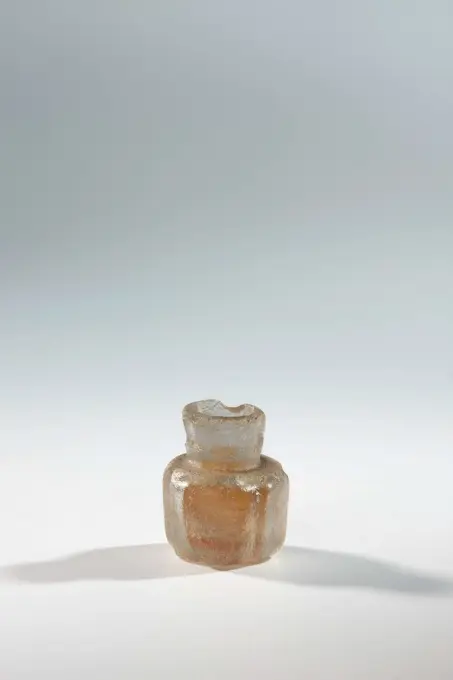
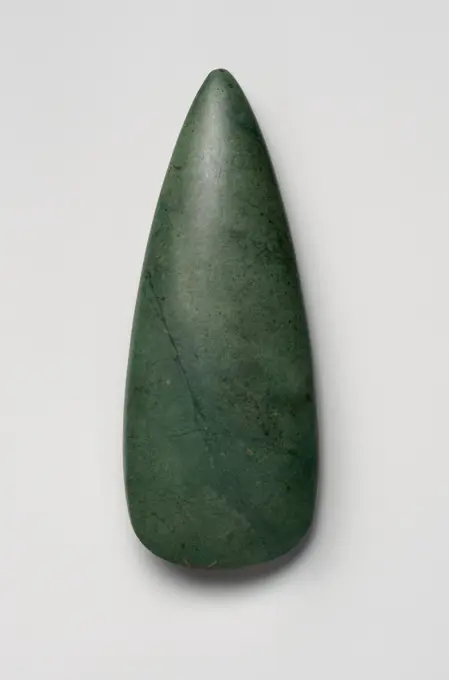
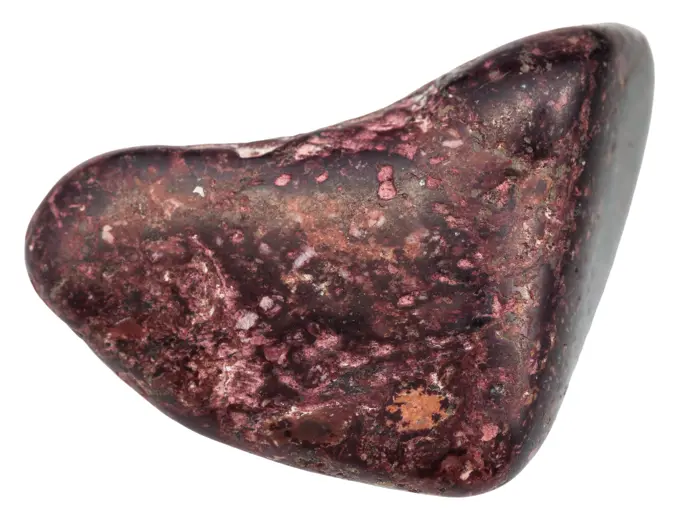
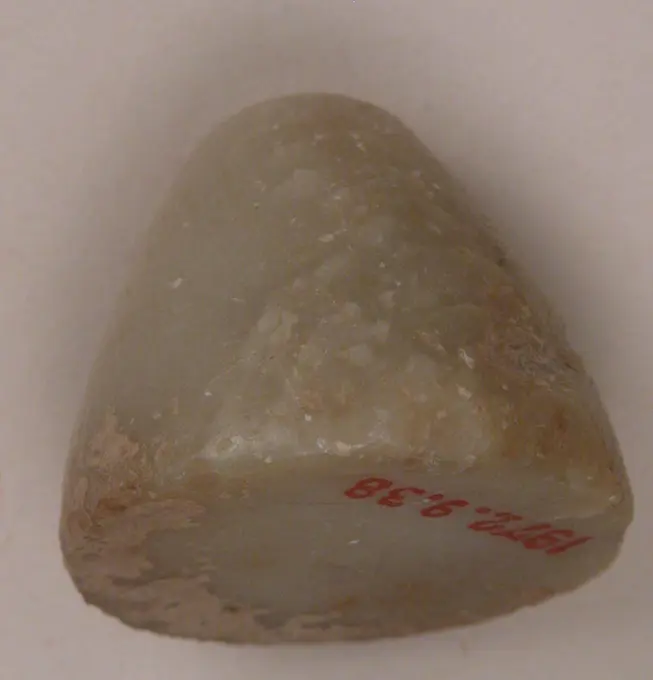
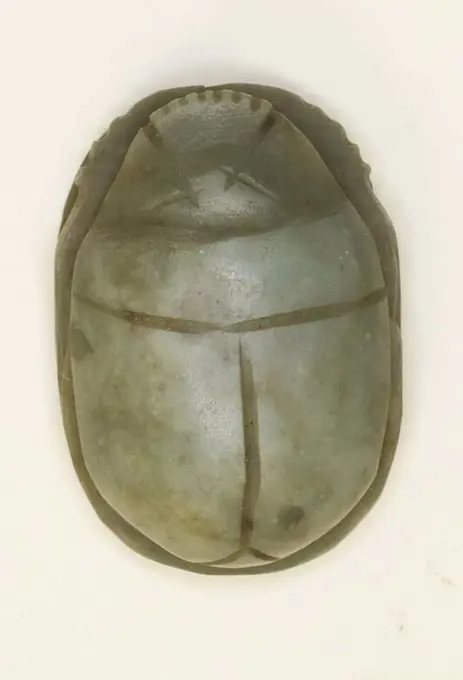
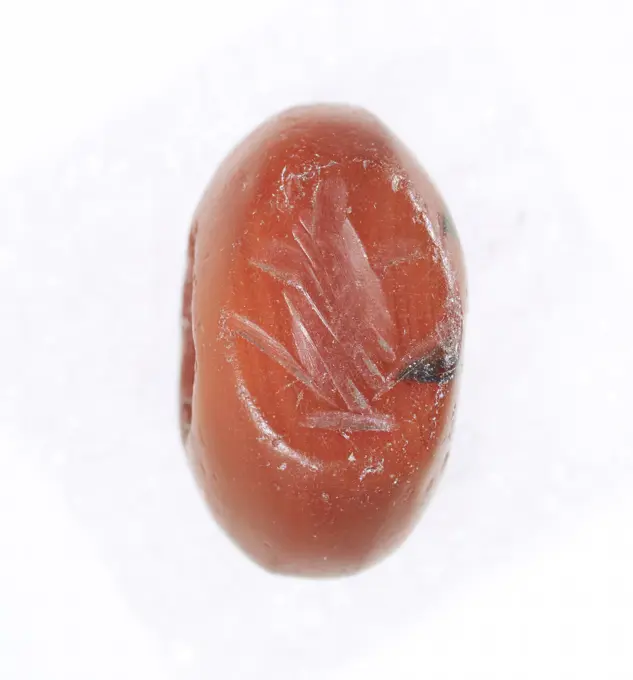
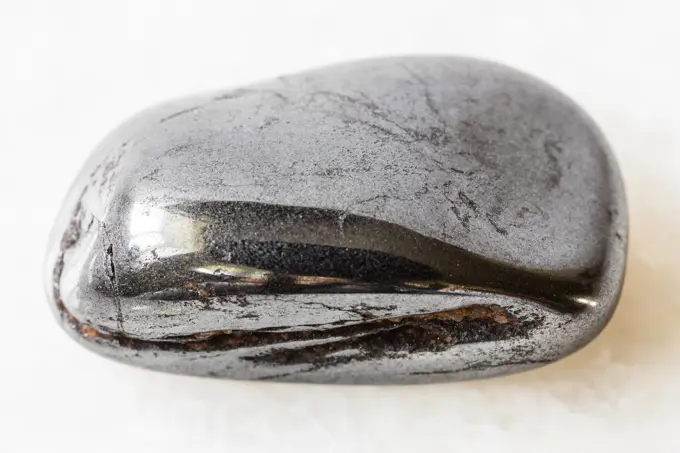
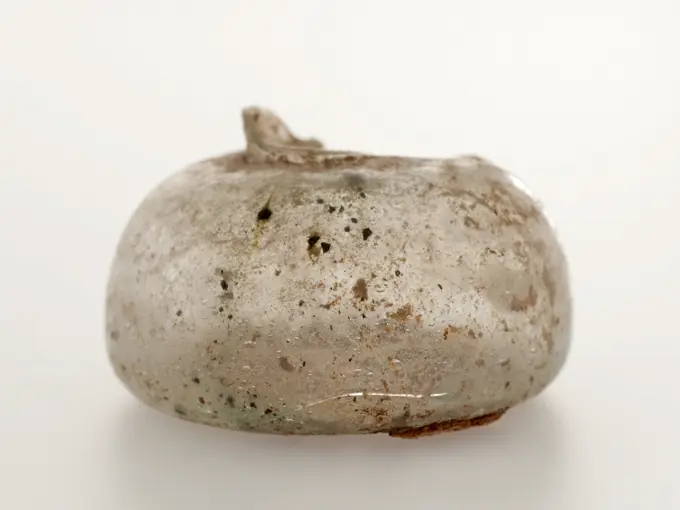
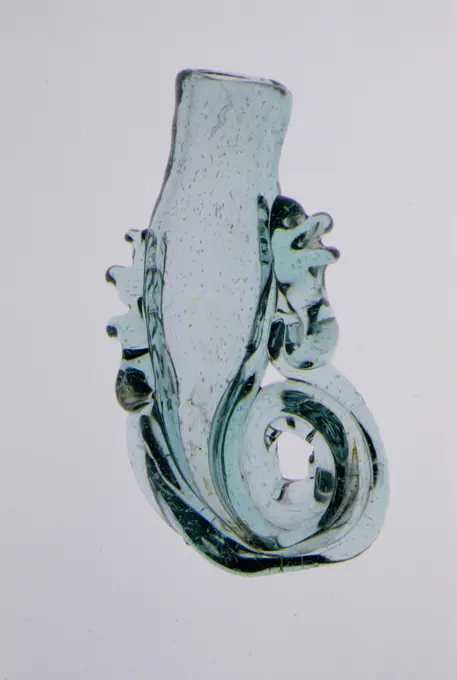
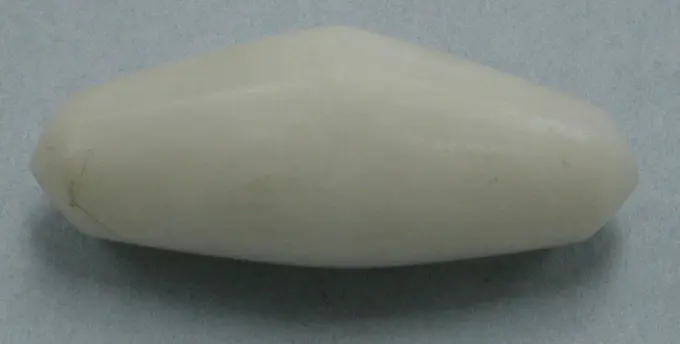
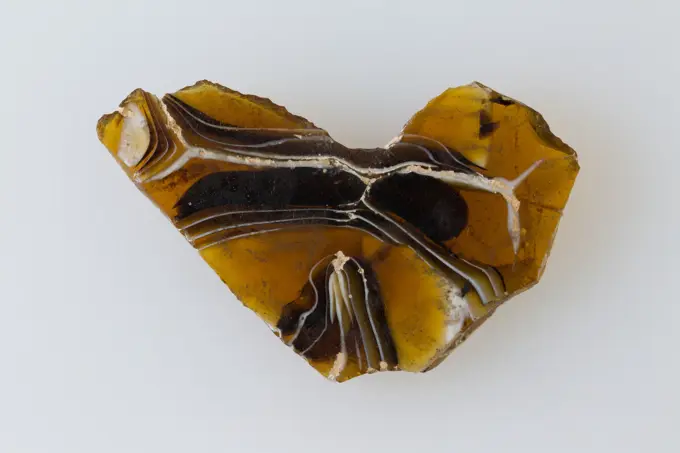
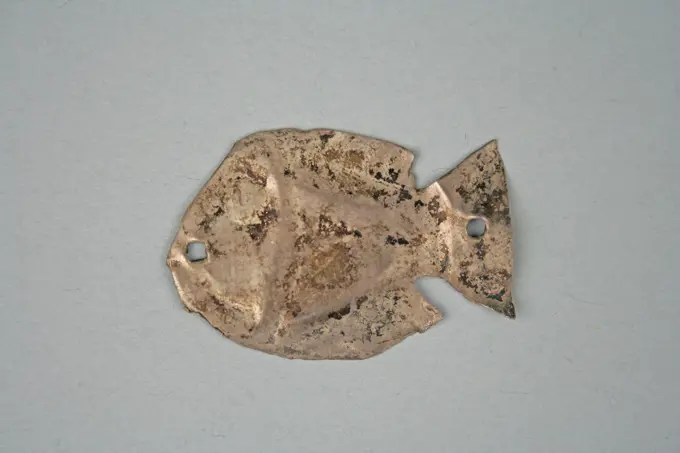
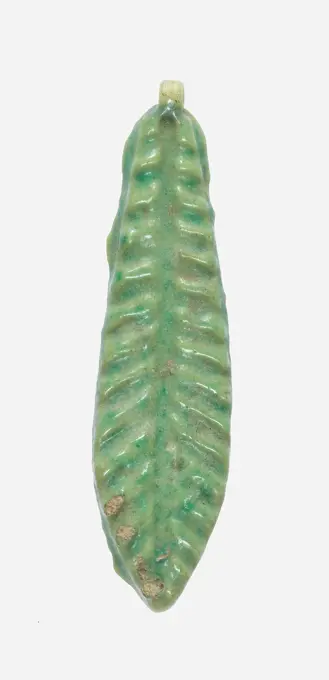
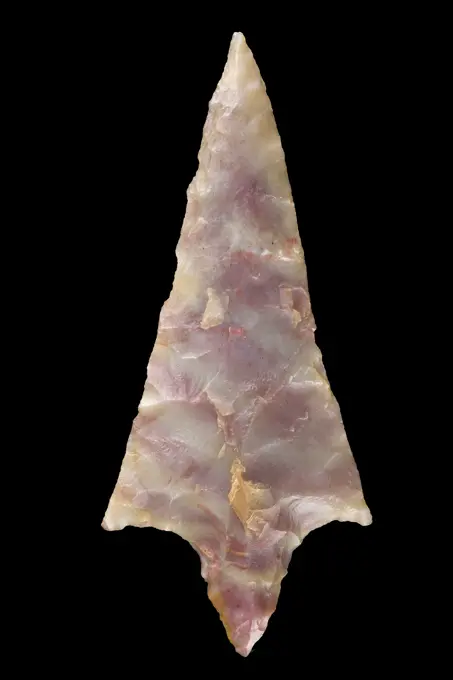
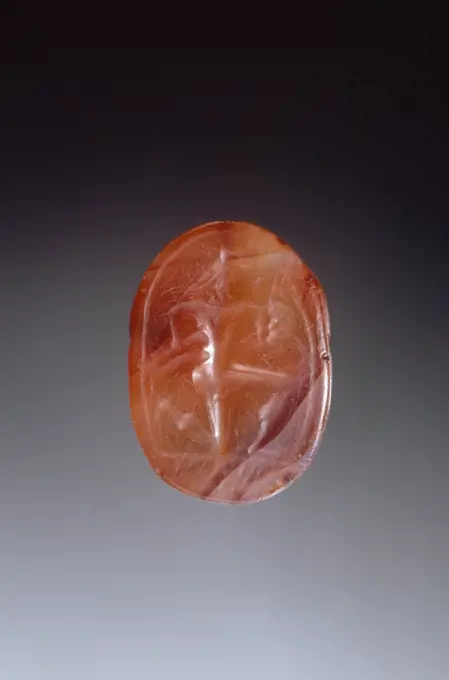
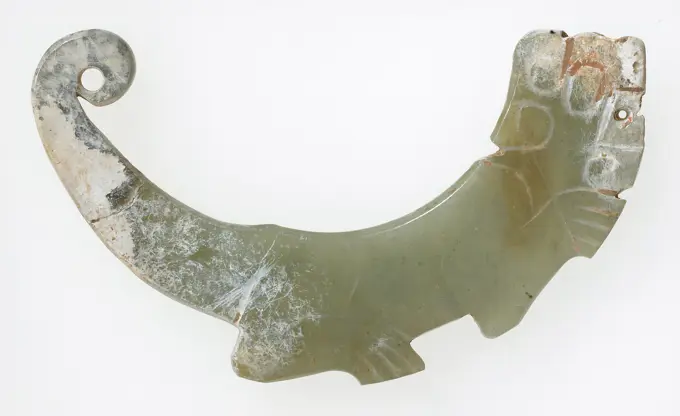
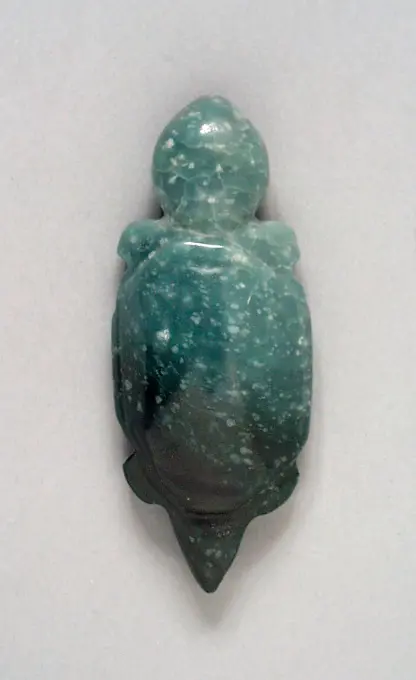
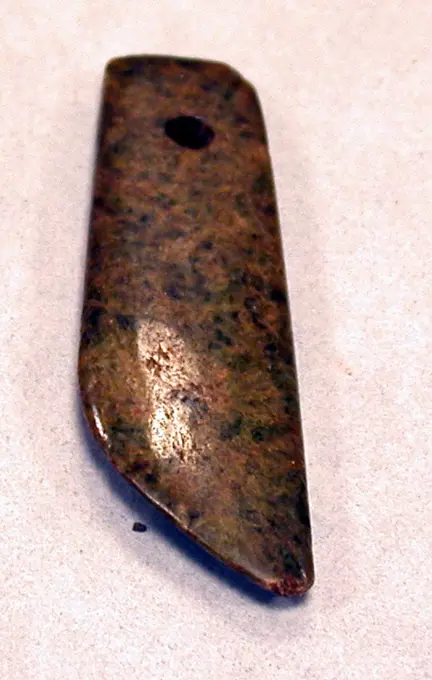
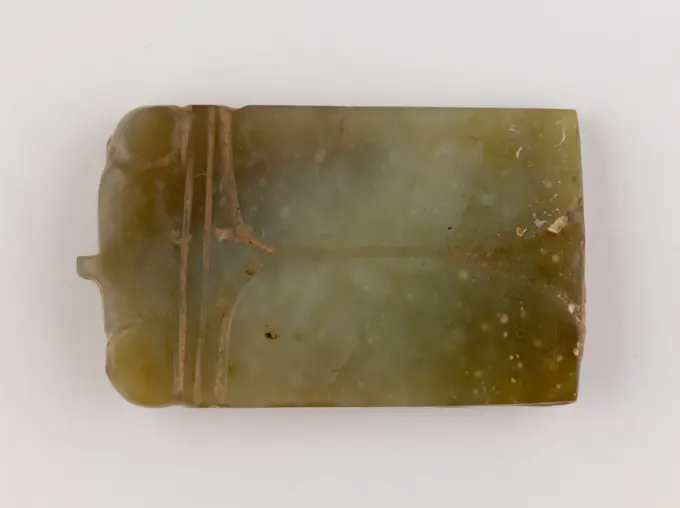
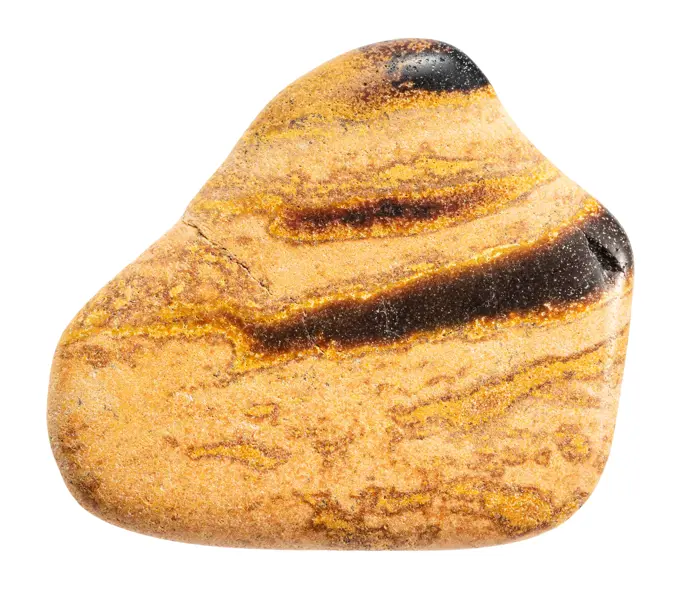
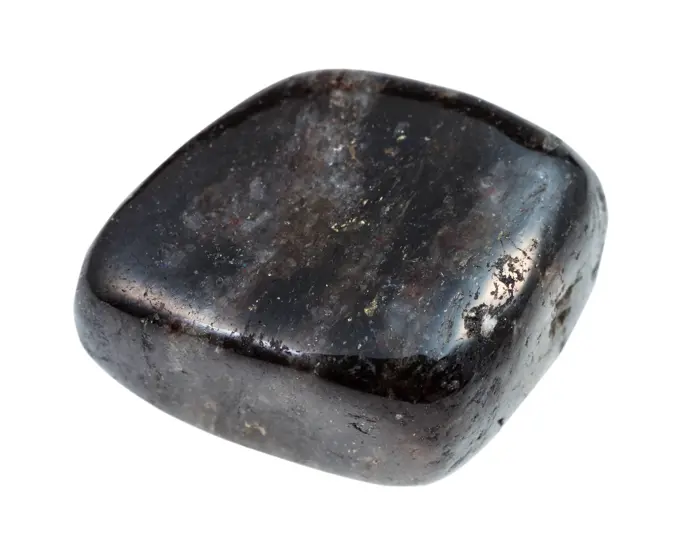
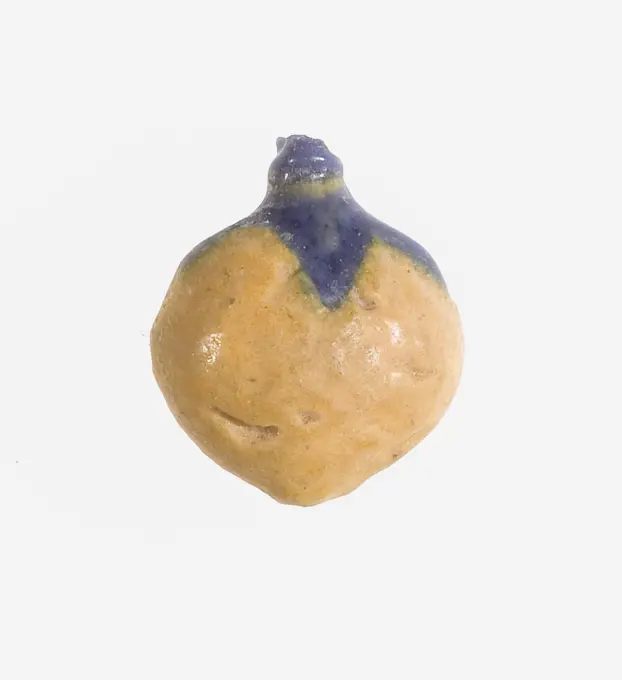
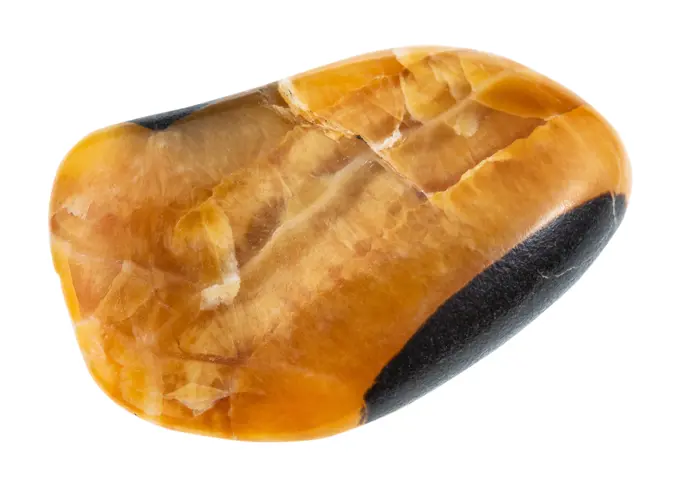
Zapinka do pasa. unknown, craftsmanBoulder, stone, cropped, white background, studio shotFish Ornament. Culture: Peru; central coast (). Dimensions: L. 1 3/8 in. (3.5 cm). Date: 11th-12th century. Museum: Metropolitan Museum of Art, New York, USA.Weight 3rd-1st millennium B.C.. Weight. 3rd-1st millennium B.C.. Hematite. CyprusArrowhead Japan. Arrowhead 62413Fragment 14th-15th century. Fragment 446454polished Prasiolite gemstone on white macro shooting of natural rock specimen - polished Prasiolite green quartz , Vermarine gemstone on white marble background from Brazil Copyright: xZoonar.com/ValeryxVoennyyx 12349130Conus quinusicus from v.O.c.-ship the 'white lion'. Shell from v.o.c.-ship the 'white lion'.Palette 1985 BCE-1650 BCE Egypt. Diorite gneiss ( ) . Ancient EgyptianBowl (one of a pair) China. Bowl (one of a pair) 48101Amulet of a Heart. Egyptian. Date: 1069 BC-525 BC. Dimensions: 1.9 × 1 × 0.3 cm (3/4 × 3/8 × 1/8 in.). Stone. Origin: Egypt. Museum: The Chicago Art Institute, Chicago, USA. Author: Ancient Egyptian.Polishing Stone ca. 1479-1458 B.C. New Kingdom. Polishing Stone. ca. 1479-1458 B.C.. Stone. New Kingdom. From Egypt, Upper Egypt, Thebes, Deir el-Bahri, Temple of Hatshepsut, Foundation Deposit 7 (G), MMA excavations, 1926-27. Dynasty 18Sickle Blade, 1980-1801 BC. Egypt, Middle Kingdom, Dynasty 12. Flint; overall: 5 cm (1 15/16 in.).Stone Celt before 16th century Costa Rica. Stone Celt 317223Blade. Upper Paleolithic. Magdalenian.Stone Pulidor before 16th century Mexican. Stone Pulidor 317200Relief fragment possibly from the tomb of Mereri. Dynasty: Dynasty 7-10 (). Date: ca. 2100-2090 B.C..One of 41 relief fragments from Dendera, possibly from the tomb of the Overseer of Priests and Keeper of the Sacred Cattle, Mereri. Museum: Metropolitan Museum of Art, New York, USA.Bliżej KulturyFragment. Culture: European or Middle Eastern. Dimensions: L. 2 3/8 in. (6 cm). Date: ca. 1150-ca. 1250. Museum: Metropolitan Museum of Art, New York, USA.Miniature figurine, 1500 BCE, 1 3/8 in. (3.5 cm), Earthenware, Mexico, Pre-Classicrough chrysoberyl green beryl crystal on white macro shooting of natural mineral - rough chrysoberyl green beryl crystal on white marble from Ural Mountains Copyright: xZoonar.com/ValeryxVoennyyx 12349283Celt before 16th century Maya () Greenstone axe heads, commonly known as “celts,” were some of the most important works of art across ancient Mesoamerica and Central America. Created from jadeite mined from the Motagua River Valley of southern Guatemala, or using local green stones from highland Mexico, celts were first created by the Olmec peoples of the Gulf Coast after 1000 B.C. The Olmec conceived of green celts as sprouts of maize and thus “planted” celts in dedicatory offerings, activating ceremonial spaces and perpetuating agricultural fertility. For the later Maya peoples, celts also served as dedicatory materials, but more so as adornments for the royal bodies of kings and queens. Often the celts would be thinned into celt-shaped plaques, strung together in pairs and triads in order to create belt assemblages that would have clinked with the sound of jades striking one another. Tombs from the Classic Period (ca. AD 250-900) contain celts of jadeite and various greenstones froFRAGMENTO DE LOZA DORADA DE FATIMA. MUSULMAN. (DEPOSITO: MUSEO ARQUEOLOGICO NACIONAL).Orthoclase. minerals. North America; USA; Connecticut; Middlesex County; HaddamVase fragment Minoan. Vase fragment 247865Fragment. Culture: European or Middle Eastern. Dimensions: L. 2 1/4 in. (5.7 cm). Date: ca. 1150-ca. 1250. Museum: Metropolitan Museum of Art, New York, USA.Scraper. Culture: Frankish. Dimensions: Overall: 1 15/16 x 11/16 x 1/4 in. (4.9 x 1.8 x 0.6 cm). Date: 500-700. Museum: Metropolitan Museum of Art, New York, USA.The Wedjat-Eye, the left eye of the god Horus, symbolising light and provides protection against the evil eye.Vase fragment East Greek/Sardis, Lydian. Vase fragment 252821 East Greek/Sardis, Lydian, Vase fragment, Terracotta, Overall: 1 7/8 x 1 1/2in. (4.7 x 3.8cm). The Metropolitan Museum of Art, New York. Gift of The American Society for the Excavation of Sardis, 1926 (26.199.256)Flint arrowhead with fins and peduncle Width 22 mm Height 15 mm Thickness 4 mm- Chalcolithic period from the archaeological site of " Esgaravita" in Alcalá de Henares - " Burgo de Santiuste Museum " (Madrid). SPAIN.Amulet - serce z dyskiem słonecznym. unknown, authorIndian arrowhead from Georgia and North & South Carolina , Archaeological assemblages, Charles F. Walcott Archaleogical CollectionBifacial Stone ToolTesson (common name), 1400. Sandstone with brown under cover. Cernuschi Museum, Asia Museum of Asia in the city of Paris.Waster of a Bowl with a Tripod Stuck Inside 16th-17th century This waster was found in 1937 at a kiln on "New Road to the west of the city" of Nishapur. It is composed of a glazed bowl to which a tripod has adhered during firing. The shape and decoration of the bowl, with honey-brown glaze and yellow stripes, point to a date in the early modern period. While this may be slight evidence of the continuity in the urban life of Nishapur well after the arrival of the Mongols in the 13th century, recent surveys by Iranian archaeologists have documented many traces of the multi-period occupation of the area.. Waster of a Bowl with a Tripod Stuck Inside 450298polished Epidote gemstone isolated on white closeup of sample of natural mineral from geological collection - polished Epidote gemstone isolated on white background Copyright: xZoonar.com/ValeryxVoennyyx 14986227polished Chrysoprase rock on white marble closeup of sample of natural mineral from geological collection - polished Chrysoprase rock on white marble background from Newman, Australia Copyright: xZoonar.com/ValeryxVoennyyx 16070034Schist palette in shape of animalfresh honeysuckle on white fresh honeysuckle berries and leaf isolated on white background Copyright: xZoonar.com/RuslanxNassyrovx 9292243Bifacial Tool ca. 90,000-5,000 B.C. Paleolithic to Neolithic. Bifacial Tool. ca. 90,000-5,000 B.C.. Flint. Paleolithic to Neolithic. From Egypt, Western Desert; Kharga Oasis, Beledeh District, W and NW of Christian necropolis, surface find, MMA excavations, 1908-10Mold for Long Ovoid Beads ca. 1390-1353 B.C. New Kingdom. Mold for Long Ovoid Beads. ca. 1390-1353 B.C.. Pottery. New Kingdom. From Egypt, Upper Egypt, Thebes, Malqata, Palace of Amenhotep III, MMA excavations, 1910-11. Dynasty 18Women's maskFragment Balus -shaped stem of a flute glass from the wreck of the East Indians Hollandia, Anonymous, 1700 - in Or Before 1743 drinking glass Glass, stem glass, steel, baluster-shaped; fragment , spherical knop, with tear, both ends broken off. Netherlands glass   SecondStone Pulidor before 16th century Mexican. Stone Pulidor 317097Leaf Bead ca. 1390-1353 B.C. New Kingdom. Leaf Bead. ca. 1390-1353 B.C.. Faience. New Kingdom. From Egypt, Upper Egypt, Thebes, Malqata, Palace of Amenhotep III, MMA excavations, 1910-11. Dynasty 18Stone Chisel before 16th century United States (). Stone Chisel 317271Decorative door boss and nail, Wrought iron, Hemispherical boss divided into four triangular sections by roughly parallel paired lines. Rounded nail head with wrought line across top, above circling serrated band. On square shank., Spain, 15th century, metalwork, Decorative Arts, Decorative door boss and nailCornflower Pendant ca. 1390-1353 B.C. New Kingdom. Cornflower Pendant. ca. 1390-1353 B.C.. Faience. New Kingdom. From Egypt, Upper Egypt, Thebes, Malqata, Palace of Amenhotep III, MMA excavations, 1910-11. Dynasty 18polished Picture jasper gem stone on white marble macro shooting of natural mineral rock specimen - polished Picture jasper gem stone on white marble background from China Copyright: xZoonar.com/ValeryxVoennyyx 11947277Scarab Uninscribed 1985 BCE-1773 BCE Egypt. Amethyst . Ancient EgyptianBead ca. 3rd-7th century A.D. Sasanian. Bead 323208Coin Weight 11th century. Coin Weight. 11th century. Glass. Attributed to Egypt. GlassMiniature Bottle late 8th-9th century. Miniature Bottle 449757Right Hand PendantSmall bottle. unknown, craftsmanCelt 7th-15th century Taíno The most numerous category of polished stone sculpture emerging from the Taíno world of the ancestral Caribbean islands are ceremonial axes and blades, which take many forms and may have been an important medium of exchange. Ceremonial blades made of different types of greenstone, both local and imported, have been recovered in large numbers. These axes, known as petaloid celts for their resemblance to flower petals, could have served as dedicatory offerings, which have a long history on the Caribbean mainland in Mesoamerica.. Celt. Taíno. 7th-15th century. Greenstone. Dominican Republic, Caribbean. Stone-Implementspolished Piemontite gemstone isolated macro shooting of natural mineral stone - polished Piemontite Manganepidot and manganesian epidote gemstone isolated on white background Copyright: xZoonar.com/ValeryxVoennyyx 9191448Gaming or Chess Piece, Possibly a Pawn 8th-11th century. Gaming or Chess Piece, Possibly a Pawn 452352Bliżej KulturyBead in the Shape of a Frog, c. 6th-8th century, 3/8 x 11/16 x 7/16 in. (1 x 1.7 x 1.1 cm), Stone, Myanmar (Burma), 5th-9th centuryHeart Scarab. Egyptian. Date: 1550 BC-1069 BC. Dimensions: 2.9 × 1.9 × 1.3 cm (1 1/8 × 3/4 × 1/2 in.). Stone. Origin: Egypt. Museum: The Chicago Art Institute, Chicago, USA. Author: Ancient Egyptian.Fragment of Razor, 918-1392. Korea, Goryeo period (918-1392). Bronze; overall: 2.2 x 0.1 cm (7/8 x 1/16 in.).Vase fragment East Greek/Sardis, Lydian Fragment of stem of a cup with wavy lines.. Vase fragment. East Greek/Sardis, Lydian. Terracotta. VasesOne of twenty-one seals, 800 BCE - 400 CE, various, Various semi-precious stones, Mesopotamia, 8th century BCE - 5th century CEParis, Museum of Romantic Life. Painted woodpolished Hematite rock on white marble closeup of sample of natural mineral from geological collection - polished Hematite rock on white marble background Copyright: xZoonar.com/ValeryxVoennyyx 16070186Shard of a glass from the wreck of the East Indieschief Hollandia. Parts or artifacts; eroded fragments: Materials; Glass.Bottle. Glass. 2nd century. Paris, Carnavalet museum. 51538-1 Gallo-Roman time, bottle, Gallo-Roman, glassScent Bottle 1800-1860. Scent Bottle 7334Miniature Bottle late 8th-9th century This glass bottle was excavated at the site of Tepe Madrasa in Nishapur.  Nishapur was a vital city in the early and middle Islamic periods, located along one of the main trajectories that connected Iran and West Asia Islamic lands with Central Asia and China. These itineraries are often referred by the term Silk routes’ but were in fact crucial to the movement of constellations of materials and objects, as well as people and ideas. The diverse population of Nishapur and its surroundings, from the better-researched elite groups of merchants, land-owning aristocracy, and literates, to the less-known artisans, farmers, miners, and servants, were instrumental in adapting global cultural trends to create their own distinctive visual languages. This is seen in the material remains of everyday life in medieval Nishapur — from pots and pans to lighting devices, inkwells, textiles and trimmings, jewelry, games and toys, talismanic devices, weapons, coins,Point before 16th century Tairona. Point 317310Polishing Stone (pulidor) before 16th century Mexican. Polishing Stone (pulidor) 317055Wall revetment, agate pattern 200 BC-100 AD Ptolemaic Period-Roman Period Glass plaques imitating expensive marble or stones were used as wall coverings.. Wall revetment, agate pattern. 200 BC-100 AD. Glass. Ptolemaic Period-Roman Period. From EgyptFish Ornament 11th-12th century Peru; central coast (). Fish Ornament 308818Indian arrowhead from Georgia and North & South Carolina , Archaeological assemblages, Charles F. Walcott Archaleogical CollectionDetailed and colorful image of carnelian mineralBead in the Form of a Leaf ca. 1390-1352 B.C. New Kingdom. Bead in the Form of a Leaf. ca. 1390-1352 B.C.. Faience. New Kingdom. From Egypt, Upper Egypt, Thebes, Malqata, Palace of Amenhotep III, MMA excavations, 1910-11. Dynasty 18Arrowhead with peduncle in cut stone. Neolithic period. North Africa. 4,1 cm.herz,steinherz,herzen ** heart,stone heart,hearts,stone hearts ly0-n4eEngraved Scarab; Greece; late 6th century B.C; Carnelian; 1 x 1.9 x 1.4 cm (3,8 x 3,4 x 9,16 in.)Textur Creme-Gel-Serum mit Aloe-Extrakt auf beige Hintergrund. Hautpflege Kosmetik Abstrich. Kosmetische Gelee Creme transparent oder Alkohol Gel Serum Textur texture cream gel serum with aloe extract on beige background. skin care cosmetic smear. Cosmetic jelly cream transparent or alcohol gel serum texture Copyright: xZoonar.com/IrinaxKvyatkovskayax 22736652polished Picture jasper gem stone on dark macro shooting of natural mineral rock specimen - polished Picture jasper gem stone on dark granite background from China Copyright: xZoonar.com/ValeryxVoennyyx 11380621Rosa Turmalin auf grauem Hintergrund - Red tourmaline chain on gray background Rosa Turmalin auf grauem Hintergrund - Red tourmaline chain on gray background Copyright: xZoonar.com/lantapixx 9183706Gaming or Chess Piece, Possibly a Pawn 8th-11th century. Gaming or Chess Piece, Possibly a Pawn 452349Plaque. Egypt, Amarna, New Kingdom (circa 1569 - 1081 BCE). Sculpture. FaiencePendant in the Form of a Tiger, 1027-775 BCE, 3 7/8 x 1 x 3/16 in. (9.84 x 2.54 x 0.4 cm), Partially calcified, translucent green jade, China, 11th-8th century BCETurtle PendantCelt Shaped Pendent 9th-15th century Costa Rica. Celt Shaped Pendent 315713tumbled Spreustein with microcline stone on white macro shooting of natural mineral rock specimen - tumbled Spreustein with microcline stone on white marble background from Lovozero Massif, Kola peninsula, Russia Copyright: xZoonar.com/ValeryxVoennyyx 11951448Amulet. Egypt, New Kingdom (1500 - 1050 BCE). Jewelry and Adornments; amulets. StoneBrochure. Jade, China, Han dynasty (206 BC AP.J.-C.). Paris, Cernuschi museum. Asian art, Chinese art, han dynasty, jade, brochure, plateBottle 9th-11th century. Bottle 448362tumbled tuff sandstone mineral isolated on white close up of sample of natural stone from geological collection - tumbled tuff tuffaceous sandstone mineral isolated on white background from Krasnoyarsk region Copyright: xZoonar.com/ValeryxVoennyyx 21467149Sickle Blade, 1980-1801 BC. Egypt, Middle Kingdom, Dynasty 12. Flint; overall: 5 cm (1 15/16 in.).tumbled Anthophyllite gemstone isolated macro shooting of natural mineral stone - tumbled Anthophyllite gemstone from Australia isolated on white background Copyright: xZoonar.com/ValeryxVoennyyx 11248117Stone Pulidor before 16th century Mexican. Stone Pulidor 317064Persea fruit pendant ca. 1390-1353 B.C. New Kingdom. Persea fruit pendant. ca. 1390-1353 B.C.. Faience, violet and yellow. New Kingdom. From Egypt, Upper Egypt, Thebes, Malqata, Palace of Amenhotep III, MMA excavations, 1910-11. Dynasty 18Shell () amulet ca. 2150-1950 B.C. Late Old Kingdom-Early Middle Kingdom. Shell () amulet 555599Figurine 3rd-12th century. Figurine 454117pebble of Simbircite Yellow Calcite gemstone macro shooting of natural mineral stone - pebble of Simbircite  Yellow Calcite, River Volga Amber gemstone from Ulyanovsk region in Russia isolated on white background Copyright: xZoonar.com/ValeryxVoennyyx 11380799