Ancient Artifacts and Ceramics

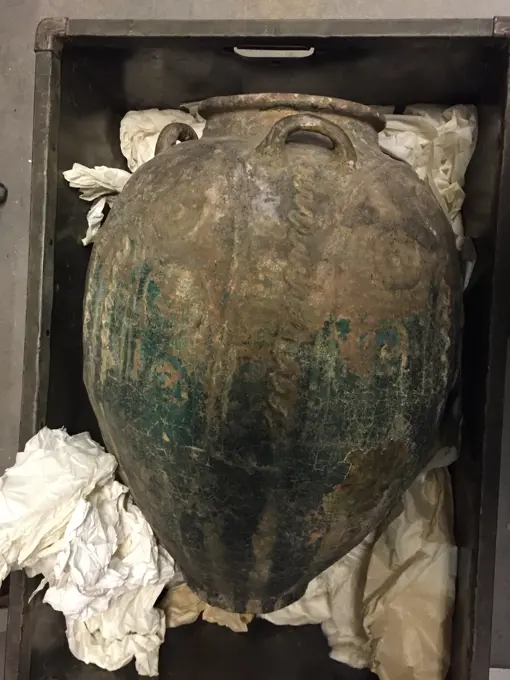
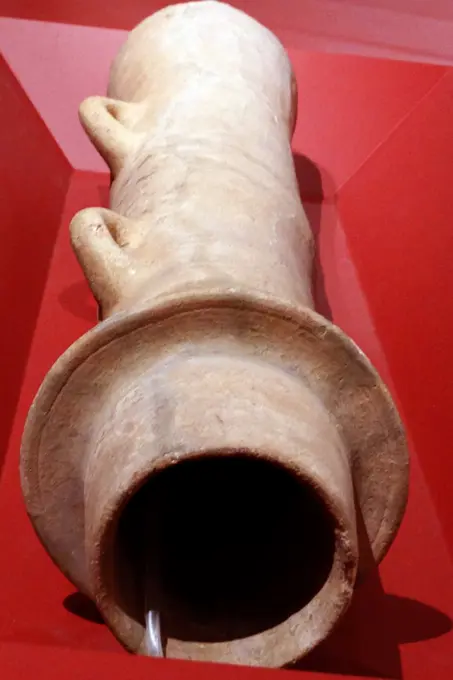
An array of ancient artifacts, including bronze vessels and ceramic items, showcasing historical craftsmanship and cultural significance.

Shang Bronze (15-13 Century B.C.), Shanghai Museum
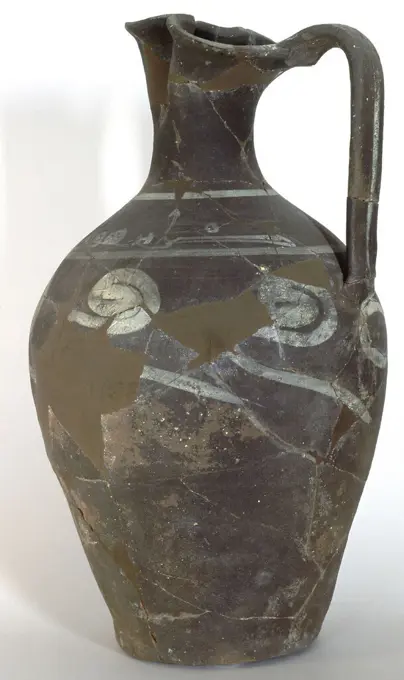
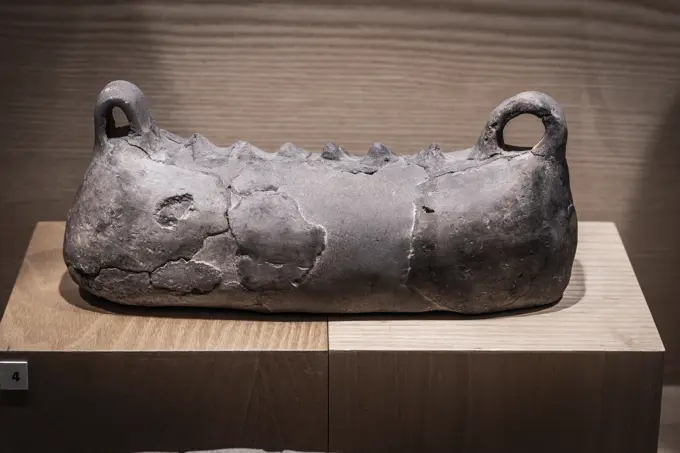
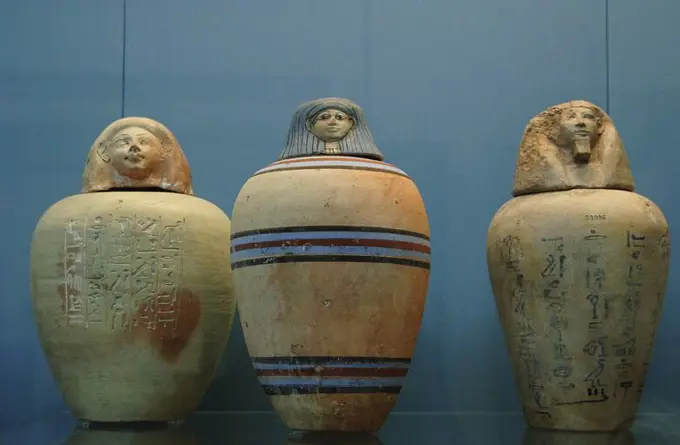
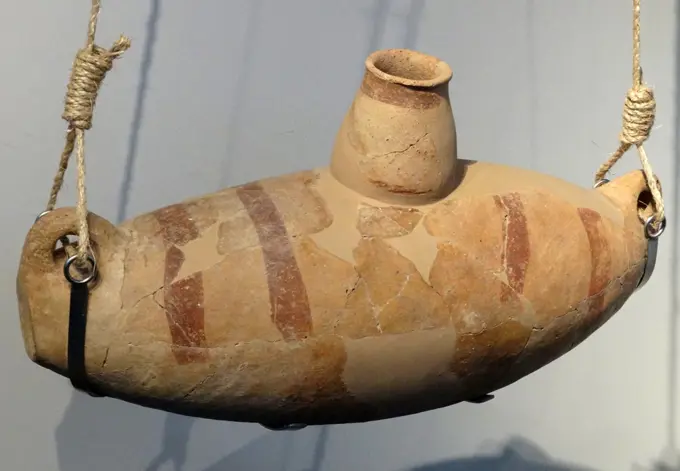
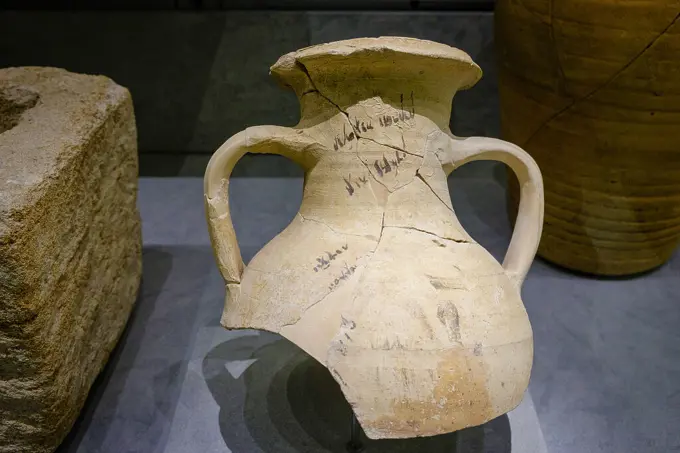
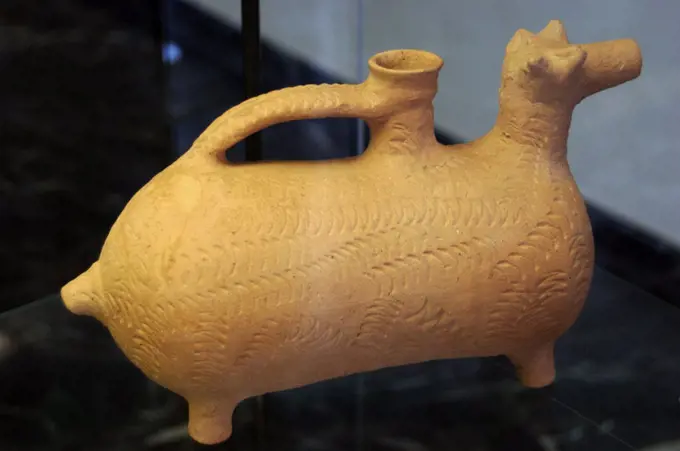
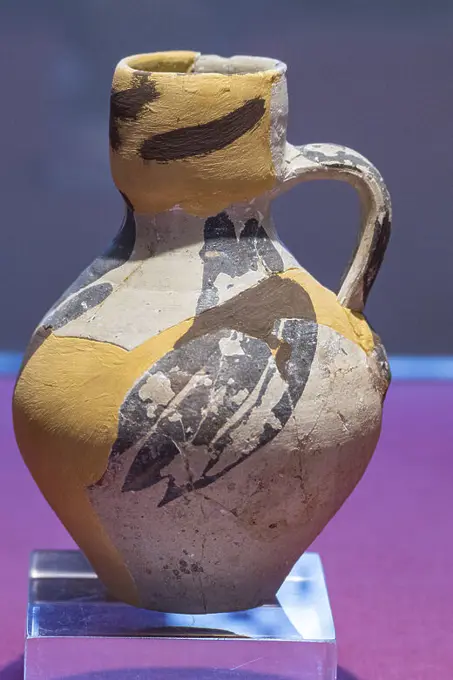
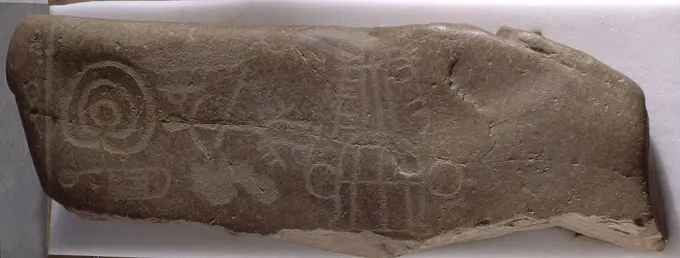
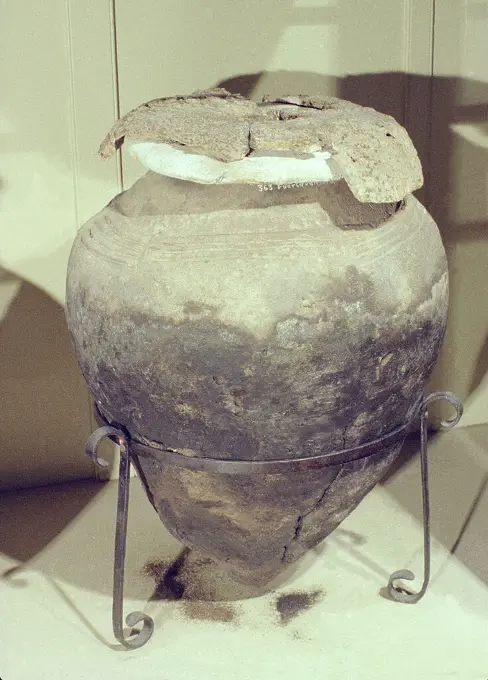
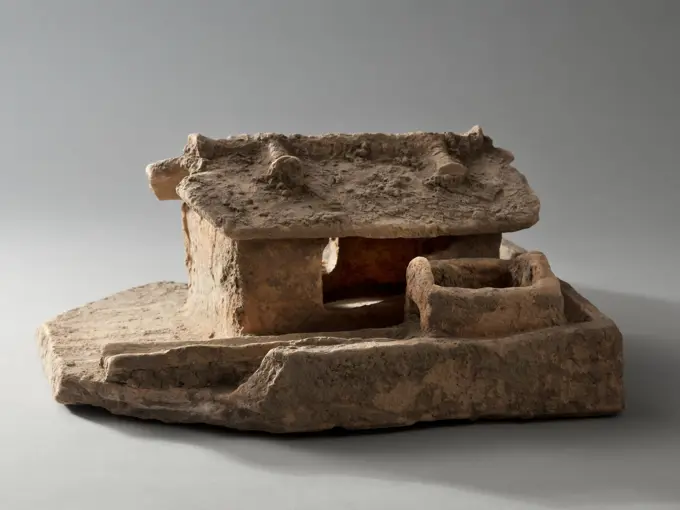
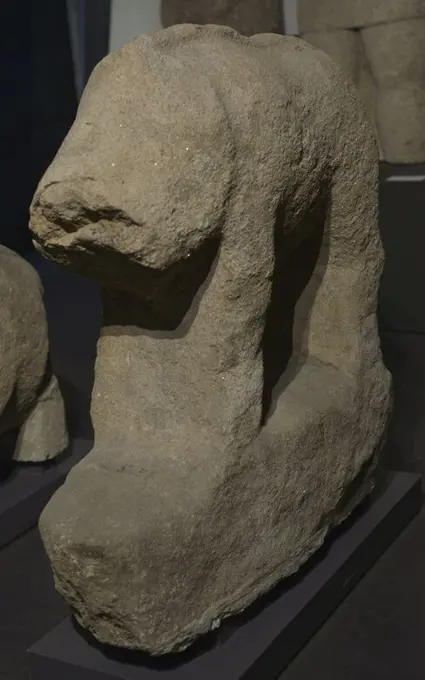
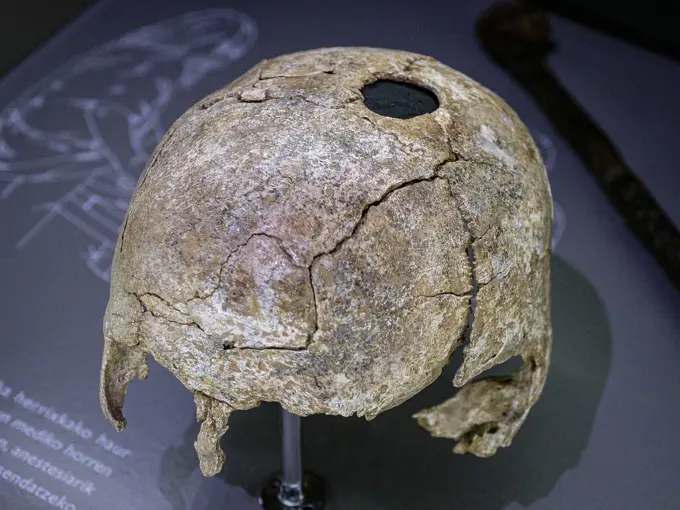
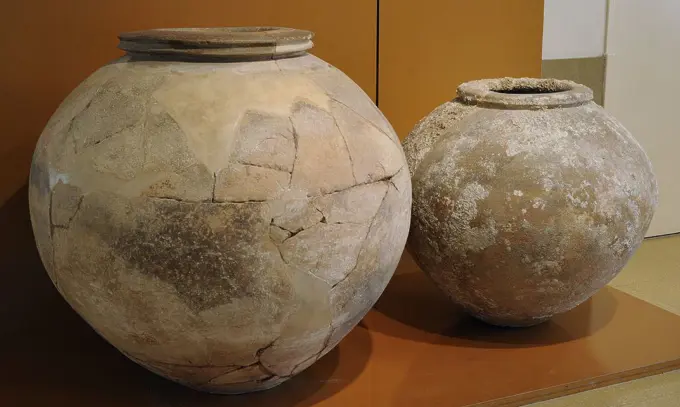
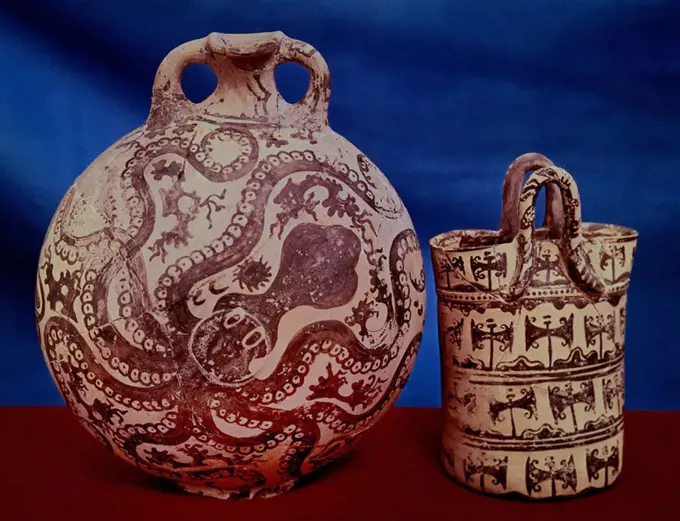
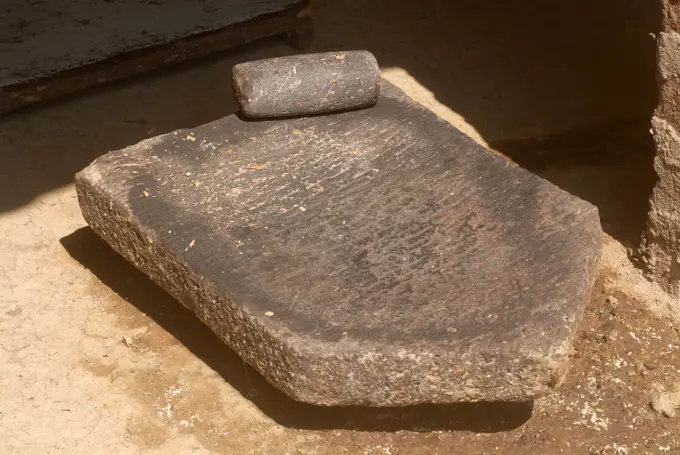
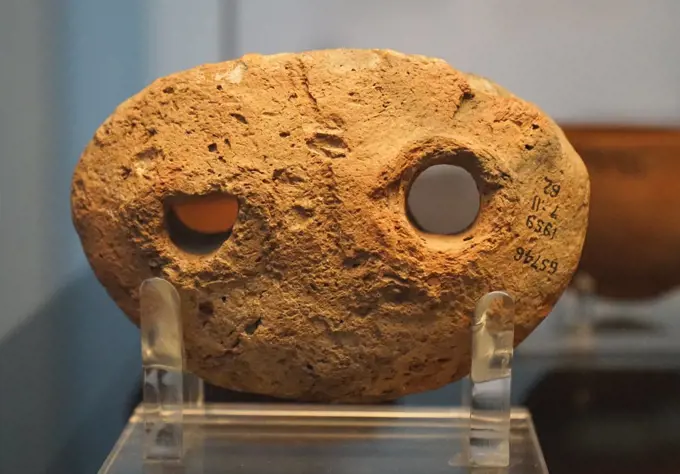
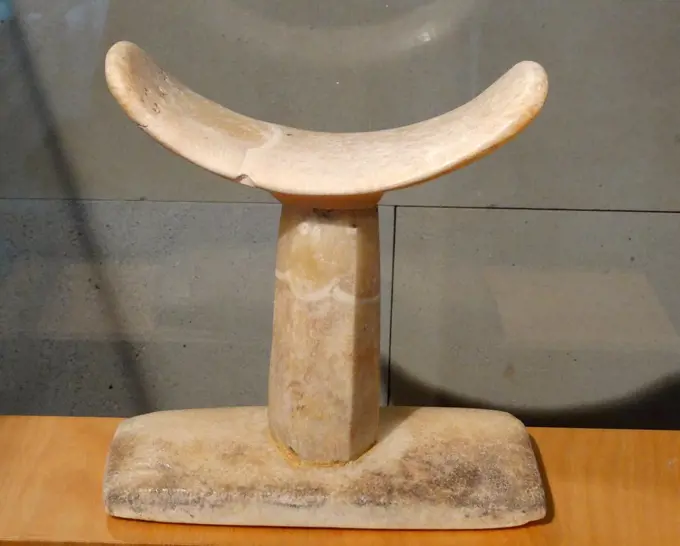
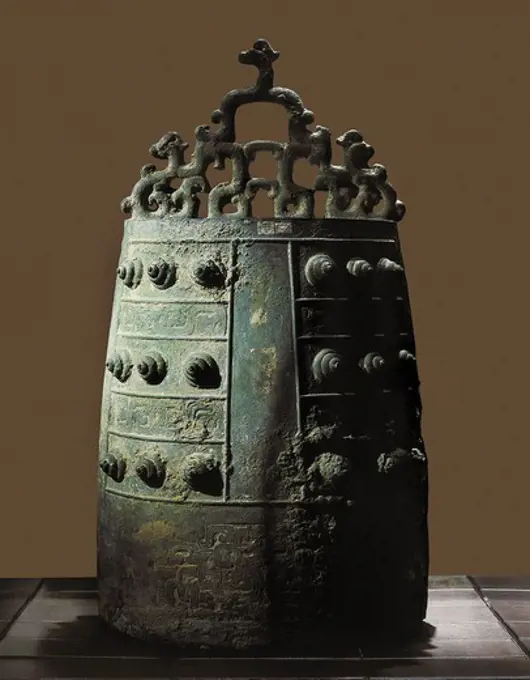
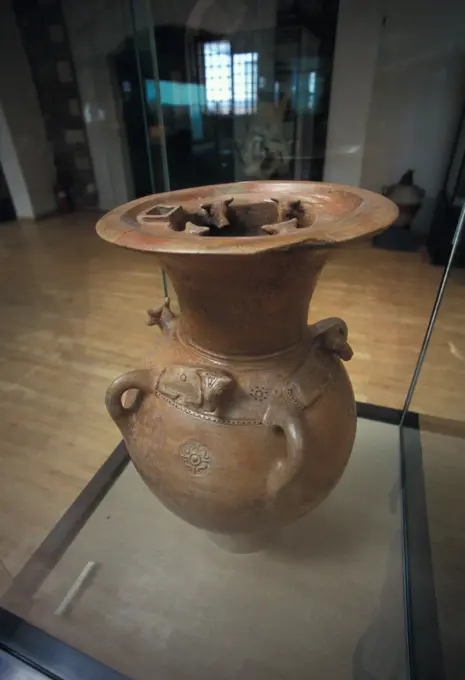
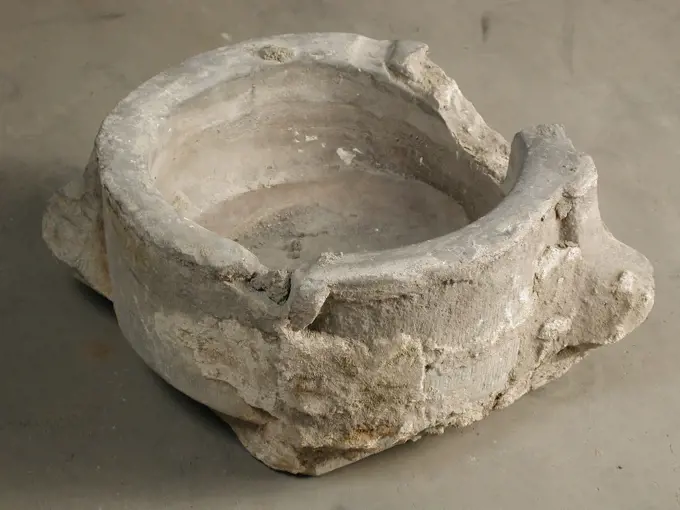
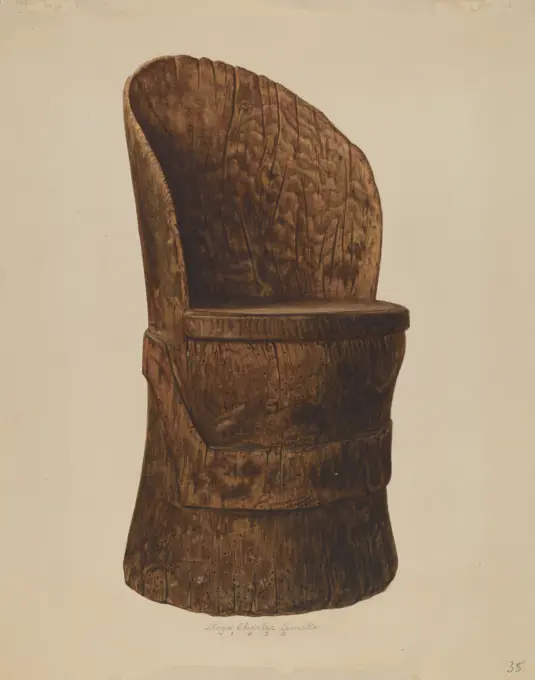
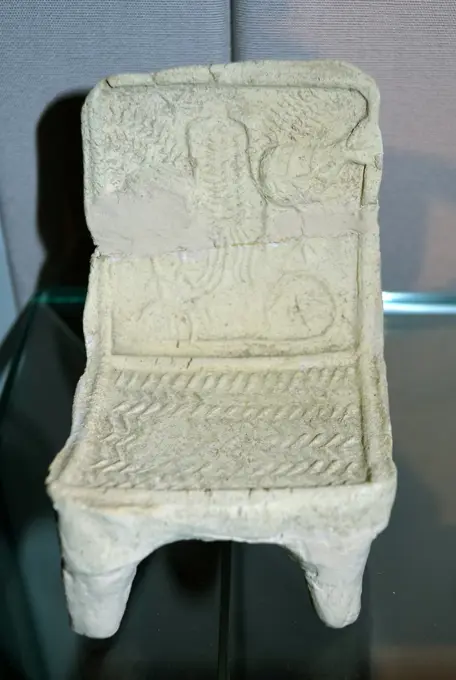
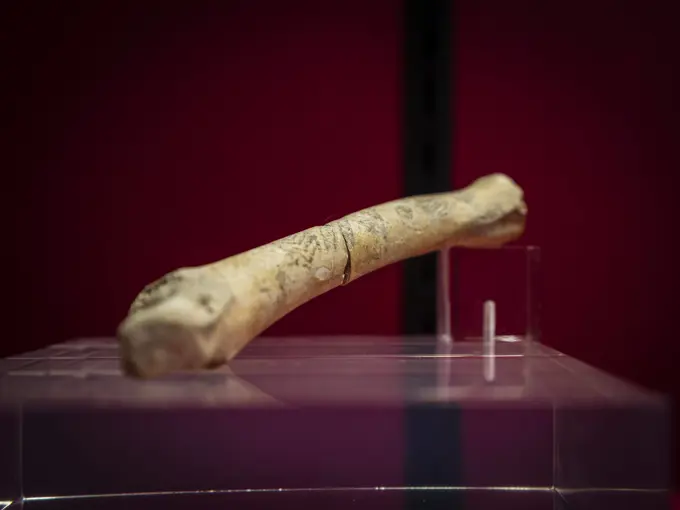
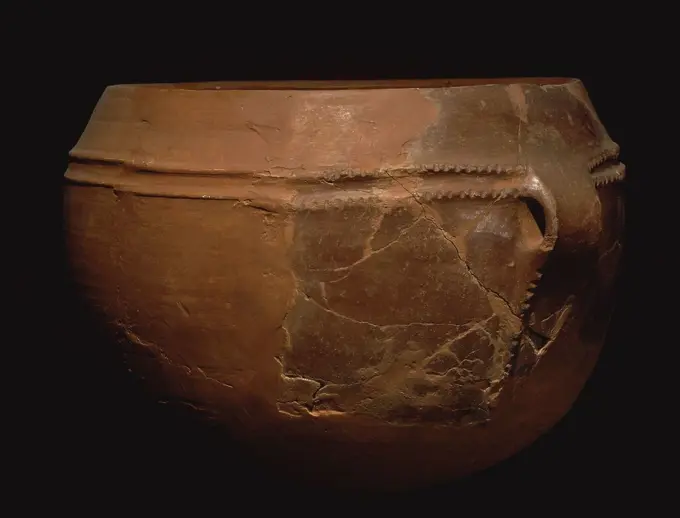
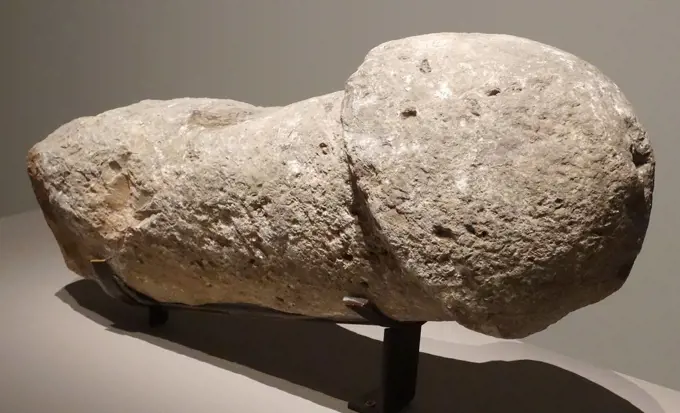
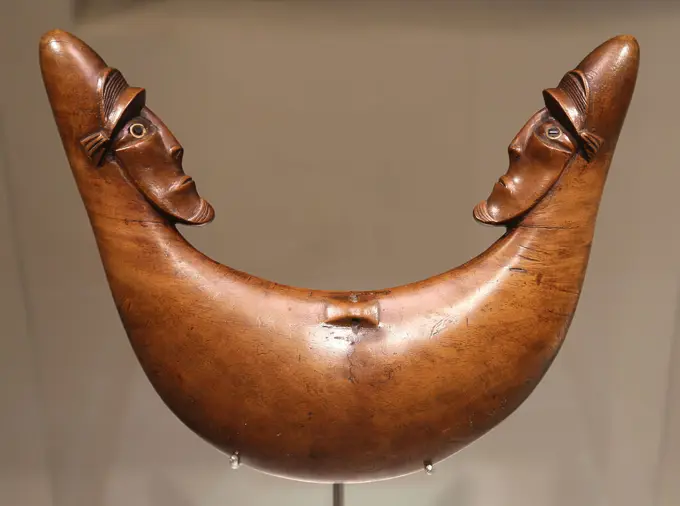
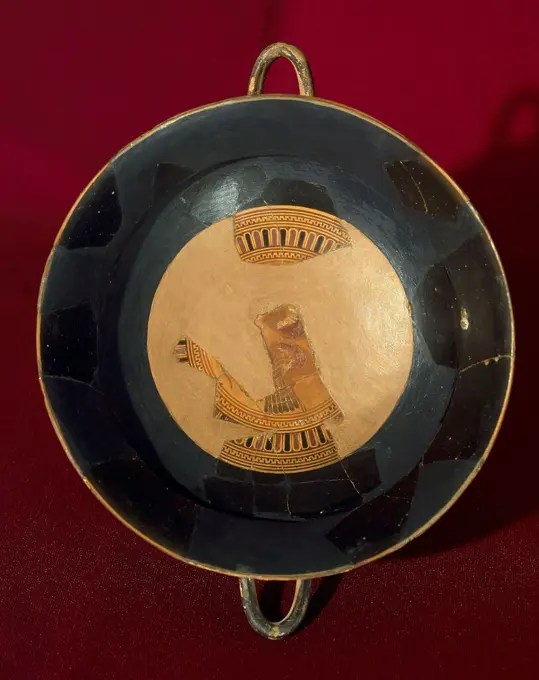
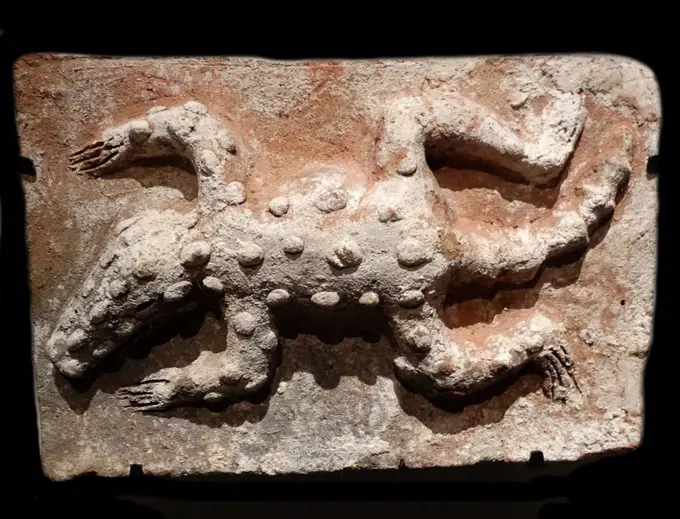
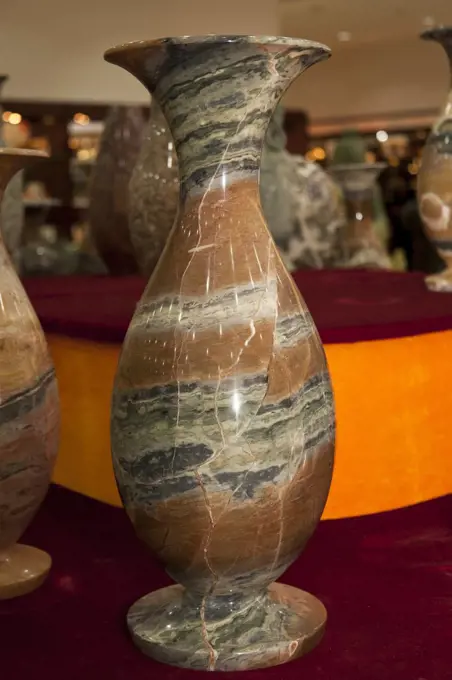
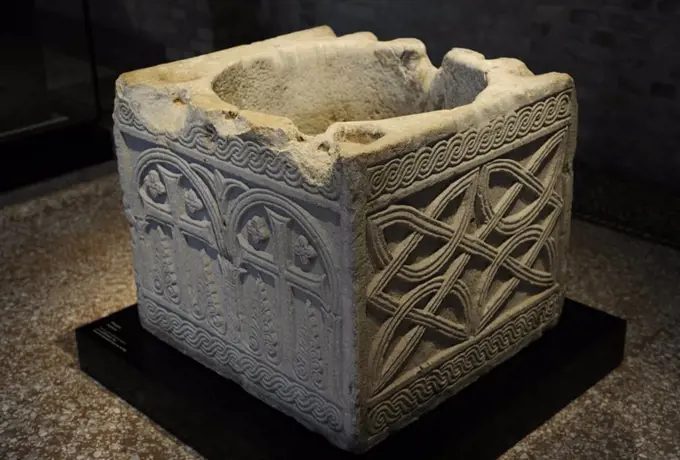
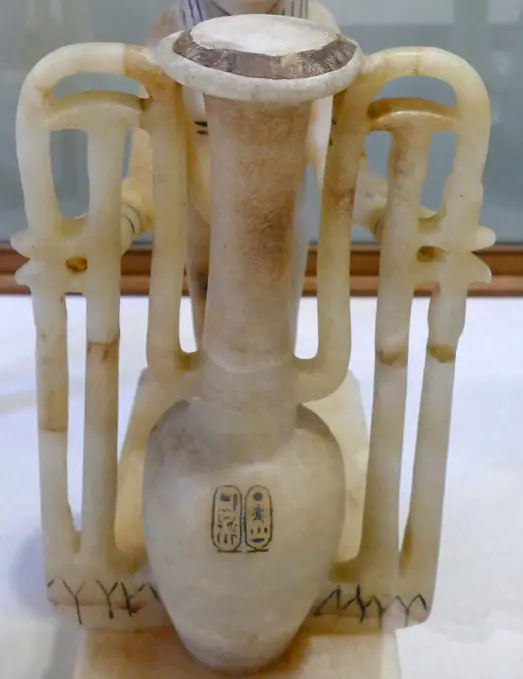
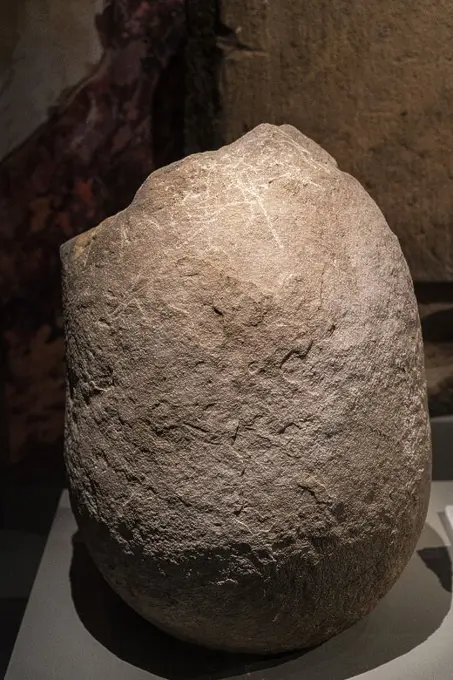
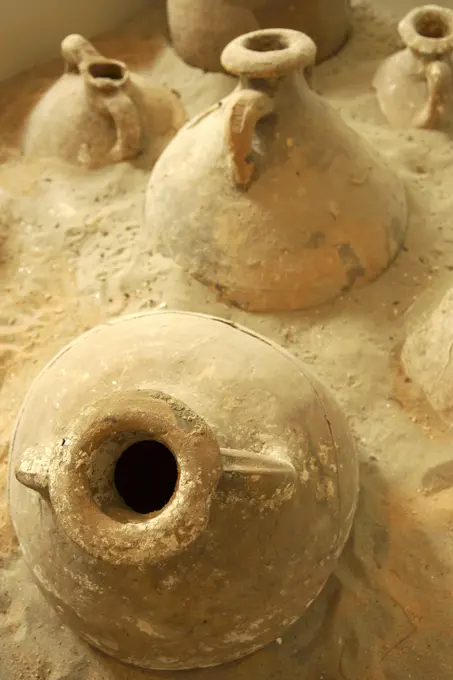
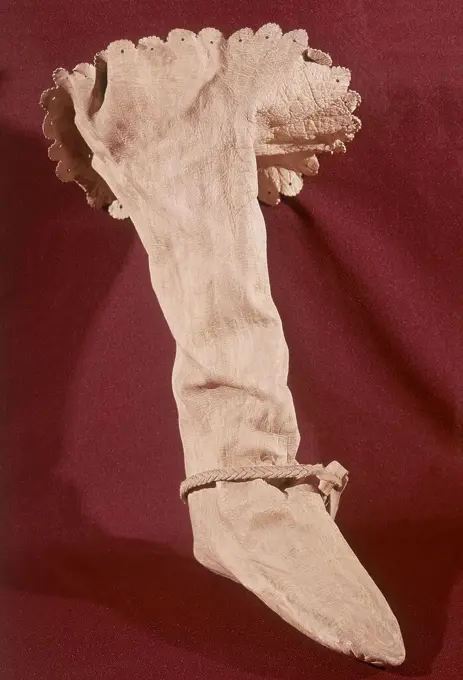
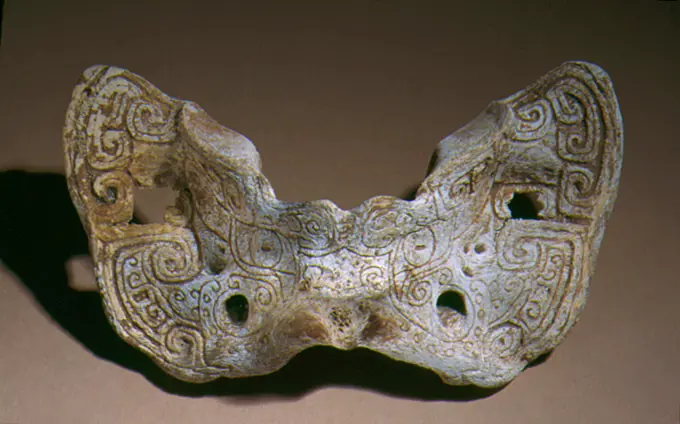
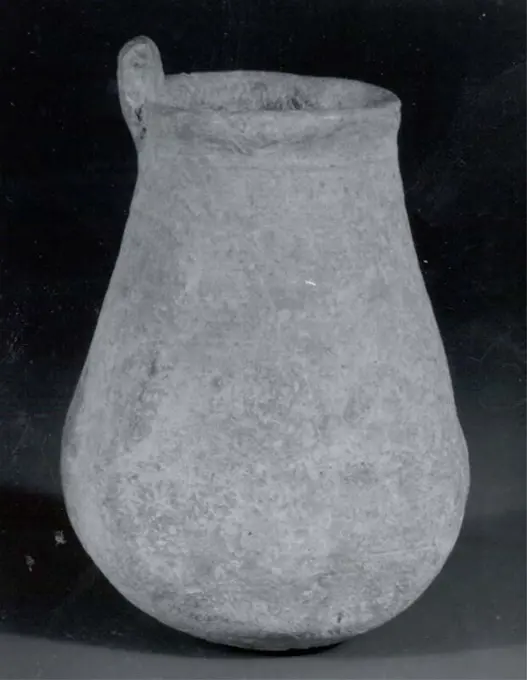
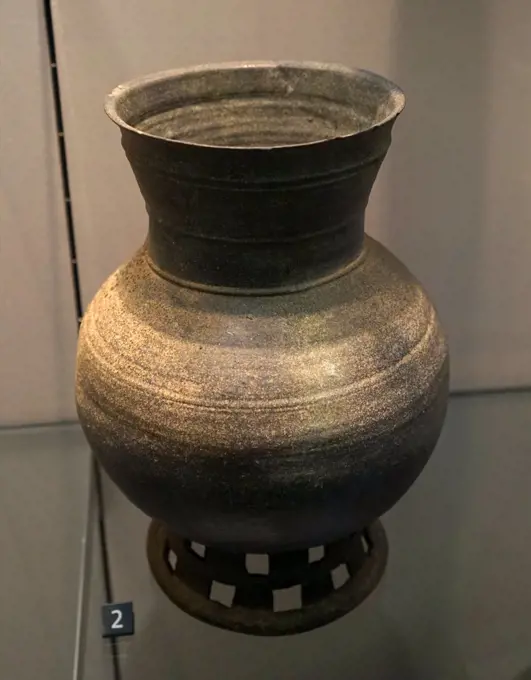
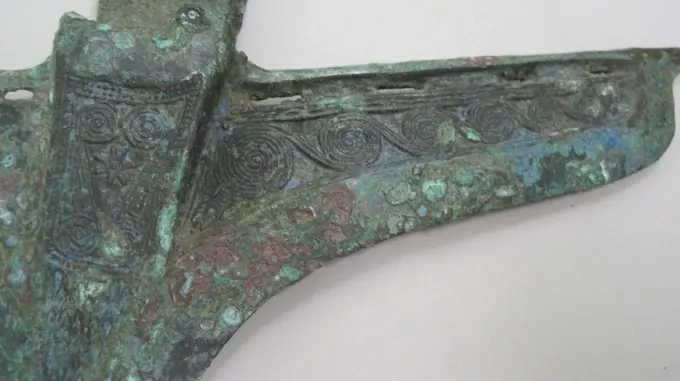
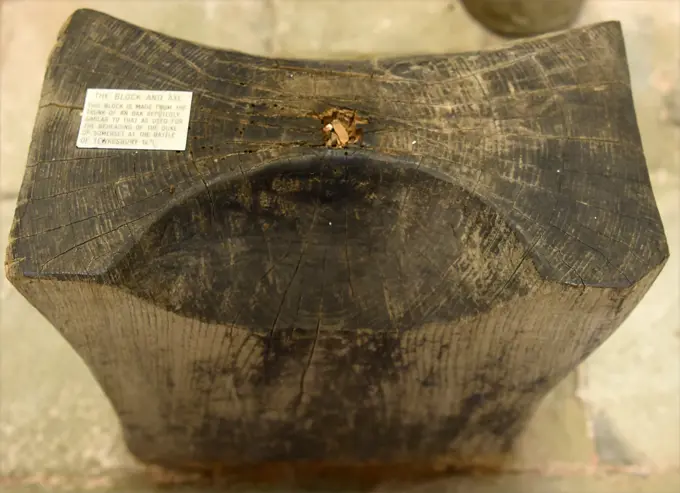
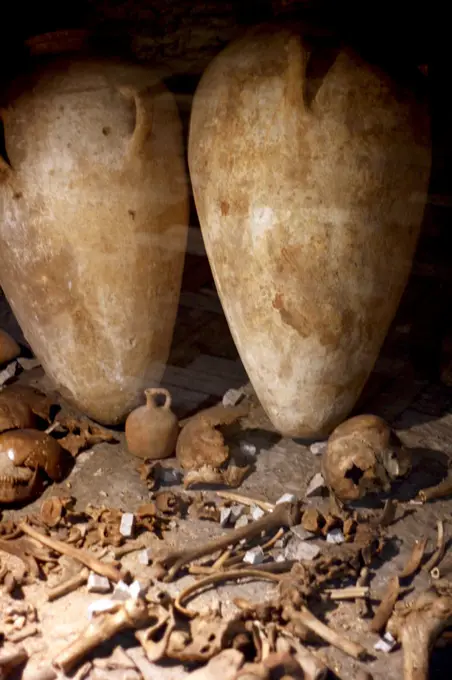
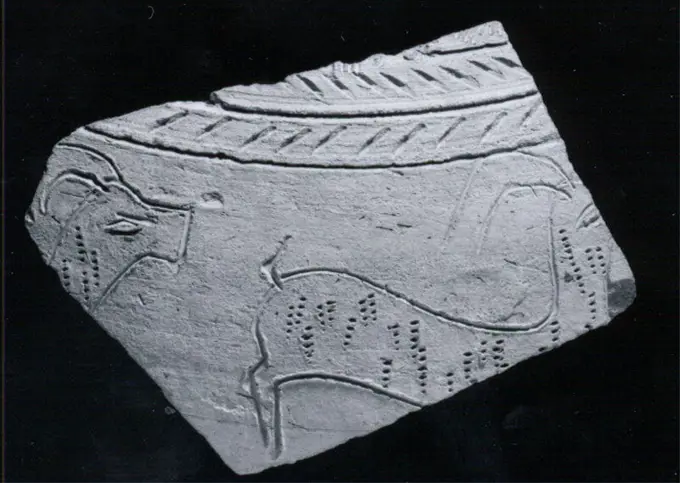
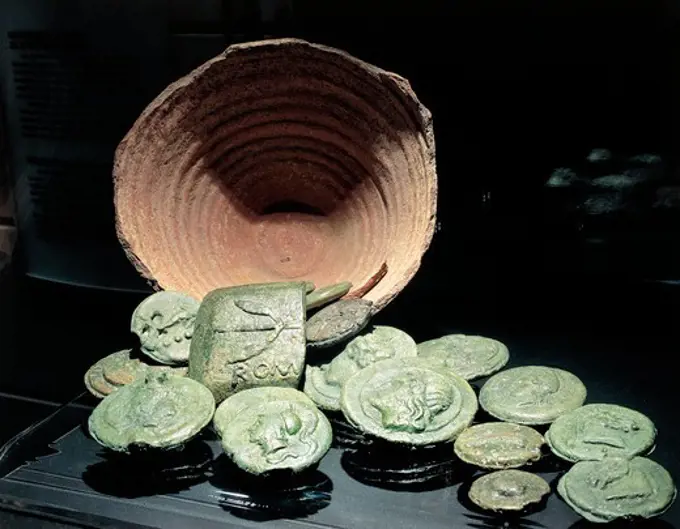
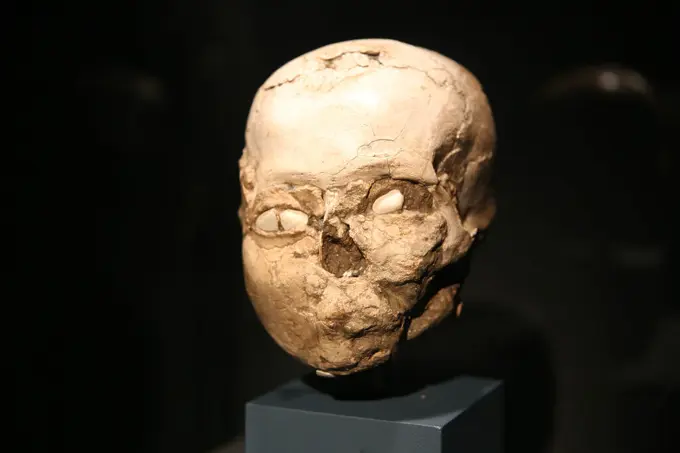
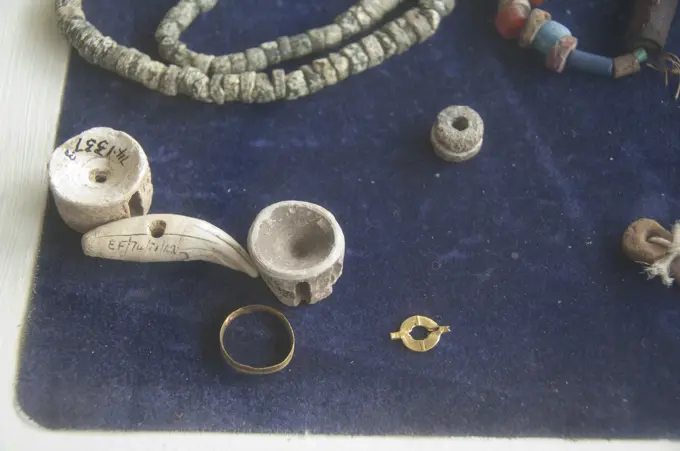
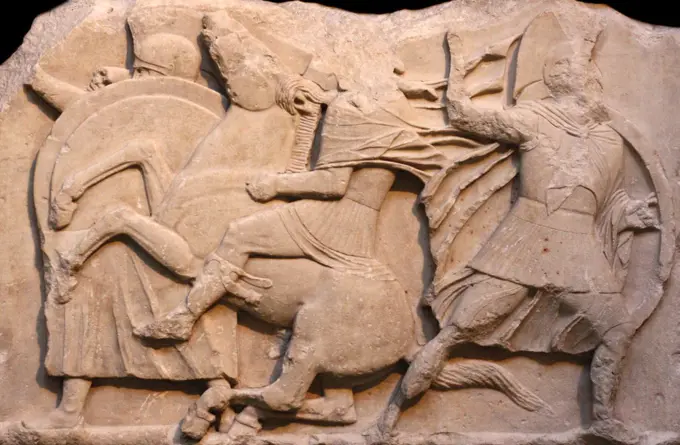
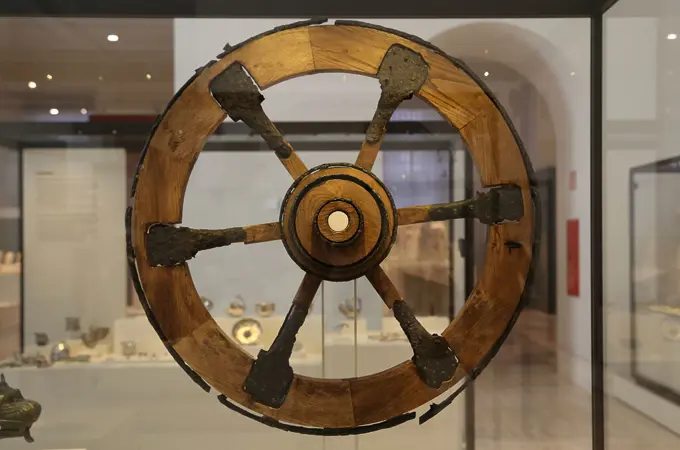
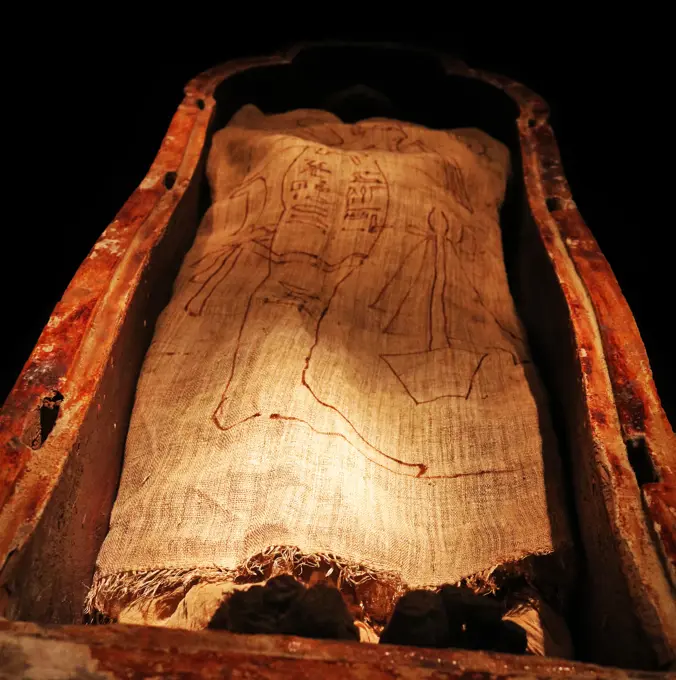
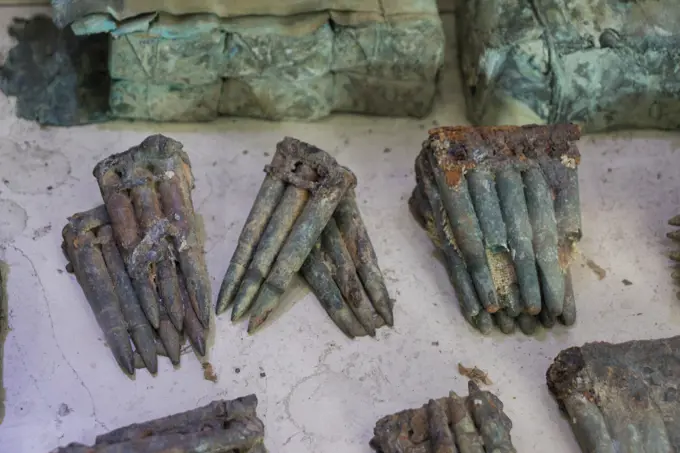
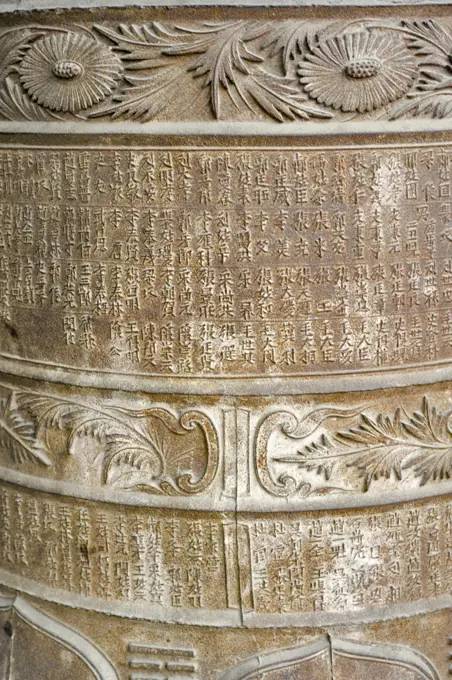
Shang Bronze (15-13 Century B.C.), Shanghai MuseumMummification material - The opening of the mouth and eyesAntique glass 1898, Middle EastVessel. Anonymous. Japan, Yayoi period, circa 200 B.C.-A.D. 250. Ceramics. Earthenware with comb-incised patternDouble Column Base 13th-14th century French. Double Column Base. French. 13th-14th century. Limestone or sandstone. Made in Bonnefont, France. Sculpture-ArchitecturalJARRO CALIFAL BIZCOCHEADO Y PINTADO EN BLANCO - S X. Location: MEDINA AZAHARA MADINAT AL-ZAHRA MUSEO CERAMICA. PROVINCIA. CORDOBA. SPAIN.Prehistory, Italy, Bronze Age. Stone tools. From Lagozza di Besnate, province of Varese.Italy. Lavinium. Tomb of the Warrior. Armor and weapons. First quarter of the 5th century BC. National Roman Museum (Baths of Diocletian). Rome, Italy.Shark 1st-5th century Tolita-Tumaco. Shark 314169Horned figure, 300-200 b.C., Ibiza and Formentera Archeological Museum, Patrimonio de la Humanidad «Ibiza, biodiversidad y cultura», Ibiza, Balearic I...Vase first half 17th century. Vase 444485Neolithisches Morillo Neolithisches Morillo Copyright: xZoonar.com/BartomeuxBalaguerxRotgerx 22556774Polychormed canopic jars. Used by the egyptians during the mummification to preserve the viscera. On the left, painted jar of a child of the Royal Nursery of Ahmose. 1500 BC. From Upper Egypt. In the center, painted jar without inscription. 1450 BC. On the right, jar with hieroglyphic text. 1500 BC. Unknown origin. British Museum. London. United Kingdom.Churn, used for making butter from Beersheba and Golan, over 6,500-5,500 years ago. Made from pottery. Ropes were tied either side in order to rock the churn back and forth and speed up the process.Jar used as a cinerary urn and decorated with proper names in neo-Punic script, 200-100 BC, Archaeological Museum of Ibiza and Formentera, Spain.Europe, Bulgaria, Kazanlak, pottery on display at Thracian Tomb of Kazanlak (replica), UNESCO World Heritage SiteMedieval vase shape as a mammal. Local Ceramics. National Museum of the Early Middle Ages (Museo dell' Alto Medioevo). Rome. Italy.Fragment of a Cup 9th-10th century. Fragment of a Cup 451498Muslim jug from the Caliphal era, Archeological Museum. Úbeda, Jaén province, Andalusia, Spain.ESTELA ZARZACAPILLA - PIEDRA (SECA). Location: CASA DE CULTURA. DON BENITO. Badajoz. SPAIN.VASIJA CERAMICA. Location: ARCHAEOLOGICAL MUSEUM. LAS PALMAS. GRAN CANARIA. SPAIN.Farm. Terracotta. Paris, Cernuschi museum. 55524-1 Model, terracotta, farm, house, miniatureSmall statue of a boar. Ca. the 1st and 2nd centuries. Olival dos Berroes. Moncorvo. District of Bragança, Portugal. National Archaeology Museum. Lisbon, Portugal.craneo trepanado, siglo X, necrópolis de Mendraka, Elorrio, Arkeologi Museoa, museo aqueologico, Bilbao, Bizkaia, Pais Vasco, Spain.Celtic civilization, Austria. Bronze flask and helmet, from the Tomb of the Prince.VASO EGIPCIO DE VIDRIO - PERIODO ROMANO S II AC - FOTO AÑOS 60. Location: BRITISH MUSEUM. LONDON. ENGLAND.From the Vinca tell, Serbia, about 4500-4000 BC. (back) Large female figurine without head. (Left) female figurine fragment with incised decoration of clothing.Dolium. Large earthenware vase used for storage or transportation of goods. National Archaeological Museum. Tarragona. Catalonia, Spain.R-BOTIJO CON DECORACION MARINA.stone roller or muller stone slab upon which are bruised the ingredients condiments village Harihareshwar Raigad Maharashtra Copyright: xNitinxKelvalkar/DinodiaxPhotoxPottery net-sinker from Buhen, an ancient Egyptian settlement on the West bank of the River Nile. Dated 20th Century BCceramic container, El Bortal, Karrantza, Arkeologi Museoa, archaeological museum, Bilbao, Bizkaia, Basque Country, Spain.Ancient Egyptian Headrest made from alabaster (Middle Kingdom, 2040-1640 BC)Big prehistoric conch on coloured background. Guadalajara Big prehistoric conch on coloured background. Guadalajara, Jalisco. Mexico Copyright: xZoonar.com/Pascopixx 22082285Bronze Bo Bell. 770 BC - 476 BC. Built during the Spring and Autumn Period, Zhou Dynasty's first period. Chinese art. Sculpture on bronze. CHINA. BEIJING. Beijing. Museum of History of China. Proc: CHINA. HONAN. Xinzheng.Europe, Turkey, Ankara, Museum of Anatolian Civilizations, pottery jub with bull adornment (Editorial Usage Only)Thracian armor helmet, bronze, 4th century BC, Bulgarian National Archaeological Museum, Sofia, Republic of Bulgaria, Europe.Salzburg, Austria. Kitchen area at the Hohensalzburg castleHard stone mortar, auger equipment freestone stone cement, mince Round hard stone mortar on flat square base. Opposite each other along the side: two vertical round bulges and two gutters at the top edge. The bulges probably served as handles grinding reuse religionLamp 14th century. Lamp 444509Fragment 14th century. Fragment 445331Lloyd Charles Lemcke, Wooden Log Chair, 1938 Wooden Log ChairModel Chair from Ur 1800 B.C.hidden idol hidden idol, Eras del Alcazar, Iberian culture, Archeological Museum. Úbeda, Jaén province, Andalusia, Spain Copyright: xZoonar.com/Tolox 21702670VASO DE CORIA DEL RIO. Location: MUSEO ARQUEOLOGICO-COLECCION. Sevilla. Seville. SPAIN.Mayan stone sculpture of a Penis or Phallus. From Chichen Itza, Yucatan Mexico 600-900 ADGreek Art. Archaic Period. 7th century BCE. Bronze bowl with globular body and a handle with two rampant lions facing each other and a flower in the middle. Archaeological Museum of Olympia. Greece.Reimiro. Chest ornament from Rapa Nui, Eastern Island, Chile. Carved wood with black obsidian inlai. 19th century.KILIX ATICO DEL SIGLO VII AC. Location: MUSEO ARQUEOLOGICO NACIONAL-COLECCION. MADRID. SPAIN.ornamental brick decorated with a crocodile from temple I, Comalcalco, Tabasco, Mexico. (250-600 AD) Ceramic.Ionic column capital and base from the Stoa of Attalos. 2nd century BC. Museum of the Ancient Agora. Athens, Greece.BOTIJA DE AGUARDIENTE-DECORADA CON "BORDADO" DE FLORES-S XX ARTE POPULAR. Location: ALFARERIA. CUENCA. SPAIN.Fragment stemplowanego imadła amfory. unknown, potter's workshopVASO DE ORO - HACIA 1500 AC - ORFEBRERIA MICENICA. Location: MUSEO ARQUEOLOGICO-ORFEBRERIA. ATHENS. GREECE.Jade vase, on display in a shop, ChinaRefused grinding arm Refused grinding arm, classic , museum of the central square, Chichicastenango, municipality of the department of El Quiché, Guatemala, Central America Copyright: xZoonar.com/BartomeuxBalaguerxRotgerx 22070967Ceramic amphorette, 16th century, Arkeologi Museoa, Museo Aqueologico, Bilbao, Bizkaia, Pais Vasco, Spain.Ancient Greek helmet in Fira city, Santorini island, Greece.. Ancient Greek helmet.Fountain. Marble. 9th century. Probably from Venice, Italy, Neues Museum (New Museum). Berlin. Germany.Ornamental unguent vase made from alabaster. From the tomb of King Tutankhamen. 1323 BC. 18th dynasty, New Kingdomovoid baetyl, 3rd century BC, palace sanctuary, Tablas Bridge, Iberian Museum of Jaén, Andalusia, Spain.Römische Amphoren. Archäologisches Museum. Eivissa. Ibiza. Islas Pitiusas. Baleares. Spanien. Ánforas Romanas.Museo arqueologico.Eivissa.Ibiza.Islas Pitiusas.Baleares.Espana. LicenseRF Copyright: xZoonar.com/ToloxBalaguerx 21267054A hundred funeral bass;  664-610 BC; Half period, 26 dynasty (0-00-00-0-00-00);ceramics and glass from the imperial Roman period, 27 B.C. - 3rd century B.C. Museu Municipal de Ciutadella,. Bastió de sa Font, Ciutadella, Menorca,balearic islands, Spain.BOTA GAUCHA - CUERO - ARGENTINA - SIGLO XIX - 49x27 cm. Location: MUSEO DE AMERICA-COLECCION. MADRID. SPANIEN.Funerary stele with painted scenes. In the lower panel there are four deer and a hedgehog. In the central panel warriors, armed with spears and shields, march. The top panel, which is damaged, depicts a seated figure.Mask. China, Henan Province, Late Shang dynasty, Anyang phase, about 1300-1050 B.C.. Jewelry and Adornments; masks. Carved vertebra of water buffalo with painted decorationJuglet ca. 1st century A.D. Nabataean. Juglet 325886Cameo-glass bottle from Iran. Dated 9th CenturyStoneware jar on a perforated pedestal. Dated 5th CenturyDagger-Axe or Halberd with Whorl Decoration Dian. Dagger-Axe or Halberd with Whorl Decoration, 5th century B.C.E.-early 1st century C.E. Bronze, 12 x 6 in. (30.5 x 15.2 cm).   Asian Art 5th century B.C.E.-early 1st century C.E.green tinted skull, bronze age, cave of the green men, Urbiola, Navarra,Spain.A 15th century English public execution block used to decapitate condemned prisoners. This was a form of capital punishment which members of the general public may voluntarily attend.Jericho Tomb G1 (Bronze age tomb from 1700BC rediscovered in the 1950's. contains alabaster jars, bones and wooden objects.Handles for bronze and iron tools, found in East Yorkshire. Dated 9th CenturyJar 9th century. Jar 450494Sherd with incised decoration ca. mid-3rd millennium B.C.. Sherd with incised decoration. ca. mid-3rd millennium B.C.. Ceramic. Early Bronze Age. Mesopotamia, Tell TayaDrain pipes; palace at Knossos; Crete 1800-1400 BCDecorative plaqueungüentarios de vidrio, 25 aC - 150 despues de Cristo, Museo arqueológico de Ibiza y Formentera, Patrimonio de la Humanidad «Ibiza, biodiversidad y cultura», Ibiza, balearic islands, Spain.Madrid, 11/12/2013. Inauguration of the Terracotta Army exhibition, Warriors of Xiam. Photo: Isabel Permuy ARCHDC.Coins discovered in 1927 in surroundings of Civitavecchia (Rome province)Plastered human skulls.human skull covered in worn plaster, with eye sockets set with simple sea shells Tell es-Sultan, Jericho, c. 9000 BC. Neolithic. British Museum.Microcline. minerals. North America; USA; Colorado; El Paso County; Pikes Peakbronze votive offering, Iberian sanctuaries of Collado de los Jardines and Castellar de Santisteban, Iberian culture, Archeological Museum. Úbeda, Jaén province, Andalusia, Spain.Africa, Ghana, Accra. National Museum, regarded as one of the finest museums in sub-Saharan Africa. Stone, gold, and bone artifacts.An ancient stone cauldron in a templeHorseshoe Shelter detail of  small mixed figures, Horseshoe Canyon, Canyonlands National ParkDetail from the a frieze in the Nereid Monument. Lykian tomb, found in Xanthus, Turkey. Built around 390-380 BCWheel of a ceremonial wagon from Toya. Iron. Iberian culture BC. Burial chamber, Cerro de la Horca, Toya (Peal de Becerro, Jaen).A great bacinet Helmet, the first helmets to be worn with a complete suit of plate armour. Dated 15th CenturyEwer and basin with scenes of land and sea battles during the Eighty Years War, Adam van Vianen (I), 1614 Lampetkan, driven and completely gilded, decorated with low reliefs relating to field and naval battles in the Eighty Years' War. The barrel of the jug, that rests on a vaulted, profiled foot, is divided into three oval medallions in three oval medallions, in which reliefs represent: the relief of Leiden, the siege of Alkmaar and the battle on the Zuiderzee; With the inscriptions: "Leyden 3 Octobris 1574"; "Alcmar 18 Septem 1573"; "Bossv 12 Octobris 1573". Hals and spout are of later date. Amsterdam silver (metal) engraving / gilding Lampetkan, driven and completely gilded, decorated with low reliefs relating to field and naval battles in the Eighty Years' War. The barrel of the jug, that rests on a vaulted, profiled foot, is divided into three oval medallions in three oval medallions, in which reliefs represent: the relief of Leiden, the siege of Alkmaar and the battle on the Zuidmummy and coffin of Amunre an army general, 21st Dynasty, Egypt; 1069 BC to 945 BCCartridges of rusty bullet ammunition from the dardanelles warEngland,London,British Museum,Egyptian Room,Display of Egyptian MummyNorth America, USA, Utah, Boulder, Anasazi State Park Museum, Metate for Grinding Grain and SeedsClose up of historic bell in Ancient city of Pingyao (Ping Yao), Shanxi Province, China.Artifacts at the El Born Cultural and Memorial Centre archeological site and museum, Barcelona, Spain. (Editorial Use Only)Plinth 14th century. Plinth 454642Guatemala, San Bartolo, Mayan remains.