Ancient Artifacts and Coins

A selection of historical items including coins, flint sickle inserts, and ancient pottery fragments, reflecting agricultural and cultural practices of past civilizations.

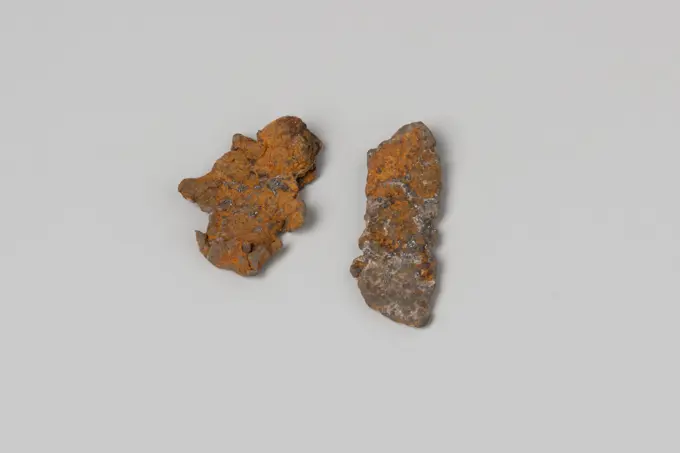
Brok from V.O.C. ship De 'Witte Leeuw', Before 1613  Brok from V.O.C. ship the 'Witte Leeuw', Lead White, Raw material for paint.  lead white   Sint-Helena
Brok from V.O.C. ship De 'Witte Leeuw', Before 1613 Brok from V.O.C. ship the 'Witte Leeuw', Lead White, Raw material for paint. lead white Sint-Helena
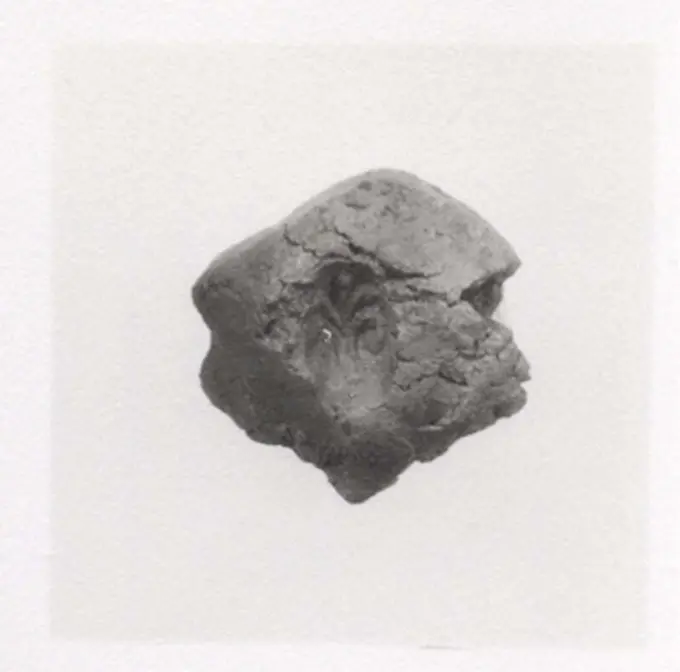
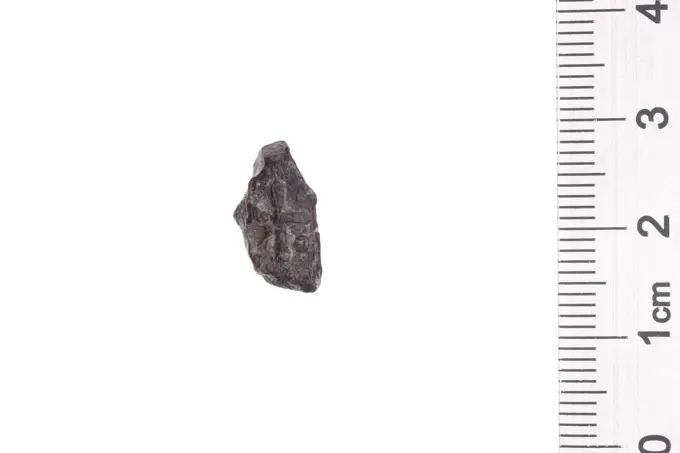
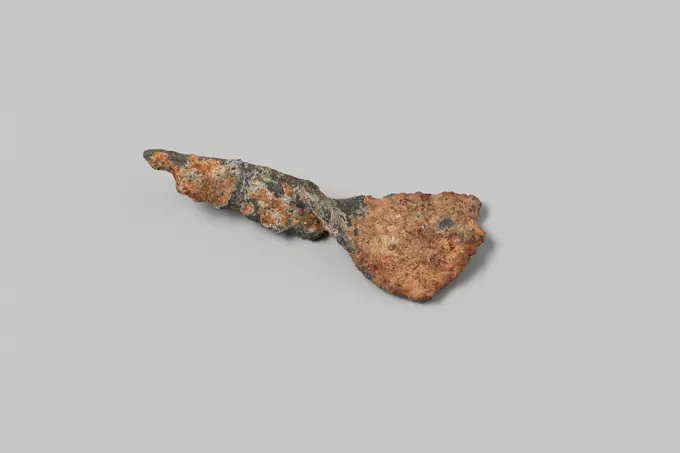
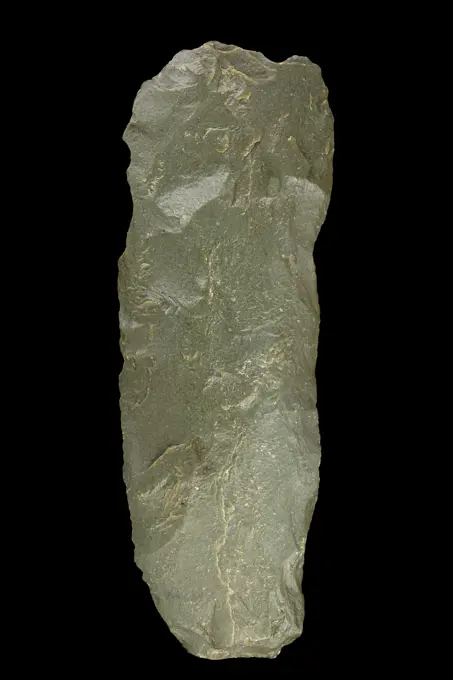
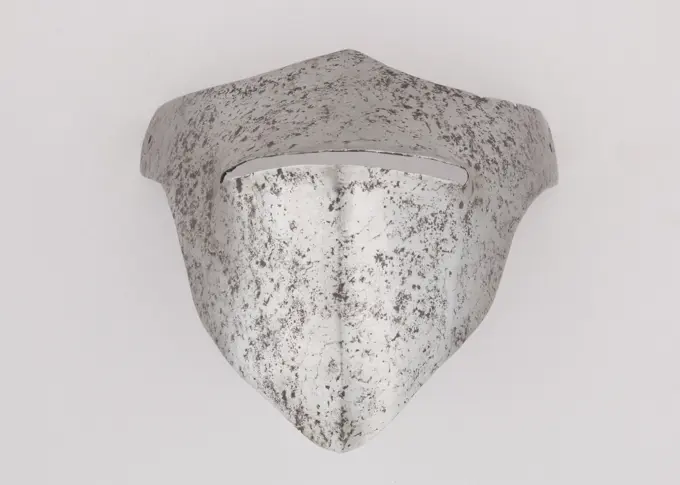
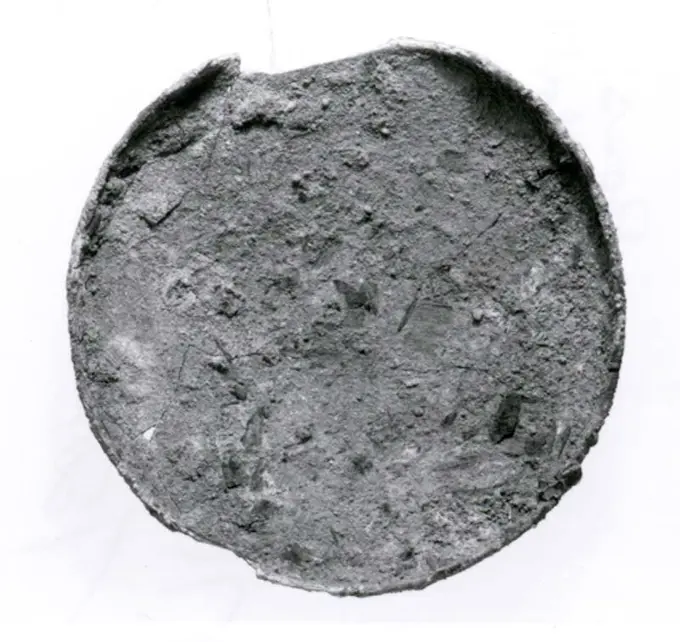
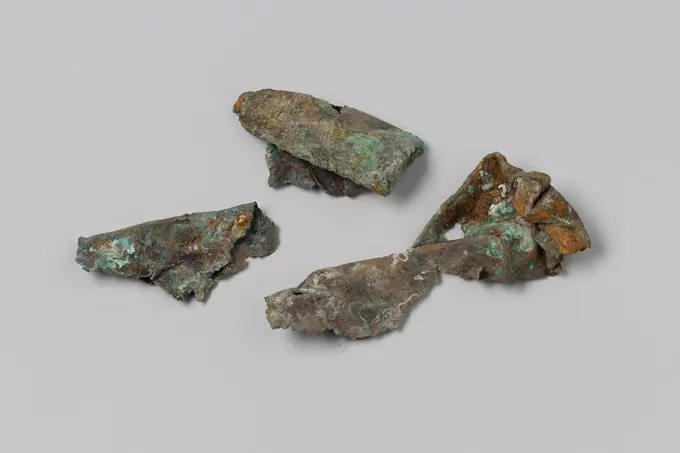
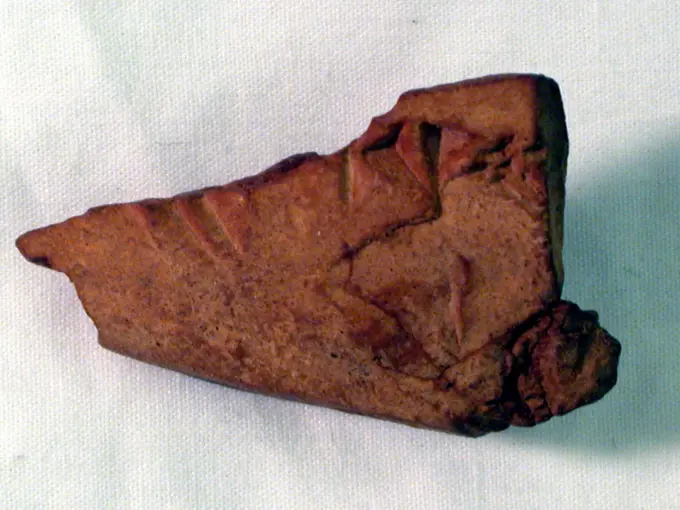
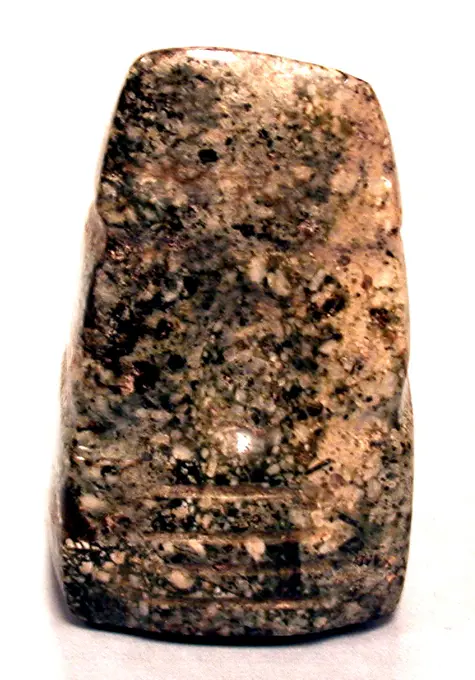
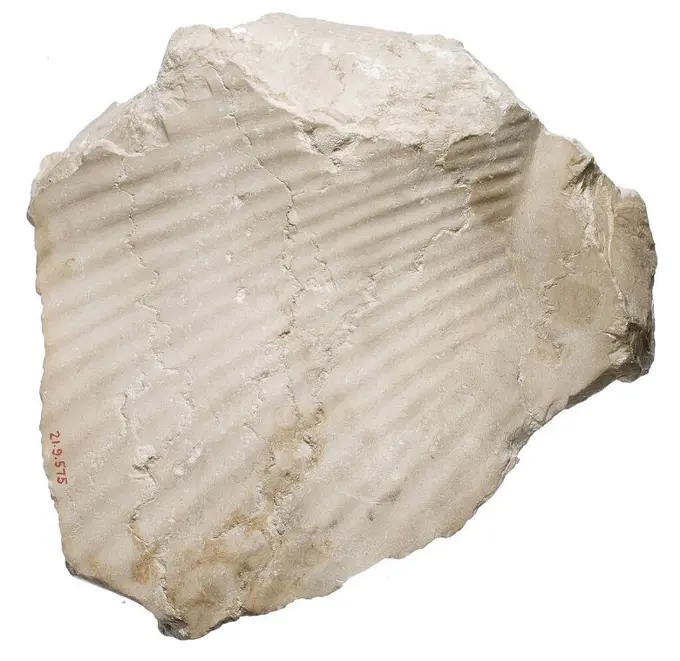
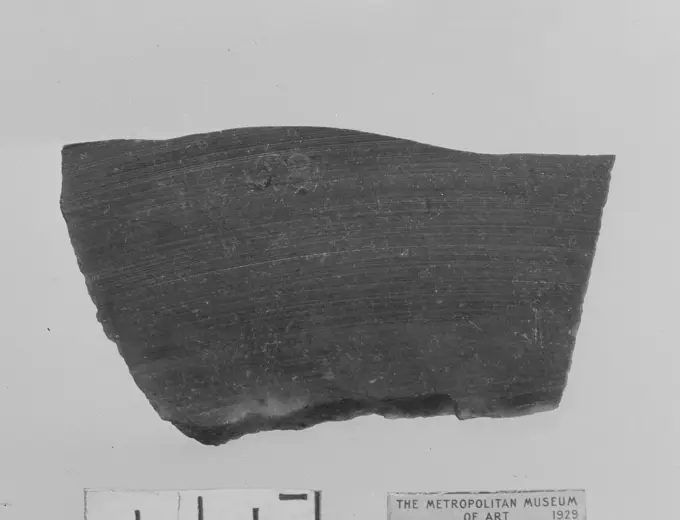
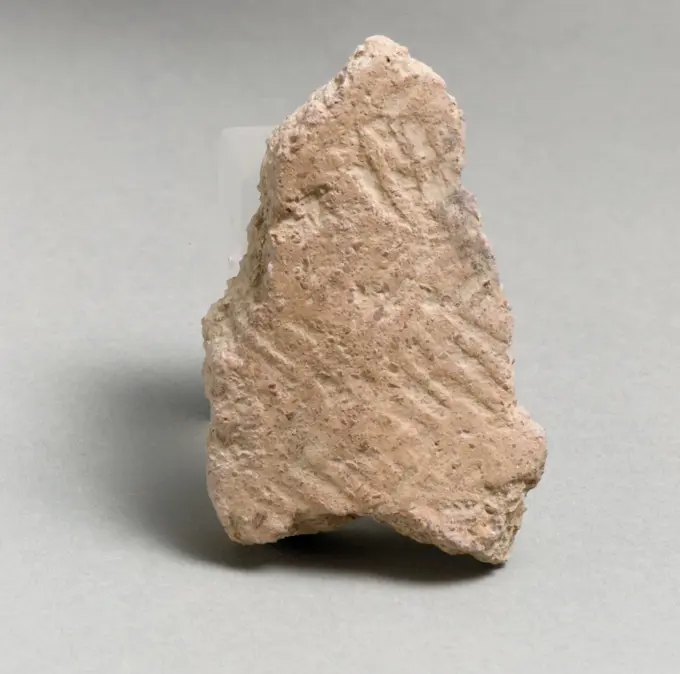
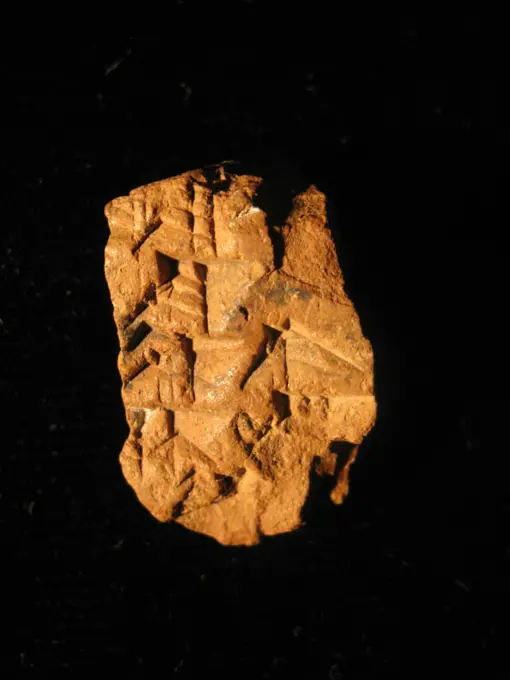
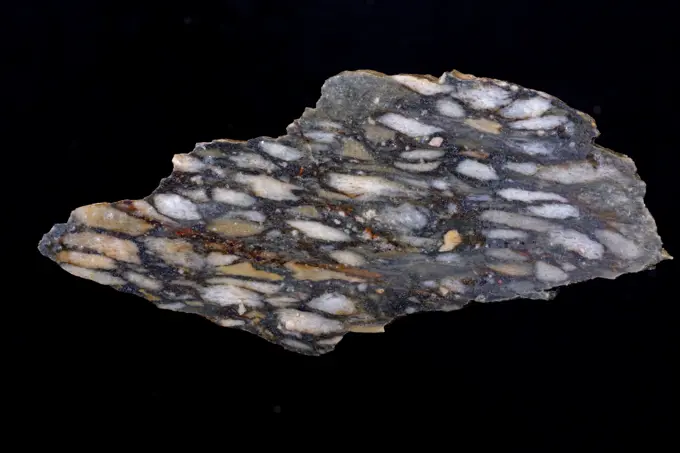
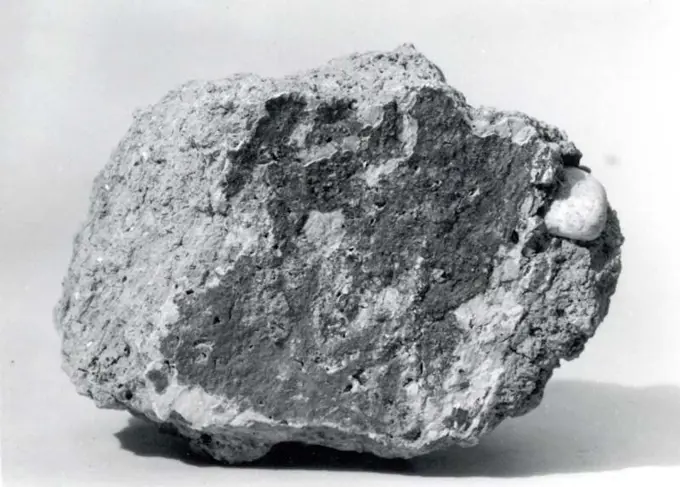
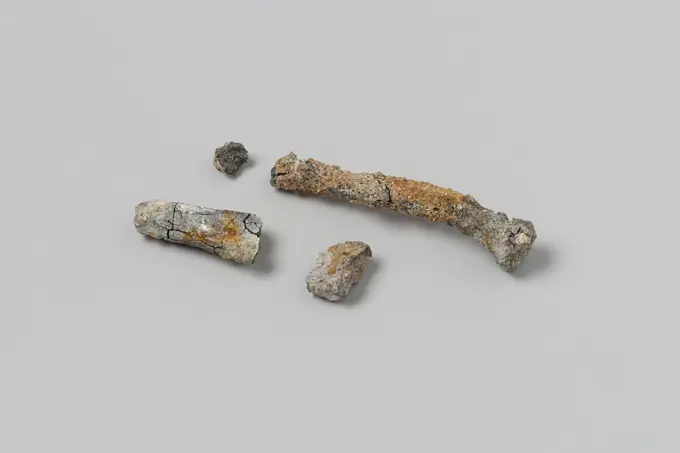
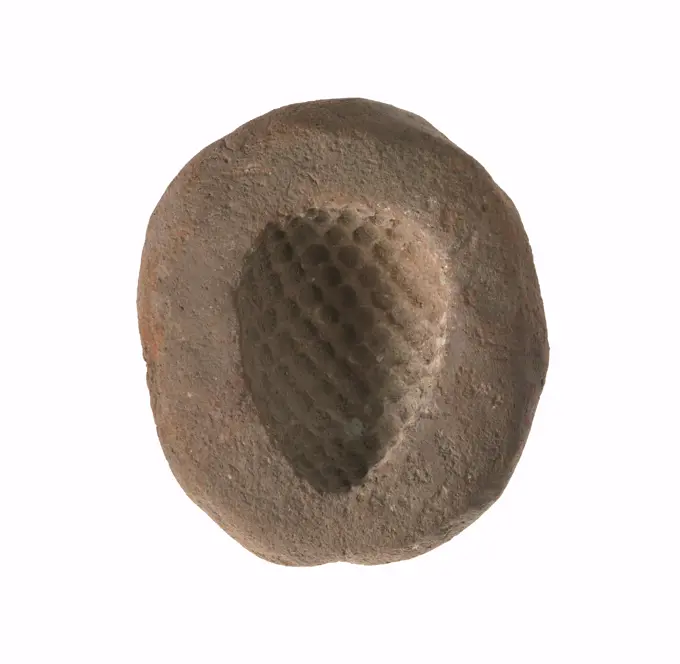
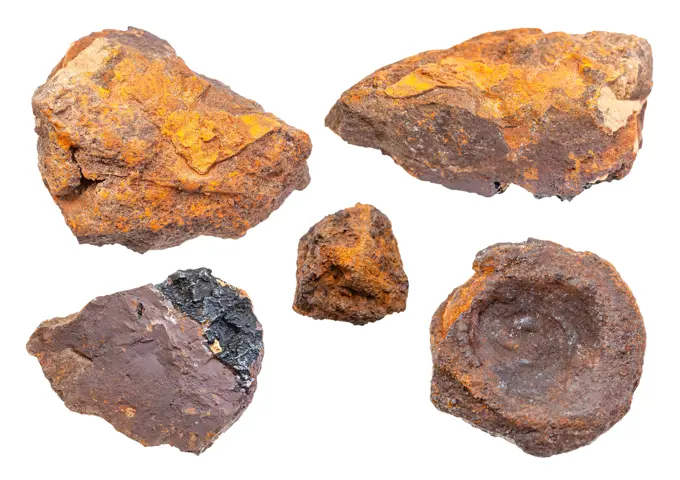
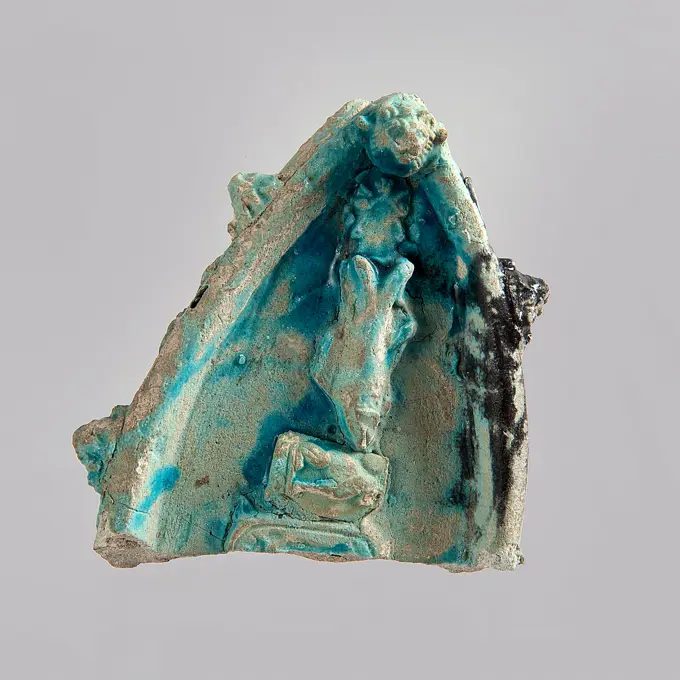
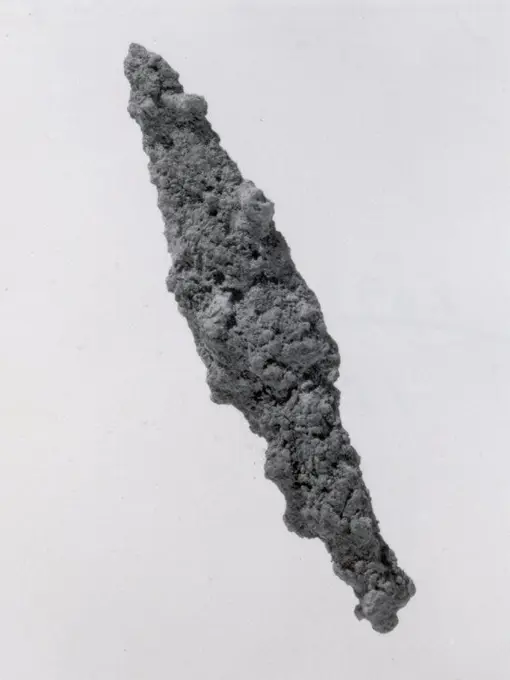
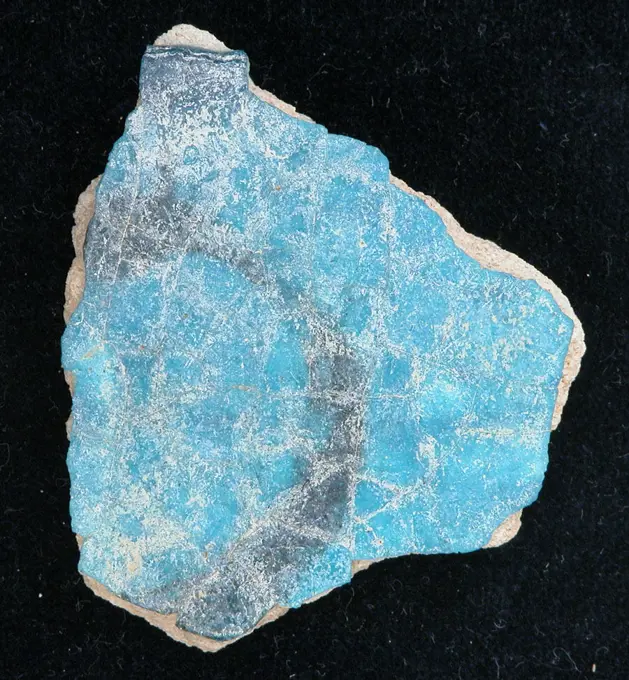
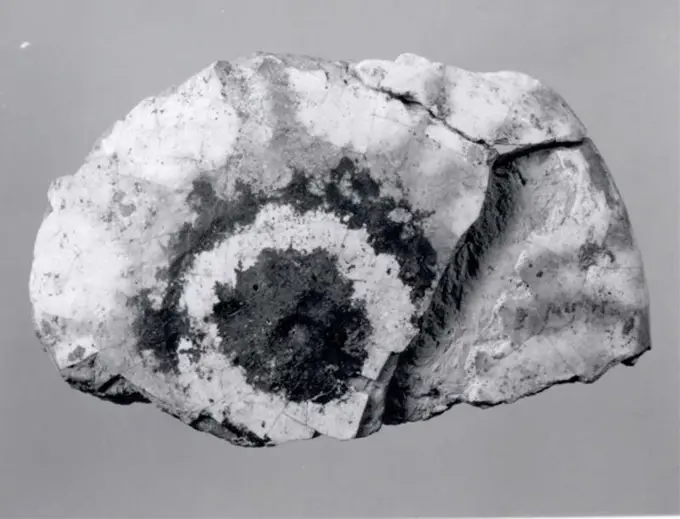
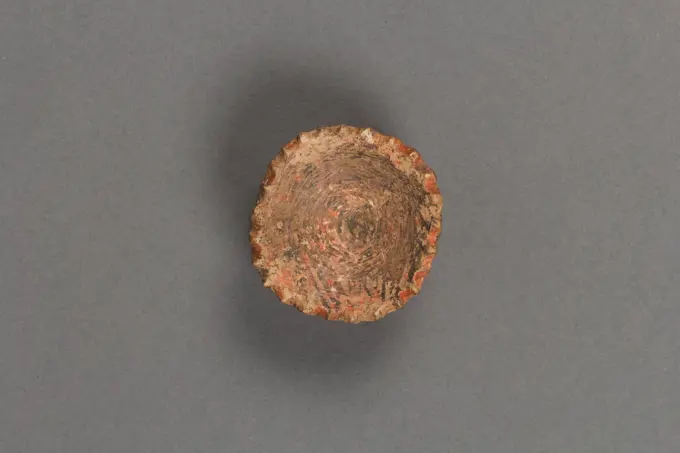
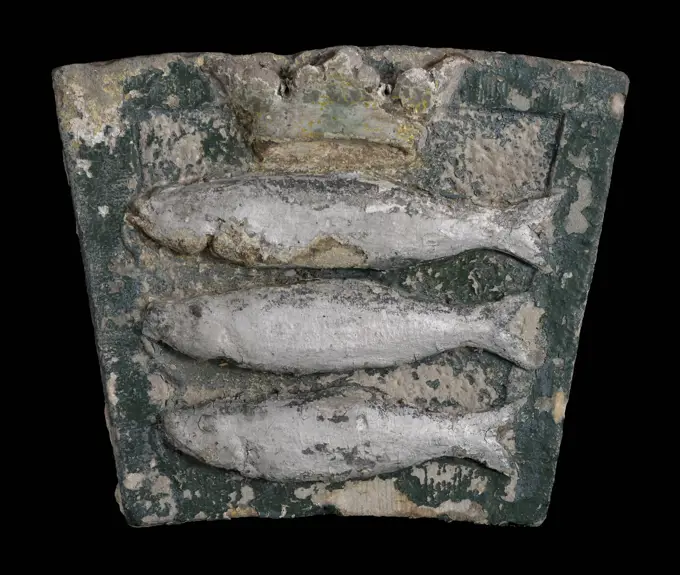
MINERAL - ARAGONITO.Sealing ca. 7th century A.D. Sasanian. Sealing 323293Drohiczyn seal. unknown, managerFragment lead from the wreck of the East Indieschief Hollandia. Parts or artifacts; eroded fragments: Materials; Lead.Grattoir en jaspe vert. Mali. 11,5 cm.Drohiczyn seal. unknown, managerUndecorated Base Fragment. UnknownRaised relief fragment 664-610 B.C. Late Period, Saite see 23.3.468. Raised relief fragment. 664-610 B.C.. Limestone. Late Period, Saite. From Egypt, Upper Egypt, Thebes, Deir el-Bahri, Tomb of Nespekashuty (TT 312, MMA 509), 1st chamber N. door, MMA excavations, 1922-23. Dynasty 26Vase fragment East Greek/Sardis, Lydian. Vase fragment 252736 East Greek/Sardis, Lydian, Vase fragment, Terracotta, Overall: 1 1/4 x 1in. (3.2 x 2.5cm). The Metropolitan Museum of Art, New York. Gift of The American Society for the Excavation of Sardis, 1926 (26.199.169)Agglomerate of half -melted objects (bronze, spearhead, charcoal) (common name). Bronze, charcoal. Carnavalet museum, history of Paris.Sealing ca. 1981-1640 B.C. Middle Kingdom. Sealing 560376Granite Pestle. Egypt, 5500 - 333 BCE. Tools and Equipment; pestles. GraniteMINERAL - GRANATE- NEOSILICATO ROMBODODECAEDRO DURO- BRILLO VITREO- COLOR OSCURO - FOTO AÑOS 60.Visor for a Bascinet ca. 1400 Italian This is part of a large find of medieval armor discovered in 1840 in the ruins of the fortress of Chalcis, on the Greek island of Euboea (then a Venetian colony called Negroponte). The fortress had been captured and destroyed by the Turks in 1470. Now divided largely between the Ethnological Museum, Athens, and The Metropolitan Museum of Art, the Chalcis hoard contains many rare and unusual elements of fourteenth- and fifteenth-century armor. Of particular importance are the variety of headpieces and the many fragments of brigandines (armor for the torso constructed of small plates riveted to layers of fabric), some of which retain portions of their original velvet covering. The Chalcis armor provides a unique picture of the armament used in the Aegean, one of the easternmost military outposts of the Venetian empire.. Visor for a Bascinet 27655Excerpt of copper from the wreck of the East Indians Hollandia, 1700 - in or before 1743  Parts of artefacts; eroded fragments: materials; copper. Netherlands copper (metal)   SecondWall casing 664-610 B.C. Late Period, Saite see 23.3.468. Wall casing. 664-610 B.C.. Limestone. Late Period, Saite. From Egypt, Upper Egypt, Thebes, Deir el-Bahri, Tomb of Nespekashuty (TT 312, MMA 509), Undetermined, MMA excavations, 1922-23. Dynasty 26Dish ca. 9th century B.C. Iran. Dish 325019Fragments from buyer from the wreck of the East India Hollandia.parts or artifacts; eroded fragments: Materials; Copper.Cuneiform tablet: fragment, Ebabbar archive ca. 7th-4th century B.C. Babylonian or Achaemenid. Cuneiform tablet: fragment, Ebabbar archive 321865Cuneiform tablet: fragment, Ebabbar archive ca. 7th-4th century B.C. Babylonian or Achaemenid. Cuneiform tablet: fragment, Ebabbar archive 322093Naoum Aronson (1872-1943). Medal plate. Portraits. Metal, bronze, green patina. Museum of Fine Arts of the City of Paris, Petit Palais. 58756-10 Bronze, medal, metal, numero inventory, numismatics, green plate, portrait, reverse, plateLeft rear quadrant of a head of Akhenaten or Nefertiti wearing an upright crown New Kingdom, Amarna Period ca. 1352-1336 B.C.Fragment; (possibly) belonging to the Retable of Soest. .Fragment lead from the wreck of the East Indians Hollandia, 1700 - in or before 1743  Parts of artefacts; eroded fragments: materials; lead. Netherlands lead (metal)   SecondSealing ca. 1981-1640 B.C. Middle Kingdom. Sealing 557529Stone Temple Model 1st-8th century Mezcala. Stone Temple Model 317546Body (back) of Nefertiti / female. Dimensions: H. 20 × W. 22 × D. 7 cm (7 7/8 × 8 11/16 × 2 3/4 in.). Dynasty: Dynasty 18. Reign: reign of Akhenaten. Date: ca. 1353-1336 B.C.. Museum: Metropolitan Museum of Art, New York, USA.Greece, Sarmacja, Olbia, approx. 400 350 BCE, AE MintFragment Tibet. Fragment. Tibet. Jadeite. Jadeunpolished gray dolomite rock isolated on white closeup of sample of natural mineral from geological collection - unpolished gray dolomite rock isolated on white background Copyright: xZoonar.com/ValeryxVoennyyx 14986172Terracotta fragment of a pithos () with impressed zigzag pattern ca. 2300-2100 B.C. Helladic From Zygouries, GreeceFragment, incised designs.. Terracotta fragment of a pithos () with impressed zigzag pattern 251302 Helladic, Terracotta fragment of a pithos () with impressed zigzag pattern, ca. 23002100 B.C., Terracotta, Overall: 2 11/16 x 1 3/4in. (6.8 x 4.5cm). The Metropolitan Museum of Art, New York. Gift of Gisela M. A. Richter, 1923 (23.121.2)Raised relief fragment 664-610 B.C. Late Period, Saite see 23.3.468. Raised relief fragment 548189Fragment probably 14th century. Fragment 445324Cuneiform tablet: unidentified fragment ca. late 1st millennium B.C.. Cuneiform tablet: unidentified fragment. ca. late 1st millennium B.C.. Clay. MesopotamiaMace head ca. 9th century B.C. Iran. Mace head 325154Fragment of buyer from the wreck of the East India Hollandia.parts or artifacts; eroded fragments: Materials; Copper.Attic Black-Figure Cup Fragment. UnknownBelt fragment ca. 9th century B.C. Iran. Belt fragment 325167Fragment of an Archaic Kline Monument. UnknownRelief fragment, tomb of Meketre ca. 1981-1975 B.C. Middle Kingdom. Relief fragment, tomb of Meketre 562115Attic Red-Figure Stamnos Fragment (comprised of 2 Joined Fragments). Kleophrades Painter (Greek (Attic), active 505 - 475 B.C.)Pottery Fragment 4th-7th century Coptic. Pottery Fragment 479322Stretched Pebble Conglomerate     Date: Shards of jugs from the wreck of the East India Hollandia. Stoneware, rhenish, frechen-ware, jug; Fragm or base.Relief fragment from the tomb of Meketre ca. 1981-1975 B.C. Middle Kingdom. Relief fragment from the tomb of Meketre 668911Fragment of a Bowl (Study Collection) China. Fragment of a Bowl (Study Collection). China. Ceramic with celadon glaze (Longquan ware). Song dynasty (960-1279). CeramicsGlass Fragment 14th-15th century European. Glass Fragment. European. 14th-15th century. Colorless glass. Glass-StainedFigurine Fragment. UnknownCrown with discs ca. 1353-1336 B.C. New Kingdom, Amarna Period. Crown with discs. ca. 1353-1336 B.C.. Red quartzite. New Kingdom, Amarna Period. From Egypt, Middle Egypt, Amarna (Akhetaten), Great Temple of the Aten, pit outside southern wall, Petrie/Carter excavations, 1891-92. Dynasty 18Waster 16th-17th century. Waster. 16th-17th century. Earthenware; glazed. Excavated in Iran, Nishapur. CeramicsFragment. Culture: Tibet. Museum: Metropolitan Museum of Art, New York, USA.Pattern bag from the wreck of the East Indians Meresteijn, Anonymous, 1690 - 1702 cartridge pouch Pattern bag with content. Rectangular, slightly curved flat metal box in which fixed 12 pattern tubes. The original leather cover was lost. A few pattern tubes still contain remains of the patterns: one lead bullet is still in a tube, two lead bullets are part of it. Two pattern tubes contain wood residues. The whole object is quite distorted. Cartridge Case. Netherlands brass (alloy). lead (metal). wood (plant material)   Cape of Good HopeFoliate and lacy point in cut stone. Neolithic period. North Africa. 5 cm.PIEZA DE AJUAR PALEOLITICO: BIFAZ O HACHA DE MANO DEL YACIMIENTO DE SAN ISIDRO, DEL VALLE DEL MANZANARES (DEPOSITO: MUSEO ARQUEOLOGICO NACIONAL).Mason's Float Third Intermediate Period (Kushite) ca. 712-660 B.C. or later View more. Mason's Float. ca. 712-660 B.C. or later. Wood. Third Intermediate Period (Kushite). From Egypt. Dynasty 25 or laterKlisteerspuit uit het wrak van de Oost-Indiëvaarder Hollandia. Tools and instruments, medical, enema syringe; fragm of cylinder and pump system, extremely corroded: ffragm of upper end, circular, moulded rim, flat with fragm of shaft protruding, broken off (moulding 3.2d): (1)fragm of straight cylinder, broken, with piston inside sim. NG 1980-27H1456: fragm of lower end, circular, flanged, externally threaded rim with central hollow shaft: fragm of tube, sim. NG 1980-27H1632/1799.AS; Antoninus Pius (86-161; Roman emperor 138-161), Faustina older (98-141; Roman Empress 138-141); after 141 (141-00-00-166-00-00);Raw material ca. 9th-7th century B.C. Assyrian. Raw material 324779Sherd ca. 7th century B.C. Iran This sherd of white slipped pottery is made of red clay. It was excavated at Tepe Nush-i Jan, an Iron Age hilltop site about 60 km sound of Hamadan in western Iran. Nush-i Jan was occupied in the 7th and 6th centuries B.C., and its occupants are generally thought to be the Medes, an Iranian people known from Assyrian, Achaemenid and Biblical sources. Though the textual sources portray them as a powerful empire, archaeological evidence for the Medes has yet to sustain this impression. Rather, they seem to have lived in scattered fortified sites in western and central Iran, without any clear capital. Nush-i Jan, one of the best known of these sites, features two temples, a columned hall, and a fort. This spout was discovered in the East Court,’ an open area next to the fort.. Sherd 325996Chisel Fragment From Foundation Deposit 2 of Hatshepsut's Valley Temple ca. 1479-1458 B.C. New Kingdom. Chisel Fragment From Foundation Deposit 2 of Hatshepsut's Valley Temple. ca. 1479-1458 B.C.. Bronze or copper alloy. New Kingdom. From Egypt, Upper Egypt, Thebes, Asasif, Hatshepsut Valley Temple, Foundation Deposit 5AFD2, MMA excavations, 1915-16. Dynasty 18FOSSILES SHELLS.Plaster with painted chevrons ca. 9th-7th century B.C. Assyrian. Plaster with painted chevrons 324621Vase fragment ca. 4000-3000 B.C. Neolithic, Thessaly. Vase fragment 253229 Neolithic, Thessaly, Vase fragment, ca. 40003000 B.C., Terracotta, length 2 5/16in. (5.9cm). The Metropolitan Museum of Art, New York. Anonymous Gift, 1930 (30.119.24)Brick from the wreck of the East Indians Hollandia, Anonymous, 1700 - in or before 1743 brick (clay product) Constructional elements, brick; rectangular. Netherlands brick (clay product)   SecondFragments steal from forks or spoons from the wreck of the East Indiesman Hollandia. Cutlery, fragment: voice or fork or spoon; Fragm, Sim. NG 1980-27H49A.Glass Fragment 15th century Western European. Glass Fragment 467253Drohiczyn seal. unknown, managerArrowhead artifact Weight ca. 1981-1640 B.C. Middle Kingdom. Weight. ca. 1981-1640 B.C.. Soapstone. Middle Kingdom. From Egypt, Memphite Region, Lisht North, Cemetery, MMA excavations, 1920-22. Dynasty 12-13Mold for a Grape Cluster Pendant ca. 1353-1336 B.C. New Kingdom, Amarna Period. Mold for a Grape Cluster Pendant. ca. 1353-1336 B.C.. Pottery. New Kingdom, Amarna Period. From Egypt, Middle Egypt, Amarna (Akhetaten), Town manufactories, Petrie/Carter excavations, 1891-92. Dynasty 18Axes. Neolithic. Cave of La Mora, Jabugo (Huelva province, Andalusia). National Archaeological Museum. Madrid. Spain.Vessel Fragment 4th-7th century Coptic. Vessel Fragment 478508Arrowhead with peduncle in cut stone. Neolithic period. North Africa. 3,5 cm.set of various Limonite  brown iron ore rocks set of various Limonite  brown iron ore rocks isolated on white background Copyright: xZoonar.com/ValeryxVoennyyx 15151239raw Skarn stone on dark background macro shooting of natural mineral rock specimen - raw Skarn stone on dark granite background from Primorsky Krai, Russia Copyright: xZoonar.com/ValeryxVoennyyx 11380821Weight ca. 1981-1640 B.C. Middle Kingdom. Weight. ca. 1981-1640 B.C.. Serpentinite. Middle Kingdom. From Egypt, Memphite Region, Lisht North, Cemetery, MMA excavations, 1920-22. Dynasty 12-13Fragment of the votive  around 30 BCE - 395 CE ; Roman period (-30-00-00-395-00-00);Daszewski, Wiktor A. (1936-), Daszewski, Wiktor A. (1936-)-collection, whipping (iconogr.), Dar (provenance), solar disk (iconogr.), Cartouches, cats, lions, masks, palmets , fish, falcons, faces, ureusz (iconogr.), Votum, boatsArrowhead ca. 9th century B.C. Iran. Arrowhead 326197Fragment Russia (Siberia). Fragment 43536Drohiczy seal;  XI-XIII century (1090-00-00-1110-00-00);guild seals, customs seals, touches, seals of customs chambers, official seals, seals with a cross, seal with the letterFragment 12th-13th century. Fragment 451512Sickle Blade, 1980-1801 BC. Egypt, Middle Kingdom, Dynasty 12. Flint; overall: 5 cm (1 15/16 in.).Drohiczyn seal. unknown, managerCuneiform tablet: unidentified fragment ca. late 1st millennium B.C.. Cuneiform tablet: unidentified fragment 328928Pocisk do procy. unknown, authorHollow-Base Projectile Point ca. 7,000-5,000 B.C. Neolithic. Hollow-Base Projectile Point. ca. 7,000-5,000 B.C.. Flint. Neolithic. From Egypt, Western Desert; Kharga Oasis, Beledeh District, W and NW of Christian necropolis, surface find, MMA excavations, 1908-10Eight Groups of Papyrus Fragments Inscribed in Demotic and Greek Eight Groups of Papyrus Fragments Inscribed in Demotic and Greek, 664 B.C.E.-395 C.E. Papyrus, ink, 47.218.17a-3: Largest fragment: 2 9/16 × 1 9/16 in. (6.5 × 4 cm).   Egyptian, Classical, Ancient Near Eastern Art 664 B.C.E.-395 C.E.Round Plaque 3rd century B.C.-A.D. 2nd century Vicús. Round Plaque 315537Knob ca. 9th century B.C. Iran. Knob 325216Drohiczyn seal. unknown, managerPoint drill on blade. Mali, Neolithic. 10,5cm.Unattributed Trebizond Coin. Unknowntumbled spreusteined urtite stone isolated macro shooting of natural mineral rock specimen - tumbled spreusteined urtite stone isolated on white background from Khibiny Mountains, Kola Peninsula, Russia Copyright: xZoonar.com/ValeryxVoennyyx 11514894Cuneiform tablet: fragment, content uncertain ca. late 1st millennium B.C.. Cuneiform tablet: fragment, content uncertain 322076One of a Group of Bone Ornaments Japan. One of a Group of Bone Ornaments. Japan. Bone, vertebrae, claw. Final Jmon period (ca. 1000-300 B.C.). BoneDrohiczyn seal. unknown, managerDrohiczyn seal. unknown, managerFacade stone with three crowned herrings, keystone building element facing stone sculpture stone, carved Cornerstone of gate: top around bottom hollow and narrower. Surface green dyed crown gold and pegs in silver Akzo VOC Delfshaven fish soap Rotterdam Voorhaven III Delfshaven.Glass Fragment 13th century French. Glass Fragment. French. 13th century. Pot metal glass. Made in Paris, France. Glass-StainedStone asteroids realistic vector illustration. Meteor or space boulder or rock with craters isolated icon set on white background, various form. Stone asteroids. Meteor or space boulder or rock