Ancient Artifacts and Coins

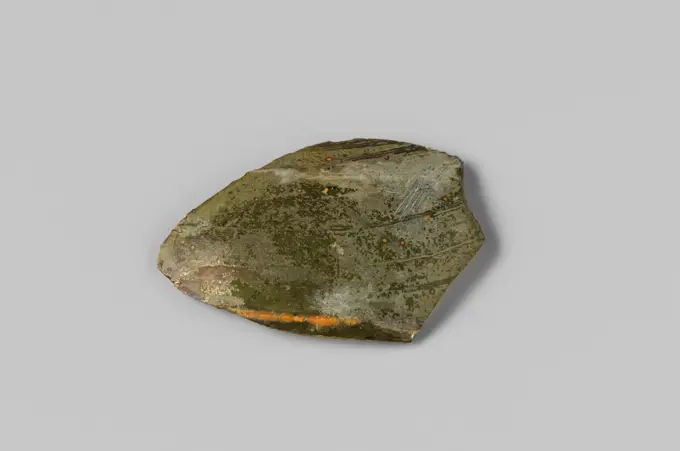
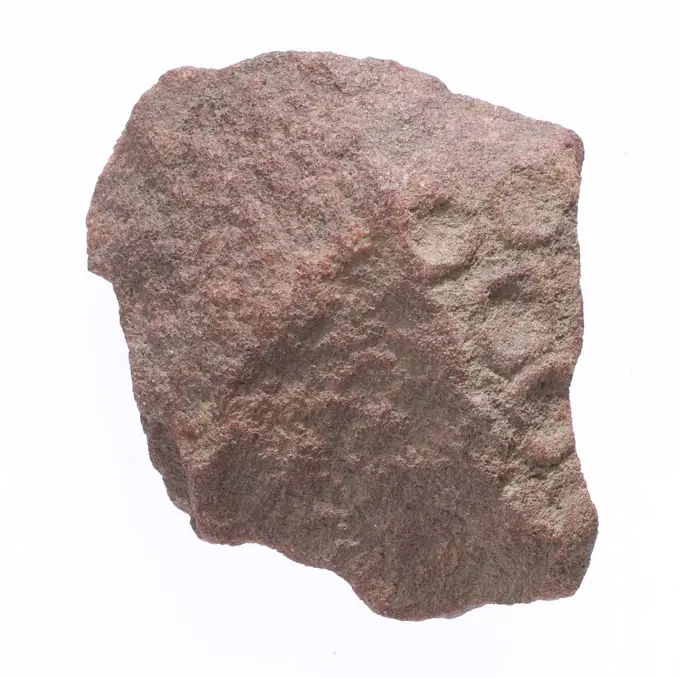
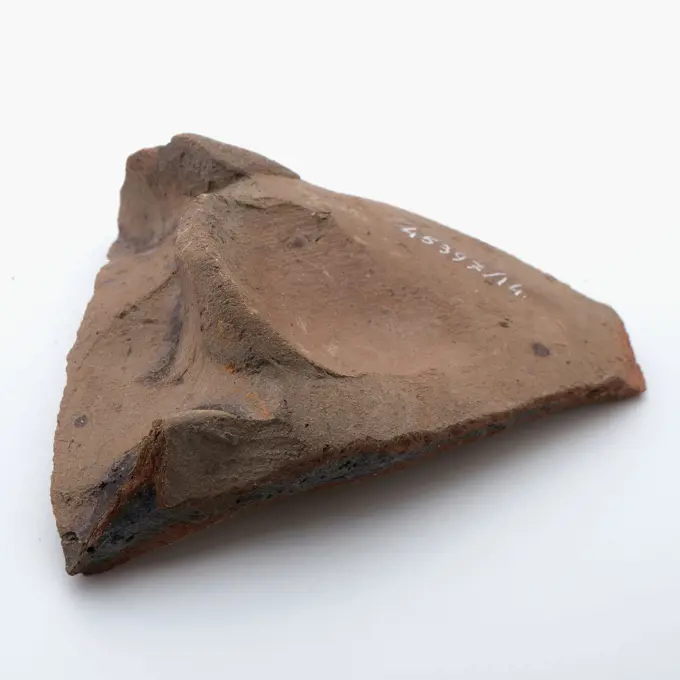
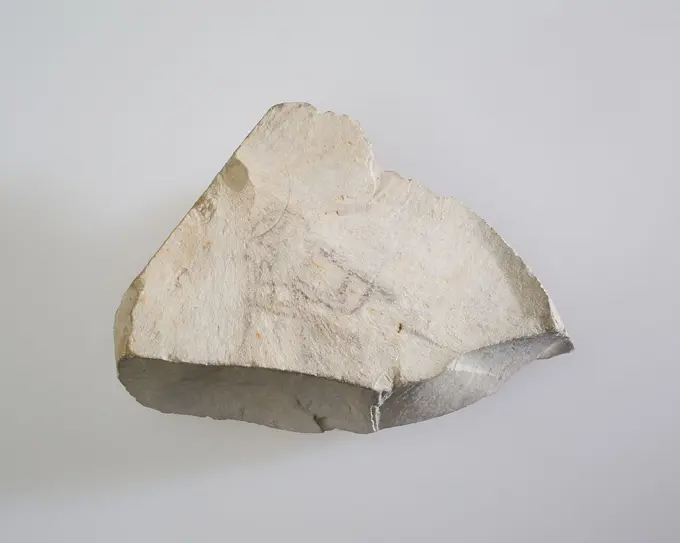
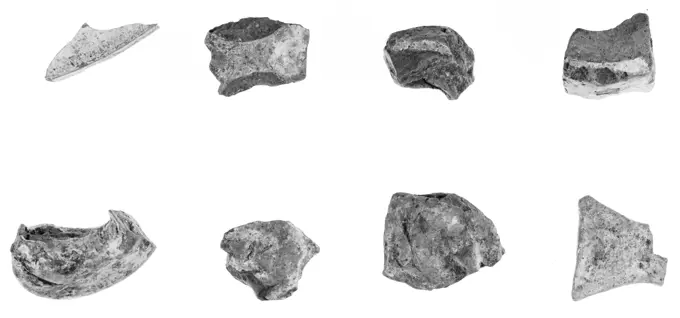
A selection of historical items including coins, flint sickle inserts, and ancient pottery fragments, reflecting agricultural and cultural practices of past civilizations.

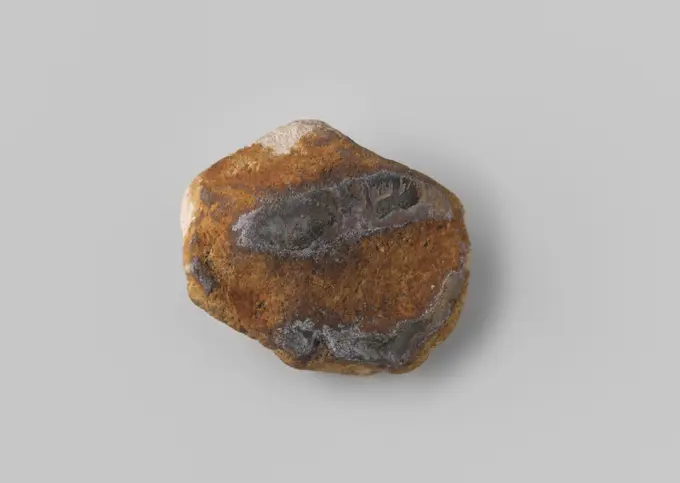
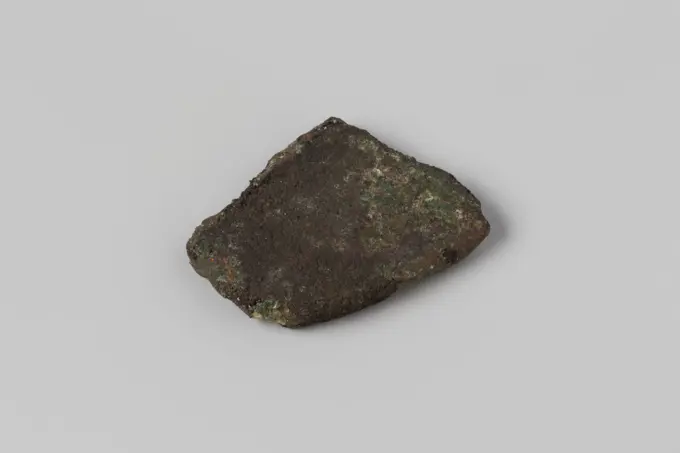
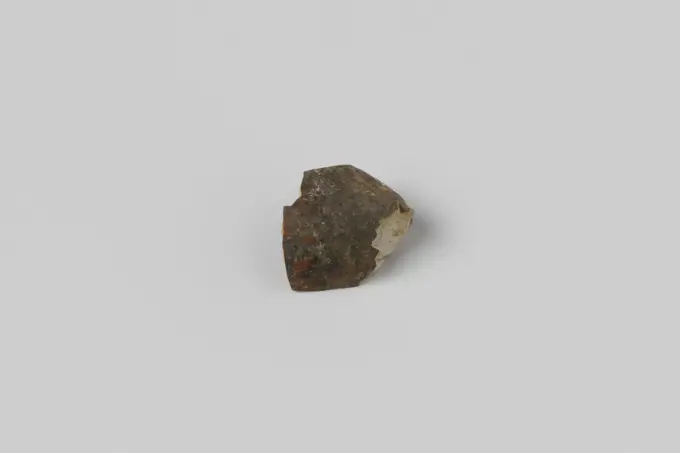
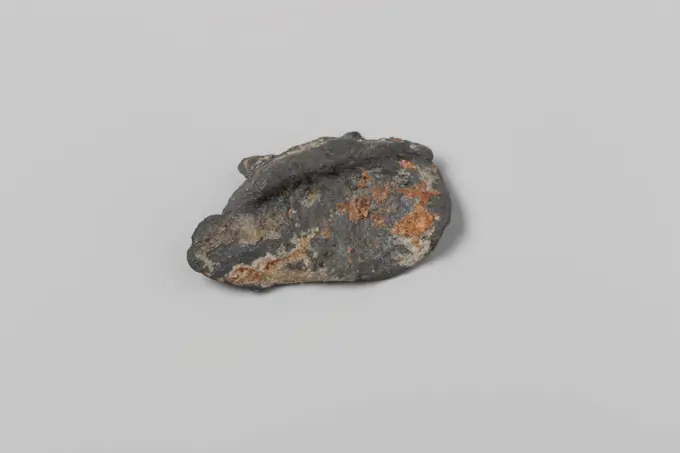
Brok from V.O.C. ship De 'Witte Leeuw', Before 1613  Brok from V.O.C. ship the 'Witte Leeuw', Lead White, Raw material for paint.  lead white   Sint-Helena
Brok from V.O.C. ship De 'Witte Leeuw', Before 1613 Brok from V.O.C. ship the 'Witte Leeuw', Lead White, Raw material for paint. lead white Sint-Helena
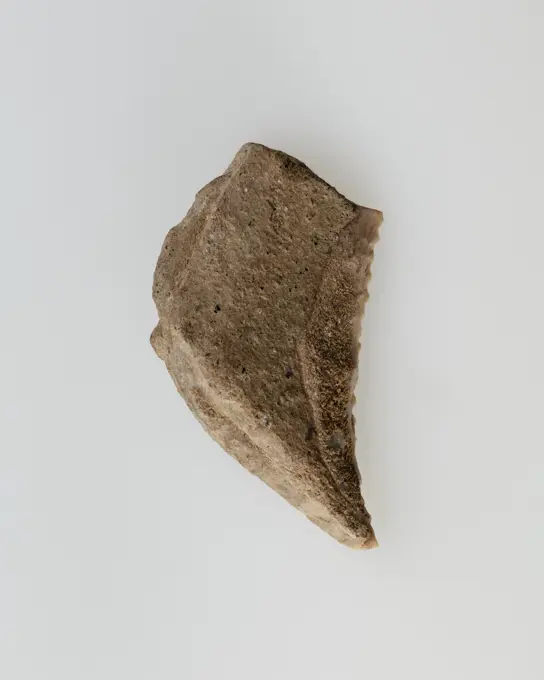
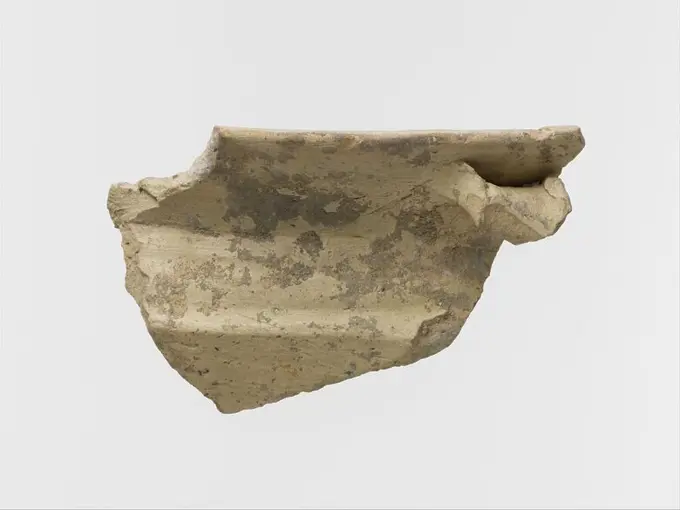
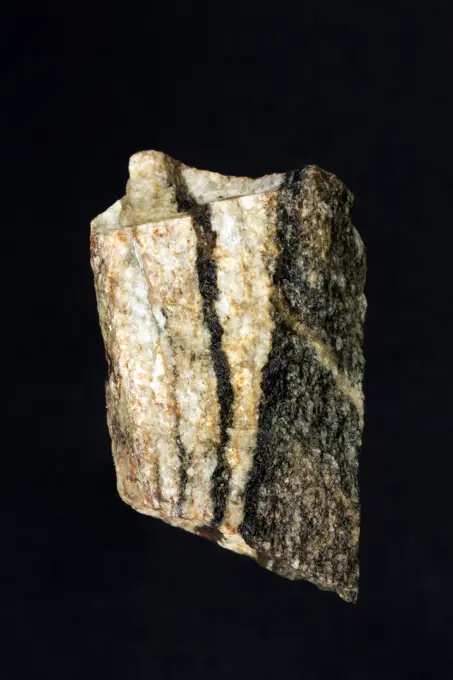
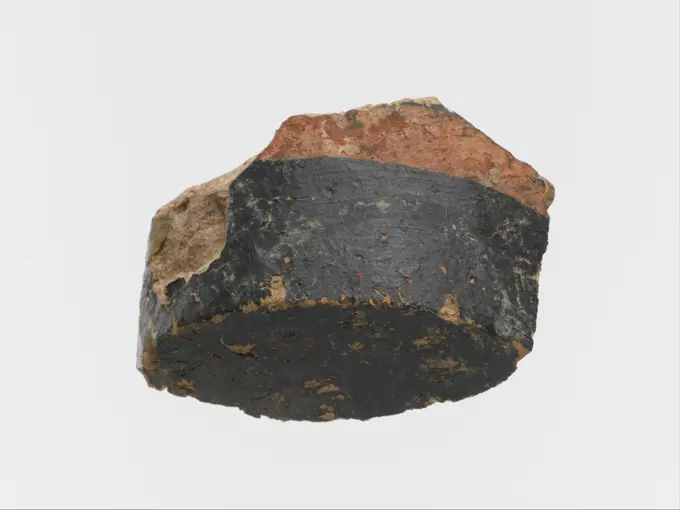
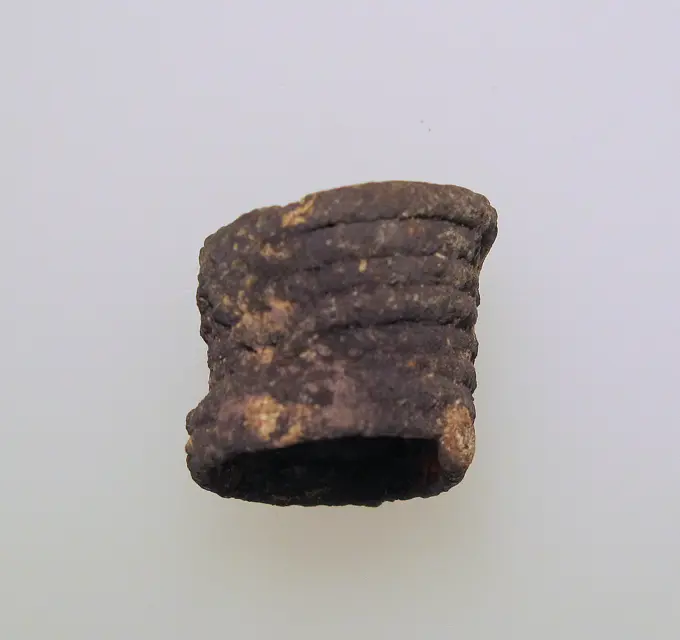
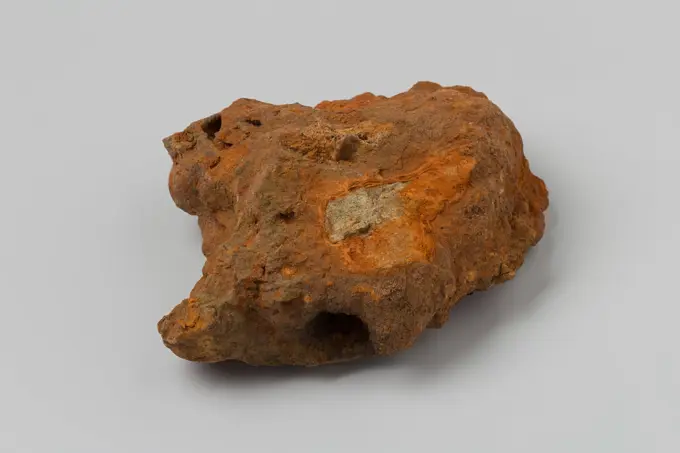
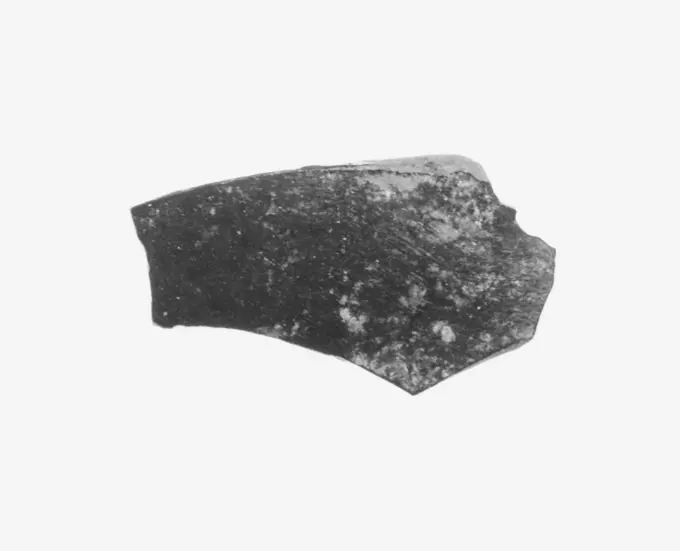
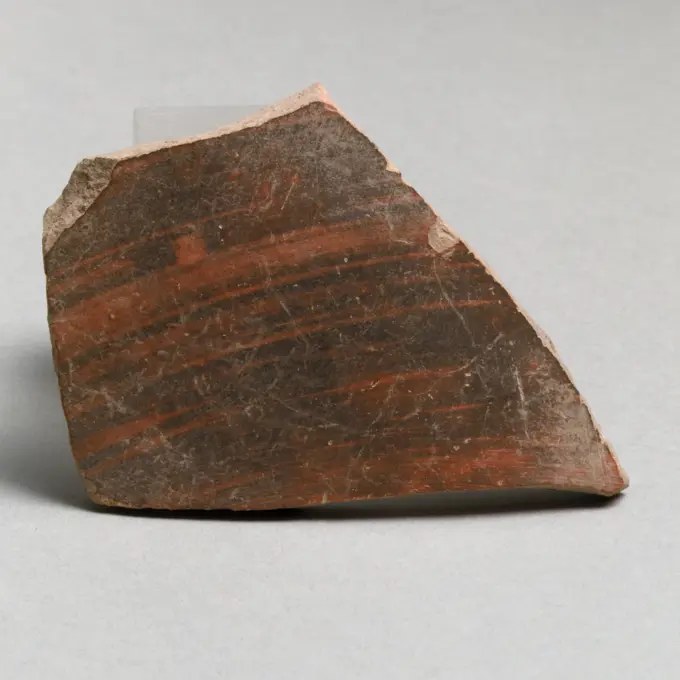
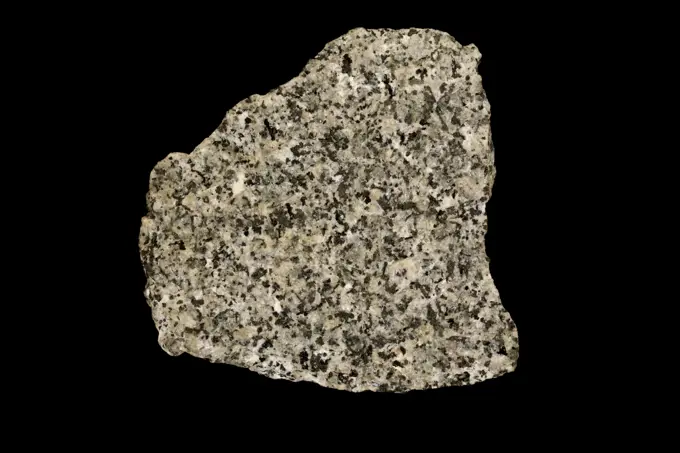
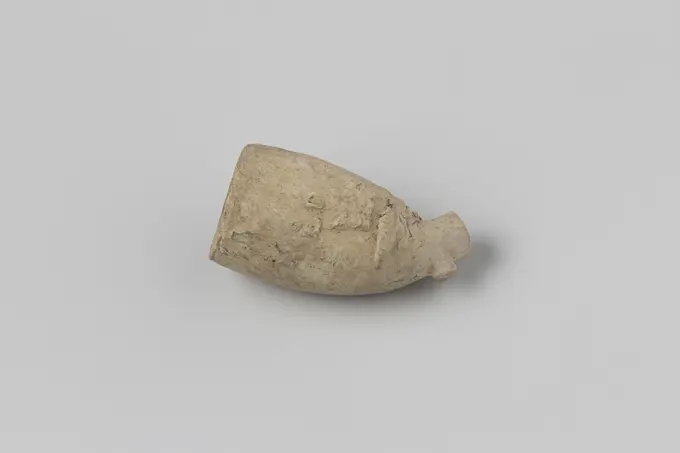
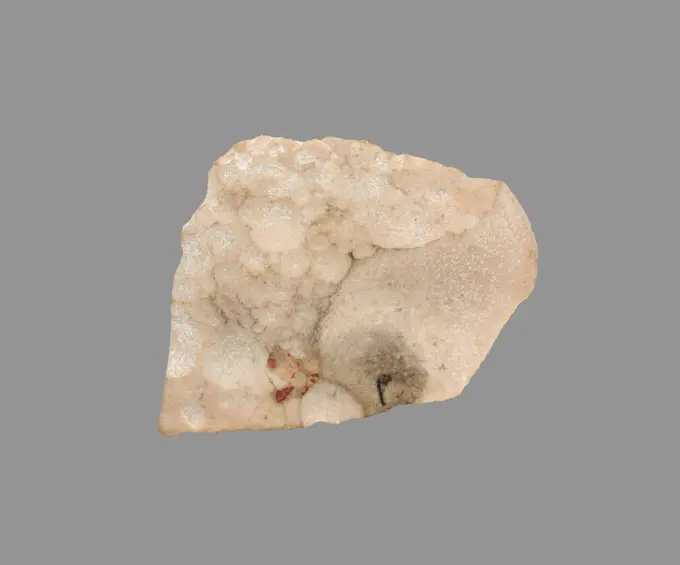
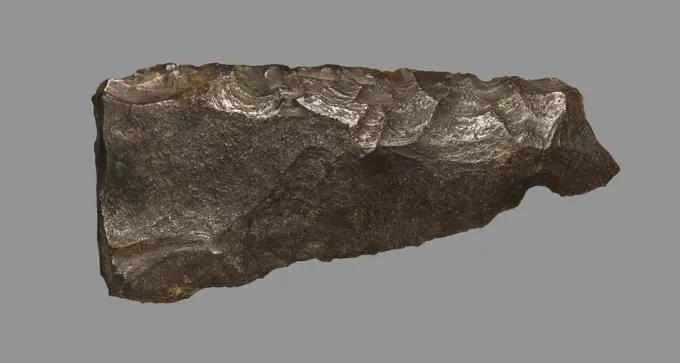
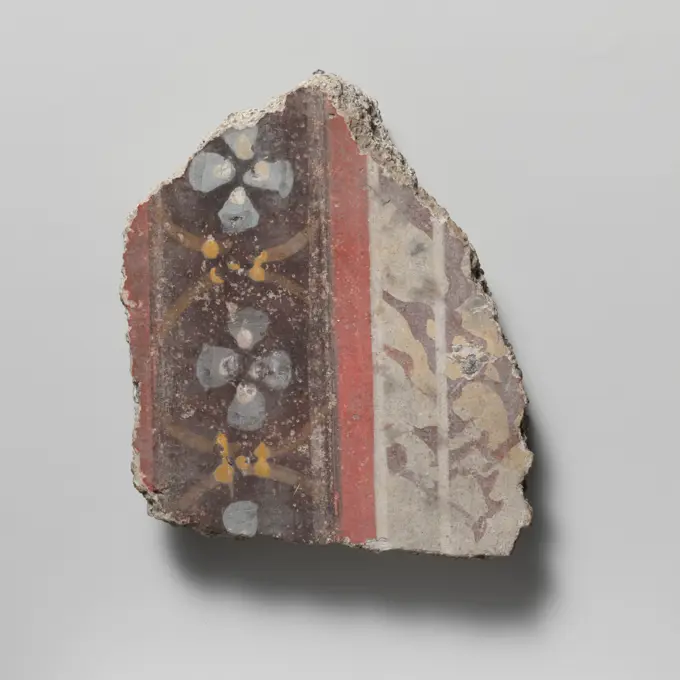
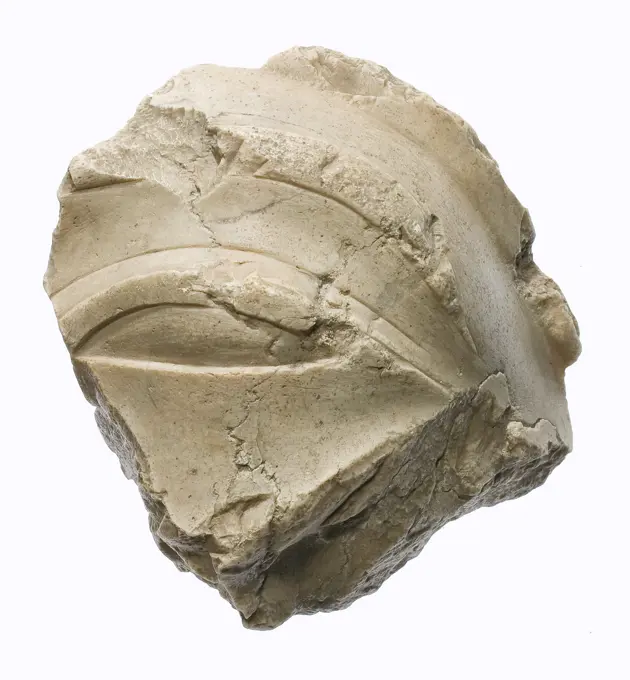
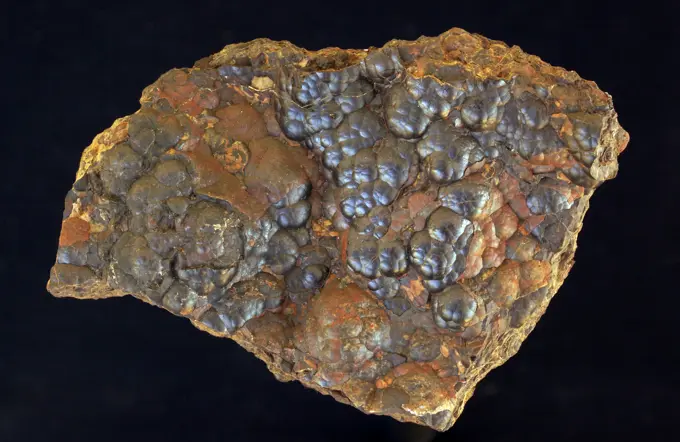
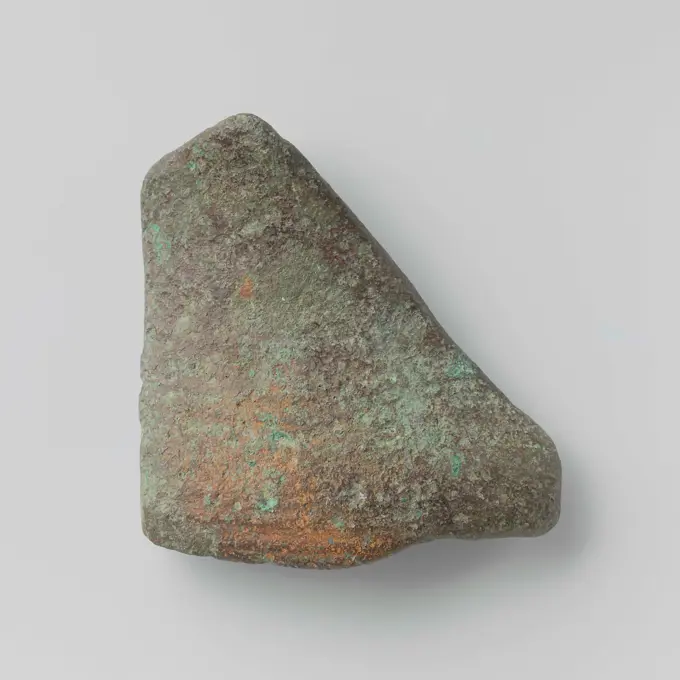
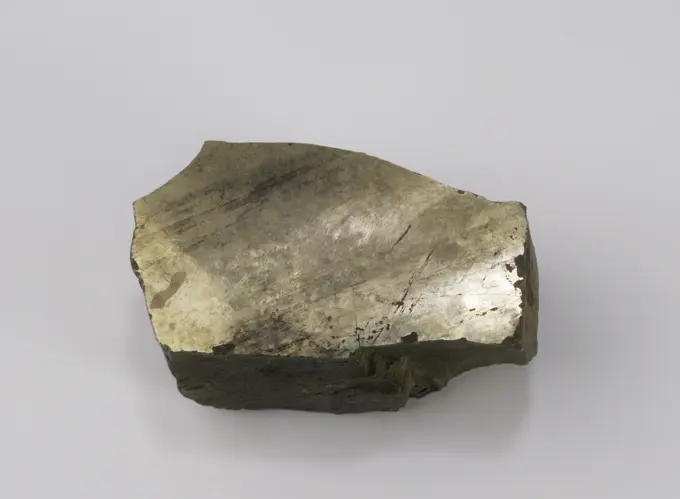
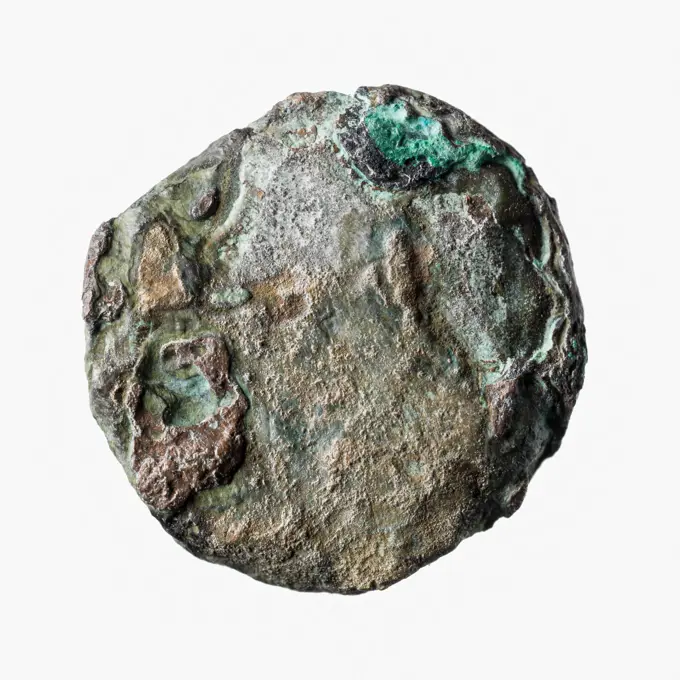
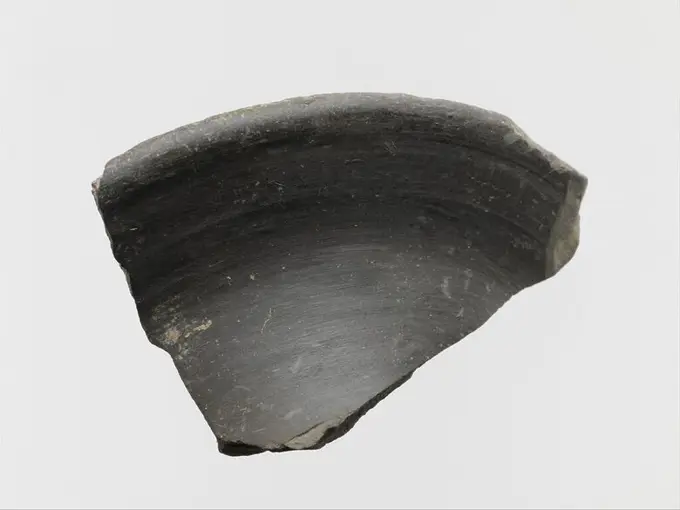
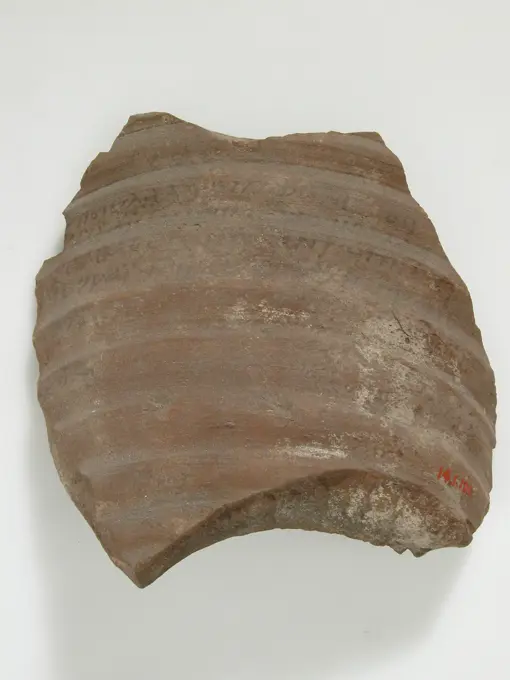
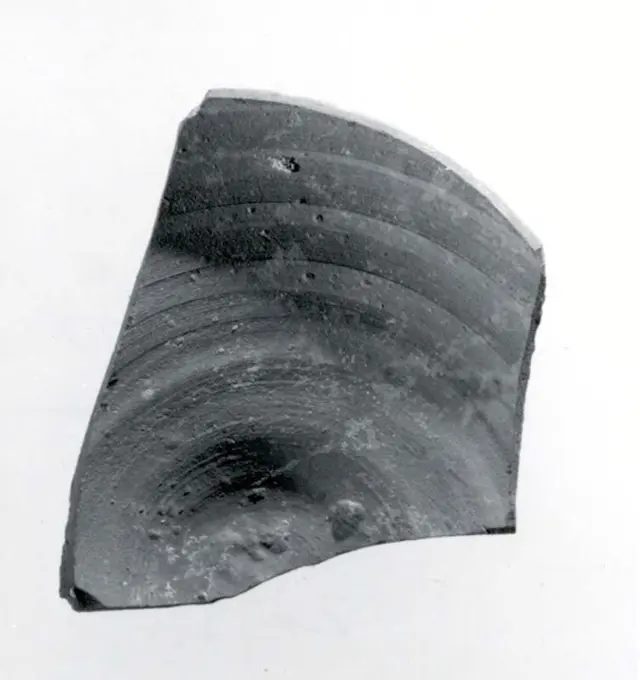
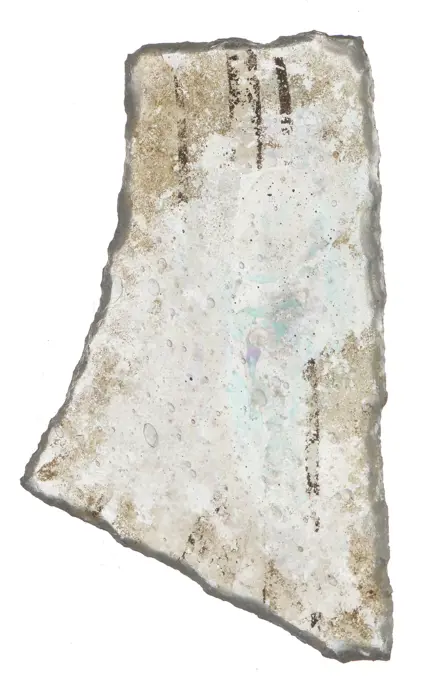
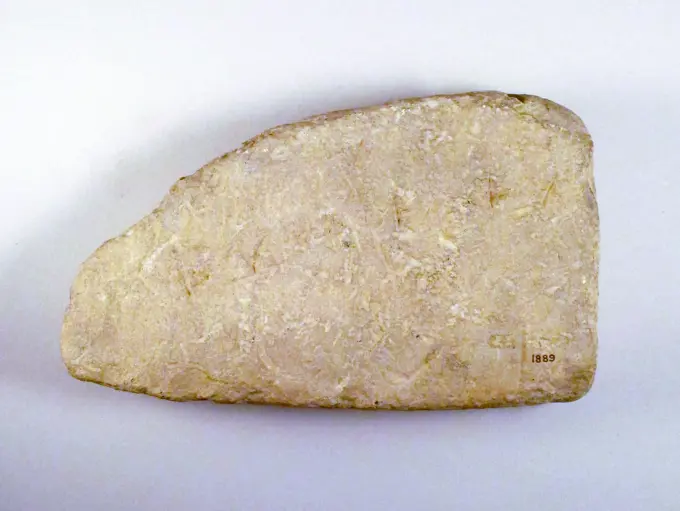
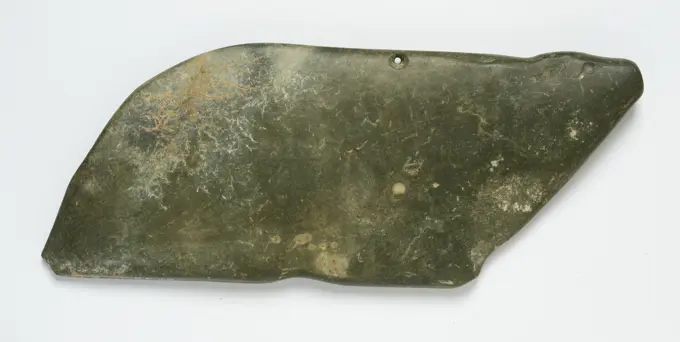
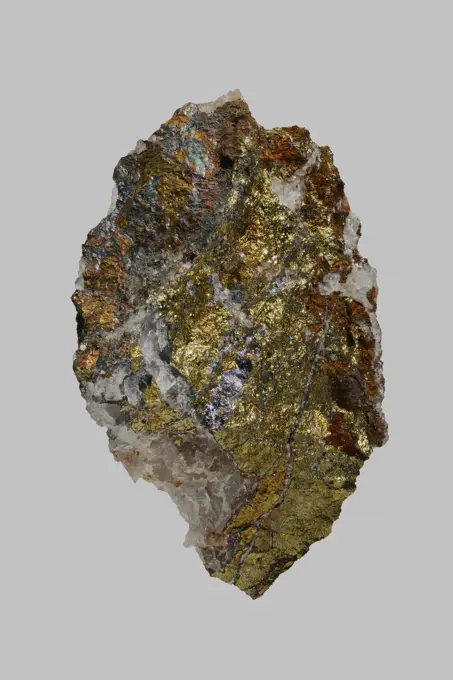
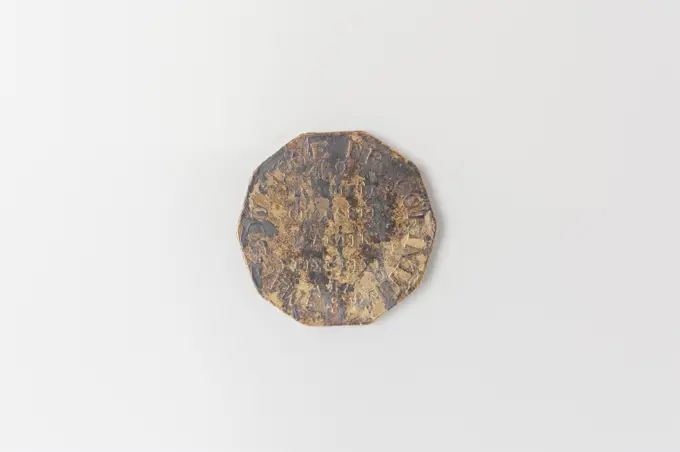
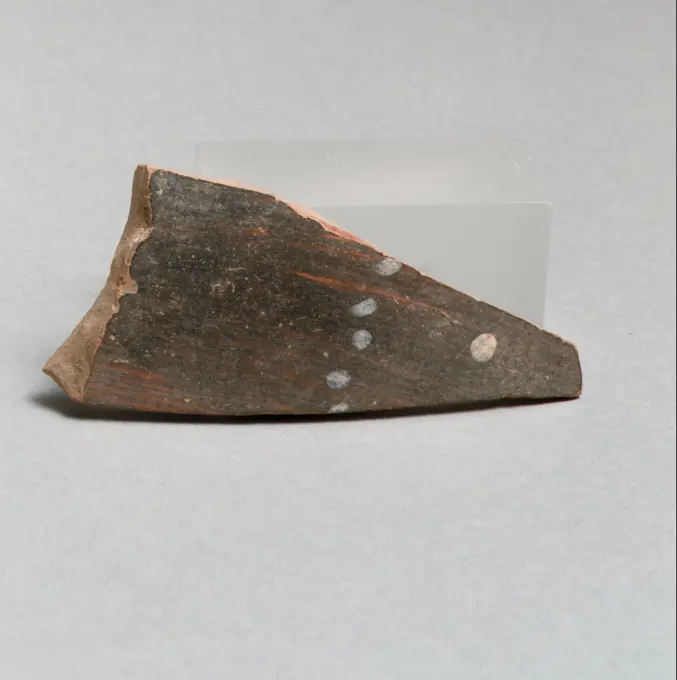
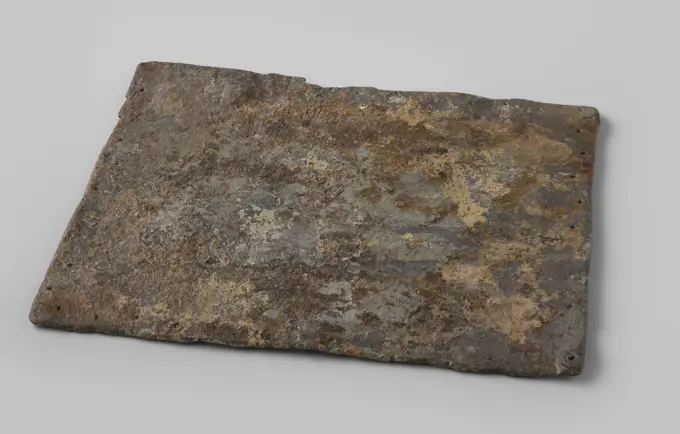
Unattributed Trebizond Coin. UnknownSickle insert ca. 1184-664 B.C. Probably New Kingdom, Ramesside-Third Intermediate Period This small piece of flint was a key element to a successful agricultural season in ancient Egypt. Grain was a staple of the economy, as bread and beer made from grain were consumed daily. They also formed the foundation of eternal sustenance, as funerary offerings. Ancient Egyptians used sickles made from flint and wood to reap grain. Pieces of flint such as this one were shaped to fit into a wooden haft along with a number of other such inserts, and secured with an adhesive. The flint pieces provided a sharp edge to cut the grain stalks. With use, the flint would wear down and develop a shiny gloss. The flint inserts could be re-sharpened or replaced as needed. Sickle inserts could be made in a variety of ways. The earliest were fully bifacially retouched, then later they were made on blades (long narrow pieces of flint). Starting in the 2nd millennium BC, some sickle inserts were made on large fStucco Fragment probably 8th-12th century. Stucco Fragment. probably 8th-12th century. Stucco (mortar); carved; painted. Excavated in Iran, Nishapur. StuccoChunk of gray material with brown underside, anonymous, 1200 - 1899  Italy earthenware  Italy earthenwareFibula bow segment. UnknownFragment copper sheet metal from the wreck of the East India Hollandia.parts or artifacts; eroded fragments: Materials; Copper.Brok from V.O.C. ship De 'Witte Leeuw', Before 1613  Brok from V.O.C. ship the 'Witte Leeuw', Lead White, Raw material for paint.  lead white   Sint-HelenaUnattributed Trebizond Coin. UnknownAmphora or Hydria. UnknownSickle Blade, 1980-1801 BC. Egypt, Middle Kingdom, Dynasty 12. Flint; overall: 5 cm (1 15/16 in.).Iron Concretion containing the print of presumably a cash box of the wreck of the East India FIRTDIJVER 't Vliegend Hart, 1700 - 1735 in 1735 concretionary stone The print of one of the money boxes can be seen on the concrete. A fragment rope is also enclosed. For that reason it is therefore saved. It has fallen apart in around 9 pieces.  concretionary stone. ropeFragment of a Statue of a Youth. UnknownTerracotta rim of a vase. Culture: Helladic. Dimensions: Other: 2 5/8in. (6.7cm). Date: ca. 2000-1550 B.C..Yellow Minyan ware. Museum: Metropolitan Museum of Art, New York, USA.Fragment lead from the wreck of the East Indians Hollandia, 1700 - in or before 1743 fragment Parts of artefacts; eroded fragments: materials; lead. Netherlands lead (metal)   SecondGneiss North Carolina, USA     Date: Sealing ca. 7th century A.D. Sasanian. Sealing 323270Unattributed Trebizond Coin. UnknownSealing ca. 1981-1640 B.C. Middle Kingdom. Sealing 560379Terracotta fragment of the bottom of a cup with polychrome decoration ca. 1800-1700 B.C. Minoan From Knossos, CreteBottom of cup decorated in white and orange on dark ground.. Terracotta fragment of the bottom of a cup with polychrome decoration. Minoan. ca. 1800-1700 B.C.. Terracotta; Kamares ware. Middle Minoan II. VasesAttic Vase Fragment. UnknownRaised relief fragment 664-610 B.C. Late Period, Saite see 23.3.468. Raised relief fragment. 664-610 B.C.. Limestone. Late Period, Saite. From Egypt, Upper Egypt, Thebes, Deir el-Bahri, Tomb of Nespekashuty (TT 312, MMA 509), 1st chamber N. door, MMA excavations, 1922-23. Dynasty 26Fragment of fire hose ring from the wreck of the East Indians Hollandia, Anonymous, 1700 - in or Before 1743  Fire engine, firehose; fragments, id. NG-1975-20-H-1271-a, squashed. Netherlands copper (metal)   SecondFragment of Wine bottle from the wreck of the East Indies' tvaarder, Anonymous, c. 1700 - c. 1735  Green glass fragment, was part of a wine bottle. Bolle Scherf; The hollow side has a blush structure, the convex side has a smooth surface and is dull in color. Bottle.  glassCrown with discs ca. 1353-1336 B.C. New Kingdom, Amarna Period. Crown with discs 561670Fragment of red earthenware, partly with glaze, fragment crockery holder kitchen utensils earthenware ceramics earthenware glaze lead glaze, hand-shaped hand-turned baked Fragments of red pottery Frying pans jars pots of grass and bottom of small jug Spicy or only partly glazed with lead glaze archeology Rotterdam Stadscentrum Stadsdriehoek Hoogstraat indigenous pottery water washing cooking nutrition food preparation handicraft pottery Bottomvondst Hoogstraat Rotterdam 15 June 1983.Artists Sketch of Flute Player (). Dimensions: H. 10.5 cm (4 1/8 in.); W. 17.5 cm (6 7/8 in.); Th. 5.8 cm (2 5/16 in.). Dynasty: Dynasty 18. Reign: Joint reign of Hatshepsut and Thutmose III. Date: ca. 1479-1458 B.C.. Museum: Metropolitan Museum of Art, New York, USA.Fragment lead from the wreck of the East Indians Hollandia, 1700 - in or before 1743 fragment Parts of artefacts; eroded fragments: materials; lead. Netherlands lead (metal)   SecondDrohiczy seal;  XI-XIII century (1090-00-00-1110-00-00);guild seals, customs seals, touches, seals of customs chambers, official seals, seals with a cross, seal with the letterHead of a Comic Actor. UnknownEarring or spiral Cypriot. Earring or spiral 242695Fragment 3rd-8th century. Fragment 448819Unknown form in concrete from the wreck of the East Indiesman 't flying heart. The concretion is orange-brown in color. It is a not identifiable object. Concretion.Attic Black-Figure Cup Fragment. UnknownFragment; (possibly) belonging to the Retable of Soest. .Vase fragment East Greek/Sardis, Lydian Glazed vase with wavy lines.. Vase fragment 252709 East Greek/Sardis, Lydian, Vase fragment, Terracotta, Overall: 3 x 3in. (7.6 x 7.6cm). The Metropolitan Museum of Art, New York. Gift of The American Society for the Excavation of Sardis, 1926 (26.199.141)Plaque ca. 2000-1600 BC. Plaque. ca. 2000-1600 BC. Ceramic. Mesopotamia, NippurGranodiorite  Snoqualmie Batholith, Washington, USA     Date: Unattributed Trebizond Coin. UnknownExcerpt of copper from the wreck of the East Indians Hollandia, 1700 - in or before 1743  Parts of artefacts; eroded fragments: materials; copper. Netherlands copper (metal)   SecondBursa Rubaa from v.O.c.-ship the 'white lion'. Bursa Ruba from v.O.C.-ship the 'white lion'Scarab 304 BCE-30 BCE Egypt. Stone . Ancient EgyptianShard (Study Collection) China. Shard (Study Collection). China. Ceramic with dark blue glaze. Qing dynasty (1644-1911). CeramicsVase, fragment. Vase, fragment 243941Excerpt of copper from the wreck of the East Indians Hollandia, 1700 - in or before 1743  Parts of artefacts; eroded fragments: materials; copper. Netherlands copper (metal)   SecondUnattributed Trebizond Coin. UnknownVase fragment Greek, Lydian. Vase fragment. Greek, Lydian. Terracotta. VasesResidual waste of coal from the wreck of the East Indians' t Vliegend Hart ,, 1735 slag Stony lump residual waste from the burning of coal. Two pieces. Slug. Netherlands slagPijpenkop.Pipes head with a crown and the letters LDI depicted. Of the excavations at the Hofstede Arentsburg 1827-1831 under the supervision of professor Reuvens.polished braunite mineral isolated on white close up of sample of natural stone from geological collection - polished braunite mineral isolated on white background from Liguria, Italy Copyright: xZoonar.com/ValeryxVoennyyx 21467351Drohiczyn seal. unknown, managerSickle Blade, 1980-1801 BC. Egypt, Middle Kingdom, Dynasty 12. Flint; overall: 5 cm (1 15/16 in.).Uni-facial Stone Tool. Egypt, Nagada, Neolithic Period (5500 - 3100 BCE). Tools and Equipment. FlintAxe. UnknownDrohiczy seal;  XI-XIII century (1090-00-00-1110-00-00);guild seals, customs seals, touches, seals of customs chambers, official seals, seals with a crossHand Axe, 4400-2100 BC. Egypt, El-Haraga, excavated in 1914, Predynastic or Old Kingdom. Dark-brown-colored flint; overall: 3.3 cm (1 5/16 in.).Undecorated Base Fragment. UnknownRelief fragment from tomb of Meketre ca. 1981-1975 B.C. Middle Kingdom. Relief fragment from tomb of Meketre 669003Fragment Pijpenkop from the wreck of the East Indians Hollandia, Anonymous, 1700 - in Or Before 1743  Pipe, bowl, whole market illegible; fragment. Netherlands pipe clay   SecondWall painting fragment 1st century A.D. Roman On black ground; blue rosettes with white highlights; yellow tendrils between rosettes.. Wall painting fragment. Roman. 1st century A.D.. Fresco. Miscellaneous-PaintingsRight eye and brow from head of king in the 'blue' crown ca. 1353-1336 B.C. New Kingdom, Amarna Period A narrowed banded eye evoking a trance-like gaze is preserved on this fragment of a statuary. The fragment is carved in the indurated limestone that is so characteristic of the Amarna temples. From the fragment it is not possible to say whether Akhenaten or Nefertiti is actually represented, and often even much larger fragments pose problems of identification since the king and queen were closely twinned.Link to a blog about stoneworking in ancient EgyptHidden Secrets of Ancient Egyptian Technology. Right eye and brow from head of king in the 'blue' crown 549212Scherf of a jug of the wreck of the East Indians Hollandia, Anonymous, 1700 - in or Before 1743  Stoneware, Rhenish, Frechen-ware, jug; fragm of body with V-shaped stamp. Cologne stoneware   SecondMaterial sample -Body with garment edge/fringe ca. 1353-1336 B.C. New Kingdom, Amarna Period. Body with garment edge/fringe 549802Attic Black-Figure Amphora Fragment. UnknownAttic Black-Figure Amphora Fragment. UnknownFragment brick from the wreck of the East Indians Princesse Maria, Anonymous, 1682 - 1686 brick (clay product) Brick from the wreck of the East Industrial Princesse Mary. Netherlands brick (clay product)Fragment lead from the wreck of the East Indians Hollandia, 1700 - in or before 1743 fragment Parts of artefacts; eroded fragments: materials; lead. Netherlands lead (metal)   SecondExcerpt of copper from the wreck of the East Indians Hollandia, 1700 - in or before 1743 fragment Varied parts or fragments; unidentified and miscellaneous parts or fragments; plate. Netherlands copper (metal)   SecondEmilia-Romagna Ferrara Ferrara Museo Civico di Schifanoia44. Hutzel, Max 1960-1990 General Notes: INCOMPLETE RECORD--NEGATIVES PROCESSED, PRINTS FILED German-born photographer and scholar Max Hutzel (1911-1988) photographed in Italy from the early 1960s until his death. The result of this project, referred to by Hutzel as Foto Arte Minore, is thorough documentation of art historical development in Italy up to the 18th century, including objects of the Etruscans and the Romans, as well as early Medieval, Romanesque, Gothic, Renaissance and Baroque monuments. Images are organized by geographic region in Italy, then by province, city, site complex and monument.Canosan Oinochoe Fragment. UnknownShard (Study Collection) China. Shard (Study Collection). China. Ceramic with amber glaze. Qing dynasty (1644-1911). CeramicsRed-brown brick from V.O.C. ship De 'Witte Leeuw', Anonymous, 1613 brick (clay product) Brick. With yellow -white coral -like attack.  brick (clay product)Hematite. Luna County - New Mexico. main ore of iron.Harness or bridle ornament or fitting () ca. 9th century B.C. Iran. Harness or bridle ornament or fitting (). Iran. ca. 9th century B.C.. Bronze. Iron Age II. Iran, HasanluDrohiczyn seal. unknown, managerFragment ship bell from the wreck of the East Indieschief Hollandia. Acoustic, BELL (SHIPs); Fragment of RIM, Eroded, Concentric Band Molding, Fits to NG 1980-27H830 / 1134.Relief Fragment from the Tomb of Neferu or Khety ca. 2030-1640 B.C. Middle Kingdom. Relief Fragment from the Tomb of Neferu or Khety 577167ChalcopyriteChess Piece, Pawn 8th-11th century. Chess Piece, Pawn. 8th-11th century. Earthenware; unglazed. Attributed to Western Islamic Lands. Gaming piecesIndian arrowhead from Georgia and North & South Carolina , Archaeological assemblages, Charles F. Walcott Archaleogical CollectionBronze Bronze medal. Imprecized identification.Terracotta rim fragment. Culture: Helladic. Dimensions: Overall: 2 3/4 x 1 13/16in. (7 x 4.6cm). Date: ca. 2100-1900 B.C..From Aegina. Museum: Metropolitan Museum of Art, New York, USA.Document Sealing ca. 1390-1353 B.C. New Kingdom. Document Sealing. ca. 1390-1353 B.C.. Mud. New Kingdom. From Egypt, Upper Egypt, Thebes, Malqata, King's Palace, East magazine, MMA excavations, 1910-12. Dynasty 18pugilate mitt, bronze, Ibero-Roman era, 1st-3rd century AD. Riotinto, Huelva Museum, Huelva, Andalusia, Spain.Ostrakon with a Letter from Epiphanius to Andrew 600 Coptic. Ostrakon with a Letter from Epiphanius to Andrew 474799Shards of jugs from the wreck of the East Indians Hollandia, Anonymous, 1700 - in Or Before 1743  Stoneware, Rhenish, Frechen-ware, jug; fragm of bodies. Cologne stoneware   SecondFragment; (possibly) belonging to the Retable of Soest. .Lazio Roma Rome SS. Giovanni e Paolo, Museum8. Hutzel, Max 1960-1990 Medieval: Ceramic fragments, sculptural fragments, fresco fragments, inscribed tomb markers. Houses one of the best collections of Malagan medieval ceramics for casting wall monuments, copies of which are housed in campanile. Specific Location: Museum Antiquities: Ceramic fragments, sculptural fragments, architectural fragments Object Notes: Basilica has separate record and is filed separately. German-born photographer and scholar Max Hutzel (1911-1988) photographed in Italy from the early 1960s until his death. The result of this project, referred to by Hutzel as Foto Arte Minore, is thorough documentation of art historical development in Italy up to the 18th century, including objects of the Etruscans and the Romans, as well as early Medieval, Romanesque, Gothic, Renaissance and Baroque monuments. Images are organized by geographic region in Italy, then by province, city, site complex and monument.Sherd ca. 1st century A.D. Nabataean. Sherd 324249Fragment 13th century Crusader. Fragment 475347Limestone inscribed base Cypriot Fragment of a statue base with inscription.. Limestone inscribed base. Cypriot. Limestone. Cesnola InscriptionsPalette. Egypt, Pre-Dynastic Period (4000 BCE or earlier). Tools and Equipment; palettes. SlateClose up gold German chalcopyrite stone on gray backgroundFragment Germany. Fragment 43544Carnavalet museum, tokens collectionVase fragment East Greek/Sardis, Lydian. Vase fragment. East Greek/Sardis, Lydian. Terracotta. VasesAttic Black-Figure Amphora Fragment. UnknownPlate Lead from the wreck of the East Indies Princesse Maria, Anonymous, 1682 - 1686 sheet lead Rectangular plate lead, corroded. Sheet lead. Netherlands lead (metal)   Scilly IslandsHand holding a little gold color stone in handBowl Fragment 4th-7th century Coptic. Bowl Fragment 478683