Ancient Artifacts and Figures

A variety of ancient artifacts, including terracotta bowls, masks, and anthropomorphic figures from different cultures, each reflecting unique artistic styles and cultural significance.
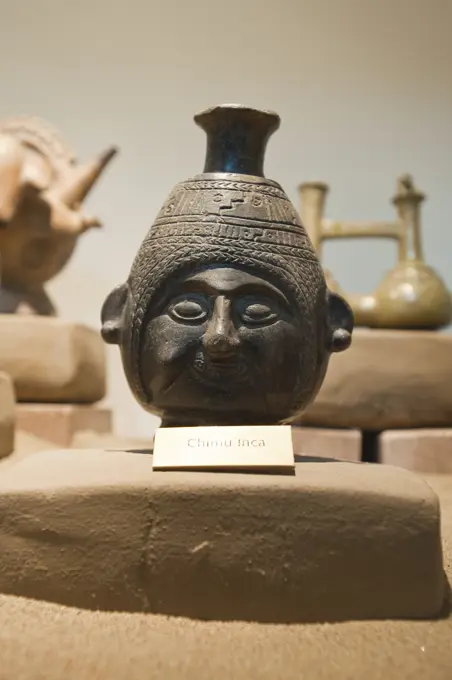
Peru, Lima. Inca portrait vase at the National Museum of Archeoligy, Anthropology and History of Peru.
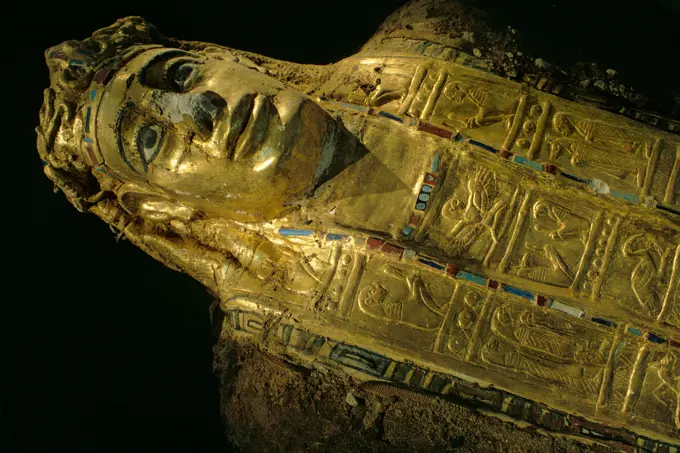
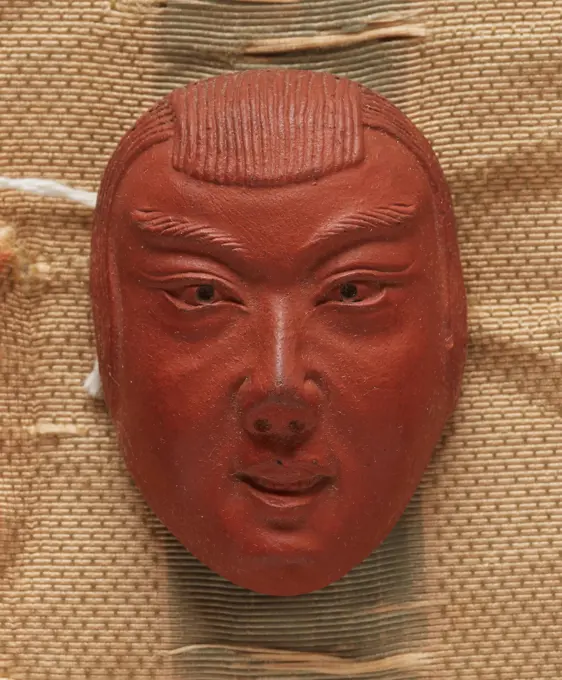
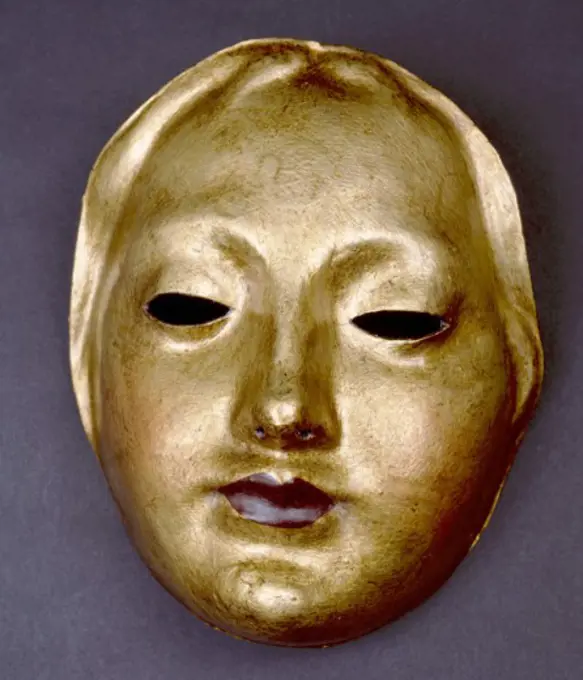
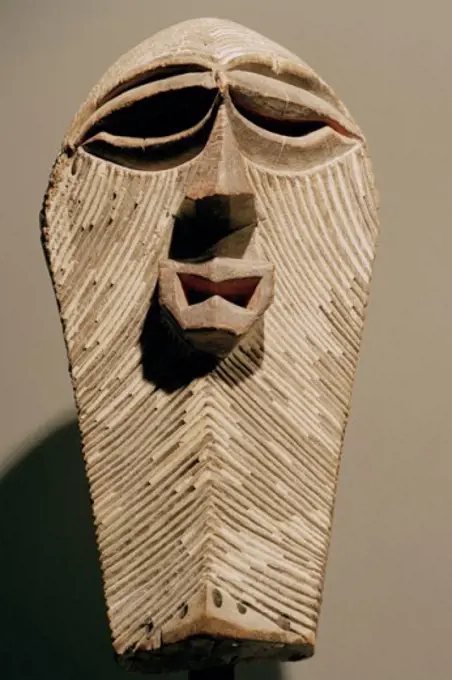
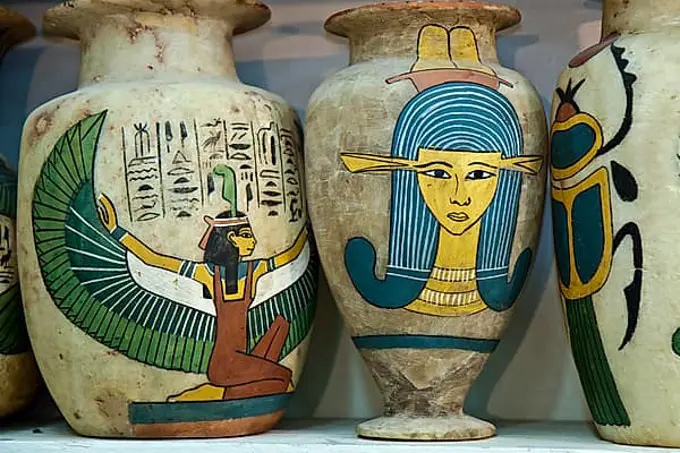
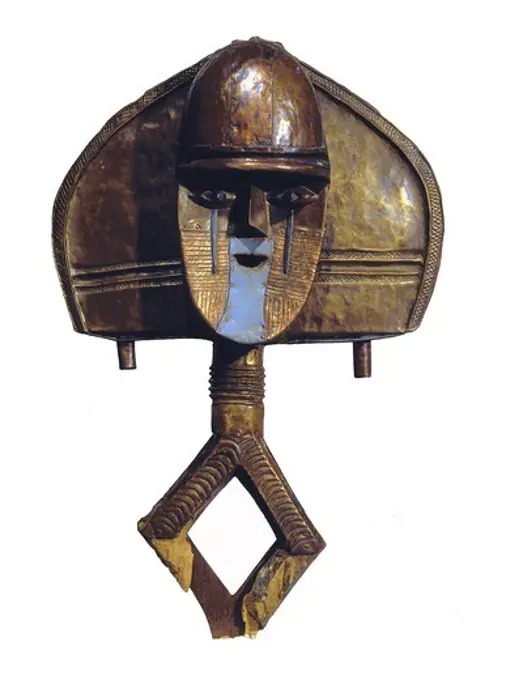
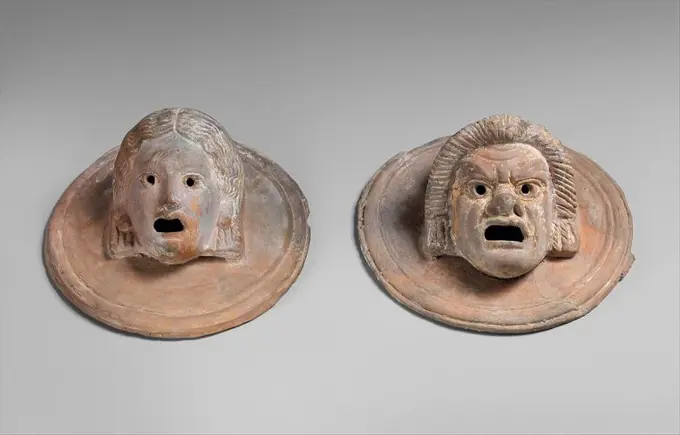
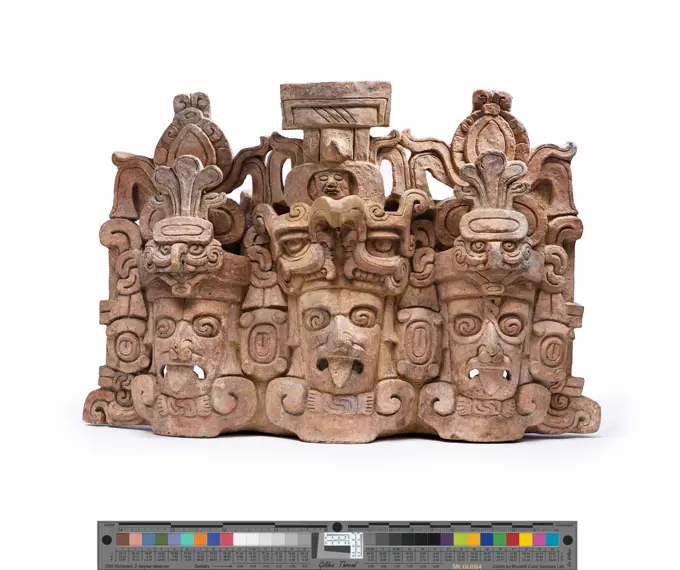
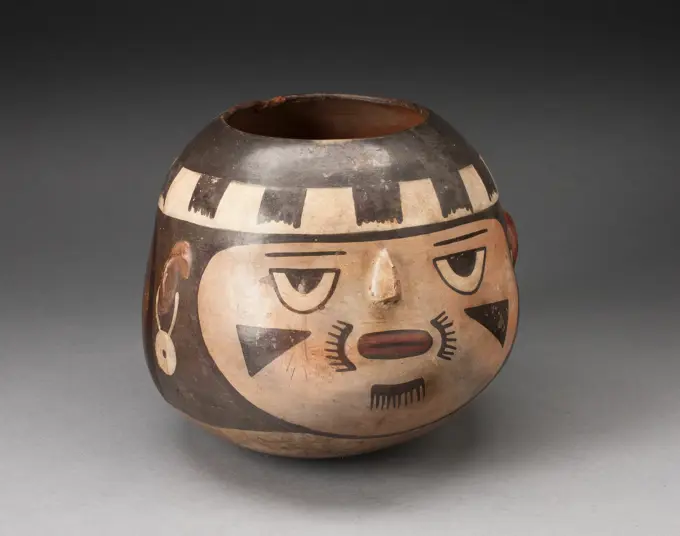
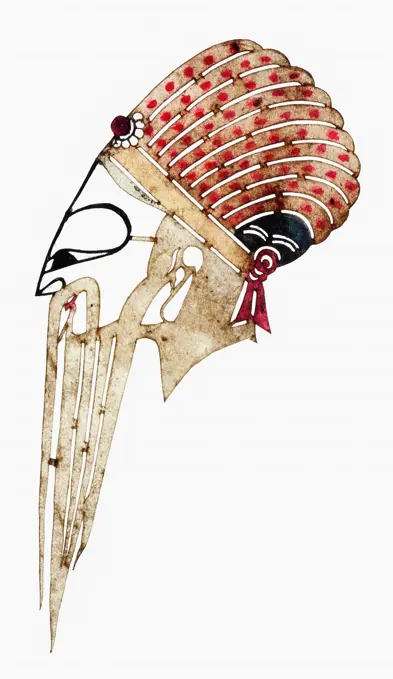
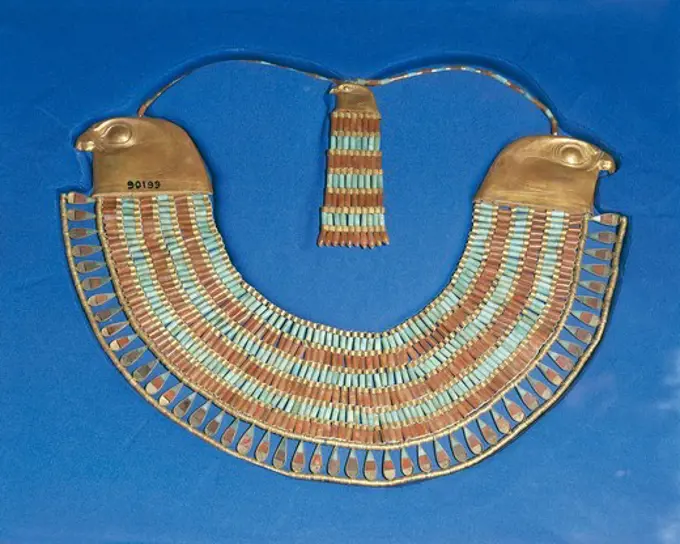
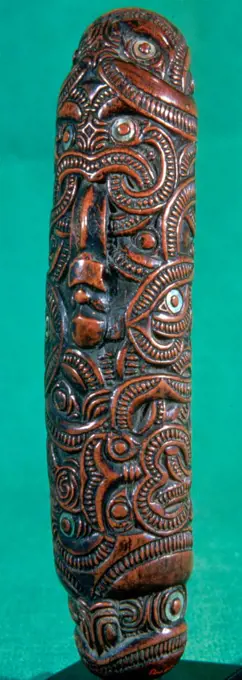
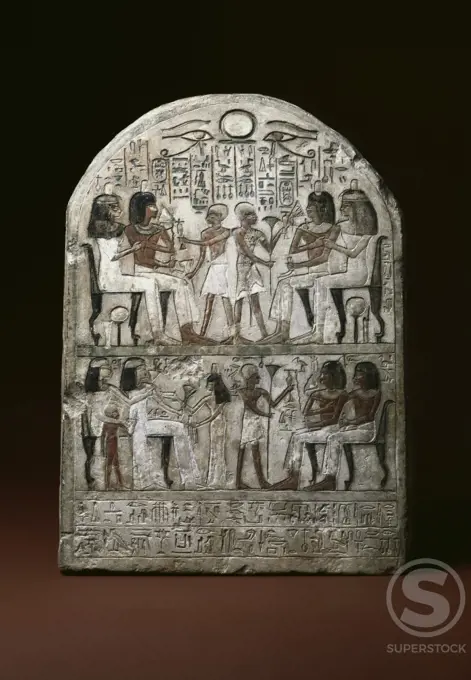
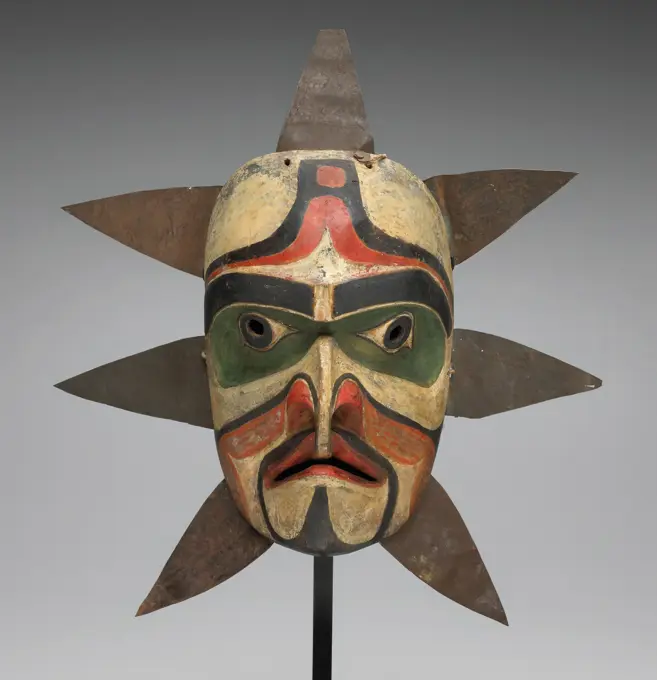
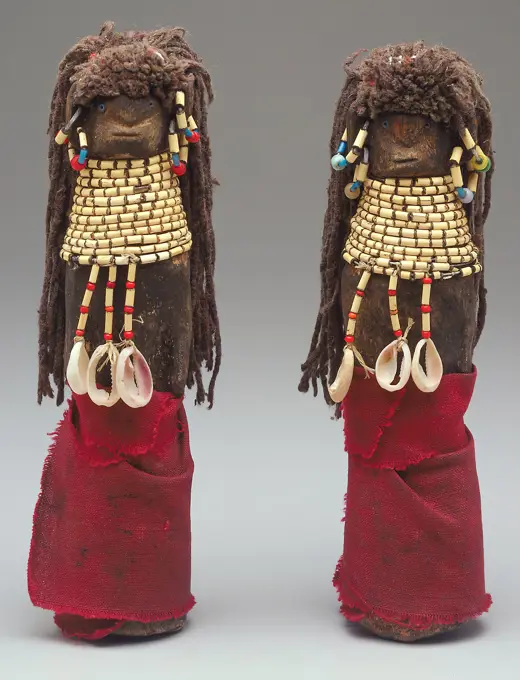
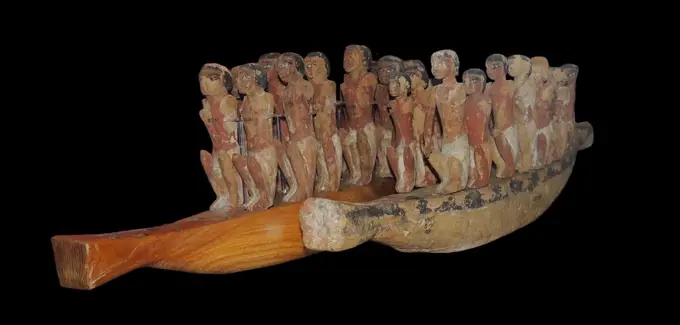
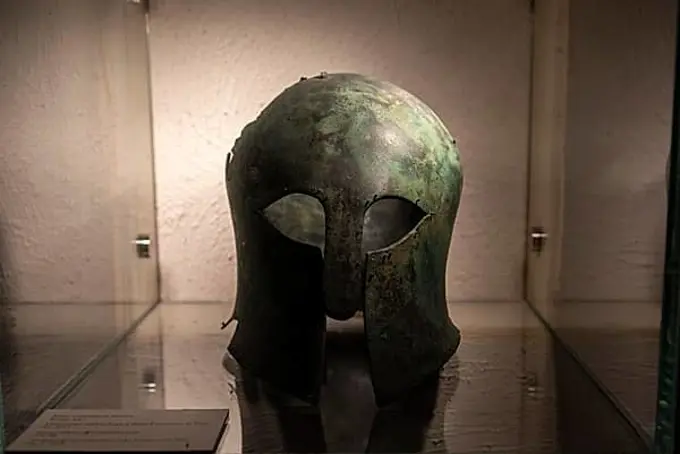
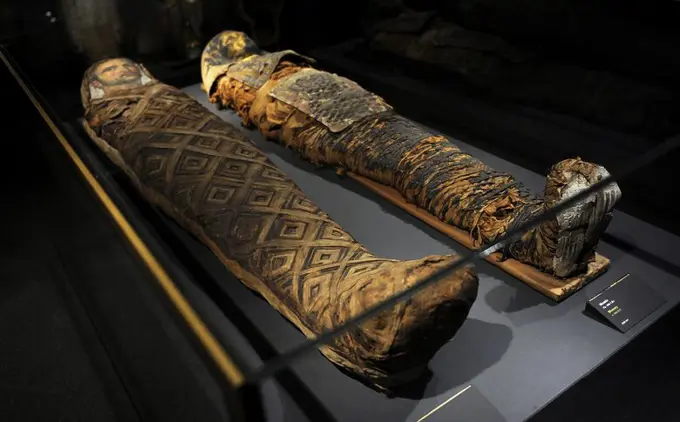
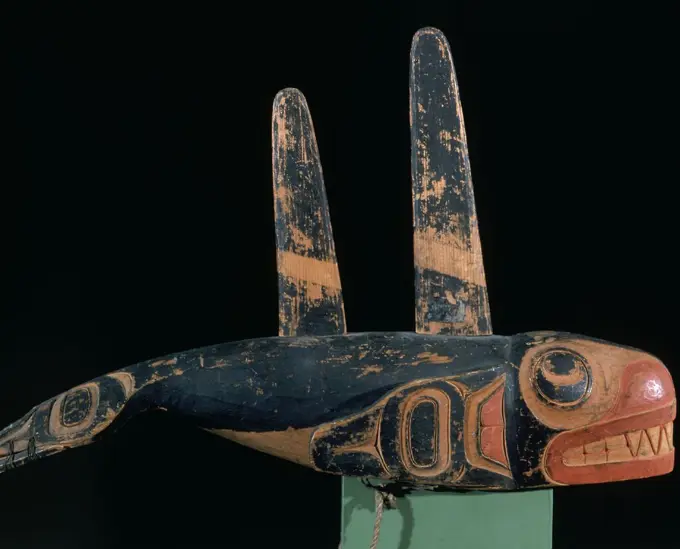
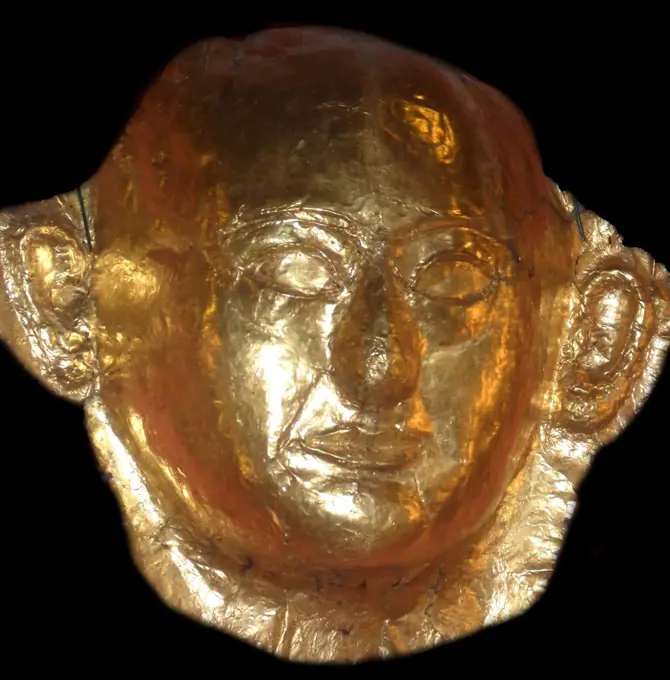
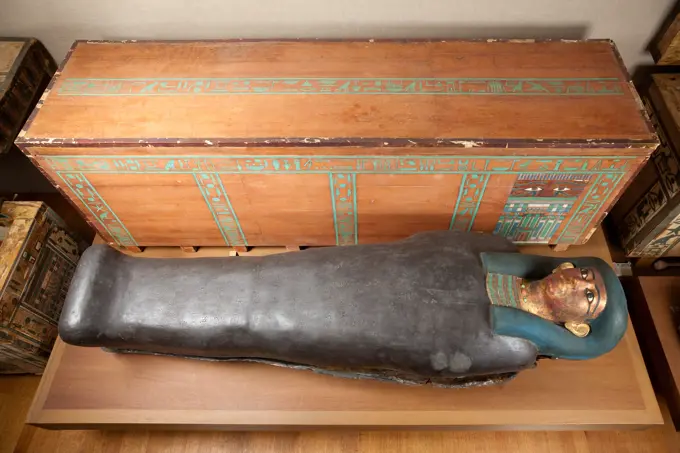
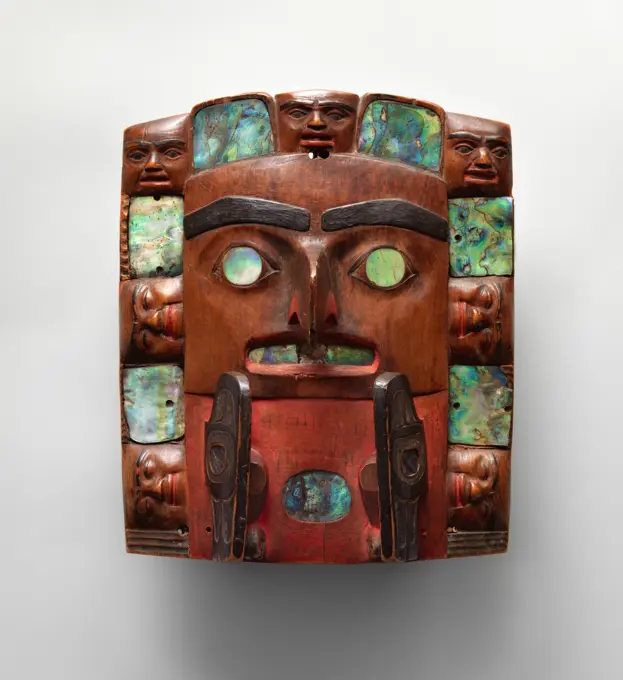
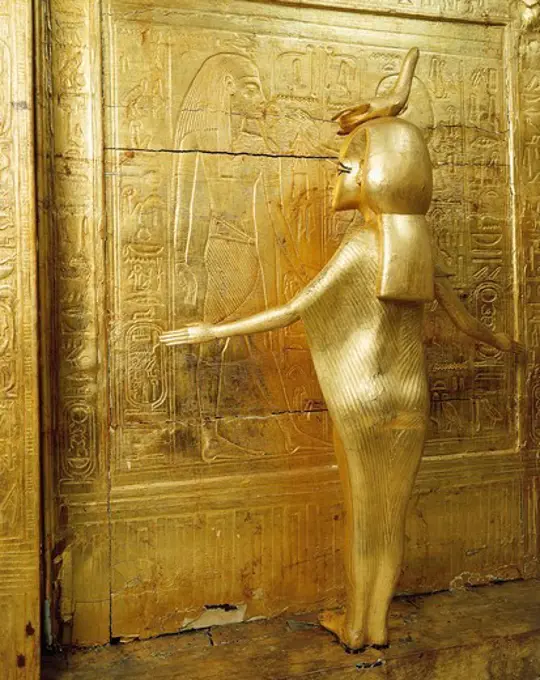
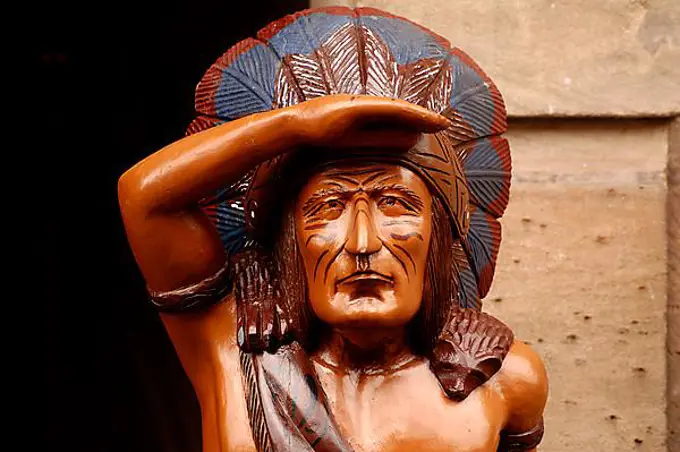
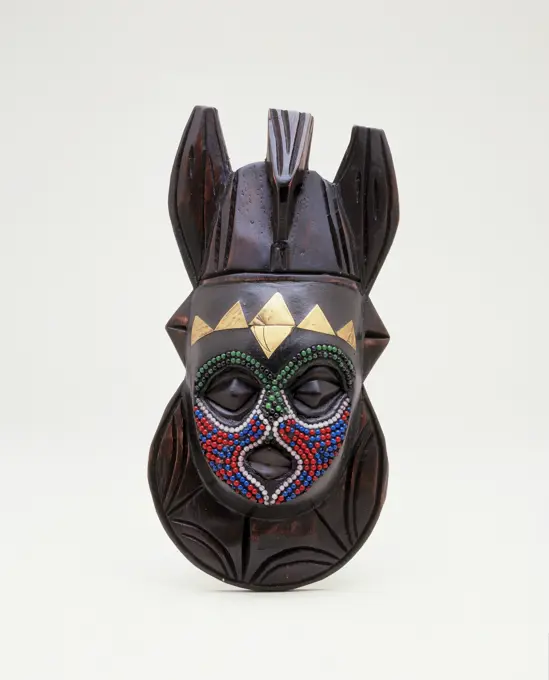
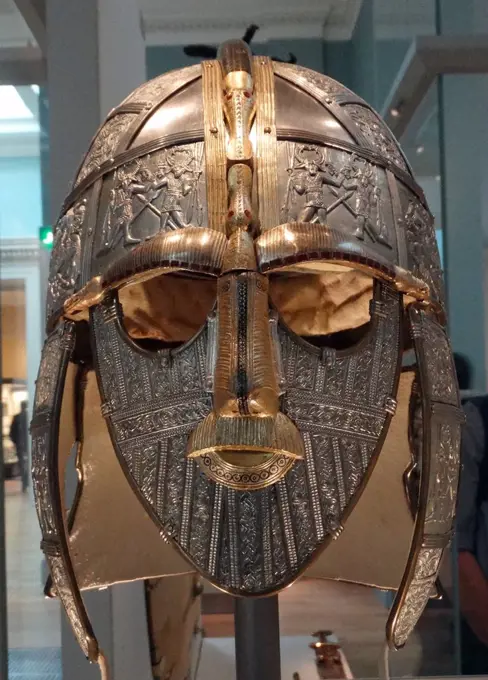
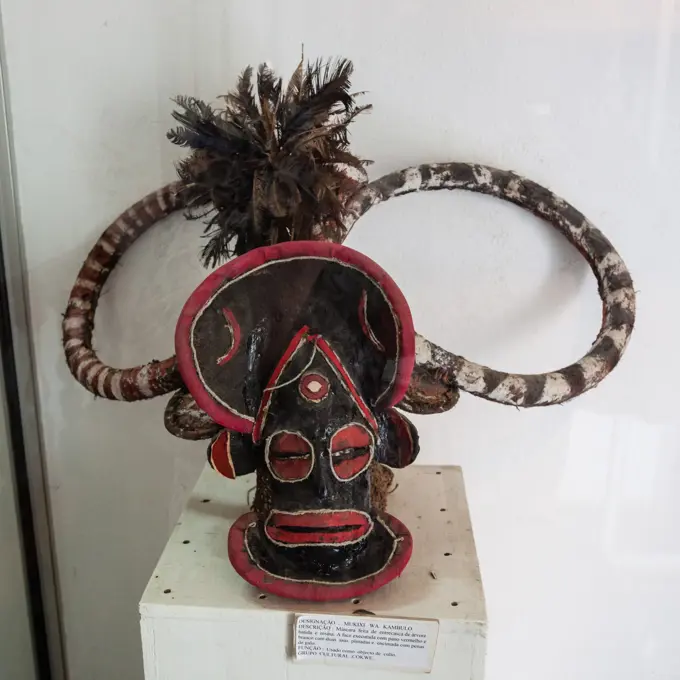
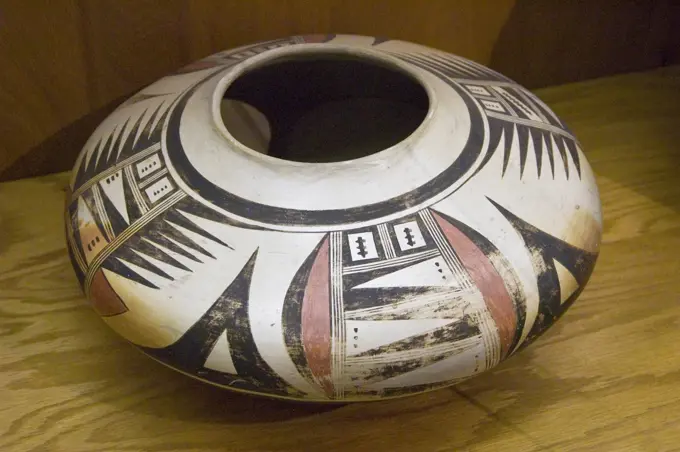
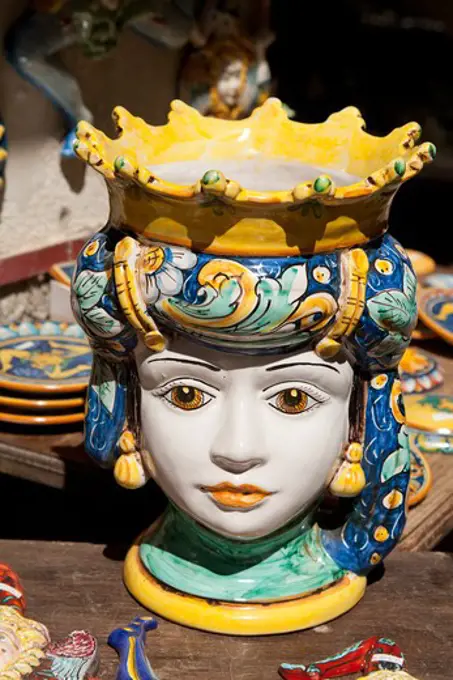
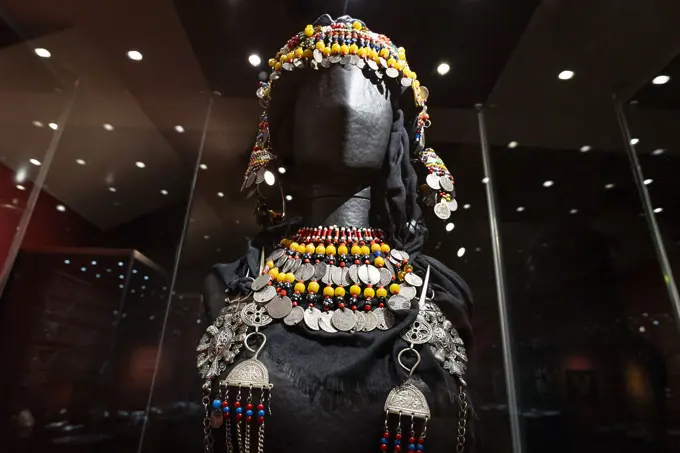
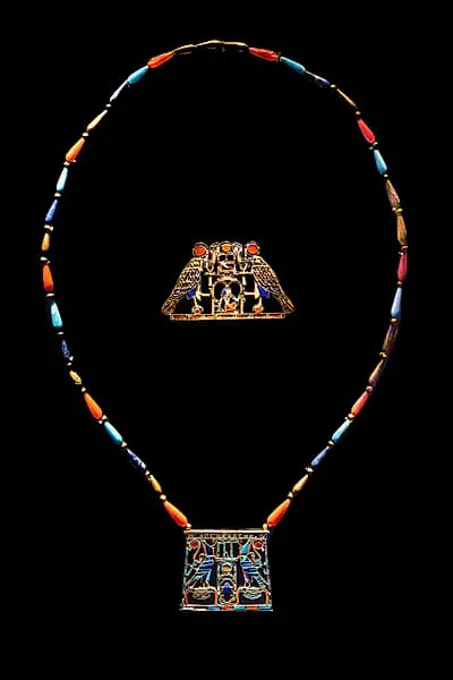
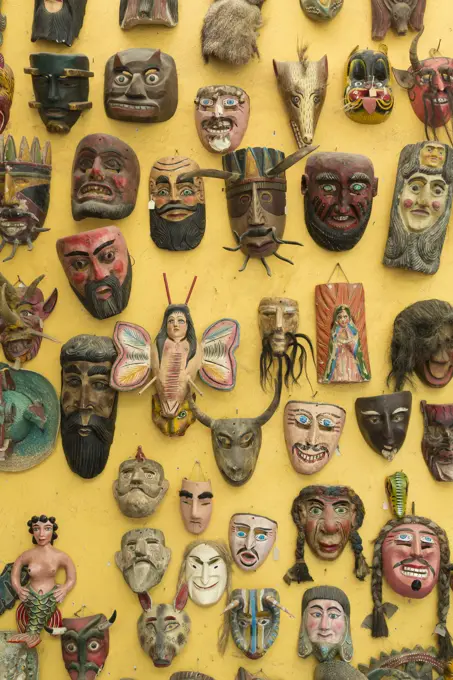
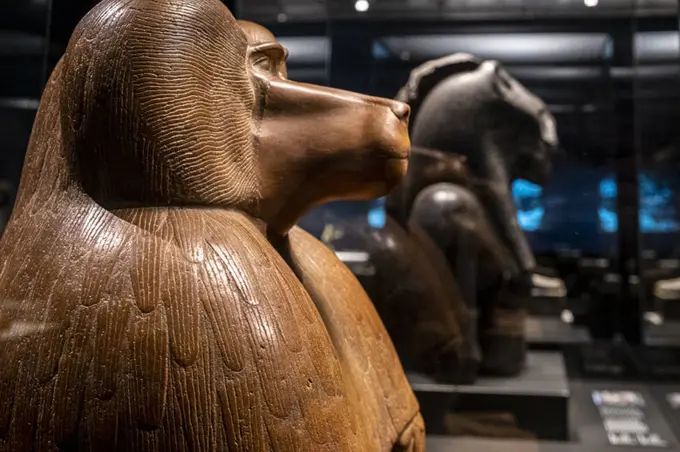
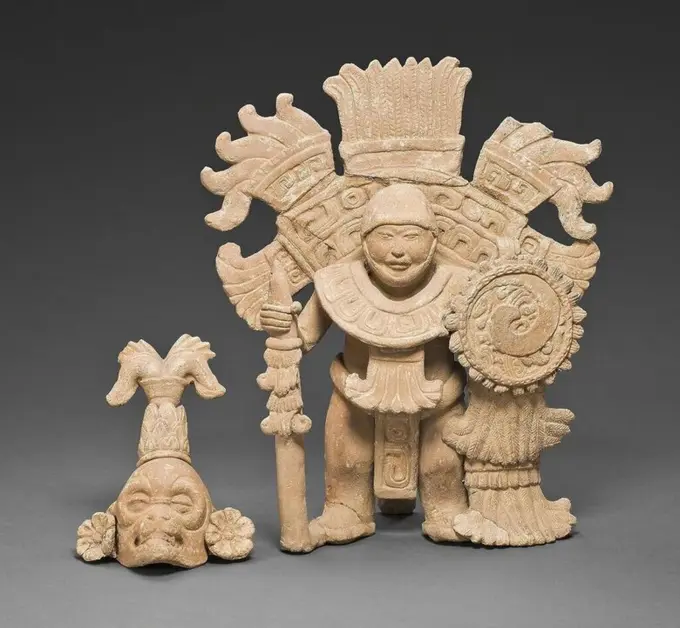
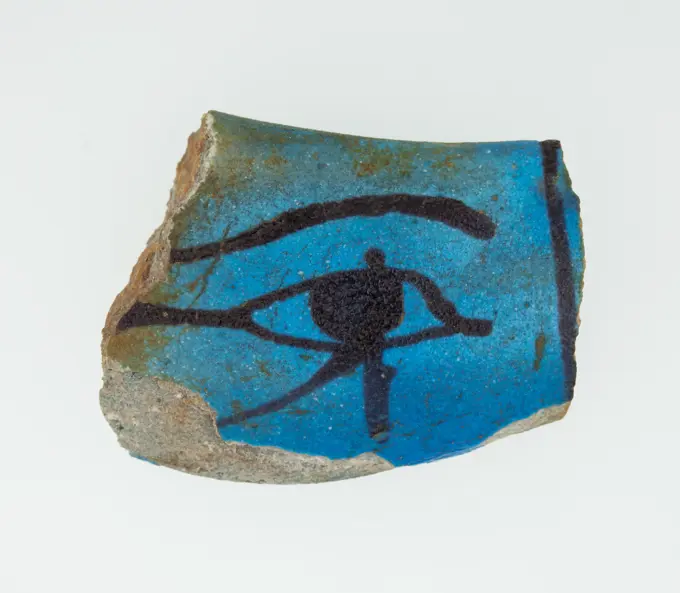
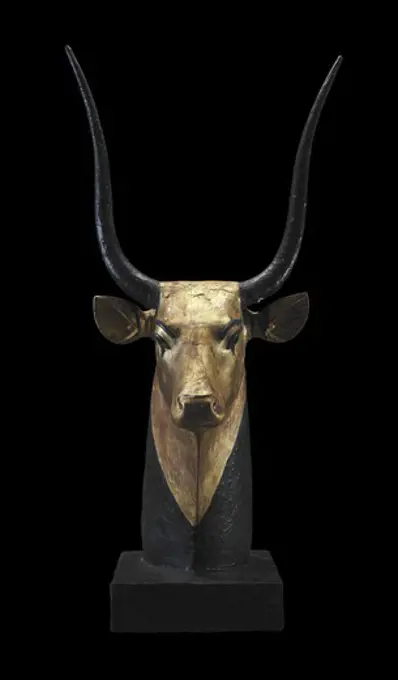
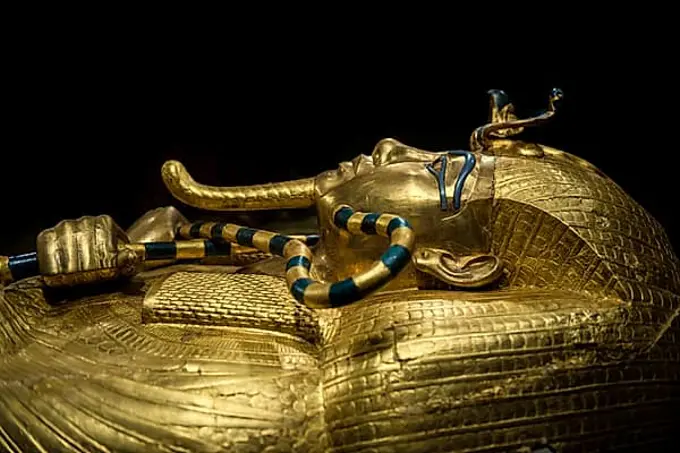
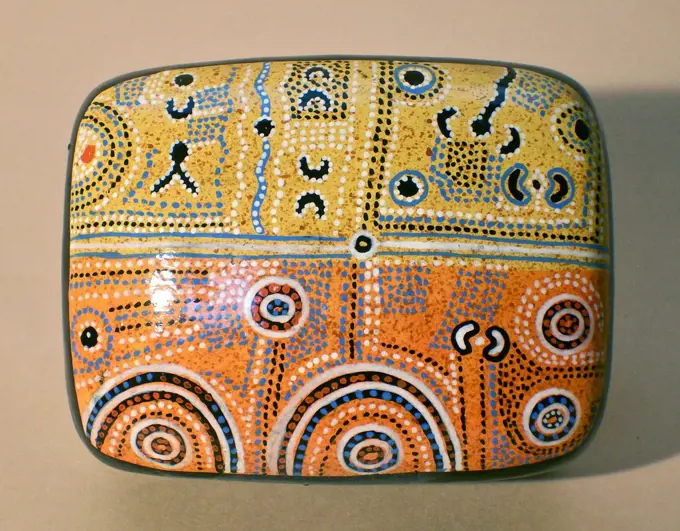
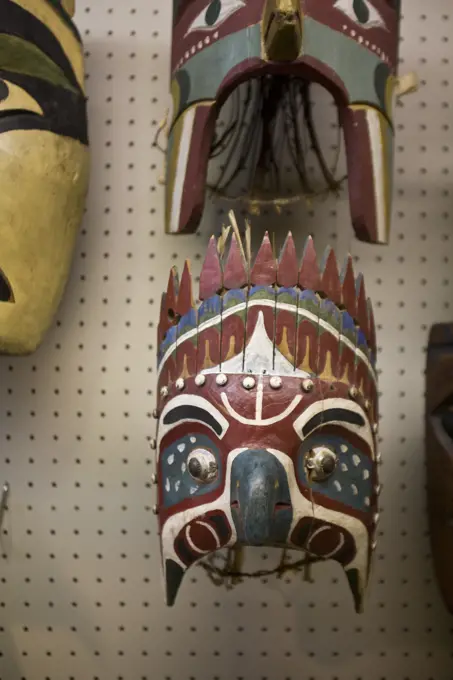
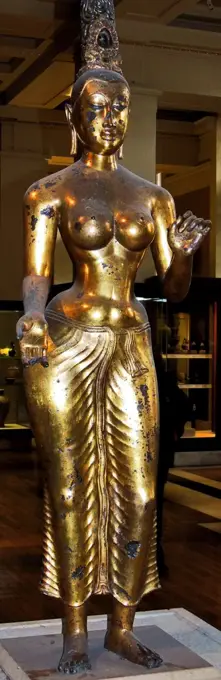
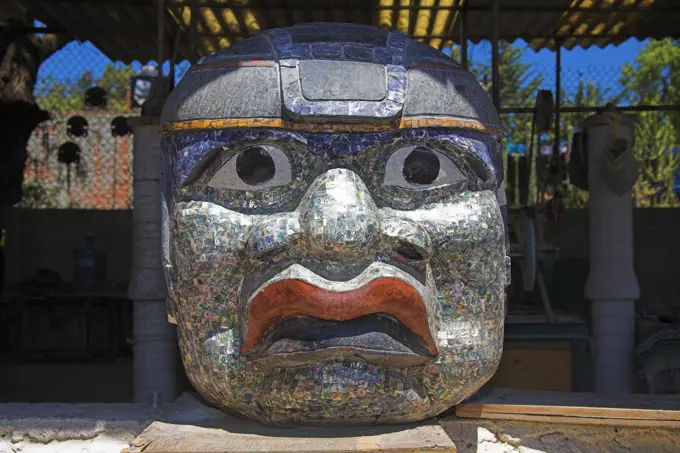
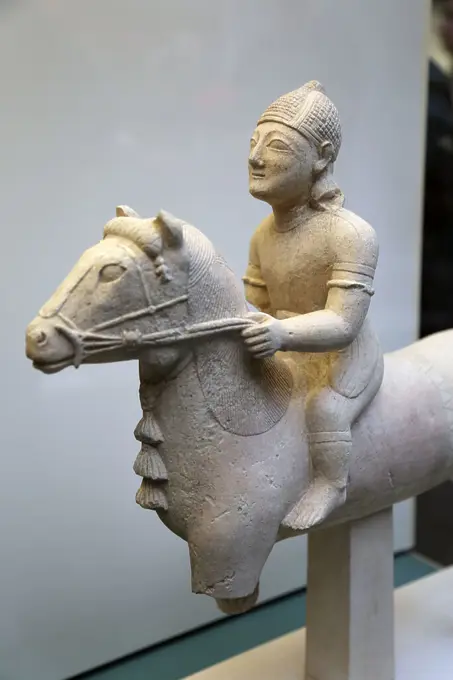
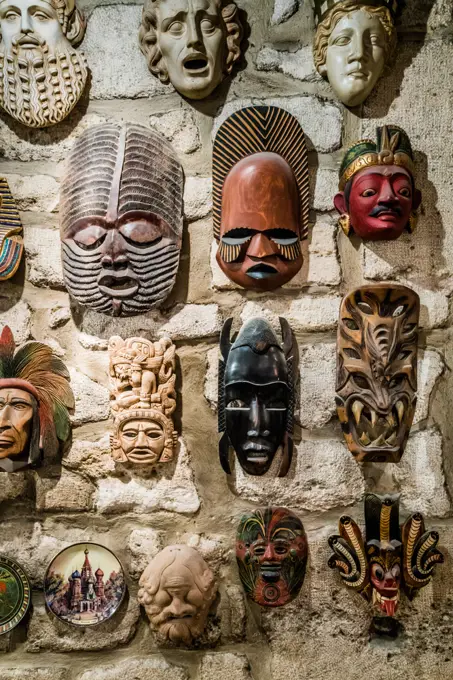
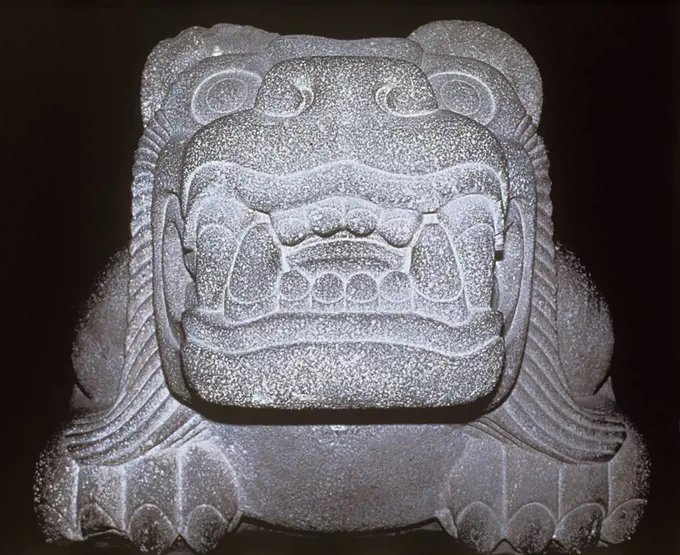
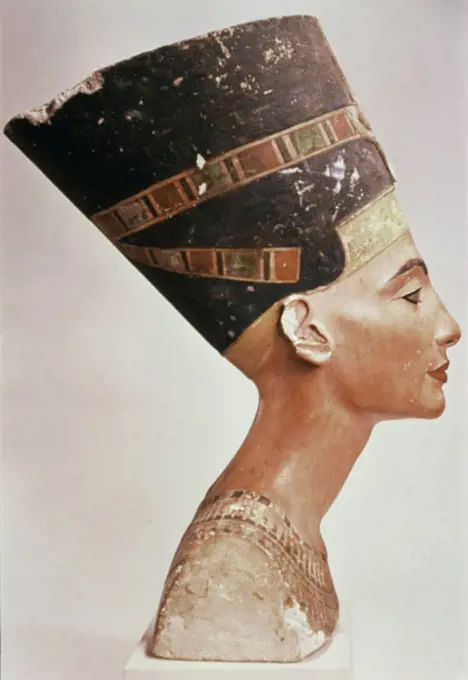
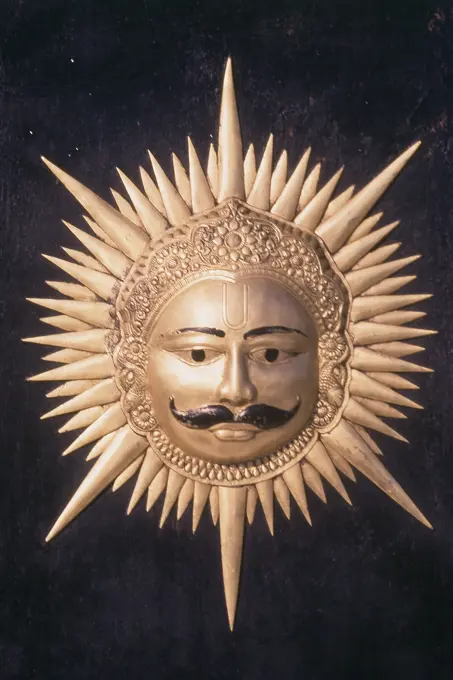
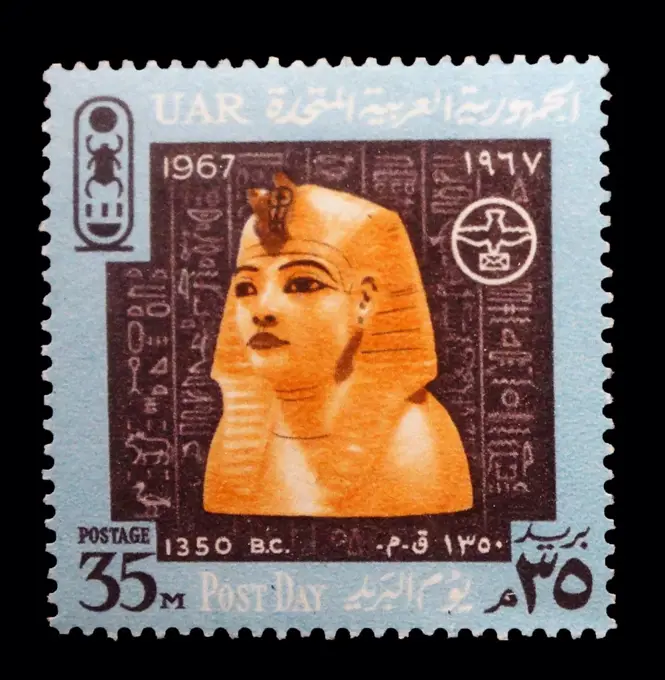
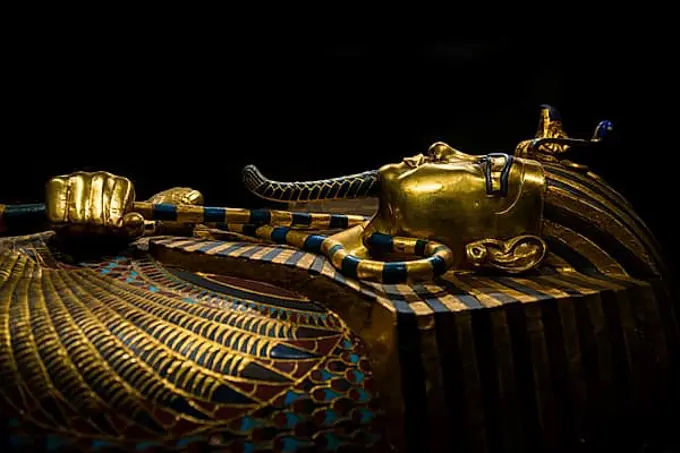
Pharaoh Tutankhamun's gold treasure, the Grand Egyptian Museum, Grand Egyptian Museum, GEM, Giza, Cairo, EgyptEgypt, Bahariya Oasis, Valley of the Golden Mummies, Mummy A with gilded mask and cartonnage chest plateIsolated Wood Totem Front view of wood totem isolated on white background Copyright: xZoonar.com/DanielxFerreira-LeitesxCiccarinox 9693297Netsuke, 19th century, Unknown Japanese, 2 1/16 × 1 7/16 × 3/4 in. (5.24 × 3.65 × 1.91 cm), Stoneware, Japan, 19th centuryMask from Carnival Costume, Italy 1990 Artist UnknownEgypt Luxor Egyption Pottery, EgyptKifwebe Mask, Eastern Songye, Zaire  African Art  Wood Private Collection, Geneva, Switzerland  Egypt Luxor Egyption PotteryReliquary Guardian Figure (ethnicity Kota or Bakota, Fang). They protect the relics of the ancestors and are helpful to communicate with their gods and to curse their wives in case of infidelity. African art. Jewelry. Proc: GABON.Two terracotta roundels with theatrical masks. Culture: Greek. Dimensions: Overall: 3 x 5 3/4in. (7.6 x 14.6cm)diameter 5 11/16in. (14.5cm). Date: 1st century B.C..A pair of terracotta roundels with theater masks (hetaira and slave). Museum: Metropolitan Museum of Art, New York, USA.Folk art: Horse's head, painted wood, Cochin, India, 2009.casco de Jaume I, Festa De L'Estandart, civic-religious festival in the Christian conquest of the city is commemorated by King Jaume I on December 31, 1229. Palma, Majorca, Balearic Islands, Spain, Europe.Censer with Solar Deities. Northern Guatemala or Southeastern Mexico, Maya, 300-600 CE. Ceramics. Ceramic with post-fire pigmentJar in the Form of a Abstract Human Face with Modeled Facial Features Made 180 BCE-500 CE Peru. Ceramic and pigment . NazcaShadow Puppet Head, 20th century, 5 in. (12.7 cm), China, 20th centuryEgypt, Cairo, Necklace that belonged to Princess Neferuptah, twelfth dynastyMaori tribal wooden flute (Koauau), with haliotis shell inlays. Circa 1900. New ZealandThe Tomb Stone  15th Century, B.C.,  Artist Unknown Egyptian  Stone Carving  Hermitage Museum, St. Petersburg Sun Mask, c. 1860, 17 1/4 x 15 3/4 x 4 7/8 in. (43.82 x 40.01 x 12.38 cm), Wood, metal, pigment, cord, cloth, Canada, 19th century, Masks have always played an important ceremonial function among tribal groups in the Northwest Coast region. Artists of the Kwakwaka'wakw are known for the bold, expressive features of their masks, which were the property of noble families who had exclusive rights to their use. They appeared during potlaches, elaborate ceremonies that reinforced the tribe's lineage and social hierarchies. Sun masks figured prominently during retellings of Kwakwaka'wakw origin stories because of the sun's role as creator and sustainer of life.Doll, one of pair, 20th century, 8 5/8 x 2 1/2 x 2 in. (21.91 x 6.35 x 5.08 cm), Wood, fabric, yarn, beads, shells, Kenya, 20th centuryPainted Wooden Model of a 12th Dynasty Egyptian Boat with Crew. Old Roman helmet in a museum in Southern ItalyEgyptian mummies. On the right, mummy dated c. 300 B.C. On the left, mummy dated c. 50 A.D. Carlsberg Glyptotek Museum. Copenhagen. Denmark.I-ORCA EN MADERA TALLADA Y PINTADA-PROCEDE DE HAIDA 1850. Location: MUSEO IMPERIAL. WIEN. AUSTRIA.Mortuary Mask of Khaemwaset 1069 B.C.Coffins and Mummy of the Lady Nephthys ca. 1961-1878 B.C. Middle Kingdom This rectangular outer coffin and inner anthropoid coffin containing the mummy were found in the intact burial chamber of a pit in the tomb of Senbi II at Meir. The texts on the outer coffin show that it was originally made for Ukkhotep, as his name and title were altered for the daughter of a "member of the elite" Nephthys. The decoration of the outer coffin is composed of a palace facade eye panel and bands of inscriptions with funerary formulae stating that the deceased was honored by various gods. The inner anthropoid coffin, still containing the wrapped mummy, has a gilded face and a faience broad collar.. Coffins and Mummy of the Lady Nephthys. ca. 1961-1878 B.C.. Painted wood, cartonnage, linen, human remains, mummification material. Middle Kingdom. From Egypt, Middle Egypt, Meir, Khashaba excavations, 1910-11. Dynasty 12Headdress frontlet ca. 1820-40 Tsimshian, Native American During certain ceremonies, Tsimshian leaders wear symbols that validate their authority, such as dance blankets woven from cedar bark fibers and mountain sheep wool or rattles carved in the shape of a raven. Among the most important elements of chiefly attire is the headdress. This avian example of a headdress centerpiece, or frontlet, was once adorned with goose down, a train of ermine skins, and a crown of spiky sea mammal whiskers. Its central image depicts a mythological bird-human. The strong beak, projecting wings, and realistic talons showcase the artists skill and recall similar three-dimensional imagery on monumental carvings.. Headdress frontlet. Tsimshian, Native American. ca. 1820-40. Wood, abalone shell, pigment, and nails. Made in British Columbia, CanadaTreasure of Tutankhamen, gilded shrine of canopic jars or canopic chest from New KingdomIndian chief figurine, tobacconist Indian, Erlangen, Middle Franconia, Bavaria, Germany, EuropePharaoh Tutankhamun's gold treasure, the Grand Egyptian Museum, Grand Egyptian Museum, GEM, Giza, Cairo, EgyptClose-up of a beaded peace mask, GhanaA replica of the Sutton Hoo helmet Anglo-Saxon, early 7th century AD. Only four complete helmets are known from Anglo-Saxon England: at Sutton Hoo, Benty Grange, Wollaston and York.Africa, Angola, Luanda. Worship object masks made of tree bark, resin and rooster feathers used for the Mukanda ceremony in the National Museum of Anthropology.1922 Hopi polychrome clay pottery jar from First Mesa on display at the Museum of Northern Arizona, Flagstaff AZColourful ceramic plant pot holder, Sicily, ItalyAmazigh set of frontal band, earrings, necklace, needle and bee brooch, Rif mountain range, Morocco, "Corral del Carbón" , "al-fundaq al-yadida", 14th century, Granada, Andalusia, Spain.Pendant necklace of Prince Sathathor and pectoral with the cartouche of Sesostris II from the exhibition: Ramses the Great and the Gold of the Pharaohs, Cologne, North Rhine-Westphalia, Germany, EuropeMexico, San Miguel de Allende. Masks displayed on shop wall.figure of a squatting baboon, red quartzite, 18th dynasty reigning Amenhotep III, collection of the British Museum.Standing Warrior Figure with Removable Mask and Headdress. Classic period Veracruz; Veracruz, Mexico. Date: 700 AD-1000. Dimensions: 31.4 x 25.7 x 11.3 cm (12 3/8 x 10 1/8 x 4 1/2 in.) with headdress; h. 29.9 cm (11 3/4 in.) without headdress. Ceramic and pigment. Origin: Veracruz state. Museum: The Chicago Art Institute, Chicago, USA.Ancient Egypt papyrus scroll with wooden rods and hieroglyphs cartoon vector illustration. Egyptian culture symbol, unfolded ancient paper with wooden sticks, isolated on white background. Ancient Egypt papyrus scroll with wooden rodModel Throw stick fragment, eye ca. 1479-1458 B.C. New Kingdom. Model Throw stick fragment, eye. ca. 1479-1458 B.C.. Faience. New Kingdom. From Egypt, Upper Egypt, Thebes, Deir el-Bahri, Hatshepsut Hole, Hathor Shrine, MMA excavations, 1922-23. Dynasty 18Egypt, Thebes, Luxor, Valley of the Kings, Tomb of Tutankhamon, Gold head of cow-goddess HathorBowl, before 1942. Northwest Coast, Tlingit, 20th century. Twined; overall: 18.5 x 25.5 cm (7 5/16 x 10 1/16 in.).Ancient Egypt pharaoh Tutankhamen bust wearing a striped royal headdress, Egyptian game icon, treasure asset. Cartoon vector mummy game artifact, treasure hunts, or historical adventure quest gui item. Ancient Egypt pharaoh Tutankhamen bust game iconPharaoh Tutankhamun's gold treasure, the Grand Egyptian Museum, Grand Egyptian Museum, GEM, Giza, Cairo, EgyptVector african wooden tribal mask  over white backgroundCalcite canopic box for the king's entrails, Tutankhamun's burial treasures, archaeological world sensation, replicas, Valley of the Kings, most famous burial site in the world, Luxor, Thebes West, Egypt, Luxor, Thebes, West, Egypt, AfricaPapier mache box from Australia, with an Aboriginal design on the lid.Canada, British Columbia, Vancouver. A traditional First Nation mask at UBC's Museum of Anthropology. (Editorial Usage Only)Buddhist goddess, Tara, consort of Avalokiteshvara, bodhisattva of compassion. from Sri Lanka third century BCLarge ornamental head made from minerals and shell, Teotihuacan Archaeological Site, Mexico City, Mexico CAP/MEL Mel Longhurst/ Copyright: xMelxLonghurstx/CapitalxPicturesxLimestone statuette of a horseman with a Cypro-Syllabic sign incese. Culture Cypro-Archaic II. 590-540 BC. British Museum. London. UK.masks hanging on wall. Collection of  masksOCELOCUAUHXICALLI-RECIPIENTE EN FORMA DE JAGUAR-PIEDRA-ARTE MEXICA. Location: MUSEO NACIONAL DE ANTROPOLOGIA. MEXICO CITY. CIUDAD DE MEXICO.Bust of Queen Nefertiti (Profile) ca.1352-36 BCE Limestone   Staatliche Museen Preussischer Kulturbesitz, (Agyptisches Museum und Papyrussammlung), Berlin, GermanyDecorative planks of wood used as bed boards. From the Congo.Close up of sun emblem Udaipur Rajasthan, India Copyright: xManojxNavalkar/DinodiaxPhotox1967 Egyptian postage stamps with artifact from the Tomb of Tutankhamun, Egyptian pharaoh of the 18th dynasty (ruled ca. 1332ñ1323 BC).