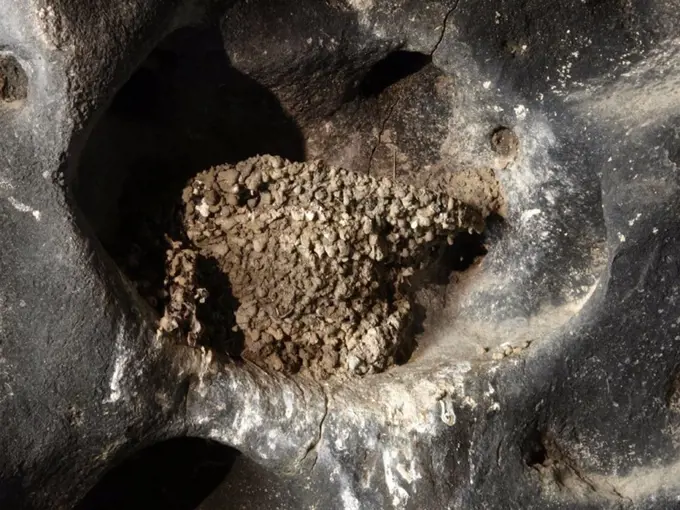
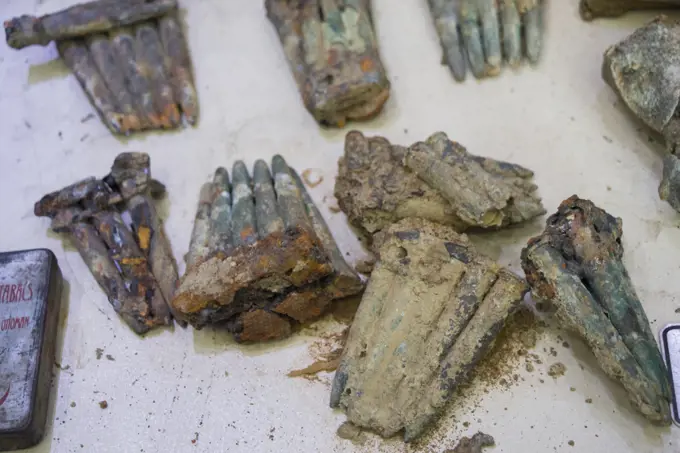
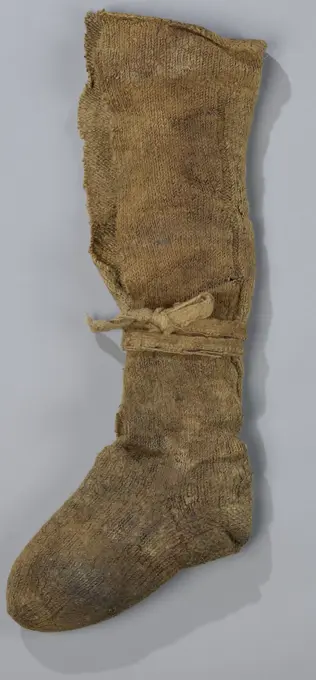
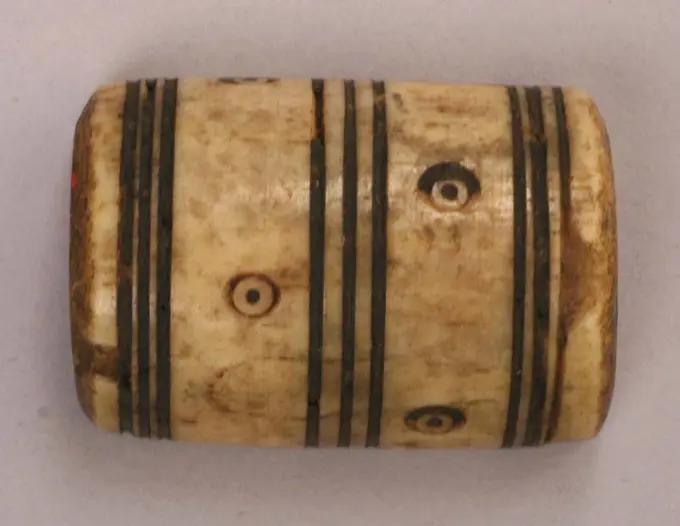
Ancient Artifacts and Fragments

A collection of ancient artifacts including pottery fragments, tools, and inscriptions reflecting historical periods and cultures.

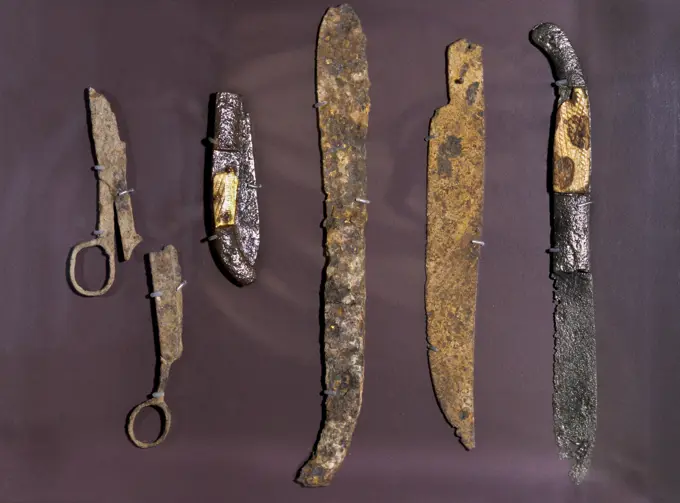
Blade with broken off point and narrowed sting, blade knife cutlery ground find iron metal, Blade with broken end and narrowed sting too broken archeology Rotterdam rail tunnel cutting Soil discovery: rail tunnel Rotterdam.
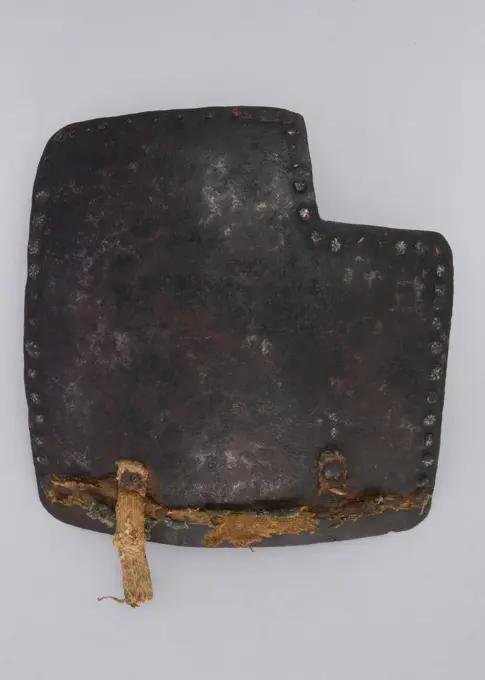
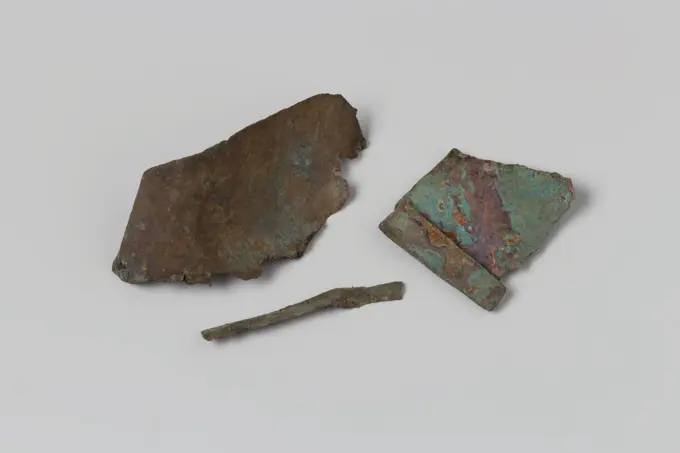
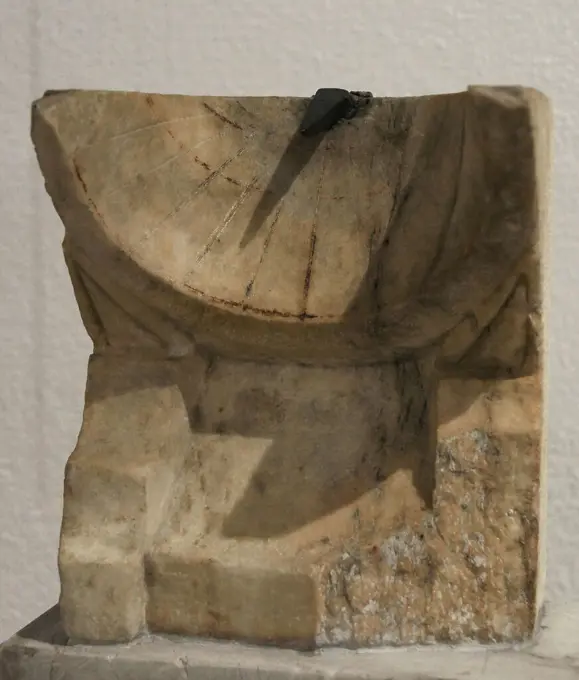
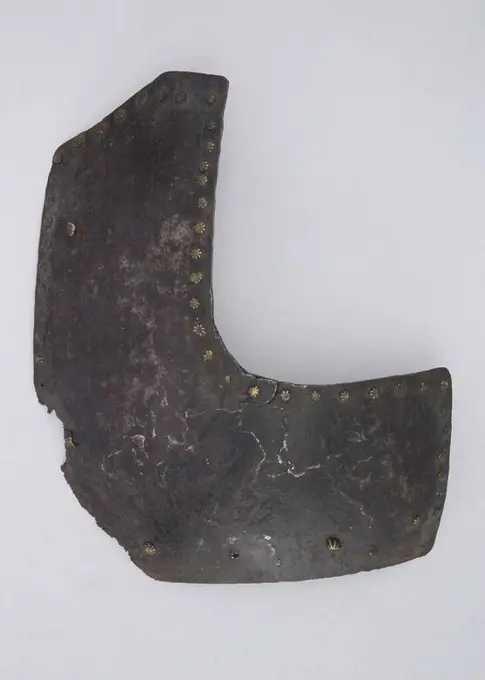
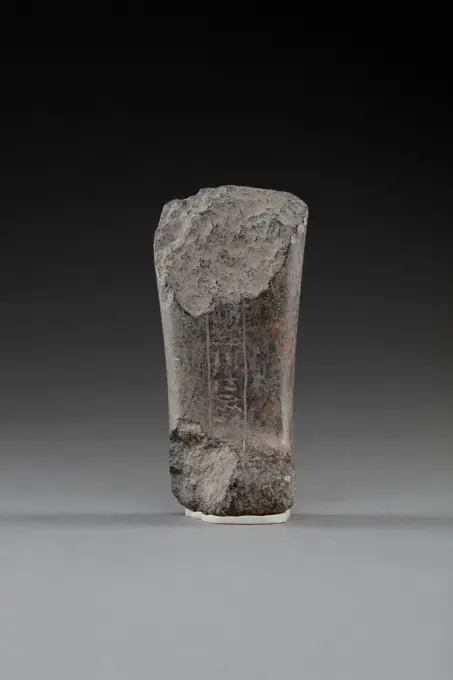
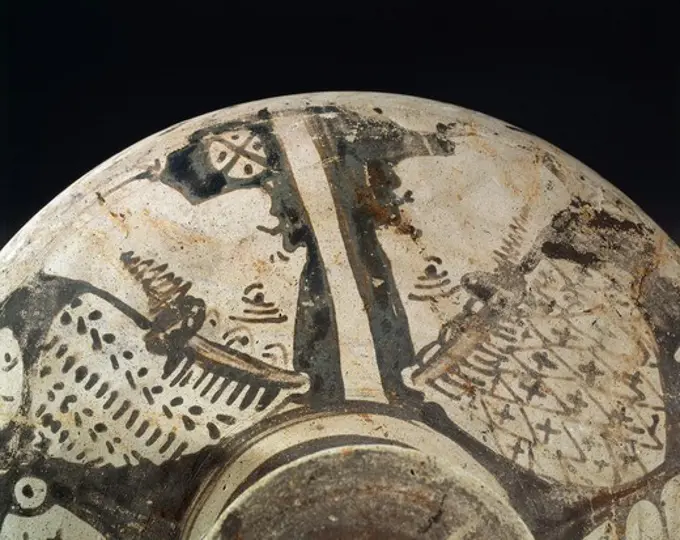
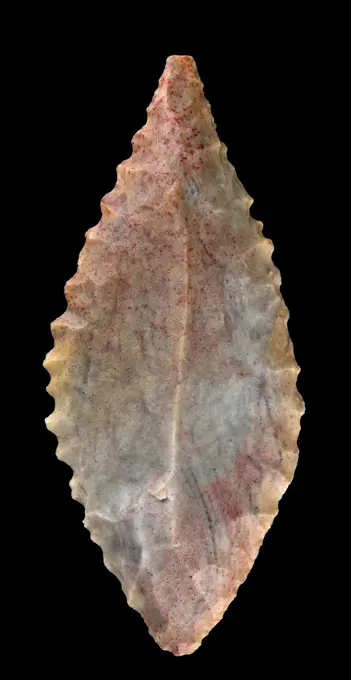
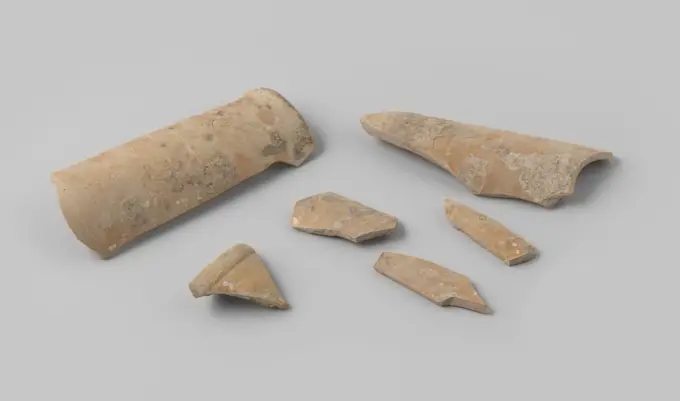
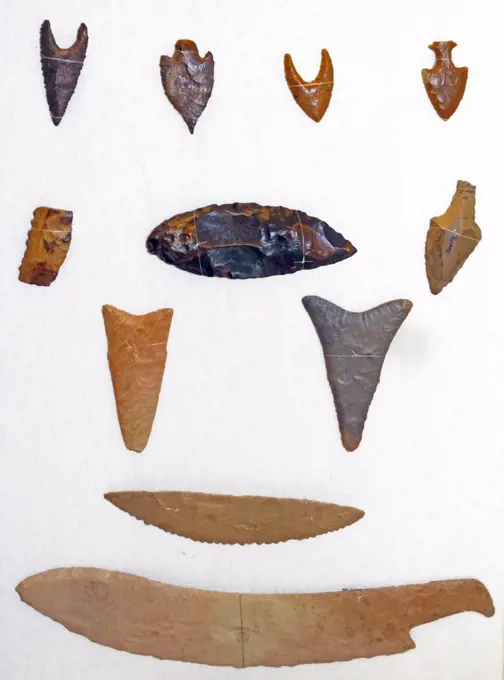
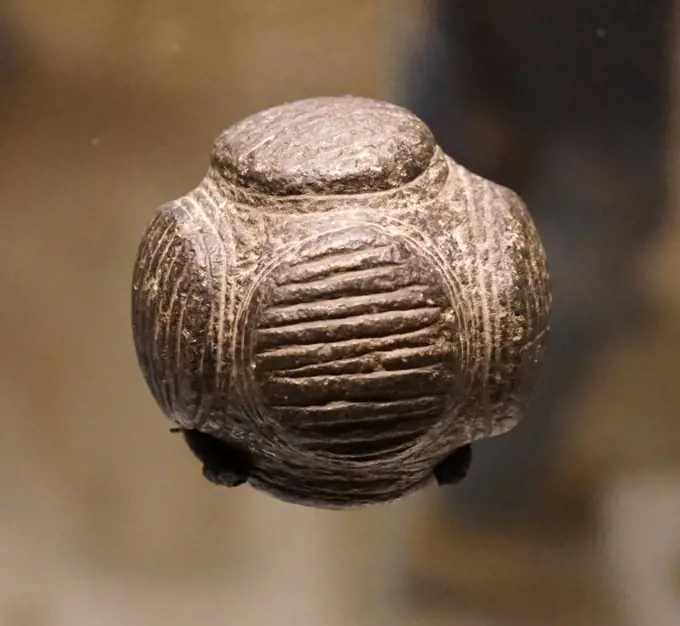
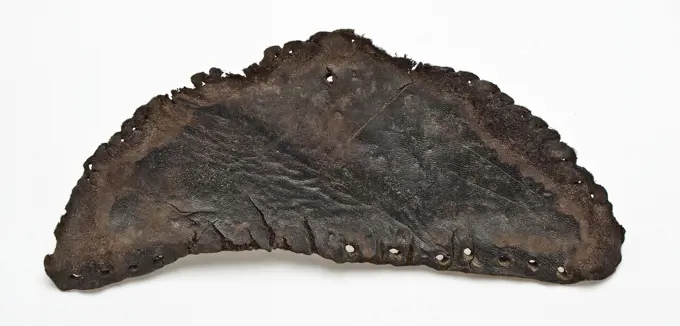
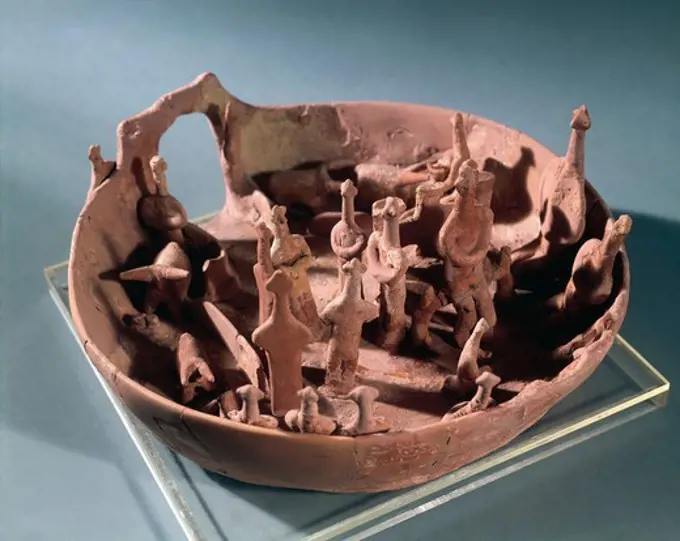
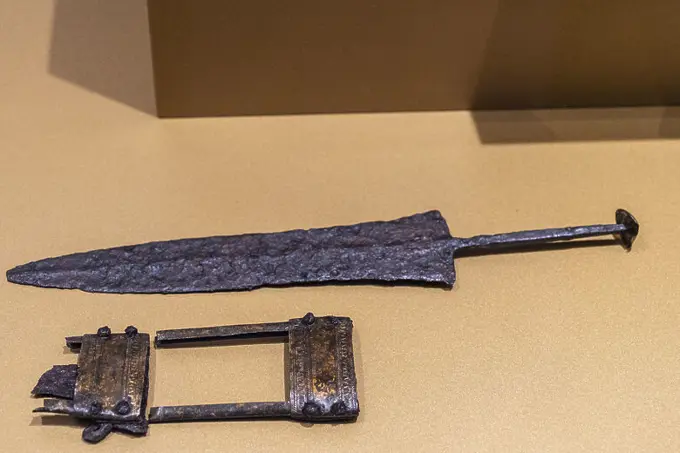
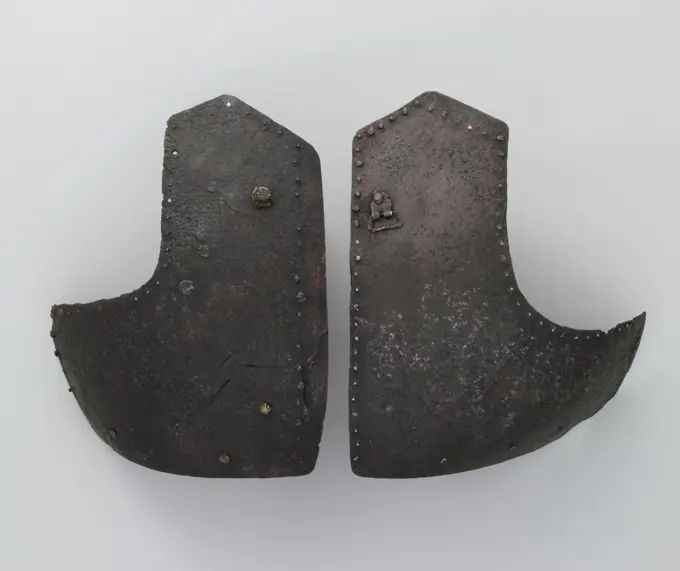
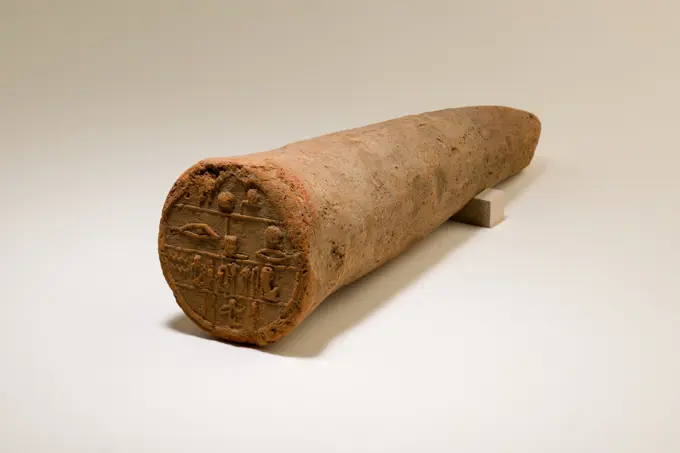
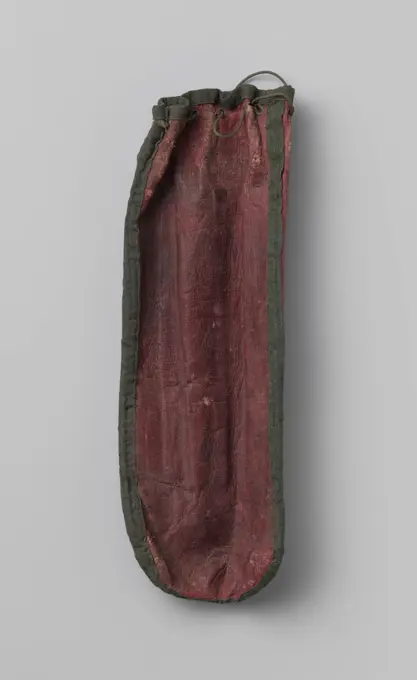
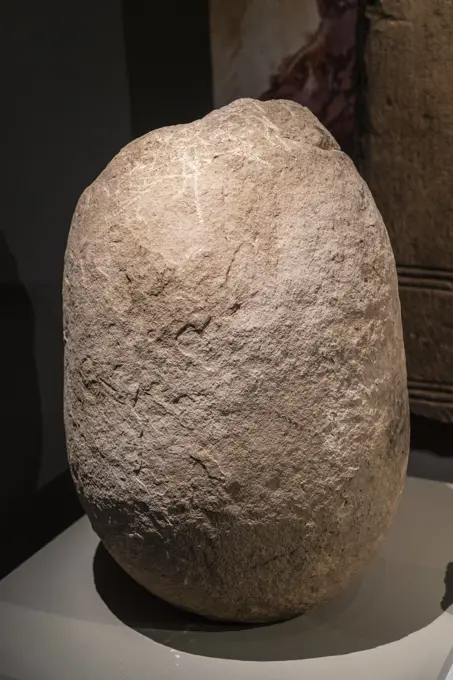
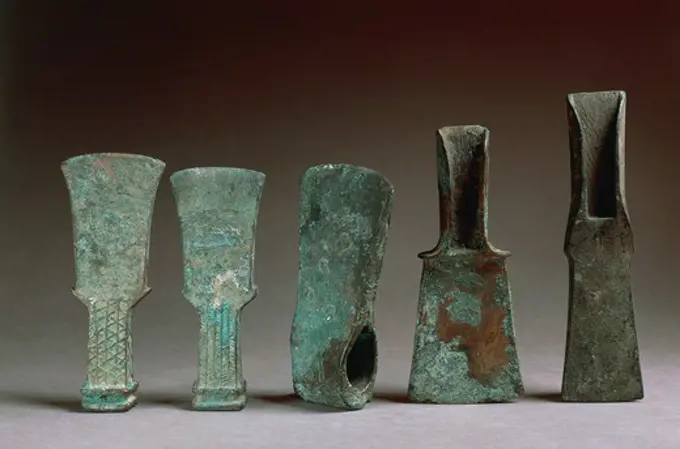
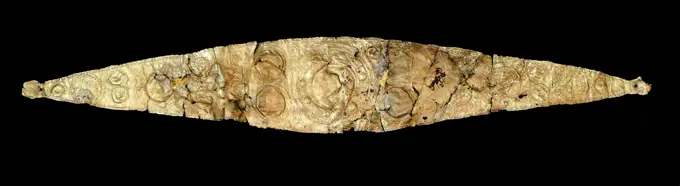
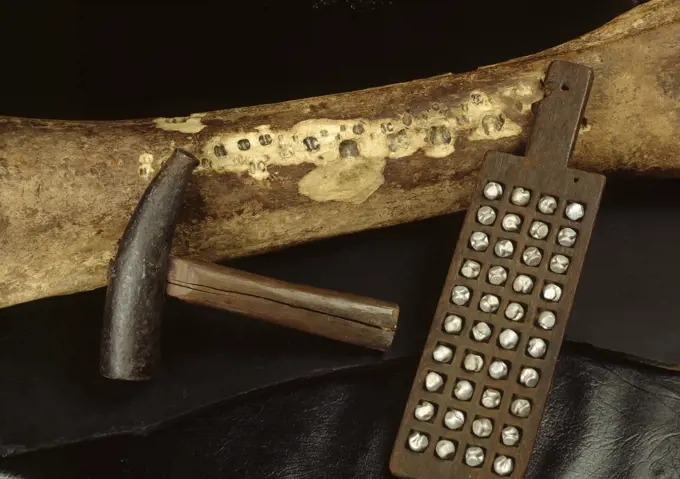
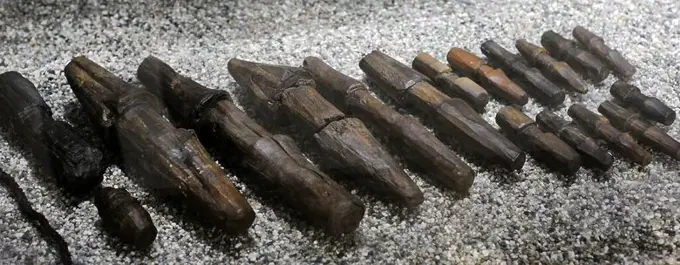
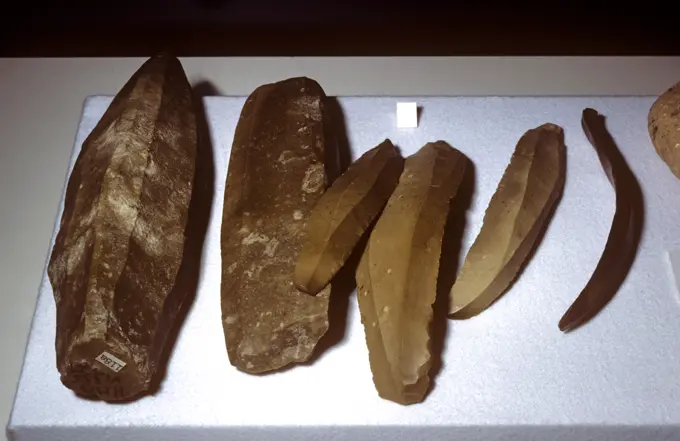
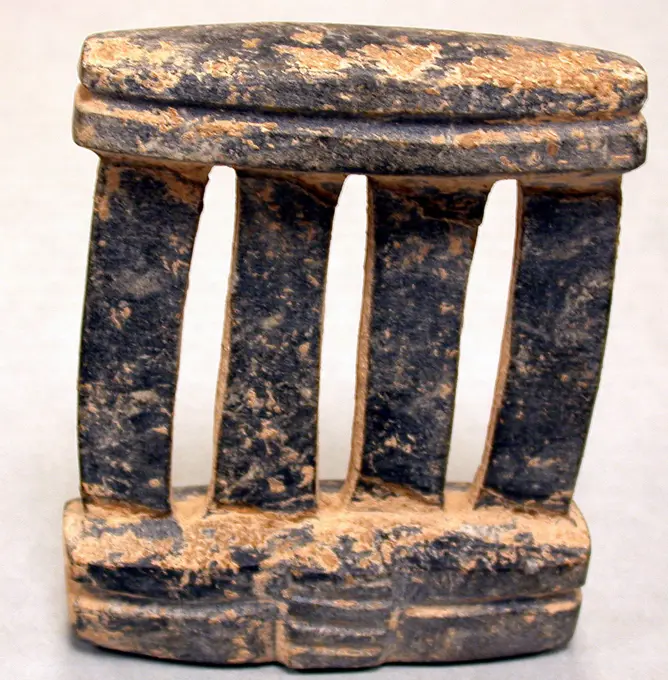
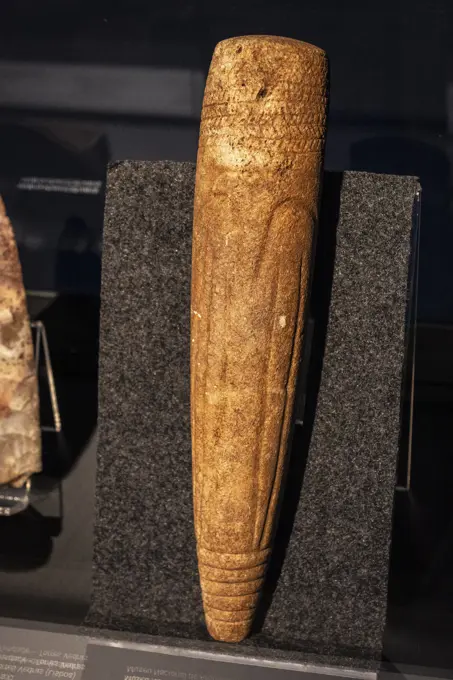
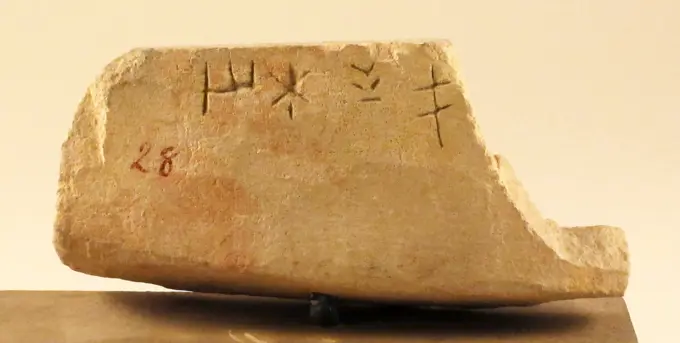
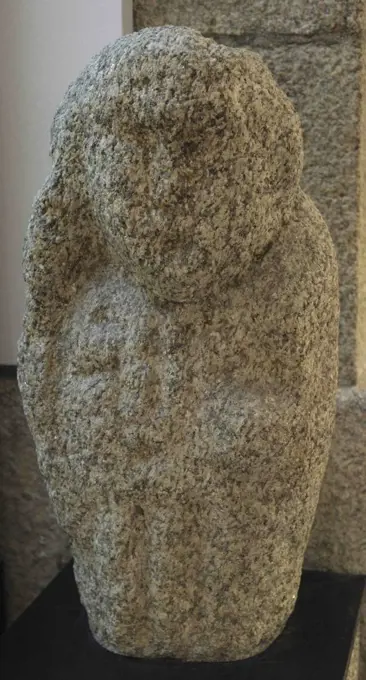
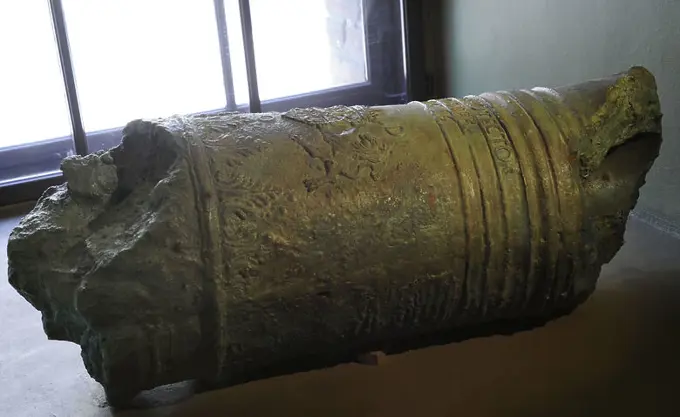
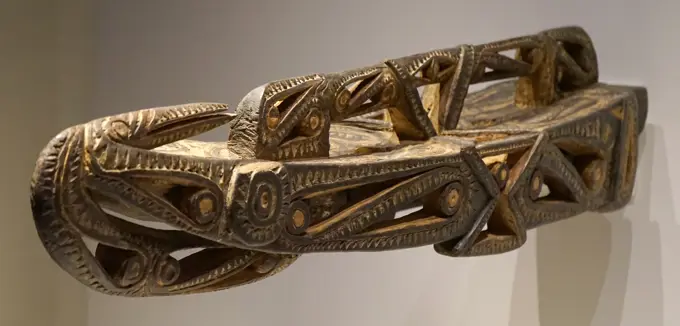
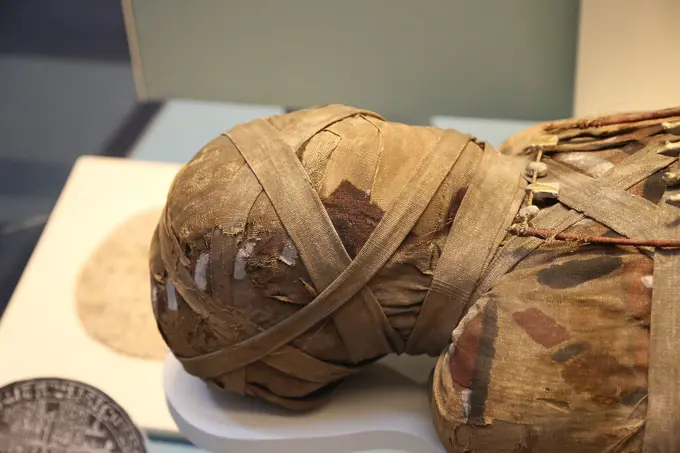
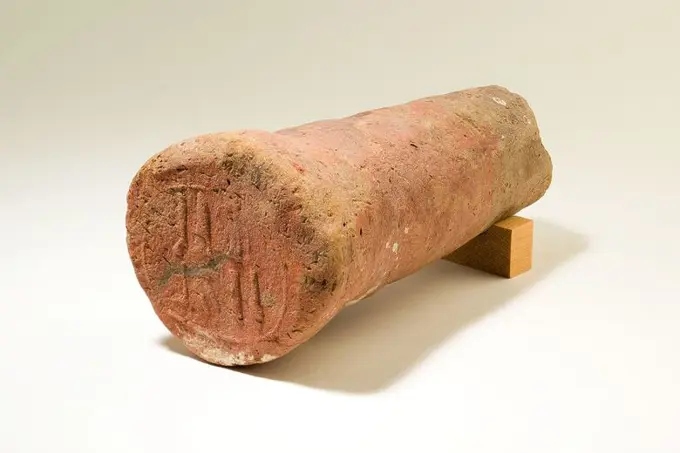
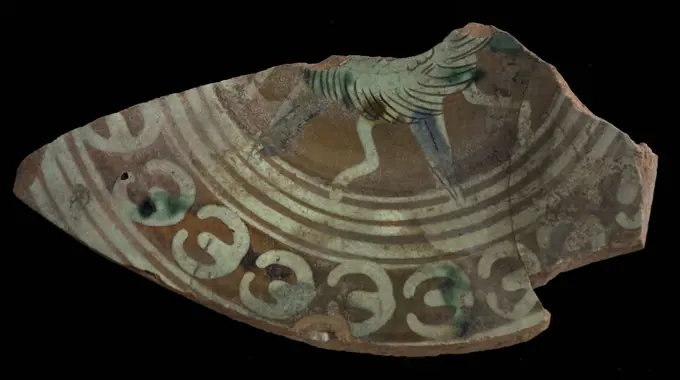
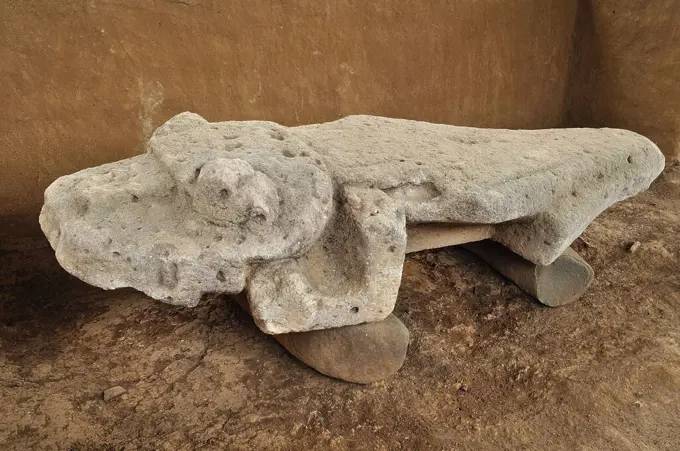
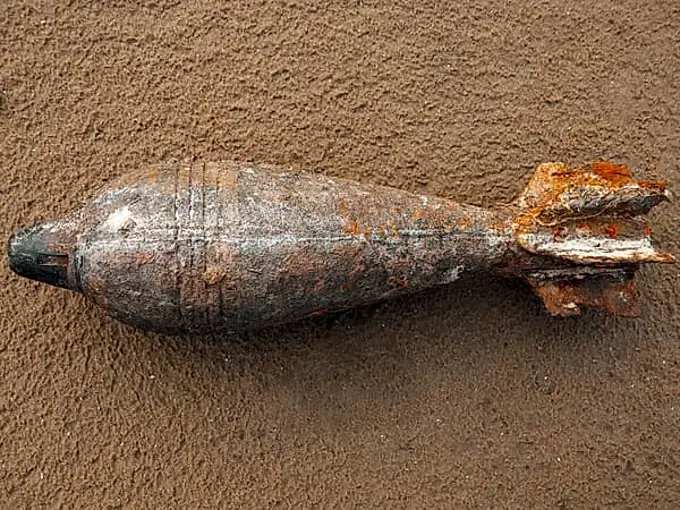
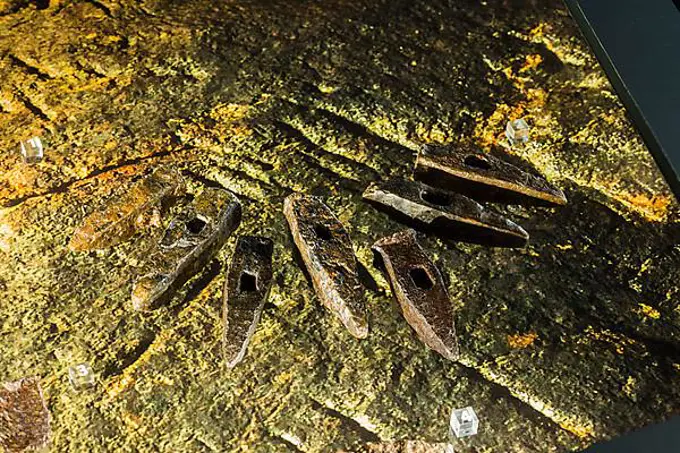
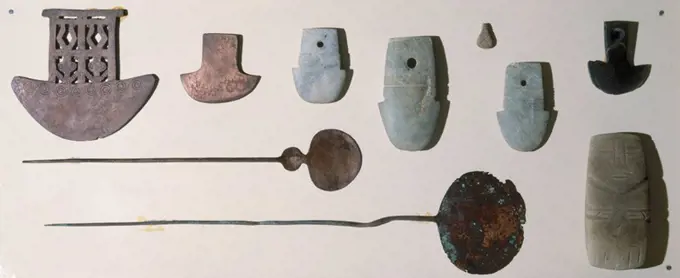
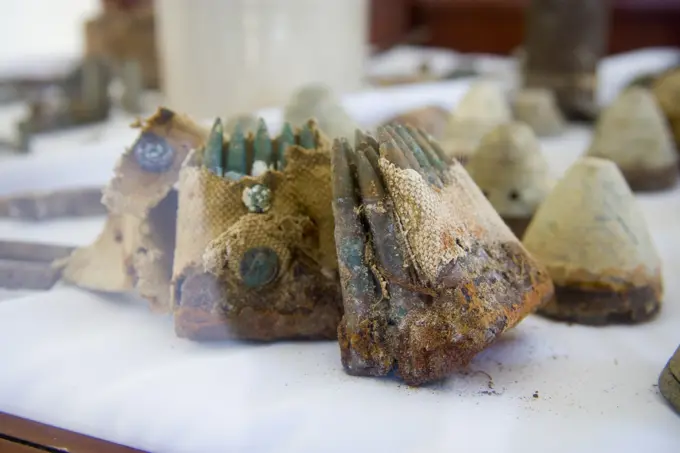
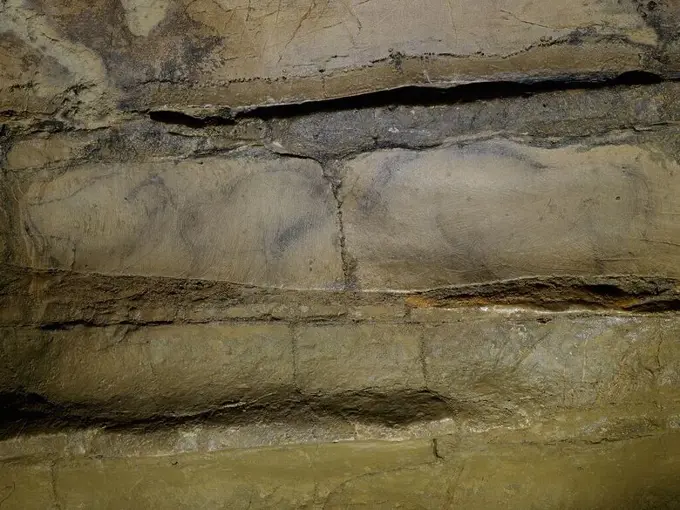
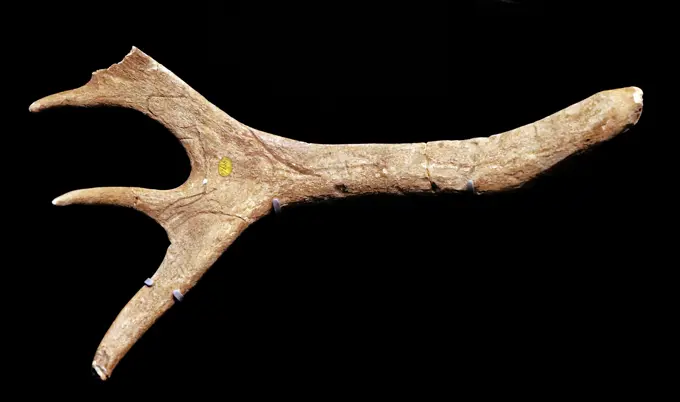
Relief fragment from a procession of attendants - see 31.3.1-1. Dimensions: H. 10 x W. 8.5 cm (3 15/16 x 3 3/8 in.). Dynasty: Dynasty 11. Reign: reign of Mentuhotep II, early. Date: ca. 2051-2030 B.C..See 31.3.1-1. Museum: Metropolitan Museum of Art, New York, USA.Stone goods shards, found at V.O.C.-ship De 'Witte Leeuw', Anonymous, Before 1613  Stone goods shards, found at V.O.C. ship De 'Witte Leeuw'.  stoneware   Sint-HelenaRight Half of Brigandine Breastplate 1400-1450 Italian This is part of a large find of medieval armor discovered in 1840 in the ruins of the fortress of Chalcis, on the Greek island of Euboea (then a Venetian colony called Negroponte). The fortress had been captured and destroyed by the Turks in 1470. Now divided largely between the Ethnological Museum, Athens, and The Metropolitan Museum of Art, the Chalcis hoard contains many rare and unusual elements of fourteenth- and fifteenth-century armor. Of particular importance are the variety of headpieces and the many fragments of brigandines (armor for the torso constructed of small plates riveted to layers of fabric), some of which retain portions of their original velvet covering. The Chalcis armor provides a unique picture of the armament used in the Aegean, one of the easternmost military outposts of the Venetian empire.. Right Half of Brigandine Breastplate 27671Stone axes on black backgroundOnderdelen klisteerspuit uit het wrak van de Oost-Indiëvaarder Hollandia. Tools and instruments, medical, enema syringe; fragm, corroded: finial, spherical with engraved concentric circles on top, hollow shaft underneath, broken off: fragm of lower end of shaft, hollow, with remains of piston: fragm of needle, id. NG 1980-27H1632: fragm of needle, straight tapering tube, flanged end with linear concentric engravings, internally threaded: fragm of needle, id. NG .1980-27H1456: fragm of perforated disc, broken, 4 circular holes.Fragments of copper from the wreck of the East Indians Hollandia, 1700 - in Or Before 1743  Parts of artefacts; eroded fragments: materials; copper. Netherlands copper (metal)   SecondCuneiform tablet case impressed with four cylinder seals, for cuneiform tablet 86.11.214a: field rental ca. 1749-1712 B.C. Babylonian. Cuneiform tablet case impressed with four cylinder seals, for cuneiform tablet 86.11.214a: field rental 328877Ancient Greece. Conical type of sundial with a gnomon. It belongs to the Roman period. Marble. Archaeological Museum of Piraeus. Greece.Africa, Ghana, Accra. National Museum, regarded as one of the finest museums in sub-Saharan Africa. Stone artifacts.Brigandine Plate. Culture: Italian. Dimensions: H. 10 5/8 in. (27 cm); W. 8 3/4 in. (22.2 cm); Wt. 1 lb. 10.1 oz. (740 g). Date: 1400-1450. Museum: Metropolitan Museum of Art, New York, USA.Shabti legs Middle Kingdom ca. 1850-1640 B.C. View more. Shabti legs. ca. 1850-1640 B.C.. Serpentinite, paint. Middle Kingdom. From Egypt, Memphite Region, Lisht North, cemetery south of pyramid House A3.1, Pit 355, MMA excavations, 1920-22. Dynasty 12-13Lekanis with female protomes decoration from Valle Trebba, Emilia Romagna region, Italy, civilization of the ancient city of Spina, Italic civilizationsFoliate and lacy point in cut stone. Neolithic period. North Africa. 4,5 cm.Sack with various shards of stoneware from V.O.C.-ship De 'Witte Leeuw', Anonymous, Before 1613  Bag with various shards of stoneware from V.O.C. ship the 'Witte Leeuw'.  stoneware   Sint-HelenaThe Shawnee Indians traded for valuable European goods such as metal tools of knives and scissors, Piqua Historic Museum, OhioFlint tools, including arrowheads, lance heads and knivesStucco Fragment probably 8th-12th century. Stucco Fragment 741514Scandinavia. Whetstone. Trysil k., Hedmark, Merovingian Age. Axe, Gran k., Oppland, Viking Age. Historical Museum. Oslo. Norway.Excerpt from a nail from the wreck of the East Indians' t Vliegend Hart ,, 1700 - 1735  Fragment of a nail, corroded and fragmented. Netherlands iron (metal)Decorative Door Boss And Nail; steel-plated wrought ironGold grave object from the Pylos Tholos Tombs; 14th century BC; Mycenaean.Accounttablet. Artist: UnknownMadrid, M.A.N. Arte Prehistórico. Cuchillos de sílex de Vega del Nito. Cáceres. Neolítico y Edad del Bronce.Carved stone ball from the Later Neolithic period. Scotland. Dated 3000 BCScandinavia. Viking Age. Pot handle. Loland, Lindesnes k., Vest-Agder.10th century. Mount.  Ostvold, Sandnes k., Rogaland, 9th century. Norway. Historical Museum. Oslo. Norway.Double-Sided Comb 7th century Frankish. Double-Sided Comb 465602 Frankish, Double-Sided Comb, 7th century, Bone, iron pins, Overall: 4 5/8 x 1 15/16 x 9/16 in. (11.8 x 5 x 1.5 cm). The Metropolitan Museum of Art, New York. Gift of J. Pierpont Morgan, 1917 (17.193.275)Roman Rock crystal, monogram of Christ 4th-5th century AD and a fish symbol (6th century AD). Rock crystal was regarded as a symbol of purity. Roman City at Barcelona, Spain.Shards of earthenware from V.O.C. ship De 'Witte Leeuw', Anonymous, Before 1613  Shards of red-baking earthenware, sailing from one with glaze, from V.O.C. ship the 'Witte Leeuw'.  earthenware. glaze   Sint-HelenaCalcified stone, Melanesian ceremonial chair, from the Nias tribe, in the Gomo area of Papua New Guinea. Late 19th centuryfossils found on the beaches of the jurrassic coast in south england fossils found on the beaches of the jurrassic coast in south england lyme regis Copyright: xZoonar.com/MVDBERKx 15099815Heel piece of leather shoe with sewing holes along the edges, shoe footwear clothing soil finding leather, archeology underground pit Rotterdam City Triangle Groenendaal Soil discovery in metro station Groenendaal from 15th century cesspool.MINERALS. NEOLITHIC AXES PIECES.Celtiberian plaque with hunting scene on horseback, La Custodia, Viana, Museum of Navarra, Pamplona, Navarra,Spain.Plaque. Egypt, 8th century. Bone, carvedClay manufacture representing sacred pit, from VounousBliżej Kulturyiron dagger with curved edges and sheath, 2nd-1st century BC, La Carada necropolis, Espeluy, Iberian culture, Iberian Museum of Jaén, Andalusia, Spain.Bag with shards of earthenware from V.O.C. ship De 'Witte Leeuw', Anonymous, Before 1613  Bag with shards of red-baking, gray-baking and yellow-baking pottery and earthenware, glazed and glazed, from v.o.c.-ship the 'Witte Leeuw'.  earthenware. stoneware. glaze   Sint-HelenaSeven pebbles, c. 1400 - c. 1950 Seven pebbles. Various sorts.  . Seven pebbles. Various sorts.  .Fragment 8th-9th century. Fragment 448894Right and Left Breastplates from a Brigandine ca. 1400-1425 Italian The right breastplate was originally pierced with two holes for the attachment of a lance rest. Both halves were once covered with textile.. Right and Left Breastplates from a Brigandine. Italian. ca. 1400-1425. Steel, copper alloy, textile. Armor Parts-BreastplatesFunerary Cone of the Inspector of Scribes Ineni ca. 1550-1295 B.C. New Kingdom. Funerary Cone of the Inspector of Scribes Ineni. ca. 1550-1295 B.C.. Pottery. New Kingdom. From Egypt, Upper Egypt, Thebes, Asasif, 17-18th Dynasty Cemetery, near tomb 2, MMA excavations, 1912-13. Dynasty 18Bag for a woodwind musical instrument, anonymous, 1700 - 1750 Leather Fedral for (part) musical instrument, with rope to close  leather Leather Fedral for (part) musical instrument, with rope to close  leatherBlade before 16th century Tairona. Blade 317285ovoid baetyl ovoid baetyl, 3rd century BC, palace sanctuary, Tablas Bridge, Iberian Museum of Jaén, Andalusia, Spain Copyright: xZoonar.com/Tolox 21714945Prehistory, Italy, Iron Age. Villanovan culture. Axes. From the complex known as Ripostiglio di San Francesco, Bologna.Gold grave object from the Pylos Tholos Tombs; 14th century BC; Mycenaean.Bullet coins and hammer to make coins in ThailandFragment. Dimensions: L 43 x W 20 x H 6. Date: probably 8th-12th century. Museum: Metropolitan Museum of Art, New York, USA.Upper part of a male draped torso 1st or 2nd century A.D. Roman Upper part of torso with drapery on left shoulder and arm.. Upper part of a male draped torso. Roman. 1st or 2nd century A.D.. Marble, Island. Imperial. Stone SculptureEduardo Arranz-Bravo / Bronze, 1997. Museum: PRIVATE COLLECTION.Viking age. Beckets for securing the rope. Viking Ship Museum. Oslo. Norway.Fly Amulet ca. 1550-1295 B.C. New Kingdom. Fly Amulet. ca. 1550-1295 B.C.. Hippopotamus ivory. New Kingdom. From Egypt. Dynasty 18Europe, Bulgaria. Flints, tools and weapons. Karanow VI culture. Late Neolithic. 6-5 mill. BC. Bulgaria.Stone Temple Model 1st-8th century Mezcala. Stone Temple Model 317491Abruzzo, L'Aquila, Preturo, General views, Italy, 20th century, photo, photography, Europecylinder idol cylinder idol, limestone, 3000-2500 BC, Alcalar, Portimao Faro, Portugal, Huelva Museum, Huelva, Andalusia, Spain Copyright: xZoonar.com/TOLOxBALAGUERx 21720673Buckle, 600s. Merovingian, Burgundian, Migration period, 7th century. Iron with silver overlay; part 1: 6.4 cm (2 1/2 in.).Goldweight Two Recumbent Figures on an Octagonal Base, 19th-20th century, 3/8 x 1 3/8 x 1 11/16 in. (0.95 x 3.49 x 4.29 cm), Brass, Ghana, 19th-20th centuryicnitas, Centro de Interpretación Paleontológica de La Rioja, Igea, La Rioja , Spain, Europe.tumba de un marino, 1842, cementerio de Palma , inaugurado en1821, palma de mallorca, Mallorca, Balearic Islands, Spain.Miniature Litter Section 11th-late 15th century Chimú or Chancay. Miniature Litter Section 309209Limestone inscribed box fragment Cypriot Fragment of an inscribed box; dedicated to the Lady of Paphos.. Limestone inscribed box fragment. Cypriot. Stone. Cesnola Inscriptionsfragment with Arabic epigraphy, Archeological Museum. Úbeda, Jaén province, Andalusia, Spain.Nuragic civilization. Lamp with wick stopper. From Sardinia Region.Celtic phallic idol. From Paderne (La Coruna province, Galicia, Spain). Archaeological and History Museum (San Anton Castle). A Coruna, Galicia, Spain.Zurita stele, 1st century BC. C., giant discoid Cantabrian stele, Zurita, municipality of Piélagos, Museum of prehistory and archeology (MUPAC), Santander, Cantabria, Spain.COVACHO DEL PONTON DE LA OLIVA (107/1R): NIDO DE AVE.Cartridges of rusty bullet ammunition from the dardanelles warKnee sock, light brown, with a blurred decorative seam, anonymous, c. 1740 - c. 1760  Kniekous, light brown, with a blurred decorative seam from the edge to the heel. Coarsely knitted around. On two -thirds of the leg part (calculated from the edge), a garter has been tied. Knitted in Tricot stitch with a garter woven/flat binding.  wool   Spitsbergen. Svalbard. Zeeuwsche UytkyckCylinder Fragment 30 B.C.-A.D. 364 The dot-in-circle motif recalls designs presumed to be of magical significance, most likely an abstract eye to ward off the evil-eye, which serve an apotropaic function. Easily reproduced with a tool and visible in many cultures and times, this symbol may have lost its meaning, and become simply a decorative pattern, or may have one that we have not yet discovered.. Cylinder Fragment 444840Fragment 14th-15th century. Fragment 446473Part of a hoist. Travertino, functional to the running of the ropes of one of the 60 hoists for lifting things from the basement to the level of the area, in use in 3rd century. From the Flavian Amphitheatre underground structures.Fragment of a 24 mm Swedish Army bronze cannon. Sweden, 1616. Damaged during the siege of Riga by the Swedish army in 1621. Latvian War Museum. Riga. Latvia.Canoe prow from Papua New Guinea. Dated 20th CenturyMummy of a man with amulets on a frame. Roman era, after 30 BC. Provenance unknown. British Museum. London. UK.Greenland, capitol city of Nuuk. Greenland National Museum. Late Thule culture artifacts, c. 1700's. Carved ivory, wood, and bone everyday utensils and tools.Funerary Cone of the Herald Ibety. Dimensions: Preserved L. 17.6 cm (6 15/16 in.); Diam. 7.8 cm (3 1/16 in.). Dynasty: Dynasty 18. Date: ca. 1550-1295 B.C.. Museum: Metropolitan Museum of Art, New York, USA.Fragment Werra plate, mirror decor six-pointed star with sgraffito face, pale yellow and green (and blue) Glaze, plate crockery holder earth discovery ceramics earthenware glaze, Red earthenware with drawing in pale yellow and green glaze archeology Rotterdam City Triangle Cool post office Coolsingel Soil discovery Post office site Rotterdam.Crocodile - Alto de los Idolos in ISNOS - Archaeological Park of SAN AGUSTIN . Department of Huila.COLOMBIA.puntas de flecha puntas de flecha, cueva de Pico Ramos, Muskiz, Arkeologi Museoa, museo aqueologico, Bilbao, Bizkaia, Pais Vasco, Spain Copyright: xZoonar.com/Tolox 21652360German trench-mortar bomb (water-drop shaped mortar projectile) during the second world war. Unexploded mine (intact bomb case) on the shore of the lake where the fighting took placeMiBERZ - Museum of Medieval MiningShards of wine bottles from the wreck of the East Indians' t Vliegend Hart ,, 1700 - 1735  Shards of onion -shaped wine bottles of green glass that has been in red (port) wine. Fragment Pijpensteel. Netherlands .Christmas decoration in rustic stylehandle of a Roman patera, underwater bottom of Porto Cristo, I AD, Manacor History Museum, Manacor, Mallorca, Balearic Islands, Spain.Three fragments of majolica bowl, polychrome decor and sgraffito border, exterior blue lines, bowl crockery holder soil find ceramic earthenware glaze, archeology indigenous pottery import decorate serve serveARTE PRECOLOMBINO. INCA. Distintos utensilios: HACHAS DE PIEDRA Y METAL, de la cultura Inca y Puruhá (Ecuador), y AGUJAS DE METAL de la cultura Puruhá. Colección particular.Sasanian Helmet, found at Nineveh, Iraq. Dated 6th century ADPorphyry, extrusive rock, section.Coffee bean in deep shadows over unfocused grains backgroundStatue of head at sunrise on the eastside of the mountain, Mt. Nemrut, TurkeyMosaic cone ca. 3100-2900 B.C.. Mosaic cone 328789Battlefield artifacts exhibited in a war museum in Gallipoli, Canakkale, TurkeyDetail of an altar with an anthropomorphic figure, Chalcolithic, fifth millennium BC, Bulgarian National Archaeological Museum, Sofia, Republic of Bulgaria, Europe.CUEVA DE ALTXERRI: GRABADOS Y PINTURAS, RENO, ZORRO, BISONTES... AYA, GIPUZCOA, PAIS VASCO, ESPAÑA.Córdoba, 04/06/2021. Archaeological excavation in the Patio de los Naranjos of the Cathedral Mosque, where it seems that a Christian building prior to the Mosque has been discovered. Photo: Valerio Merino ARCHCOR.Carving of a horse on a reindeer antler. Dated 15th Century BCAlter Backstein Hands holding an old brick Copyright: xZoonar.com/J.xSandvikx 1260322Fringes of a pillow, anonymous, c. 1660 - c. 1675 Franjes van pillows that belong to the series with the history of Jacob. Unclear which frills belong to which pillow. Northern Netherlands wool Franjes van pillows that belong to the series with the history of Jacob. Unclear which frills belong to which pillow. Northern Netherlands wool