Ancient Artifacts and Fragments

A collection of ancient artifacts including pottery fragments, tools, and inscriptions reflecting historical periods and cultures.

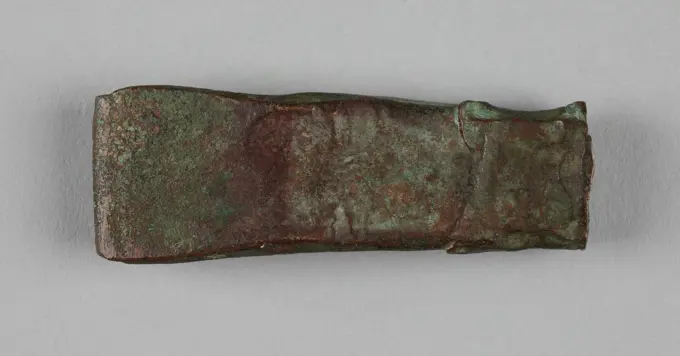
Blade with broken off point and narrowed sting, blade knife cutlery ground find iron metal, Blade with broken end and narrowed sting too broken archeology Rotterdam rail tunnel cutting Soil discovery: rail tunnel Rotterdam.
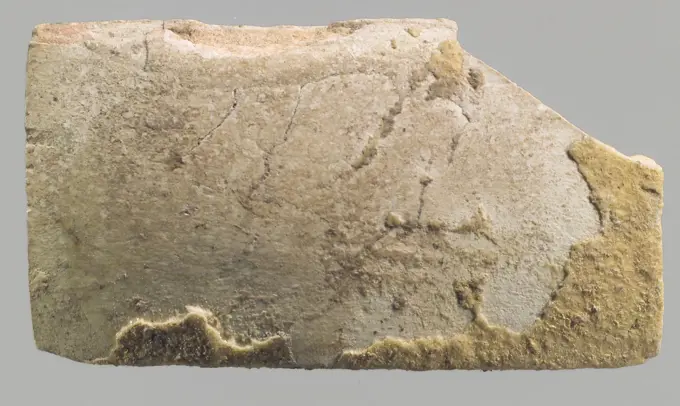
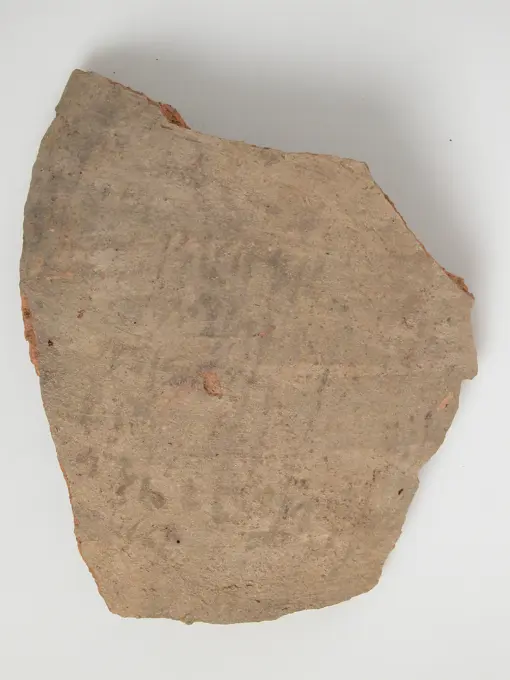
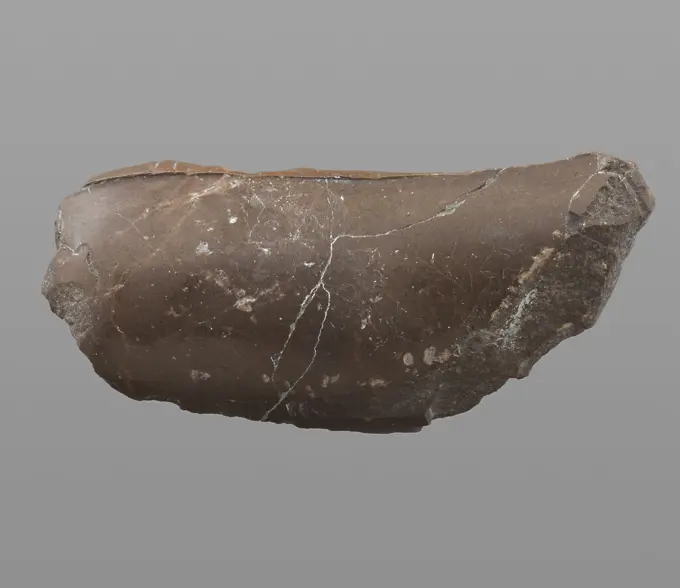
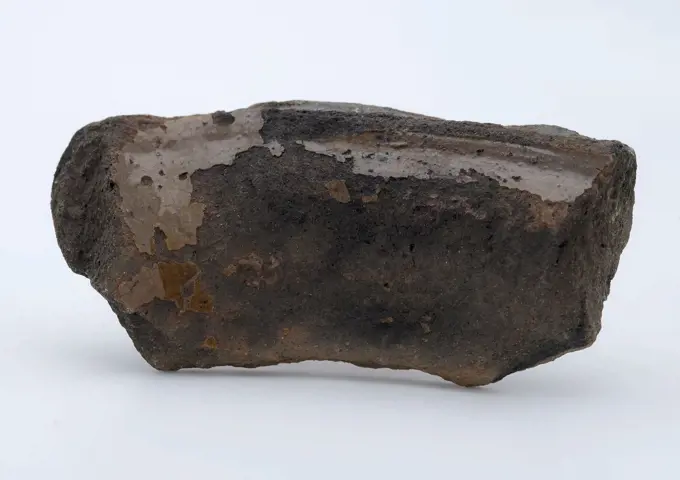
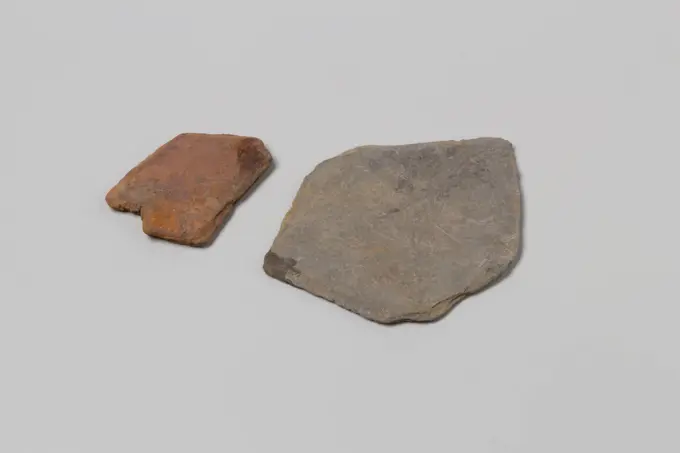
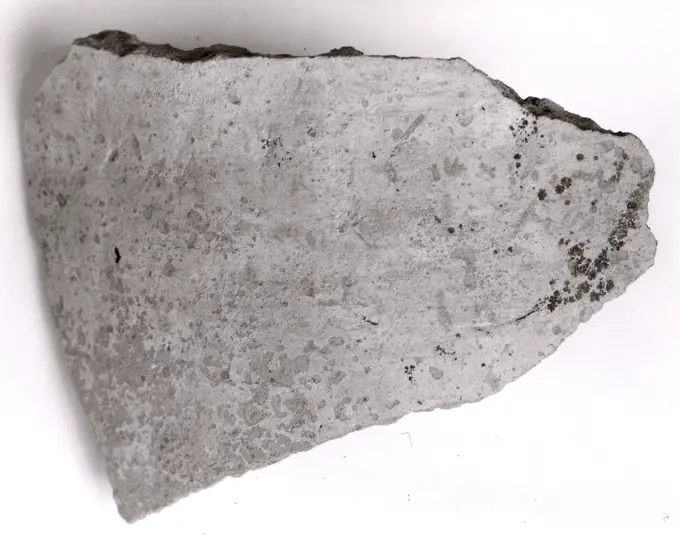
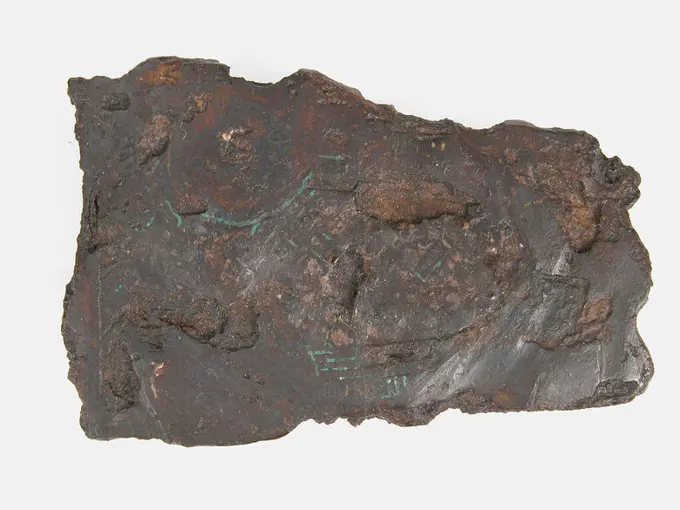
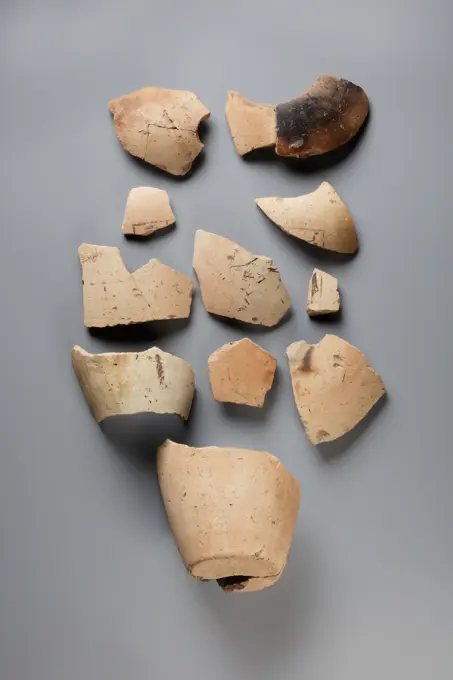
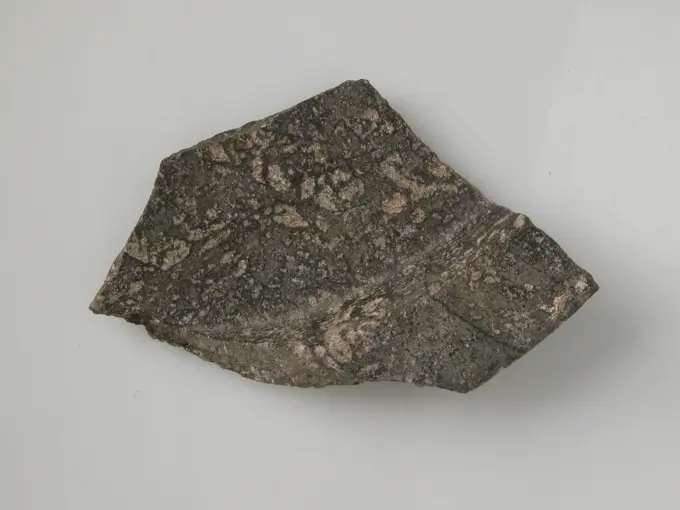
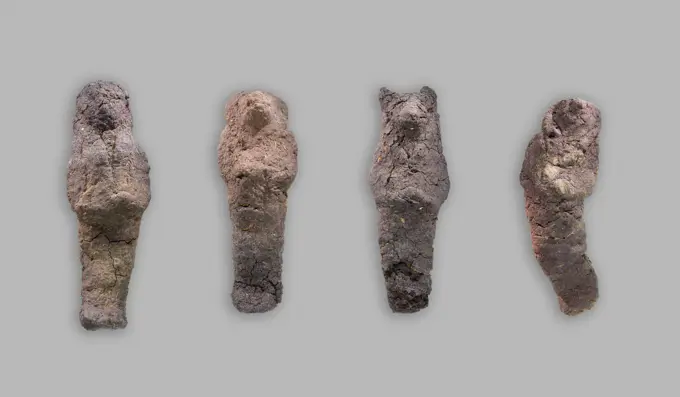
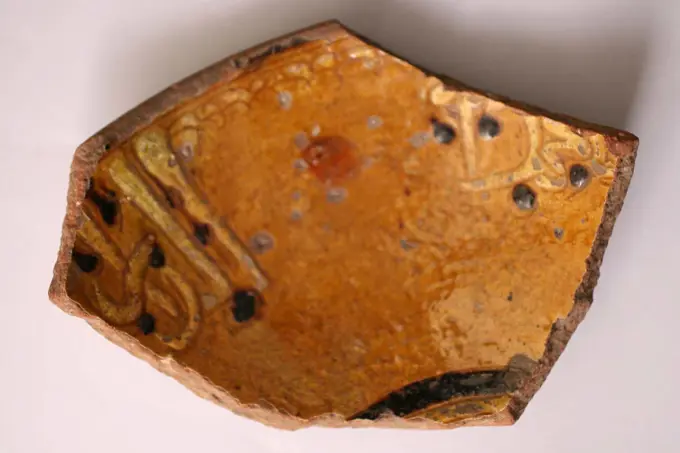
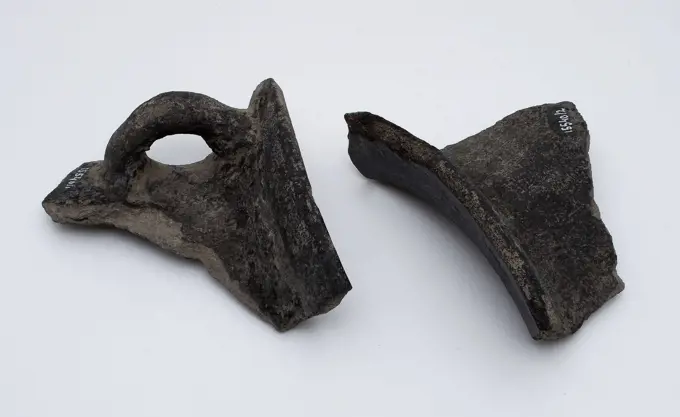
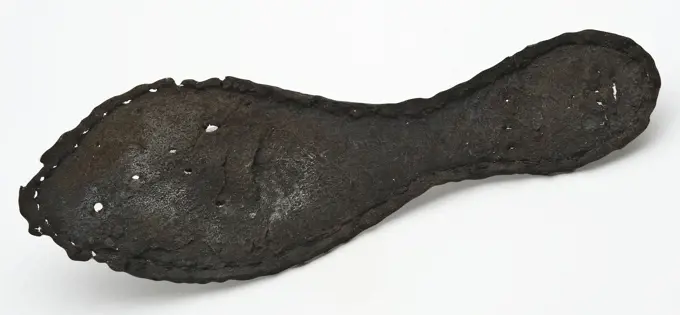
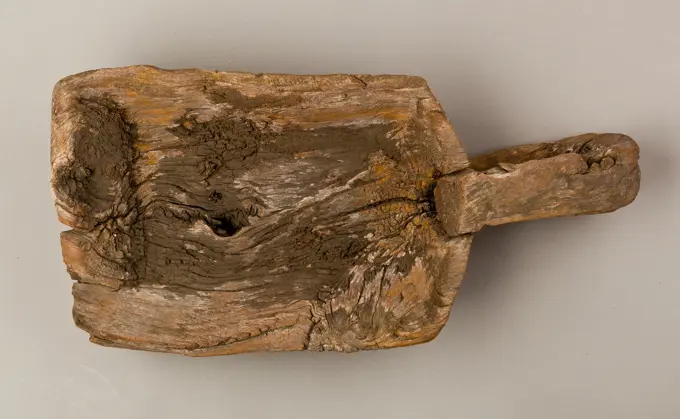
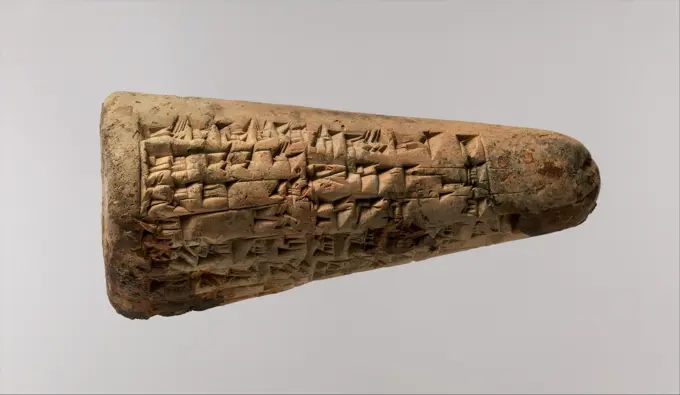
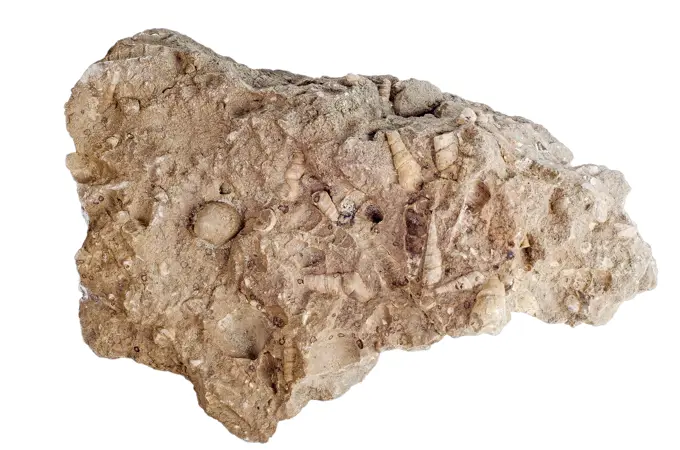
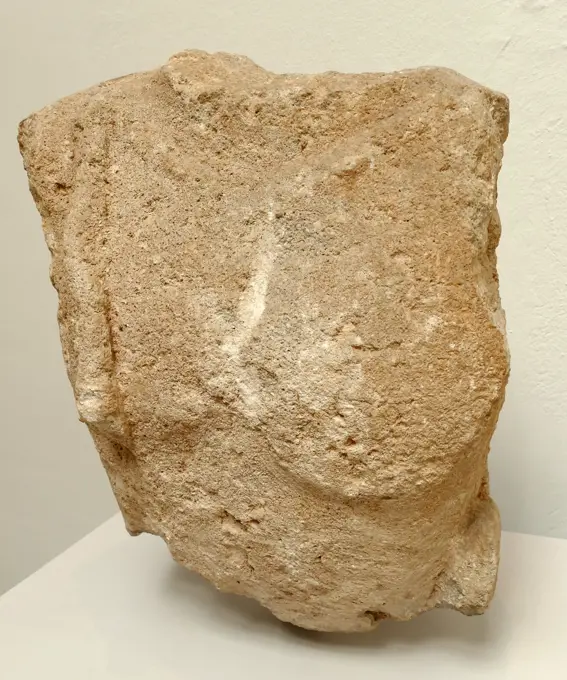
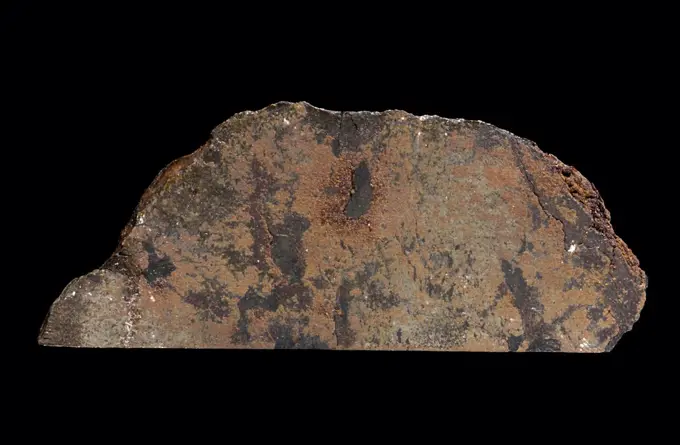
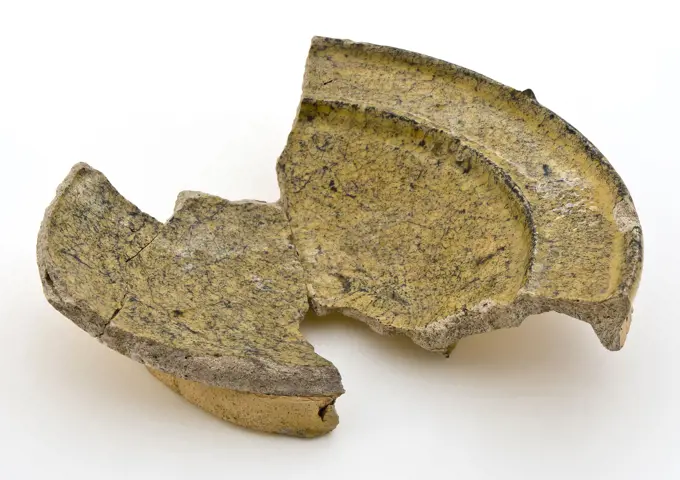
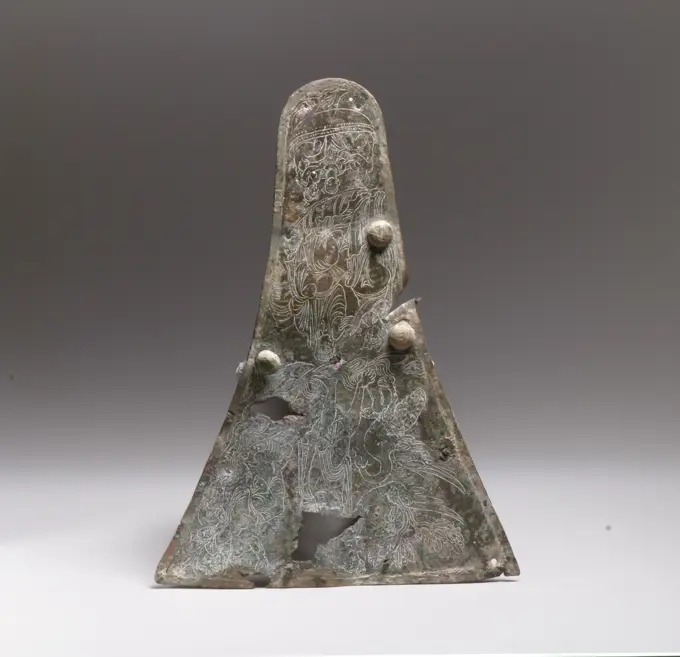
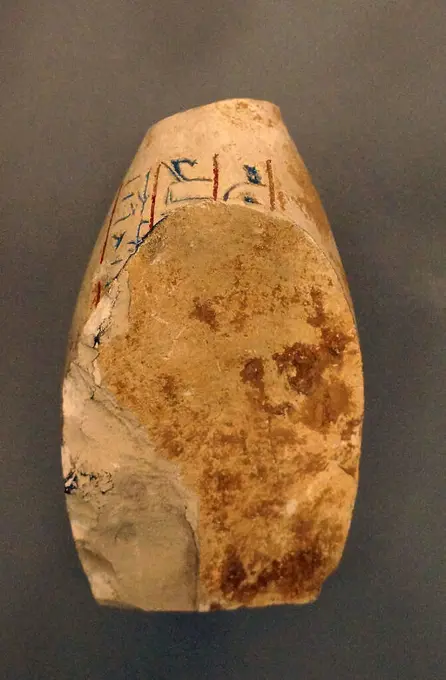
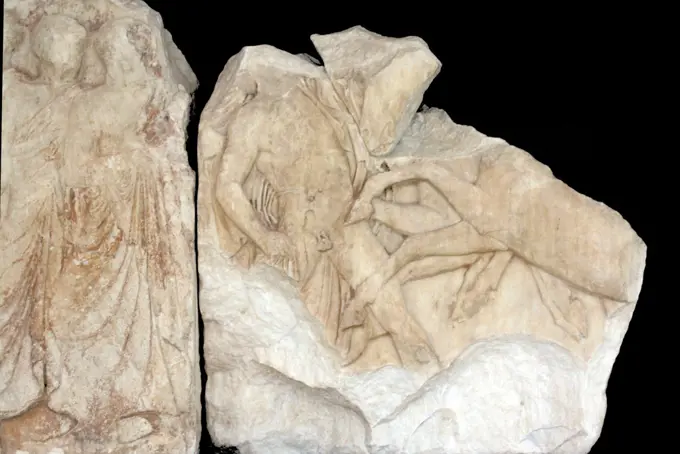
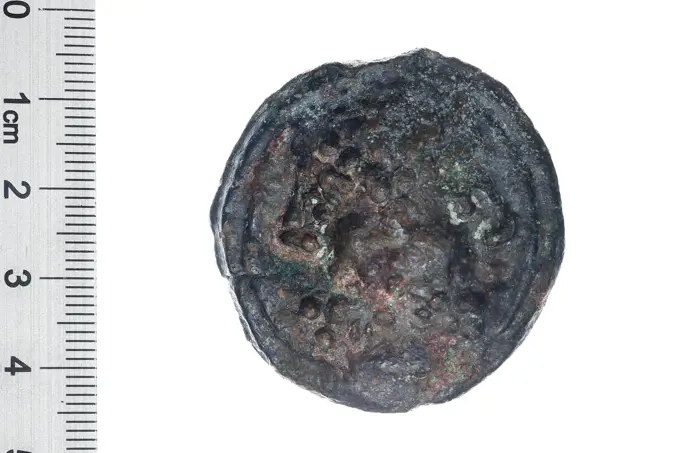
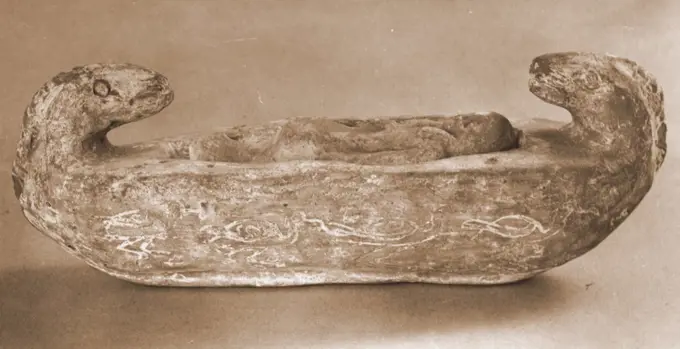
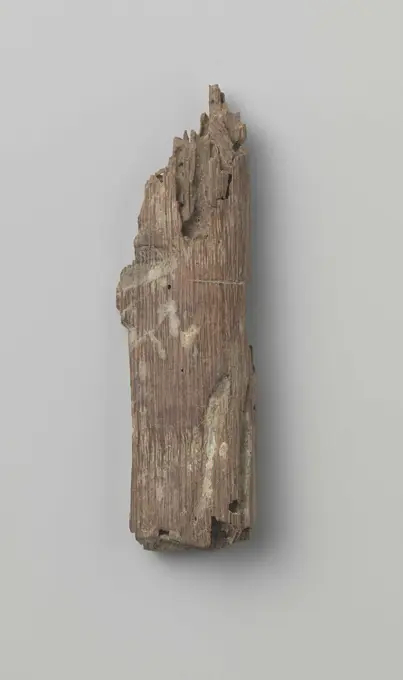
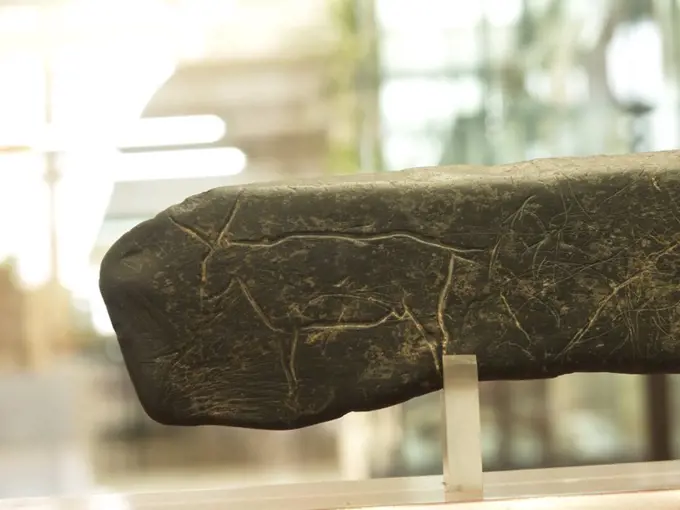
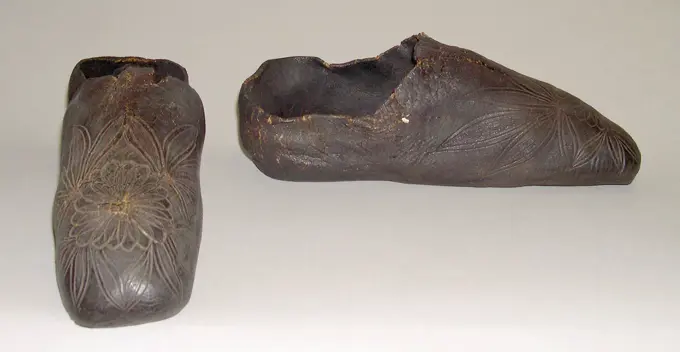
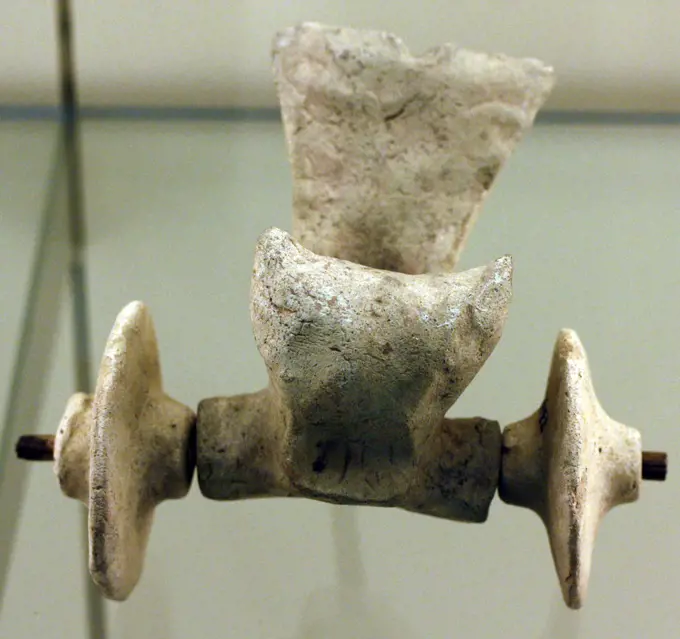
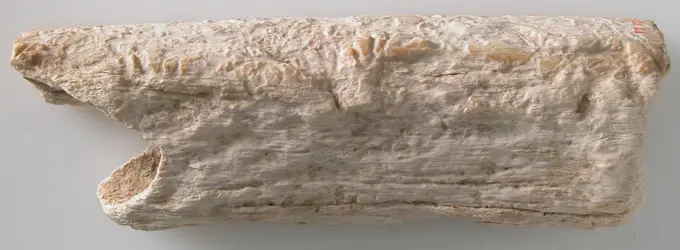
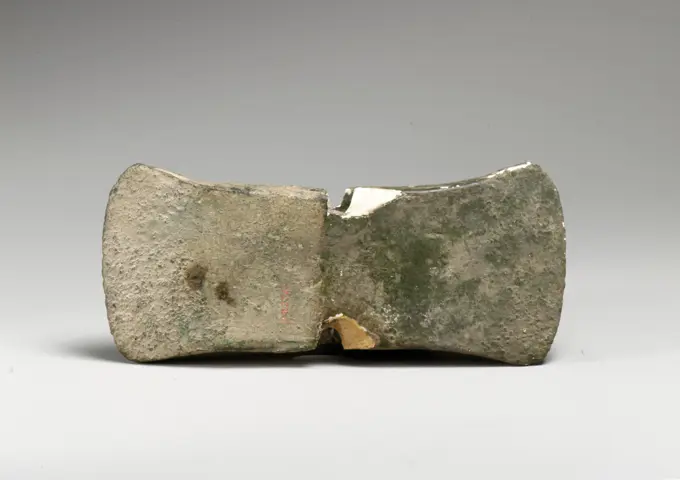
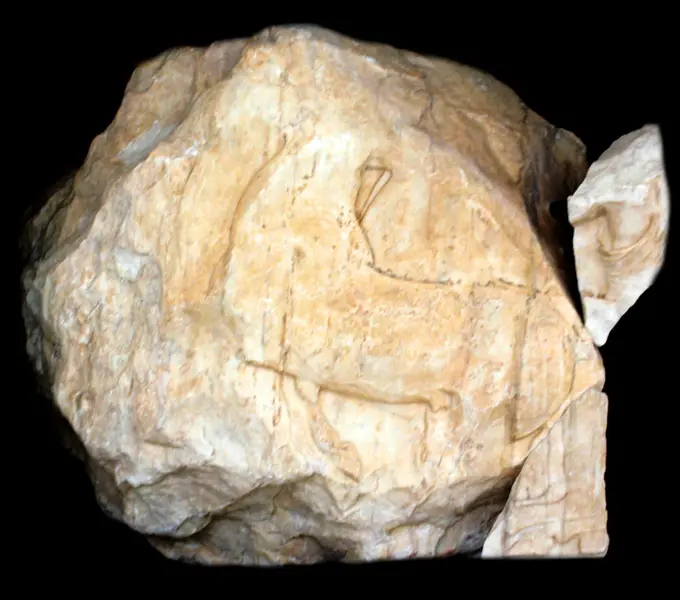
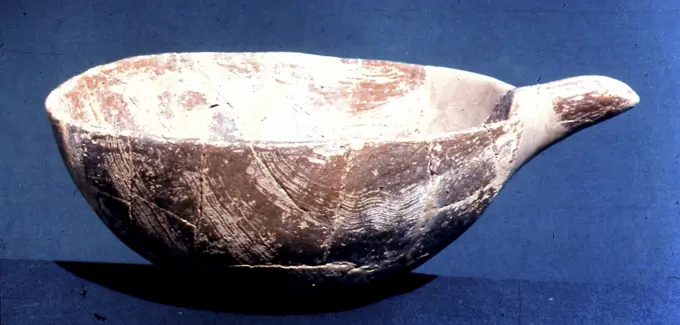
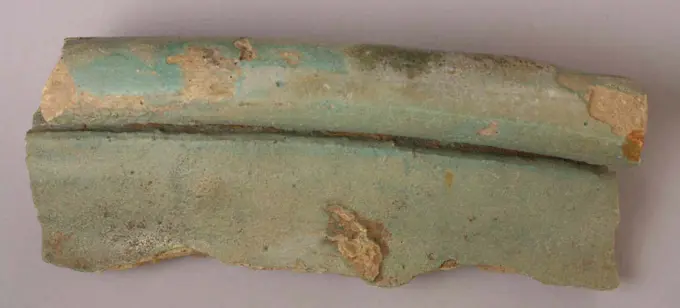
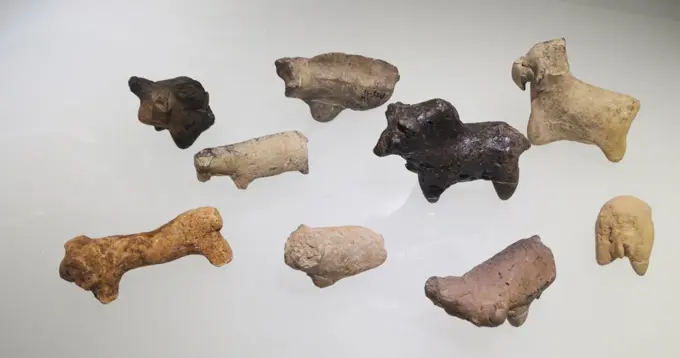
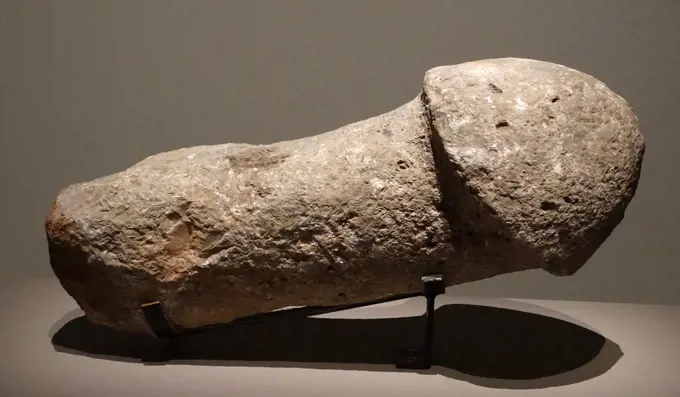
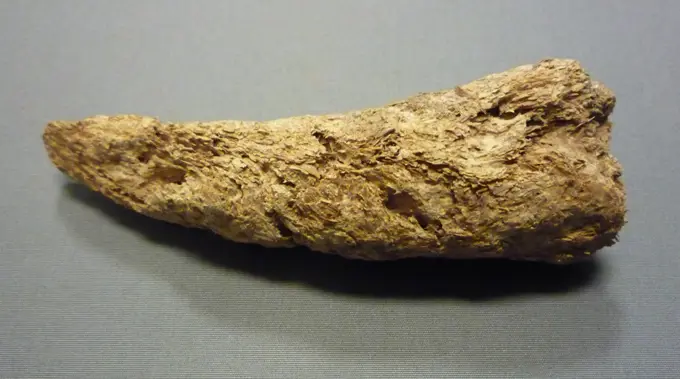
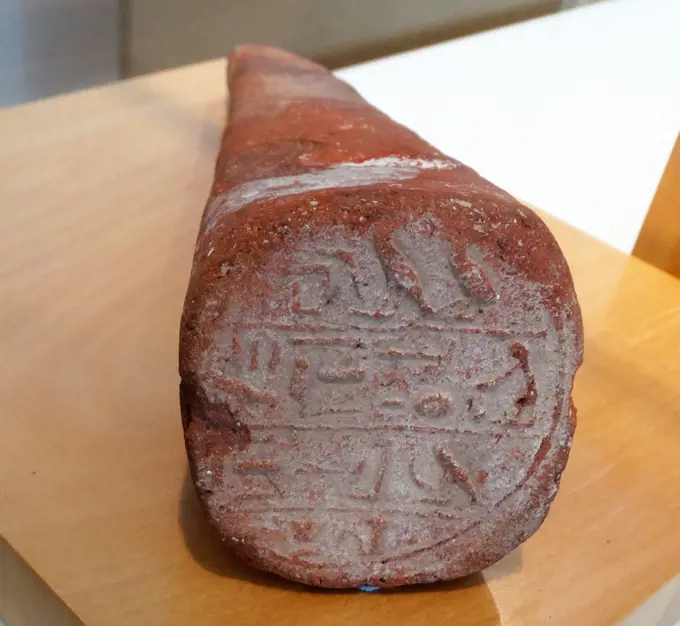
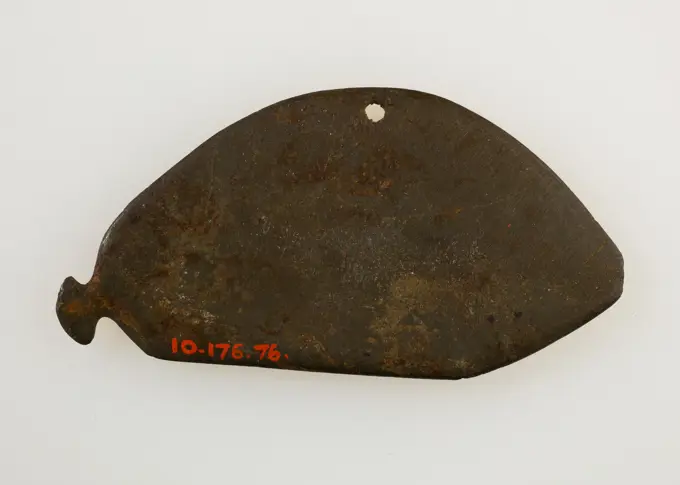
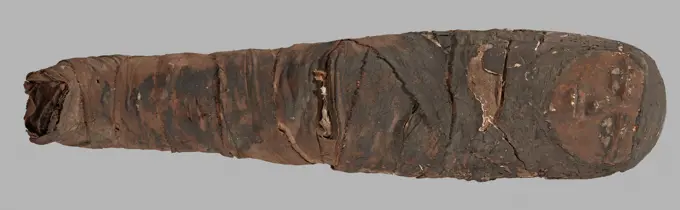
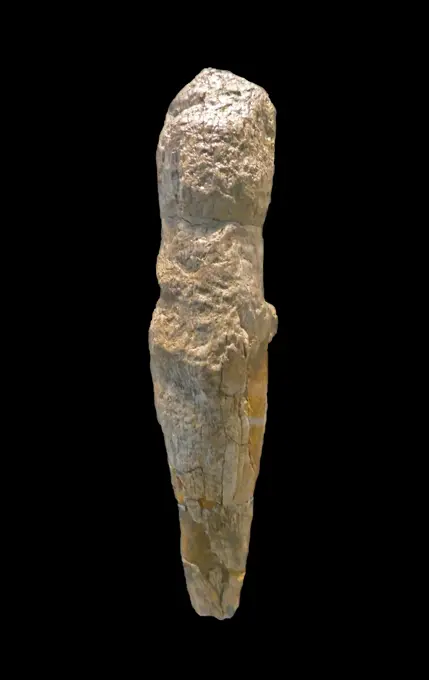
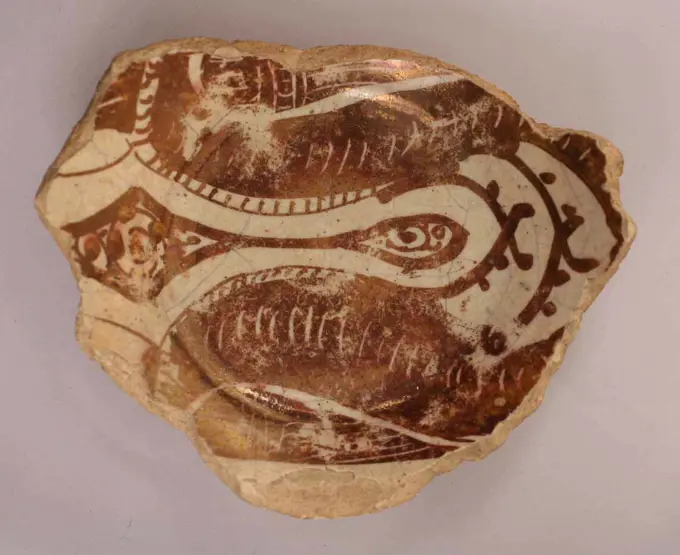
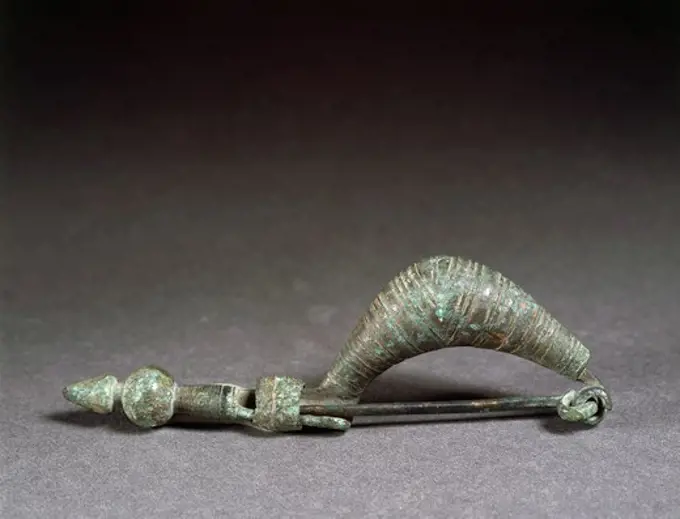
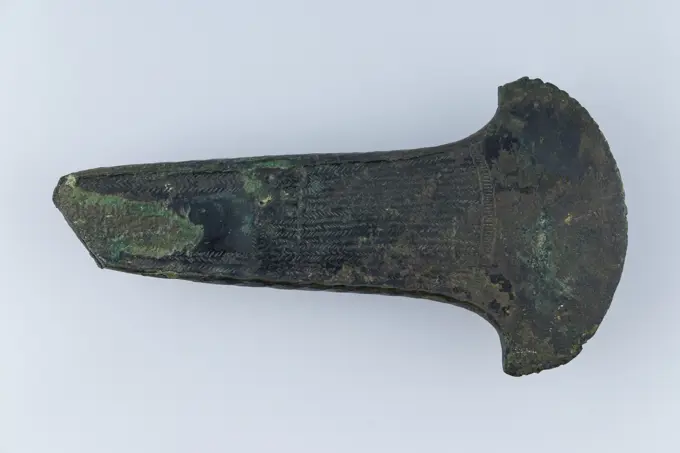
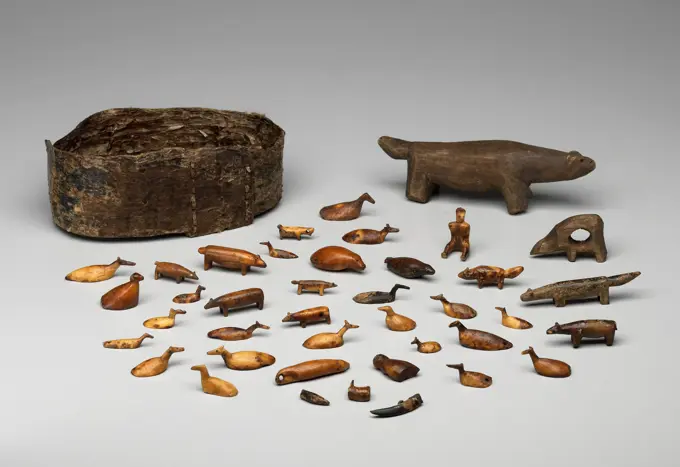
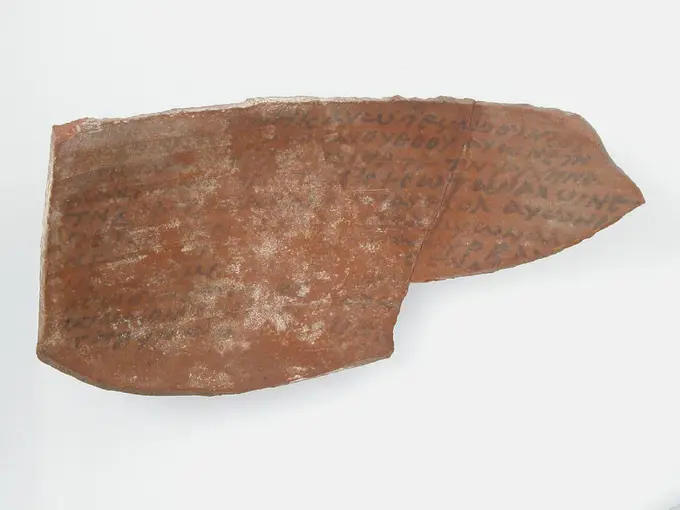
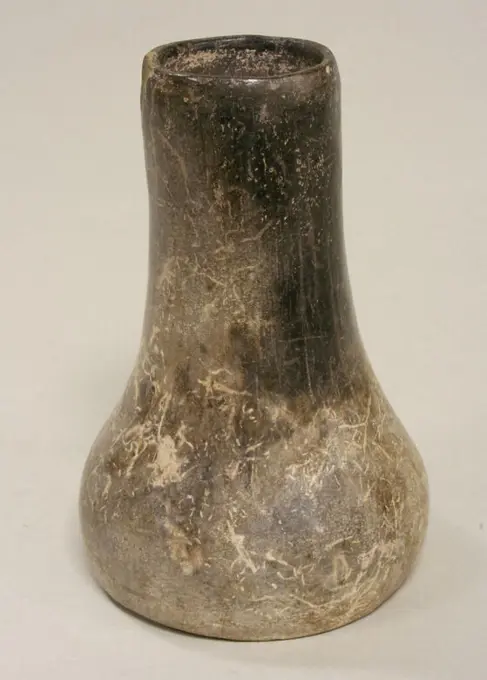
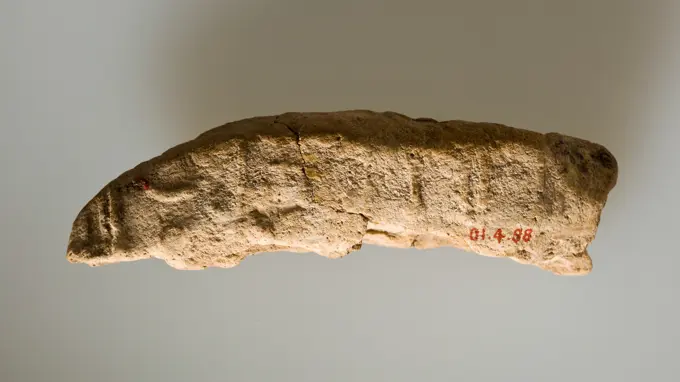
Fragment; (possibly) belonging to the Retable of Soest. .Plaque ca. 18th century B.C. Old Assyrian Trading Colony. Plaque 323591Vase fragment 1st century B.C.-1st century A.D. Roman Head of a youth.. Vase fragment 250318Blade with broken off point and narrowed sting, blade knife cutlery ground find iron metal, Blade with broken end and narrowed sting too broken archeology Rotterdam rail tunnel cutting Soil discovery: rail tunnel Rotterdam.Ostracon 400-30 B.C. Late Period-Ptolemaic Period. Ostracon. 400-30 B.C.. Pottery, ink. Late Period-Ptolemaic Period. From Egypt, Western Desert; Kharga Oasis, Hibis, MMA excavations, 1908-10Relief fragment with graffiti of two humans and animal heads. Culture: Achaemenid. Dimensions: 3.25 x 6 in. (8.26 x 15.24 cm). Date: ca. late 6th century B.C..The monumental art and architecture of the Achaemenid period are best exemplified by the ruins of Persepolis, the large ceremonial capital of the empire originally built by Darius I (r. 521-486 B.C.) and expanded by his successors. Persepolis is located thirty miles northwest of Shiraz in the southwest Iranian province of Fars. There, structures like the "Hall of One Hundred Columns" and the "Throne Room of Darius and Xerxes" exhibit features characteristic of Achaemenid palace architecture--large square rooms, with ceilings supported by many columns. Some of the columns in the Throne Room have been reconstructed and stand more than sixty-five feet high. The art found at Persepolis is not limited to grand, royally commissioned works. On a smaller scale, graffiti are quite common at the site. These minor inscriptions and sketches Fragment of red earthenware, partly glazed, fragment crockery holder kitchen utensils earthenware ceramics earthenware glaze lead glaze, hand-formed hand turned glazed fried Fragments of red pottery Frying pans jugs pots of grass and bottom of small jug Spicy or only partly glazed with lead glaze archeology Rotterdam Stadscentrum Stadsdriehoek Hoogstraat indigenous pottery water washing cooking nutrition food preparation handicraft pottery Soil discovery Hoogstraat Rotterdam 15 June 1983.Sting spade or shovel, shovel tool equipment ground find iron metal, Rectangular plate consisting of two overlaid plates between which wood remains Two parts are connected with nails Blade of shovel or spade archeology Rotterdam railway tunnel shoveling digging ground Soil discovery, Rotterdam rail tunnel.Fragment; (possibly) belonging to the retable of Soest, c. 1475 - c. 1499   wood (plant material)   wood (plant material)Fragments slate from the wreck of the East Indians Hollandia, 1700 - in Or Before 1743  Parts of artefacts; eroded fragments: materials; slate. Netherlands slate (rock)   SecondOstracon 400-30 B.C. Late Period-Ptolemaic Period. Ostracon 588374Fragment of a Bowl 9th century. Fragment of a Bowl 451127Fragment stemplowanego imadła amfory. Agathon II (ca 250-ca 205 a.C.), potter's workshopCounter Plate Fragment of a Belt Buckle. Culture: Frankish. Dimensions: Overall: 2 13/16 x 1 7/8 x 3/8 in. (7.1 x 4.7 x 1 cm). Date: 6th-7th century. Museum: Metropolitan Museum of Art, New York, USA.Fragments of Canopic Jar(s) Belonging to Senimen ca. 1479-1458 B.C. New Kingdom Fragments of several canopic jars, including a fragmentary human-headed lid, were uncovered during the Museum's excavations in the vicinity of Theban tomb (TT) no. 252, the tomb of a man named Senimen. A high official during the reign of Thutmose II and the joint reign of Hatshepsut and Thutmose III, Senimen was the steward and tutor of Princess Neferure, Thutmose II and Hatshepsuts daughter.The purpose of canopic jars in ancient Egypt was to hold and protect the viscera removed from the deceaseds body during the mummification process. They traditionally came in sets of four, as the liver, lungs, stomach and intestines were embalmed and stored individually. The four containers were usually put inside a chest and placed in the tomb chamber.Senimens funerary equipment was found in pieces outside his tomb, and several fragments of his canopic equipment cannot be assigned with certainty to a particular jar. Bowl Fragment 4th-7th century Coptic. Bowl Fragment 478550Raised relief fragment 664-610 B.C. Late Period, Saite see 23.3.468. Raised relief fragment 548042Viscera figure with baboon head (Hapy) ca. 990-970 B.C. Third Intermediate Period This set of resin figurines (25.3.155a-d) were found inside the mummy of Henettawy, a wealthy woman who lived during Dynasty 21. Each of the figurines represents one of the Four Sons of Horus, Egyptian deities who protected the four internal organs that were removed during mummification. This set of roughly-made figurines (25.3.155a-d) were found inside the mummy of Henettawy, a wealthy woman who lived during Dynasty 21. Each of the figurines represents one of the Four Sons of Horus, minor deities who protected the four internal organs that were removed during mummification. In Dynasty 21, when these figures were made, the Egyptians embalmed the lungs, liver, stomach, and intestines separately and then returned them to the body. Each organ was usually wrapped with a small wax or mud figure representing the son of Horus who protected it. Thus, the baboon-headed Hapy was wrapped with the lungs; the human-heMoker.Cup with flat tips, octagonal neck, flat cheeks and rectangular steel house.Fragment 14th-15th century. Fragment 455191Blackened fragment neckline with ear and blackened fragment of neckline, cooking pot tableware holder utensils earthenware ceramics pottery, hand-formed baked Two edge shoulder fragments of cooking pot of which one with ear gray shard Ball round pot with rim above tie. Completely black. Lines pattern of finishing archeology indigenous pottery import food preparation cooking cuisine Rotterdam Pendrecht underground pit Found during excavation for the benefit of the Metro on the Charloise Lage Dijken Oud-Pendrecht.Spear cutting fragment (attributed title). Bronze. Carnavalet museum, history of Paris.Leather sole of women's shoe, shoe footwear women's clothing clothing part soil find leather, w 5.9 tanned cut Leather sole of women's shoe Narrow sole in accordance with the fashion of the seventeenth century On the sides the wooden nails are still visible with which the shoe was put together archeology Rotterdam Stadscentrum Stadsdriehoek Mariniersweg Hoogstraat woman indigenous product shoe footwear walking fashion Soil discovery: Mariniersweg Hoogstraat Rotterdam.Vessel 4th-7th century Coptic. Vessel 478720Ladle ca. 3100-2649 B.C. Early Dynastic Period. Ladle 570825Wolstonian Age manufacturesVotive cone with cuneiform inscription of Lipit-Eshtar ca. 1934-1924 B.C. Isin-Larsa Votive cones are one type of royal foundation deposit, objects that were buried in the walls and beneath the floors of important buildings during construction to sanctify the site and to create a historical memory of the ruler and his achievements. Hidden from view, these inscribed objects were meant to be found during later restorations. The shape of the votive cones are reminiscent of earlier foundation pegs (imagined to pin down the ground plan of a building), but provide additional space for an inscription with their cylinder-like thickness.This clay cone was inscribed with a dedication of Lipit-Eshtar, who ruled the city of Isin in southern Mesopotamia ca. 1934-1924 B.C. The cuneiform inscription is written in Sumerian, which by Lipit-Eshtars day was a historic language - no longer spoken - that was mostly used for scholarly and religious texts. This cone was probably created for the constructionRelief Fragment with Lotus Design 6th-7th century Coptic. Relief Fragment with Lotus Design 464708Magic knife fragments ca. 1750-1640 B.C. Middle Kingdom Magical wands are typically found in Middle Kingdom burials. Many are decorated with incised figures of protective demons and deities, and inscriptions refer to the protection of children. Some show traces of wear on the tips. It has been suggested that these were instruments used in magic performances aimed at the protection of children. As parts of burial equipments they would then have served to procure rebirth for the deceased. The three fragments of this magical wand were found in shaft tomb 466 at Lisht North. In the same thoroughly plundered shaft system was also found a statuette, now in the Egyptian Museum, Cairo (JE 45245, published Bulletin of the Metropolitan Museum of Art 10, October 1914, p. 200 with fig. 8 on p. 217). This statuette can be dated on the evidence of its inscription to Dynasty 13, and some pottery vessels from the same shaft are from the same late Middle Kingdom period. Two kohl jars (for one of them sConcretion with fossilized sea shells Turritellidae family. Isolated on white Concretion with fossilized sea shells Turritellidae family. Isolated on white Copyright: xZoonar.com/PavelxSytilinxxxxxVolgograd,xRussia.x 22057604Human torso in sandstone; Jordanian from Mshatta 8th century ADFRAGMENTOS DEL SARCOFAGO DE BEGASTRI. DEPOSITO: MUSEO ARQUEOLOGICO DE CEHEGIN . MURCIA, ESPAÑA.Fragment of bone ". Os. China, Shang dynasty. Paris, Cernuschi museum. 72679-53 Chang dynasty, bone fragment, decorative motifVase fragment late 6th-early 5th century B.C. Etruscan Palmette in purple.. Vase fragment. Etruscan. late 6th-early 5th century B.C.. Terracotta; Etruscan black-figure. Late Archaic. VasesPIEDRA CALIZA CON FOSILES.Wide blade with sharp point narrow angel, blade knife cutlery ground find iron metal, Blade: pointed tip narrowed sting with at the end button archeology Rotterdam rail tunnel cutting Soil discovery: rail tunnel Rotterdam.Fragment from an Etruscan Plastic Vase. UnknownFragment of a brick, partially lazed, c. 1400 - c. 1950 Coming from a house in Merwede. Merwede brick (clay product) Coming from a house in Merwede. Merwede brick (clay product)Equal-Arm Brooch ca. 650-750 Frankish. Equal-Arm Brooch 465624 Frankish, Equal-Arm Brooch, ca. 650750, Copper alloy, Overall: 1 5/16 x 1/2 x 1/2 in. (3.4 x 1.3 x 1.3 cm). The Metropolitan Museum of Art, New York. Gift of J. Pierpont Morgan, 1917 (17.193.294)Fragment 8th-9th century. Fragment 448761Native iron from GreenlandFragment of small earthenware plate or salt dish, gray shard, yellow glazed, salt bowl salt barrel tableware holder fragment soil find ceramics earthenware glaze lead glaze, ring 5.6 hand-turned glazed baked Small plate on stand ring Possible salt bowl or toy plate Gray shard only glazed on top. Bowl shaped mirror and kink on the transition from the mirror to the flag Slightly raised plate edge archeology Rotterdam IJsselmonde indigenous pottery serving salt condiment child playing child's play Soil discovery: Castle IJsselmonde pit 1 Rotterdam 1972.Bronze nose piece from a horse's trappings 4th century A.D. Roman The decoration is divided into three tiers. In the uppermost, a swan (which may allude to the myth of Leda) approaches a woman who extends her palm; to the right, another woman is seated by an overturned jar. In the second tier, a seated woman is confronted by a standing woman with an outstreched right hand. In the third tier, two nude men are depicted with a seated woman in a tub-like boat. Scholars have debated the identification of this incised, bronze nose piece. It has been considered to be an Etruscan work of the third century B.C. but is, more likely, a much later Roman work of the fourth century A.D.. Bronze nose piece from a horse's trappings 248757Fragment of a Model Jar. Dimensions: Preserved h. 14 cm (5 1/2 in.); greatest diam. 8.5 cm (3 3/8 in.); base w. 6.5 cm (2 9/16 in.). Dynasty: Dynasty 18. Date: ca. 1550-1295 B.C.. Museum: Metropolitan Museum of Art, New York, USA.Relief fragment, tomb of Meketre ca. 1981-1975 B.C. Middle Kingdom. Relief fragment, tomb of Meketre. ca. 1981-1975 B.C.. Limestone, paint. Middle Kingdom. From Egypt, Upper Egypt, Thebes, Southern Asasif, Tomb of Meketre (TT 280, MMA 1101), MMA excavations, 1920. Dynasty 12Shards from V.O.C. ship De 'Witte Leeuw', Anonymous, Before 1613  Shards from V.O.C. ship the 'Witte Leeuw'. southeast Asia stoneware. porcelain   Sint-HelenaA marshal is wearing a himation which has slipped to expose his well built body. He moves suddenly in an attempt to prevent the horses from running into the group of elderly men progressing slowly towards the east.as (aes grave). Anonimowy, monetary officer, Republika Rzymska, issuerAbruzzo, L'Aquila, S. Giuliano (L'Aquila environs), Museo, Italy, 20th century, photo, photography, EuropeFragment of a Bowl 16th-17th century. Fragment of a Bowl 450301Fragment 13th-14th century. Fragment. 13th-14th century. Earthenware; incised decoration under olive green glaze. Made in Egypt. CeramicsFragment; (possibly) belonging to the retable of Soest ..PLAQUETA DE VILLALBA (PALEOLITICO). (DEPOSITO: MUSEO NUMANTINO).Overshoes ca. 1830 American. Overshoes 112723Wooden paddle used as a shovel for farming by the Ute Indians when they were moved to reservations in UtahTerracotta sculptures in the form of vehicles, maybe offerings at funerals or gifts to the deity Last Quarter 3rd Millennium BC.Fragment 6th-7th century Byzantine. Fragment 464630 Byzantine, Fragment, 6th7th century, Bone, Overall: 3 3/4 x 1 1/4 x 13/16 in. (9.6 x 3.1 x 2 cm). The Metropolitan Museum of Art, New York. Gift of J. Pierpont Morgan, 1917 (17.190.77)Fragmentary bronze double axe ca. 2900-1450 B.C. Minoan Half of the axe has been restored with painted plaster.. Fragmentary bronze double axe 247628Jade bead necklace Jade bead necklace, central plaza museum, Chichicastenango, municipality of El Quiché department, Guatemala, Central America Copyright: xZoonar.com/BartomeuxBalaguerxRotgerx 22072787panther jaw, paleolithic, Museum of Navarra, Pamplona, Navarra,Spain.Limestone funerary monument, 1st century, Poza de la Sal, Roman Hispania, Valladolid Museum, Community of Castile and Leon, Spain.Unidentified item salvaged from the Great Chelsea Fire of 1908 , Fires. Chelsea Public Library Archive CollectionOn the left edge of the block, it used to be part of the shield and hand of the apobates. The leaping horses of the chariot were once depicted. Behind them a marshal with himation raises his arms to give an order. The drawing suggests that the chariots are close to the finishing line.Terracotta bowl with 'combed' incised decoration. Mesolithic 4500 - 3750 BC from Khirokitia.tritriangular idols, bone, 3300-2900 BC, Perdigoes, Reguengos de Monsaraz, Évora, Portugal, Huelva Museum, Huelva, Andalusia, Spain.Fragment 7th-9th century. Fragment 448752Fragments of copper from the wreck of the East Indians Hollandia, 1700 - in Or Before 1743  Parts of artefacts; eroded fragments: materials; copper. Netherlands copper (metal)   SecondAnimal figurines from the Natufian and Neolithic-Period cultures. From 14,500-8,000 years ago, made from clay and limestone.Mayan stone sculpture of a Penis or Phallus. From Chichen Itza, Yucatan Mexico 600-900 ADConical Loaf of Bread ca. 1479-1458 B.C. New Kingdom. Conical Loaf of Bread. ca. 1479-1458 B.C.. Bread. New Kingdom. From Egypt, Upper Egypt, Thebes, Deir el-Bahri, Temple of Hatshepsut, Foundation Deposit 2c (B), MMA excavations, 1921-22. Dynasty 18Roman table fragment, marble, 2nd century, from the archeological site of Can Modolell. Museum: MUSEO DE MATARÓ.USA, California, Los Angeles, California Science Center, Stony meteorite (Carbonaceous Chrondrite)painted and engraved ceramics, 7th century BC, Gil de Olid, Baeza, Iberian Museum of Jaén, Jaén province, Andalusia, Spain.Funerary cone of the Chief Beer Brewer and Chief of the Corrals of Amun, named Abemusekhet. Terracotta. New Kingdom (1550-1070 B.C.).Palette ca. 3850-2960 B.C. Predynastic Period. Palette. ca. 3850-2960 B.C.. Greywacke. Predynastic Period. From EgyptPseudo-mumia dziecka. unknown, authorPendant in the form of a Dragon, 1027-775 BCE, 3 x 1 5/16 x 3/16 in. (7.62 x 3.33 x 0.4 cm), Calcified yellowish green jade with grey-brown and brown clouds, China, 11th-8th century BCEAnthropromorphic Gaming Piece, 14th-15th Century. Bone carved gaming piece, likely to be for chess, from Weoley Castle.The Venus of Willendorf made from Oolitic limestone.Goat Head. Afghanistan, 3rd-4th century. Sculpture. White terracotta with traces of paintFragment of a Mosaic Glass Vessel. Unknown 1st century A.D.Fragment of a Bowl 11th-12th century. Fragment of a Bowl. 11th-12th century. Earthenware; luster-painted on opaque white glaze. Made in Egypt, Fustat. CeramicsPrehistory, Italy, Iron Age. Golasecca culture. Leech-shaped fibula.Rim sherd ca. late 3rd millennium B.C.. Rim sherd 325266Model Bread Loaf from the Foundation Deposit for Hatshepsut's Tomb ca. 1479-1458 B.C. New Kingdom. Model Bread Loaf from the Foundation Deposit for Hatshepsut's Tomb. ca. 1479-1458 B.C.. Bread. New Kingdom. From Egypt, Upper Egypt, Thebes, Valley of the Kings, Tomb of Hatshepsut (KV 20), Foundation deposit, Davis/Carter excavations, 1903-04. Dynasty 18Mold with Cartouche, probably of Queen Tawosret. Egypt, New Kingdom, 19th Dynasty, probably reign of Tawosret (1209 - 1201 BCE). Tools and Equipment; molds. TerracottaFlanged Ax 1500-1400 B.C. British. Flanged Ax. British. 1500-1400 B.C.. Bronze. Howth. MiscellaneousFragment of Roman dish, ceramic. Museum: MUSEO DE MATARÓ.Seated Human Figure, before 1500, 1 1/2 x 13/16 x 1 in. (3.81 x 2.06 x 2.54 cm), Ivory, United States, 15th centuryPrehistory, Denmark, Neolithic. Arrow heads and knives. From Dragsholm.Ostrakon. Culture: Coptic. Dimensions: 7 11/16 x 3 7/8 in. (19.6 x 9.9 cm). Date: 7th century. Museum: Metropolitan Museum of Art, New York, USA.Brick from the wreck of the East Indians Hollandia, Anonymous, 1700 - in or before 1743 brick (clay product) Constructional elements, brick; sim. 80H2567, sim. 80H1208, sim. 80H1009. Netherlands brick (clay product)   SecondBottle. Culture: Olmec. Dimensions: Height 6-1/4 in.. Date: 12th-9th century B.C.. Museum: Metropolitan Museum of Art, New York, USA.Clay jar sealing impressed with name of Khasekhemwy ca. 2650 B.C. Early Dynastic Period. Clay jar sealing impressed with name of Khasekhemwy 547398RASCADOR. PALEOLITICO (DEPOSITO: MUSEO ARQUEOLOGICO NACIONAL).Earthenware brick, mixed shard, from the waste pit of Rotterdam pipe making, cloister mole brick building material earth discovery ceramics pottery, hand shaped baked Pottery brick mixed shard of the waste pit of Rotterdam pipe making archeology Rotterdam Hillegersberg-Schiebroek Hillegersberg North Hillegersberg Zuid Rechter Rottekade kloostermop brick building material craft workshop pipe maker archaeological find in the soil: Judge Rottekade at number 71.Votive ax in Sweat (title awarded). Bronze. Carnavalet museum, history of Paris.Fragment of the carton;  indefinite (0-00-00-0-00-00);Shards of wine bottles from the wreck of the East Indians' t Vliegend Hart ,, 1700 - 1735  Shards of onion -shaped wine bottles of green glass that has been in red (port) wine. Netherlands cork (bark)Funeray cones. Clay. At the bottom, there is a circle in relief, with the name and title of the deceased written in hieroglyphs. Tombs in Thebes. Historical Museum. Oslo. Norway.