Ancient Artifacts and Gemstones

A collection of ancient artifacts including magical gemstones, pots, and alabaster vessels, featuring intricate carvings and historical significance.
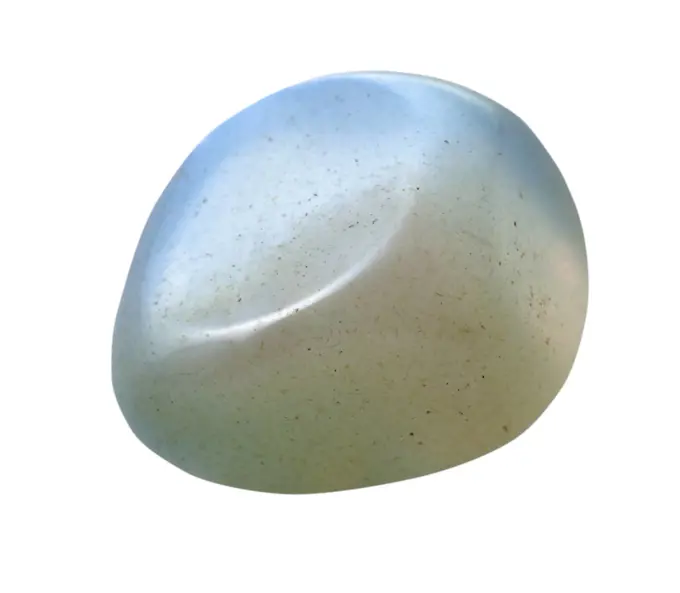
Moonstone adularia, adular gemstone isolated natural mineral gem stone - Moonstone adularia, adular gemstone isolated on white background close up Copyright: xZoonar.com/ValeryxVoennyyx 8554717
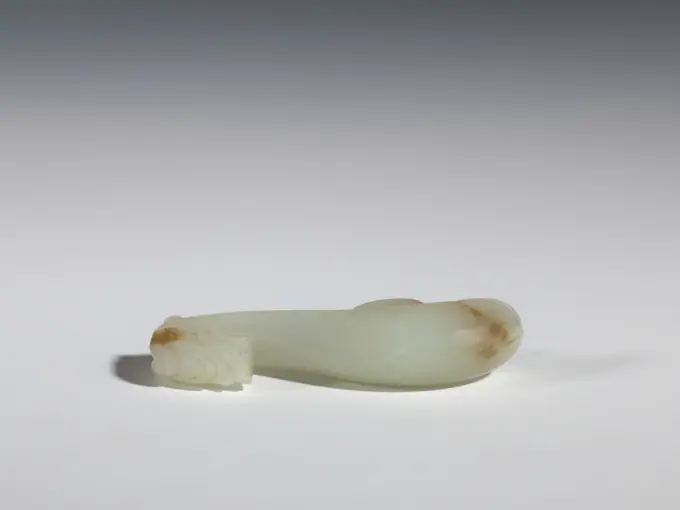
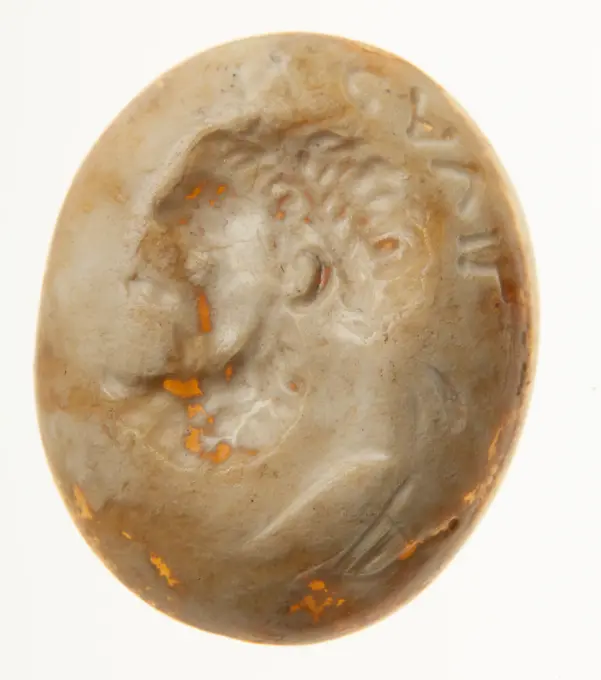
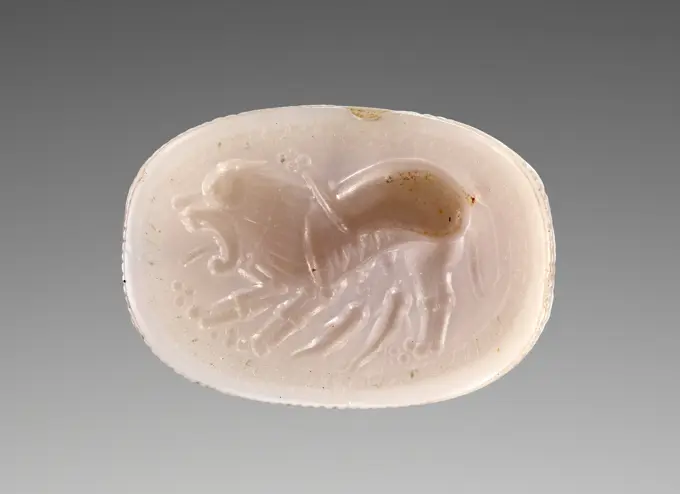
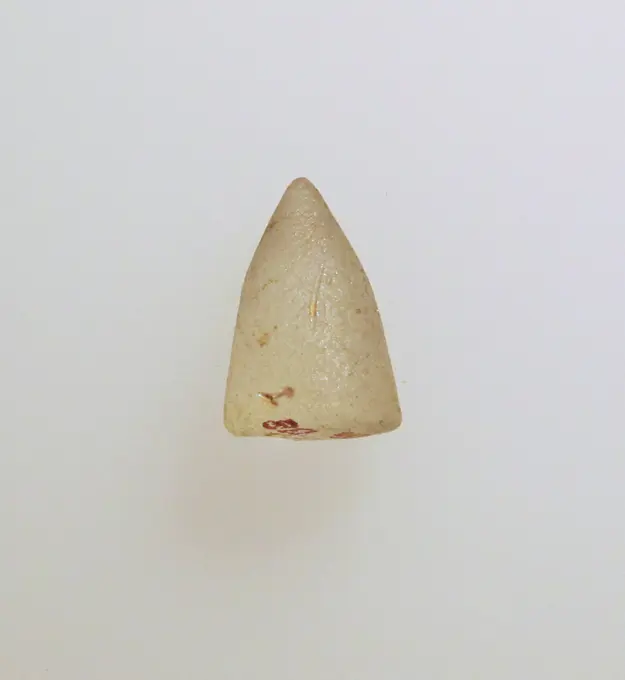
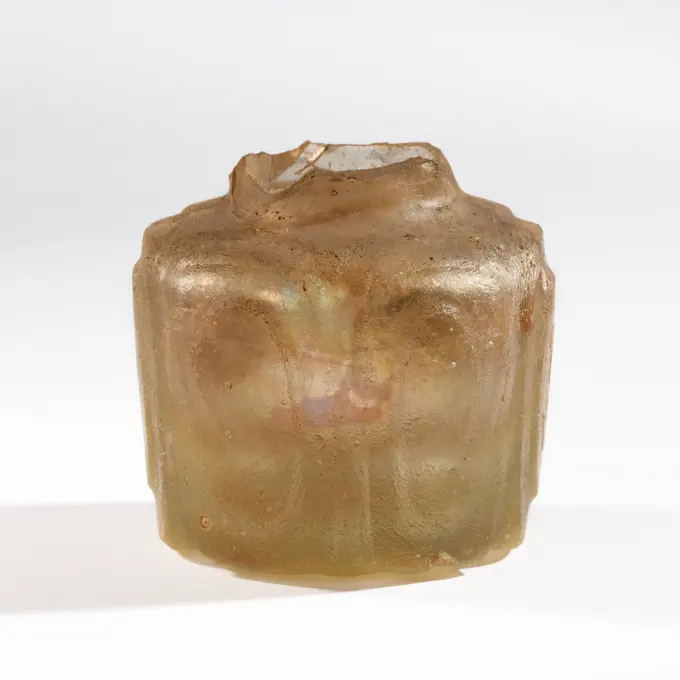
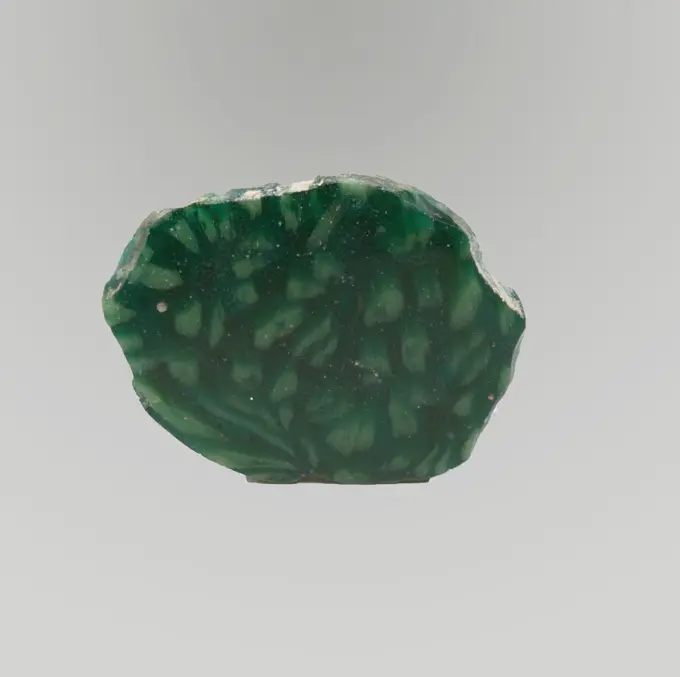
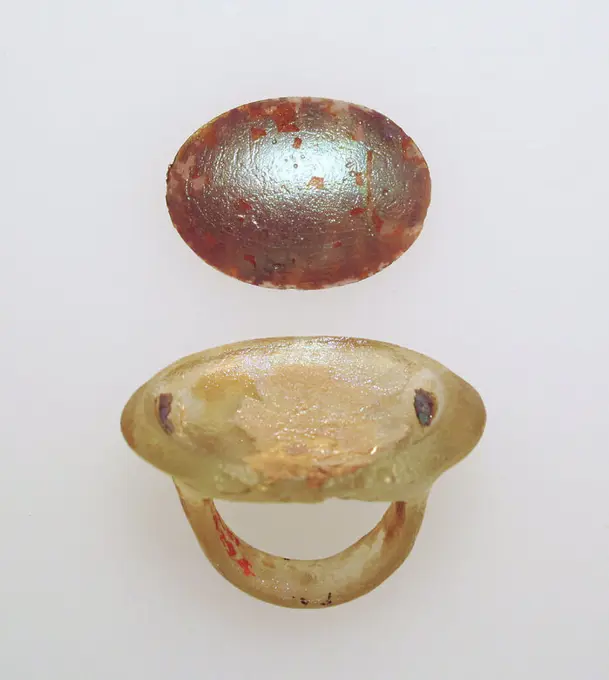
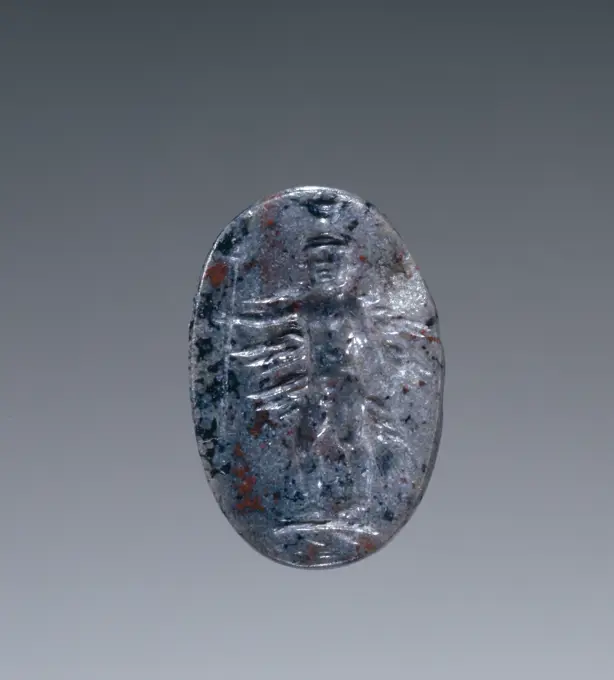
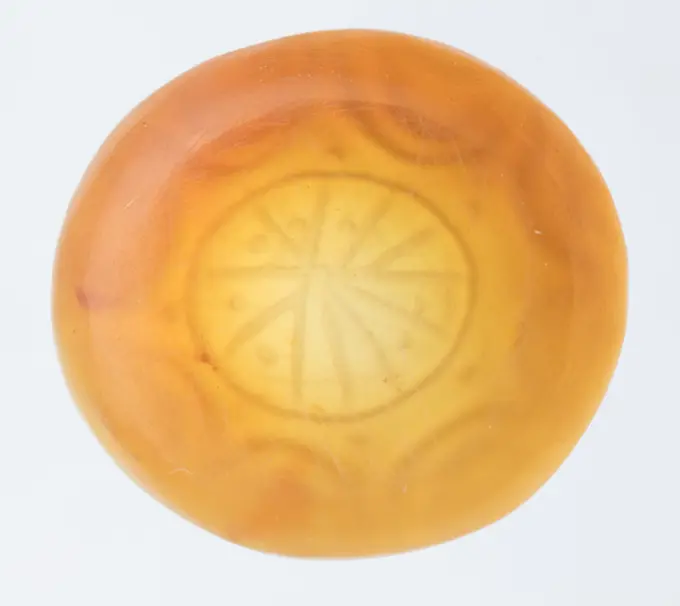
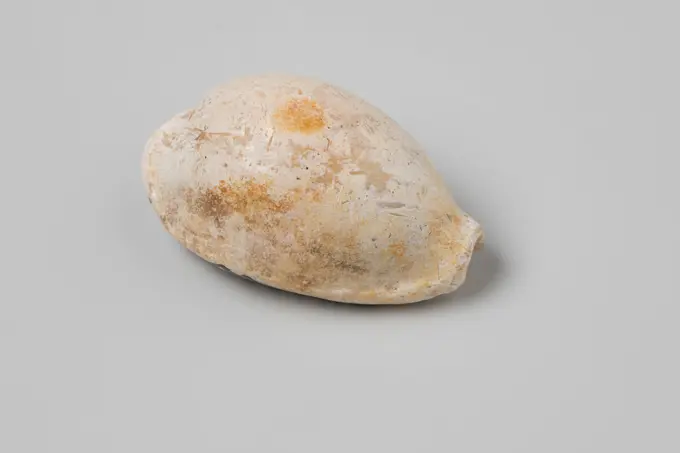
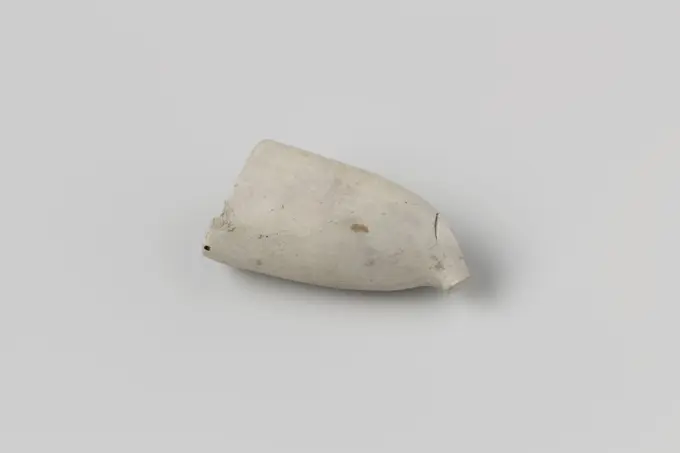
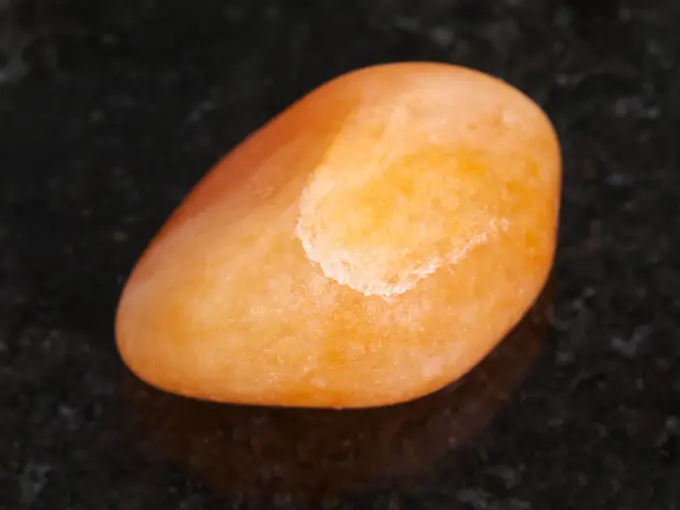
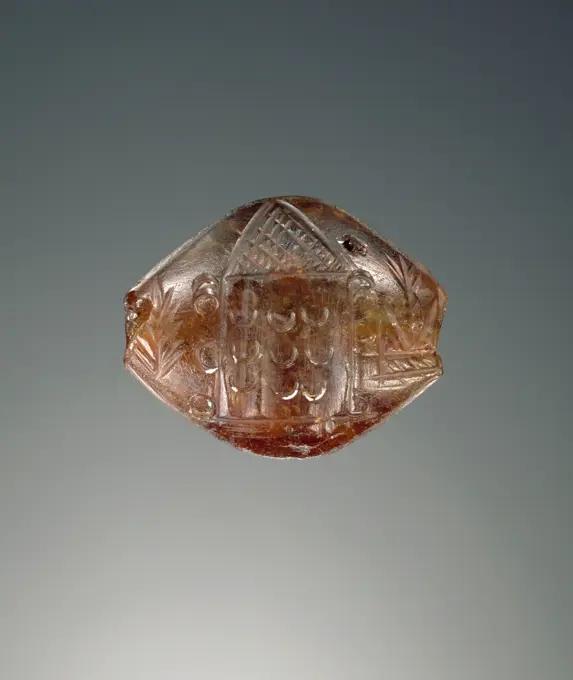
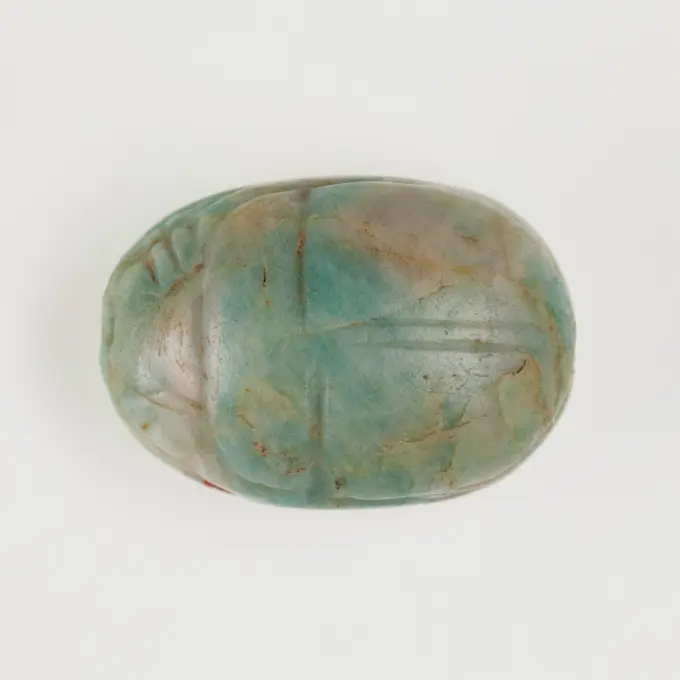
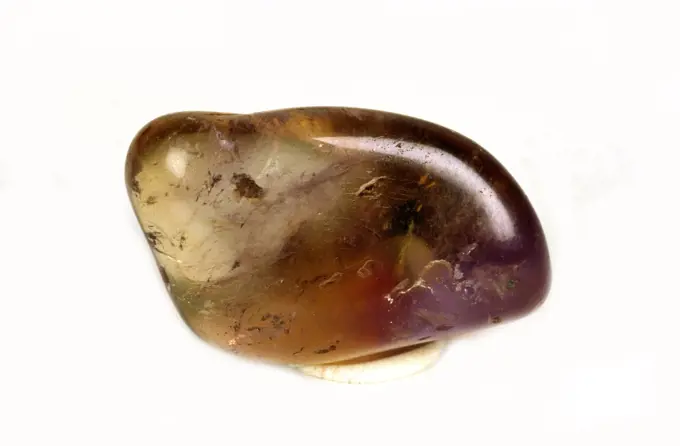
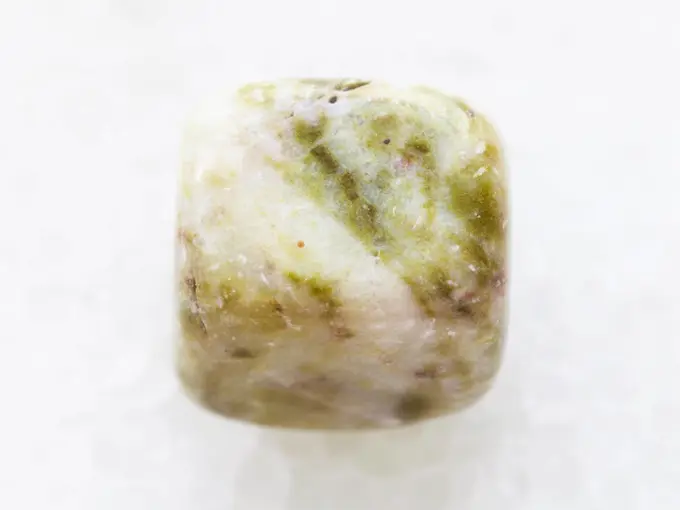
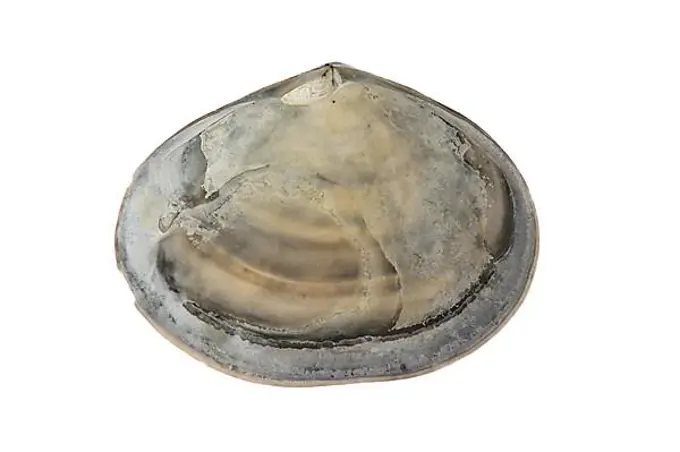
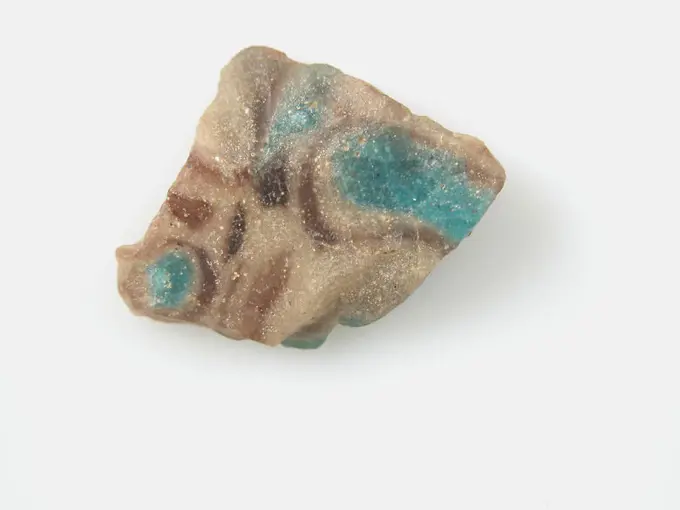
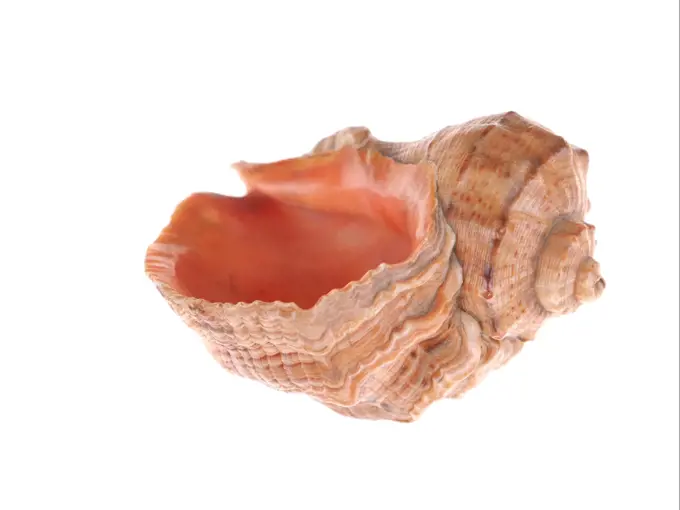
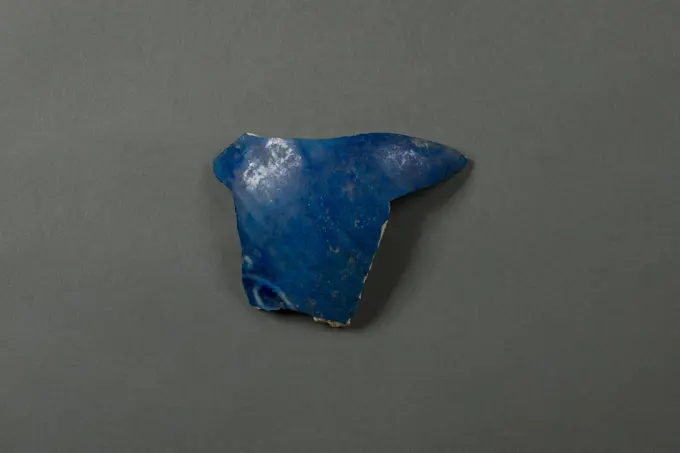
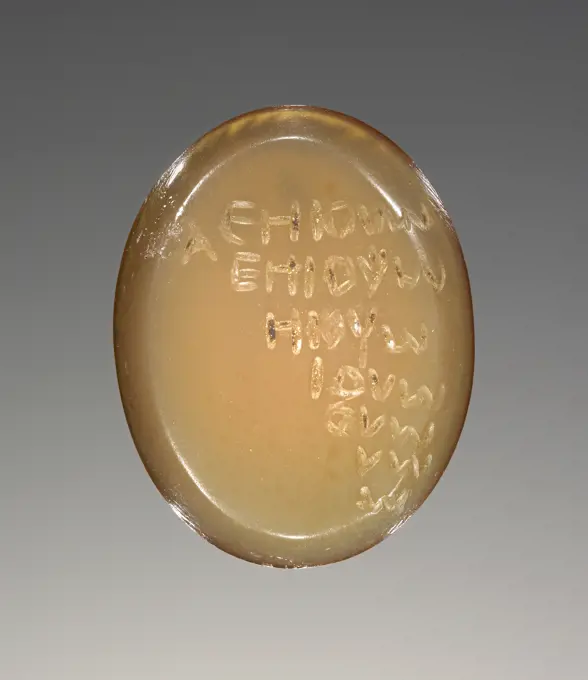
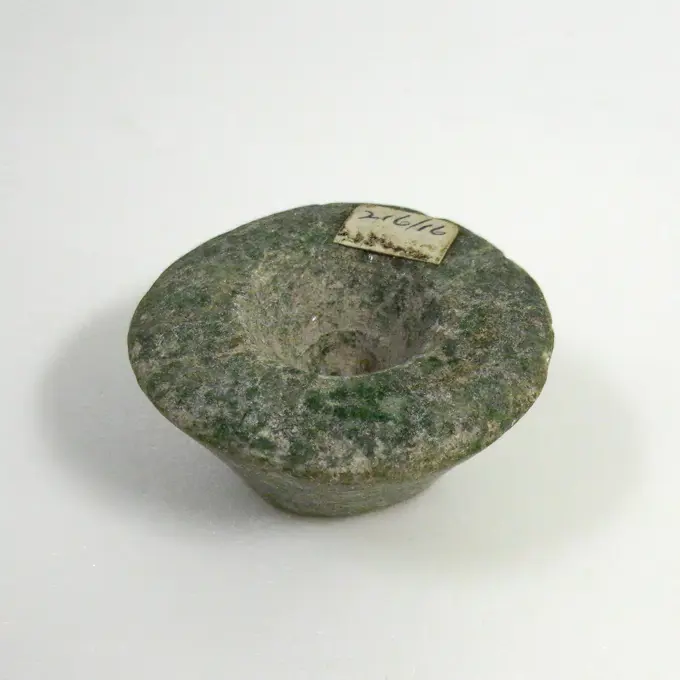
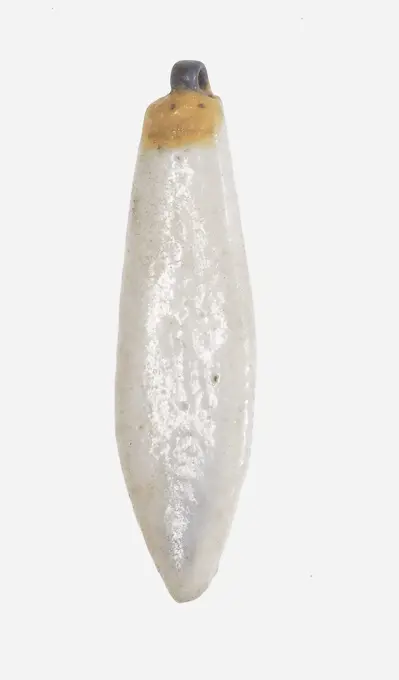
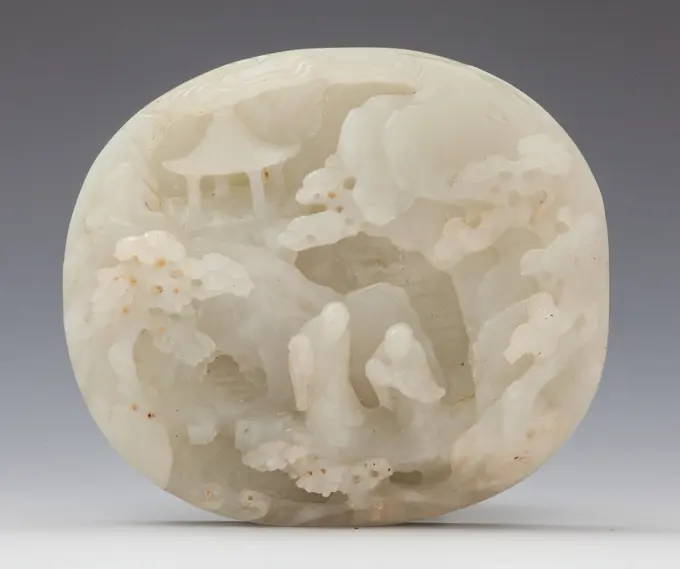
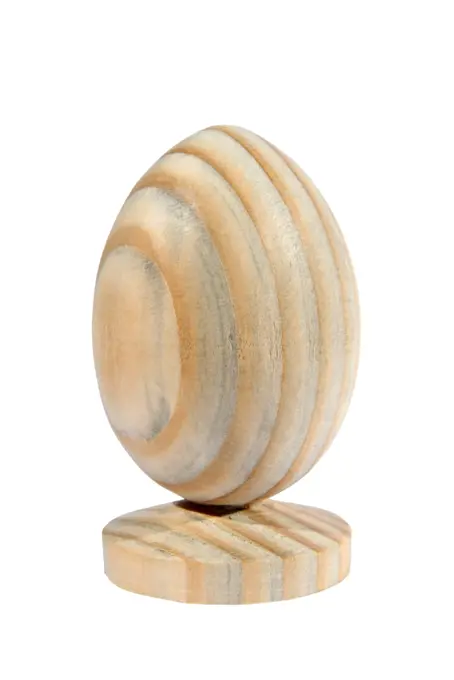
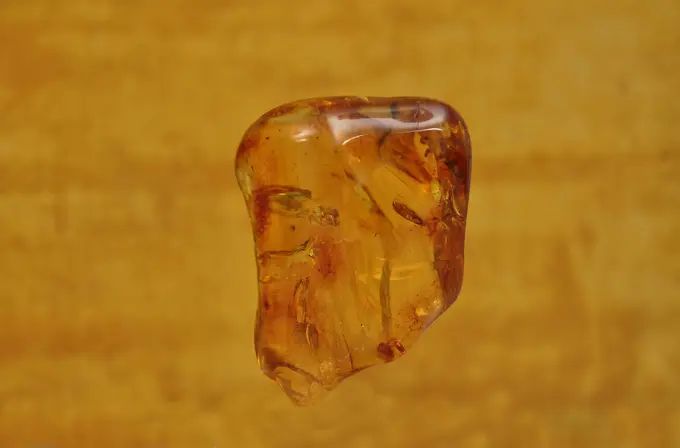
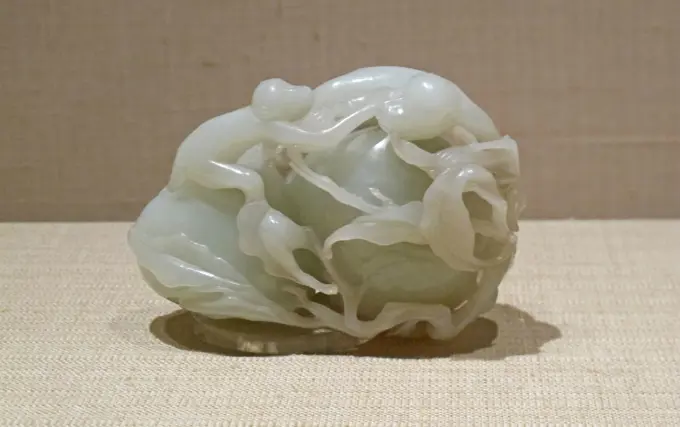
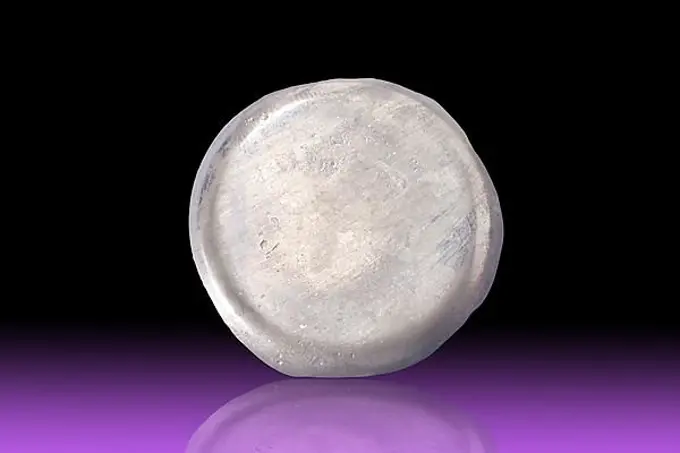
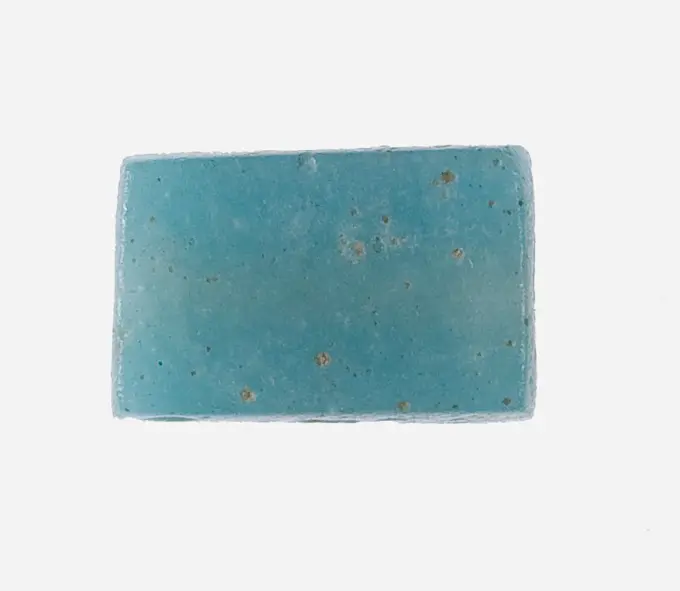
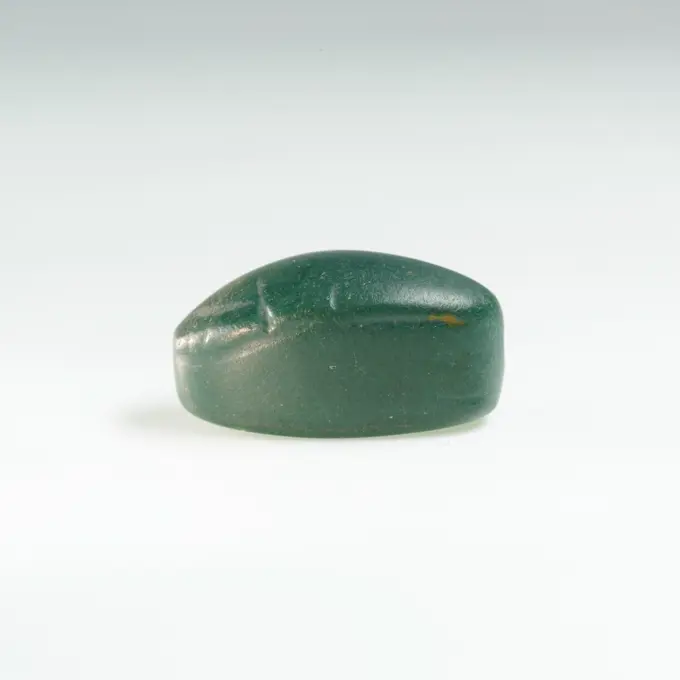
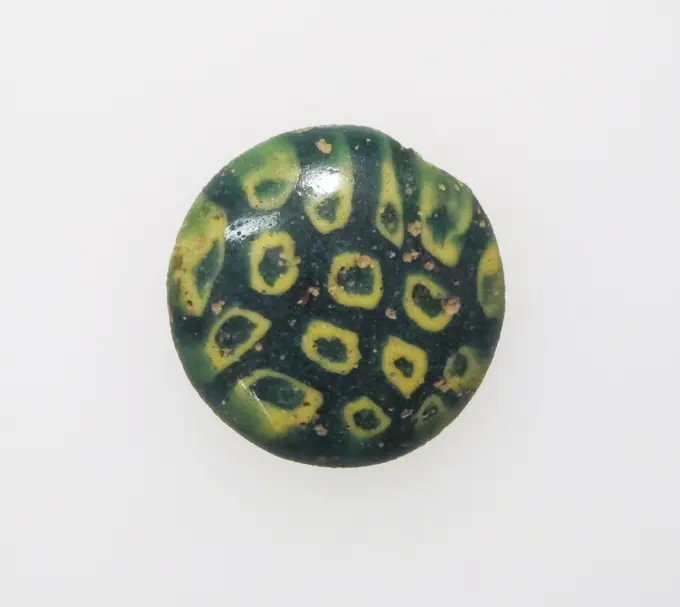
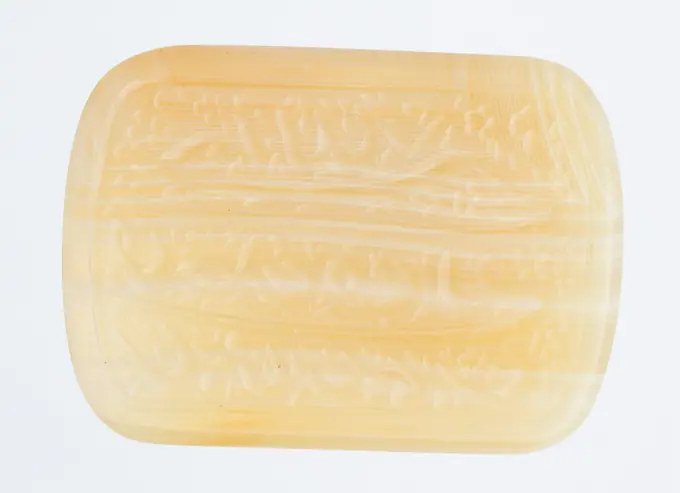
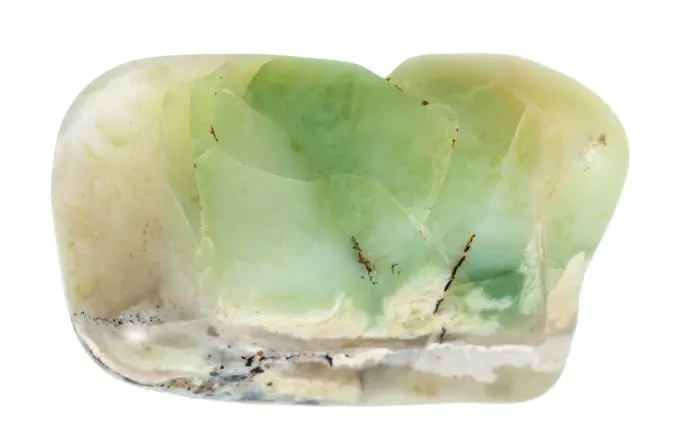
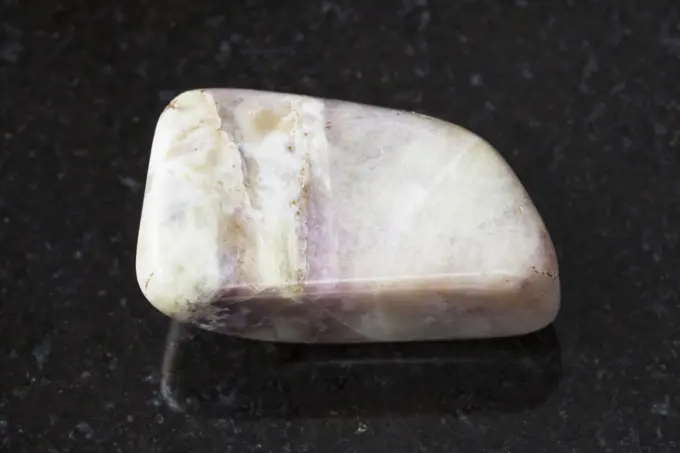
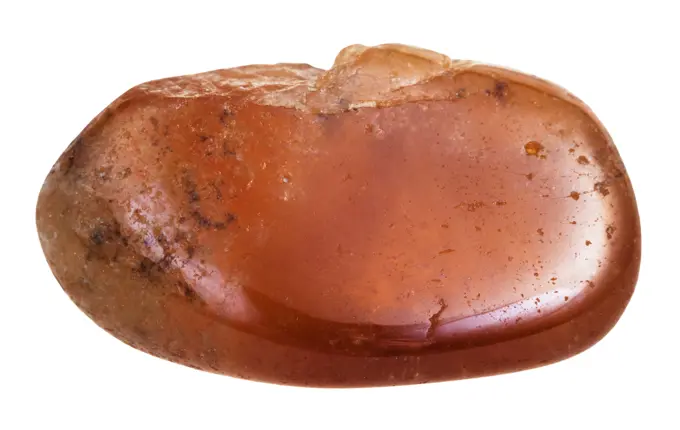
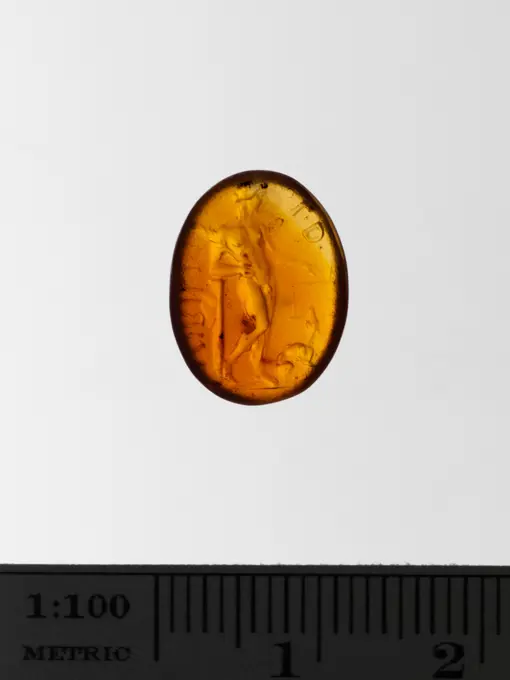
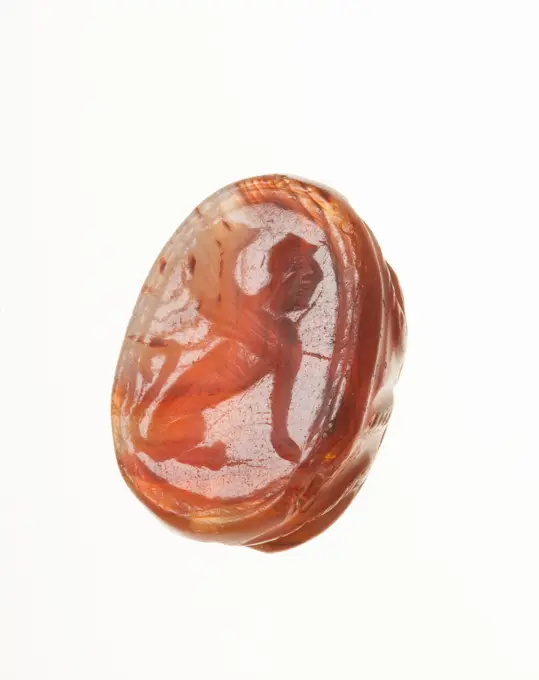
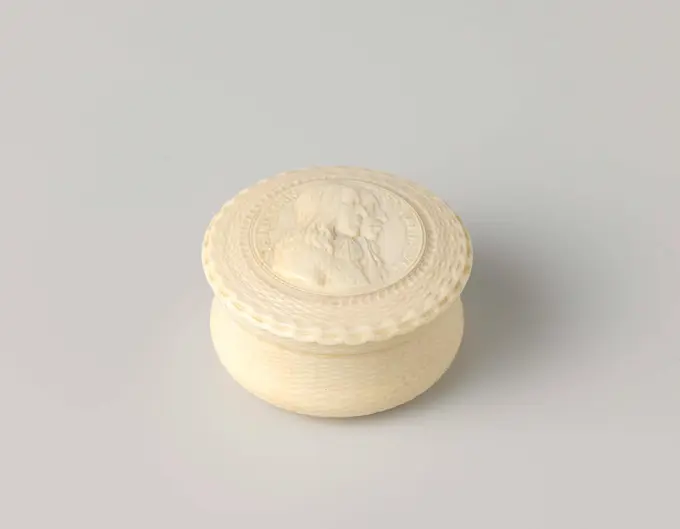
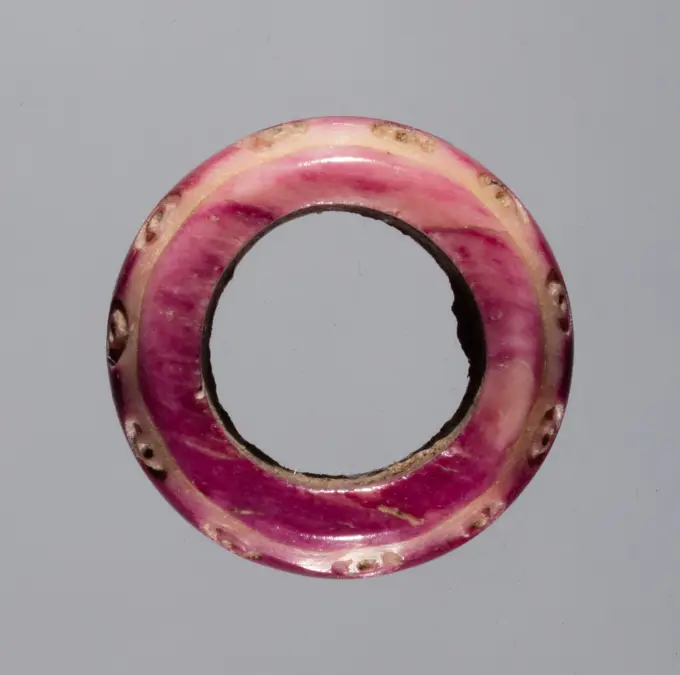
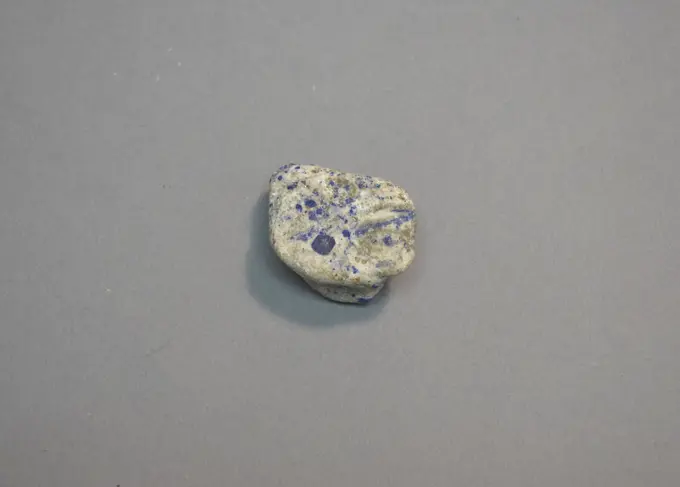
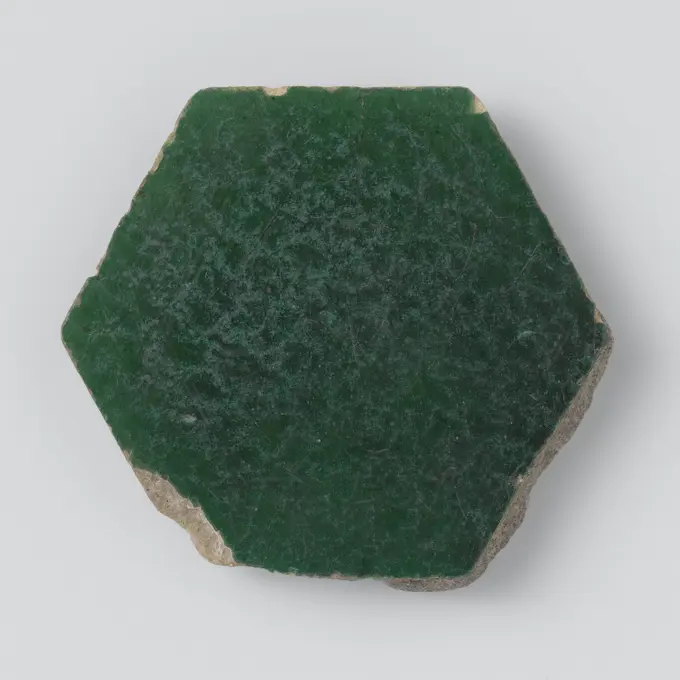
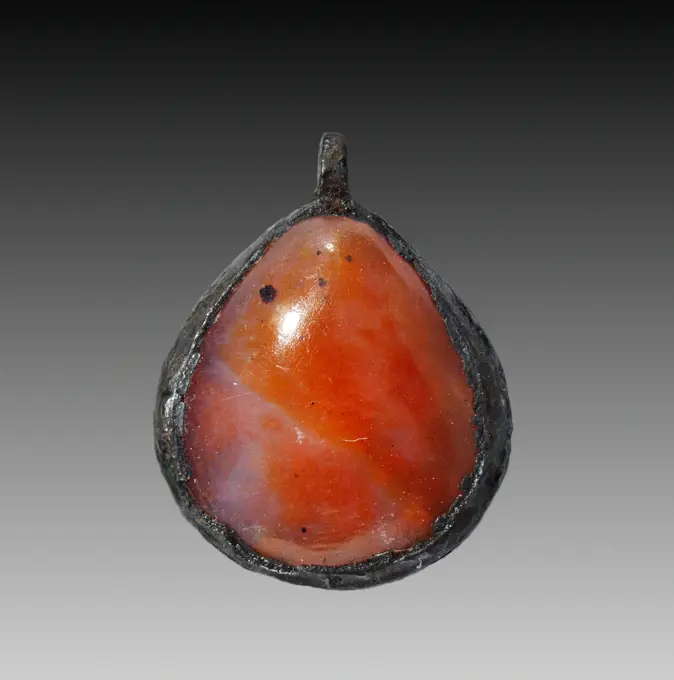
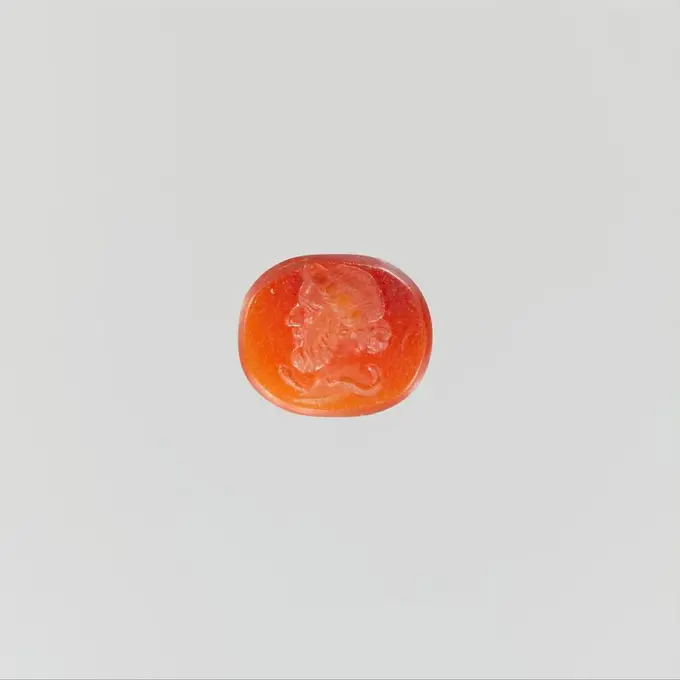
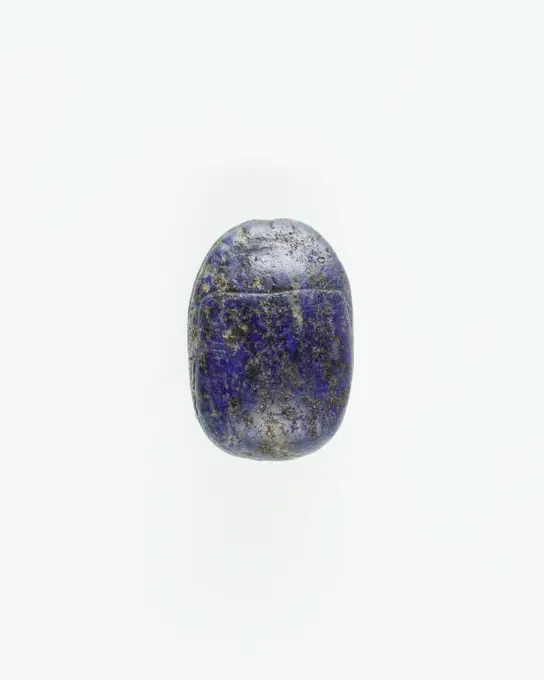
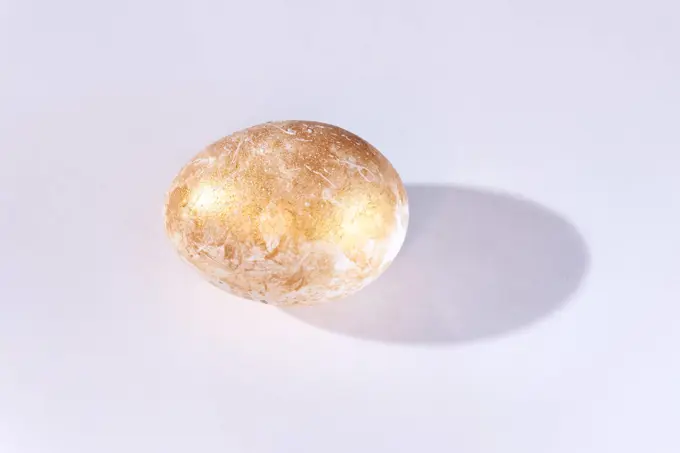
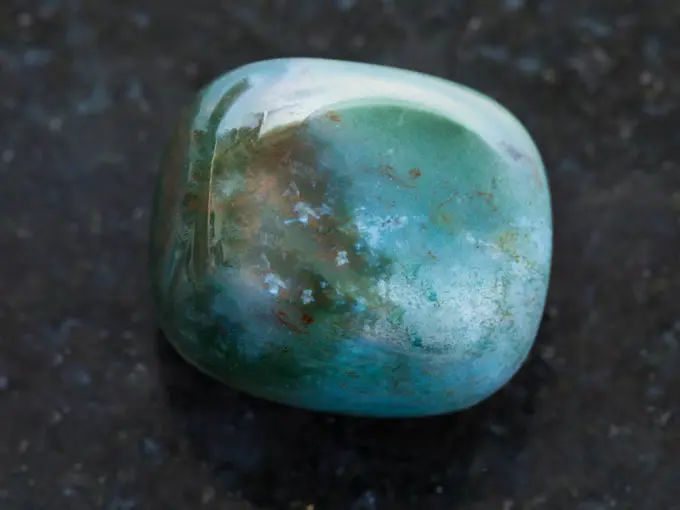
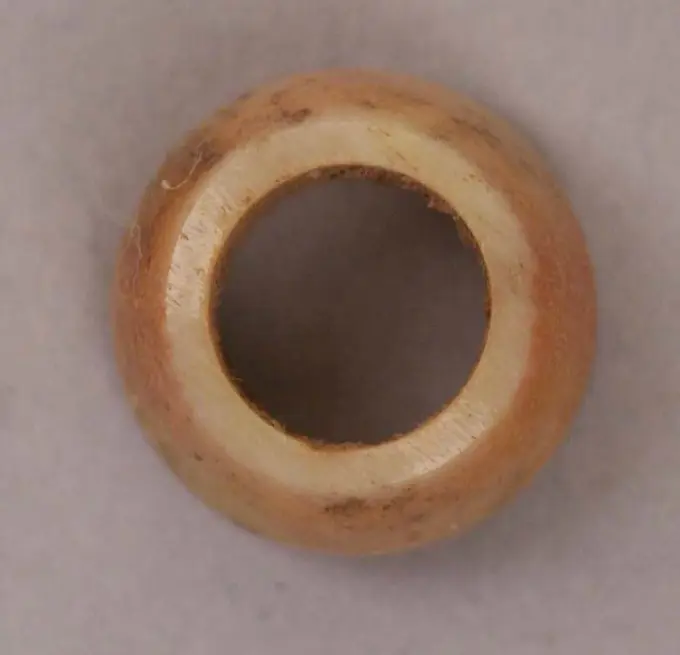
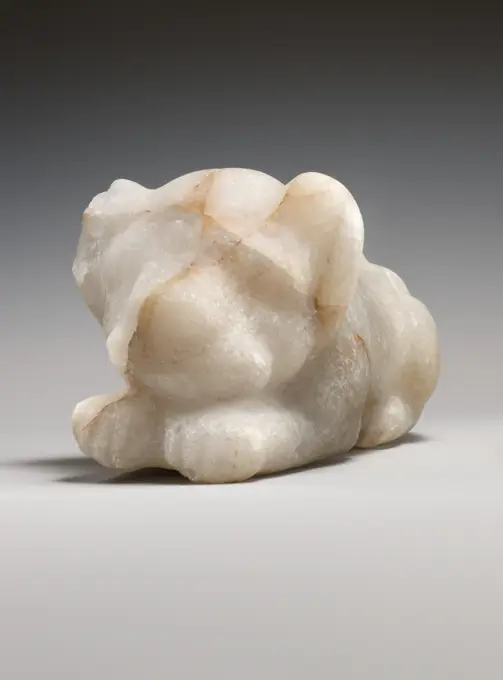
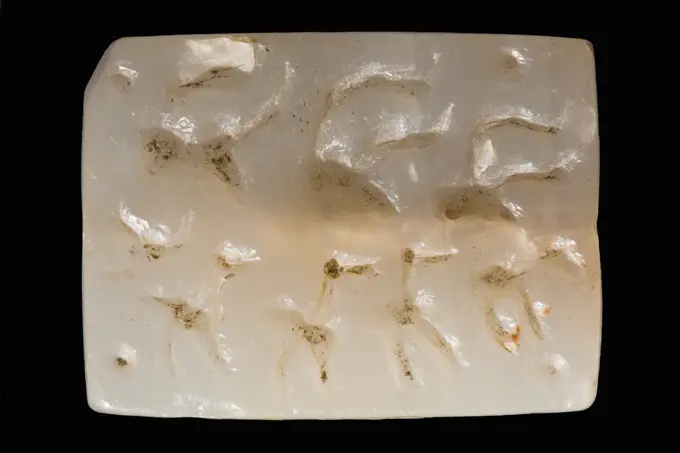
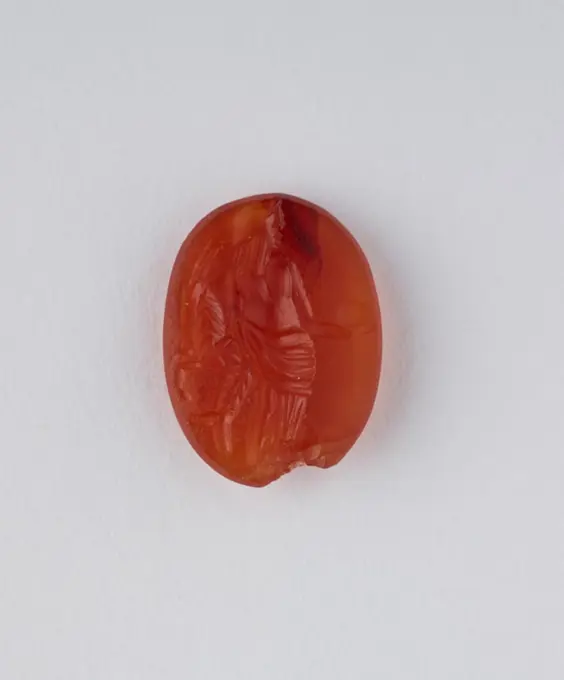
Magic gemma with the representation of a woman and CapricornZapinka do pasa. unknown, craftsmanHerculesKohl pot, ring and rim missing. Dimensions: H. 3.1 cm (1 1/4 in). Dynasty: Dynasty 12, early. Date: ca. 1950-1900 B.C.. Museum: Metropolitan Museum of Art, New York, USA.Vessel 3050 BCE-2630 BCE Egypt. Egyptian alabaster is a form of limestone (calcite) that is found in the Eastern Desert of Egypt. It was favored for cosmetic and ritual offering fishes because of its beautiful color and translucent quality.. Alabaster . Ancient EgyptianScarab. Unknownpolished pink tourmaline crystal isolated close up of sample of natural stone from geological collection - polished pink tourmaline crystal isolated on white background from Brazil Copyright: xZoonar.com/ValeryxVoennyyx 21468661Fragment straight steel of glass from the wreck of the East Indians Hollandia, Anonymous, 1700 - in Or Before 1743 drinking glass Glass, stem glass, stems, plain; fragm, circular, hollow core, eroded. Netherlands glass   SecondMoonstone adularia, adular gemstone isolated natural mineral gem stone - Moonstone adularia, adular gemstone isolated on white background close up Copyright: xZoonar.com/ValeryxVoennyyx 8554717Przycisk do papieru - kiść winogon. unknown, craftsmanBliżej KulturyOrnament cone. Ornament cone. Glass. GlassBottle;  IX-X century (801-00-00-1000-00-00);gift (provenance)Glass mosaic inlay fragment Roman late 1st century BCE-early 1st century CE Translucent deep turquoise blue and opaque white, partially mixed together and appearing as green and pale yellow.Flat, roughly oval plaque, tapering to one edge that is rounded on underside.Marbled mosaic pattern in green ground with multiple white rods.Chipped edges; polished upper side; pitting of surface bubbles; dulling and creamy weathering on underside and most of edges.The colors and pattern on this flat plaque resemble those of colored marble such as lapis lacedaimonius, a green speckled marble found near Sparta in Greece. View more. Glass mosaic inlay fragment. Roman. late 1st century BCE-early 1st century CE. Glass; cast. Early Imperial. GlassGlass ring. Culture: Greek. Dimensions: Other (.a): 7/8 in. × 1 1/16 in. × 1 3/8 in. (2.3 × 2.7 × 3.5 cm)Other (.b convex gem of glass): 3/4 in. × 3/16 in. × 1 1/16 in. (2 × 0.4 × 2.7 cm)Width (bezel): 1/8 in. (0.3 cm)Diameter (Loop diameter): 15/16 in. (2.4 cm). Date: 4th-3rd century B.C..Colorless.Ring with large oval bezel and hoop carved out of a single piece of glass; bezel with beveled outer edge and deep concave face; hoop D-shaped in cross section with irregular, rounded finger hole.Complete except for chip in outer edge of bezel; dulling, pitting, and patches of whitish weathering with brilliant iridescence. Two small fragments of purplish glass attached to top and bottom of oval bezel near edge of concave face.Associated witht the ring is a separate lens-shaped oval gem made out of translucent pale purple blown glass that fits approximately into the concave face of the ring with the convex side facing outward. The gem is intact, has many bubbles, and is covered with piEngraved Gem. Unknownpolished Prehnite rock on white marble closeup of sample of natural mineral from geological collection - polished Prehnite rock on white marble background from Republic of Mali Copyright: xZoonar.com/ValeryxVoennyyx 16070235Decorative elementPrism-shaped engraved seal; Crete, Greece; about 1850 B.C. - 1700 B.C; Steatite; 1.3 × 1.5 cm (1,2 × 9,16 in.)Erosaria Spurca from v.O.C.-ship the 'White Lion'. Shell from v.o.c.-ship the 'white lion'.Fragment of a tobacco pipe., Anonymous, c. 1400 - c. 1950 Fragment of a tobacco pipe.  earthenware. pipe clay   Slot Loevestein Fragment of a tobacco pipe.  earthenware. pipe clay   Slot Loevesteintumbled yellow aventurine gemstone on dark macro shooting of natural mineral rock specimen - tumbled yellow aventurine gemstone on dark granite background from India Copyright: xZoonar.com/ValeryxVoennyyx 11380615A basket with two corn butts and two poppiesAmygdaloid engraved seal. Unknownpolished epidote gemstone on white marble macro shooting of natural mineral rock specimen - polished epidote gemstone on white marble background from Segozero, Karelia in Russia Copyright: xZoonar.com/ValeryxVoennyyx 11951649Scarab ca. 1981-1550 B.C. Middle Kingdom-Second Intermediate Period. Scarab 557066Ametrine stone against white backgroundBead ca. 3rd-7th century A.D. Sasanian. Bead. Sasanian. ca. 3rd-7th century A.D.. Amethyst. Sasanian. Iran, Qasr-i Abu NasrAmetrine Stone Against White BackgroundBoard knot from the wreck of the East Indieschief Hollandia. Board knot open. Stud; Circular Conical Top, Hollow, Setting or Openwork Star Motif.tumbled agate gem stone on white marble macro shooting of natural mineral rock specimen - tumbled agate gem stone on white marble background Copyright: xZoonar.com/ValeryxVoennyyx 11947548Fragment 9th-10th century. Fragment 448795Peppery furrow shell (Scrobicularia plana), Sand gaper on white backgroundGlass Fragment from a Vessel. Culture: Coptic. Dimensions: Overall: 13/16 x 9/16 x 1/4 in. (2 x 1.5 x 0.6 cm). Date: 4th-early 5th century. Museum: Metropolitan Museum of Art, New York, USA.Image of a goddessseashell on a white backgroundPortrait of ParisCameo Gem with Head of Alexander the Great. UnknownFragment 11th-12th century View more. Fragment. 11th-12th century. Earthenware; light-colored body under white and bluish-gray glaze. Excavated in Iran, Nishapur. CeramicsSealing pistonTurtle Pendant. China. Date: 1100 BC-900 BC. Dimensions: 2 × 1 × 1/8 in. Jade. Origin: China. Museum: The Chicago Art Institute, Chicago, USA.Engraved Gem, Roman Empire; 2nd - 4th century; Chalcedony; 1.2 x 1.5 x 0.4 cm (7,16 x 5,8 x 3,16 in.)Scarabs Inscribed for Neferure ca. 1479-1458 B.C. New Kingdom. Scarabs Inscribed for Neferure. ca. 1479-1458 B.C.. Steatite (glazed). New Kingdom. From Egypt, Upper Egypt, Thebes, Deir el-Bahri, Temple of Hatshepsut, Foundation Deposit 7 (G), MMA excavations, 1926-27. Dynasty 18, earlyEarplug, one of 15, 15th century, 5/8 x 1 3/8 in. (1.59 x 3.49 cm), Jade, Mexico, 15th centurytumbled tigers eye gemstone on white marble macro shooting of natural mineral rock specimen - tumbled tigers eye gemstone on white marble background Copyright: xZoonar.com/ValeryxVoennyyx 11947227polished tiger-eye gem stone on white macro shooting of natural mineral rock specimen - polished tiger-eye gem stone on white marble background from South Africa Copyright: xZoonar.com/ValeryxVoennyyx 11949520Fragment Balus -shaped stem of a flute glass from the wreck of the East Indians Hollandia, Anonymous, 1700 - in Or Before 1743 drinking glass Glass, stem glass, steel, baluster-shaped; fragment of knop, flattened, below base of bowl, both ends broken off. Netherlands glass   SecondOzdoba szaty. nieznany warsztat północno mezopotamski, workshopClose up of Mussel on white backgroundLotus Petal Pendant ca. 1390-1353 B.C. New Kingdom. Lotus Petal Pendant. ca. 1390-1353 B.C.. Faience. New Kingdom. From Egypt, Upper Egypt, Thebes, Malqata, Palace of Amenhotep III, MMA excavations, 1910-11. Dynasty 18Bliżej KulturyFigural scene in a rocky landscape unknownEngraved Gem with Chnoubis; 100 - 250; Green chalcedony; 1.5 × 1.2 cm (9,16 × 1,2 in.)Stamp seal ca. 3rd-7th century A.D. Sasanian. Stamp seal. Sasanian. ca. 3rd-7th century A.D.. Chalcedony, agate. Sasanian. Iran, Qasr-i Abu NasrDish. Cyprus, 1350-550 B.C.. Furnishings; Serviceware. TerracottaWooden egg on support on the white backgroundBernstein auf gelb - Amber on yellow Bernstein auf gelb - Amber on yellow Copyright: xZoonar.com/lantapixx 7361705Two Monkeys on Two Peaches 18th century China. Two Monkeys on Two Peaches. China. 18th century. Jade (nephrite). Qing dynasty (1644-1911). JadeElemental IndiumBead. UnknownPlaque ca. 1390-1353 B.C. New Kingdom. Plaque. ca. 1390-1353 B.C.. Glass. New Kingdom. From Egypt, Upper Egypt, Thebes, Malqata, Palace of Amenhotep III, MMA excavations, 1910-11. Dynasty 18Sealing pistonAn oyster on mother-of-pearl backgroundScarab ca. 2030-1550 B.C. Middle Kingdom-Second Intermediate Period This amulet was found bound on the right hand ring finger of a mummy. This amulet is carved of jasper, a very hard stone. The oval shape and lightly carved lines on the back identify it as a beetle, better known to Egyptologists as a scarab. Although the base of this scarab is uninscribed, the beetle itself acts as a power amulet for rebirth. The word for beetle in ancient Egyptian was similar in sound to the word meaning "come into being" (or become). The Egyptians also imagined that the sun as it was reborn while rising in the eastern sky each morning was being pushed into the sky by a beetle. These associations made the scarab one of the most popular amulets for the Egyptians, and it is one of the most common objects to survive from ancient times.. Scarab. ca. 2030-1550 B.C.. Jasper. Middle Kingdom-Second Intermediate Period. From Egypt, Upper Egypt, Thebes, Asasif, East of Pabasa, Radim, Burial 6A.X.B26; from rightGlass mosaic counter or inlay ca. 3rd century A.D. Roman Translucent green and opaque yellow.Plano-convex disk with rounded edge.Pattern of fifteen hollow circles in yellow.Complete except for weathered chip on edge; repolished upper surface; pitting, dulling, and brown weathering on underside.. Glass mosaic counter or inlay. Roman. ca. 3rd century A.D.. Glass. Imperial. GlassStamp, Scaraboid. Assyria or Urartu, late 8th-7th century B.C.. Tools and Equipment; stamps. White marbleCovered Box. Culture: China. Dimensions: H. 1 3/8 in. (3.5 cm); Diam. 2 3/4 in. (7 cm). Museum: Metropolitan Museum of Art, New York, USA.Sealing pistontumbled green opalite mineral isolated on white close up of sample of natural stone from geological collection - tumbled green opalite mineral isolated on white background from Australia Copyright: xZoonar.com/ValeryxVoennyyx 21467405macro shooting of natural mineral rock specimen - polished Cancrinite gemstone on dark granite background from South Ural Mountains, Russiaspessartine mineral gemstone isolated macro shooting of natural gemstone - spessartine mineral gem stone isolated on white background Copyright: xZoonar.com/ValeryxVoennyyx 8877159Planets-manager. Cornalet Collection Sites 2013-2016. Numismatic.Sard ring stone ca. 1st century B.C.-3rd century A.D. Roman Youth leaning against pillar, holding scales and palmInscribed in the field, L.D. VIRILLThe scales suggest that the figure represents the genius presiding over athletic games and awarding the victory, rather than a victorious athlete.. Sard ring stone. Roman. ca. 1st century B.C.-3rd century A.D.. Sard. Late Republican or Imperial. GemsSkarabeuszEarring-hook type with sphere ends. Earring-hook type with sphere ends 243423polished vesuvianite mineral isolated on white close up of sample of natural stone from geological collection - polished vesuvianite mineral isolated on white background from Yakutia Copyright: xZoonar.com/ValeryxVoennyyx 21468669Ivory box on which Gebroeders de Witt is depicted. Ivory box with lid; On the lid Double portrait of two men in succession (Cornelis and Johan de Witt), briskets to the right in profile, in circle, sliced decoration round (wavy); Lid light ascending. Box on outside with 'braid' cut (also bottom); Whole reminiscent of a needle basket (also t.a.v. form). Smooth inside. Inscription; On lid: 'De Her Corn and Joh De Wit'.A can from the cover; Netherlands; 1 PO. XVII century (1600-00-00-1650-00-00);Engraved Gem. UnknownTaweret Amulet ca. 1390-1353 B.C. New Kingdom. Taweret Amulet. ca. 1390-1353 B.C.. Faience. New Kingdom. From Egypt, Upper Egypt, Thebes, Malqata, Palace of Amenhotep III, MMA excavations, 1910-11. Dynasty 18Spindle Whorl, 700s - 900s. Iran, early Islamic period, 8th - 10th century. Bone, incised; overall: 0.7 x 1.2 x 1.2 cm (1/4 x 1/2 x 1/2 in.).Jaspillite ferruginous quartzite gemstone natural mineral gem stone - Jaspillite jaspilite, ferruginous quartzite gemstone isolated on white background close up Copyright: xZoonar.com/ValeryxVoennyyx 8547956Sample of Lapis Lazuli 20th century China. Sample of Lapis Lazuli. China. 20th century. Lapis lazuli. HardstoneVivid Blue BlueberryHexagonal tile with a green glaze and inscription, anonymous, c. 1400 - c. 1599 Six-cornered tile of quartz fritry. On a soil of thick green glaze, a rim parallel with the circumference is applied in Luster, in which an inscription in Arabic characters: 'In the name of Allah, merciful and compassionate. Allah is one. He is the God to whom all beings are addressing with their needs. He did not conceive and is not conceived. He has no equal in anyone. " (Koran hood 112). In the middle are the names of the twelve imams. Coming from the Palace of Selim II in Anetrinople. The metal gloss has almost become completely dull, so that the inscriptions can only be seen under certain light. Damaged on the corners. Turkey (Possible) earthenware. glaze. luster (textile) painting / vitrification Six-cornered tile of quartz fritry. On a soil of thick green glaze, a rim parallel with the circumference is applied in Luster, in which an inscription in Arabic characters: 'In the name of Allah, merciful anOyster-Shell Pendant, 1980-1801 BC. Egypt, Middle Kingdom, Dynasty 12. Carnelian and silver; overall: 1.5 cm (9/16 in.).Carnelian ring stone with Asclepius, the god of medicine. Culture: Roman. Dimensions: Other: 7/16 x 5/8 x 1/8 in. (1.1 x 1.5 x 0.3 cm). Date: ca. 1st century B.C.-3rd century A.D..This Roman intaglio is engraved with the bust of Asklepios, the hero and god of healing. As on this gemstone, he generally appears as a mature, bearded man accompanied by a snake. Museum: Metropolitan Museum of Art, New York, USA.Uninscribed scarab ca. 1981-1802 B.C. Middle Kingdom. Uninscribed scarab. ca. 1981-1802 B.C.. Lapis lazuli. Middle Kingdom. From Egypt, Memphite Region, Lisht North, cemetery south of pyramid below House A2:1, Pit 486, MMA excavations, 1913-14. Dynasty 12closeup of sample of natural mineral from geological collection - polished Chrysoprase gemstone isolated on white background. polished Chrysoprase gemstone isolated on whiteGoldenes Ei auf weißer Oberfläche mit Schatten und subtiler Textur in minimalistischer Golden egg on white surface with shadow and subtle texture in minimalist composition. LicenseRF ,model released, Symbolfoto Copyright: xZoonar.com/ElenaxSafonovax 24056019 ,model released, Symbolfoto ,property releasedpolished Bloodstone Heliotrope gemstone on dark macro shooting of natural mineral rock specimen - polished Bloodstone Heliotrope gemstone on dark granite background Copyright: xZoonar.com/ValeryxVoennyyx 11380541Portrait of a warriorFragment ca. 1150-ca. 1250 European or Middle Eastern. Fragment 696607Button or Bead 9th-10th century This object was excavated at Nishapur.Nishapur was a vital city in the early and middle Islamic periods, located along one of the main trajectories that connected Iran and West Asia Islamic lands with Central Asia and China. These itineraries are often referred to by the term Silk routes’ but were in fact crucial to the movement of constellations of materials and objects, as well as people and ideas. The diverse population of Nishapur and its surroundings, from the better-researched elite groups of merchants, land-owning aristocracy, and literates, to the less-known artisans, farmers, miners, and servants, were instrumental in adapting global cultural trends to create their own distinctive visual languages. This is seen in the material remains of everyday life in medieval Nishapur - from pots and pans to lighting devices, inkwells, textiles and trimmings, jewelry, games and toys, talismanic devices, weapons, coins, and architectural fragments.Nishapur lLion Cub ca. 3100-2900 B.C. Early Dynastic Period This powerful figure of a crouching lion belongs to the beginning of Egypt's historic period, when the process of integrating Upper and Lower Egypt into one centralized state was underway. The simplified sculptural treatment, with the tail curled over the back and the absence of a base, is typical of sculpture from this period, when the Egyptians were learning to master the art of carving in hard stone. Listen to experts illuminate this artwork's story Listen Play or pause #3225. Lion Cub Supported by Bloomberg Philanthropies We're sorry, the transcript for this audio track is not available at this time. We are working to make it available as soon as possible.. Lion Cub. ca. 3100-2900 B.C.. Quartzite. Early Dynastic Period. From Egypt; Said to be from Southern Upper Egypt, Gebelein (Krokodilopolis). Dynasty 1Stamp Seal, Tabloid. Iran or Mesopotamia, circa 3000 B.C.. Tools and Equipment; seals. White calciteShe wolf feeding Romulus and Remuspolished Rhodonite rock on black closeup of sample of natural mineral from geological collection - polished Rhodonite rock on black granite background from Tajikistan Copyright: xZoonar.com/ValeryxVoennyyx 15511768Champignon mushroom isolated on white backgroundFragment ca. 1150-ca. 1250 European or Middle Eastern. Fragment 694381