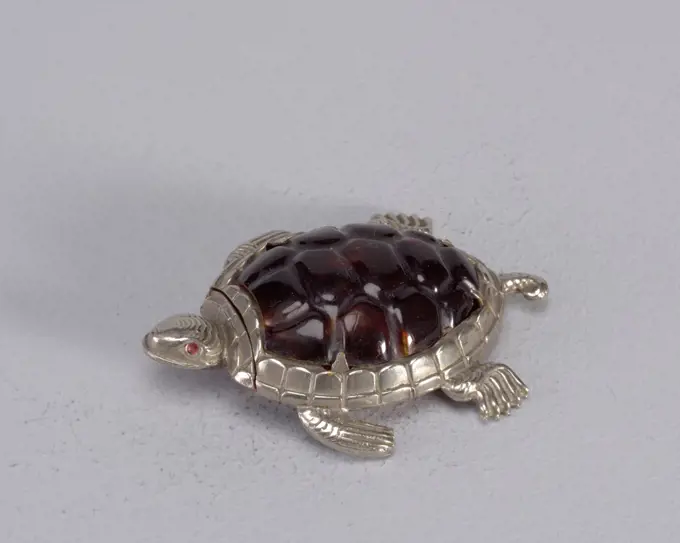
Ancient Artifacts and Gemstones

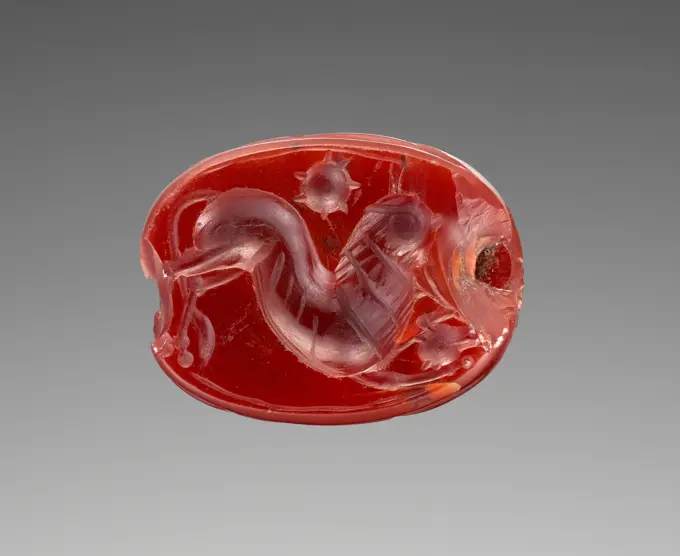
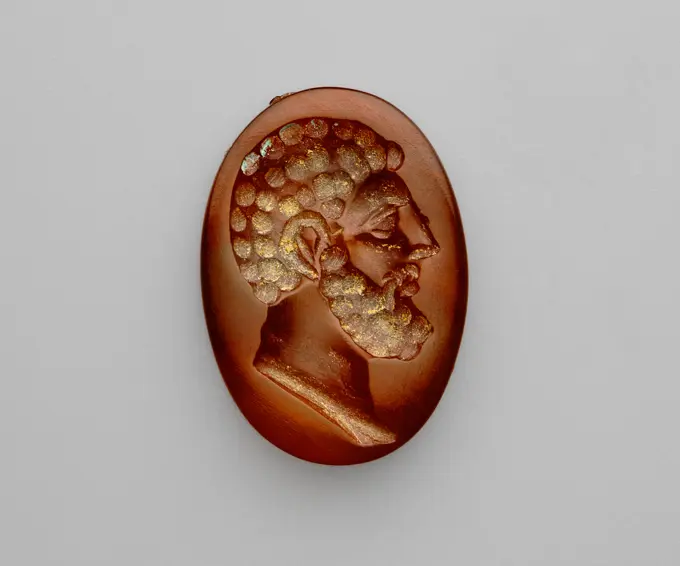
An assortment of ancient items including a carved carnelian gem featuring warriors, a unique bottle, and a fragment of a glass bowl, reflecting historical craftsmanship.
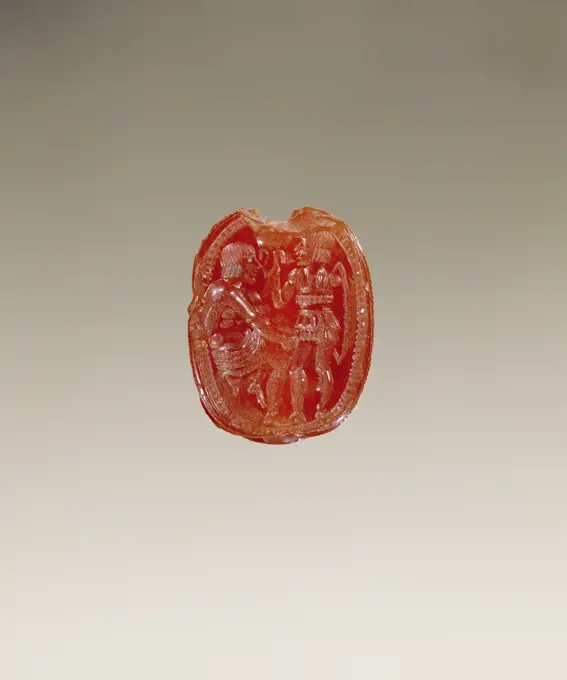
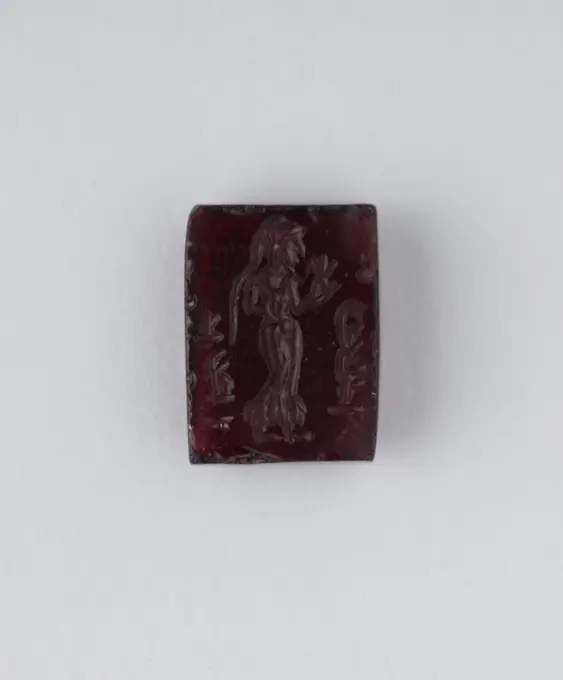
Gem Engraved with Achilles and Patroclus in Armor; Etruria; second half of 5th century B.C; Carnelian; 0.8 × 1.5 × 1.2 cm (5,16 × 9,16 × 1,2 in.)
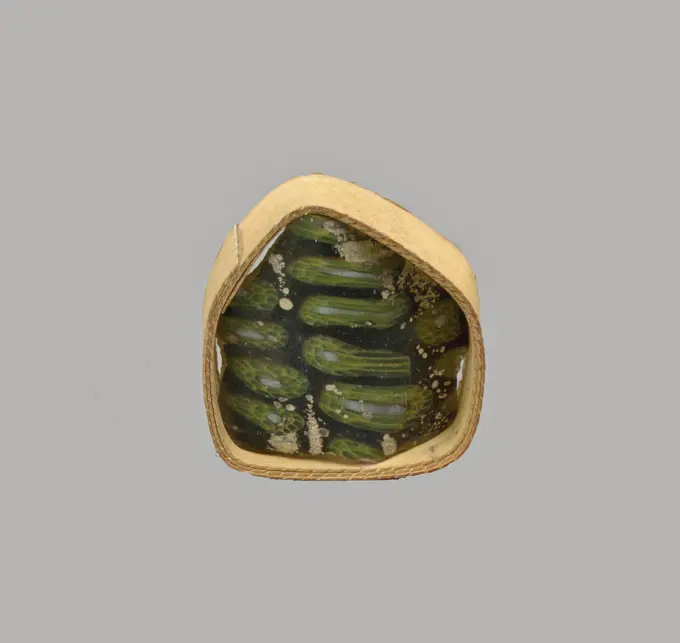
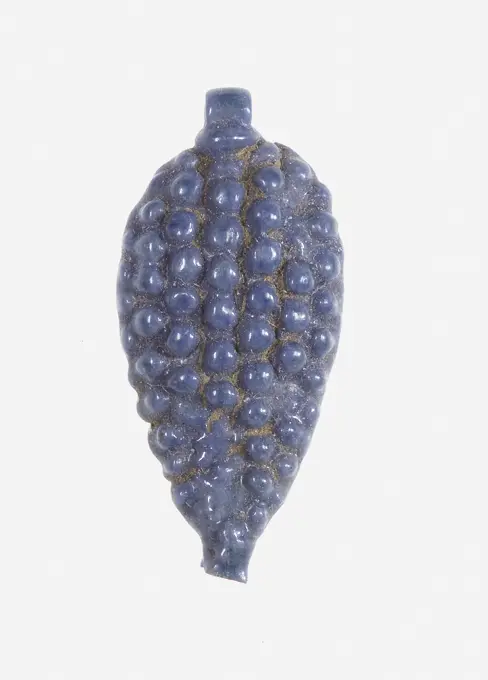
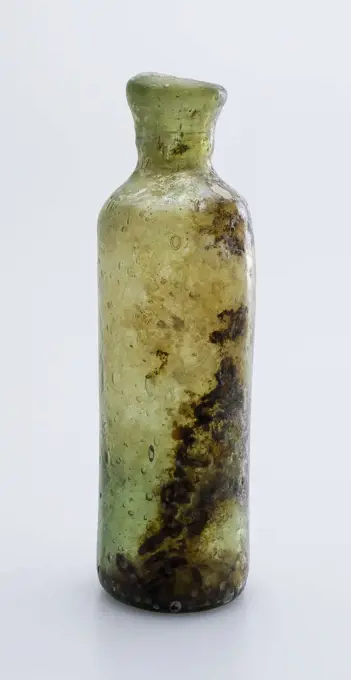
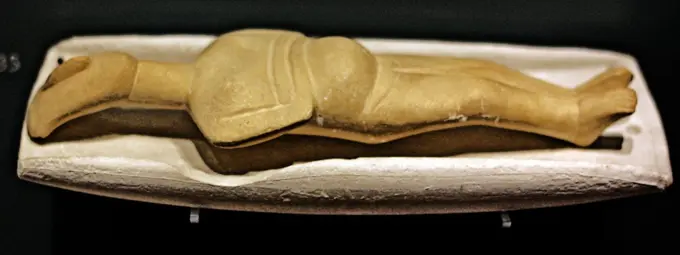
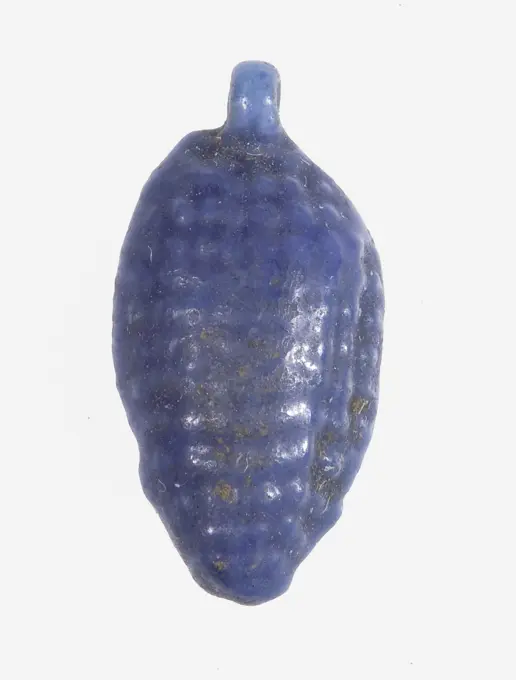
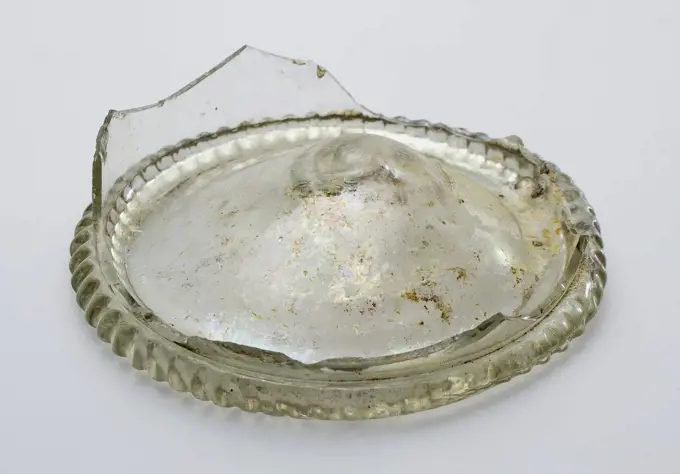
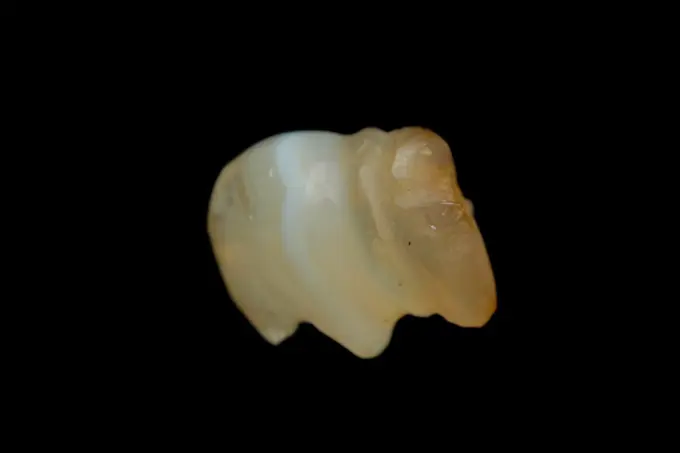
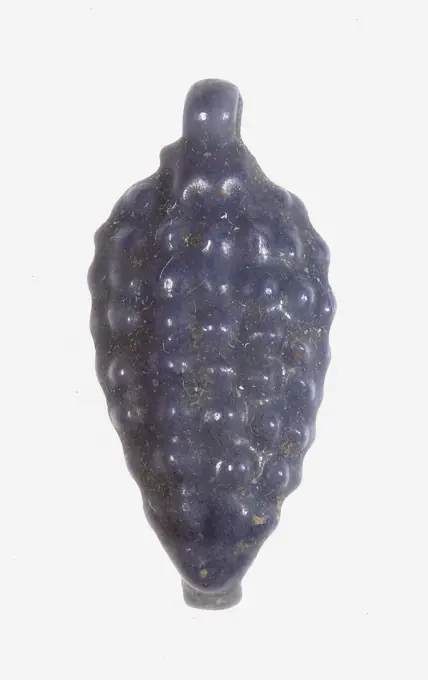
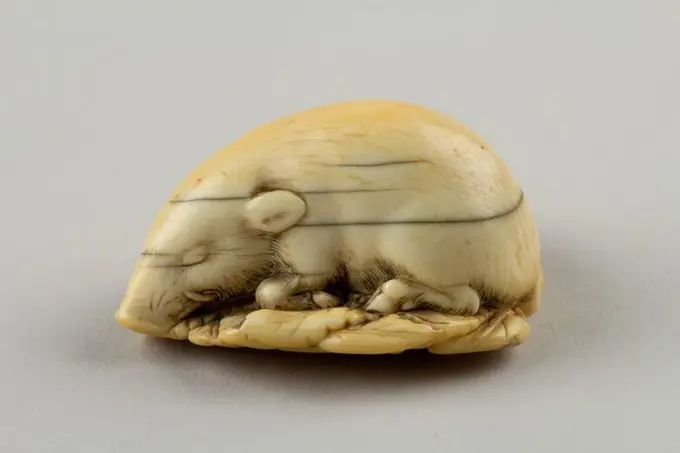
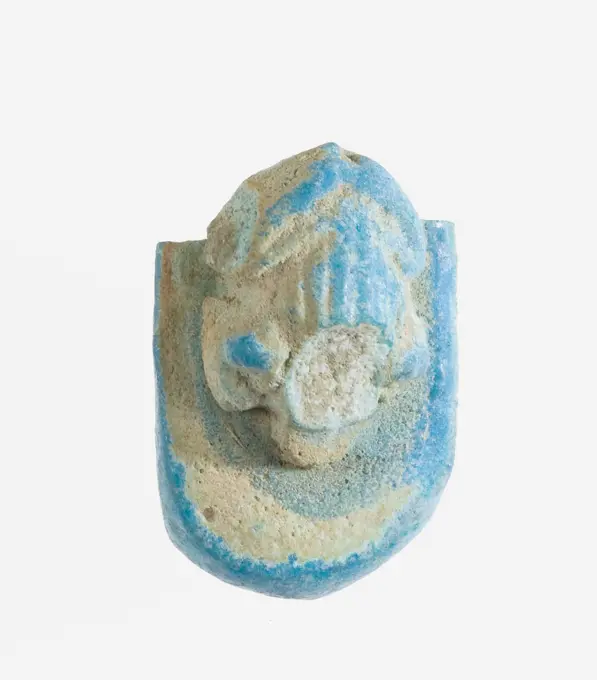
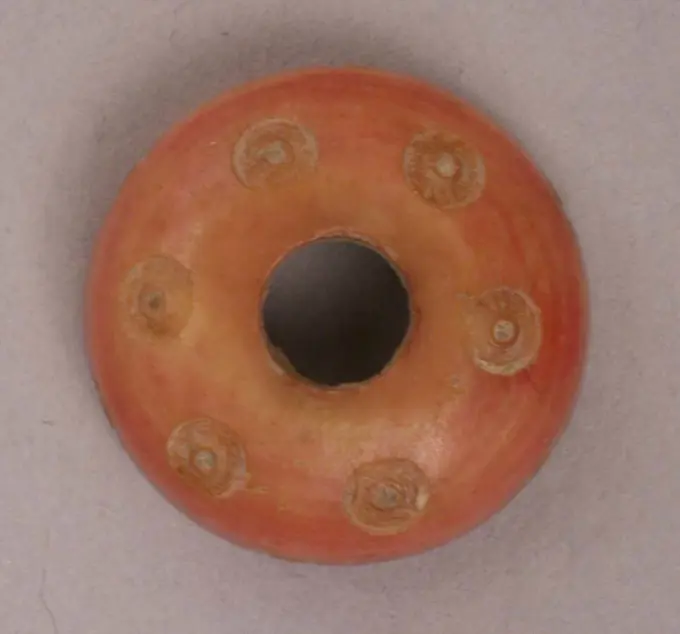
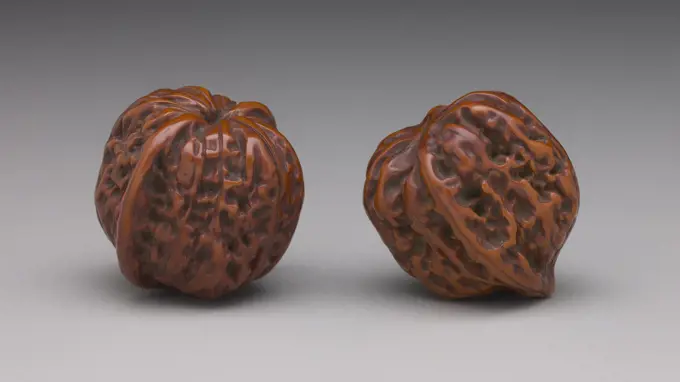
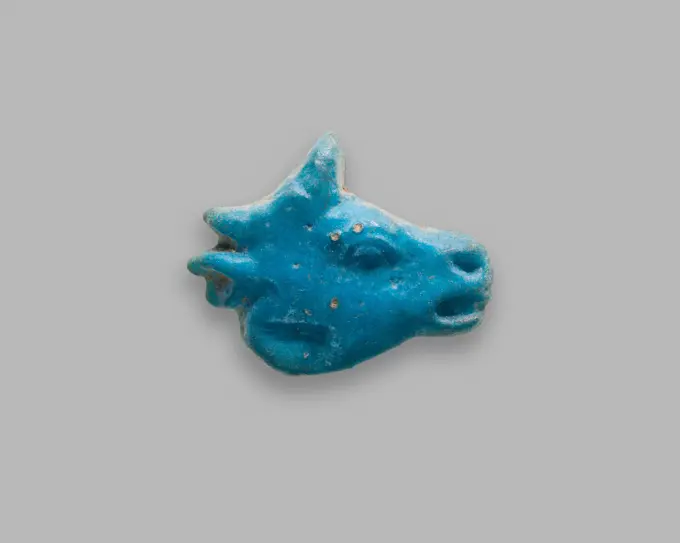
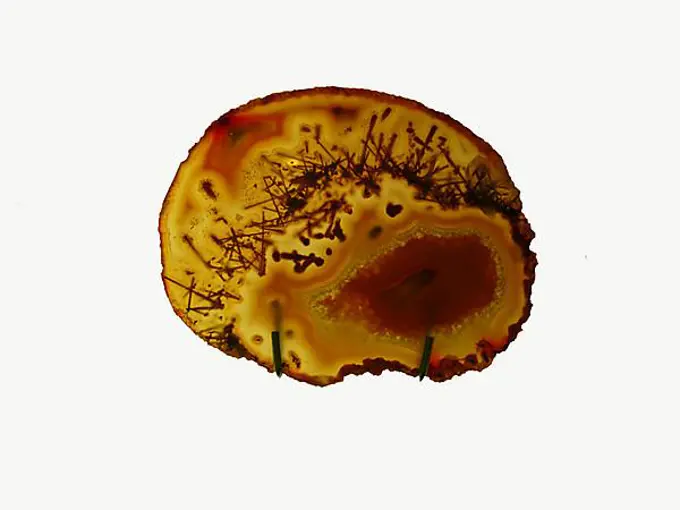
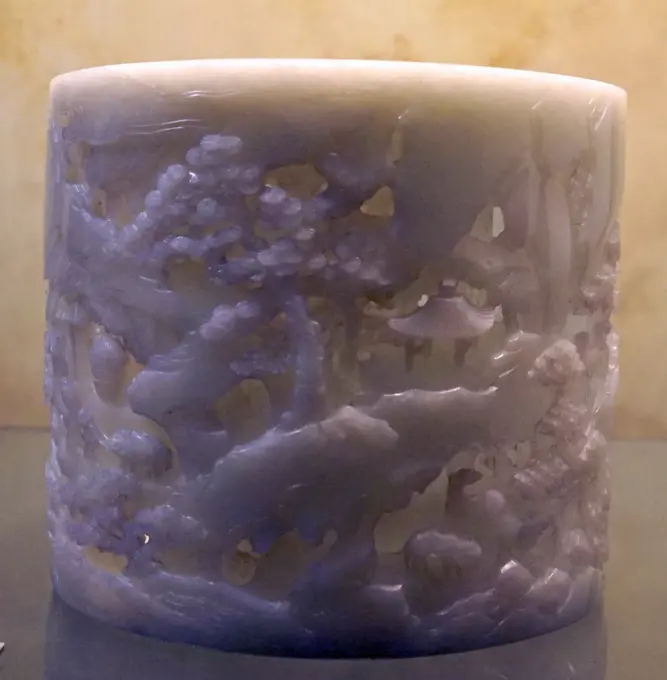
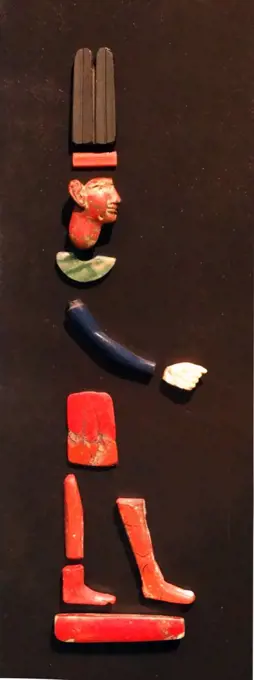
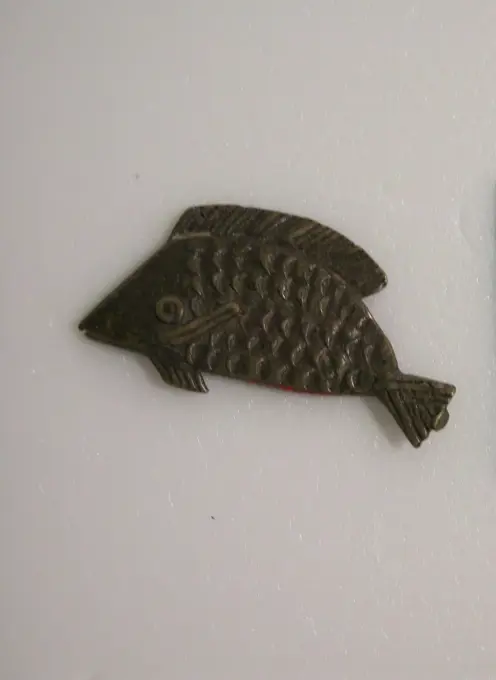
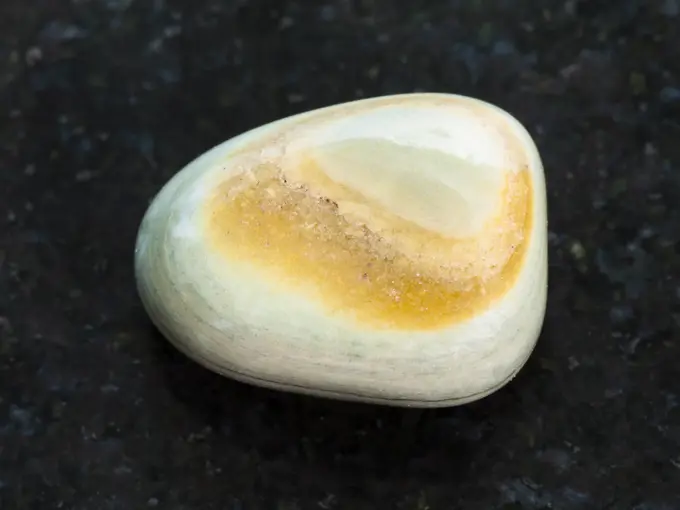
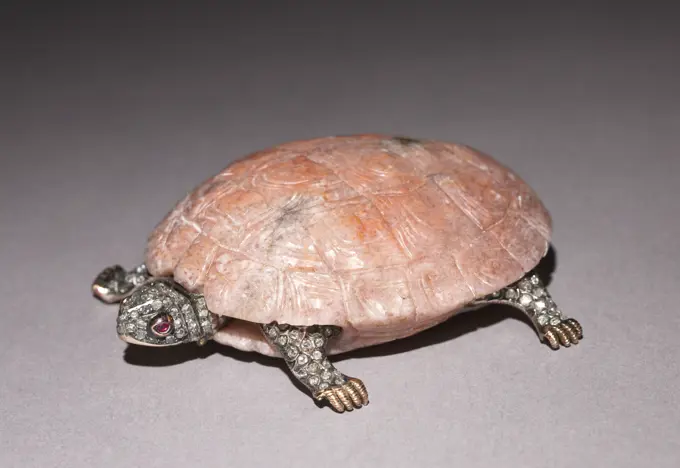
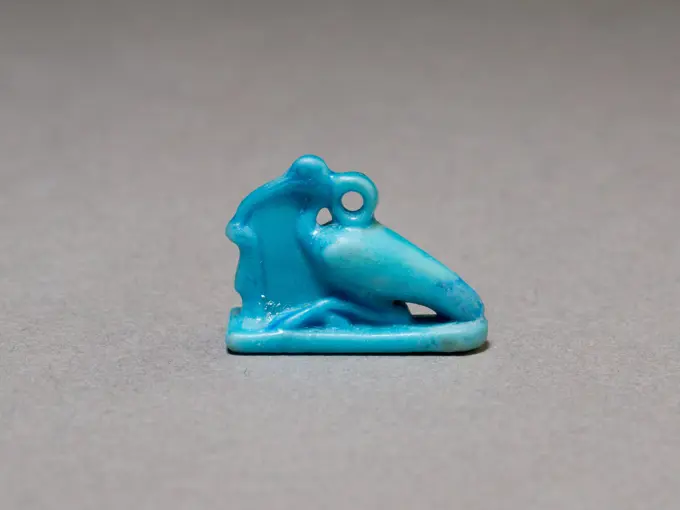
Sealing pistonSeal 19th century China. Seal 73667Disk or button. Disk or button. Ivory or boneScissors3d rendering of a index finger isolated in white studio background 3d rendering computer model of a index finger isolated in white studio background Copyright: xZoonar.com/HugoxKurkx 14306105Study Models of Parts of the Body, Johan Gregor van der Schardt (attributed to), c. 1560 - in or before 1570 Sculptor model clinging right hand and wrist (after the antique image of Menelaos and Patruclus, Loggia Dei Lanzi in Florence, or to the version in Rome, known as Pasquino). Italy terracotta (clay material) Sculptor model clinging right hand and wrist (after the antique image of Menelaos and Patruclus, Loggia Dei Lanzi in Florence, or to the version in Rome, known as Pasquino). Italy terracotta (clay material)Shells over black reflecting background, horizontal imageBead in the Shape of a Fish, c. 6th-8th century, 5/16 x 5/8 x 5/16 in. (0.8 x 1.6 x 0.8 cm), Stone, Myanmar (Burma), 5th-9th centuryCameo Gem. UnknownThree mukhi Rudraksha Price Rs.300 botanically Elaeocarpus Ganitrus Roxb, English Utrasum Copyright: xMxAmirtham/DinodiaxPhotoxTurban 1800-1810 American. Turban 98080Ring: Hieroglyphs. Egyptian. Date: 1350 BC. Dimensions: W. 0.6 cm (1/4 in.); diam. 1.9 cm (3/4 in.). Faience. Origin: Egypt. Museum: The Chicago Art Institute, Chicago, USA. Author: Ancient Egyptian.Bead in the Shape of a Crocodile (), c. 6th-8th century, 5/16 x 13/16 x 1/4 in. (0.8 x 2.1 x 0.6 cm), Stone, Myanmar (Burma), 5th-9th centuryGlass mosaic bowl fragment late 1st century B.C.-early 1st century A.D. Roman Rim fragment of a large carinated bowl.Translucent purple, turquoise blue mixed with opaque yellow appearing green, opaque white and yellow.Vertical rim with fine tapering lip; vertical side, then turned in and downward with slight concave curve.Mosaic pattern formed from sections of a single cane in a purple ground with a circular cluster of green rods outlined in yellow surrounding a white circle at center; canes arranged in horizontal rows.Polished exterior; pitting of surface bubbles with brilliant iridescence on exterior; dulling and iridescent weathering on interior and jagged edges.. Glass mosaic bowl fragment. Roman. late 1st century B.C.-early 1st century A.D.. Glass; cast. Early Imperial. GlassPendant in the form of Hathor's head Cypriot. Pendant in the form of Hathor's head 242667Pendant: Bunch of Grapes ca. 1390-1353 B.C. New Kingdom. Pendant: Bunch of Grapes. ca. 1390-1353 B.C.. Faience. New Kingdom. From Egypt, Upper Egypt, Thebes, Malqata, Palace of Amenhotep III, MMA excavations, 1910-11. Dynasty 18Shell, seashellMedicine Bottle, medicine bottle bottle holder soil find glass, free blown and shaped Small (medicine) Bottle in clear light green glass. Pontil mark under raised bottom. Cylindrical body with convex shoulders short neck and irregularly dilated lip, archeology health care packaging pharmacyFigurine lying on a palette, modern plaster casts. Hypothetical reconstruction based on the assumption that some of the palettes may have actually been cradles or beds. This figurine is portraying a female around six months pregnant. It was found in a grave near Trymalia, Naxos.Pendant: Bunch of Grapes ca. 1390-1353 B.C. New Kingdom. Pendant: Bunch of Grapes. ca. 1390-1353 B.C.. Faience. New Kingdom. From Egypt, Upper Egypt, Thebes, Malqata, Palace of Amenhotep III, MMA excavations, 1910-11. Dynasty 18Fragment of foot, bottom and part wall of cup with smooth wall, goblet drinking glass drinking utensils tableware holder soil find glass, free blown and formed imposed and twisted glass threads Fragment of foot bottom and part wall of beaker with smooth wall in clear colorless glass. pontil mark underneath the bottom (2.0 cm). On foot continuous encircled serrated glass wire as stand ring pedestal archeology Rotterdam rail tunnel drink Soil discovery: rail tunnel Rotterdam.Bead in the Shape of an Animal, c. 6th-8th century, 5/16 x 3/8 x 5/16 in. (0.8 x 1 x 0.8 cm), Stone, Myanmar (Burma), 5th-9th centuryFlat top shell (Gibbula umbilicalis) sea snail on white backgroundIinteresting shape of colourful pumpkin isolated on white background. Pumpkin is ecological and natural, grew in rural garden.Bliżej KulturySample of red glitter gel with small particles isolated on white background, texture of cosmetic products like highlighter, lipstick, and blushAmulet of a Situla (Jar) 1069 BCE-656 BCE Egypt. Faience . Ancient EgyptianPortrait of the rulerFrog Amulet. Dimensions: l. 2 cm (13/16 in). Dynasty: Dynasty 19. Date: ca. 1295-1185 B.C.. Museum: Metropolitan Museum of Art, New York, USA.Arrowhead with peduncle in cut stone. Neolithic period. North Africa. 5 cm.Pendant: Bunch of Grapes ca. 1390-1353 B.C. New Kingdom. Pendant: Bunch of Grapes. ca. 1390-1353 B.C.. Faience. New Kingdom. From Egypt, Upper Egypt, Thebes, Malqata, Palace of Amenhotep III, MMA excavations, 1910-11. Dynasty 18StampInsects embedded in baltic amberWater pot with dragon early 18th century China. Water pot with dragon. China. early 18th century. Jade (nephrite). Qing dynasty (1644-1911). JadeQuartz onyx from GermanyBroche met silhouet, Portrait of a woman, Anonymous, c. 1790Eye of Horus (Wedjat) Finger Ring 1325 BCE Egypt. Faience . Ancient EgyptianFragment of part of foot and stem of goblet la façon de Venise, drinking cup drinking vessel holder soil find glass, hand-blown Fragment of part foot and stem of goblet in clear colorless glass in façon de Venise style Pontil mark under ascending hollow base with down narrow (0.4 cm) edge Directly on foot flat knot to narrow massive trunk to sharp knot on which hollow onion-shaped knot On top of that knot and next stem archeology Rotterdam rail tunnel drink Soil discovery: railway tunnel Rotterdam.Glass mosaic fragment late 1st century B.C.-early 1st century A.D. Roman Rim fragment, comprising three conjoining fragments Translucent honey yellow, opaque yellow and white.Vertical rim with beveled edge; convex curving side, tapering downward.Mosaic pattern formed from sections of a single cane in a yellow ground with a pattern of opaque yellow rods around a central white rod.Broken and repaired; polished exterior; pitting of surface bubble on exterior; dulling and pitting on interior, rim, and edges.Joined to 91.1.2011.. Glass mosaic fragment 257383Fragment of a grave stele ca. 1st century B.C. This alabaster block depicts nine stylized ibex heads carved in low relief and viewed frontally. Flanking the row of ibexes are two rectangular niched panels suggestive of temple facades. The ibex was the most widely represented animal in southwestern Arabian art. Ritual ibex hunts were an important feature of the cult practices of the southwestern Arabian kingdoms. Successfully capturing and killing these elusive creatures was believed to secure favors from the gods. Ibex skulls and horns were also used as architectural decorations on the upper corners of houses, where they are still occasionally found today.. Fragment of a grave stele 325075Ornament or Head of a Pin 7th-8th century The dot-in-circle motif recalls designs presumed to be of magical significance, most likely an abstract eye to ward off the evil-eye, which serve an apotropaic function. Easily reproduced with a tool and visible in many cultures and times, this symbol may have lost its meaning, and become simply a decorative pattern, or may have one that we have not yet discovered.. Ornament or Head of a Pin 446072Red Cabbage (brassica) oleracea, Vegetable against White BackgroundBliżej KulturyStone Chisel before 16th century Mississippian or Hopewell. Stone Chisel 317274Engraved Gem. UnknownSardonyx ring stone. Culture: Roman. Dimensions: L. 1.1 cm. Date: ca. 1st century A.D..Portrait of a woman, perhaps Antonia, wife of Nero Drusus. Museum: Metropolitan Museum of Art, New York, USA.BLIŻEJ KULTURYStamp seal ca. 3rd-7th century A.D. Sasanian Stamp seals were used in antiquity as marks of ownership and badges of status. This seal is hemispheroid in shape and is pierced so that it could be suspended and perhaps worn. On its flattened side, a monogram under a chevroned arch is depicted. The image is carved into the surface of the stone and appears in relief when the seal is pressed into clay.The seal was excavated in the fortress at Qasr-i Abu Nasr. The site is located near Shiraz in southern Iran at a strategic point at the intersection of defensive mountains, available water sources, and along roads entering the Shiraz plain. It was excavated by archaeologists from The Metropolitan Museum of Art for three seasons from 1932-1935. The town was occupied, at least intermittently, from the Parthian period (3rd century B.C.-3rd century A.D.) to the Muzaffarid period (13th-14th century A.D.). The major occupation, including the extensive fortress, dates to the Late Sasanian period (6th-Auberginepolished hydrogoethite gemstone on white macro shooting of natural mineral rock specimen - polished hydrogoethite gemstone on white marble background from Eupatoria district, Crimea Copyright: xZoonar.com/ValeryxVoennyyx 11950162Frog on Taro Leaf. Seiyōdō Tomiharu (Japan, 1733-1811). Japan, 1782. Costumes; Accessories. BoxwoodPaper Doll (USA); Harriet Blackstone (American, 1864 - 1939); brush and oil, graphite on board; 7 × 13 cm (2 3/4 × 5 1/8 in.)Netsuke of a Boar. Culture: Japan. Dimensions: H. 1 1/16 in. (2.7 cm); W. 2 1/16 in. (5.2 cm). Date: 18th century. Museum: Metropolitan Museum of Art, New York, USA.Frog Ring Fragment ca. 1390-1353 B.C. New Kingdom. Frog Ring Fragment. ca. 1390-1353 B.C.. Faience, blue, green. New Kingdom. From Egypt, Upper Egypt, Thebes, Malqata, Palace of Amenhotep III, MMA excavations, 1910-11. Dynasty 18Button or Bead 9th-10th century The dot-in-circle motif recalls designs presumed to be of magical significance, most likely an abstract eye to ward off the evil-eye, which serves an apotropaic function. Easily reproduced with a tool and visible in many cultures and times, this symbol may have lost its meaning, and become simply a decorative pattern, or may have one that we have not yet discovered.. Button or Bead 449225Intaglio. Eastern Mediterranean, Roman, 332 B.C.-A.D.395. Tools and Equipment; seals. StoneBliżej KulturyJarPair ofWalnuts, 17thcentury, Black walnuts, treated and polished, 1 1/4 in. (3.2cm), China, Chinese, Late Ming dynasty (1368-1644) or early Qing dynasty(1644-1911), SculptureHuman skull model isolated on white backgroundFoundation Deposit Plaque in the Form of an Ox Head ca. 1188-1186 B.C. New Kingdom, Ramesside. Foundation Deposit Plaque in the Form of an Ox Head. ca. 1188-1186 B.C.. Faience. New Kingdom, Ramesside. From Egypt, Upper Egypt, Thebes, Ramesseum Area, Temple of Tawosret, foundation deposit, Petrie excavations, 1896. Dynasty 19Agate sliceAnonymous round of Léopoldine Hugo towel (dummy title), 1843. Ivory or horn with relief inscription. Houses of Victor Hugo Paris - Guernsey.Home decor Home decoration isolated with clipping path included Copyright: xZoonar.com/Baloncicix 7323509Brush pot made of Nephrite Jade from the Qing Dynasty. Dated 18th CenturyAncient Egyptian, figures depicting a Pharaoh. Made from a combination of glass inlaid stone Period unknownSnake Skin Agate Stone Against Black BackgroundCovered vase with phoenix 18th century China. Covered vase with phoenix. China. 18th century. Jade (nephrite). Qing dynasty (1644-1911). JadeFidesSealing pistonPIEZA DE AJUAR PALEOLITICO, INDUSTRIA LITICA: RASPADOR SOBRE EXTREMO DE HOJA, PROCEDENTE DE LA CUEVA DE LOS MORCEGUILLOS (DEPOSITO: MUSEO ARQUEOLOGICO NACIONAL).Magic gemma: standing womanScarab. UnknownClose-up of a crystal rollOpalite on a black backgroundHeaddress ornament 14th-16th century China. Headdress ornament 41912Pendant: Ram's Head. UnknownJade in form of hippopotamus, chalcedony, healing stone, healing stones, semiprecious stones, semi-precious stones, inside, studio, esotericism, esotericism, free plate, objectBliżej KulturyShelled New Zealand mussel with mussel shells Agate rock. A microcrystalline variety of silica, chiefly chalcedony, characterised by its fineness of grain and brightness of color. Although agates may be found in various kinds of rock, associated with volcanic rocks and can be common in certain metamorphic rocksdecorative gourd a decorative gourd on white Copyright: xZoonar.com/SvetlanaxFootex 3045077Bliżej KulturyCarved Intaglio Gemstone with Head of Bearded Man FacingRightPreserved mussels in glass jar on white backgroundPinne of stained glass with the bust of a male in praying attitude. Pinne of stained glass with the bust of a male in praying attitude, with purple dress surrounded on neck and hands with yellow fur, face and hands in light brown.Goldweight Fish, 20th century, 1 7/8 x 7/8 in. (4.76 x 2.2 cm), Bronze, Ghana, 20th centuryTwo cranes holding peaches. Culture: China. Dimensions: H. 1 9/16 in. (3.9 cm); W. 2 3/4 in. (7 cm); L. 1 11/16 in. (4.3 cm). Date: 18th-19th century. Museum: Metropolitan Museum of Art, New York, USA.tumbled gray Agate gemstone on dark macro shooting of natural mineral rock specimen - tumbled gray Agate gemstone on dark granite background Copyright: xZoonar.com/ValeryxVoennyyx 11380676Aguja de Manel Capdevila, 1937. Colección privada.Turtle Bell Push, c. 1895-1915. House of Fabergé (Russian, 1842-1918). Agate, gold, silver, diamonds, rubies; overall: 2.6 x 7.7 x 6.1 cm (1 x 3 1/16 x 2 3/8 in.).Vintage photograph. Bowl of cherries with shadowA Latex CondomSeveral ocasAttic Red-Figure Column Krater Fragment (part of 78.AE.380.1). Agrigento Painter (Greek (Attic))tumbled tigers-eye and hawks-eye gemstone isolated macro shooting of natural mineral stone - tumbled tigers-eye and hawks-eye gemstone isolated on white background Copyright: xZoonar.com/ValeryxVoennyyx 9078296Ibis with maat feather 664-30 B.C. Late Period-Ptolemaic Period This small amulet of a crouching ibis with a maat feather beneath his beak may serve as a funerary amulet: Thoth was the recorder at the Weighing of the Heart in the Afterworld when the heart of the deceased was balanced against the feather of Maat.. Ibis with maat feather. 664-30 B.C.. Faience. Late Period-Ptolemaic Period. From EgyptBangle made from ivory, 19th century, Western IndiaAmulet ca. 3000 B.C.. Amulet 324169Turtle, T. Johnson, Plated brass, celluloid, enamel, In the form of a turtle with head, legs and tail extended, its back molded from tortoise-shell colored celluloid, eyes enameled red. Head (lid) flips backwards at uppermost part of shell, hinged on underside. Ridges of underside serve as striker., ca. 1881, containers, Decorative Arts, Matchsafe, Matchsafe