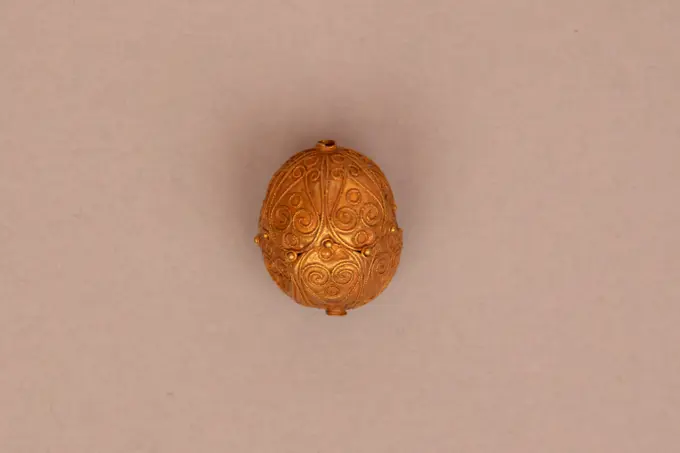
Ancient Artifacts and Gemstones

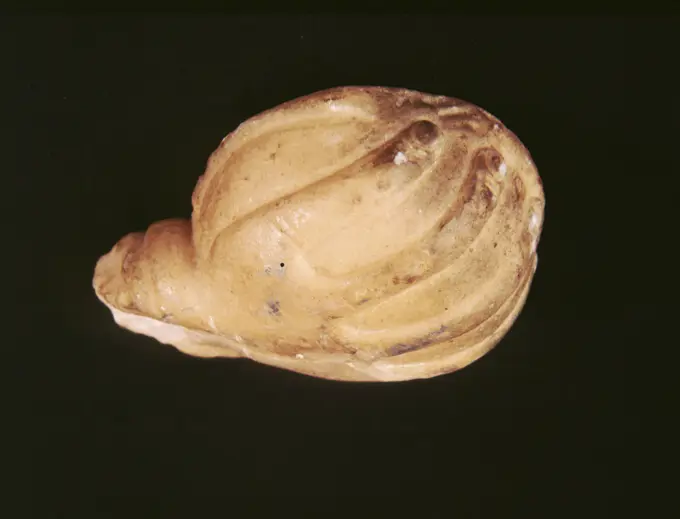
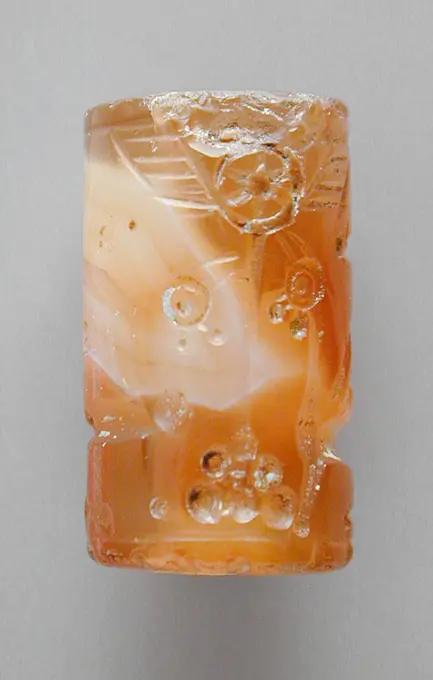
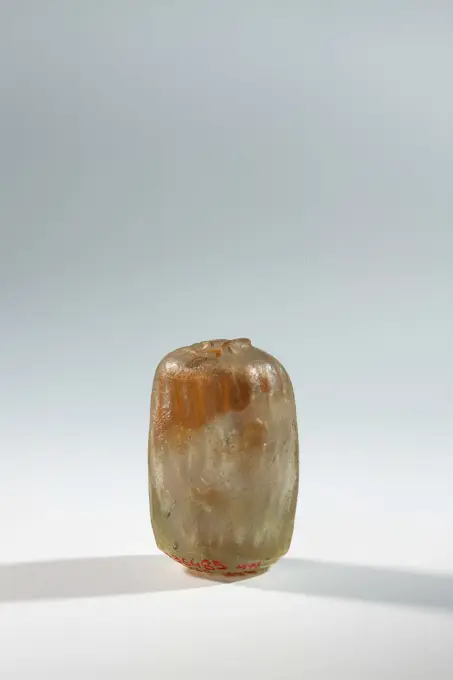
An assortment of ancient items including a carved carnelian gem featuring warriors, a unique bottle, and a fragment of a glass bowl, reflecting historical craftsmanship.
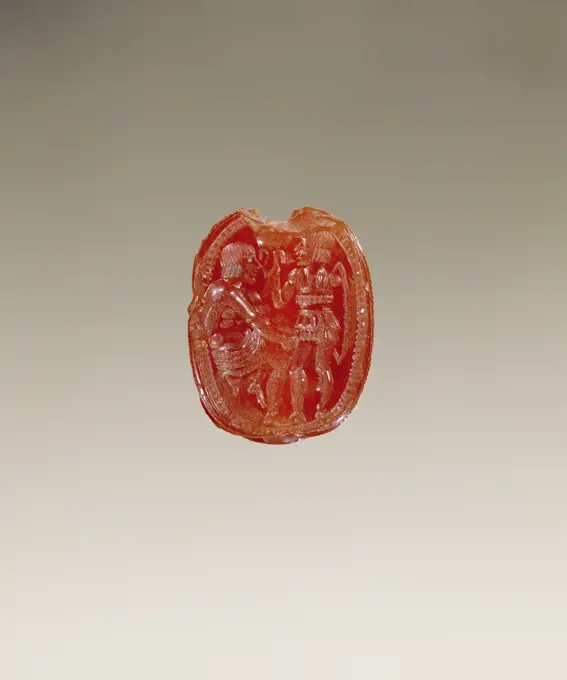
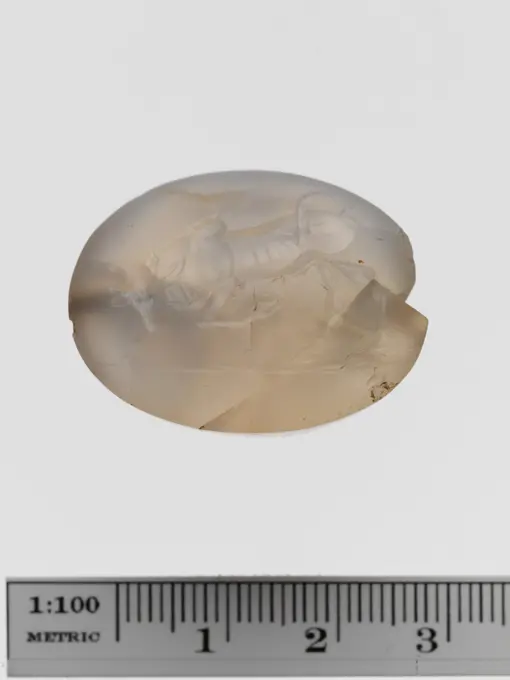
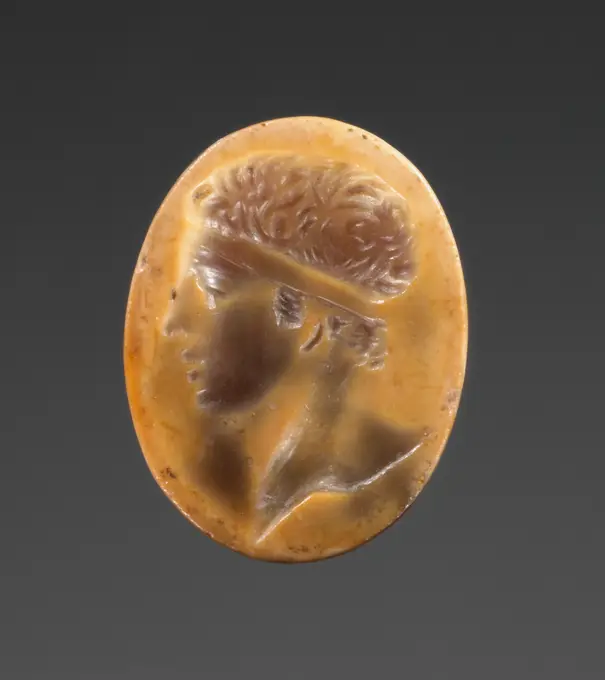
Gem Engraved with Achilles and Patroclus in Armor; Etruria; second half of 5th century B.C; Carnelian; 0.8 × 1.5 × 1.2 cm (5,16 × 9,16 × 1,2 in.)
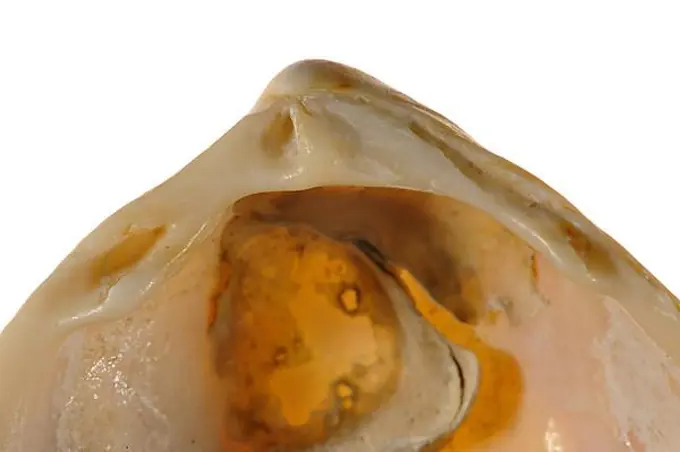
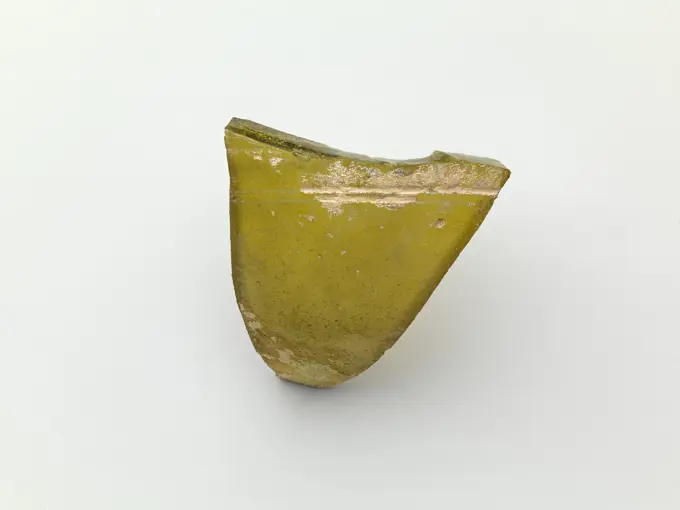
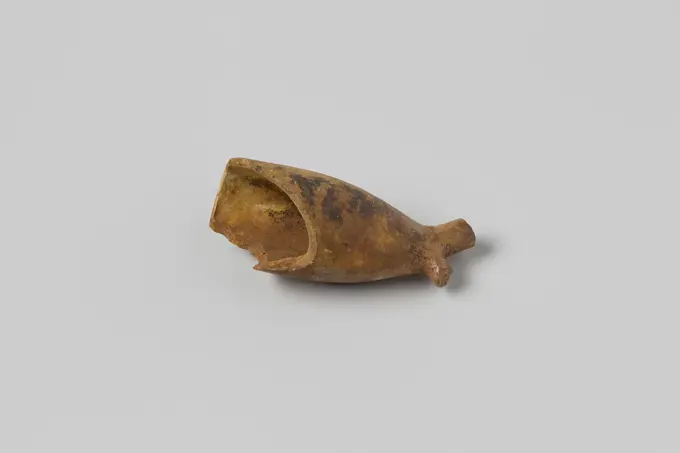
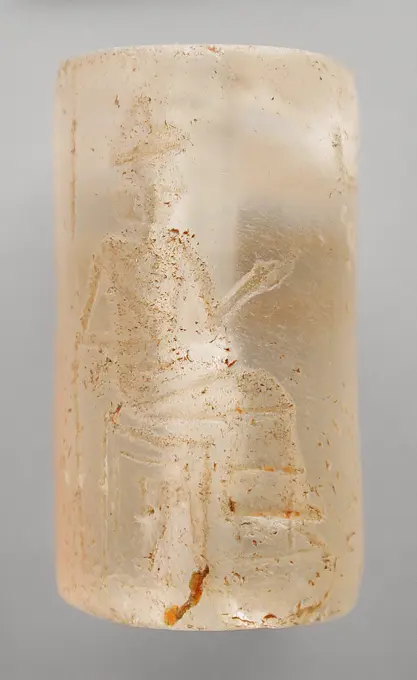
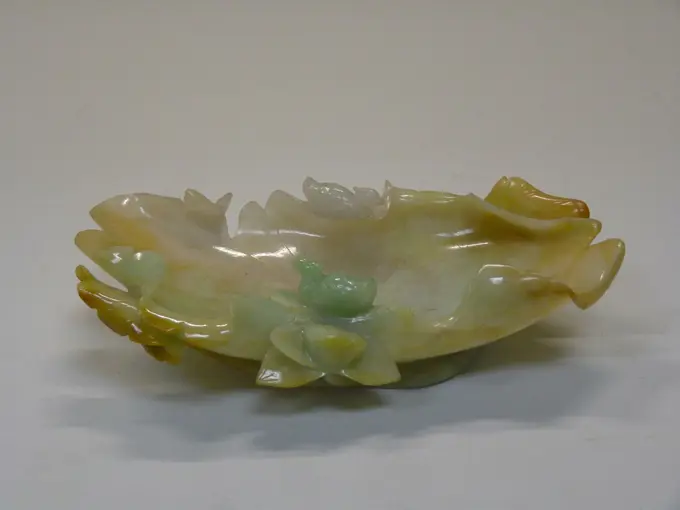
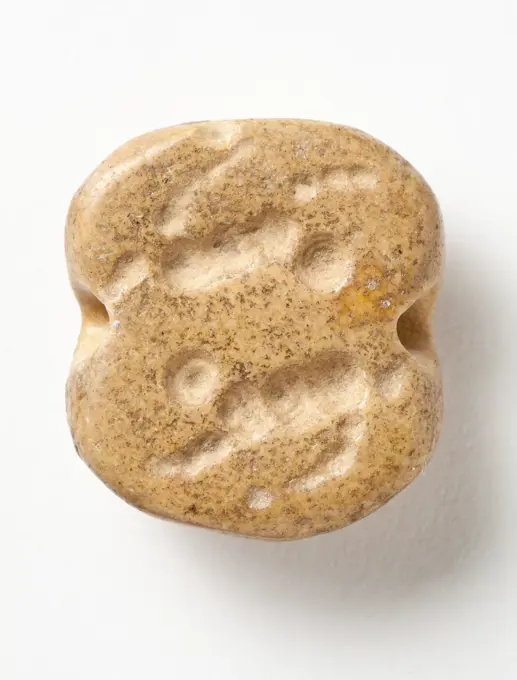
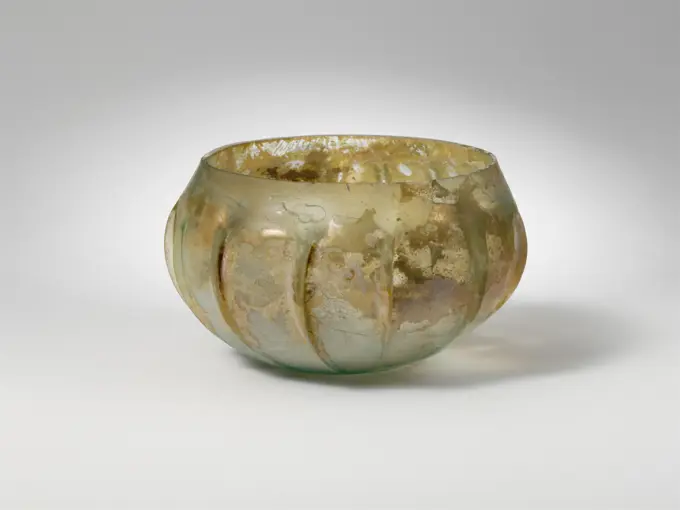
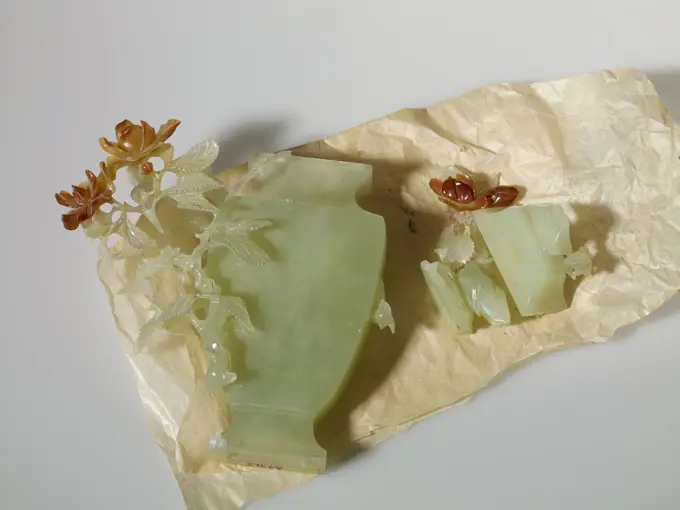
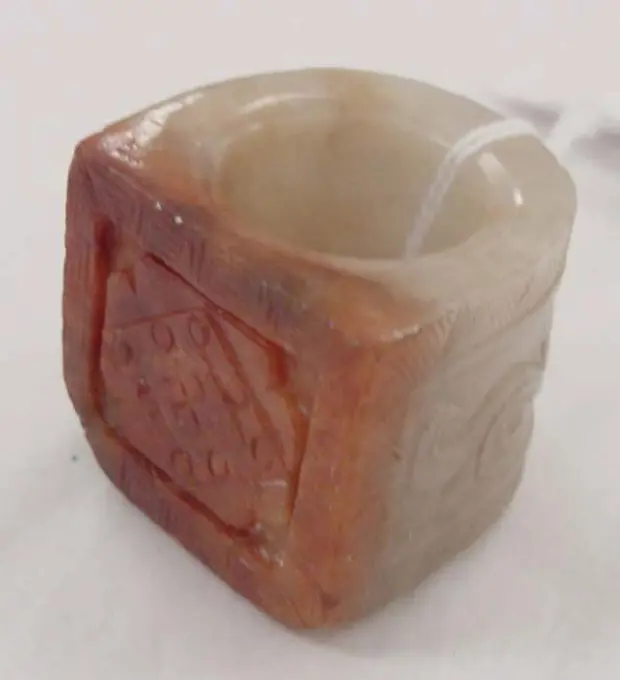
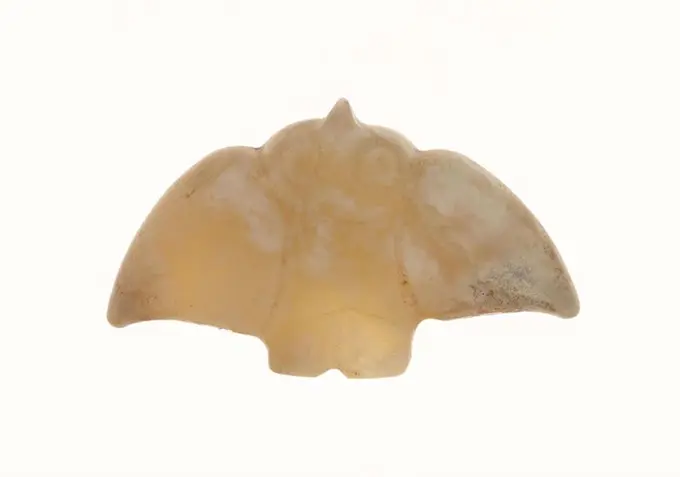
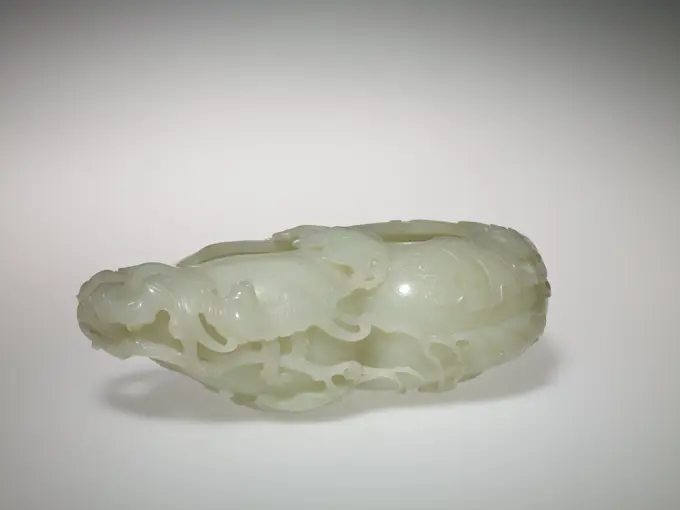
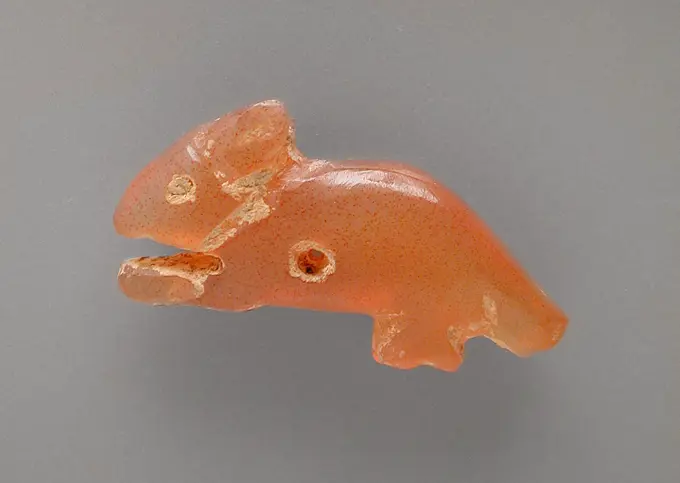
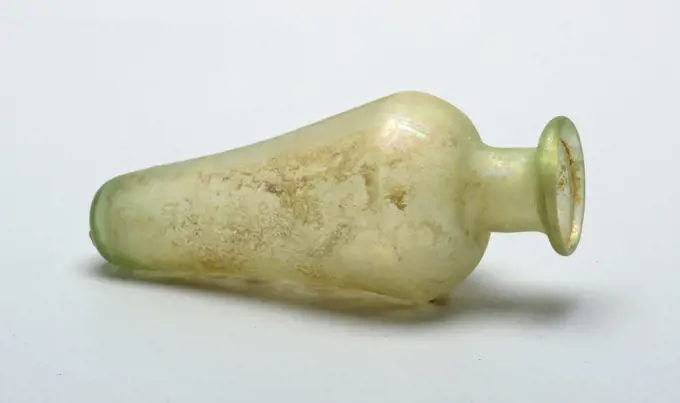
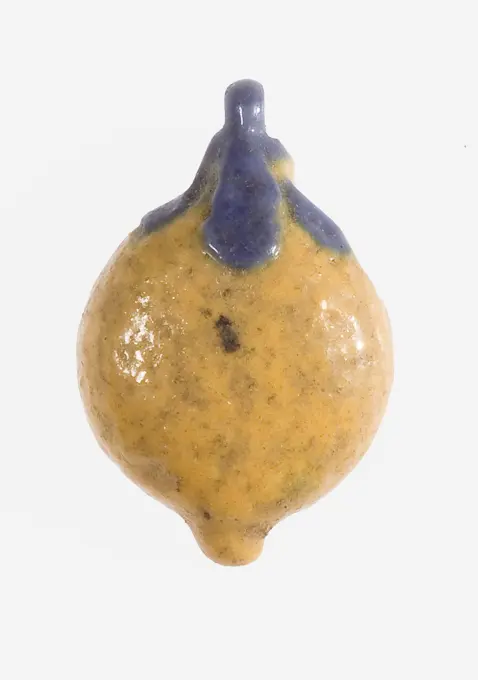
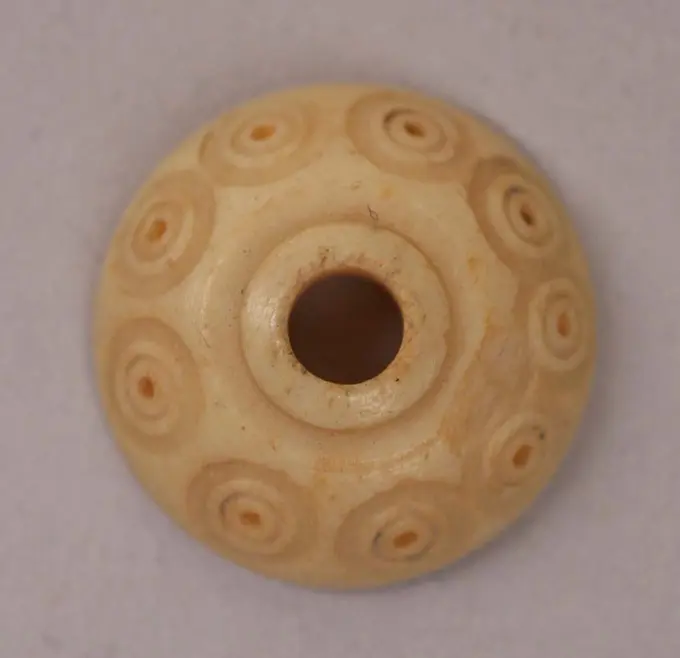
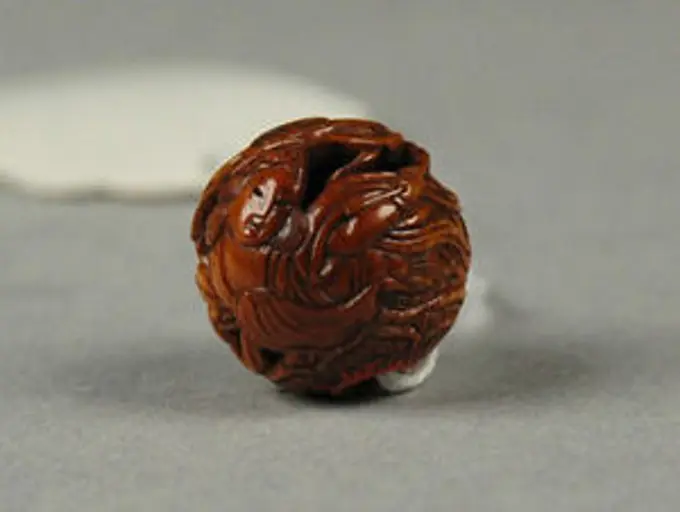
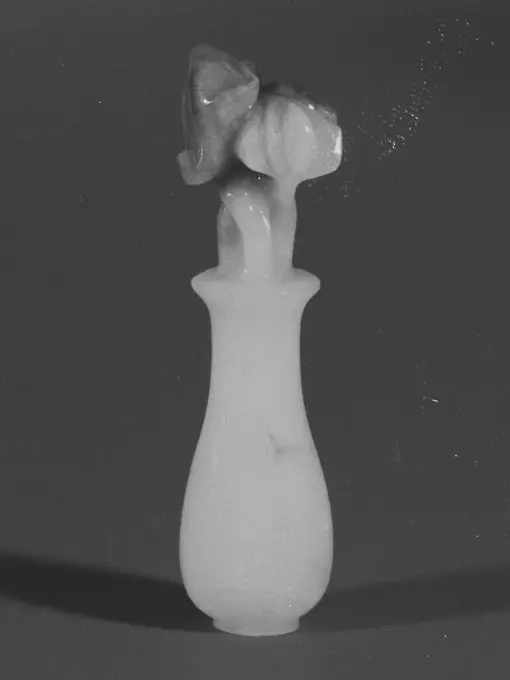
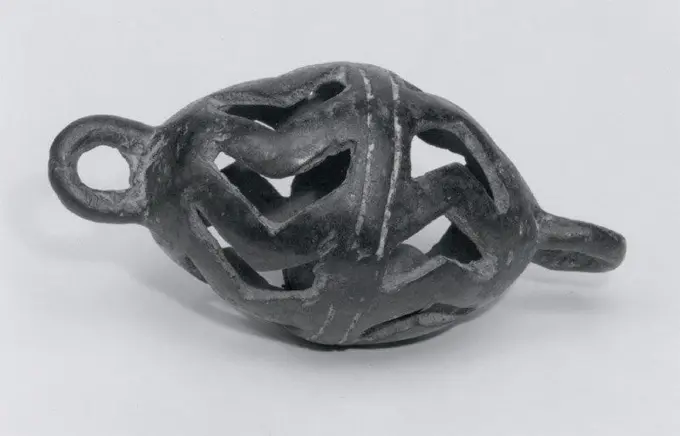
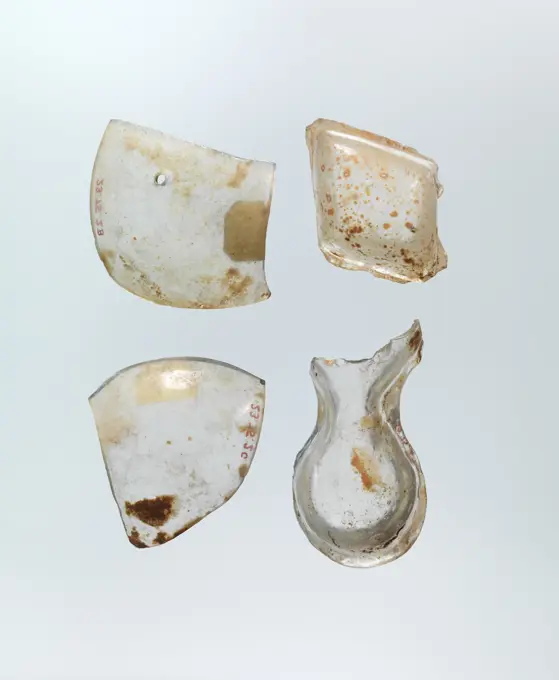
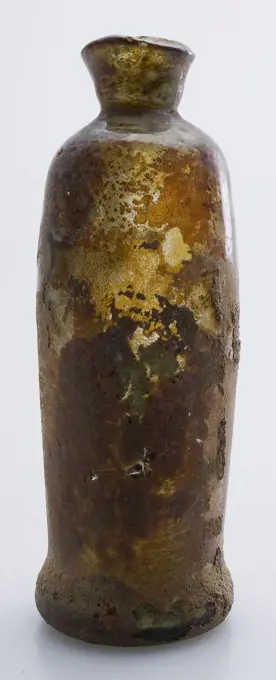
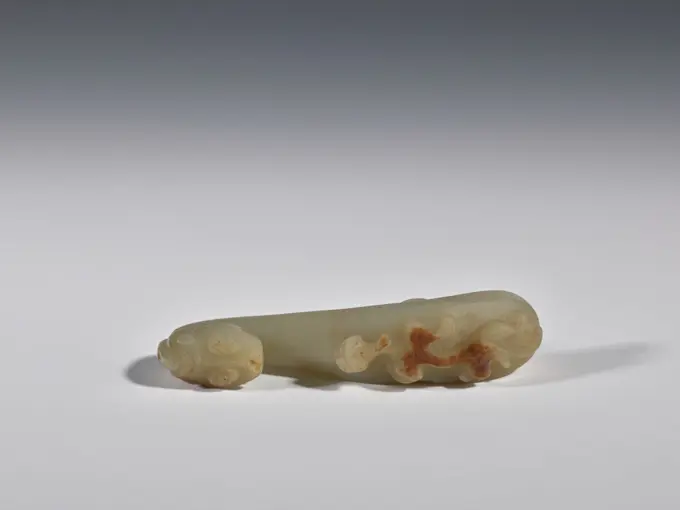
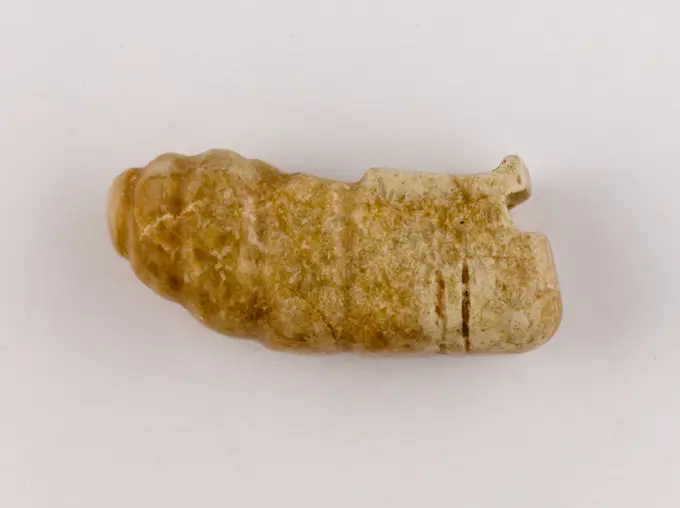
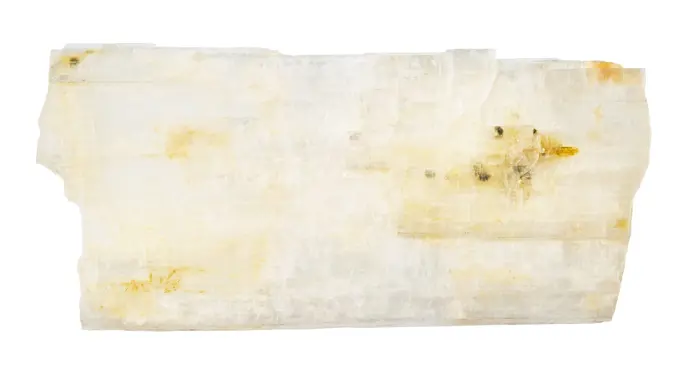
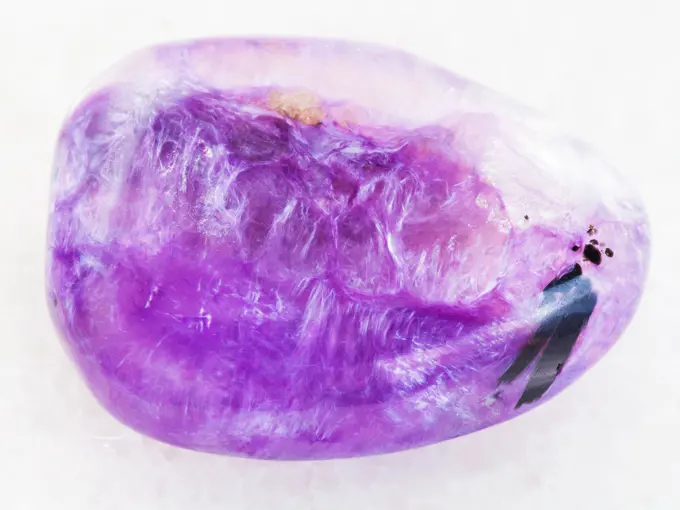
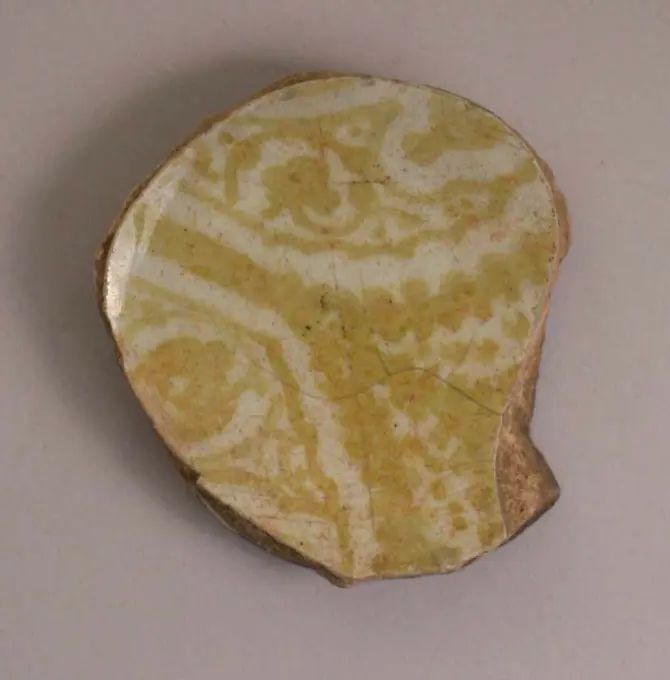
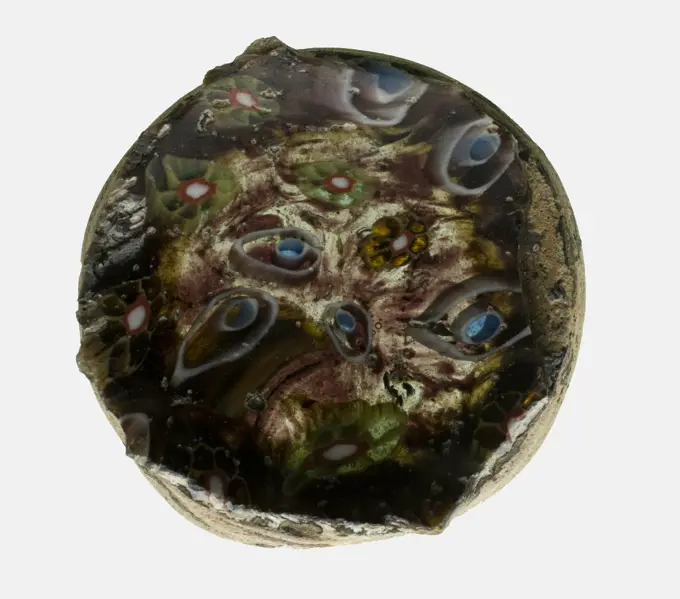
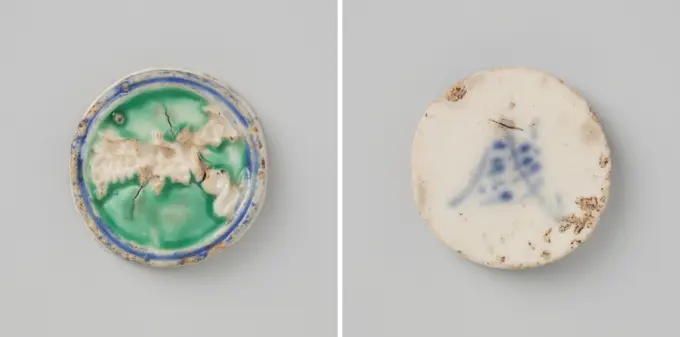
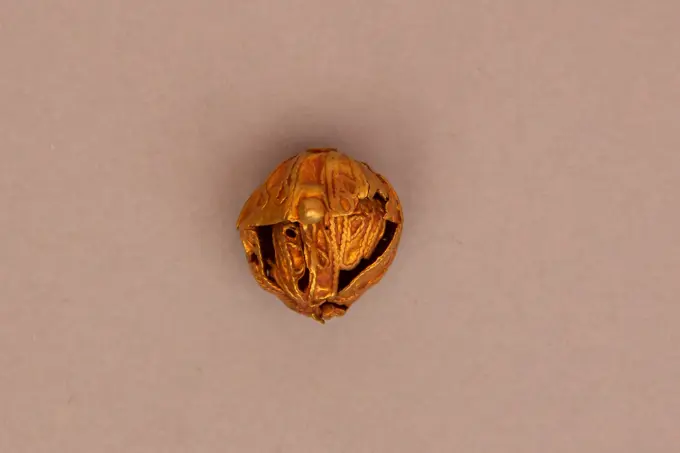
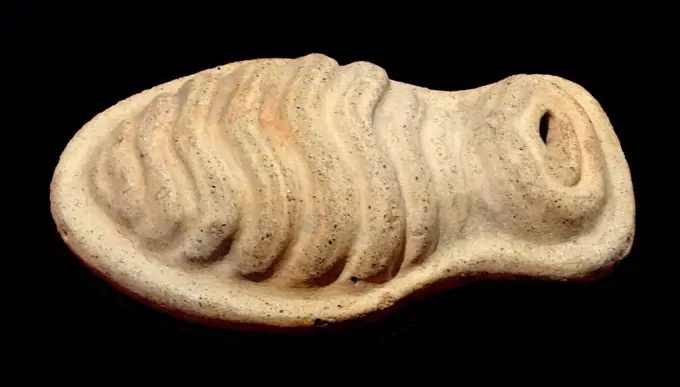
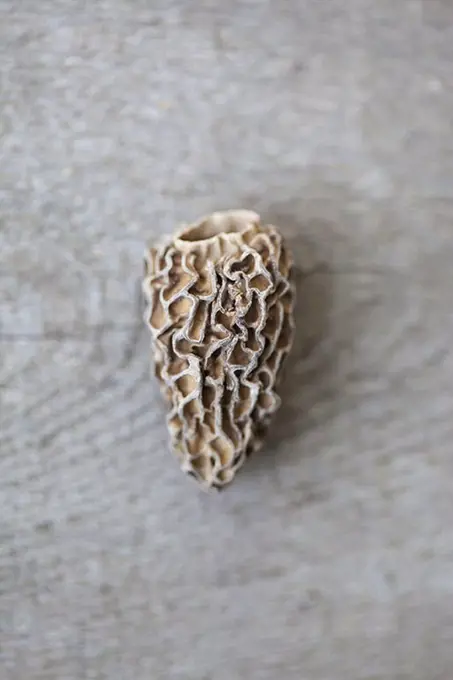
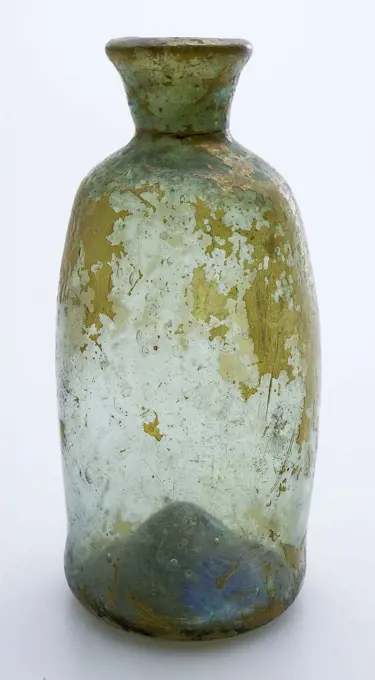
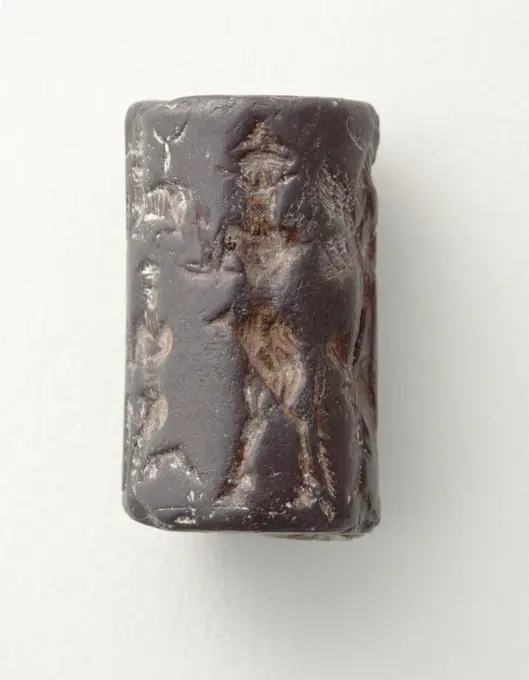
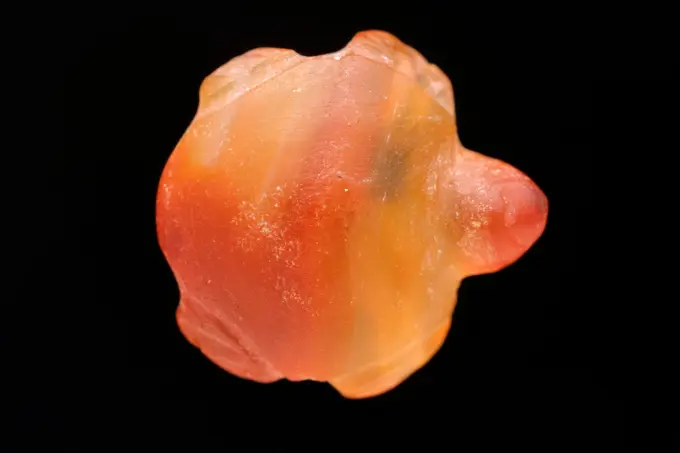
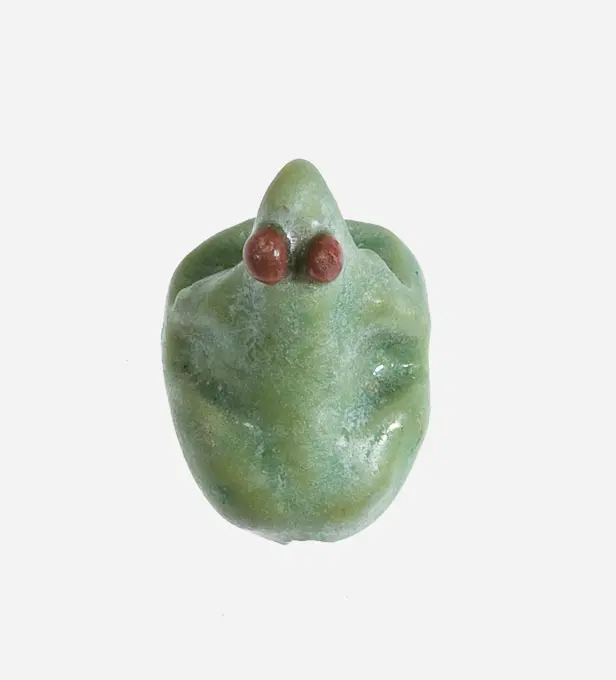
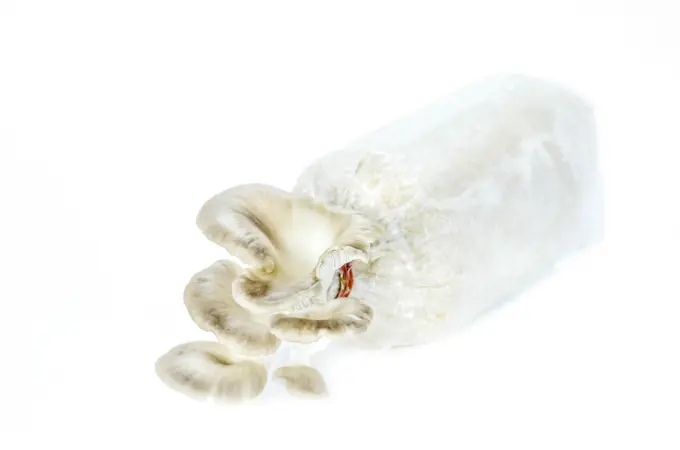
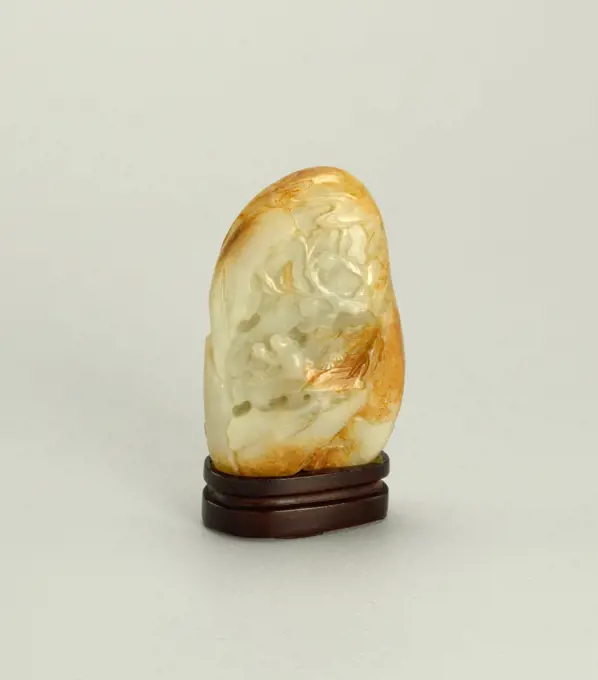
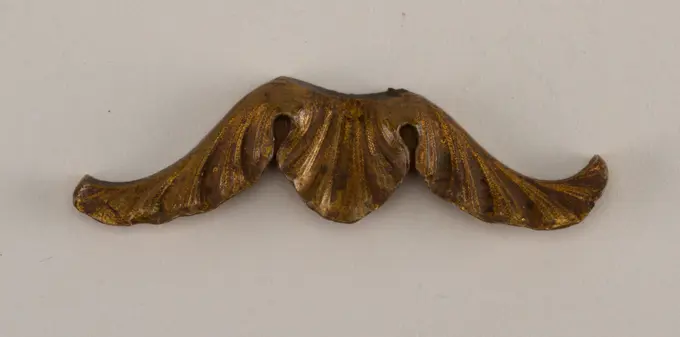
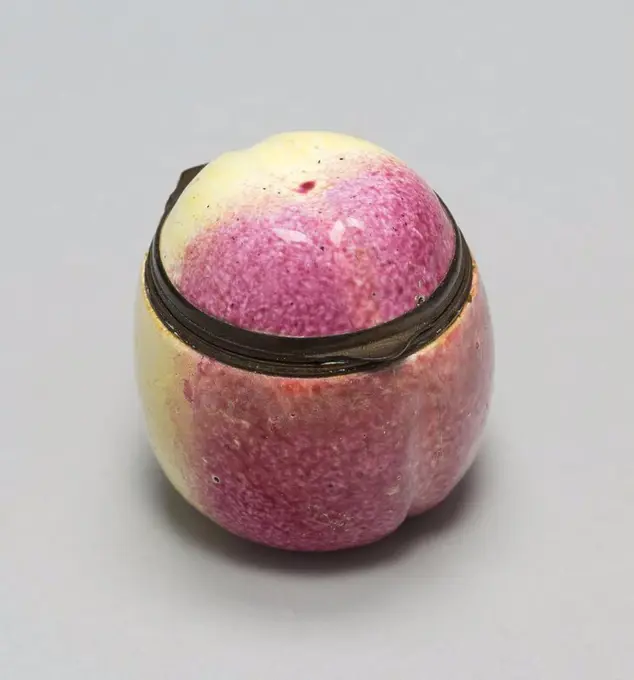
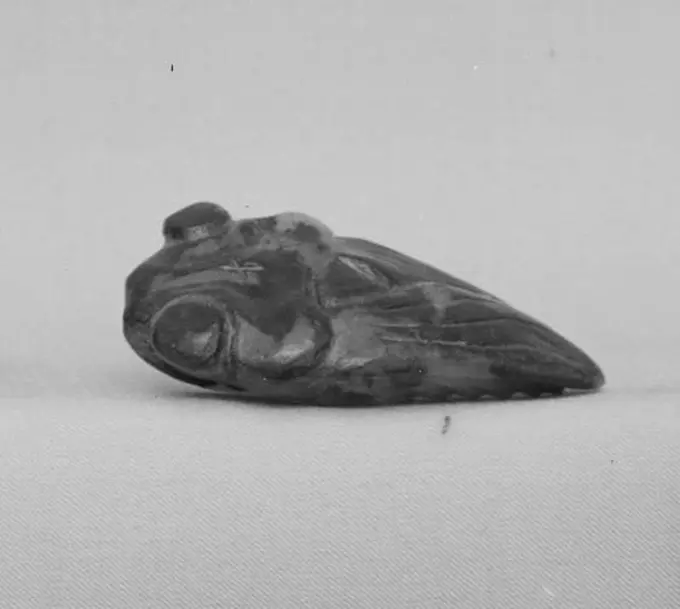
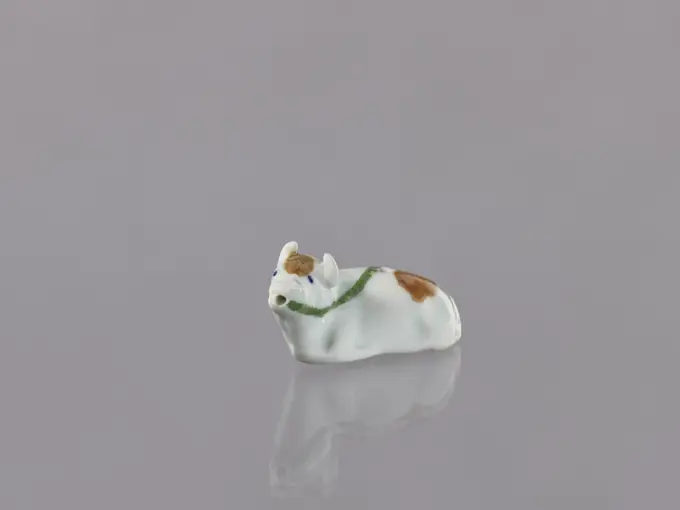
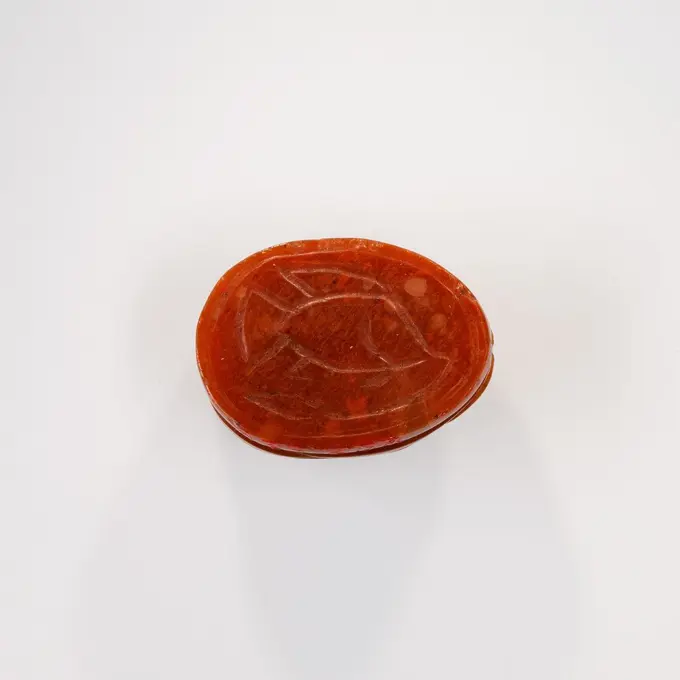
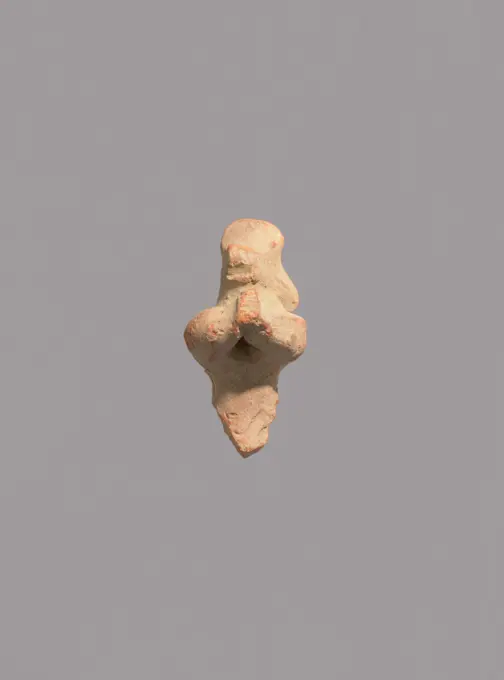
Bottle. unknown, craftsmanGem Engraved with Achilles and Patroclus in Armor; Etruria; second half of 5th century B.C; Carnelian; 0.8 × 1.5 × 1.2 cm (5,16 × 9,16 × 1,2 in.)Pendant in the Form of a Dog, 1027-722 BCE, 7/8 x 2 x 1/16 in. (2.22 x 5.08 x 0.16 cm), Calcified, translucent jade with traces of red pigment, China, 11th-8th century BCESmooth cockle, Norway cockle (Laevicardium crassum) close up showing umbo, cardinal teeth, lateral teeth and hinge plateGlass bowl fragment mid-2nd-early 1st century B.C. Greek, Syro-Palestinian Translucent olive green.Triangular body fragment of thick-walled hemispherical bowl.Two parallel fine horizontal grooves on exterior surface; recessed area on interior at bottom.Broken on all sides, with weathering on two edges; pinprick bubbles; dulling, pitting, and iridescence, with small patches of creamy white weathering.. Glass bowl fragment. Greek, Syro-Palestinian. mid-2nd-early 1st century B.C.. Glass; cast and cut. Hellenistic. GlassBliżej KulturyStone oil lamp, in form of a hand holding a bowl, Hellenistic.Scabbard Chape 206 BCE-9 CE China. Jade .Scarab. Culture: Roman. Dimensions: Other: 11/16 x 13/16 x 1 in. (1.8 x 2 x 2.5 cm). Museum: Metropolitan Museum of Art, New York, USA.Fragment blowjob from the wreck of the East Indieschief Hollandia. Pipe, bowl, healermark illegible; Fragment, no HSM.Bliżej KulturyAlabaster dish Cypriot 4th century BCE Chalcedony scaraboid seal ca. 5th-4th century B.C. Greek Zebu bull preparing to lie down.. Chalcedony scaraboid seal. Greek. ca. 5th-4th century B.C.. Chalcedony. Classical. GemsCylinder Seal. Mesopotamia, 2115-2006 B.C.. Tools and Equipment; seals. Stone, crystal clear, with chip at one end.Bead in the Shape of a Conch Shell, c. 6th-8th century, 5/16 x 9/16 x 5/16 in. (0.8 x 1.4 x 0.8 cm), Stone, Myanmar (Burma), 5th-9th centuryDish China. Dish 43272Stamp Seal, Hemispheroid. Iran or Mesopotamia, about 3000 B.C.. Tools and Equipment; seals. LimestoneOyster shell with society figures, including a woman on a ridingian. Zepaareloesterschelp, one of a couple, embossed decorated with figures at sea: a woman sitting on a ridingian, half horse, half fish, with two men and a woman behind her; On the left a child on a fish, right one on a horn blowing boy; Two putti in the air. Plants on a rock in the foreground, as well as the waves engraved and blackened.Square and disc-shaped amber bead, bead bead necklace jewelry clothing accessory clothing soil finding amber, archeology Poortugaal Albrandswaard adornment Soil discovery: Hofterrein Poortugaal 1970.Sard ring stone Post-Classical. Sard ring stone. Post-Classical. Sard. GemsGlass ribbed bowl mid-1st century A.D. Roman Translucent pale blue green.Knocked-off, uneven vertical rim; body with bulging side, then curving in to thick, flat bottom.On body, fifteen irregular, vertical ribs.Complete but cracked; a few pinprick bubbles; dulling, pitting, iridescence, and patches of milky weathering, with one area of thick soil encrustation on interior.This is an unusual example of the so-called zarte Rippenschalen type of bowl since it does not have an outsplayed rim and concave neck.. Glass ribbed bowl 245232Tabakierka z łyżeczką. unknown, craftsmanSphinxEngraved Scarab. UnknownBliżej KulturyEngraved Gem. UnknownVase, 1644-1912, 7 in. (17.8 cm), Jade, China, 17th-20th centuryAlabastron with Lug Handles. Israel, circa 500 B.C.. Furnishings; Serviceware. CalciteWhistling cut. White porcelain, Qing dynasty (1644-1912). Provenance: China. Paris, Cernuschi museum. 78846-11 Asian art, Chinese art, cut, Ching dynasty, Qing dynasty, Tsing dynasty, containerRing probably 19th century Chinese This collection of largely ethnographic jewelry includes examples from cultures in South America, North America, Europe, Asia, and Africa and dates from the Pre-Columbian period to the twentieth century. Owned by renowned art collector and fashion enthusiast Muriel Kallis Newman, the collection represents her knowledge and appreciation of a wide range of jewelry design and making traditions. Numerous items in her collection are composite artifacts made from various cultures and time periods reappropriated as modern jewelry creations by or for Muriel. It is important to note that Newman wore many of the pieces in the collection, interpreting them to suit and express her own singular, often avant-garde style.. Ring 141620Bird Pendant. China. Date: 1300 BC-1000 BC. Dimensions: 1 1/8 × 5/8 × 1/8 in. Jade. Origin: China. Museum: The Chicago Art Institute, Chicago, USA.Water Basin, late 18th century, 3 x 9 x 4 3/4 in. (7.62 x 22.86 x 12.07 cm), Jade, China, 18th century, This well-carved bowl, which is in the form of an open gourd, is adorned with beautifully carved high relief vines, leaves and bats. The work might have been intended as a brush washer but more likely served a purely decorative purpose as a display item.Amulet of an Unidentified Animal. Egypt, Old Kingdom - New Kingdom (2687 - 1081 BCE). Jewelry and Adornments; amulets. Sard or carnelian (carved in the round)Bowl, Glass, metal, fragment of yellow green glass, A) Elongated body tapering off, toward rounded bottom. Neck rising from body and terminating in irregularly rounded lip. Pontil ? mark on bottom., B) Medal stand with three curved legs., Probably Italy, 1st-3rd century, glasswares, Decorative Arts, BowlPersea fruit pendant ca. 1390-1353 B.C. New Kingdom. Persea fruit pendant. ca. 1390-1353 B.C.. Faience, Yellow and violet. New Kingdom. From Egypt, Upper Egypt, Thebes, Malqata, Palace of Amenhotep III, MMA excavations, 1910-11. Dynasty 18Wall revetment, agate pattern. Dimensions: H. 3 × W. 4.9 cm (1 3/16 × 1 15/16 in.). Date: 200 BC-100 AD.Glass plaques imitating expensive marble or stones were used as wall coverings. Museum: Metropolitan Museum of Art, New York, USA.Bifacial Tool ca. 90,000-5,000 B.C. Paleolithic to Neolithic. Bifacial Tool. ca. 90,000-5,000 B.C.. Flint. Paleolithic to Neolithic. From Egypt, Western Desert; Kharga Oasis, Beledeh District, W and NW of Christian necropolis, surface find, MMA excavations, 1908-10Scarab. UnknownButton or Bead 9th-10th century This object was excavated at Nishapur.Nishapur was a vital city in the early and middle Islamic periods, located along one of the main trajectories that connected Iran and West Asia Islamic lands with Central Asia and China. These itineraries are often referred to by the term Silk routes’ but were in fact crucial to the movement of constellations of materials and objects, as well as people and ideas. The diverse population of Nishapur and its surroundings, from the better-researched elite groups of merchants, land-owning aristocracy, and literates, to the less-known artisans, farmers, miners, and servants, were instrumental in adapting global cultural trends to create their own distinctive visual languages. This is seen in the material remains of everyday life in medieval Nishapur - from pots and pans to lighting devices, inkwells, textiles and trimmings, jewelry, games and toys, talismanic devices, weapons, coins, and architectural fragments.Nishapur lScarabPortrait of a woman (Victoria)empty note empty note over sackcloth background Copyright: xZoonar.com/RuslanxNassyrovx 2055325Bottle in the Shape of a Date 101 CE-200 CE Syria. Glass, mold-blown technique . Ancient RomanOjime 19th century Japan. Ojime. Japan. 19th century. Ivory. Edo period (1615-1868). OjimeBead 11th century. Bead. 11th century. Gold; filigree and granulation. Attributed to Egypt or Syria. JewelryCylinder Seal. Iran, Mesopotamia or Syria, Mitannian period, circa 1500-1300 B.C.. Tools and Equipment; seals. HematiteMiniature Vase. Culture: China. Dimensions: H. 1 7/8 in. (4.8 cm); W. 5/8 in. (1.6 cm). Date: 20th century. Museum: Metropolitan Museum of Art, New York, USA.Ornament ca. 2900-2350 B.C. Sumerian. Ornament 324885Openwork rattle bell ca. 9th-8th century B.C. Iran. Openwork rattle bell 326611Indian spice, dried Bay Leaf Taj Patta Laurus nobilis Cinnamomum tamala on white background India Copyright: xNirmalaxMishra/DinodiaxPhotoxShaped Inlay Pieces 9th century These small shaped inlay pieces made of clear glass were once embedded in plaster with mother-of-pearl to create reflective designs. They were found at Samarra in the rubble of its Main Caliphal Palace (Dar al-Khilafa) along with fragments of glass tiles. While there is no direct precedent known yet for this type of decoration in early-Islamic Iraq, small colored glass inlay pieces were excavated at the sixth-century Byzantine Church of St. Polyeuktos in Istanbul, where they had been inlaid into a marble column shaft.. Shaped Inlay Pieces 447635One of a Group of Bone Ornaments Japan. One of a Group of Bone Ornaments. Japan. Bone, vertebrae, claw. Final Jmon period (ca. 1000-300 B.C.). BoneMedicine Bottle, medicine bottle bottle holder soil find glass, free blown and shaped Small (medicine) Bottle in clear light green glass. Pontil mark under raised bottom. Cylindrical body slightly flared at the bottom to round shoulders short neck and flared irregularly flattened lip (dm 1.7 cm) archeology health care packaging pharmacyIinteresting shape of colourful pumpkin isolated on white background. Pumpkin is ecological and natural, grew in rural garden.Zapinka do pasa. unknown, craftsmanAnnant insect. Jade, China, Han dynasty (206 BC AP.J.-C.). Paris, Cernuschi museum. Asian art, Chinese art, Han, Jade dynasty, zoomorphicunpolished eudidymite mineral isolated on white close up of sample of natural stone from geological collection - unpolished eudidymite mineral isolated on white background from Malawi Copyright: xZoonar.com/ValeryxVoennyyx 21467190Lid of turtle with Hertekop of silver (series of 28 pieces A to BB), Anonymous, c. 1700 - c. 1799 Turtle cover (28 pieces: A to BB) with silver's deer head as a button. Indonesia silver (metal) Turtle cover (28 pieces: A to BB) with silver's deer head as a button. Indonesia silver (metal)polished Charoite gemstone on white marble macro shooting of natural mineral rock specimen - polished Charoite gemstone on white marble background from Sakha Republic, Siberia, Russia Copyright: xZoonar.com/ValeryxVoennyyx 11947521Vessel 1069 BCE-664 CE Egypt. Calcite . Ancient EgyptianFragment of Dish 11th-12th century. Fragment of Dish 446517Fragment of a Cup 100 BCE-100 CE Roman Empire. In ancient Rome, there was a high demand for colorful glass that could dazzle banquet guests alongside the expensive silver and gold serving wares meant to impress. Fragments like this one would have once been a part of larger mosaic dishes. The mosaic pattern was made by sagging molten glass into bowl-shaped molds, a technique used on many of these fragments is similar to millefiori, ìthousand flowersî in Italian, a modern glass-making method in which tiny rods of colored glass are bundled together, wrapped in a sheet of glass, fused, and then thinly sliced to reveal swirls of a flower-like patterns. They were arranged side by side, sometimes together with bits of colored glass, and fused together with heat.. Glass, mosaic technique . Ancient RomanStamp Seal. Iran or Mespotamia, about 3rd millennium B.C.. Tools and Equipment; seals. MarbleSpeelhuisensning from Thailand worth a Salung, 1760-1871 ,, 1760 - 1871 coin Round porcelain playing house pencil, which is also used as a mint. Front: Image of a Krabof Cancer. Rail side: two Chinese characters.  porcelainBead in the Shape of a Fish, c. 6th-8th century, 5/16 x 7/16 x 3/16 in. (0.8 x 1.1 x 0.5 cm), Stone, Myanmar (Burma), 5th-9th centuryBead 11th century. Bead. 11th century. Gold; filigree and granulation. Attributed to Egypt or Syria. JewelryTerracotta votive offering. From an Etruscan or Etrusco-Campanian selection once featured in Henry Welcome's museum. 4th-2nd Century BC.Directly above shot of dried Morchella mushroom Medicine Bottle, medicine bottle bottle holder soil find glass, free blown and shaped Small (medicine) Bottle in clear light green glass. Pontil mark under high raised soil. Cylindrical body bulging convex shoulders short neck and dilated lip (dm 2.2 cm) archeology health care packaging pharmacyStampCylinder Seal. Mesopotamia, Old Babylonian period, circa 2000-1600 B.C.. Tools and Equipment; seals. HematitePijpenkop from the wreck of the East Indians Hollandia, Anonymous, 1700 - in Or Before 1743  Pipe, bowl, heelmark: three crosses (coat of arms of the city of Breda); fragm, 1hsm1. Netherlands pipe clay   Other. BroadCarved Shell Depicting the Profile Face of Diety (Broken) 250 CE-900 CE Mexico. Shell . MayaIntaglioBead in the Shape of a Tortoise, c. 6th-8th century, 1/4 x 9/16 x 1/2 in. (0.6 x 1.4 x 1.3 cm), Stone, Myanmar (Burma), 5th-9th centuryConical seal ca. 6th-5th century B.C. Achaemenid. Conical seal 327713Sealing pistonFrog Seal Amulet with a Maat Hieroglyph on the Base ca. 1390-1353 B.C. New Kingdom. Frog Seal Amulet with a Maat Hieroglyph on the Base. ca. 1390-1353 B.C.. Faience. New Kingdom. From Egypt, Upper Egypt, Thebes, Malqata, South Village, MMA excavations, 1911-12. Dynasty 18Buffalo-Head Appliqué, 1027-775 BCE, 1 7/16 x 2 1/8 x 3/16 in. (3.65 x 5.4 x 0.48 cm), Translucent white jade with light brown jade with traces of red pigment, China, 11th-8th century BCEArrowhead Japan. Arrowhead 62421Oyster mushrooms on the plastic bag with mycelium and substrate , selective focusSealing pistonOrnament, Christmas tree, Dough, Three rings with sugar flakes in red and green, and three black pearls., USA, 1850-99, Decorative Arts, Ornament, Christmas treeBliżej KulturyArrowhead ca. 10,000 B.C.-5000 B.C. European, Italian peninsula. Arrowhead. European, Italian peninsula. ca. 10,000 B.C.-5000 B.C.. Stone. Archery Equipment-ArrowheadsStand, stone, nephite, rosewood, Jade mountain with stand: a) greenish-white nephrite with patches of orange-brown carved on obverse to depict monkey holding peach immortality and seated beneath tree on which peaches grow. b) four-footed rosewood stand., 1736-95, Decorative Arts, StandPendant in the form of a Dragon, 475-221 BCE, 2 3/4 x 1 9/16 x 1/4 in. (6.99 x 3.97 x 0.64 cm), Mottled pale yellow jade with brown markings, China, 5th-3rd century BCEMount; gilt bronzeBonbonnière in the form of an Apple. Bilston, England. Date: 1780-1800. Dimensions: H. 3.2 cm (1 1/4 in.). Polychrome enamel on copper with metal mounts. Origin: England. Museum: The Chicago Art Institute, Chicago, USA.Shards of porcelain from V.O.C. ship De 'Witte Leeuw', Before 1613  Shards of porcelain from V.O.C. ship De 'Witte Leeuw', from Martavanen. One shard consists of two glued fragments. Jingdezhen porcelain   Sint-HelenaPinhead. Pinhead. Glass. GlassAn unused, rolled up condom, spot litCicada late 19th to early 20th century China. Cicada 43034Ink -toasted cow -shaped ink;  19th/20th century (1891-00-00-1910-00-00);Engraved Gem. UnknownSea Horse. Isshin (Japan, active 19th century). Japan, 19th century. Costumes; Accessories. Red sandalwoodScarab with Tilapia Fish. Dimensions: L. 1.4 cm (9/16 in); w. 1.2 cm (1/2 in); h. 0.7 cm (1/4 in). Dynasty: Dynasty 18, early. Reign: Joint reign of Hatshepsut and Thutmose III. Date: ca. 1479-1458 B.C..Both the Bolti fish and the lotus inscribed on the base of this scarab were symbols of rebirth. Museum: Metropolitan Museum of Art, New York, USA.Back of a codPlate. Jade, China, Han dynasty (206 BC AP.J.-C.). Paris, Cernuschi museum. Asian art, Chinese art, han, jade dynasty, plaqueOrante figurine. unknown, craftsman