Ancient Artifacts and Idols

A collection of ancient artifacts including terracotta idols, amulets, and effigies, showcasing diverse shapes and designs representing historical cultures.

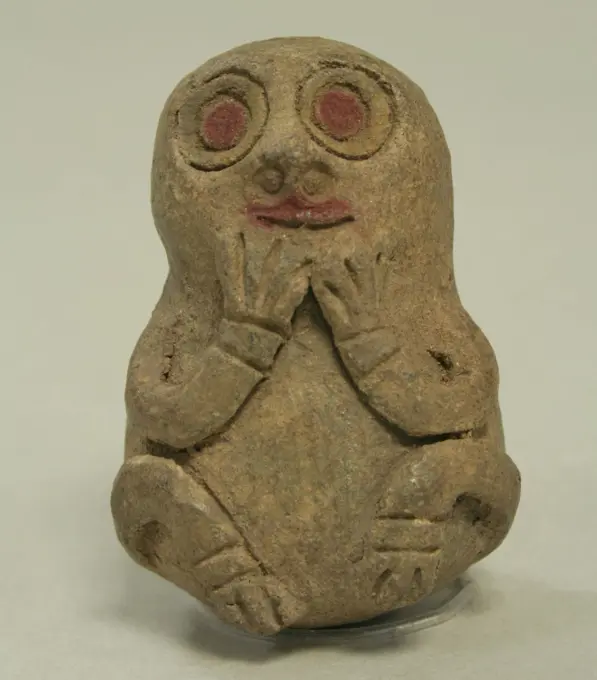
Human effigy bowl, 250 BCE - 300 CE, 3 1/2 x 2 3/4 x 2 3/4 in. (8.9 x 7.0 x 7.0 cm), Earthenware, Mexico, 3rd century BCE - 4th century CE
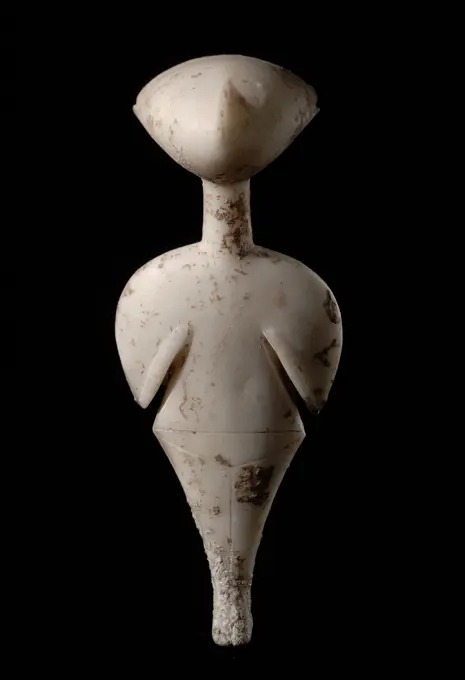
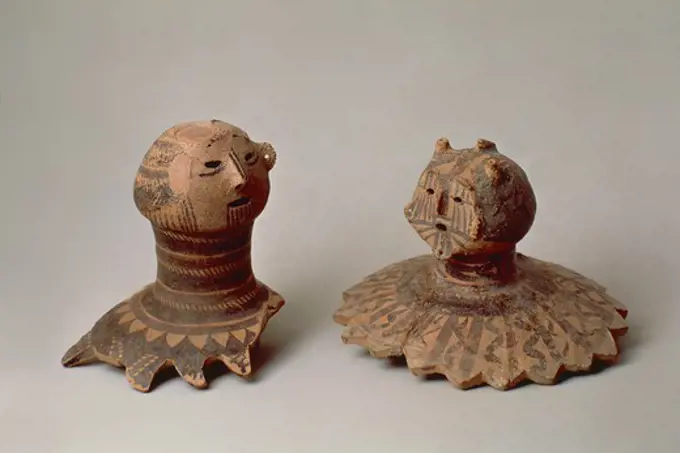
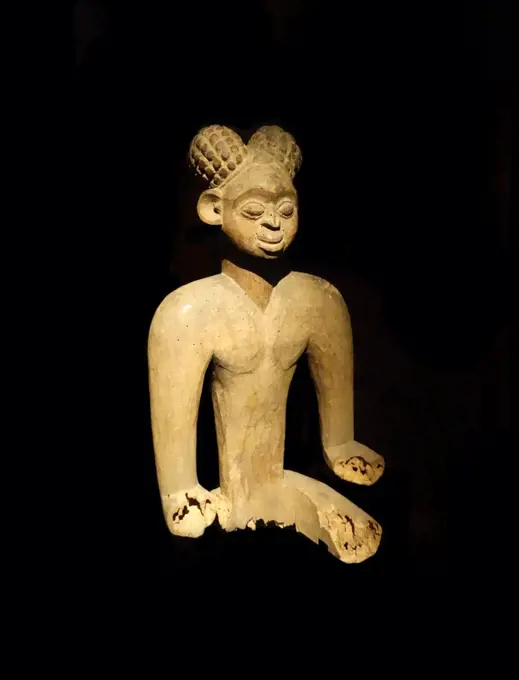
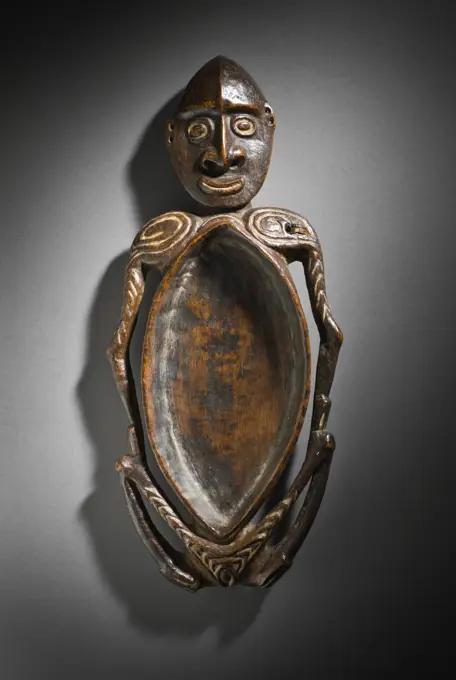
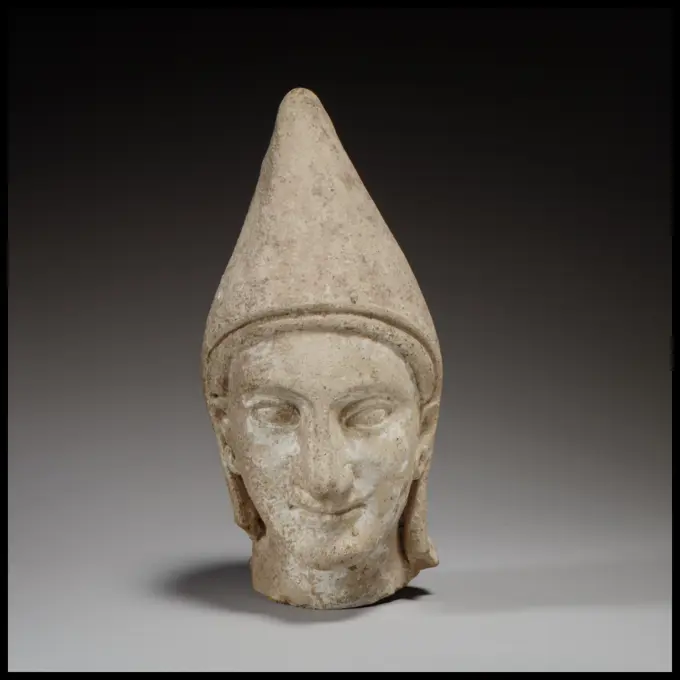
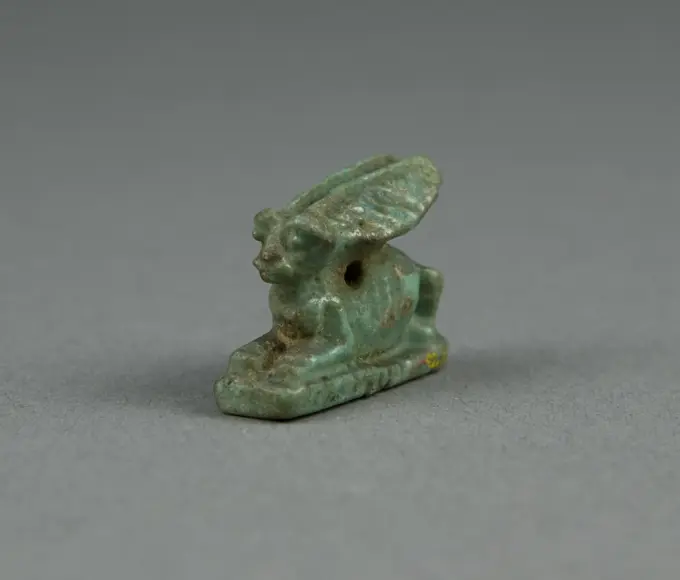
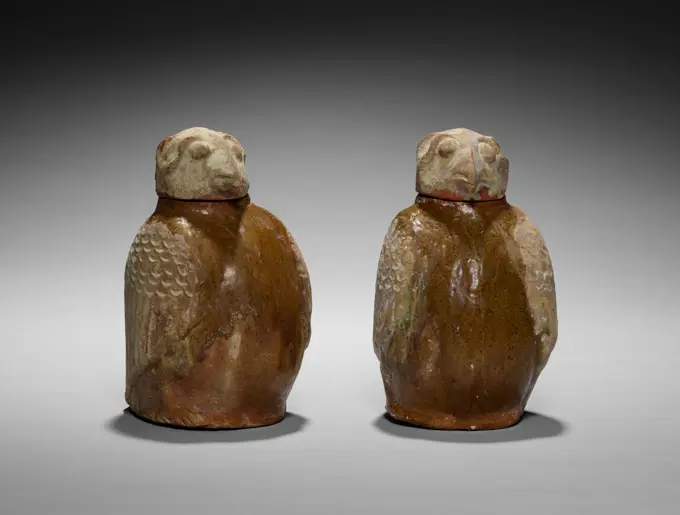
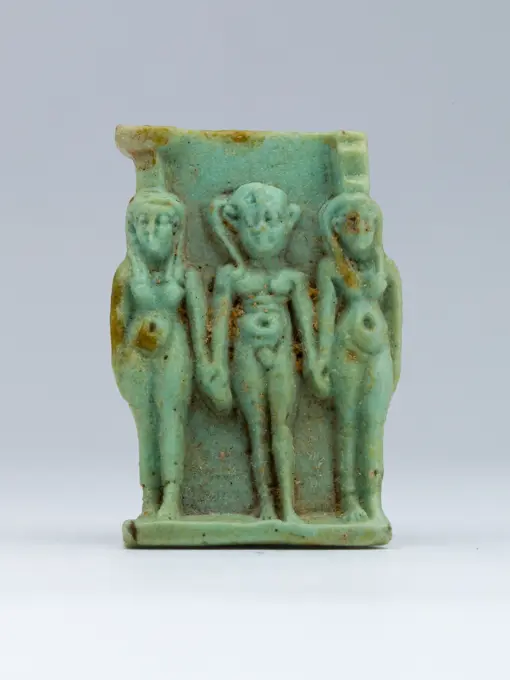
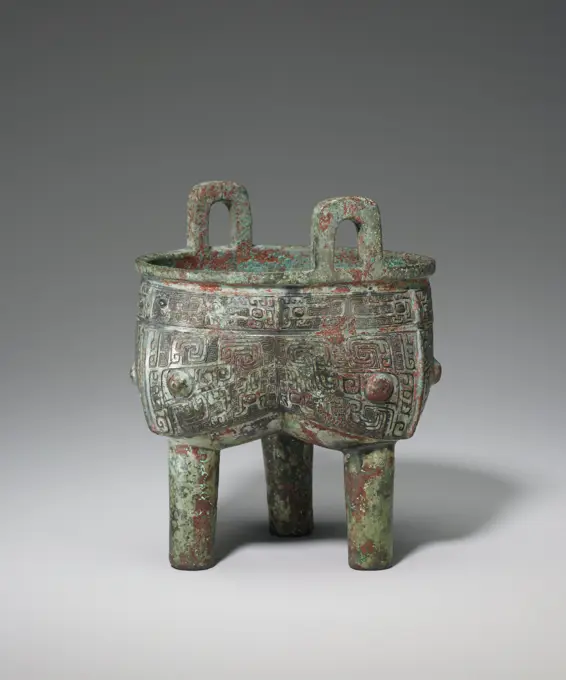
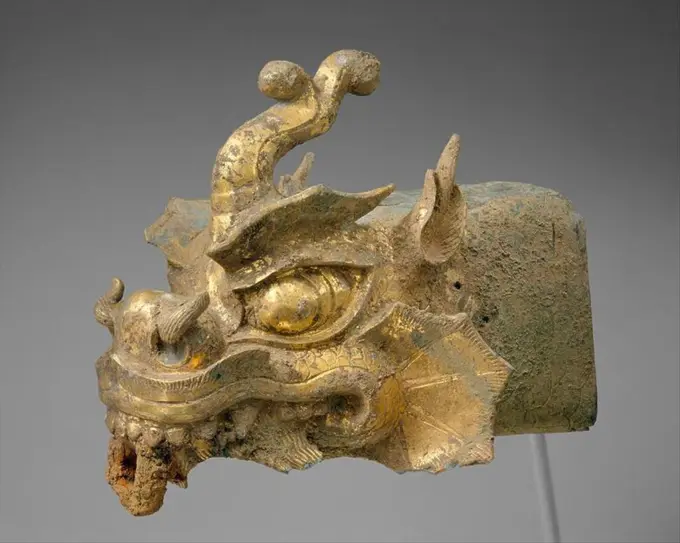
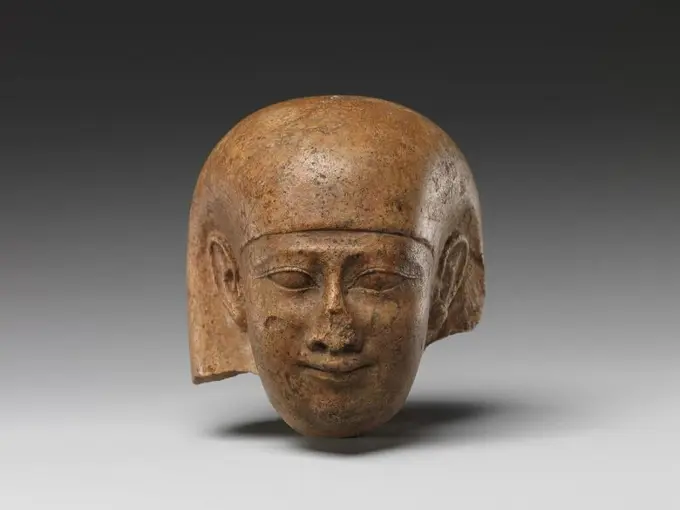
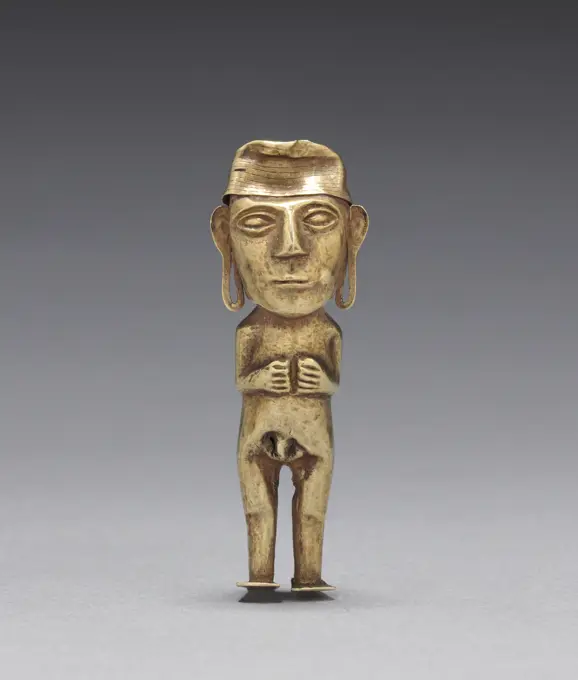
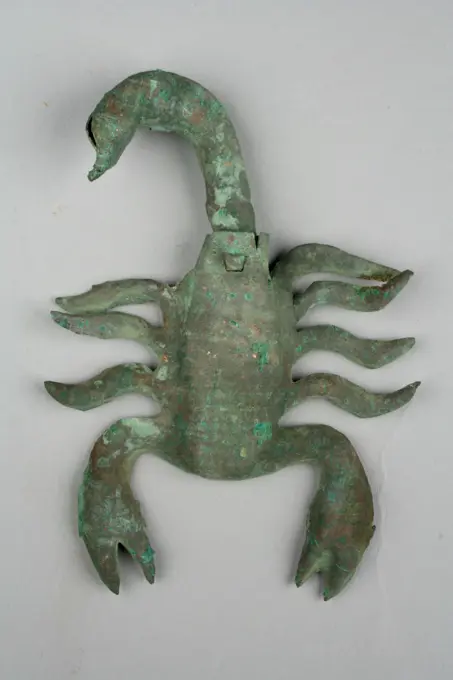
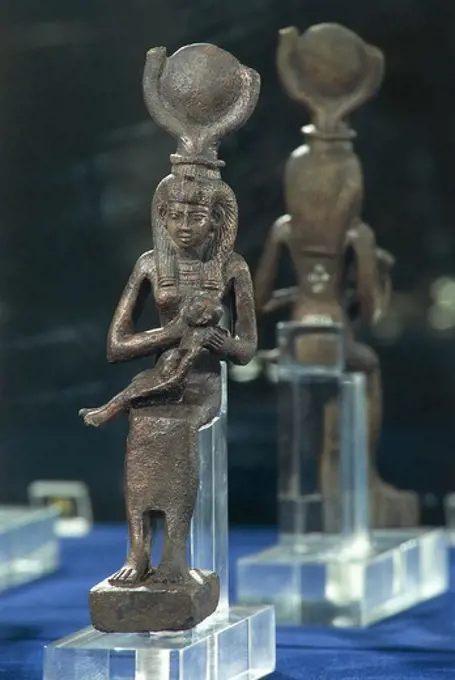
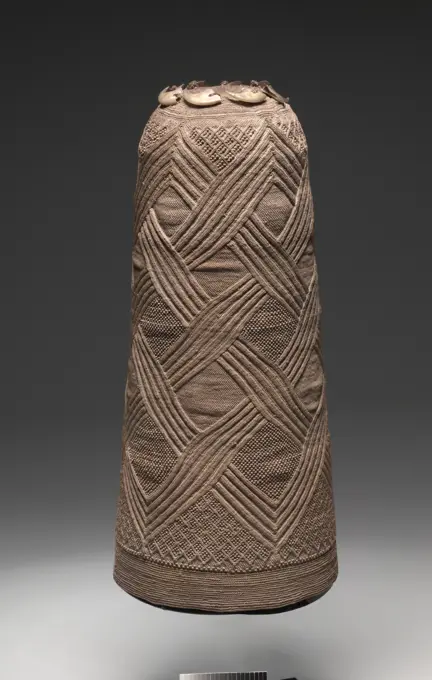
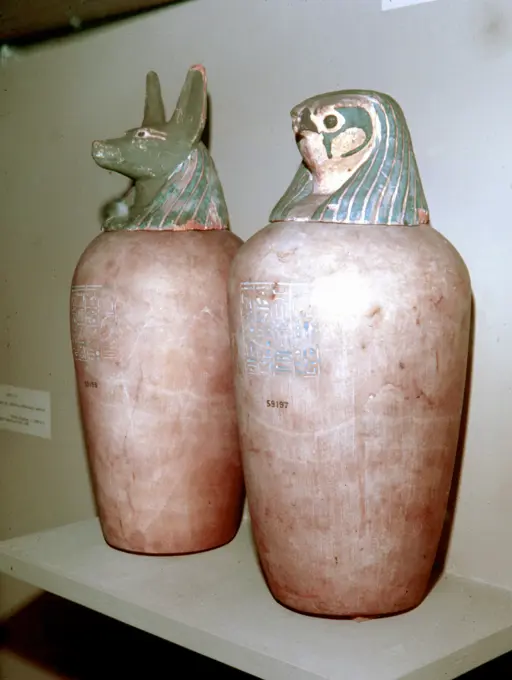
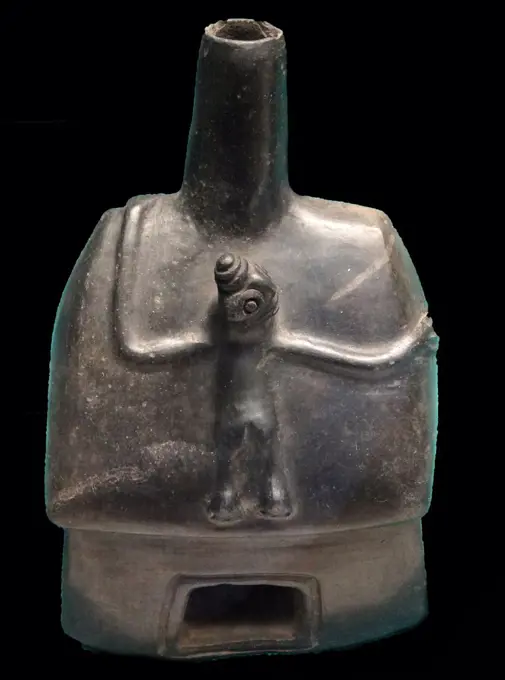
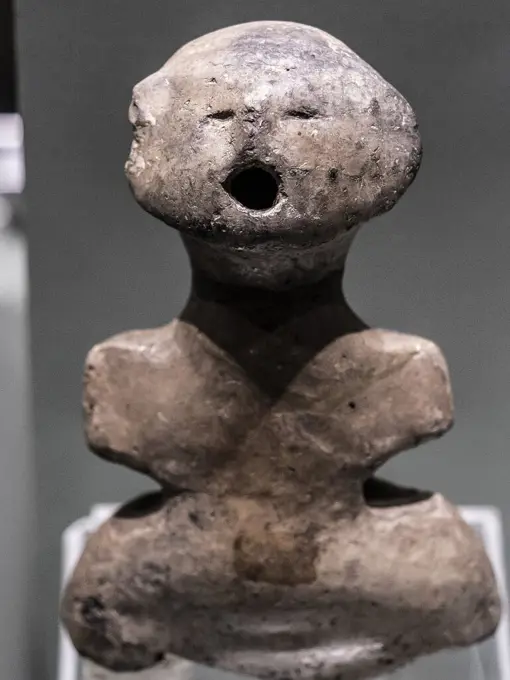
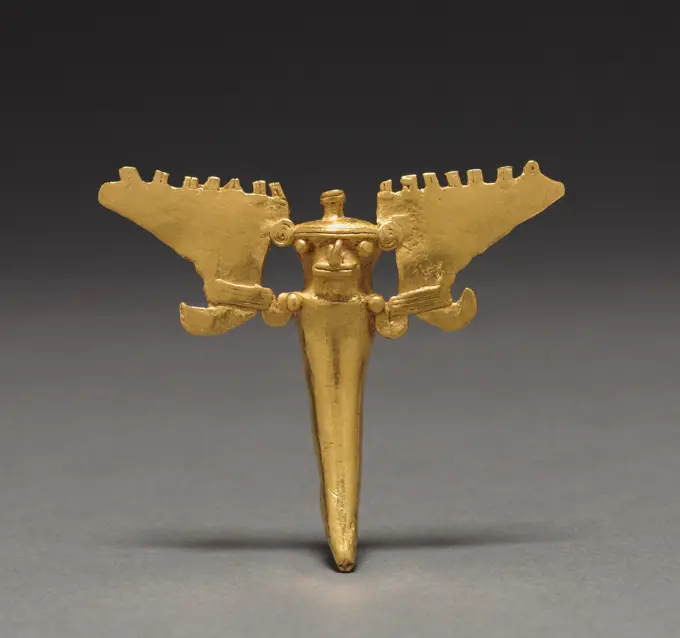
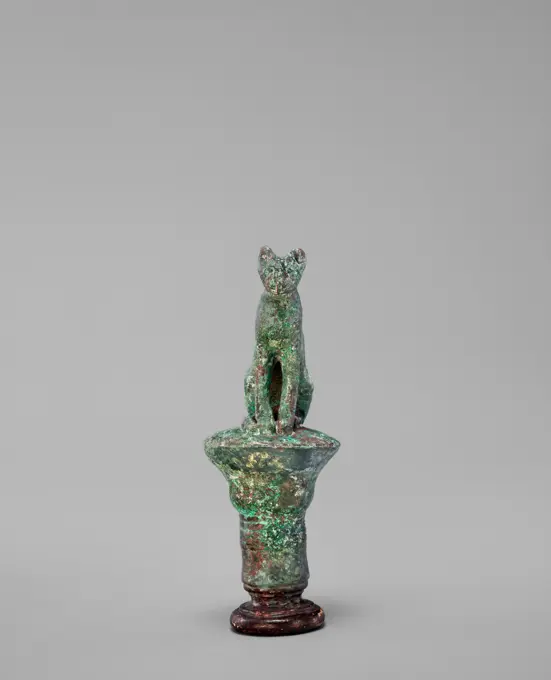
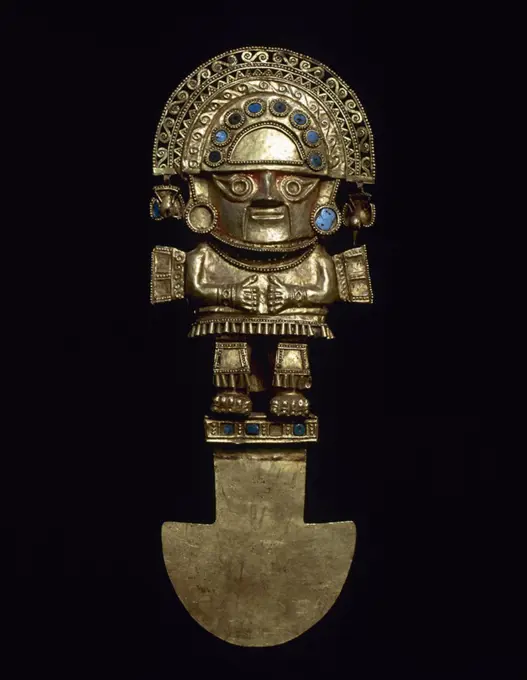
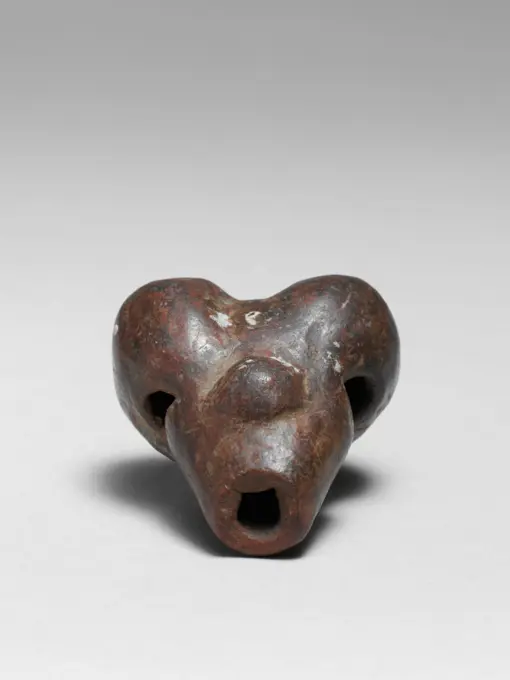
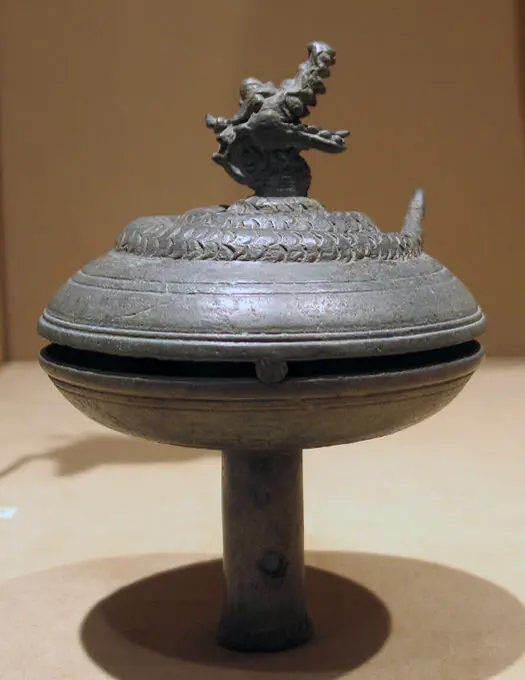
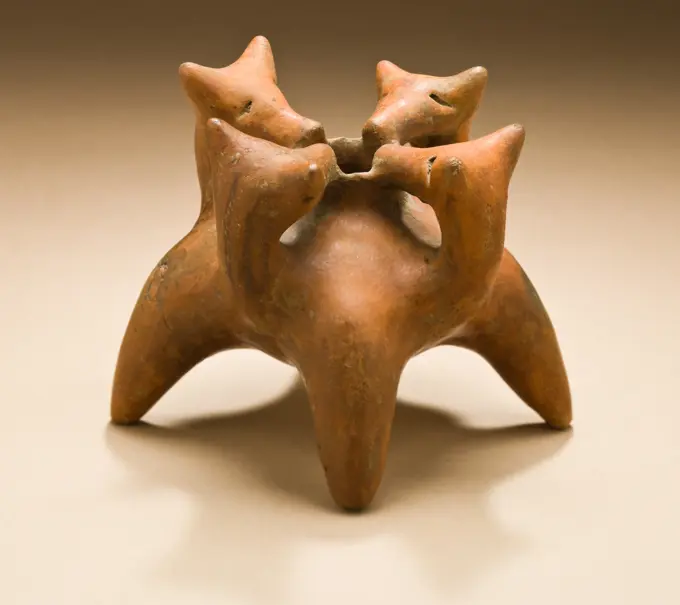
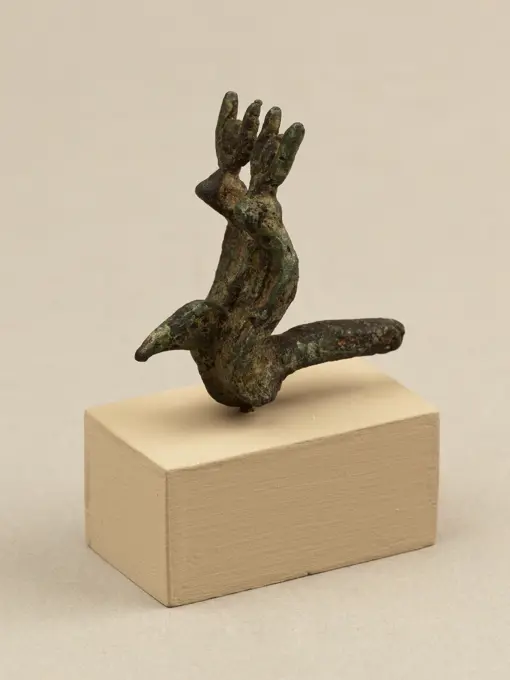
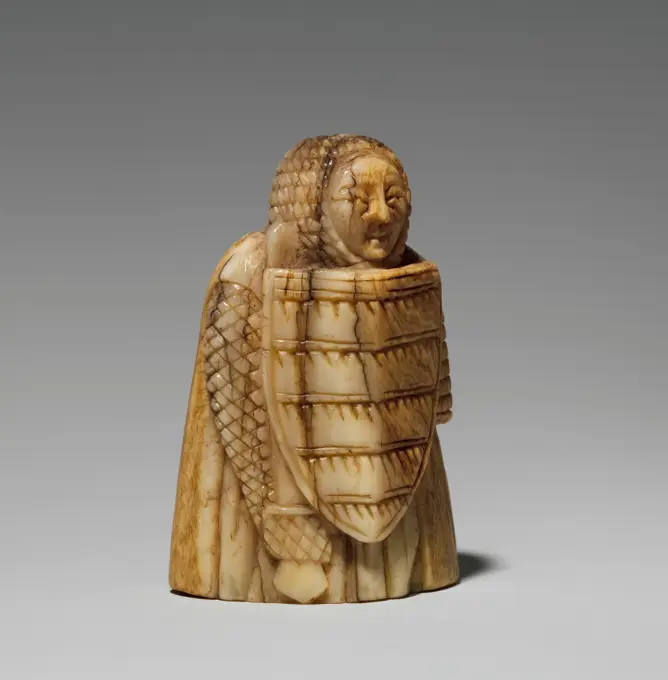
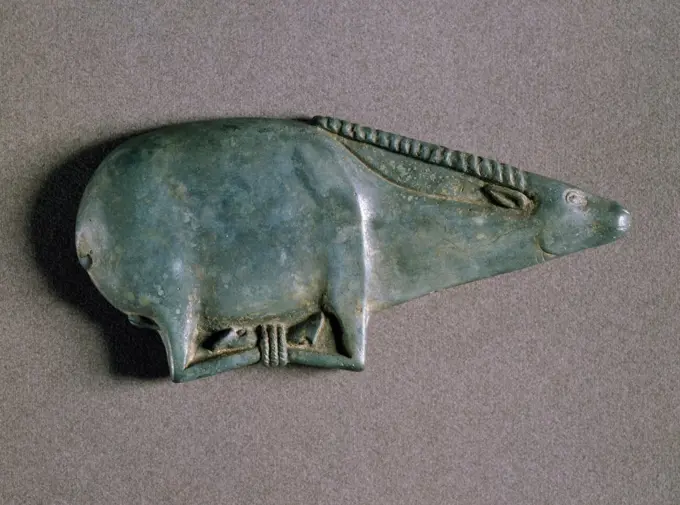
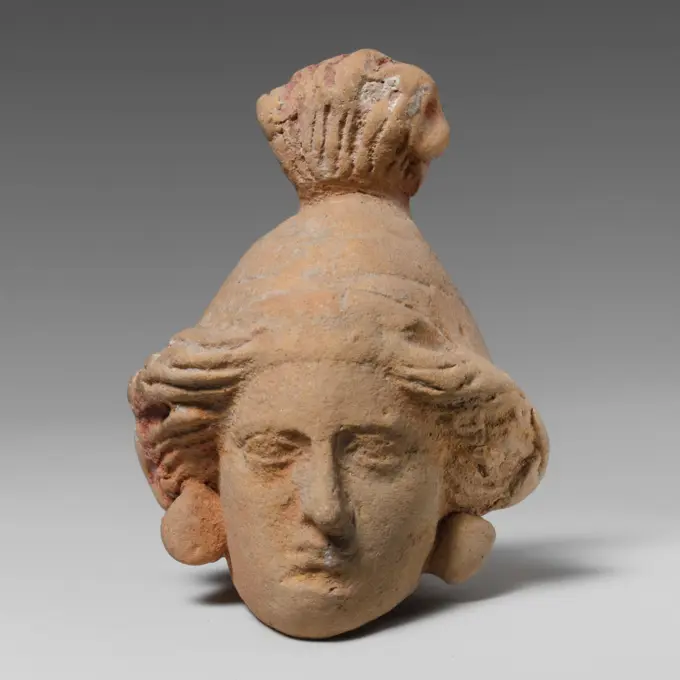
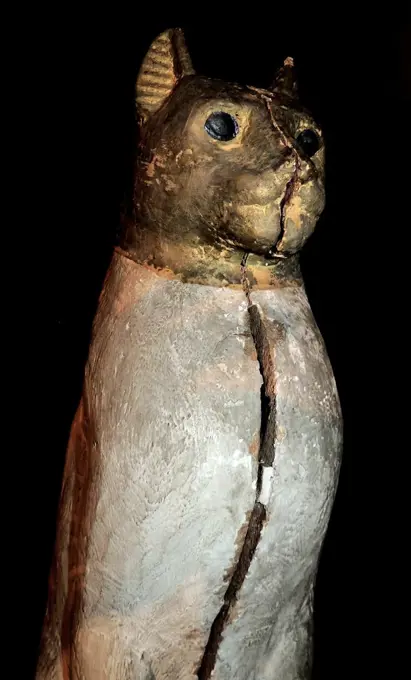
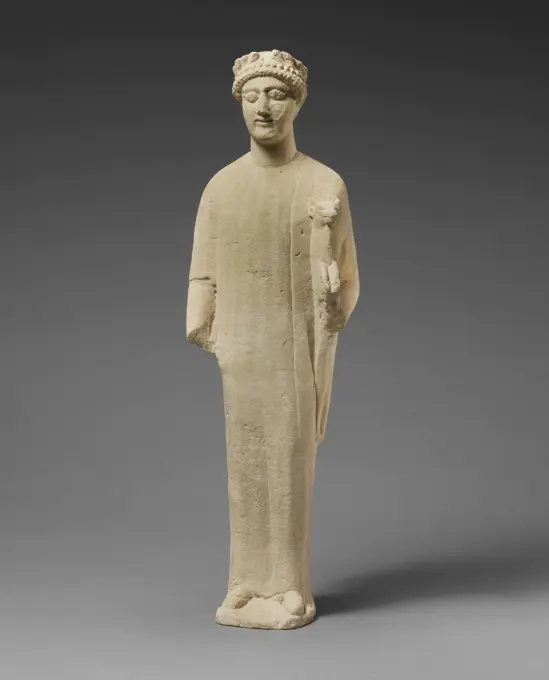
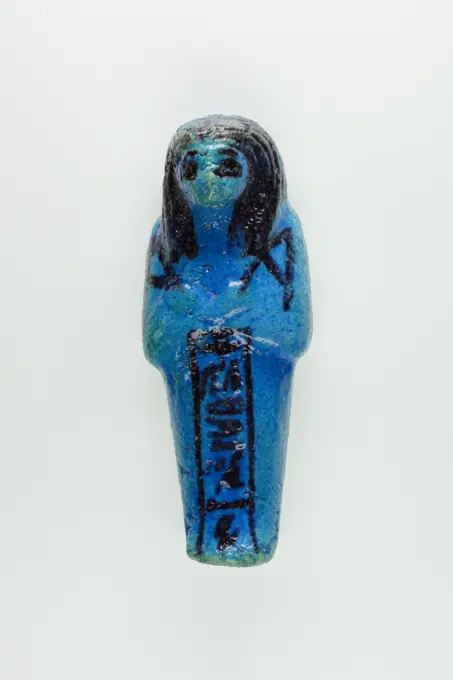
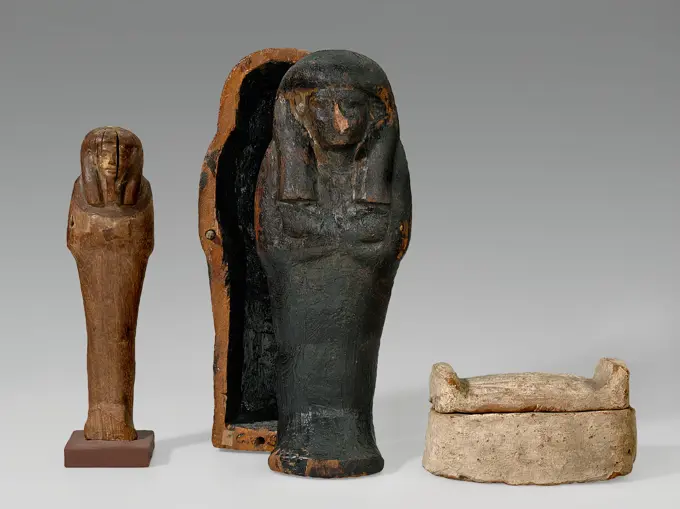
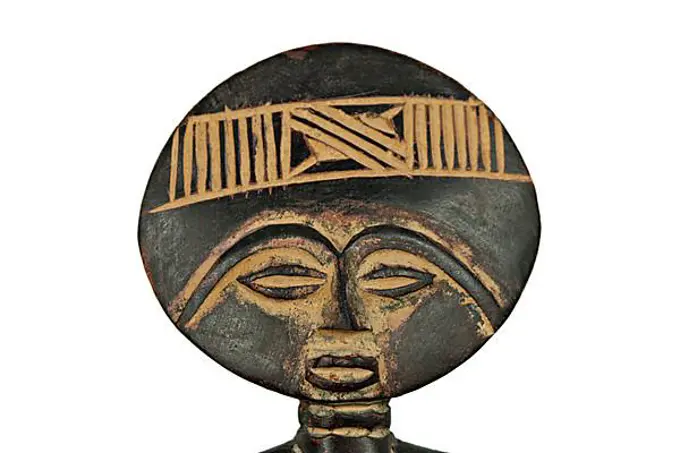
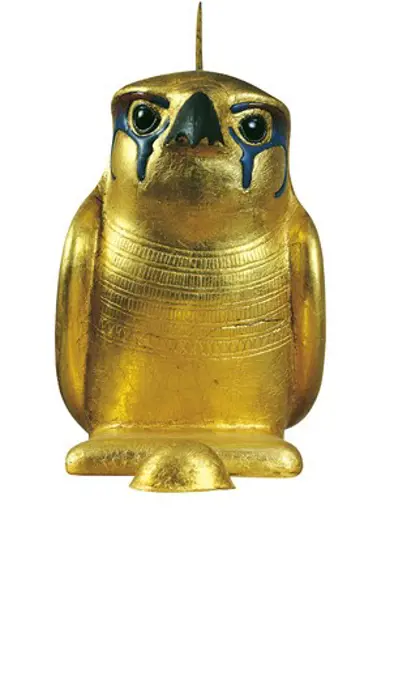
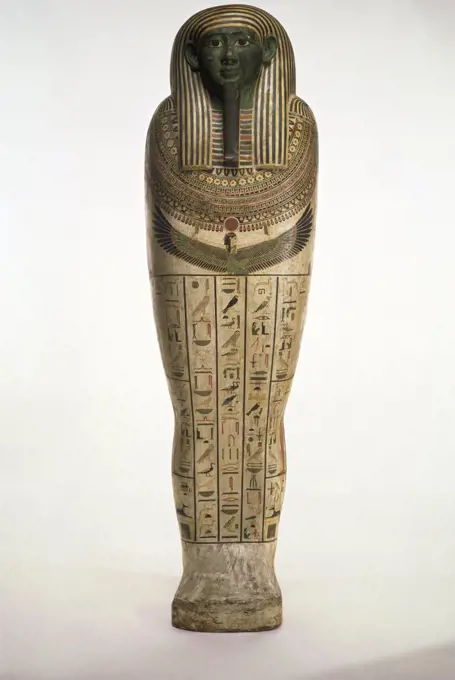
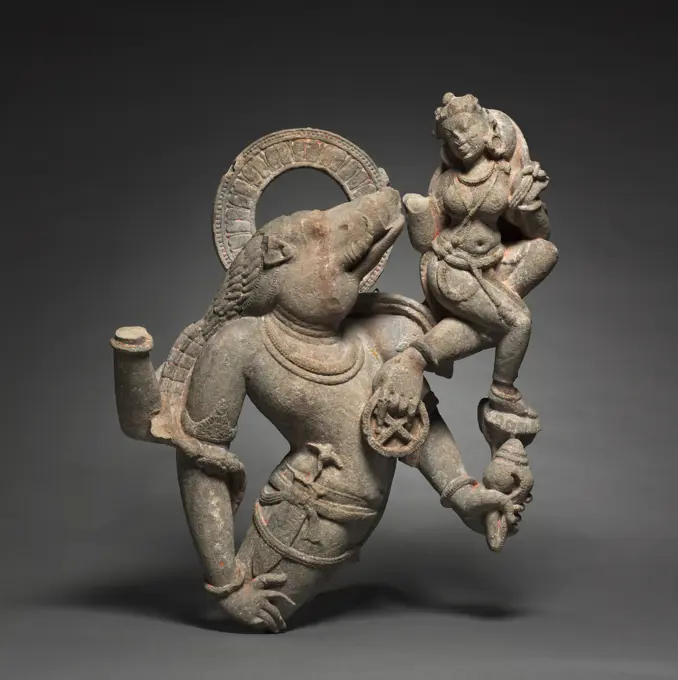
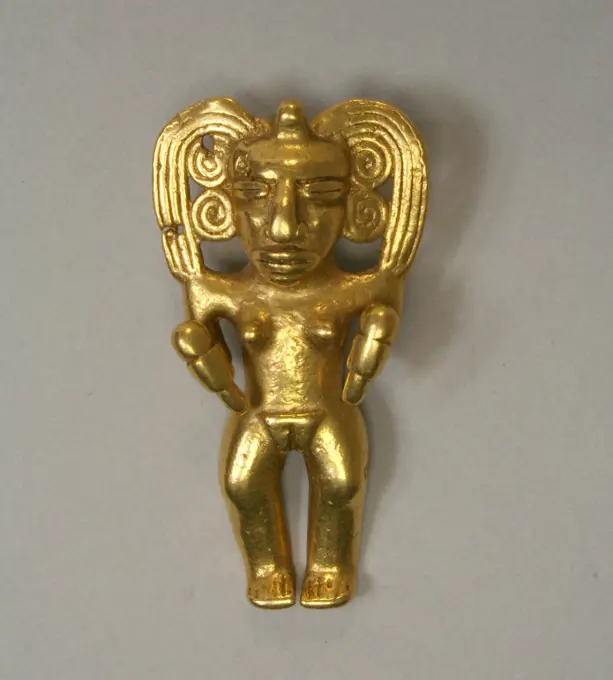
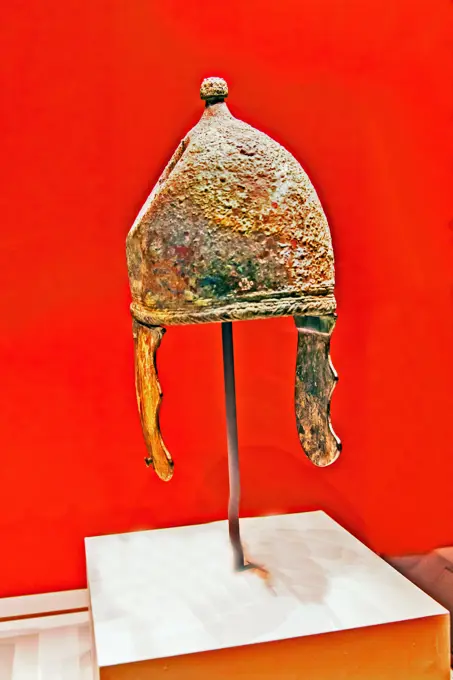
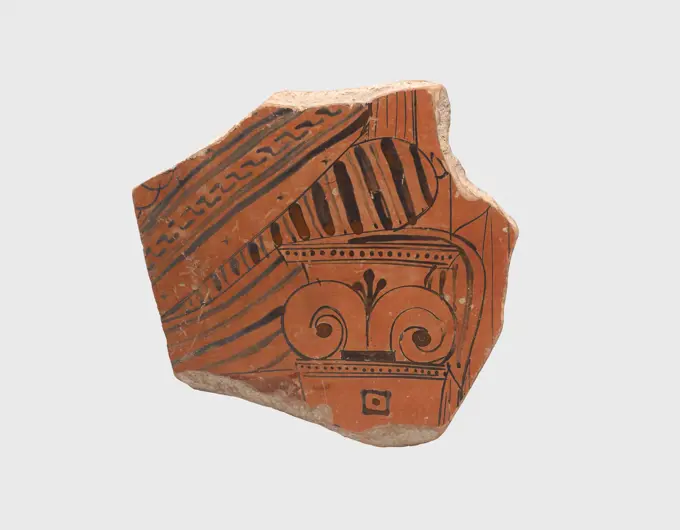
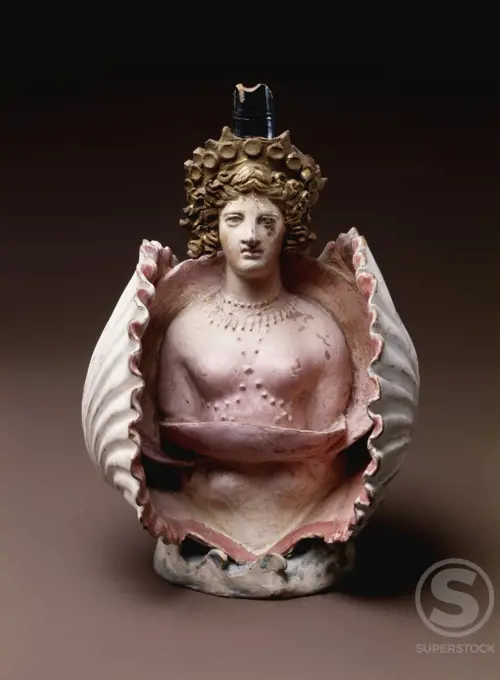
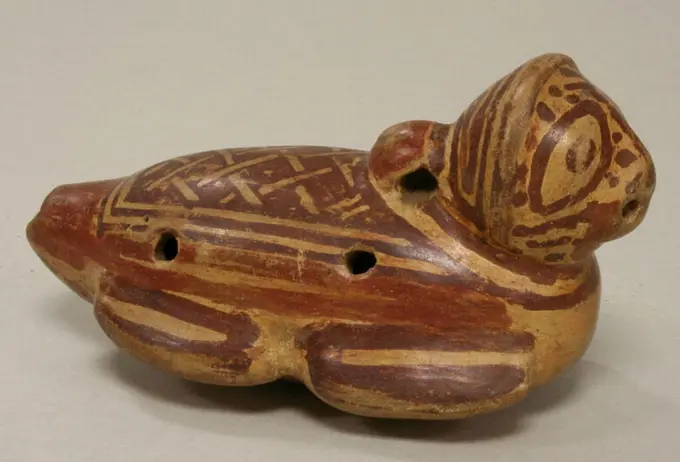
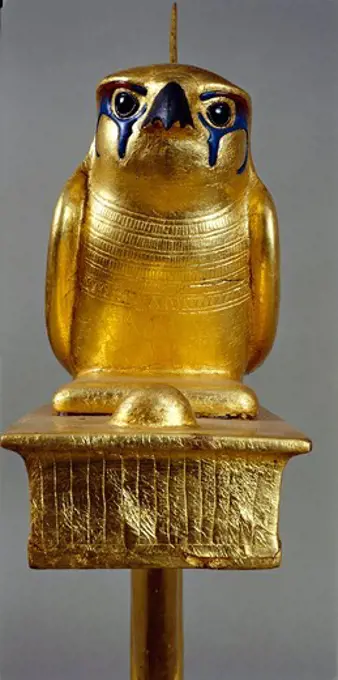
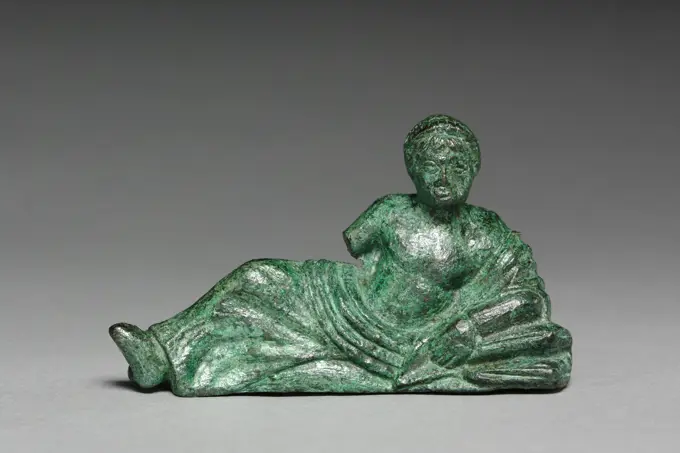
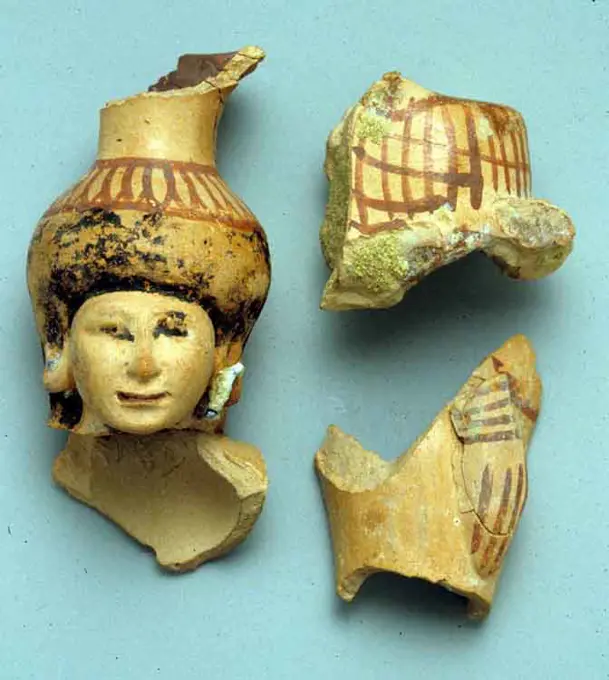
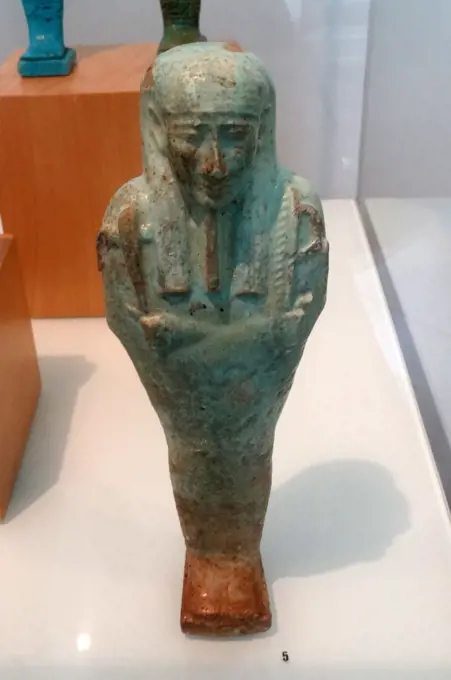
Egyptian Ushabti or Ushabti. The Ushabti also called Ushabti or shawabti, was an Ancient Egyptian funerary figurineStatuette of a Woman: "The Stargazer", c. 3000 BC. Early Bronze Age, Western Anatolia, 3rd Millennium BC. Marble; overall: 17.2 x 6.5 x 6.3 cm (6 3/4 x 2 9/16 x 2 1/2 in.).Prehistory, China, Neolithic. Painted ceramic vessel lids in the shape of a human head. From Gansu.Boat;  664-332 BC ; Half period (-664-00-00--332-00-00);leopard made from Ivory, copper and coral. Benin, Nigeria, 19th century. This ids one of several striking leopards, each made from five separate tusks. The copper 'spots' tapped into undercut depressions were probably made from percussion caps used to fire 19th century rifles.Wooden figurine of a Cup bearer, from Cameroon, Africa. Dated 20th CenturyFragment of the terracotta representing women;  Hellenistic period (-323-00-00--33-00-00);Early Christian. Roman oil lamp. Adorned with Chi Rho symbol. 4th-6th century AD. Vatican Museums. Vatican city.Pigment Dish. Papua New Guinea, East Sepik Province, Iatmul People, circa 1950. Sculpture. Wood, fiber, and pigmentHead of a youth ca. 600-480 B.C. Cypriot The mold-made head has an oval face, slightly smiling lips, small eyes, and a large nose.. Head of a youth. Cypriot. ca. 600-480 B.C.. Terracotta; mold-made. Cypro-Archaic II. TerracottasAmulet of a Hare 1070 BCE-656 BCE Egypt. Faience . Ancient EgyptianPair of Owl-shaped Jars, 206 BC-AD 9. China, Henan province, Western Han dynasty (206 BC-AD 9). Amber-brown glazed low-fired pottery; overall: 19 x 13.8 x 11.8 cm (7 1/2 x 5 7/16 x 4 5/8 in.).Nephthys, Horus, and Isis Amulet 664-30 B.C. Late Period-Ptolemaic Period. Nephthys, Horus, and Isis Amulet 552766Liding food vessel, 12th-11th century BCE, 8 1/8 × 6 3/4 × 6 3/4 in., 5.1 lb. (20.64 × 17.15 × 17.15 cm, 2.3 kg)6 5/16 × 6 3/8 in. (16.03 × 16.19 cm) (object part, mouth), Bronze, China, 12th-11th century BCE, The prototype of the bronze vessel known as li was a coarse pottery version of the same shape and name, made in the later Neolithic period (c. 3000-2000 BCE). These pots served as cooking vessels, mainly for porridge, and featured three prominent hollow legs shaped like pointed lobes. These hollow legs formed an extension of the interior cavity and were designed to expose the contents of the pot to heat most effectively. The lis shape was adapted to bronze in the Shang dynasty (c. 1600-1046 BCE) and continued into the Zhou (c. 1046-256 BCE), but with thinner legs. The vessels function also shifted from a cooker to a container for meat. In this example, low, narrow flanges, corresponding to the legs, form the central ridges in taotie (composite animal) masks on a ground of squarWooden guardian figure, eyema Byeri; Fang tribe; Ntumu group; Equatorial Guinea, West Africa.Amulet of the God Tutu 1 CE-300 CE Egypt. Bronze . Ancient EgyptianRafter finial in the shape of a dragon's head and wind chime. Culture: Korea. Dimensions: Finial: L. 15 1/2 in. (39.4 cm); H. 11 3/4 in. (29.8 cm); W. 9 in. (22.9 cm); Chime: H. 15 1/4 in. (38.7 cm); W. 7 1/4 in. (18.4 cm). Date: 10th century.This finial in the shape of a dragon's head would originally have been attached to a corner rafter of a royal hall or a Buddhist temple building (see, for example, the photograph to the left of a model pagoda that replicates a full-size wood structure from the Goryeo dynasty).The beast's bulging eyes, flaring nostrils, and elaborate scales convey the fierceness and invincibility of this auspicious creature. The small holes at the sides of the neck were probably used to secure the heavy object to the roof. The bell, which functioned as a wind chime, once had a metal-plate clapper inside. The bell would have been suspended from the loop at the mouth of the dragon by a hook. The decorative panels on the lower halves of both faces of the bell featurHead of an official. Dimensions: H. 7.3 × W. 7.1 × D. 8.6 cm (2 7/8 × 2 13/16 × 3 3/8 in.). Date: 400-200 B.C..Although the size of this head testifies to a very small statue, its commissioner was able to acquire a fine dense quartzite stone. The head shows no evidence of adjacent horizontal surfaces such as one would expect with a block statue, so it was most probably part of a small striding statue, and could also have held a divine figure or a naos. Museum: Metropolitan Museum of Art, New York, USA.Male Figurine, 1400-1532. Peru, Lambayeque Valley, Inka style (1400-1532). Hammered gold; overall: 6.4 x 2.3 x 1.5 cm (2 1/2 x 7/8 x 9/16 in.).Maat Late Period-Ptolemaic Period 664-30 B.C. View more. Maat. 664-30 B.C.. Bright blue faience. Late Period-Ptolemaic Period. From EgyptAmulet - plakietka z bóstwami: Izydą, Neftydą i Horusem. unknown, authorKero 15th-early 16th century Inca. Kero. Inca. 15th-early 16th century. Wood (prosopis ). Peru. Wood-ContainersBronze tripod base for a thymiaterion (incense burner) ca. 475-450 B.C. Etruscan, Vulci Originally, these solid-cast bronzes were attached to the base of a special type of pyramid-shaped incense burner known from more complete examples in the Vatican Museums and in Olympia. Each leg consists of a carefully rendered lion's paw with wings surmounted by a nude youth with long hair. This same motif was used on the legs of candelabra and cistae (toiletries boxes).. Bronze tripod base for a thymiaterion (incense burner) 250910 Etruscan, Vulci, Bronze tripod base for a thymiaterion (incense burner), ca. 475450 B.C., Bronze, H. 4 5/16 in. (11 cm). The Metropolitan Museum of Art, New York. Rogers Fund, 1920 (20.37.1ac)Standing female figure, 200-700, 3 7/8 x 2 x 7/8 in. (9.8 x 5.1 x 2.2 cm), Earthenware, Mexico, 3rd-8th centurySchilbe fish, sacred to Hatmehyt, on standard 664-30 B.C. Late Period-Ptolemaic Period The schlibe fish was illustrated atop the standard of the nome of Mendes in the eastern Delta since earliest times. It was very closely associated with the local goddess Hatmehyt , whose name in fact means "Foremost of the Fishes" and who wore the schilbe atop her crown and hanging down her back (89.2.517). Hatmehyt was the only Egyptian god(dess) associated so closely with a fish, and this certainly has to do with the importance of the swampy damp environment of the area.. Schilbe fish, sacred to Hatmehyt, on standard. 664-30 B.C.. Cupreous metal. Late Period-Ptolemaic Period. From EgyptScorpion 6th-7th century Moche (Loma Negra). Scorpion. Moche (Loma Negra). 6th-7th century. Gilded copper. Peru. Metal-OrnamentsStatuette of a woman or goddess with phiale 3rd-1st century B.C. Etruscan Statuettes of this type have been found in great numbers in Etruria and other parts of the Roman Empire.. Statuette of a woman or goddess with phiale 246420Bottle, Crab Demon. Culture: Moche. Dimensions: Overall: 7 3/8 x 5 3/4 in. (18.73 x 14.61 cm)Other: 5 3/4 in. (14.61 cm). Date: 4th-7th century. Museum: Metropolitan Museum of Art, New York, USA.Tool to weigh gold dust. Art from Baule (BaoulŽ) ethnic group in Ivory Coast. African art. Metals. Private Collection. Proc: CïTE-D'IVOIRE.Pilgrims bottle as burial gift for a child, 900 BC, Platsa Dafnes, Archaeological Museum in the former Hospital of the Order of St. John, 15th century, Old Town, Rhodes Town, Greece, EuropeCelt Pendant 5th-12th century Guanacaste-Nicoya. Celt Pendant 313012Head of a boy. Culture: Cypriot. Dimensions: H. 1 7/16 in. (3.7 cm). Date: 3rd century B.C..The head is mold-made and solid. The back is handmade and rounded. The head and neck are preserved. Museum: Metropolitan Museum of Art, New York, USA.Bronze statuette of Isis nursing HorusAmulet - bóg Ozyrys w hydrii. unknown, authorPrestige Cap (mpu ngola), late 1800s-early 1900s. Africa, Central Africa, Democratic Republic of Congo, Republic of Congo, or Cabinda (Angola), Kongo-style maker, possibly Yombe subgroup. Raffia palm fiber (Raphia ruffia or R. vinifera) and leopard claws; overall: 42 x 19.3 x 19 cm (16 9/16 x 7 5/8 x 7 1/2 in.).Canopic jars of Neshkhons, wife of Pinudjem, Priest of Amun. Thebes. EGYPT.Figure Bottle. Culture: Moche. Dimensions: Overall: 8 1/2 x 5 1/8 in. (21.59 x 13 cm)Other: 5 1/8 in. (13 cm). Date: 3rd-5th century. Museum: Metropolitan Museum of Art, New York, USA.Stirrup Spout Bottle with Figures 3rd-7th century Moche. Stirrup Spout Bottle with Figures 309333Aztec Pottery vase, Isla de Sacrifices, AD 900-1521. Among the ritual offerings found on Isla de Sacrifices, many vessels feature exuberant zoomorphic designs executed in different regional styles.Bronze statuette of a sphinx 5th century B.C. Greek Bronze statue of a sphinx perched on an Ionic capital with head turned towards the right.. Bronze statuette of a sphinx. Greek. 5th century B.C.. Bronze. Classical. BronzesImplement or Attachment. UnknownVase 1893-96 Designed by Louis Comfort Tiffany American. Vase 9403Amulet - Small MaskJar in the form of a horse. Chimu, Peru. Dated 14th CenturyMale Warrior Head. Unknownanthropomorphic figurine, Nevski, (Popovo) Razgrad region, Chalcolithic, fifth millennium BC, Bulgarian National Archaeological Museum, Sofia, Republic of Bulgaria, Europe.Tusk Figural Pendant, c. 1000-1550. Western Panama, Veraguas-Gran Chiriquí Style, c. 1000-1550. Cast and hammered gold; overall: 8.3 x 9.4 x 1.1 cm (3 1/4 x 3 11/16 x 7/16 in.).Vessel, Leg 15th-16th century Inca. Vessel, Leg 315701Kot siedzący kolumnie papirusowej. unknown, authorFragment of a Buddha image. Fragment of a Buddha head of black limestone; Only the right facial half is preserved.Chimu_ culture. Tumi. Sacrificial ceremonial axe made of gold. It represents the god Maymlap. 11th-15th century. National Museum of Peru. Lima.Terracotka Eros figurine;  Hellenistic period (-323-00-00--30-00-00);Daszewski, Wiktor A. (1936-), Daszewski, Wiktor A. (1936-)-collection, eros (mitol.), Dar (provenance)Dark marble mask or helmet with the effigy of a jaguar, artefact from Mexico. Olmec Civilization, ca 9th-4th Century BC.Double Pottery Whistle date uncertain Costa Rican. Double Pottery Whistle. Costa Rican. date uncertain. Clay. Costa Rica. Aerophone-Whistle Flute-whistleFigurine of Male WarriorMayan sacred coronation pectoral in Jade; 600-900 AD. Chichen Itza, Yucatan MexicoTrophy Head Vessel 1st-4th century Nasca. Trophy Head Vessel 309131Drinking cup 1st millennium B.C.. Drinking cup 324079Rattle with a Coiled Serpent ca. 13th-14th century Indonesia (Java). Rattle with a Coiled Serpent. Indonesia (Java). ca. 13th-14th century. Bronze. Eastern Javanese period. Metalworkfemale anthropomorphic vessel, Neolithic, sixth millennium BC,, Bulgarian National Archaeological Museum, Sofia, Republic of Bulgaria, Europe.Four Joined Dogs. Mexico, Nayarit, Nayarit, 200 BCE-500 CE. Ceramics. Burnished ceramic with slipVulture head and double uraei with disk and horn crowns, from statue of a goddess 664-30 B.C. Late Period-Ptolemaic Period. Vulture head and double uraei with disk and horn crowns, from statue of a goddess 552459Terracotta statuette of a bear holding an oil lamp. Culture: Roman. Dimensions: H. 6 in. (15.24 cm). Date: 4th-7th century A.D..Bear holding a lamp, standing on hind legs and tail. Museum: Metropolitan Museum of Art, New York, USA.Rook or Pawn Chess Piece 12th century Scandinavian Armed and ready for battle, the standing warrior appears in full body mail and a long cloak. He hunches his shoulders slightly, as if from the weight of his armor, and yet has an open, almost smiling face.. Rook or Pawn Chess Piece 479733Spoon in the Shape of an Lying Down Oryx, France, Paris, Musee du LouvreTerracotta head of a woman 4th century B.C. Greek, South Italian, Tarentine Wearing large earrings, hair dressed high at back.. Terracotta head of a woman. Greek, South Italian, Tarentine. 4th century B.C.. Terracotta. Classical. TerracottasAnimal mummies. The cat was seen as a manifestation of the goddess Bastet, a goddess of love and sexuality. This statue is hallow and was once a sarcophagus for the nummy of a cat.Limestone statuette of a beardless male votary with a wreath of leaves 2nd half of the 5th century B.C. Cypriot Male figure standing holding a goat.. Limestone statuette of a beardless male votary with a wreath of leaves 242182Prehistory, Romania, Iron Age. Getae and Thracian civilization. Ornamental bells. From Somhid e Gornesti.Worker Shabti of Nany ca. 1050 B.C. Third Intermediate Period See 30.3.26.1a, b. Worker Shabti of Nany 625697Booster, miniature anthropoid sarcophagus, miniature box sarcophagus;  around 1550 1295 BC ; New PA 1186 BC ; New PA 1069 BC ; New PADeposit of the University of Warsaw from 1937-1939, Book of the Dead, gift (provenance), painted decorations, grave figurines, hieroglyphs, sarcophagus models, French excavations in Deir El-Medina (Egypt), Polish-French excavations in Edfu (Egypt)Wooden figure from Namibia, Africa, against a white backgroundEgypt, Thebes, Luxor, Valley of the Kings, Tomb of Tutankhamon, Treasures of Tutankhamon, The hawk Gemhesu,Sarcophagus of Psametik I 26th Dynasty Late Period (664-610 BC) Egyptian Art Musee de GrenobleFigure of a Dog China. Figure of a Dog 42913Vahara, Boar Incarnation of Vishnu, 700-800s. Central India, Medieval Period, 8th-9th century. Sandstone; overall: 82 x 68.5 x 33.5 cm (32 5/16 x 26 15/16 x 13 3/16 in.).Figure Pendant 5th-10th century Calima. Figure Pendant 309412Antique bronze Roman Montefortino Helmet from Italy, CSMVS Museum, Mumbai, Maharashtra, India, Asia India Copyright: xDuttagupta/DinodiaxPhotox -Imitation Egyptian Terracotta Statuette of a Girl; Scarab of Thutmosis. UnknownPendant: Head of a Female Divinity or Sphinx. UnknownAthenian Red-Figure fragments of loutrophoros depicting a) prothesis and b) mountedriders.  Artist: Kleophrades Painter, Greek, Attic, ca. 505-475 B.C.Judy Puppet; painted wood, cotton, other materialsBronze ritual wine vessel from the Western Zhou Dynasty. Dated 11th Century BCBronze mask. Etruscan civilisation.Chessman (King). Culture: British, Birmingham after a Northern European original. Dimensions: Overall (confirmed): 2 9/16 x 1 5/8 x 1 in. (6.5 x 4.1 x 2.5 cm). Maker: Elkington & Co. (British, Birmingham, 1829-1963). Date: ca. 1870. Museum: Metropolitan Museum of Art, New York, USA.Human Head with Canine Muzzle. Mexico, Veracruz, Veracruz, 600-900 CE. Ceramics. Ceramic, pigmentAphrodite Vessel  5th Century B.C.,  Sculpture  Hermitage Museum, St. Petersburg Whistle 7th-2nd century B.C. Paracas. Whistle. Paracas. 7th-2nd century B.C.. Ceramic. Peru. Ceramics-Musical InstrumentsHand Holding a Small Vessel(fragment)Ocarina. Culture: Guanacaste-Nicoya. Dimensions: H. 2 3/8 x W. 2 3/8 x D. 4 5/8 in. (6.1 x 6.1 x 11.7 cm). Date: 9th-12th century. Museum: Metropolitan Museum of Art, New York, USA.Gilded wood standard depicting Gemhesu hawk, from Treasure of TutankhamenEdge fragment of rectangular stove tile with pillar and niche, stove tile soil find ceramic earthenware glaze lead glaze, Hollow edge fragment of rectangular stove tile. White shard front green glazed archeology Rotterdam rail tunnel decorate interior heating living Soil discovery: rail tunnel Rotterdam.Head From a Shabti (Funerary Figurine) of Queen Tiye 1353 BCE-1336 BCE Egypt. The form of the crown, full lips, down-turned edges of the mouth and almond-shaped eyes identify this fragment as Queen Tiye. She was the influential wife of pharaoh Amunhotep III. This head may originally have come from a statuette made during the reign of her son, Akhenaten.. Egyptian alabaster and pigment . Ancient EgyptianTerracotta female head. Culture: Greek, Asia Minor, Smyrna . Dimensions: H. 1 7/8 in. (4.8 cm). Date: 2nd century A.D..Head of a woman, mold-made and solid. Museum: Metropolitan Museum of Art, New York, USA.Vessel Ornament of Banqueter, c. 400-375 BC. Italy, Etruscan, early 4th Century. Bronze; overall: 5.1 x 1.8 cm (2 x 11/16 in.).Bronze helmet, Asso (Turkey). Greek Civilization, 7th Century BC.Fragments of a vase in the form of a woman holding a basket ca. 1391-1353 B.C. New Kingdom. Fragments of a vase in the form of a woman holding a basket. ca. 1391-1353 B.C.. Pottery, paint. New Kingdom. From Egypt. Dynasty 18Do mask, second quarter of 20th century, 13 1/4 × 7 5/16 × 3 7/8 in. (33.66 × 18.57 × 9.84 cm), Wood, metal, Côte d'Ivoire, 20th century, African masks sometimes feature an animal or person on top; in this case, theres a rectangular panel with a knob. It represents a Quranic board, a kind of plank used throughout Africa as an aid in learning to read and write Arabic for religious purposes. Among the small subgroup of African masks used in Muslim communities during Islamic festivals, this one would have been used by the Do association of the West African Ligbi people and their neighbors during masked dances marking the end of Ramadan, the Islamic holy month of fasting.Venus figurine, Dolni Vestonice, 24 000 BC.Miniature figurine, 1500 BCE, 1 3/16 in. (3.0 cm), Earthenware, Mexico, Pre-Classic