Ancient Artifacts and Idols

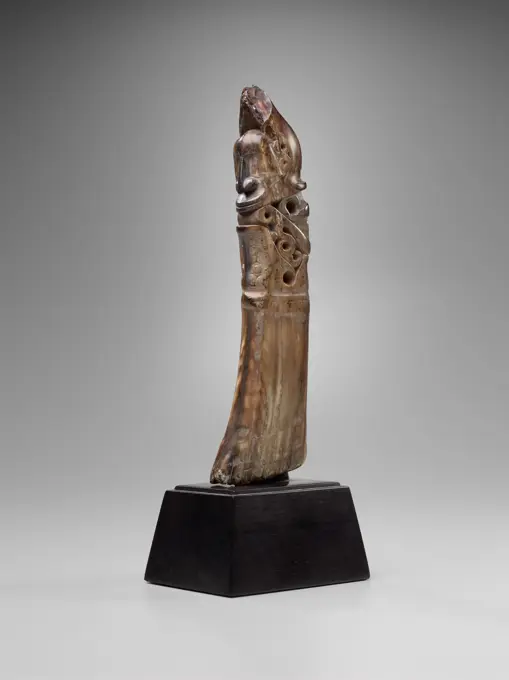
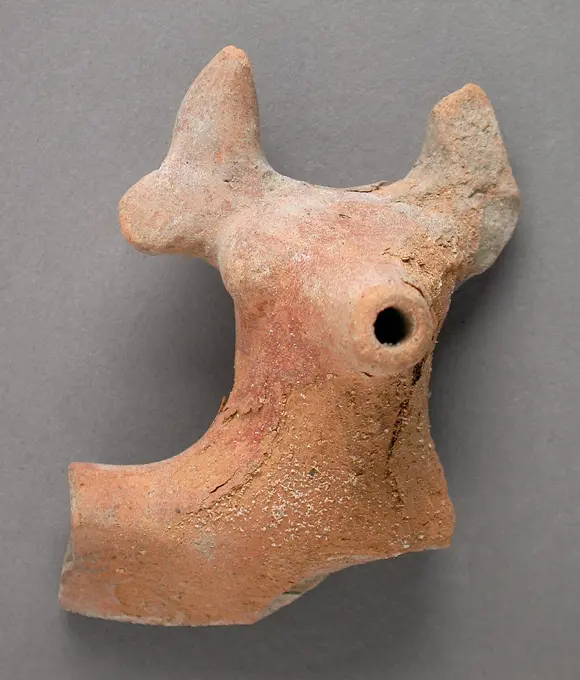
A collection of ancient artifacts including terracotta idols, amulets, and effigies, showcasing diverse shapes and designs representing historical cultures.

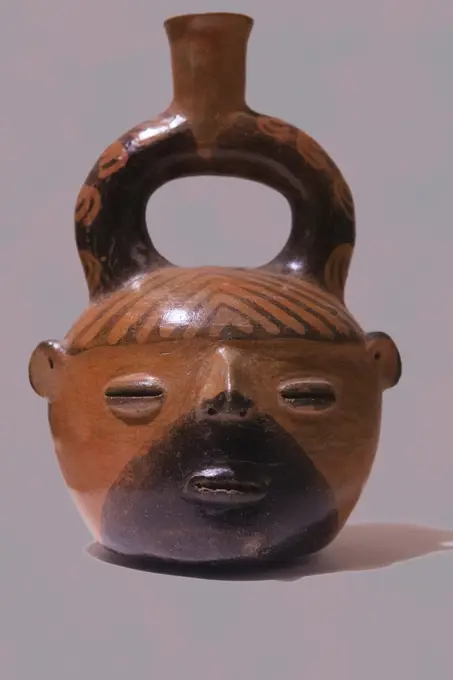
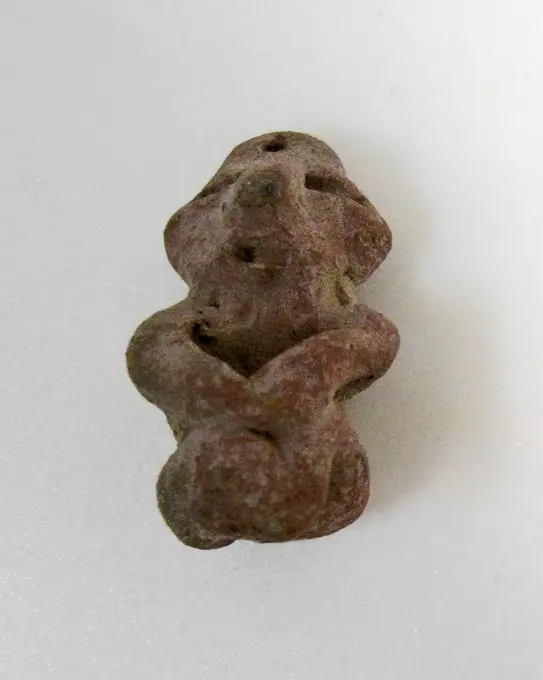
Human effigy bowl, 250 BCE - 300 CE, 3 1/2 x 2 3/4 x 2 3/4 in. (8.9 x 7.0 x 7.0 cm), Earthenware, Mexico, 3rd century BCE - 4th century CE
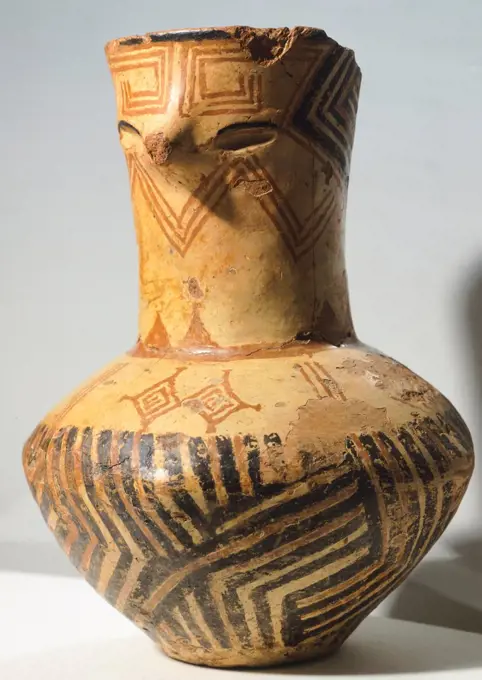
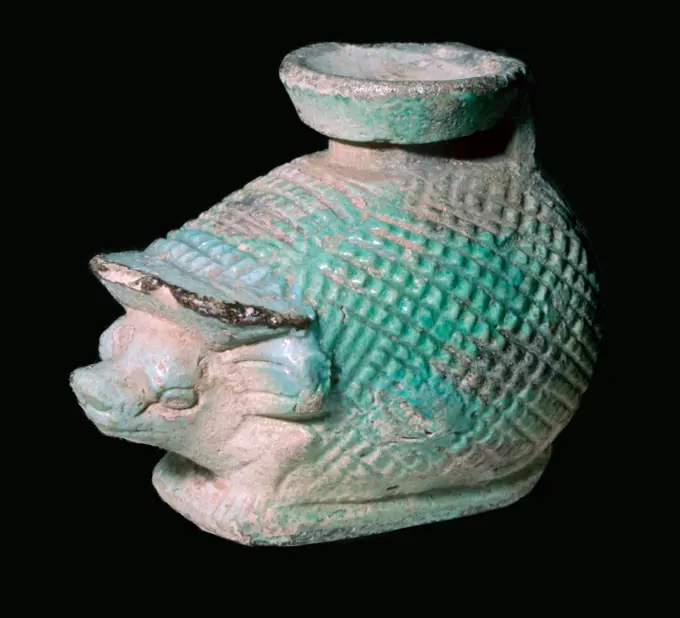
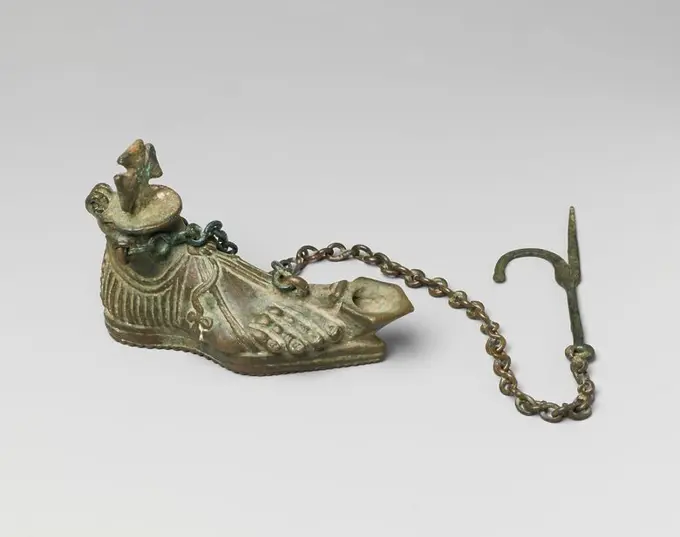
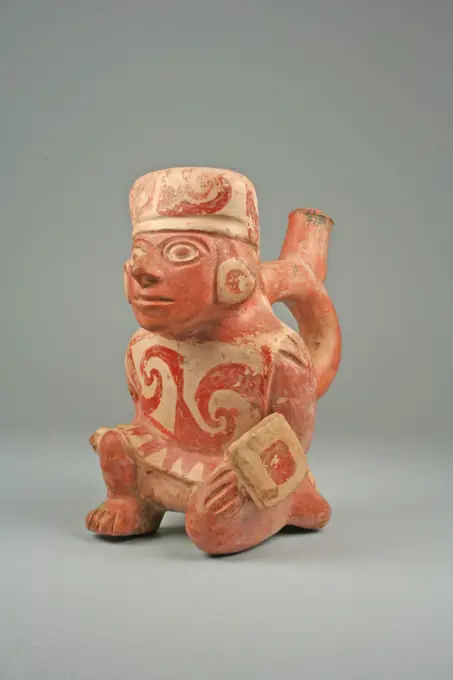
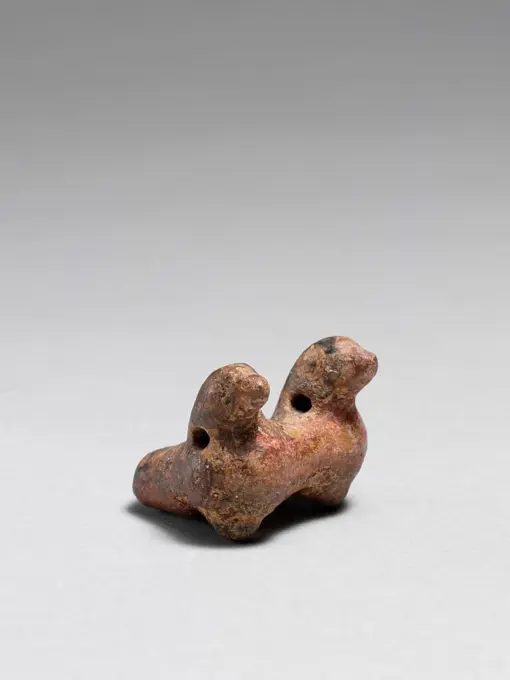
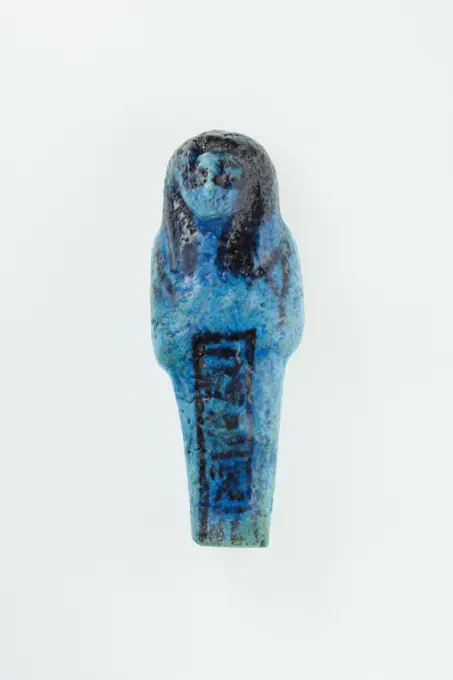
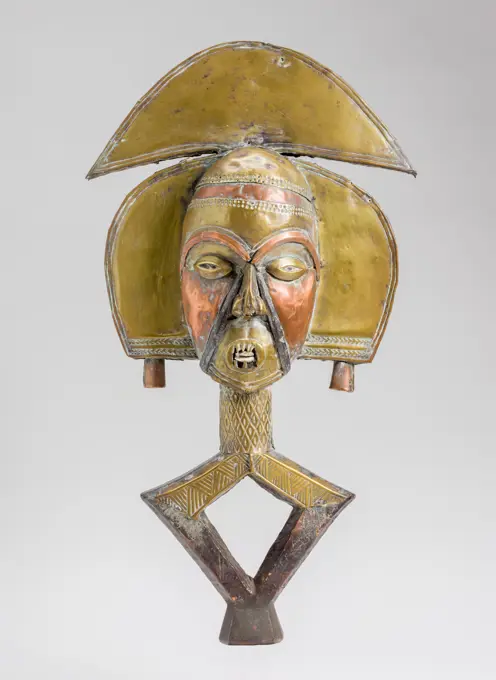
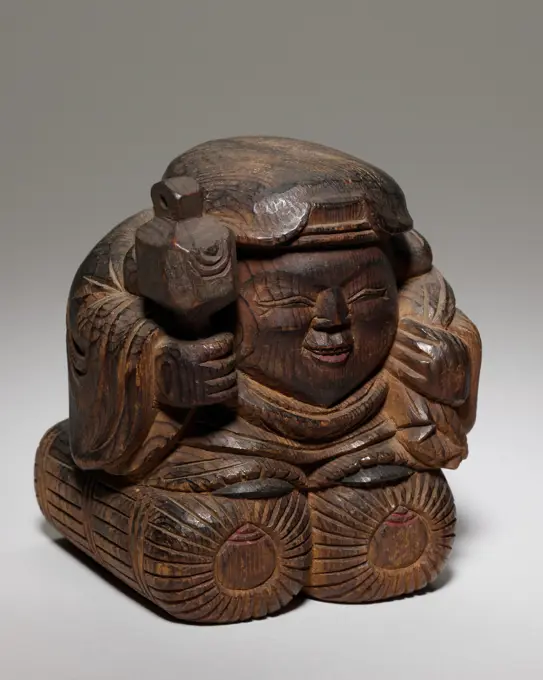
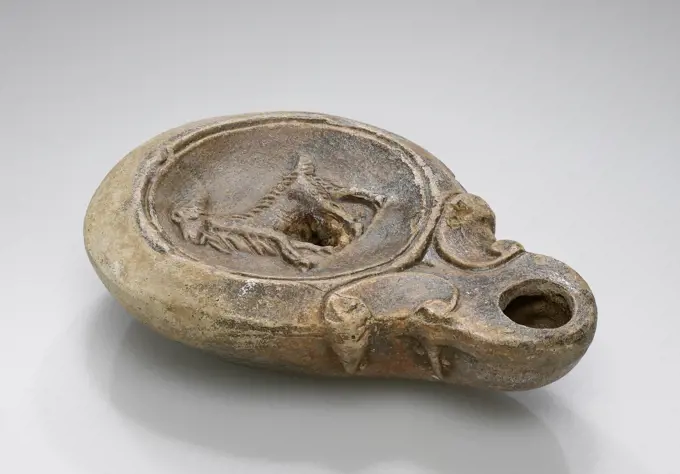
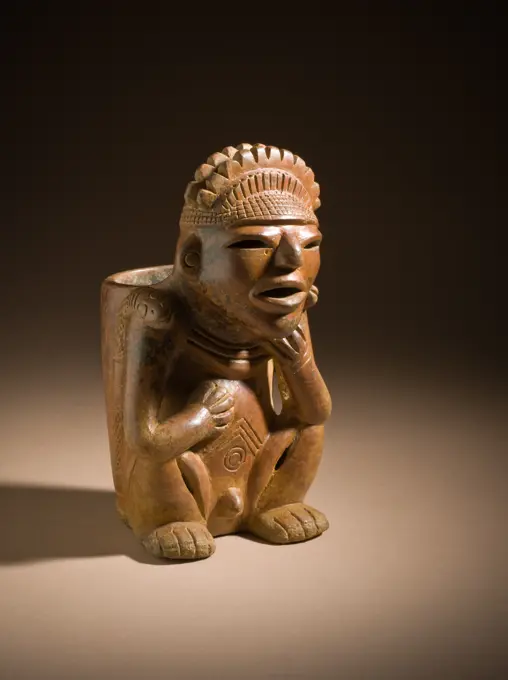
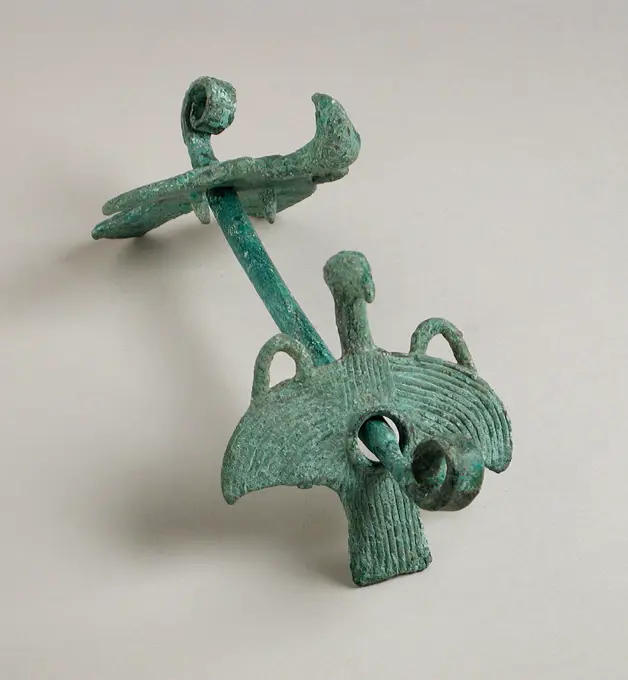
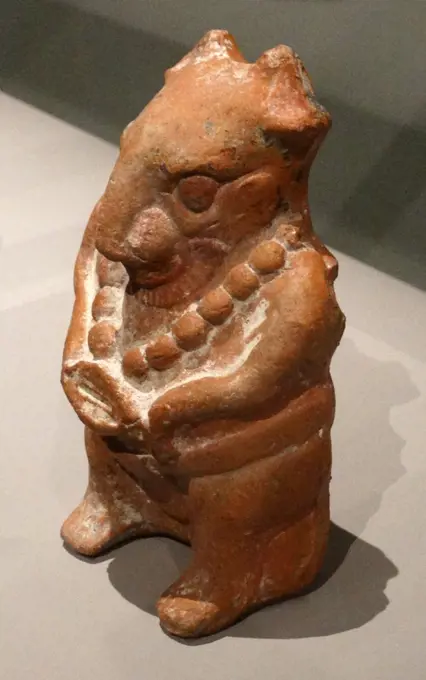
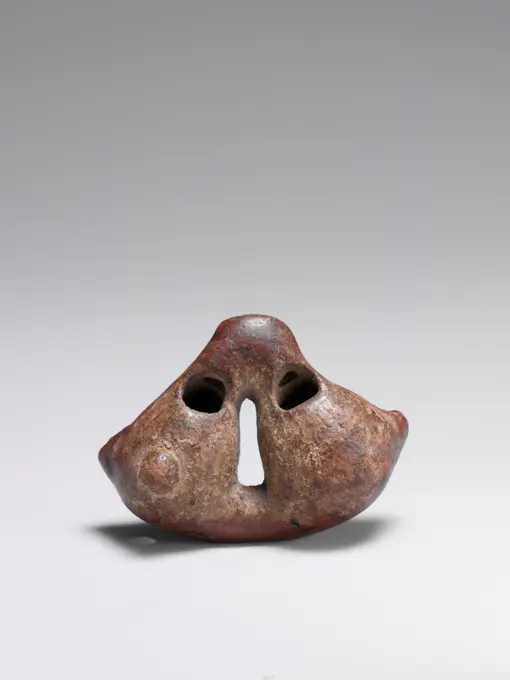
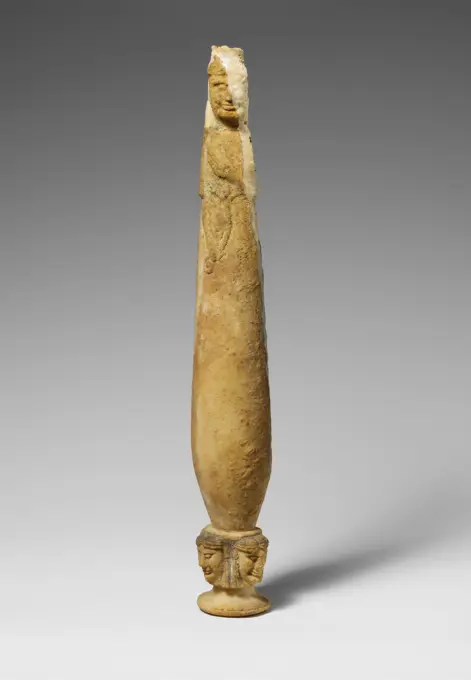
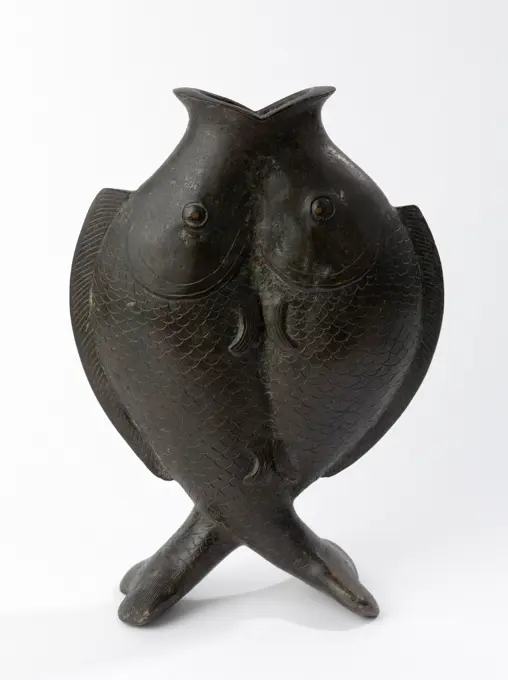
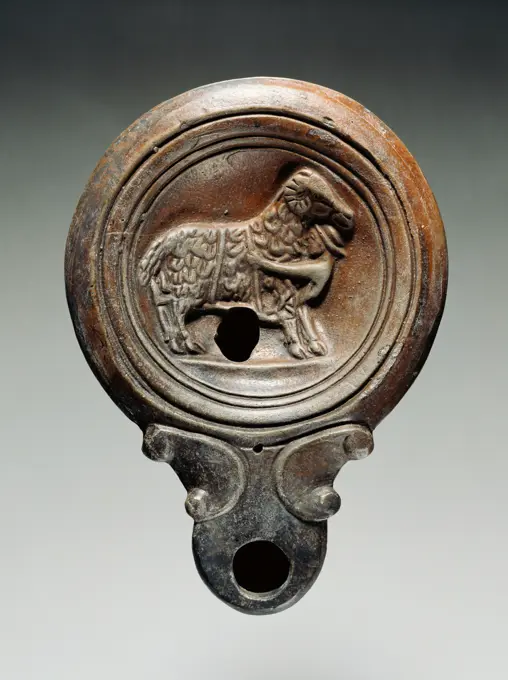
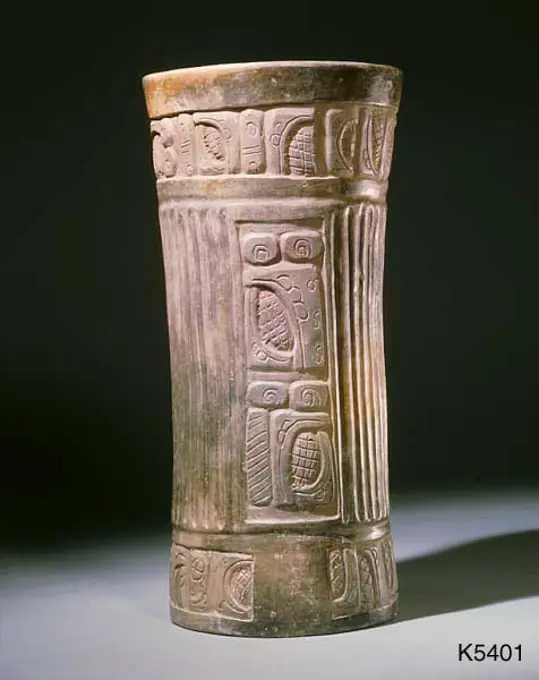
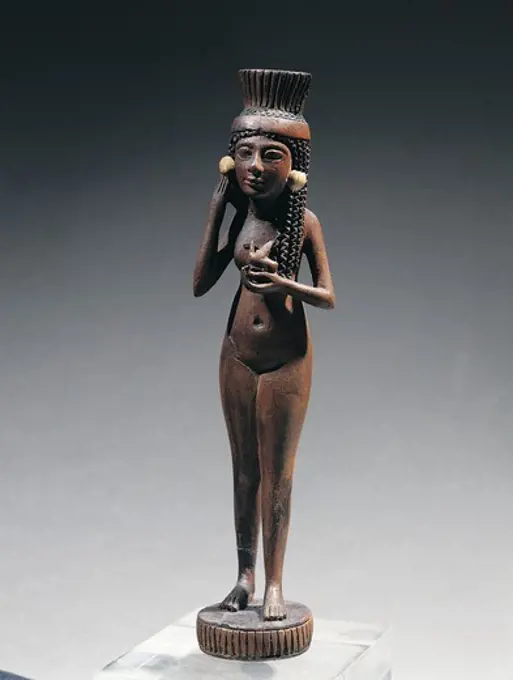
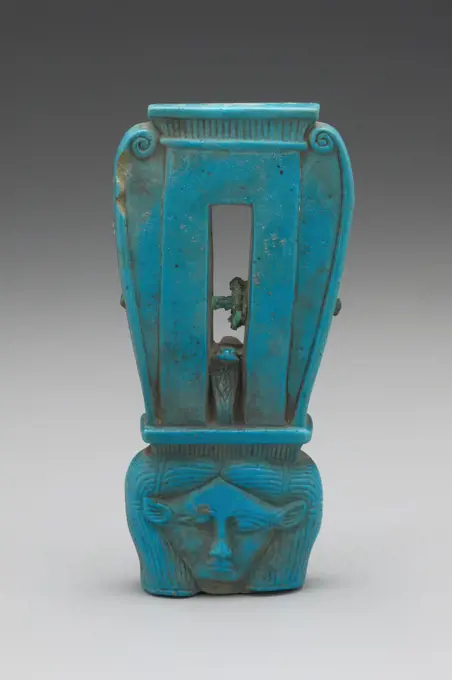
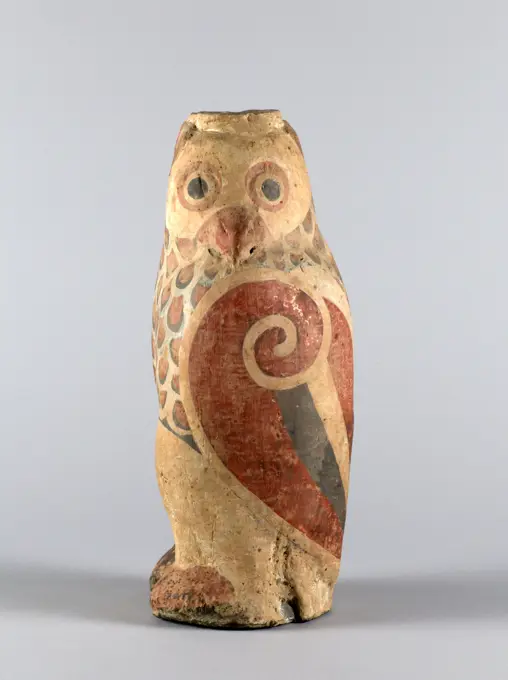
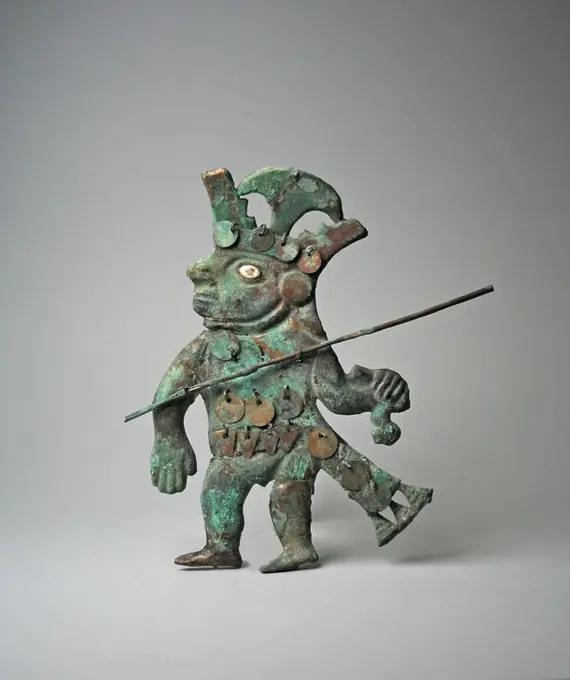
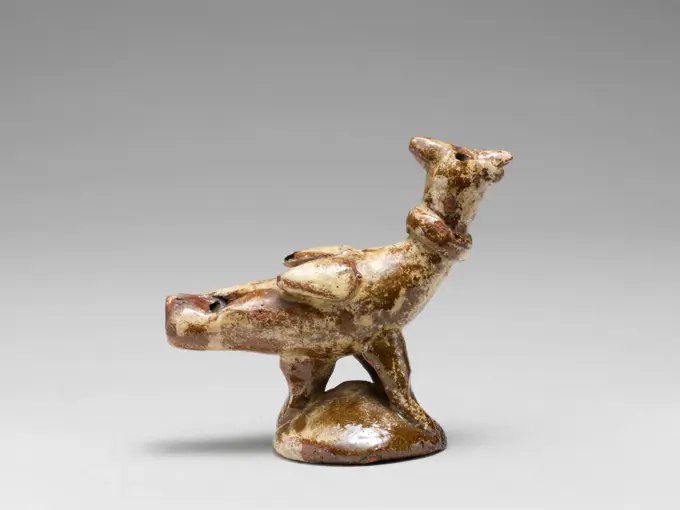
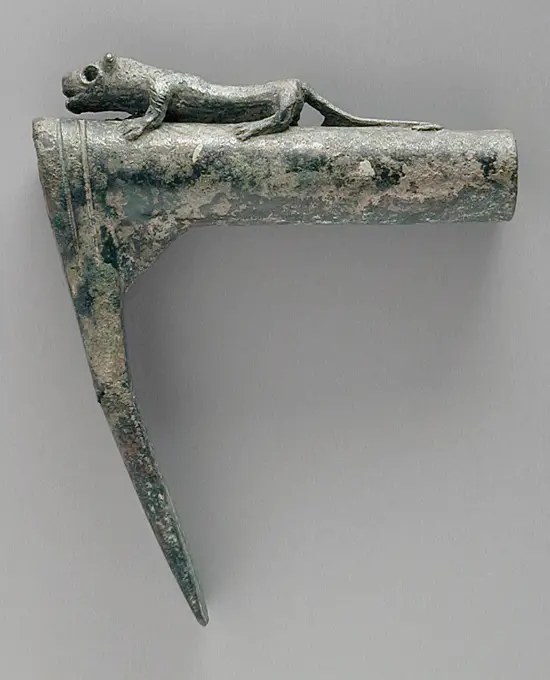
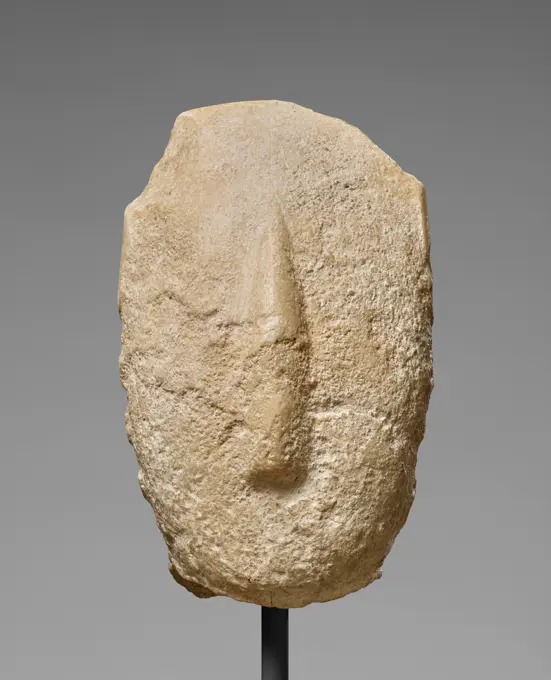
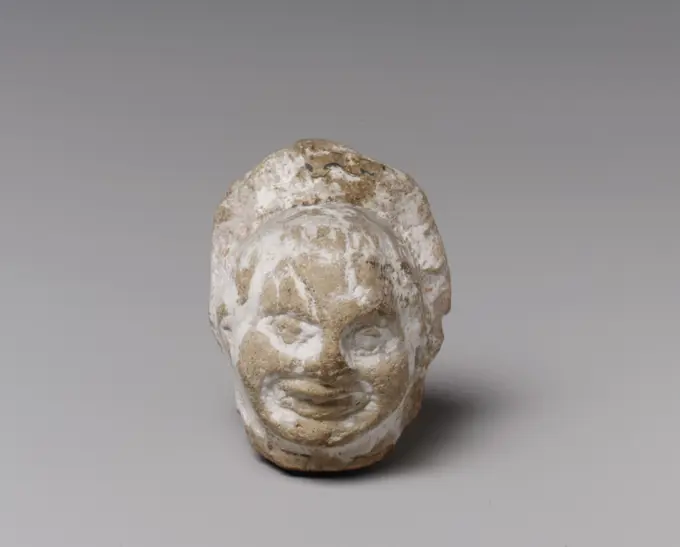
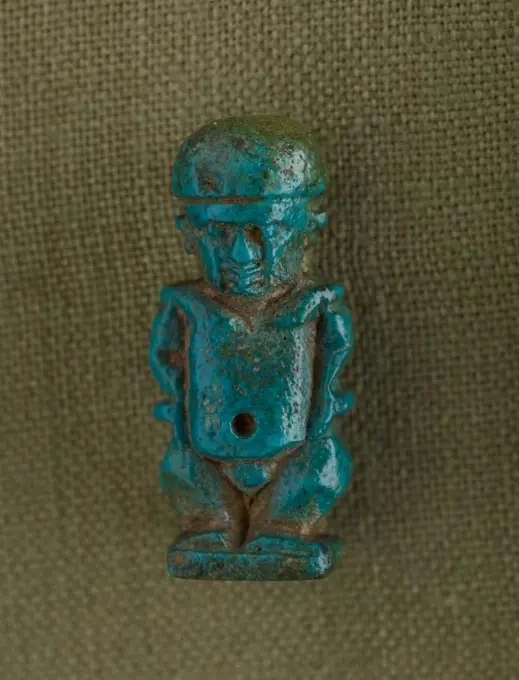
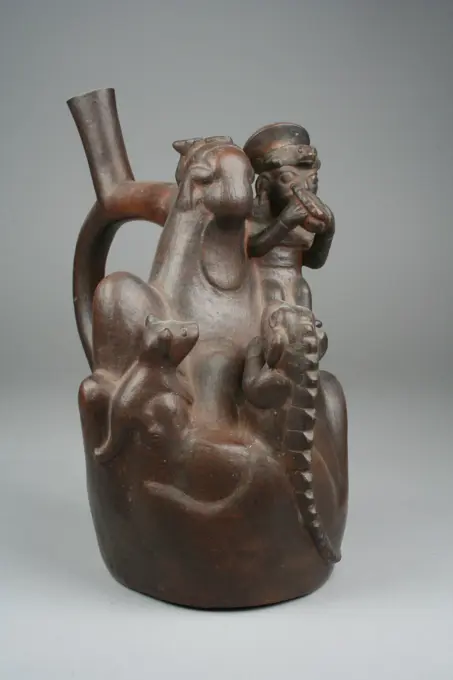
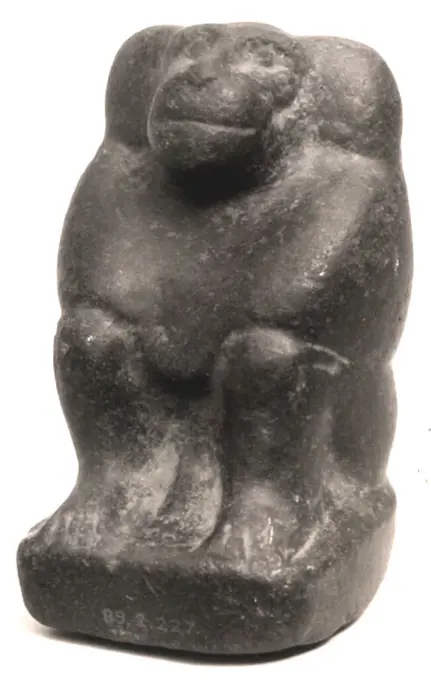
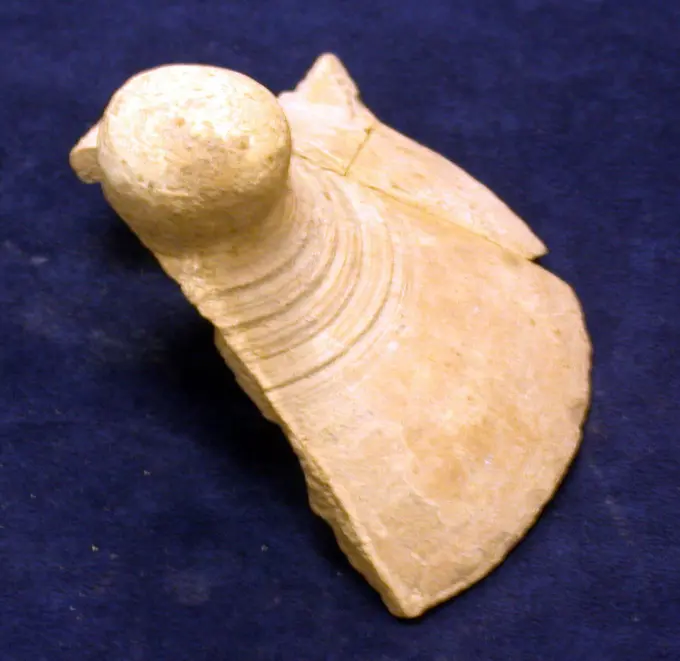
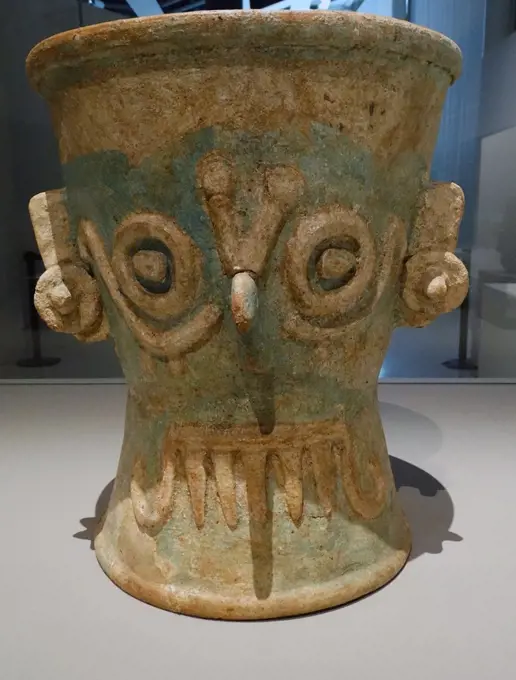
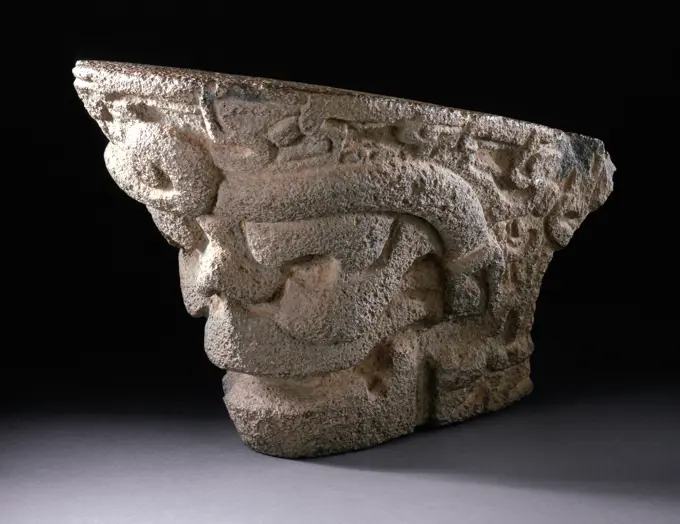
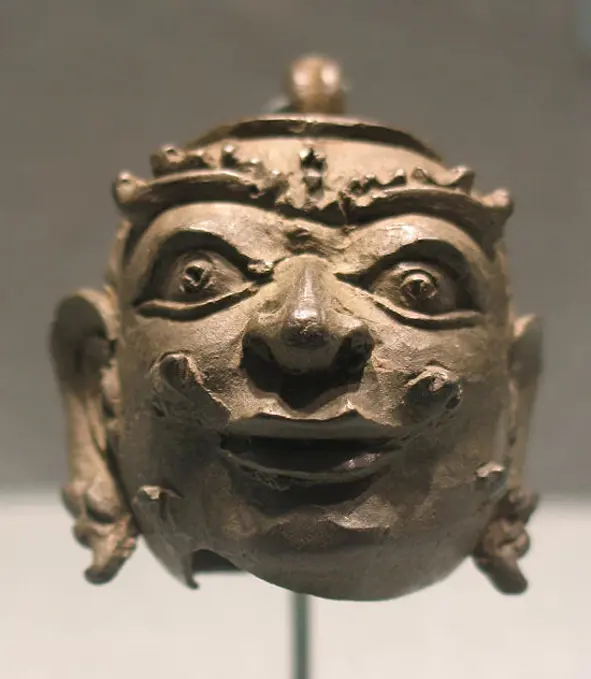
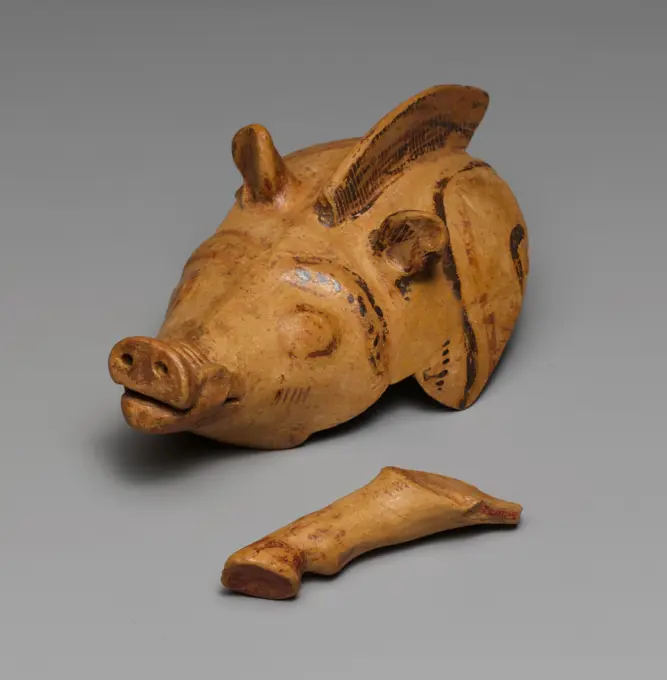
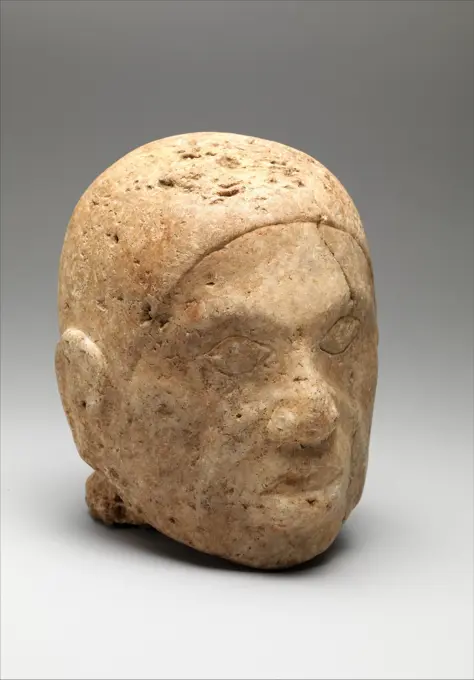
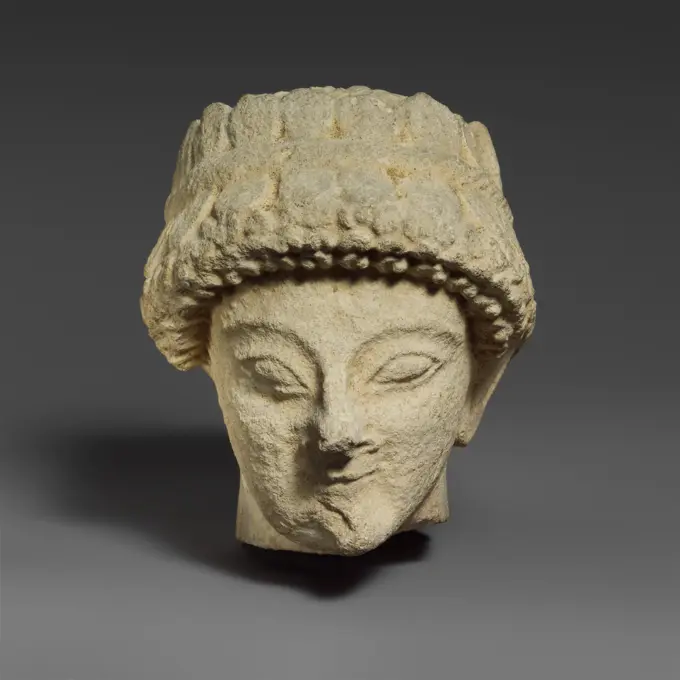
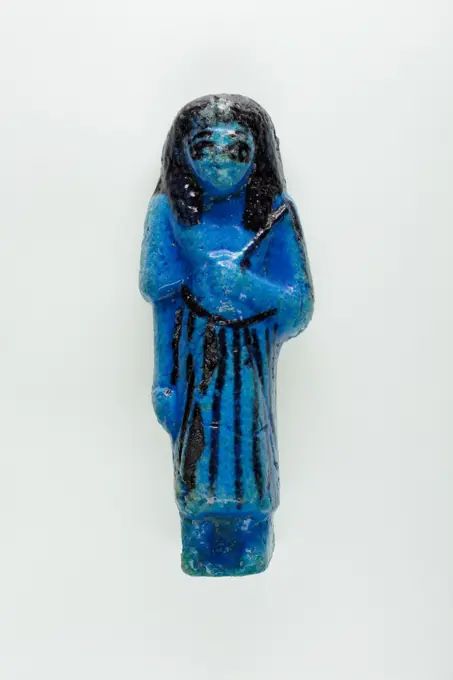
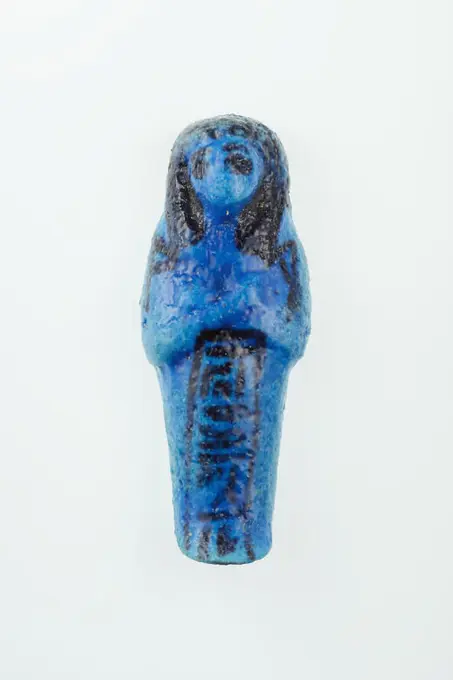
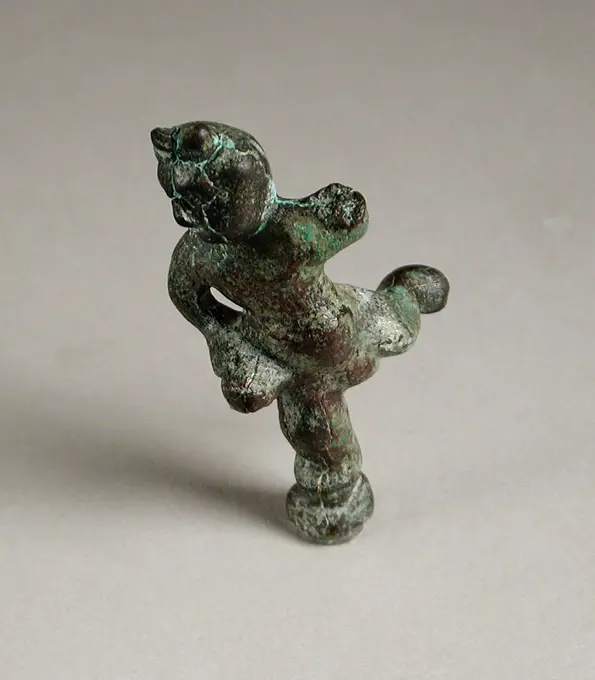
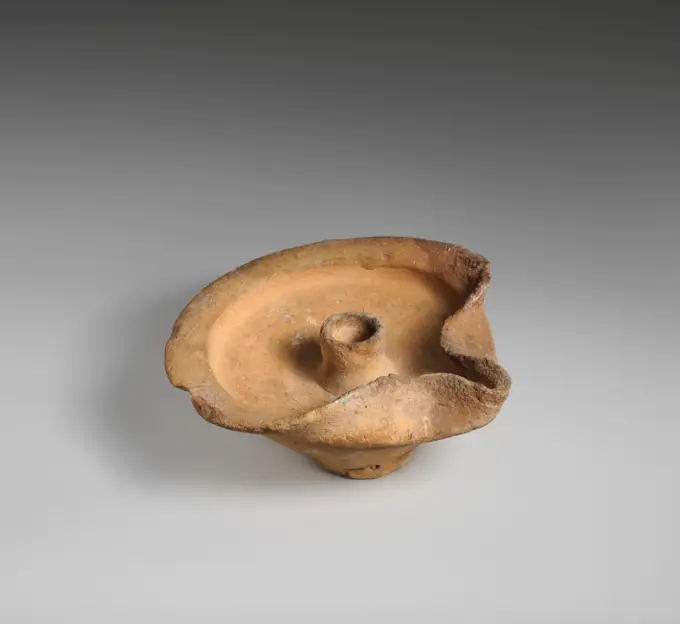
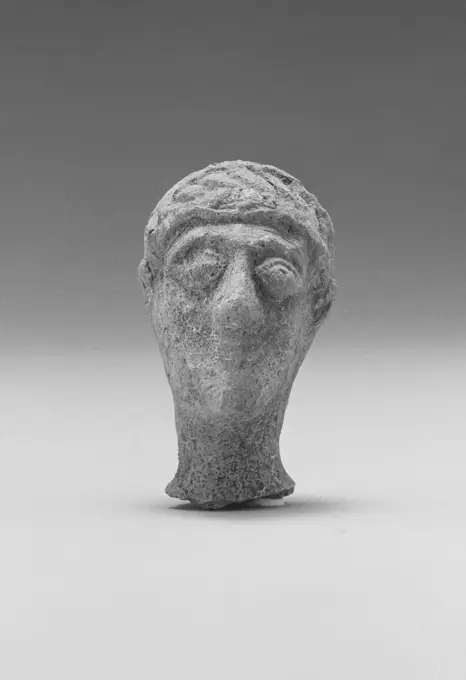
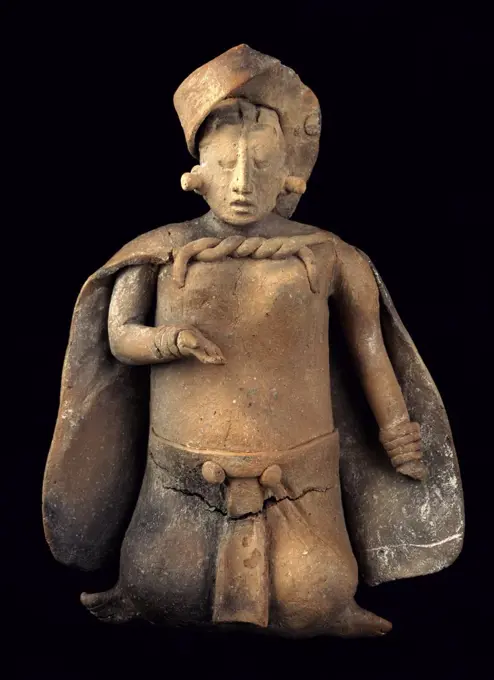
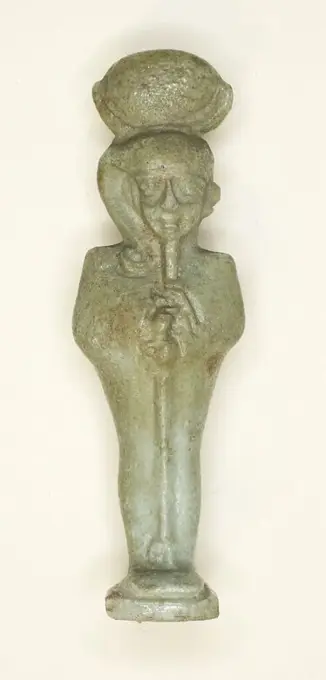
Amulet of Mummiform Khonsu. Egyptian. Date: 664 BC-332 BC. Dimensions: 3.9 x 1.1 x 0.8 cm (1.55 x 0.46 x 0.33 in.). Faience. Origin: Egypt. Museum: The Chicago Art Institute, Chicago, USA. Author: Ancient Egyptian.Shield Mount in the Shape of Bird second half 6th century Frankish. Shield Mount in the Shape of Bird 465250 Frankish, Shield Mount in the Shape of Bird, second half 6th century, Copper alloy, tinned surface, Overall: 1 5/8 x 1 7/16 x 1/16 in. (4.1 x 3.6 x 0.1 cm). The Metropolitan Museum of Art, New York. Gift of J. Pierpont Morgan, 1917 (17.192.188)Finial (Bird). Western Inner Mongolia, modern. Architecture; Architectural Elements. BronzeBulgaria, Sofia, Natsionalen Istoritcheski Muzej, Anthropomorphic vasePre-Columbian art. Pre-Incan. Jama-Coaque Culture. 500 BC-1531 AD. From Ecuador. Sitting male figurine. 15 x 8 x 25 cm (diamer). Stye chone. Private collection.SpoonAnthropomorphic clay vessel, from Gradesnica,Vratsa Region, Bulgaria. Thracian Civilization.Egyptian cosmetic vessel in the shape of a hedgehog. Artist: UnknownDouble Spout and Bridge Bottle with Bird 5th-2nd century B.C. Paracas. Double Spout and Bridge Bottle with Bird 308709Amulet of Min. Dimensions: H. 4.2 cm (1 5/8 in.); W. 1.5 cm (9/16 in.); D. 2.1 cm (13/16 in.). Date: 664-30 B.C.. Museum: Metropolitan Museum of Art, New York, USA.Bronze handle of an oinochoe (jug) late 6th century B.C. Greek The small size of this handle indicates that it belonged to an oinochoe. It shows the most traditional combination of motifs: the head of a woman at the top and a palmette below.. Bronze handle of an oinochoe (jug) 251212 Greek, Bronze handle of an oinochoe (jug), late 6th century B.C., Bronze, H. 6 1/16 in. (15.4 cm). The Metropolitan Museum of Art, New York. Rogers Fund, 1922 (22.139.34)Chueh (ritual vessel), western Chou (or Zhou) dynastyHanging Lamp in the Form of a Sandaled Right Foot. Culture: Byzantine. Dimensions: Overall: 3 1/4 x 4 3/4 x 1 5/8 in. (8.3 x 12 x 4.2 cm)chain with hook: 17 1/8 x 1 1/4 x 3/16 in. (43.5 x 3.2 x 0.5 cm). Date: 5th century.One of the classical protective images adapted by Christians was the foot, a symbol of good health and healing. These lamps were lit by an oil-soaked wick, inserted through the hole beside the foot's big toe.Round flat hanging lamps, or polycandela, were lit by oil-filled glass vessels hung from the round holes in their designs. Paul the Silentiary in 563 described the effect of huge hanging lamps that lit the great church of Hagia Sophia in Constantinople: "Thus is everything clothed in beauty...no words are sufficient to describe the illumination in the evening: you might say that some nocturnal sun filled the majestic church with light.". Museum: Metropolitan Museum of Art, New York, USA.Lamp. UnknownStirrup Spout Bottle with Warrior 6th-7th century Moche (Loma Negra) () This stirrup-spout vessel, made by a ceramicist of the Moche culture on the North Coast of Peru, depicts a warrior bending down on one knee. The figure wears a headdress that envelopes his hair and extends over the back of his neck. The headdress is decorated with swirls in a pattern that matches his tunic, which he wears over a white loincloth. He wears circular ear ornaments and holds a small rectangular shield in his left hand and a small mace in his right hand. The stirrup-spout vessel—the shape of the spout recalls the stirrup on a horse's saddle—was a much favored form on Peru's northern coast for about 2,500 years. Although the importance and symbolism of this distinctive shape is still puzzling to scholars, it has been suggested that the double-branch/single-spout configuration may have prevented evaporation of liquids, and/or that it was convenient for carrying. The double-branch may have also held symbolPottery Whistle. Culture: Costa Rican. Dimensions: L. 3.9 cm (18/16 in.); H. 2.7 cm (1-1/16 in.); D. 3.4 cm (1-5/16 in.); Wt. 14 g. Date: ca. 800-1525. Museum: Metropolitan Museum of Art, New York, USA.Finial of Container Stopper(Perminaken)Lamp. UnknownChess Piece, Rook or Container. Dimensions: H. 3 7/8 in. (9.8 cm)LengtH. 2 5/8 in. (6.7 cm). Date: 11th-12th century. Museum: Metropolitan Museum of Art, New York, USA.Owl Vessel. Culture: Diquís (). Dimensions: H. 8 13/16 x W. 11 3/8 x D. 9 1/8 in. (22.5 x 28.9 x 23.2 cm). Date: 6th-14th century. Museum: Metropolitan Museum of Art, New York, USA.Worker Shabti of Nauny ca. 1050 B.C. Third Intermediate Period See 30.3.27.1a, b. Worker Shabti of Nauny. ca. 1050 B.C.. Faience. Third Intermediate Period. From Egypt, Upper Egypt, Thebes, Deir el-Bahri, Tomb of Meritamun (TT 358, MMA 65), first corridor, burial of Nauny, MMA excavations, 1928-29. Dynasty 21Fragment of a Dish 14th-15th century. Fragment of a Dish 446443Janus Reliquary Guardian Figure. Africa, Gabonese Republic, or Northwestern Republic of the Congo, Kota peoples, Obamba, or Mindumu groups, Kota peoples, Obamba, or Mindumu groups, mid-19th century. Sculpture. Wood, copper, brass, iron, cowrie shell(Daikoku, from a pair of Daikoku and Ebisu), 19th century, Unknown Japanese, 4 x 3 1/2 x 3 3/4 in. (10.16 x 8.89 x 9.53 cm), Wood, Japan, 19th centuryFace Mask Ornament 6th-7th century Moche (Loma Negra). Face Mask Ornament 314337Lamp, North Africa; 1st - 4th century; Terracotta; 2.5 x 6.8 x 9.5 cm (1 x 2 11,16 x 3 3,4 in.)Quadruped. Northern Iran, 1000-800 B.C.. Sculpture. BronzeHead of a Black boy Greek. Head of a Black boy 245516Owl Tab Ornament 6th-7th century Moche (Loma Negra). Owl Tab Ornament 315186Male Canastero Vessel. Colombia, Valle del Cauca, Calima, Calima Ilama, 1000 BCE-100 CE. Ceramics. CeramicHorse Bit. Northwestern Iran, Luristan bronzes, circa 1000-800 B.C.. Tools and Equipment; horse trappings. Bronze, castMale Figure, late 1800s-early 1900s. Central Africa, Republic of the Congo (most likely) or Democratic Republic of the Congo, Teke people. Wood, resin, iron, copper, plant fiber, cloth, glass beads, coins, antelope horns, and cowrie shells; overall: 97.1 cm (38 1/4 in.); without base: 91.5 x 16 x 16.3 cm (36 x 6 5/16 x 6 7/16 in.).Anthropozoomorphe Mayan figurine Provenance unknown. (600-900 AD.) Ceramic. anthropomorphized rodent adorned with a necklace. As a symbolic representation, the rodent has been associated with shamanic transformations of men into animals.Shawabty of Ditamenpaankh, 715-656 BC. Egypt, Late Period, Dynasty 25. Terracotta; overall: 3 x 1.8 x 1.1 cm (1 3/16 x 11/16 x 7/16 in.).Pottery Whistle ca. 800-1525 Costa Rican. Pottery Whistle. Costa Rican. ca. 800-1525. Clay. Pre-Columbian. Diquis Region, Costa Rica. Aerophone-Whistle Flute-whistleOil LampAlabaster alabastron (perfume vase) early 6th century B.C. Etruscan Cut from one piece of stone, the vase consists of the container, in the form of a woman holding a lotos flower, and a base embellished with four female heads. The work is an Etruscan response to perfume flasks with the busts of women that originated in the Near East and spawned adaptations in Cyprus, East Greece, and Etruria. The concept of decorating four sides of a vessel ultimately derives from the East as well. Related works are exhibited in the Belfer Court on the main floor.. Alabaster alabastron (perfume vase) 258094Lion and cub 18th century China. Lion and cub 44183Vase zoomorphic. Bronze. Japan. XVIII-XIXth century. Paris, Cernuschi museum. Animal, Japanese art, bronze, fish, vase, 19th 19th 19th 19th 19th 19th 19th century, 18th 18th 18th 18th 18th 18th 18th century, zoomorph, animal, animalTemple with Figures. Culture: Mezcala. Dimensions: Height 7-7/8 in.. Date: 1st-8th century. Museum: Metropolitan Museum of Art, New York, USA.Fox ca. 1850-1700 B.C. Middle Kingdom. Fox. ca. 1850-1700 B.C.. Faience, traces of blue glaze. Middle Kingdom. From Egypt, Memphite Region, Lisht North, Tomb of Senwosret (758), inside, Pit 805, MMA excavations, 1907-08. Dynasty 12, late-13 to 1700 B.C.Owl Tab Ornament 6th-7th century Moche (Loma Negra). Owl Tab Ornament 313746Head from a Figurine of a Chinese Dignitary 1301-1500 Eastern Java. Terracotta .Lamp. UnknownCylinder Vase With Carved GlyphsCeramic Foot Vessel before 16th century Mexico (). Ceramic Foot Vessel 312883Uszebti. unknown, authorIvory and wood mirror handle in form of female figureFO lion figurine;  18th century (1701-00-00-1800-00-00);Sistrum with Head ofHathor, 304-30 B.C., Faience, 5 1/2 in. (14cm), Egyptian, Ptolemaic, MusicalInstrumentsLamp, Syria; 1st century B.C. - 4th century A.D; Terracotta; 4.6 × 7 × 10.2 cm (1 13,16 × 2 3,4 × 4 in.)Plaque. Western Inner Mongolia and northern China, 6th-5th century B.C.. Sculpture; plaques. Bronze, castOwl. Terracotta with traces of polychromy. China, west han. Paris, Cernuschi museum. Han west dynasty, dynasty, funeral figurine, funerary figurine, owl, mingqi, partly polychromed, polychrome, representation, terracotta, terracotta, polychromy trace, wester han dynasty, animal, owlProfile Warrior Ornament. Culture: Moche (Loma Negra). Dimensions: H x W: 7 1/2 x 5 1/8in. (19.1 x 13cm). Date: 390-450. Museum: Metropolitan Museum of Art, New York, USA.Standing male() figurine ca. 600-480 B.C. Cypriot The figurine, in the Kamelarga style, has a hollow, cylindrical wheelmade body, broken off at the bottom.. Standing male() figurine 241174Anubis () supporting a large djed pillar 664-30 B.C. Late Period-Ptolemaic Period The small, finely detailed mulets 10.130.2439-.2445 are all made of wood. Wooden amulets are often gilded, but the only remaining gilding is on the goddess's sun disk.. Anubis () supporting a large djed pillar. 664-30 B.C.. wood. Late Period-Ptolemaic Period. From EgyptPottery Whistle 19th century Peruvian. Pottery Whistle. Peruvian. 19th century. Clay. Peru. Aerophone-Whistle Flute-whistleShawabty of Ditamenpaankh, 715-656 BC. Egypt, Late Period, Dynasty 25. Terracotta; overall: 5.5 x 1.3 x 1.2 cm (2 3/16 x 1/2 x 1/2 in.).Fragment of Statesbti;  332-30 BC ; Ptolemean period (-332-00-00--30-00-00);Adze-head. Iran, Luristan, circa 2600-2350 B.C.. Arms and Armor; adzes. Bronze, castHead from a Figure (Late Spedos Variety). Goulandris Master (Cycladic, active 2500 - 2400 B.C.)Monkey Bottle 2nd century B.C. Nasca. Monkey Bottle 308456Needle for hair (Acus crinalis). From Tower of Hercules (A Coruna, Galicia, Spain). Roman period. Archaeological and History Museum (San Anton Castle). A Coruna, Galicia, Spain.FIGURA DE PIEDRA-ZAPOTECA O MIXTECA. Location: MUSEO ESTADO-CONV STO DOMINGO. Oaxaca. CIUDAD DE MEXICO.Boat;  525-343 BC ; Half period, 27-30 dynasty (-525-00-00--343-00-00);CharmFace Mask Ornament 6th-7th century Moche (Loma Negra). Face Mask Ornament 314346Court lady 7th-8th century China. Court lady 48471Pre-Colombian ceramic art in Larco Museum, Lima, Peru.Head of a comic figurine late 4th-3rd century B.C. Cypriot The head is mold-made and solid. The back is handmade and roughly finished. The masked head and a small part of the neck are preserved. The mask is very similar to that of inv. no. 74.51.1500, although it is not from the same mold.. Head of a comic figurine 241057Amulet  HatchesStirrup Spout Bottle, Mountains 3rd-5th century Moche. Stirrup Spout Bottle, Mountains 308565Neckrest, c. 1900, Beniki Master, African, Democratic Republic of Congo, Songye, , 5 9/16 x 5 1/16 x 4 7/16 in. (14.1 x 12.9 x 11.3 cm), Wood, Democratic Republic of Congo, 19th-20th centuryApe figurine. Dimensions: l. 3.8 cm (1 1/2 in); w. 4 cm (1 9/16 in); h. 1.6 cm (5/8 in). Dynasty: Dynasty 18. Date: ca. 1353-1323 B.C.. Museum: Metropolitan Museum of Art, New York, USA.Ceremonial Ladle (Wunkirmian or Wakemia), possibly late 1800s or early 1900s. Africa, West Africa, Côte d'Ivoire, Dan carver. Wood, twine, and possibly resin; overall: 57.3 cm (22 9/16 in.).Lamp. UnknownTerracotta amulets depicting the mother goddess, Menorca Museum, Mahón, Balearic Islands, Spain.Vessel lid ca. 3rd-7th century A.D. Sasanian. Vessel lid. Sasanian. ca. 3rd-7th century A.D.. Ceramic. Sasanian. Iran, Qasr-i Abu NasrCeramic incense holder with effigy of the Mayan rain deity, Chaac, Yucatan, Mexico. Dated 1250-1550 AD.Hacha in the Form of a Skull. Mexico, Veracruz, Huastec, 700-900 CE. Ceramics. Basalt stonePellet Bell in the Form of a Human Head ca. 13th-14th century Indonesia (Java). Pellet Bell in the Form of a Human Head 37696Terracotta vase in the shape of a boar ca. 570-560 B.C. Greek, Boeotian Thanks to a similar piece in Berlin, this one can be reconstructed as a figure of a boar standing on four legs. The mouth of the vase consisted of an opening in the rump of the animal and a lip projecting upward. The function of such a vase is difficult to define. It may have been a novelty for the entertainment of participants in a gathering.. Terracotta vase in the shape of a boar 254970 Greek, Boeotian, Terracotta vase in the shape of a boar, ca. 570560 B.C., Terracotta, maximum length 5 9/16in. (14.2cm). The Metropolitan Museum of Art, New York. Gift of Nicolas Koutoulakis, 1957 (57.105a, b)Handled censer with jaguar head. Incense burner. (300-900 AD) pottery Mayan art. Pre Columbian. Museum of World Cultures, Barcelona.Head from a Figure 13th-14th century Mississippian. Head from a Figure 313331Limestone head with of a beardless male with a wreath of leaves early 5th century B.C. Cypriot Wearing fillet.. Limestone head with of a beardless male with a wreath of leaves 253646 Cypriot, Limestone head with of a beardless male with a wreath of leaves, early 5th century B.C., Limestone, Overall: 5 3/4 x 3 7/8 x 4 3/4 in. (14.6 x 9.8 x 12.1 cm). The Metropolitan Museum of Art, New York. Bequest of W. Gedney Beatty, 1941 (41.160.412)Miniature figurine, 1500 BCE, 1 9/16 in. (4.0 cm), Earthenware, Mexico, Pre-ClassicFish Vessel. Culture: Casas Grandes. Dimensions: H. 7 1/5 in. (18.3 cm). Date: 4th century. Museum: Metropolitan Museum of Art, New York, USA.Incense Box, 1662-1722, 8 3/4 x 2 1/2 in. (22.2 x 6.35 cm), Bamboo, China, 17th-18th centuryPin ca. 8th-7th century B.C. Iran. Pin 322885Overseer Shabti of Nauny ca. 1050 B.C. Third Intermediate Period This overseer shabti, recognizable by the long kilt and the flail held in the left hand, is one of 8 such figures from Nauny's Box #2 (30.3.26.1a, b). Such figurines were meant to supervise the manual labor carried out by worker shabtis (see 30.3.26.10). The text on the back pillar conforms to the excavator's Type A (see Inscription).. Overseer Shabti of Nauny 625667Statuette of a girl, fragmentary 3rd century B.C. Greek, Boeotian. Statuette of a girl, fragmentary 250697 Greek, Boeotian, Statuette of a girl, fragmentary, 3rd century B.C., Terracotta, H. 6 3/16 in. (15.7 cm). The Metropolitan Museum of Art, New York. Rogers Fund, 1918 (18.145.32)Worker Shabti of Nany. Dimensions: H. 8.6 × W . 3.4 × D. 2 cm (3 3/8 × 1 5/16 × 13/16 in.). Dynasty: Dynasty 21. Reign: reign of Psusennes I. Date: ca. 1050 B.C..See 30.3.29.1a, b. Museum: Metropolitan Museum of Art, New York, USA.Dancing Figurine. Egypt, Roman Period (30 BCE - 395 CE) or later. Sculpture. BronzeAlligator Deity Pendant Costa Rica Pre-Columbiam Shabti of Pinudjem II 1069 BCE-945 BCE Egypt. Faience . Ancient EgyptianTerracotta saucer-shaped lamp 4th-3rd century B.C. Cypriot Wheel-made with edge pinched in to form a narrow wick rest; broad, horizontal rim, with beveled lip; open, slightly concave body, with tubular projection at center; deep, hollow () body, tapering downward; applied, rough base ring, and flat base.Complete, except for one large chip in rim at left. The tubular projection extends down into body but not through base.. Terracotta saucer-shaped lamp. Cypriot. 4th-3rd century B.C.. Terracotta. Cypro-Classical, probably. TerracottasMale Head. UnknownMayan Clay Figurine c.700-1000 A.D. Campeche, Mexico Pre-Columbian Collection of The Museum of Contemporary Art, Jacksonville, FloridaCopper Animal Ornament before 16th century Peruvian. Copper Animal Ornament 315314Hollow Terracotta Animal Figure. Egypt, Pre-Dynastic Period (circa 5500 - 3100 BCE). Sculpture. Terracotta