Ancient Artifacts And Masks

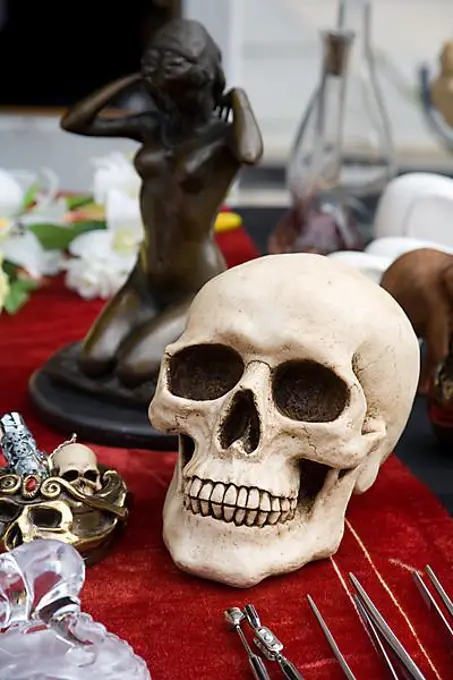
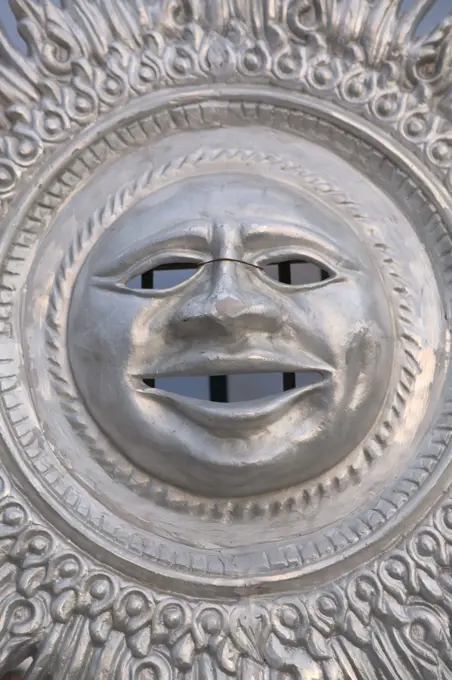
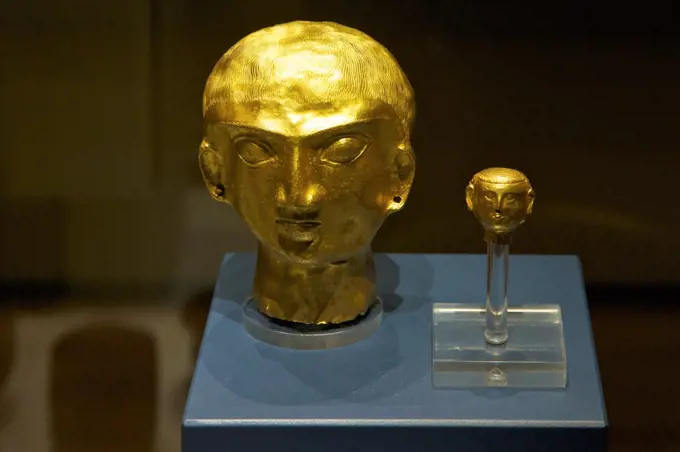
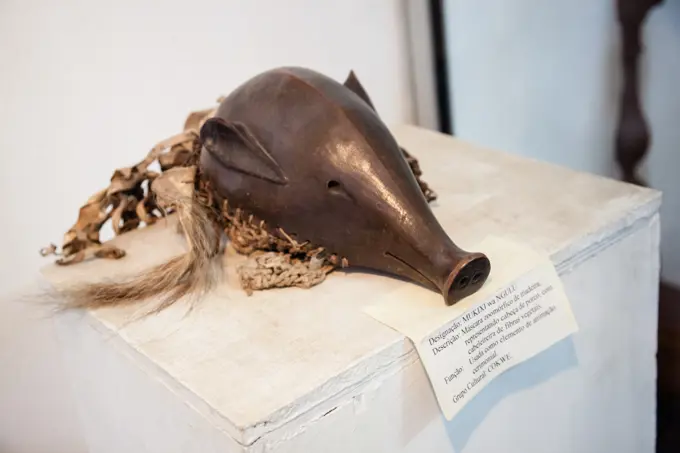
Collection of diverse ancient artifacts, including pottery, masks, and sculptures from various cultures in South America and Africa.

South America, Peru, Lima. National Museum of Archaeology & Anthropology. Moche pottery.
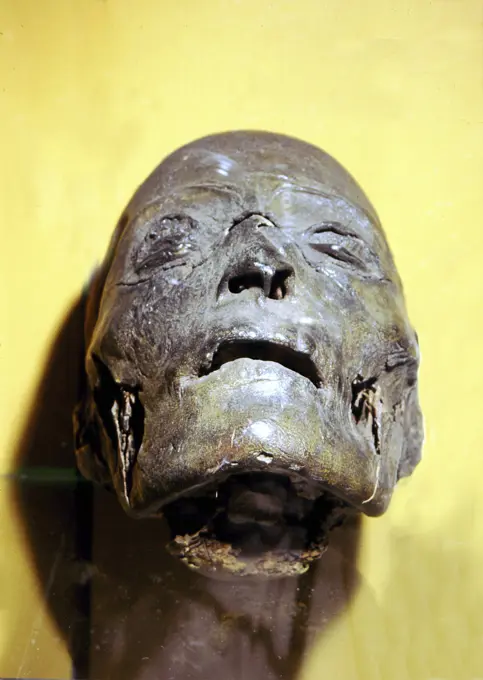
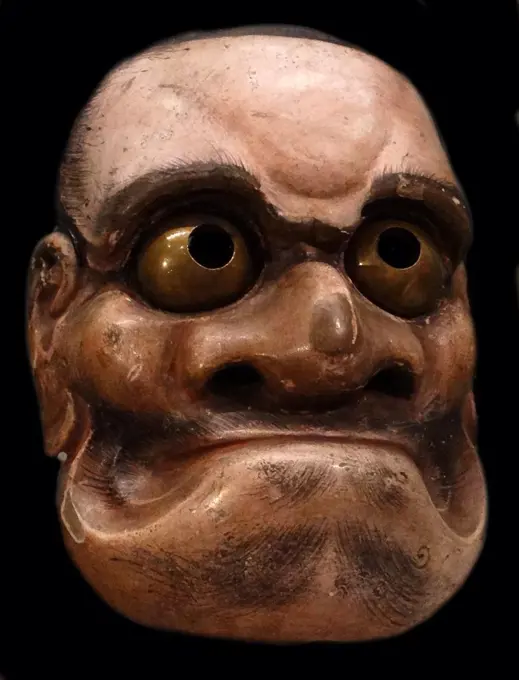
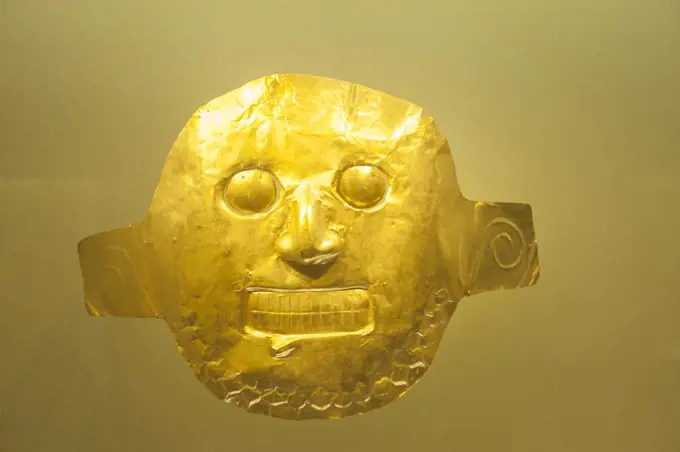
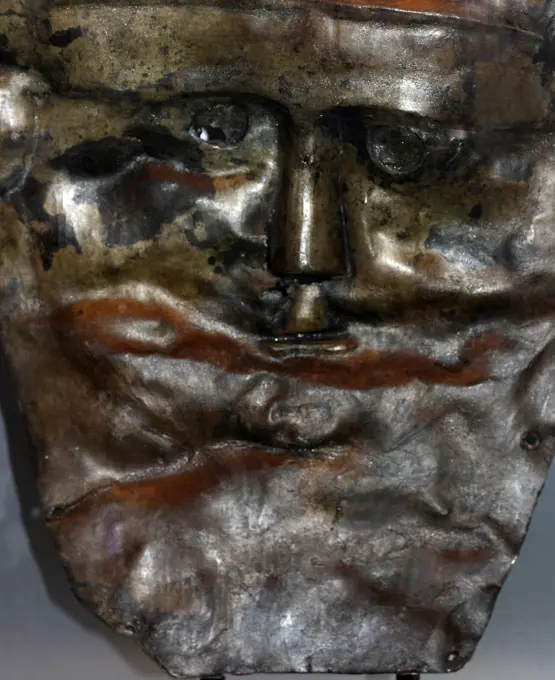
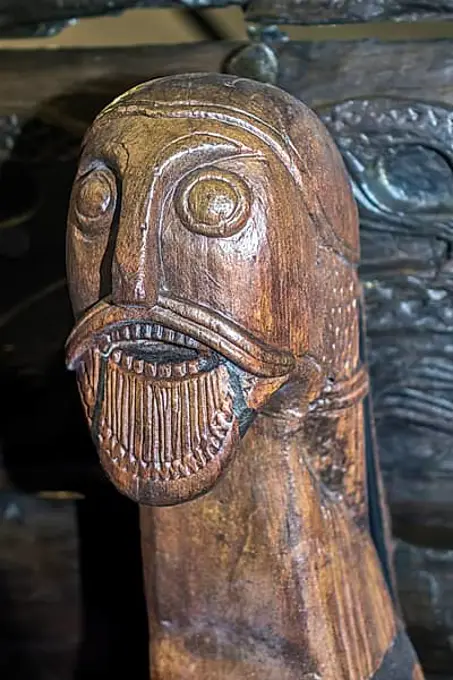
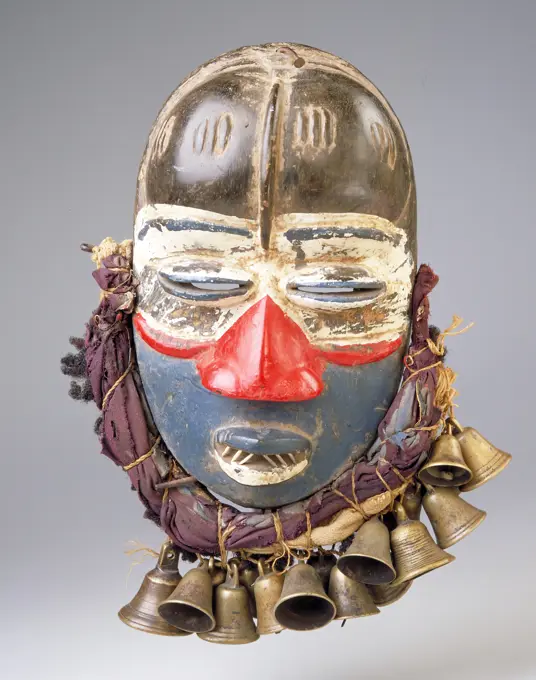
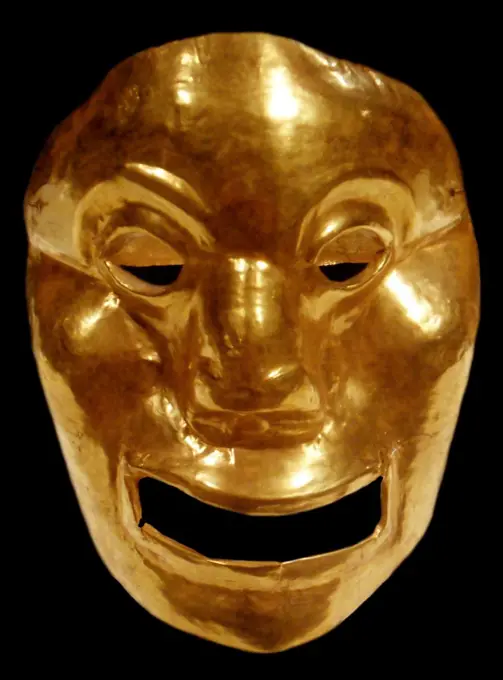
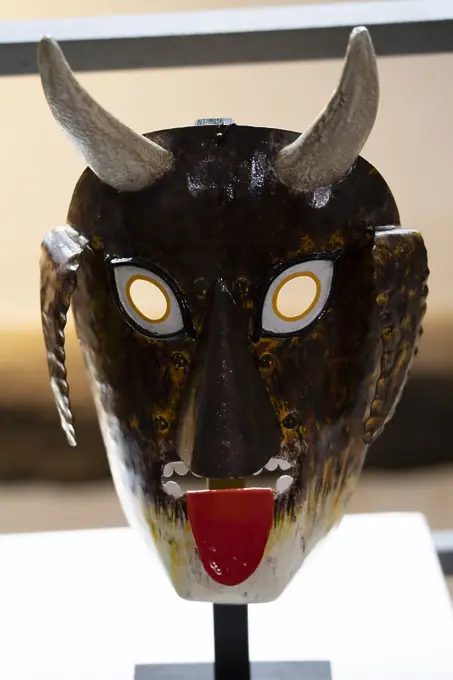
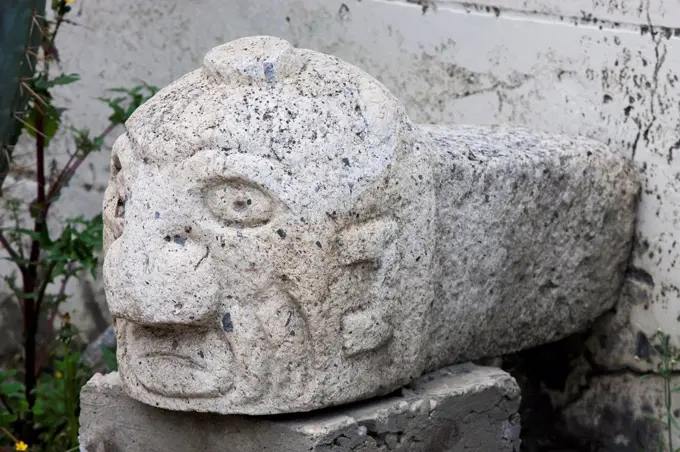
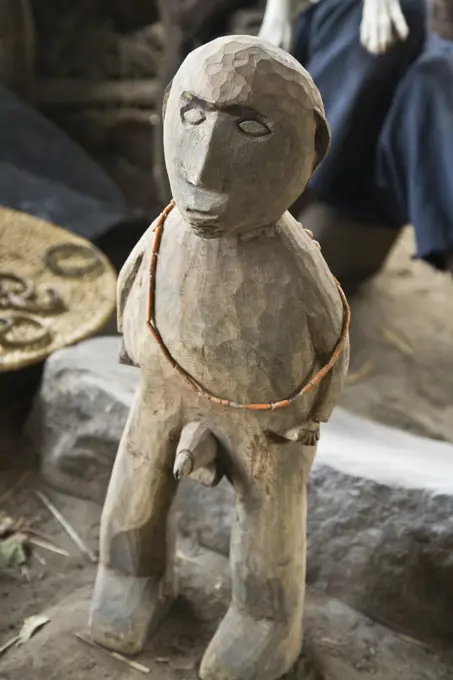
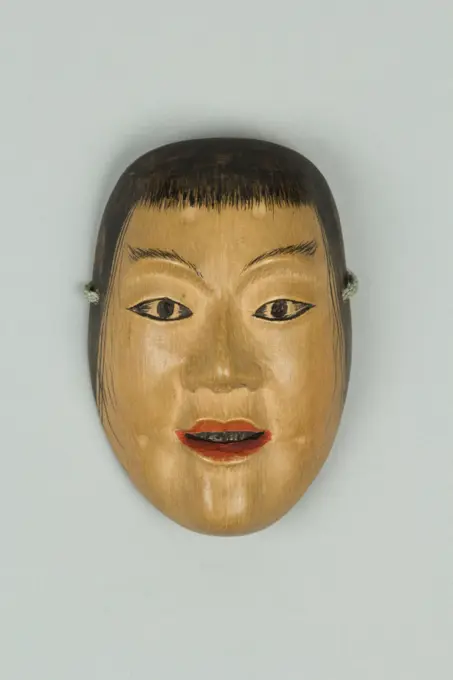
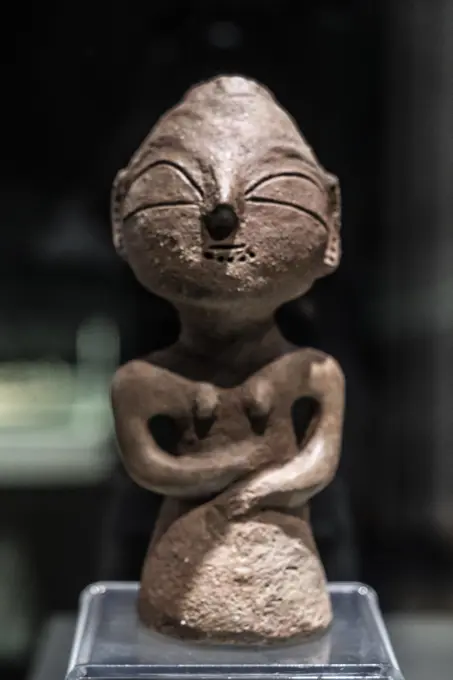
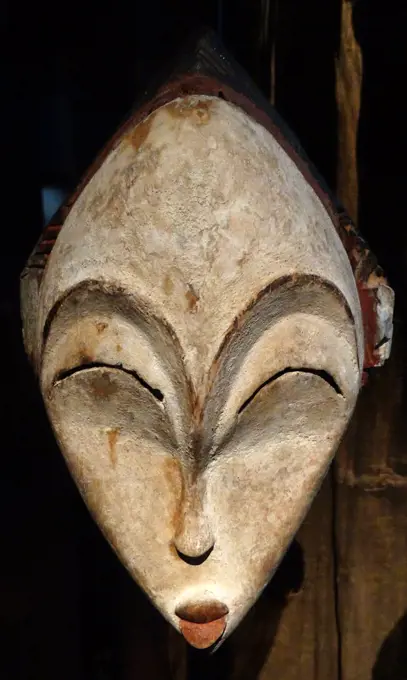
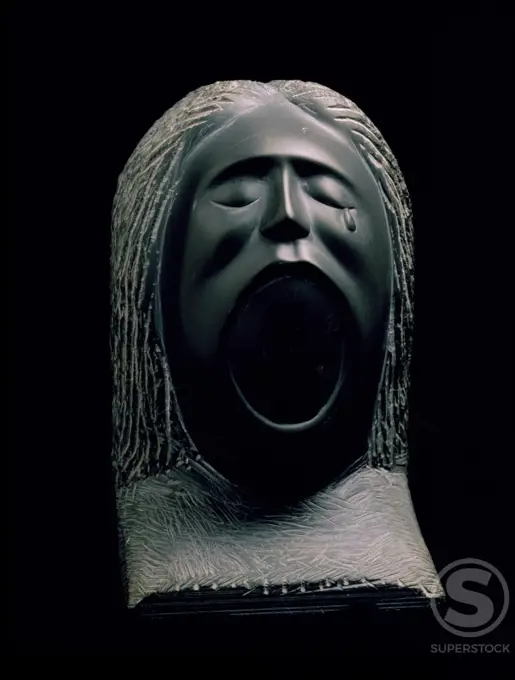
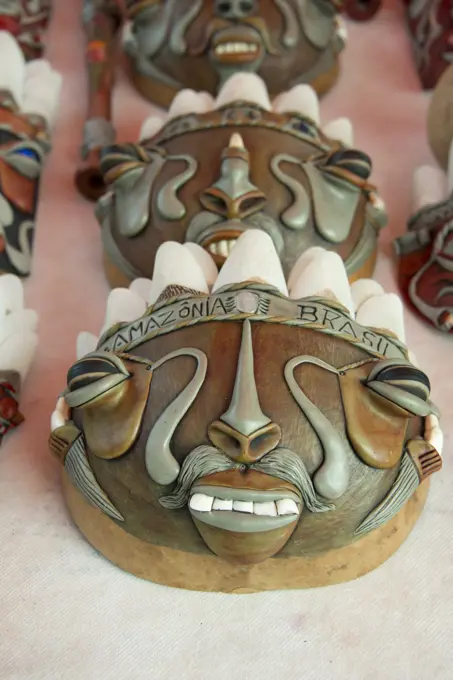
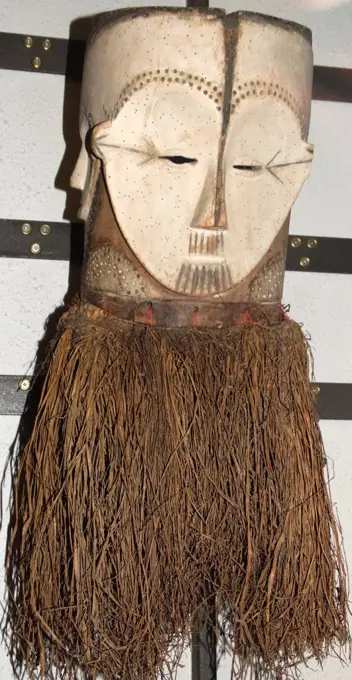
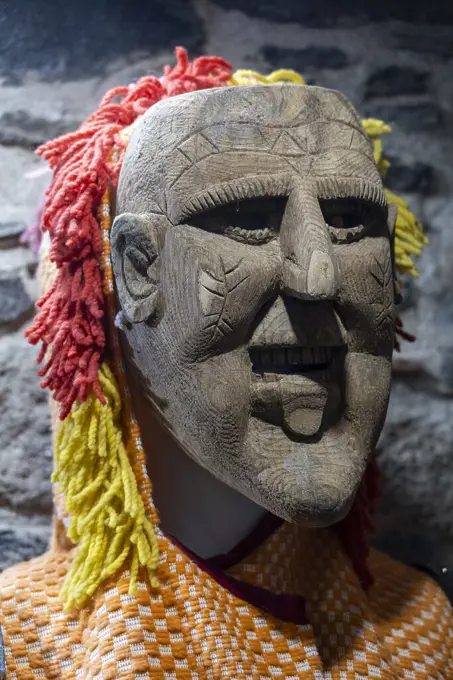
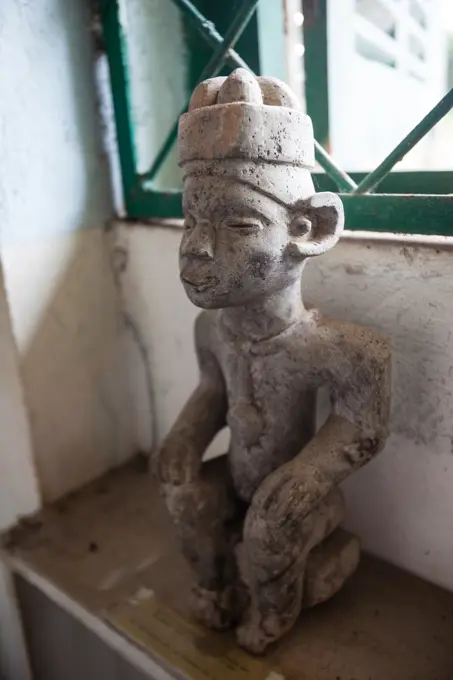
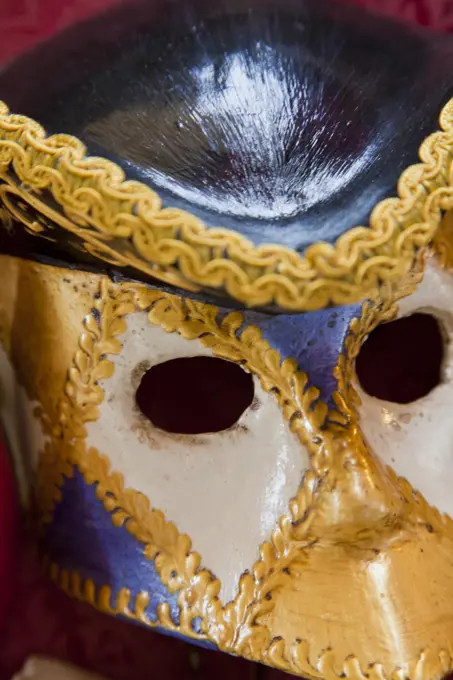
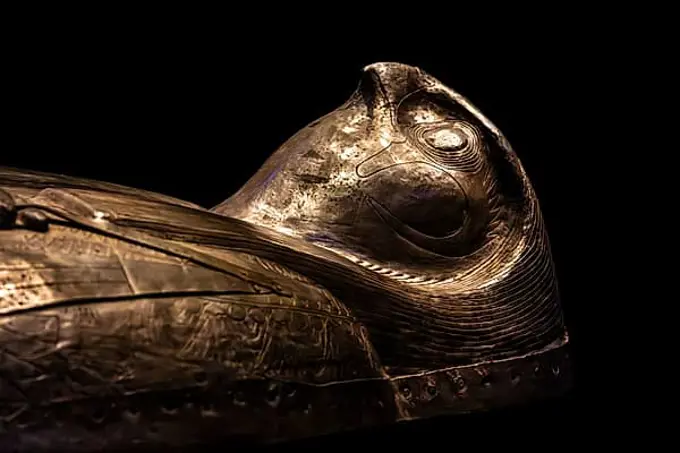
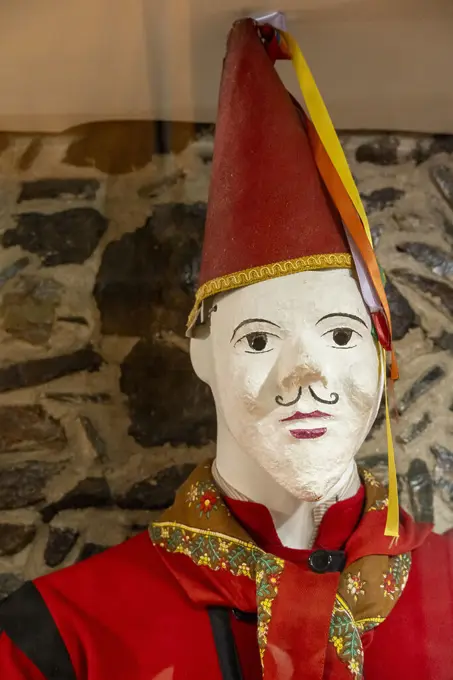
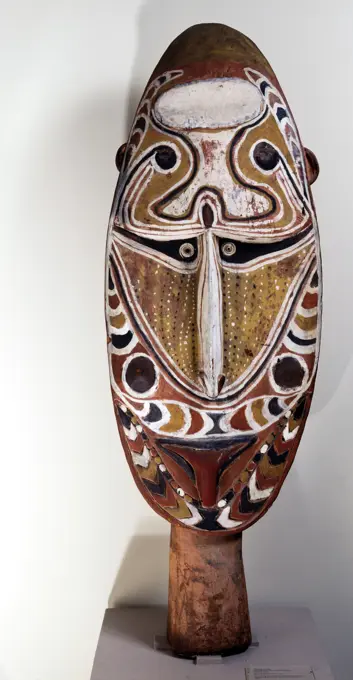
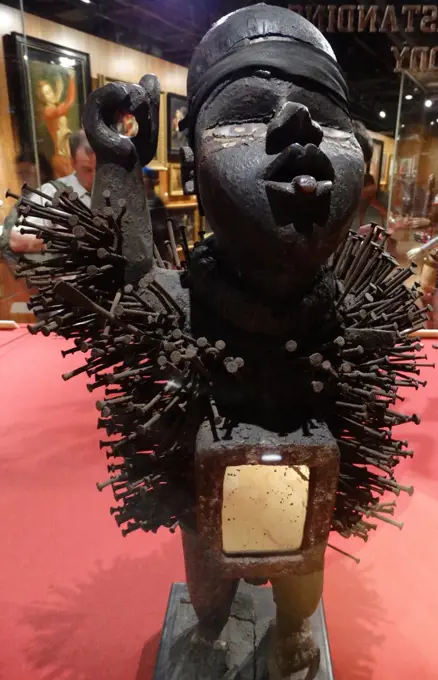
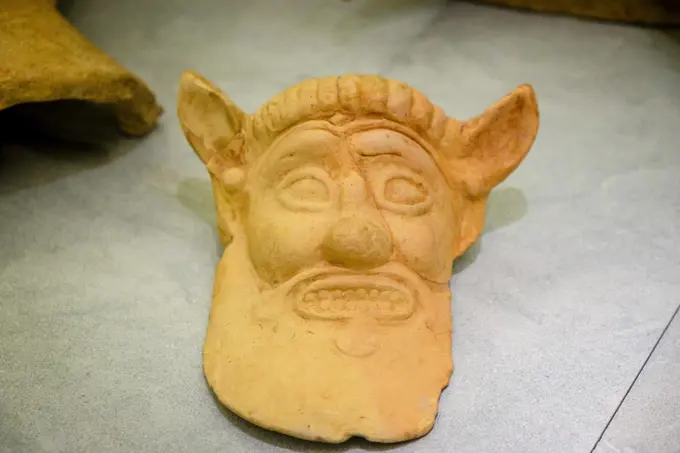
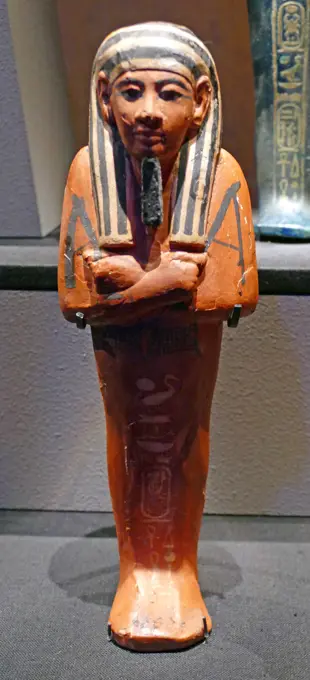
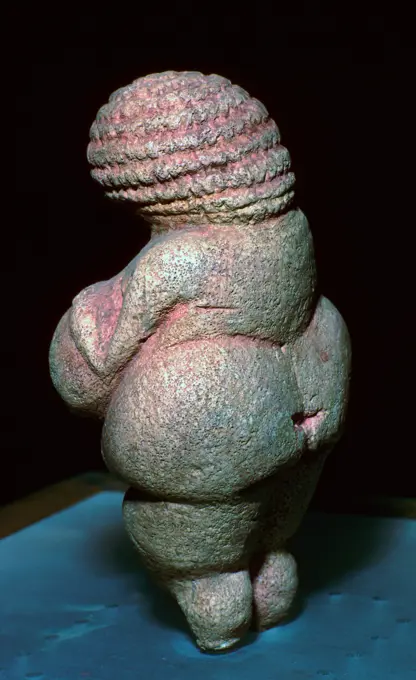
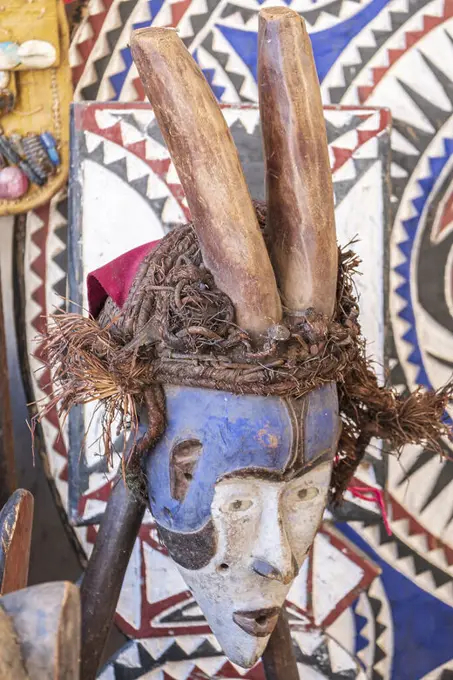
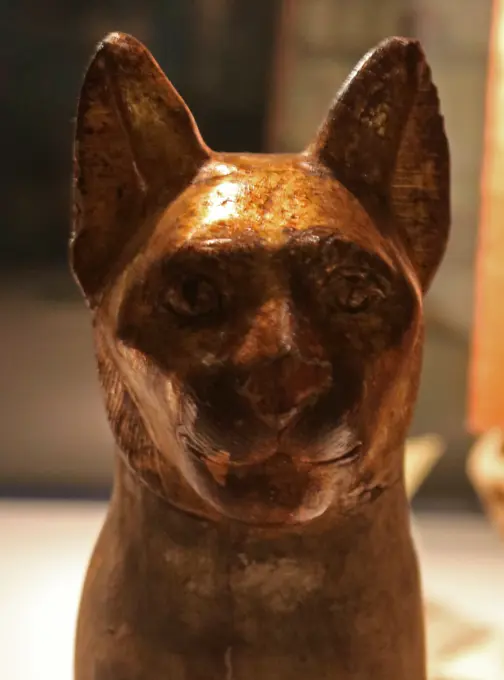
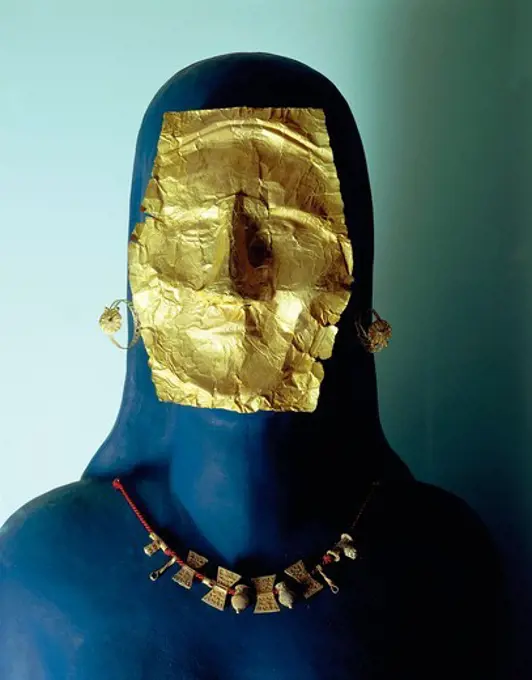
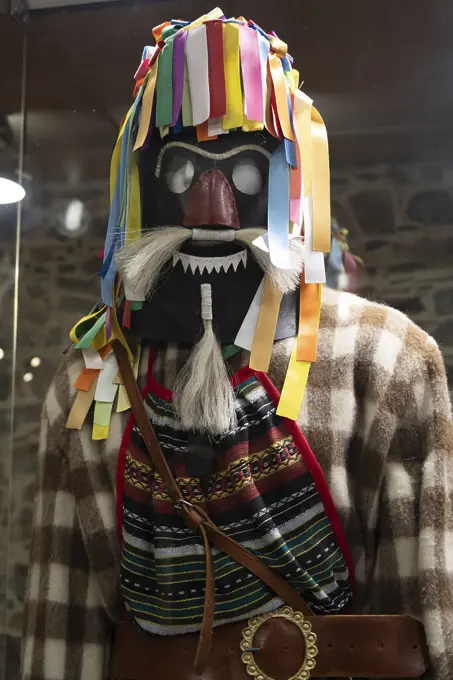
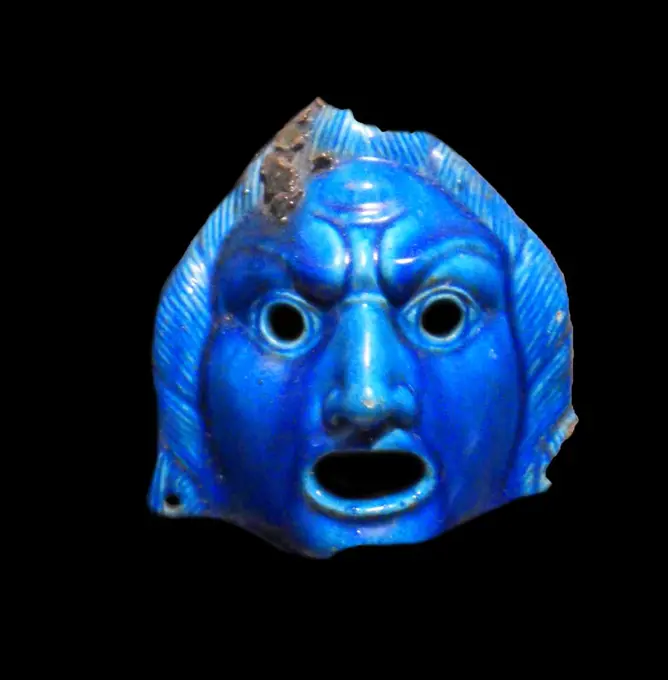
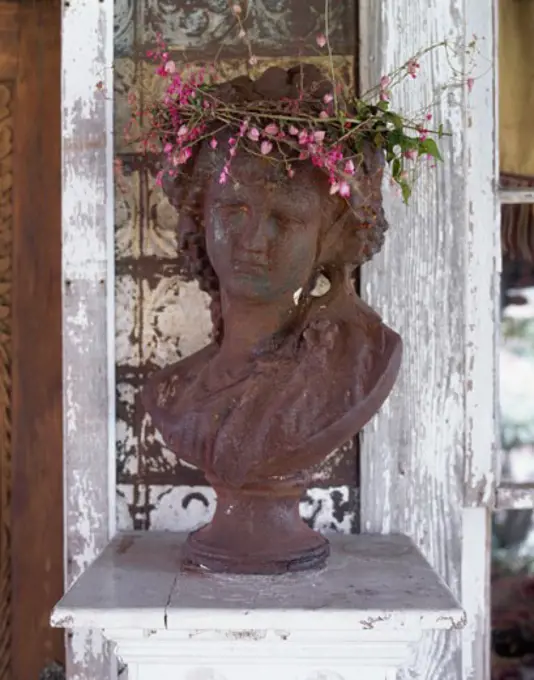
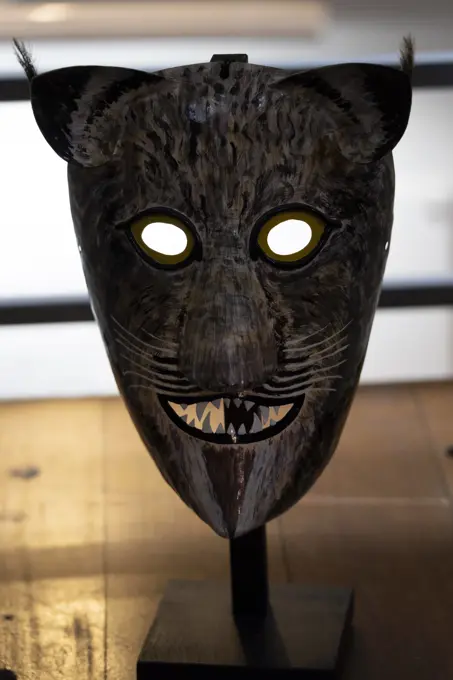
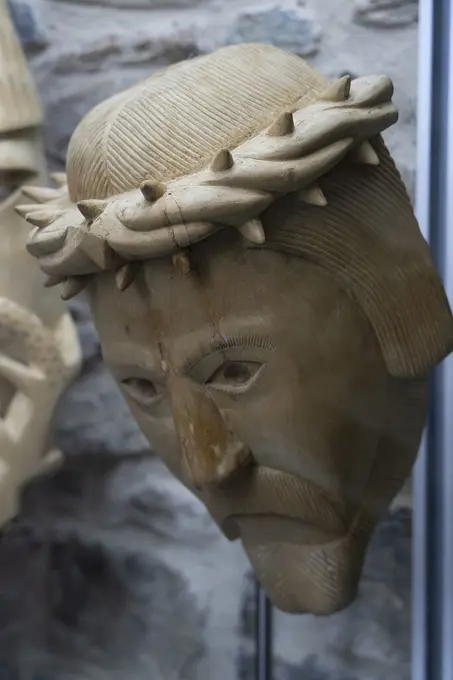
Typical artisan mask for traditional masquerade celebration, Iberian Museum of Masks and Costume, Braganza (Bragança),Trás-os-Montes and Alto Douro, Portugal.Mummified head of a pharaoh. Egypt.South America, Peru, Lima. National Museum of Archaeology & Anthropology. Moche pottery.African mask, Ba-Songe or Ba-Luba tribe, Congo, AfricaAndean Pre-Hispanic native wooden funerary mask; 10th -13th century AD. Panchacamac culture, ;Noh mask representing the notorious bandit of legends, Kumasaka. carved from blocks of Japanese cypress ('hinoki'), and painted with natural pigments on a neutral base of glue and crunched seashell and used in Noh, Sino-Japanese musical drama. Dated 1884Two Viking heads. Thor and Frey. 9th cent. AD. VIKING.MASCARA FUNERARIA EN ORO HALLADA EN MICENAS. Location: MUSEO ARQUEOLOGICO-ORFEBRERIA. ATHENS. GREECE.Jade mask of an anthropomorphic god, Mayan AD 50-300. Pre-Columbian MesoamericanGolden Artifact From Yotoco Malagana Tribe (Death Mask) In The Gold Museum In La Candelaria, The Old Town Of Bogota, ColombiaWooden ritual Ekpo mask, Ogoni; Nigeria; West Africa 20th centuryReligious tin mask. Roman, circa 1st-3rd century AD. With sockets for decorative glass eyes. Wouldve originally been on a wooden backing, and carried around by a priest during a procession. From the Scared Spring in Bath, England.African Mask, Ulusaba Private Game Lodge, Kruger National Park, South Africa, AfricaSouth America, Peru, Lima. National Museum of Archaeology & Anthropology. Moche pottery. (Editorial Usage Only)Sledge Carving Viking Ship Museum Oslo NorwayClose up of wooden puppet sitting on chair.Terracotta container from Colombia. Dated 15th CenturyOvacal ,, 1800 - 1900 The van eclaped van. Java wood (plant material). dye The van eclaped van. Java wood (plant material). dyeCeramic Head. Culture: Remojadas. Dimensions: H. 7 3/16 x W. 5 1/8 x D. 4 1/2 in. (18.3 x 13 x 11.4 cm). Date: 6th-9th century. Museum: Metropolitan Museum of Art, New York, USA.Mask, 20th century, 12 1/4 x 10 x 3 1/4 in. (31.1 x 25.4 x 8.3 cm), Wood, paint, brass bells, cloth, Côte d'Ivoire, 20th centurySANCHEZ , JOSE LUIS. ESCULTOR ESPAÑOL. ALMANSA 1926 -. " CABEZA DEL COLLAR " , AÑO 1954. COLECCION DEL AUTOR.Funerary Mask 5th Century B.C. Hammered Gold.Prehistory. Finland. Europe. Levanluhta swampy. Hundred peope have been buried to the former lake in the Iron Age. Found jewellery buried with them. Dated to the 300-700 BC. The National Museum of Finland. Helsinki.Typical artisan mask for traditional masquerade celebration, Iberian Museum of Masks and Costume, Braganza (Bragança),Trás-os-Montes and Alto Douro, Portugal.Anthropomorphic Stone Head On Display In The Site Museum Of Chavin De Huantar, Ancash, PeruAfrica, West Africa, Benin, Beri. Close-up shot of traditional fetish object.Netsuke: Miniature Noh Mask of Dai Doji 18th century Japan. Netsuke: Miniature Noh Mask of Dai Doji. Japan. 18th century. Wood, carved and painted. Netsukeanthropomorphe Tonfigur anthropomorphe Tonfigur Copyright: xZoonar.com/TOLOxBALAGUERx 22682410Prehistory, Poland, Iron Age. Pomeranian culture. Anthropomorphic terracotta cinerary urn. From Rab, Gdansk. Detail.mascara funeraria barbada, estilo púnico-ebusitano, 400-300 a.C, Museo arqueológico de Ibiza y Formentera, Patrimonio de la Humanidad «Ibiza, biodiversidad y cultura», Ibiza, balearic islands, Spain.Wooden anthropomorphic mask from Gabon, Gabonese Republic, Africa. Dated 1900Funerary Mask. Peru. Sican 9th-11th c. Hammered gold.Metropolitan Museum of Art. Ny. Usa.ANITO DE FILIPINAS. Location: MUSEO ETNOLOGICO. MADRID. SPANIEN.Face Flask. American. Date: 1815-1845. Dimensions: 12.1 × 8.9 × 12.7 cm (4 3/4 × 3 12 × 5 in.). Salt-glazed stoneware, with iron oxide and cobalt. Origin: United States. Museum: The Chicago Art Institute, Chicago, USA.Woman's Head with a Tear   1975 Pablo Rivera (b. 1936 American)  Gray African wonderstone Private CollectionBrazil, Amazon, Alter Do Chao. Typical souvenir handicraft masks made from latex from local rubber trees and adorned with fish scales, real animal bones and teeth. (Large format sizes available)Painted theatre masks. Java (Indonesia) Civilisation and Bali, 19th century.National Museum of Anthropology, Mexico CityConfou Mask by the Mende People of Sierra Leone. Dated 20th CenturyHead of a Woman known as 'Mona Lisa from Nimrud', ivory statue, 720 BC, Iraq, Baghdad, Museum of BaghdadSteel visored helmet (sallet). Dated 15th CenturyFigurehead of a Viking ship. 8th cent. Viking artefact.Mummy of Ramses V, face detailShōjō. Kimura Ryūmin (Japan, active mid- to late 19th century). Japan, mid- to late 19th century. Costumes; Accessories. WoodHead Fragment from a Large Ceremonial Jar 700 CE-800 CE Peru, southern. Ceramic and pigment . TiwanakuBronze cuirass (body armor). Greek, Apulian, 4th century B.C. Metropolitan Museum of Art. Ny. USA.Set of bronze armor, Greek, South Italian, Apulian, ca. 330 B.C.Clay tomb guardian on display at the Kharkhorin Museum, Kharkhorin (Karakorum), Övörkhangai Province, MongoliaTypical artisan mask for traditional masquerade celebration, Iberian Museum of Masks and Costume, Braganza (Bragança),Trás-os-Montes and Alto Douro, Portugal.Attendant god. Assyrian, about 810-800 BC. From Nimrud, Temple of Nabu. This god, with its pair opposite, stood outside a doorway in the Temple of Nabu, god of writing. Both were dedicated to Nabu.Lion´s maskAfrica, Republic of Congo, Diosso. Congolese fetish object at the Ma-Loango Museum.Ancient doorknob with a figure of lionKinderstatue Wasserlauf Bad Pyrmont Kinderstatue Wasserlauf Bad Pyrmont Copyright: xZoonar.com/MartinaxBergx 6671702Italian festival Mask.Algund menhirs, prehistoric stones, Algund, South Tyrol, Italy, EuropeVessel terminating in the head of a ram. Silver. Northwestern Iran. 8th-7th century B.C. Iron Age III. Metropolitan Museum of Art. Ny. Usa.Corinthian bronze helmetpainted wooden figures of a boats crew, British museum, London, England, Great Britain.Lid of the falcon-headed coffin of Sheshonq II from the exhibition: Ramses the Great and the Gold of the Pharaohs, Cologne, North Rhine-Westphalia, Germany, EuropeKleine Statue imit Flöte im Garten von Dajla, Kroatien *** small Statue imit Flute at Garden from Dajla, Croatia 1026902377Mask of an Elder, 1600s. Korea, Joseon dynasty (1392-1910). Wood with horsehair; mask: 20.3 x 6.1 cm (8 x 2 3/8 in.).Bruço Typical artisan mask for traditional masquerade celebration, Iberian Museum of Masks and Costume, Braganza (Bragança),Trás-os-Montes and Alto Douro, Portugal.House Mask from New Guinea,  Sepik River region,  USA,  Florida,  Jacksonville,  The Cummer Museum of Art and GardensArmor (Gusoku). Armorer: Helmet bowl signed Saotome Iyetada (Japanese, Edo period, active early-mid-19th century); Breastplate inscribed inside, Myochin Munesuke (Japanese, Edo period, 1688-1735). Culture: Japanese. Dimensions: H. 67 1/2 in. (171.5 cm). Date: 16th and 18th centuries.This example comes from the armory of Date Yoshimura (1703-1746), daimyo (lord) of Sendai. The helmet bowl, signed Saotome Iyetada?, dates from the sixteenth century; the remainder of the armor was constructed in the eighteenth century. The breastplate is inscribed inside with the armorer's name, Myochin Munesuke (1688-1735). The embossed ornament on the solid iron plates is characteristic of the Myochin school. Museum: Metropolitan Museum of Art, New York, USA.Nail figure used for healing the sick and oath fixing. Made by the Kongo people, from the Democratic Republic of Congo, 1880-1920.Wooden masks on display at the Pasar Triwindu (Antique Market) in Solo (Surakarta), a city on Java, Indonesia.Traditional ornate mask in the Museo Nacional de Etnografia y Folklore, MUSEF, ethnographic museum in Sucre, Bolivia, South AmericaPotter s moulds and stamps Potter s moulds and stamps, 425-100 BC, Archaeological Museum of Ibiza and Formentera, Ibiza, Spain Copyright: xZoonar.com/Tolox 23005344Painted wooden Shabti, Tomb of King Tutankhamun. 1326 BCDenmark, Zealand, Copenhagen, Vesterbro, Kodbyen former meat packing district, Warpig BBQ restaurant, mensroom signSCULPTURE of OPEN HANDED MAN (Spring Stone) by GEDION NYANHONGO - Shona people of ZimbabweArctic Canada, Nunavut, Baffin Island, Iqaluit (aka Frobisher Bay). Nunatta Sunakkutaangit Museum. Eskimo doll.Willendorf Venus Artist: UnknownTAPA DEL ATAUD DE UNA MUJER LLAMADA HENUTMEHIT. IMPERIO NUEVO XIX DINASTIA HACIA 1250 A.C. MADERA. Location: BRITISH MUSEUM. LONDON. ENGLAND.bell crater, Iberian culture, Archeological Museum. Úbeda, Jaén province, Andalusia, Spain.sub-saharan masks in the souk, Essaouira, morocco, africa.Creepy skull isolated on white background with reflectiongilded wooden statue of the cat goddess, Bastet from Gurna in Egypt. Late period circa 400 BCSkull on a flea marketUSA, New Mexico, Taos: Mexican HandicraftsUK, England, London, British Museum, Gold heads, Oxus Treasure, 4th-5th century, BCSkull with horns, piggy bankAfrica, Angola, Luanda. Worship object for animist ceremony.Gold mask, necklace and ribbon earrings, from Sindos, woman's tombs number 48 and 56Varge Typical artisan mask for traditional masquerade celebration, Iberian Museum of Masks and Costume, Braganza (Bragança),Trás-os-Montes and Alto Douro, Portugal.Ivory Chinese diagnostic dolls. Dated 18th CenturyFaience Theatrical mask for offering. Roman Period A.D. 2nd century found at Egypt, Fayum, Medinet el-Fayum(Fayum, Krokodilopolis-Arsinoe)Close-up of a bust of a woman wearing flowersClose-up of a woman's hands making potteryMasks with the theatre conceptWooden Indian Staute, Calico Ghost Town, California, United States of America Calico PUBLICATIONxNOTxINxFRAChimu Mask (gold) Peru 1100-1500 ADAthens Greece. The Agamennon golden mask inside the National Archaeological MuseumLapis lazuli and gilt-bronze vase, Ekaterinburg faceting factory, Russia, 1845. Artist: Ekaterinburg faceting factorySanxingdui Museum, Mask, Xinping, Chengdu, Sichuan, China, Asiatraditional african decorations, wooden sculpture, decorations for the garden, nature backgroundTypical manual mask for a traditional mask festival typical manual mask for a traditional mask festivalTorso of Christ. Culture: French. Dimensions: 43 x 13 3/4 x 9 1/2 in. (109.2 x 34.9 x 24.1 cm). Date: late 12th century.This fragmentary but sensitively carved sculpture was for many years considered to be from a crucifix. The position of Christ's body, however, which is bent slightly at the waist, suggests that the piece more likely was one of a group of sculptures that represented the Deposition, or the removal of Christ's body from the Cross. Despite major losses, the torso retains great sculptural power arising from the careful modeling of the body and the rhythmic patterns of the drapery. When discovered by George Grey Barnard near Lavaudieu, the piece was being used in a field as a scarecrow. The arms, legs, and (probably) head were originally separate pieces held in place by dowels in mortise-and-tenon joints. The original paint is obscured by a fourteenth-century overpainting. Examination has revealed that one layer of the loincloth was originally lapis lazuli blue studded wit