Ancient Artifacts and Metalwork

Historical metal objects including tweezers, dagger fragments, and bird-themed decorative items. Features aged patinas and intricate designs.

Fragment of majolica jug, pear-shaped model, trifoliate flower as decor, fragment fragile earthenware ceramics pottery glaze tin glaze, hand-turned baked glazed painted baked Fragment of pear-shaped jug. Majolica. Polychrome decor of trifoliate flower in circle surrounded by blue brush strokes. Strong discolouration due to stay in the soil archeology Rotterdam IJsselmonde indigenous earthenware import serving serve up Soil discovery: IJsselmonde Castle well 5 Rotterdam 1972.09.01.
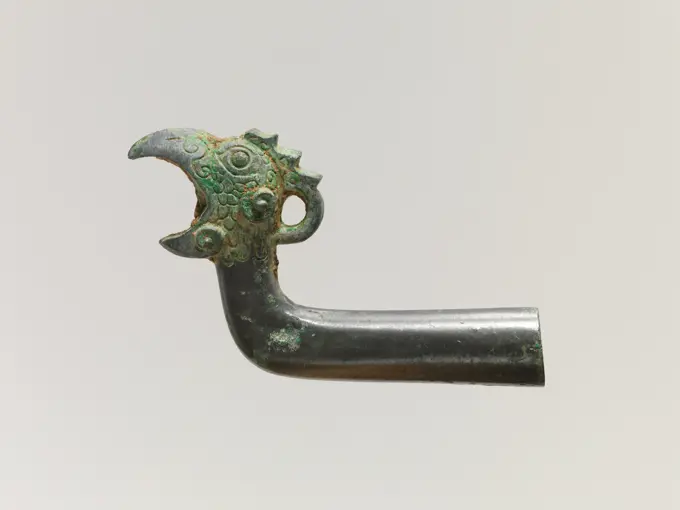
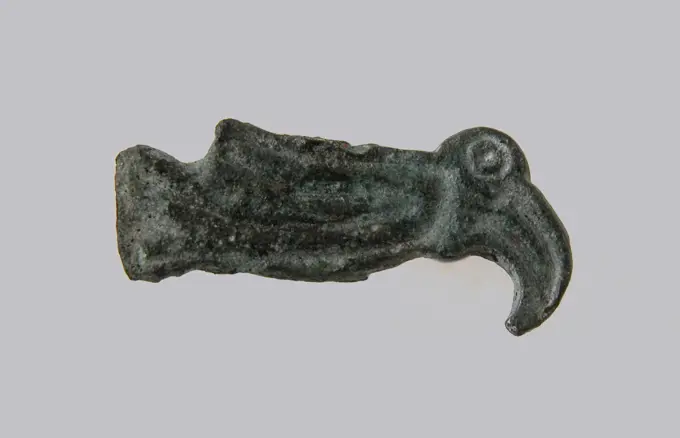
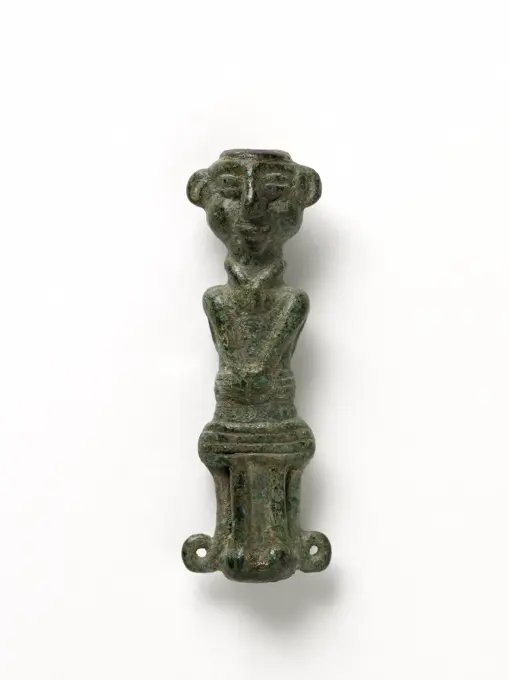
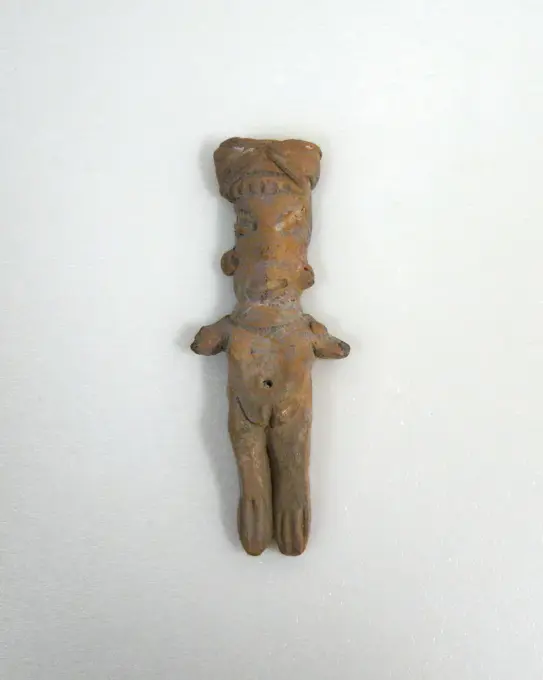
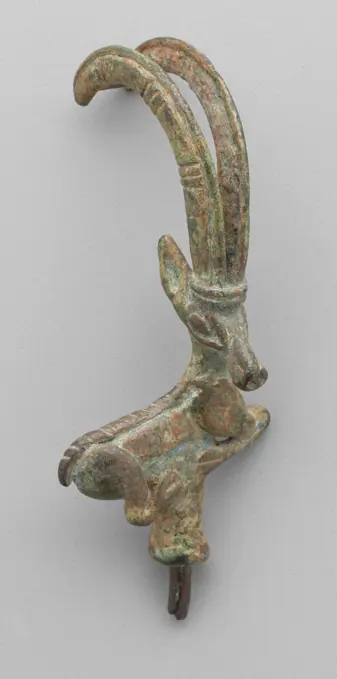
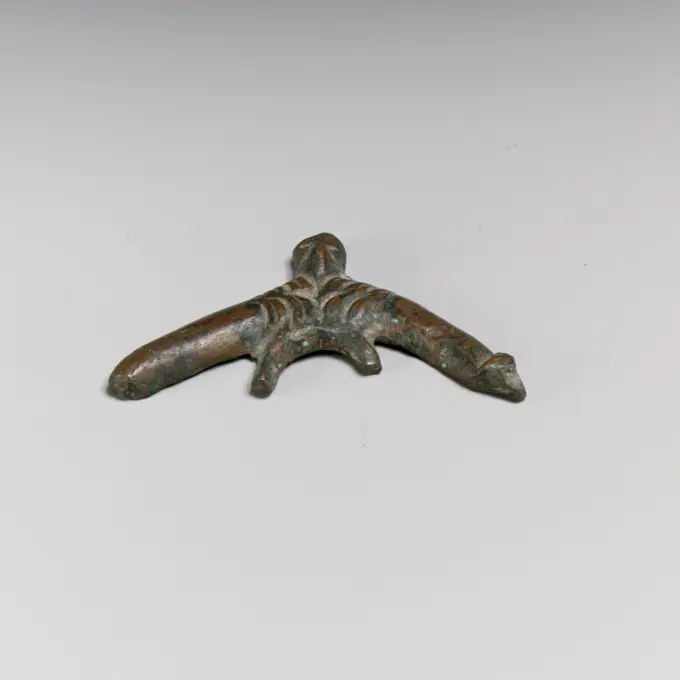
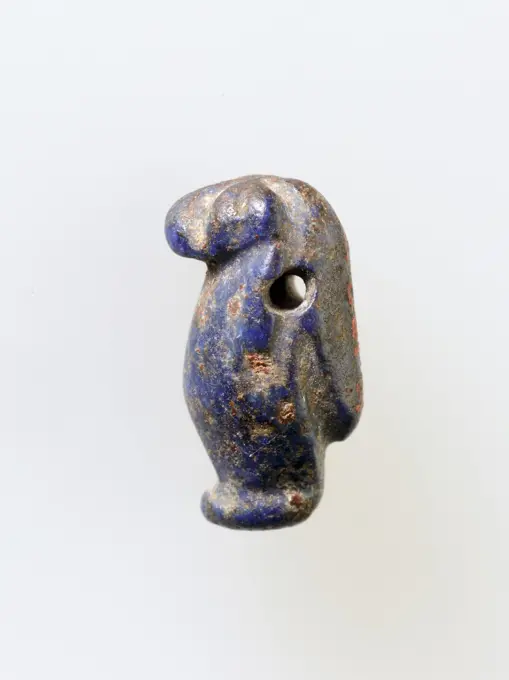
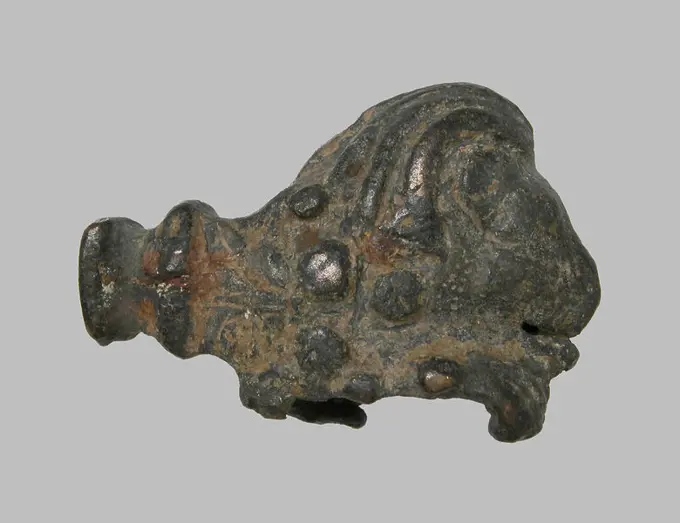
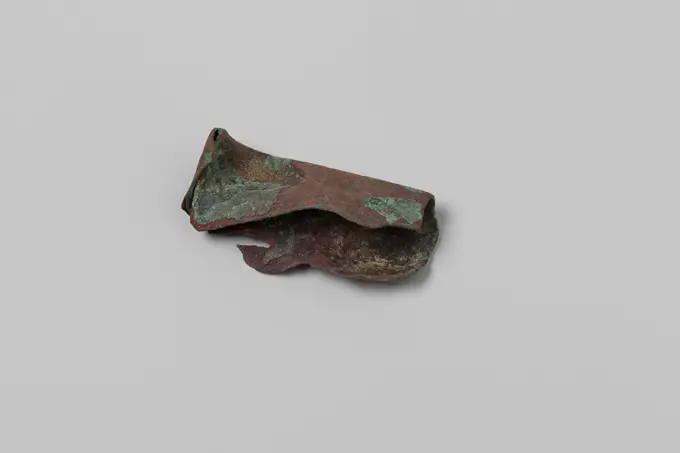
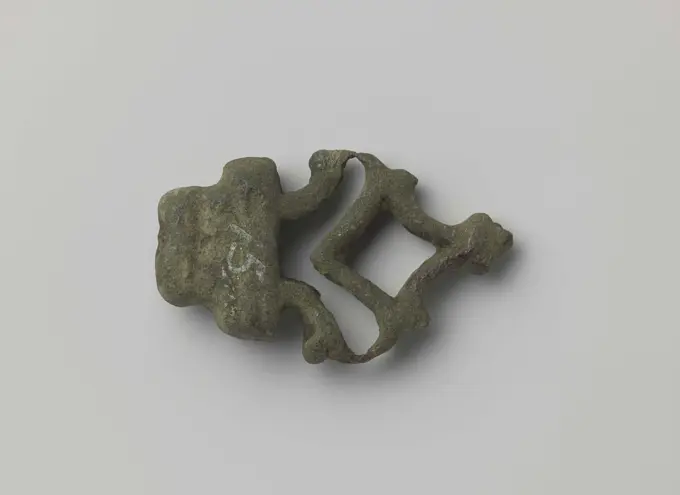
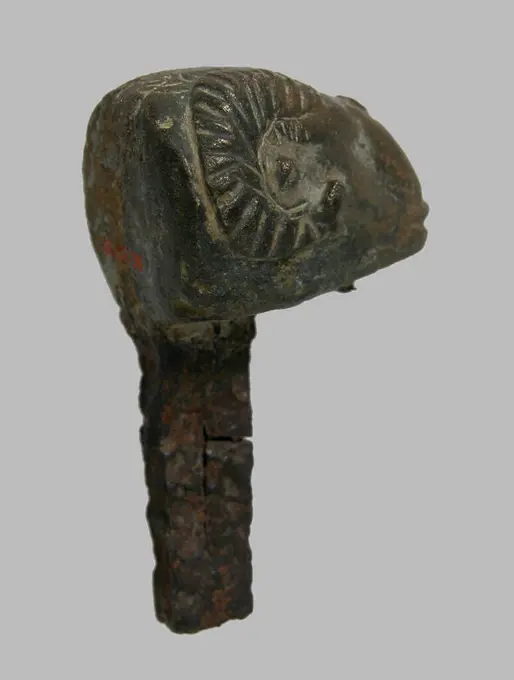
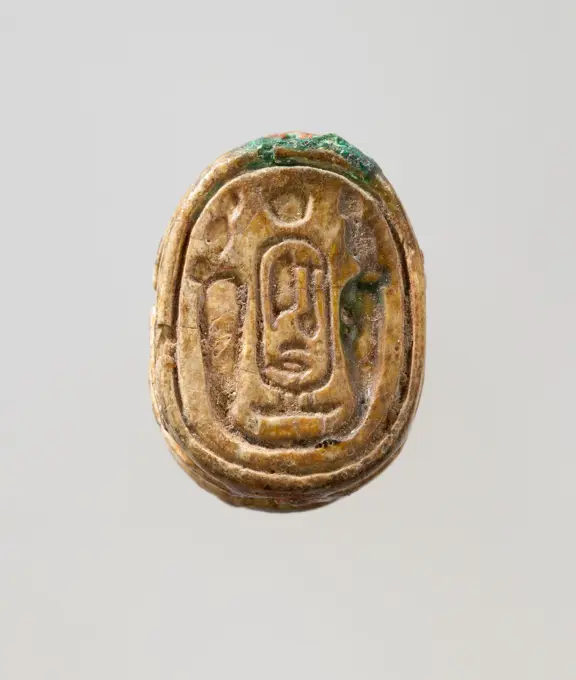
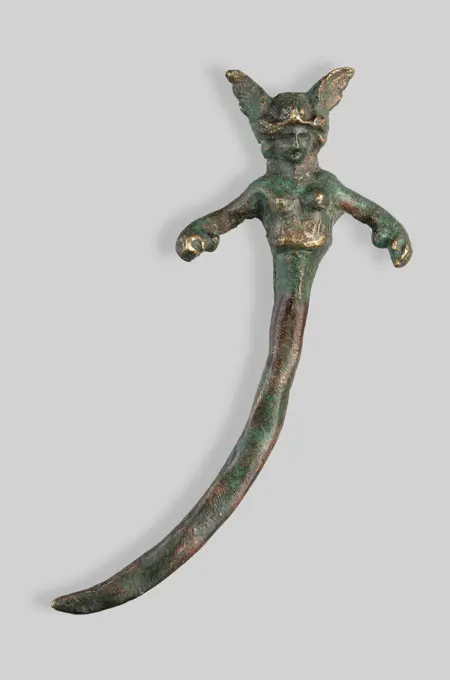
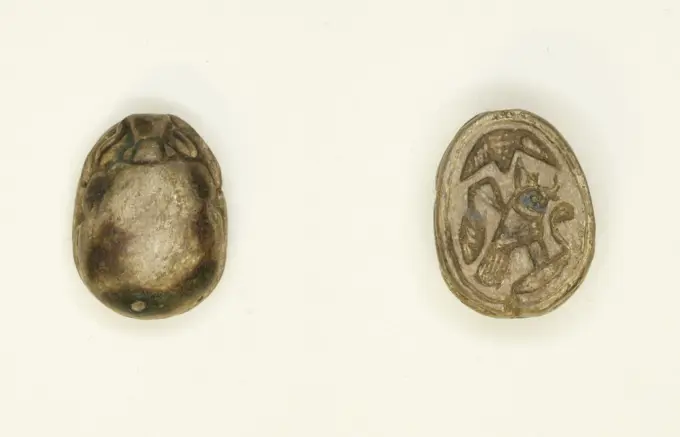
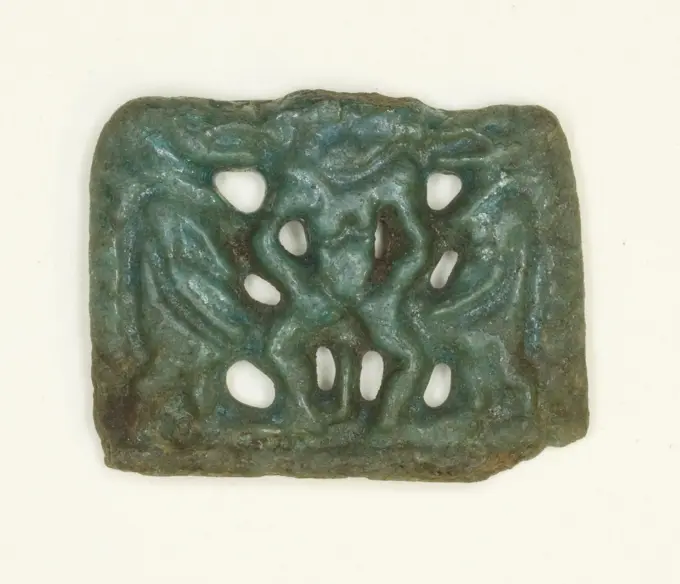
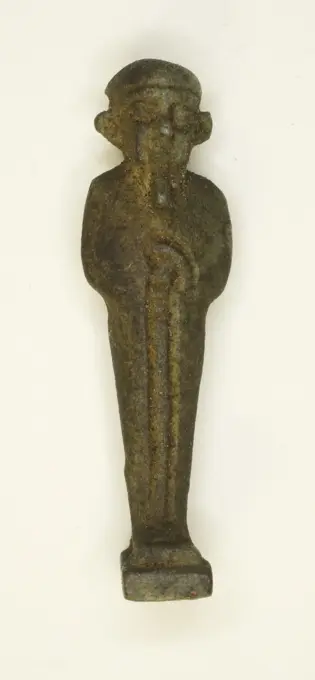
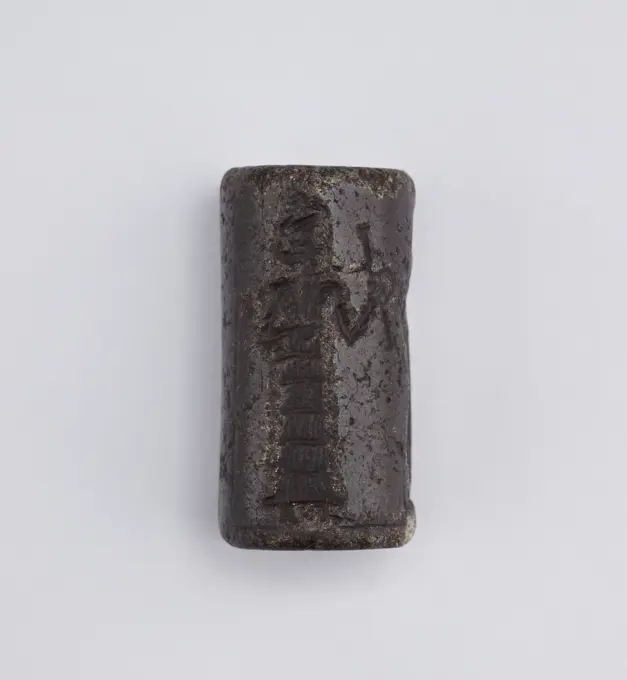
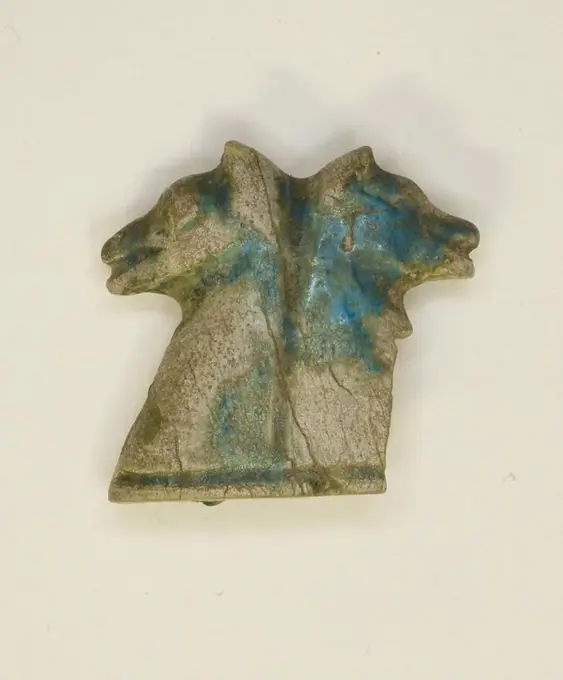
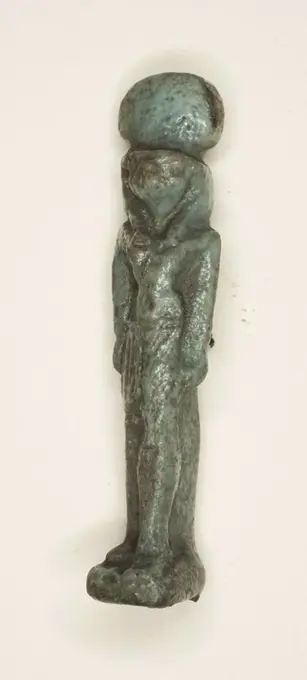
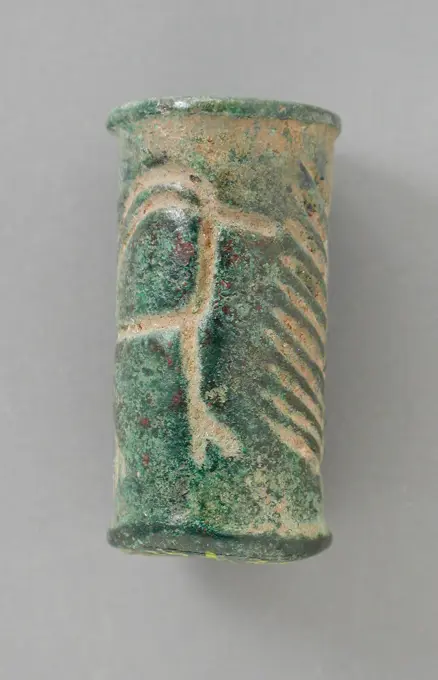
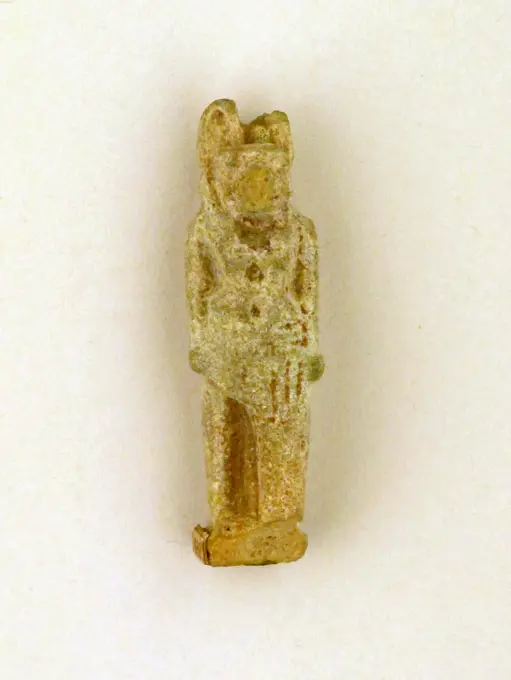
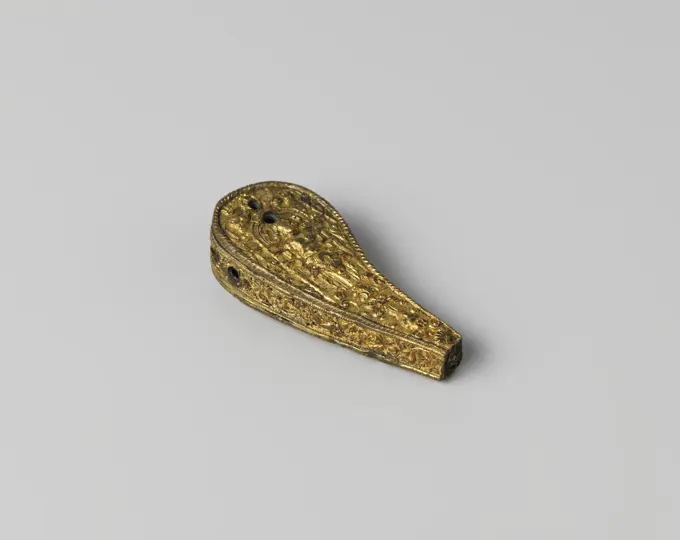
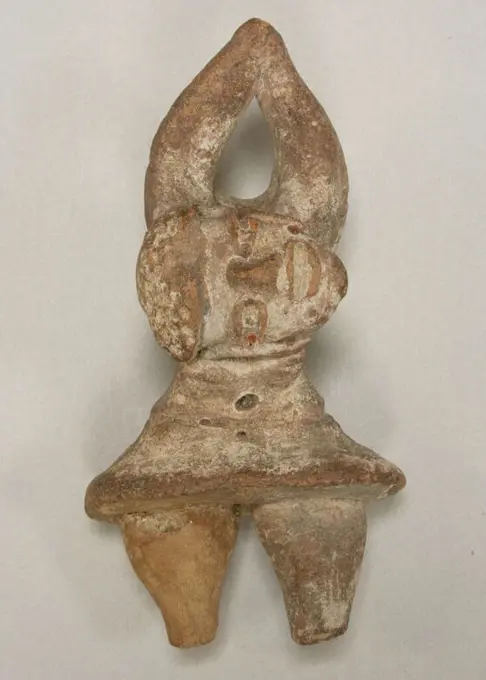
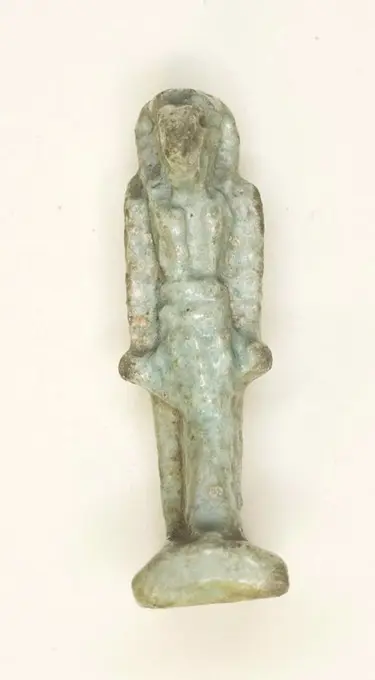
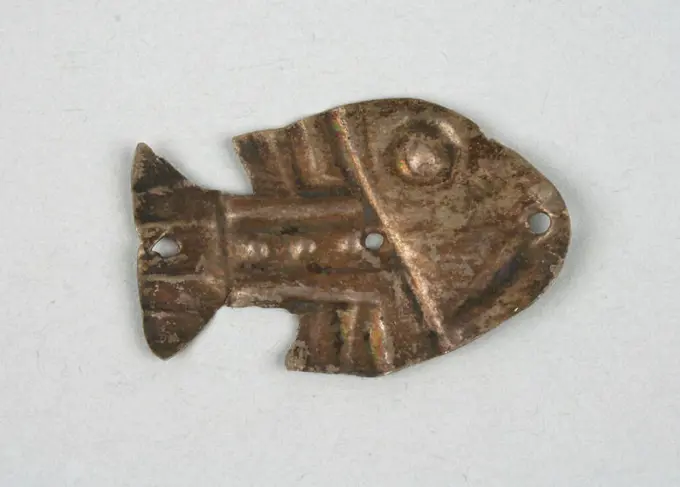
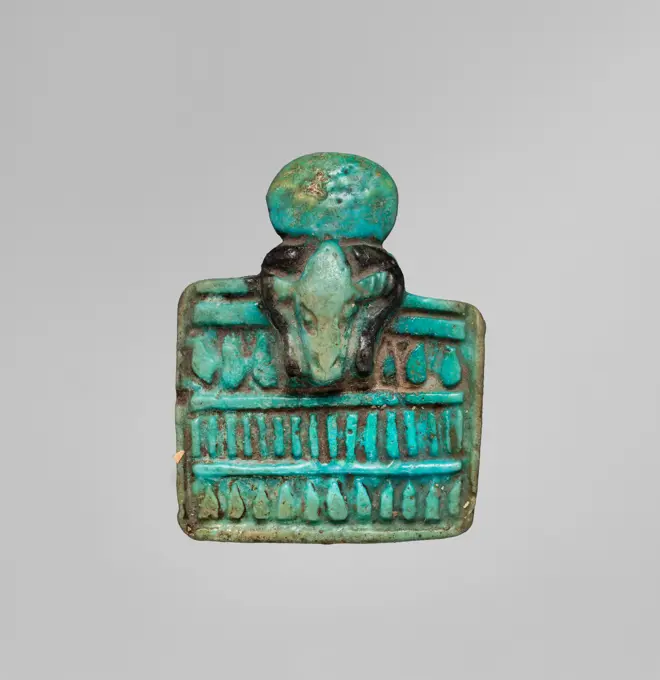
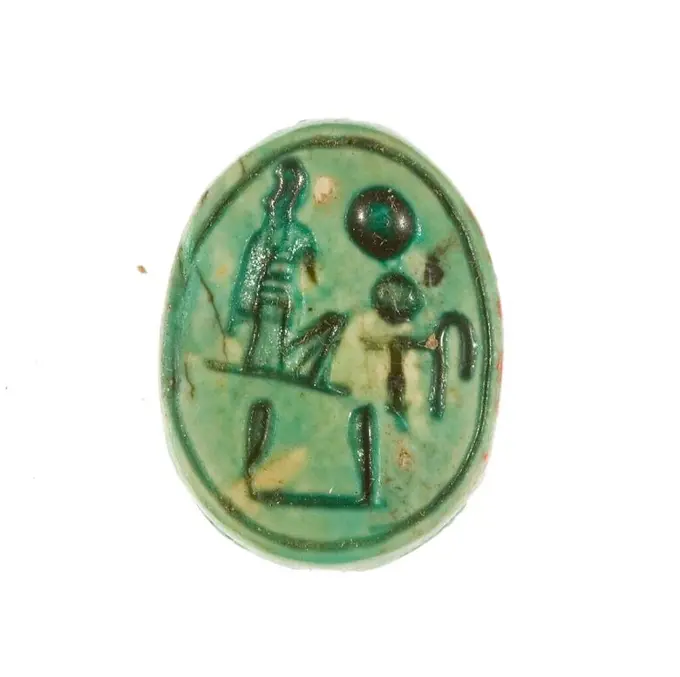
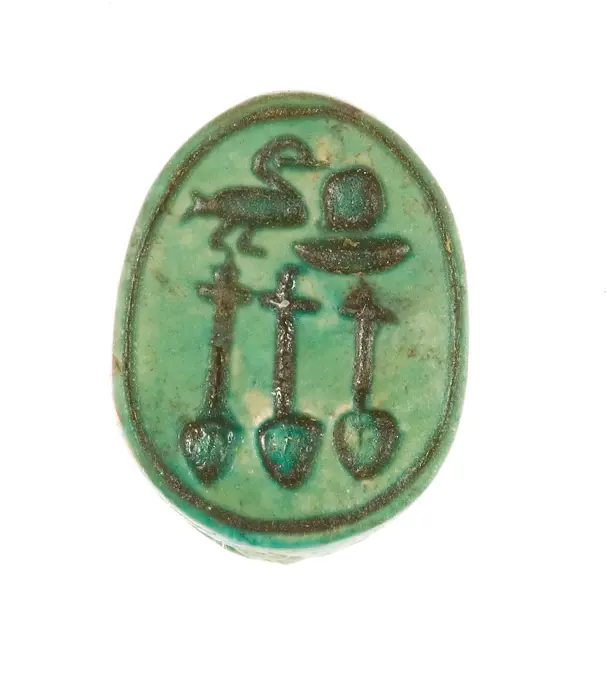
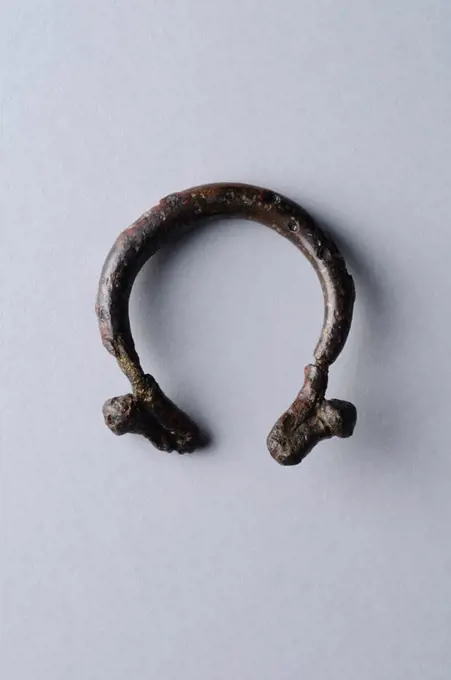
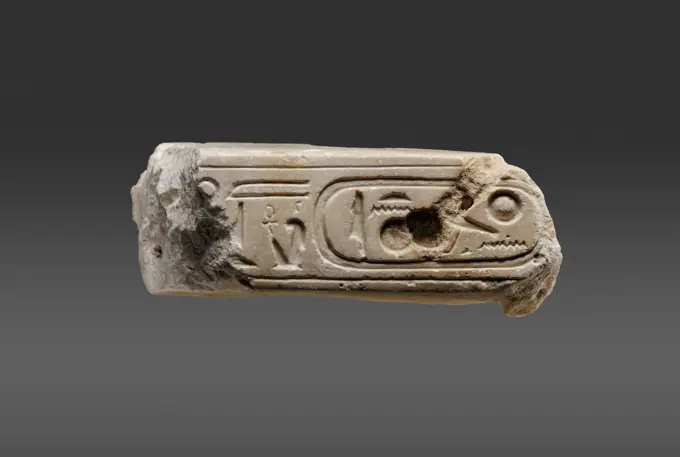
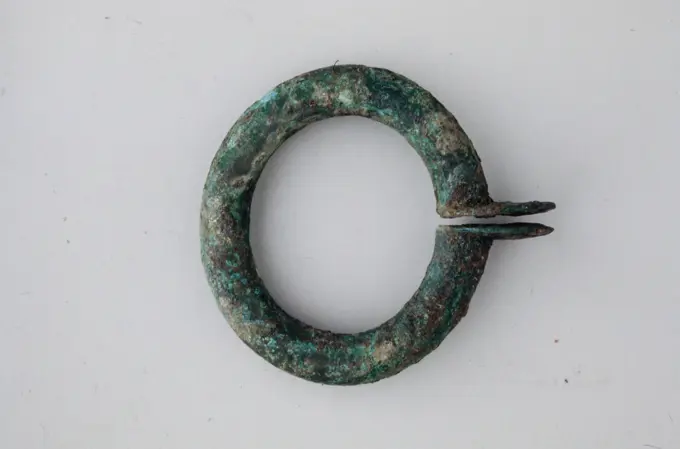
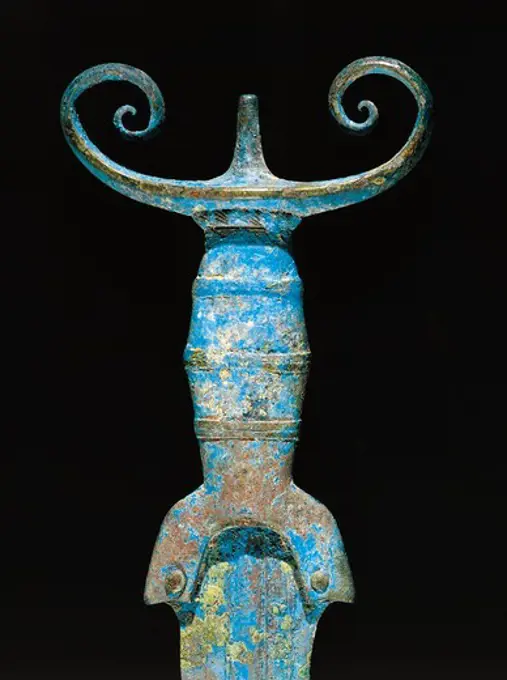
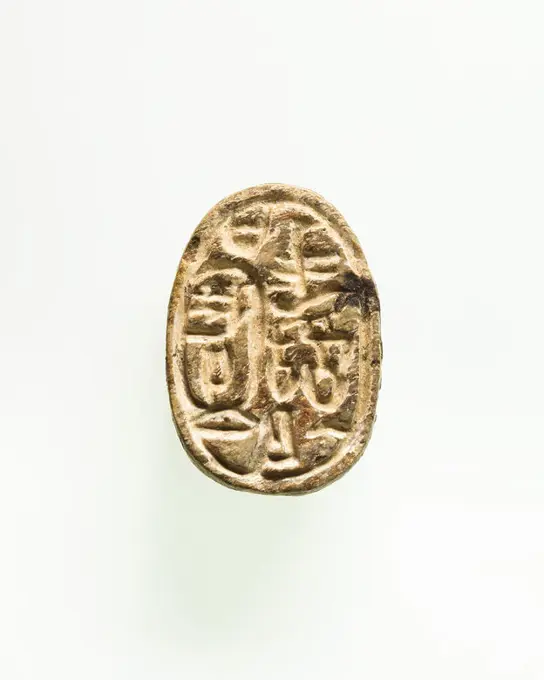
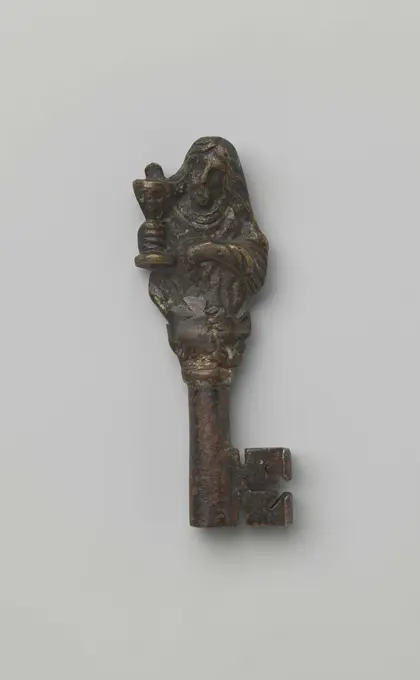
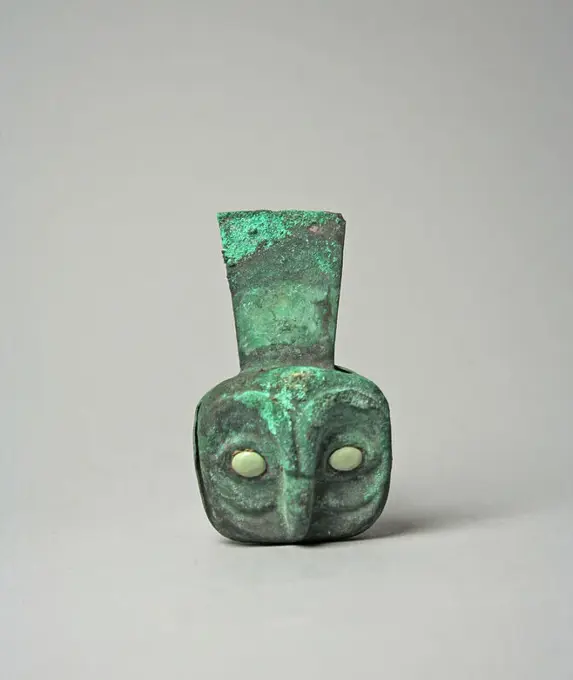
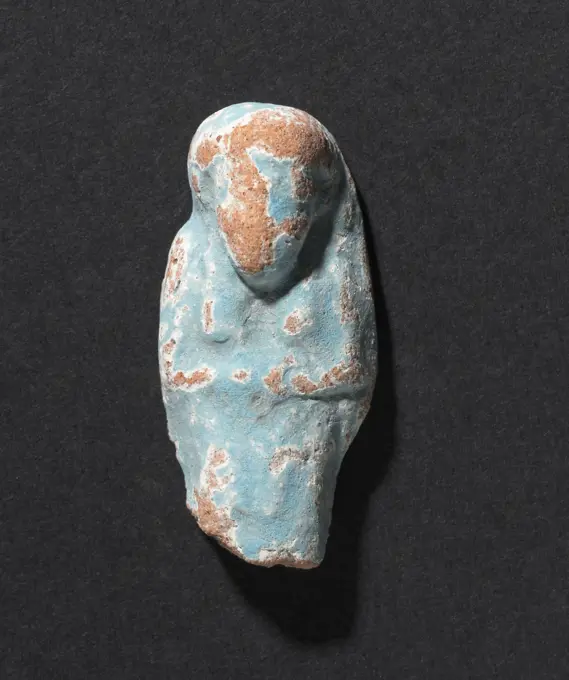
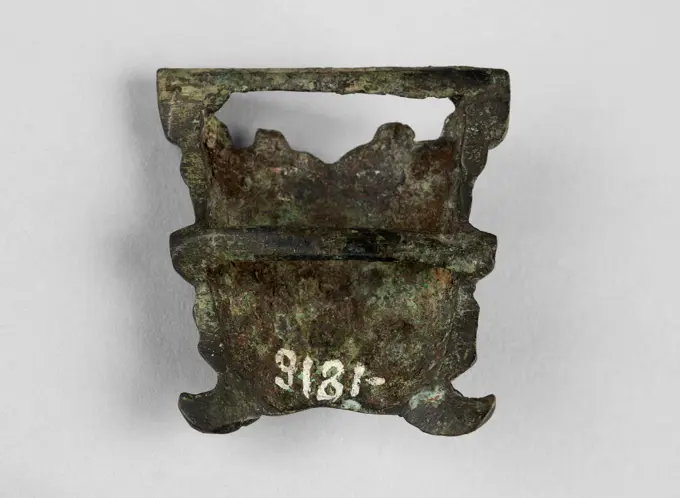
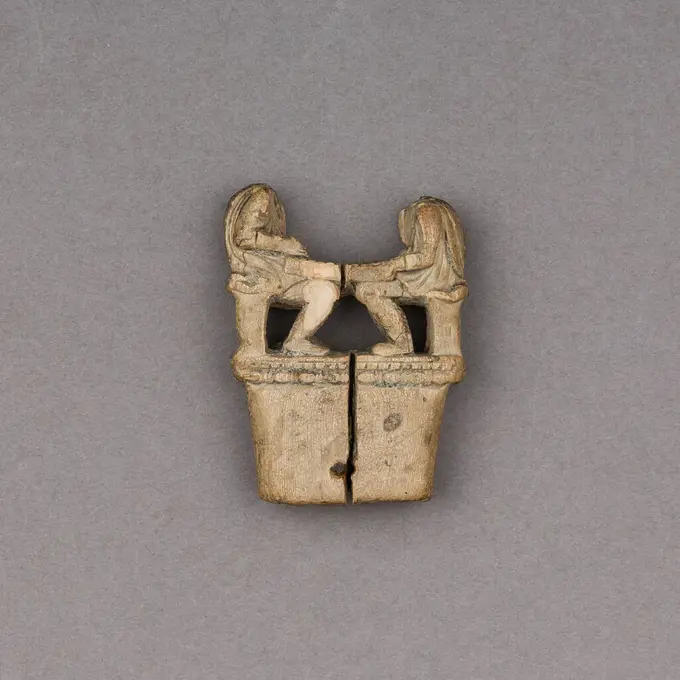
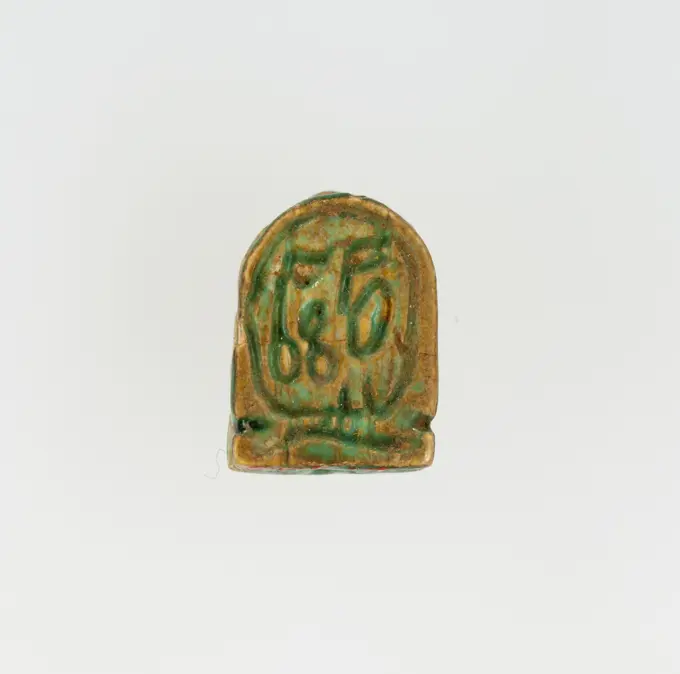
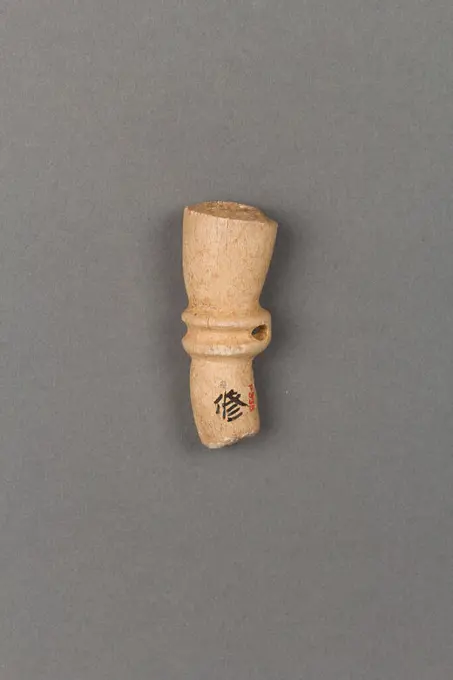
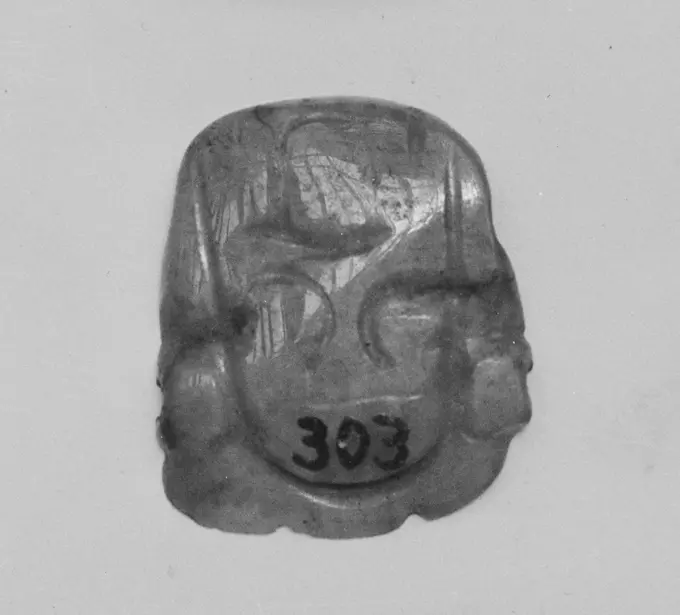
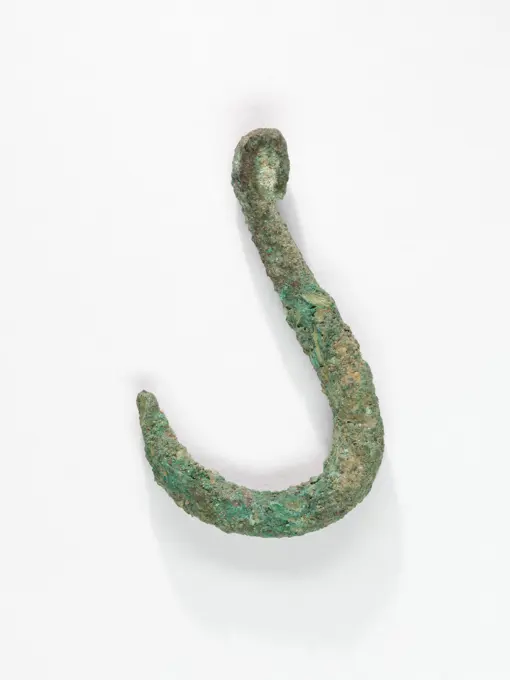
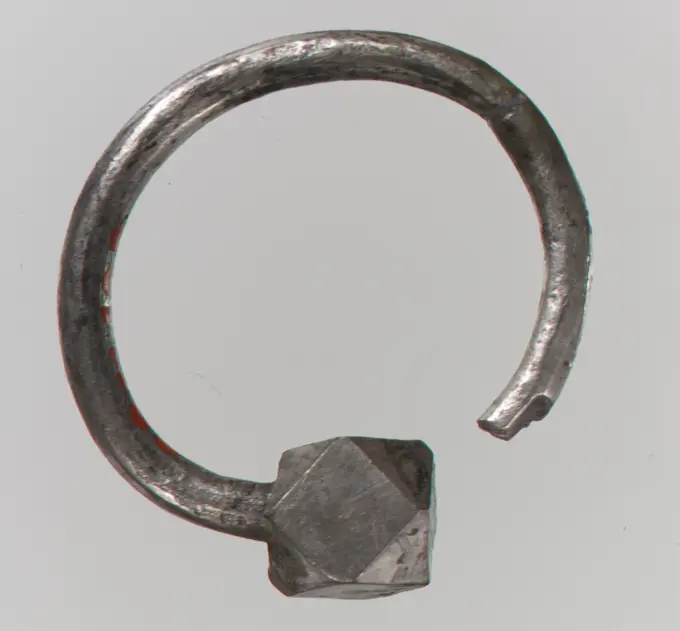
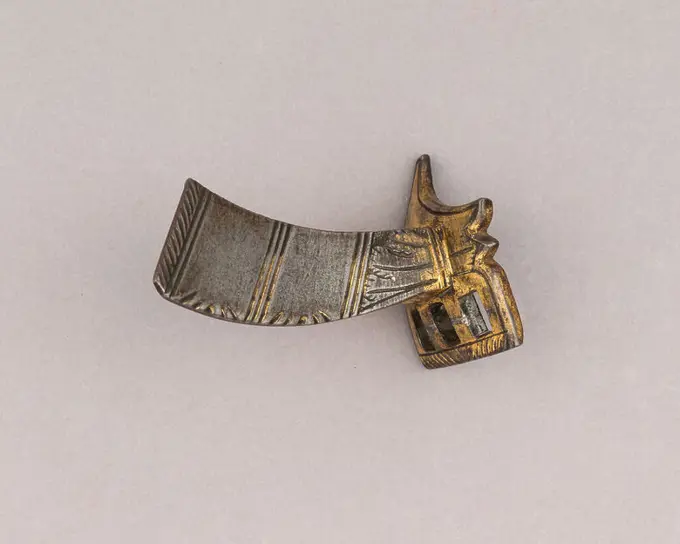
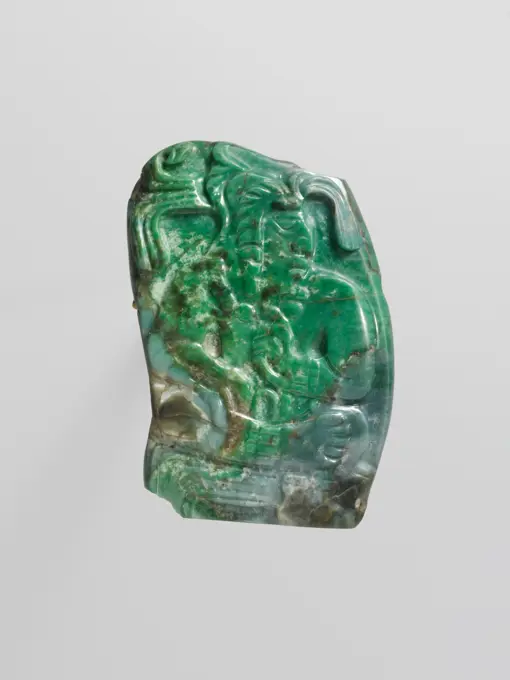
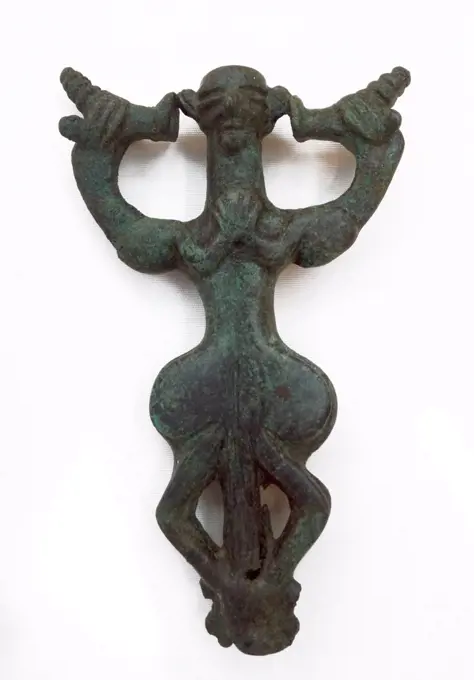
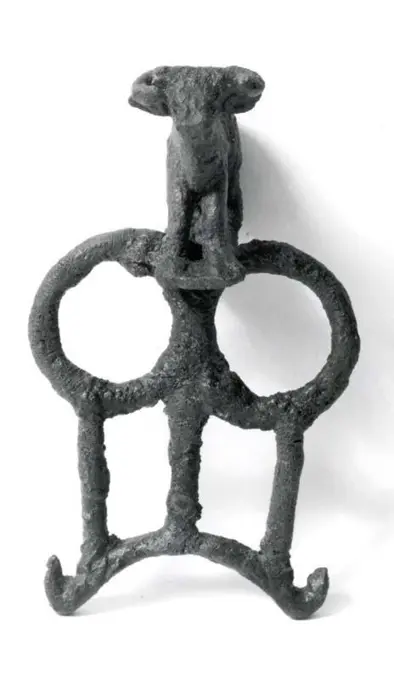
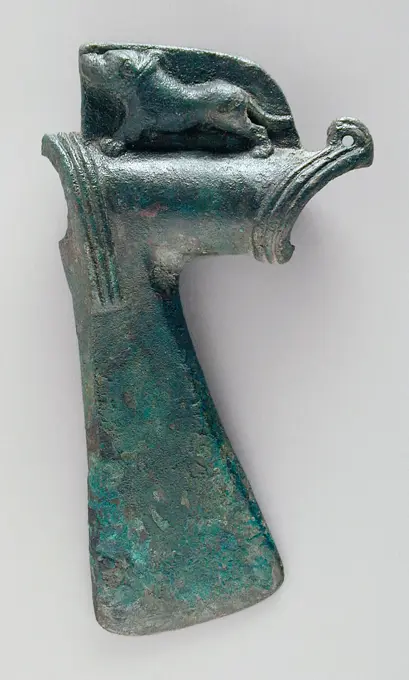
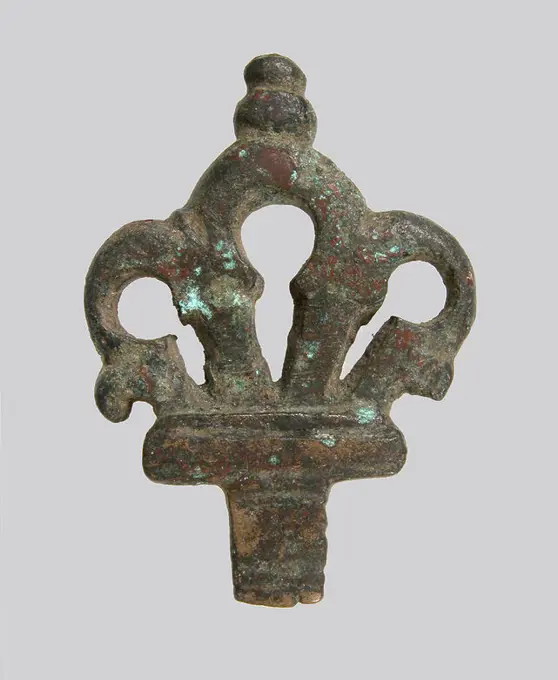
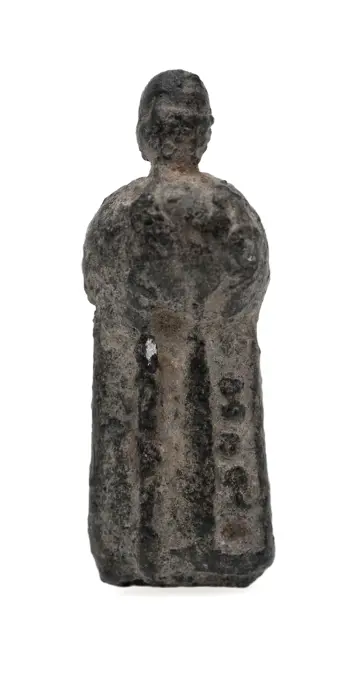
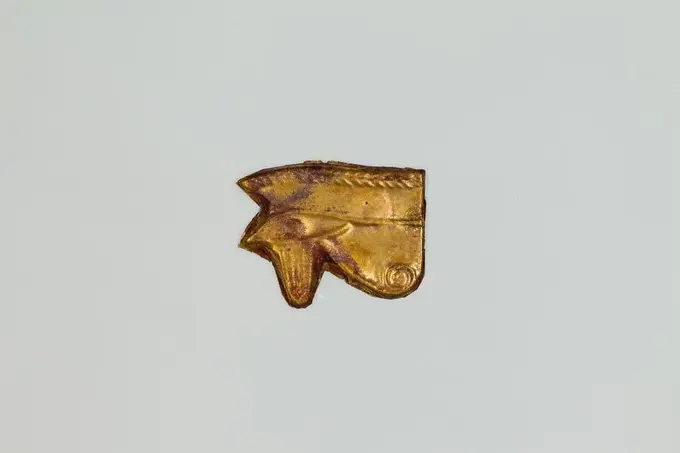
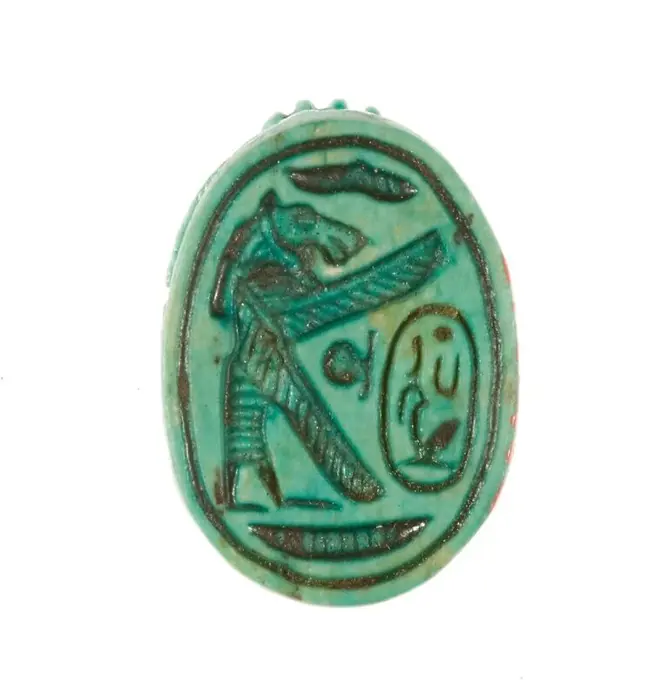
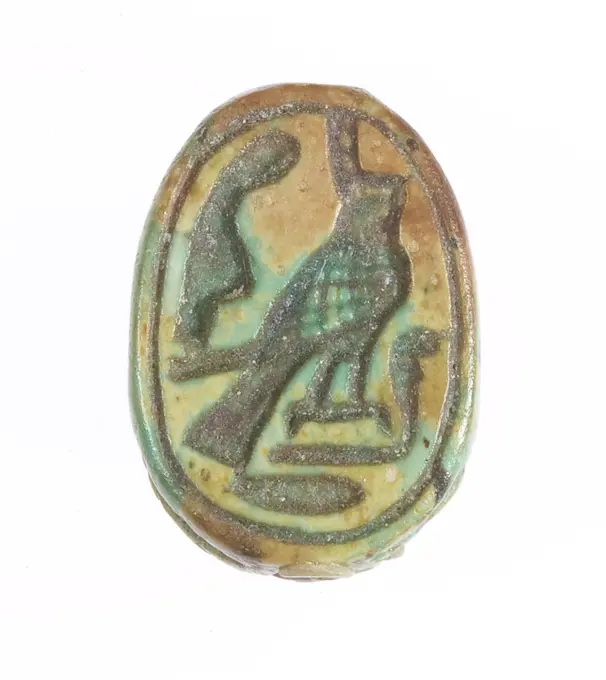
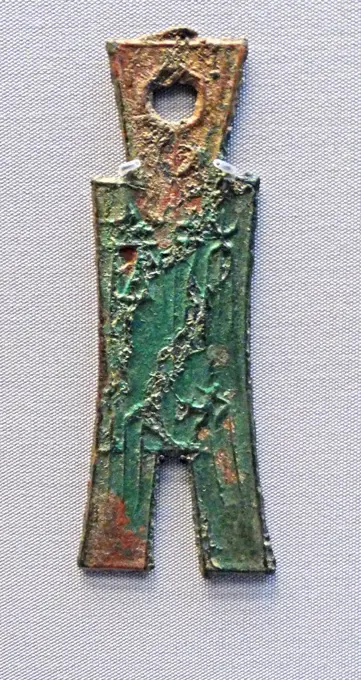
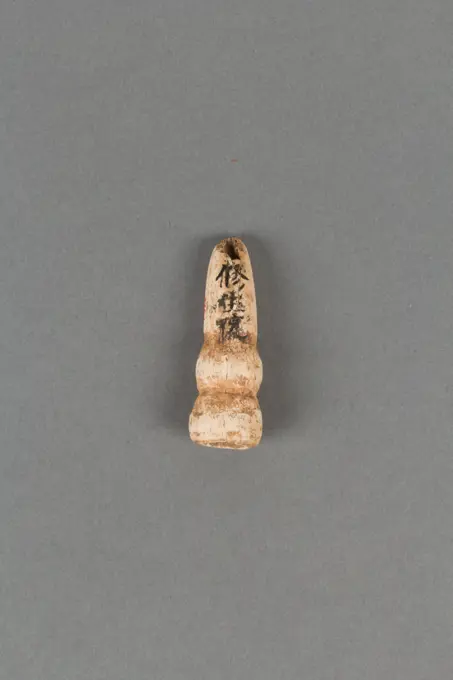
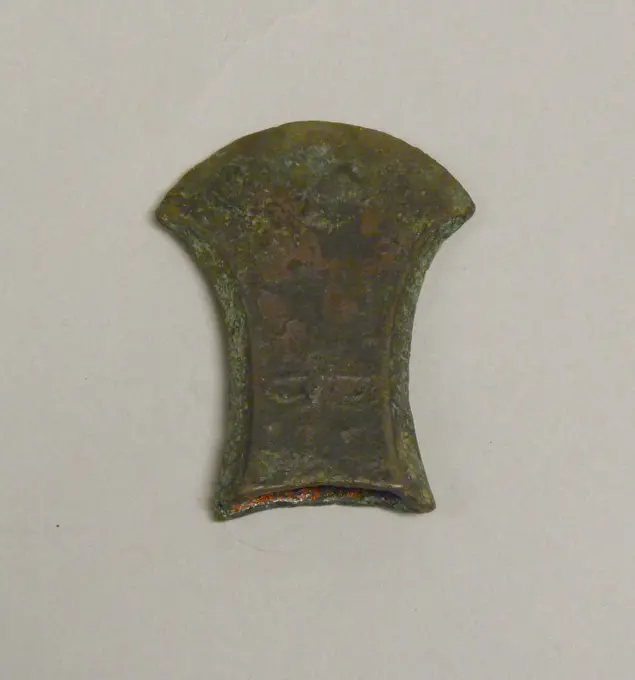
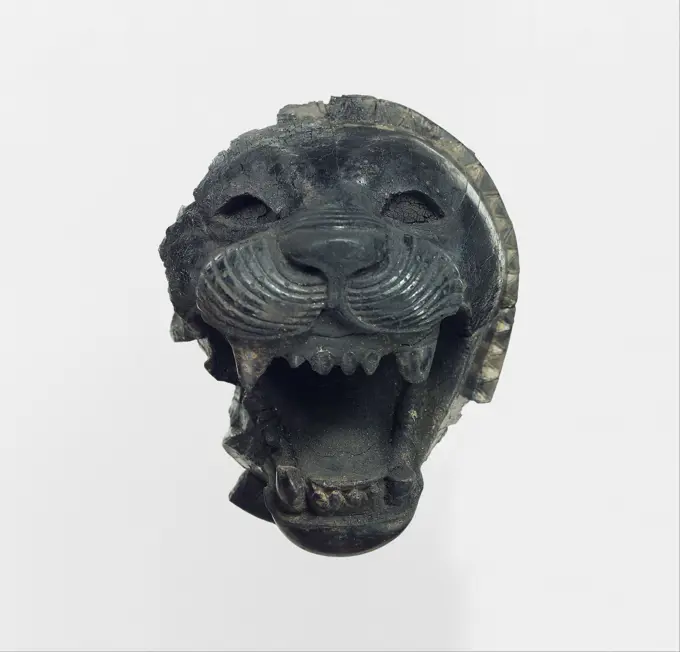
Tweezers ca. 3200-2000 B.C. Cypriot. Tweezers 244316Fragment of a Dagger Hilt 500 B.C.-A.D. 300 Vietnam (North). Fragment of a Dagger Hilt. Vietnam (North). 500 B.C.-A.D. 300. Bronze. Bronze and Iron Age period. MetalworkBird-head finial 5th-3rd century B.C. China. Bird-head finial 61342Bird-Shaped Brooch second half 6th century Frankish. Bird-Shaped Brooch. Frankish. second half 6th century. Silver () or Coppery-Alloy (). Made in Northern France. MetalworkFragment of majolica jug, pear-shaped model, trifoliate flower as decor, fragment fragile earthenware ceramics pottery glaze tin glaze, hand-turned baked glazed painted baked Fragment of pear-shaped jug. Majolica. Polychrome decor of trifoliate flower in circle surrounded by blue brush strokes. Strong discolouration due to stay in the soil archeology Rotterdam IJsselmonde indigenous earthenware import serving serve up Soil discovery: IJsselmonde Castle well 5 Rotterdam 1972.09.01.Taught. Double -sided character. Bronze. LURISTAN. 1000-750 BC. J-C. Paris, Cernuschi museum. 35176-2 Iron Age, Bronze, Double Face, Brand, CharacterCrescent Ornaments 6th-7th century Moche (Loma Negra). Crescent Ornaments. Moche (Loma Negra). 6th-7th century. Copper. Peru. Metal-OrnamentsAmulet, Bes View more. Amulet, Bes. Clay, glazedStanding female figure, 200-700, 3 3/4 x 1 5/16 x 1/2 in. (9.5 x 3.3 x 1.3 cm), Earthenware, Mexico, 3rd-8th centuryIbexBronze phallic amulet 1st century A.D. Roman This pendant is in the form of a double phallus with a phallus and scrotum hanging beneath the very large central ring. Its form is common for Roman phallic amulets.. Bronze phallic amulet 255093 Roman, Bronze phallic amulet, 1st century A.D., Bronze, W. 3 1/8 in. (7.95 cm.). The Metropolitan Museum of Art, New York. Gift of A. Hyatt Mayor, 1960 (60.117.8)Taweret Amulet ca. 1850-1700 B.C. Late Middle Kingdom This amulet was found in the plundered chamber reached by a shaft in the portico of a rock-cut tomb in the Asasif section of the Theban necropolis. Among the finds were parts of a rectangular wooden coffin with green hieroglyphs on a yellow background as well as a few remains of one or more model wooden boat(s), three scarabs (13.180.8- .10), two anhydrite toilet vessels (13.180.19a- .c, .20) and the group of jewelry items (13.180.1- .18a- .l) striking for the extensive use of silver. Dates that can be ascertained by stylistic comparisons to some of the objects range from the late Middle Kingdom (ca. 1850-1700 B. C.) to the late Second Intermediate Period (ca. 1580-1550 B. C.). A number of clay pots (28.3.239- .241 now in the Oriental Institute Museum, Chicago) from the area of the tomb but not with certainty identified as found inside the shaft and chamber from which the jewelry was obtained date to the late Second Intermediate PerKey Handle. Culture: Roman. Dimensions: Overall: 2 7/16 x 1 3/4 x 7/8 in. (6.2 x 4.4 x 2.3 cm). Date: 1st-7th century. Museum: Metropolitan Museum of Art, New York, USA.Fragment buyer from the wreck of the East Indieschief Hollandia. Parts or artifacts; eroded fragments: Materials; Copper.Key, c. 1300 - c. 1400 Key with diamond -shaped handle, crowned by eye and filled with a cross. The thick shaft passes into a thin dot at the bottom of the beard.  bronze (metal) Key with diamond -shaped handle, crowned by eye and filled with a cross. The thick shaft passes into a thin dot at the bottom of the beard.  bronze (metal)Keyword. Key hold and palm size. Hanging here (shaft and beard are missing).Top of Key Handle. Culture: Roman. Dimensions: Overall: 2 1/4 x 1 3/8 x 1 1/8 in. (5.7 x 3.5 x 2.9 cm). Date: 1st-7th century. Museum: Metropolitan Museum of Art, New York, USA.Syro-Hittite Statuette. UnknownSquare-Headed Bow Brooch 530-560 Frankish. Square-Headed Bow Brooch 465785 Frankish, Square-Headed Bow Brooch, 530560, Silver-gilt, niello inlay; iron spring/pin, Overall: 3 15/16 x 1 13/16 x 11/16 in. (10 x 4.6 x 1.7 cm). The Metropolitan Museum of Art, New York. Gift of J. Pierpont Morgan, 1917 (17.193.64a)Scarab Inscribed for Ahmose-Nefertari ca. 1550-1525 B.C. New Kingdom. Scarab Inscribed for Ahmose-Nefertari 554700Kopistka with a rank in the female form;  1st century BC Roman period (-100-00-00-300-00-00);St.ŚwiackiScarab Falcon with Red Crown and Cobra ( ) 1550 BCE-1186 BCE Egypt. Glazed steatite . Ancient EgyptianVase fragment ca. 1981-1640 B.C. Middle Kingdom. Vase fragment 556911Vase fragment. Dimensions: H. 2.7 cm (1 1/16 in). Dynasty: Dynasty 12-13. Date: ca. 1981-1640 B.C.. Museum: Metropolitan Museum of Art, New York, USA.Shawabty of Ditamenpaankh, 715-656 BC. Egypt, Late Period, Dynasty 25. Terracotta; overall: 5.9 x 1.5 x 1.4 cm (2 5/16 x 9/16 x 9/16 in.).Finger Ring. Western Iran, circa 1350-800 B.C.. Jewelry and Adornments; rings. Bronze, hammeredRing Fragment with part of name Tiy ca. 1390-1353 B.C. New Kingdom. Ring Fragment with part of name Tiy. ca. 1390-1353 B.C.. Faience, dark green. New Kingdom. From Egypt, Upper Egypt, Thebes, Malqata, Palace of Amenhotep III, MMA excavations, 1910-11. Dynasty 18Bow Fibula 800 BCE-700 BCE Greece. This precious bronze object is a votive, or devotional gift, made as an offering to the gods. They come in many forms, such as animals, beads and brooches. Many seem once to have been attached to something else. Votives were hung from sacred trees or placed in sanctuaries around Greece. Once a shrine was full, the votives were ceremonially buried to make room for more offerings.. Bronze . Ancient GreekRing Cypriot. Ring 244352Arrowhead. Arrowhead 246795Amulet of the God Bes Flanked by the Goddess Taweret (Thoeris) 1069 BCE-664 BCE Egypt. Faience . Ancient EgyptianAmulet of the God Ptah 664 BCE-332 BCE Egypt. Faience . Ancient EgyptianShawabty of Ditamenpaankh, 715-656 BC. Egypt, Late Period, Dynasty 25. Terracotta; overall: 5.9 x 1.7 x 1.3 cm (2 5/16 x 11/16 x 1/2 in.).Cylindrical sealScarab ca. 1479-1458 B.C. New Kingdom. Scarab. ca. 1479-1458 B.C.. Faience. New Kingdom. From Egypt, Upper Egypt, Thebes, Deir el-Bahri, Hatshepsut Hole, Hathor Shrine, MMA excavations, 1922-23. Dynasty 18Amulet of the Goddess Bastet 664 BCE-332 BCE Egypt. Ceramic . Ancient EgyptianMan on Horseback with Falcon 13th century French. Man on Horseback with Falcon 25668Amulet of Two Back to Back Canine Heads. Egyptian. Date: 2160 BC. Dimensions: 1.9 × 1.9 × 0.6 cm (3/4 × 3/4 × 1/4 in.). Glazed steatite. Origin: Egypt. Museum: The Chicago Art Institute, Chicago, USA. Author: Ancient Egyptian.Amulet of the God Horus. Egyptian. Date: 1070 BC-656 BC. Dimensions: 3.5 × 1 × 0.6 cm (1 3/8 × 3/8 × 1/4 in.). Faience. Origin: Egypt. Museum: The Chicago Art Institute, Chicago, USA. Author: Ancient Egyptian.Cylinder Seal. Iran, late 2nd-early 1st millennium B.C.. Tools and Equipment; seals. BronzeFish Ornament 11th-12th century Peru; central coast (). Fish Ornament 308799Amulet, Anubis. Amulet, Anubis. Clay, glazed. Gold and SilverFragment, anonymous, 1550 - 1600 The cast fragment is composed of four parts: the two parts on which a Herme is displayed, the part that connects them, and the broken incidents at the point where these three parts come together. On two parts, which are oriented differently, a Herme is included in rolling work. This is also decorated with stylized leaf work, fruits, a basket placed on a mask with fruits and - on one side - a lion mask. The third part is decorated with tantry work, which always includes a dog, of which figuration can only be seen completely. The others have completely or partially disappeared through the two round and the two square holes. Two round holes have also been installed in one of the two parts with a Herme. The object has been demolished. Northern Netherlands (possibly) brass (alloy). gilding (material) casting / gilding The cast fragment is composed of four parts: the two parts on which a Herme is displayed, the part that connects them, and the broken incidentPin with head of a goat Roman. Pin with head of a goat 256662Standing Ceramic Female Figure. Culture: Tlatilco. Dimensions: Height 3-5/8 in. (9.2 cm). Date: 12th-9th century B.C.. Museum: Metropolitan Museum of Art, New York, USA.Amulet of the God Thoth. Egyptian. Date: 664 BC-332 BC. Dimensions: 2.25 × .5 × 1 cm (7/8 × 3/16 × 3/8 in.). Faience. Origin: Egypt. Museum: The Chicago Art Institute, Chicago, USA. Author: Ancient Egyptian.Costume Ornament. Culture: Peru; central coast (). Dimensions: L. 1 3/8 in. (3.5 cm). Date: 11th-12th century. Museum: Metropolitan Museum of Art, New York, USA.Figure Finial 12th-15th century Chimú. Figure Finial 315309Amulet - eye  New PA (401-00-00-500-00-00);Deposit of the University of Warsaw from 1937-1939, eyes of pretense, Polish-French excavations in Edfu (Egypt)Amulet - głowa barana. unknown, authorLamp 4th century. Lamp 444406Scarab Inscribed Maatkare (Hatshepsut), She Lives. Dimensions: L. 1.6 cm (5/8 in.); w. 1.2 cm (1/2 in.). Dynasty: Dynasty 18, early. Reign: Joint reign of Hatshepsut and Thutmose III. Date: ca. 1479-1458 B.C..During the 1926-1927 excavation season, the Museum's Egyptian Expedition uncovered three foundation deposits along the eastern enclosure wall of Hatshepsut's funerary temple at Deir el-Bahri in Western Thebes. Among the contents were 299 scarabs and stamp-seals. Sixty-five of these are now in the Egyptian Museum, Cairo, and the rest were acquired by the Museum in the division of finds.Among the inscriptions on the bases of these scarabs and seals are examples of every title Hatshepsut held, from the time she was "king's daughter" during the reign of her father, Thutmose I; through the time she was queen of her half-brother, Thutmose II; and during her regency and co-reign with her nephew/step-son, Thutmose III.The inscription on the base of this scarab records Hatshepsut's throFragment of dagger. Bronze. Cernuschi Museum, Asia Museum of Asia in the city of Paris.Scarabs Inscribed for Neferure ca. 1479-1458 B.C. New Kingdom. Scarabs Inscribed for Neferure. ca. 1479-1458 B.C.. Glazed steatite. New Kingdom. From Egypt, Upper Egypt, Thebes, Deir el-Bahri, Temple of Hatshepsut, Foundation Deposit 9 (I), MMA excavations, 1926-27. Dynasty 18, earlyRing Fragment ca. 1390-1353 B.C. New Kingdom. Ring Fragment. ca. 1390-1353 B.C.. Faience, blue, green. New Kingdom. From Egypt, Upper Egypt, Thebes, Malqata, Palace of Amenhotep III, MMA excavations, 1910-11. Dynasty 18Omega fibula made of bronze. Lenght 2, 6 cm Width, 3 ,1 cm Thickness 0, 4 cm. ( 1 st - 3 rd CE ) - Roman period, from the " La Dehesa "- Archaeological site of Complutum in Alcalá de Henares ( Madrid ). SPAIN.Offering table with hand, Akhenaten names ca. 1353-1336 B.C. New Kingdom, Amarna Period. Offering table with hand, Akhenaten names. ca. 1353-1336 B.C.. Indurated () limestone. New Kingdom, Amarna Period. From Egypt, Middle Egypt, Amarna (Akhetaten), Great Temple of the Aten, pit outside southern wall, Petrie/Carter excavations, 1891-92. Dynasty 18Eccentric Flint in the Form of a Scorpion. Belize, Guatemala, Honduras, or Mexico, Maya, 600-900 CE. Stone. ChertArm Bracelet, 7th-6th century BCE, 4 3/4 x 4 3/8 x 1 5/8 in. (12.07 x 11.1 x 4.1 cm), Bronze, Indonesia, 7th-6th century BCEScarab of Queen Inni ca. 1700-1676 B.C. Middle Kingdom This scarab-shaped seal-amulet is inscribed with the name and royal titles of Queen Inni (Dynasty 13).. Scarab of Queen Inni. ca. 1700-1676 B.C.. Faience. Middle Kingdom. From Egypt, Memphite Region, Lisht North, Cemetery, MMA excavations, 1920-22. Dynasty 13Italy, Prehistory, Italy, Bronze Age. Bronze sword hilt, from excavations at Fontivegge near PerugiaScarab. Dimensions: L. 2 × W. 1.4 × H. 0.9 cm (13/16 × 9/16 × 3/8 in.). Dynasty: Dynasty 13-17. Date: ca. 1802-1550 B.C.. Museum: Metropolitan Museum of Art, New York, USA.Pijpsleutel.Pipe key whose handle consists of a Johannesfiguur in the right hand a chalice with host. Hold from bronze, shaft and beard of iron.Owl Tab Ornament. Culture: Moche (Loma Negra). Dimensions: Length 2-9/16 in. (6.6 cm). Date: 390-450. Museum: Metropolitan Museum of Art, New York, USA.Shawabty of Ditamenpaankh, 715-656 BC. Egypt, Late Period, Dynasty 25. Terracotta; overall: 3.8 x 1.8 x 1.1 cm (1 1/2 x 11/16 x 7/16 in.).Anonymous, Pushou type plaque (common name), 1050. Cernuschi museum, Museum of Arts in Asia in the city of Paris.BLIŻEJ KULTURY unknownDagger Pommel. Culture: probably Northern Europe. Dimensions: L. 2 1/2 in. (6.4 cm); Wt. 0.9 oz. (25.5 g). Date: possibly 9th-11th century. Museum: Metropolitan Museum of Art, New York, USA.Duck-Shaped Stamp Seal Inscribed for (Ahmose-)Nefertari ca. 1550-1525 B.C. New Kingdom. Duck-Shaped Stamp Seal Inscribed for (Ahmose-)Nefertari. ca. 1550-1525 B.C.. Steatite, glazed. New Kingdom. From Egypt. Dynasty 18Knife, Feline 2nd-7th century Moche. Knife, Feline 315351Arrowheads, needles, hooks and harpoons. Culture: Japan. Dimensions: W. 3/4 in. (1.9 cm); L. 2 in. (5.1 cm).These implements--an arrowhead, fishhooks, needle, and harpoon--were skillfully carved from bone, a material worked by Japanese artisans since Paleolithic times. They were found in the Obara Shell Mound at Ofunato Bay in Iwate Prefecture. According to information gleaned from shell mounds, or middens, the people of the Jomon period relied on a variety of strategies to obtain food. The large number of fishhooks, fashioned with and without barbs, together with the rich array of marine remains found in these rubbish heaps since very early times indicate that some fifty species of fish and shellfish constituted an essential dietary staple. Toggle-head harpoons, a later innovation, facilitated the hunting of sea mammals. Attaching a line to the toggle allowed the hunter to draw in his prey once the toggle had broken away from the harpoon shaft. Further evidence gathered from these reOwl Tab Ornament 6th-7th century Moche (Loma Negra). Owl Tab Ornament 315187Scarab Inscribed with Hieroglyphs ca. 1850-1640 B.C. Middle Kingdom The scarab is inscribed with a symmetric arrangement of hieroglyphs, not meant to form words but chosen instead for their positive meaning. Such compositions are particularly prevalent on design scarabs of the late Middle Kingdom (late Dynasty 12-Dynasty 13, ca. 1850 -1640 B.C.). They serve as models for the wide array of variations seen on Egyptian scarabs of the Second Intermediate Period (Dynasty 14-17, ca. 1640-1550 B.C.) and on Canaanite scarabs (Middle Bronze Age IIB-IIC, ca. 1700-1500 B.C.).. Scarab Inscribed with Hieroglyphs 545252Mast Mexico or Guatemala. Mast. Mexico or Guatemala. Jadeite. JadeAmulet - Isis with HorusFish hook ca. 1295-1070 B.C. New Kingdom, Ramesside. Fish hook. ca. 1295-1070 B.C.. Bronze or copper Alloy. New Kingdom, Ramesside. From Egypt; Probably from Northern Upper Egypt, Deir el-Ballas. Dynasty 19-20Silver Earring 5th-6th century Ostrogothic. Silver Earring 469058Lance Rest. Culture: Italian. Dimensions: L. 5 1/2 in. (14 cm); W. 3 1/4 in. (8.3 cm); Wt. 1 lb. 0.5 oz. (467.8 g). Date: ca. 1550 to 1575.In addition to providing support for a couched lance, this lance rest is very important to the Dos Aguas armor as a garniture. The foundation for all the tournament pieces of the Dos Aguas garniture is a reinforcing breastplate, called a plackart in English and a sovrapetto in Italian (accession number 27.159.2a). Essentially, it is a complete second breastplate that fits snugly over the underlying breastplate of the cuirass. The plackart is attached to the breastplate by the sturdy staples and pin that hold the lance rest in place. Museum: Metropolitan Museum of Art, New York, USA.Pendant with Seated Lord 7th-8th century Maya A Maya jade worker carefully sculpted this jadeite pendant to feature a seated ruler in relief on its bright green and blue-grey surface. The greenest part of the stone, the most prized for its association with maize, water, and agricultural fertility, was used for the head and torso of the royal figure. Jadeite, known as yax tuun or blue-green stone” in the hieroglyphic language, mined from sources along the Motagua River Valley in what is now Guatemala, was a prized luxury material across ancient Mesoamerica and was used for beads, pendants, plaques, and figures for regalia and votive purposes. For example, dozens of plaques and pendants of this type were found offered into the Cenote of Sacrifice at Chichen Itza. The subject in this scene is a man seated with his legs crossed on a low dais. His left foot is relaxed over the edge of the bench, and his left hand is raised to his chest in a gesture of addressing someone. He wears wide beadfinials' in the of two stylized animals facing each other to form a central tube. Made from Luristan bronze. Dated 700 BCHarness ring surmounted by bull ca. 2600-2350 B.C. Sumerian. Harness ring surmounted by bull 324195Shaft-hole Axehead. Iran, Luristan, circa 2350-2000 B.C.. Arms and Armor; axes. Bronze, castButter Mold. Culture: American. Dimensions: 7 3/8 x 4 3/4 x 4 1/2 in. (18.7 x 12.1 x 11.4 cm). Date: 1793. Museum: Metropolitan Museum of Art, New York, USA.Key Handle. Culture: Roman. Dimensions: Overall: 1 15/16 x 1 3/8 x 5/16 in. (4.9 x 3.5 x 0.8 cm). Date: 1st-7th century. Museum: Metropolitan Museum of Art, New York, USA.Ceremonial dagger, 12th-11th century BCE, 4 15/16 × 17 5/16 × 1/2 in., 2.4 lb. (12.5 × 44 × 1.2 cm, 1.1 kg), Bronze, China, 12th-11th century BCEBuckle 500-725 Frankish. Buckle 465627 Frankish, Buckle, 500725, Copper alloy, Overall: 1 7/16 x 7/8 x 3/16 in. (3.7 x 2.3 x 0.5 cm). The Metropolitan Museum of Art, New York. Gift of J. Pierpont Morgan, 1917 (17.193.297)Part of tin leather batter or small image, batter figurine soil find tin metal, cast Pewter leather batter or small image Unclear shaped figure of person in robe archeologyWedjat eye amulet. Dimensions: l. 2 cm (13/16 in.) × h. 1.6 cm (5/8 in.). Dynasty: Dynasty 26-29. Date: 664-380 B.C.. Museum: Metropolitan Museum of Art, New York, USA.Scarab with Lion-headed Goddess Protecting Maatkare. Dimensions: H. 1.7 cm (11/16 in); w. 1.2 cm (1/2 in); h. 0.7 cm (1/4 in). Dynasty: Dynasty 18. Reign: Joint reign of Hatshepsut and Thutmose III. Date: ca. 1479-1458 B.C..During the 1926-1927 excavation season, the Museum's Egyptian Expedition uncovered three foundation deposits along the eastern enclosure wall of Hatshepsut's funerary temple at Deir el-Bahri in Western Thebes. Among the contents were 299 scarabs and stamp-seals. Sixty-five of these are now in the Egyptian Museum, Cairo, and the rest were acquired by the Museum in the division of finds.Among the inscriptions on the bases of these scarabs and seals are examples of every title Hatshepsut held, from the time she was "king's daughter" during the reign of her father, Thutmose I; through the time she was queen of her half-brother, Thutmose II; and during her regency and co-reign with her nephew/step-son, Thutmose III.The inscription on the base of this scarab records HaAmulet in form of human face 304 B.C.-A.D. 364 Ptolemaic or Roman Period. Amulet in form of human face 561760Scarab ca. 1640-1504 B.C. Second Intermediate Period-Early New Kingdom. Scarab. ca. 1640-1504 B.C.. Green glazed steatite. Second Intermediate Period-Early New Kingdom. From Egypt, Upper Egypt, Thebes, Asasif, Tomb CC 62, Burial G, Carnarvon excavations. Dynasty 17-18Money of the Chu State China, 475-221 BC. its coinage small bronze coins (known as ëant-noseí money modelled on cowrie shells), spade money and gold ingots.Nock of a bow Japan The Jmon period is the earliest period in Japanese history, lasting from roughly 14,000 to 300 BCE. This device, called a nock, would have held the string onto a bow, facilitating the use of the bow and arrow to hunt a wide variety of land animals which were key to the survival of the Jmon people’s hunter-gatherer society. Archaeological evidence indicates that the Jmon hunted over 60 species of mammal throughout the Japanese archipelago, including tanuki (Japanese raccoon dogs) and monkeys, both of which would likely be considered unpalatable in contemporary Japanese society.. Nock of a bow. Japan. Bone. Final Jmon period (ca. 1000-300 B.C.). BoneButton from the wreck of the East India hollandia. Button. (1) Domed, Concentric Molding (2.4D, 0.5T), Flat Central Boss on TopFish Ornament 11th-12th century Peru; central coast (). Fish Ornament. Peru; central coast (). 11th-12th century. Silver. Peru. Metal-OrnamentsHafted Ax (type 3a) 500 B.C.-A.D. 300 Indonesia. Hafted Ax (type 3a). Indonesia. 500 B.C.-A.D. 300. Bronze. Bronze and Iron Age period. MetalworkFurniture element carved in the round with the head of a roaring lion ca. 9th-8th century B.C. Assyrian This fragmentary piece takes the form of the face of a roaring lion. It was found in a storeroom at Fort Shalmaneser, a royal building at Nimrud that was probably used to store booty and tribute collected by the Assyrians while on military campaign. During the final defeat of Assyria at the end of the seventh century B.C., the royal complexes at Nimrud were sacked and burned, and the lion was likely blackened through exposure to fire at this time. The flat back suggests that this piece may have originally been attached to a piece of wooden furniture such as the arm of a chair. The right cheek, eyebrows, and incised muzzle are detailed with incised dots and the eyes are deeply carved for now-lost semiprecious stone or colored glass inlays. A pattern of painted white triangles outlined with raised ribs is preserved on the right side at the back of the face, perhaps to represent a mane.Lid or Boss. Lid or Boss 244539Hook from a cooking pot from the wreck of the East India Hollandia. Suspension Cauldron, Suspension Hook; Oblong fitting, SIM. NG 1979-511H, Central Part, Curved Extension; Riveted to a Fragm or Cauldron Body on a Riveted Seam.Rectangular Plaque ca. middle of the 6th century Frankish. Rectangular Plaque. Frankish. ca. middle of the 6th century. Copper alloy. Metalwork-Copper alloy