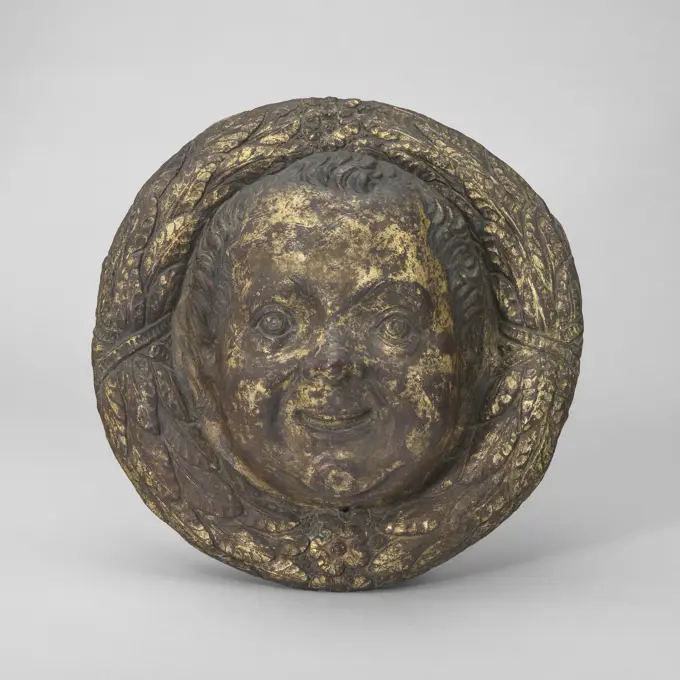
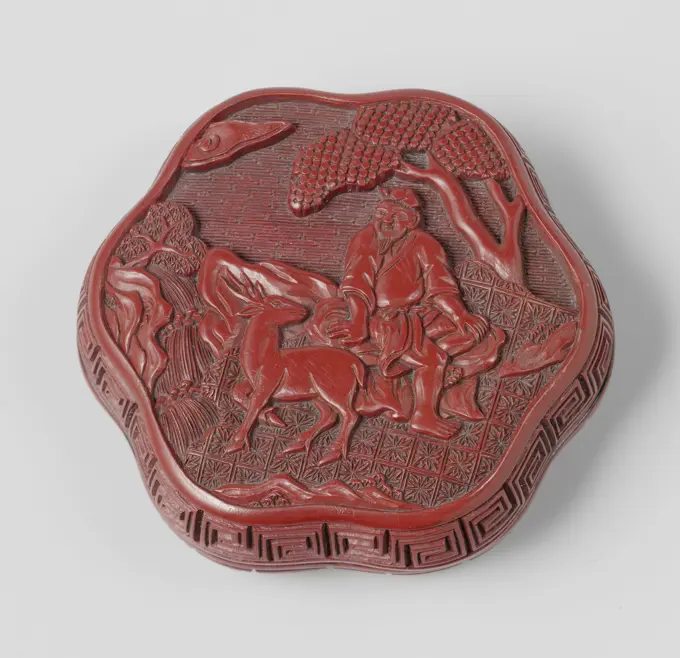
Ancient Artifacts and Metalwork

Depictions of historical artifacts like mirrors and bowls from various cultures, showcasing intricate designs and craftsmanship from different eras.

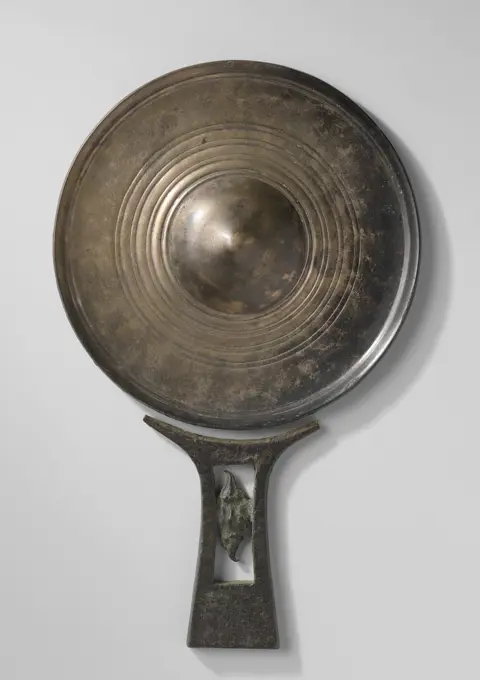
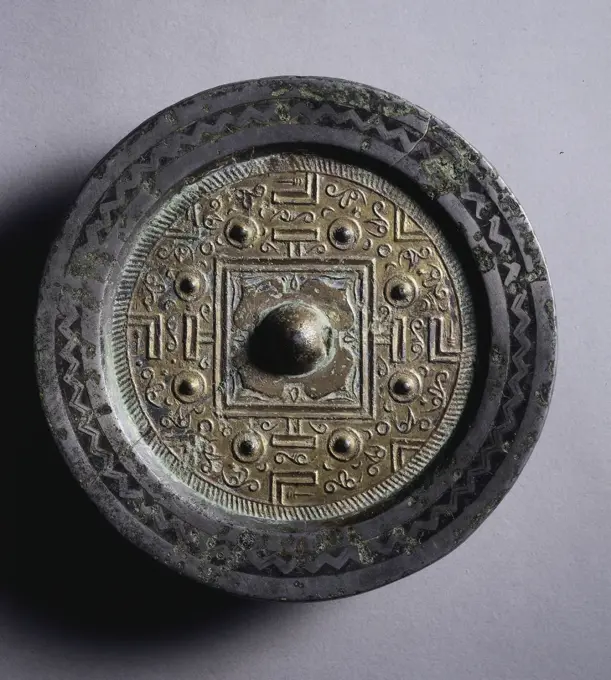
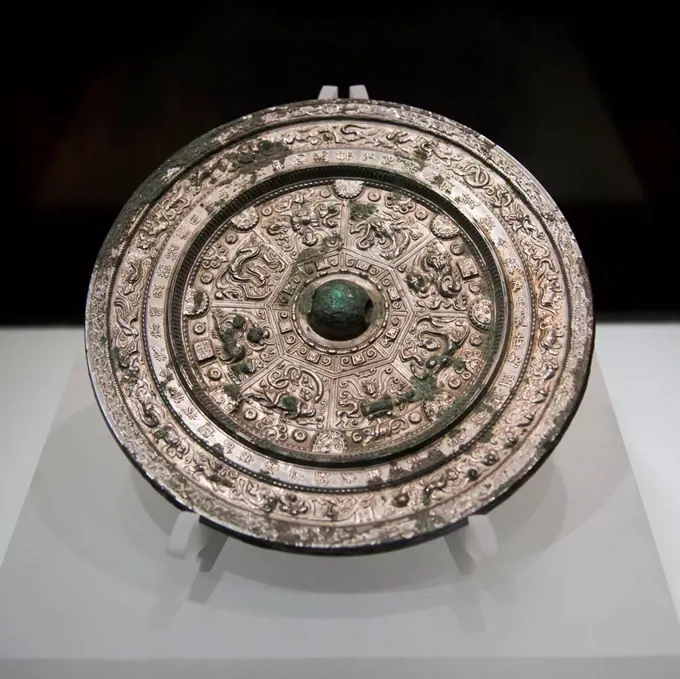
Mirror with floral patterns 8th century China. Mirror with floral patterns. China. 8th century. Bronze. Tang dynasty (618-907). Mirrors
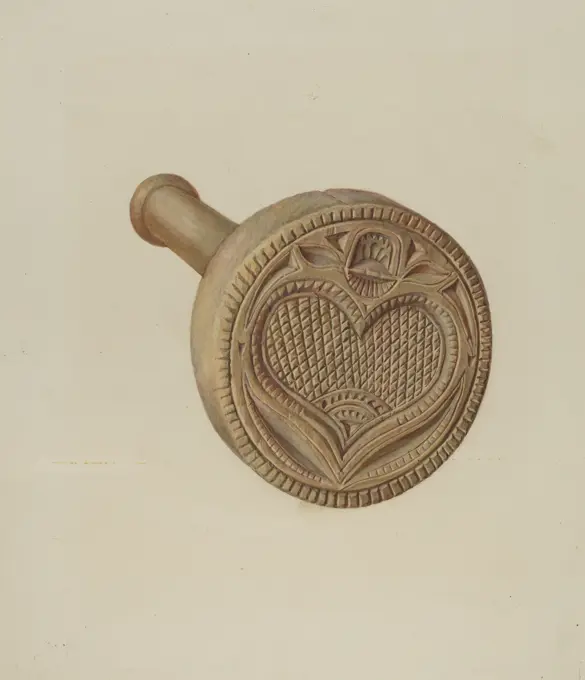
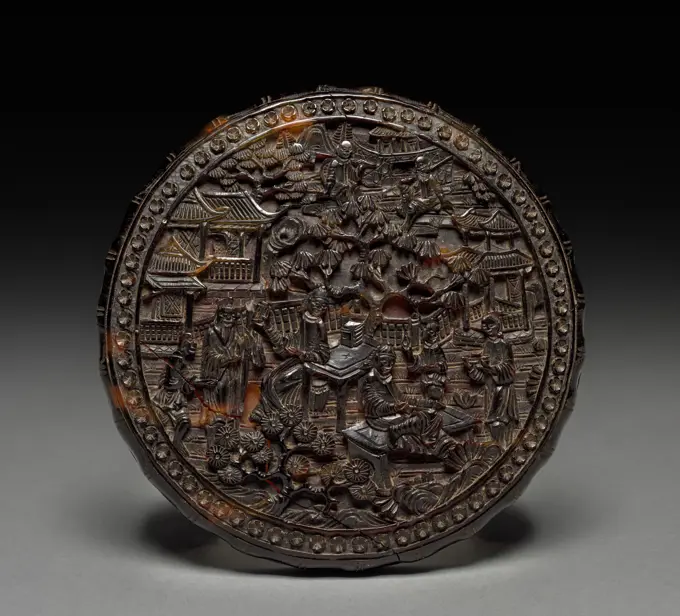
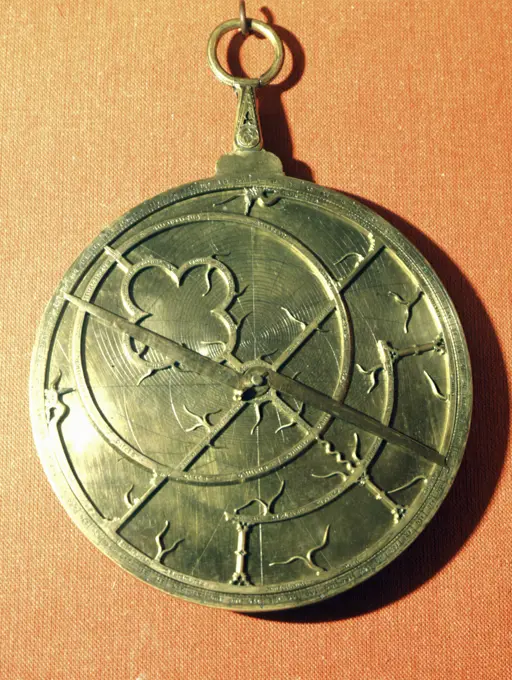
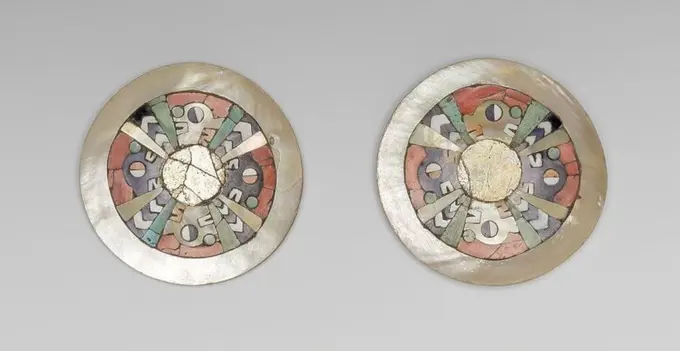
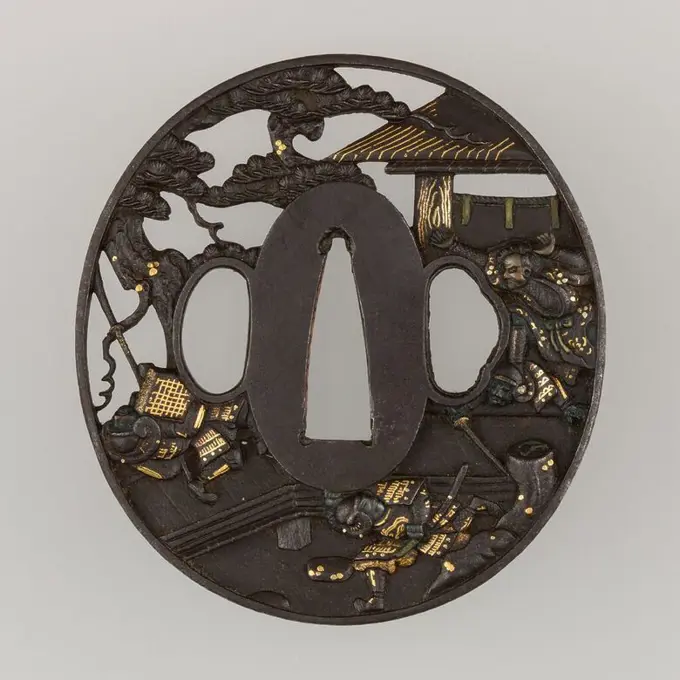
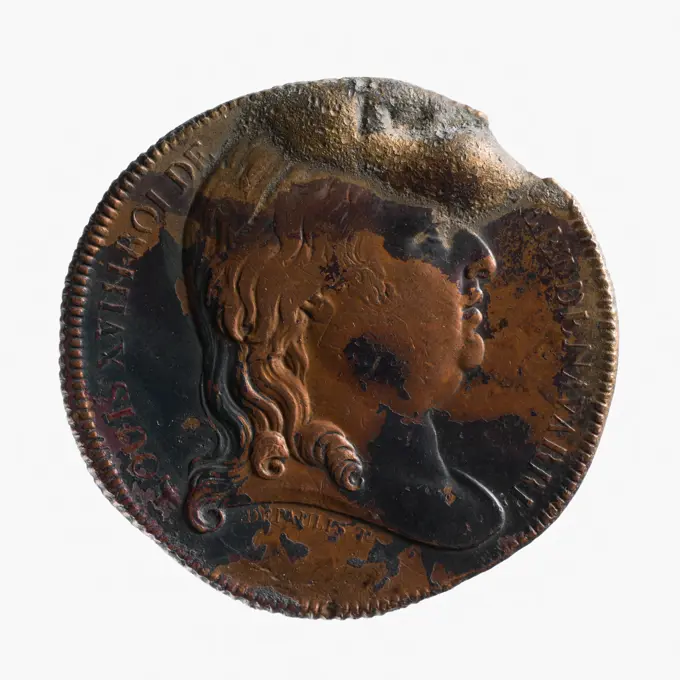
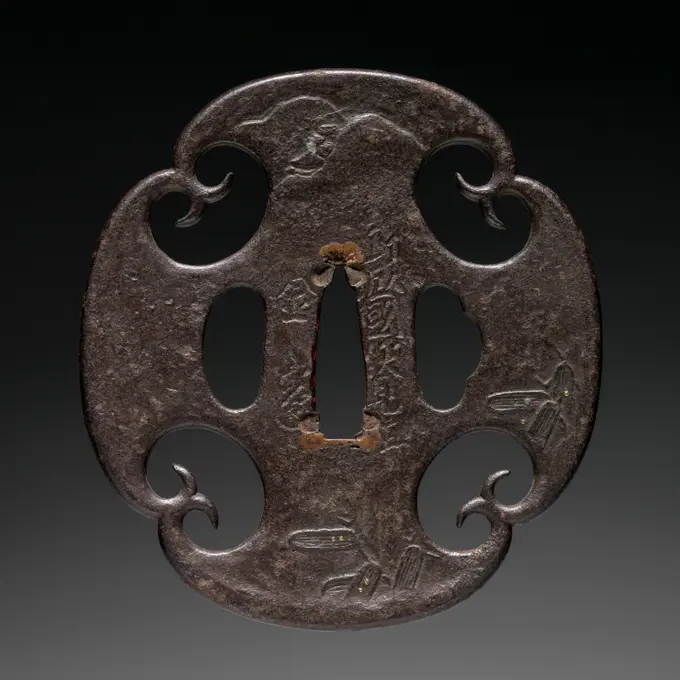
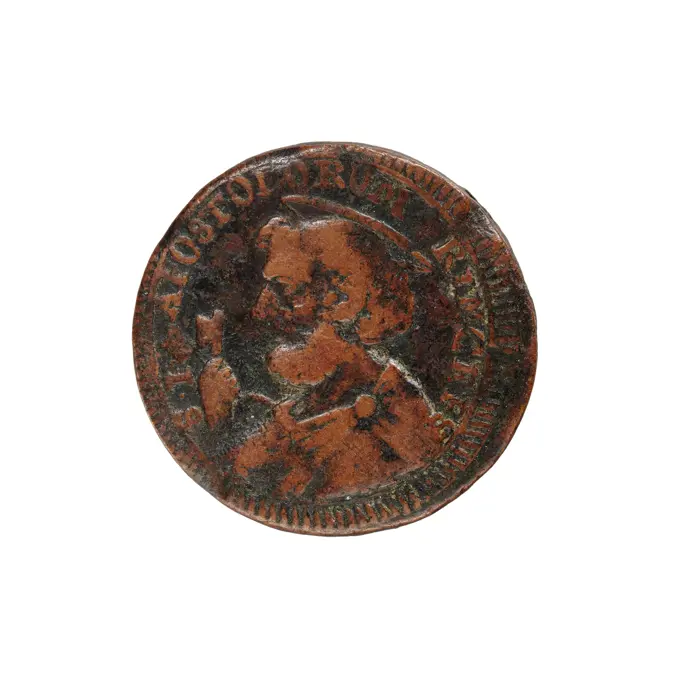
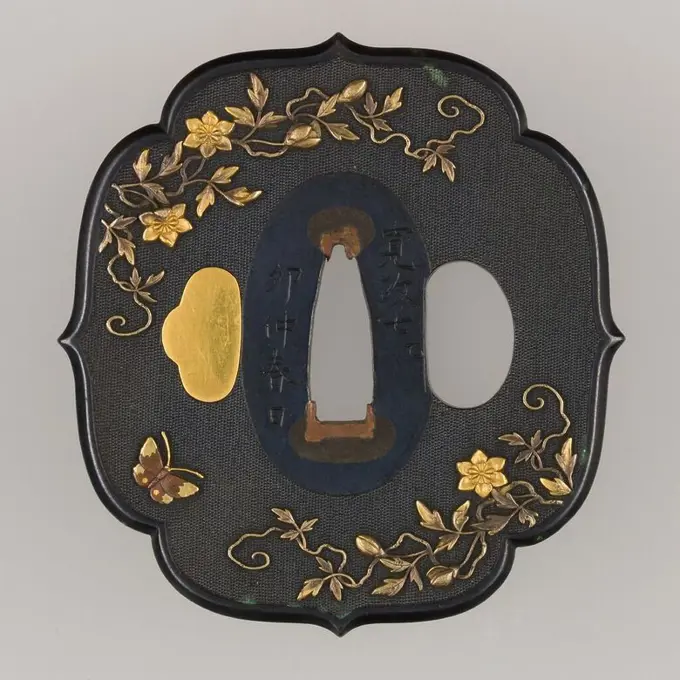
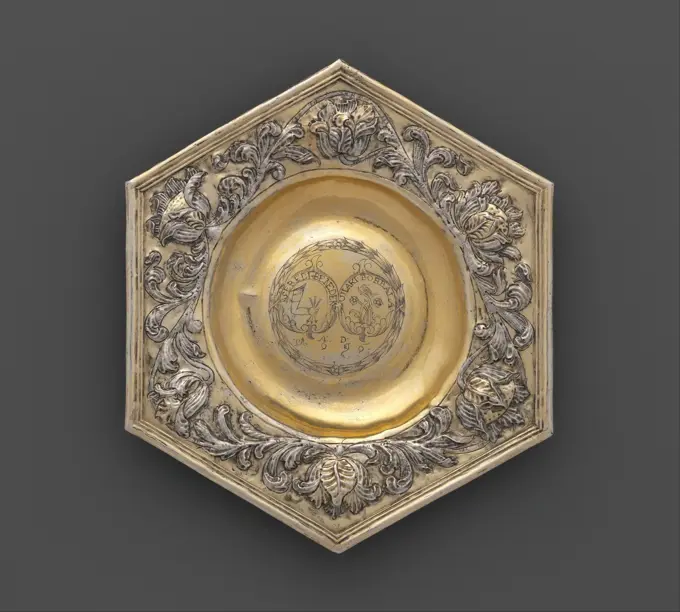
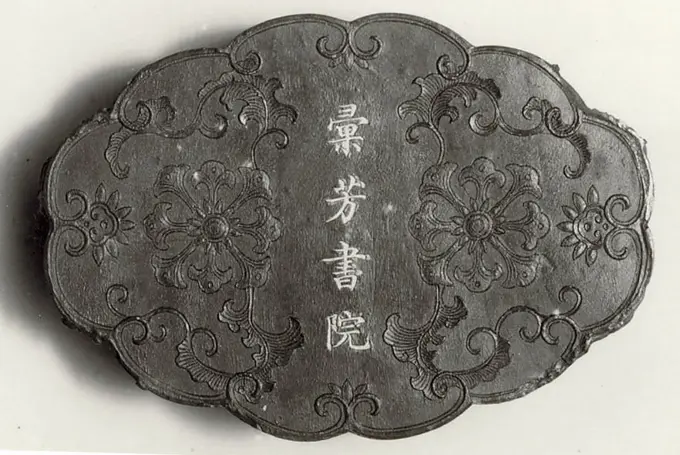
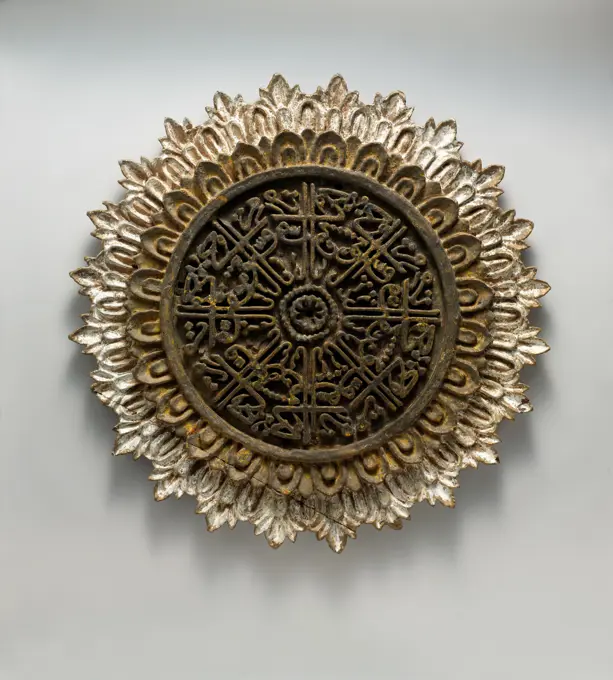
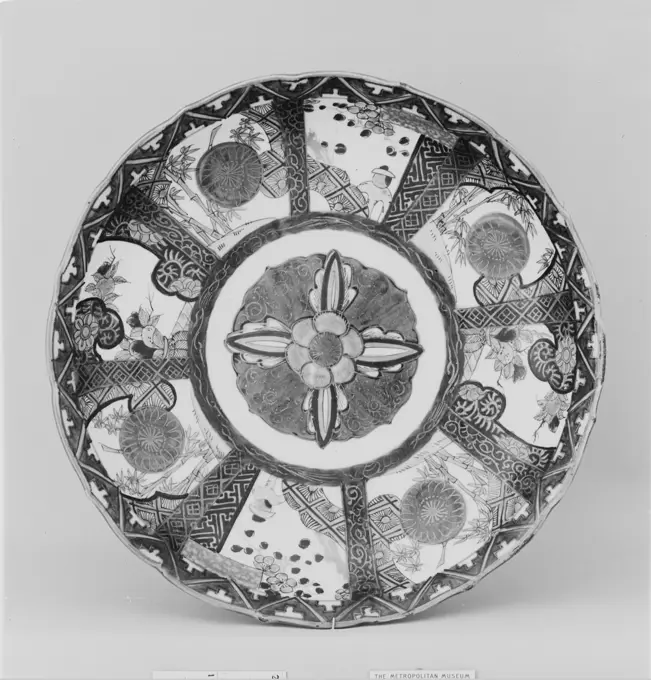
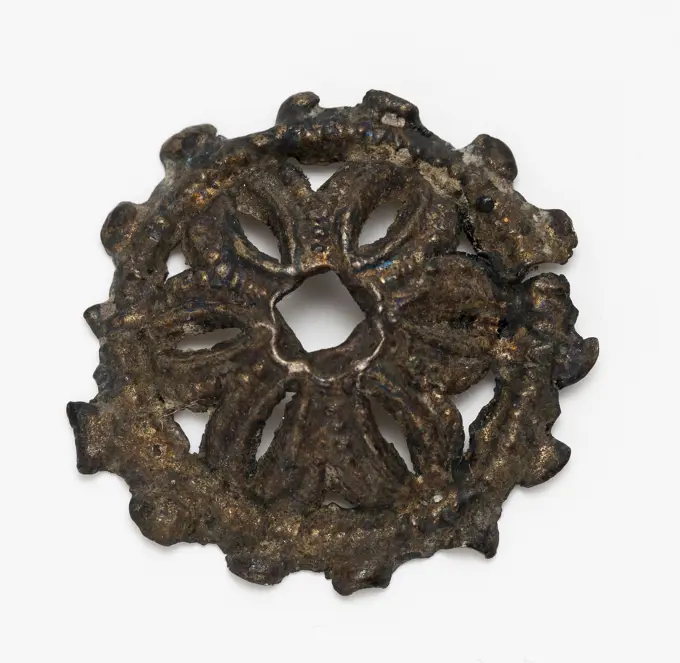
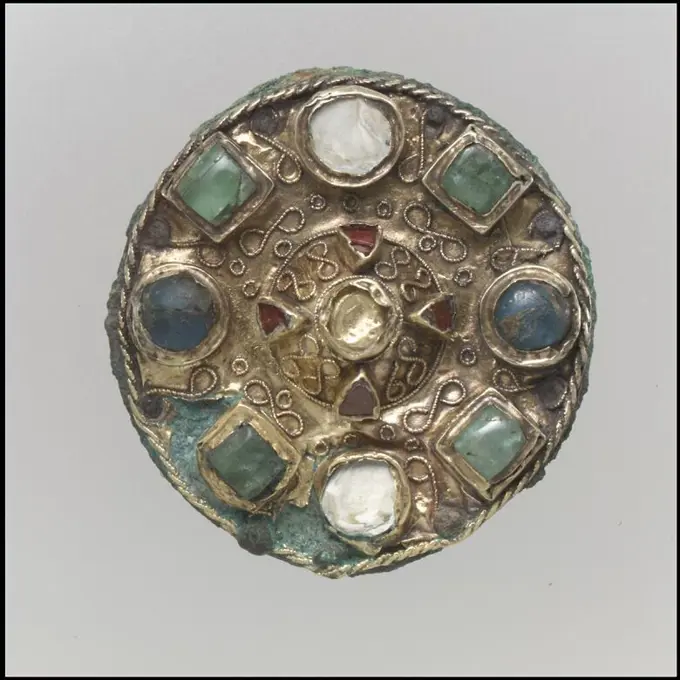
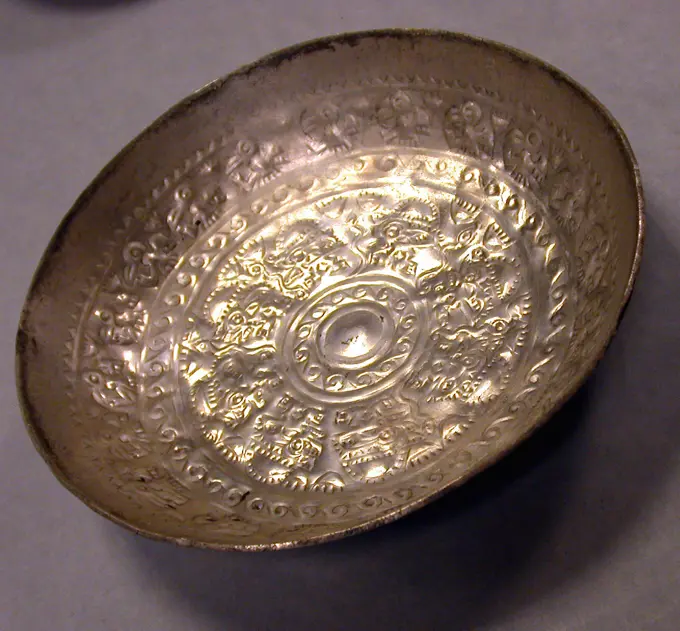
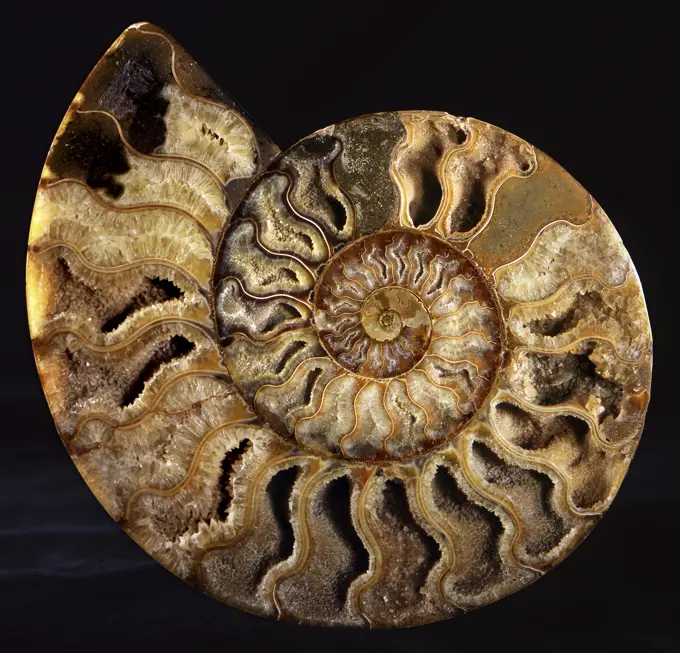
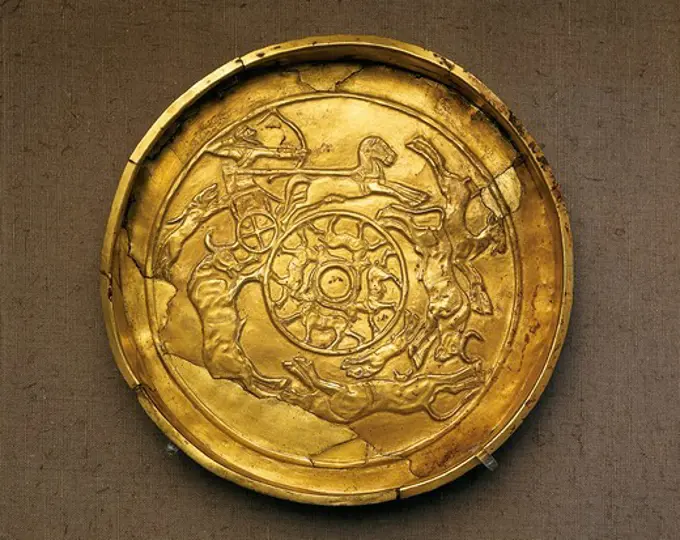
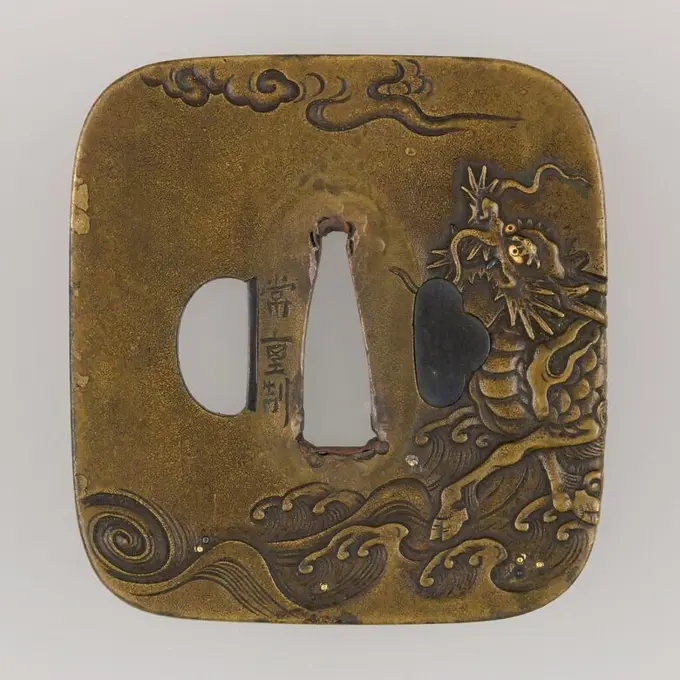
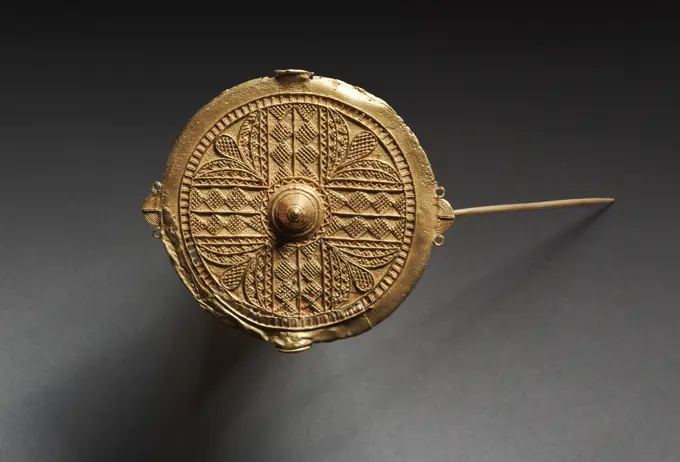
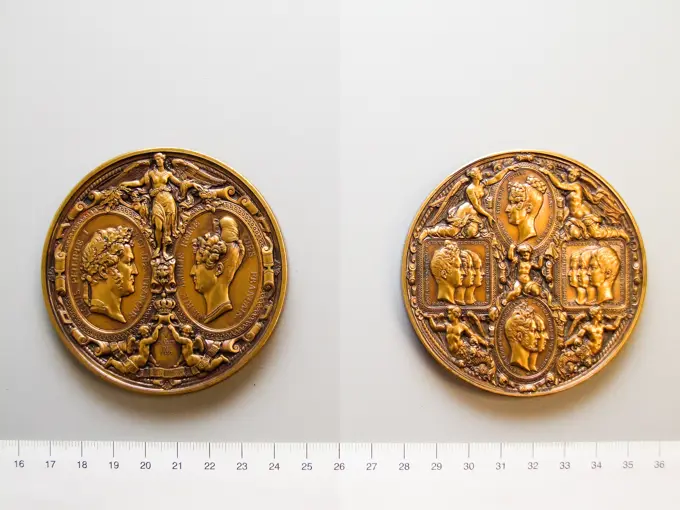
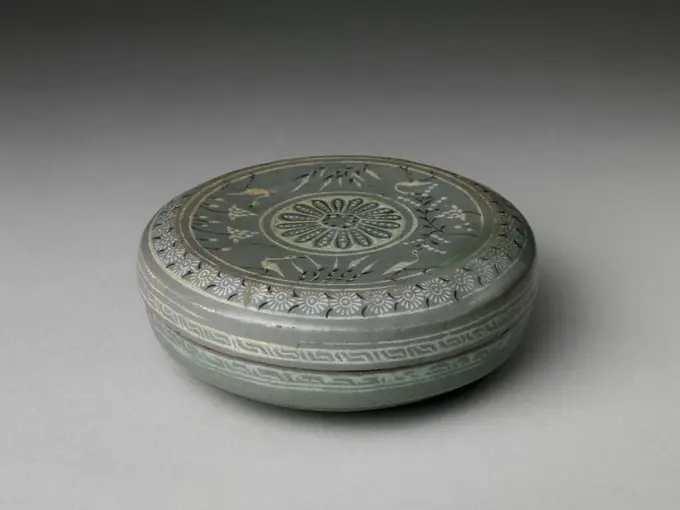
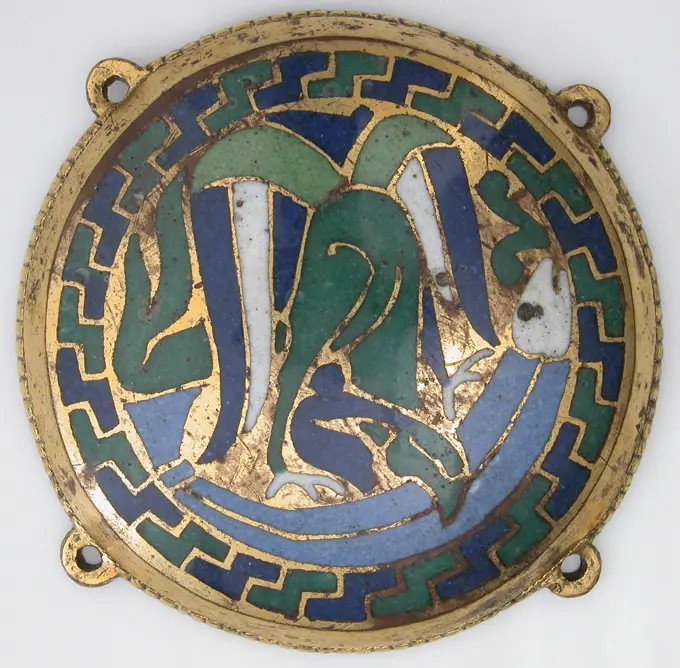
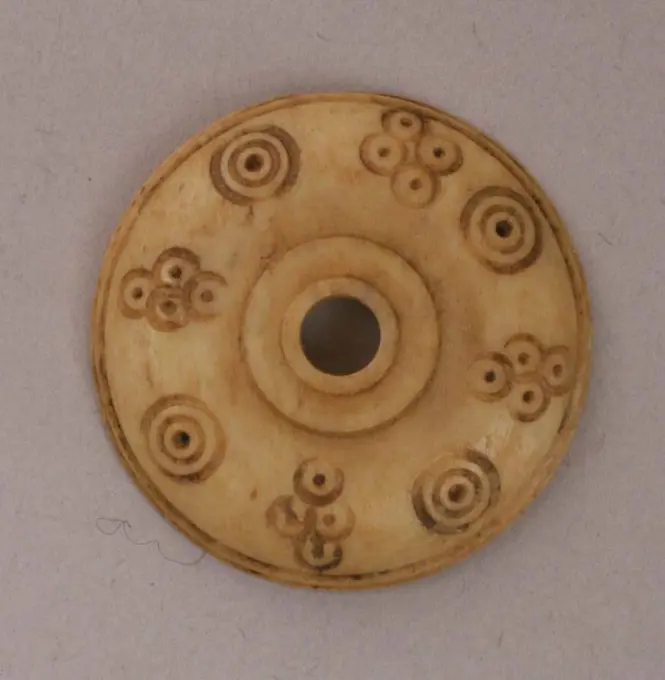
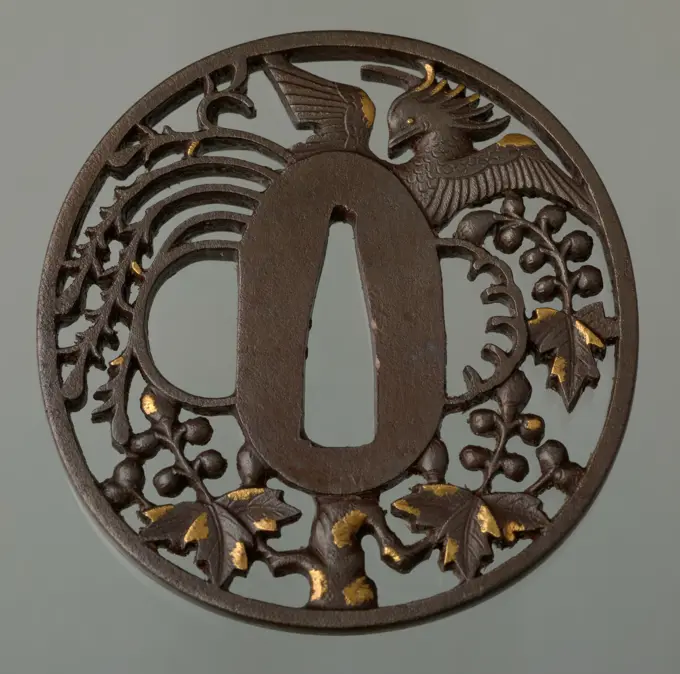
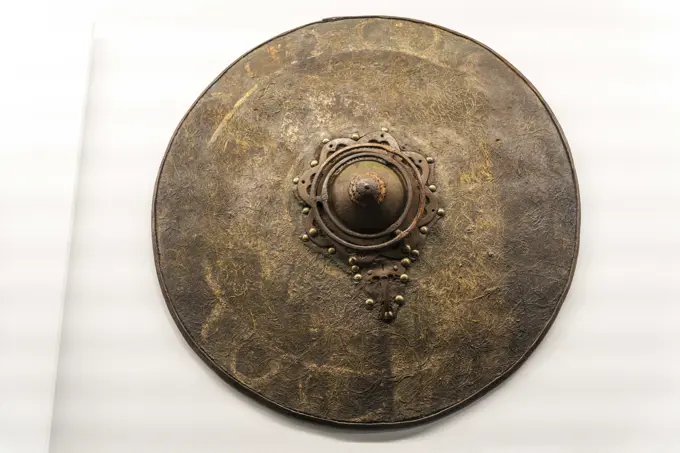
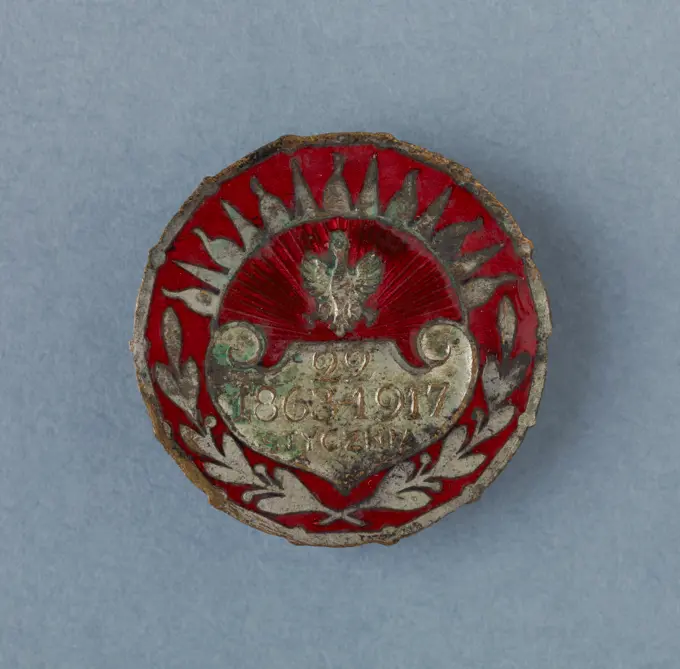
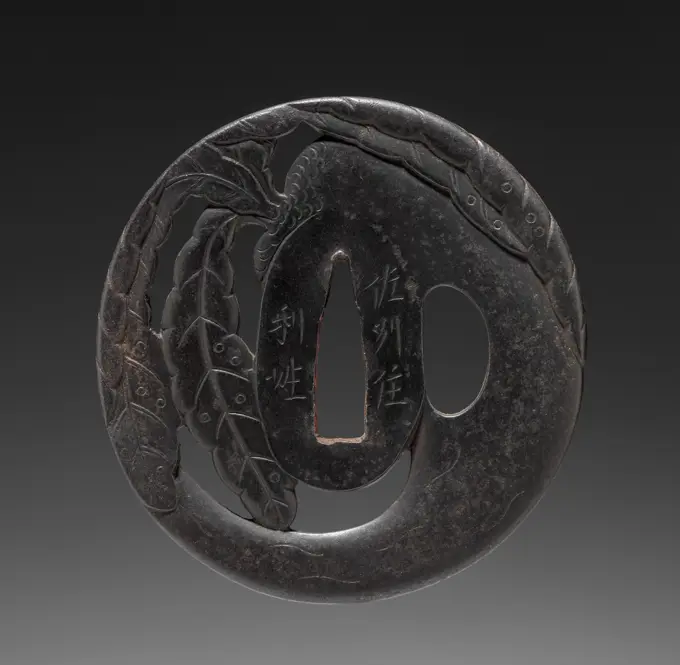
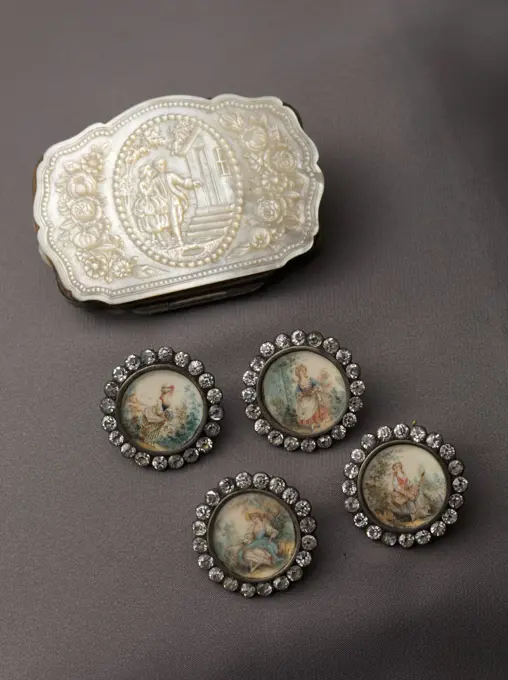
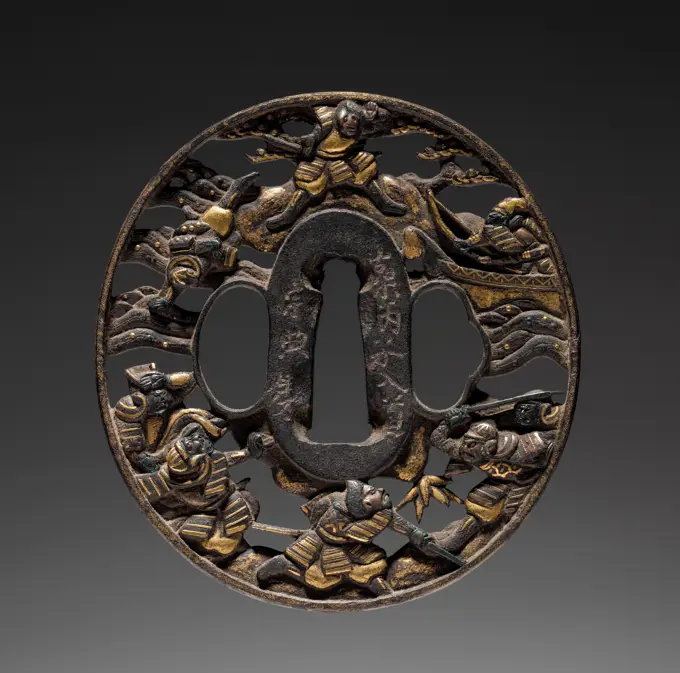
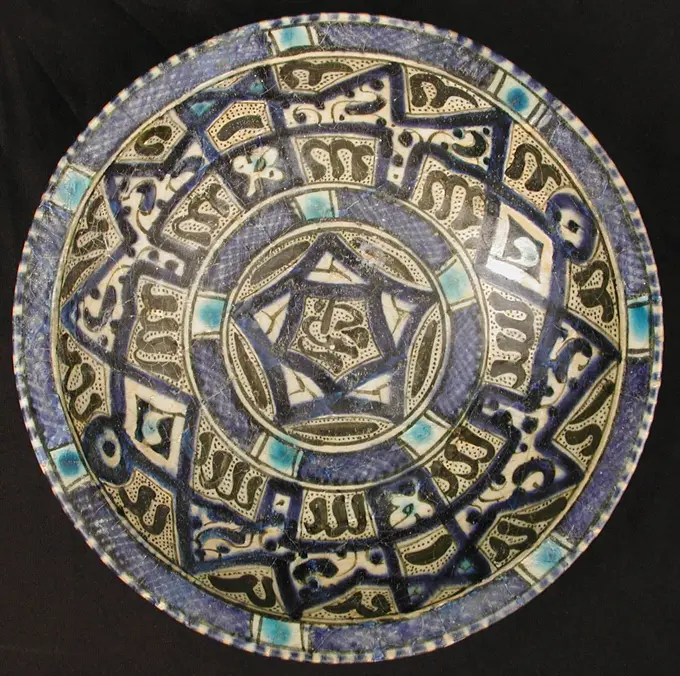
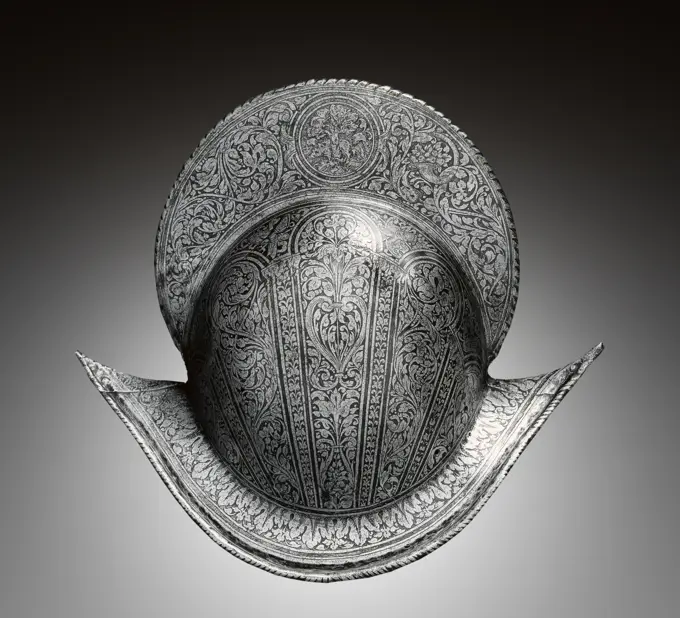
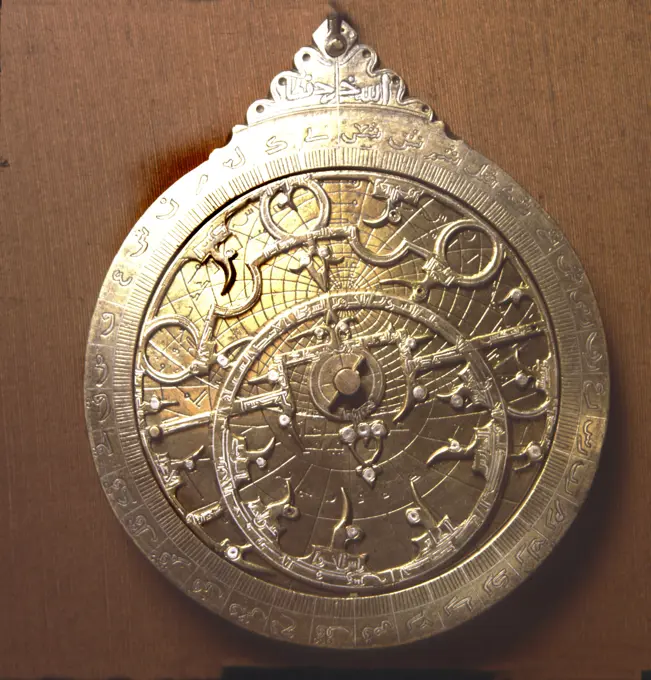
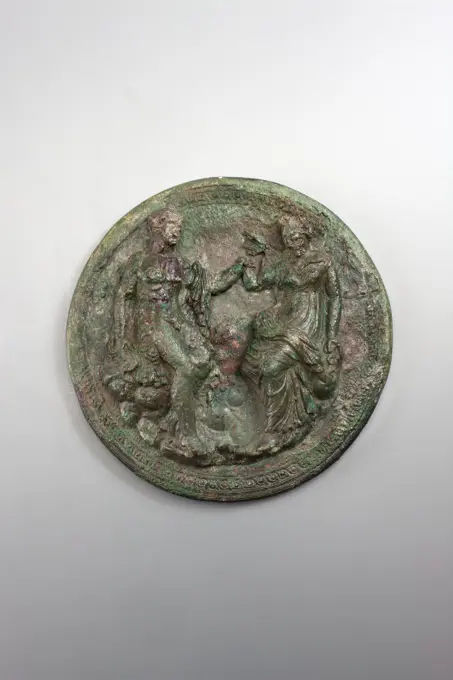
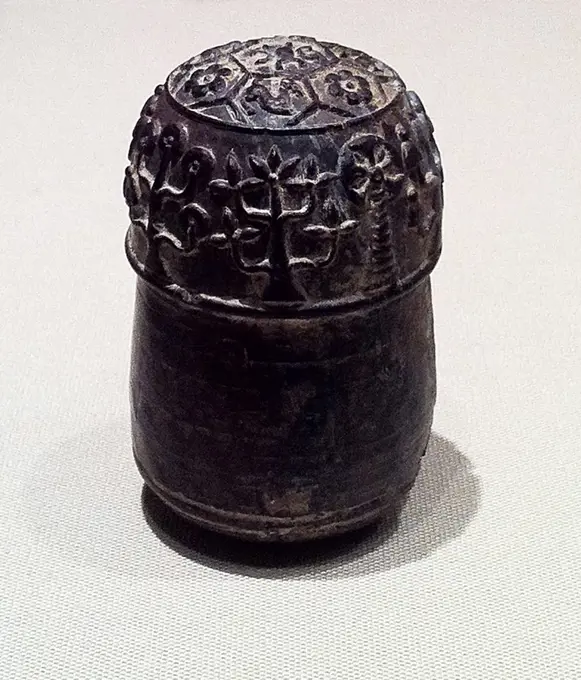
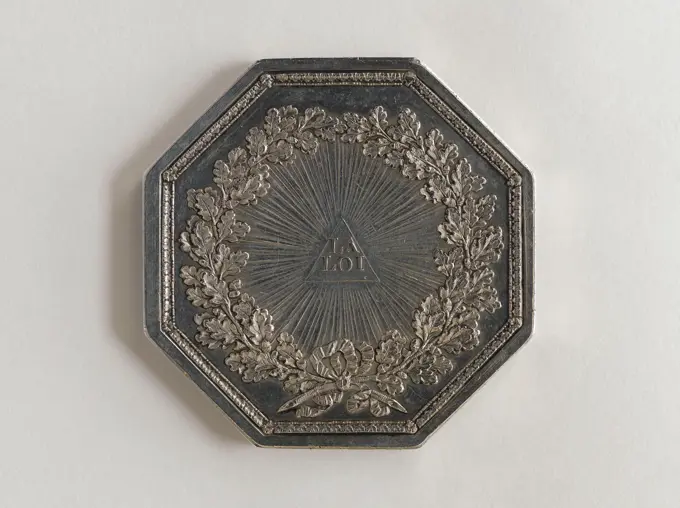
MEDAL OF FUNCTION OF JUDGE AT THE TRIBUNAL OF CASSATION ON THE NAME OF FRANCOIS-JACQUES BUSCHOP (1763-1840), YEAR VIII Nicolas-Marie Gardeaux (1751-1832). Medal of function of judge in the Court of Cassation on behalf of Fran�ois-Jacques Busschop (1763-1840), year VIII. Money. 1799.. Mirror with brush-shaped bulge center surrounded by four, double concentric circles.Pendant (one of a pair). Culture: probably Northern Italian. Dimensions: Diameter: 1 1/2 in. (3.8 cm). Date: second half 15th century.There is no firm evidence about the original purpose of this type of niello pendant, but theories range from betrothal gifts (those with double portraits) to portable reliquaries (those with religious motifs). Museum: Metropolitan Museum of Art, New York, USA.Ornament, one of a pair, 221-206 BCE, 1 7/8 in. (4.76 cm) (diameter), Gold, China, 3rd century BCEButton, Wood, gilt and lacquered metal, Carved wood relief of a 16th century man in hat with fleur de lys border., On card 43, probably France, probably ca. 1840, costume & accessories, Decorative Arts, ButtonEar Ornaments. Tiwanaku-Wari; Coastal Peru or highland Bolivia. Date: 400 AD-800 AD. Dimensions: Diam. 6.5 cm (2 9/16 in.). Shell, stone, silver, and copper. Origin: Peru. Museum: The Chicago Art Institute, Chicago, USA.Boss from a Horse Breast Collar. Culture: Ottoman or Tatar. Dimensions: Diam. 2 1/4 in. (5.7 cm); Wt. 2.3 oz. (66 g). Date: late 17th - 18th century.This boss, decorated all over with flowers and foliage, adorned the cross-section of the three straps of a horse breast collar (straps preventing the saddle from slipping backwards). This example is a simpler version of the luxury bosses attached to some Ottoman deluxe tacks, usually made of silver and gold. Museum: Metropolitan Museum of Art, New York, USA.Sword Pommel. Culture: Italian. Dimensions: Diam. 3 in. (7.6 cm); Wt. 10 oz. (283.5 g). Date: ca. 1500. Museum: Metropolitan Museum of Art, New York, USA.Bit Boss first half 17th century probably Netherlandish Bit bosses were ornamental elements decorating both sides of a horse bit. This circular bit boss is adorned with a domed faceted center and a serrated rim. This object belongs to a large group of bosses featuring a series of rims and centers combined in different ways. The exact center of production of these bosses is still unclear. If the motifs used are Italian, the scale of the production and the process of combining a series of rims and center recalls contemporary German practices. Some of them, however, are identical or very similar to bosses seen in several early 17th-century Netherlandish paintings, a likely origin for the manufacture of these objects. Bit Boss. probably Netherlandish. first half 17th century. Copper alloy. Equestrian Equipment-BitsSword Guard (Tsuba). Culture: Japanese. Dimensions: H. 2 7/8 in. (7.3 cm); W. 2 5/8 in. (6.7 cm); thickness 5/16 in. (0.8 cm); Wt. 3.2 oz. (90.7 g). Date: 18th century. Museum: Metropolitan Museum of Art, New York, USA.Plate with Unidentified Coat of Arms. Spanish; Valencia (probably Manises). Date: 1501-1600. Dimensions: Diameter: 45.4 cm (17 7/8 in.), H: 8.5 cm (3 1/2 in.). Tin-glazed earthenware with copper luster. Origin: Valencia, Comunidad. Museum: The Chicago Art Institute, Chicago, USA.Alexis-Joseph Depaulis (1790-1867). Central Vaccine Committee, May 11, 1800. Red copper. After 1815 (obverse). Paris, Carnavalet museum. Medal, numismaticsSword Guard (Tsuba) with Chrysanthemum, 1615-1868. Japan, Edo period (1615-1868). Iron; diameter: 7 cm (2 3/4 in.).Sword Guard, 1600s. Japan, Edo period (1615-1868). Iron (Kaneie type); diameter: 8.9 cm (3 1/2 in.).Planets-manager. Cornalet Collection Sites 2013-2016. Numismatic.Fragment of a Bowl 14th-15th century. Fragment of a Bowl. 14th-15th century. Stonepaste; polychrome painted under transparent glaze. Made in Egypt. CeramicsCarnavalet Museum, Medals CollectionProject Graly-Manzag 2013-2016 Carnavalet Museum, Medals CollectionSpindle Whorl 10th-early 16th century Mexican. Spindle Whorl 3075802.5 Baiocchi; Pius VI (Pope; 1775-1799), Church State (756-1870); 1797 (1420-00-00-1420-00-00);Sword Guard (Tsuba). Culture: Japanese. Dimensions: H. 2 3/4 in. (7 cm); W. 2 5/8 in. (6.7 cm); thickness 1/4 in. (0.6 cm); Wt. 4.9 oz. (138.9 g). Date: 1795. Museum: Metropolitan Museum of Art, New York, USA.Hexagonal dish 1696 Hungarian, Transylvania The center of each dish in this set (acc. nos. 2010.110.42-49) bears an engraved laurel wreath encircling a coat of arms. Small differences in these arms could be the result of different masters working quickly to complete what was probably a much larger set for a wedding that was fast approaching. The bold blossoms in the six corners symbolize both the wish for abundance throughout marriage and the transitory glories of earthly existence. Salgo acquired two of these dishes at a later date from the others, but all eight pieces belonged to the same set of fourteen dishes that were once part of the Andrássy treasury.LiteratureEuropean Silver. Sale cat., Sothebys, Geneva, November 15, 1983, p. 19, no. 53.European Silver. Sale cat., Sothebys, Geneva, November 14, 1984, n.p., no. 34.Judit H. Kolba. Hungarian Silver: The Nicolas M. Salgo Collection. London, 1996, p. 86, no. 64.ExhibitedRégi ezüstkiállításának leíró lajstroma. Exh. cat. Museum of Goesese button of silver. Goesese knob of silver with a hook closure. The button is worn by the mother of Marjan Unger.Disk brooch late 4th-early 5th century Late Roman. Disk brooch. Late Roman. late 4th-early 5th century. Silver-gilt, niello. Made in Gaul. Metalwork-SilverFor a long time;  1 PO. 16th century (1490-00-00-1500-00-00);Woman's Amulet Box (Ga'u) 1701-1800 Tibet. Silver and turquoise .Gathering Flowers Academy late 19th-early 20th century Workshop of Jian Guzhai Chinese This ink tablet is from a sixty-four-tablet set (30.76.216-.279) commissioned by the Jiaqing emperor from the Studio for Appreciating the Antique (Jiangu Zhai) manufactory of the Wang Jinsheng family in Huizhou, Anhui Province. Each ink tablet commemorates a hall or pavilion in one of the imperial gardens. Each sites name is written in gilt characters on one side; a view of the site is presented on the other. Such inks were purely decorative and not intended for use.. Gathering Flowers Academy 41842sesterce; Kommodus (161-192; Roman emperor 177-192); 186-188 (186-00-00-188-00-00);Roundel with Repeated Inscription late 16th century This carved wood roundel invokes two of the ninety-nine beautiful names of Allah (asma al-husna)al-Haqq (the Truth) and al-Qayym (the Everlasting)through its mesmerizing composition. The inscription is first written vertically and then in mirror image (muthanna), each pair repeating eight times. This Deccan example is related to a group affixed to the walls of a Shi‘i shrine in Hyderabad; such medallions were regarded as mirror reflections of the outer (zahir) and inner (batin) aspects of the Divine.. Roundel with Repeated Inscription. late 16th century. Wood, gesso; painted and metal-leafed with gold and silver. Made in India, Deccan, probably Hyderabad. WoodRzeczpospolita Polska (1922-1938), 10 Zlotys, Clip, Sample, Warsaw; 1934 Mennica Warsaw, Ostrowski, Stanisław Kazimierz (1879 1947)Plate 1700-1780 Japan. Plate. Japan. 1700-1780. Porcelain with decorations under the glaze (Arita ware, Imari type). Edo period (1615-1868). CeramicsGrahal-Manzara. Carnavalet 2013-2016 collection sites. Numismatics.TLV Mirror with Gilt Surface, 100s BC. China, Western Han dynasty (202 BC-AD 9). Gilt bronze; diameter: 14.2 cm (5 9/16 in.); overall: 1.2 cm (1/2 in.); rim: 0.6 cm (1/4 in.).Openwork with stylized flower in the middle, ornament copper metal h 0,5, die cut Open cut piece of hollow fittings: in circle stylized flower shape Extremely thin material archeology Rotterdam rail tunnel decorate Soil discovery: trajectory rail tunnel Rotterdam.Disk Brooch. Culture: Frankish. Dimensions: Overall: 1 3/4 x 5/8 in. (4.5 x 1.6 cm). Date: 7th century. Museum: Metropolitan Museum of Art, New York, USA.Pair of bowls with repoussé work 14th-15th century Chimú. Pair of bowls with repoussé work 315336. Star-shaped tile of quartz frying, painted in blue and luster with an edge of palmets in which two in a ground of luster saved hares between flower reflections.Frances Lichten, Butter Mold, c 1939 Butter MoldLampet scale, oval and completely driven with flower vines, with a medallion with monogram in the middle of the edge consisting of the letters SLMVB, Jonas Gutsche (attributed to), 1670 Lampet scale, oval and completely driven with flower vines. In the middle of the edge of the oval scale, which is omboard by a wire profile, there is a round medallion with a monogram, presumably consisting of the letters Tes (M) AIVB. In the flat, the tibs go out of the center, on the edge they are the main axes. Marked: The Hague; lion; Jrl. R (1670); Master sign attributed to Jonas Gutsche. The Hague silver (metal) Lampet scale, oval and completely driven with flower vines. In the middle of the edge of the oval scale, which is omboard by a wire profile, there is a round medallion with a monogram, presumably consisting of the letters Tes (M) AIVB. In the flat, the tibs go out of the center, on the edge they are the main axes. Marked: The Hague; lion; Jrl. R (1670); Master sign attributed to Jonas GutsA crystalized, fossilized nautilus shell.Syria, Ugarit, Gold bowl depicting a hunting sceneHarness Pendant 13th-early 15th century possibly Spanish Heraldry, or coat-of-arms, were vitally important in Europe throughout the Middle Ages and the Renaissance. Heraldic emblems were used to identify noble families, cities, regions, and even countries. In addition to being displayed on shields and flags, heraldry was incorporated into architectural decoration on the interior and the exterior of buildings, on furniture, works of art, clothing, and horse equipment. Harness pendants, like this example, would have been attached to a headstall, bridle, or other straps making up the tack of a horse ridden by a nobleman or noblewoman, or a member of their household. Many harness pendants also have decoration that is simply ornamental, or have symbols that are not specifically heraldic in nature.. Harness Pendant 25562Sword Guard (Tsuba). Artist: Kawamura Tsuneshige, active late 18th century. Culture: Japanese. Dimensions: H. 2 13/16 in. (7.1 cm); W. 2 11/16 in. (6.8 cm); thickness 3/16 in. (0.5 cm); Wt. 5.8 oz. (164.4 g). Date: late 18th century. Museum: Metropolitan Museum of Art, New York, USA.Disk Pendant (akrafokɔnmu), 1800s. Africa, West Africa, Ghana, Asante goldsmith. Gold; overall: 7 x 7.6 x 1.6 cm (2 3/4 x 3 x 5/8 in.). Shared by different Akan and Akan-related peoples, including the Asante and Baule, gold ornaments indicate status and wealth and are worn at public festivals by titleholders, chiefs, and kings. Most pectoral disks are suspended over the chest by a white, pineapple-fiber cord. They are owned by the akrafo, a young official who purifies the chiefs soul—hence, the name akrafokonmu, meaning “soulwashers badges” or “soul disks.”Mirrors, anonymous, 1300 - 1600 Mirror handle. Flat with openly worked elongated decorative motif in longitudinal direction. Indonesia bronze (metal) Mirror handle. Flat with openly worked elongated decorative motif in longitudinal direction. Indonesia bronze (metal)Ivory disk with a rosette. Culture: Cypriot. Dimensions: Diameter 2 13/16 in. (7.1 cm). Date: ca. 1600-1050 B.C..Ivory was imported to Cyprus from the Near East or Egypt. The rosette was a popular decorative motif originally inspired by designs on Syrian and Phoenician minor arts and textiles. Museum: Metropolitan Museum of Art, New York, USA.Quarter Stater: Plain Field (reverse), c. 125-20 BC. England (Ancient Britain), 2nd century B.C.. Gold; diameter: 1 cm (3/8 in.).Toy dessert plate - Charles Allerton & Sons Charles Allerton & SonsButton (France); brassMedal of Louis Philippe and MarieAmelie. Artist: Albert-Désiré Barre, French, 1818-1878Silversmith's art. Missorium, large silver plate, of consul Ardabur Aspar. Diameter cm. 42.This illustration shows a gold plate that is known as the Patera of Rennes. ThePatera of Rennesis apateraofgolddating from the third century AD. It whih was made by goldsmiths ofthe Roman Empire. It was found in1774in the French town ofRennes. A patera was a shallow dish that was used in ancient religious ceremonies and rites, such as thelibation.War Hat (Jingasa) 17th-18th century Japanese. War Hat (Jingasa). Japanese. 17th-18th century. Iron, lacquer. HelmetsCorend carriers and depths of Amsterdam, Gildenning of Hendrik Egelink. Copper medal. Front: slightly to the right used man with bother on the head of decorative edge. Downside: inscriptionMountBox. Round box. Lid decorated with flowers and three cranes on the inside.Button (France); paper, metal foil, thread, paillettesMountCovered box decorated with chrysanthemums and waterfowl among lotus. Culture: Korea. Dimensions: H. 1 7/8 in. (4.8 cm). Date: 13th century.Chrysanthemums feature prominently on the cover of this box: large and ornate in the center and small and minimalist around the border. Museum: Metropolitan Museum of Art, New York, USA.Eagle Attacking a Fish (one of five medallions from a coffret) ca. 1110-30 French The blue and green beasts, locked in battle and compressed into the circular medallion, are emblematic of goldsmith work created at Conques under the patronage of Abbot Boniface (r. 1107-after 1121). On a similar box still at Conques, an inscription proudly proclaims: In all respects, the coffrets of Conques demonstrate brilliant workmanship.”. Eagle Attacking a Fish (one of five medallions from a coffret) 464561Bronze mirror of Tang Dynasty at the Shaanxi History Museum; Xi'an, Shaanxi, ChinaSword Guard (Tsuba), c. 1615-1868. Japan, possibly Edo period (1615-1868). Iron; diameter: 7.7 cm (3 1/16 in.).Death of Cornelis Speelman, Governor General of the Dutch East Indies, Batavia, 11 January 1684. Silver oval medal. Front: Ladies of coat of arms. Reverse: Inscription.Button or Bead 9th-10th century The dot-in-circle motif recalls designs presumed to be of magical significance, most likely an abstract eye to ward off the evil-eye, which serves an apotropaic function. Easily reproduced with a tool and visible in many cultures and times, this symbol may have lost its meaning, and become simply a decorative pattern, or may have one that we have not yet discovered.. Button or Bead. 9th-10th century. Bone; incised and inlaid with paint. Excavated in Iran, Nishapur. Ivories and BoneCDK unknownCarnavalet museum, medal collection Law two women in profile decorate a war memorial against which a shield is supported. The one on the left holds the tricolor flag and reaches out to the monument, a dog is lying at its feet looking from the front. The one on the left is standing, draped and helmeted, it adorns the monument of the left hand with a green garland and holds in her right hand raised a branch.circular buckler, 12th century, Álava Armory Museum, Vitoria, Basque Country, SpainCommemorative badge of the 54th anniversary of the January Uprising Waldyn, Henryk, Women's League of the Supreme National CommitteeButton from the wreck of the East India hollandia.knoop. (1) ID. Or 1980-27H1405.Fragment of a jug with representation of musicians. Fragment of a jar of brown glazed stoneware with a representation of musicians embossed and inscription: "Wer Eine Head ... Halden".Bronze caetra shield. Iron Age. Ancient Celtiberian culture. 5th-early 6th centuries BC. Necropolis of El Cuarto. Grave 3. Griegos (province of Teruel, Aragon, Spain). National Archaeological Museum. Madrid. Spain.Dish early 16th century German. Dish 467529Plate 1791 Sèvres Manufactory French Porcelain decorated with a black ground in imitation of Asian lacquer was produced at Sèvres for about a fifteen-year period beginning in 1790. Furniture decorated with imported black lacquer panels saw a resurgence of popularity in the last two decades of the eighteenth century, and the Sèvres factory's efforts to simulate black lacquer on porcelain were probably stimulated by this renewed general interest in lacquer decoration. Black-ground Sèvres porcelain was decorated with chinoiserie scenes executed in gold, which was often applied in subtle tones of yellow, green, and red. Small decorative highlights were often executed in platinum, and the ability to apply platinumfirst mastered by the factory in 1790may have been an impetus to produce these lacquer-inspired pieces.[Jeffrey H. Munger, 2015. Plate 202654Dish 9th-10th century. Dish 447907Pa. German Plate. Dated: c. 1939. Dimensions: overall: 38.3 x 29.2 cm (15 1/16 x 11 1/2 in.) Original IAD Object: 7 3/4" in diameter. Medium: watercolor and graphite on paperboard. Museum: National Gallery of Art, Washington DC. Author: Henry Moran.Cup plate. American; Midwest. Date: 1830-1835. Dimensions: Diam. 7.6 cm (3 in.). Pressed glass. Origin: Midwest. Museum: The Chicago Art Institute, Chicago, USA.Inner Pommel Plate dated 1546 Italian (Milan or Brescia) The dates assigned to armor, whether complete armor or individual pieces, are usually estimates based on assessments of style and typology. Occasionally, the precise date of a specific armor may be known through a surviving document recording its commission or by a connection to a particular historical event. A relatively small number of armors, however, actually have dates on them, usually worked somewhere into the decoration. These securely dated examples serve as important benchmarks for understanding the development of armor styles, in terms of both form and decoration. This plate, which would have been attached to the inner face of the top of the saddle pommel, is a good example of how a seemingly minor piece can be used in establishing the dating paramenters for a particular type of decoration.The significance of this pommel plate lies in the fact that it appears to be the earliest precisely dated example of the use of tropSword Guard, early 1800s. Japan, Edo period (1615-1868). Iron; diameter: 7.1 cm (2 13/16 in.).Silver metal wallet and white mother-of-pearl, with floral decor and pearl central medallion representing a couple in the 18th century style. Gouache ivory buttons set back from shepherdesses and peasant women, circulated by twenty rhinestones. Dributing: White mother-of-pearl and silver metal. Buttons: ivory painted with gouache 20 rhinestones, glass, silver metal frame. 1850-1870. Galliera, fashion museum of the city of Paris. Wallet and buttons Accessory, button, circle, female, gouache, painted ivory, silver metal, frame, white mother-of-pearl, wallet, champetre scene, rhinestone, 18th century centuryPrinting block - Sign and symbol, John Henry Walker John Henry Walker (1831-1899)'Snuff-Box', c1740, (1918). Artists: Jean-Simeon Chardin, Godefroy.Sword Guard, mid-1600s. Japan, Edo period (1615-1868). Iron (Soten type); diameter: 7.7 cm (3 1/16 in.).Marine instrument manufactured by M Coignet in the laboratory of Flanders, 1590, 16th century.Bowl with Central Pentagon Motifs 14th century The Mongol invasions of the mid-thirteenth century put an end to ceramic production at Raqqa. Damascus emerged as an important center in the fourteenth century, and its potteries began to adopt the contemporary styles of Iran. The palette, details, and design of this bowl recall the Ilkhanid "panel style" associated with socalled Sultanabad ware.. Bowl with Central Pentagon Motifs 452206Morion, c. 1575-1600. North Italy, late 16th Century. Steel with etched floral motif and medallion (on comb) with boar under oak tree; overall: 39 x 23.5 x 33 cm (15 3/8 x 9 1/4 x 13 in.). The morion, an open helmet characterized by a tall comb and curved brim peaking before and after, was popularly associated with the Spanish conquistadors in the New World. In fact, morions were worn by infantry and light horsemen throughout Europe. They were also commonly worn by palace guards and thus often were decorated. This example has been beautifully etched over its entire surface. Armor this exquisitely decorated would not have been worn in battle, but used by palace guards for ceremonies and display.Astrolabe, Arabic. Navigational instrument. 13th century. SYRIA.CUENCO DE AXTROKI - SIGLO VII AC - ORO. Location: INTERIOR. ESCORIAZA. Guipuzcoa. SPAIN.Pokrywa lustra pudełkowego z przedstawieniem pary kochanków. unknown, authorShield. Culture: Italian. Date: ca. 1570-80. Museum: Metropolitan Museum of Art, New York, USA.An Indian phallic emblem, or 'Linga'. From India. Circa 2nd century BC, Mauryan period. Made from stone.Sword Guard (Tsuba) 18th century Japanese A tsuba is a sword guard and part of a sword mounting. It is mounted between the swords blade and grip to protect the users hands.. Sword Guard (Tsuba) 34926Italian 17th Century, A Child's Head, 17th century A Child's HeadBox with lid, anonymous, 1775 - 1800 Large lacquer box decorated with a representation of a man who trements a boat into gold and mother-of-pearl insert. Japan wood (plant material). lacquer (coating). gold (metal). mother of pearl Large lacquer box decorated with a representation of a man who trements a boat into gold and mother-of-pearl insert. Japan wood (plant material). lacquer (coating). gold (metal). mother of pearlBox with man with deer, anonymous, 1500 - 1600 Lobbed box with a man with deer in a landscape. Red lacquer. China lacquer (coating) Lobbed box with a man with deer in a landscape. Red lacquer. China lacquer (coating). A forged iron slot for a home door. At the bottom of an indoor lock with two shots, in the middle a key lock with three shots, at the top a night lock with two shots. The interior with cut-out decorations. Deposited the outside with a copper profile list. Key renewed.Mirror, 8th century, 5 3/4 in. (14.61 cm), Bronze, China, 8th centuryFragrance Box, 1700s. China, Qing dynasty (1644-1911). Tortoiseshell; diameter: 8.6 cm (3 3/8 in.). An 18th-century Korean collector Yu Man-joo (1755-1788) wrote that spending money on luxury clothing, dishes, and decorations for the home is a waste, but acquiring fancy writing tools helps to develop elegant taste and high-mindedness.” Inspired by aesthetic discourses on elegance versus vulgarity in late Ming Chinese literature, Korean collectors in the late 1700s and 1800s strove to assemble objects that would display their intellect and sophisticated taste. Stationery objects in particular—printed books, finely crafted brushes, brush holders, ink stones, water droppers, stone wares with grayish-white crackled glazes as well as bronze vessels, and incense burners—were all objects that reflected pure and elegant taste.Blakene Astrolabe of 1342. European.Częstochowa. Treasury of the monastery in Jasna Góra - two silver trays with generic scenes (Augsburg products from the 17th century); Trzciński, Stanisław (1867-1939); around 1896 (1890-00-00-1900-00-00);Button. Date/Period: Ca. 1780. Button. Ivory, metal foil, gilt metal, pewter. Author: UNKNOWN.