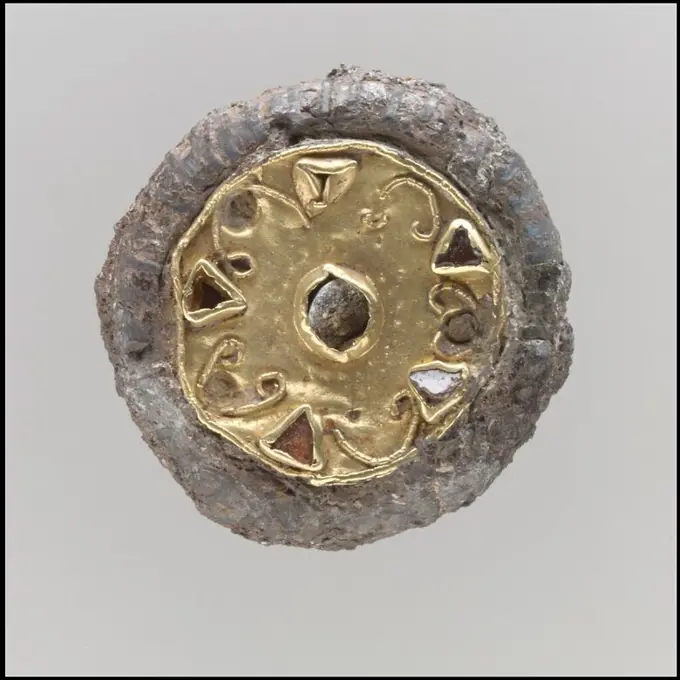
Ancient Artifacts and Metalwork

Depictions of historical artifacts like mirrors and bowls from various cultures, showcasing intricate designs and craftsmanship from different eras.

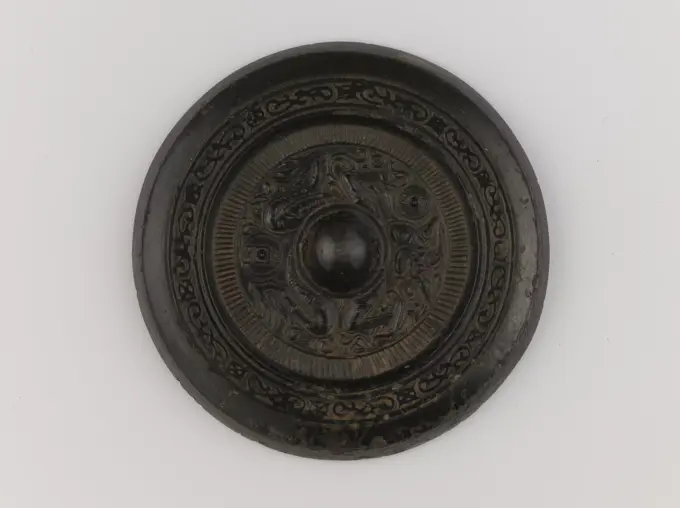
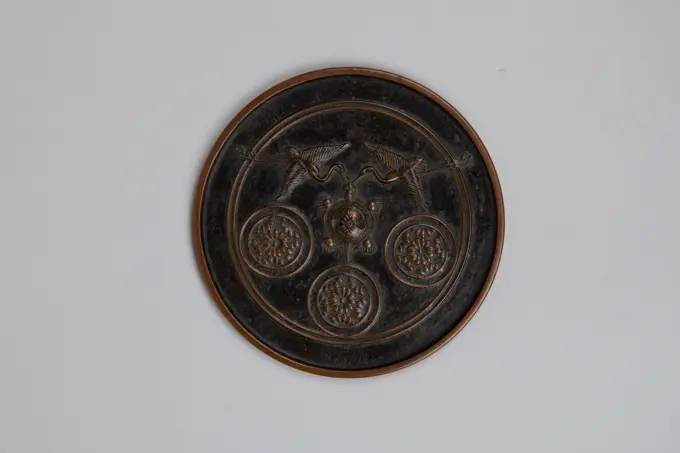
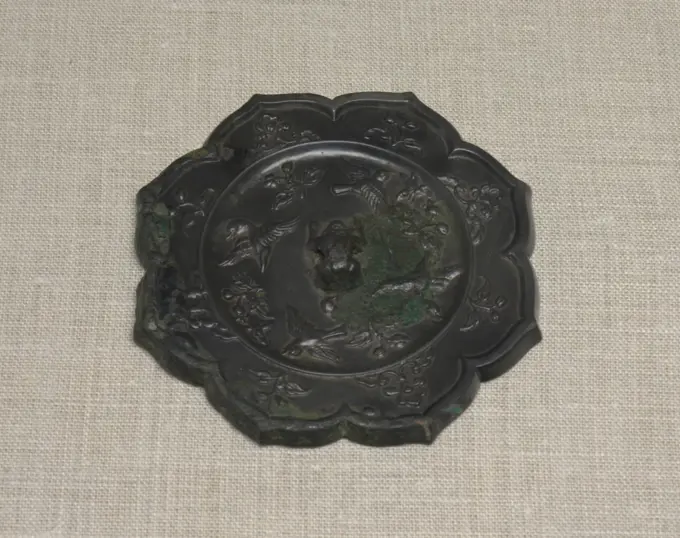
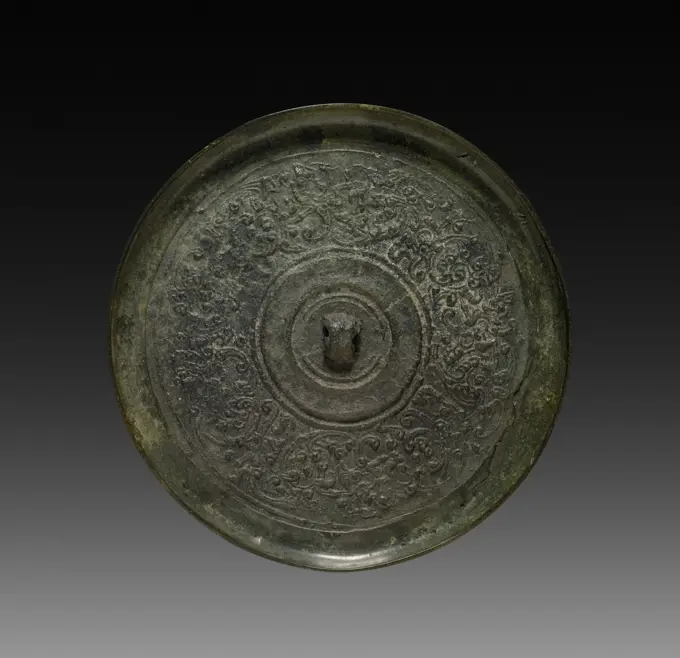
Mirror with floral patterns 8th century China. Mirror with floral patterns. China. 8th century. Bronze. Tang dynasty (618-907). Mirrors
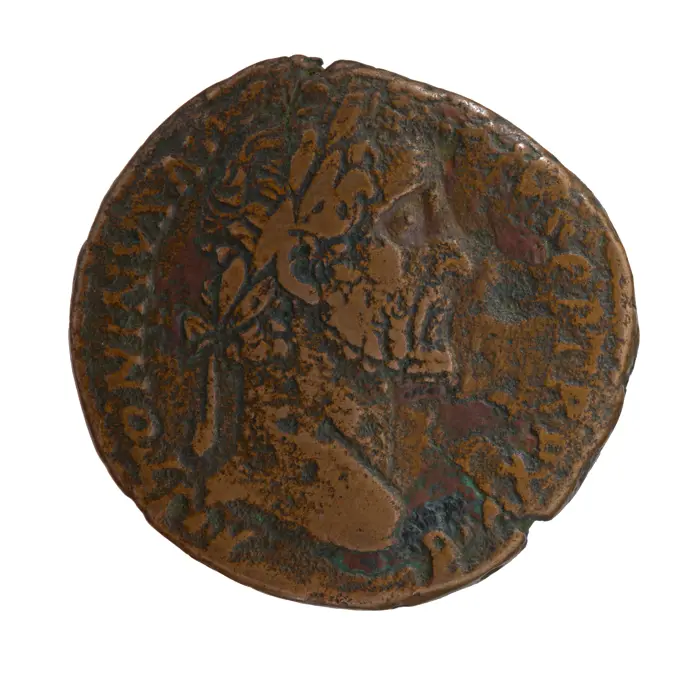
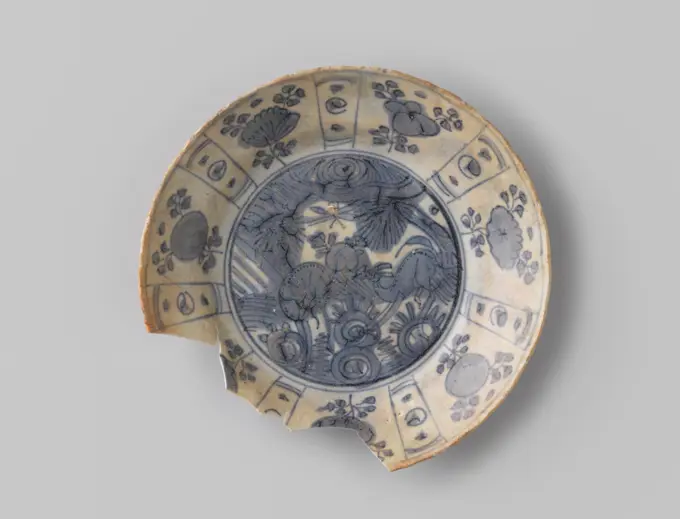
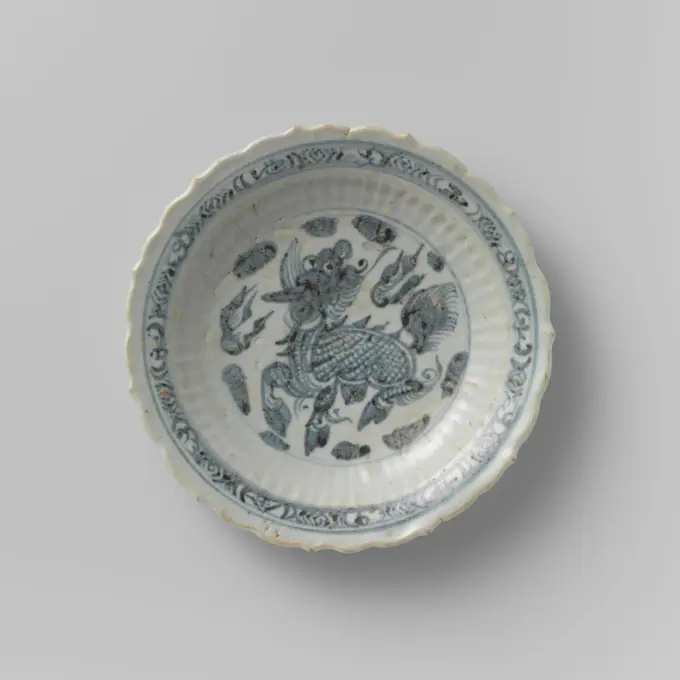
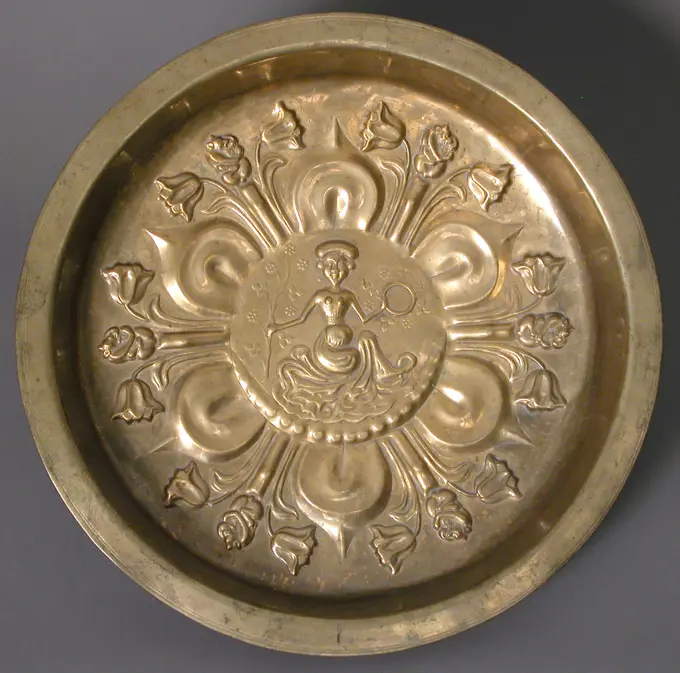
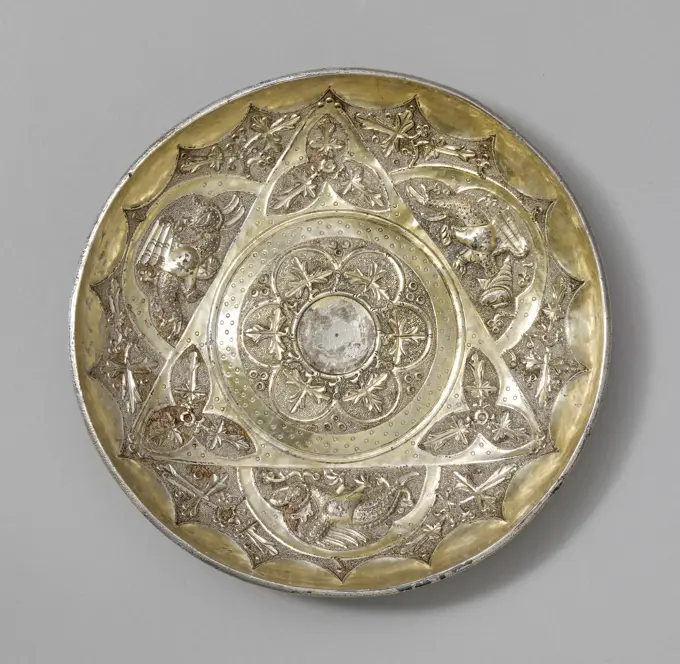
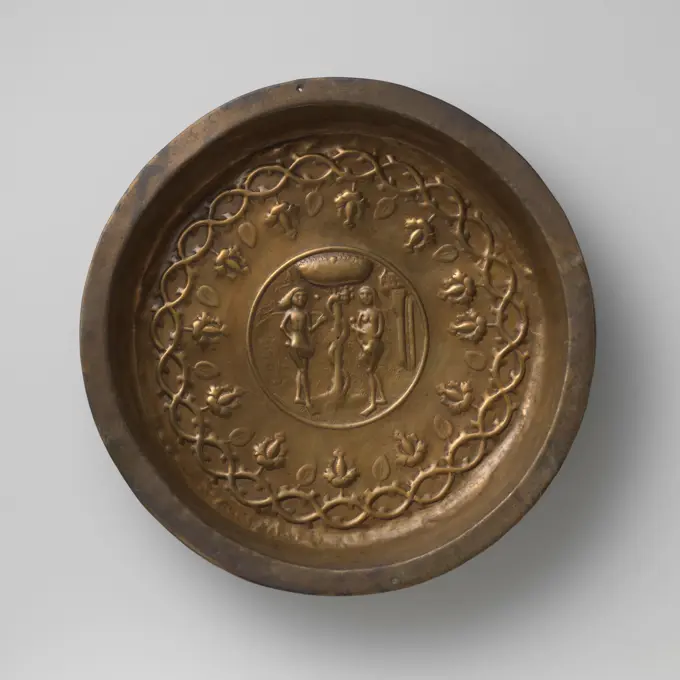
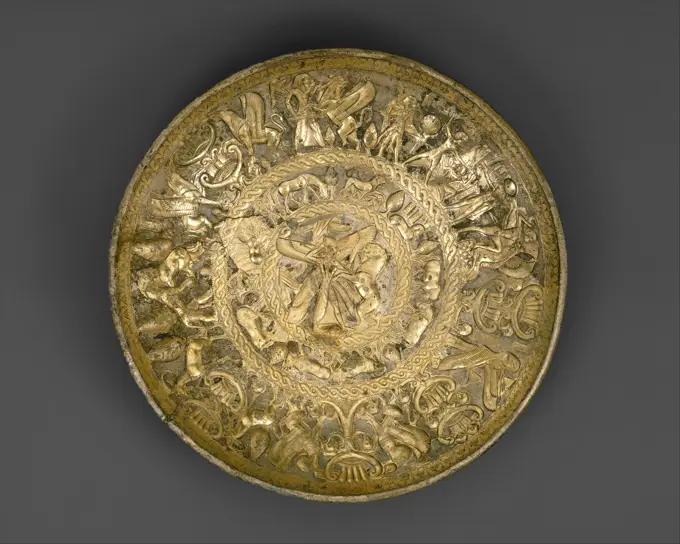
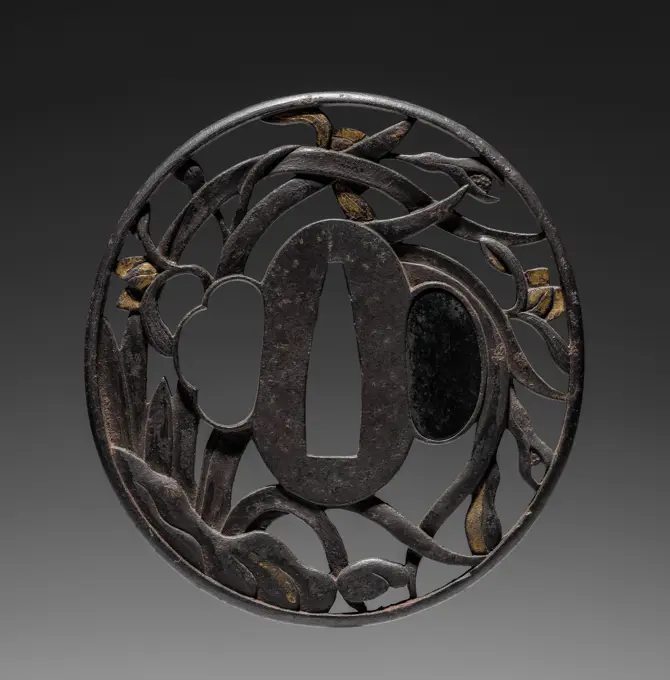
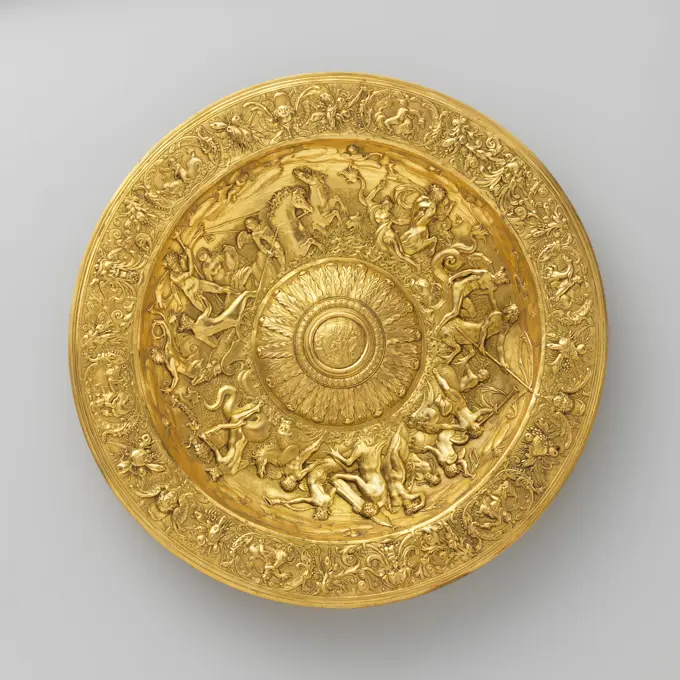
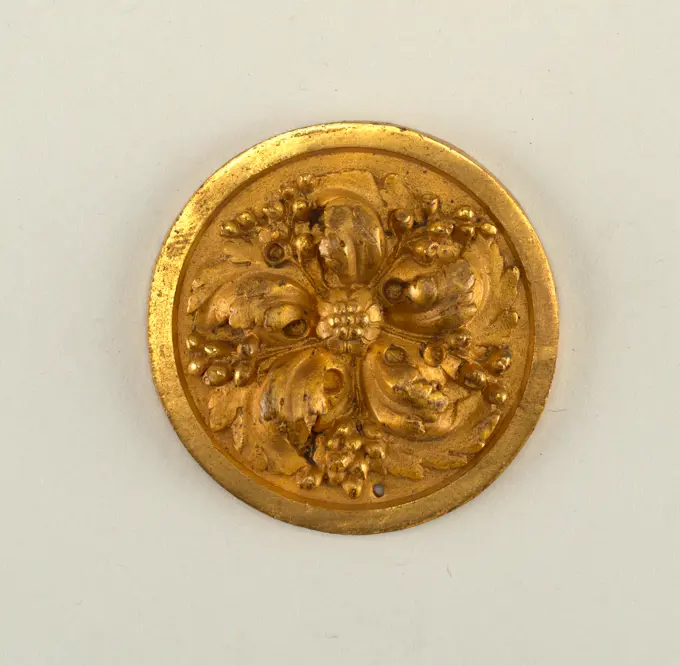
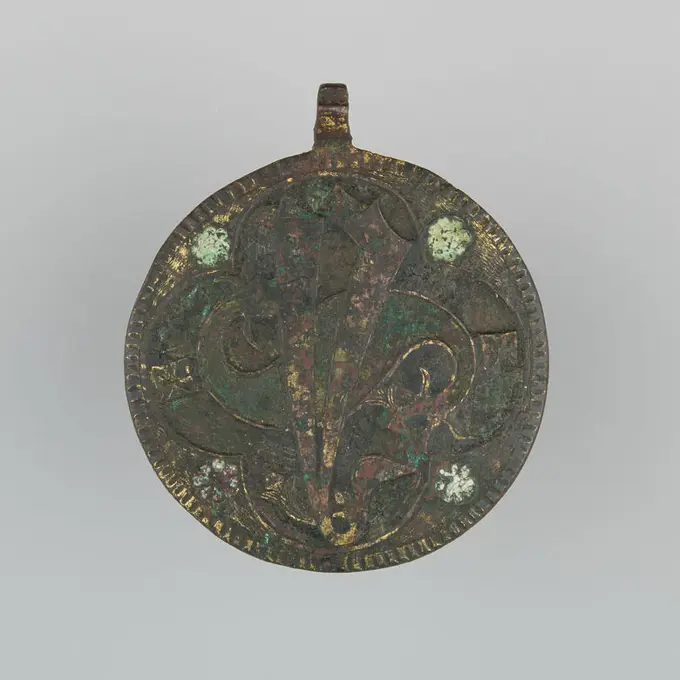
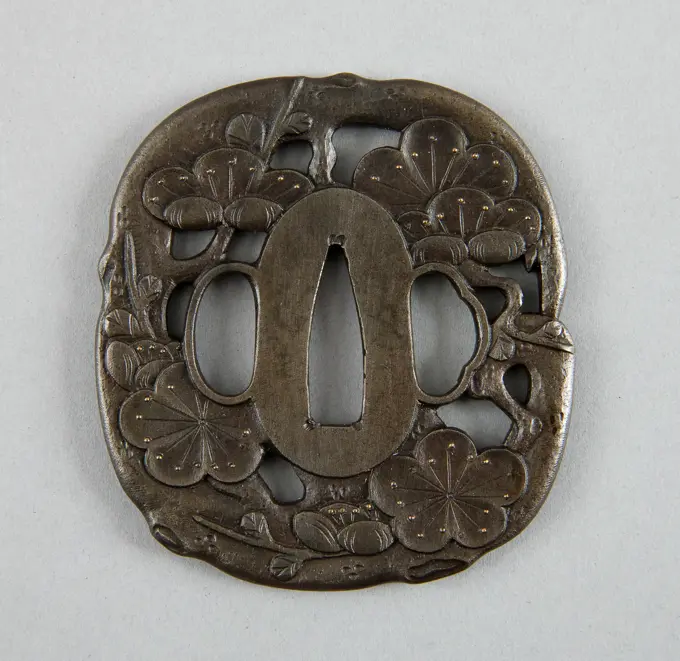
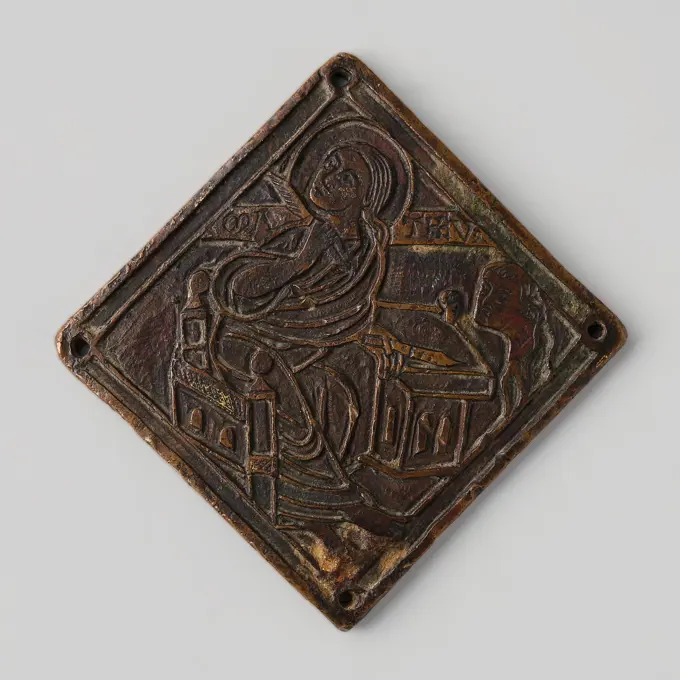
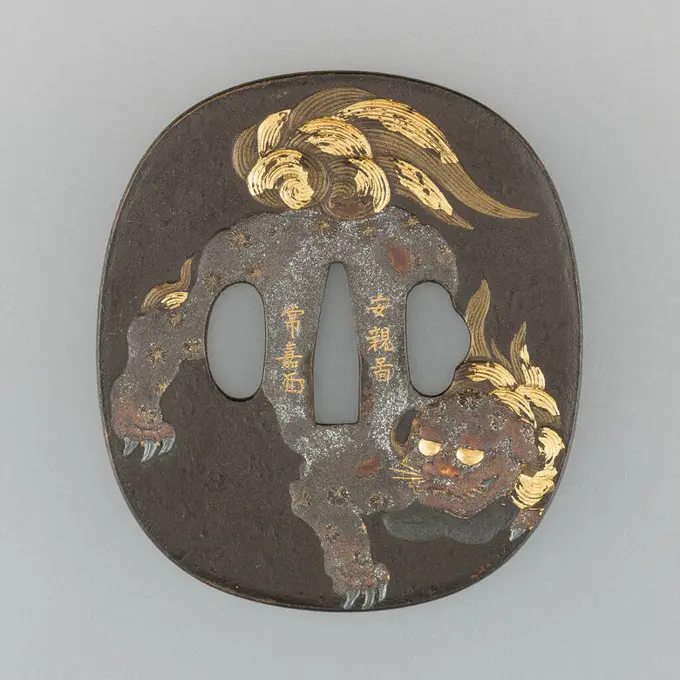
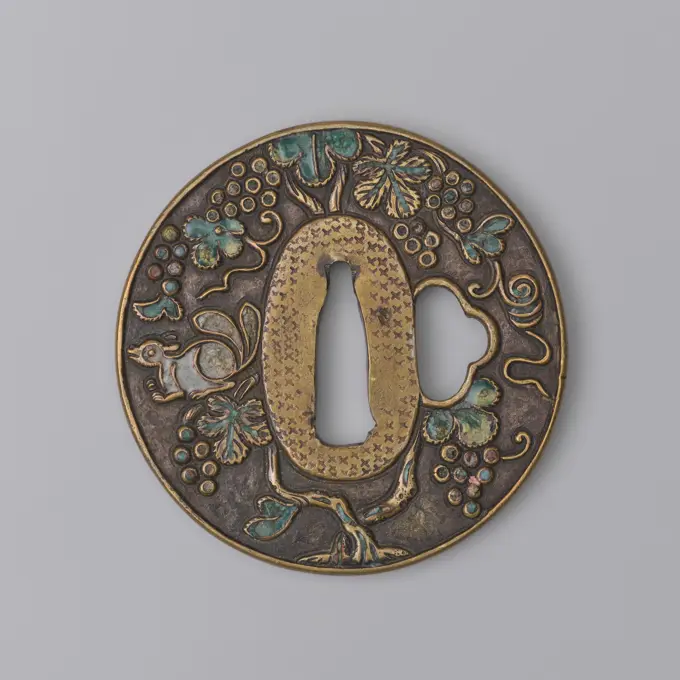
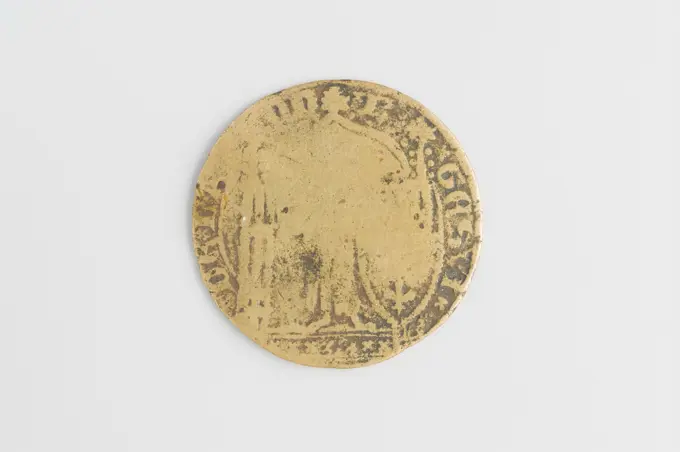
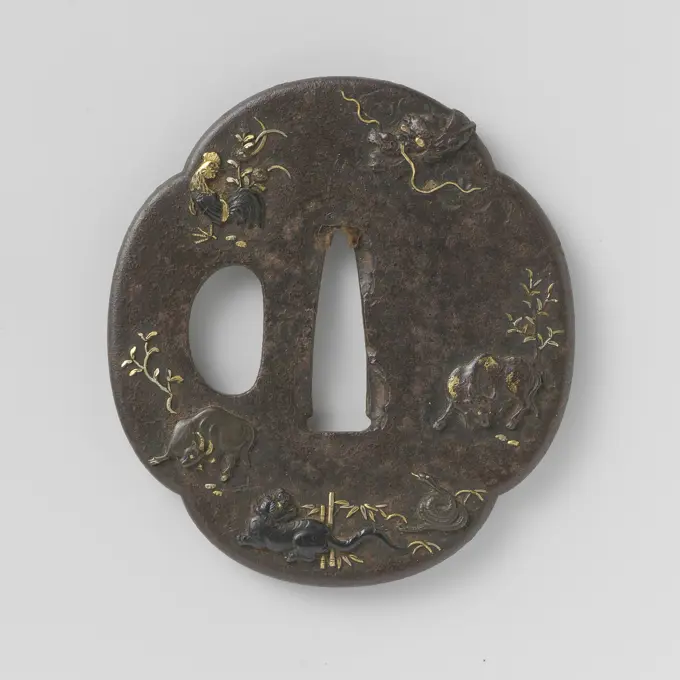
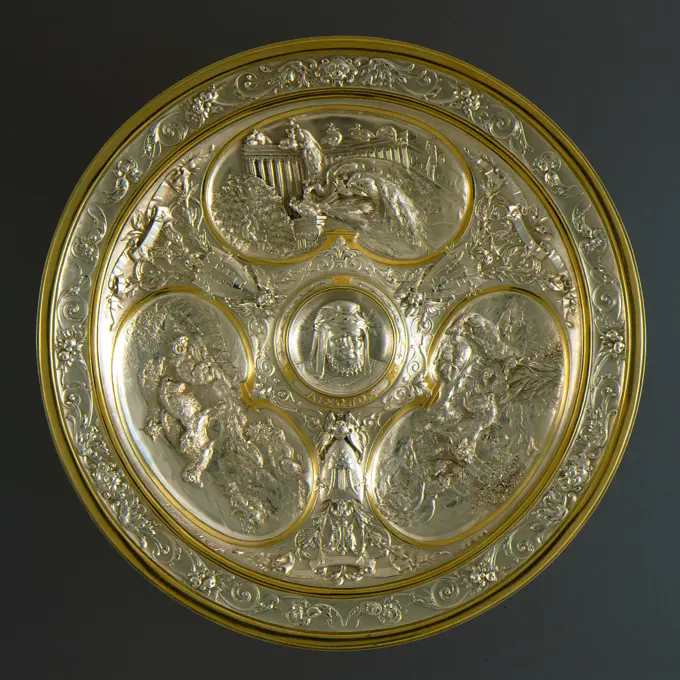
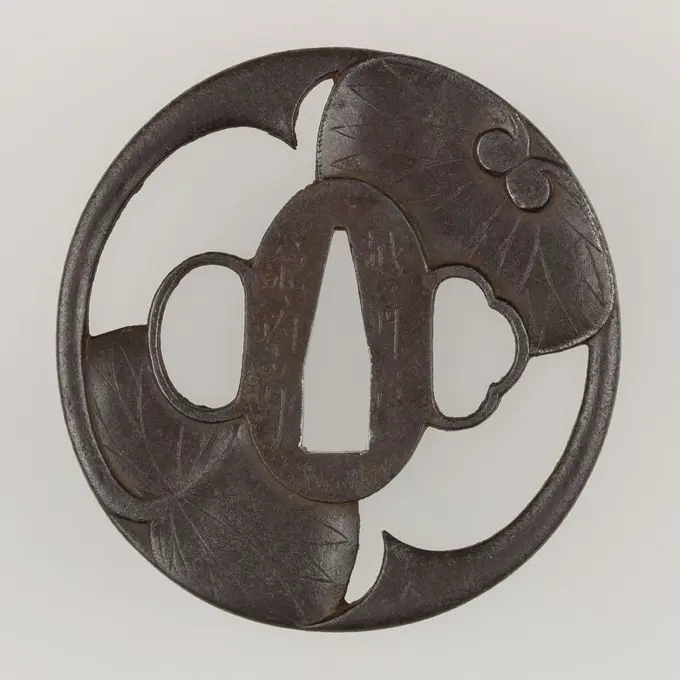
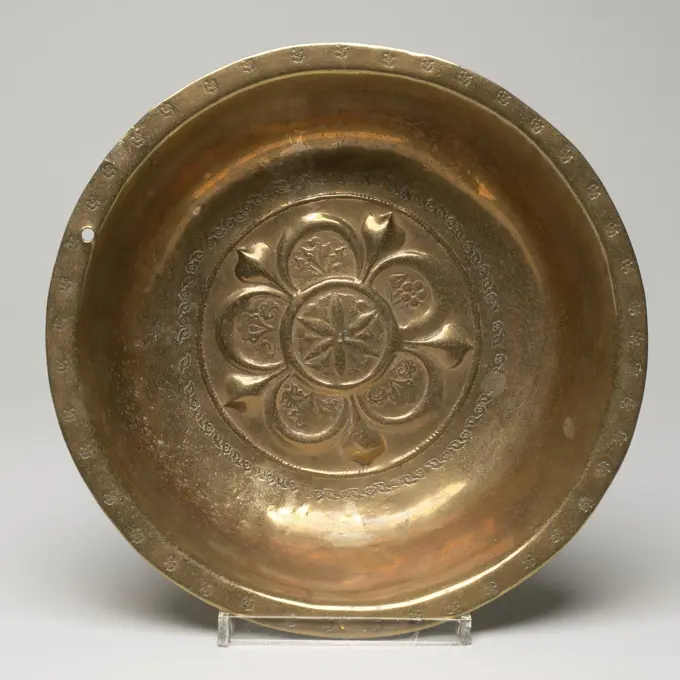
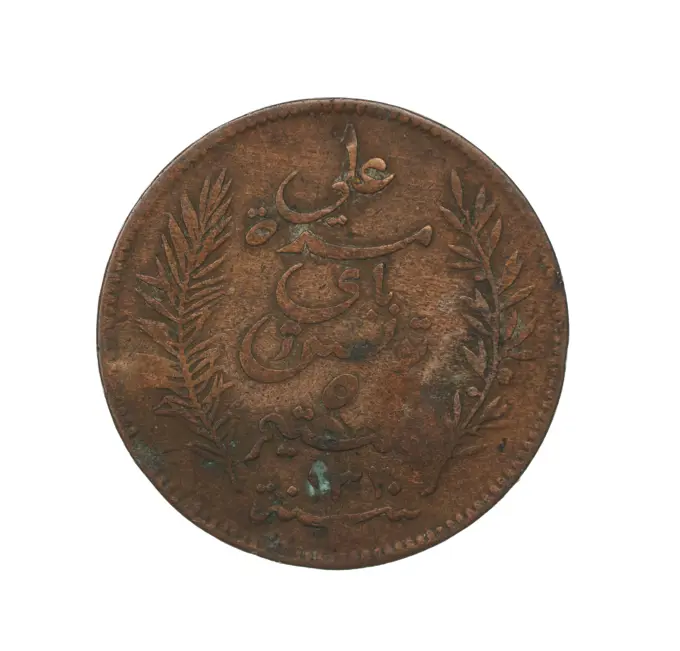
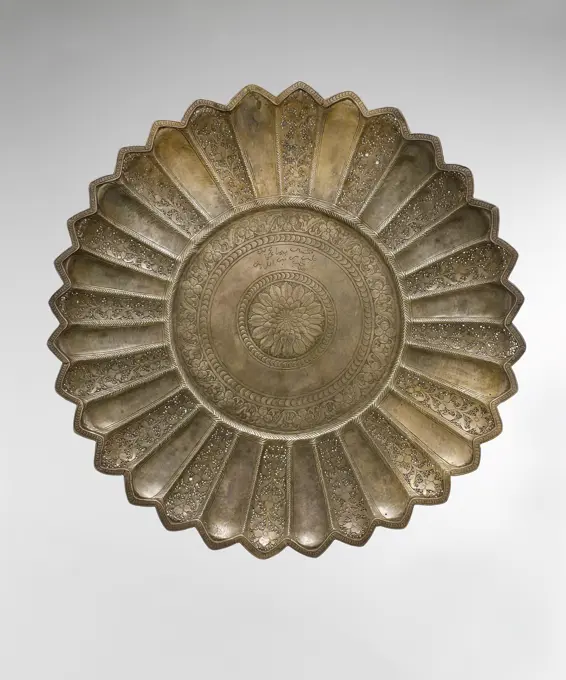
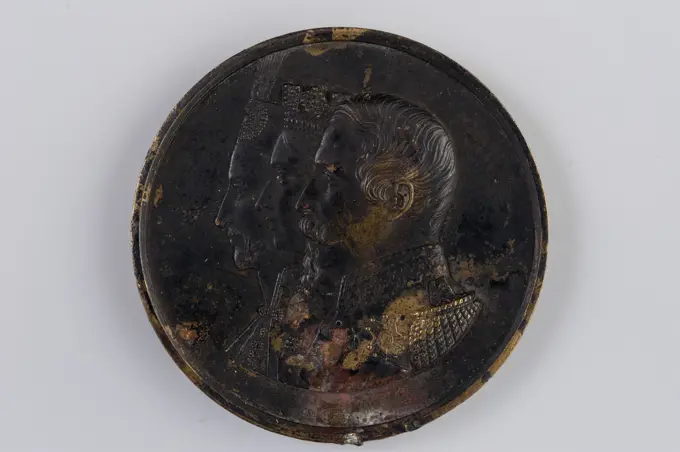
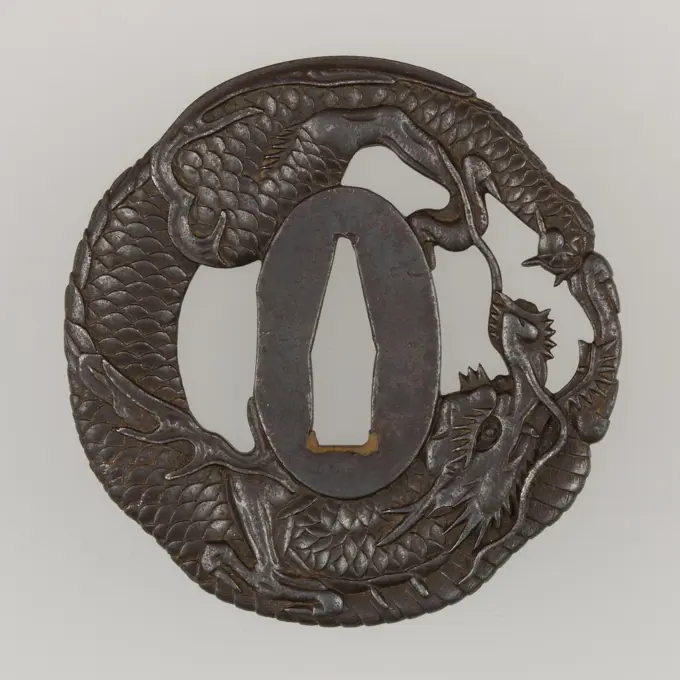
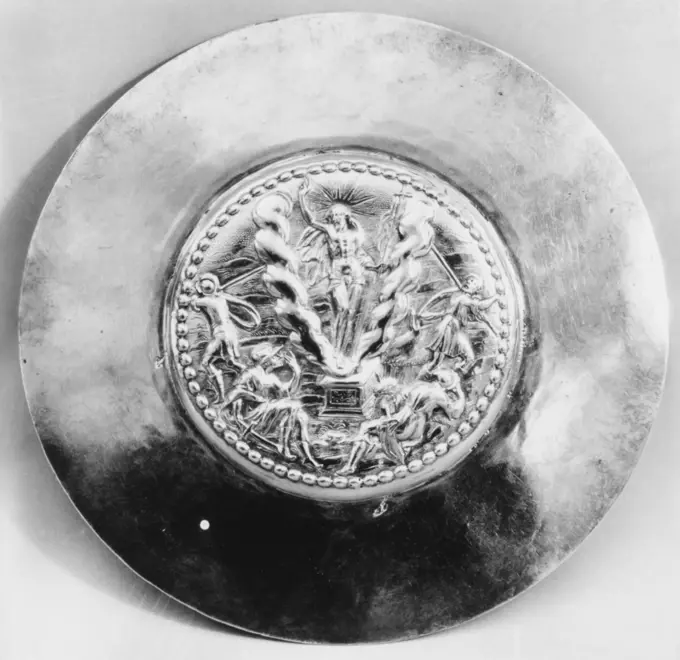
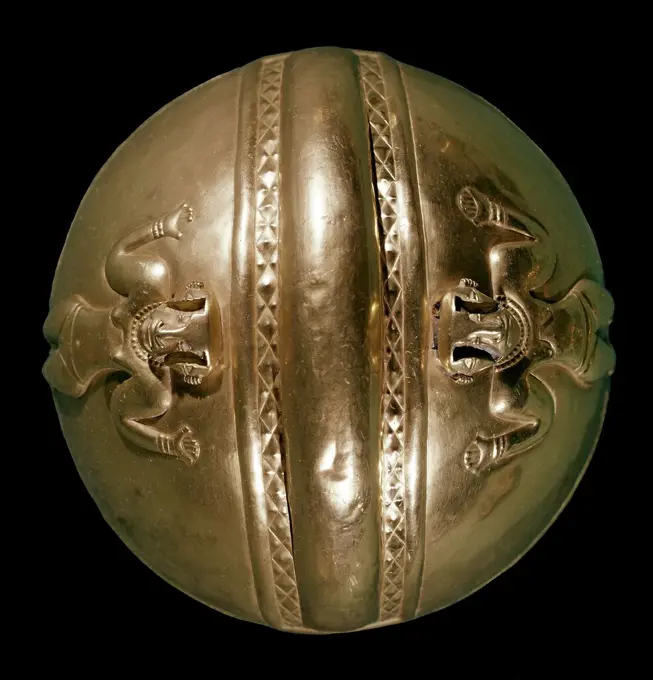
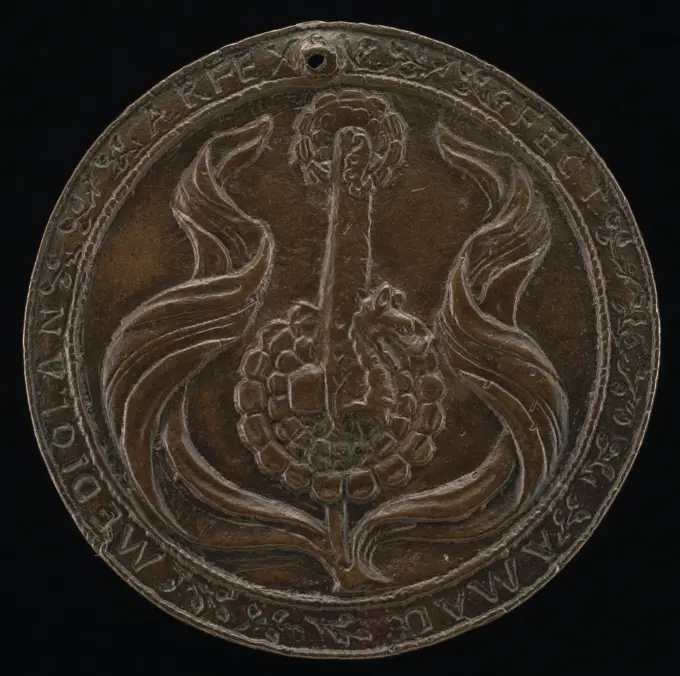
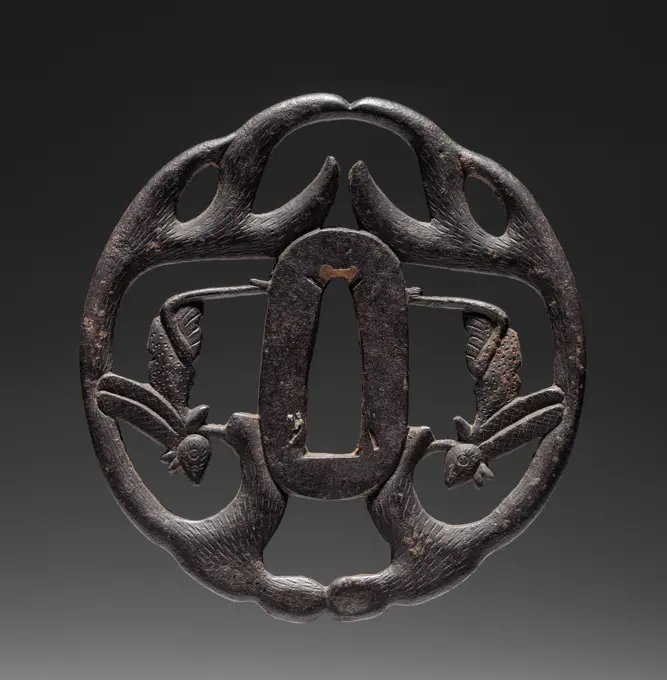
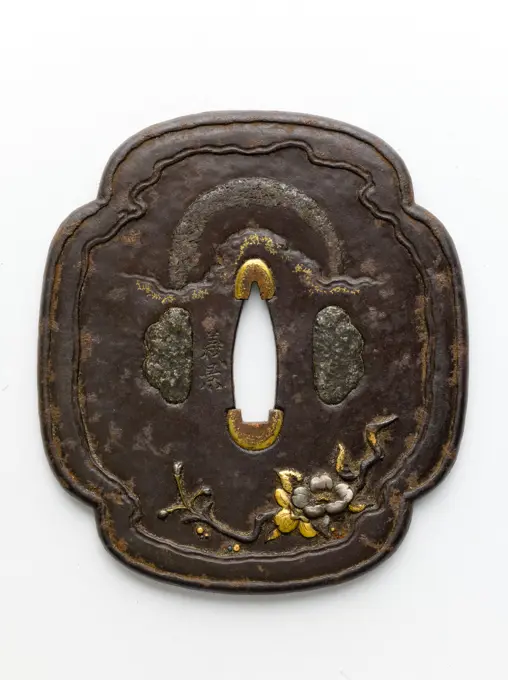
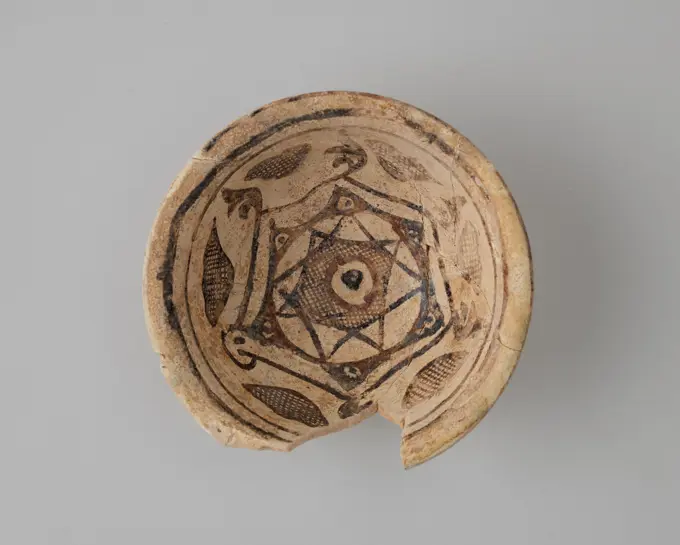
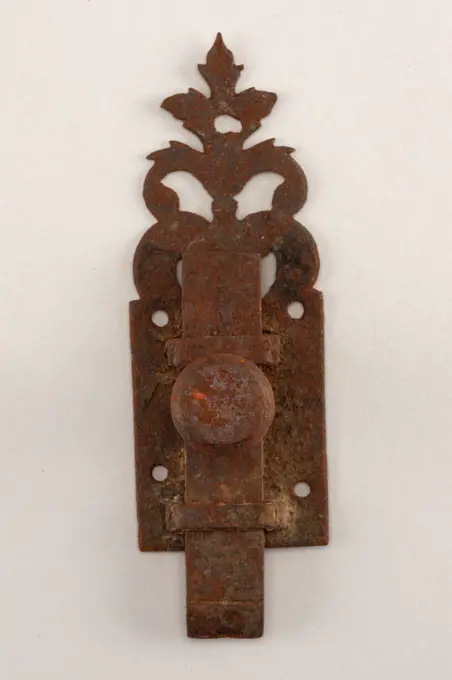
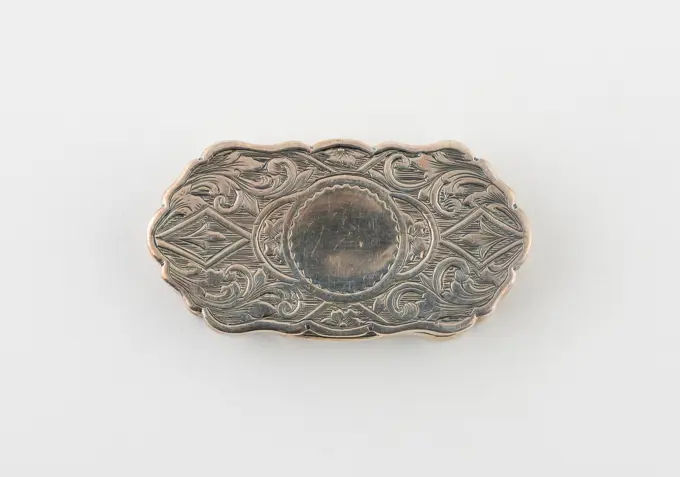
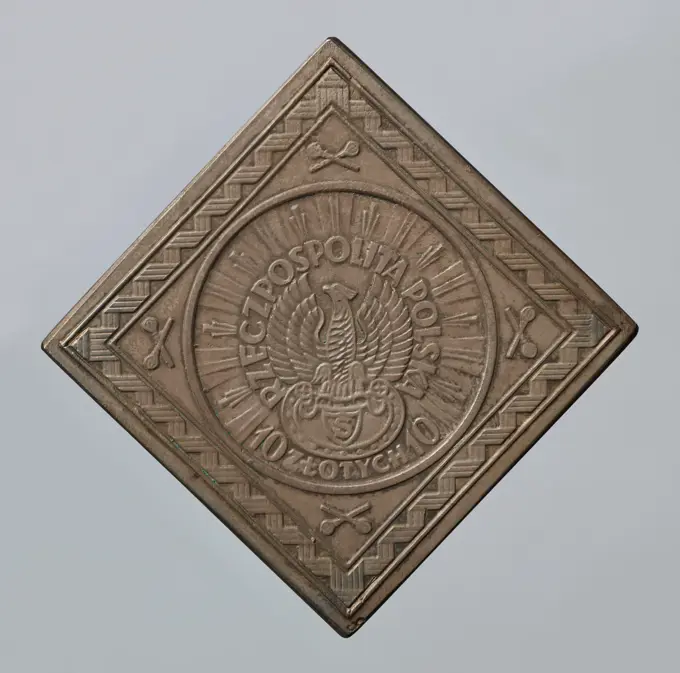
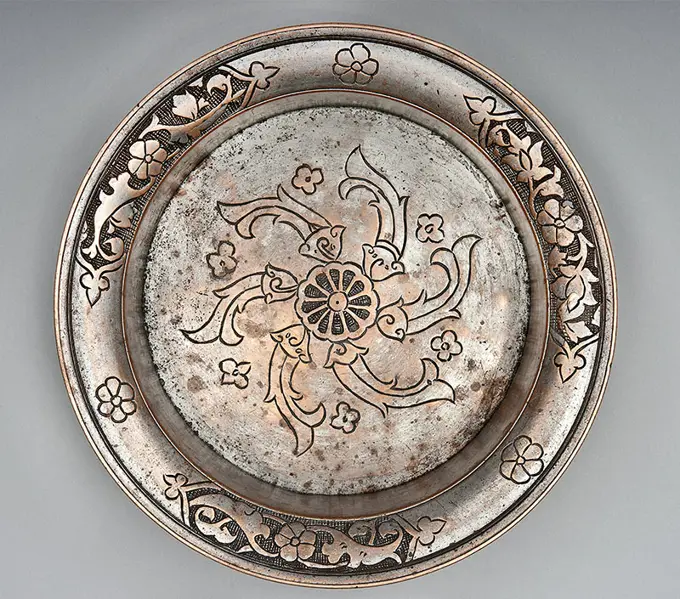
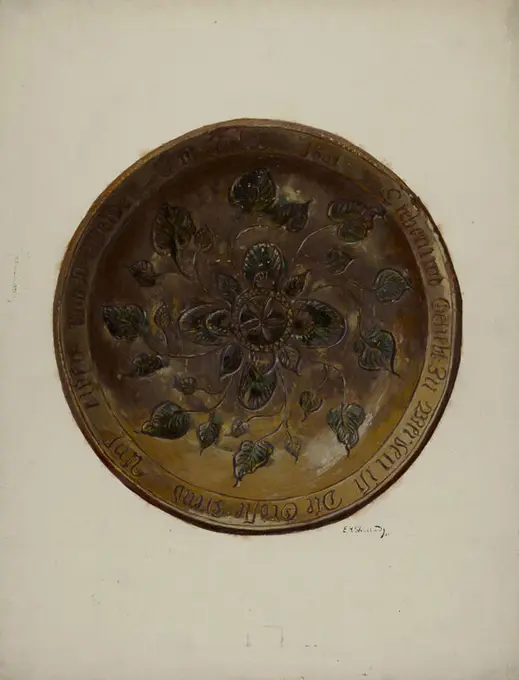
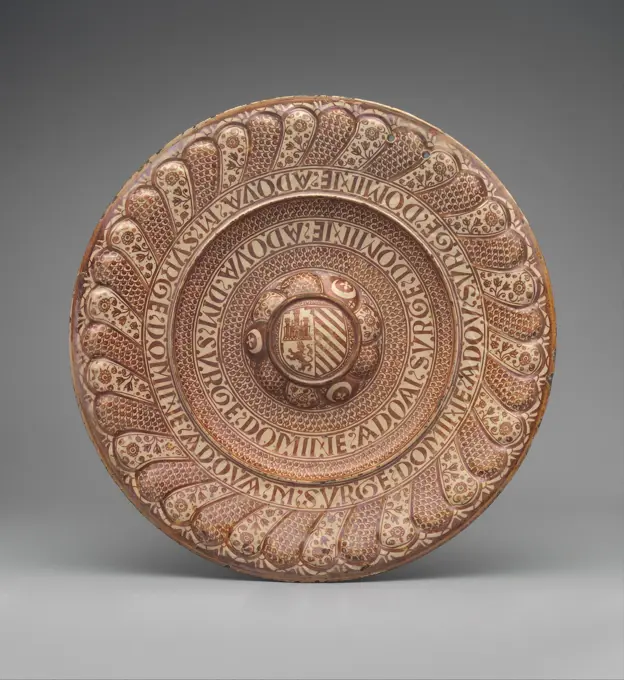
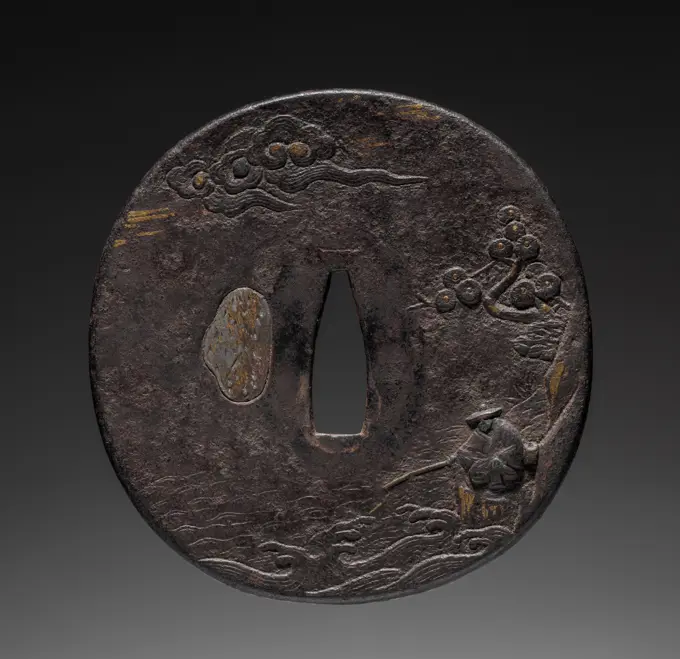
Mirror. Bronze, China, Han dynasty (206 BC AP.J.-C.). Paris, Cernuschi museum. Asian art, Chinese art, beauty, bronze, han dynasty, mirror, daily lifeCarnavalet Museum, Medals CollectionPlate ca. 1480 German or South Netherlandish According to some scholars, Dinant was the only French-speaking town of the Lowlands to join the German Hansa as a selling agent and a guarantor of the delivery of copper ( the major component of both bronze and brass) imported from northern Germany via Cologne and Aachen. Already the center of a flourishing metalworking trade, Dinant became the principal center for the production of plates such as this one. Its distinct position is evident in the generic name dinanderie,” which came to be associated with metalwork of this sort. Dinant’s primacy in the trade continued until the city was sacked by the Duke of Burgundy in 1466.Although dinanderie plates were in enormous demand in the second half of the fifteenth century, the traditional, painstaking method of brass beating was not to be replaced by the easier process of casting until the sixteenth century. The need for mass production led to a decline in quality. Certain motifs, like the seatDrinking Bowl (Hanap) 1350-75 Eastern European or Bosnian or Serbian () This hanap, known as the Sanko Bowl, has been associated with Kaznac Sanko Miltenovi, an important fourteenth-century figure in the Bosnian court. The inscription around the lip can be translated, "In the name of the Father, and the Son, and the Holy Ghost, may God give joy to him who drinks from it but let him not forget the poor." The repoussé, punched, and incised decoration on the interior strongly reflects French influence. The hybrid beasts are analogous to drolleries in the margins of contemporary manuscripts.. Drinking Bowl (Hanap). Eastern European or Bosnian or Serbian (). 1350-75. Silver, and gilded silver. Metalwork-SilverCarnavalet museum, tokens collectionMirror with floral patterns 8th century China. Mirror with floral patterns. China. 8th century. Bronze. Tang dynasty (618-907). MirrorsBox: Yue ware (lid), 960-1279. China, Zhejiang province, Song dynasty (960-1279). Glazed stoneware with incised decoration; diameter: 12.5 cm (4 15/16 in.); overall: 5.4 cm (2 1/8 in.).Shield. Culture: Indian. Dimensions: Diam. 19 1/4 in. (49 cm). Date: 17th century.Of sturdy construction, and suitable for battle, this is a rare example of a distinctive type of seventeenth-century shield made in Muslim India, possibly the Deccan. In both conception and execution its chiseled and damascened ornamentation compares closely to that of only two other known shields: one in the collection of the Furusiyya Art Foundation (inv. RB-131) and the other formerly in the collection of Prosper Holstein (1843-1926) in Lyons and now probably in the Musée des Beaux-Arts at Châteaudun, France.The state of preservation is noteworthy. Although the gold-damascened ornamentation has become obliterated in some areas, it is very well preserved over the chiseled ornament, in contrast to the two comparable shields, where no such highlights are apparent. The lining on the interior appears to be a variant of that on the shield that was in the Holstein Collection, and may be original. Museum: MetrBit Boss. Culture: Italian or French. Dimensions: Diam. 3 3/8 in. (8.6 cm); Wt. 4.7 oz. (132 g). Date: 16th - early 17th century.Bit bosses were ornamental elements decorating both sides of a horse bit. These hat-shape bit bosses, probably inspired by Ancient shield bosses excavated at the time, were very popular in Italy and France in the 16th and the early 17th century. Museum: Metropolitan Museum of Art, New York, USA.Anonymous. "Verwunden-Abzeichen, Schwarz, 1914-1918". Metal. 1914-1918. General Leclerc Museum of Hauteclocque and the Liberation of Paris, Jean Moulin Museum. 158813-16Pelvic with Adam and Eva, Anonymous, c. 1500 - c. 1550 In the flat of the pelvis, which has the center point in the middle, a representation of Adam and Eva in paradise (Genesis 3, 1-8) and an edge of two entangled tenders with stiled roses and stilled roses and to leaf through. Adam and Eva are on either side of the tree of good and evil. This has the crowned snake around the trunk. Paradise is a garden enclosed by a fence, in which a rose, a lily and an carnation grow. On the right a spell band, the text of which is unreadable. A ornament of cross flowers is punched on the edge of the pelvis. The hanging ring at the rear and the hole in the edge were installed later. Neurenberg (possibly) brass (alloy) casting / soldering In the flat of the pelvis, which has the center point in the middle, a representation of Adam and Eva in paradise (Genesis 3, 1-8) and an edge of two entangled tenders with stiled roses and stilled roses and to leaf through. Adam and Eva are on either side of the trFragment of a Bowl 14th-15th century. Fragment of a Bowl 445432Gong with a tumor in  19th century () (1701-00-00-1800-00-00);Bit Boss late 16th - early 17th century German, Saxony Circled by a leaf garland in relief, pierced three times, the center of this boss depicts the coat of arms of Saxony on a shield with scrolling edges, supported by two lions. This design of boss, an ornamental element decorating both sides of a horse bit, was very popular in Saxony and produced in important quantities by founders.. Bit Boss. German, Saxony. late 16th - early 17th century. Copper alloy. Saxony. Equestrian Equipment-BitsSilver-gilt bowl ca. 725-675 B.C. Cypriot The central tondo shows a winged deity of Assyrian type felling a rampant lion with a sword. The surrounding frieze presents a variety of animal and narrative motifs, including two specifically Egyptian subjects: a sphinx wearing the Egyptian double crown and a lion treading over a dead man, symbolizing the pharaoh dominating his enemies. The broad outer band features a variety of combats. Of greatest importance, however, are two inscriptions. At the top, above an Assyrianizing figure killing a lion, a Cypriot syllabic inscription reads, "I am the bowl of Akestor, king of Paphos." It was partly obliterated and replaced by "I am the bowl of Timokretes," presumably the next owner. The bowl is exceptionally significant for its excellent condition, high quality, and amalgam of Egyptian, Assyrian, and Phoenician features. Listen to experts illuminate this artwork's story Listen Play or pause #1106. Silver-gilt bowl Supported by Bloomberg PhilantSword Guard, 1615-1868. Japan, Edo period (1615-1868). Iron (Choshu type); diameter: 8 cm (3 1/8 in.).Saksonia , Denar of the Cross, between 1080 and 1100 unknownGalvanoplastic reproduction of a dish with the triumph of Neptune and Amphitrite. Galvanoplastic reproduction of a dish, driven, with the triumph of Neptune and amphitrite; On the edge Cupidos on sea samples, grotesken and fruit in relief. In the center of the dish is a medallion with the foot extraction by Christ. Gold plated.Plate. Plate. Silver. Gold and SilverSword Guard (Tsuba). Culture: Japanese. Dimensions: H. 2 7/8 in. (7.3 cm); W. 2 3/4 in. (7 cm); thickness 3/16 in. (0.5 cm); Wt. 3.3 oz. (93.6 g). Date: 18th century. Museum: Metropolitan Museum of Art, New York, USA.MountRosetteBadge (probably from Horse Harness). Culture: Spanish. Dimensions: H. 3 1/4 in. (8.3 cm); W. 2 7/8 in. (7.3 cm); Wt. 2 oz. (56.7 g). Date: 14th century. Museum: Metropolitan Museum of Art, New York, USA.Breast plate adornment, 5 5/8 x 7 x 2 in. (14.29 x 17.78 x 5.08 cm), Silver, China. Almost round tsuba with a cut-away decoration of horses, riders and large gourds; Details in gold Nunome-Zogan and copper; The Ryo-Hitsu are filled with shakudo.Smoke  The Best Of Flowers Unknown, in the style of schools ShoamiSword Guard, late 1600s. Japan, Edo period (1615-1868). Iron; overall: 9 x 9.6 cm (3 9/16 x 3 3/4 in.).Saint Matthew Writing the Gospel 1155-65 Mosan. Saint Matthew Writing the Gospel. Mosan. 1155-65. Copper alloy, traces of gilding. EnamelsSword Guard (Tsuba). Culture: Japanese, Tokyo. Dimensions: H. 3 1/4 in. (8.3 cm); W. 3 in. (7.6 cm). Fittings maker: Inscribed by Joka (Japanese, Tokyo, active late 18th-early 19th century) , after Yasuchika. Date: early 19th century. Museum: Metropolitan Museum of Art, New York, USA.Badge (probably from Horse Harness). Culture: Spanish. Dimensions: H. 2 3/4 in. (6.9 cm); W. 2 5/8 in. (6.7 cm); Wt. 2.5 oz. (70.9 g). Date: ca. 1400. Museum: Metropolitan Museum of Art, New York, USA.Galvanoplastic reproduction of a dish with driven ornament and coat of arms. Galvanoplastic reproduction of a dish decorated with driven tape work, fruits and flowers. In the center a diamond-shaped coat of arms with drill and bird surrounded by ribbons. Gold plated.Pilgrim's Badge 14th-16th century French. Pilgrim's Badge. French. 14th-16th century. Lead. Metalwork-LeadOctafoil Mirror with Riding Immortals and Rising Peaks, 600s. China, Tang dynasty (618-907). Bronze; diameter: 12.2 cm (4 13/16 in.); overall: 0.8 cm (5/16 in.); rim: 0.8 cm (5/16 in.).Jelec (Tsuba);  XVII century (1601-00-00-1700-00-00);Carnavalet Museum, Medals CollectionSword Guard (Tsuba) 18th century Japanese A tsuba is a sword guard and part of a sword mounting. It is mounted between the swords blade and grip to protect the users hands.. Sword Guard (Tsuba) 34979Hand guard, anonymous, 1700 - 1900 Mokko-shaped tsuba with the twelve animals of the Zodiac in Iroe-Taka-Zogan. Japan iron (metal). gold (metal). silver (metal) Mokko-shaped tsuba with the twelve animals of the Zodiac in Iroe-Taka-Zogan. Japan iron (metal). gold (metal). silver (metal)sesterce; Antoninus Pius (86-161; Roman emperor 138-161); 158-159 (158-00-00-159-00-00);Sign from V.O.C.-ship De 'Witte Leeuw', Anonymous, Before 1613 plate (dishes) Sign from V.O.C. ship De 'Witte Leeuw', 95 present. Jingdezhen bone china (material)   Sint-HelenaTazza. Elkington and Co. (England, Birmingham, 1829-1963)Leonard Morel-Ladeuil (France, active England, circa 1820-1888). England, Birmingham, 1876-1877. Furnishings; Serviceware. Silver, parcel-giltHand guard, anonymous, 1800 - 1900 Oval tsuba with slightly raised edge; At the front in Iroe-Takazogan, Katakiri-Bori and Hirazogan two fans, a mouse and a butterfly; At the rear a weeping willow in Katakiri-Bori and a few plants inlaid in silver; Signed "Sadamasa". Japan gold (metal). silver (metal). copper (metal) Oval tsuba with slightly raised edge; At the front in Iroe-Takazogan, Katakiri-Bori and Hirazogan two fans, a mouse and a butterfly; At the rear a weeping willow in Katakiri-Bori and a few plants inlaid in silver; Signed "Sadamasa". Japan gold (metal). silver (metal). copper (metal)Mirror Japan. Mirror. Japan. Bronze. Nanbokuch (1336-92)-Muromachi (1392-1573) period. MirrorsHand guard, anonymous, 1600 - 1699 Almost round tsuba with a few small mono on both sides against a background of small copper bars (gomoku-zogan). Japan iron (metal). brass (alloy). copper (metal) Almost round tsuba with a few small mono on both sides against a background of small copper bars (gomoku-zogan). Japan iron (metal). brass (alloy). copper (metal)Pelvis with the Lamb of God, Anonymous, 1500 - 1550 In the flat of the pelvis, a representation of the Lamb of God (John 1, 29-36), with aureool, staff, vaan and chalice, in which the blood is collected. This is surrounded by a punched edge of stylized leaf ornament and driven fish blowing. An edge of stylized leaf ornament is also punched on the board. The hanging ring at the rear and the hole in the edge were installed later. Neurenberg (possibly) brass (alloy) casting In the flat of the pelvis, a representation of the Lamb of God (John 1, 29-36), with aureool, staff, vaan and chalice, in which the blood is collected. This is surrounded by a punched edge of stylized leaf ornament and driven fish blowing. An edge of stylized leaf ornament is also punched on the board. The hanging ring at the rear and the hole in the edge were installed later. Neurenberg (possibly) brass (alloy) castingHand guard with cherry blossom and rafts, Ito Masatsune, c. 1650 - c. 1750 Oval tsuba with openwork decoration in positive silhouette of cherry blossoms on rafts; Some details are high in gold; Signed 'kōfu jū masatsune'. Japan iron (metal). gold (metal) Oval tsuba with openwork decoration in positive silhouette of cherry blossoms on rafts; Some details are high in gold; Signed 'kōfu jū masatsune'. Japan iron (metal). gold (metal)Planets-manager. Cornalet Collection Sites 2013-2016. Numismatic.Sword Guard (Tsuba). Culture: Japanese. Dimensions: H. 2 7/8 in. (7.3 cm); W. 2 11/16in. (6.8 cm); thickness 3/16 in. (0.5 cm); Wt. 4.7 oz. (133.2 g). Date: ca. 1615-1868. Museum: Metropolitan Museum of Art, New York, USA.Sword Guard (Tsuba). Culture: Japanese. Dimensions: Diam. 2 3/4 in. (7 cm); thickness 3/16 in. (0.5 cm); Wt. 2.9 oz. (82.2. g). Date: 18th century. Museum: Metropolitan Museum of Art, New York, USA.Grahal-Manzara. Carnavalet 2013-2016 collection sites. Numismatics. Princess punch of Lamballe Bust on the right.Badge or Harness Pendant ca. 1400 Spanish Heraldry, or coat-of-arms, were vitally important in Europe throughout the Middle Ages and the Renaissance. Heraldic emblems were used to identify noble families, cities, regions, and even countries. In addition to being displayed on shields and flags, heraldry was incorporated into architectural decoration on the interior and the exterior of buildings, on furniture, works of art, clothing, and horse equipment. Harness pendants, like this example, would have been attached to a headstall, bridle, or other straps making up the tack of a horse ridden by a nobleman or noblewoman, or a member of their household. Many harness pendants also have decoration that is simply ornamental, or have symbols that are not specifically heraldic in nature.. Badge or Harness Pendant. Spanish. ca. 1400. Copper, gold, enamel. Miscellaneous-BadgesRoman round bowl, white shard, painted, brown-gray, curved edge, bowl holder soil find ceramic pottery paint, hand-turned fried painted Bowl white shard dyed brown-gray curved edge Roman. Rings in the middle as decoration. Inward-facing upper edge archeology Valckensteyn Poortugaal Albrandswaard indigenous pottery import food food serve serving Soil discovery: courtyard castle Valckensteyn in Poortugaal now Albrandswaard 1961.Mirror with birds and flowers 8th century China. Mirror with birds and flowers. China. 8th century. Bronze with black patina. Tang dynasty (618-907). MirrorsBowl, 16th century, 2 3/4 x 9 1/8 in. (7 x 23.18 cm), Brass, Germany, 16th centuryZeeuwse Daalder of 60 large, 1602; Zeeland, Daalder of 60 large, 1602. Front: double-headed eagle with on breast coat of arms of Zeeland. Downside: decorated coat of arms with weapons of Zeeland cities and the first noble, under coat of arms value 60.Tunisia (French protectorate), 5 centimes, Paris, 1893 AD (1310 Ah) Steam mintPlate 18th century This pan plate is attributed to the city of Karimnagar known for its production of filigreed pieces located one hundred miles north of Hyderabad. A similarly filigreed pan box would most likely have accompanied this tray.. Plate. 18th century. Silver; cast, pierced, engraved. Attributed to India, Deccan, Karimnagar. MetalCarnavalet museum, medal collectionSword Guard (Tsuba) 18th century Japanese A tsuba is a sword guard and part of a sword mounting. It is mounted between the swords blade and grip to protect the users hands.. Sword Guard (Tsuba) 26346Paten 1625-26 Adam Pijart. Paten 197084Shield for presenting items;  19th/20th century (1890-00-00-1910-00-00);Carnavalet Museum, Medals CollectionTESORO DE LOS QUIMBAYAS - CASCO DE ORO DECORADO CON FIGURAS FEMENINAS - COLOMBIA - 200-1000 DC. Location: MUSEO DE AMERICA-COLECCION. MADRID. SPAIN.Amadio da Milano, Marigold and Door Knocker (reverse), c 1441 Marigold and Door Knocker reverseSword Guard (Tsuba), c. 1615-1868. Japan, possibly Edo period (1615-1868). Iron; diameter: 8 cm (3 1/8 in.).Gold Plate at the Capital Museum, Beijing, ChinaTsuba. Japan. Fer. Paris, Musée Cernuschi. Assessment, armaments, Asian art, Japanese art, weapon custody, art object, metallic object, armament piece, tsubaProject Graly-Manzag 2013-2016 Carnavalet Museum, Medals CollectionBowl with Eight-Pointed Star late 8th-9th century. Bowl with Eight-Pointed Star 449697Sword Guard (Tsuba) 18th century Japanese A tsuba is a sword guard and part of a sword mounting. It is mounted between the swords blade and grip to protect the users hands.. Sword Guard (Tsuba) 26335Cowroid Floral Motif 1550 BCE-1069 BCE Egypt. Steatite . Ancient EgyptianBolt; 1904-21-67Vinaigrette 1843-1854 Birmingham. Silver and silver gilt .Fars that coin is coin, 10 ,Bit Boss first half 17th century probably Netherlandish Bit bosses were ornamental elements decorating both sides of a horse bit. This circular bit boss is adorned with spiraling ribs and a rim presenting a succession of grotesque bearded faces. This object belongs to a large group of bosses featuring a series of rims and centers combined in different ways. The exact center of production of these bosses is still unclear. If the motifs used are Italian, the scale of the production and the process of combining a series of rims and center recall contemporary German practices. Some of them, however, are identical or very similar to bosses seen in several early 17th-century Netherlandish paintings, a likely origin for the manufacture of these objects.. Bit Boss. probably Netherlandish. first half 17th century. Copper alloy, gold. Equestrian Equipment-BitsDeep bowl with curled rim. unknown, craftsmanDisk terminal late 4th-early 5th century Late Roman. Disk terminal. Late Roman. late 4th-early 5th century. Silver-gilt, niello. Metalwork-SilverPa. German Plate. Dated: 1937. Dimensions: overall: 49.3 x 38.3 cm (19 7/16 x 15 1/16 in.). Medium: oil paint on paperboard. Museum: National Gallery of Art, Washington DC. Author: Eugene Shellady.Tsuba (common name). Suki - Dashi - Bori - Kin - Zôgan (gold inlays). Cernuschi Museum, Asia Museum of Asia in the city of Paris.Dish late 15th century Spanish. Dish 471796Schutterij van Pest, Anonymous, 1845  Silver medal to wear. Front: Inscription. Downside: crowned coat of arms above the trial; Behind it banners, swords and other weapons Hungary silver (metal) striking (metalworking)  PestBit Boss or Ornamental Plaquette possibly German late 16th-17th century This circular plaquette, cast in iron, is adorned with a lions head circled by a vegetal garland. It would have decorated the sides of a horse bit or other small object, like a powder flask or a pistol. View more. Bit Boss or Ornamental Plaquette. possibly German. late 16th-17th century. Iron. Equestrian Equipment-BitsSword Guard (Tsuba) with Chinese Landscape, c. 1615-1868. Japan, possibly Edo period (1615-1868). Iron;Plate probably ca. 1630-60 Hans Spatz II. Plate. German, Nuremberg. probably ca. 1630-60. Pewter. Metalwork-PewterSword Guard (Tsuba) ca. 1615-1868 Japanese A tsuba is a sword guard and part of a sword mounting. It is mounted between the swords blade and grip to protect the users hands.. Sword Guard (Tsuba) 34497Dang of the VOC from Holland, 1746, United Oostindische Compagnie, 1746 coin Copper mint. Front: crowned coat of arms of Holland. Reverse: monogram of the VOC, above which mint sign and including the year. Smooth edge. Dordrecht copper (metal) striking (metalworking)Door handles. The handles are decorated with a five-clawed dragon. Each monster head holds the handle in its mouth. Monsters and dragons were appropriate motifs for door fittings as they warded off evil spirits.Foedraal for two flat scales, anonymous, 1500 - 1600 Fural of wood with black leather exaggerated and consisting of three pieces: 1. The soil: from below with decorated apprenticeship and lined on the inside with chamois leather; 2. the bag piece: being the lid of the bottom, covered with chamois leather from below; the edge richly decorated with pressed and cut leaf ornaments; 3. The lid: with an iron hinge with three hooks and decorated with the same ornaments with a shield on which two crossed horse legs. The shield is contained in a cartouche, consisting of two their backs of each other. Left and right of the shield The letters E and B. Note: The edge of the intermediate piece is damaged.  wood (plant material). leather. iron (metal) Fural of wood with black leather exaggerated and consisting of three pieces: 1. The soil: from below with decorated apprenticeship and lined on the inside with chamois leather; 2. the bag piece: being the lid of the bottom, covered with chamois leatherBowl 14th century. Bowl 452608EscutcheonHand guard, c. 1600 - c. 1800 Oval tsuba with decoration of a Chinese lion near rocks, the rear with fast -running water along a rock party. Yamaguchi iron (metal) Oval tsuba with decoration of a Chinese lion near rocks, the rear with fast -running water along a rock party. Yamaguchi iron (metal)Beer thrift guide from Amsterdam, gildeping of Willem Koenders. Copper oval guild pension. Front: crowned barrel in a bran wreath. Turning side: inscription within a bran wreathPierced Bronze Decoration (Roman military beltplate)Mirror, 206 BC-AD 220. China, Han dynasty (202 BC-AD 220). Bronze;Disk Brooch. Culture: Frankish. Dimensions: Overall: 1 1/8 x 3/8 in. (2.9 x 1 cm). Date: ca. 550-650. Museum: Metropolitan Museum of Art, New York, USA.Cast Gem with Scylla attacking a Sailor set into a Ring; second half of 1st century B.C; Gem: glass; ring: gold; 1.8 × 1.3 cm (11,16 × 1,2 in.)Carnavalet museum, medal collectionCarnavalet museum, medal collection Right registration on seven lines; Reverse bee in a circle surrounded by small stars.Plate with a Qilin Among Flames and Clouds. Porcelain plate with a scalloped edge and ribbed wall, painted in underglaze blue. On the flat a Qilin between flames and clouds; a decorative band on the edge; On the back of the edge a band with curling; A decorative band around the foot. Swatow.Mirror, Stamped and chased repoussé cast silver, mirrored plate glass, velvet-covered backing, Ovoid frame with repoussé docoration of birds, snakes, and oak leaves, loosly attached to deep up-curved backing covered in dark tan velvet., England, mid to late 19th century, metalwork, Decorative Arts, MirrorSword Guard, early 1800s. Japan, Edo period (1615-1868). Iron; overall: 6.8 x 6.8 cm (2 11/16 x 2 11/16 in.).