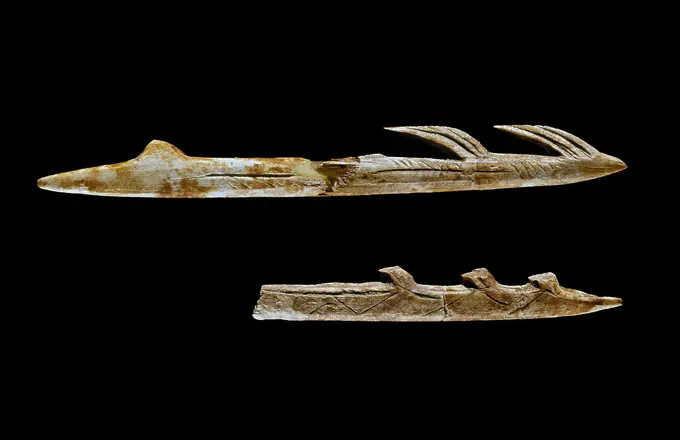
Ancient Artifacts and Models

Collection of ancient artifacts including amulets and model boats, showcasing the fragility and artistry of historical items.

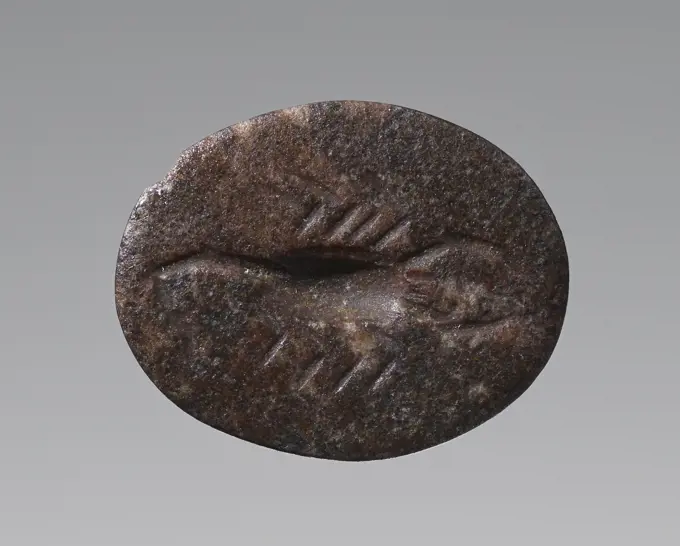
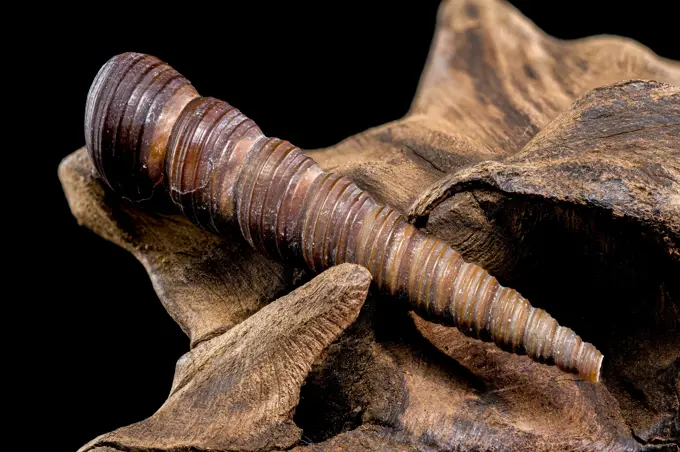
Cow astragalus. unknown, author
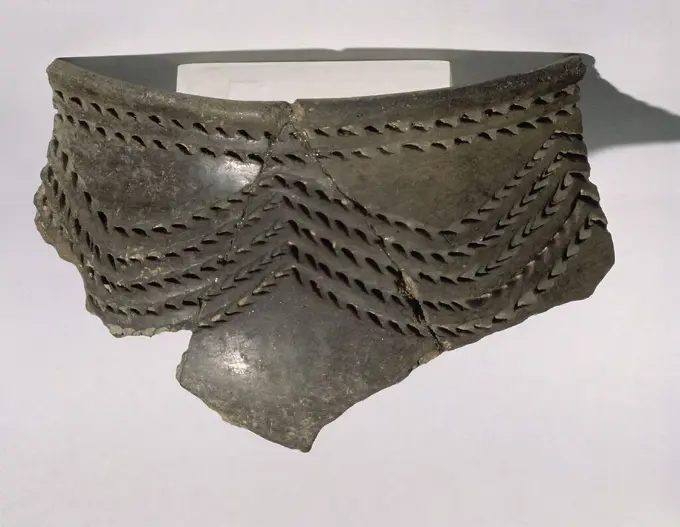
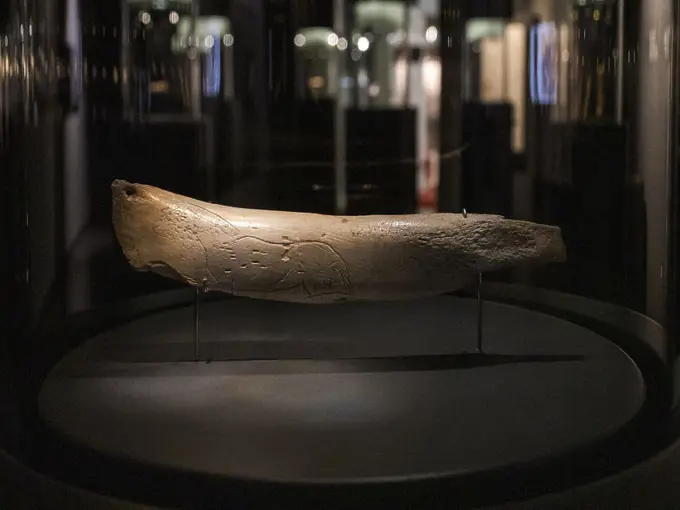
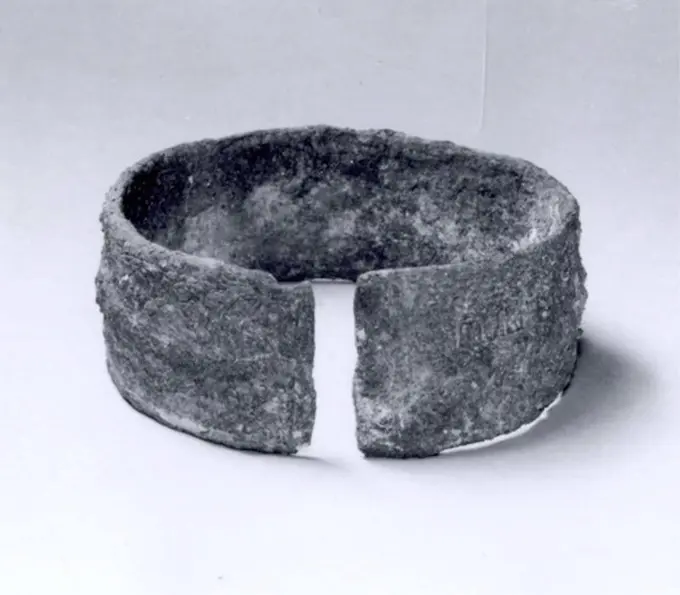
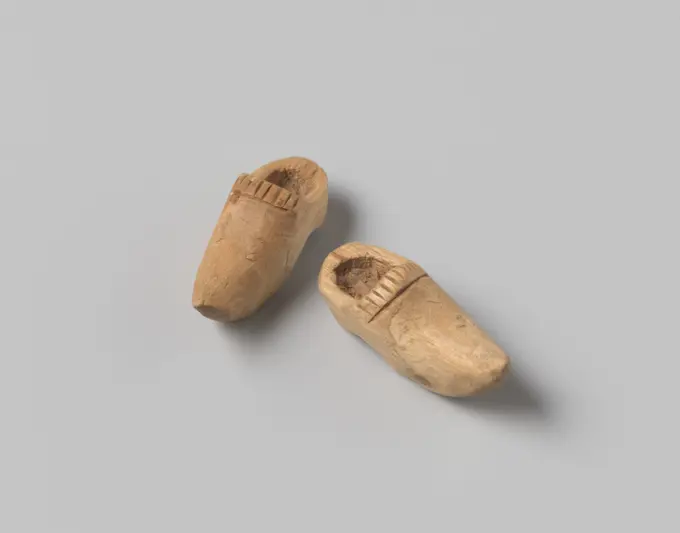
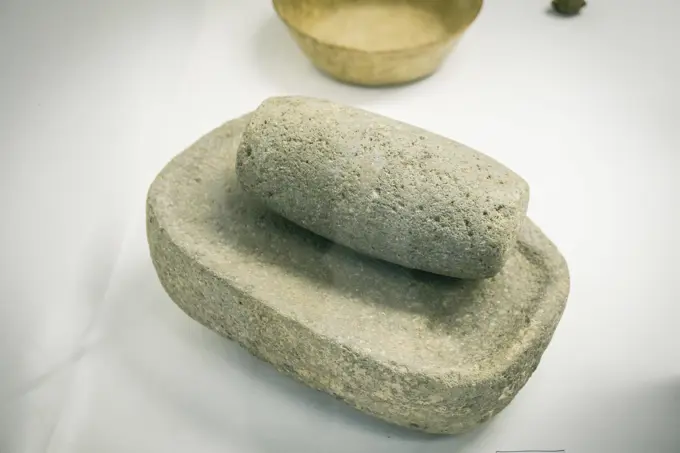
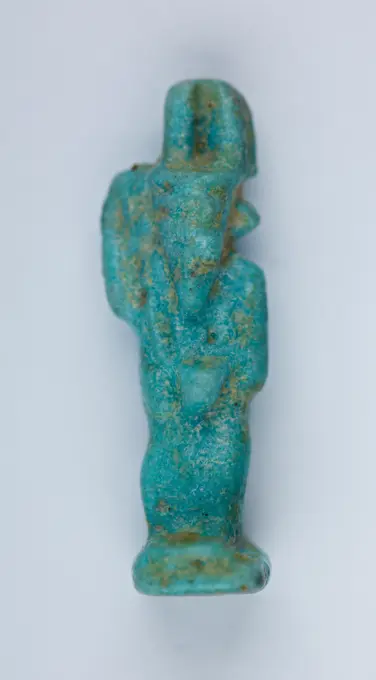
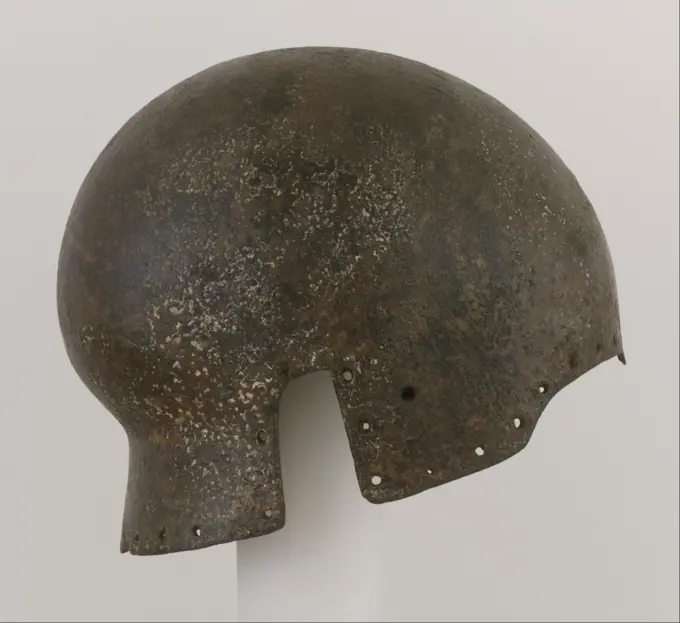
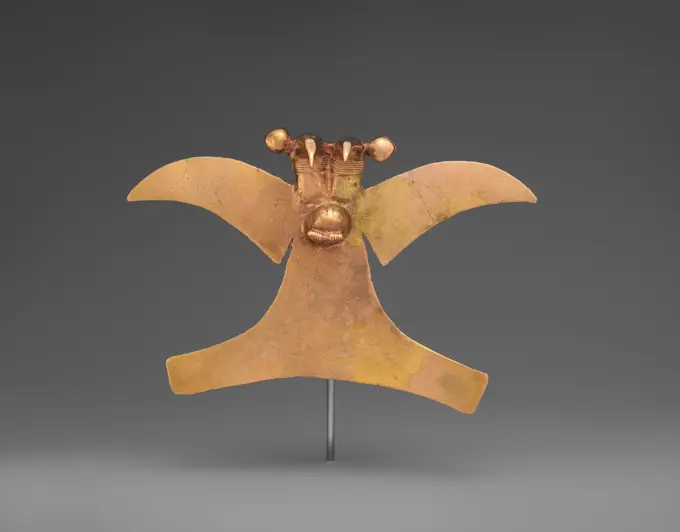
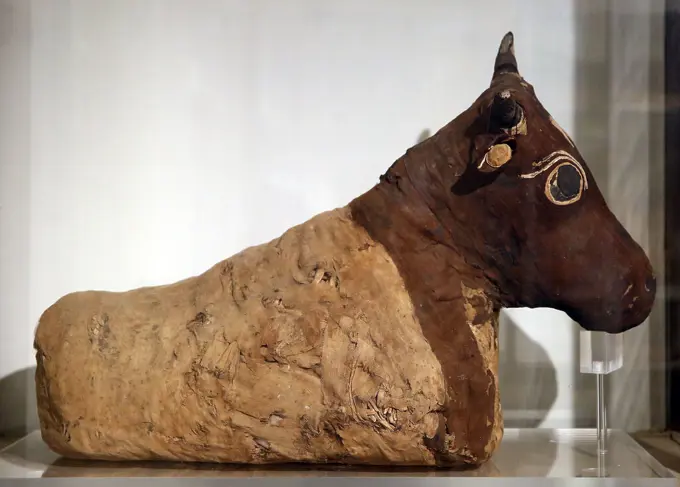
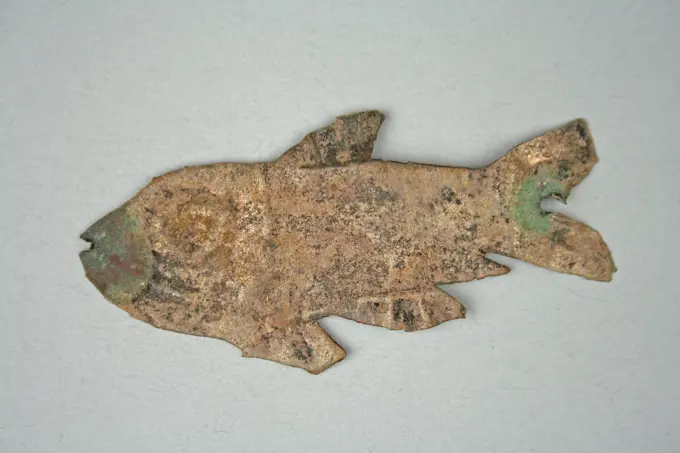
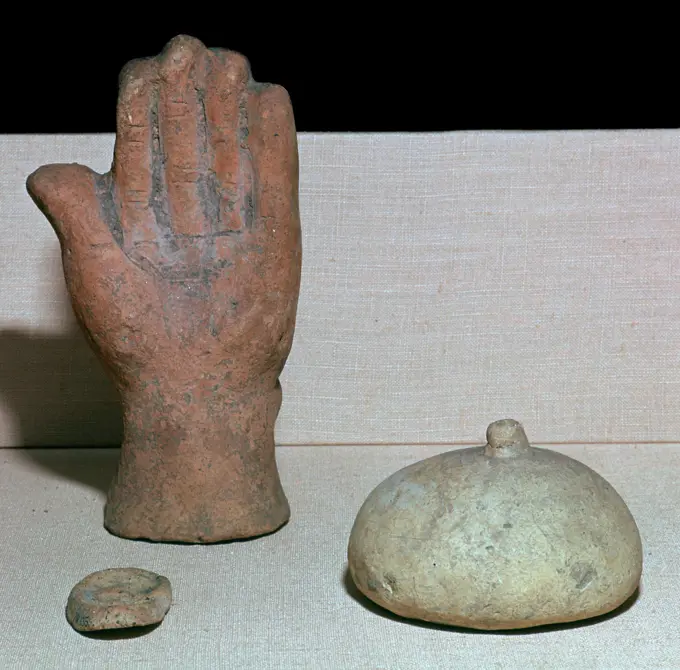
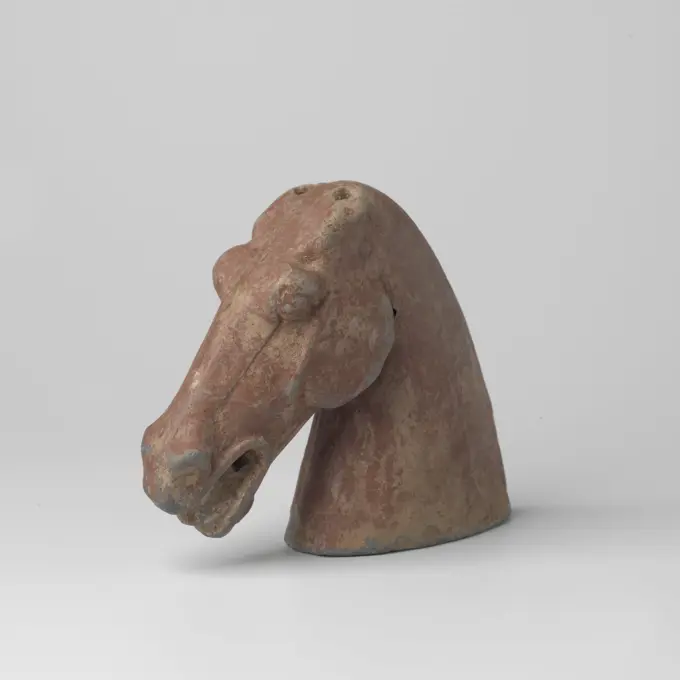
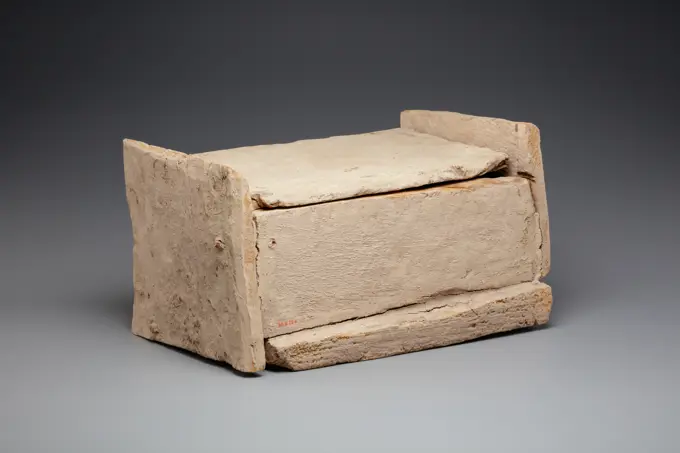
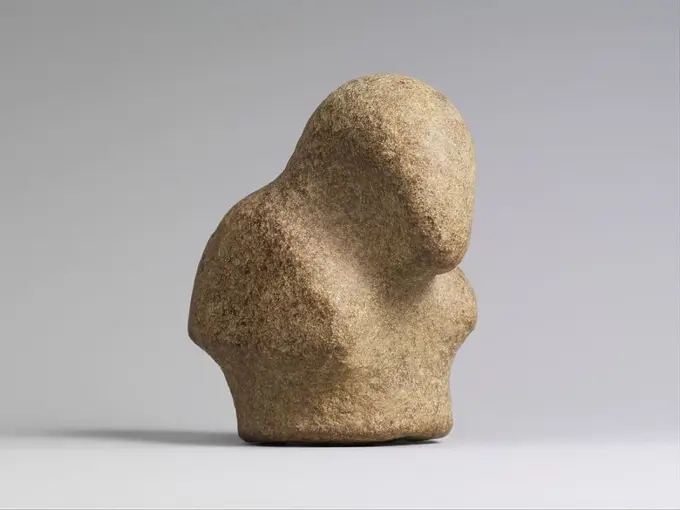
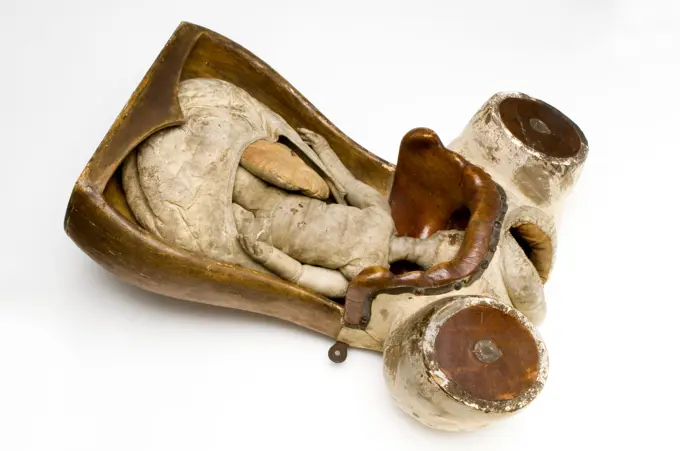
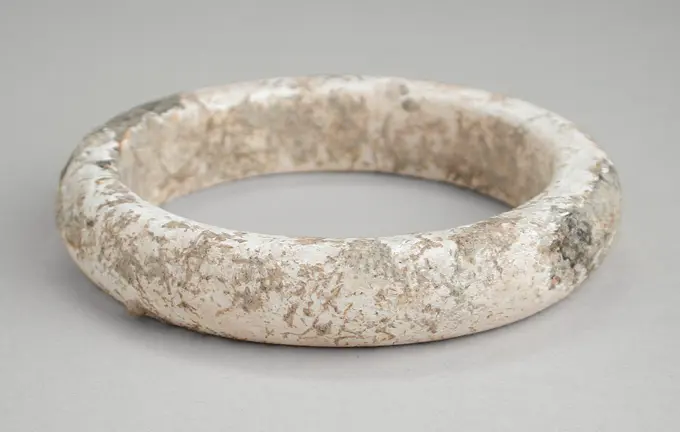
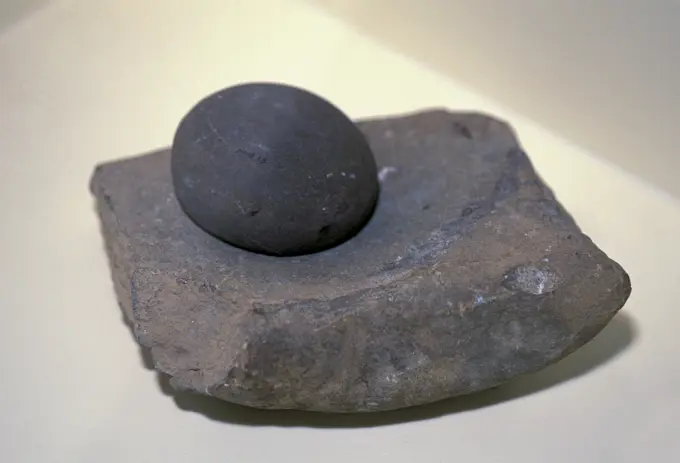
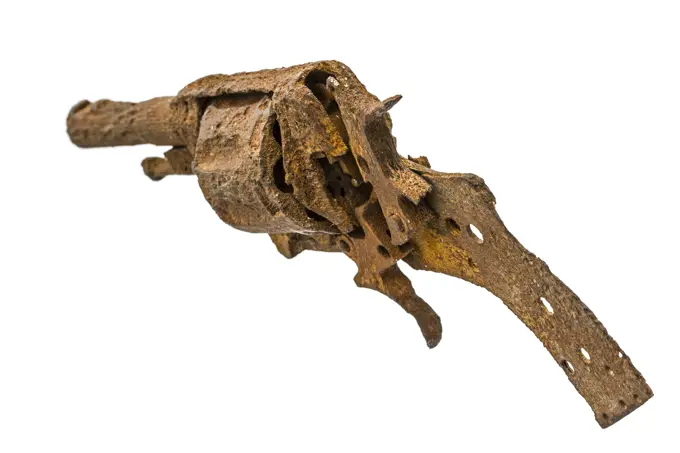
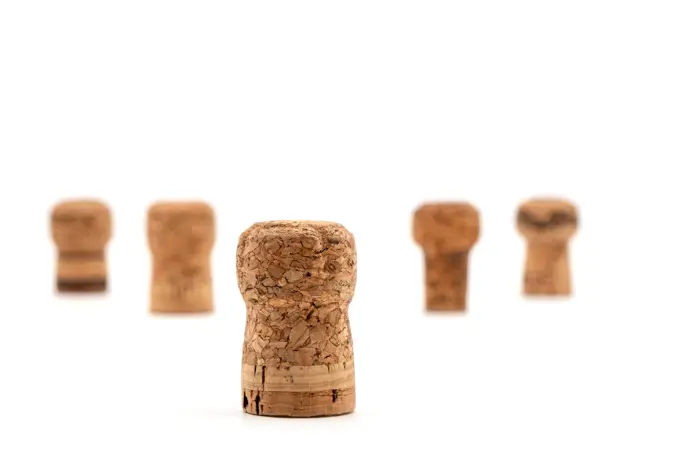
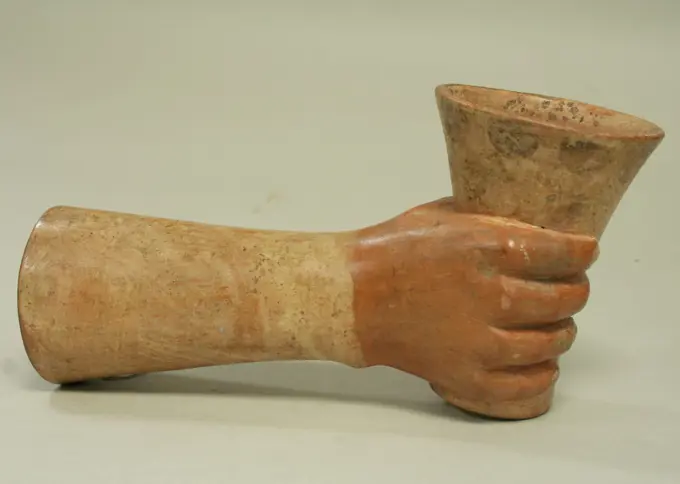
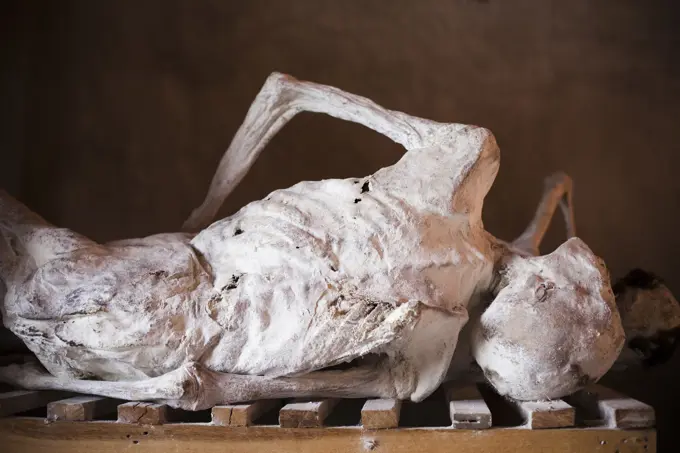
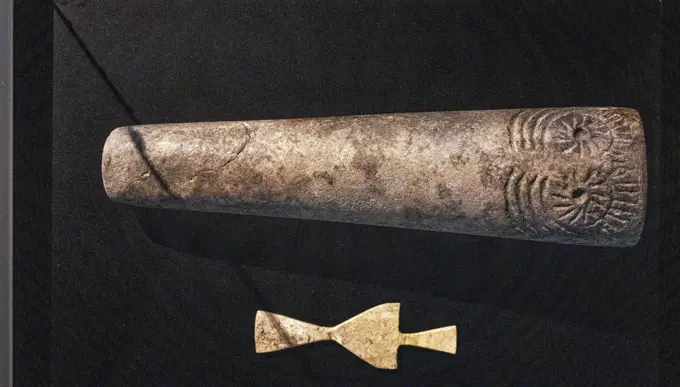
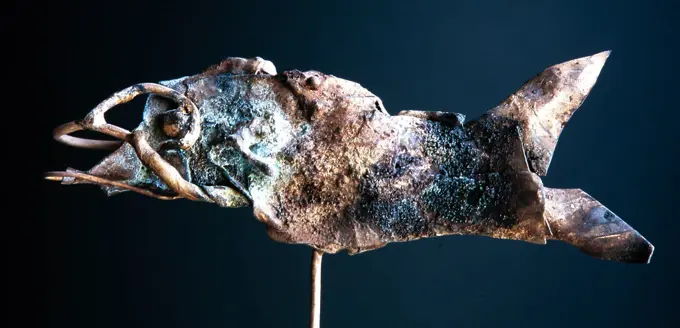
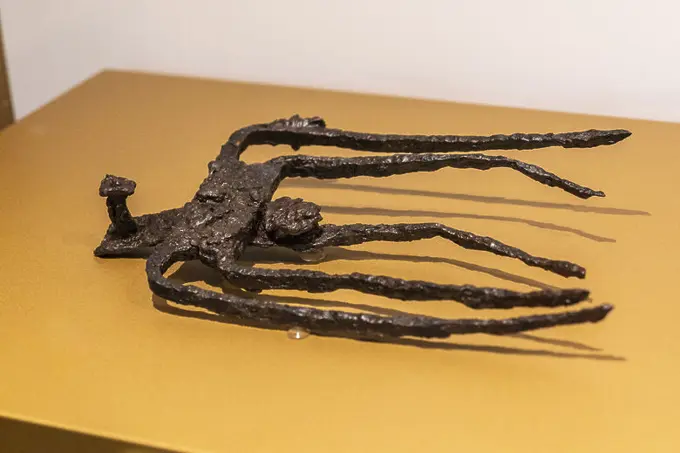
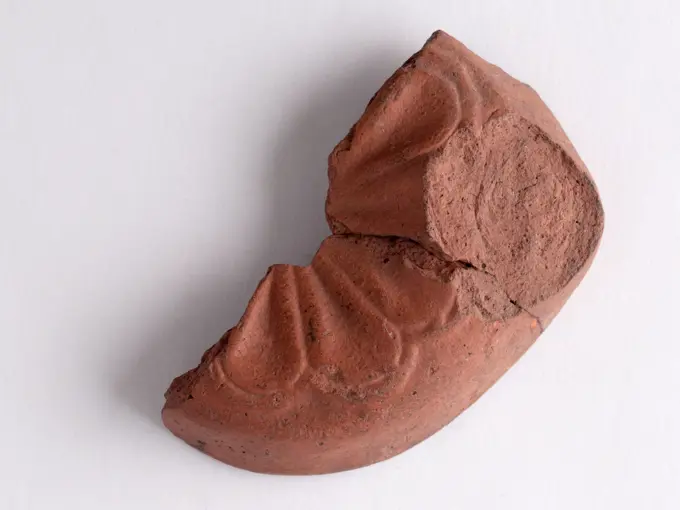
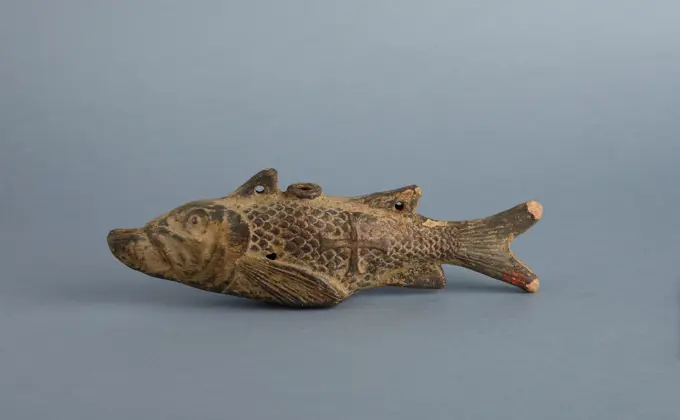
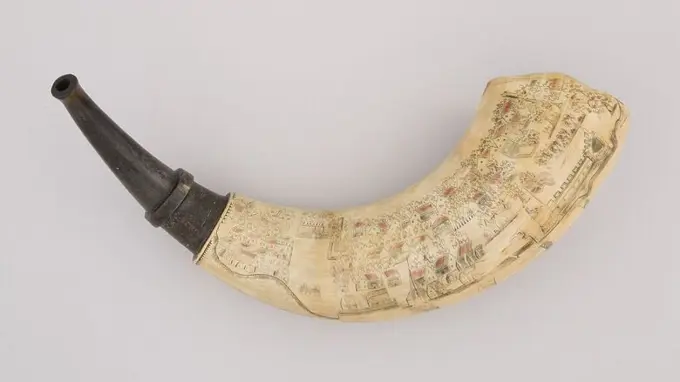
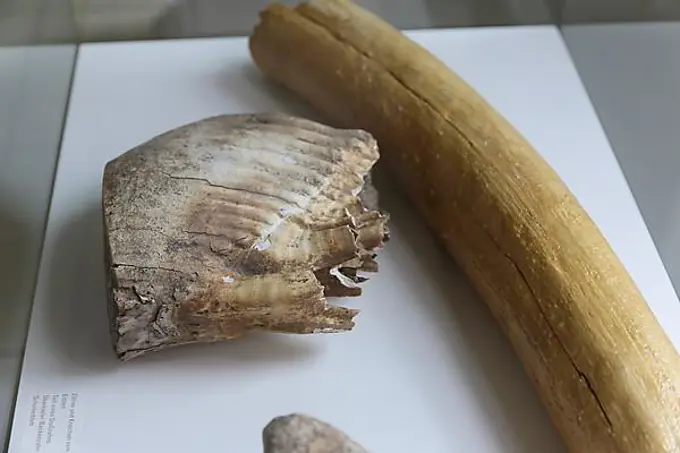
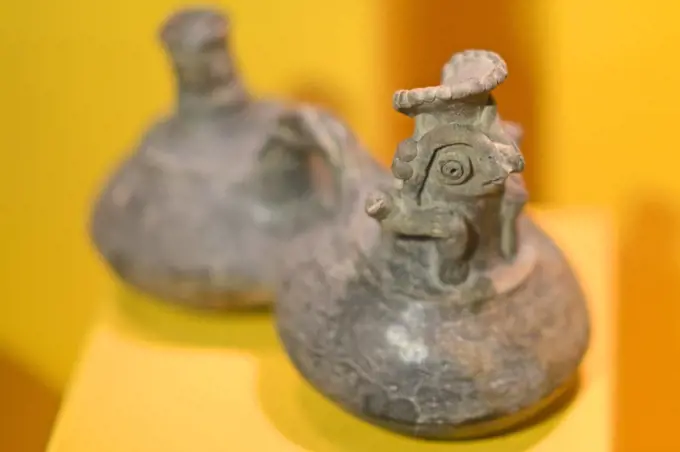
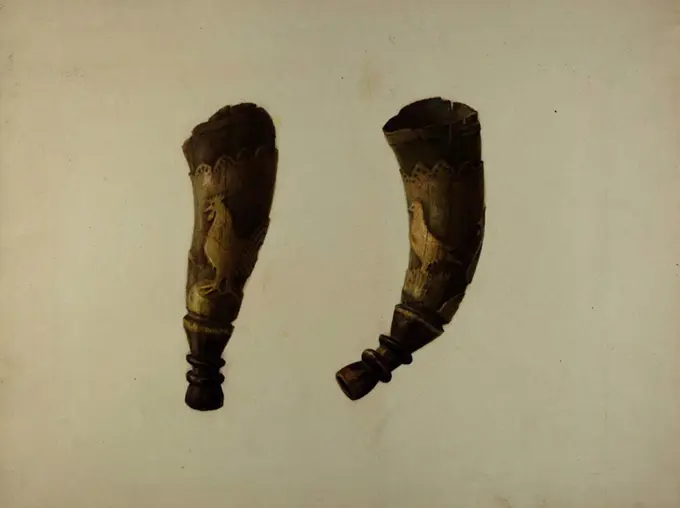
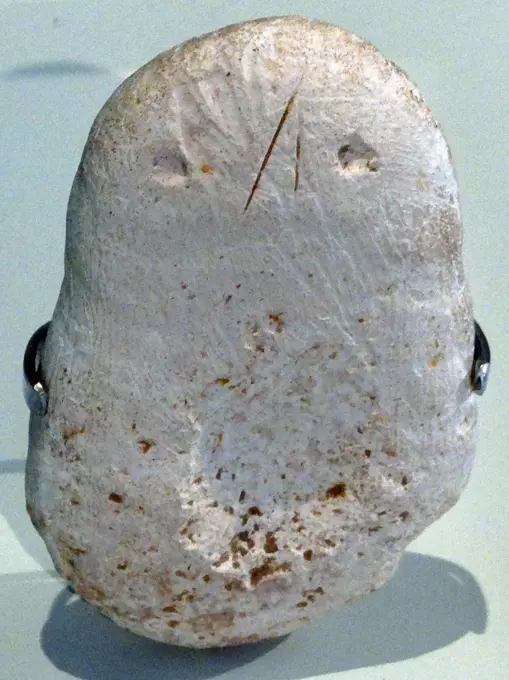
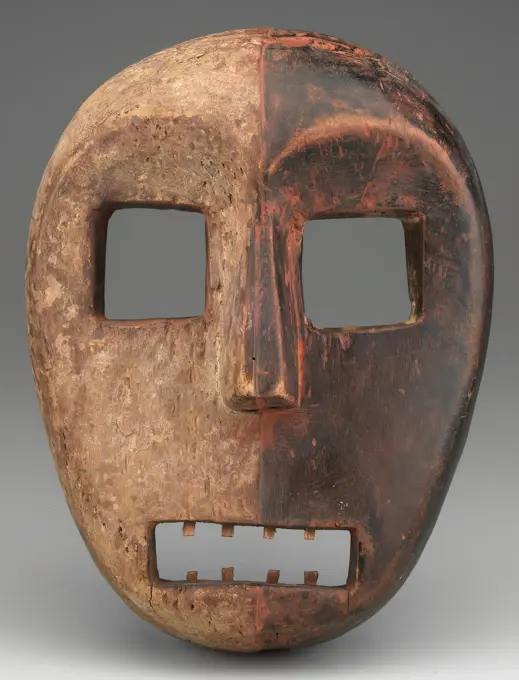
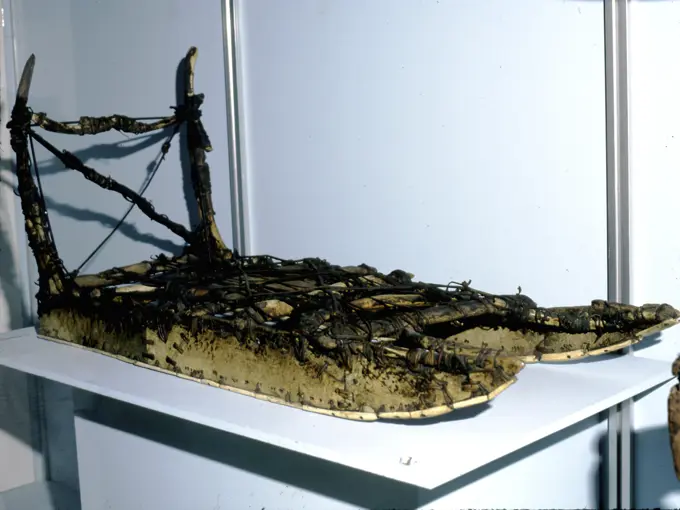
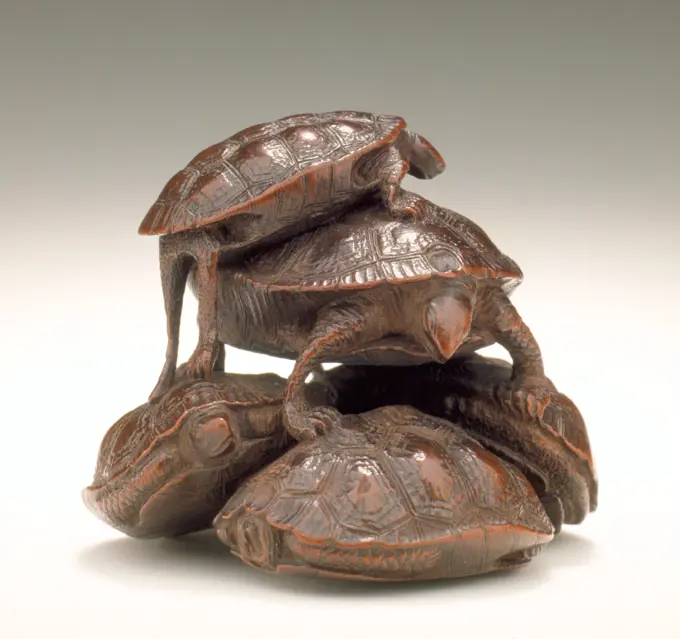
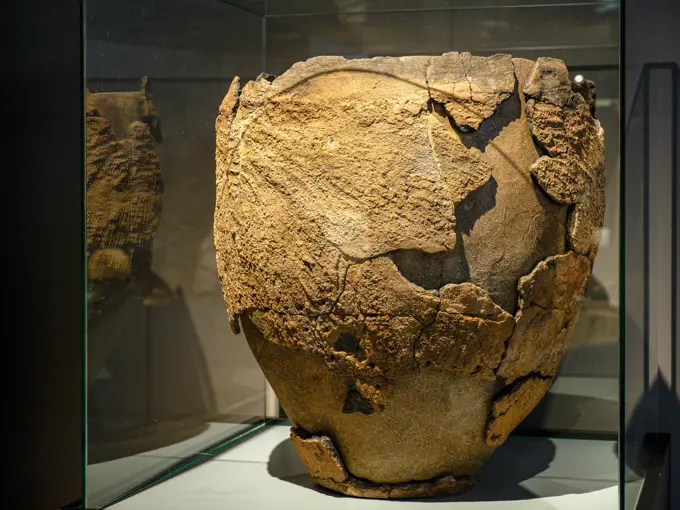
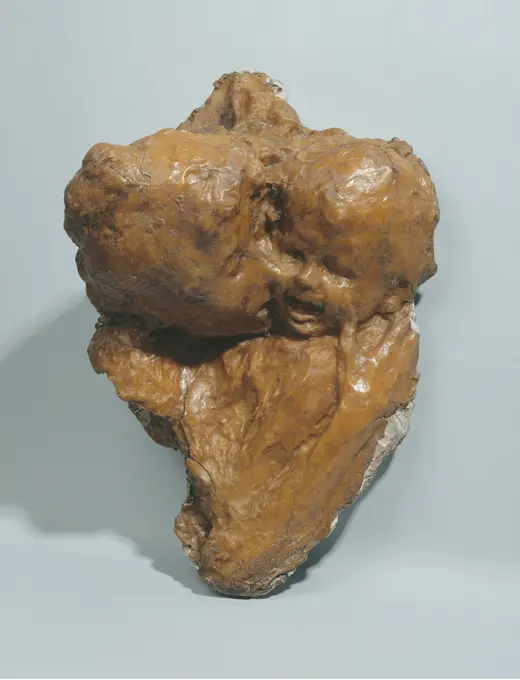
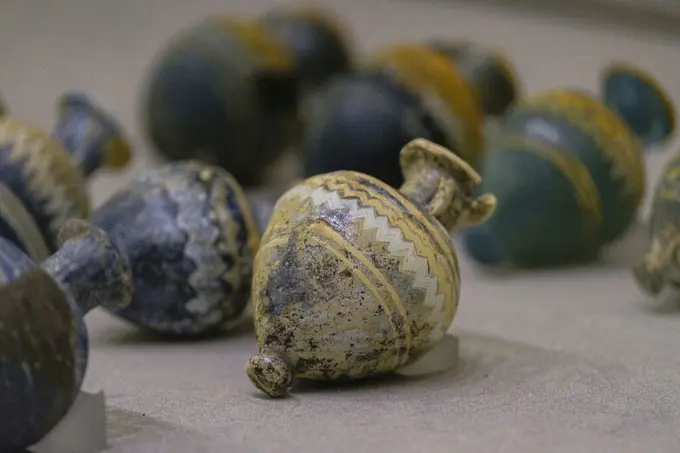
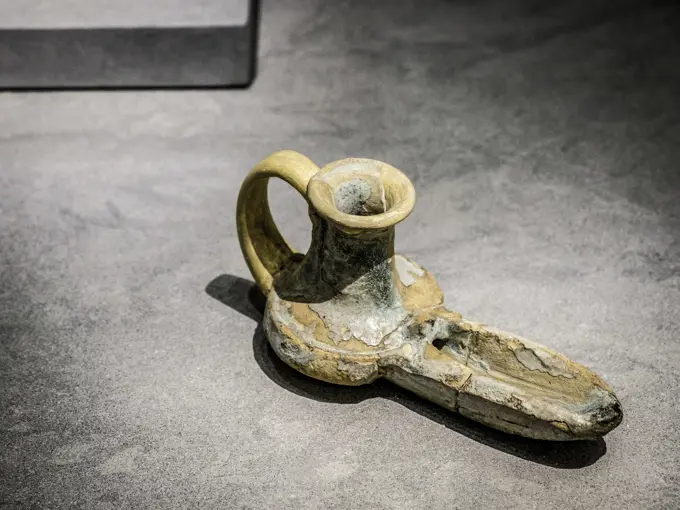
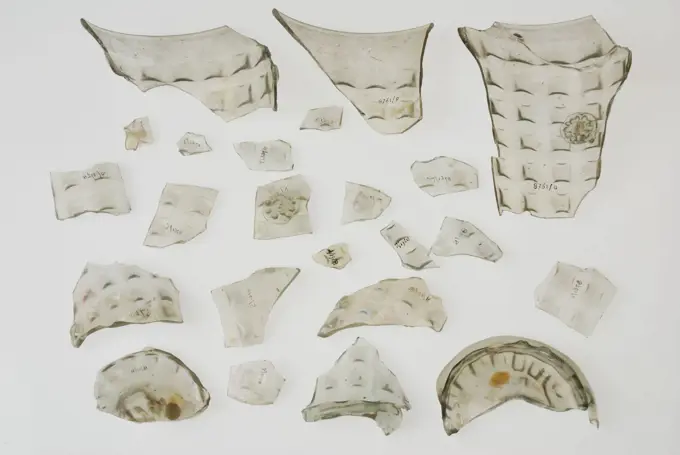
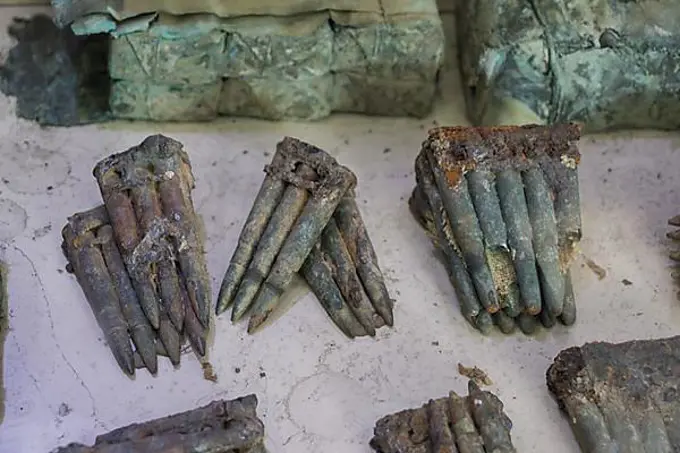
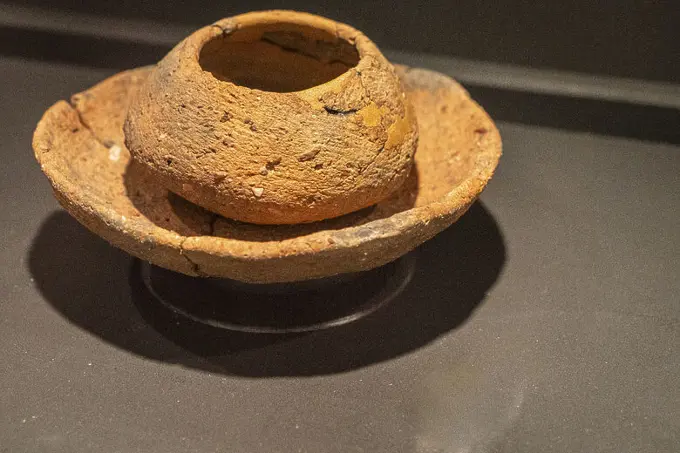
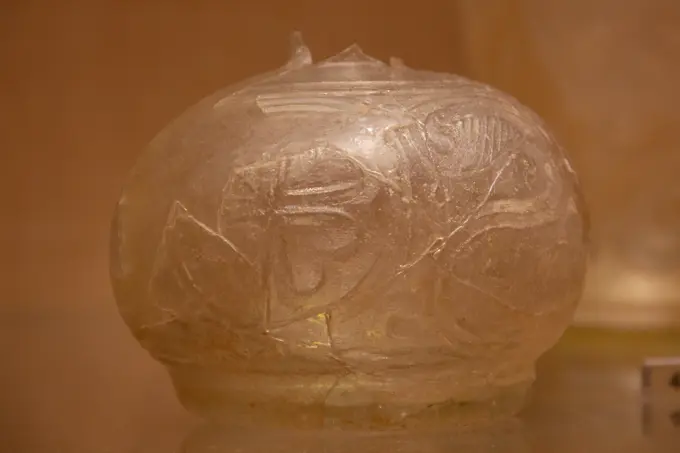
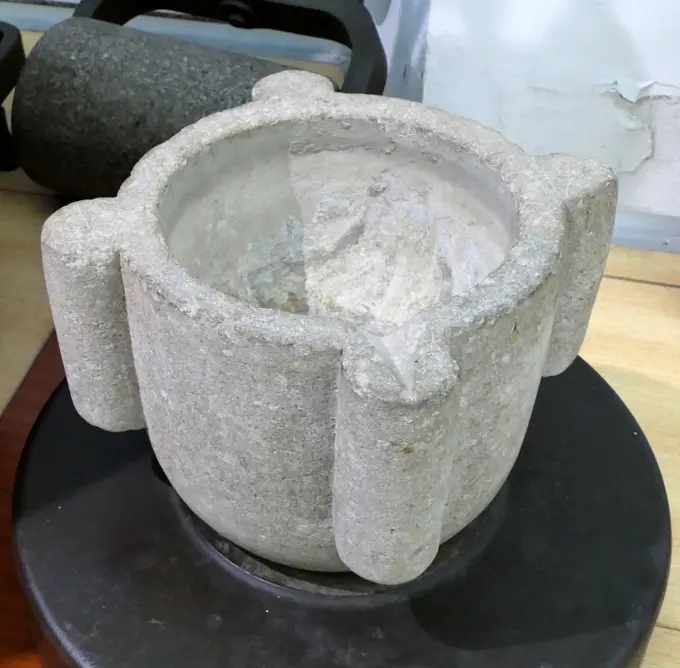
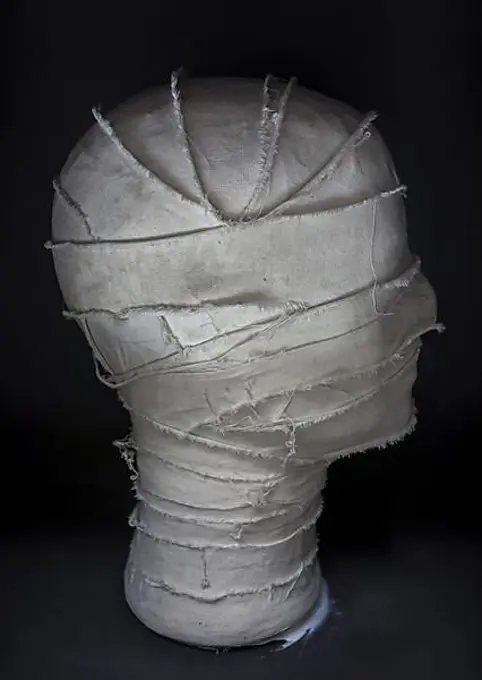
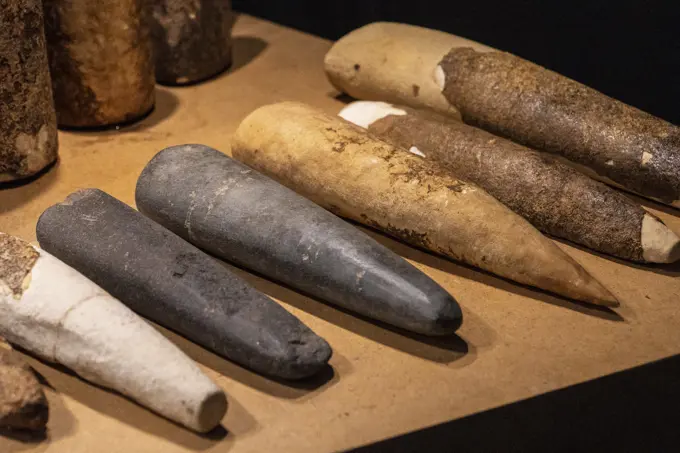
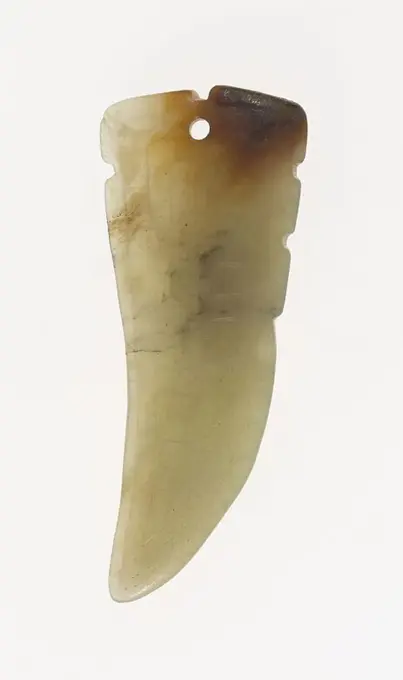
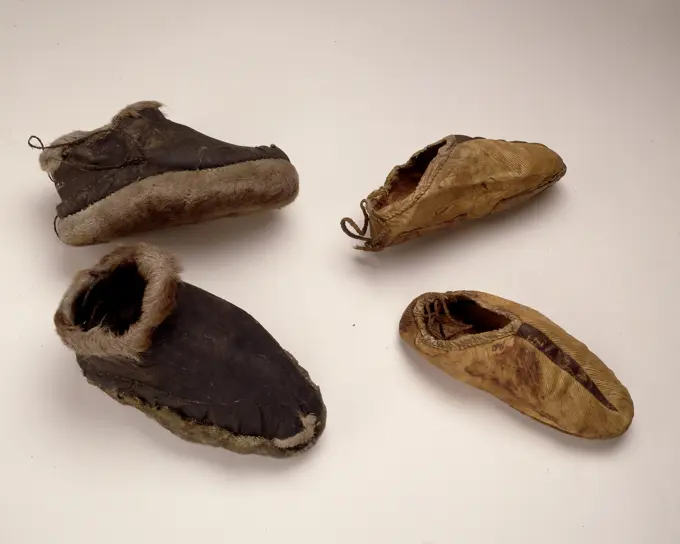
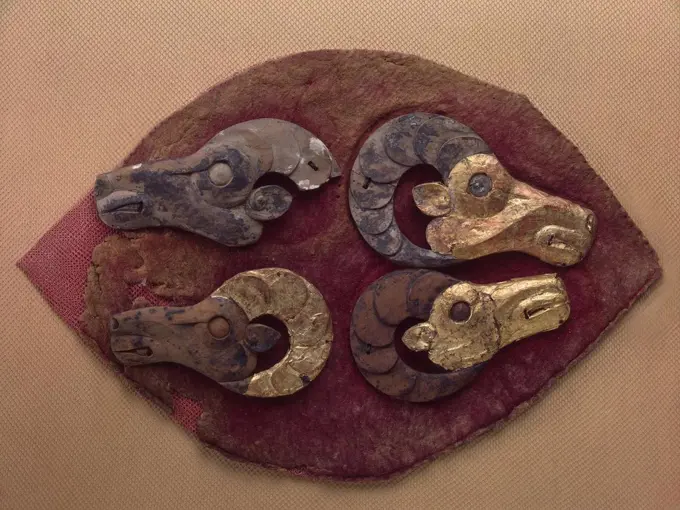
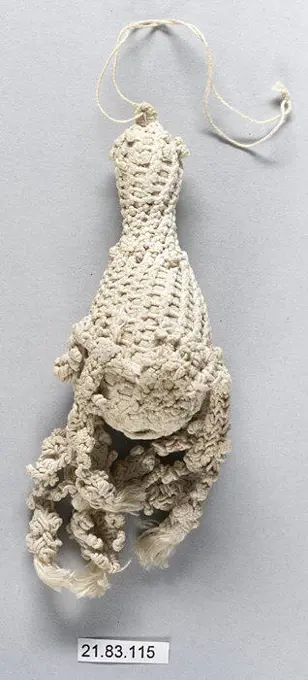
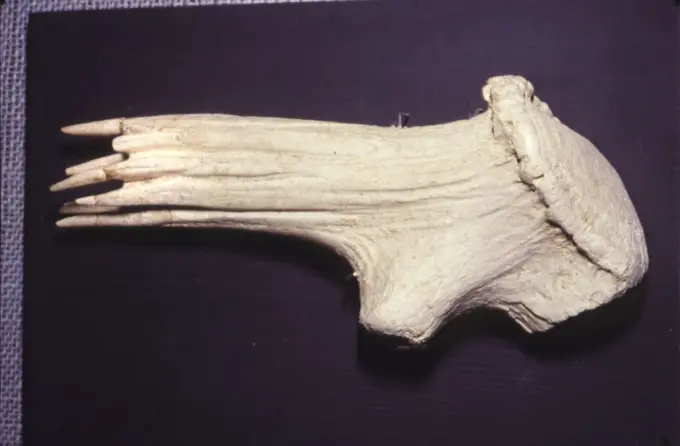
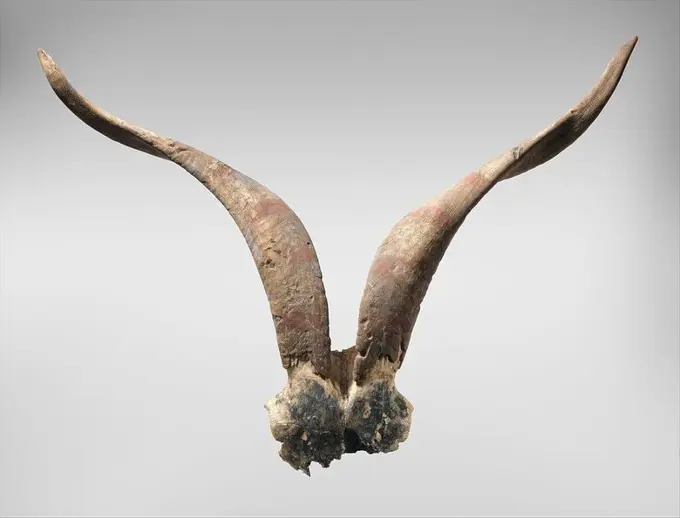
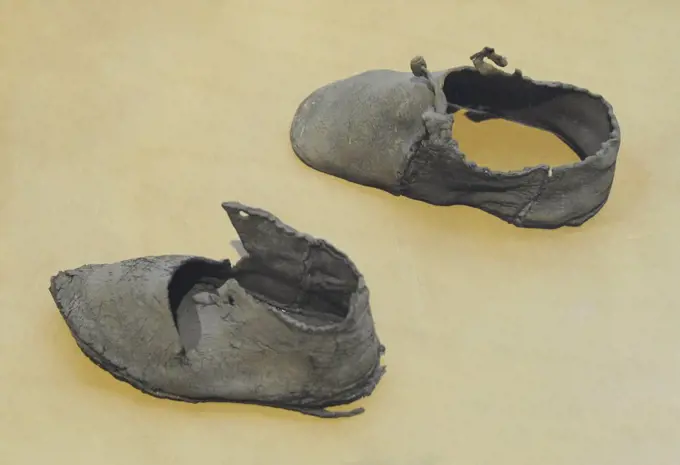
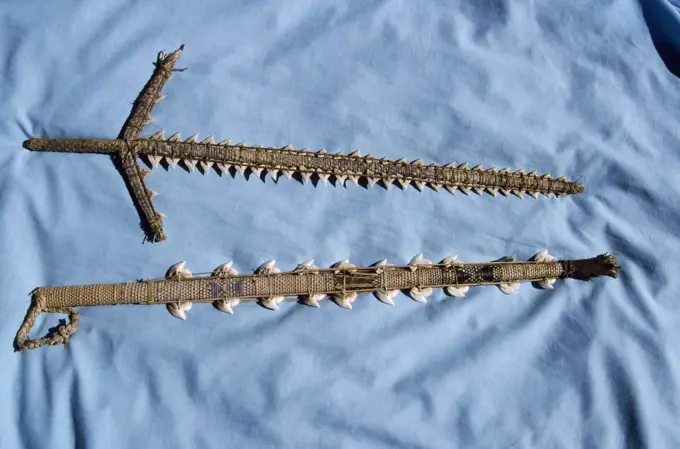
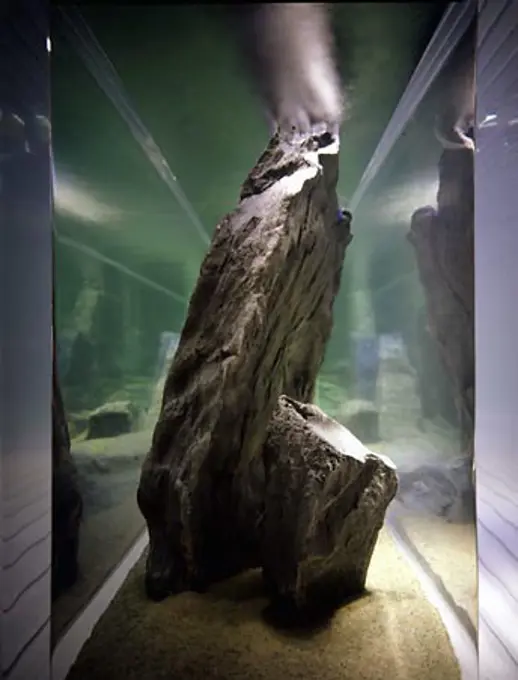
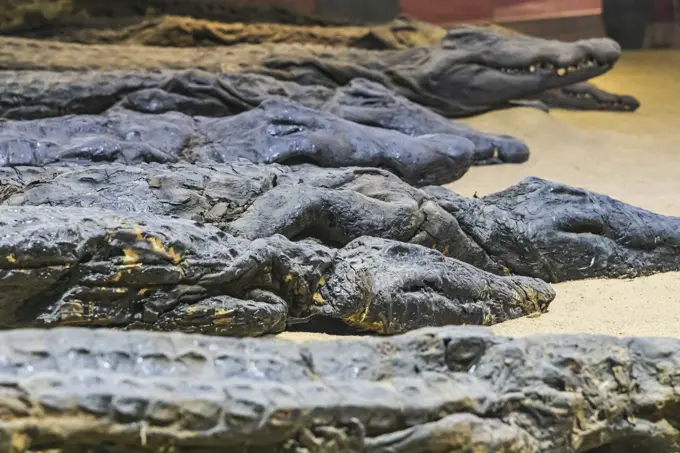
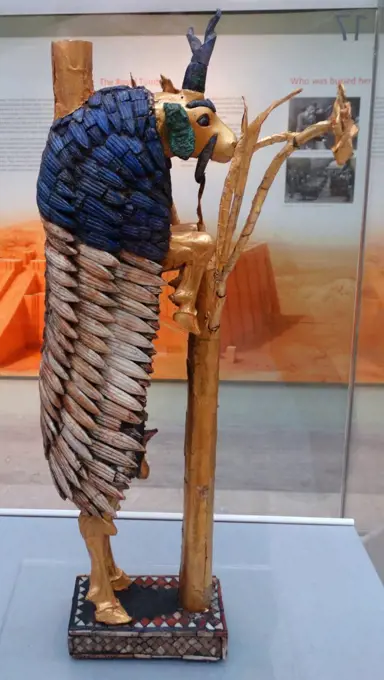
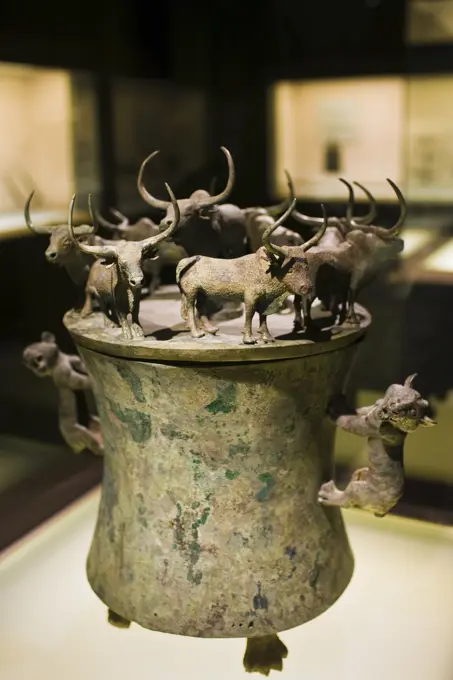
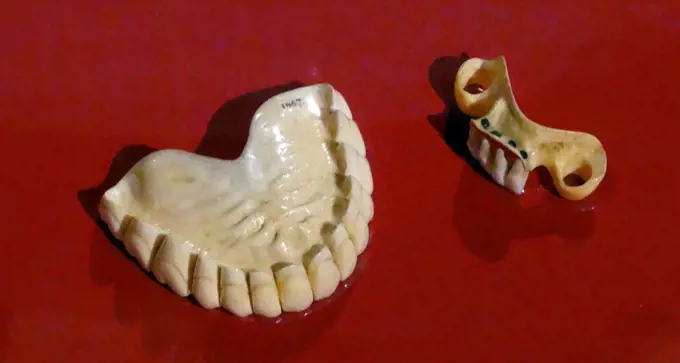
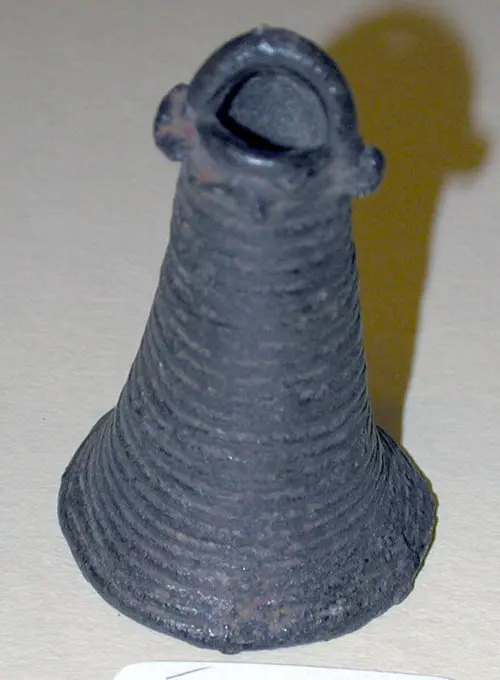
Engraved Gem; Roman Empire; 1st - 4th century; Green and Red Jasper; 1.2 x 0.9 x 0.2 cm (7,16 x 3,8 x 1,16 in.)FRAGMENTO CERAMICO DE BRONCE. Location: MUSEO ARQUEOLOGICO-PREHISTORIA. GRANADA. SPAIN.bone compressor engraved with horse, upper Magdalenian, San Pantaleón cave, Escobedo, Museum of prehistory and archeology (MUPAC), Santander, Cantabria, Spain.Bracelet ca. 9th century B.C. Iran. Bracelet 325158Five wooden clogs in a box, children's toys, anonymous, c. 1700 - c. 1900 Five wooden clogs in a box, children's toys.  wood (plant material) Five wooden clogs in a box, children's toys.  wood (plant material)Opal. mineralsMillstone Millstone, classic, Santa María Nebaj,Museum of Anthropology, El Quiché Department, Guatemala, Central America Copyright: xZoonar.com/ToloxBalaguerx 22070949Amulet  minSallet ca. 1450-1500 Spanish Close-fitting caplike helmets of this type, with cutouts for the ears, were worn by Spanish infantrymen during the second half of the fifteenth century. Unlike most known examples, which have a strong median ridge from front to back, this sallet has a smooth hemispherical bowl that suggest one of the earlier (mid-century) examples. Acquired in Spain in the nineteenth century, it is said to have come from a tomb in Aragon. Now dark and heavily corroded, the surface was probably once brightly polished.. Sallet 25394Double Eagle Pendant 11th-16th century Veraguas Bird pendants were made for centuries in many styles and sizes in the area stretching from Costa Rica to north and central Colombia in the south. Today they are the best known works in gold from ancient America. They were first named aguilas (eagles) by Christopher Columbus, who noted them being worn by local people hung from their necks when he sailed along the Caribbean coast of Central America at the beginning of the sixteenth century. From the great variety of birds in the region and the different shapes of the beaks, wings, and claws depicted on the pendants, it is clear that various species are represented. Suggestions range from hummingbirds to raptors.Although single bird pendants are most common, those with two or more birds exist in fair numbers. The twin birds on this pendant have long beaks and share a small bulging body, a pair of talons, wings, and a wide, spread out tail. The symbolic meaning of bird pendants in ancient timJar ca. 9th-10th century A.D. Islamic. Jar 323010Shabti of King Takelot II. Egypt, 22nd Dynasty (860 - 835 BCE). Sculpture. Faience, pale green glaze, details in blackplate with thickened edge, III BC, El Moro tomb, Niebla, Huelva Museum, Huelva, Andalusia, Spain.Lazio Viterbo Viterbo Museo Civico79. Hutzel, Max 1960-1990 Views of paintings (Middle Ages through 18th c.), frescoes, a tabernacle, coffin, sculpture reliefs, portal fragments, busts, sculpture, tapestry found in the Pinacoteca, Second floor gallery and Second floor cloister sequences. Antiquities: Many views of Etruscan and Roman fragments, sculpture, sarcophagi, pottery, masks, jewelry and other objects found in the Storeroom sequence (inventory numbers on back of prints), and the Cloister, Second floor Cloister, Valle Giulia, Sala Romana and Sala Etrusca sequences. General Notes: There are eight separate numerical sequences for this location. The cloister as an architectural structure, rather than museum site, is documented in the record and file for S. Maria della Verita, Cloister, all views of which are stored in Medieval core collection. Five views from the Museo Civico Second floor cloister sequence are stored in Medieval. German-born photographer and scholar Max Hutzel (1911-Phytomorphic vessel depicting a fruit known as guaba or pacay. Ceramic. Piece from the excavations of Bishop Baltasar Martinez de Compaon (1785). Chimu-Inca culture. Late Horizon (1470-1532 AD). Peru. Museum of the Americas. Madrid, Spain.Neolithic Period. Temple Period (3600 to 2500 BC). Tarxien Temple Complex. Malta. Fragmented ceramic bowl with a slight carination at the lower part. Decorated with the applied pellet technique, by applying small pellets of clay to the body of the vessel before firing. Approximate height: 60 cm. Maximum diameter: 100 cm. National Museum of Archaeology. Valletta. Malta.Cattle mummy. Organic animal, plant fiber and linen. 722-30 B CE. Late Period-Ptolemaic Period. Dimentions: 26cmx48cmx66 cm. Egypt. Egyptian Museum of Turin. Italy.IDOLO OCULADO - CABEZA - PREHISTORICA. Location: MUSEO ARQUEOLOGICO-COLECCION. CORDOBA. SPAIN.Fish Ornament 11th-12th century Peru; central coast (). Fish Ornament. Peru; central coast (). 11th-12th century. Silver. Peru. Metal-OrnamentsEtruscan votive offerings from a sanctuary of healing. Artist: UnknownFuneral figure of a horse's head, anonymous, c. 220 - c. 589 Grafiguur of earthenware, painted in red -brown. The horse's head, fragment of a complete horse. China earthenware painting Grafiguur of earthenware, painted in red -brown. The horse's head, fragment of a complete horse. China earthenware paintingMiniature mask, 1500 BCE, Earthenware, Mexico, Pre-ClassicShabti Box of Nauny ca. 1050 B.C. Third Intermediate Period Seven shabti boxes were interred with Nauny; five came to New York in the division of finds (30.3.26-.30) and two are now in the Egyptian Museum, Cairo. All are made of sycomore wood and have high ends and flat lids that were meant to slide into grooves, although only one box (Cairo JE 55044) actually had these made. A white stucco wash was applied after the lids were closed. A total of 392 faience shabtis were divided between the boxes, in most cases packed tightly in an upright position. They are of two types: foremen and workers, with an average ratio of one foreman to ten workers. This box (#2) contained 8 supervisors and 76 workers.. Shabti Box of Nauny. ca. 1050 B.C.. Sycomore, stucco, paint. Third Intermediate Period. From Egypt, Upper Egypt, Thebes, Deir el-Bahri, Tomb of Meritamun (TT 358, MMA 65), first corridor, burial of Nauny, MMA excavations, 1928-29. Dynasty 21Material sample -Ivory bracelet with incised decoration of parallel lines, final bronze, Huelva Museum, Huelva, Andalusia, Spain.Bird Figure. Culture: Mount Hagen region. Dimensions: H. 4 1/2 x W. 4 1/2 x D. 4 1/2 in. (11.4 x 11.4 x 11.4 cm). Date: ca. 1500 B.C.- A.D. 1600.Stone bird figures are enigmatic remnants of a vanished culture that once flourished in the highlands of New Guinea. This unknown culture produced a variety of stone objects, including figures of birds and other animals. As none have been excavated in controlled archaeological contexts, their date within the 40,000-year sequence of New Guinea prehistory remains unknown. This example was discovered in the Mount Hagen area.While nothing is known of their original use, prehistoric stone objects serve important functions among the Enga and other contemporary Highland peoples. Unearthed by chance in gardens, washed out by streams, or rooted up by foraging pigs, the unusual stones are regarded as the work of spirits. Endowed with powerful magic, their uses range from hunting magic to healing to deadly forms of sorcery.In recent times, stone objeObstetrical teaching modelDice 9th-10th century The dot-in-circle motif recalls designs presumed to be of magical significance, most likely an abstract eye to ward off the evil-eye, which serves an apotropaic function. Easily reproduced with a tool and visible in many cultures and times, this symbol may have lost its meaning, and become simply a decorative pattern, or may have one that we have not yet discovered.. Dice 455223Bronze copy of the wolf-head protome from the Nemi ships. Roman civilization.Bracelet. Northeastern Thailand, Ban Chiang culture, 300 B.C.-A.D. 150. Jewelry and Adornments; bracelets. CalciteFocolare second half of 6th century B.C. Etruscan Archaic human heads at corners.. Focolare. Etruscan. second half of 6th century B.C.. Terracotta; bucchero. Archaic. VasesWampanoag grinding stones use to pulmerize dried plants for medicine and dried corn into flourvessels with symbolic decoration, ceramics, late Neolithic, 4000-3000 BC, Evora Museum, Evora, Alentejo, Portugal, Europe.Old rusty pistol, Isolated on white background Old rusty pistol, Isolated on white background Copyright: xZoonar.com/OleksandrxKostiuchenkox 8906115Campania Caserta Capua Museo Campano96. Hutzel, Max 1960-1990 Medieval: Byzantine architectural fragments; parchment fragments with miniatures (12th century) from Montecassino; painted wooden crucifix (13th century); Carolingian crucifixes; Bishop's miter (11th century) of gold and silver damask; fresco (13th century). Post-medieval: Architecture (15th century). Formerly the Palazzo Antignano. Unusual Catalan/Moorish-style portal; Paintings on panel and canvas (15th-18th centuries); marble intarsia (16th century); marble sculpture: busts of Christ and Mary (17th century); sculpture of saints in marble and in wood (15th century); painted and gilded sculpture in wood; marble grave sculpture (16th century); sarcophagus with allegorical carvings; gold reliquary "Rosa d'Oro"; crucifix made of elephant tusk Specific Location: Pianterreno Antiquities: Italic sculpture (seated women holding babies); inscription. Photo campaign #1: 533 photos. Roman relief and sculpture; cinerary urns; Greek anURNA PINTADA. EDAD DEL BRONCE CAMPOS DE URNAS S VII a.C. (DEPOSITO: MUSEO ARQUEOLOGICO NACIONAL).bronze votive offering, Iberian sanctuaries of Collado de los Jardines and Castellar de Santisteban, Iberian culture, Archeological Museum. Úbeda, Jaén province, Andalusia, Spain.Loranthus SaBedecki Engl. matic citrus. . I amRam's head, Kernoi ritual vessel, 500-450 BC, Archaeological Museum of Ibiza and Formentera, Ibiza, Spain.Champagnerkorken auf weißem Hintergrund Champagnerkorken auf weißem Hintergrund LicenseRF Copyright: xZoonar.com/RobertoxSorinx 23184276Turritella mussel on driftwood macro black background Turritella mussel on driftwood macro black background copyright: xzoonar.com/serhiixzarevx 22726190Decorted beakers and plain bowl. Early Bronce Age. Cave of La Fabrica de Harinas, Segovia, Spain. National Archaeological Museum, Madrid. Spain.Vessel, Hand with Kero 15th-16th century Inca () This ceramic effigy of a hand grasping a beaker was made by Inca artists sometime in the century before the beginning of European colonization of Peru. The object was enhanced with the addition of white and red slips (suspensions of clay and/or other colorants in water): white was used on the arm and on the exterior and interior of the vessel; and the hand was painted red, with the exception of the fingernails, which were painted white. Faint traces of geometric patterning are visible on the exterior of the vessel, including small circles. The significance of the subject of this vessel is unknown. Although at times the ritual amputation of limbs was known to have been practiced in ancient Peru, particularly among the Moche of the North Coast (Bourget, 2016; Toyne, 2015), this object seems unrelated to such practices. The ceramic balances best when the blunt end of the arm is on a surface and the hand sticks up. In this position, liquid Bodies on display at the Murambi Genocide Memorial near Gikongoro in southern Rwanda.eyed betyl idol eyed betyl idol, marble, 2500-2300 BC, marble, Perdigoes, Reguengos de Monsaraz, Évora, Portugal, Huelva Museum, Huelva, Andalusia, Spain Copyright: xZoonar.com/TOLOxBALAGUERx 21720694Perecoll / Peix VII, 1997. Colección privada.Iberian gallows from the 6th century BC, Giribaile, Vilches , Iberian Museum of Jaén, Andalusia, Spain.Oil lamp. Pnd. Terracotta. Late Antiquity. Paris, Carnavalet museum. 50057-3 Late antique, oil lamp, terracottaOil LampPendant: Ram's Head; Italy; 500 - 400 B.C; Amber; 20.5 × 15 × 28 mm (13,16 × 9,16 × 1 1,8 in.)Powder Horn. Culture: Colonial American, St. Augustine, Florida. Dimensions: L. 11 3/4 in. (29.8 cm); Diam. 3 1/2 in. (8.9 cm); Wt. 9.1 oz. (258 g). Date: 1762.This powder horn is engraved with a view of the town of St. Augustine, Florida. It is also decorated with the royal arms of Great Britain. Museum: Metropolitan Museum of Art, New York, USA.Neu-Ulm Town Hall, geological collection, teeth and bones from a mammoth from the Ice Age, part of a tusk, upper jaw molar, Neu-Ulm, Bavaria, Germany, EuropeAgua Blanca. a commune in Machalilla Parish, Puerto López Canton, Manabí Province, Ecuador. It is east of the city of Puerto López.Powder Horn. Dated: c. 1940. Dimensions: overall: 35.6 x 45.6 cm (14 x 17 15/16 in.) Original IAD Object: 8 1/4" long; 2" in diameter. Medium: watercolor and graphite on paper. Museum: National Gallery of Art, Washington DC. Author: Cora Parker.Female figurines from Shiqmim and Beersheba, over 6,500-5,500 years ago. Made from pebble. Likely to have represented a goddess, some are natural representations of the female form while others are more stylized.Mask, 20th century, 12-1/4 x 9-1/4 x 4-3/8 in. (31.1 x 23.5 x 11.1 cm), Wood, pigment, Democratic Republic of the Congo, 20th centuryEskimo sledge. 19th cent.Turtle Group. Ryōichi (or Yoshikazu) (Japan, active early to mid-19th century). Japan, early to mid-19th century. Costumes; Accessories. WoodKeramikbehälter ceramic container, El Bortal, Karrantza, Arkeologi Museoa, archaeological museum, Bilbao, Bizkaia, Basque Country, Spain Copyright: xZoonar.com/BartomeuxBalaguerxRotgerx 22845540Siurell, figura de barro con silbato típica de Mallorca, siglo XIX. Museu Català de les Arts i Tradicions Populars.Ceramic amphorette, 16th century, Arkeologi Museoa, Museo Aqueologico, Bilbao, Bizkaia, Pais Vasco, Spain.mammoth artifacts in the Herschel Island museum off the Mackenzie River delta Yukon Territory CanadaMedardo Rosso (1858-1928). "The golden age (mother and child)". Wax on plaster, 1899. Museum of Fine Arts of the City of Paris, Petit Palais. 26979-18 Age gold, bust, wax, child, woman, plasterungüentarios de pasta vitrea, originarios del mediterraneo oriental, 550-75 a.C, Museo arqueológico de Ibiza y Formentera, Patrimonio de la Humanidad «Ibiza, biodiversidad y cultura», Ibiza, balearic islands, Spain.Andalusian oil lamp Andalusian oil lamp, 950-100 AD, Archaeological Museum of Ibiza and Formentera, World Heritage Site Ibiza, biodiversity and culture, Ibiza, Spain Copyright: xZoonar.com/Tolox 23005444Fragments of soil, stand ring, wall and bramble decoration of waffle cup, beaker tableware holder fragment soil found glass, free blown and formed in blown glass application 23 fragments of part of bottom and stand ring wall and bramble decoration of waffle cup in clear colorless glass. Pontil mark under raised bottom with onset of round-laid and fused to wall continuous glass wire Then molded with 17 grooves and blown out, creating waffle-shaped pattern. Almost vertically ascending wall decorated with bramble knobs of which two of the usual three present archeology Rotterdam IJsselmonde drinking wine beer serve serving Soil discovery: Castle IJsselmonde pit 1 and 2 Rotterdam 1972.08.30.Cartridges of rusty bullet ammunition from the dardanelles warceramic plate and bowl, Los Gabrieles dolmen complex, III BC, Valverde del Camino, Huelva Museum, Huelva, Andalusia, Spain.Flask 10th century An example of "bevel-cut" glass, this piece is closer to relief cutting than other related examples. The negative space between the four hearts, the latter being a common device in Sasanian decorated bands, has been interpreted as an intentional Christian symbol. Whether or not it was so intended, other unquestionable examples of Christian crosses occur on Nishapur objects of the period.. Flask. 10th century. Glass, colorless; blown, cut. Attributed to Iran. Excavated in Iran, Nishapur. GlassStone Motar used to crush cocoa beans by hand with a pestle. Dated 21st CenturyClose up of mummified head wrapped in bandages on displaymandible of Baryonyx walkeri mandible of Baryonyx walkeri, spinosaurid theropod, Paleontological Interpretation Center of La Rioja, Igea, La Rioja, Spain, Europe Copyright: xZoonar.com/Tolox 22152856ESCARABEO DE CORAZON DE PASTA VITREA. EGIPCIO. (DEPOSITO: MUSEO ARQUEOLOGICO NACIONAL).fusiform idols fusiform idols, limestone, 3000-2500 BC, Correio-Mor cave, Loures, Portugal, Huelva Museum, Huelva, Andalusia, Spain Copyright: xZoonar.com/TOLOxBALAGUERx 21720824Canada, First Nations Canadian art. Typical Inuit soapstone sculptures of bear, walrus & whale. (Editorial Usage Only)CASCO IBERO HALLADO EN LA NECROPOLIS ILERGETE DE LA PEDRERA (LERIDA). Location: ARCHAEOLOGICAL MUSEUM. Lerida. SPAIN.BOTIJA PARA BARCA - S XX ARTE POPULAR. Location: PRIVATE COLLECTION. CAMPANET. MALLORCA. SPAIN.Pointed Pendant. China. Date: 700 BC-500 BC. Dimensions: 2 1/2 × 1 × 3/16 in. Jade. Origin: China. Museum: The Chicago Art Institute, Chicago, USA.Vase. Bronze. Chine. Par musée musée malée. 75297-19 Chinese art, bronze, archaging bronze, decoration, decoration, detail, background, decorative motif, vaseAnkle boot -Vase fragment Roman Base fragment with scroll.. Vase fragment. Roman. Terracotta. VasesFragment of a Felt Covering for a Saddle, with Mouflons' Heads, Ancient Altaian, Pazyryk Burial Mounds  Tassel 17th century Italian. Tassel 221302Prehistoric. Neolithic reindeer bone comb. Windmill Hill. Avebury. ENGLAND.Limestone rock with a 'Horse' symbol incised on a plaque. From the Hayonim Cave. Dated 28,000 years agoBucranium. Dimensions: w. of antlers 45 cm (17 11/16 in). Dynasty: Dynasty 14-17. Date: ca. 1640-1550 B.C.. Museum: Metropolitan Museum of Art, New York, USA.Scandinavian. Medieval Shoes for children. Cowhide. 13th century. Historical Museum. Oslo. Norway.Shark - teeth sword. Wuvulu Island, Bismarck Archipelago, Papua New Guinea.itn headquarters portrait detail from one end of tankColoured glass heads traded throughout the Mediterranean. They would be worn as pendants or on necklaces. Dated 400 BCLoom weights at the Monographic Museum of the Roman city of Conimbriga, Condeixa-a-Nova, Coimbra, PortugalKom Ombo, Aswan, Egypt. Mummified crocodiles in a museum at Kom Ombo. (Editorial Use Only)statuette of a Ram in a Thicket. inlaid wood, silver, shell, limestone, lapis lazuli and gold. Early Dynastic III. Ur. Found at the Royal Cemetery, Ur, Iraq. dated to 2600BCBronze Han Dynasty cowrie container with yaks and lion decorations, on display in the Shanghai Museum, ChinaIvory dentures (false teeth) from England 1780-1870Small bell 500 B.C.-A.D. 300 Vietnam (North) or China (South). Small bell 51923Quartz. mineralsARPONES DE HUESO PARA PESCA PROCEDENTES DE LA CUEVA DE TITO BUSTILLO - MAGDALENIENSE - PALEOLITICO SUPERIOR. Location: MUSEO ARQUEOLOGICO-COLECCION. Oviedo. ASTURIAS. SPAIN.spermwhale tooth physeter macrocephalus 19th century whaling scenes carved on a tooth. azores, north atlantic