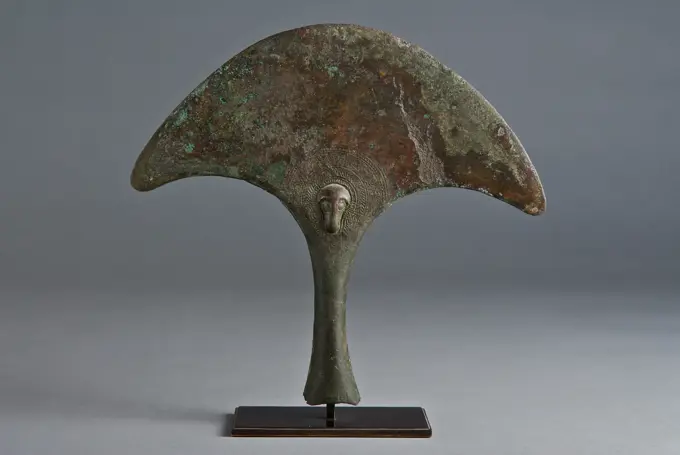
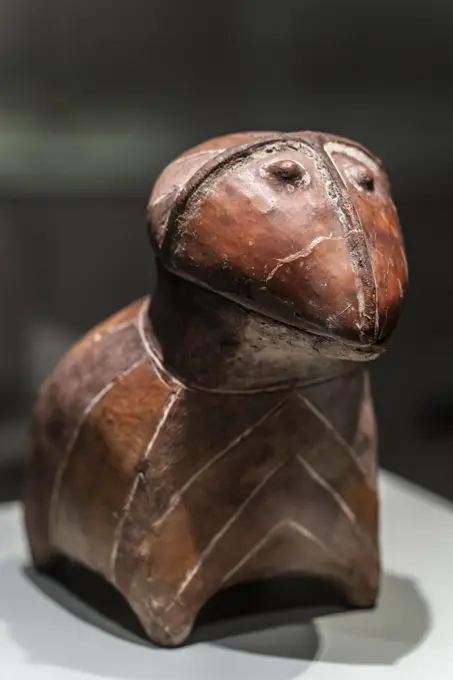
Ancient Artifacts and Models

Collection of ancient artifacts including amulets and model boats, showcasing the fragility and artistry of historical items.

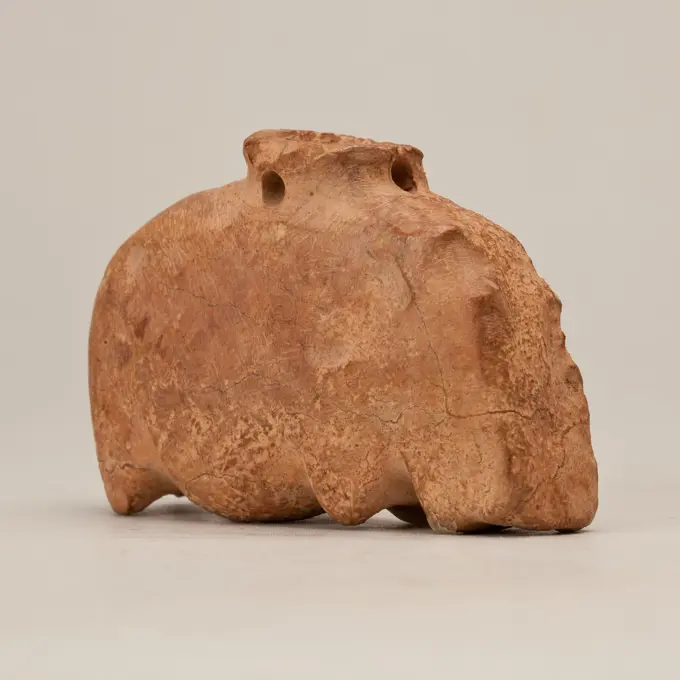
Cow astragalus. unknown, author
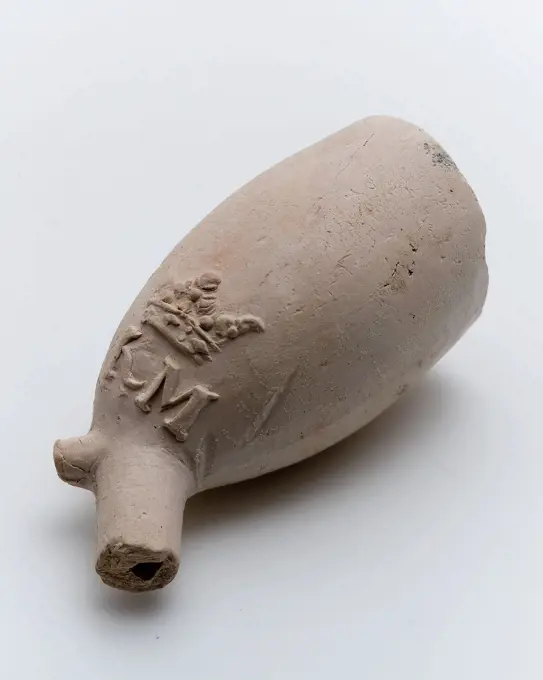
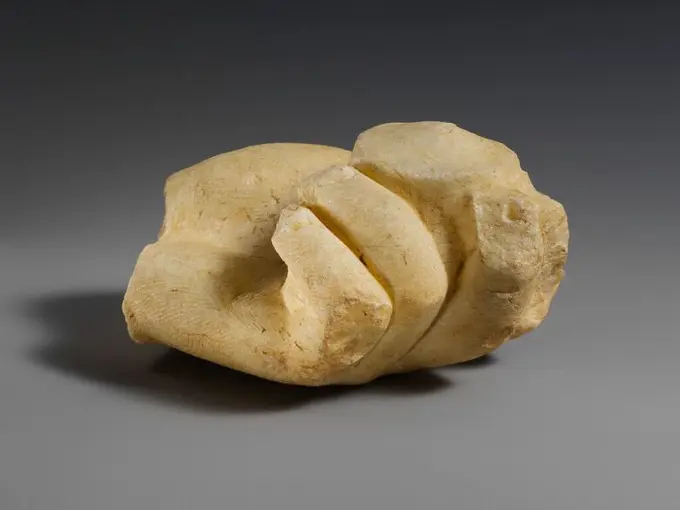
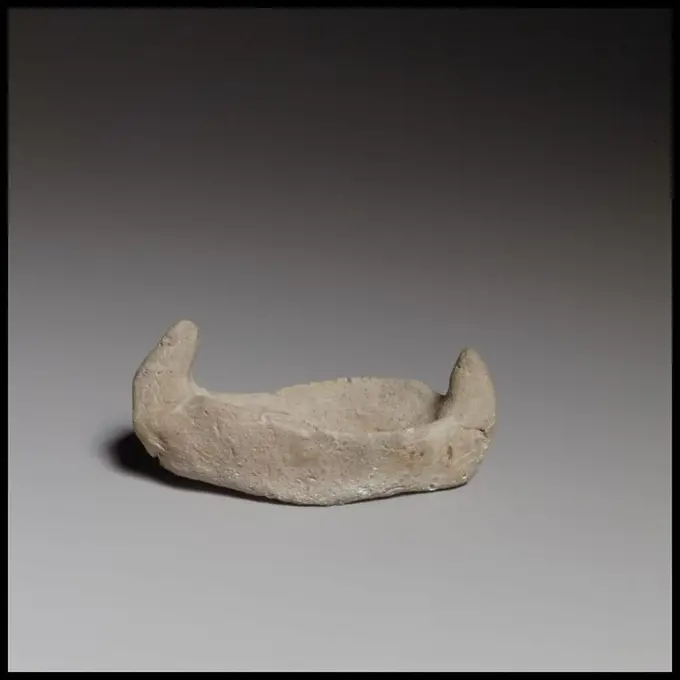
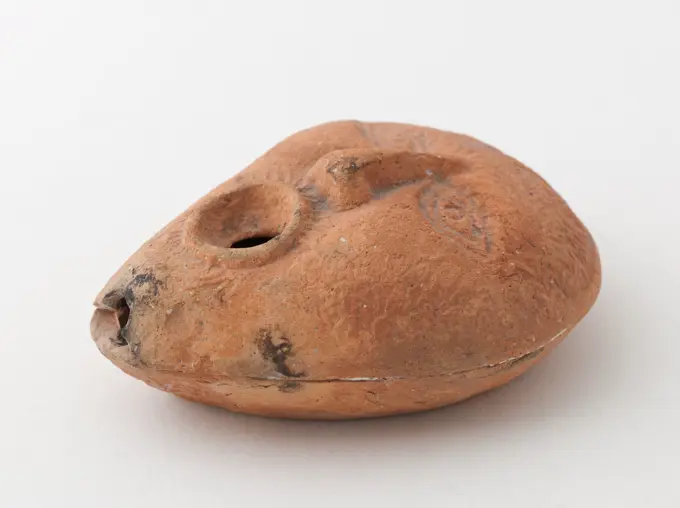
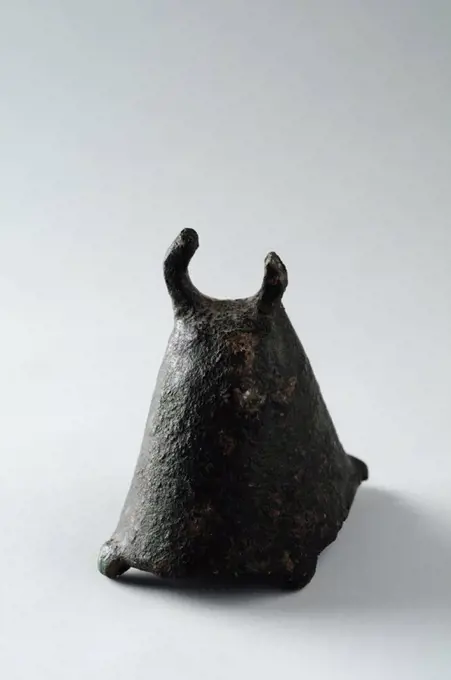
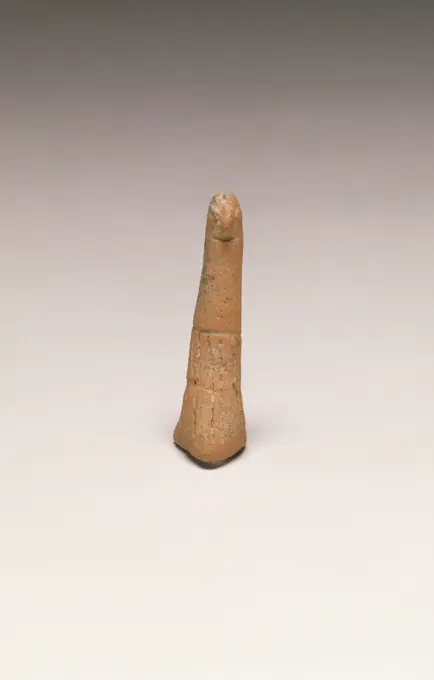
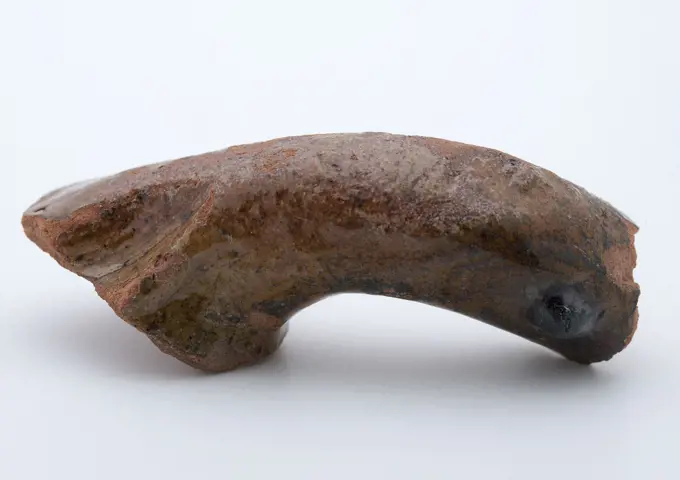
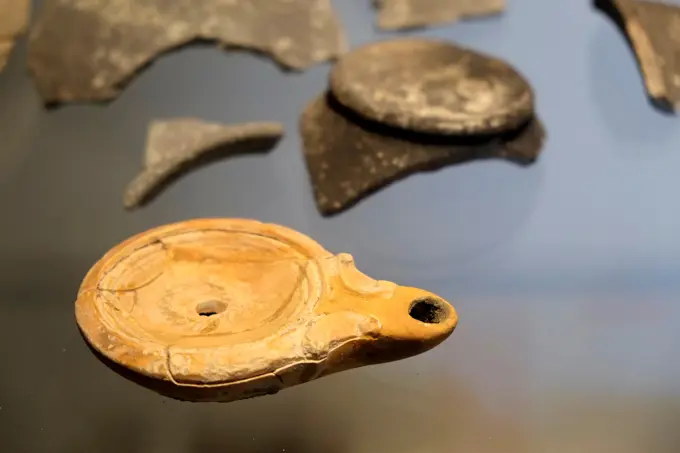
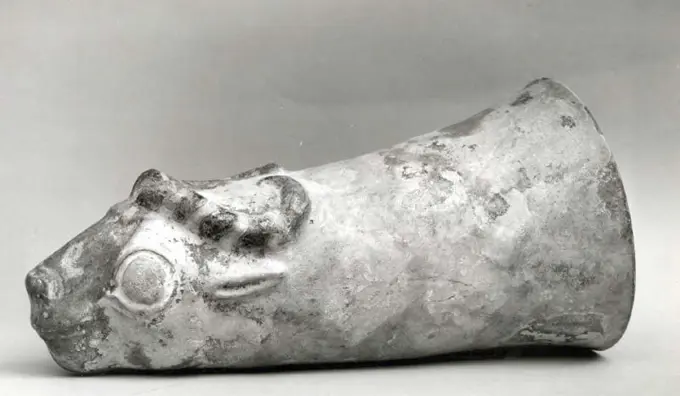
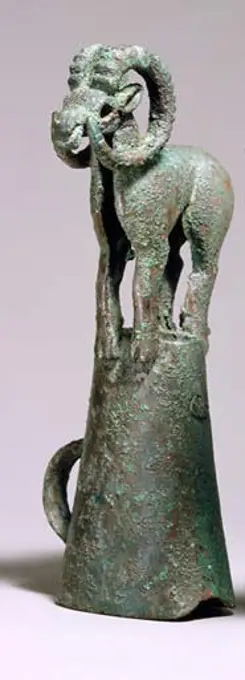
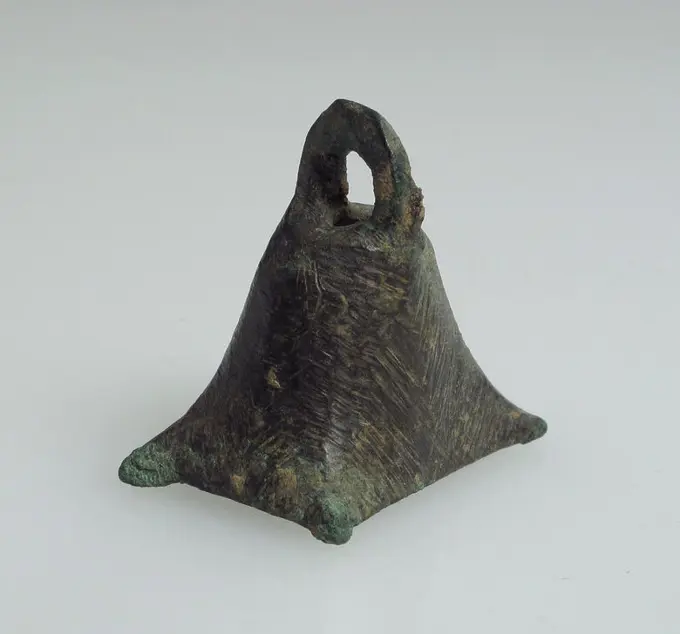
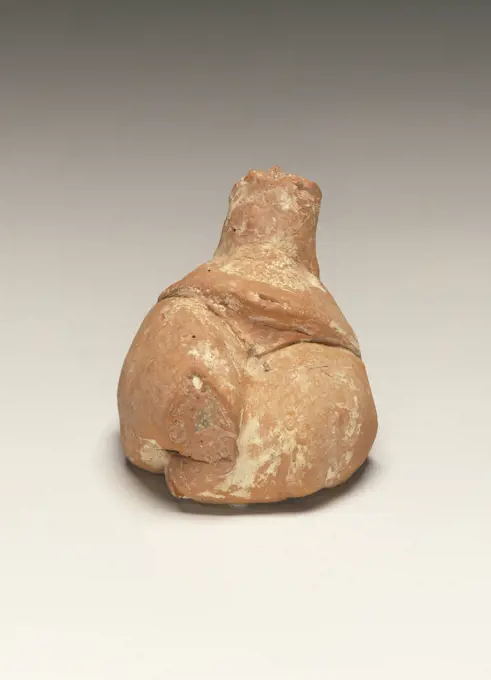
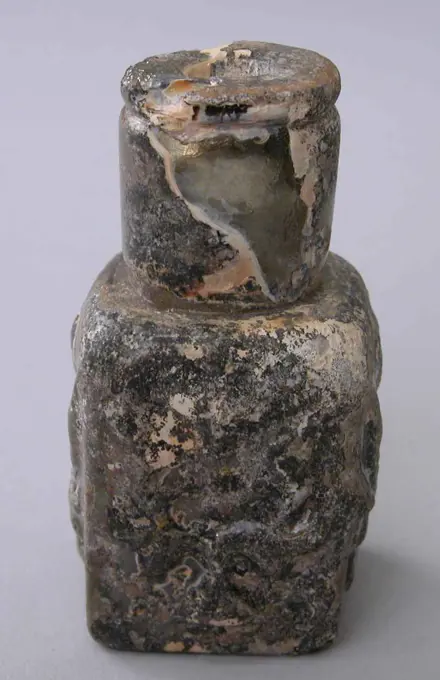
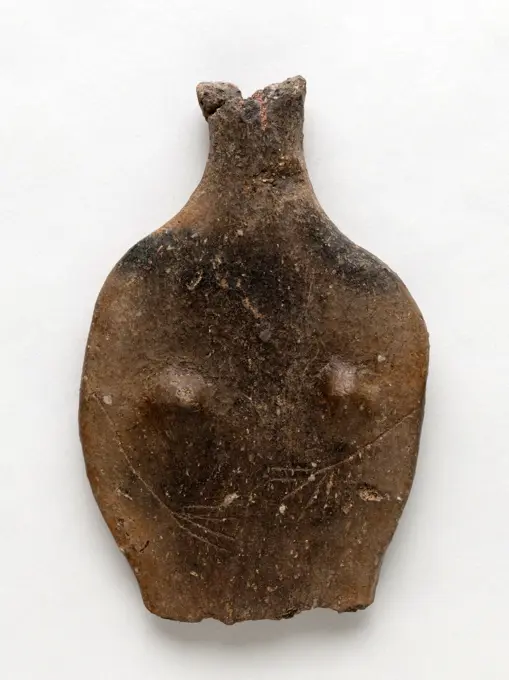
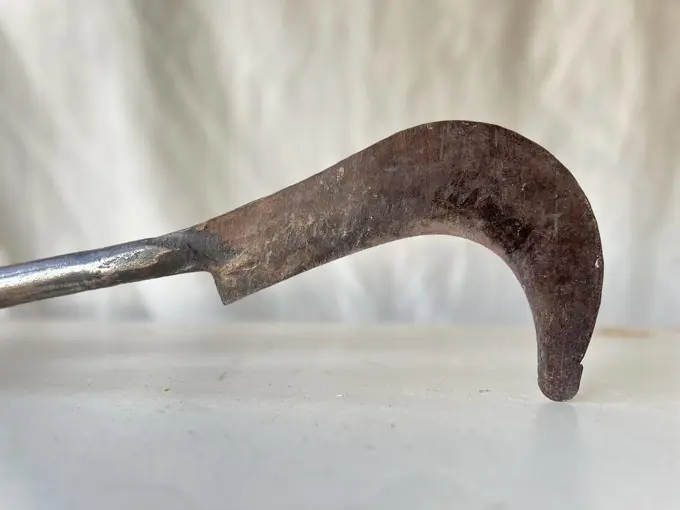
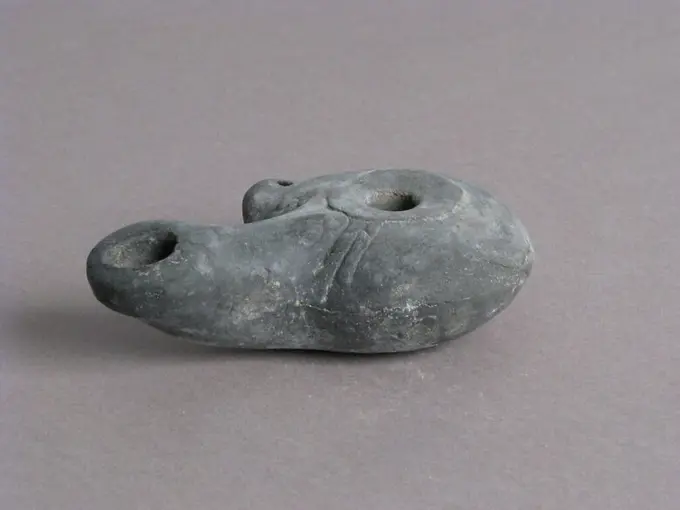
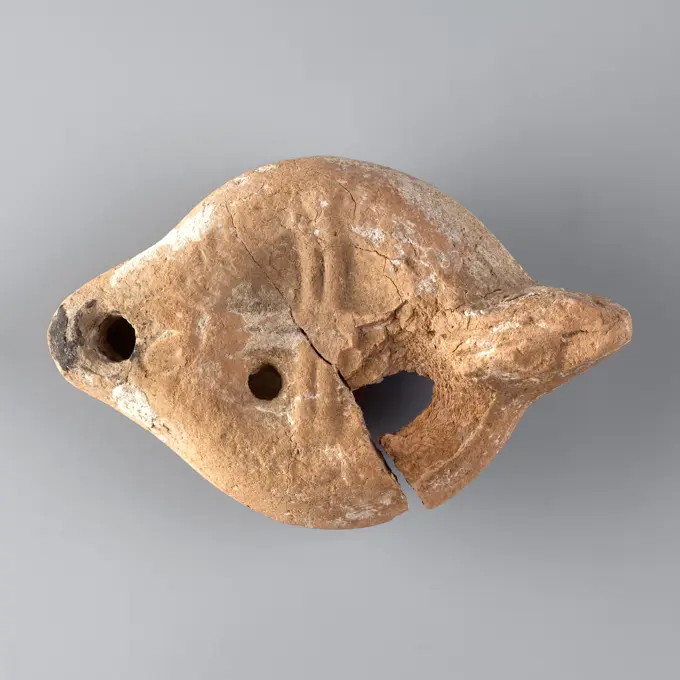
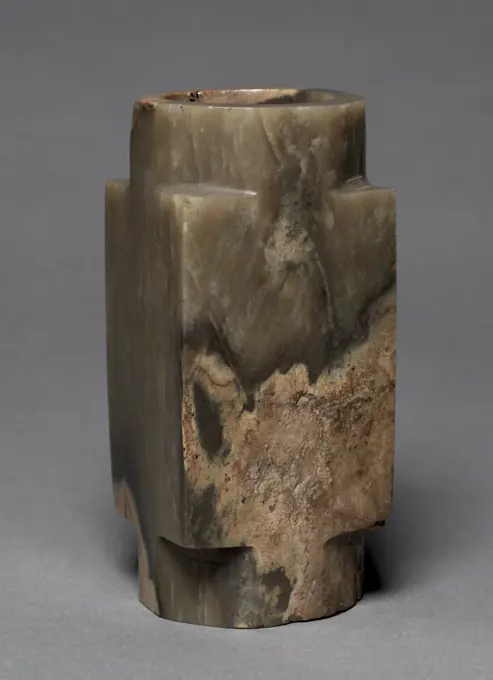
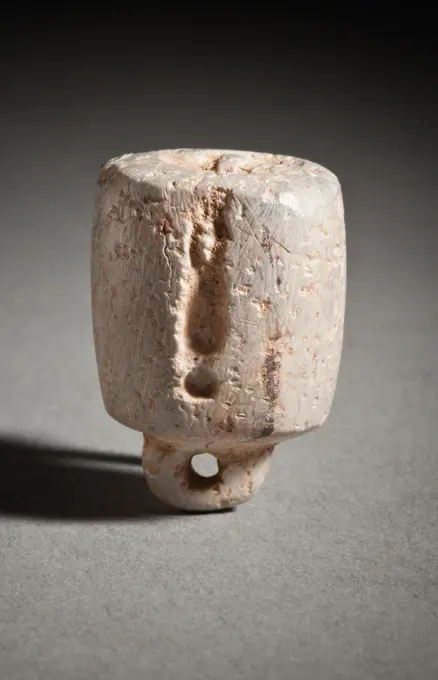
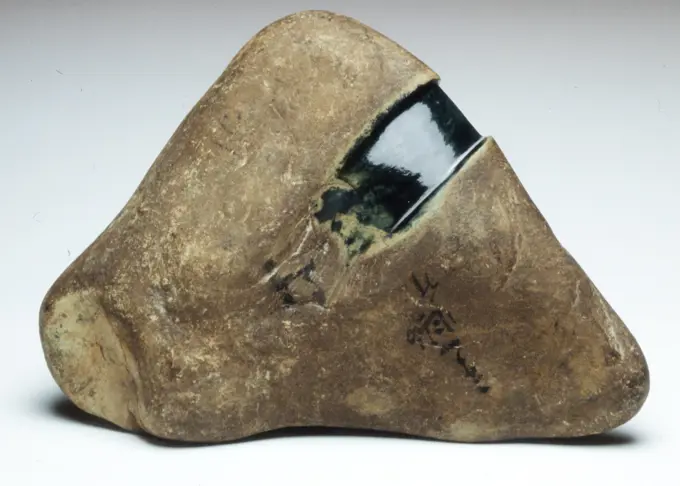
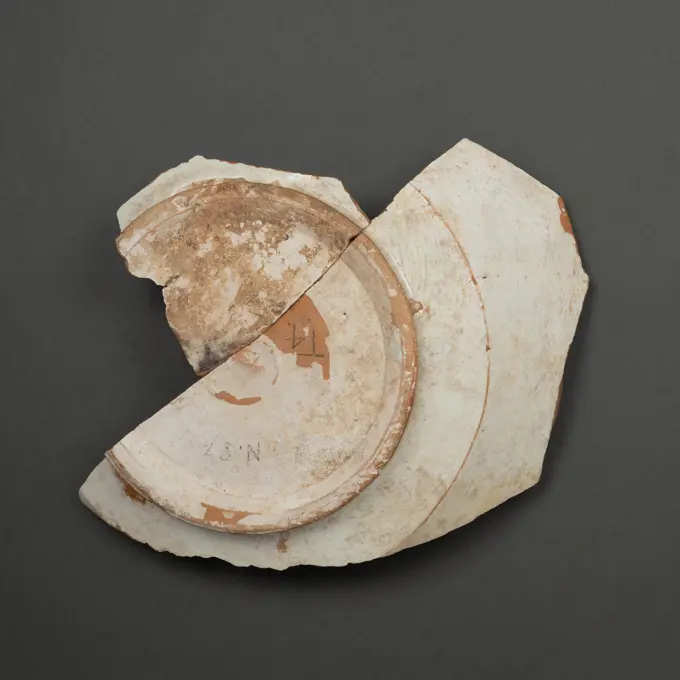
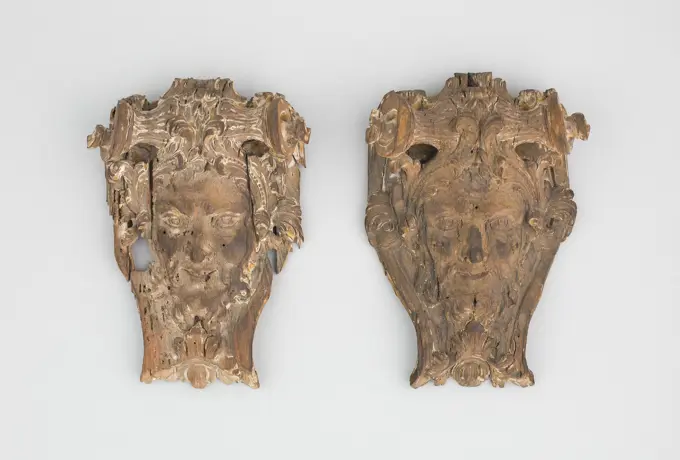
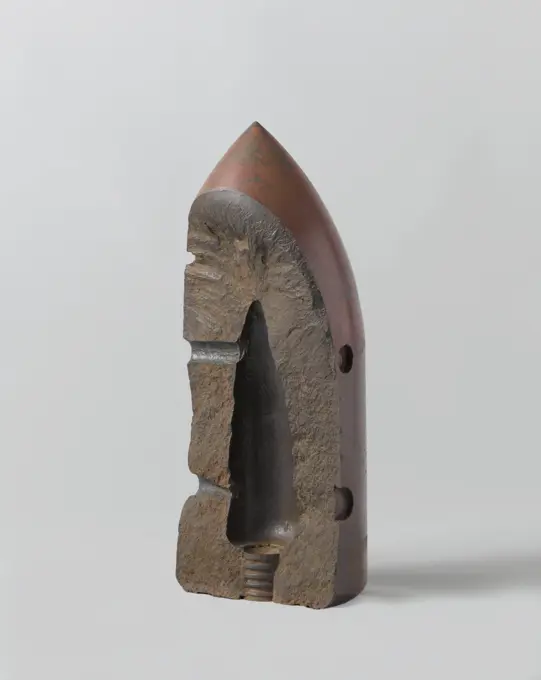
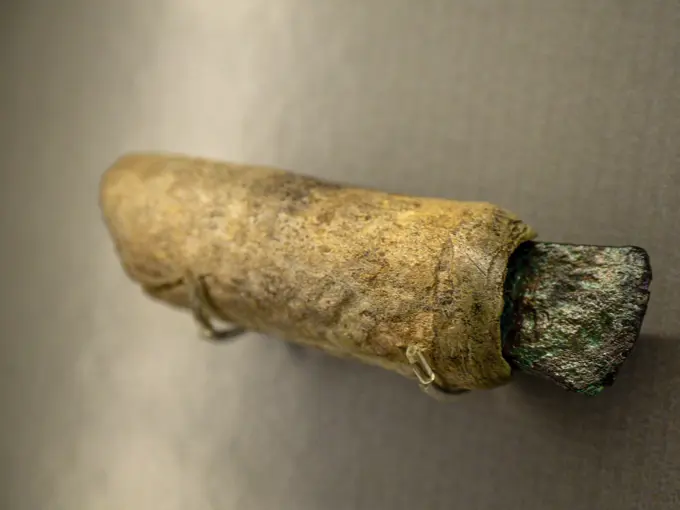
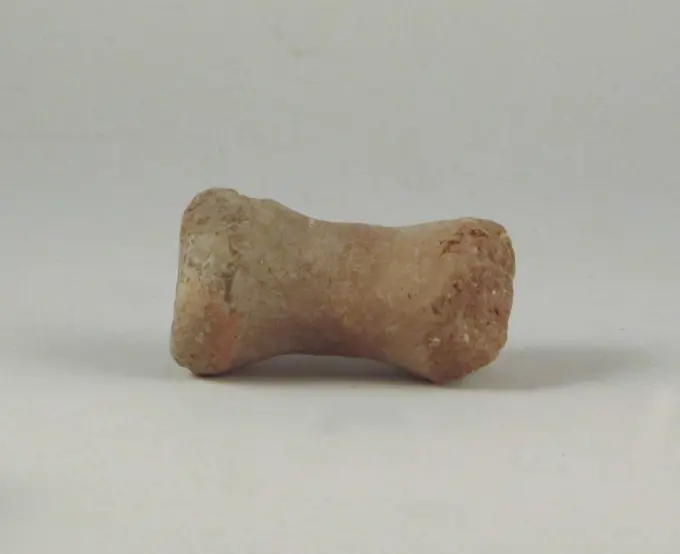
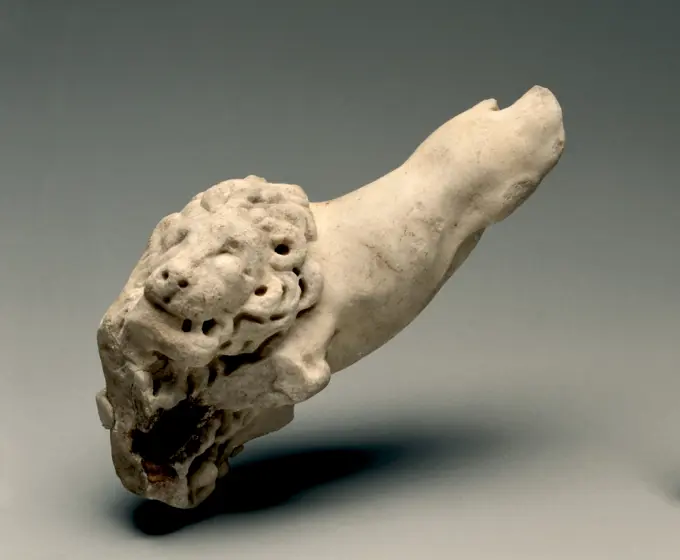
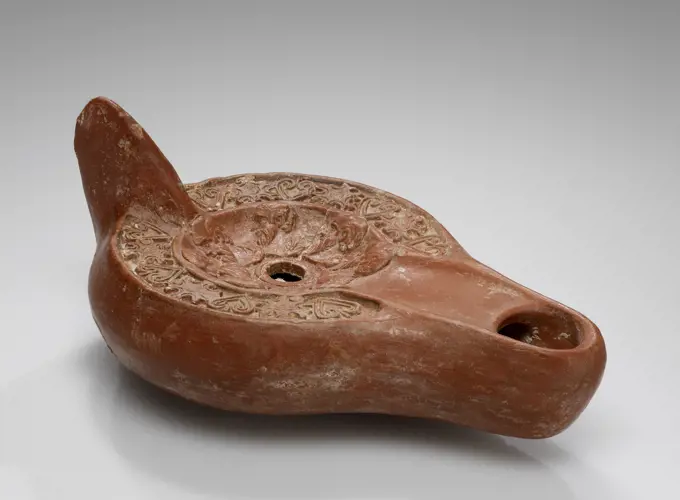
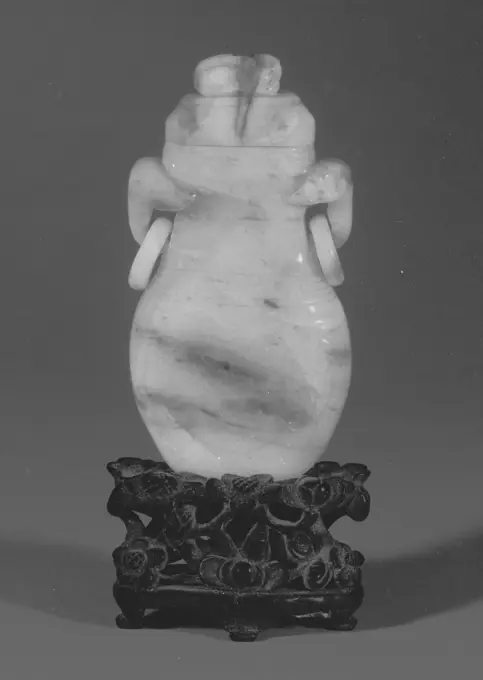
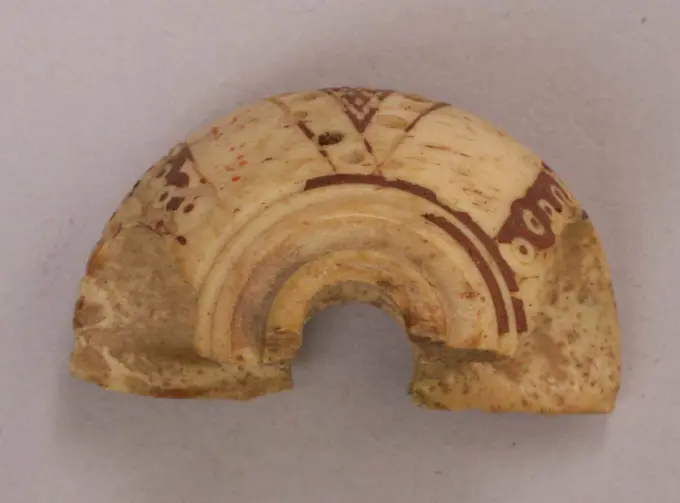
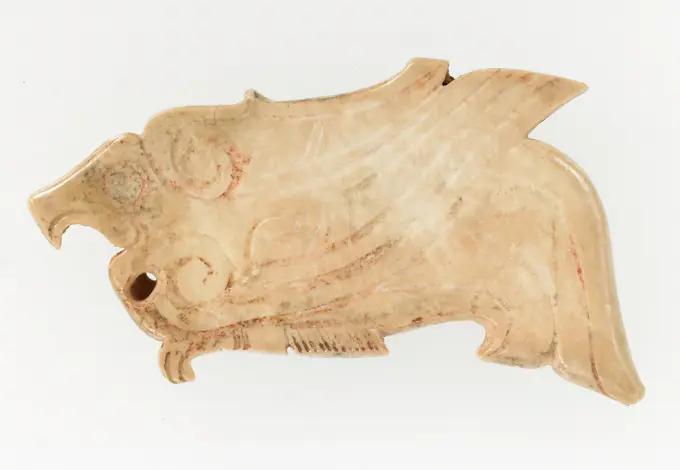
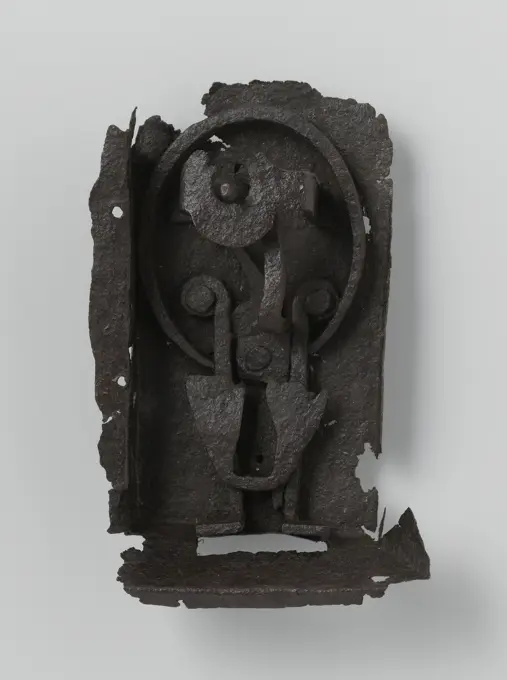
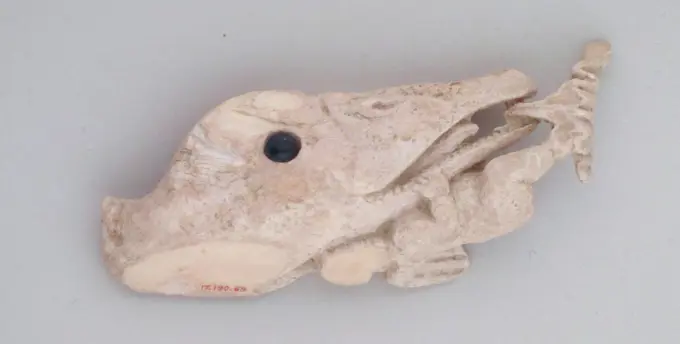
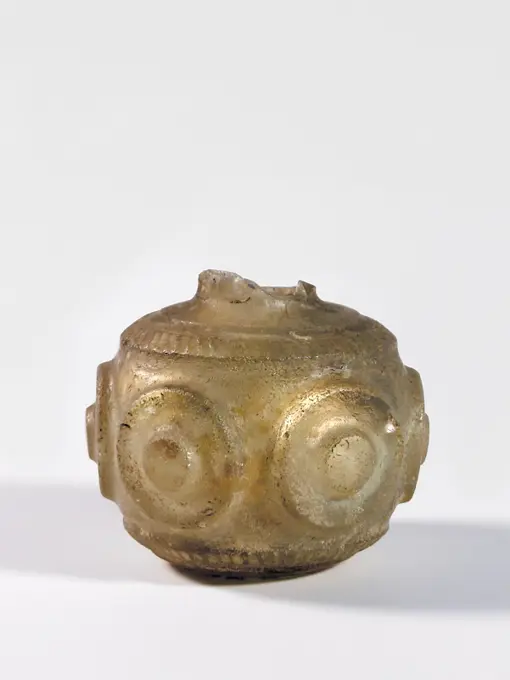
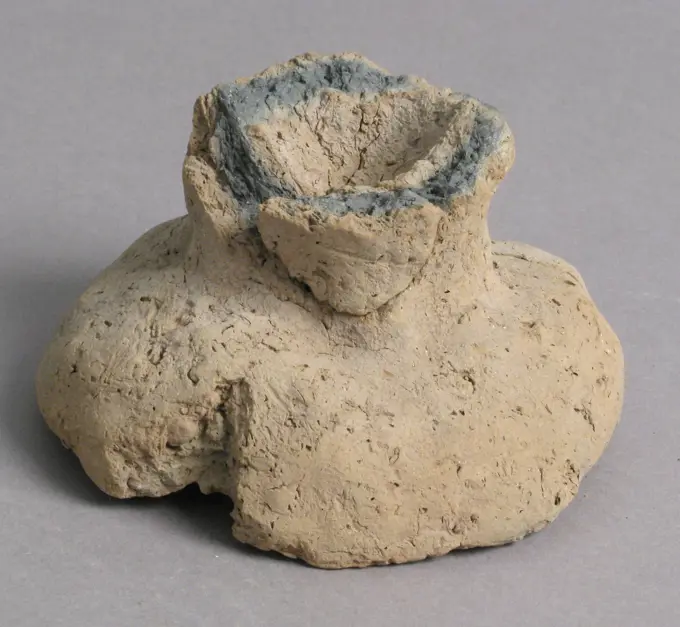
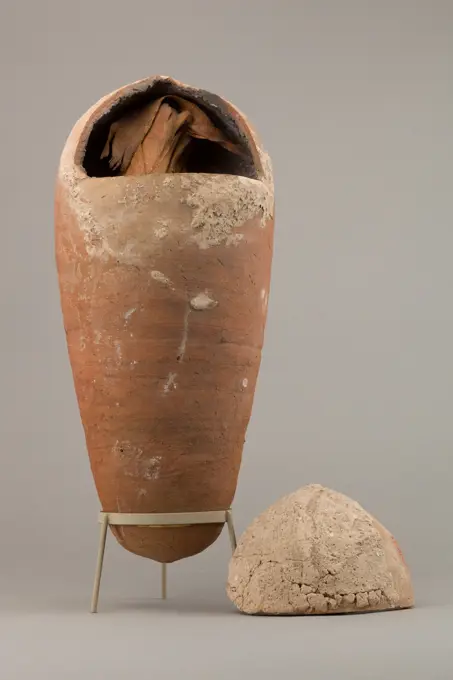
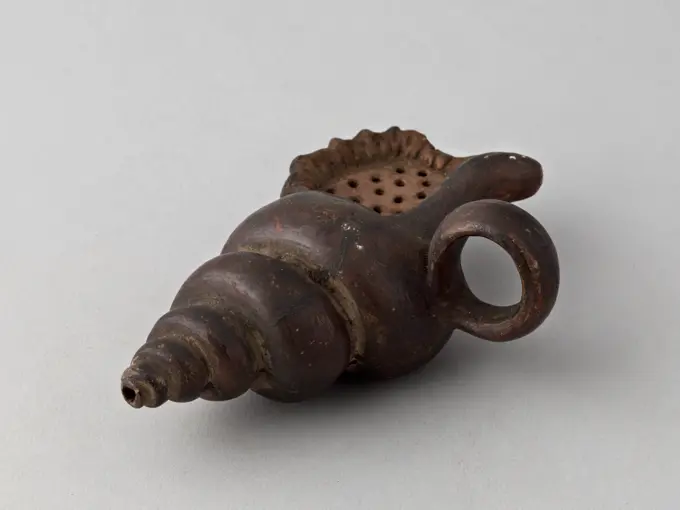
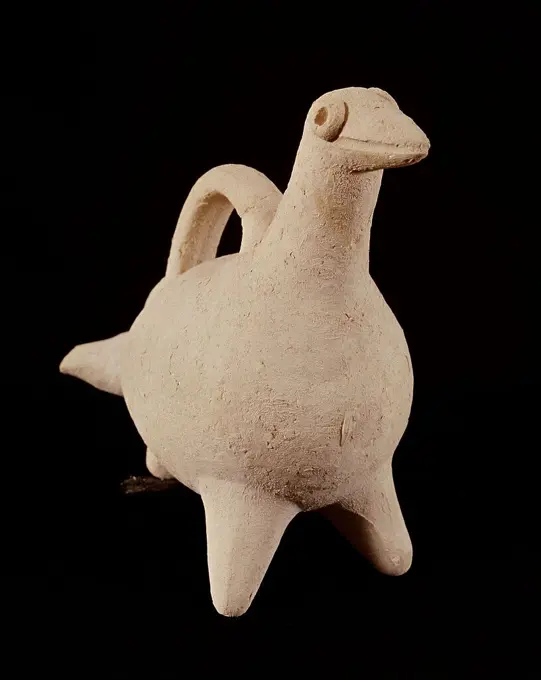
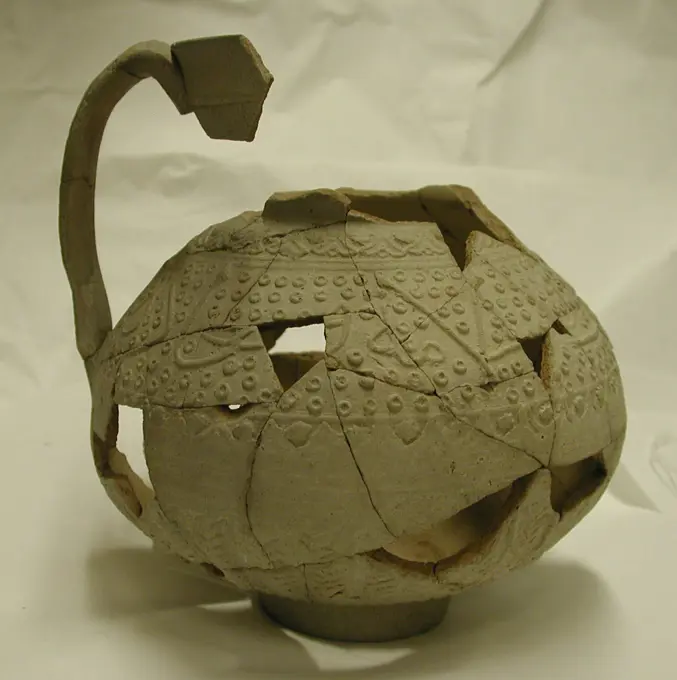
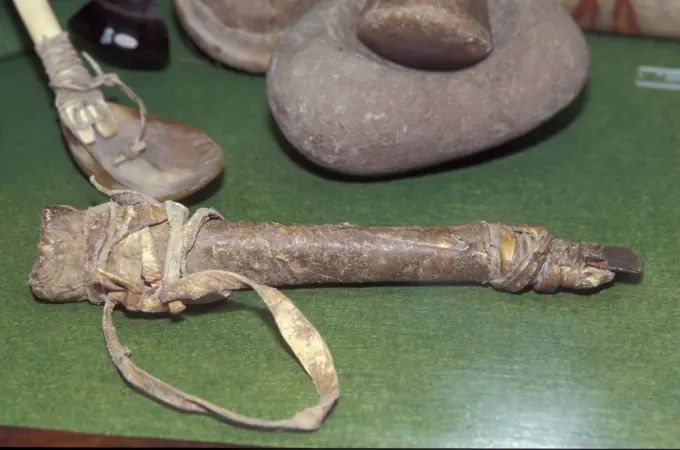
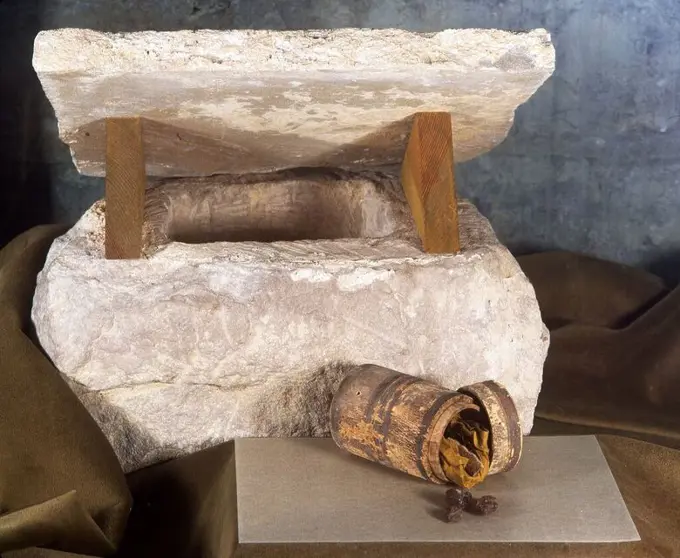
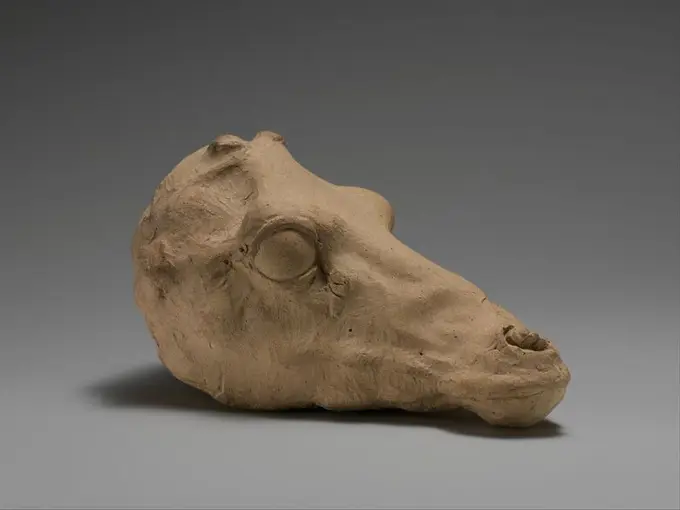
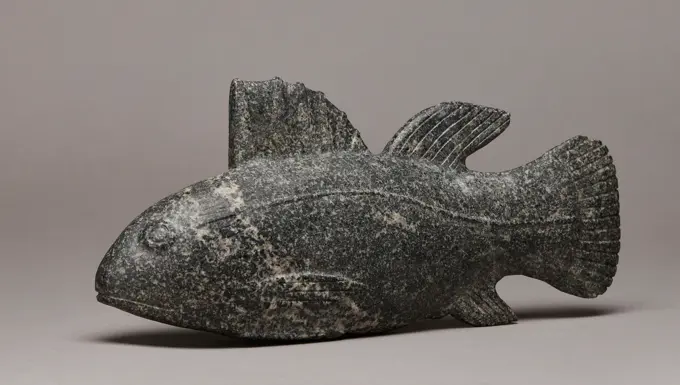
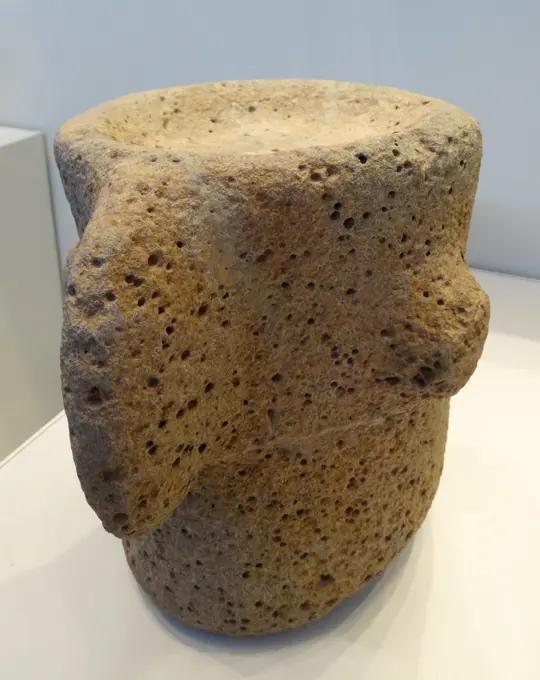
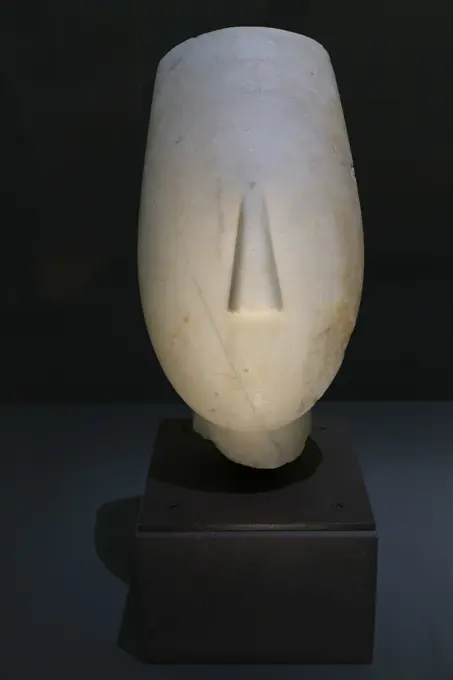
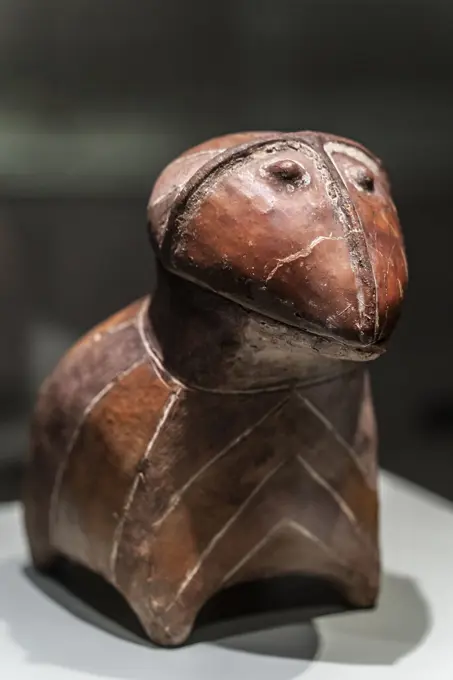
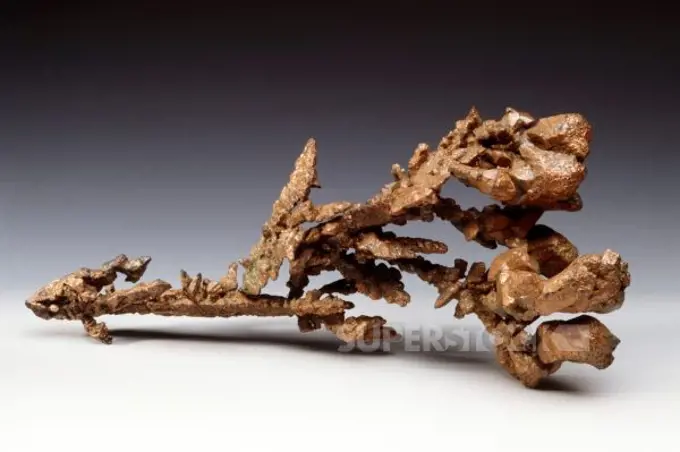
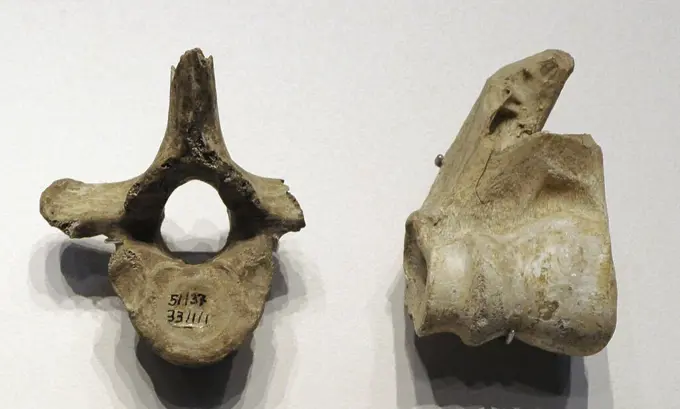
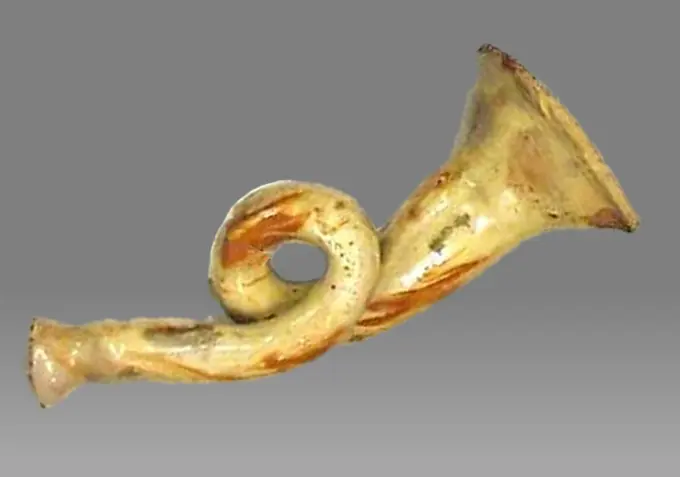
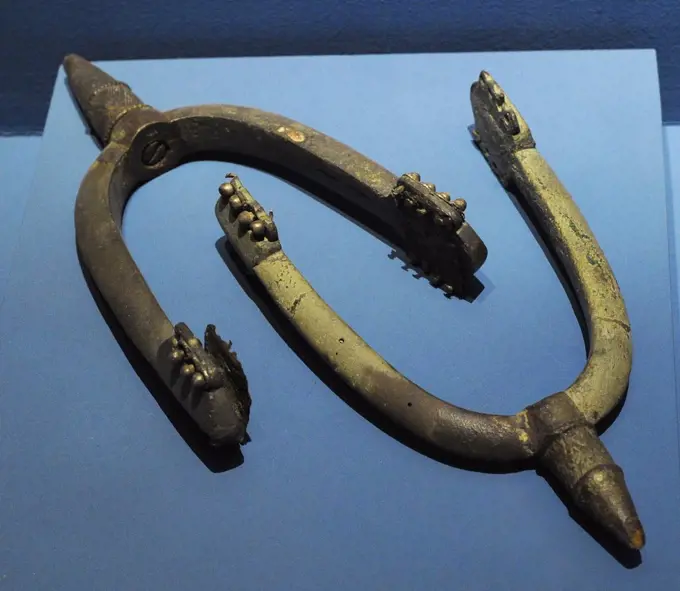
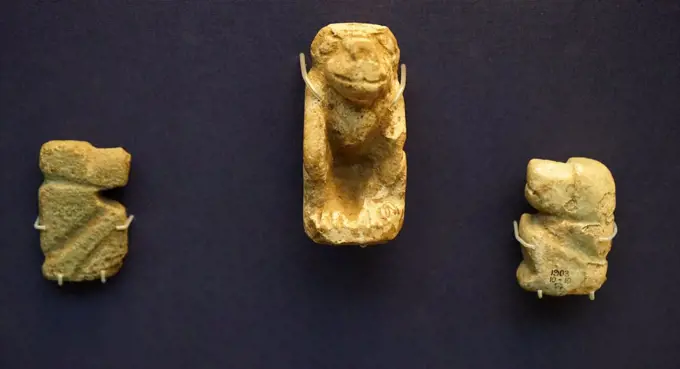
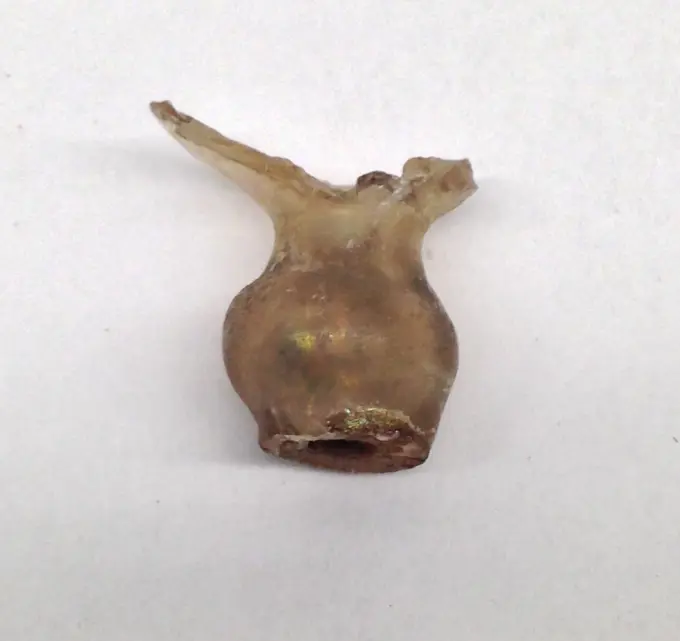
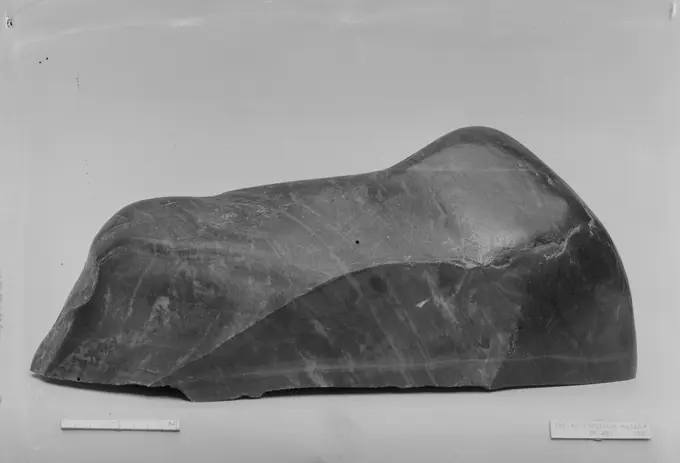
Hippopotamus amulet ca. 4500-4000 B.C. () Predynastic Period. Hippopotamus amulet. ca. 4500-4000 B.C. (). Limestone. Predynastic Period. From EgyptCow astragalus. unknown, authorMarble left hand holding a box. Culture: Greek or Roman. Dimensions: Overall: 5 1/8 x 3 1/2 in. (13 x 8.9 cm). Date: 1st century B.C.-2nd century A.D..Left hand holding a box. Museum: Metropolitan Museum of Art, New York, USA.Terracotta model of a boat. Culture: Cypriot. Dimensions: 1 1/16 x 2 5/16 in. (2.69 x 5.89 cm). Date: ca. 600-480 B.C..In its simplicity, this piece conveys the fragility of ancient vessels in relation to the vastness and power of the sea, which was a source of food and livelihood for traders. It was a barrier and, simultaneously, a link for an island like Cyprus. Such boats were used by ordinary people. Museum: Metropolitan Museum of Art, New York, USA.Lamp. Coll. Capitan. Terracotta. High Empire. In the shape of a human head. Paris, Carnavalet museum. High-Empire, lamp, oil lamp, terracotta, human headBronze bell. 42 mm x 27 mm - Roman period, from the archaeological site of Complutum in Alcala de Henares (Madrid). SPAIN.Head Fragment 4th-7th century Coptic. Head Fragment 478456Fragment of a Horse 4th-7th century Coptic. Fragment of a Horse 478484Neolithic standing figurine. UnknownFragment stem from a candlestick from the wreck of the East Indieschief Hollandia. Candlestick, voice; Fragm or flatted button or voice, eroded, triple faceted, hollow.Fragment of red earthenware, partly glazed, fragment crockery holder utensils earthenware ceramics earthenware glaze lead glaze, hand molded hand turned glazed fried Fragments of red pottery Frying pans jugs pots of grass and bottom of small jug Spicy or only partly glazed with lead glaze archeology Rotterdam City center Stadsdriehoek Hoogstraat indigenous pottery water washing cooking nutrition food preparation handicraft pottery Soil discovery Hoogstraat Rotterdam June 15, 1983.Fragment of red earthenware, partly glazed, fragment crockery holder kitchen utensils earthenware ceramics earthenware glaze lead glaze w 3,7, hand-shaped hand-turned glazed fried Fragments of red pottery Frying pans jugs pots of grass and bottom of small jug Spicy or only partly glazed with lead glaze archeology Rotterdam Stadscentrum Stadsdriehoek Hoogstraat indigenous pottery water washing cooking nutrition food preparation handicraft pottery Soil discovery Hoogstraat Rotterdam 15 June 1983.France, Gallo-Roman villa Loupian.FRAGMENTO DE ATAIFOR CON ARQUERO. Nº INV. MV/12313. (LONGITUD MAXIMA 18 CM) MUSULMAN. (EXPOSICION :ARTE ISLAMICO ESPAÑOL)(DEPOSITO: MUSEO ARQUEOLOGICO DE CORDOBA ).Lamp. UnknownOil lamp. 1200-900 BC. Iron II. Earthenware. From Palestine. Sephardic Museum. Toledo. Castile-La Mancha. Spain.Vessel terminating in the head of an antelope ca. 8th-7th century B.C. Iran. Vessel terminating in the head of an antelope 324553Finial with Wild Ram 7th-6th century B.C. Northeast China. Finial with Wild Ram. Northeast China. 7th-6th century B.C.. Bronze. MetalworkSquare Pyramidal Bell. Culture: Frankish (). Dimensions: Overall: 1 1/2 x 1 1/2 x 1 1/8 in. (3.8 x 3.8 x 2.8 cm). Date: 6th-7th century (). Museum: Metropolitan Museum of Art, New York, USA.Torso of a Seated Female Figure; Thessaly, Greece; 6th - 5th millennium B.C; Terracotta; 6.8 x 5.8 x 5.7 cm (2 11,16 x 2 5,16 x 2 1,4 in.)Bottle 7th-9th century. Bottle 452362Anthropomorphic statuette. Terracotta. Neolithic. Paris, Carnavalet museum. Anthropomorphic, neolithic, statuette, terracotta, archeological vestigeOld hand tool made of metal with a curved hook on a white background old metal hand tool with a curved hook on white background copyright: xzoonar.com/muharremxadakx 22655683Oil Lamp. Culture: Coptic. Dimensions: Overall: 1 1/8 x 3 5/8 x 2 7/16 in. (2.9 x 9.2 x 6.2 cm). Date: 4th-7th century. Museum: Metropolitan Museum of Art, New York, USA.Turtle, before 1921. Colombia. Pottery; diameter: 11.5 cm (4 1/2 in.); overall: 6.4 cm (2 1/2 in.).Frog Figurine. China, Song dynasty, 10th-13th century. Jewelry and Adornments. Stone, turquoise inlaysOil lamp - preserved fragmentarily; Egyptian workshop; End of III-IV century (290-00-00-400-00-00);Decorations imprinted in form, lamps, lighting, Polish excavations in Tell ATRIB (Egypt)Ceremonial Tube (Cong), c. 1600-1046 BC. China, Shang dynasty (c.1600-c.1046 BC). Jade (nephrite); overall: 20.6 cm (8 1/8 in.).Jufferblok from V.O.C. ship De 'Witte Leeuw', Before 1613  Jufferblok from V.O.C. ship De 'Witte Leeuw'.  wood (plant material)   Sint-HelenaAmulet Seal. Eastern Anatolia, 4th-3rd millenium B.C.. Jewelry and Adornments; amulets. StoneJade Boulder, 19th century, 6 1/2 in. (16.51 cm), Dark green nephrite, China, 19th century, Ironically, neither type of jade, nephrite nor jadeite, is indigenous to central China. All these precious materials had to be transported great distances from Chinese Turkestan in the extreme west or, in the case of jadeite, from northern Burma. This undoubtedly greatly enhanced the value and mystique with which the Chinese have always imbued this natural substance. The boulder shown here is typical of the type of raw jade, indistinguishable from most other rocks, found in the riverbed regions of Turkestan. The outer rinds of the stone has been ground away to reveal the color of the mineral beneath. It was thus prepared to be auctioned off to representatives of the jade-carving workshops, who bid according to the color, size and granular consistency of each piece.Fragment of a Bowl 9th-10th century This ceramic fragment was excavated at the site of Tepe Madrasa in Nishapur.Nishapur was a vital city in the early and middle Islamic periods, located along one of the main trajectories that connected Iran and West Asia Islamic lands with Central Asia and China. These itineraries are often referred by the term Silk routes but were in fact crucial to the movement of constellations of materials and objects, as well as people and ideas. The diverse population of Nishapur and its surroundings, from the better-researched elite groups of merchants, land-owning aristocracy, and literates, to the less-known artisans, farmers, miners, and servants, were instrumental in adapting global cultural trends to create their own distinctive visual languages. This is seen in the material remains of everyday life in medieval Nishapur - from pots and pans to lighting devices, inkwells, textiles and trimmings, jewelry, games and toys, talismanic devices, weapons, coins, aPlain ceramics, Cave of the Moor of Olvena, La Puebla de Castro, Huesca museum, Aragon community, Spain.Vessel with cardial decoration. Neolithic art. Ceramics. SPAIN. MADRID (AUTONOMOUS COMMUNITY). Madrid. National Museum of Archaeology. Proc: SPAIN. ANDALUSIA. GRANADA. Cacn.iberischer Terrakotta-Rinderkopf iberian Terracotta bovine head, Archena, Murcia, Valladolid Museum - Provincial Museum of Antiquities, Autonomous Community of Castile and Leon, Spain Copyright: xZoonar.com/BartomeuxBalaguerxRotgerx 22539561Vase fragment ca. 1400-1300 B.C. Mycenaean. Vase fragment 248273Emilia-Romagna Ferrara Ferrara Museo Civico di Schifanoia41. Hutzel, Max 1960-1990 General Notes: INCOMPLETE RECORD--NEGATIVES PROCESSED, PRINTS FILED German-born photographer and scholar Max Hutzel (1911-1988) photographed in Italy from the early 1960s until his death. The result of this project, referred to by Hutzel as Foto Arte Minore, is thorough documentation of art historical development in Italy up to the 18th century, including objects of the Etruscans and the Romans, as well as early Medieval, Romanesque, Gothic, Renaissance and Baroque monuments. Images are organized by geographic region in Italy, then by province, city, site complex and monument.Left Foot from a Statue. UnknownKoenraad Murk, Pipe head, white baking clay, pipe head soil found ceramic pipe earth h 3.5 (approx.) Mold pressed through pierced Pipes heads made from whitewashed clay different size and age various specimens have heel marks or markings on the boiler brand: crowned KM archeology Rotterdam City Center Stadsdriehoek Oudehaven indigenous pottery smoking tobacco room archaeological find in the soil Oude Haven Rotterdam 1980.Leather and ReedSandalsCoffin LidEndClay pipe, marked with stem decorated with fleur de lis stamps, clay pipe smoking equipment smoke floor pottery ceramics pottery, pressed finished baked Clay pipe marked with fleur de lis stamps decorated handle. Heel mark. heel mark: crowned Tudor rose in shield shaped stamping area archeology smoking tobaccoPaw from Statue of a Lion. UnknownPair of Masks 1695-1705 French. Wood with traces of gesso .23-cm Palliser Shell in a Wooden Box, Royal Laboratory, c. 1870 grenade (ammunition). chest Half a pointed 23 cm grenade, painted red, and a wooden box. The box is damaged. The grenade is 51.5 cm long and has a caliber of 225 mm. It is cracked in length, the nose is still intact. The grenade has two rings of holes for cams for a drawn run with six pulling fields that are not applied, and is hollow; In the bottom a bus of a softer metal is cast with a filling hole. Two shallow holes have been applied under the nose, for the ammunition crane. There are two large tapered holes in the wall, so that the grenade has been bursting. Woolwich iron (metal). brass (alloy). lead (metal). wood (plant material)Headrest ca. 1100-900 B.C. New Kingdom-Third Intermediate Period. Headrest 546780Bronze und Griff der Stange bronze and handle of rod, cave of Santimamine, Kortezubi, Arkeologi Museoa, museum aqueologico, Bilbao, Bizkaia, Pais Vasco, Spain Copyright: xZoonar.com/Tolox 22845467Spindle whorl, reel. Spindle whorl, reel. Clay. Miscellaneous-ClayFragment of a Lion, Before 1915. Italy, Roman(). Marble; overall: 25.4 cm (10 in.).Lamp, North Africa; 1st - 4th century; Terracotta; 3.4 x 8.7 x 14.5 cm (1 5,16 x 3 7,16 x 5 11,16 in.)Vase 18th century China. Vase. China. 18th century. Jade. JadeHout's partition, with leather exaggerated in which pressed ornaments and a coat of arms, anonymous, 1500 - 1600 Hout, with leather exaggerated in which pressed ornaments. On the lid a coat of arms in a cartouche hanging on a cord. On the top of the lid, at the height of the hinge and lock, two diamond -shaped pewter plates. Inside covered with green painted leather. NOTE: Hinge and lock damaged.  wood (plant material). leather. iron (metal). tin (metal) cutting Hout, with leather exaggerated in which pressed ornaments. On the lid a coat of arms in a cartouche hanging on a cord. On the top of the lid, at the height of the hinge and lock, two diamond -shaped pewter plates. Inside covered with green painted leather. NOTE: Hinge and lock damaged.  wood (plant material). leather. iron (metal). tin (metal) cuttingButton or Spindle Whorl 3rd-10th century The dot-in-circle motif recalls designs presumed to be of magical significance, most likely an abstract eye to ward off the evil-eye, which serves an apotropaic function. Easily reproduced with a tool and visible in many cultures and times, this symbol may have lost its meaning, and become simply a decorative pattern, or may have one that we have not yet discovered. Button or Spindle Whorl 446076Bird Pendant, 1122-722 BCE, 13/16 x 1 11/16 x 3/16 in. (2.06 x 4.29 x 0.48 cm), Calcified ivory jade with traces of red pigment, China, 12th-8th century BCEtrilobed glass, III BC, El Moro tomb, Niebla, Huelva Museum, Huelva, Andalusia, Spain.Bird Shaped Ink Stone, 1368-1644. China, Ming dynasty (1368-1644) . Jade ; overall: 7.7 cm (3 1/16 in.).Fragmento de alabastro, procedente del yacimiento arqueológico de Can Modolell. Museu de Mataró.Interior of a lock, anonymous, c. 1590 - c. 1596 lock. fragment Interior of a lock; compressed.  iron (metal) forging  Nova Zembla. Saving HuysShard. Ceramic. China, end of the Dynasty of Song and Jin era. Paris, Cernuschi museum. 50148-2 Ceramic, Song dynasty, Jin time, TessonTwo-piece bronze mold for snail of jug, mold casting tool tools equipment base metal bronze top mold bg 10.5 w 7.8 h 5.2 cast Two part mold to pour the sneb of jug but total of four molds are needed to pour the whole jug Rotterdam tin tinker tin tin Meeuws Druy artisan Shapes are from the originally 18th century Rotterdam tin jugger J Druy. The large molds that were not signed or dated were the property of the tinker guild and were rented to the small tin caster.airbrush and ocher crusher, middle magdalenian, lower gallery of la Garma, Ribamontan al Monte, Museum of prehistory and archeology (MUPAC), Santander, Cantabria, SpainShoes 1780-99 British. Shoes 87525Mingqi: Pilon models for rice ". Terracotta, glaze. Han dynasty (206 BC-220 AD). Paris, Cernuschi museum. Chinese art, Han dynasty, Han time, mingqi, Chinese object, rice pestle, funeral substitute, terracottahigh neck vessel high neck vessel, ceramic, full bronze, Cista La Tenencia, Ayamonte, Huelva Museum, Huelva, Andalusia, Spain Copyright: xZoonar.com/BartomeuxBalaguerxRotgerx 21733688Tłok pieczętny. unknown, craftsmanRelief from couch 1st century A.D. Roman Head of a duck with the figure of Eros.These reliefs once decorated a dining couch. They would have been attached to the two ends of the fulcrum (headrest), with the head of Cupid in a roundel at the lower end and the ducks head, with a glass insert for the eye, forming the curving upper end.. Relief from couch. Roman. 1st century A.D.. Ivory. Early ImperialOLYMPUS DIGITAL CAMERA16th century, oyster shells from the late Tudor period; found at Blakesley Hall is a Tudor hall on Blakesley Road, Yardley, Birmingham, England. It dates to 1590Pottery Fragment 4th-7th century Coptic. Pottery Fragment 478739bronze votive offering bronze votive offering, Iberian sanctuaries of Collado de los Jardines and Castellar de Santisteban, Iberian culture, Archeological Museum. Úbeda, Jaén province, Andalusia, Spain Copyright: xZoonar.com/BartomeuxBalaguerxRotgerx 21702726Dish;  around 2686- 2181 BC ; Old PASacred animal mummy of an ibis inside a jar ca. 400 B.C.-100 A.D. Late Period-Roman Period Animal cults The Egyptians considered certain individual animals to be living manifestations of a god, such as, since earliest times, the Apis bull. Those individuals were duly mummifed when they died and buried for eternal life, then replaced by another single living manifestation. During the first millennium BC, many multiples of animals associated with certain gods were specially raised in temple precincts as simultaneous avatars of that god and then mummified in large contingents and deposited in catacombs for eternal life. The ancient perception of these multiples, the evolution of the practice in this direction, and variations within the practice are not easily accessible to us. But the hundreds of thousands of often elaborately prepared animal mummies found in catacombs and other locales testify to its ancient resonance. Animal mummies This jar contains an ibis mummy wrapped in linen. The Guttus in the shape of a murex shell. Molded terracotta. Apulie (Italy), 4th century BC. AD Museum of Fine Arts of the City of Paris, Petit Palais. 59233-3 Antiquity, Greek-Roman antiquity, ancient art, drink, ceramic, shell, shell, jug, large Greece, Guttus, Huilier, libations, molding, murex, object of ceremony, ancient period, pottery, container, religious rite, ritual, tower , Vase, wine, sacrificeCERAMICA DE IBIZA.Ewer 11th-12th century. Ewer 449042Buffalo bone hide scraper used by the Blackfeet to tan animal hidesMetal ornamental pin, pin with convex head, pin jewelry clothing accessory clothing soil find tin silver iron metal, Decorative pin with convex head Iron pin. Decorated cup with small bud and symmetrical arches adorn archeologyLIPSANOTECA CON TAPA DE PIEDRA (DEPOSITO: MUSEO DIOCESANO) . JACA, HUESCA, ARAGON, ESPAÑA.Terracotta head of a deer. Culture: Greek, South Italian, Tarentine. Dimensions: length 5 in. (12.7 cm). Date: 4th century B.C..This extraordinarily sensitive representation was probably a patrix, the model from which molds were taken for making figural vases in the shape of a deer's head. Such rhyta were common in Apulian pottery and can be seen among the Apulian vases nearby. Museum: Metropolitan Museum of Art, New York, USA.Fish Lates figurine;  664-332 BC ; Half period (-664-00-00--332-00-00);Offering stands from Golan. Over 6,500-5,500 years ago, made from basalt.Head of a Statue, Cycladic ancient art, 2400-2600 B.C., Greek,Nutcracker Van Palmhout, 1583 Gesneden in by Vorm van Een Beestenkop puts inscribed: everything ends J. Kuirin 1583 as I am a little wood I serve to people to crocquer nuts.  boxwood Gesneden in by Vorm van Een Beestenkop puts inscribed: everything ends J. Kuirin 1583 as I am a little wood I serve to people to crocquer nuts.  boxwoodzoomorphic figure (vessel), Chalcolithic, fifth millennium BC, Bulgarian National Archaeological Museum, Sofia, Republic of Bulgaria, Europe.Amulet - HarpocratesCopper, native element, from the Lake Superior, Canada.Vertebra and humerus of a deer (Cervus elaphus). Mousterian period. Found in Cueva de Hornos de la Pe-a (San Felices de Buelna, Cantabria, Spain). National Archaeological Museum. Madrid. Spain.Ceramic Horn 19th century Italian. Ceramic Horn 501697Greece, Athens. Area of Kerameikos (Ceramicus). Its name derives from "potter's quarter". Northwest of the Acropolis. Old cemetery. Ruins. Fragment of a Female Figure 4th-7th century Coptic. Fragment of a Female Figure 478937Egyptian Faience baboon figurines.Mumia kobiety z sarkofagu Hor-Dżehuti. unknown, authorFragment of Flask Necks 13th century French or German and Syrian. Fragment of Flask Necks 729806White clay pipe, unnoticed, with smooth handle, clay pipe smoking equipment smoke floor pottery ceramic pottery, hand molded baked White clay pipe unnoticed with smooth handle Bottom of the heel is equal to the base of the handle archeology indigenous pottery import smoking tobaccoAxeHeadanthropomorphic figurine, Nevski, (Popovo) Razgrad region, Chalcolithic, fifth millennium BC, Bulgarian National Archaeological Museum, Sofia, Republic of Bulgaria, Europe.Fragment of a Boulder China, Turkestan. Fragment of a Boulder. China, Turkestan. Nephrite. JadeTerracotta sylene figurine;  Hellenistic period (-323-00-00--30-00-00);Sherd ca. 2nd century B.C.-3rd century A.D. Parthian. Sherd 322819zoomorphe Figur Gefäß zoomorphe Figur Gefäß Copyright: xZoonar.com/TOLOxBALAGUERx 22682465