Ancient Artifacts and Pottery

A selection of historical artifacts including bronze ornaments and terracotta figures, highlighting ancient craftsmanship from various cultures.

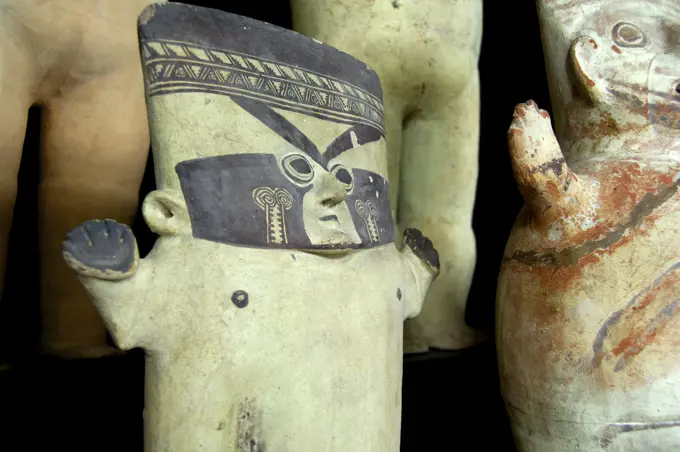
Ceramic Inca trumpets or flutes at the National Museum of Archaeology, Anthropology and History of Peru, Lima, Peru
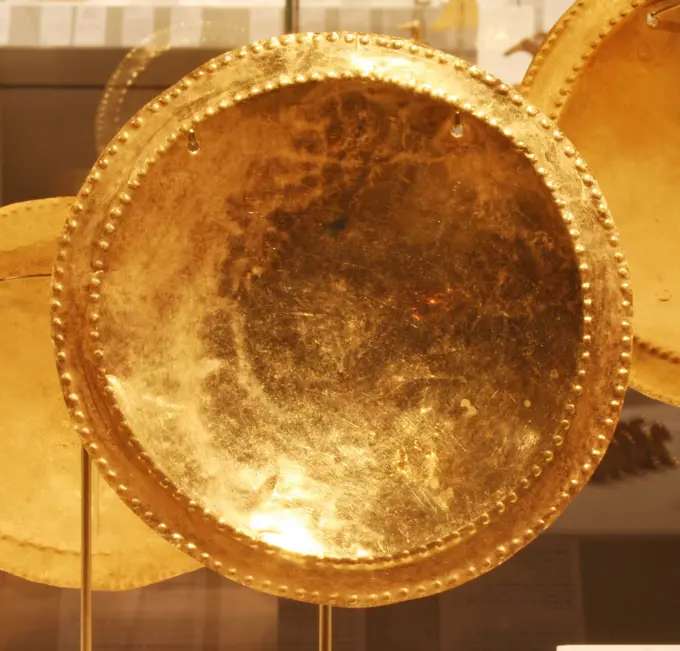
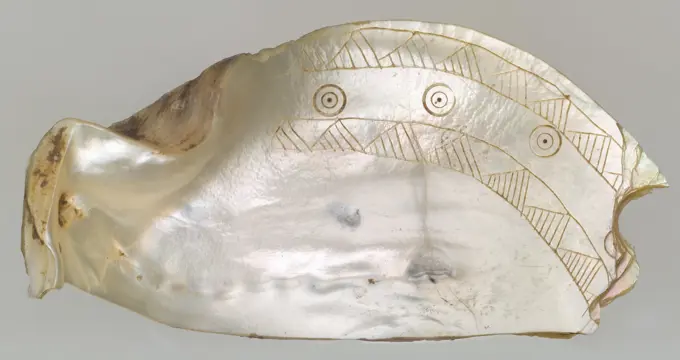
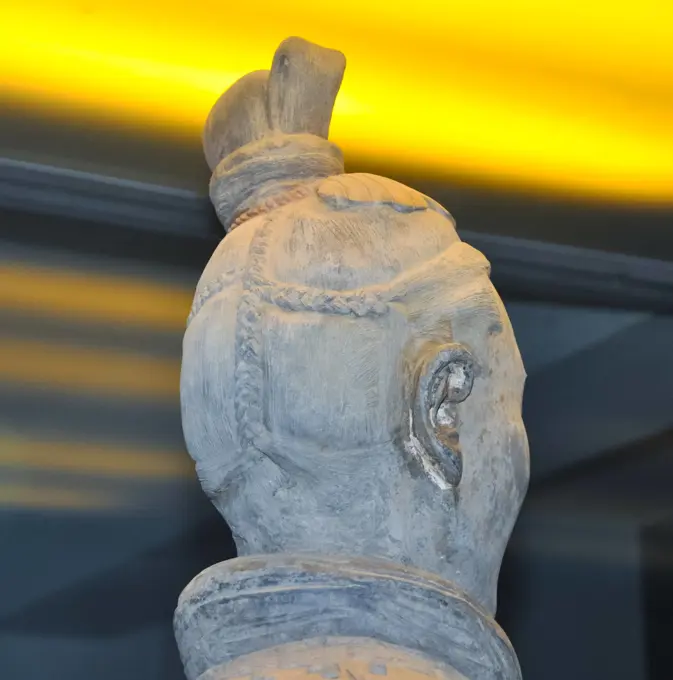
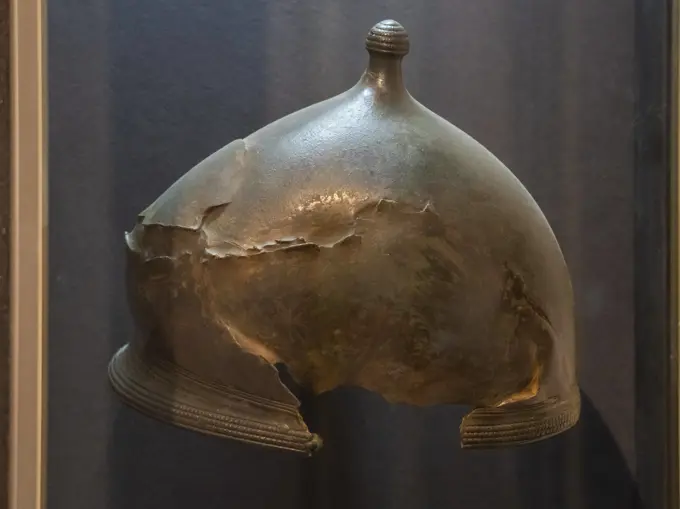
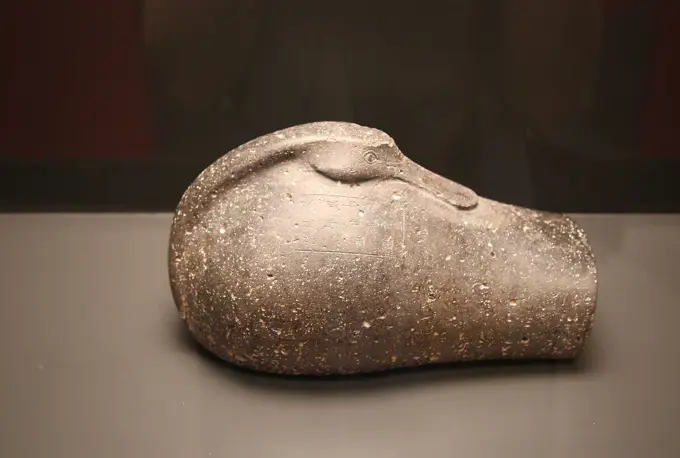
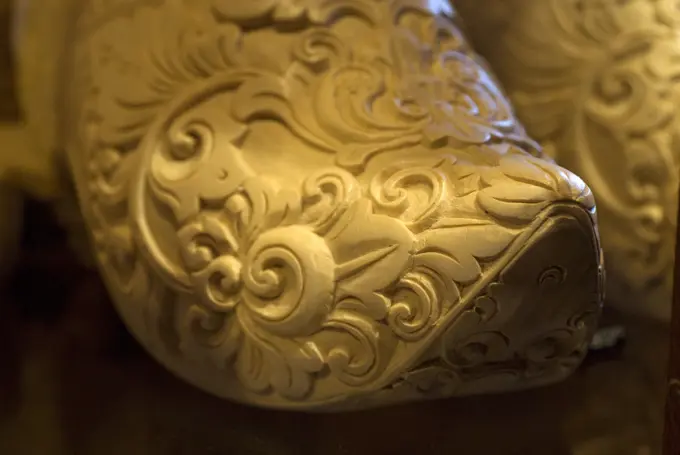
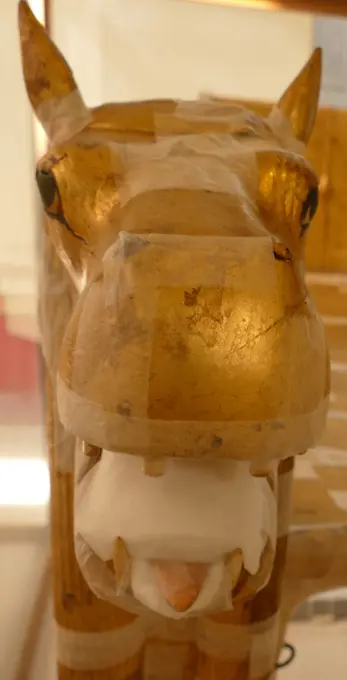
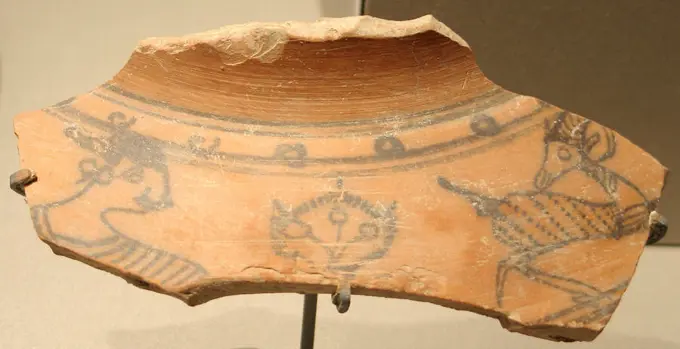
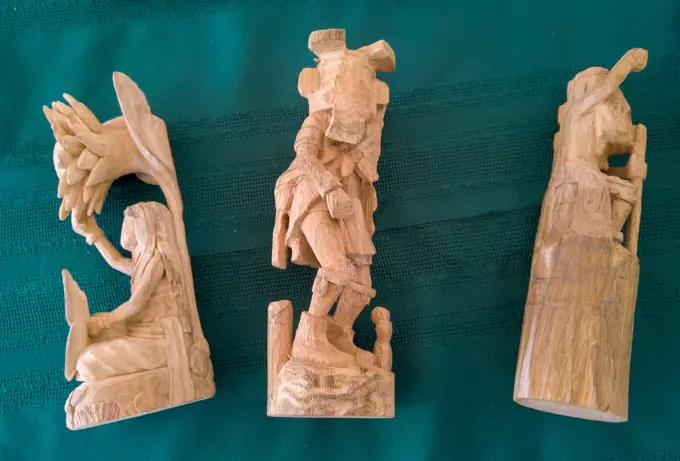
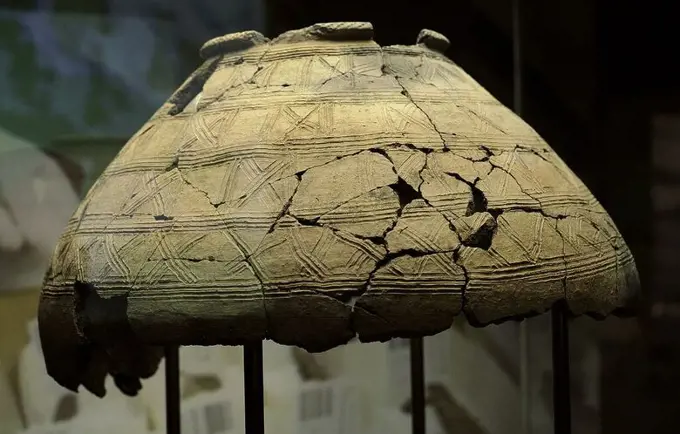
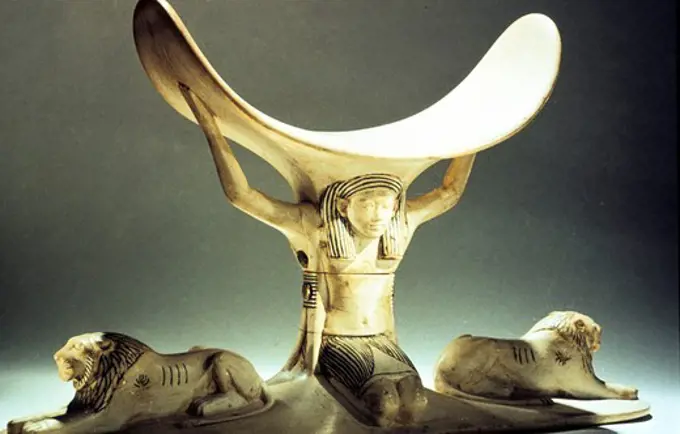
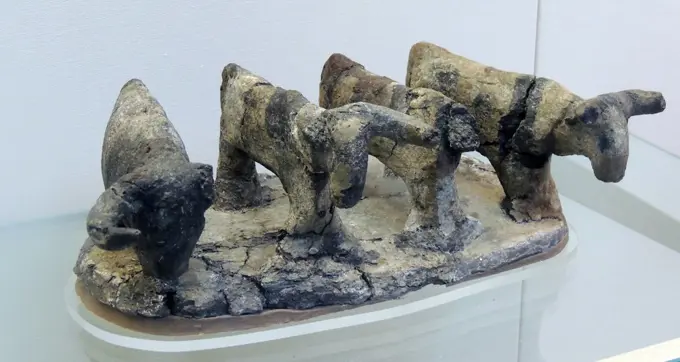
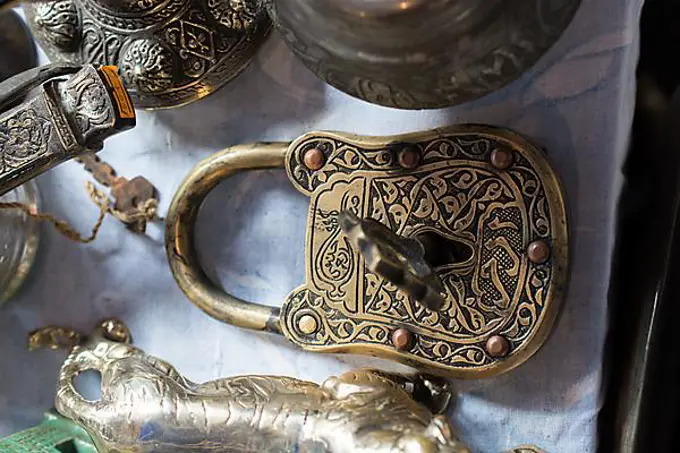
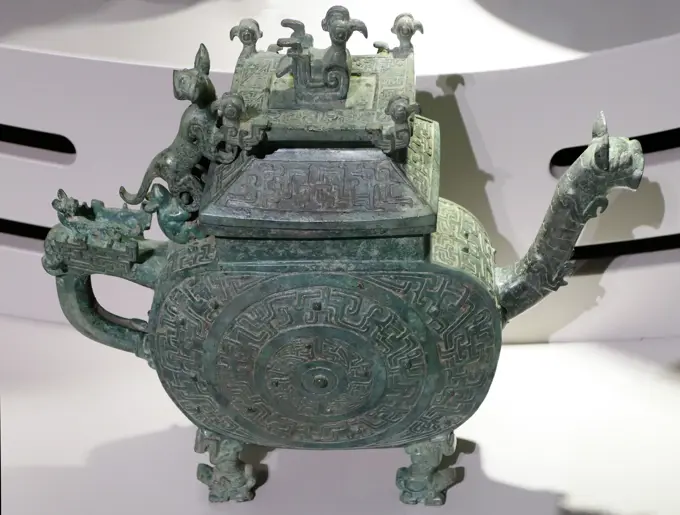
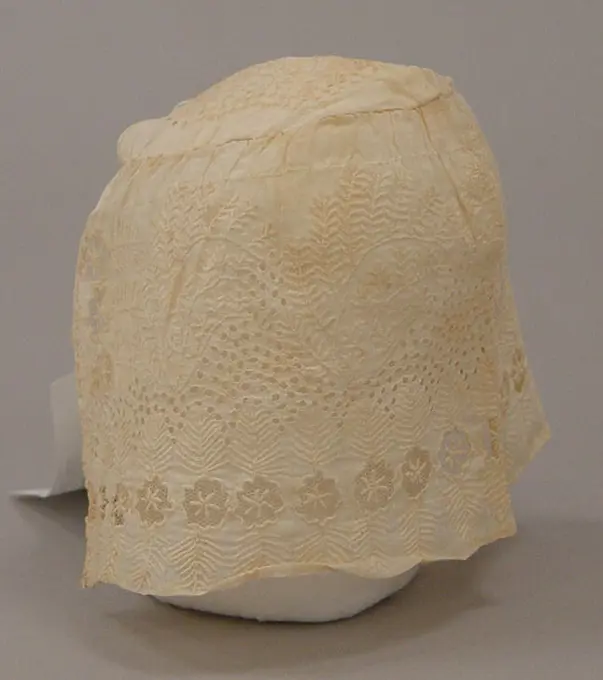
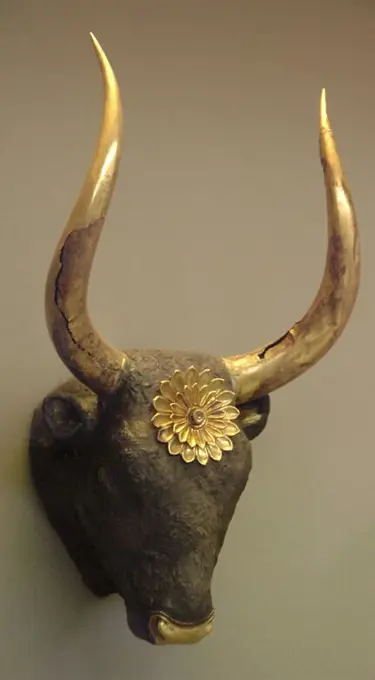
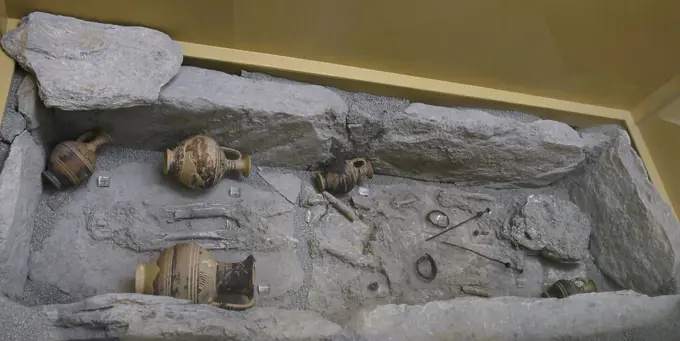
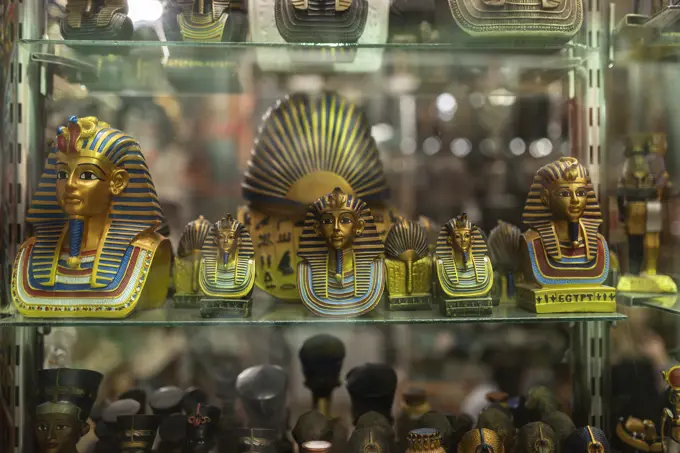
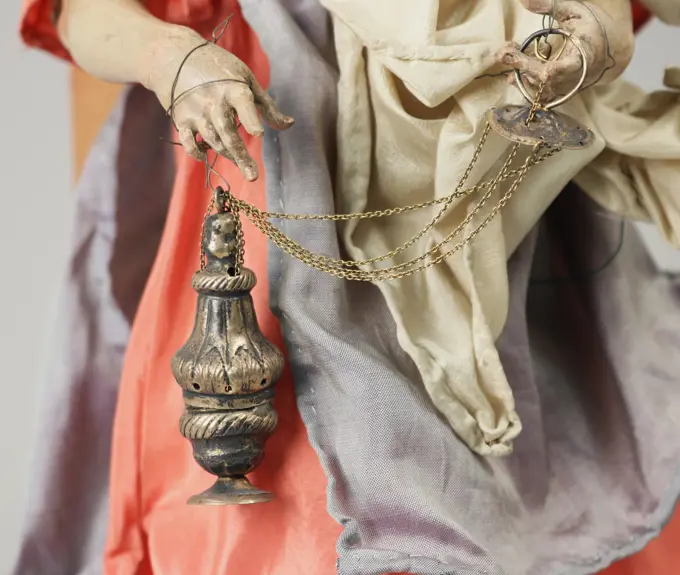
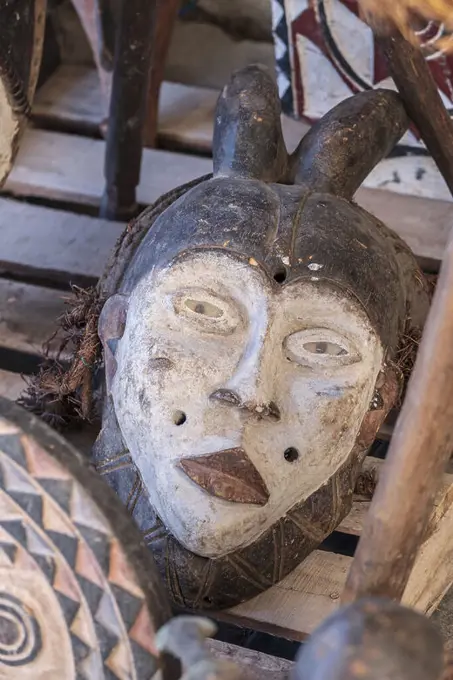
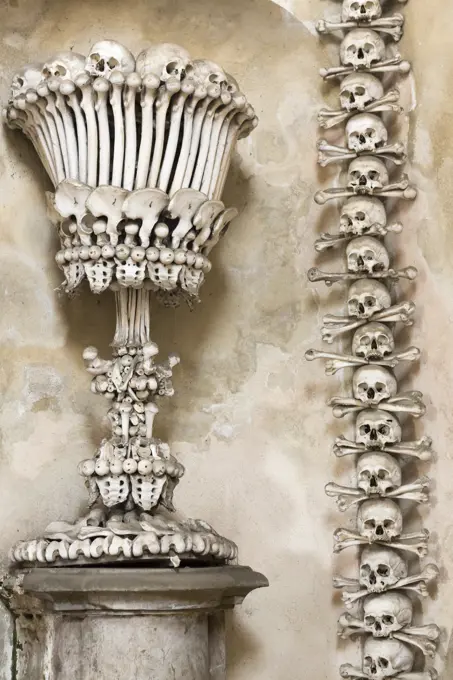
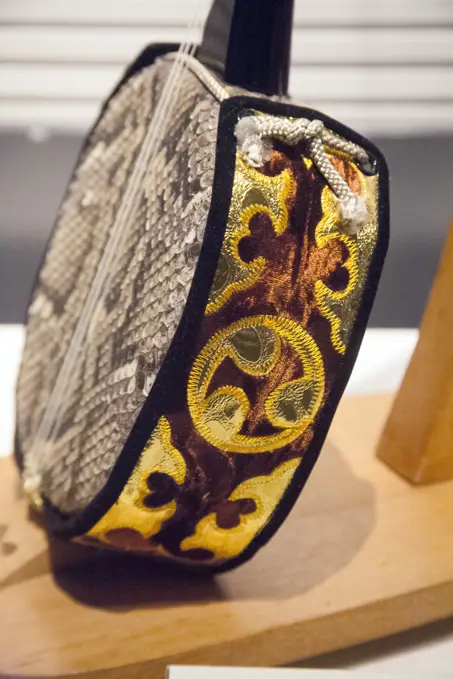
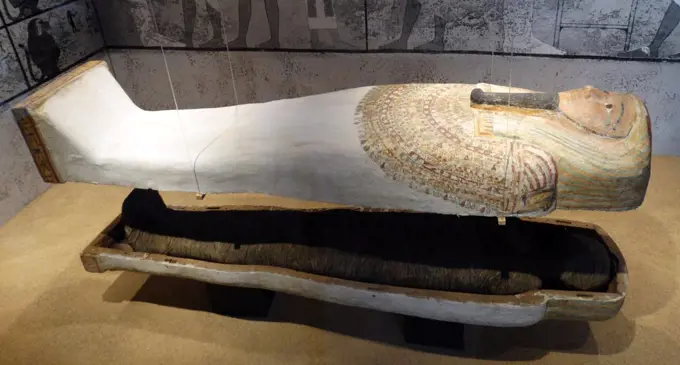
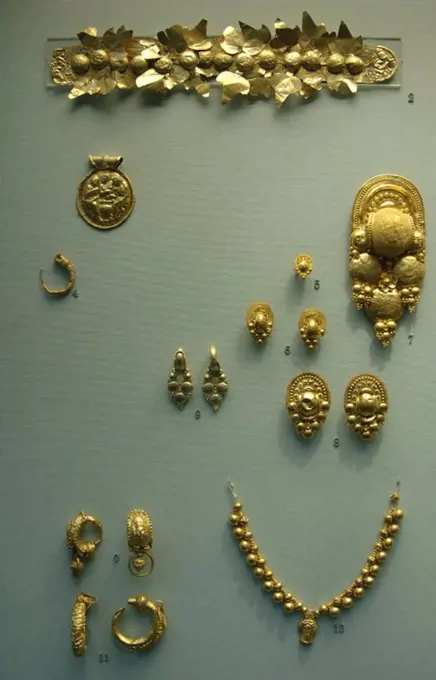
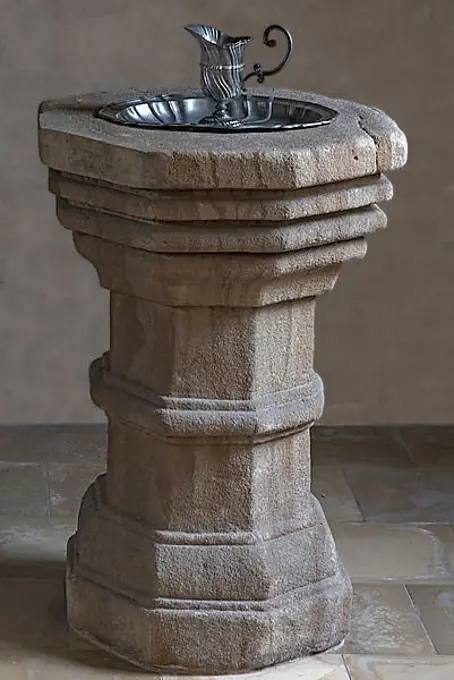
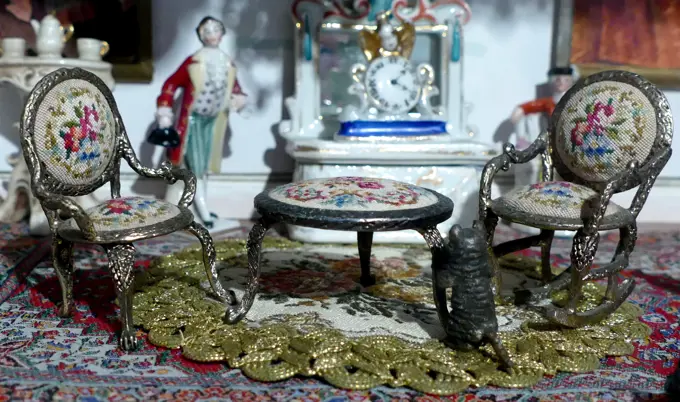
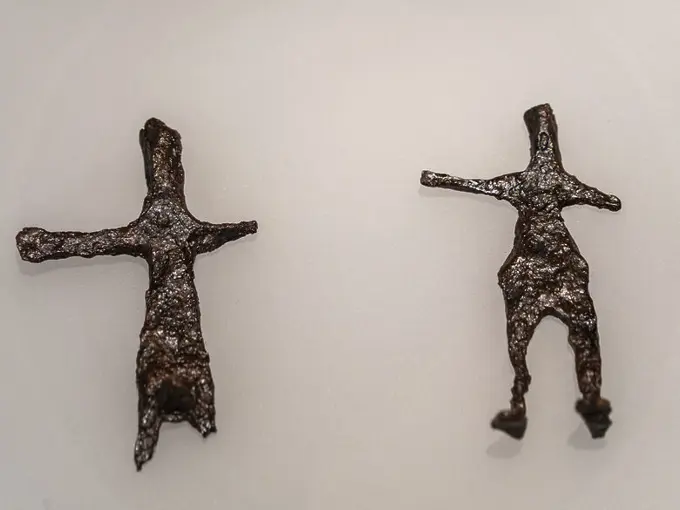
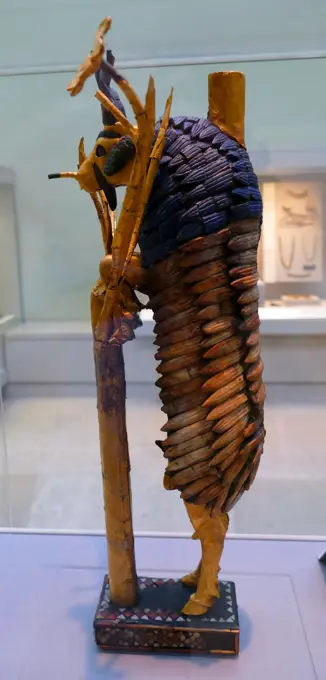
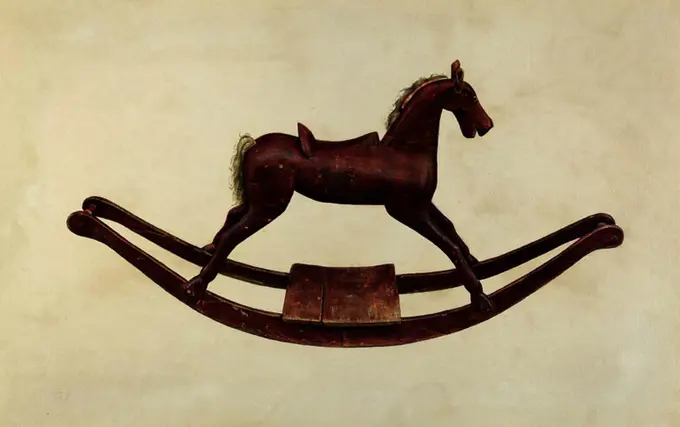
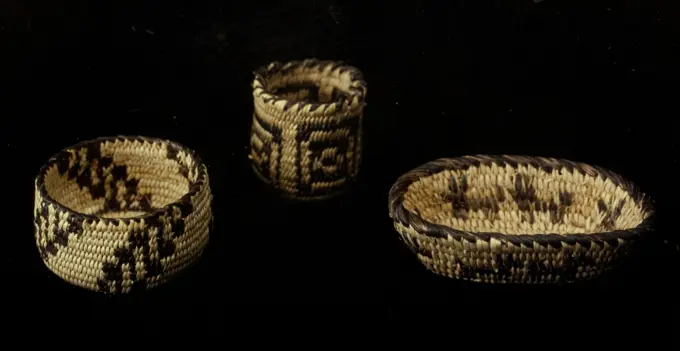
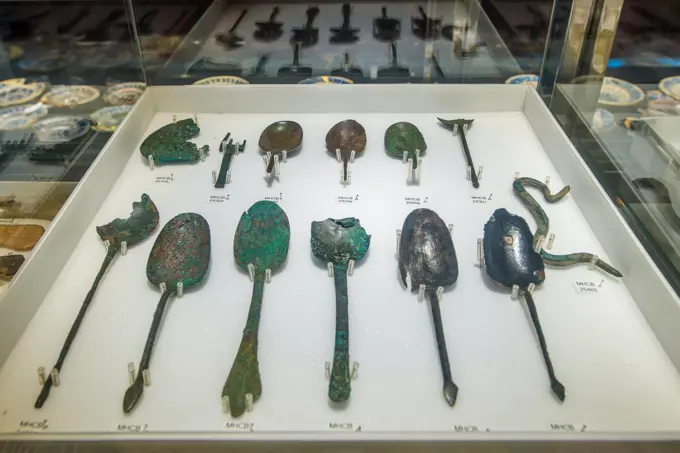
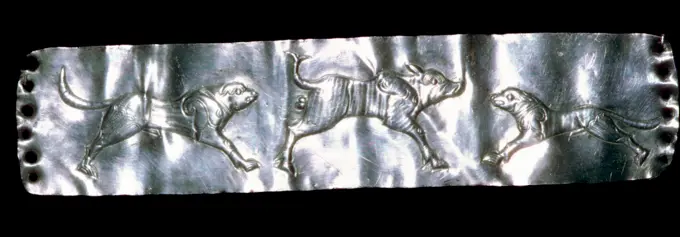
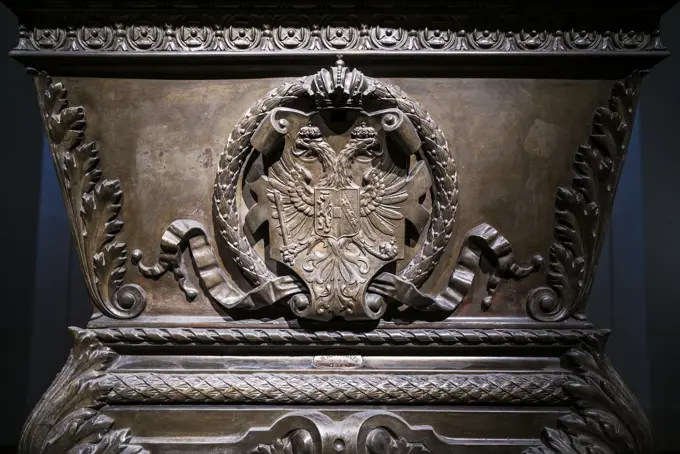
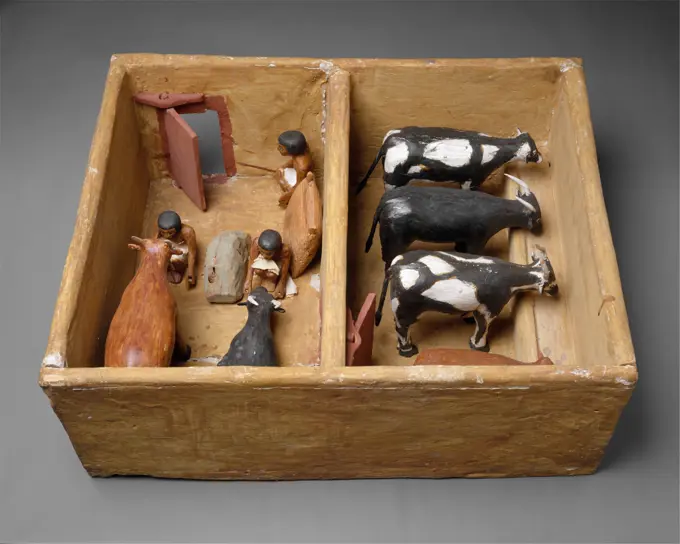
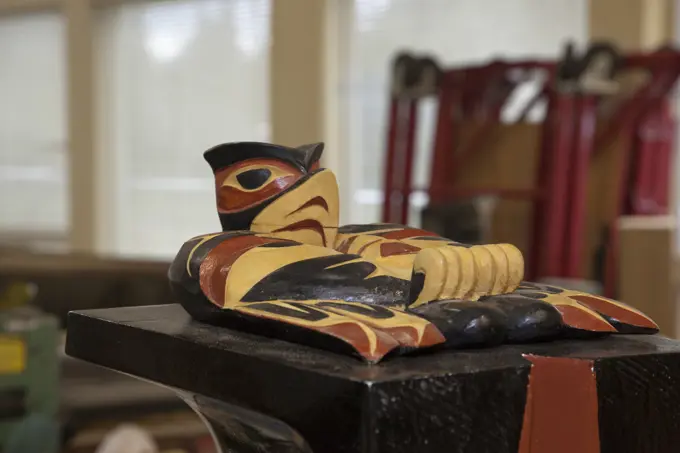
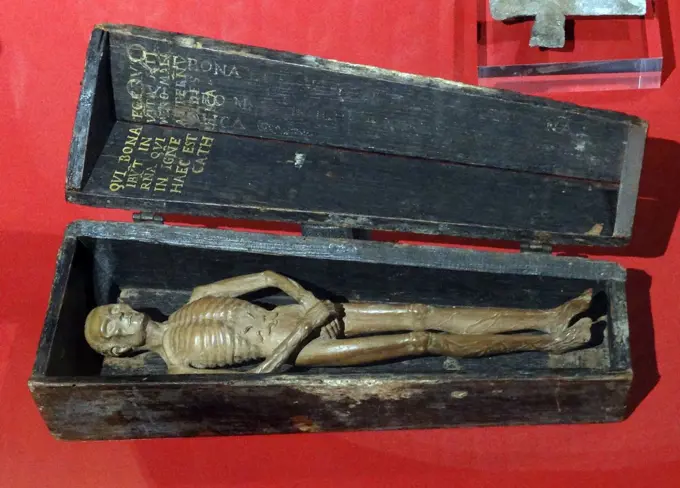
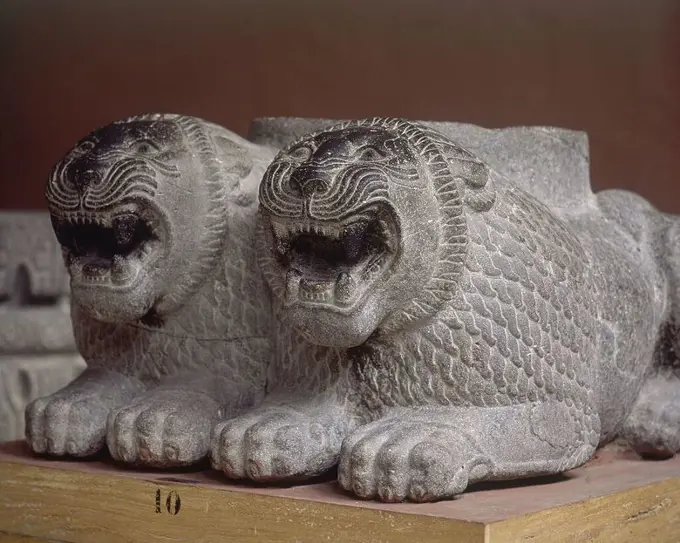
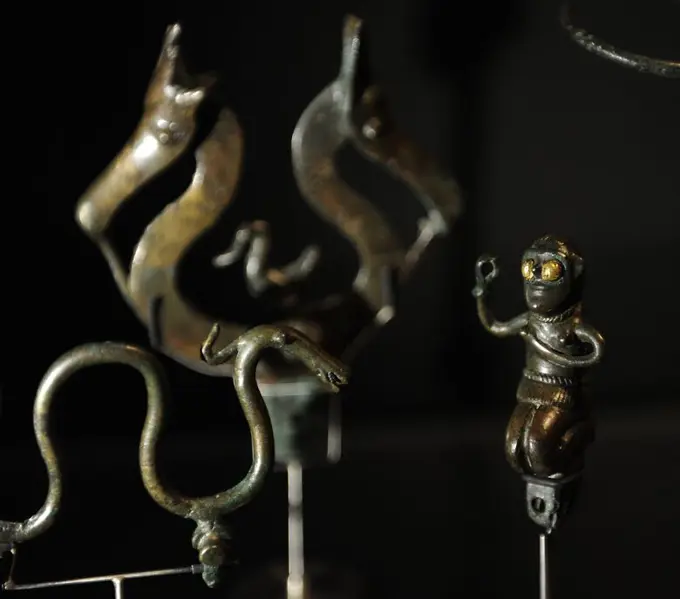
Prehistory. Bronze Age. Several women's ornaments and some bronze figures . Are furnished with pegs. C. 800 BC. Fardal, central Jutland. Denmark. Museum of Denmark. Copenhaguen.Terracotta Bird, Pre-Palatial Crete, c2,600-c1900 BC. Artist: Unknown.Gregorian Egyptian Museumn Musei Vaticani, State of the Vatican City, Roma, Lazio, Italia.Terracotta statuette of Isis or of worshipperCeramic Inca trumpets or flutes at the National Museum of Archaeology, Anthropology and History of Peru, Lima, Peruanthropomorphic figurine head, Chalcolithic, fifth millennium BC, Bulgarian National Archaeological Museum, Sofia, Republic of Bulgaria, Europe.The Egyptian Museum in Cairo, EMC, Cairo, EgyptPectoral Disk 8th-12th century Coclé (Macaracas). Pectoral Disk 316673Shell ca. 6th-8th century A.D. Sasanian or Islamic. Shell 322951Archer of the terracotta army. Terracotta Army XIAN, CHINA - October 29, 2017: Archer of the terracotta army Terracotta Army Copyright: xZoonar.com/drozdx 12505501Helm Typ Montefortino Montefortino type helmet, Etruscan-Italic bronze helmet, 2nd century BC, Soto de Medinilla, Valladolid Museum - Provincial Museum of Antiquities, Autonomous Community of Castile and Leon, Spain Copyright: xZoonar.com/BartomeuxBalaguerxRotgerx 22539343Stone weight. in form of duck. North-west Palace at Nimrud (ancient Kalhu), Mesopotamia, Iraq. It had deposited there a booty. Babylonian, Reign of Eriba-Marduk, c. 770 BC. British Museum, London. GBR.antique glazed water jar with dragon patternfountain Modern vintage imitating fountain with cascades at park wall Copyright: xZoonar.com/Lakhesisx 1984370Canada, Quebec, Montreal, Pointe-a-Calliere Archeological Museum. Underground museum, historic artifact display of pottery jug.casco Celtibérico, siglo IV. a.C, La Fuentona, museo Numantino de Soria, Soria, Comunidad Autónoma de Castilla, Spain, Europe.fragment with Arabic epigraphy fragment with Arabic epigraphy, Archeological Museum. Úbeda, Jaén province, Andalusia, Spain Copyright: xZoonar.com/BartomeuxBalaguerxRotgerx 21702871Netherlands (aka Holland), Zaandam. Zaanse Schans, historic open air museum. Wooden Shoe Museum, highly carved Wedding Clogs.Pre-Hispanic ceramics in the museum of the excavation site of the Pyramid of Cholula, San Pedro Cholula, Puebla, Mexico, Latin America, North America, Central Americastone-paste dish from Syria. Dated 12th CenturyGuardian creature embellishing the Gilded bed of King Tutankhamen. sculpted in the shape of Ammut, a fearsome composite creature made from a hippopotamus, lion and crocodile. 1323 BCShard: Neckpiece with Head of Antelope ca. 4th-5th century Pakistan. Shard: Neckpiece with Head of Antelope 37615close-up of pottery clay on blurred background of pots. children’s crafts. clay art potsCRANEO 1945-MATERIALES DIVERSOS SOBRE OBJETOS ENCONTRADOS 10X15X4 CM. Author: ANGEL FERRANT (1890-1961). Location: PRIVATE COLLECTION. MADRID. SPAIN.USA, Arizona, Phoenix. Close-up of Kachina dolls before painting.Historic handcarved wrestling trophy in the National Museum of Iceland, Reykjavik. Wrestling competitions were held as programmed events during of the annual national parliamentary meetings in Iceland since AD 1000.Fragment of a Bowl 12th century. Fragment of a Bowl 450357Part of vessel used to cook or store food. It was found in the city of Birka. The Swedish History Museum. Stockholm. Sweden.Treasure of Tutankhamun (dc1340 BC): Ivory pillow. Cairo Museum, Egypt Pottery Model of a Group of Cattle 3500 B.C. These type of models may have been connected with the provision of a food-supply to the deceased. Egypt Russia, St. Petersburg, The Hermitage (aka Winter Palace). 14th Century door knocker. (Editorial Usage Only)Greek Corinthian bronze helmet, seventh century BC, archaeology museum, Jerez de la Frontera, Cadiz Province, Spain, EuropeNeolithic lid, Valdeladrones, Candasnos, Huesca museum, Aragon community, Spain.Africa, West Africa, Ghana, Elmina. Traditional object at Elmina Castle Museum.Neolithic bowl with fluted decoration, Valdeladrones, Candasnos, Huesca museum, Aragon community, Spain.Retro styled color decorativel key made of metalChinese water vessel or ewer, He. Bronze, Western Zhou dynasty (c.850-771 BC)BODEGON - (JARRON Y MIEL) - SIGLO XVII - BARROCO ESPAÑOL. Author: JUAN VAN DER HAMEN (1596-1631). Location: ACADEMIA DE SAN FERNANDO-PINTURA. MADRID. SPAIN.Cap 1800-1850 probably American. Cap 104302Late Roman Iron Age (c. 160-375 A.C.). Bronze strainer and ladle. From a tomb at Vedskolle. Ny Carlsberg Gyptotek. Copenhagen. Denmark.Ancient Egyptian, erotic figurines in stone. Ptolemaic period 304-30 BC; Greco-EgyptianPrehistory. Art. Metal Age. Lurs. The lur horns are the distinctively Nordic wind instruments. Used to create an atmospheric background of sound for Bronze Age rituals. All the lurs were found in bogs and are from the period 1200-700 BC. Museum of Denmark. Copenhaguen.British, 'Carlo Maratta' style frame, Unknown framemaker, 19th century, Carved wood, oil and water gilt and patinatedTibet: Conch shell trumpet. Conch shell deorated with Tibetan silver, coral and turqiouse, wth animal motifs.Pablo Serrano (sculptor), Tactile Form Number One, 1973, Banca March Foundation, Palma de Mallorca, Balearic Islands, Spain.Georgia, Mtskheta. Detailed candelabra in the Svetitskhoveli Cathedral.World Culture Galleries, Royal Ontario Museum, Ontario, CanadaSouth America, Peru, Lima. National Museum of Archaeology & Anthropology. Early Peruvian pottery. (Editorial Usage Only)Map of the Ute, Shoshoni, Paiute and Navajo territories that includes a large stone scrapping tool and a pine pitch basket used to hold waterMycenaean art. Greece. Silver rhyton as head of a bull with golden horns and forehead adorned with a gold rosette. Royal Tomb IV at Mycenae. 16th century BCE. National Archaeological Museum. Athens.Ancient Greece. Protogeometric burial of a girl, about 1000 BC. The grave was found beneath the northern end of the Stoa of Attalos, in the Agora of Athens. The trench, dug in the soft bedrock, was lined with stone slabs to form a cist, a type of individual funerary monument that became into common use towards the end of the Mycenaean Period. The body laid face up, with its head facing south. The girl wore a bronze bracelet on each wrist and a bronze ring on a finger of her left hand. Three small oil flasks and one medium-sized flask, as well as a wine pitcher, were placed beside the body. The grave was covered with a layer of stones. Museum of the Ancient Agora. Athens, Greece.Marsa alam, egypt 9 february 2025: souvenir shop showcasing colorful tutankhamun busts and pharaoh-themed items in marsa alam, egypt, capturing the essence of ancient egyptian art and culturePrehistoric. Art. Metal Age. Northern Europe. Golden vessels. Decorated with geometric patterns. Denmark. The Late Bronze Age. 800-400 BC. National Museum of Denmark.Jade oval cup with dragon handle, 1420 AD, China.Madrid, 03/29/2022. Report from the Kitchens of the Royal Palace. Photo: Ernesto Agudo. Archdc.Censer second half 18th century Italian, Naples In 1964, Loretta Hines Howard generously presented to the Museum over 140 Neapolitan crèche figures, dating from the second half of the eighteenth century. The varied assortment includes figures from the three traditional scenes of a complete Neapolitan presepio: the Nativity, with angels, shepherds, and sheep; the procession of the three Magi, with their colorful retinue of attendants; and the varied and gay crowd of country and town people thronging the tavern, or inn, of Bethlehem  the diversorium mentioned by St. Luke, where on the Holy Night there was no place for Mary and Joseph. Averaging between twelve and fifteen inches in height, according to the position they were to take in perspective in the stage set, the figures are pliable and can be given poses at will, according to their facial expressions. Their bodies are made of tow and wire, their arms and legs are finely carved of wood, and their heads and shoulders are modeled of Fifteenth century Bardolph family tomb, Dennington church, Suffolk, England, UK, Joan Bardolph died 1447Etruscan Bronze grave artefacts, 3rd century BC Hellenisticsub-saharan masks in the souk, Essaouira, morocco, africa.Czech Republic, Kutna Hora. Chalice made of human bones inside Church of Bones.Elaborate decoration of Jamisen, Ryukyuan stringed instrument, Okinawa Prefectural Museum, Naha, Okinawa.Ceramic vessel, erotic art Moche culture 100 AC-800 AC Perú.Replica of a painted wood coffin from an XXV-XXVI Dynasty Egyptian tomb. 716-525 BCJar 15th century. Jar. 15th century. Earthenware; glazed. Attributed to Syria. CeramicsGold etruscan jewelry: Funerary wreath with ivy leaves, pendant engraved depicting a woman and two men sitting around a bowl, earrings and necklace. 400-350 BC. From a tomb near Tarquinia. British Museum. London. England. United Kingdom.Design details at the Temple of Heaven (Altar of Heaven), Beijing, China.Chinese tomb figurines including horses. Dated 8th CenturyHistoric 16th century baptismal font with baptismal font, 19th century, St. Egidien Church, Beerbach, Middle Franconia, Bavaria, Germany, EuropeMusic room in the Austrian Imperial Palace at Hofburg, Innsbruck. Embroidered furniture by Mrsil of Vienna 1898iron votive offerings representing a man and a woman, sanctuary of the Atalayuelas of Fuerte del Rey, 2nd century BC, Iberian Museum of Jaén, Andalusia, Spain.The Ram in the Thicket; Statuette of a goat. Early Dynastic III period; 2600BC; found at Ur, IraqMountRocking Horse. Dated: c. 1938. Dimensions: overall: 31.5 x 50 cm (12 3/8 x 19 11/16 in.) Original IAD Object: 29 1/4" high; 62 1/2" long; 13 1/2" wide. Medium: watercolor and graphite on paper. Museum: National Gallery of Art, Washington DC. Author: Elizabeth Fairchild.Boat from Orunia,found in 1931. Length. 12-13 m of 18-20 paddlers on board. Used on the rivers and the coastal zone. 10th century. Poland. Archeological Museum of Gdansk. Poland.Model of a funerary boat with oarsmen and a sarcophagus under a canope. Wood. Middle Kingdom (1980-1700 BC). Egypt. Egyptian Museum of Turin. Italy.Basket, 1900-1942, 1 x 1 x 1 in. (2.5 x 2.5 x 2.5 cm), Natural plant fibers, United States, 20th centuryVery old style metal ewer water jar in viewFIne examples of bowls from Ottoman Palace ceramic collectionArtifacts at the El Born Cultural and Memorial Centre archeological site and museum, Barcelona, Spain. McPMDF McP_MDF_Barcelona569 *** artifacts AT The El Born Cultural and Memorial Centre Archeological Site and museum, Barcelona, Spain McPMDF McP MDF Barcelona569 McPMDFParthian silver plaque of two dogs and a boar.Mottola, ribbon necklace, by Unknown, 300, 2nd Century, Unknow. Italy, Puglia, Taranto, National Archaeological Museum. Whole artwork. Necklace ribbon gold metal mesh.Ceremonial vessel depicting an armadillo. Wood. Inca culture (1400-1533 AD). Peru. Museum of the Americas. Madrid, Spain.A Dutch Torah mantle which covers the Torah Scroll, which sits within the Holy Ark in a synagogue. Dated 17th CenturyAustria, Vienna, Kaisergruft. Imperial Burial Vault, resting place of the Hapsburg Royal Family. Crypt of King Ferdinand I (Editorial Use Only)Model Cattle stable from the tomb of Meketre ca. 1981-1975 B.C. Middle Kingdom This model of a stable was found with twenty three other models of boats, gardens, and workshops in a hidden chamber at the side of the passage leading into the rock cut tomb of the royal chief steward Meketre, who began his career under King Nebhepetre Mentuhotep II of Dynasty 11 and continued to serve successive kings into the early years of Dynasty 12.Cattle are being fattened for slaughter in this stable. Four oxen feed from a manger in the large stall; two others are being hand fed by the stablemen from a pile of fodder and a sack of grain in the room in front. One of the cattle is so fat he can no longer stand. By the door sits an overseer with a baton in his hand.All the accessible rooms in the tomb of Meketre had been robbed and plundered already during Antiquity; but early in 1920 the Museum's excavator, Herbert Winlock, wanted to obtain an accurate floor plan of the tomb's layout for his map of theGoa stones. Manmade versions of bezoars, these stones manufactured by Jesuit priests were thought to have medicinal properties when ingested with tea or water. From Europe, 17th-19th Century.Wooden chessman. Scandinavia. Historical Museum. Oslo. Norway.Sculpture part of The Cloakroom installation. London Design Festival 2015 at V&A, London, United Kingdom. Architect: n.a, 2015.Dublin, Co Dublin, Ireland, Dublin's Viking Adventure, ChristchurchWooden Phoenixes. Korea, Joseon (1392-1910), 18th century. Sculpture. Carved wood with paint and gildingCarved Souvenirs Of The Rock Sites, Ortahisar Nevsehir TurkeyDecorated bronze Buddhist bells in a monastery.  Luang Prabang. Laos.Pre-Columbian Jewelry Chimú culture 1100 AC-1470 AC Perú.Closeup of Asian ceramic tiled roof on winter day after snowfallCarved Coast Salish wooden ornament of an eagle, aka thunderbird, that sits on the front hull of a Tulalip Tribes canoe as a decoration.Libation table or alabaster altar, with lion headsVASIJA OVOIDE CON UN PITORRO. Location: ARCHAEOLOGICAL MUSEUM. SANTA CRUZ DE TENERIFE. TENERIFFA. SPAIN.Memento Mori. Italian, made from wood, 16th Century.Achaemenid Persian Lion rhyton. Gold. 5th century BC. Iran. Achaemenid. Metropolitan Museum of Art. Ny. USA.ESCULTURA - BASA DE UNA COLUMNA - PAREJA DE FELINOS. Location: NATIONAL MUSEUM. DAMASKUS.