Ancient Artifacts and Sculptures

Collection of ancient sculptural pieces and pottery, highlighting cultural significance and artistry from different historical periods.

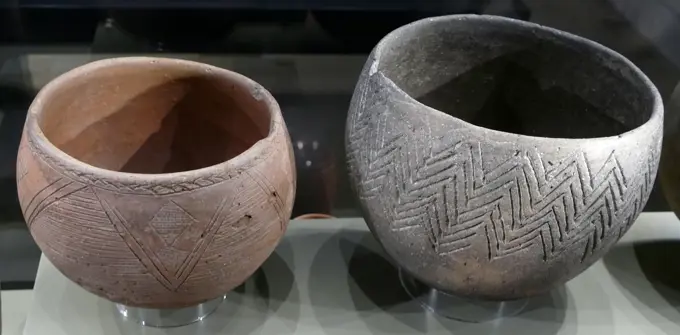
Prehistory, Italy. Fragment of amphora. From Monte Colma, province of Genoa.
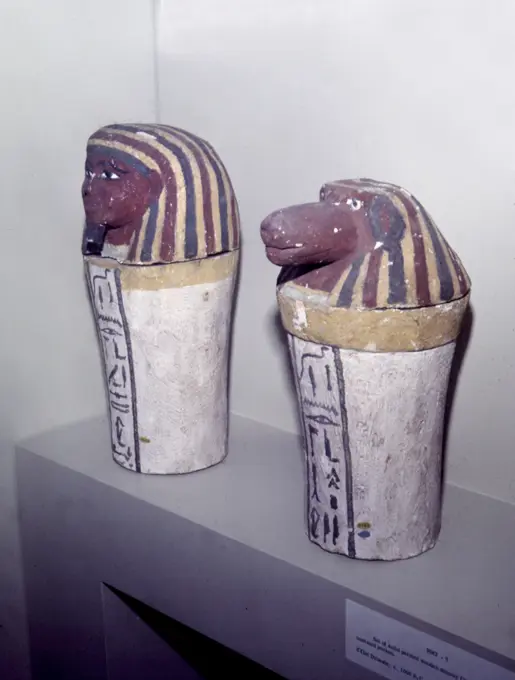
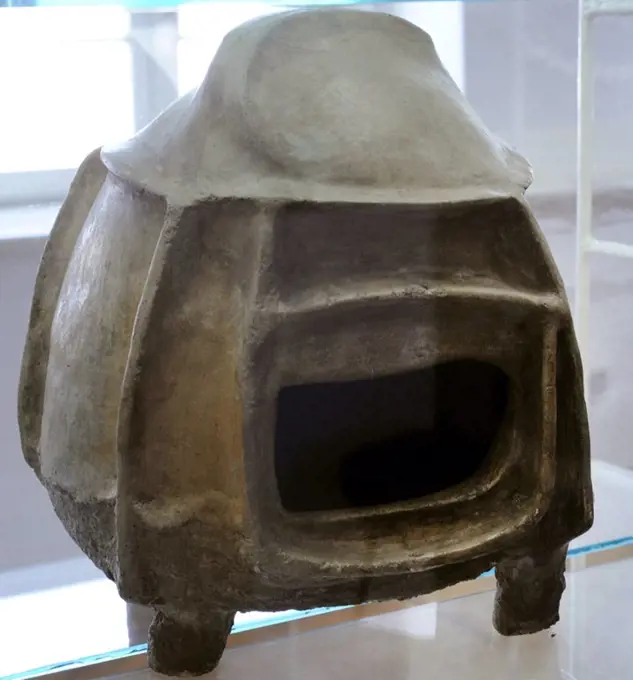
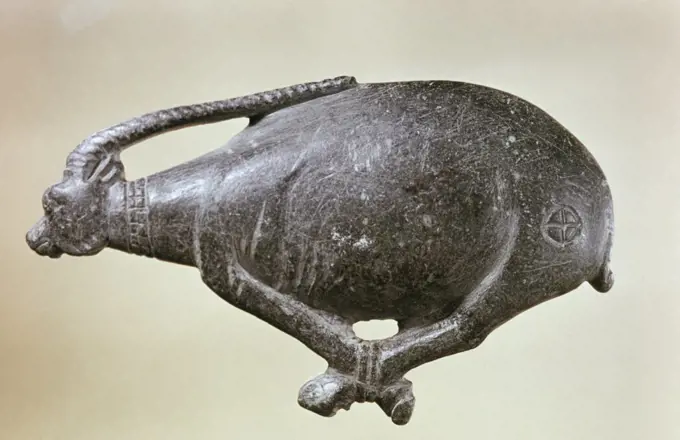
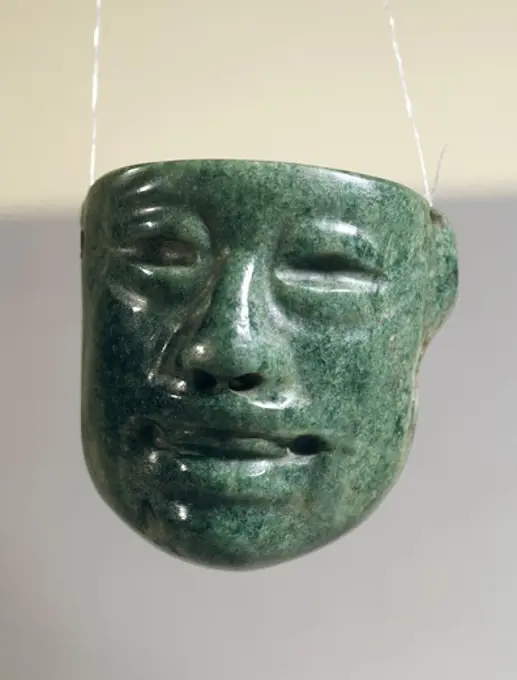
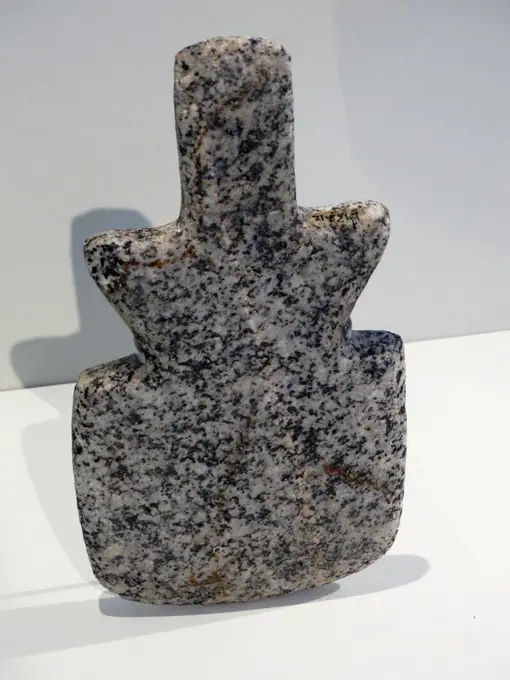
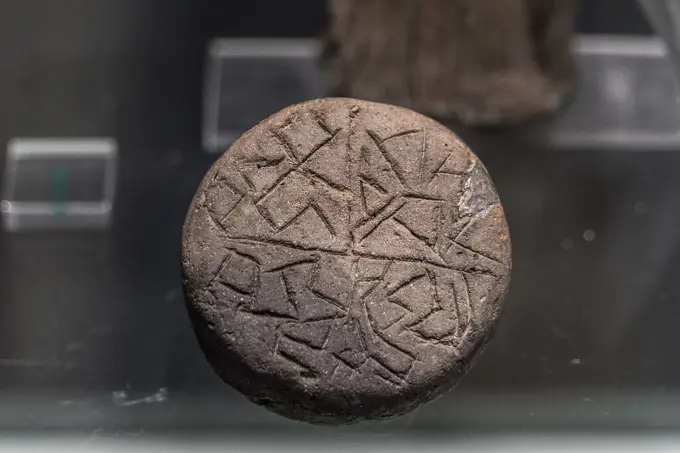
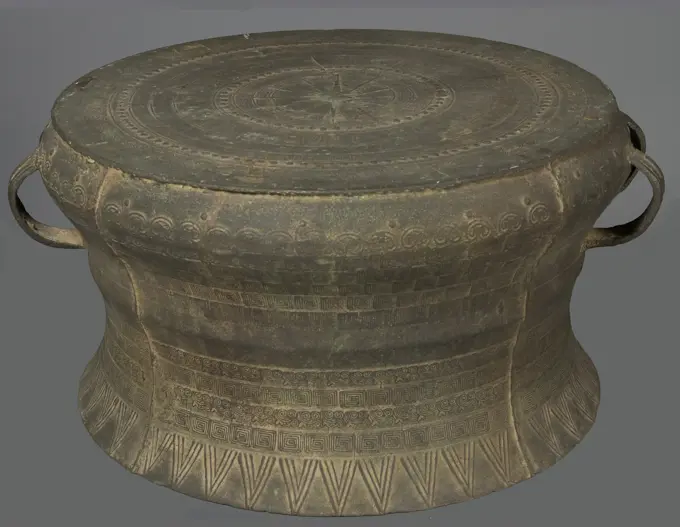
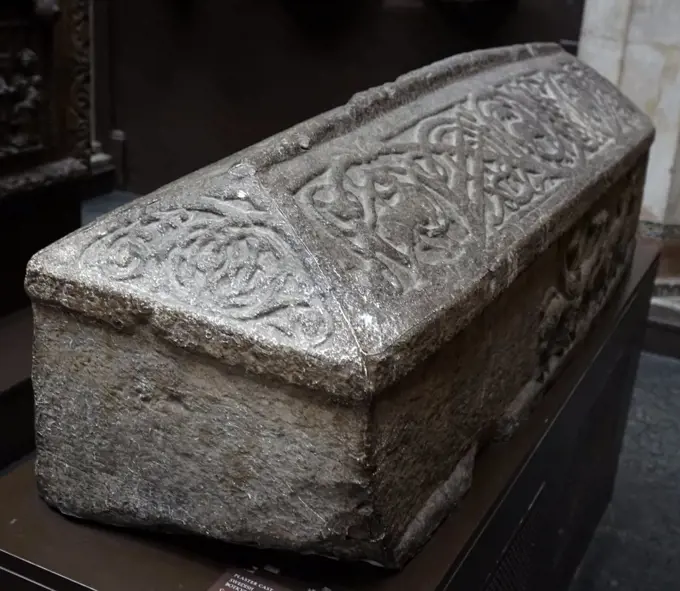
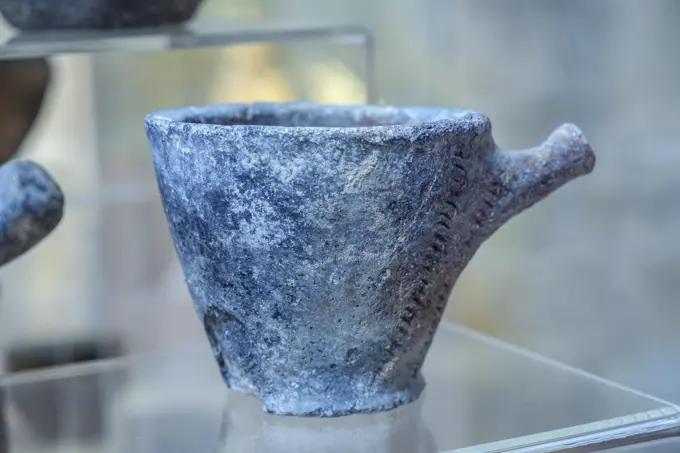
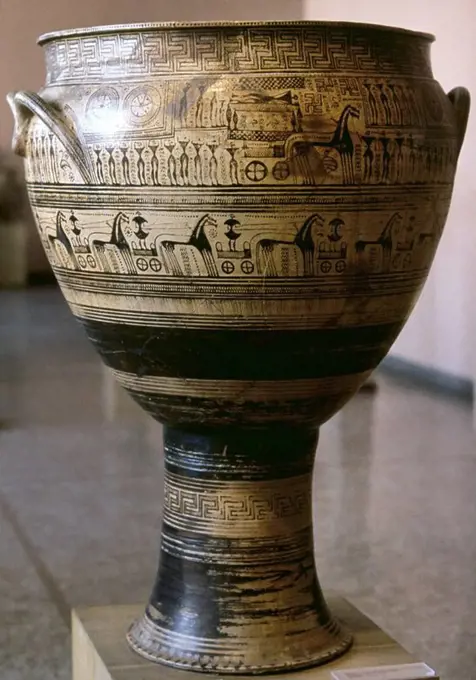
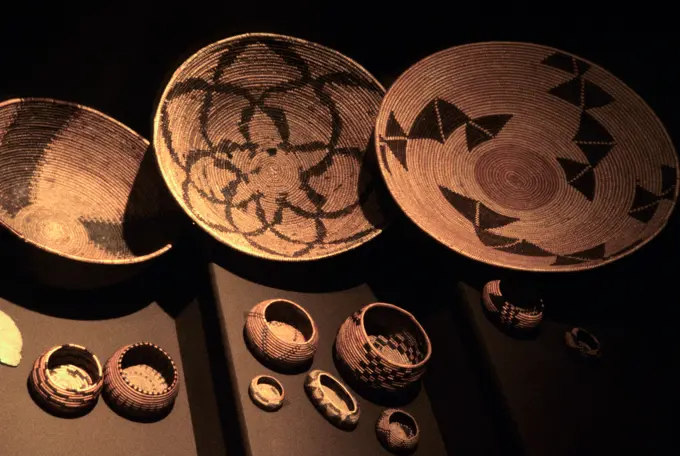
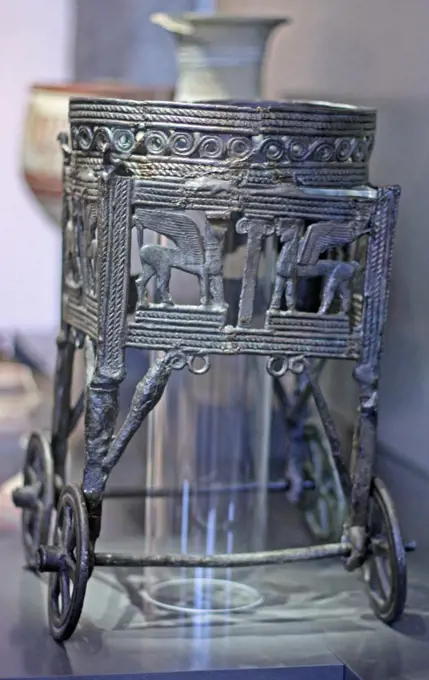
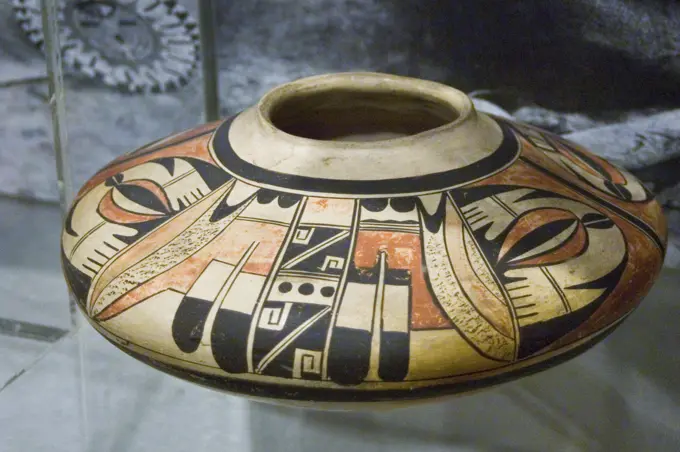
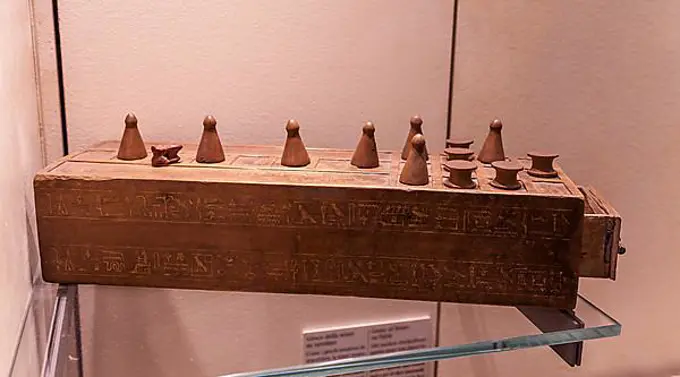
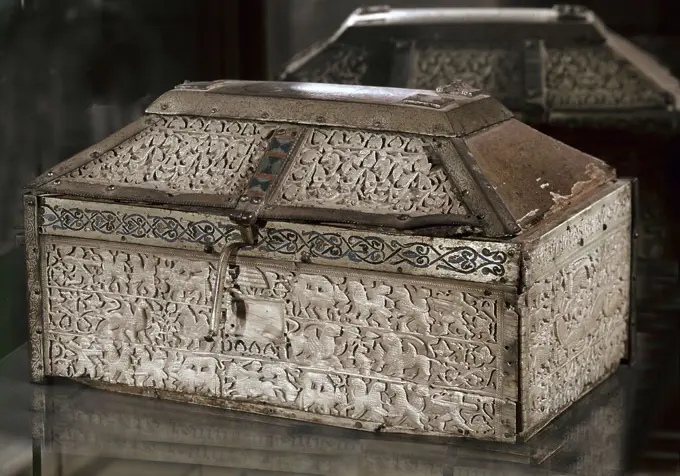
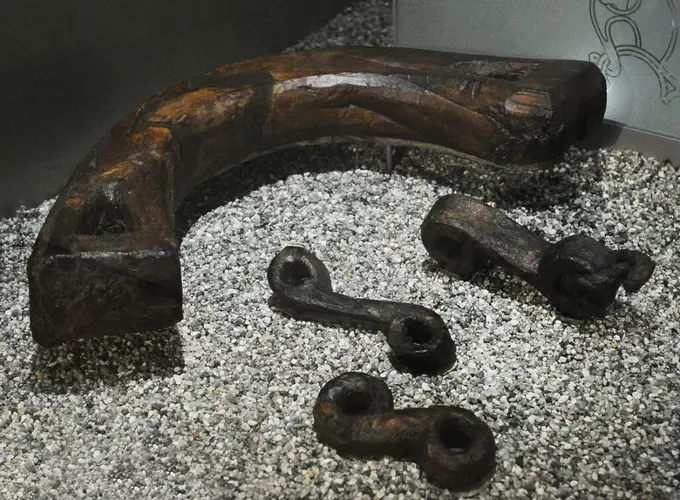
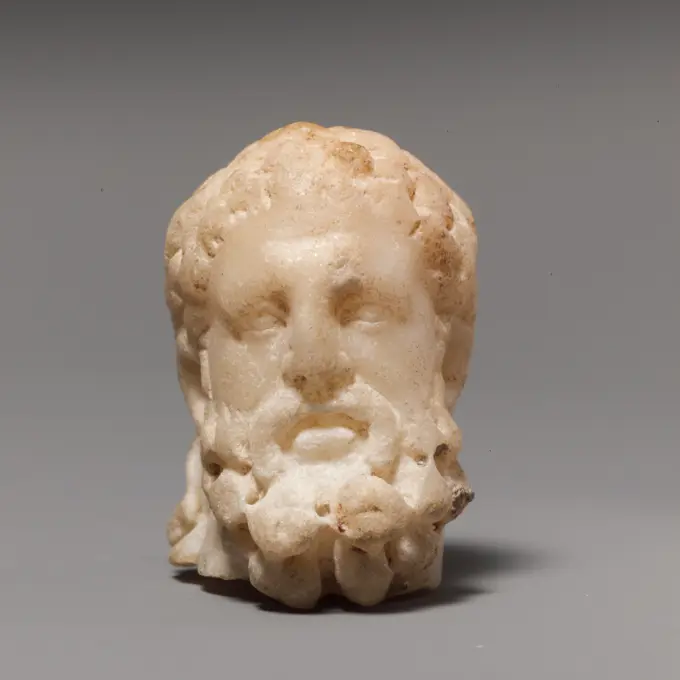
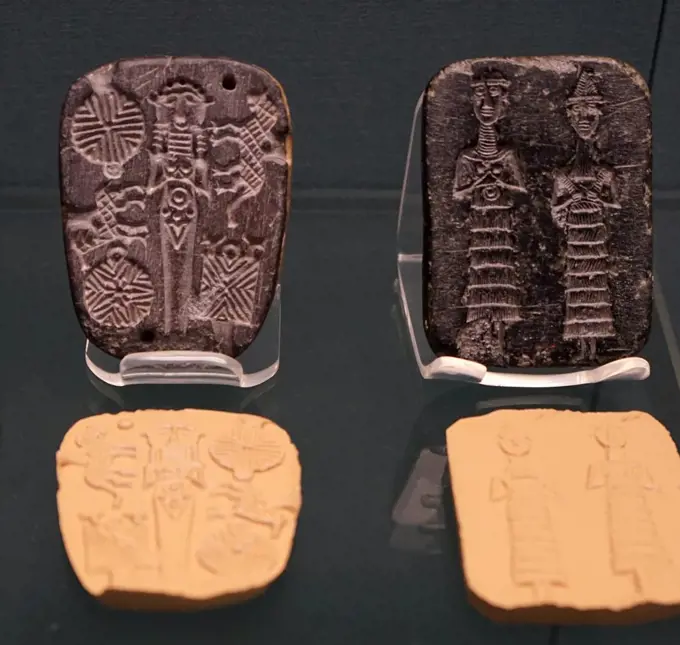
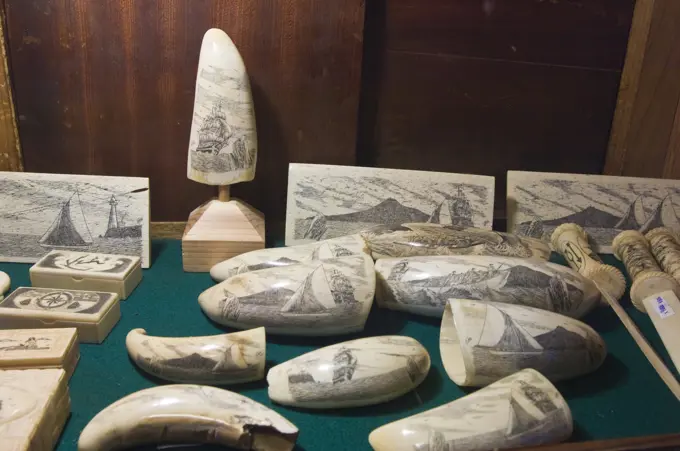
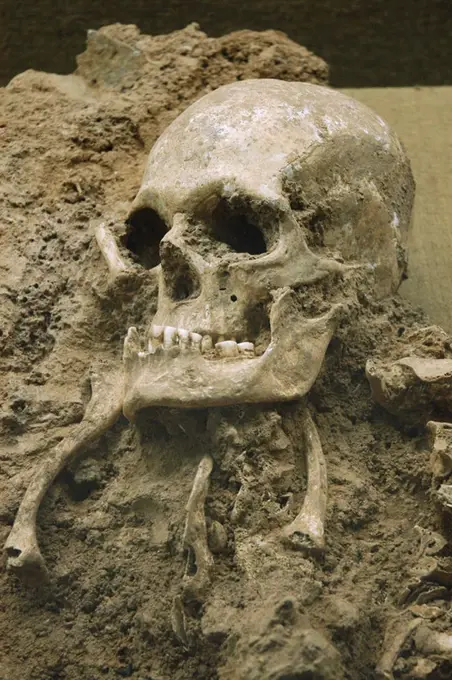
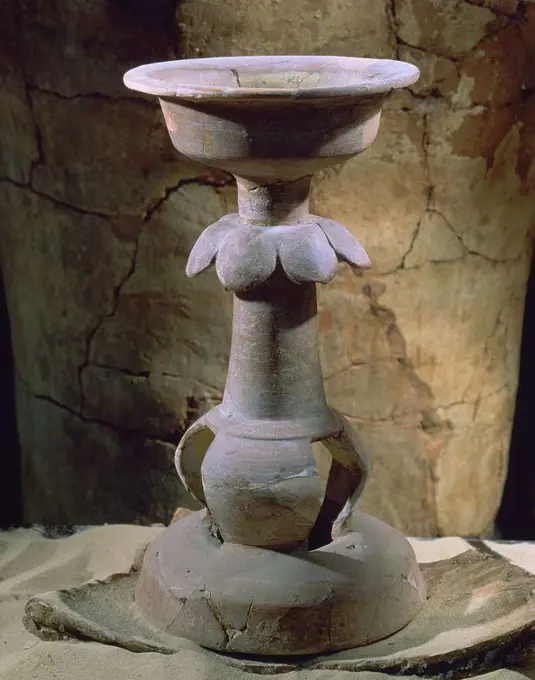
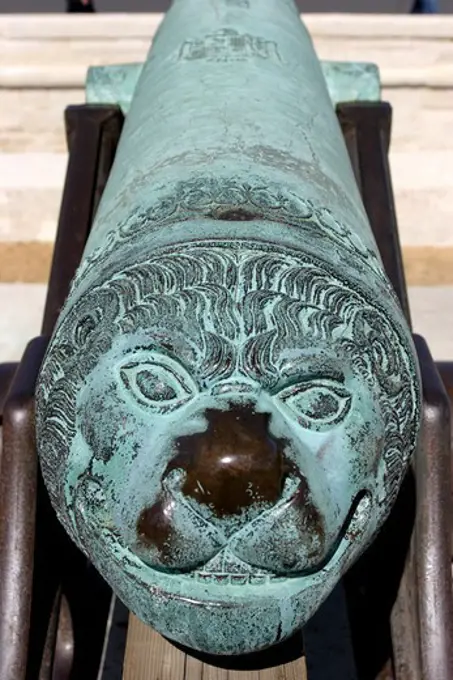
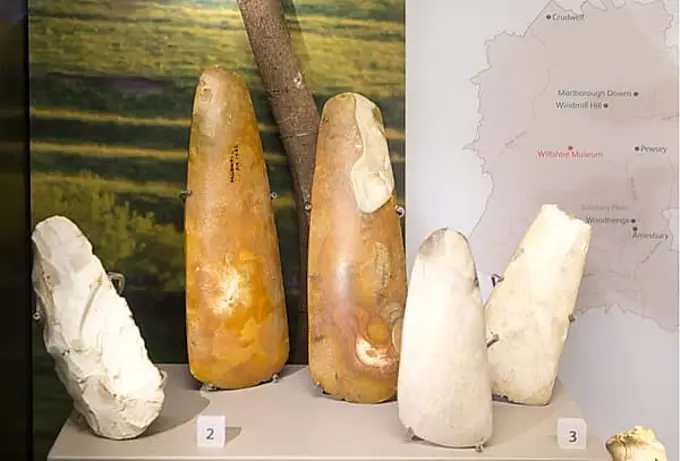
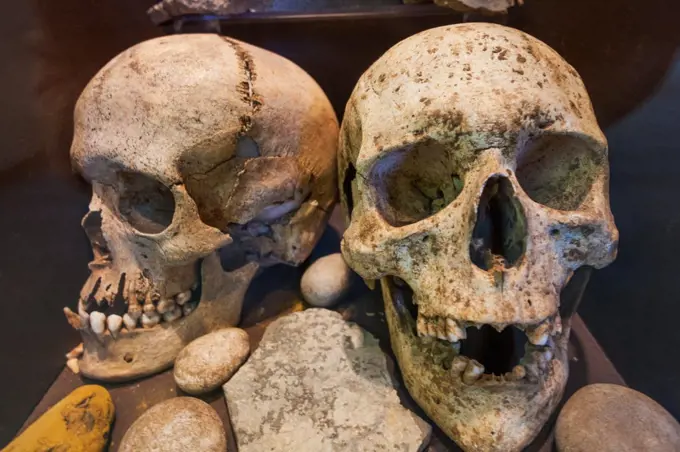
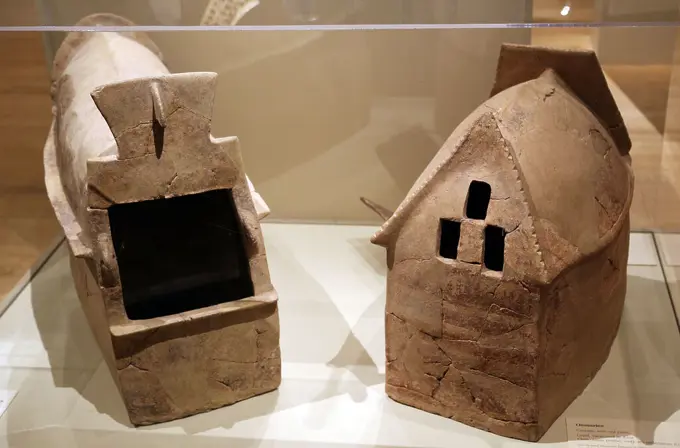
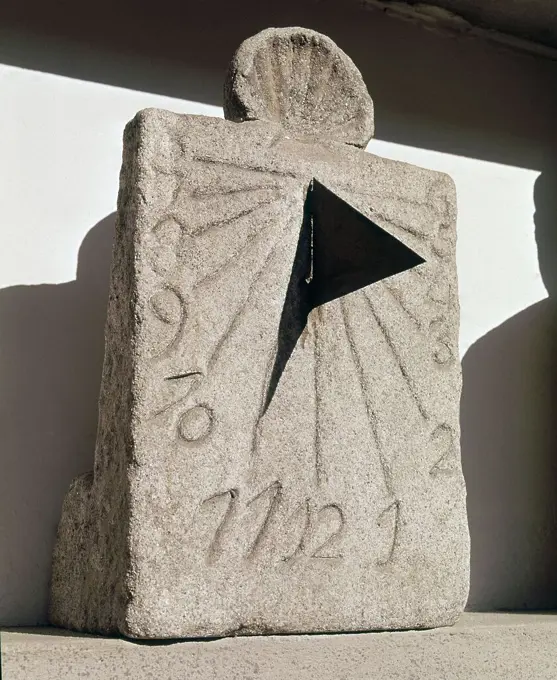
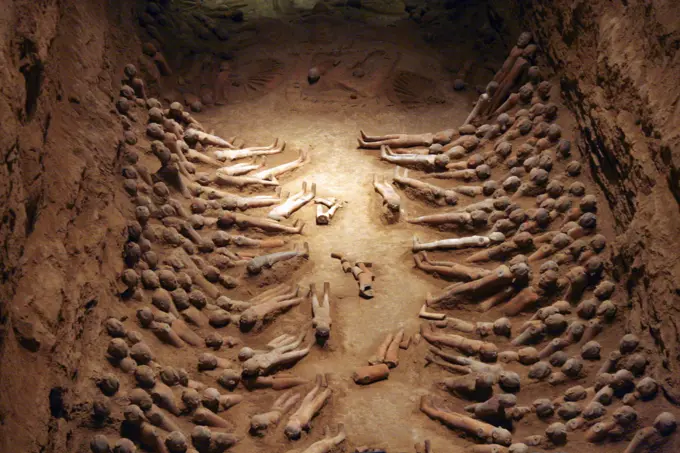
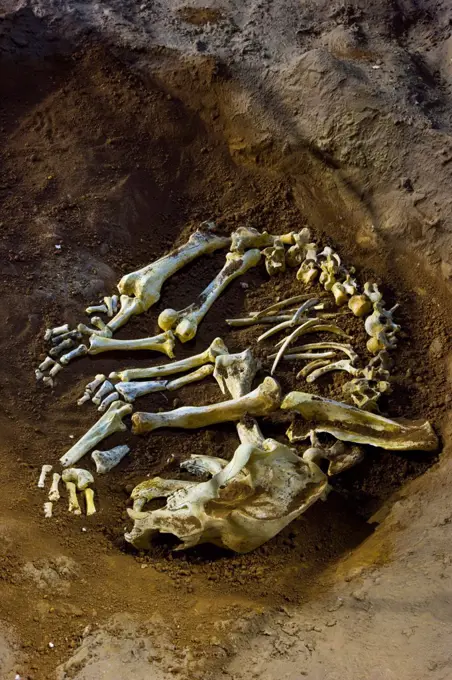
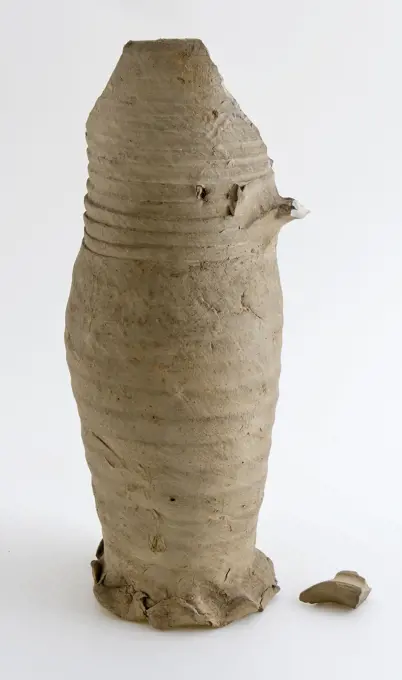
Fragment of stoneware pot on pinched foot with wide, cylindrical neck, jug crockery holder soil find ceramic stoneware, surface 7.6 hand-turned baked Stoneware jug gray shard unglazed bandoor profiled turnings around the neck around the belly turns pinched foot Fragment, small part ear archeologie Oostvoorne import pottery serving serve drinking wine beer Soil discovery: Oostvoorne near the hill where De Burcht used to be in February 1908.Canopic jars, 20th Dyn. 1000 BC. EGYPT.Pomeranian Culture. Iron Age. 7th-3rd century BC. Poland. Hut urn. From Sychowo. Archeological Museum of Gdansk. Poland.Antelope Ointment Vessel Egyptian Art Staatliche Museum Berlin Germany Jadeite headFemale figurines from Shiqmim and Beersheba, over 6,500-5,500 years ago. Made from pebble. Likely to have represented a goddess, some are natural representations of the female form while others are more stylized.Two-handledbowl.   Maker: Jacob Coenraedt Ten Eyck, American, 1705-1793Karanovo seal, stamped seal with incised signs, Chalcolithic, fifth millennium BC, Bulgarian National Archaeological Museum, Sofia, Republic of Bulgaria, Europe.Evening cloche. Culture: French. Design House: House of Lanvin (French, founded 1889). Designer: Jeanne Lanvin (French, 1867-1946). Date: ca. 1925.While Jeanne Lanvin gained inspiration from numerous historical and cultural sources throughout her career, in the 1920s, the decorative arts of China and Japan were in prominent evidence in her collections. In this example, the classic cloche form features gold embroidery in concentric lines and wave patterns inspired by Chinese Imperial robes of the Qing dynasty. Sheer hats with shimmering decorative elements were favored for evening wear; they drew focus to the face and were a replacement for jewelry at neck and ears. Museum: Metropolitan Museum of Art, New York, USA.Bronze Spartan Helmet from Ancient Greece. Dated 10th Century BCbrazo de moler rehusados, clásico , museo de la plaza central, Chichicastenango ,municipio del departamento de El Quiché, Guatemala, Central America.Tonggu before 1889 Chinese (possibly Yunnan Province). Tonggu. Chinese (possibly Yunnan Province). before 1889. Bronze. Yunnan Province, China. Idiophone-Struck-gongStone age artefacts, Cheddar Man Museum of Prehistory, Cheddar, Somerset, England, United Kingdom, EuropeSudanese clay bowls 2nd-4th Century AD. Polish National MuseumSwedish gravestone with a partial Latin inscription. Dated 12th Centuryglass from the Talayotic period glass from the Talayotic period, 1500 - 700 B.C. Myotragus balearicus remains in the background, Museu Municipal de Ciutadella, Bastió de sa Font, Ciutadella, Menorca,balearic islands, Spain Copyright: xZoonar.com/Tolox 22023227Roman amphorae to transport wine, oil and salted meats, 1st-2nd century AD, Huelva Museum, Huelva, Andalusia, Spain.Greek Art. Ceramic krater from Dipylon necropolis belonging to Geometric Recent style and showing the prothesis or exposure of the dead upon the coffin placed on a cart and the parade of mounted warriors in chariots. Dated in 750 B.C. National Archaeological Museum. Athens. Greece.Lamp ca. 2nd century B.C.-3rd century A.D. Parthian. Lamp 322715Neolithic Period. Temple Period (3600 to 2500 BC). Malta. One of the clay and stone heads that either broke off from their sculptures or were made with peg-like necks to fit into acephalous statues. From Tarxien. National Museum of Archaeology. Valletta. Malta.Emblems on Cannon in front of Gol Gumbaz museum, Bijapur, Karnataka, India Copyright: xMadhusudanxTawde/DinodiaxPhotoxCoiled Serpent 15th-16th century Aztec. Coiled Serpent 312687ARTE ISLAMICO. Edad Media. Mediterráneo. Cuerno tallado en marfil, ricamente ornamentado. Procedente de Sicilia o sur de Italia. Siglo XI. Museo del Hermitage (The State Hermitage Museum). San Petersburgo. Rusia.A variety of sizes and shapes of Pomo Indian baskets that are hand woven using materials of yew, maiden fern and willow.Wheeled iron wagon built for a cauldron 12-11 th century BC from Larnaka Cyprus, Greek.mortero, Museo arqueologico Son Fornes, sala de época talayótica (1300-123 a. C.), Montuiri, Comarca de Es Pla, Mallorca, Spain.Large Awatovi polychrome jar, circa 1600's, on display at the Museum of Northern Arizona, Flagstaff AZBell. Bronze, casting with low-relief ornament. Form Poti, Georgia. 13th century. Caucasus area. The State Hermitage Museum. Saint Petersburg. Russia.marble font, 6th century, hospital of Santa Catalina, Museu de Mallorca, Palma, Majorca, Spain.Ritual Wine Vessel from the Zhou Dynasty (1046-256 BC)Tile with the names of Ramesses III New Kingdom, Ramesside ca. 1184-1153 B.C. View more. Tile with the names of Ramesses III. ca. 1184-1153 B.C.. Faience, white inlaid with blue, red, and green pastes. New Kingdom, Ramesside. From Egypt; Said to be from Upper Egypt, Thebes, Medinet Habu, Palace of Ramesses III. Dynasty 20Senet is one of the oldest known board games, 3.500 B.C. This is the father of Chess game  in antique cemetery of turkey asia and    mystery headstone Prehistory. Ribbed decorated cups. Pottery. Early Chalcolithic. Carmo Archaeological Museum. Lisbon, Portugal.Pottery Pottery and earthenware vessels being dried in the sun in Kathmandu, Nepal Copyright: xZoonar.com/GemmaxHesterx 4552316Iron helmet with bronze fittings. Province of Uppland, Vendel. 550-800 AD. Swedish prehistory. Vendel Period (550-790). Swedish History Museum. Stockholm.MENHIR VILLAR DEL ALA. (DEPOSITO: MUSEO NUMANTINO).ARQUETA DE MARFIL DE SANTO DOMINGO DE SILOS - AÑO 1026 - HISPANOARABE - FRONTAL - REALIZADA EN EL TALLER DE CUENCA - 34x21x20 cm. Author: MOHAMAD BEN ZEIYAN O IBN ZEYAN. Location: MUSEO DE BURGOS. BURGOS. SPAIN.Parrell used to fasten the sail to the mast and rope tighteners. Found on the burial chamber of the Tomb of the Oseberg Ship. 9th century. Viking Ship Museum. Oslo. Norway.VASIJA DE CERAMICA. Location: EXTERIOR. BENARES. India.Spanish-Arab chest of the Leire monastery, 1004 after Christ. manufactured in the Madinat Al-Zahira workshop, Museum of Navarra, Pamplona, Navarra,Spain.Arctic Canada, Nunavut, Baffin Island, Iqaluit (aka Frobisher Bay). Baffin Visitor Information Center. Walrus skull.Ánfora romana de cerámica para aceite. Can Serra Museu de Mataró.Vessel used as a septic filter ca. 1981-1802 B.C. Middle Kingdom. Vessel used as a septic filter. ca. 1981-1802 B.C.. Copper alloy. Middle Kingdom. From Egypt, Memphite Region, Lisht North, tomb of Rehuerdjersen (384), Center room in southern brick building, MMA excavations, 1921-22. Dynasty 12Marble head of Hercules 2nd century A.D. Roman Small bearded Herakles.. Marble head of Hercules. Roman. 2nd century A.D.. Marble. Imperial. Stone SculptureTreasure of Tutankhamun (dc1340 BC) : Ivory pillow. Cairo Museum, Egypt,Early medieval brooch of Santa María de Hito, X century, Valderredible. Museum of prehistory and archeology (MUPAC), Santander, Cantabria, Spain.Corinthian capital, Roman ruins of Bulla Regia, Tunisia, North AfricaPorcelain dish by Wasma'a Chorbachi carved twice with the shahada. From Iraq. Dated 20th CenturyDecoratve gourds made from the fruit of the Calabash vine (legenaria siceraria), from Cyprus.Early Anatolian Stone moulds. These mould could be used to make female figurines, seals, amulets and pins. Dated 23rd Century BCWooden model of sailing boat. 12th century, about 1985-1795 BC. Provenance unknown. British Museum. London. UK.Faial, Azores, Portugal. Whale teeth carvings Horta.Complex of pre-Columbian megalithic funerary monuments and statuary, burial mounds, terraces, funerary structures, stone statuary located in terrains of the municipalities of San Agustín and Isnos, in the department of HuilaGypsum tablet with archaic numbers from the Late Uruk period. Dated 3300 BCSkull from "Escoural Grotto". Neoli_tco Middle-end. Archaeology Museum. Montemor-o-Novo. Portugal.Urns with ashes in a columbarium wallFaience Vases in the Form of Lions 500 B.C.Stone Temple Model 1st-8th century Mezcala. Stone Temple Model 317124Animal-shaped rhyton in silver with male figures performing libations in relief, 5th-4th century BC, Armenia.Africa, West Africa, Ghana, Wa. Close-up shot of traditional Lobi fetish objects.Skull in an archaeological museum; Pella, Macedonia, GreeceAfrica, West Africa, Ghana, Yikpabongo. Close-up shot of ancient Yikpabongo fetish object.fosiles, Casa del Parque de la Fuentona - Sabinar de Calatañazor, Muriel de la Fuente, Soria, Comunidad Autónoma de Castilla, Spain, Europe.CERAMICA ROMANA EN EL ALMACEN DEL FORO. Location: GRANERO DEL FORO. ITALIA.CALIZ DE CULTO DE LA EDAD DE HIERRO-S IX AC-ISRAELITA DE SPHELA-COLECCION DAYAN. Location: MUSEO ISRAEL. JERUSALEM. ISRAEL.Shabtis of Psamtek and Pakep. Faience. Late period, 26th Dynasty (664525 BCE). Egyptian Museum of Turin. Italy.Hotel des Invalides, Cannon DetailAfrica, West Africa, Ghana, Accra. Traditional wood carved Dwa stool in National Museum of Ghana.VASOS Y UNGUENTARIOS DE ALABASTRO Y PIEDRA. EGIPCIO. (DEPOSITO: MUSEO ARQUEOLOGICO NACIONAL).Stone Temple Model. Culture: Mezcala. Dimensions: Height 4-15/16 in.. Date: 1st-8th century. Museum: Metropolitan Museum of Art, New York, USA.Massachusetts, New Bedford. New Bedford Whaling Museum. Collection of traditional whalers Handmade scrimshaw.Museo arqueológico de Ibiza y Formentera, Patrimonio de la Humanidad «Ibiza, biodiversidad y cultura», Ibiza, balearic islands, Spain.Capital. Dimensions: W.12 1/2 in D: 13 in H.12 1/8 inWt: 85 lbs.. Date: 14th century. Museum: Metropolitan Museum of Art, New York, USA.Female head mid-5th century B.C. Greek, Attic  The head is mold-made and solid. It is broken around the jaw, preserving only the face and hair; the back of the head is missing.. Female head 241068CANTAROS DE ACEITE. Location: EXTERIOR. Xauen.Funerary plaque. Inscription showing the name of the deceased GERMANVS next to a Chrismon. White marble. 4th-7th centuries. Provenance unknown, perhaps from Toledo Cathedral, Spain. Museum of Visigoth Councils and Culture. Toledo, Castile-La Mancha, Spain.ceramics gallery phase one at the v&a london    designed by stanton williams 10/10/09  1950's ceramics collectionStone Balbals or tomb markers, Western Turk, 6th to 8th century, Balasagun. The Balbals at Balasagun have been collected from sites all over Kyrgyzstan.  Balbal grave markers were once erected by nomadic Turks above the graves of their companions to designate how many of the enemy the occupant had slain.Surgeon-Médecin (lot of 34 objects) (attributed title), 0276. Copper alloy, full and hammered cast iron. Inlays of silver placed for some, marble and black polished stone, struck currencies. Carnavalet museum, history of Paris.Calcite Onyx Ocelot offering vessel. Teotihuacan, 150 BC-AD 750. British Museum.Projectile. Cannonballs. Modern Age. Artillery. 16th century. Museum of History and Navigation. Riga. Latvia.A pile of skulls from the Killing Fields in Phnom Penh, Cambodia. Close up of neolithic axes in display case. With permission of Wiltshire Museum, Devizes, England, UKDisplay of stone age farming implements tools, archaeology museum, Jerez de la Frontera, Cadiz Province, Spain, EuropeUK, England, Somerset, Weston-Super-Mare, Weston-Super-Mare Museum, Human Skulls from Bleadon Burial SiteBronze skull, Johannis cemetery, Nuremberg, Franconia, Bavaria, Germany, EuropeOssoaries. Ceramic with red paint. Israel, excaved at Azor. Chalcolithic period, early 4th millennium B.C. Metropolitan Museum of Art. Ny. Usa.Egypt, Assiut, pleated linen tunic belonged to NakhtiRELOJ SOLAR DE PIEDRA - GNOMON - SIGLO XIX. Location: MUSEO PROVINCIAL. LUGO. SPANIEN.Skeleton In A Pot On Display At The Archaeological Museum R. P. Gustavo Le Paige, San Pedro De Atacama, Antofagasta Region, ChileHunting Mesopotamia lion. Relief. Injured lioness. Neo-Assyrians. Palace, Nineveh, Irak. 645-635 BC. British Museum. London.Selection of scarabs and amulets depicting a selection of Egyptian Gods alongside their attributes. From Egypt, 4th-1st century.Model Sporting Boat. Dimensions: Boat with rudder and paddles: L. 121.7 cm (47 15/16 in.); H. 34.3 cm (13 1/2 in.); W. 30.6 cm (12 1/16 in.)Hull: L. 112.5 cm (44 5/16 in.); W. 23.7 cm (9 5/16 in.). Dynasty: Dynasty 12. Reign: reign of Amenemhat I, early. Date: ca. 1981-1975 B.C..Among the pleasures of an Egyptian noble's life were hunting excursions in the Nile marshes to fish and hunt birds. Papyrus rafts or light boats such as this were used for such excursions. Here, Meketre and his son or companion are watching the hunters from a light shelter made of woven reeds and decorated with two large shields. In the prow, two men aim harpoons at some fish, while amidships a kneeling fisherman removes the harpoon from a bolti fish. An earlier catch, a large Mormyrus, is being presented to Meketre. A bunchof coots, caught previously in a clapnet, are presented by a man and a woman, who wears a bead net over her shoulders, brings a duck. The poles of the clapnet are now lashed to the grillesManufacture of felt hats, formerly widely used in Hungary. Reflects the regional differences, social and occupational. Ethnographic Museum. Budapest, Hungary.Simple grave with crumbling plaster, white god figure and empty white marble vases in a cemetery, Bari Sardo, Ogliastra, Sardinia, italySarcophagus of Amenhotep II, Ancient Egyptian, 18th Dynasty, 1400 BC. Artist: UnknownThe Table of Silence by Constantin Brancusi, Targu Jiu, 1938. It is part of a sculptural ensemble together with The Gate of The Kiss, The endless column and the Chairs' Alley. Romania, Targu JiuChina, Xian. Pottery figures excavated at the Han Tombs in Xian, discovered in 1990.Squelette in the cave of Ekain in Cestona Spain