Ancient Artifacts and Sculptures

Collection of ancient sculptural pieces and pottery, highlighting cultural significance and artistry from different historical periods.

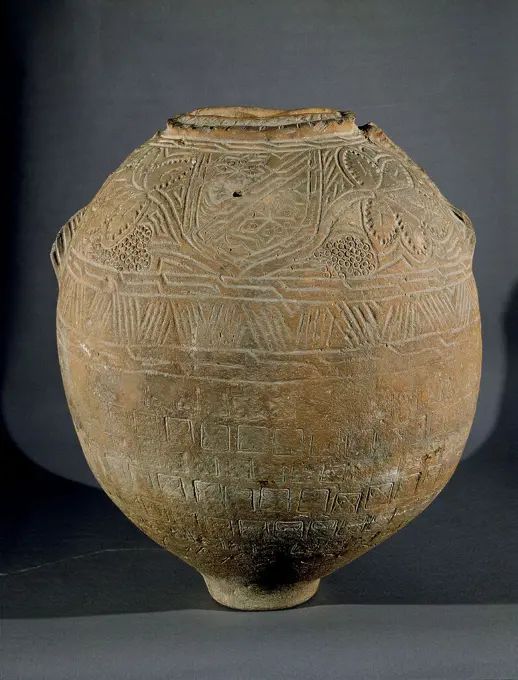
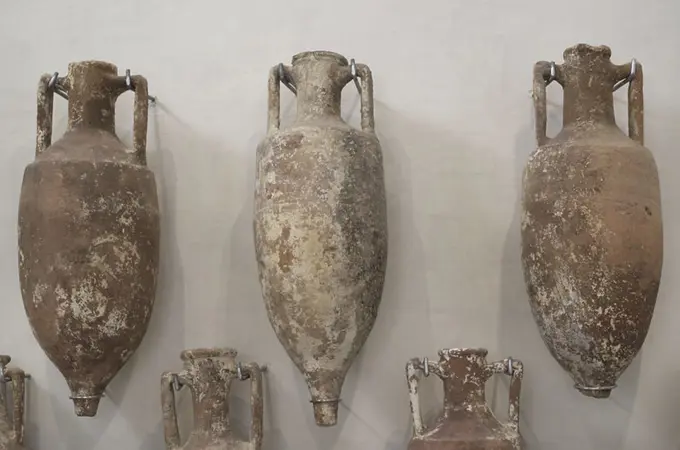
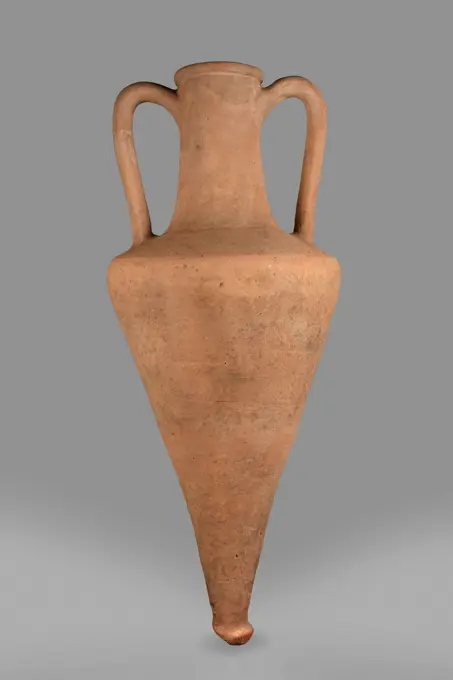
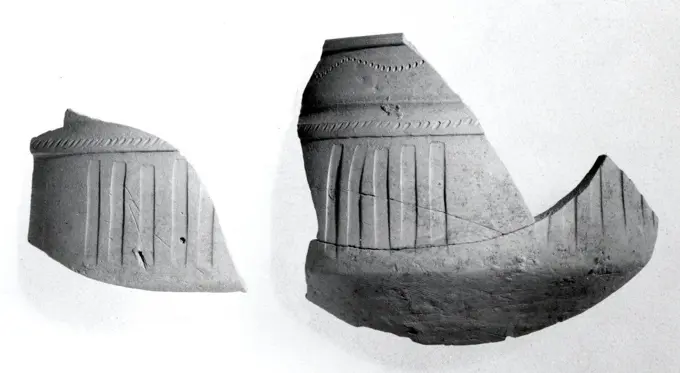
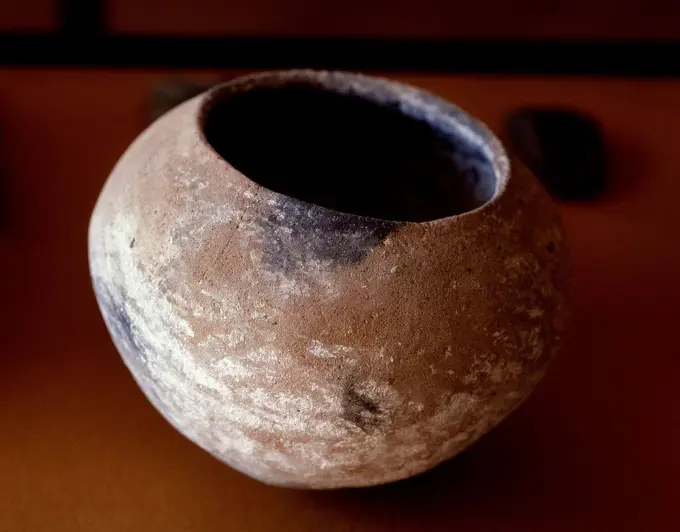
Prehistory, Italy. Fragment of amphora. From Monte Colma, province of Genoa.
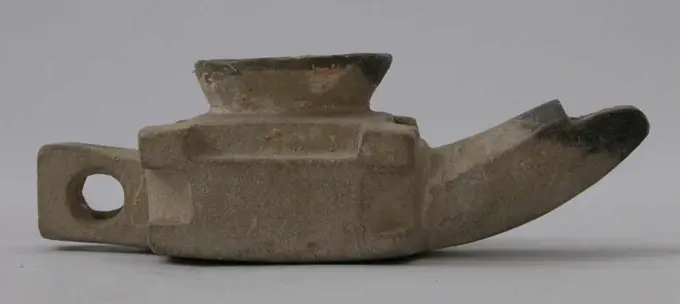
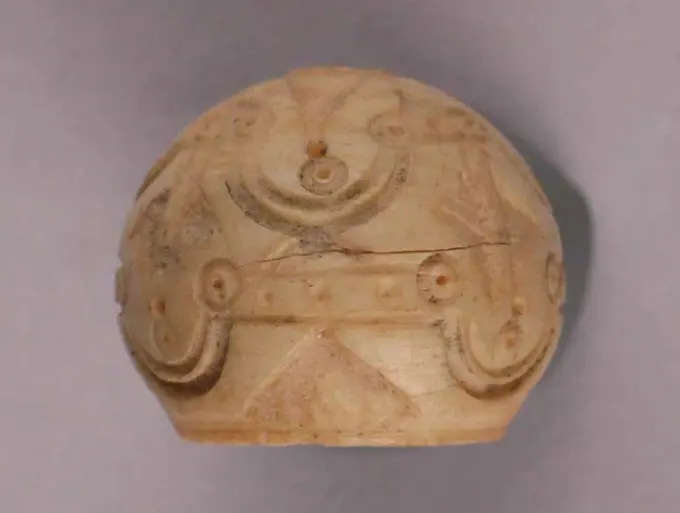
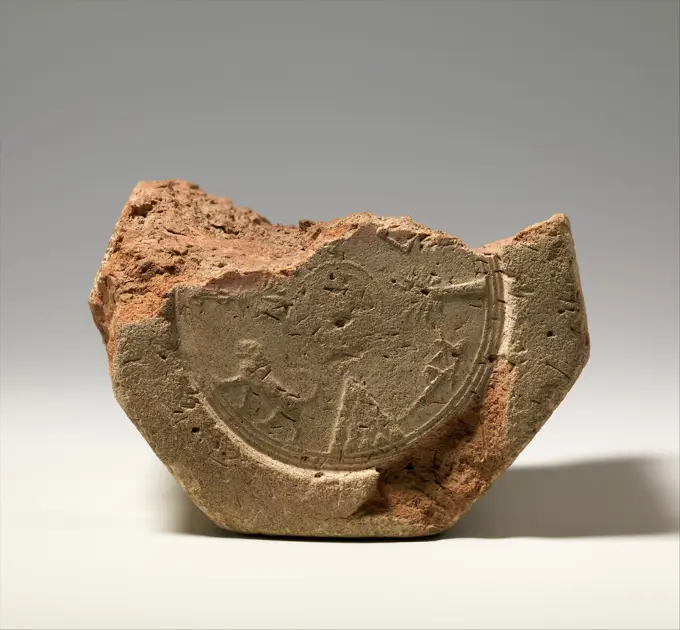
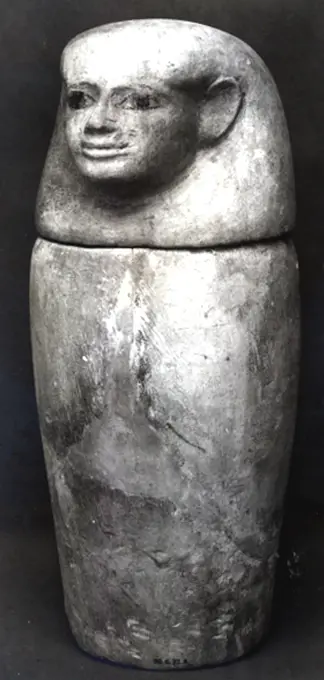
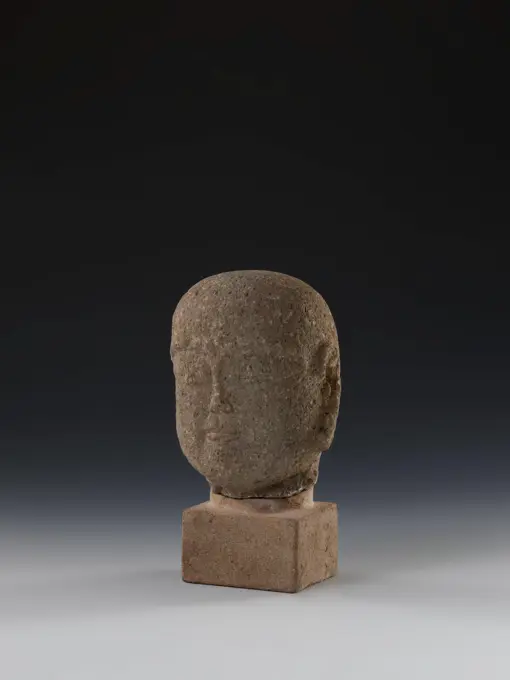
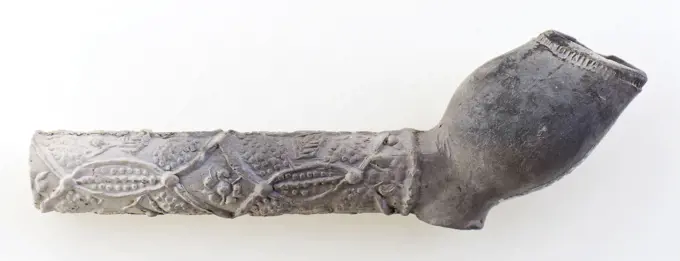
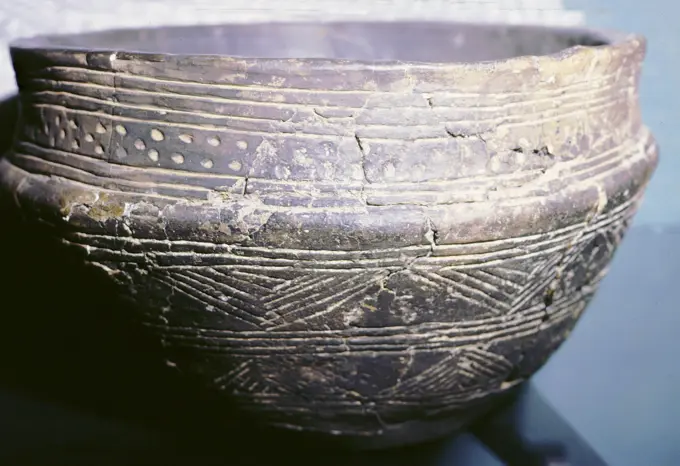
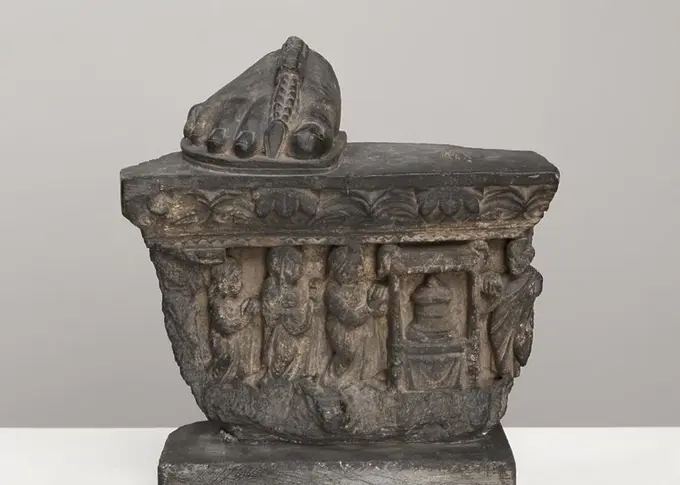
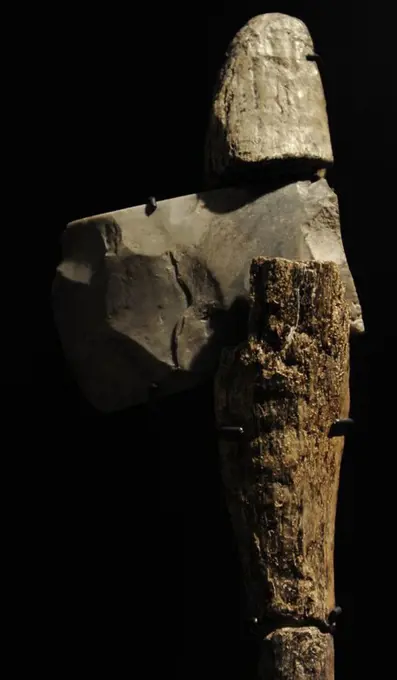
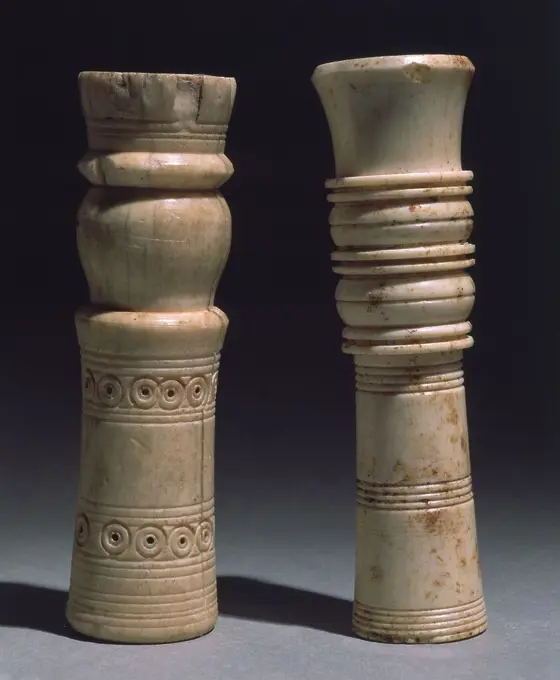
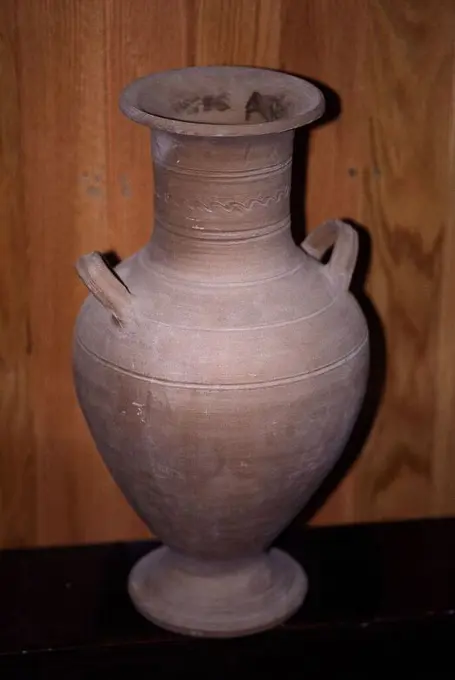
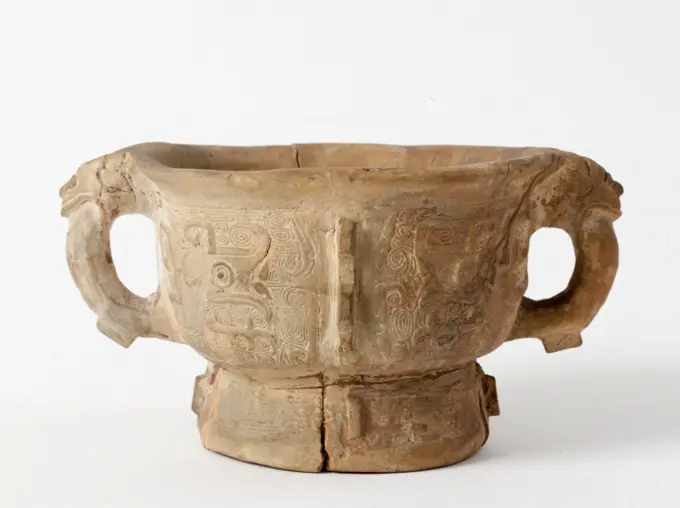
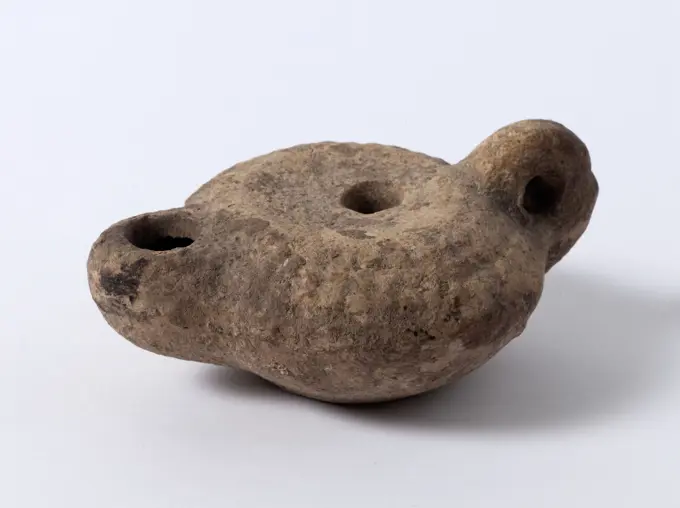
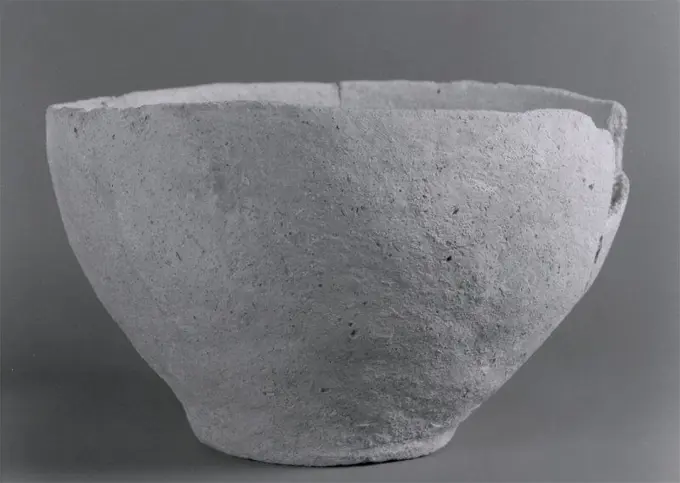
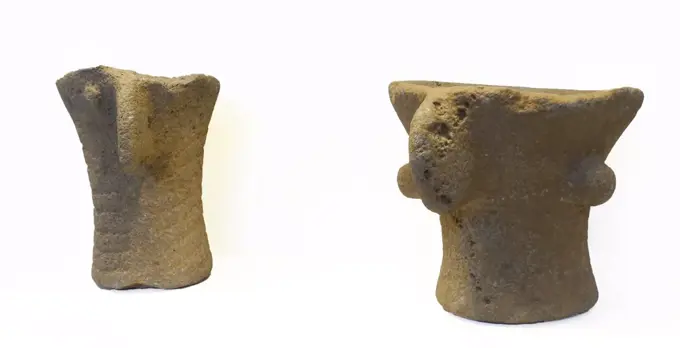
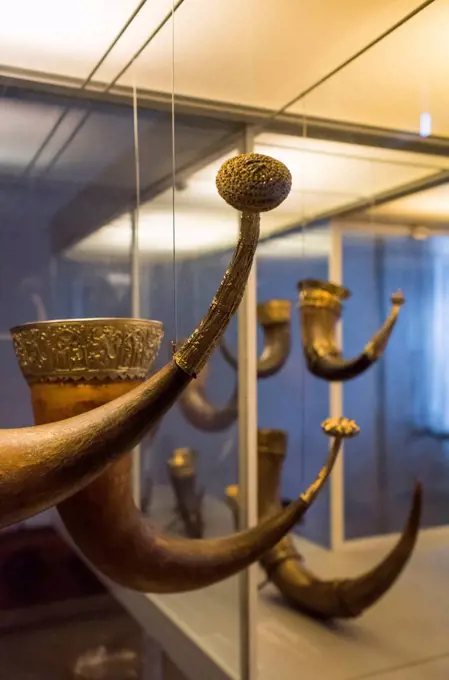
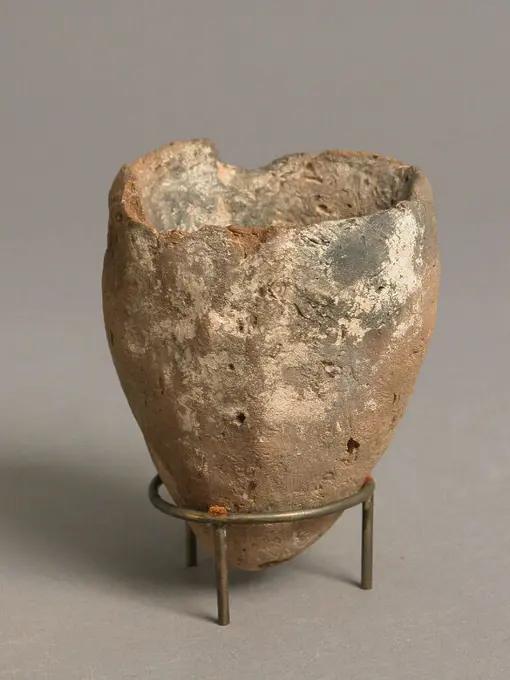
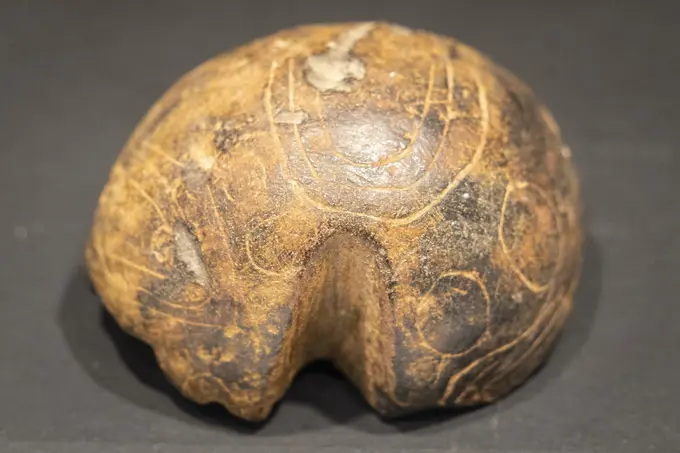
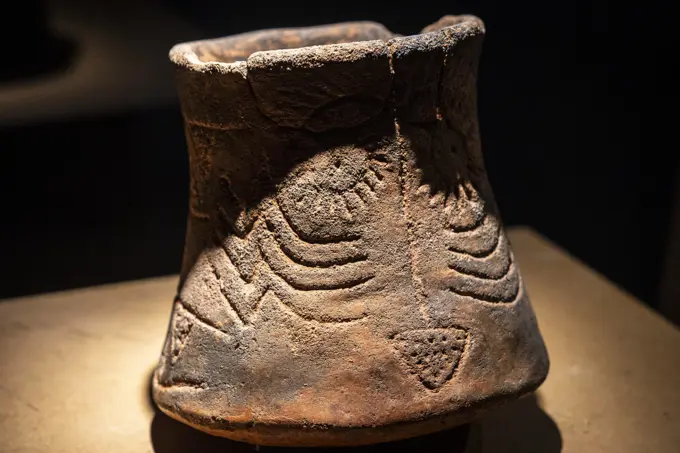
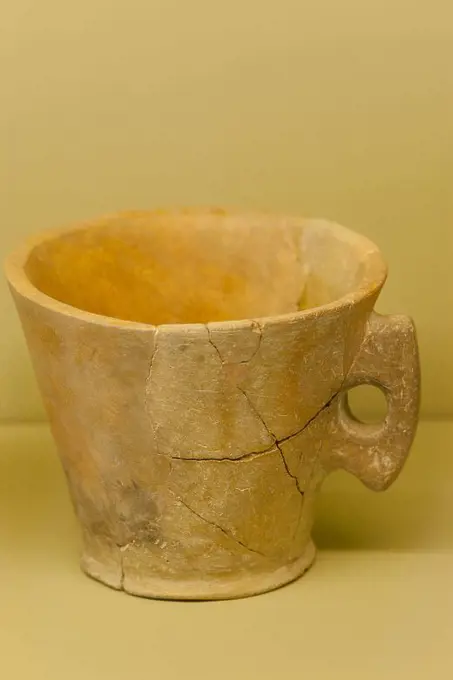
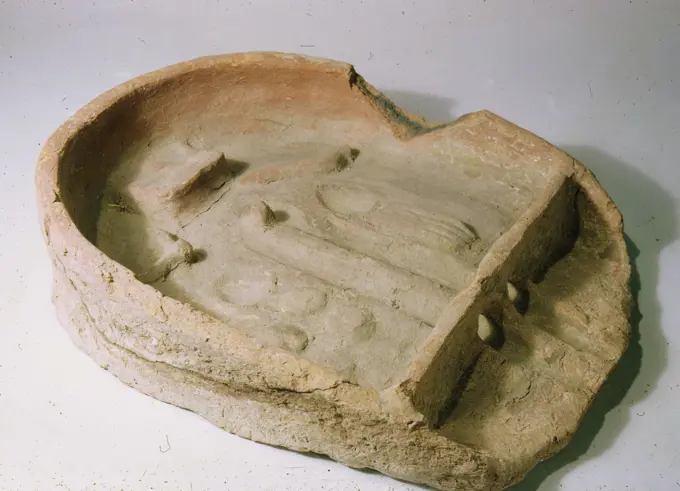
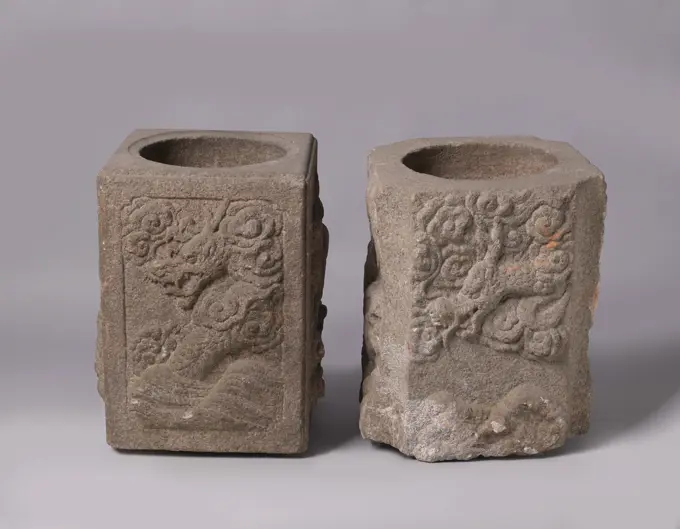
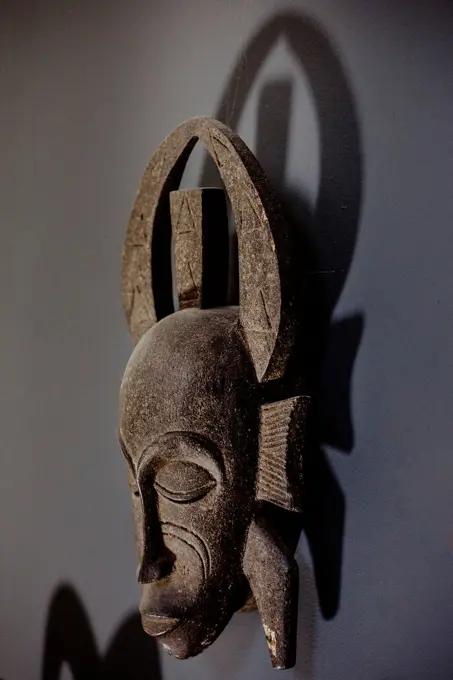
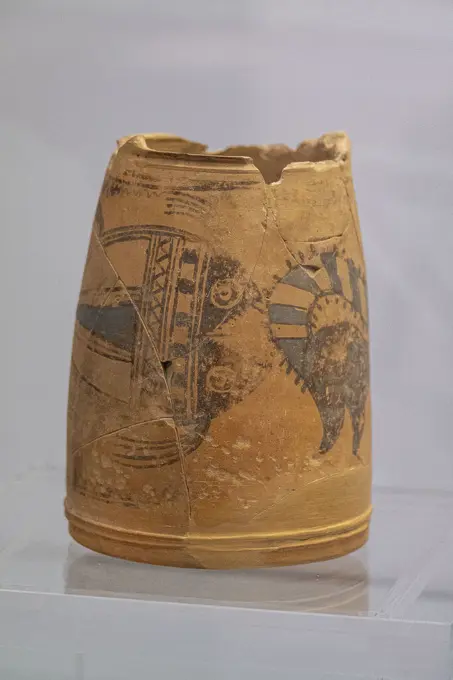
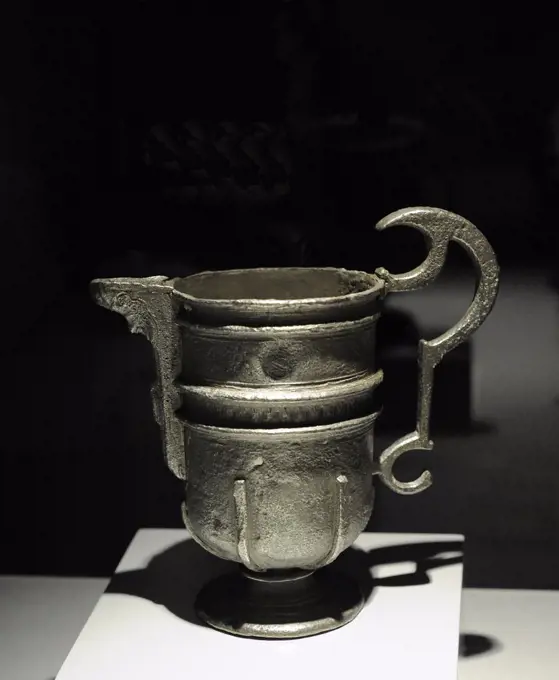
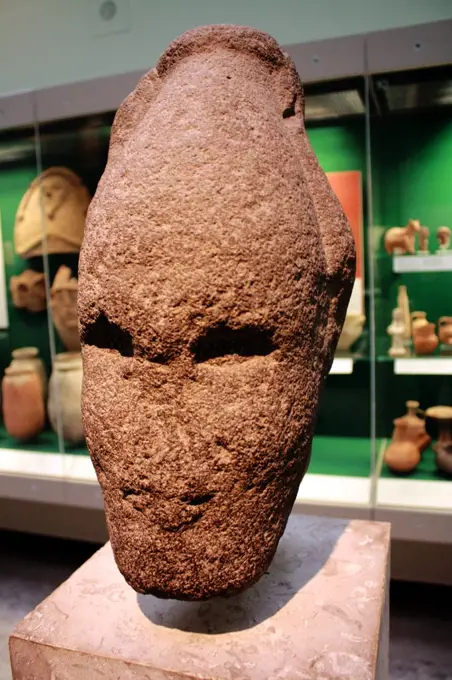
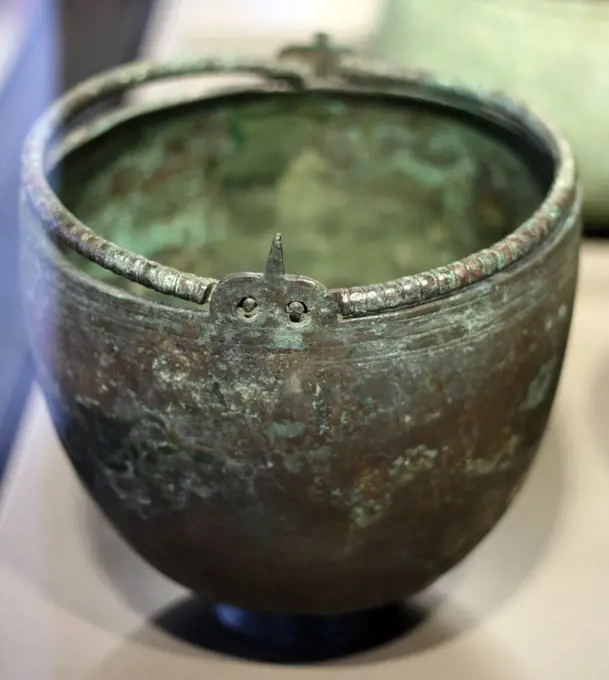
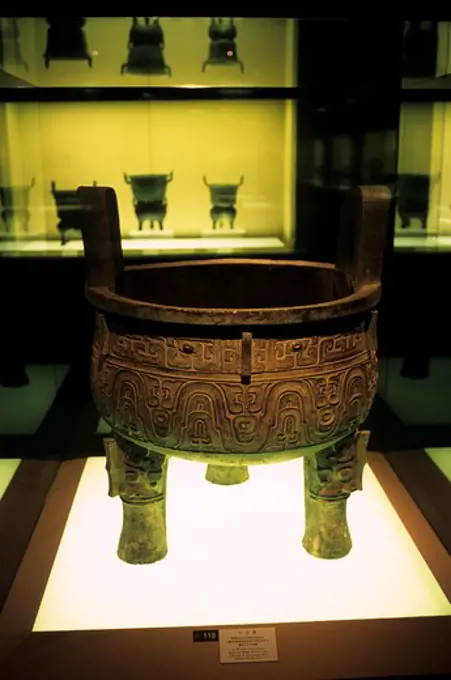
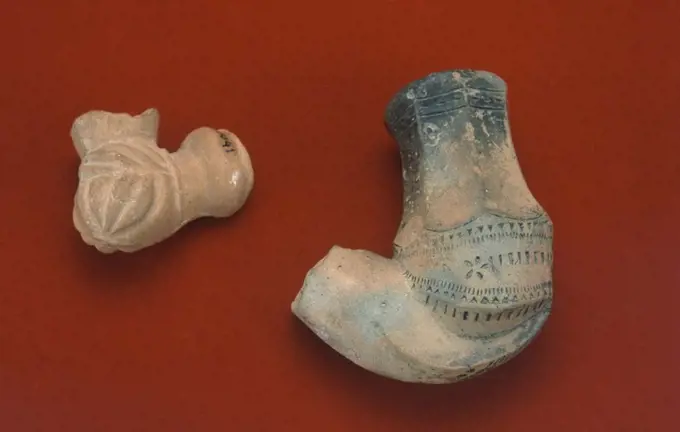
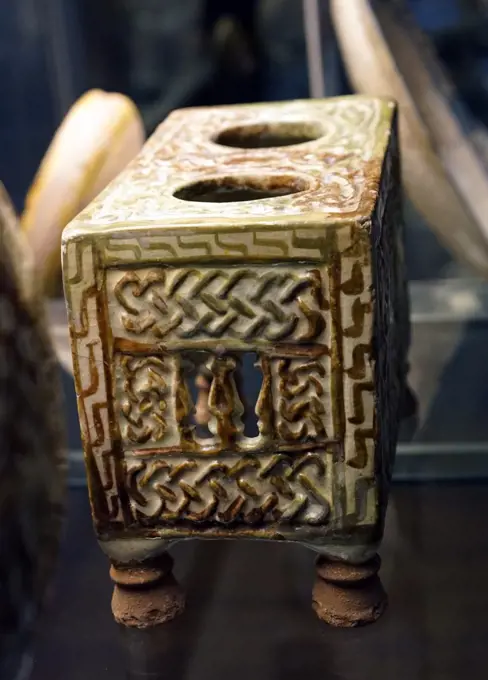
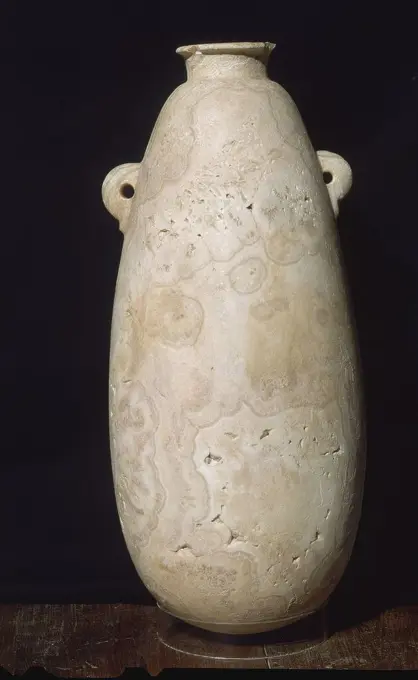
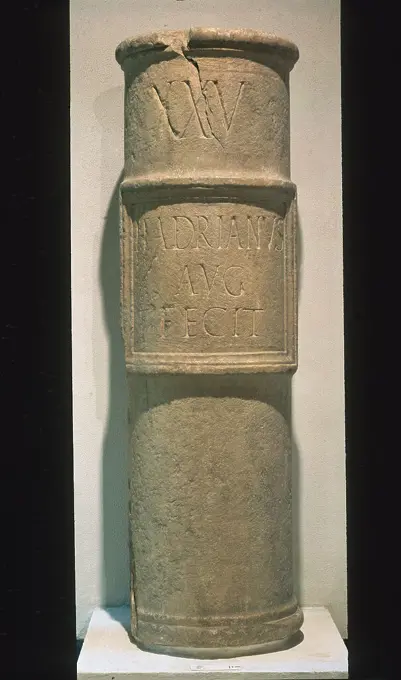
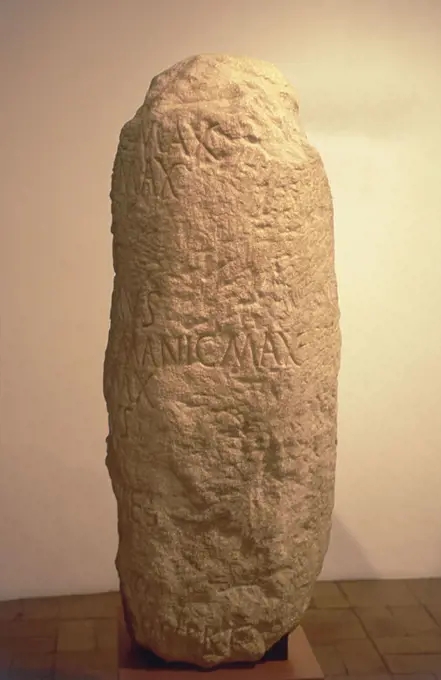
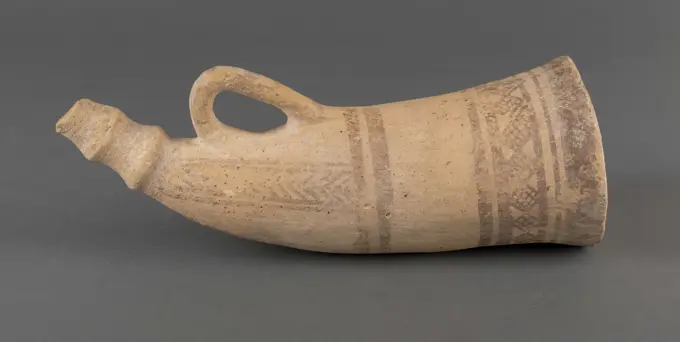
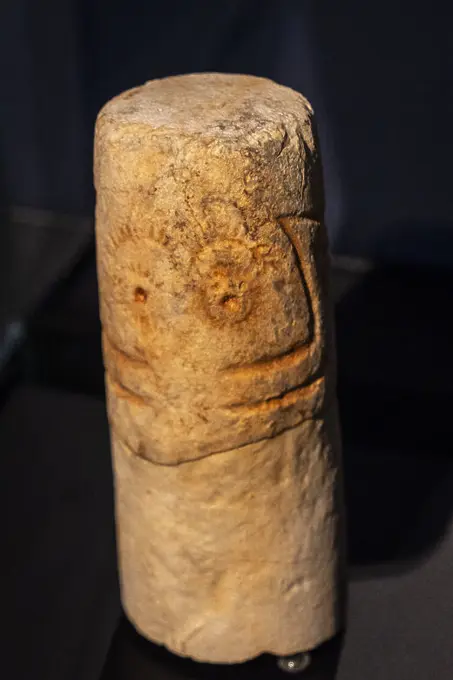
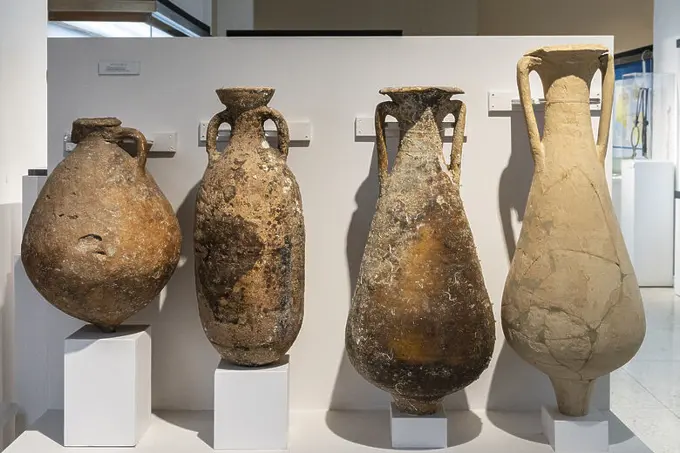
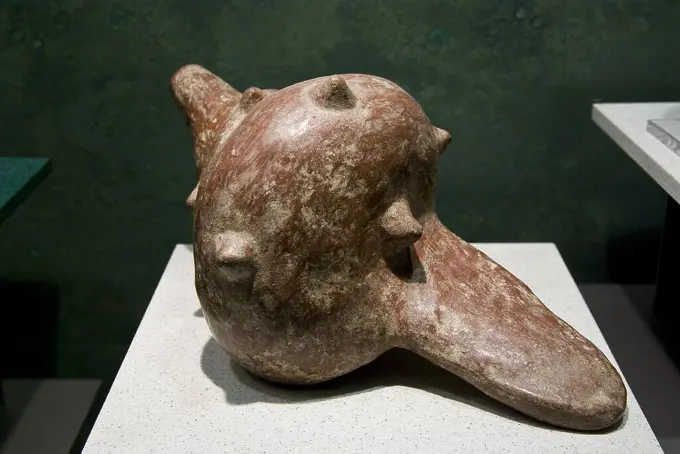
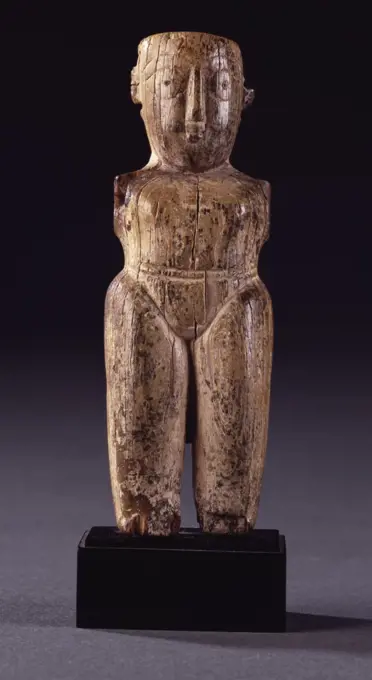
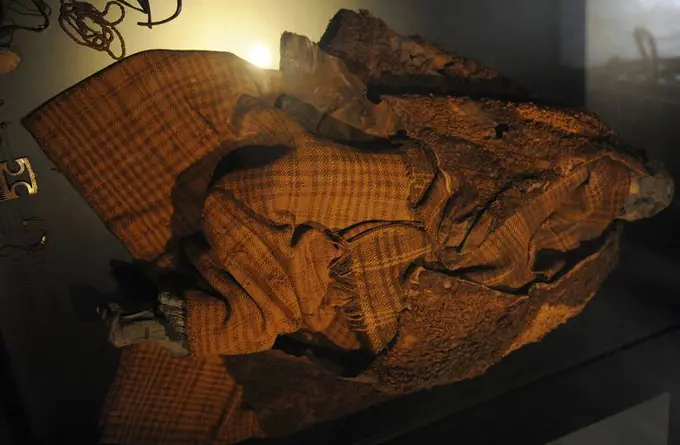
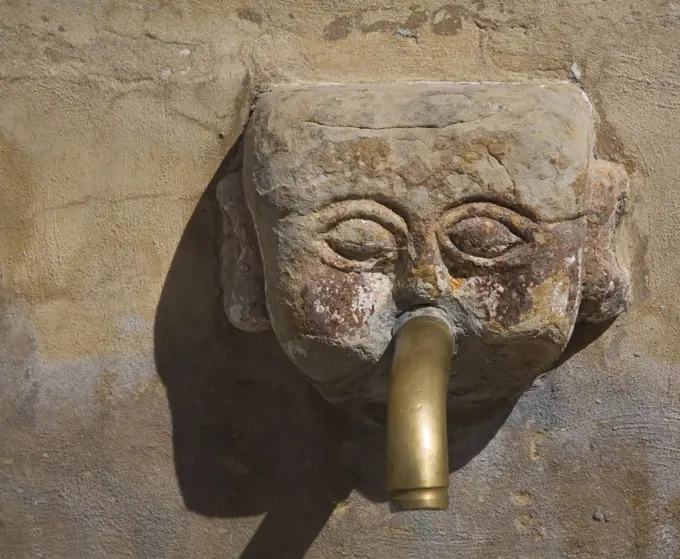
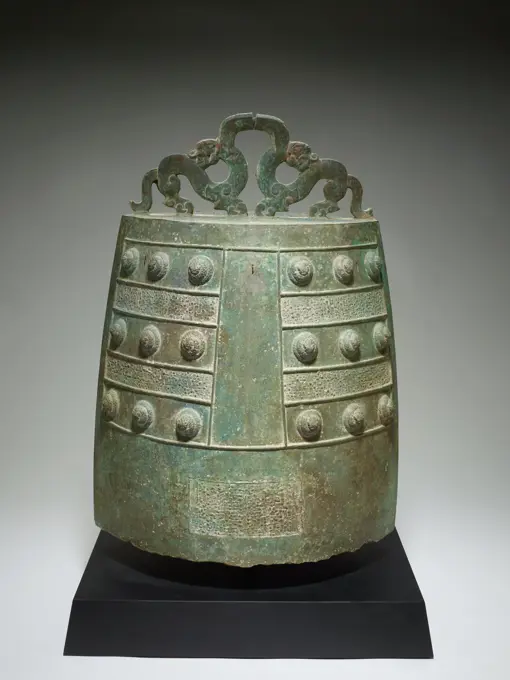
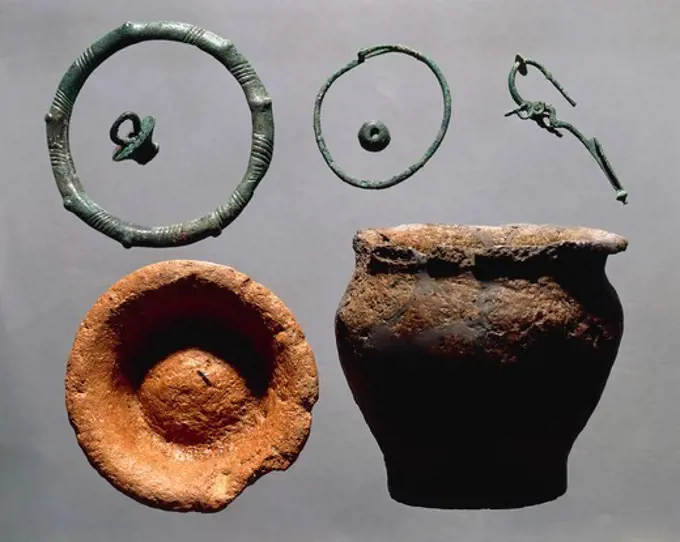
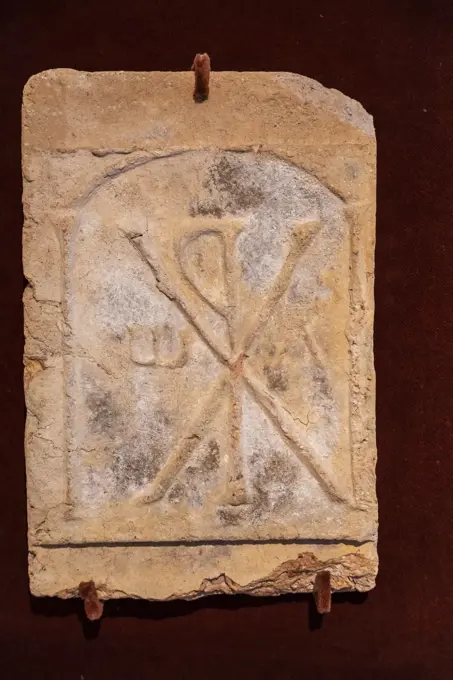
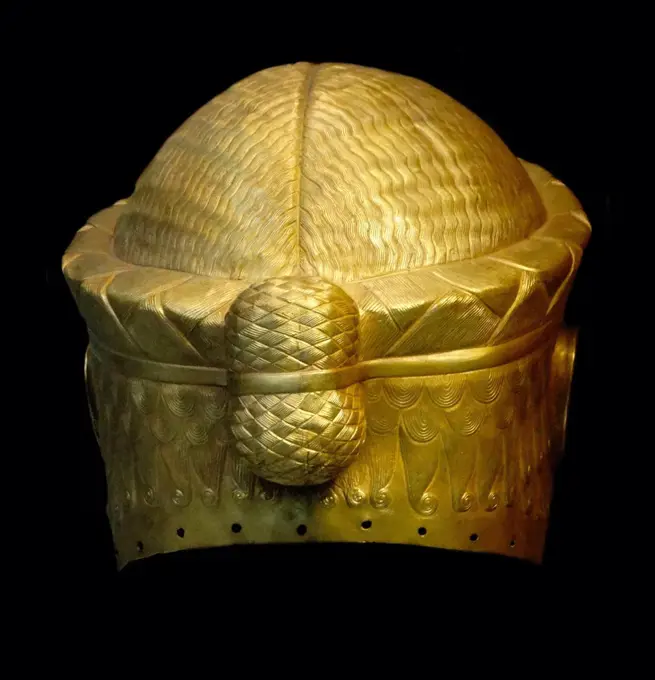
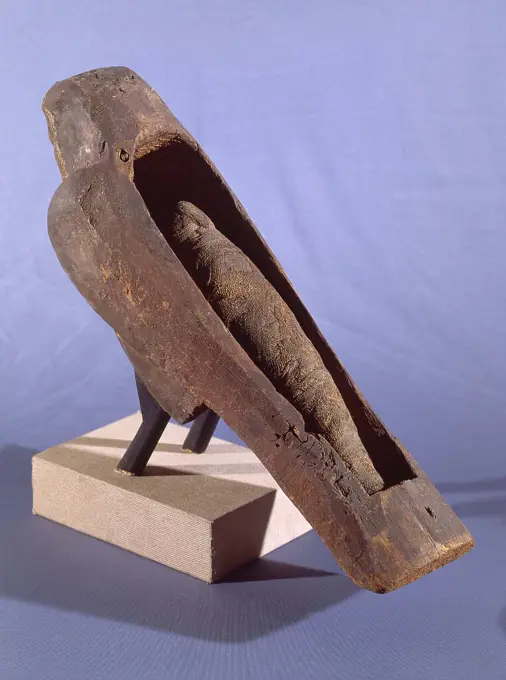
HALCON-DIOS DEL ALTO EGIPTO ESCULTURA DE METAL. Location: MUSEO ARQUEOLOGICO NACIONAL-COLECCION. MADRID. SPAIN. HORUS DIOS EGIPCIO.Jug. Culture: Coptic. Dimensions: H: 10 3/8in. (26.4 cm); Diameter: 5 13/16 (14.7 cm). Date: 4th-7th century. Museum: Metropolitan Museum of Art, New York, USA.Oil Lamp 10th century. Oil Lamp 442917Button or Bead 9th-10th century The dot-in-circle motif recalls designs presumed to be of magical significance, most likely an abstract eye to ward off the evil-eye, which serves an apotropaic function. Easily reproduced with a tool and visible in many cultures and times, this symbol may have lost its meaning, and become simply a decorative pattern, or may have one that we have not yet discovered.. Button or Bead 449266Vase fragment Roman Fragment of yellowish-brown enamelled vase covered with embossed scales.. Vase fragment. Roman. Terracotta. VasesSlip-painted storage vessel with raised decoration 1974Cuneiform prism describing the restoration of Babylon by Esarhaddon, stamped with Assyrian hieroglyphic inscription ca. 676-672 B.C. Assyrian Following a series of revolts against Assyrian rule, the city of Babylon was sacked by the Assyrian king Sennacherib in 689 B.C. In his inscriptions, Sennacherib claims to have destroyed the city entirely, but his successors concentrated on restoring Babylonand with it their claim to legitimate rule of Babylonia. In this prism, Sennacherib’s son and successor Esarhaddon describes his efforts to rebuild the city. He ascribes Babylon’s destruction not to his father, but rather to the anger of Babylon’s chief deity, Marduk, provoked by the Babylonian people’s neglect of their gods and rituals. At the same time, Esarhaddon’s claim to have returned deportees and looted possessions to the city is a tacit admission of Assyrian guilt. This prism is remarkable for the hieroglyphic design on its base. The images, to be read counterclockwise, show a stylizCanopic jar with male head ca. 1070-343 B.C. Third Intermediate Period-Saite Period. Canopic jar with male head 558388TINAJA MUDEJAR TOLEDANA-S XIV-TALLADA SOBRE BARRO. Location: INSTITUTO VALENCIA DE DON JUAN-COLECCION. MADRID. SPAIN.Prehistory, Italy. Fragment of amphora. From Monte Colma, province of Genoa.Nubian culture jug, Egypt, 1961-1964 collection, clay, Anthropology National Museum, Madrid, SpainPre-Columbian art. Pre-Incan. Cashaloma Culture. Anthropomorphic ceramic vessel. 13 x 10 cm (diameter). From Ecuador. Private collection.oculated cylinder oculated cylinder, limestone, 3000-2500 BC, Moncarapacho, Faro, Portugal, Huelva Museum, Huelva, Andalusia, Spain Copyright: xZoonar.com/TOLOxBALAGUERx 21720750Mnich's head (Buddy);  XIV-XV century () (1301-00-00-1500-00-00);Clay pipe with floral ornament embossed on stem, clay pipe smoking equipment smoke floor pottery ceramics pottery, Pipe with double conical head and heel archeology Rotterdam rail tunnel smoking Soil discovery: rail tunnel Rotterdam.Avebury Iron Age Pot ENGLAND.Dish - part  such a sacrificial;  around 1985 1795 BC ; Pahu, 12 dynasty (-1985-00-00--1795-00-00);The collection of ancient Egypt, sacrificial tray, Polish-French excavations in Edfu (Egypt)Female figurines from Shiqmim and Beersheba, over 6,500-5,500 years ago. Made from pebble. Likely to have represented a goddess, some are natural representations of the female form while others are more stylized.Capital ca. 1130-40 Catalan. Capital. Catalan. ca. 1130-40. Marble. Made in present-day France. Sculpture-ArchitecturalVeneration of the Buddha's Relics. Present-day Pakistan or Afghanistan; Ancient region of Gandhara. Date: 150 AD-250 AD. Dimensions: 24.4 × 24.3 × 9.7 cm (9 9/16 × 9 9/16 × 3 3/16 in.). Schist. Origin: Gandhara. Museum: The Chicago Art Institute, Chicago, USA.Flint axe on a helve of birch wood. 3600-3400 BC. From Arnakkegard, Western Zealand. National Museum of Denmark. Copenhagen. Denmark.Bronze Helmet and Cuirass, late Geometric period, 8th century BC. Artist: Unknown.Ancient Aztec Pottery jar container and tripod bowl, both with painted designs, on display at the National Mexico museum in Zihuatanejo, MexicoSUNDIAL. (INV 30136). (EXHIBITION THE SCIENTIFIC LEGACY OF AL-ANDALUS) (LOCATION: ARCHEOLOGICAL MUSEUM OF CORDOBA).MANGOS DE CUCHILLO EN HUESO-S X-XI. Location: MUSEO HOSPITAL DE SANTA CRUZ. Toledo. SPAIN.INTERIOR-CANTARO EN RECUERDO DE LAS BODAS DE CANAA. Location: IGLESIA DE LAS BODAS DE CANAAN. CANAAN. ISRAEL.Gui ". White terracotta. China, Dynamie Shang (approx. 1550-ENV.1050 BC) Paris, Cernuschi museum. Anse, Asian art, Chinese art, Chinese ceramic, container, dynasty, shang dynasty, guy, decorative motif, container, terracottaFragment of a block in a shape of a lion. 6th century AD. Limestone. From Cathedral of Faras (Sudan). Faras Gallery. National Museum, Warsaw, Poland. Oil lamp. Surroundings of Dreux. Capitan collection. Erodée, Grainis. Terracotta. High Empire. Paris, Carnavalet museum. 50036-2 Capitan, Erodee, Grainetis, High Empire collection, oil lamp, terracottaBowl ca. 3500-3300 B.C.. Bowl 326490Urn with decorations, clay, from Nova Zagora, Burgas Region, Bulgaria. Thracian Civilization.Standing Male FigureNeolithic Period. Temple Period (3600 to 2500 BC). Tarxien Temple Complex. Malta. Model of a megalithic niche, roofed with seven slabs. Inside, a carving depicting two objects, probably with a phallic meaning. National Museum of Archaeology. Valletta. Malta.Offering stands from Golan. Over 6,500-5,500 years ago, made from basalt.Early Roman Period. Italic amphorae used for the transportation of wine (vinariae) between the 2nd and the 1st century BC. Found in 1961 at the site of a shipwreck during the 2nd century BC, at the mouth of Xlendi bay, Gozo Island. Gozo Museum of Archaeology. Cittadela of Victoria in Gozo. Malta.Open mouth jar Predynastic Period ca. 3850-2960 B.C. View more. Open mouth jar. ca. 3850-2960 B.C.. Pottery. Predynastic Period. From Egypt, Southern Upper Egypt, Hierakonpolis (Nekhen), MMA excavationsHead. Eastern Mediterranean, 2920 B.C. or eariler. Sculpture. TerracottaVases with decoration bell-shaped. Late Bronze age. Toralla Cave, Catalonia. Archaeology Museum of Catalonia. Barcelona. Spain.Reduced housing model: fragment of the angle of a upper pavilion. Terracotta. Cernuschi Museum, Asia Museum of Asia in the city of Paris.Incense Burner 4th-7th century Coptic. Incense Burner 477336Wig (a) and beard (b) 1353-1336 BC New Kingdom These two fragments belong to the group of fragments from the Great Aten Temple at Amarna Petrie and Carter in 1891-2. They constitute a significant contribution to the research on the temple statuary. The wig could be royal or non-royal, and is so flat as to possibly be relief rather than statuary. The beard in small statuary of the king is otherwise unattested from the temple. The fragments reached the museum by a circuitous path. A French dealer Joseph Altounian was the next major purchaser after the Museum when the Museum purchased Amarna temple fragments dispersed at auction in 1921. In 1957 when M. Altounian died, the Museum purchased the Amarna fragments left at his death. These two fragments had been retained in the family and only recently became available.. Wig (a) and beard (b). 1353-1336 BC. indurated limestone. New Kingdom. From Egypt, Middle Egypt, Amarna/Akhetaten, Great Temple of the Aten, pit outside southern wall, Petrie/Denmark, Zealand, Copenhagen, National Museum, Danish drinking horns, c. 1400Cup. Culture: Coptic. Dimensions: Overall: 3 1/16 x 2 1/2 in. (7.8 x 6.3 cm). Date: 4th-7th century. Museum: Metropolitan Museum of Art, New York, USA.Amfora transportowa stemplowana z inskrypcją grecką. Argeios, contractorfragment of ovoid idol with incised decoration and central groove, Chalcolithic, III BC, El Pozuelo, Zalamea la Real, Huelva Museum, Huelva, Andalusia, Spain.Tail vertebrate found at Enslow Bridge.vase with symbolic decoration -female figure- vase with symbolic decoration -female figure-, ceramic, 3000-2500 BC, Monte do Outeiro, Aljustrel, Portugal, Huelva Museum, Huelva, Andalusia, Spain Copyright: xZoonar.com/TOLOxBALAGUERx 21720692Shards of a Martavan from V.O.C. ship De 'Witte Leeuw', Anonymous, Before 1613  Shards of a martavan, one of which is one of ten glued together fragments and the other from two, from V.O.C. ship the 'Witte Leeuw'. southeast Asia porcelain   Sint-HelenaMonographic Museum of Pollentia, loom weights, Alcudia, Mallorca, Balearic Islands, Spain.recipientes de ceramica, Museo arqueologico Son Fornes, sala de época postalayótica, Montuiri, Comarca de Es Pla, Mallorca, Spain.Waza from the cover; Zug, Szymon Bogumi (1733-1807); around 1785 (1780-00-00-1790-00-00);Jaguar Throne carved from lava stone, Pre-Columbian from Manaos, Ecuador.  Artist: Unknown.Offering tray ca. 2124-1580 B.C. Middle Kingdom. Offering tray. ca. 2124-1580 B.C.. Pottery. Middle Kingdom. From Egypt, Northern Upper Egypt, Dendera. Dynasty 11-17Garden vase, square with relief decoration on the four sides with, among other things, tigers and dragons. Garden vase, part of a couple, square. Solid, only scolded on the top. The vase bears a relief decoration on the four sides. On two adjacent sides a tiger in the middle of bamboo, on the two adjacent sides a dragon in the middle of clouds. Both performances are interrupted by the round grooves arranged in the upright edges. Note: Vase B deviant from decoration. Note: From the collection Mr. R.H. Erdman, Landgoed Terra Nova in Loenen a / d Vecht. Previously from the country houses built by Reinhard van Scherenberg in Baarn in Chinese style called Beijing (1791) and Canton (1793). The building materials and garden decorations were imported directly from China. The villas were resp. demolished in 1890-1891 and 1910. When the vases have come into the hands of Erdmann and of which of the two villas they come, could not be checked.Funerary Cone of the Royal Tutor Heqaerneheh ca. 1425-1352 B.C. New Kingdom This funerary cone has the impression of a stamp seal inscribed for the Child of the Nursery and Royal Tutor Heqaerneheh (Heqa-er-neheh), owner of Theban Tomb 64 (TT 64) in the Sheikh Abd el-Qurna cemetery of Western Thebes.Heqaerneheh was probably born in the reign of Amenhotep II and his title Child of the Nursery suggests that he was brought up in the royal nursery with the king's children who would have included the prince who became Thutmose IV. As an adult, Heqaerneheh became Royal Tutor of Thutmose's son and successor, Amenhotep III.The cone is now missing about half of its length, and one side of the stamped end was slightly flattened when the clay was still damp, deforming the oval shape of the seal. Another cone in The MET's collection has a better preserved impression of the seal.Hundreds of inscribed pottery funerary cones dating to the New Kindom and later have been found in the non-royal cemeterieSaddle quern with rubbing stone used for grinding grain. From Wales. Dated 6th Century BCEthnic mask hangs on a dark wallAmfora transportowa. unknown, authorjarra, , siglo I a.C. Procedente de Numancia, museo Numantino de Soria, Soria, Comunidad Autónoma de Castilla, Spain, Europe.Jarro de pico, pointed spout. Viceroyalty of Peru. 1600-1622. Silver. Shipwreck of the galleon 'Nuestra Senora de Atocha' (Our Lady of Atocha), Florida Keys, Florida, United States. Museum of the Americas. Madrid, Spain. Head of Ammonite king Iron Age II, 8th century BC from Amman. This basalt head wearing Egyptian style headdress was found in the bed of the river Zarqa near Amman. It is a one of a number of similar pieces all recovered from the region Amman and which together seem to represent a local school of free standing sculpture. The piece is thought to depict a king or possibly a god.German bronze age bucket from a gravesite 200 -300 AD. Found in Voigtstedt, Thuringen.CHINA, SHANGHAI, SHANGHAI MUSEUM, EXHIBITS, BRONZE POT (BC)Egyptian art. Funerary Cone with stamped inscription on the base in hieroglyphic writing. Museum of Fine Arts. Budapest. Hungary.Prehistory, Palestine, 4th millennium b.C. Ossuary vessel with large opening on top. From Hatzor (Israel).ALFARERIA NAZARI-PIPAS. Location: ALHAMBRA-MUSEO-CERAMICA. GRANADA. SPAIN.Stone-paste stand from Syria. Dated 12th CenturyHead of Sekhmet, c. 1391-1353 BC. Egypt, Presumably Thebes, New Kingdom, Dynasty 18, reign of Amenhotep III, 1391-1353 BC. Granodiorite; overall: 33.4 x 31.5 x 32 cm (13 1/8 x 12 3/8 x 12 5/8 in.).ALABASTRON FENICIO DE TIPO EGIPCIO PROCEDENTE DE LA NECROPOLIS DE LAURITA DEL CERRO DE SAN CRISTOBAL, ALMUNECAR - SIGLO VII AC. Location: MUSEO ARQUEOLOGICO-CERAMICA FENICIA. GRANADA. SPAIN.MILIARIO ERIGIDO POR ADRIANO EN ITALICA - SIGLO II. Location: MUSEO ARQUEOLOGICO-COLECCION. Sevilla. Seville. SPAIN.Jewellery from Tomb No. 7 of Monte Alban, Museum, Church of the former Dominican Monastery of Santo Domingo in Oaxaca de Juárez, Oaxaca, Mexico, Central AmericaAncient Egyptian terracotta figurines of three small animals, Predynastic Period, Naqa II Culture, Circa 3650-3300 B.C.MILIARIO ROMANO FECHADO EN EL 238 AC - LLOC DEL PLA - SARRIA DE TER. Location: MUSEO DE HISTORIA DE LA CIUDAD. GERONA. SPAIN.Vase 1050-950 B.C. Cypriot. Vase. Cypriot. 1050-950 B.C.. Terracotta. Cypro-Geometric I. Vasesdecorated betyl idol, limestone, Folha das Barradas, Sintra, , 3000-2500 BC, Huelva Museum, Huelva, Andalusia, Spain.Roman amphorae to transport wine, oil and salted meats, 1st-2nd century AD, Huelva Museum, Huelva, Andalusia, Spain.Schädel einer der elftausend Jungfrauen Skull of one of the eleven thousand virgins, 13th century, Relics Room, Monastery of Santa Maria de San Salvador de Canas, Canas, La Rioja, Spain Copyright: xZoonar.com/Tolox 22946220Mexico.Mexico city.National Museum of Anthropology.Maya culture.Music instruments.Sherd ca. 3100-2700 B.C.. Sherd. ca. 3100-2700 B.C.. Ceramic. Ninevite V. Syria, Tell BrakPre-Columbian art. Central region of Costa Rica. Atlantic Watershed. Trophy head, 700-1520 AD. Volcanic stone. Dimensions; height: 13,01 cm; width: 12,7 cm; depth: 14,92 cm. Denver Art Museum. Denver, Colorado, United States.Early medieval brooch of Santa María de Hito, X century, Valderredible. Museum of prehistory and archeology (MUPAC), Santander, Cantabria, Spain.A Fatamid ivory male figurine with stocky body, lightly delineated loincloth and large head carved with almond shaped eyes. Circa 11th century, 11.1cm high.Een collectie scherven.A collection of shards dug up to the spuistraat at the expansion of the building of the cash association consisting of: 7 pots and pot sprays of brown clay, inside and outside with colorless lead glaze. 7 pots and pot sprays with lead glaze only on the inside. 3 Pot shards with lead glaze on both sides, from outside brown, inside green. 5 Pot shards from outside green, from the inside yellow. 2 Pot shards from inside and from outside yellow. 1 Pipe horse base from a crucifix (BK-KOG-1708-1). 16 labeled tobacco pipes. 2 plates from below with lead glazing, from above with white tining acid and in blue the inscription m.a.; Damaged. 1 plate entirely with white tining acid with a landscape; 1 plate entirely with white tining acid and in blue decorated with arms of Amsterdam. 5 White ointments. 17 dish shards (a few glued) front and rear with white tinglaze and decorated in blue. 8 dish fragments with bottom lead glaze and above white tining acid and blue decoration.VASIJA DE ARTE PERUANO. Location: MUSEO DE AMERICA-COLECCION. MADRID. SPAIN.Grinding Licorice, beneficial for gastric and duodenal ulcers, sore throat, bronchitis, indigestion and viral infections, such as hepatitisThe Early Iron Age. The bog body from Huldremose in Djursland from 100 AD. The woman wore a skirt of wool, a scarf and two fleece capes. Her hair was tied up with a long woollen cord. National Museum of Denmark.human skull human skull, bone, 3400-2200 BC, Pena Arias Montano, Alájar, Huelva Museum, Huelva, Andalusia, Spain Copyright: xZoonar.com/BartomeuxBalaguerxRotgerx 21720848Tile with a head of a Mesopotamian captive from the palace of Ramesses II New Kingdom, Ramesside ca. 1279-1213 B.C. View more. Tile with a head of a Mesopotamian captive from the palace of Ramesses II. ca. 1279-1213 B.C.. Ceramic, glaze. New Kingdom, Ramesside. From Egypt, Eastern Delta, Qantir (Piramesse), Palace of Ramesses II. Dynasty 19Group of Scrimshaw Teeth Depicting Important American Patriots, Ships, Sperm Whale & Whaling Scenes Early 20th Century Artist Unknown (American)Stone water fountain face village of Grazalema, Cadiz province, Spain. Egyptian cosmetics (Kohl) pot an stick; Late Period (715-332 BC).Pottery Mesopotamia tools, from Ur. Dated 15th Century BCBo bell, late 6th-5th century BCE, 24 5/8 x 18 1/8 x 14 in. (62.55 x 46.04 x 35.56 cm), Bronze, China, 6th-5th century BCE, Cast on each side with 18 bosses (raised partial spheres) formed like coiled snakes, this massive bell from south central China would have likely been among the largest bells of a graduated set. It would have produced deep, sonorous tones at the ritual ceremonies in which it was used. The tones produced on these large bells resonate considerably longer than those struck on smaller ones. Such large-scale castings, calculated to produce an exacting musical note, are testaments to the technical abilities of the ancient artisans who did not yet have the mathematics necessary to calculate an exact formula for the relation between size and pitch.Prehistory, Italy, Bronze Age. Funeral objects. From Fogliano Redipuglia, province of Gorizia.PILA BAUTISMAL - SIGLO XI - ROMANICO CATALAN. Location: MARIENKIRCHE. CASTELLO DE AMPURIAS. GERONA. SPAIN.Pale Christian decorative brace Pale Christian decorative brick copyright: xzoonar.com/tolox 22568844LEGONES. (TRIANGULAR TRIPS). (INV-LI-IN-33; INV-LI-IN-36; IN-LI-IN-37). (EXHIBITION THE SCIENTIFIC LEGACY OF AL-ANDALUS) (LOCATION: LIETOR PARISH MUSEUM).CERAMICA DE SEPULTURA NEOLITICA DE ALCANTARA. Location: ARCHAEOLOGICAL MUSEUM. JEREZ DE LA FRONTERA. SPAIN.Electrotype of gold helmet of Meskalamdug; Early Dynastic III. 2600BC Royal Cemetery at Ur, Iraq. Meskalamdug ('hero of the good land') was an early ruler of Ur, who does not appear in the Sumerian king list. His tomb, discovered by English archaeologist Sir Leonard Woolley in the Royal Cemetery of Ur in 1924, contained numerous gold artefacts including this golden helmet with an inscription of the king's namePIEDRA GRABADA DEL POBLADO DE ZONZAMAS. Location: CASTILLO DE SAN GABRIEL. ARRECIFE. LANZAROTE. SPAIN.