Ancient Artifacts and Sculptures

A collection of ancient artifacts including musical instruments and statuettes from various cultures, showcasing intricate designs and historical significance.

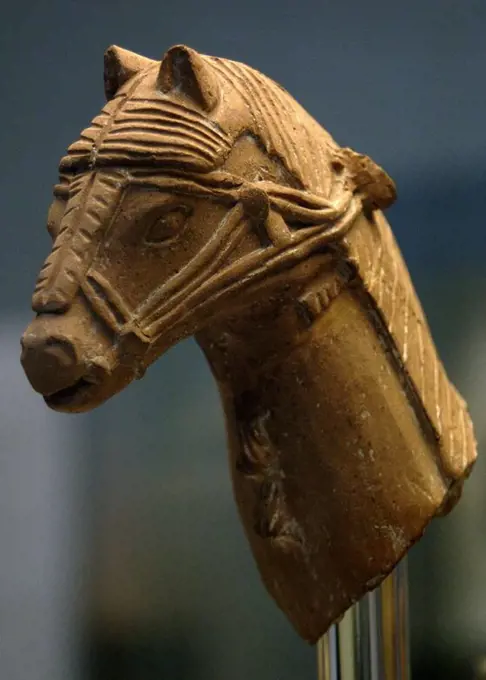
Oinochoe;  horse. IV - early III century BC (-330-00-00--280-00-00);Działyńska, Izabela (1830-1899), Działyńska, Izabela Elżbieta née Czartoryski (1830-1899)-collection, Działyński, Jan (1829-1880)
Oinochoe; horse. IV - early III century BC (-330-00-00--280-00-00);Działyńska, Izabela (1830-1899), Działyńska, Izabela Elżbieta née Czartoryski (1830-1899)-collection, Działyński, Jan (1829-1880)
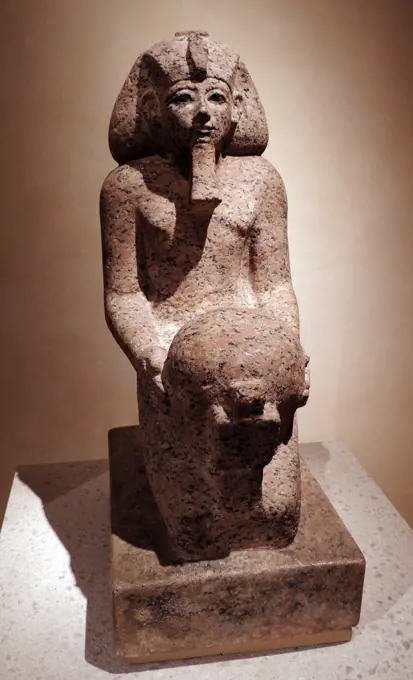
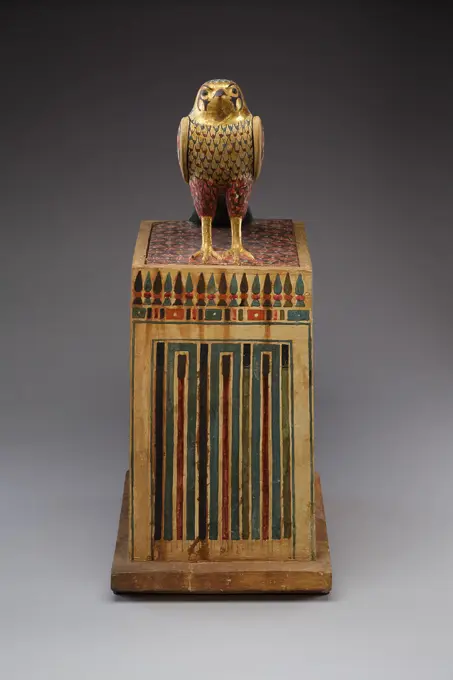
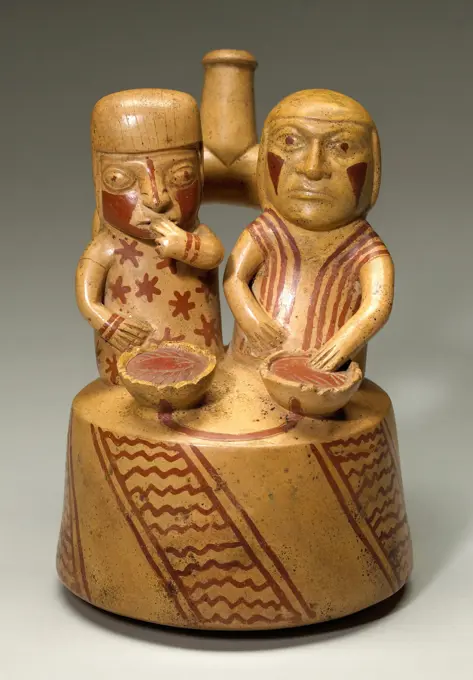
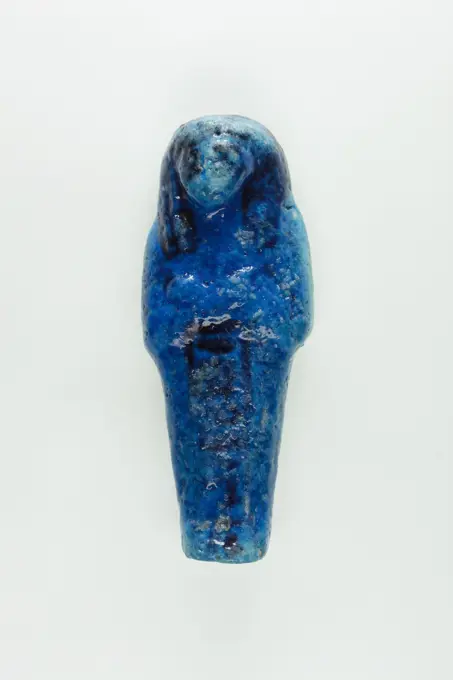
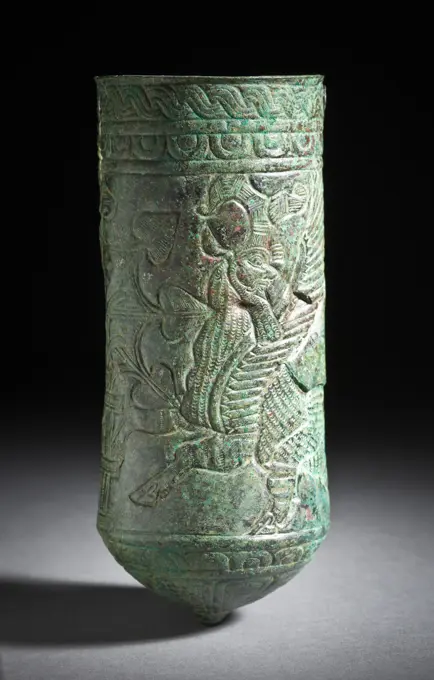
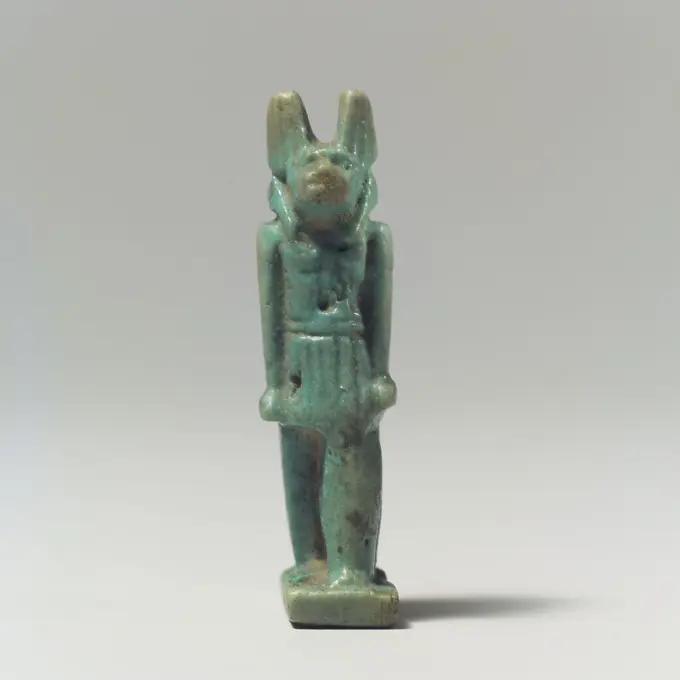
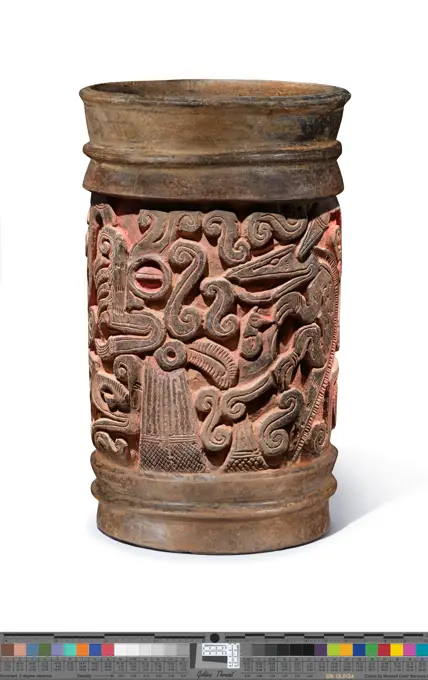
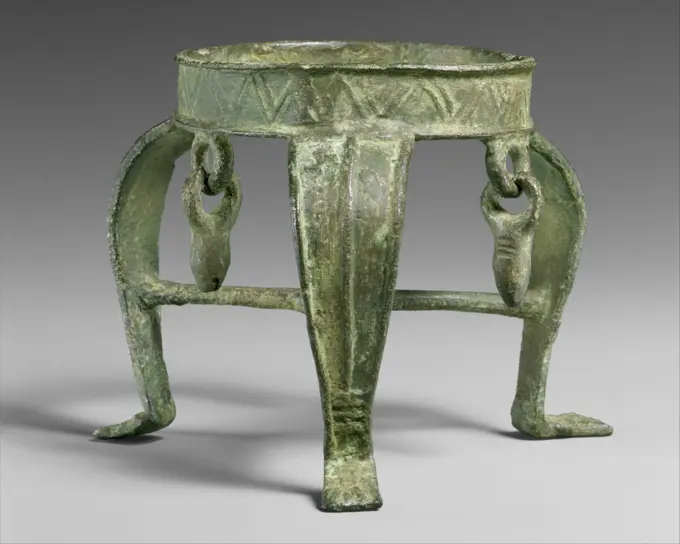
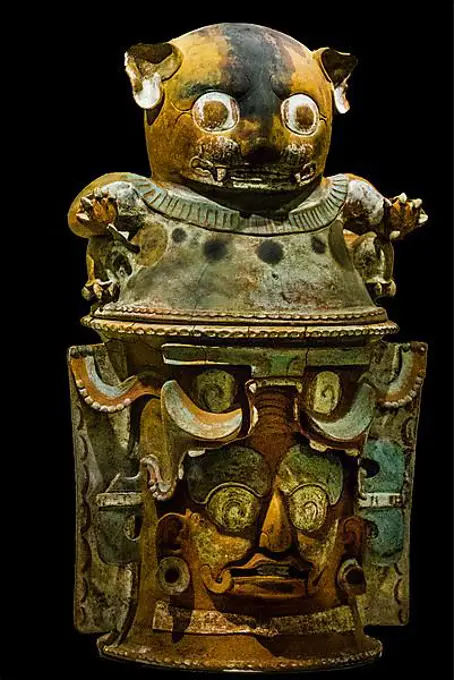
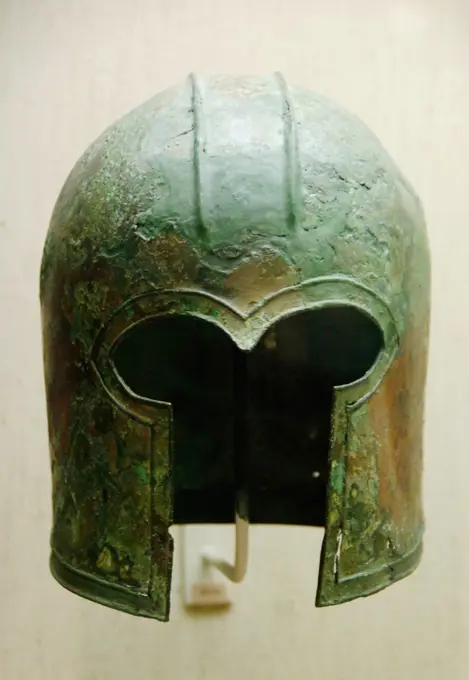
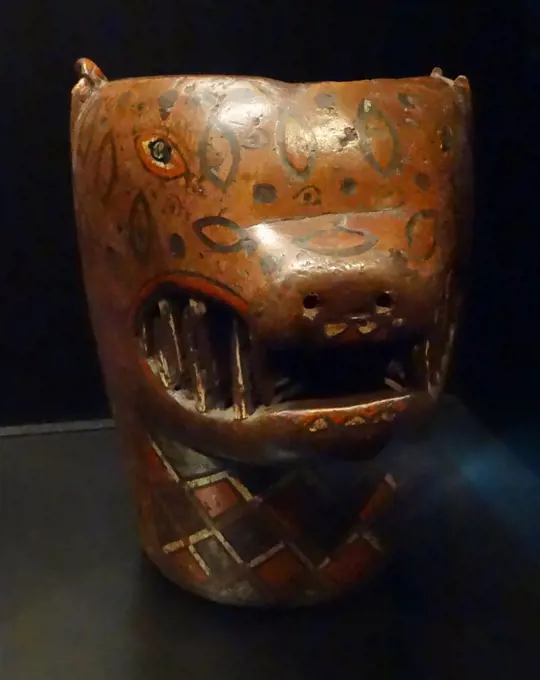
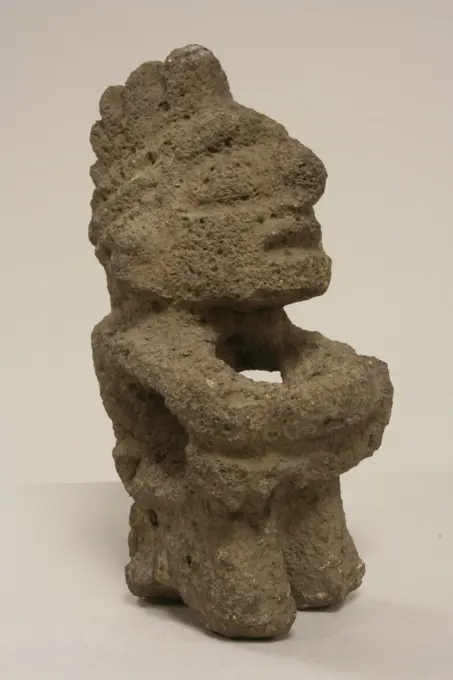
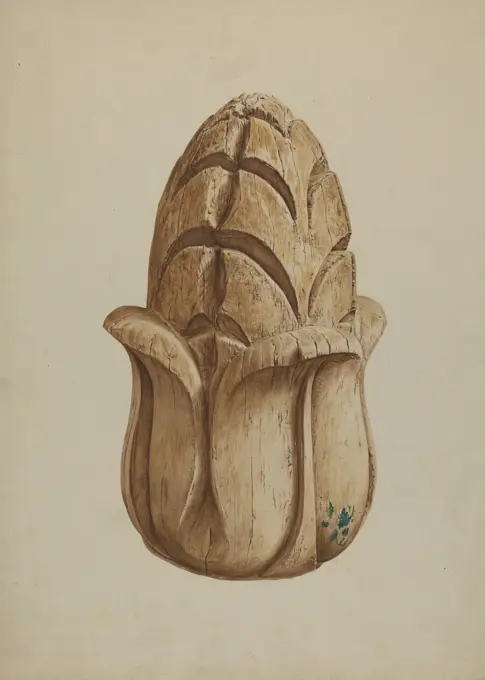
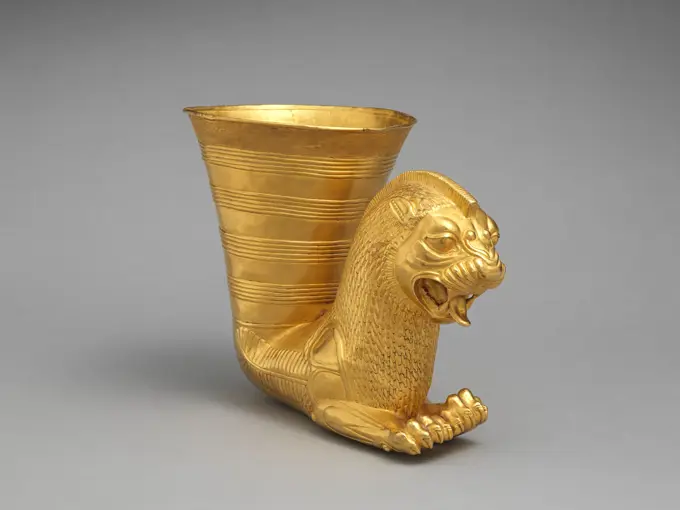
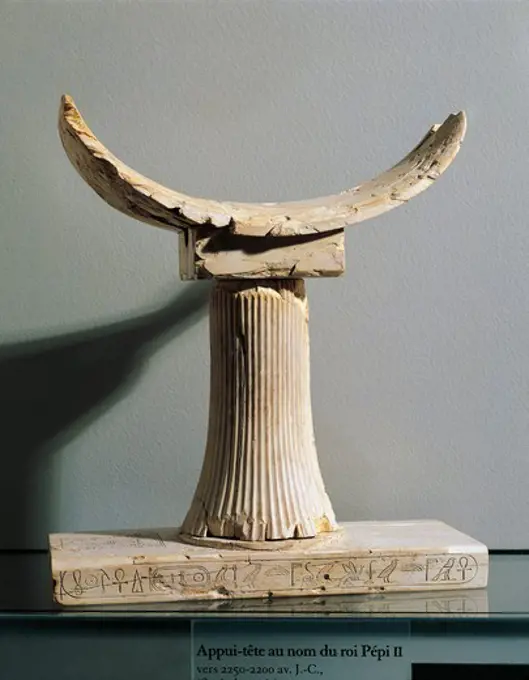
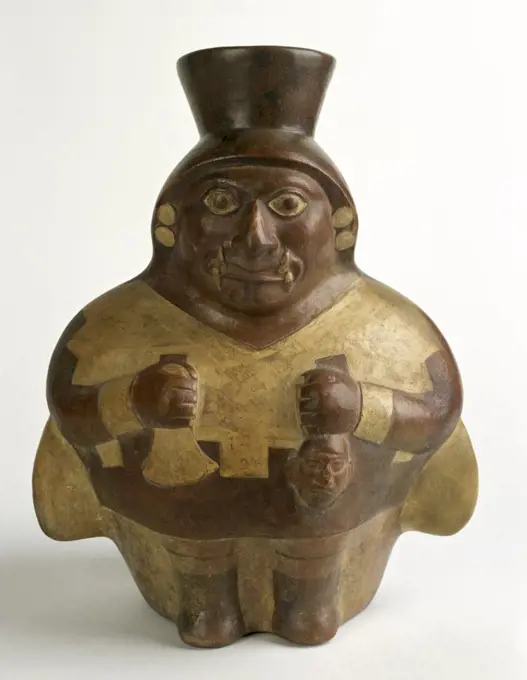
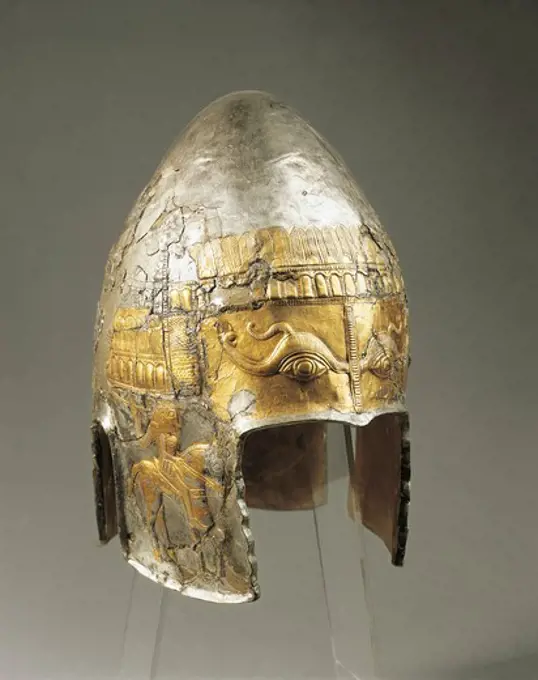
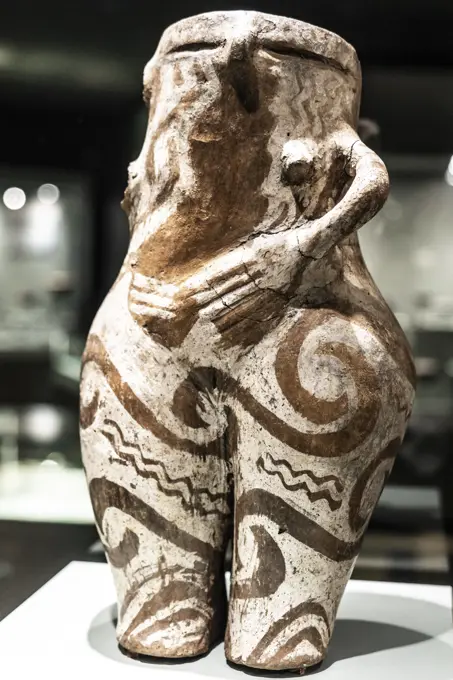
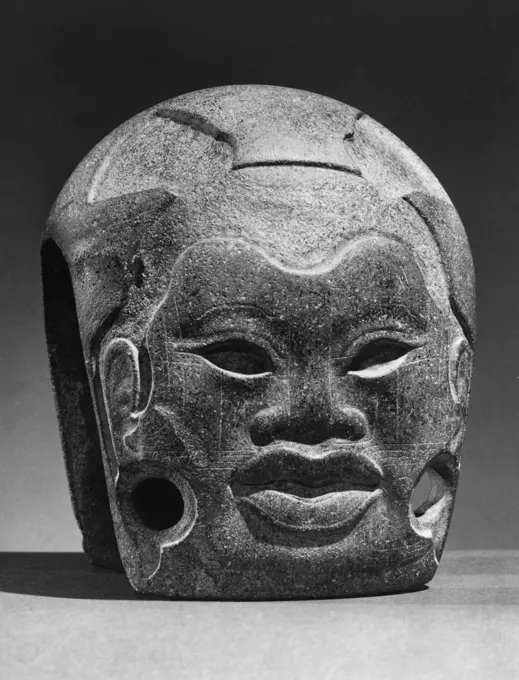
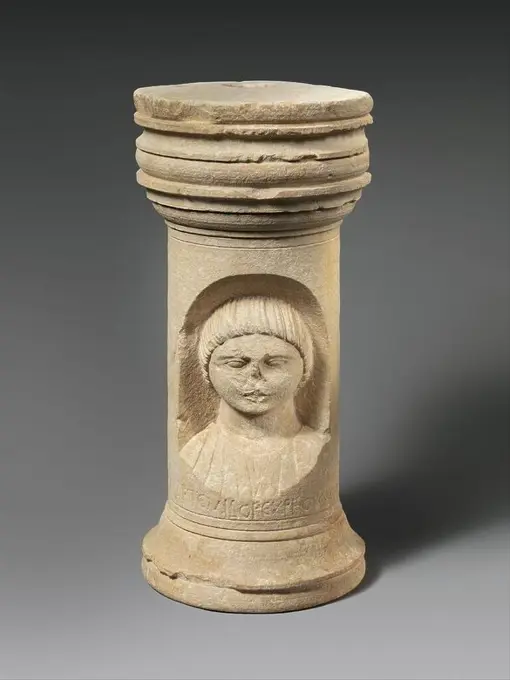
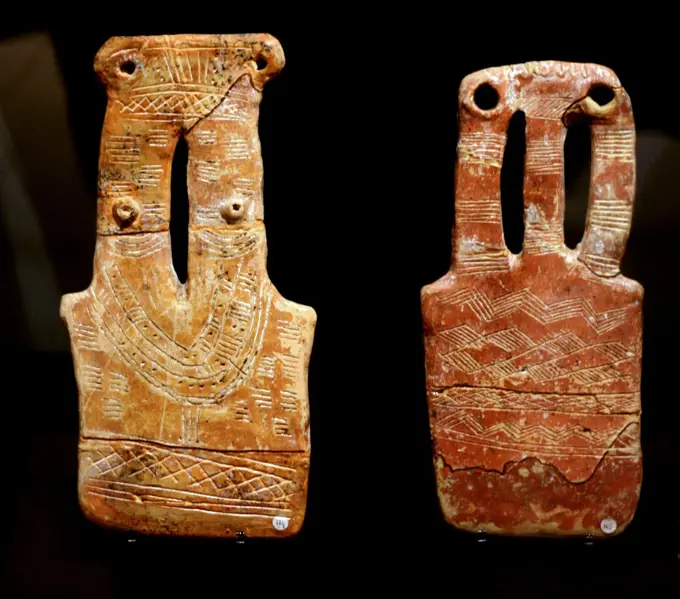
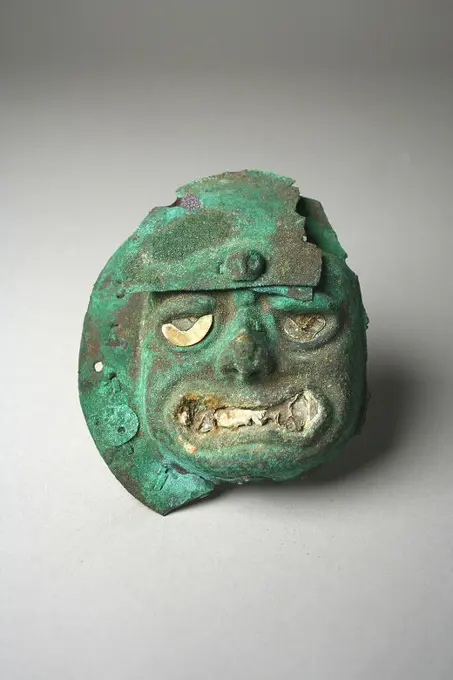
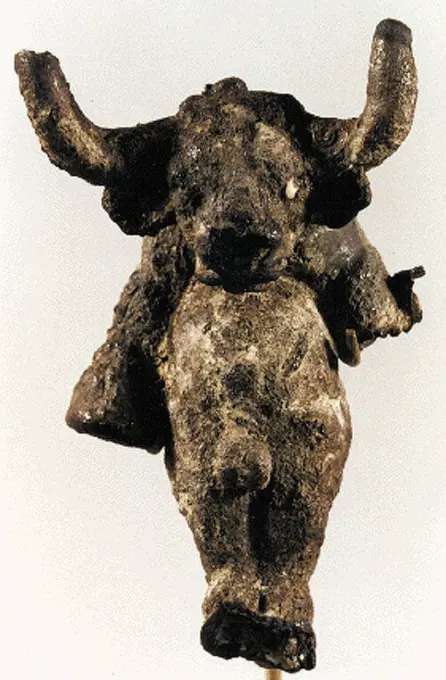
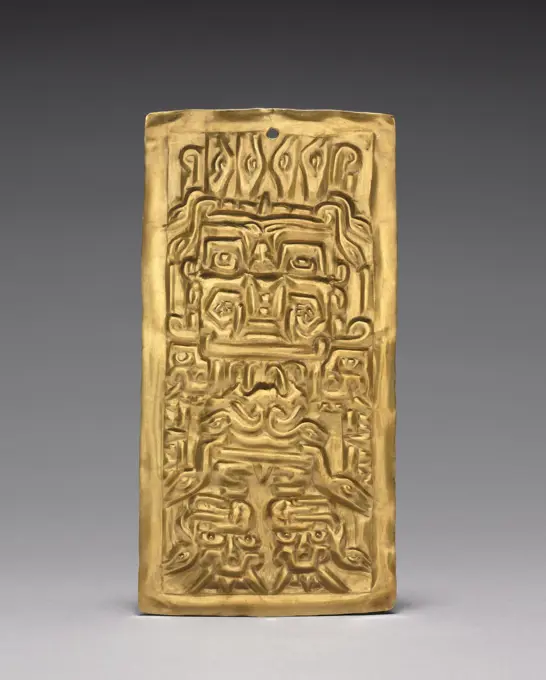
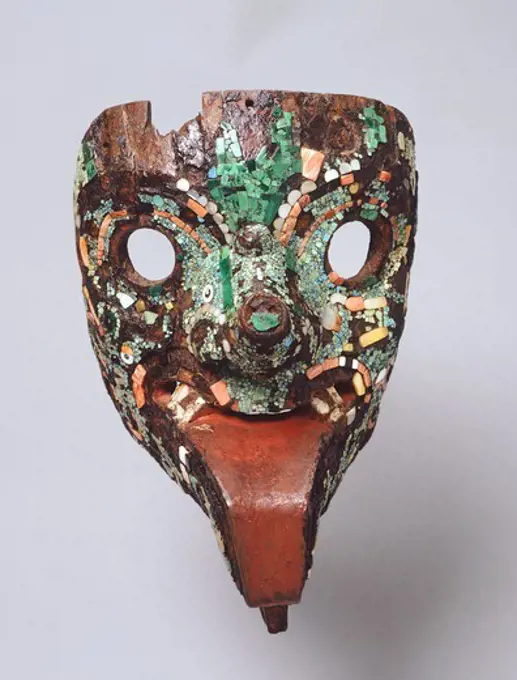
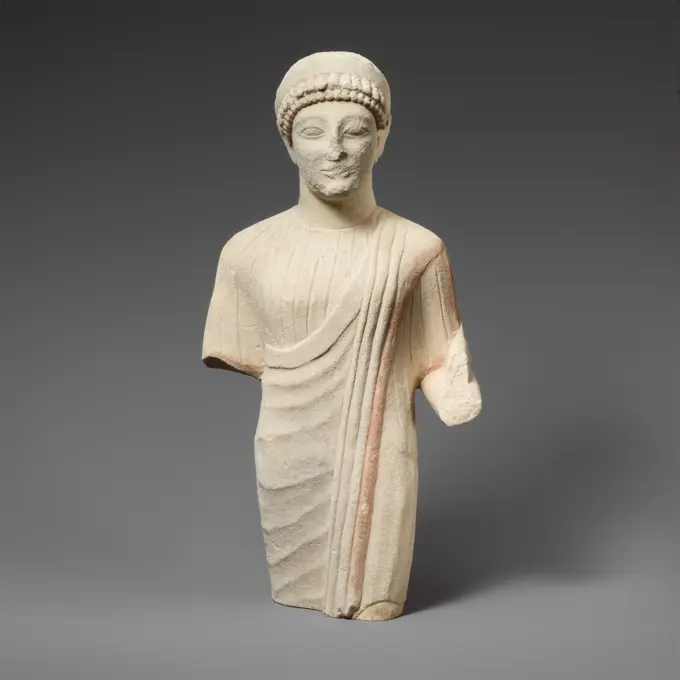
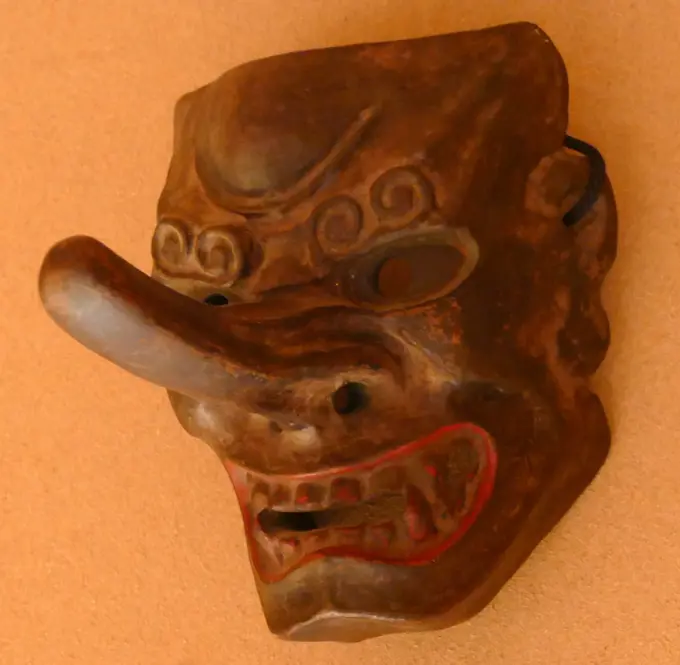
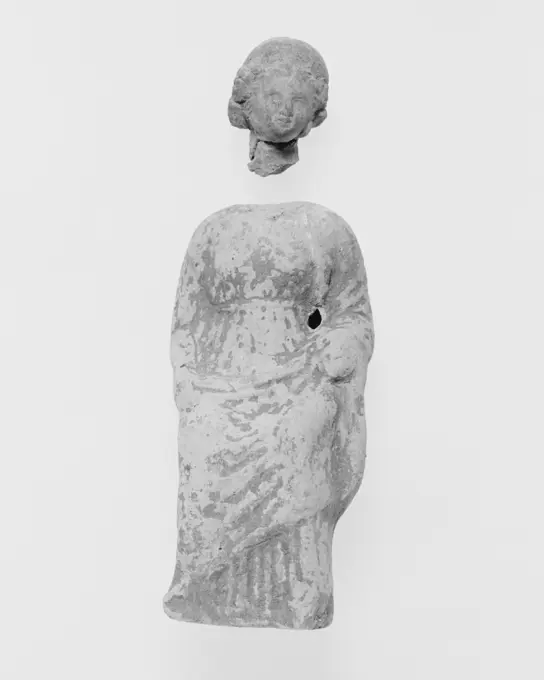
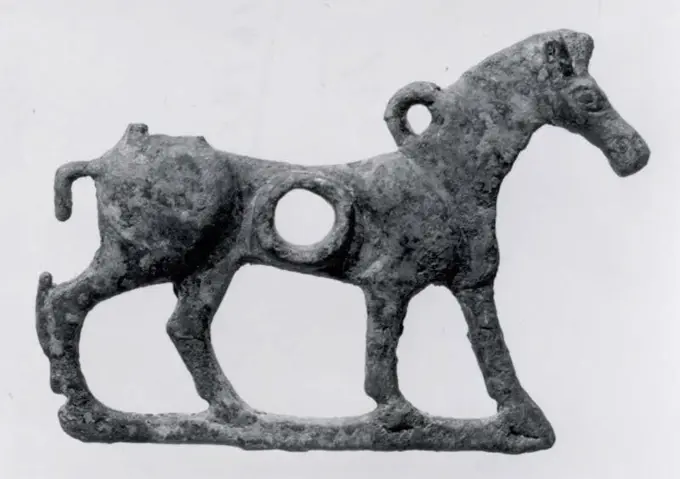
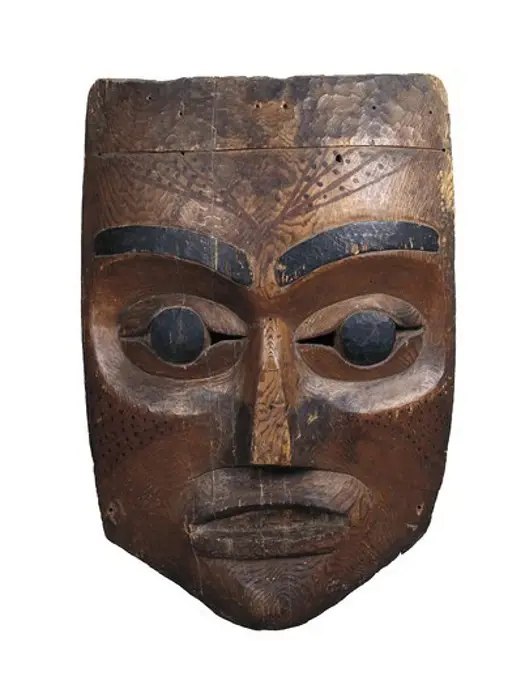
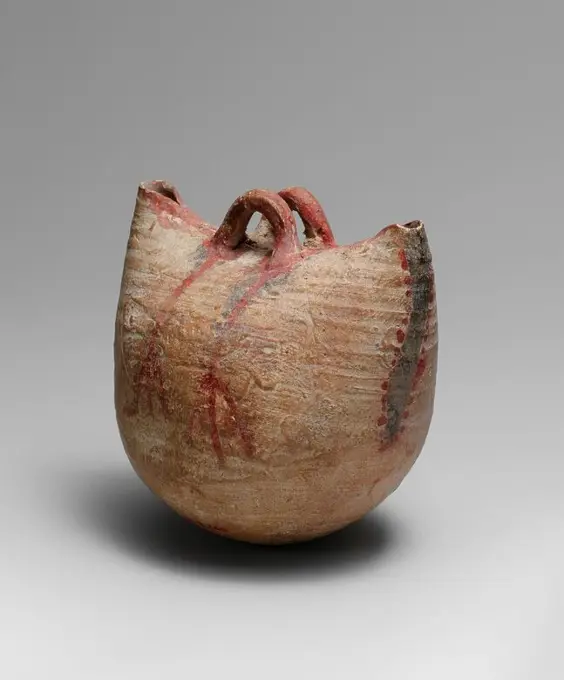
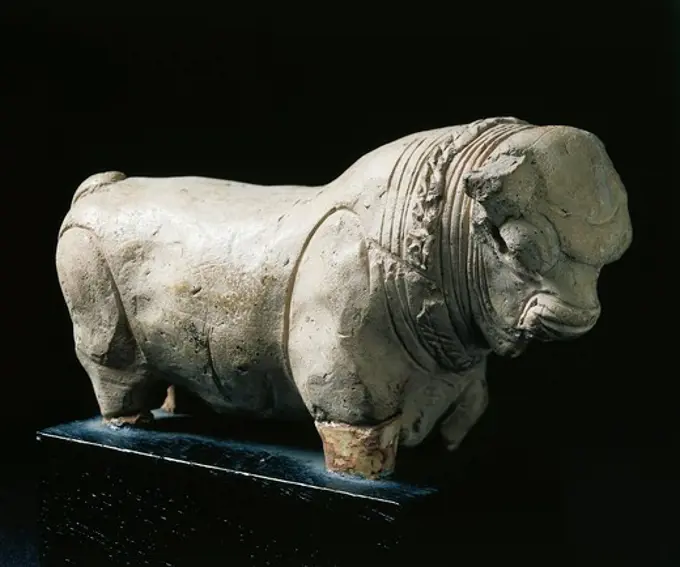
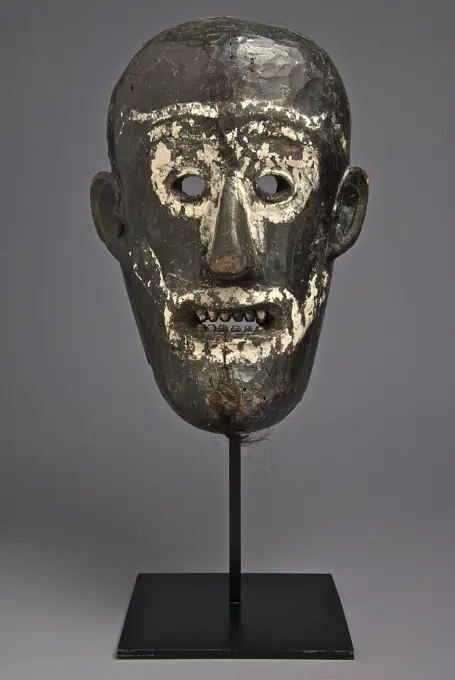
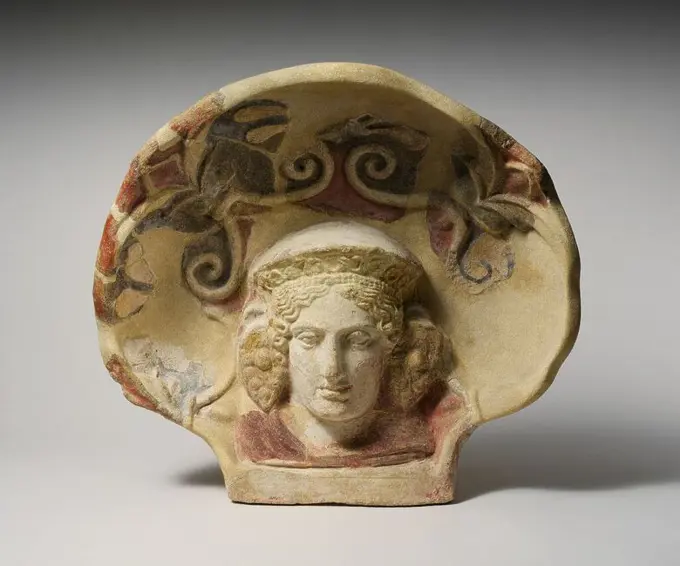
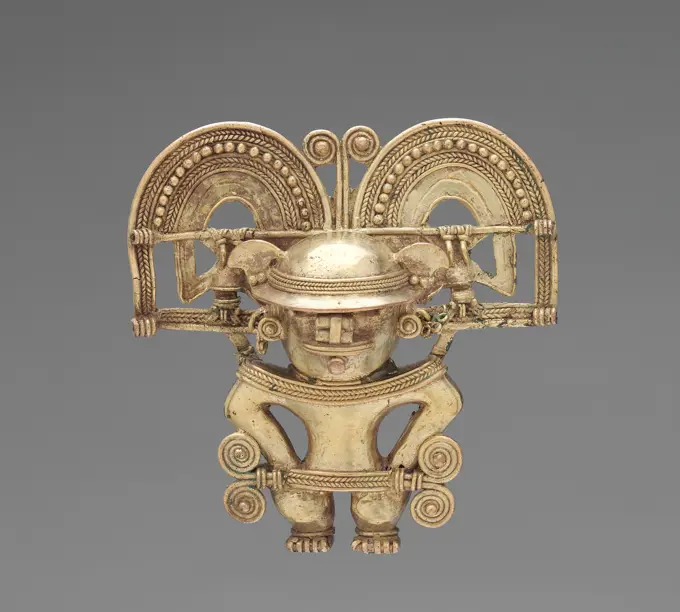
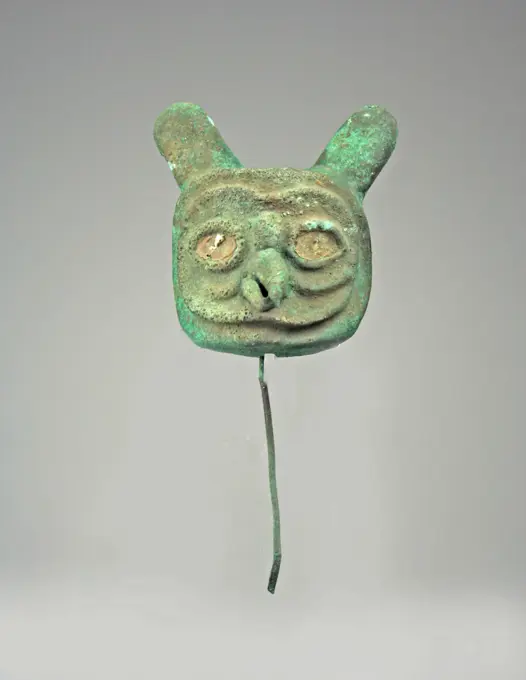
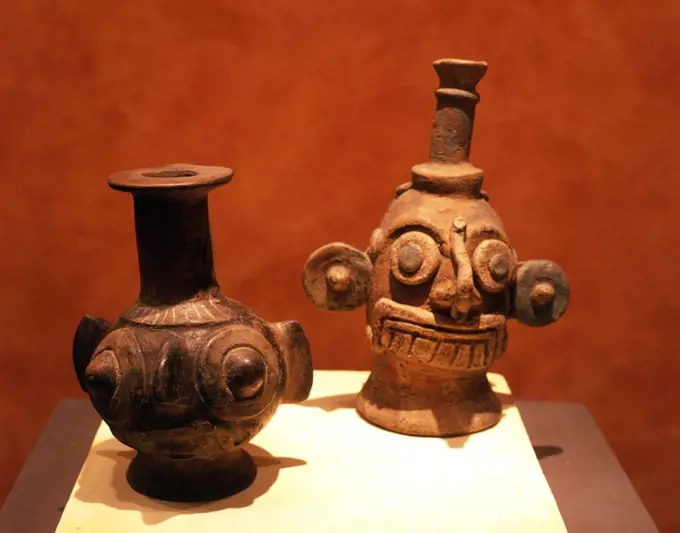
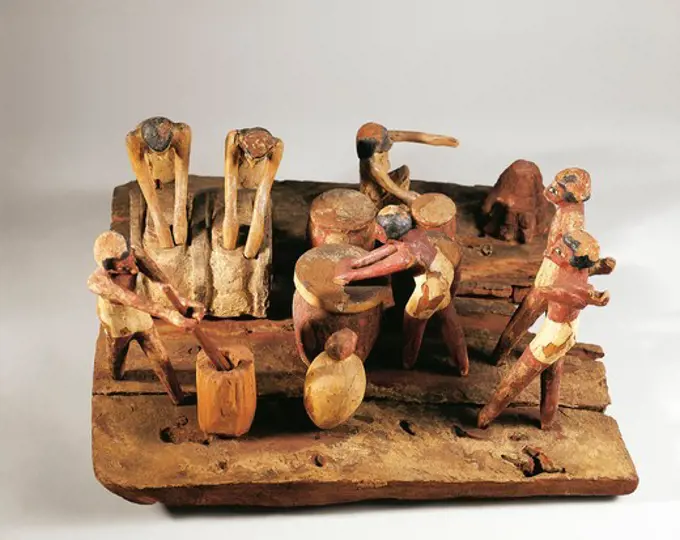
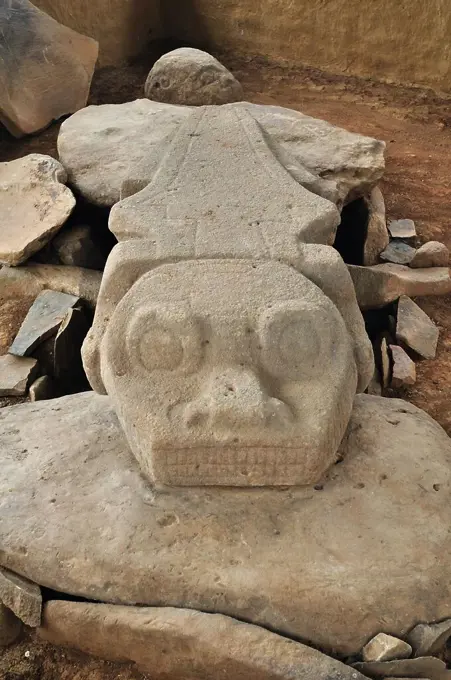
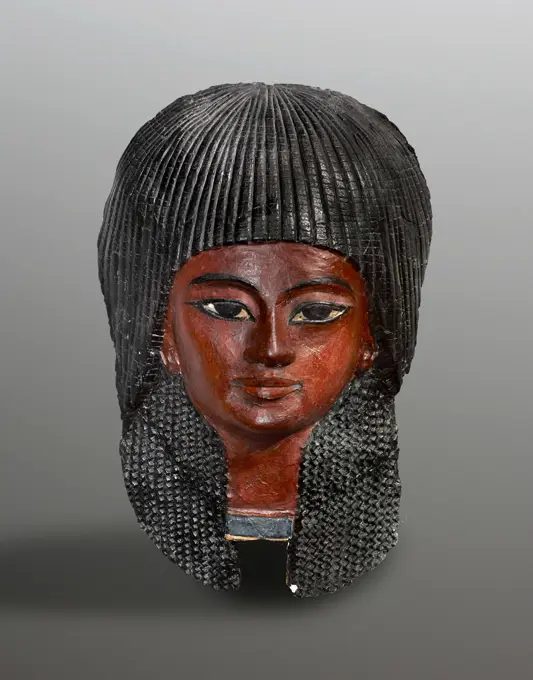
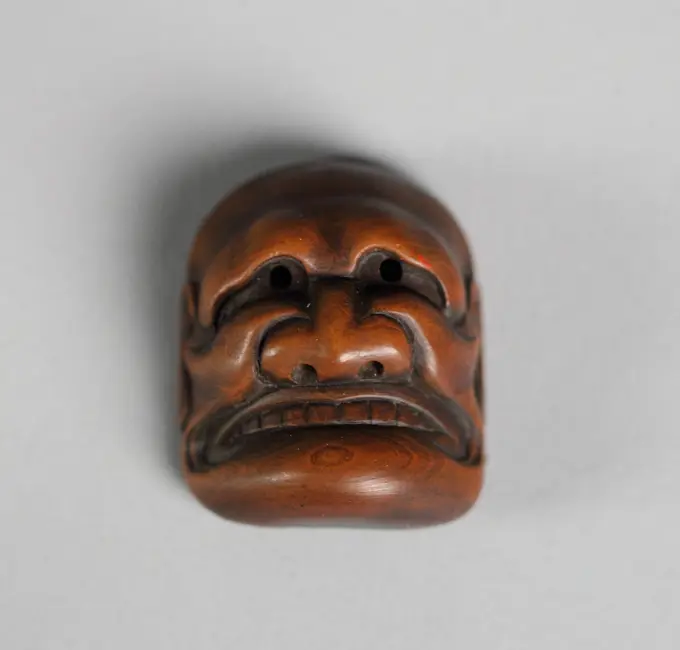
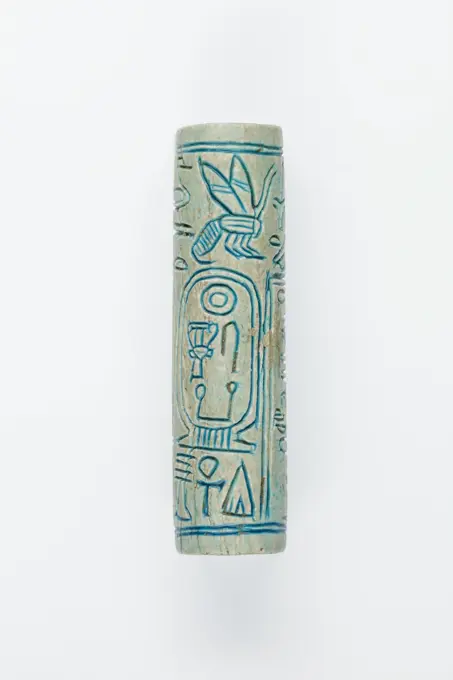
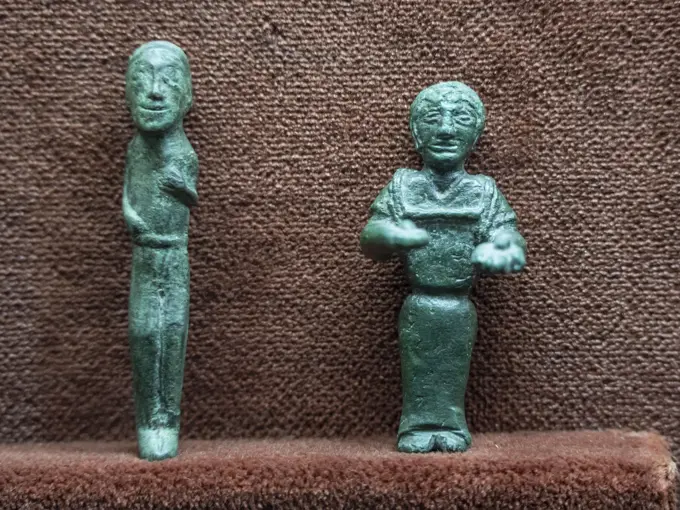
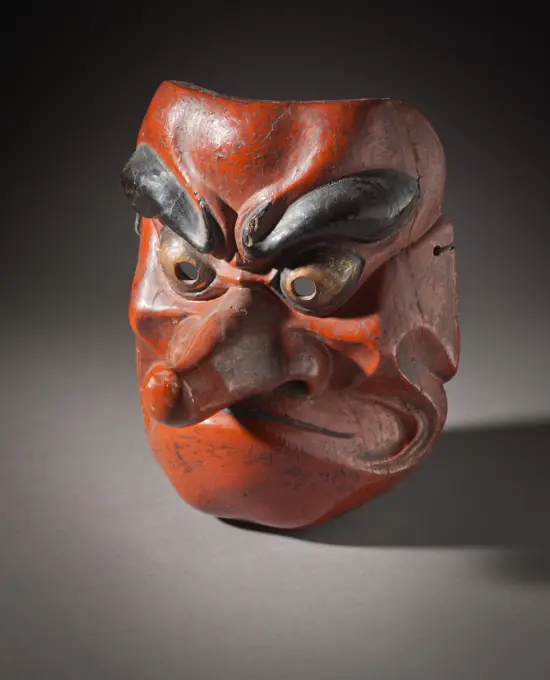
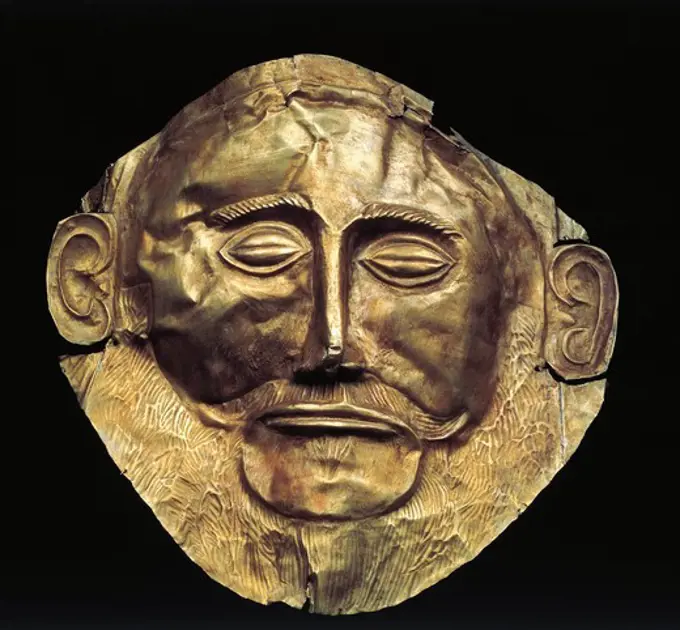
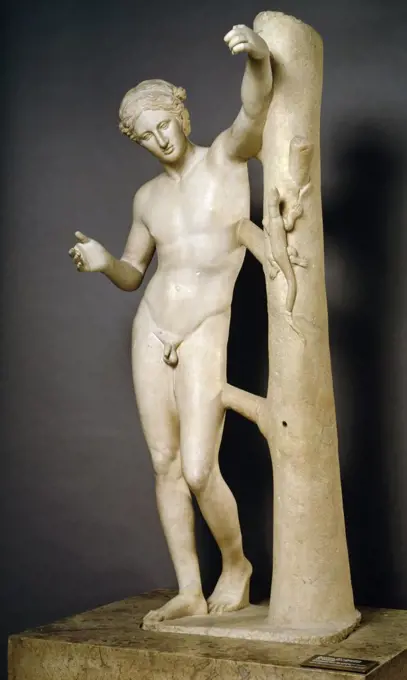
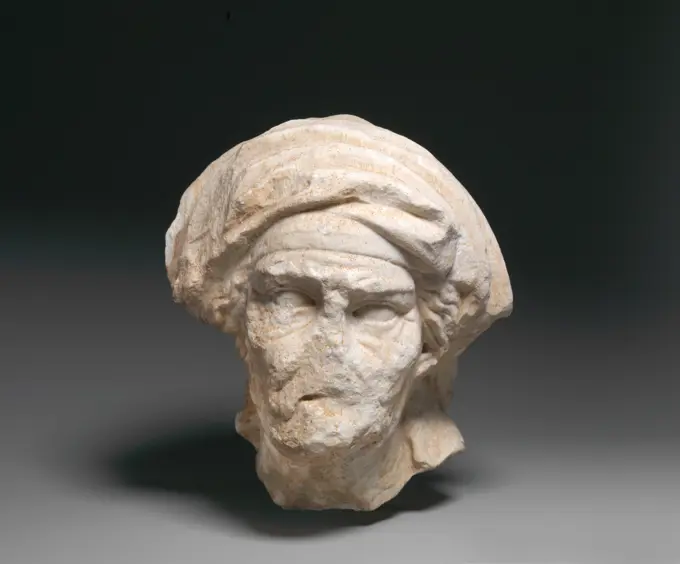
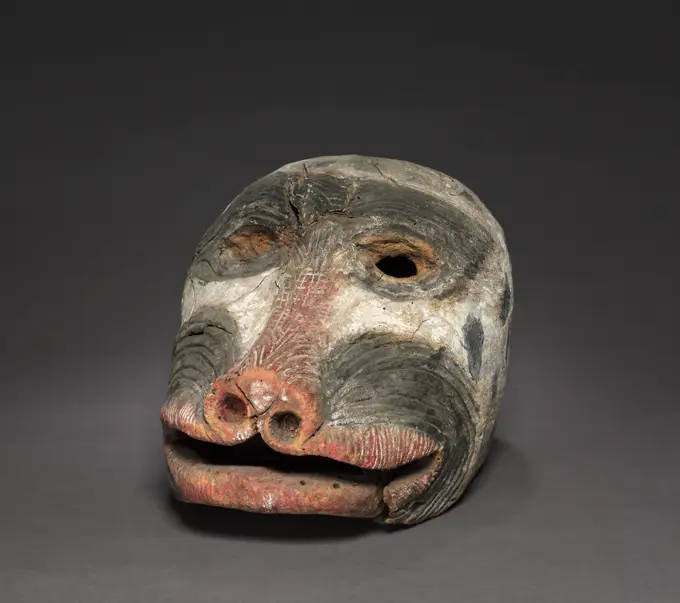
Mask, 1800s. Mexico, Paintla, 19th century. Wood; overall: 23.5 x 23.7 x 38.3 cm (9 1/4 x 9 5/16 x 15 1/16 in.).Kneeling figure of queen Hatshepsut with cultic vessel new Kingdom, dynasty 18 around 1475 BC Thebes West / Deir el-Bahari Rose granite.Zapotec terracotta vase from Oaxaca, Mexico. 250-600 ADWine Vessel (Jue). Culture: China. Dimensions: H. 5 3/4 in. (14.6 cm); W. with spout 6 1/8 in. (15.6 cm); D. with handle 2 3/4 in. (7 cm). Date: ca. 15th century B.C..Every ancient Chinese bronze thus far discovered was cast using a complex pottery section-mold--a Chinese invention. But this vessel's shape--angular, with a thin-walled body, a rim that appears "folded over," and a "strap" handle--implies an earlier hammered sheet-metal mode of manufacture that might have been introduced from western Asia, where bronze metallurgy developed two thousand years before it appeared in China. Museum: Metropolitan Museum of Art, New York, USA.Terracotta oil lamp. Culture: Roman, Cypriot. Dimensions: Overall: 1 1/8 x 3 1/8 in. (2.9 x 7.9 cm). Date: 4th-5th century A.D..Vessberg Type 18. Unpierced handle. Mold-made. Discus: bestiarius using large cochlea to shield him from a bear; letters in relief below cochlea. Shoulder: right side, herring-bone wreath; left side, wolf () running towards man with raised arms; behind animal: letters () OO. On base, circle of raised Greek letters: EYTYXHTOC. Crack in top of right side of nozzle. Museum: Metropolitan Museum of Art, New York, USA.Seal amulet in the form of a lion's head. Dimensions: Seal Face: 4.5 x 3.7 cmHeight: 1.5 cm. Date: ca. 3300-2900 B.C.. Museum: Metropolitan Museum of Art, New York, USA.Fragment of an Amulet - Isis with HorusFalcon Box with Wrapped Contents. Dimensions: H. 58.5 cm (23 1/16 in.); W. 24.9 cm (9 13/16 in.); D. 33.3 cm (13 1/8 in.). Date: 332-30 B.C..The elaborately decorated box features a falcon statuette on top of its lid. Inside is a tightly wrapped linen bundle. X-rays have shown that it does not contain a complete bird mummy but only feathers. Museum: Metropolitan Museum of Art, New York, USA.Vessel, c. 100-200, 7 1/4 x 5 1/8 x 6 1/4 in. (18.42 x 13.02 x 15.88 cm), Ceramic, pigment, Peru, 1st-2nd century, Few textiles from the Moche culture have survived Northern Perus damp climate intact, but expressive ceramics give us clues into the textile tradition. This jar depicts an elite couple dining on seafood. Moche artists represented people of high status wearing luxurious patterned garments through detailed painted designs, while commoners wore plain clothing. This couples rank is also indicated by their head coverings and face paint. Vessels like this were too elaborate for daily use and likely reserved for ceremonial occasions and for inclusion in burials.Miniature mask, 1500 BCE, Earthenware, Mexico, Pre-ClassicWorker Shabti of Nauny ca. 1050 B.C. Third Intermediate Period See 30.3.26.1a, b. Worker Shabti of Nauny 625739Beaker. Iran, Luristan bronzes, circa 1000-800 B.C.. Furnishings; Serviceware. BronzeAnubis Amulet. Dimensions: H. 4.7 cm (1 7/8 in). Date: 664-30 B.C..Funerary amulets often were made in the form of gods who had roles in protecting the mummy. Anubis, the jackal-headed god, oversaw the embalming process. He also bore the epithet "lord of the hallowed ground," meaning protector of the necropolis. Anubis had a significant role in the judgment of the dead when he supervised the weighing of the heart for Osiris. Museum: Metropolitan Museum of Art, New York, USA.Bronze patera handle in the form of Lasa. Culture: Etruscan. Dimensions: total H. 8 1/8 in. (20.6 cm); H. of figure 5 13/16 in. (14.7 cm). Date: 4th century B.C..Rogers Fund, 1919 (19.192.65)Both handles are elaborately modeled in the form of nude female figures that probably represent the Etruscan nymph Lasa. Typical attributes of this mythical character are wings and elegant jewelry. The handle attachments, at the top on the reverse of each piece, are decorated with an ivy leaf and a female head wearing a necklace of three pendant amulets. Museum: Metropolitan Museum of Art, New York, USA.Figurine of a PriestTomb Figure of Seated Lion 3rd-6th century China. Tomb Figure of Seated Lion 44338Inverse-Face Beaker 10th-11th century Lambayeque (Sicán). Inverse-Face Beaker 316429Finial. Chimú; North coast, Peru. Date: 1100-1470. Dimensions: H. 11.4 cm (4 1/2 in.). Bronze. Origin: North Coast. Museum: The Chicago Art Institute, Chicago, USA.Cast Pendant. UnknownCeramic vessel Virú culture 100 BC-200 AC Perú.Cylinder Vessel with Opossums and Burning Censers. Guatemala, Escuintla, Maya, 600-900 CE. Ceramics. Slip-painted ceramic with post-fire pigmentBelt Plaque with Mythological Creature 3rd century B.C. North China. Belt Plaque with Mythological Creature 53778Tie-back. Dated: c. 1939. Dimensions: overall: 36.8 x 28.6 cm (14 1/2 x 11 1/4 in.) Original IAD Object: 4" wide; 10 3/8" long. Medium: watercolor and graphite on paperboard. Museum: National Gallery of Art, Washington DC. Author: Harry Jennings.Bronze tripod ca. 1450-1050 B.C. Cypriot This small vessel stand was cast from a mold. Most known examples of cast tripods come from tombs and sanctuaries.. Bronze tripod. Cypriot. ca. 1450-1050 B.C.. Bronze. Late Cypriot II or III. BronzesWorker Shabti of Nauny Third Intermediate Period ca. 1050 B.C. Almost 400 small funerary figures known as shabtis were found with Naunys burial. These can be seen as avatars, meant to carry out agricultural labor on Naunys behalf in the afterlife.Masquerade Element: Human Face 18th-19th century Yoruba peoples, Ijebu group. Masquerade Element: Human Face. Yoruba peoples, Ijebu group. 18th-19th century. Brass. Nigeria. Metal-OrnamentsBurial urn with jaguar god, Popol Vuh Museum, Guatemala City, Guatemala, Central AmericaGreek Art. Archaic bronze helmet of Corinthian type. Dated to 700-675 BC Museum of Cycladic and Ancient Greek Art. Athens, Greece.Madrid, M.A.N. Arte Egipcio. Momia falsa. El cuerpo es una tabla de madera vendada. Cartonajes de época ptolemaica.Trophy Head shaped vessel. Ceramic. Nazca culture (100 BC-700 AD). Early Intermediate. Peru. Museum of the Americas. Madrid, Spain.Peruvian, Spanish Colonial-Inca culture, ceremonial goblet; (kero) wood with encrusted resins 18th century.Crested figure (Macuilxochitl) 15th-early 16th century Aztec. Crested figure (Macuilxochitl) 307779Painted stone from the cliff bandiagara village of Songo. Made from stone and coloured pigments.Hazel Hyde, Base for Weather Vane, c 1939 Base for Weather VaneVessel terminating in the forepart of a fantastic leonine creature ca. 5th century B.C. Achaemenid Horn-shaped vessels ending in an animal's head have a long history in the Near East as well as in Greece and Italy. Early Iranian examples are straight, with the cup and animal head in the same plane. Later, in the Achaemenid period, the head, or animal protome, was often placed at a right angle to the cup, as in this piece. In the manufacture of this gold vessel, several parts were invisibly joined by brazing, which demonstrates superb technical skill. One hundred and thirty-six feet of twisted wire decorate the upper band of the vessel in forty-four even rows, and the roof of the lion's mouth is raised in tiny ribs. Typical of Achaemenid style, the ferocity of the snarling lion has been tempered and restrained by decorative convention. The lion has a crest running down his back; his mane has the disciplined appearance of a woven material; and his flanks are covered by an ostrich plume. Old toy, drueck figure old toy, a wooden drueck figure with a white background.Ivory headrest of Pepi IISeated Warrior Stirrup-Spout Vessel c.200-500 A.D Moche IV, Peru Ceramic Pre-Columbian Collection of The Museum of Contemporary Art, Jacksonville, FloridaCup 19th century, after 16th century original British, after German original This electrotype is after a sixteenth-century original in the Chéréméteff collection, St. Petersburg, at the time of reproduction.. Cup 186590Model of a house ca. 1750-1700 B.C. Middle Kingdom The model represents a house with a two-columned portico, and on the left a stair leads to the roof top where people might sleep during the hot summer and keep provisions. The walled courtyard has an outlet at the front indicating that this house model functioned as an offering "table" on a grave.. Model of a house 555830Gilded silver helmet from the Agighiol treasurebamboo snuff box, tagalog culture, Pampanga, Luzon, 19th century, brown bamboo, Anthropology National Museum, Madrid, Spain.vase with symbolic decoration -female figure-, ceramic, 3000-2500 BC, Monte do Outeiro, Aljustrel, Portugal, Huelva Museum, Huelva, Andalusia, Spain.Part of a ceremonial rattle in the shape of the symbol of Hathor, goddess of love and music. 7th-5th century.weibliches anthropomorphes Gefäß weibliches anthropomorphes Gefäß Copyright: xZoonar.com/Tolox 22682466An animal bone broken into three pieces and arranged back in order againAncient Stone Mask, Olmec Culture, Mexico Primitive Art Museum of Primitive Art, New York City, USAPlaque () Fragment with a Man Holding the Bridle of a Horse. UnknownLimestone funerary cippus (tomb marker). Culture: Roman, Cypriot. Dimensions: H.: 24 3/4 x 11 1/2 in. (62.9 x 29.2 cm). Date: 2nd-3rd century A.D..Only a handful of funerary cippi from Roman Cyprus decorated with portrait busts are known. The deceased shown here as a youth is identified by the Greek inscription below that reads: "Good Artemidoros, farewell.". Museum: Metropolitan Museum of Art, New York, USA.Fragment of a sculpture, anonymous, 1300 - 1500 Mask-like fragment. Java terracotta (clay material) Mask-like fragment. Java terracotta (clay material)Asiatic Figurine  Asian Art Plank-shaped figurines, Red Polished Ware. Figurines, probably female, with 2 or 3 necks, 2300-2000 BC.Face Mask Ornament. Culture: Moche (Loma Negra). Dimensions: Diam. 3 15/16 in. (10 cm). Date: 390-450. Museum: Metropolitan Museum of Art, New York, USA.A Profile Face and Wig, 3/7cm High; A Floral Collar 1cm Wide; The Lower Part Of a Seated Figure, 5.5cm. High; The Handle of a Flail, 4.2cm. Long, 4th-1st Century B.CPendant in the shape of a bull ca. 3100-2900 B.C. Proto-Elamite. Pendant in the shape of a bull 327525Plaque, c. 500-200 BC. Peru, North Coast, Chongoyape(), Chavín style (1000-200 BC). Hammered and cut gold; overall: 21.8 x 10.8 cm (8 9/16 x 4 1/4 in.).Mosaic mask from Puebla, Mexico. Mixtec Civilization,7th Century.Part of a ceremonial rattle in the shape of the symbol of Hathor, goddess of love and music. 7th-5th century.Limestone statuette of a beardless male votary with a diadem Early 5th century B.C. Cypriot Male figure with chiton and himation, holding a bird.. Limestone statuette of a beardless male votary with a diadem. Cypriot. Early 5th century B.C.. Limestone. Late Archaic. Stone SculptureScarab ca. 1479-1458 B.C. New Kingdom. Scarab. ca. 1479-1458 B.C.. Faience. New Kingdom. From Egypt, Upper Egypt, Thebes, Deir el-Bahri, Hatshepsut Hole, Hathor Shrine, MMA excavations, 1922-23. Dynasty 1817th century Japanese wooden maskStatuette of a Seated Goddess. UnknownHorse bit cheekpiece in form of a striding horse ca. 8th-7th century B.C. Iran. Horse bit cheekpiece in form of a striding horse 324551Nutka mask made of wood, usually placed at the door of houses (18th c.). SPAIN. MADRID (AUTONOMOUS COMMUNITY). Madrid. America's Museum. Proc: CANADA. BRITISH COLUMBIA. Vancouver.Basket Vessel. Dimensions: H. 9 cm (3 9/16 in); w. 10.5 cm (4 1/8 in). Dynasty: Dynasty 18. Date: ca. 1550-1295 B.C.. Museum: Metropolitan Museum of Art, New York, USA.Pakistan, Mohenjo-daro, Terracotta bull figurineMaskTerracotta antefix (roof tile) with head of a maenad. Culture: Etruscan, Cerveteri. Dimensions: 19 1/2 x 20 1/2in. (49.5 x 52.1cm). Date: late 4th century B.C..On temple roofs, maenad antefixes often alternate with satyr-head antefixes. Here, the maenad wears an elaborate diadem and very large grape-cluster earrings, a type of jewelry especially popular in the fifth and fourth centuries B.C. Museum: Metropolitan Museum of Art, New York, USA.Bronze sculpture of an Etruscan horse on a black background. Horse miniature. Bronze sculpture of an Etruscan horse on a black background. Horse miniature.Uszebti Amenhotepa z koszyczkami na plecach. unknown, authorFigure Pendant, 900-1550. Colombia, Tairona style, 10th-16th century. Cast gold; overall: 6.2 x 6.1 x 2.5 cm (2 7/16 x 2 3/8 x 1 in.).Pilgrim's Badge. Culture: French. Dimensions: Overall: 1 13/16 x 9/16in. (4.6 x 1.4cm). Date: 14th-16th century. Museum: Metropolitan Museum of Art, New York, USA.Mask of a woman with corkscrew locks and ball earrings. Dimensions: h. 19.7 cm (7 3/4 in). Date: A.D. 50-100. Museum: Metropolitan Museum of Art, New York, USA.Egypt, Thebes, Luxor, Valley of the Kings, Tomb of Tutankhamon, Gemhesu hawk from 18th dynastyProfile Warrior Ornament 6th-7th century Moche (Loma Negra). Profile Warrior Ornament 315137Owl Head 6th-7th century Moche (Loma Negra). Owl Head 315104Mask, 6th-9th century, 7 1/2 in. (19 cm), Green alabaster, Mexico, 6th-9th centuryLimestone and bitumen lion mounted on a wheeled base, Susa, c12th century BC. Artist: UnknownCane Head or Handle. Dated: 1935/1942. Dimensions: overall: 28.5 x 22.2 cm (11 1/4 x 8 3/4 in.) Original IAD Object: 37 3/8" long. Medium: watercolor and graphite on paperboard. Museum: National Gallery of Art, Washington DC. Author: Francis Law Durand.Knife handleMexico.Mexico D.F.Museo Nacional de Antropologia.Vasijas de ceramica.Cultura de Teotihuacan.Old brass knocker shaped hand doorEgypt, Asyut, Bread preparation, wooden modelMiniature Theatrical Mask of an Old Man. UnknownCrocodile - Alto de los Idolos in ISNOS - Archaeological Park of SAN AGUSTIN . Department of Huila.COLOMBIA.Glass double-headed pendant with gold hoop late 4th-3rd century B.C. Punic, Western Mediterranean Pendant:Translucent honey brown.Oval disk with flat projecting flange around heads; trailed ring for suspension hoop attached to top of disk; pierced vertical hole at bottom of disk.The two heads are very similar but not identical: hair arranged in two rows of knobby curls; irregular lines running across forehead; eyes with pupils; drooping mustache and facial hair on cheeks.Complete, except for chip to one side of hole under chin; dulling and patches of weathering.. Glass double-headed pendant with gold hoop. Punic, Western Mediterranean. late 4th-3rd century B.C.. Gold, glass; cast in a two-piece mold and rod-pierced. HellenisticModel of a cart with a human figure ca. 600-480 B.C. Cypriot The figurine is handmade. The cart has low sides, a thick tubular socket for the pole, and wheels with painted spokes. The occupant of the cart is a reclining male figure wearing a long robe.. Model of a cart with a human figure 241350Mummy mask of a boy. unknown, authorHead of a horse wearing a harness, part of a larger figure of a horse and rider. Terracotta. 600-500 BC. Made in Cyprus. From the Sanctuary of Apollo, Phrangissa. British Museum. London. England, United Kingdom.Janus mask decorated with glass and ceramic beads, 19th century, historical museum of Bamoum people, Sultan's Palace, Foumbam, West Region, Cameroon, AfricaNetsuke of Kygen Mask: Buaku 19th century Japan. Netsuke of Kygen Mask: Buaku. Japan. 19th century. Wood. Edo (1615-1868) or Meiji period (1868-1912). NetsukeCylinder Seal of Amenemhat Senbef ca. 1799-1795 B.C. Late Middle Kingdom. Cylinder Seal of Amenemhat Senbef. ca. 1799-1795 B.C.. Glazed steatite. Late Middle Kingdom. From Egypt; Said to be from Southern Upper Egypt, Moalla. Dynasty 13Standing female figure, 200-700, 5 x 2 7/8 x 1 1/4 in. (12.7 x 7.3 x 3.2 cm), Earthenware, Mexico, 3rd-8th centuryDouble vessel. Chimu-Inca culture. Late Horizon (1470-1532 AD). Peru. Ceramic. Museum of the Americas. Madrid, Spain.Iberische Votivgaben aus Bronze Iberian bronze votive offerings, Luz sanctuary, Murcia,, Valladolid Museum - Provincial Museum of Antiquities, Autonomous Community of Castile and Leon, Spain Copyright: xZoonar.com/BartomeuxBalaguerxRotgerx 22539216Long-nosed Mask. Japan, Muromachi period (15th century). Jewelry and Adornments; masks. Wood, lacquer, pigmentsGold funerary mask of an Achaean king known as Mask of Agamemnon, from Mycenae, GreeceSaurocton Apollo by Praxiteles, marble, circa 350 B.C.Marble head of an old woman ca. 1st century A.D. Roman This head is broken from a statue. The type relates to the old market woman (09.39) displayed in the Roman Court.. Marble head of an old woman 248672Gold Weight: Mask 17th-18th century () Brong. Gold Weight: Mask. Brong. 17th-18th century (). Brass. Ghana. Metal-Sculpture