Ancient Artifacts and Sculptures

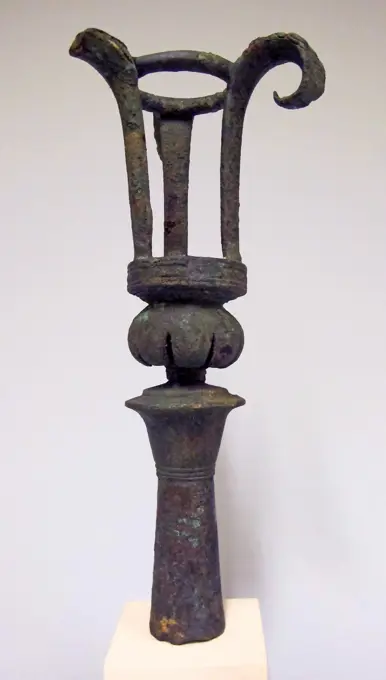
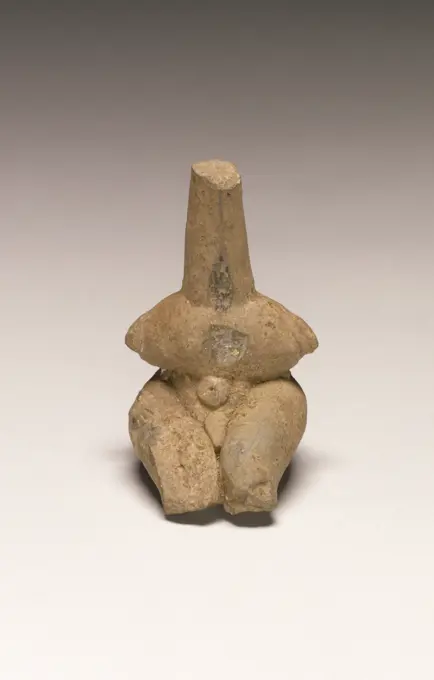
A collection of ancient artifacts including musical instruments and statuettes from various cultures, showcasing intricate designs and historical significance.

Oinochoe;  horse. IV - early III century BC (-330-00-00--280-00-00);Działyńska, Izabela (1830-1899), Działyńska, Izabela Elżbieta née Czartoryski (1830-1899)-collection, Działyński, Jan (1829-1880)
Oinochoe; horse. IV - early III century BC (-330-00-00--280-00-00);Działyńska, Izabela (1830-1899), Działyńska, Izabela Elżbieta née Czartoryski (1830-1899)-collection, Działyński, Jan (1829-1880)
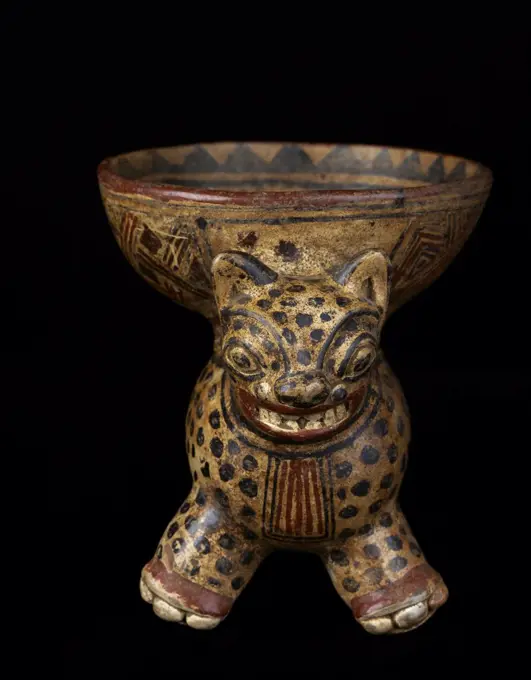
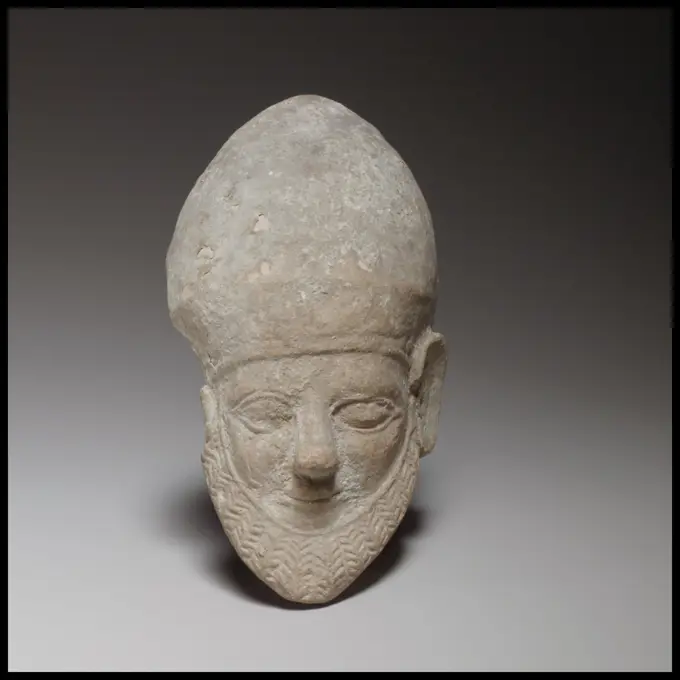
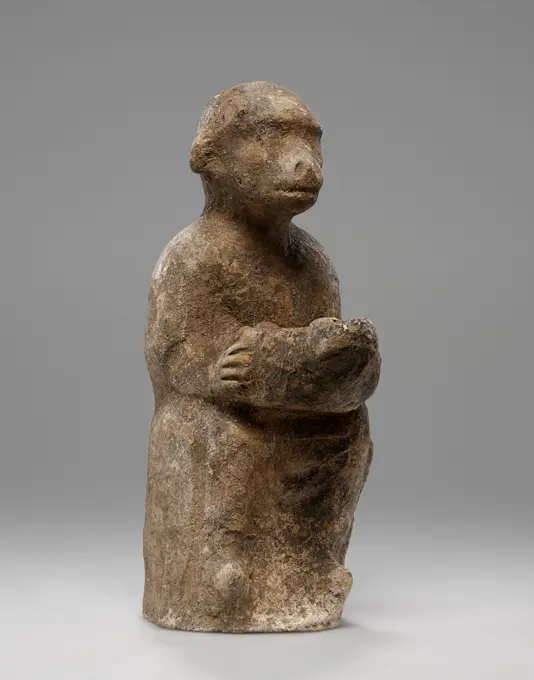
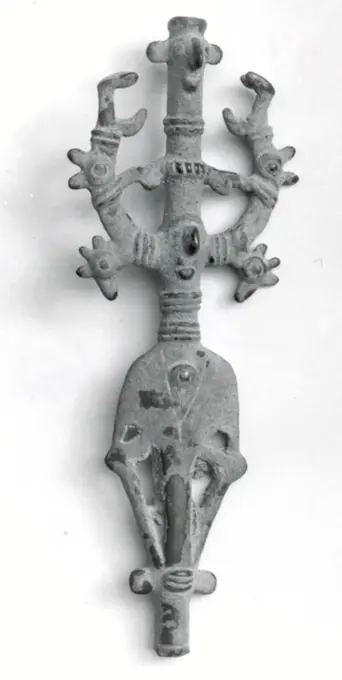
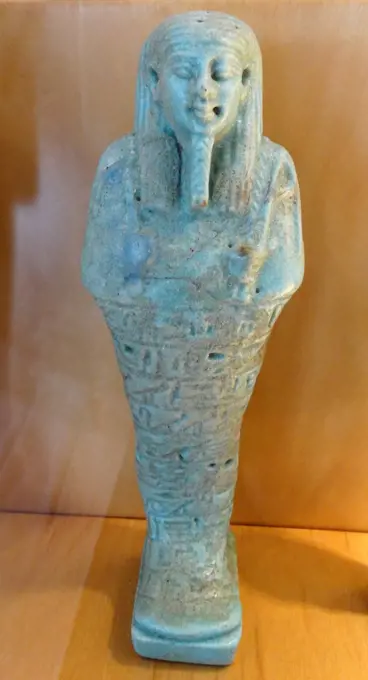
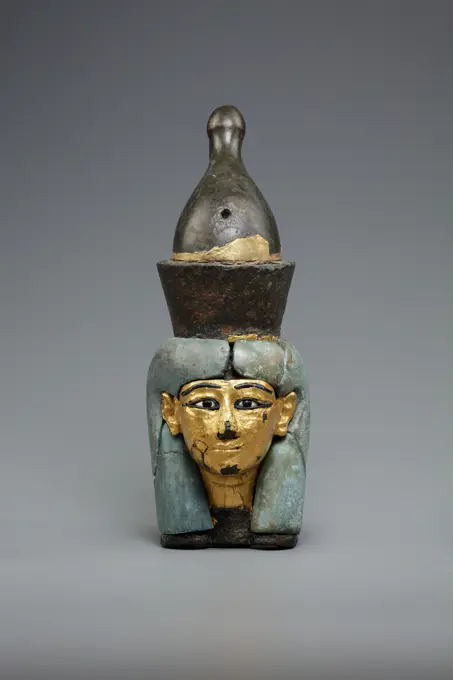
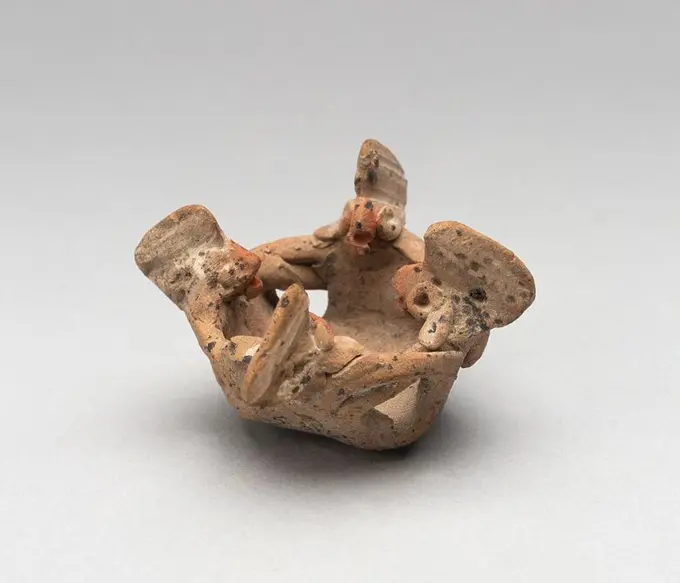
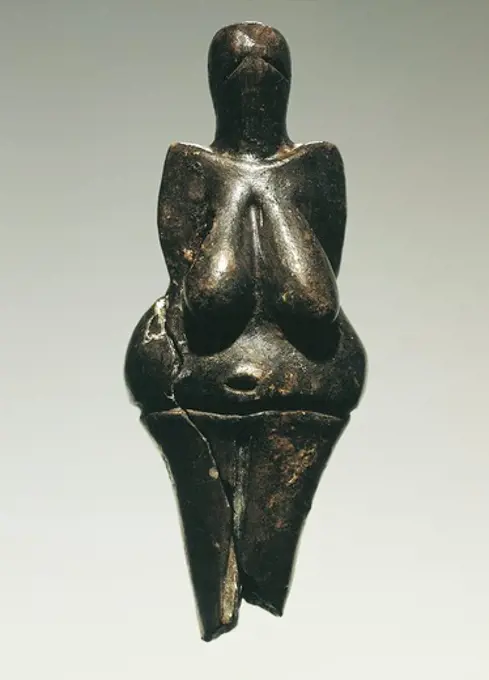
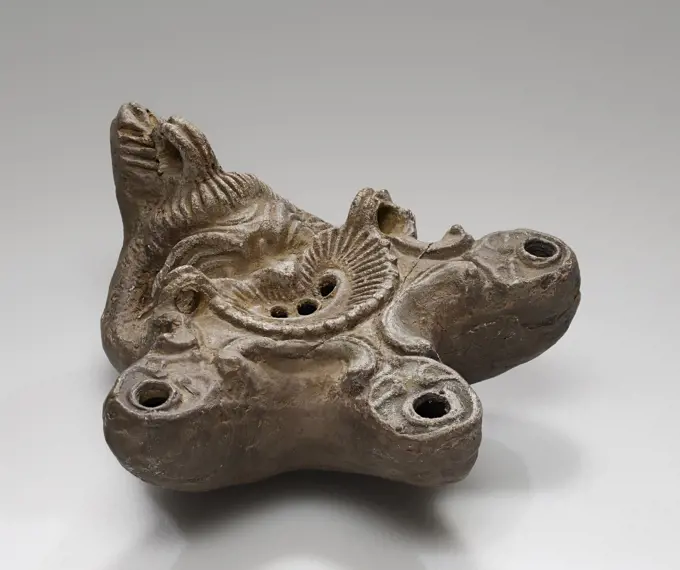
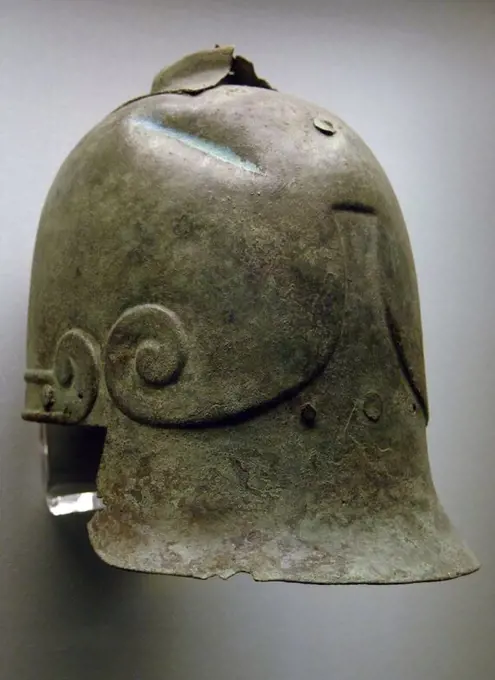
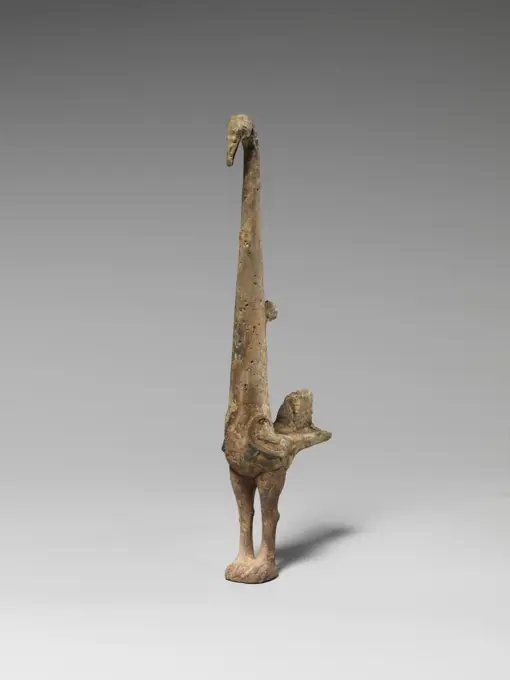
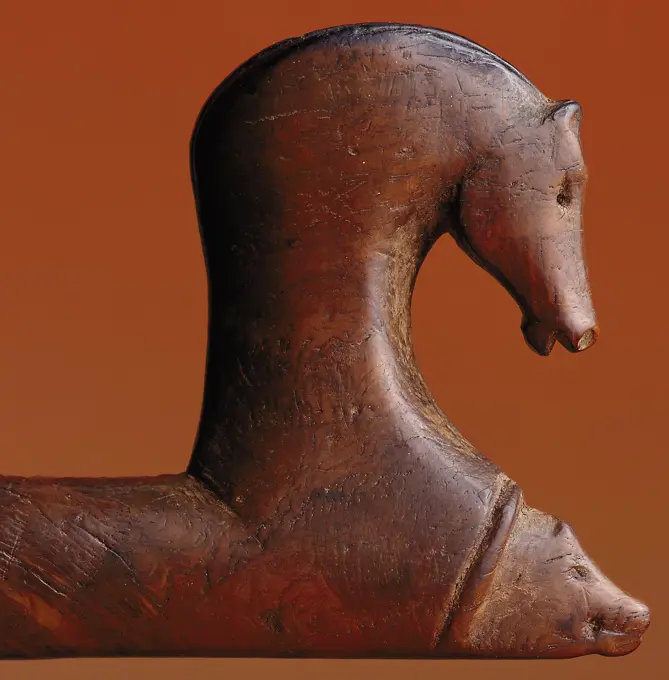
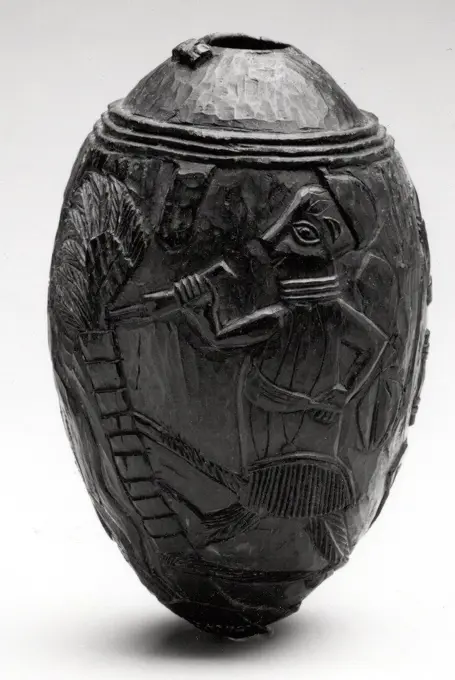
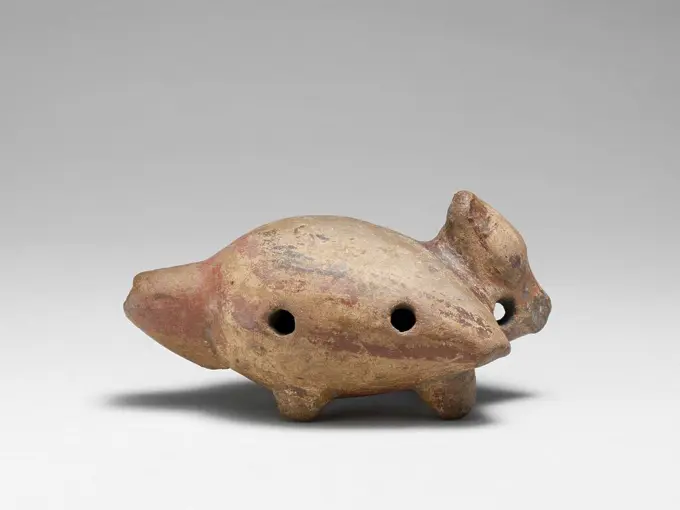
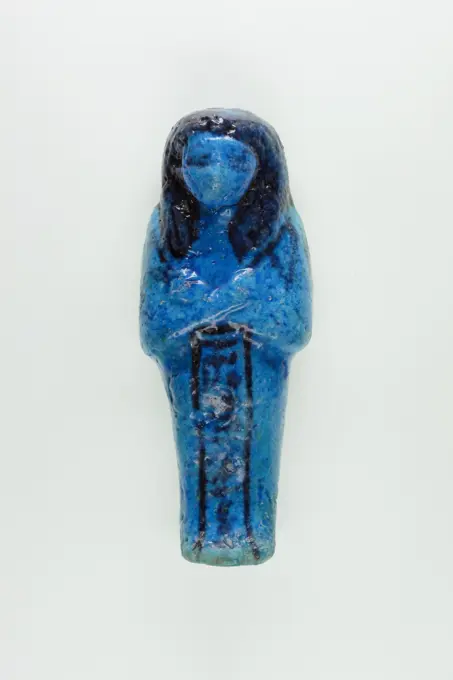
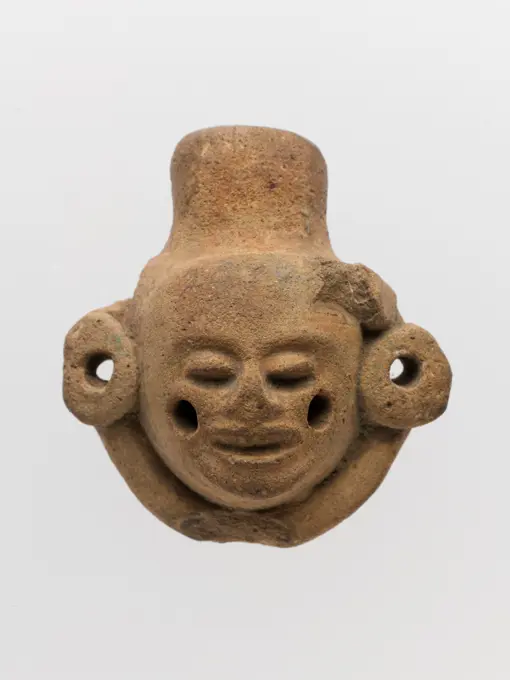
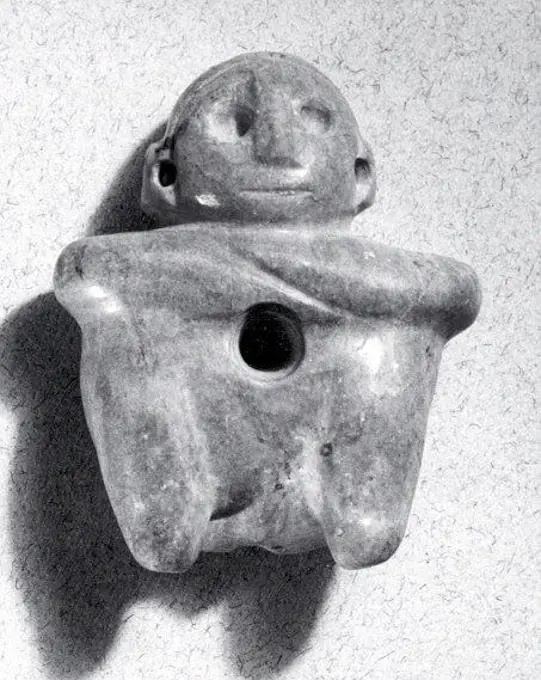
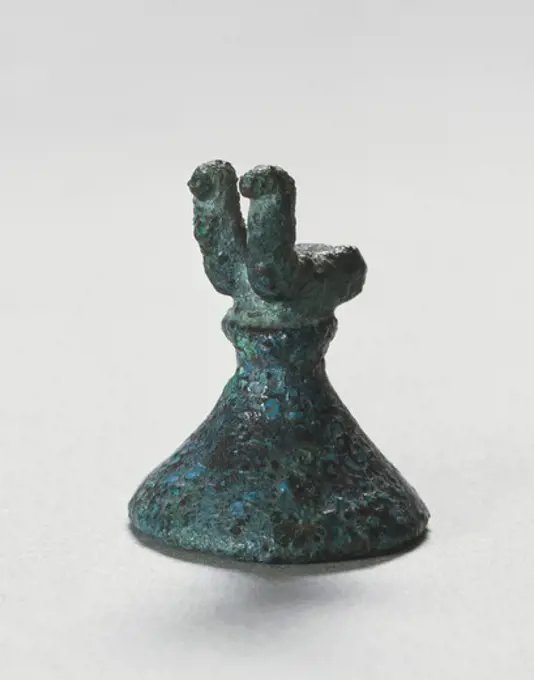
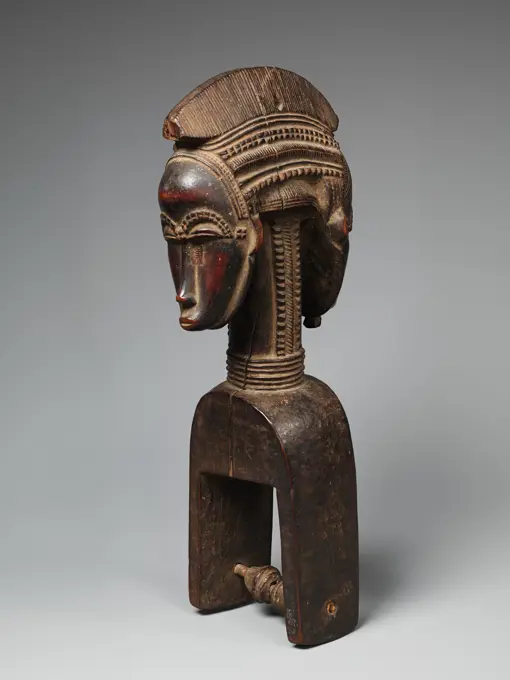
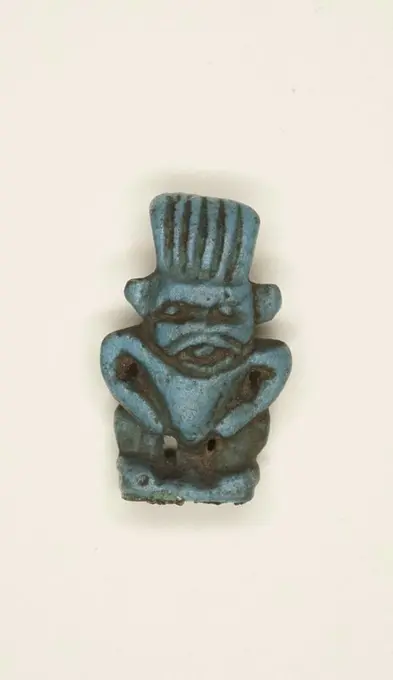
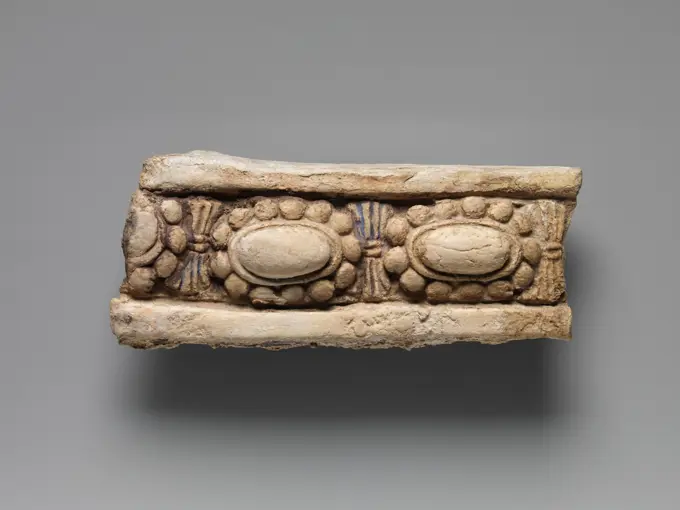
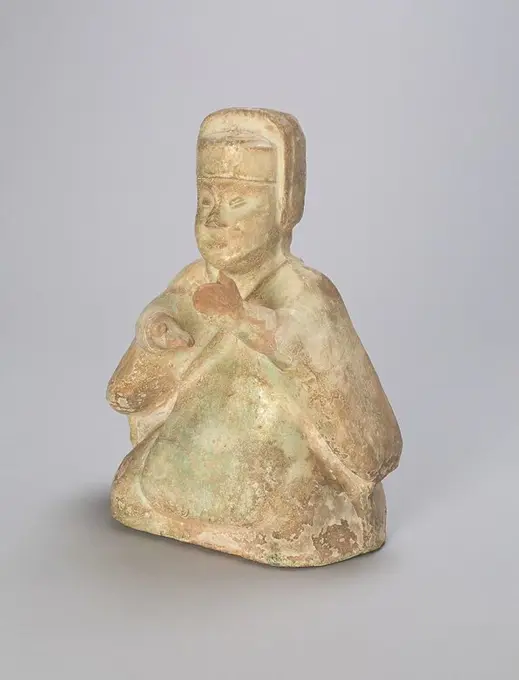
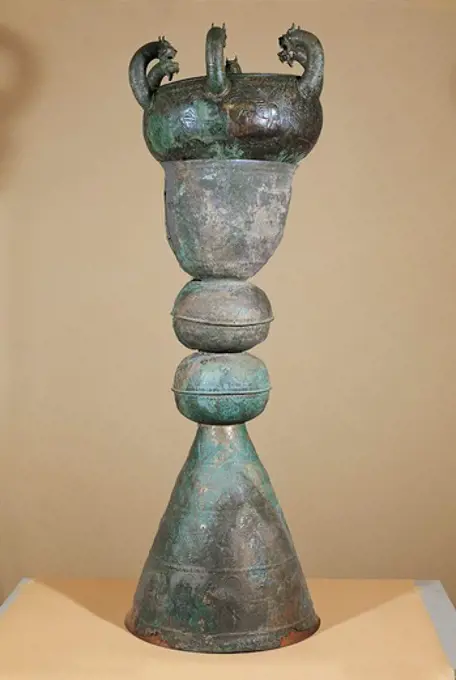
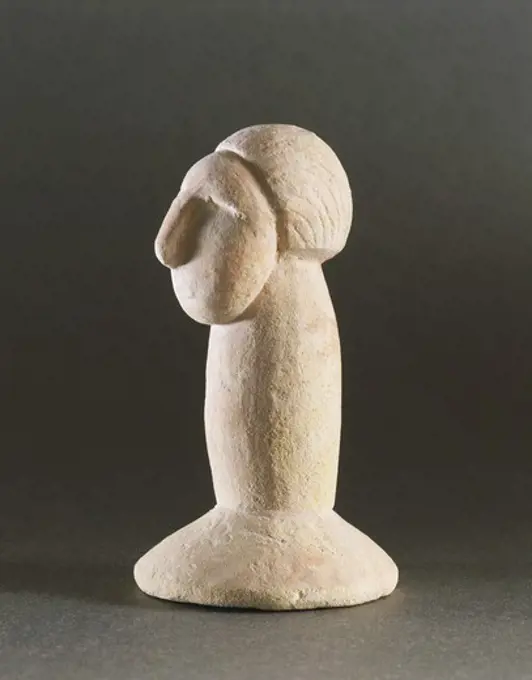
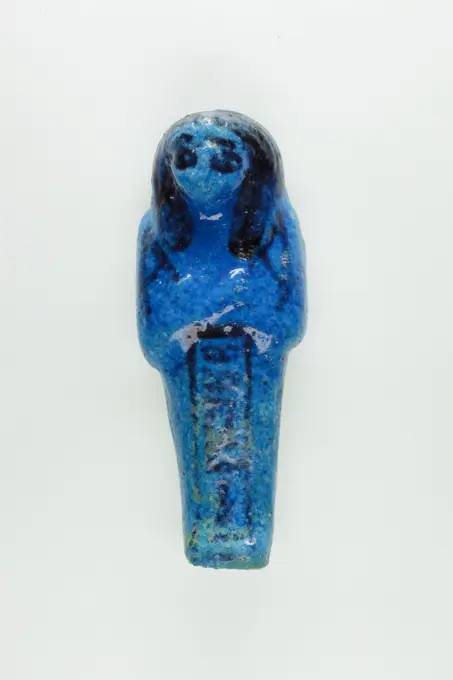
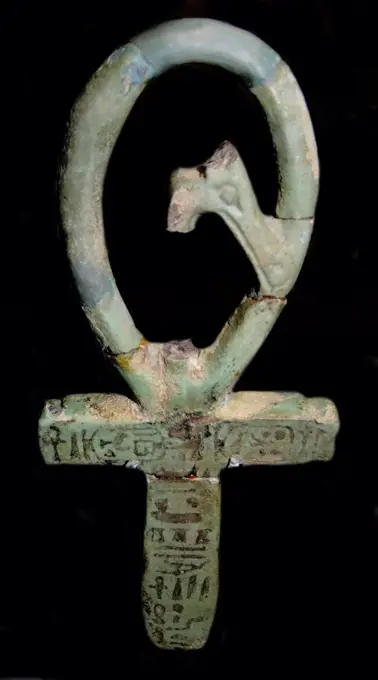
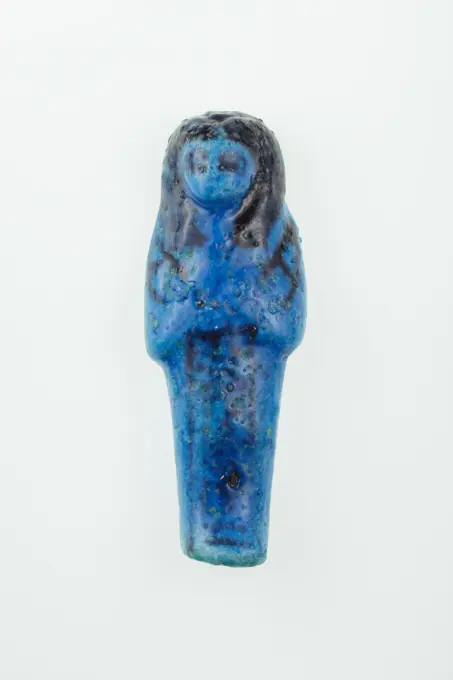
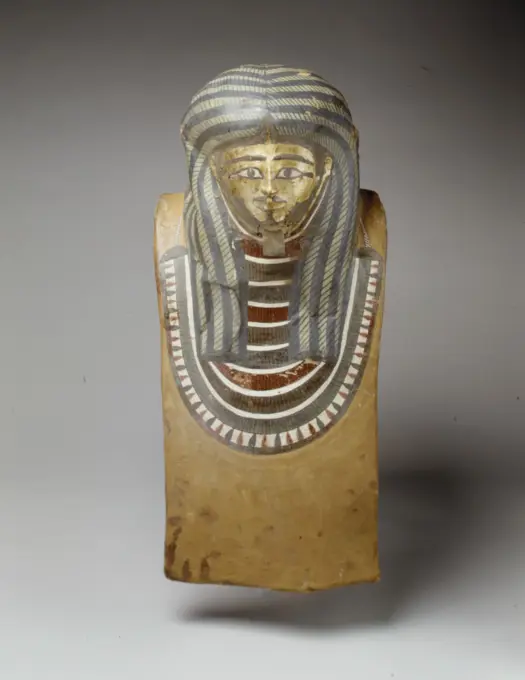
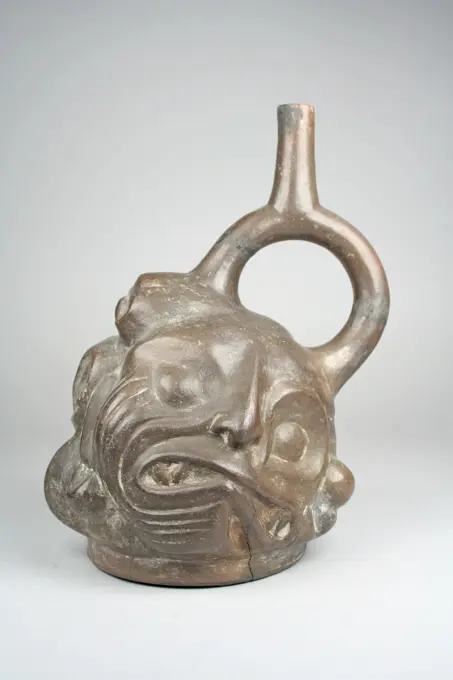
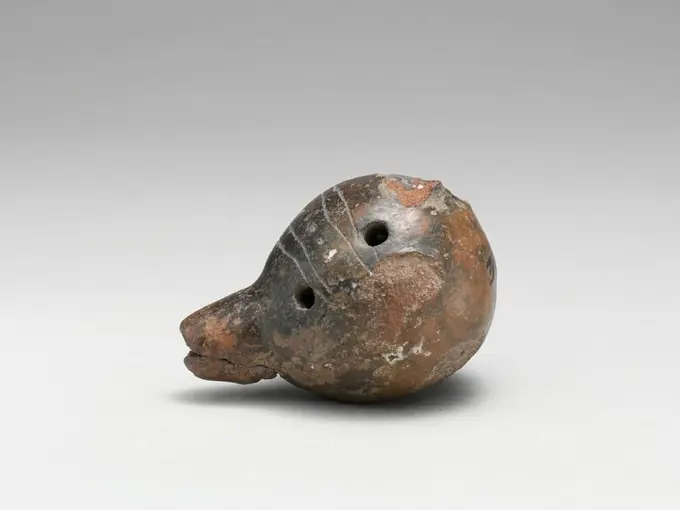
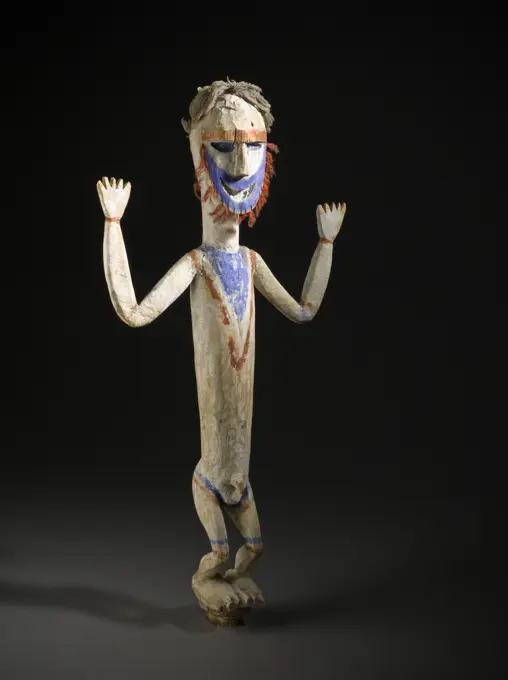
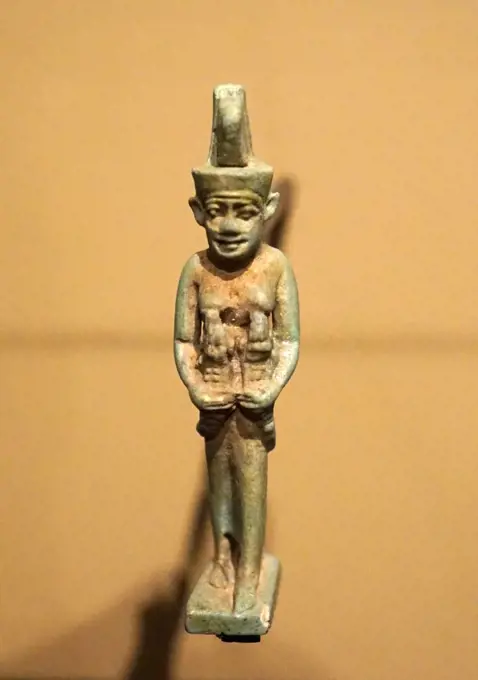
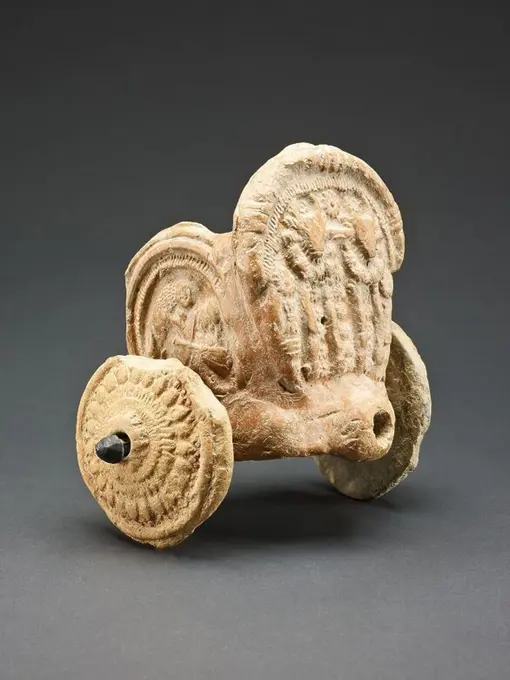
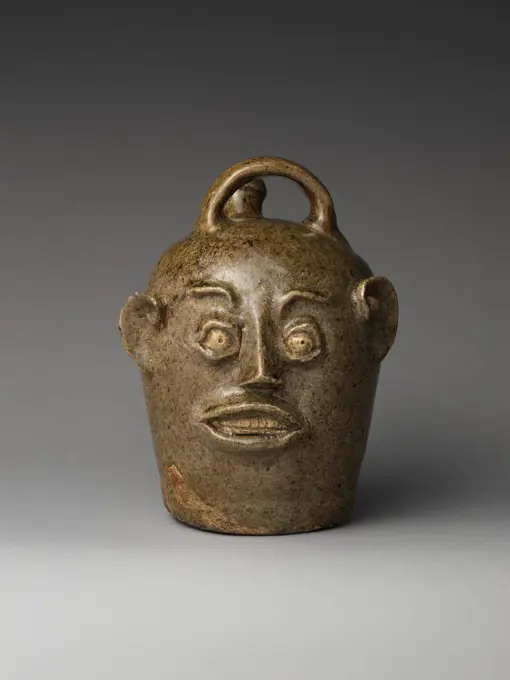
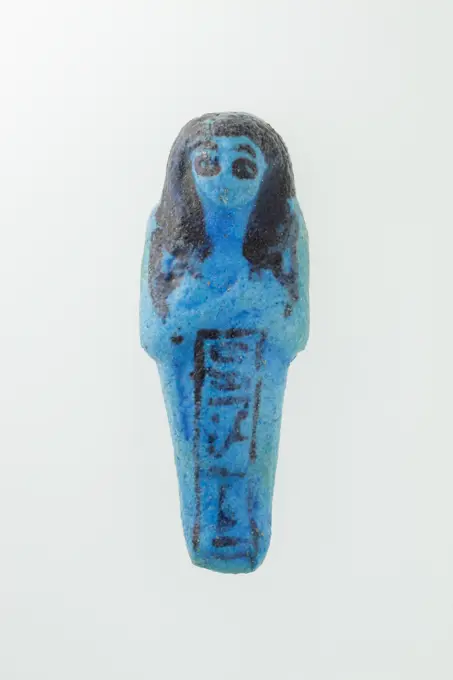
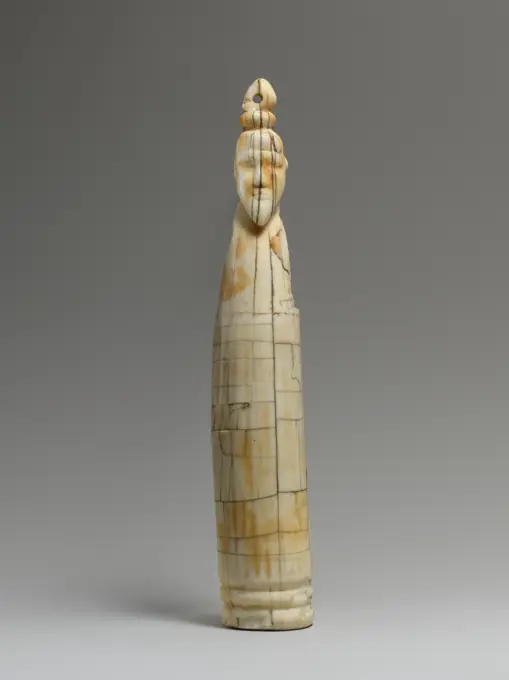
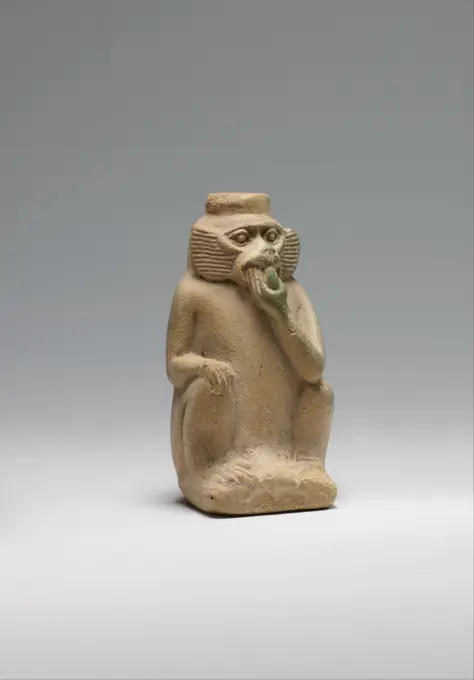
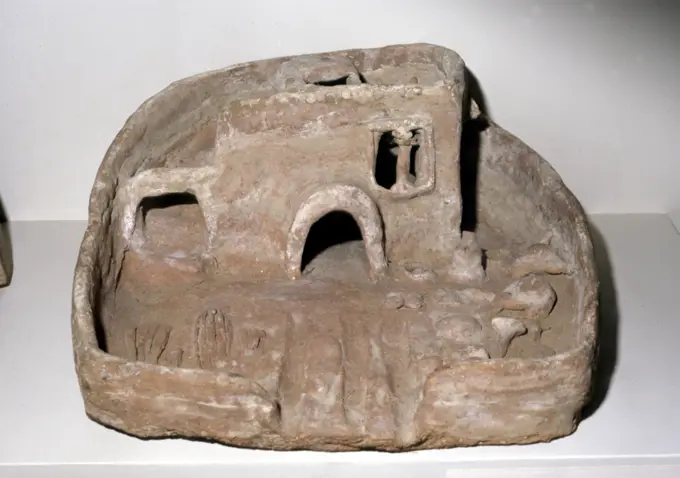
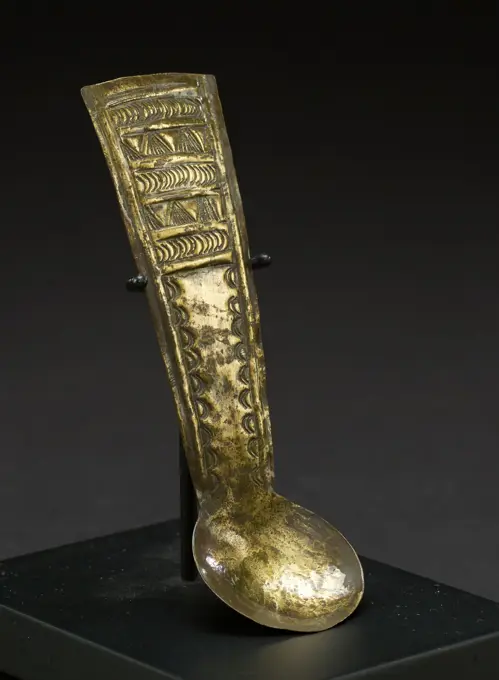
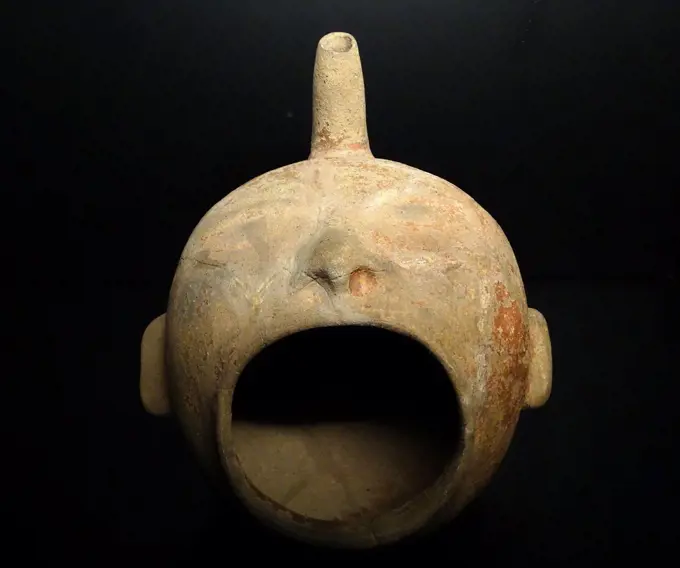
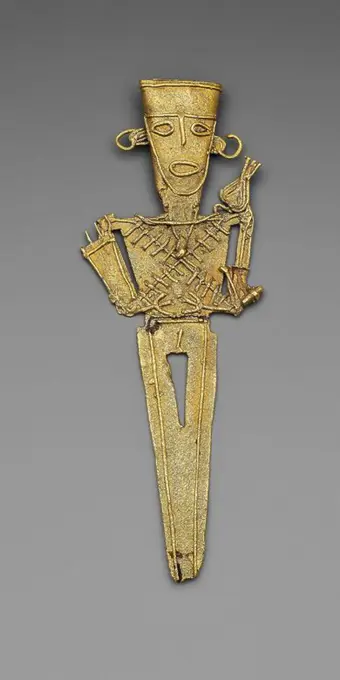
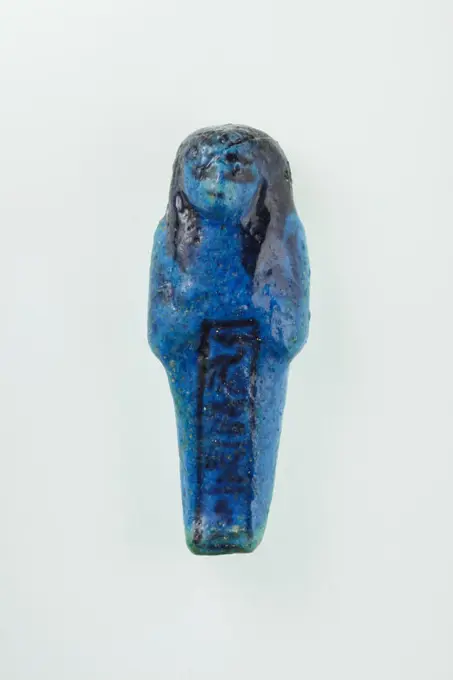
Effigy-Head Brazier. Mexico, Oaxaca, Zapotec, Zapotec, 500-200 BCE. Ceramics. CeramicJaguar Effigy Vessel c. 800-1525 A.D. Chorotega, Costa Rica Ceramic Pre-Columbian Collection of The Museum of Contemporary Art, Jacksonville, FloridaBackside of vase known as The Tiger, Shang dynasty, bronzeFragment of a Standing DeityCobra wearing red crown on a papyrus stem 664-30 B.C. Late Period-Ptolemaic Period. Cobra wearing red crown on a papyrus stem. 664-30 B.C.. Bronze or cupreous alloy. Late Period-Ptolemaic Period. From EgyptAppliqué for a funeral couch. UnknownFace Mask 6th-7th century Moche (Loma Negra). Face Mask 315803Bearded male head early 6th century B.C. Cypriot The head is mold-made and hollow with an unusual domed helmet.. Bearded male head. Cypriot. early 6th century B.C.. Terracotta; mold-made. Early Cypro-Archaic II. TerracottasLamp. UnknownFemale Head. UnknownMaster-of-animals standard ca. 8th century B.C. Iran. Master-of-animals standard. Iran. ca. 8th century B.C.. Bronze. Iron Age III. Iran, probably from LuristanMiniature figurine, 1500 BCE, 1 1/16 in. (2.7 cm), Earthenware, Mexico, Pre-ClassicAnimal Face Appliqué, 1766-1122 BCE, 2 1/4 x 2 x 7/16 in. (5.72 x 5.08 x 1.19 cm), Calcified green jade, China, 18th-12th century BCEEgyptian Ushabti or ushabtis. The ushabti also called shabti or shawabti, was an Ancient Egyptian funerary figurineMaskAttachment in the form of the head of a goddess wearing the double crown ca. 1070-664 B.C. Third Intermediate Period The attachment head of the goddess Mut, Amuns consort, wears a double crown. The crown is symbolic of a unified Egypt, and was perhaps worn by Mut as transferred from the concept of Amun as a 'national' god. The lower element of the crown, traditionally red, is here covered in gold leaf, as the Egyptians associated gold with red. The crowns traditionally white upper element is covered with electrum leaf, paler in hue and presumably intended to signify white.. Attachment in the form of the head of a goddess wearing the double crown. ca. 1070-664 B.C.. Leaded bronze, gold and electrum sheet on crown, Egyptian blue and glass inlays. Third Intermediate Period. From EgyptMiniature Group of Four Figures in a Circle with Linked Arms. Chupícuaro; Guanajuato or Michoacán, Mexico. Date: 500 BC-300 BC. Dimensions: H. 13.5 cm ( 3/8 in.). Ceramic and pigment. Origin: Chupícuaro. Museum: The Chicago Art Institute, Chicago, USA.Female Plank Figure; Cyprus; about 2000 - 1900 B.C; Terracotta; 20.3 × 9 × 2 cm (8 × 3 9,16 × 13,16 in.)Mask 2nd-7th century Moche. Mask 315308globular anthropomorphic vase of semispherical mango, Vicús culture, Peru, 1st-4th centuries BC, ceramic, Sa Bassa Blanca Museum (msbb). Yannick Vu and Ben Jakober , Alcudia, Majorca, Spain.Czech Republic, Brno, Etnograficke Muzeum Moravskeho Muzea v Brne, Venus statuette made of clay and bone powder from Dolni Vestonice.Lamp, Asia Minor; 4th century B.C. - 4th century A.D; Terracotta; 5.5 x 10.7 x 12.5 cm (2 3,16 x 4 3,16 x 4 15,16 in.)Bronze helmet of Lucanian type. 350-250 BC. From near Bolzano. British Museum. London. England. United Kingdom.Bronze statuette of man with extended arms 6th to 5th century B.C. Etruscan This bronze statuette was likely a votive offering at an Etruscan sanctuary. It is part of a long tradition of Etruscan religious practices honoring the gods with statuettes in human and animal forms.. Bronze statuette of man with extended arms 330032Vessel leg in the form of a bird 5th-3rd century B.C. China. Vessel leg in the form of a bird 61249Roller Stamp with Figure and Paw-Wing DesignIncense Container (Kōgō) in the Shape of a Bird, c. 1700-1868. Japan, Edo period (1615-1868). Stoneware with glaze and carved decoration; overall: 3.2 x 5.8 cm (1 1/4 x 2 5/16 in.).Head of a King Wearing the White Crown. Egypt, New Kingdom, Dynasty 18, reign of Akhenaten (1372 - 1355 BCE). Sculpture. GraniteNetsuke, Hidemasa, 1800-1825 Mask, from one side seen a monkey and a hyotto -killa (comic theater figure.) Signed "Hidemasa". Japan wood (plant material) Mask, from one side seen a monkey and a hyotto -killa (comic theater figure.) Signed "Hidemasa". Japan wood (plant material)Pipe Bowl, c. 1840, 2 1/2 x 1 1/8 x 4 5/8 in. (6.4 x 2.9 x 11.7 cm), Maple, metal, United States, 19th centuryFragment of a sculpture. Cup, presumably fragment of relief from the Borobudur.Pendant: Winged Female Head. UnknownChess Piece 7th-8th century. Chess Piece 445020Coconut Shell Vessel 19th century Edo peoples At its origins, the centralized city-state of Benin was founded by Edo-speaking peoples. The accounts by official court historians and descriptions provided by visitors evoke a vibrant cultural center continually redefined by its leadership through shifting internal and external power dynamics. According to oral tradition, circa 1300, Edo chiefs are reputed to have reached out to the leader of neighboring Ife, Oranmiyan, to establish a new divinely sanctioned royal dynasty. Since then, the investiture of Benins rulers to the title of obas has conferred upon them at once a role of chief priest officiating in important religious ceremonies and presiding over an elaborate structure of palace officials. During the fifteenth century reign of Oba Ewuare, Benins armies were formed and the fortification of its capital with a massive wall undertaken. In parallel, delegations of Portuguese traders assiduously sought to secure exclusive commercial tHead of a woman from a spoon ca. 1353-1295 B.C. New Kingdom. Head of a woman from a spoon. ca. 1353-1295 B.C.. Wood. New Kingdom. From Egypt. Dynasty 18, lateZoomorphic Stone Figure 5th century B.C.-A.D. 13th century Ecuador. Zoomorphic Stone Figure 312559Standing female figurine holding a flower. Culture: Cypriot. Dimensions: H. 6 1/2 in. (16.5 cm). Date: ca. 600-480 B.C..The solid figurine was made from a worn mold. The back is flat. She wears a long straight dress with a border at the ankles. Museum: Metropolitan Museum of Art, New York, USA.Pottery Whistle. Culture: Costa Rican. Dimensions: L. 10.6 cm (4-3/16 in.); W. 5.6 cm (2-3/16 in.); H. 5.5 cm (2-1/16 in.); Wt. 118 g.. Date: ca. 800-1525. Museum: Metropolitan Museum of Art, New York, USA.Worker Shabti of Nany ca. 1050 B.C. Third Intermediate Period See 30.3.26.1a, b. Worker Shabti of Nany 625702Rattle 19th century Native American (Tlingit) This unusual rattle depicts a double-headed eagle. Animals depicted on Northwest Coast rattles were almost always representations of those found in the natural world. The appearance of this rattle suggests contact between the indigenous peoples of the Northwest Coast and Russian explorers in the nineteenth century who would have carried with them symbols of the Russian imperial double-eagle emblem.. Rattle 501230Stone altar. From Hagar Qim, Malta. Temple Period (3600 BC to 2500 BC). National Museum of Archaeology. Valletta. Malta.Pottery Whistle ca. 300-900 Mexican. Pottery Whistle. Mexican. ca. 300-900. Clay. Pre-Columbian. Mexico. Aerophone-Whistle Flute-whistleKnife 17th century Italian. Knife 27542Seated Figure 2nd century B.C.-A.D. 3rd century Colima. Seated Figure 312760Calcite Onyx Ocelot offering vessel. Teotihuacan, 150 BC-AD 750. British Museum.Head of Osiris and Statuette, 664-525 BC. Egypt, Late Period, Dynasty 26 or later. Bronze; overall: 20.1 x 9.2 x 13.2 cm (7 15/16 x 3 5/8 x 5 3/16 in.); head: 11 x 7.7 x 4.6 cm (4 5/16 x 3 1/16 x 1 13/16 in.).Prehistory, Italy, Iron Age. Villanovan culture. Button with duck shaped ornaments. From the necropolis of Le Rose at Tarquinia, province of Viterbo.Janus Heddle Pulley ca. 1900 Baule peoples Baule peoples and their neighbors to the West, the Guro, are famous as weavers, and are known for their fine indigo-and-white cotton fabrics. Used on the traditional narrow-band loom, heddle pulleys are functional objects used to ease the movements of the heddles while separating the warp threads and allowing the shuttle to seamlessly pass through the layers of thread. Like many other carved objects used in everyday activities among the Baule, these pulleys were often embellished for the weavers delight. Scholars have suggested that the prominent display of pulleys, hanging over the weavers loom in the public place, afforded artists their best opportunity to showcase their carving skills, in the hope to attract commissions for figures and masks. This particularly fine example, distinctive for its Janus head, demonstrates the efforts put by Baule carvers into beautifying the simplest functional object.. Janus Heddle Pulley. Baule peoples. ca.Man Using Tumpline to Carry VesselHelmet of Chalcidian Type. UnknownFurniture element. Culture: Old Assyrian Trading Colony. Dimensions: 3.82 x 2.32 in. (9.7 x 5.89 cm). Date: ca. 18th century B.C.. Museum: Metropolitan Museum of Art, New York, USA.Bridge and Spout Face Bottle before 16th century North coast (). Bridge and Spout Face Bottle 313101Amulet of the God Bes. Egyptian. Date: 1070 BC-656 BC. Dimensions: 1.6 × 1 × 0.6 cm (5/8 × 3/8 × 1/4 in.). Faience. Origin: Egypt. Museum: The Chicago Art Institute, Chicago, USA. Author: Ancient Egyptian.Miniature Vessel with DeityBorder with Lozenges set within a Pearl Rondel 6th-7th century China (Xinjiang Autonomous Region) This jeweled border was set above a hamsa molding (see 30.32.8) in a Buddhist temple at the Khotan site of Pialma.. Border with Lozenges set within a Pearl Rondel 39910Horse and rider ca. 750-600 B.C. Cypriot The figurine is handmade and solid. The rider seems to be standing and leaning forward slightly.. Horse and rider 241332Board Game Player. China. Date: 25 AD-220 AD. Dimensions: 20.1 × 15.0 × 9.0 cm (7 15/16 × 5 15/16 × 3 9/16 in.). Earthenware with green lead glaze. Origin: China. Museum: The Chicago Art Institute, Chicago, USA.Terracotta wall bracket. Culture: Cypriot. Dimensions: H. 15 3/8 in. (39.1 cm ). Date: ca. 1050-950 B.C..Crowned with the head of a bull, the bracket would probably have been used in a sanctuary to hold a lamp or a container of incense in the trough at the bottom. Such brackets in terracotta and bronze are known in Cyprus during the Late Bronze Age and were widely exported, especially in the area of the Aegean Sea. Museum: Metropolitan Museum of Art, New York, USA.Lidded Tripod Cylinder Vessel with Human Face in Raptor's BeakBronze cauldron with embossed decoration from Cerveteri, Rome province, ItalyPrehistory, Malta, Neolithic. Votive statue. From Brochtorff Circle at Xaghra, Gozo IslandBronze lampstand 6th century B.C. Cypriot Short stem decorated with one row of lotus petals.. Bronze lampstand. Cypriot. 6th century B.C.. Bronze. Cypro-Archaic. BronzesWorker Shabti of Nany ca. 1050 B.C. Third Intermediate Period See 30.3.26.1a, b. Worker Shabti of Nany 625742Stirrup Spout Bottle with Reclining Llama. Culture: Moche. Dimensions: H. 6 1/8 x W. 4 5/16 in. (15.6 x 11cm). Date: 1st-6th century. Museum: Metropolitan Museum of Art, New York, USA.Standing Ceramic Figure 3rd-5th century Moche. Standing Ceramic Figure 309316Fragmentary Neolithic seated figurine. UnknownIdol kobiecy. unknown, authorBird-Shaped Container (zun). China. Date: 1200 BC-1046 BC. Dimensions: H: 6 1/4" × W: 5 1/4" × D: 2 1/4" (15.9cm × 13.3cm × 5.7cm). Bronze. Origin: China. Museum: The Chicago Art Institute, Chicago, USA.Female Figure Carrying Headless Child. India or Pakistan, 1st-2nd century. Sculpture. TerracottaFaience composite amulet 'Napatau Period' about 700-300 BC from Gebel Barkal, Egypt. The piece incorporates a djed-pillar, a u)as-sceptre and a figure of the god Heh, personification of everlastingness, within the form of the ankh-sign.Worker Shabti of Nany ca. 1050 B.C. Third Intermediate Period See 30.3.29.1a, b. Worker Shabti of Nany. ca. 1050 B.C.. Faience. Third Intermediate Period. From Egypt, Upper Egypt, Thebes, Deir el-Bahri, Tomb of Meritamun (TT 358, MMA 65), first corridor, burial of Nany, MMA excavations, 1928-29. Dynasty 21Funerary Mask of Wah ca. 1981-1975 B.C. Middle Kingdom In keeping with his important position as the estate manager of a wealthy nobleman, Wah's body had been carefully mummified and wrapped in hundreds of yards of linen. Within the wrappings were standard pieces of funerary jewelry (40.3.1), an array of personal jewelry (40.3.16), and three exceptional scarab bracelets (40.3.12, 40.3.13, 40.3.14). Wah was also provided with this mummy mask, its face covered with gold foil. The rather pinched features are neither masculine nor feminine, the gender of the owner being indicated by a mustache and a full beard, which has been enhanced with a thin piece of wood jutting down from the chin. The natural hairline, including short sideburns, is visible along the forehead beneath the striped headcloth. The chest of the mask has been painted with a broad collar made of tubular beads. The colors of the mask, in particular the gold skin and blue hair, are reminiscent of the Egyptian idea that the skStirrup Spout Bottle with Grotesque Head and Animals 4th-7th century Moche. Stirrup Spout Bottle with Grotesque Head and Animals 308532Handle Fragment of a Relief Pithos. UnknownBison figure 3rd millennium B.C.. Bison figure 327391England, Suffolk, Framlingham, Framlingham Castle, Display of 13th century Stone Head of a Knight in Chain MailPottery Whistle. Culture: Costa Rican. Dimensions: L. 5.8 cm (2-5/16 in.); W. 4.5 cm (1-3/4 in.); H. 4 cm (1-9/16); Wt. 43 g. Date: 800-1500. Museum: Metropolitan Museum of Art, New York, USA.Papposilenos(). UnknownPitcher 101 CE-500 CE Mediterranean Region. Initially affordable only among the wealthy, glass was used in ancient Rome to create tableware and containers for oils and perfume. The variety of glass-making techniques reveals the changing tastes and fashions over the centuries. During the 1st century, cast glass was a novel form and a luxury for Roman households. By the end of the century, however, innovations in technique allowed for cheaper and less labor-intensive production, making it affordable to people of lesser means. Blown glass nearly supplanted ceramic and even bronze wares in popularity. This prestige carried well into the Byzantine period.. Glass, blown technique . Ancient MediterraneanDance Staff Finial. Papua New Guinea, New Britain, Gazelle Peninsula, Tolai People, circa 1900. Architecture; Architectural Elements. Wood, wool yarn, and pigmentAmulet of the goddess Neith, the mother goddess, also known as 'Nurse of Crocodiles' from Egypt. Dated 7th Century BCModel of a chest. Culture: Cypriot. Dimensions: H. 5 1/8 in. (13 cm). Date: ca. 600-480 B.C..The model is handmade. The lid is missing. The rectangular chest stands on four low rectangular feet, two of which are missing; one foot is restored. The rim is flat. In the middle of one side of the chest is a vertically pierced knob, just below the rim. In the middle of the other side, a long trapezoidal area is marked off with grooves; at its top, a small ledge projects from the rim of the chest, below which the chest wall is partially pierced horizontally. Museum: Metropolitan Museum of Art, New York, USA.Toy Cart with Lion Charging a Warrior on the Side and Wheels with Lotus Motifs. India; Uttar Pradesh, Kaushambi. Date: 100 BC-1 BC. Dimensions: 13.8 x 13 x 10 cmW/o wheels: 11.2 x 9 x 10 cm. Partially molded terracotta with red slip. Origin: Uttar Pradesh. Museum: The Chicago Art Institute, Chicago, USA.Face Harvest Jug 19th century Unidentified Edgefield District potter This rare face vessel, one of only a handful by this skilled, unidentified potter, is one of the most recognizable and iconic examples of this enigmatic form. Technically and aesthetically, it is distinct among the large group of 19th-century Edgefield-made face jugs. Harvest jugsso called for the horizontal handle atop the vesselare uncommon, and at over ten inches in height, this one is quite large. Notably, the hand-modeled features are quite different than those on the majority of known face vessels, which are typically depicted with exaggerated features in a grotesque or menacing manner. The applied elements on this example are delicately modeled in high relief, with particular attention to the facial anatomy, proportions, and symmetry. The features are sensitively rendered with acute detail, such as the eyebrows with incised lines for hair and the delicate lips revealing small, kaolin teeth. The beautiful mottWorker Shabti of Nany ca. 1050 B.C. Third Intermediate Period See 30.3.30.1a, b. Worker Shabti of Nany. ca. 1050 B.C.. Faience. Third Intermediate Period. From Egypt, Upper Egypt, Thebes, Deir el-Bahri, Tomb of Meritamun (TT 358, MMA 65), first corridor, burial of Nany, MMA excavations, 1928-29. Dynasty 21HouseStanding Official mid-to-late 6th century China. Standing Official 49542Warrior Vessel, c. 50-200. Peru, North Coast, Moche, Moche style (50-800). Earthenware with colored slips; overall: 21.6 x 11.3 x 14.9 cm (8 1/2 x 4 7/16 x 5 7/8 in.).Tusk figure of a man ca. 3900-3500 B.C. Predynastic, Late Naqada l-Naqada II. Tusk figure of a man. ca. 3900-3500 B.C.. Ivory (elephant). Predynastic, Late Naqada l-Naqada II. From EgyptOrnamental Mask. Culture: Ecuador (). Dimensions: Height 3-1/2 in. (8.9 cm). Date: before 16th century. Museum: Metropolitan Museum of Art, New York, USA.Mask for Egungun (Ere Egungun) 1875-1900 Nigeria. This mask would have been worn during the annual or biannual Egungun festival, performances and celebrations to honor lineage ancestors. In addition to their deployment during the annual festivals, Egungun masks can also be brought out at funerals for important lineage members or in times of crisis, when the guidance of the ancestors is sought. This mask depicts a figure wearing a pith helmet, a potent symbol of colonialism in Nigeria, even when worn by a non-European. The helmet is surmounted by several birdsóone on the crest and five smaller ones encircling the rimóthat symbolize the supernatural powers of women, sometimes understood as witchcraft. The lines incised across the cheeks, forehead, and outer corner of the eyelids represent scarification or identification marks, linking the mask to a specific lineageóperhaps that of the maskís owner. The series of holes around the edge of the mask, through which a thin cord is interlaced, Perfume vessel in shape of a monkey ca. 1550-1295 B.C. New Kingdom. Perfume vessel in shape of a monkey 545265Statuette. Model house of the Middle Kingdom, 1900 BC. EGYPT.Spoon, 20th century, 4 1/4 × 1 1/4 in. (10.8 × 3.18 cm), Brass, Ghana, 20th centuryStone Vase from the Mesoamerica period from Guatemala. Dated 600 ADFigurine (Tunjo) of a Standing Figure with Crossed Bands Covering Torso. Muisca; Colombia. Date: 1000-1500. Dimensions: H. 8.9 cm (3 1/2 in.). Gold. Origin: Colombia. Museum: The Chicago Art Institute, Chicago, USA.Limestone bunch of narcissus 5th century B.C. Cypriot The bunch of narcissus belongs to a quite large statue.. Limestone bunch of narcissus 242332Lamp HandleWorker Shabti of Nany. Dimensions: H. 8.8 × W. 3.3 × D. 2.1 cm (3 7/16 × 1 5/16 × 13/16 in.). Dynasty: Dynasty 21. Reign: reign of Psusennes I. Date: ca. 1050 B.C..See 30.3.27.1a, b. Museum: Metropolitan Museum of Art, New York, USA.Flat Stamp 7th-2nd century B.C. Chavin. Flat Stamp. Chavin. 7th-2nd century B.C.. Ceramic. Peru. Ceramics-Implements