Ancient Artifacts and Sealings

Images of ancient sealings, figurines, and ingots, illustrating the craftsmanship and historical context of early civilizations.

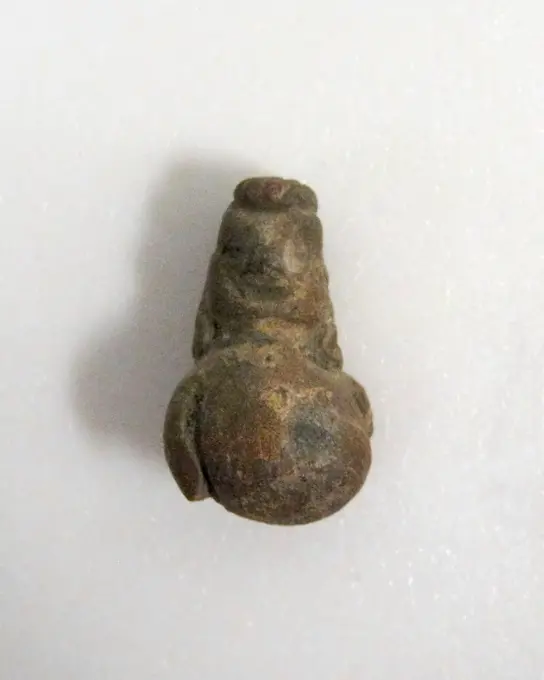
Female Head. Unknown
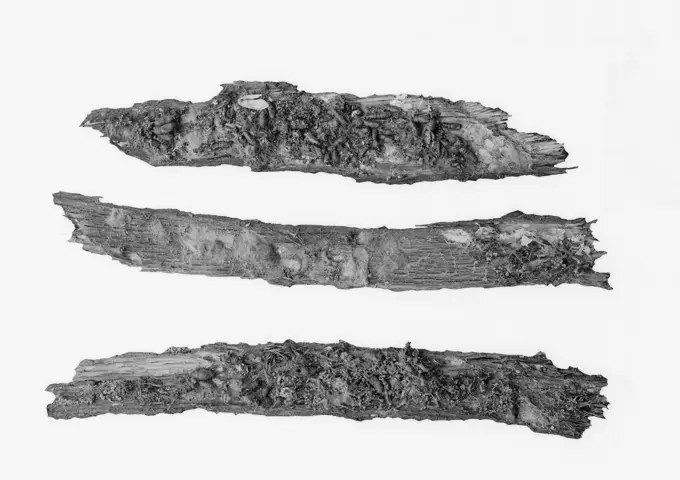
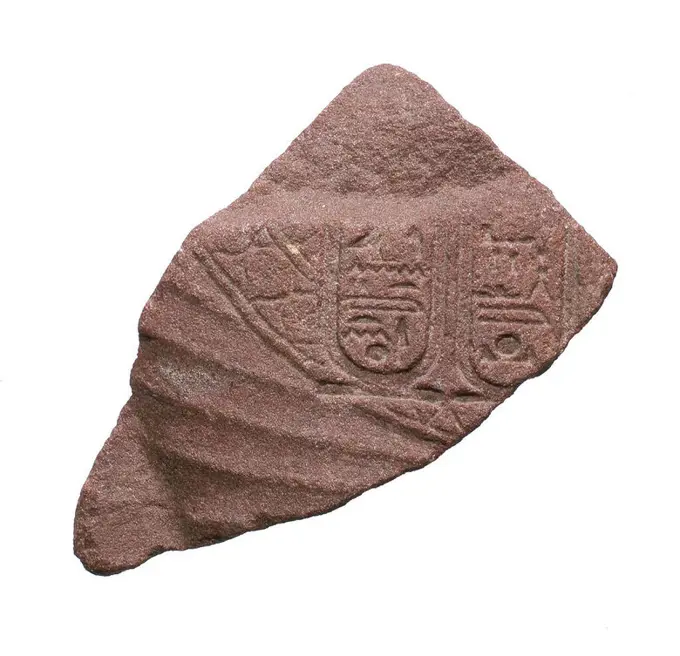
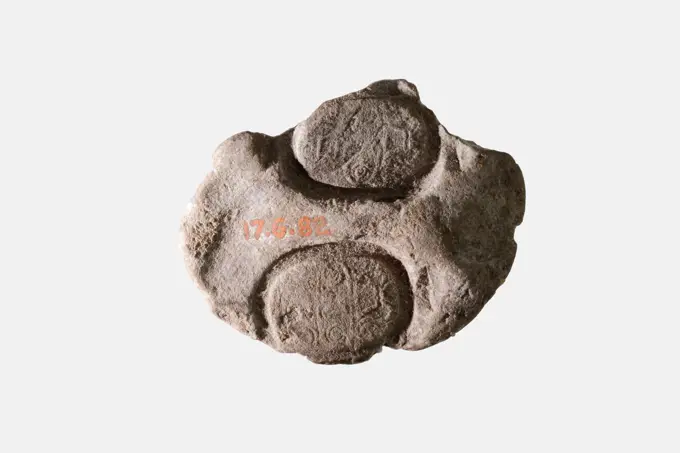
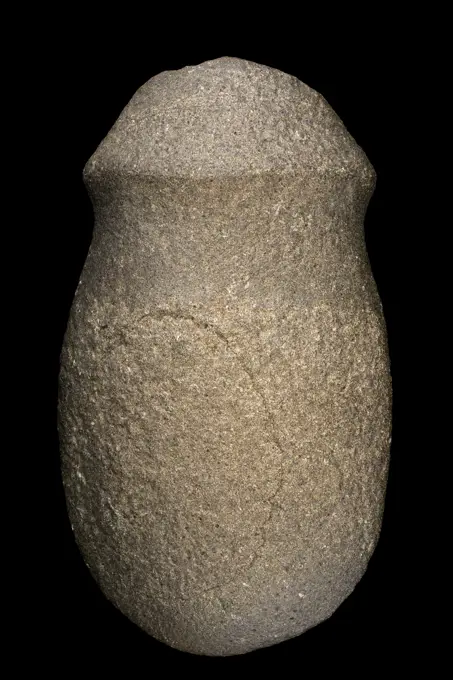
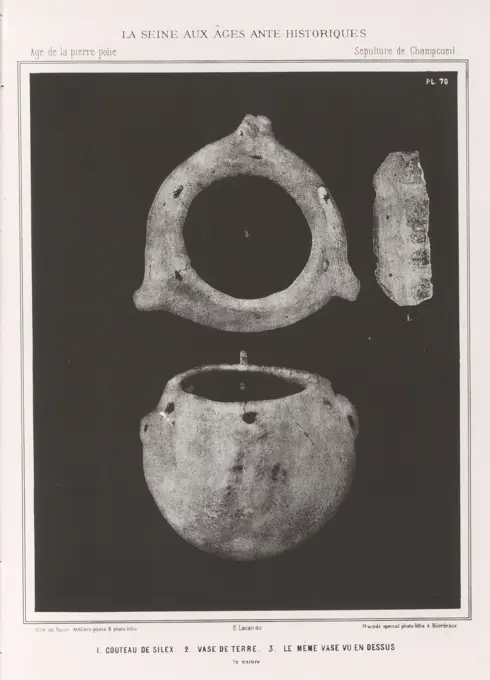
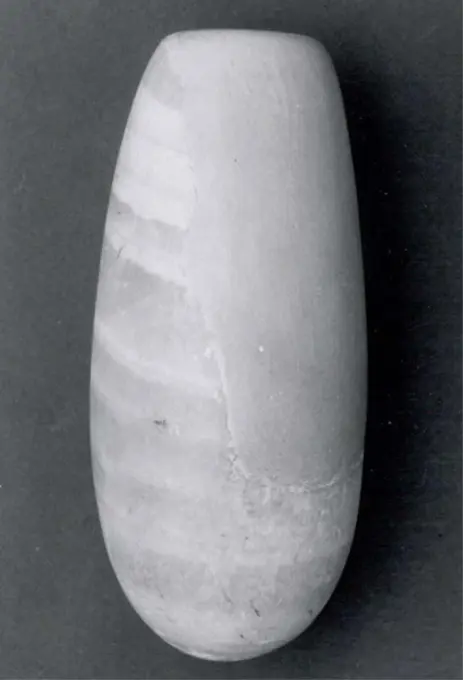
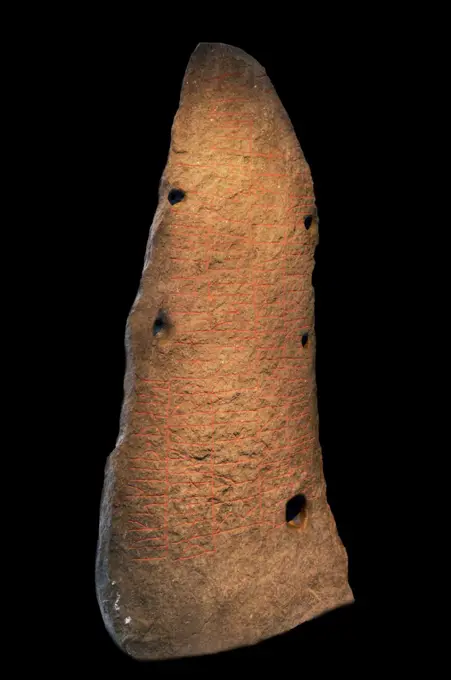
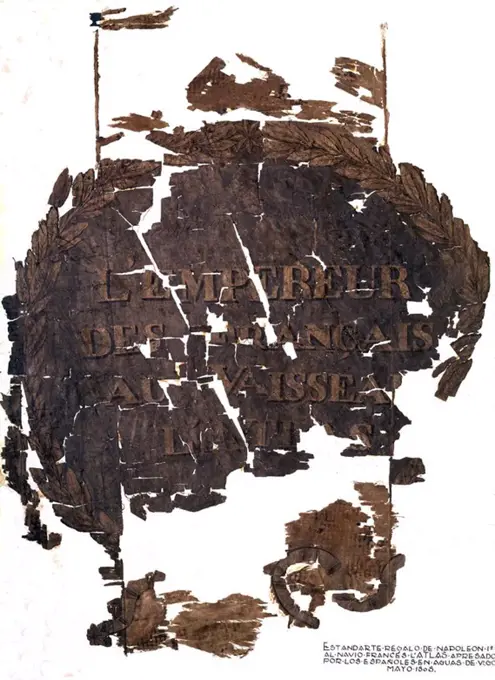
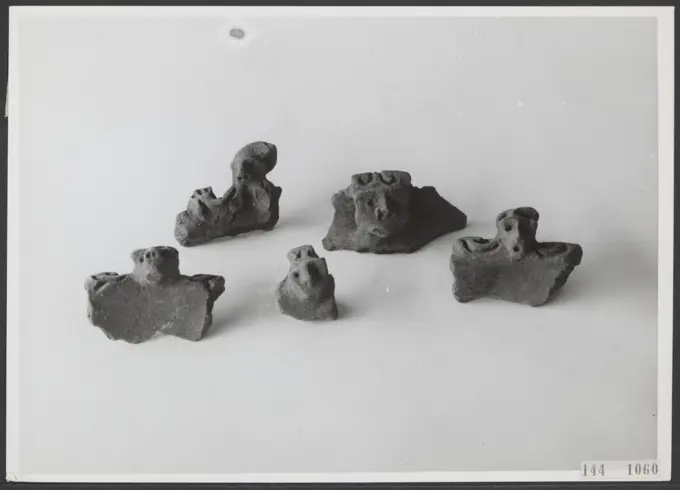
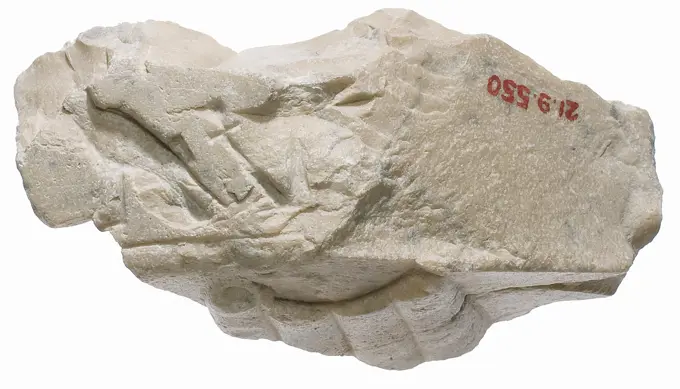
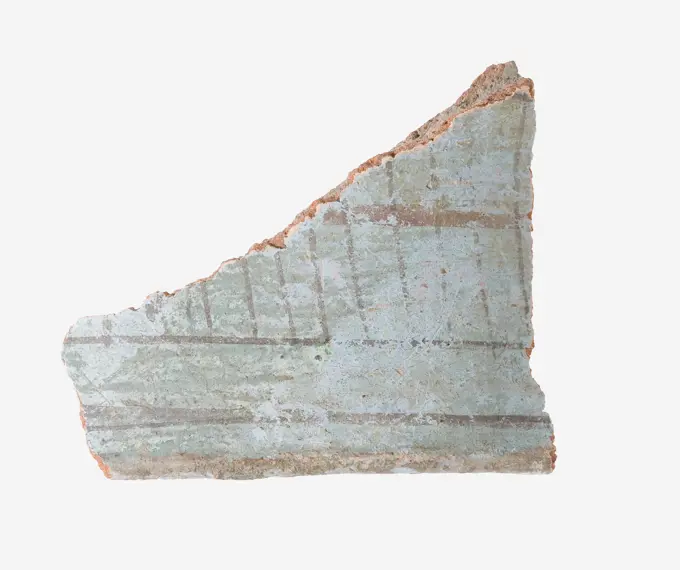
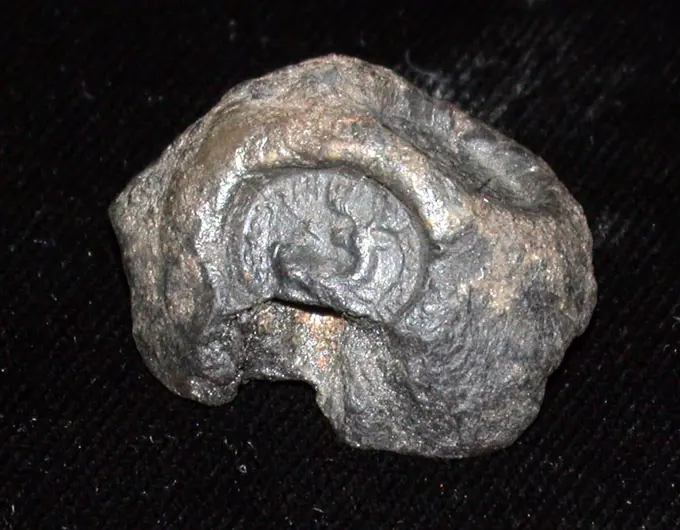
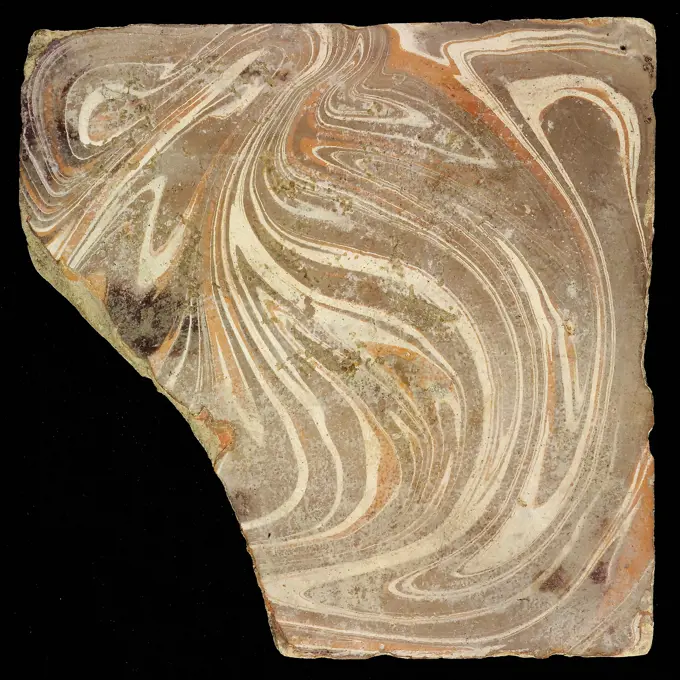
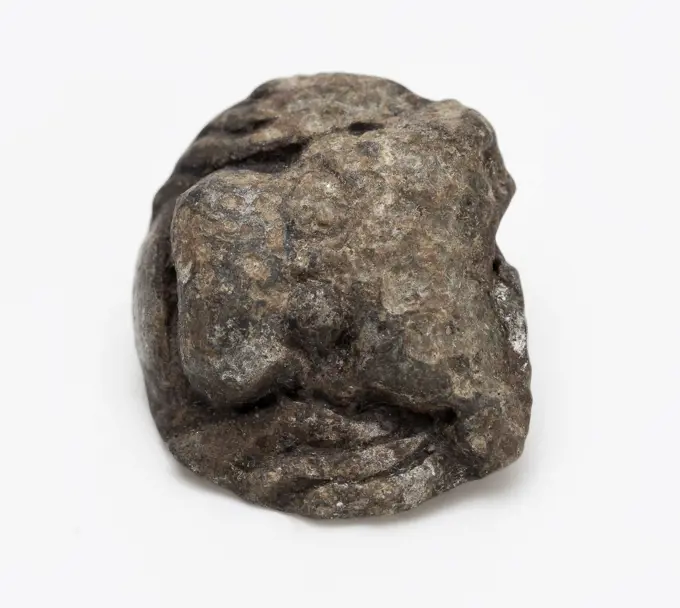
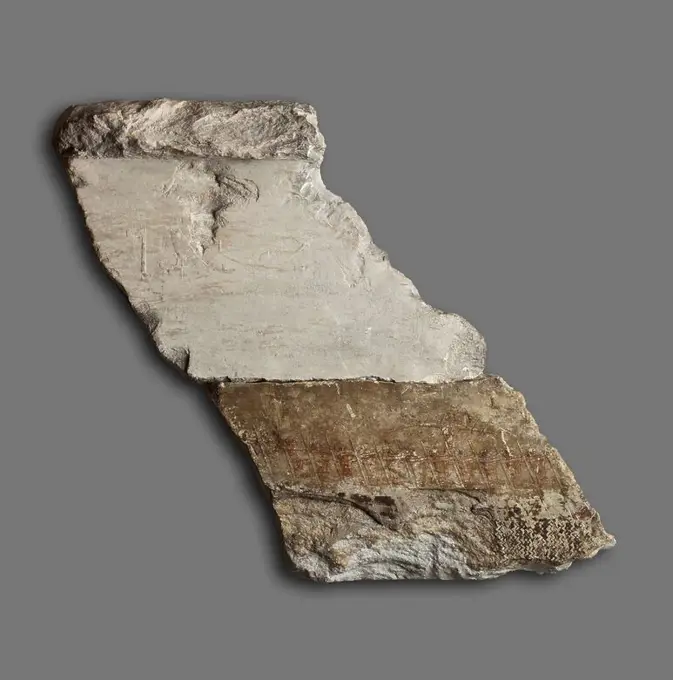
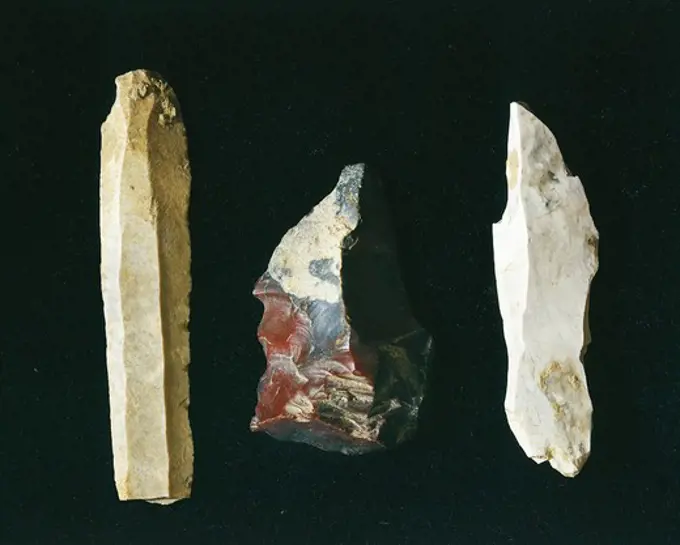
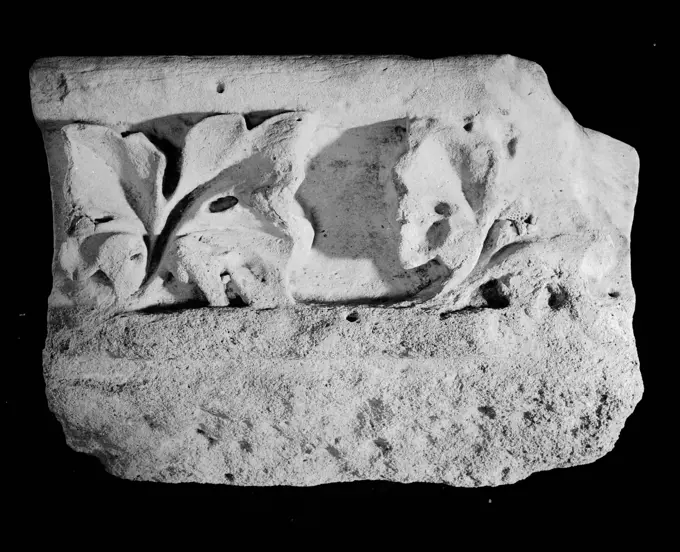
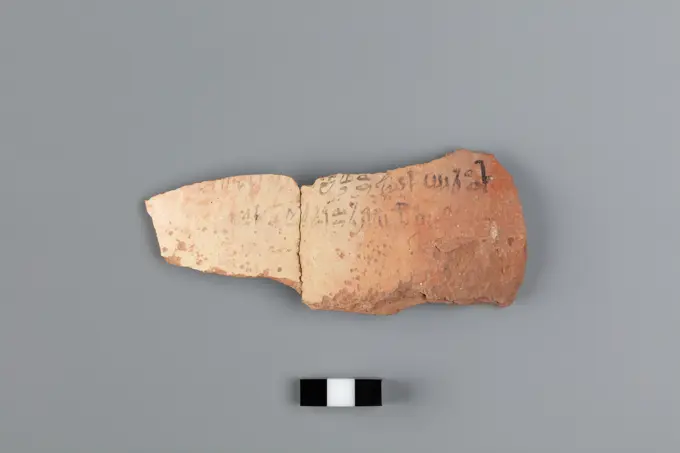
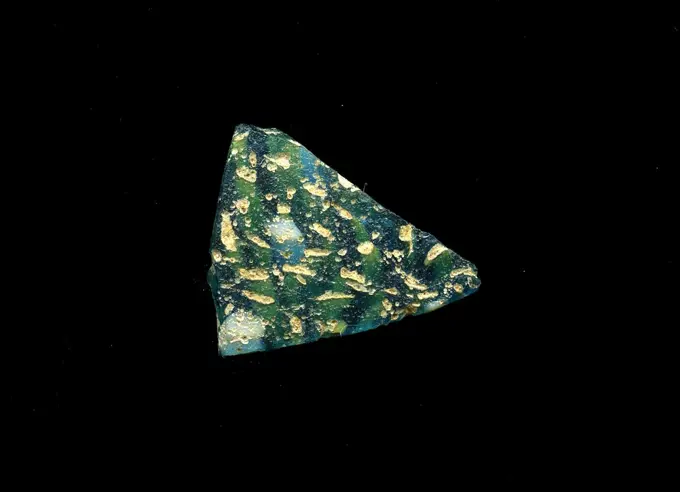
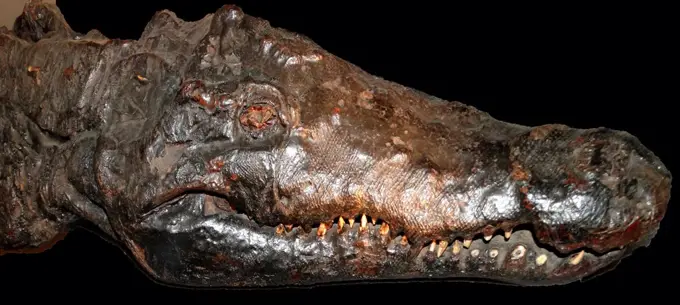
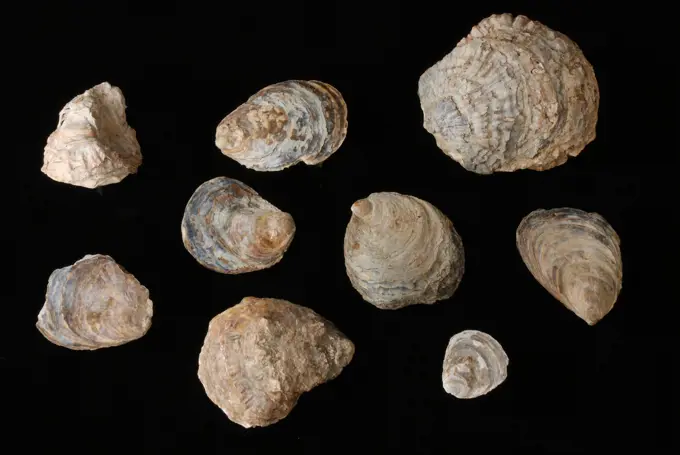
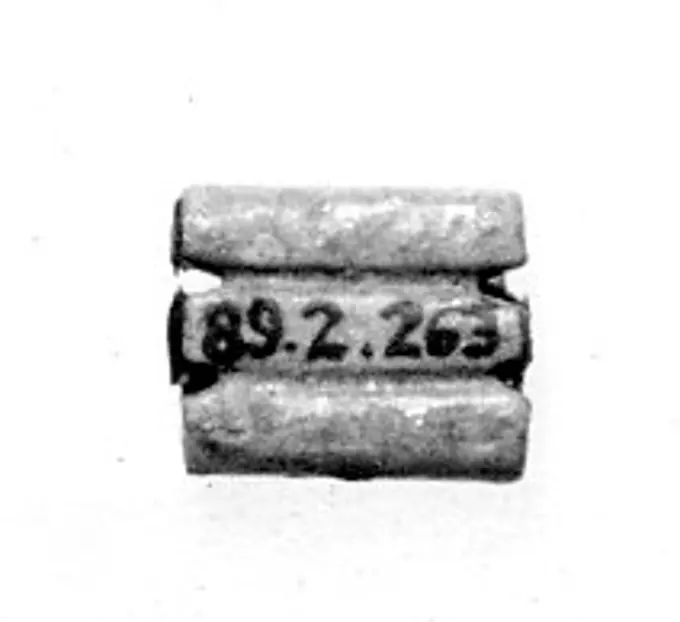
Fragment 13th century Crusader. Fragment 475350Collection of the Dutch Heidematschappij. Forest protection, eggs, caterpillars, dolls, bark, ocneria dispar. undatedUpper right chest of queen in pleated garment and elaborate broad collar, with cartouches of the Aten. Dimensions: H. 9.4 × W. 9 × D. 7.1 cm (3 11/16 × 3 9/16 × 2 13/16 in.); cartouche: W. 2.1 cm (13/16 in.). Dynasty: Dynasty 18. Reign: reign of Akhenaten. Date: ca. 1353-1336 B.C.. Museum: Metropolitan Museum of Art, New York, USA.Double Stamped Sealing ca. 1550-1295 B.C. New Kingdom. Double Stamped Sealing. ca. 1550-1295 B.C.. Mud. New Kingdom. From Egypt; Probably from Northern Upper Egypt, Deir el-Ballas. Dynasty 18Female Head. UnknownCostume Ornament 11th-12th century Central coast (). Costume Ornament 308775Lazio Roma Rome SS. Giovanni e Paolo, Museum28. Hutzel, Max 1960-1990 Medieval: Ceramic fragments, sculptural fragments, fresco fragments, inscribed tomb markers. Houses one of the best collections of Malagan medieval ceramics for casting wall monuments, copies of which are housed in campanile. Specific Location: Museum Antiquities: Ceramic fragments, sculptural fragments, architectural fragments Object Notes: Basilica has separate record and is filed separately. German-born photographer and scholar Max Hutzel (1911-1988) photographed in Italy from the early 1960s until his death. The result of this project, referred to by Hutzel as Foto Arte Minore, is thorough documentation of art historical development in Italy up to the 18th century, including objects of the Etruscans and the Romans, as well as early Medieval, Romanesque, Gothic, Renaissance and Baroque monuments. Images are organized by geographic region in Italy, then by province, city, site complex and monument.Head of mushhushshu ca. 9th century B.C. Assyrian. Head of mushhushshu 324605Sword pommel China. Sword pommel 42790Drop-shaped basalt throat axe. Neolithic period. North Africa. 14.5cm.Tin Communion Cruet. Found at Weoley Castle, Birmingham, a Birmingham Museums Trust heritage siteZespół czterech paciorków wrzecionowatych. nieznany warsztat północno mezopotamski (ca 2600-ca 2350 a.C.), workshopShabti of Siptah ca. 1194-1188 B.C. New Kingdom, Ramesside. Shabti of Siptah 559259Paris, Lacan, E., Imprimerie Impériale, Ville de Paris, France, 1. COUTEAU SILEX. 2. VASE DE TERRE. 3. LE MÊME VASE VU EN DESSUS. 1, 2 nature, Flint knife and two views of an earthenware vase, recto, under - printed, photomechanical print, page, photos, photographically illustrated books, Pl. 70, recto - printed, Ville de Paris Ateliers photo & photo-litho E. Lacan dir Procédé spécial photo-litho A. Bilordeaux, height 238 mm, width 188 mm, photographer, 1860 - 1869, paper, photolithography, cliché maker, printer, Publication (Event), Publication, publisher, supervisionProbably a model macehead ca. 3800-3600 B.C. Predynastic Period. Probably a model macehead. ca. 3800-3600 B.C.. Pottery. Predynastic Period. From Egypt, Northern Upper Egypt, Mahasna, Tomb H 9, EEF excavations 1908-19091/8 Tical of Fuang from Thailand, 1650-1850 ,, 1650 - 1850 coin Silver, grain -shaped mint. Equipped with one, unclear allotment (KRA).  silver (metal) castingDrohiczyn seal. unknown, managerSculpture fragment ca. 3rd-7th century A.D. Sasanian. Sculpture fragment 322763Small bird (passeau). Jade. Shang dynasty (1765-1122 BC), China. Paris, Cernuschi museum. 101271-8 Asian art, Chinese art, art of extreme orient, Shang dynasty, Yin dynasty, Shang time, iieme II 2nd 2 millennaire, jade, birdCanopic Chest Lid Fragment New Kingdom, Ramesside ca. 1194-1188 B.C. View more. Canopic Chest Lid Fragment. ca. 1194-1188 B.C.. Travertine (Egyptian alabaster). New Kingdom, Ramesside. From Egypt, Upper Egypt, Thebes, Valley of the Kings, Tomb of Siptah (KV 47), Davis excavations, 1912. Dynasty 19Girdle ornament China. Girdle ornament 42906Fitting ring from the wreck of the East India Hollandia. Fittings, Bands and Bracing, Circular: Riveted; Fragm, ID. NG 1980-27H3058, Squashed, corroded, 2 rivets, 1 circular hole.Jar ca. 8th-7th century B.C. Assyrian. Jar 324405Three-Cornered Stone (Trigonolito) with Face. Culture: Taino. Dimensions: H x W: 5 x 6in. (12.7 x 15.2cm). Date: 13th-15th century. Museum: Metropolitan Museum of Art, New York, USA.Drohiczyn seal. unknown, managerScandinavian Tryggevaelde rune stone dated 10th Century AD; erected by Ragnhild in memory of her husband GunulfESTANDARTE REGALO DE NAPOLEON A UN BARCO FRANCES PRESO. Location: MUSEO NAVAL / MINISTERIO DE MARINA. MADRID. SPANIEN.Block Fragment. Culture: French. Date: ca. 1130-40. Museum: Metropolitan Museum of Art, New York, USA.Fragment crane from the wreck of the East Indieschief Hollandia. Tap, part or tap; Fragm or Spout, Front ID. NG 1979-521H.Information office and radio broadcaster Dutch New Guinea. Five cups, provided with a kind of kondé (and one arm and hand) part of scaled edges, and one even if early functioned. October 1957. New GuineaGable seal 4000-3000 B.C.. Gable seal. 4000-3000 B.C.. Chlorite, black. Chalcolithic-Early Bronze Age. Northern Syria or southeastern AnatoliaFragment of buyer from the wreck of the East India Hollandia.parts or artifacts; eroded fragments: Materials; Copper.Stamp, Gabled with Rounded Back. Northern Syria or southeast Anatolia, circa 3500 - 3100 B.C.. Tools and Equipment; stamps. Black chloriteCostume Ornament. Culture: Peru; central coast (). Dimensions: L. 1 3/8 in. (3.5 cm). Date: 11th-12th century. Museum: Metropolitan Museum of Art, New York, USA.Offering table with hand, titulary of king ca. 1353-1336 B.C. New Kingdom, Amarna Period. Offering table with hand, titulary of king 549830Vessel fragment ca. 1390-1353 B.C. New Kingdom. Vessel fragment. ca. 1390-1353 B.C.. Pottery, paint. New Kingdom. From Egypt, Upper Egypt, Thebes, Malqata, Palace of Amenhotep III. Dynasty 18Boat;  around 1069 715 BC ; 3rd transition period, 21-23 dynasty (-1069-00-00--715-00-00);Shoes, spiked sandal (caliga)Potin bronze Bronze medal gossip. Imprecized identification.Stone knife. Neolithic period. North Africa. 15 cm.Arrowhead Japan. Arrowhead 62428Shard 15th century Korea. Shard. Korea. 15th century. Pottery. Joseon dynasty (1392-1910). CeramicsBELON OYSTER ostrea edulis, A FRENCH SPECIESSealing ca. 7th century A.D. Sasanian. Sealing 323450Lantern sherds ca. 9th-10th century A.D. Islamic. Lantern sherds 322991Flamed tile in garlands, brown and white stripes, red streaks, wall tile tile sculpture soil find ceramic earthenware glaze, baked 2x glazed painted Flamed. Tile in garlands brown and white stripes red streaks archeology Rotterdam City Triangle Targets Soil discovery Rotterdam Targets 1956Miniature figurine, 1500 BCE, 1 1/4 in. (3.2 cm), Earthenware, Mexico, Pre-ClassicTab from Mummy Band, 945-715 BC. Egypt, Third Intermediate Period, Dynasty 22, reign of Osorkon I. Stained leather; overall: 3.2 cm (1 1/4 in.).Fragment brick from the wreck of the East Indians Princesse Maria, Anonymous, 1682 - 1686 brick (clay product) Brick from the wreck of the East Industrial Princesse Mary. Netherlands brick (clay product)Tile, unglazed, semi-finished, wall tile tile visualization soil find semi-finished ceramic pottery, in form made baked Tile. Once baked semi-finished from the tile industry Biscuit. Yellow orange shard Smooth silk and rough silk Tapse sides archeology Rotterdam City center Stadsdriehoek Schielandshuis plateelbakkerij tile bakery Soil discovery: Schielandshuis during restoration 1982.Leather fittings, small silver lion head, decorative fittings fittings clothing accessories clothing soil finding silver leather textile metal, Button-like round piece of batter. Instead of an eye for attachment to the back pin To pin piece of leather or textile archeology Rotterdam railway tunnel decorate belt belt Soil discovery: trajectory rail tunnel Rotterdam.Amulet, double feathers 306-30 B.C. Ptolemaic Period. Amulet, double feathers. 306-30 B.C.. Faience. Ptolemaic Period. From Egypt, Upper Egypt, Thebes, Asasif, MMA excavationsMace head ca. 2700-2600 B.C.. Mace head 324120Human tooth inlaid with jadeite (one of three). Culture: Mexico. Dimensions: Tooth: H. 7/16 in. (1.1 cm); W. 5/16 in. (0.8 cm)Jade inlay: Diam. 3/16 in. (0.5 cm). Museum: Metropolitan Museum of Art, New York, USA.Tray China. Tray. China. Nephrite. Qing dynasty (1644-1911), Qianlong period (1736-95). JadeTaweret amulet ca. 1070-664 B.C. Third Intermediate Period or later. Taweret amulet. ca. 1070-664 B.C.. Faience. Third Intermediate Period or later. From Egypt. Dynasty 21-25Textured map of Switzerland  in nice colorsRelief fragment from the tomb of Meketre ca. 1981-1975 B.C. Middle Kingdom. Relief fragment from the tomb of Meketre 668896Fragment of a rope from the wreck of the East India Flying Heart. Piece of rope, brown, fairly thick and compact. Rope.Sole of a Clog Made 1501-1600 England. Leather covered cork .Coin A.H. 596-616/ A.D. 1199-1219. Coin 457099Semicolon stone made on black background in frame.Gold nugget from County Wicklow, Ireland 2017Relief showing a royal ship. Dimensions: H. 96 cm (37 13/16 in.). Dynasty: Dynasty 5. Reign: reign of Niuserre-Unis. Date: ca. 2400-2323 B.C..Fourteen men strain at the oars of a boat, the size of which suggests that it belongs to a royal scene. The oarsmen are led by a coxswain flourishing a baton. Above, an inscription reads "God's Boat." The very low, almost incised edges of the relief point to a date in the second half of the Fifth Dynasty. Museum: Metropolitan Museum of Art, New York, USA.Paleolithic flint tools, scrapersQuadruped ca. 3rd-7th century A.D. Sasanian. Quadruped 326005Ornament ca. late 3rd millennium B.C.. Ornament. ca. late 3rd millennium B.C.. Faience. Early Bronze Age. Mesopotamia, Tell TayaFragment 13th century Crusader. Fragment 475359Glass Fragment 14th century British. Glass Fragment 467185Campania Caserta Capua Museo Campano28. Hutzel, Max 1960-1990 Medieval: Byzantine architectural fragments; parchment fragments with miniatures (12th century) from Montecassino; painted wooden crucifix (13th century); Carolingian crucifixes; Bishop's miter (11th century) of gold and silver damask; fresco (13th century). Post-medieval: Architecture (15th century). Formerly the Palazzo Antignano. Unusual Catalan/Moorish-style portal; Paintings on panel and canvas (15th-18th centuries); marble intarsia (16th century); marble sculpture: busts of Christ and Mary (17th century); sculpture of saints in marble and in wood (15th century); painted and gilded sculpture in wood; marble grave sculpture (16th century); sarcophagus with allegorical carvings; gold reliquary "Rosa d'Oro"; crucifix made of elephant tusk Specific Location: Pianterreno Antiquities: Italic sculpture (seated women holding babies); inscription. Photo campaign #1: 533 photos. Roman relief and sculpture; cinerary urns; Greek anAttic Cup Fragment. UnknownFragment of a Female Figure. UnknownFish Ornament. Culture: Peru; central coast (). Dimensions: L. 1 3/4 in. (4.4 cm). Date: 11th-12th century. Museum: Metropolitan Museum of Art, New York, USA.Collar, 1400s. European, 15th century. Riveted steel rings; diameter: 0.5 cm (3/16 in.); overall: 61.5 cm (24 3/16 in.).Drohiczyn seal. unknown, managerFilm Film Fragment of Fig Fig Leaves, Unknown Provenance, XIII CENTURY (CAT 212) Anonymous. Fragment of cornices decorated with fig leaves, unknown, 13th century (Cat 212). Pierre.Jar Label ca. 1390-1352 B.C. New Kingdom. Jar Label. ca. 1390-1352 B.C.. Pottery and ink, paint. New Kingdom. From Egypt, Upper Egypt, Thebes, Malqata, Palace of Amenhotep III, MMA excavations. Dynasty 18Campania Caserta Capua Museo Campano94. Hutzel, Max 1960-1990 Medieval: Byzantine architectural fragments; parchment fragments with miniatures (12th century) from Montecassino; painted wooden crucifix (13th century); Carolingian crucifixes; Bishop's miter (11th century) of gold and silver damask; fresco (13th century). Post-medieval: Architecture (15th century). Formerly the Palazzo Antignano. Unusual Catalan/Moorish-style portal; Paintings on panel and canvas (15th-18th centuries); marble intarsia (16th century); marble sculpture: busts of Christ and Mary (17th century); sculpture of saints in marble and in wood (15th century); painted and gilded sculpture in wood; marble grave sculpture (16th century); sarcophagus with allegorical carvings; gold reliquary "Rosa d'Oro"; crucifix made of elephant tusk Specific Location: Pianterreno Antiquities: Italic sculpture (seated women holding babies); inscription. Photo campaign #1: 533 photos. Roman relief and sculpture; cinerary urns; Greek anScarab seal ca. 7th-6th century B.C.. Scarab seal. ca. 7th-6th century B.C.. Carnelian. Cypro-Archaic. Cyprus ()Ceramic zoomorphic figure, late Neolithic, 4000-3000 BC, Evora Museum, Evora, Alentejo, Portugal, Europe.Fish Ornament. Culture: Peru; central coast (). Dimensions: 1 × 1 3/4 in. (2.5 × 4.4 cm). Date: 11th-12th century. Museum: Metropolitan Museum of Art, New York, USA.Wood grain, cross-section of an old beamFragment of a vessel. A low curvature of the glass fragment allows the assignment to a vessel, possibly a shell. The blue shard adorns a small-part pattern of white and yellow polka dots. For the production, different colored glasses into tubes and rods were formed. These were compressed and heated, causing a long bar. The glass sliced now had different amorphous or floral patterns. Thereafter, several of these platelets were folded together, heated again and pressed into the vascular shape. Burry for the elaborate manufacturing process and its fragility was one of the luxury articles of antiquity.Textile Fragment 2nd-3rd century. Textile Fragment 443919Fragment Germany. Fragment 43548closeup of sample of natural mineral from geological collection - raw Bronzite (Enstatite) rock isolated on white background. raw Bronzite (Enstatite) rock isolated on whiteScanned close-up of weathered seashell.Map of Qatar on rusty metalStamp seal ca. late 3rd-early 2nd millennium B.C. Bactria-Margiana Archaeological Complex. Stamp seal 326880Shark´s finDecorative batter from the wreck of the East India Hollandia. Fitting, decorative fitting or fragment; ID. NG 1980-27H3353, Squashed.Polisher ca. 1295-1070 B.C. New Kingdom, Ramesside. Polisher. ca. 1295-1070 B.C.. Crystalline sandstone. New Kingdom, Ramesside. From Egypt, Memphite Region, Lisht North, Cemetery, MMA excavations, 1915-16. Dynasty 19-20Coin probably 12th century. Coin. probably 12th century. Copper. Excavated in Iran, Nishapur. CoinsGlass Fragments from a Vessel 4th-early 5th century Coptic. Glass Fragments from a Vessel 477122Female Head Fragment. UnknownVase Fragment Roman, Gaul Nude male figure playing lyre inside medallion.. Vase Fragment. Roman, Gaul. Terracotta. VasesStuffed Nile Crocodile. Dated 300 BCNumber of oyster shells from Oude Haven waste package, Rotterdam, shell waste ground find lime, Oyster shells Various sizes. Partly flat and partly bowl shaped Originating from waste package archeology Rotterdam City center Stadsdriehoek Oudehaven waste food market fishing fishing shellfish food archaeological find in the soil Oude Haven Rotterdam.Bead of three parallel tubes ca. 1550-1295 B.C. New Kingdom. Bead of three parallel tubes. ca. 1550-1295 B.C.. Faience. New Kingdom. From Egypt. Dynasty 18Glass Fragment 18th century Dutch. Glass Fragment. Dutch. 18th century. Glass-Vitrail. Glass-Stained