Ancient Artifacts and Sealings

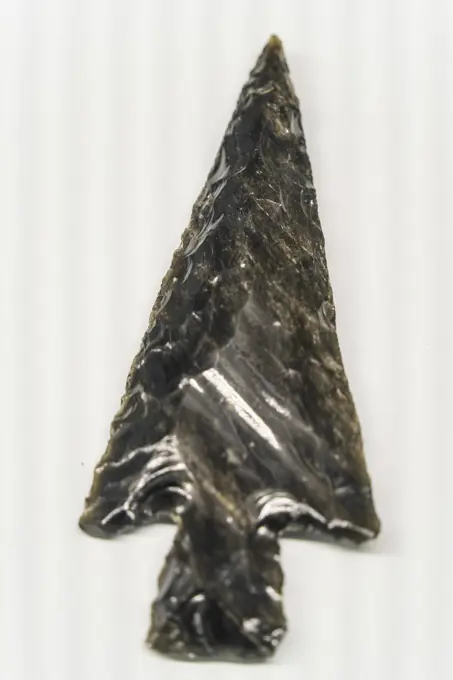
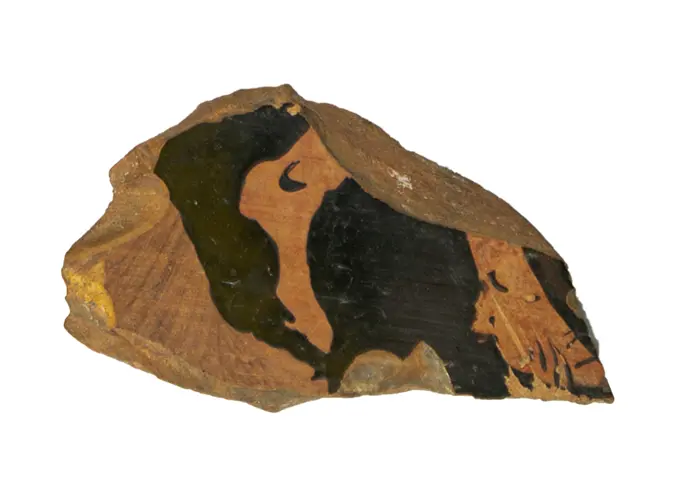
Images of ancient sealings, figurines, and ingots, illustrating the craftsmanship and historical context of early civilizations.

Female Head. Unknown
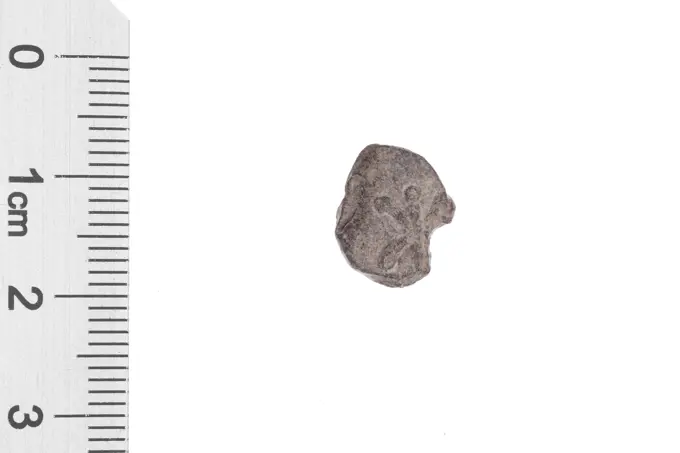
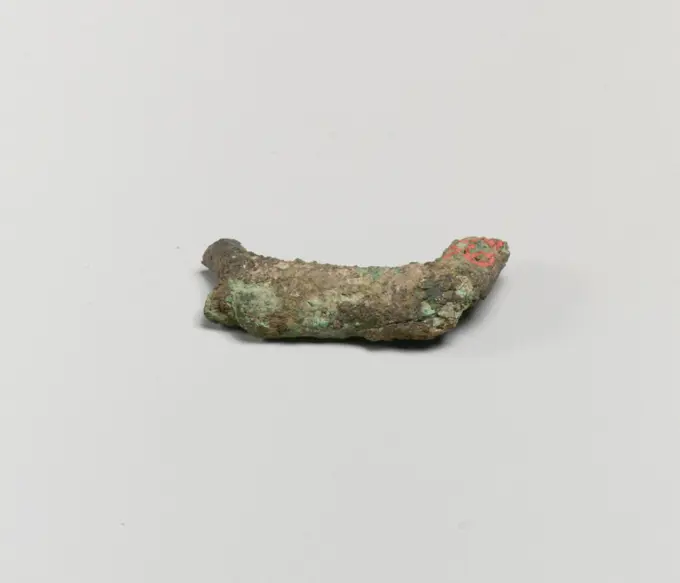
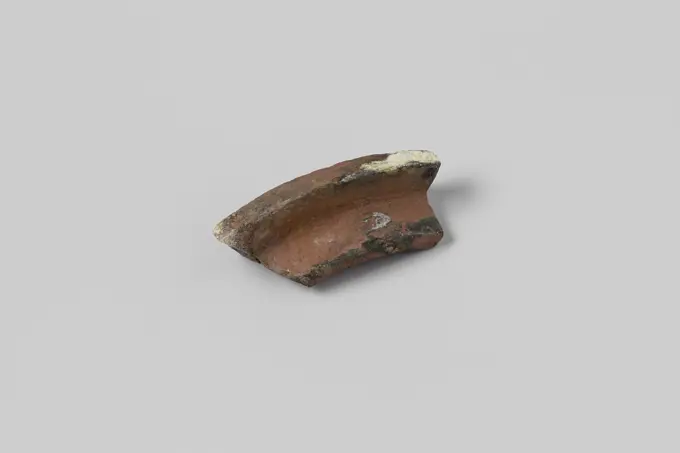
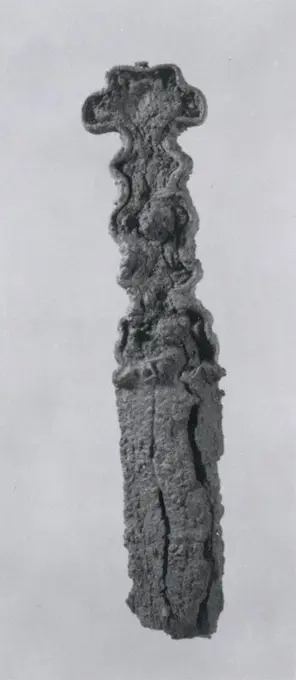
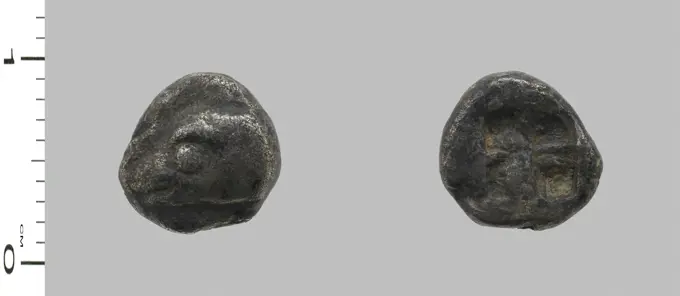
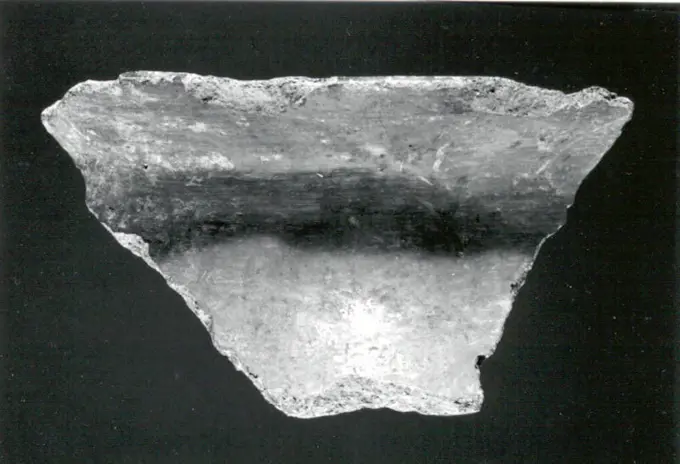
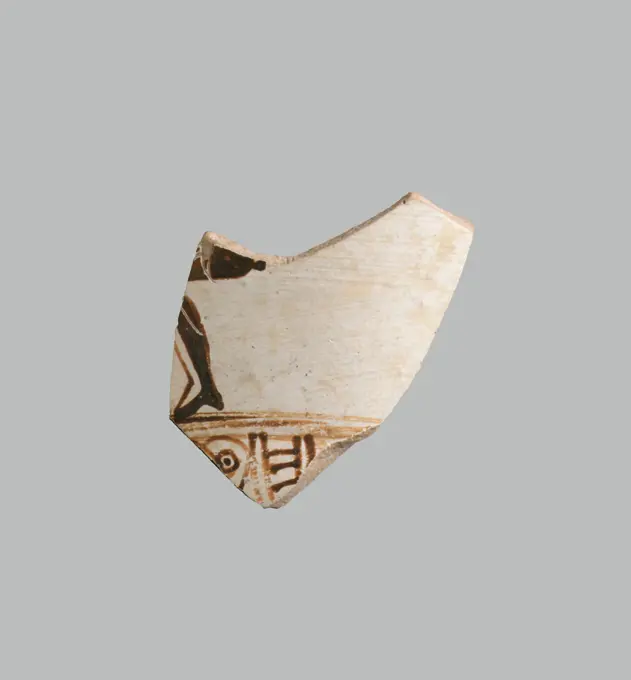
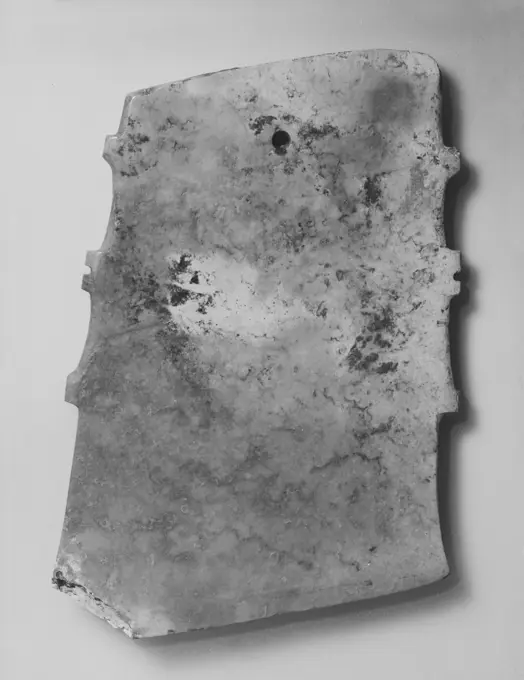
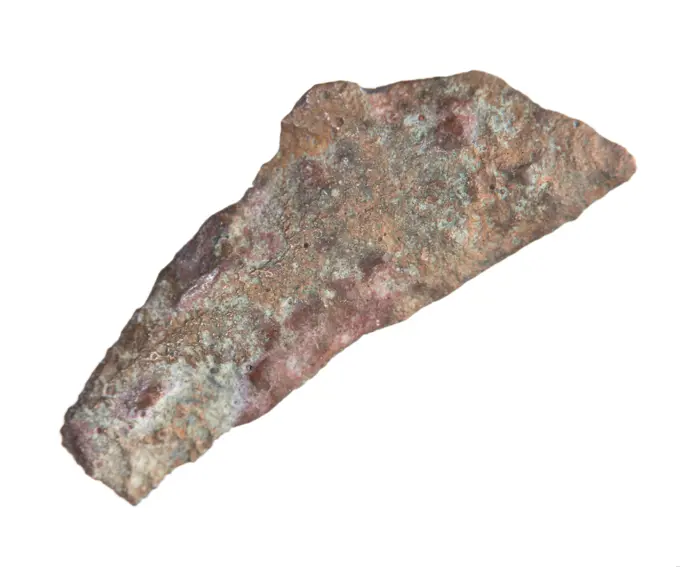
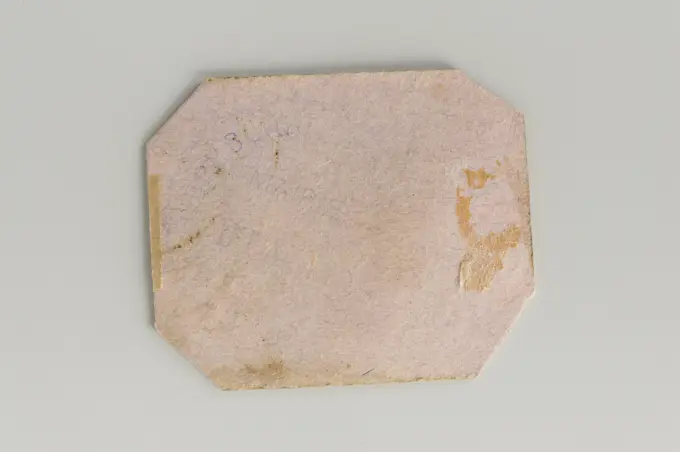
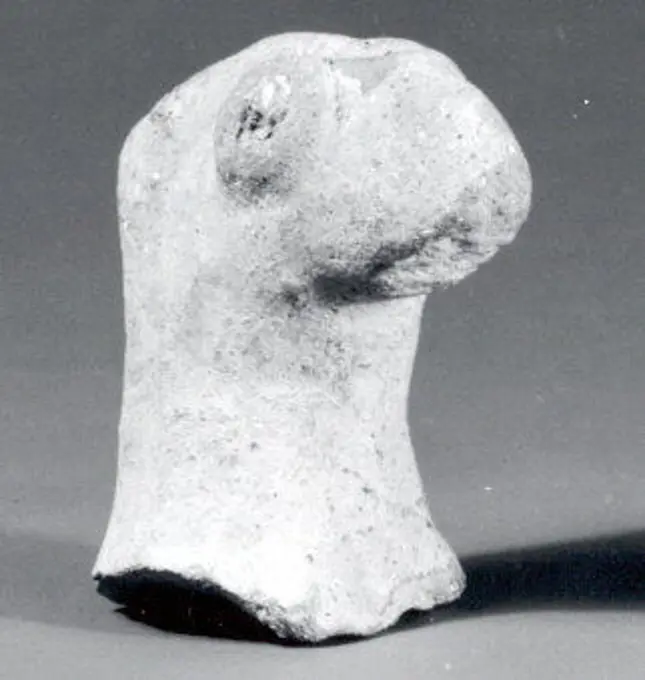
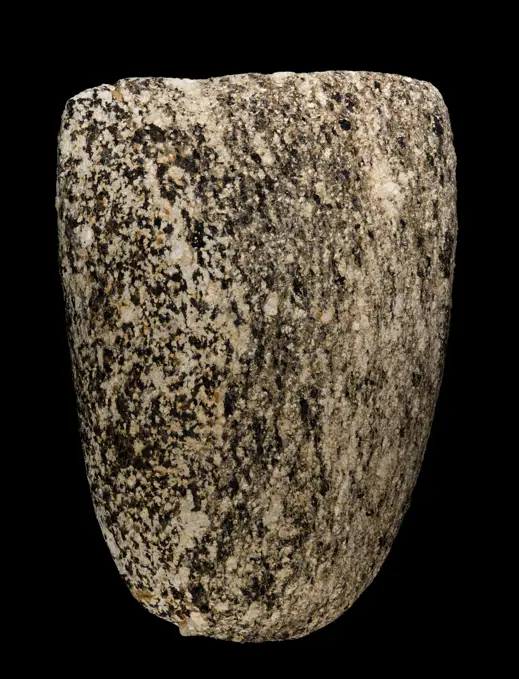
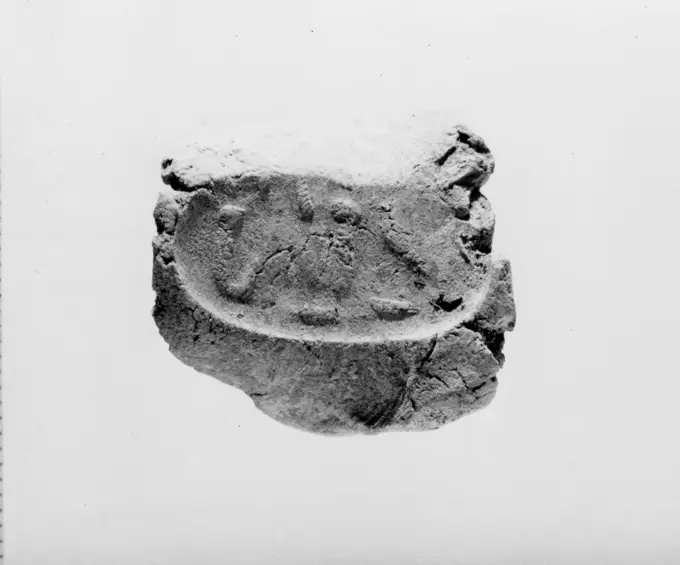
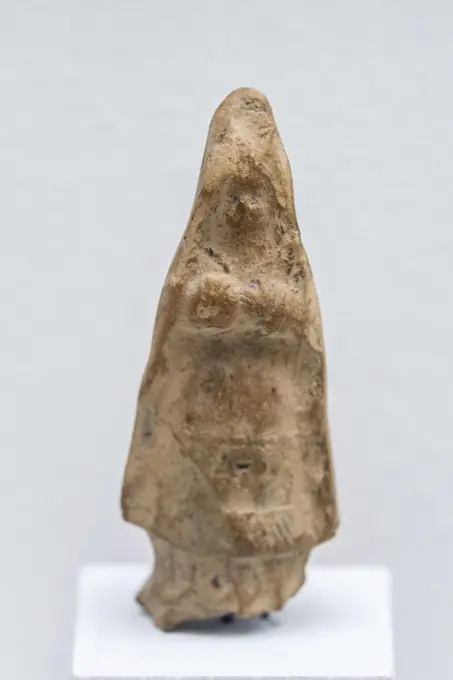
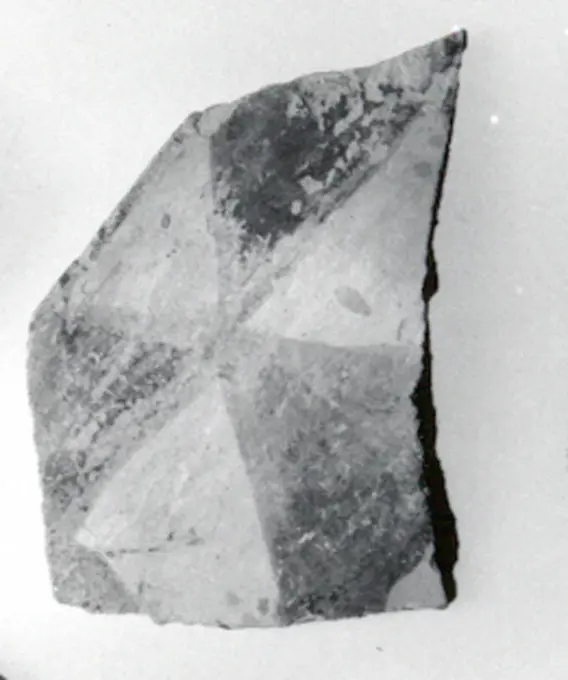
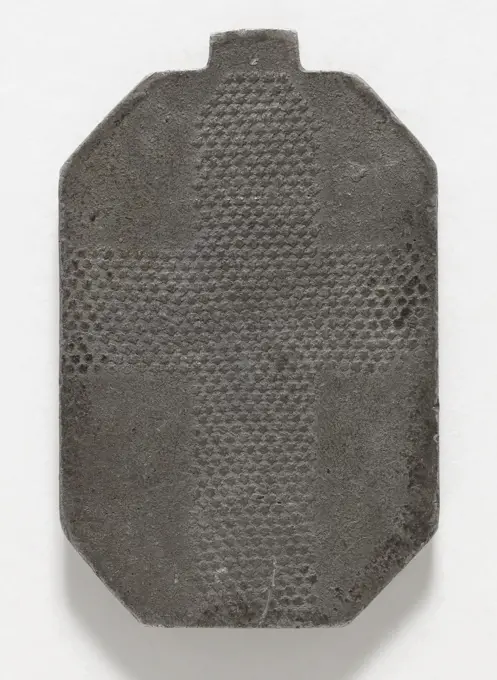
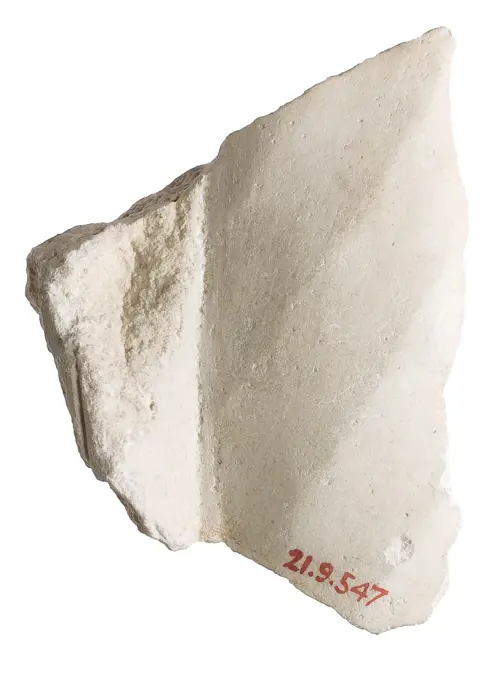
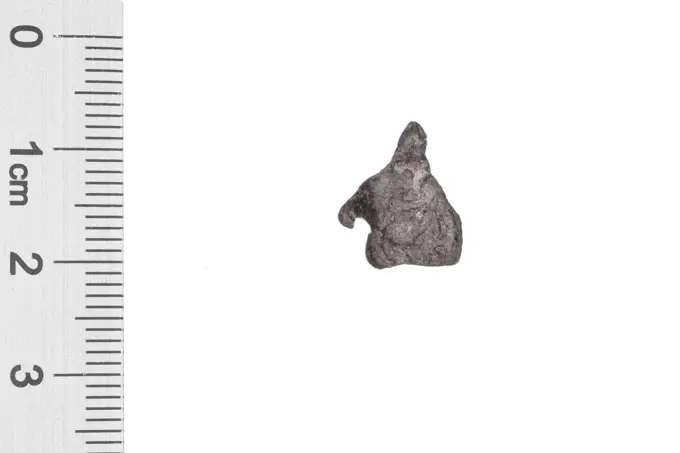
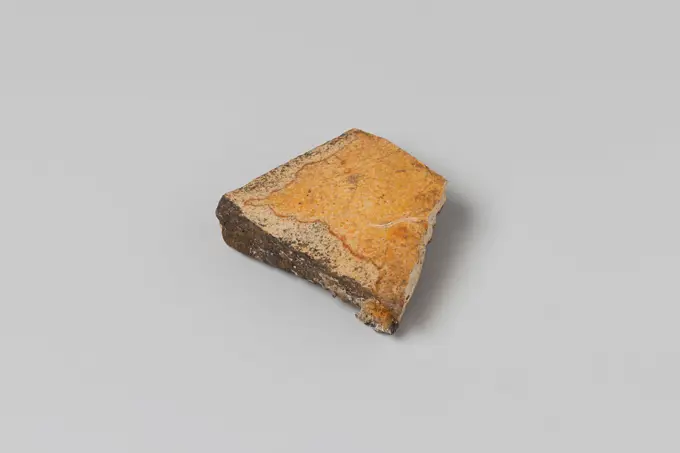
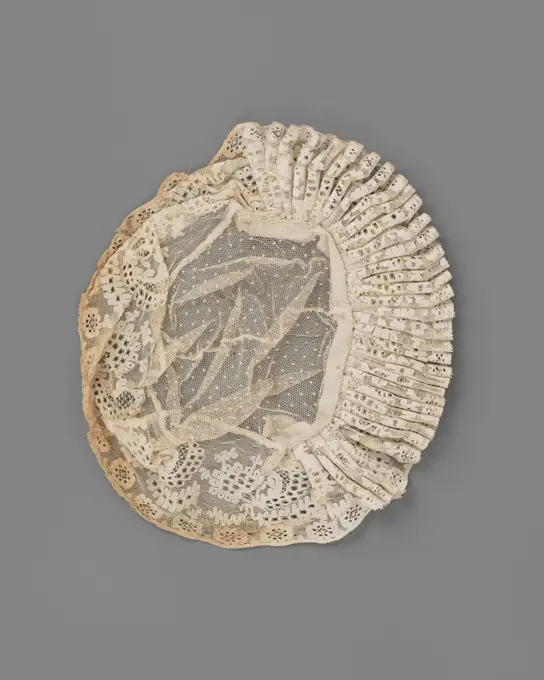
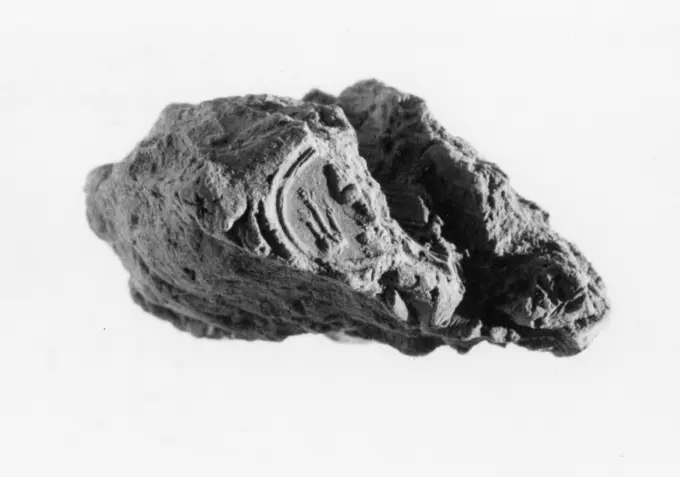
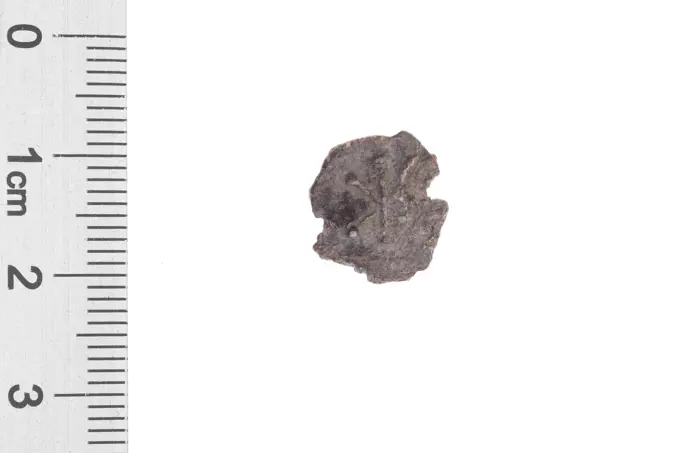
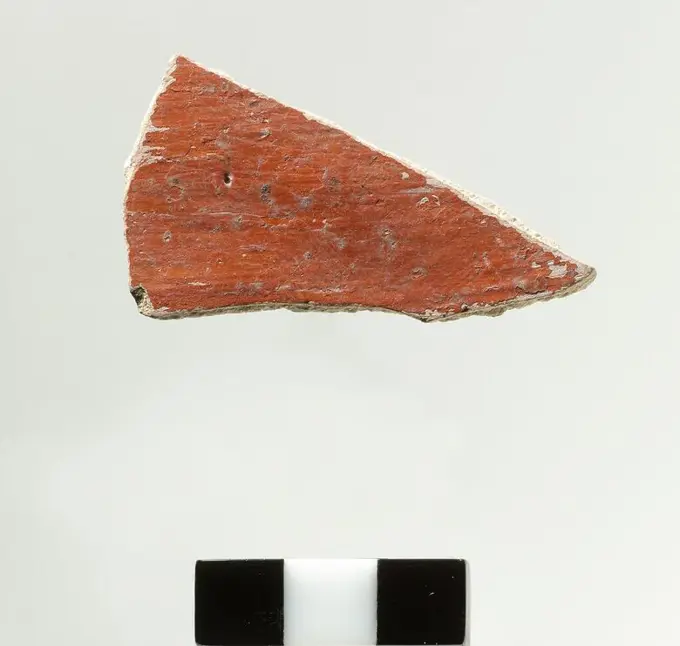
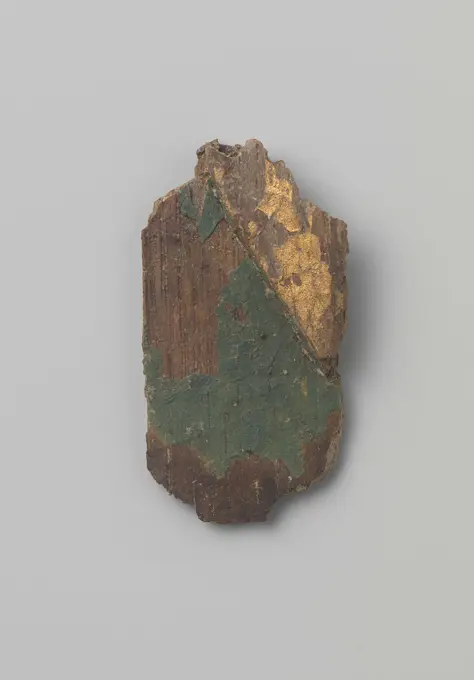
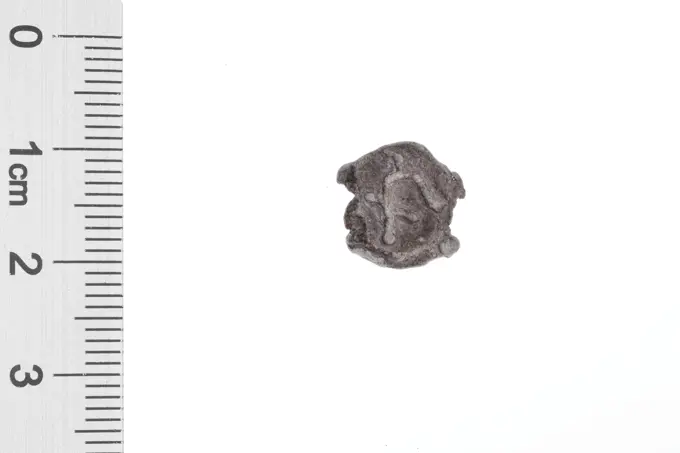
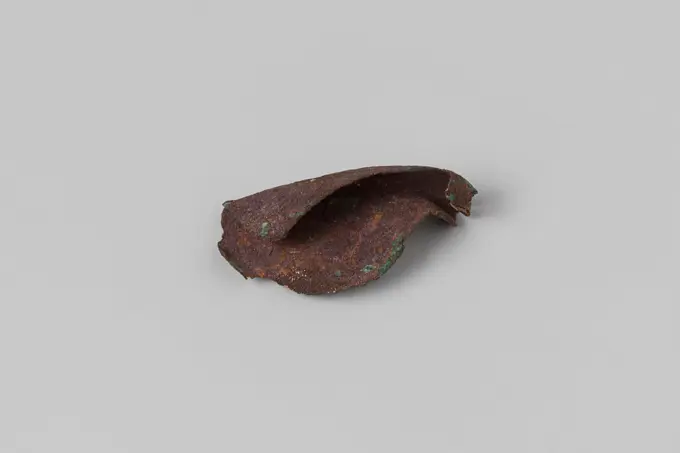
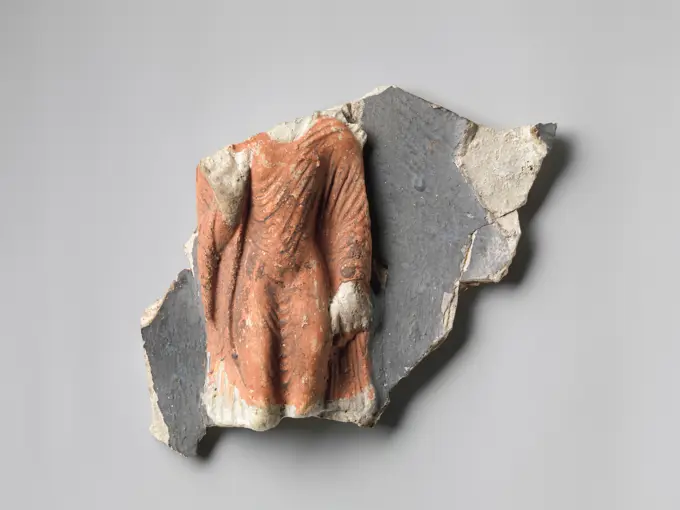
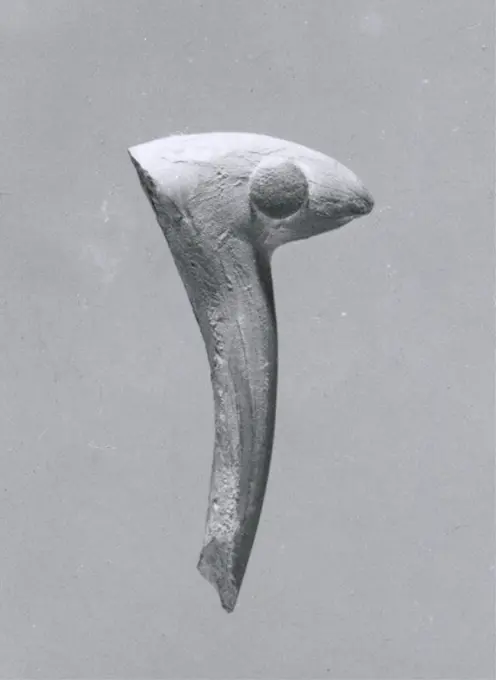
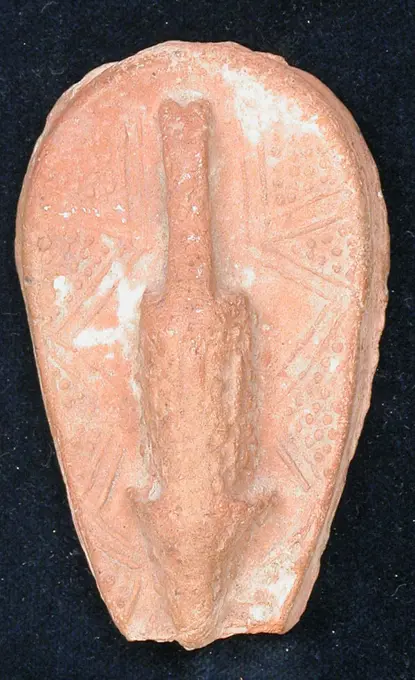
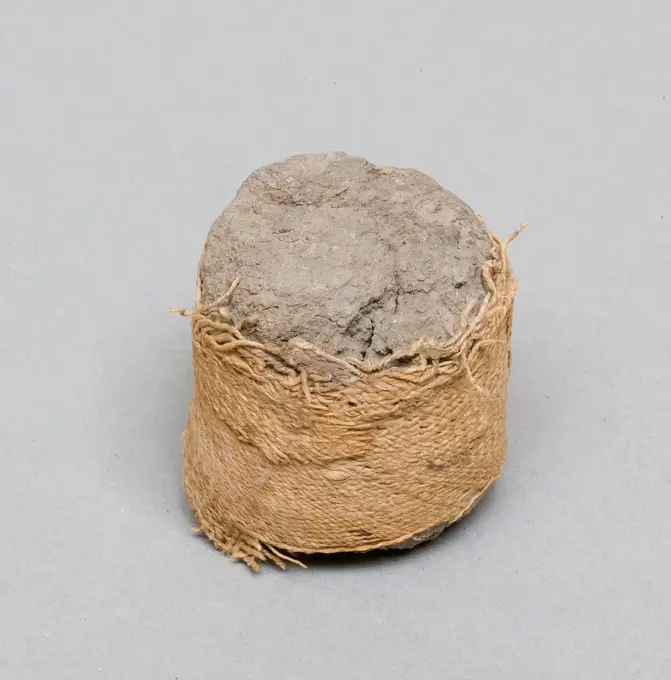
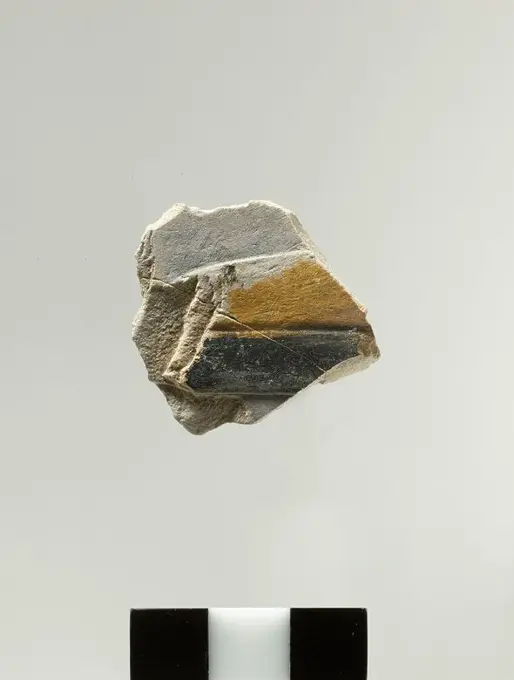
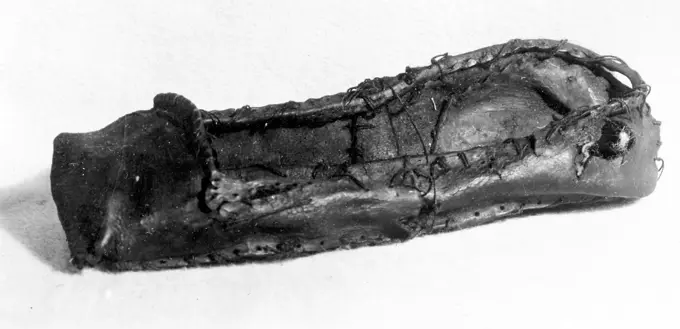
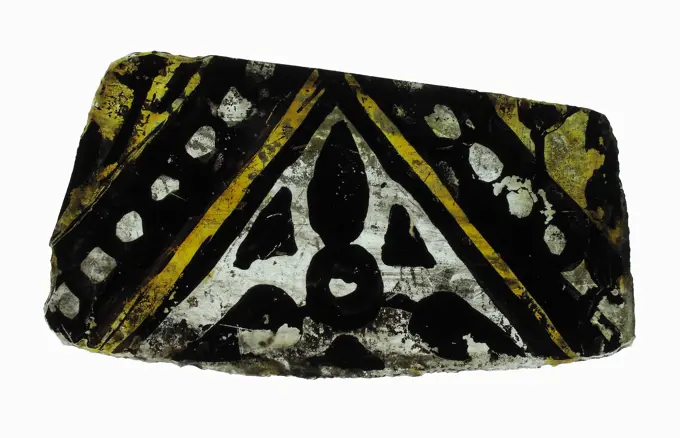
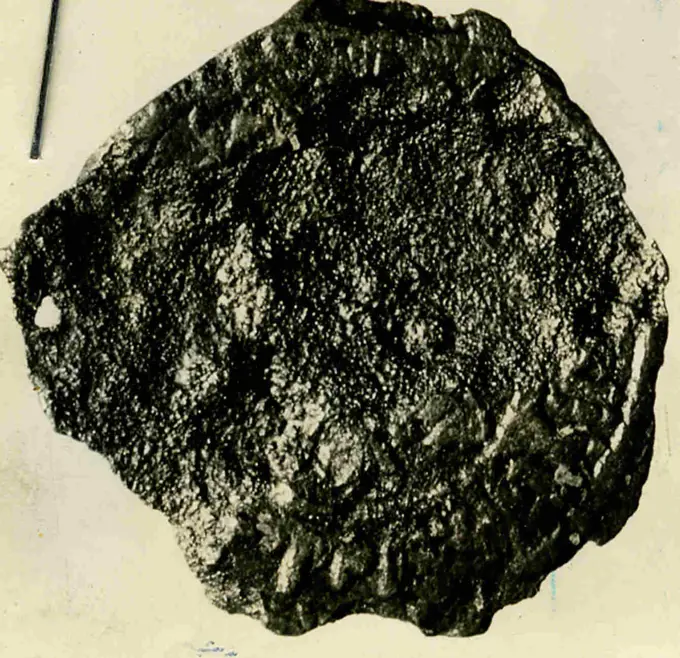
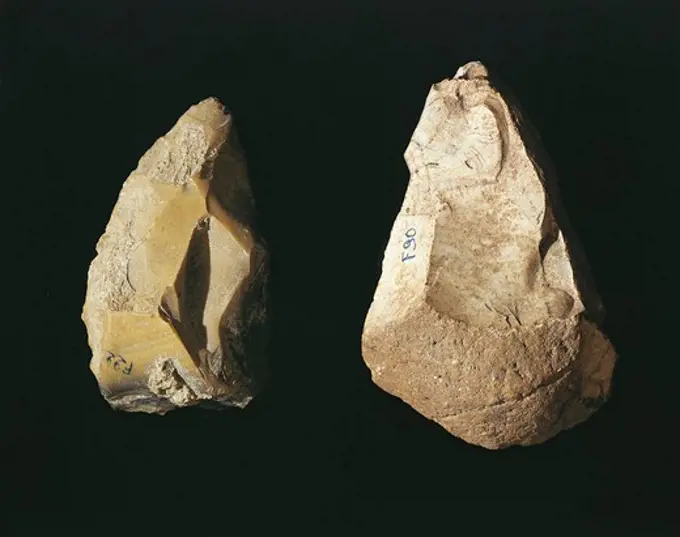
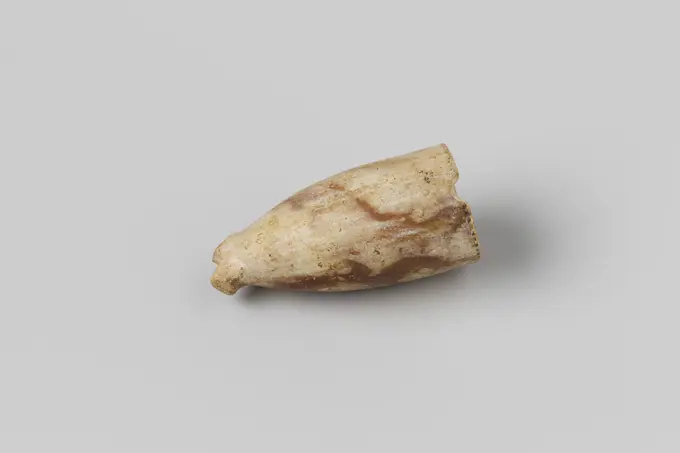
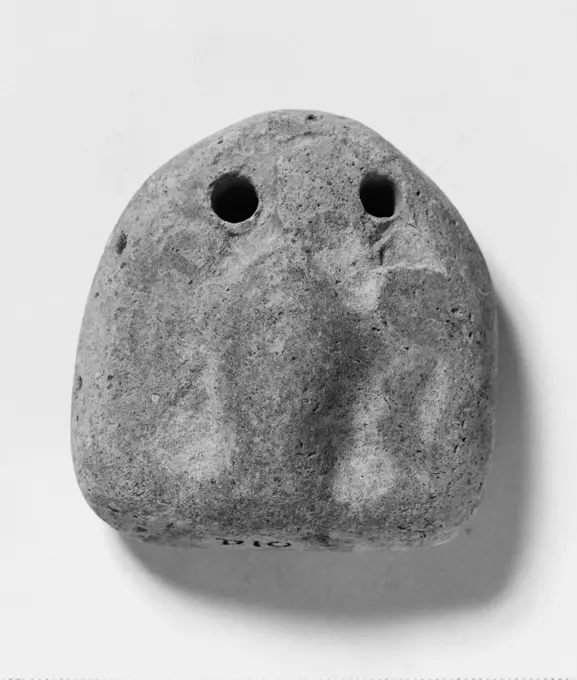
Loom-Weight. UnknownDrohiczyn seal. unknown, managerFibula, Certosa type 6th-5th century B.C. With sheath-like foot, turned up at the end.. Fibula, Certosa type 246323Drohiczyn seal. unknown, managerDrohiczy seal;  XI-XIII century (1090-00-00-1110-00-00);guild seals, customs seals, touches, seals of customs chambers, official seals, seals with a cross, seal with the image of the facePrehistory, Italy. Fragment of a wicker basket. From Castione Marchesi, province of Parma.Shard of a Chinese teapot from the wreck of the East Indiesman Hollandia. Stoneware, Chinese Teapot; Fragm or Detachable RIM, consisting of vertical ring with a flat overhanging RIM.Fragments ship bell from the wreck of the East Indiesman Hollandia. Acoustic, BELL (SHIPs); Fragment of RIM, Concentric Band Moldings, Fit to NG 1980-27H1134 / 2990.Buckle, 600s. Merovingian, Burgundian, Migration period, 7th century. Iron with gold and silver overlay; overall: 17.2 cm (6 3/4 in.).BLIŻEJ KULTURY Mint of Kraków, Władysław Jagiełło (CA 1351 1434)Handle Attachment with Snake-Head Finial. UnknownFlanged dagger ca. 9th century B.C. Iran. Flanged dagger 325611Obol fromPhocaea. Mint: Phocaea Artist: UnknownUnattributed Trebizond Coin. UnknownSherd ca. 3100-2500 B.C. Iran This sherd is made of grey clay which has been painted red on the outside and black on the inside, and the exterior surface has been polished. It is typical of Namazga IV ceramics from Turkmenistan and Hissar II ceramics from Iran, and likely date to ca. 3100-2500 B.C. It was excavated in 1937 at a prehistoric site in the vicinity of Nishapur in northeastern Iran. While Nishapur itself was founded by the Sasanian king Shapur I (reigned ca. A.D. 241-272), this sherd shows that human habitation there goes back to the prehistoric period. Furthermore, the prehistoric pottery from Nishapur has close affinities with ceramic materials from Central Asia rather than with contemporary sites in Iran, meaning that in this period its inhabitants were likely culturally linked to their neighbors to the east. At the same time, Nishapurs location on what later became known as the Great Khorasan Road suggests that it was part of the trade network that facilitated the imporanillo de bronce, siglo IX, necrópolis de Momoitio, Garai, Arkeologi Museoa, museo aqueologico, Bilbao, Bizkaia, Pais Vasco, Spain.Silver spiral. Culture: Cypriot. Dimensions: L. 1 1/2 in. (3.8 cm). Date: ca. 1600-1050 B.C..With two turns.Of silver wire with two turns. Museum: Metropolitan Museum of Art, New York, USA.Vase fragment 7th century B.C. East Greek Chalice fragment with portion of human leg.. Vase fragment. East Greek. 7th century B.C.. Terracotta. Archaic. VasesFragment of a Sculpture: Dove. UnknownCeremonial ax ca. 500 B.C. China. Ceremonial ax. China. ca. 500 B.C.. White jade. Zhou dynasty (1046-256 B.C.). JadeGreece, Sarmacja, Olmia, V The beginning of the 4th century BC, Dolphin money, AE MintRight shoulder slice with shawl traces and Aten cartouche ca. 1353-1336 B.C. New Kingdom, Amarna Period. Right shoulder slice with shawl traces and Aten cartouche 550015Planets-manager. Cornalet Collection Sites 2013-2016. Numismatic.Attic Black-Figure Lip Cup Fragment. UnknownStampBird head ca. 18th century B.C. Old Assyrian Trading Colony. Bird head 323558Stone polished axe. North Africa, Neolithic. 4.6cm.Glass Fragment 13th-14th century European. Glass Fragment. European. 13th-14th century. Pot glass metal. Glass-StainedDrohiczyn seal. unknown, managerDocument Sealing With the Throne Name of Amenhotep III ca. 1390-1353 B.C. New Kingdom. Document Sealing With the Throne Name of Amenhotep III. ca. 1390-1353 B.C.. Mud. New Kingdom. From Egypt, Upper Egypt, Thebes, Malqata, Southern rubbish mounds, MMA excavations, 1910-12. Dynasty 18Female Head Fragment. UnknownStudio shot of Krameria root, close-upoffering lady offering lady, Niebla-Lucena, V-III BC, anthropomorphic terracotta figure, post colonial era, Huelva Museum, Huelva, Andalusia, Spain Copyright: xZoonar.com/Tolox 21720721Sherd ca. 1500-1000 B.C. Iran This sherd is made of a red clay, with brown painted decoration. It is typical of Yaz I ceramics from Turkmenistan, dating to ca. 1500-1000 B.C. It was excavated in 1937 at a prehistoric site in the vicinity of Nishapur in northeastern Iran. While Nishapur itself was founded by the Sasanian king Shapur I (reigned ca. A.D. 241-272), this sherd shows that human habitation there goes back to the prehistoric period. Furthermore, the prehistoric pottery from Nishapur has close affinities with ceramic materials from Central Asia rather than with contemporary sites in Iran, meaning that in this period its inhabitants were likely culturally linked to their neighbors to the east. At the same time, Nishapurs location on what later became known as the Great Khorasan Road suggests that it was part of the trade network that facilitated the import of precious stones such as lapis lazuli, carnelian and turquoise from Central Asia to Mesopotamia.. Sherd 323660Anti-religious medal of Lyon Anonymous. Anti-religious medal of Lyon. Tin. 1793.Drohiczyn seal. unknown, managerbody with garment, pleating ca. 1353-1336 B.C. New Kingdom, Amarna Period. body with garment, pleating 550014Drohiczyn seal. unknown, managerShard of one can be from the wreck of the East India Hollandia.Stoneware, Rhenish, Frechen-Ware, Jug; Fragm or body.Hammered Gold Sheathing Fragment 11th-16th century () Peru (). Hammered Gold Sheathing Fragment 310238Fragment lead from the wreck of the East Indieschief Hollandia. Parts or artifacts; eroded fragments: Materials; Lead.Small stone axe 5th-3rd millennium B.C. Greek Neolithic Celt.. Small stone axe. Greek Neolithic. 5th-3rd millennium B.C.. Stone. Neolithic. Miscellaneous-StoneTulle hat with Rijssel side; The tulle with Moesjes -embroidered is trimmed along the forehead with a pleated strip of Rijssel side, anonymous, c. 1800 - c. 1900 Tulle hat with Rijssel side. The ball of tulle -embroidered tulle is trimmed all around with a strip of Rijssel side, which is folded along the forehead. maker: FrieslandLille whole: Linen (Material). embroidering / Lille lace Tulle hat with Rijssel side. The ball of tulle -embroidered tulle is trimmed all around with a strip of Rijssel side, which is folded along the forehead. maker: FrieslandLille whole: Linen (Material). embroidering / Lille laceDocument Sealing ca. 1390-1353 B.C. New Kingdom. Document Sealing. ca. 1390-1353 B.C.. Mud. New Kingdom. From Egypt, Upper Egypt, Thebes, Malqata, King's Palace, West magazine, MMA excavations, 1910-12. Dynasty 18Jar sealing ca. 2960-2649 B.C. Early Dynastic Period. Jar sealing 545779Ring; second half of 6th century B.C; Silver; 2.1 cm, 0.0029 kg (13,16 in., 0.0064 lb.)Drohiczyn seal. unknown, managerReliefs from the tomb of Meketre. Dimensions: H. 5.3 cm (2 1/16 in.); W. 3 cm (1 3/16 in.); D. 0.3 cm (1/8 in.). Dynasty: Dynasty 12. Reign: reign of Amenemhat I, early. Date: ca. 1981-1975 B.C.. Museum: Metropolitan Museum of Art, New York, USA.Fragment; (possibly) belonging to the Retable of Soest. .Drohiczyn seal. unknown, managerDrohiczyn seal. unknown, managerFragment of buyer from the wreck of the East India Hollandia.parts or artifacts; eroded fragments: Materials; Copper.Arrowhead Japan. Arrowhead 62434Finial. UnknownFragment of a Halo with Buddha Figure 6th-7th century China (Xinjiang Autonomous Region) These fragments are from an elaborate halo that once adorned a larger-than-life-size Buddha or bodhisattva. The larger Buddha fragment holds his right hand in abhaya mudra, a gesture of approachability. The style of the robes attests to an interest in the classical forms of Gandhara.. Fragment of a Halo with Buddha Figure 39945Land with various backgroundsHead with Melon Coiffure. UnknownCoin 5th-14th century. Coin. 5th-14th century. Copper. Excavated in Iran, Nishapur. Coinsmarine reef aquarium isolated on a white backgroundDrohiczyn seal. unknown, managerarrowhead, upper paleolithic, iberian peninsula, Álava Armory Museum, Vitoria, Basque Country, SpainPlaque ca. 3rd-7th century A.D. Sasanian. Plaque 322809Inscribed Os (Knucklebone). Egypt, Old Kingdom - Late Period (2687 - 333 BCE). Tools and Equipment. BoneSealing ca. 7th century A.D. Sasanian. Sealing 323365Volute-krater fragment ca. 360-340 B.C. Greek, South Italian, Apulian. Volute-krater fragment. Greek, South Italian, Apulian. ca. 360-340 B.C.. Terracotta; red-figure. Late Classical. VasesHandle of vase 1st millennium B.C. Iran This sherd is the remains of a handle for a ceramic vessel, which takes the form of an abstract animal head with large, pellet eyes. It was excavated at Yarim Tepe in northeastern Iran, six miles south of the modern town of Gonbad-e Kavus. Yarim Tepe was a small settlement, inhabited from the Neolithic to the Parthian period, with many interruptions. This sherd probably dates to the first millennium B.C. There is a long tradition in ancient Iranian pottery of making the spouts or handles of vessels in the form of animals.. Handle of vase. Iran. 1st millennium B.C.. Ceramic. Iron Age. Iran, Yarim TepeBowl China. Bowl 52011Drohiczyn seal. unknown, managerArrowhead in cut stone with peduncle and wings. Neolithic period. North Africa. 4 cm.Excerpt copper sheet metal from the wreck of the East Indians Hollandia, 1700 - in Or Before 1743  Parts of artefacts; eroded fragments: materials; copper. Netherlands copper (metal)   SecondFemale Head. UnknownDrohiczyn seal. unknown, managerDrohiczyn seal. unknown, managerCopper pressed thimble with decoration, thimble sewing kit soil find copper metal, pressed Copper pressed thimble with spirally flat top going without groove in the shaft with board with two bands of small vertical stripes between circles with floral pattern archeology Rotterdam railway tunnel Seamstress Tailor Sewing Textiles Sewing Clothes Needle and Thread Restoration Soil discovery: rail tunnel Rotterdam.Coin 5th-14th century. Coin. 5th-14th century. Copper. Excavated in Iran, Nishapur. CoinsBath Scraper 12th-13th century Flat objects such as this one, molded on one side, were used in the public bath (hammam). The opposite side, which is coarse due to the siliceous fragments in the clay, would be used to rub the skin. The number of bath scrapers which have survived display a wide variety of decorative motifs.. Bath Scraper 452069Karte der Slowakei auf rostigem Metall - Map of Slovakia on rusty metal Karte der Slowakei auf rostigem Metall - Map of Slovakia on rusty metal Copyright: xZoonar.com/lantapixx 10941628Karte von Ungarn auf rostigem Metall - Map of Hungary on rusty metal Karte von Ungarn auf rostigem Metall - Map of Hungary on rusty metal Copyright: xZoonar.com/lantapix,x 9778297Reel ca. 1295-1070 B.C. New Kingdom, Ramesside. Reel. ca. 1295-1070 B.C.. Mud. New Kingdom, Ramesside. From Egypt, Memphite Region, Lisht North, Cemetery, Pit 465, MMA excavations, 1920-22. Dynasty 19-20Drohiczyn seal. unknown, managerKarte von Österreich auf rostigem Metall - Map of Austria on rusty metal Karte von Österreich auf rostigem Metall - Map of Austria on rusty metal Copyright: xZoonar.com/lantapixx 9926514Fragment in the form of a hand; (possibly) belonging to the retable of Soest, c. 1475 - c. 1499   wood (plant material)   wood (plant material)Reliefs from the tomb of Meketre. Dimensions: H. 3 cm (1 3/16 in.); W. 3.1 cm (1 1/4 in.); D. 0.7 cm (1/4 in.). Dynasty: Dynasty 12. Reign: reign of Amenemhat I, early. Date: ca. 1981-1975 B.C.. Museum: Metropolitan Museum of Art, New York, USA.Child's Horned Toe Shoe Made 1501-1600 England. Leather .Glass Fragment 14th or 15th century () North French. Glass Fragment. North French. 14th or 15th century (). Colorless glass. Glass-StainedFragment lead from the wreck of the East Indians Hollandia, 1700 - in or before 1743 fragment Parts of artefacts; eroded fragments: materials; lead. Netherlands lead (metal)   SecondSickle or pruning tool ca. 9th century B.C. Iran. Sickle or pruning tool 325199Coin dated A.H. 131/ A.D. 749. Coin 457076Stone tools: bifaces from Marche RegionDrohiczyn seal. unknown, managerRelief fragment ca. 9th century B.C. Iran. Relief fragment 325773Fragment slate from the wreck of the East Indians Hollandia, 1700 - in Or Before 1743  Parts of artefacts; eroded fragments: materials; slate. Netherlands slate (rock)   SecondFemale Head. Unknowncloseup of sample of natural mineral from geological collection - unpolished Talc (Soapstone) rock isolated on white background. unpolished Talc (Soapstone) rock isolatedDunite, intrusive igneous rock.Drohiczyn seal. unknown, managerAttic Black-Figure Neck Amphora Fragment. UnknownBlowjob from the wreck of the East Indies Chief Hollandia. Pipe, Bowl, Helm: Crowned 58; No HSM.Relief fragment, tomb of Meketre ca. 1981-1975 B.C. Middle Kingdom. Relief fragment, tomb of Meketre. ca. 1981-1975 B.C.. Limestone, paint. Middle Kingdom. From Egypt, Upper Egypt, Thebes, Southern Asasif, Tomb of Meketre (TT 280, MMA 1101), MMA excavations, 1920. Dynasty 12Document Sealing with the Throne Name of Amenhotep III ca. 1390-1353 B.C. New Kingdom. Document Sealing with the Throne Name of Amenhotep III. ca. 1390-1353 B.C.. Mud. New Kingdom. From Egypt, Upper Egypt, Thebes, Malqata, Middle Palace, MMA excavations, 1910-12. Dynasty 18