Ancient Artifacts and Seals

Images of historical artifacts including stamp seals and glass fragments, showcasing intricate designs and cultural significance from ancient eras.
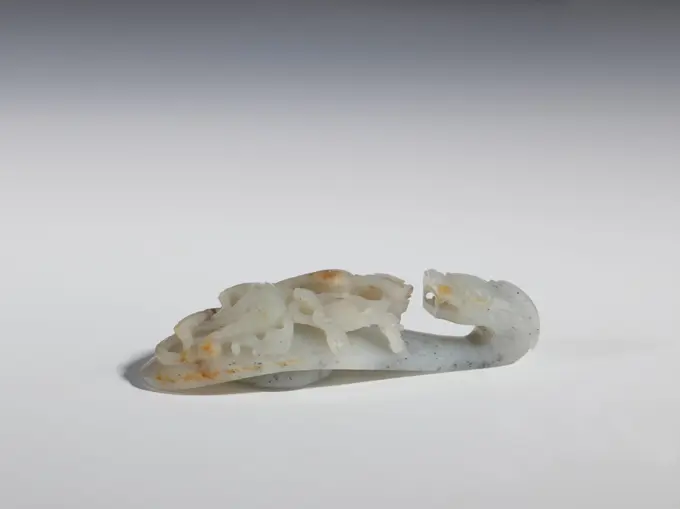
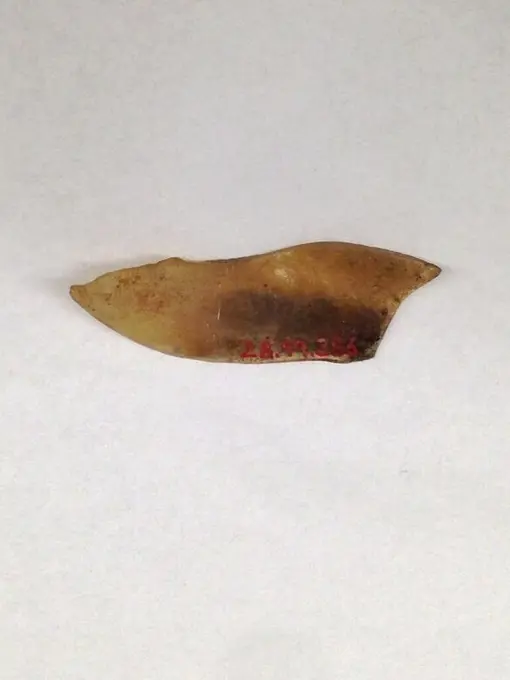
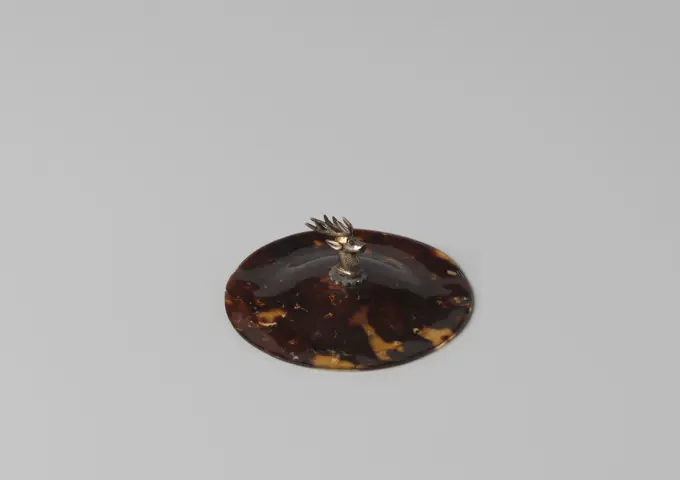
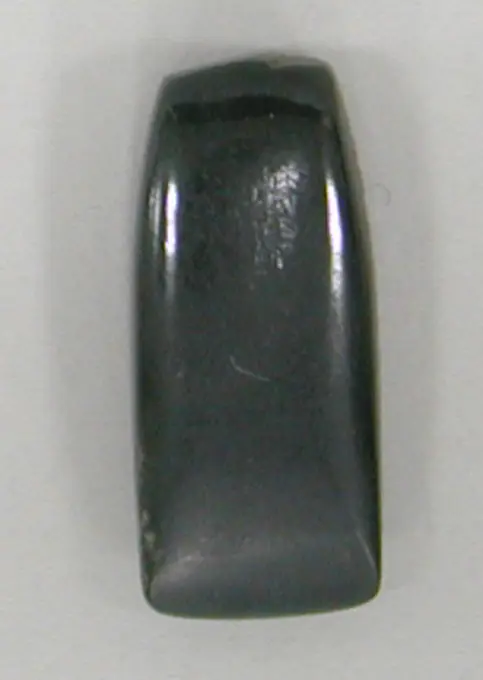
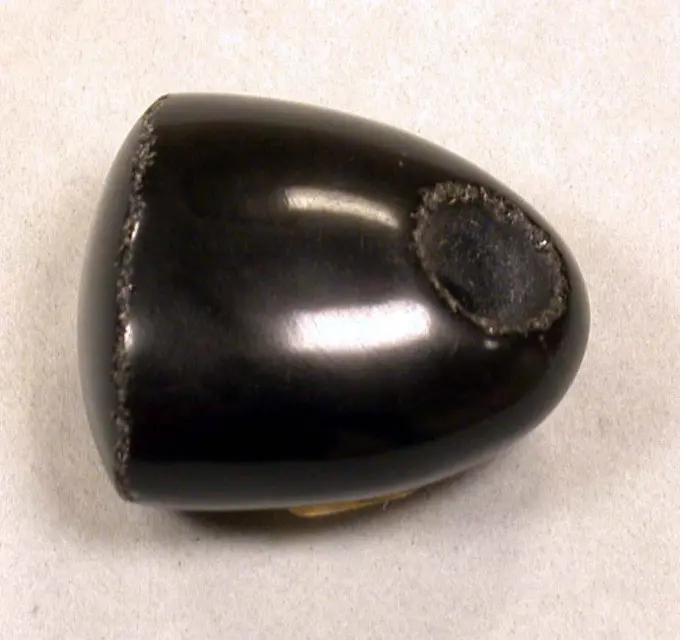
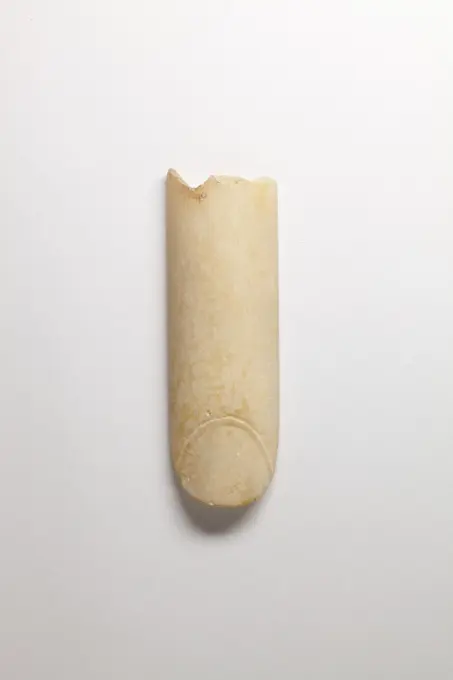
Waist clamp;  XVIII-XIX century (1701-00-00-1900-00-00);
Waist clamp; XVIII-XIX century (1701-00-00-1900-00-00);
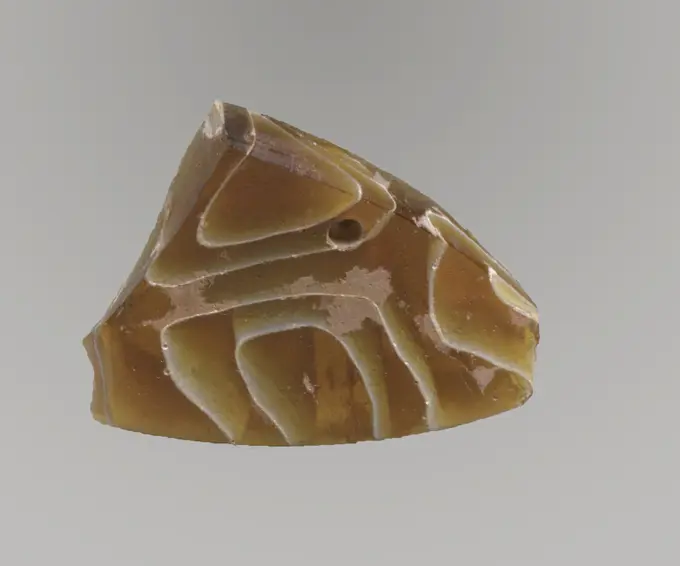
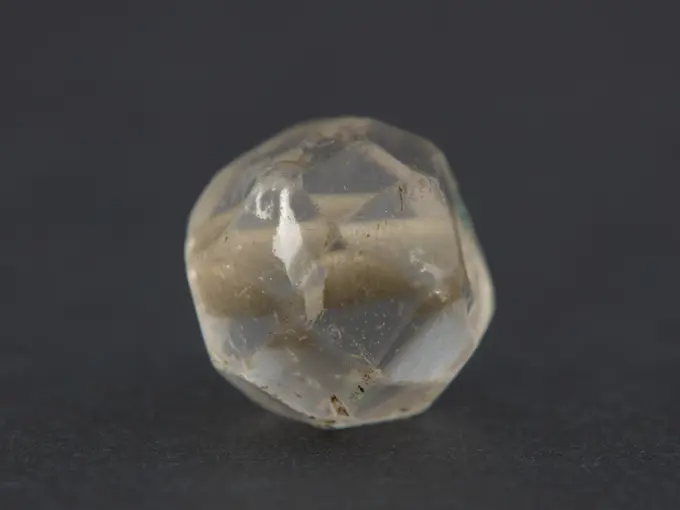
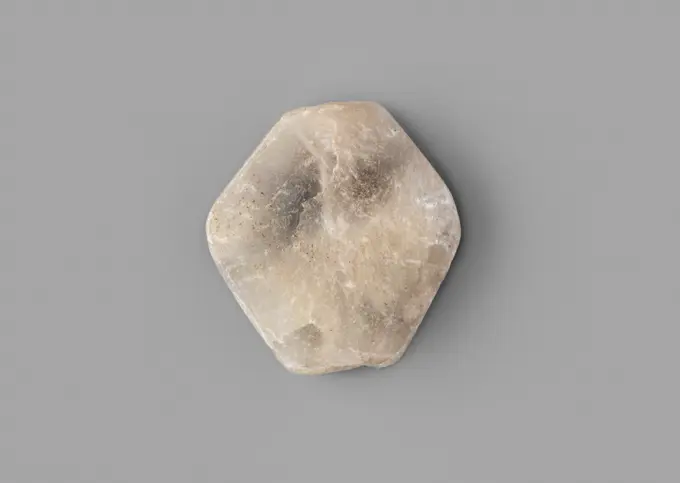
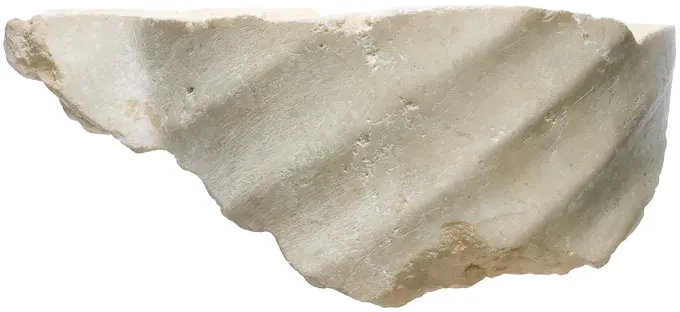
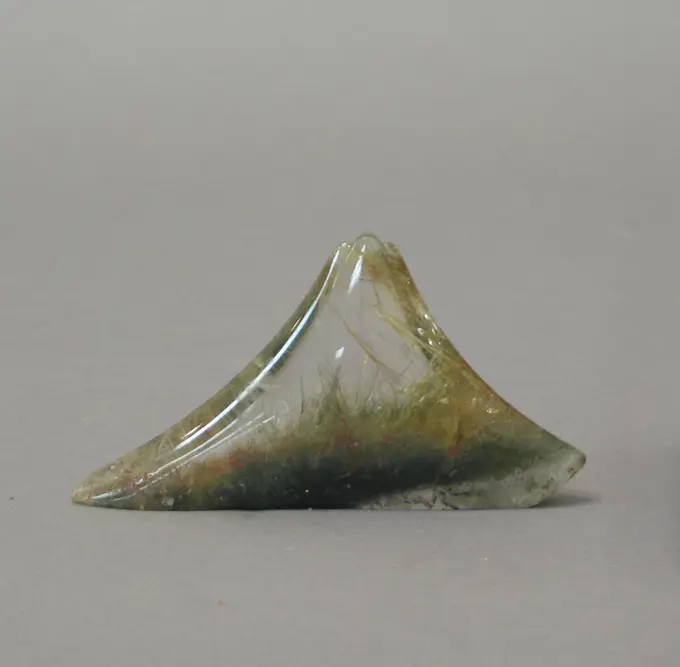
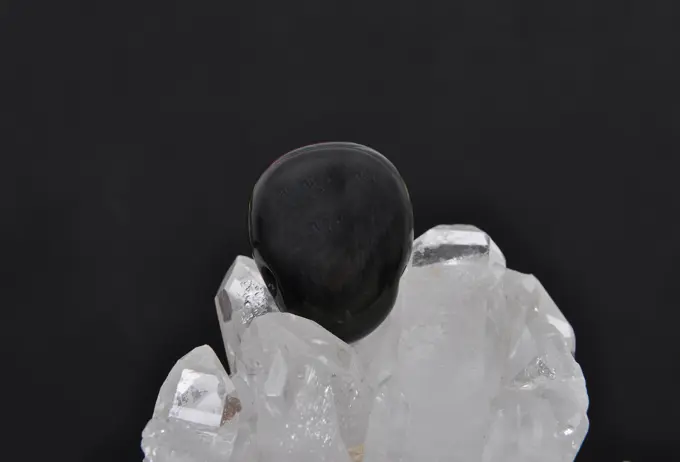
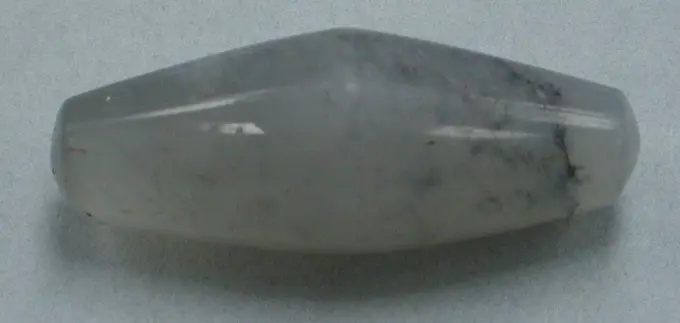
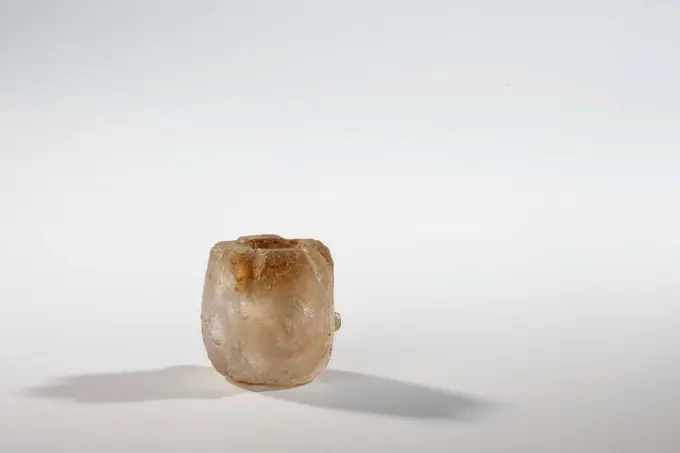
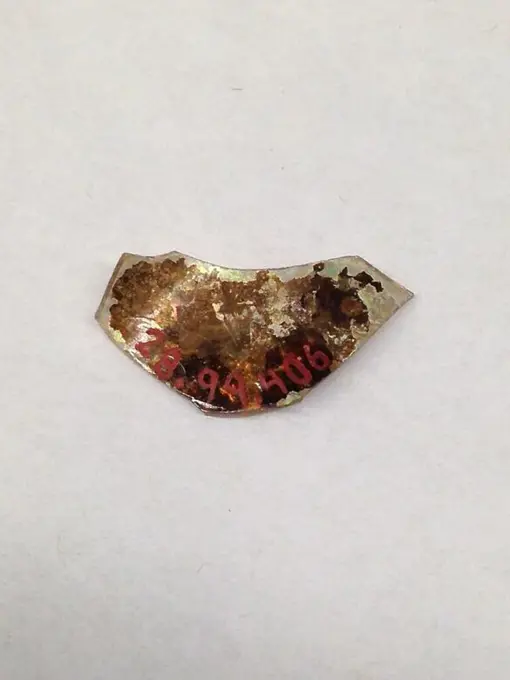
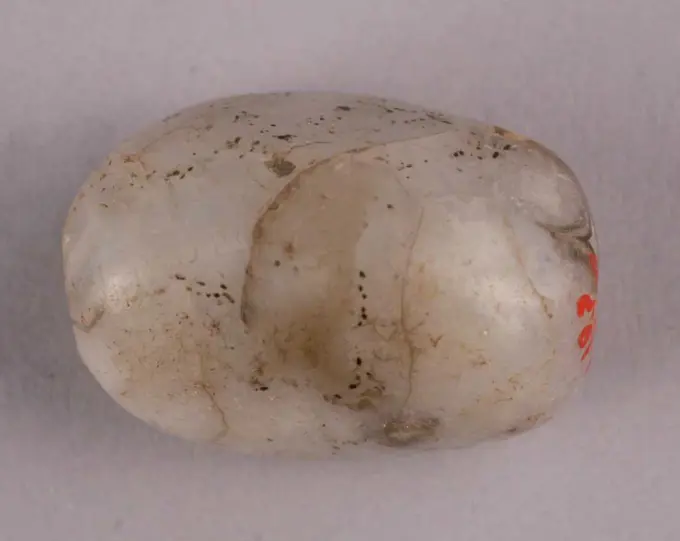
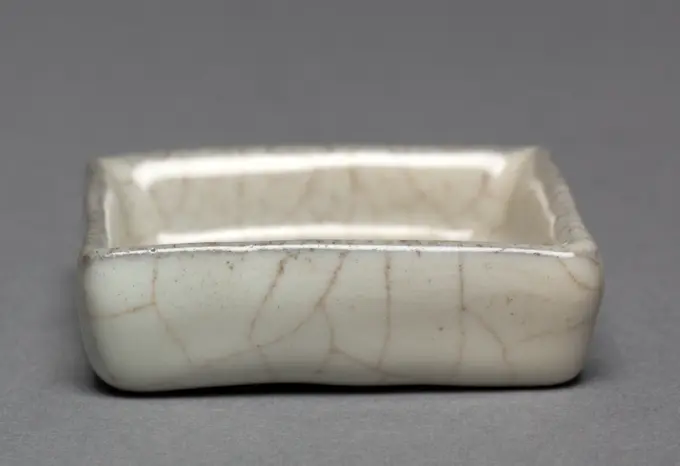
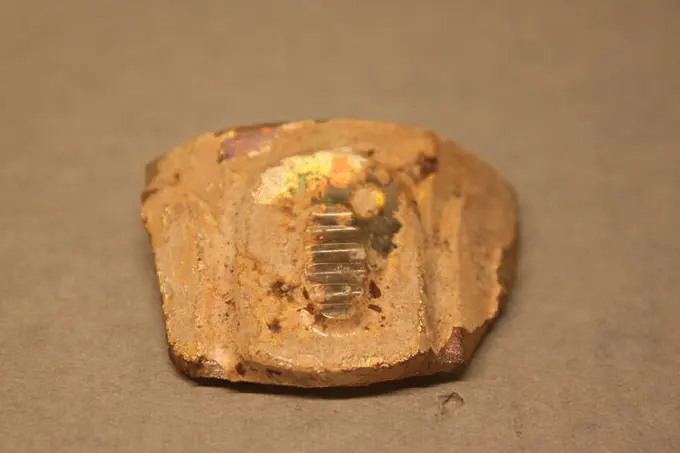
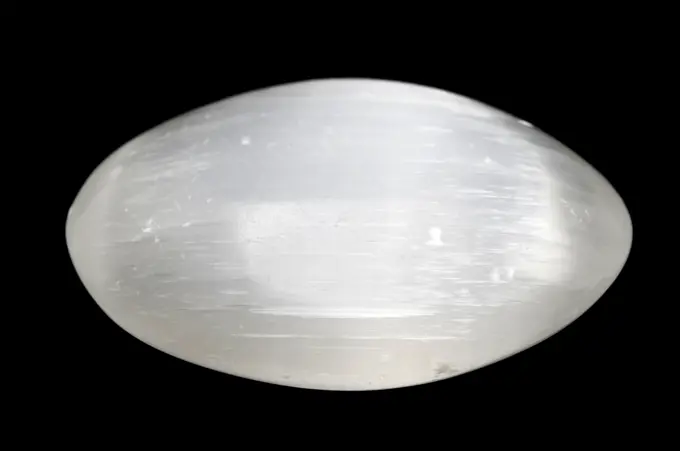
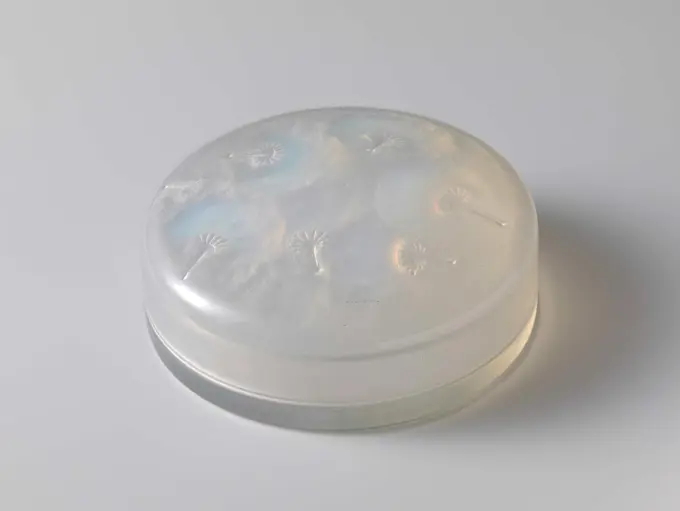
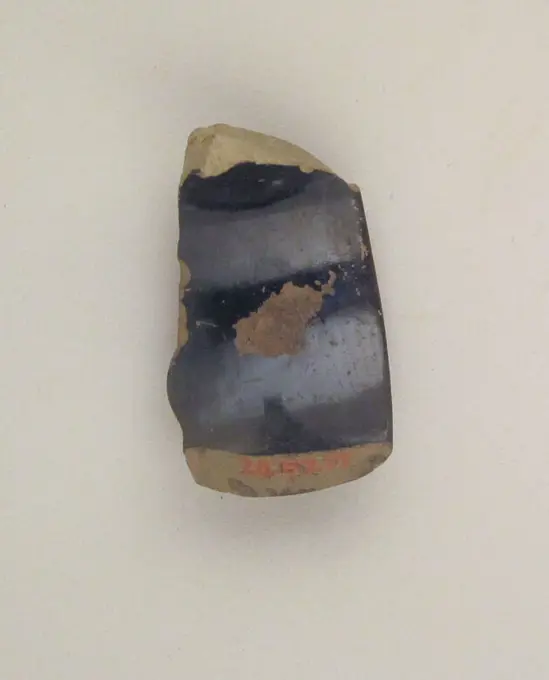
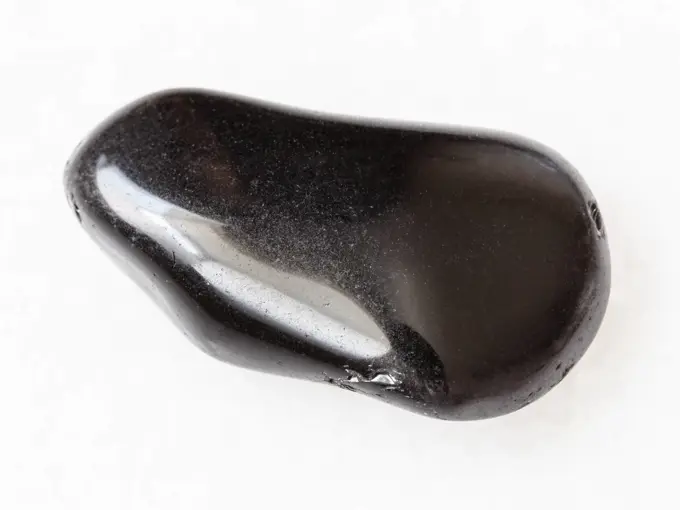
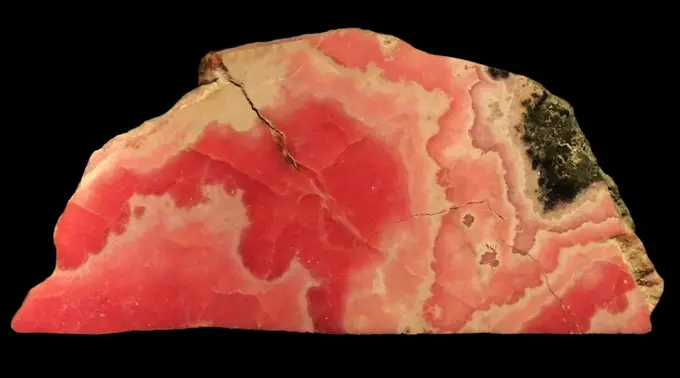
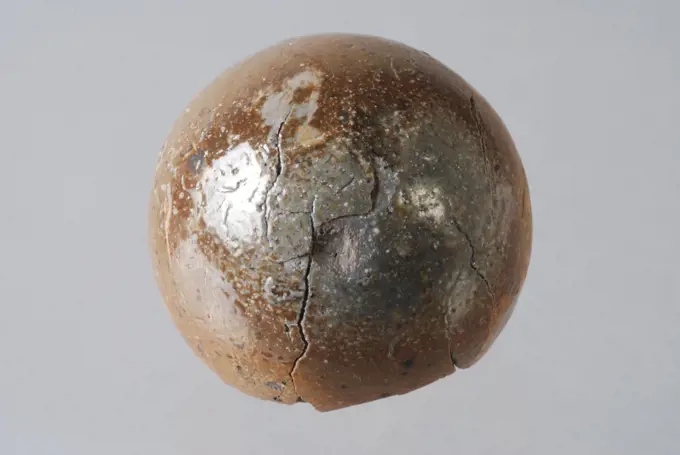
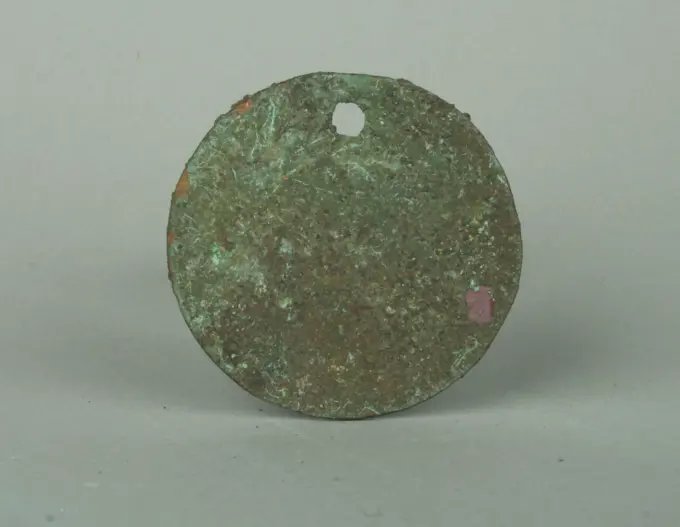
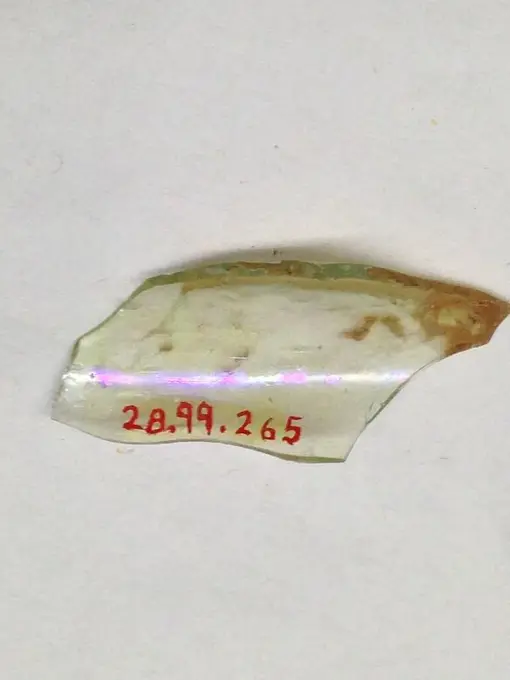
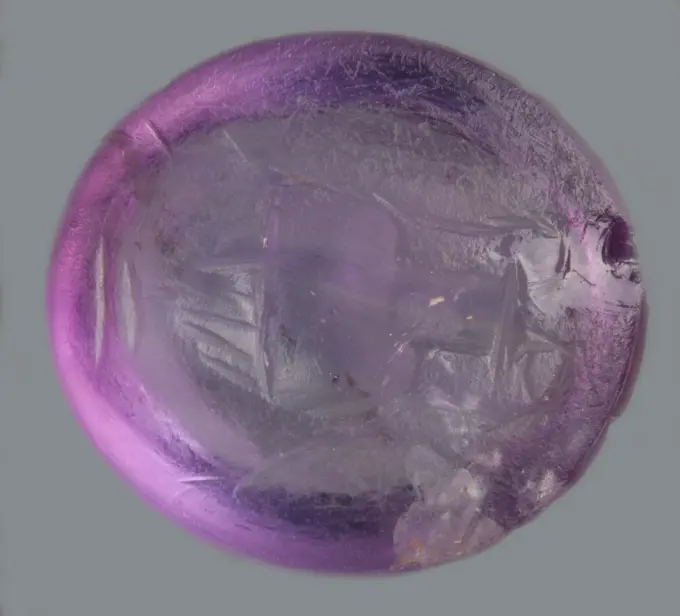
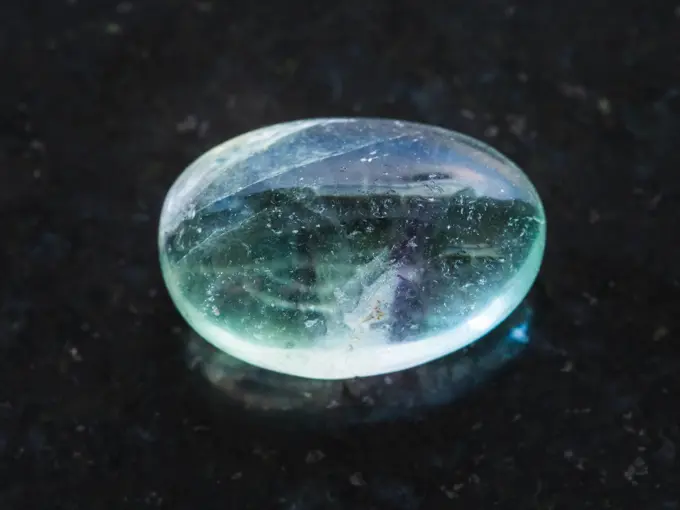
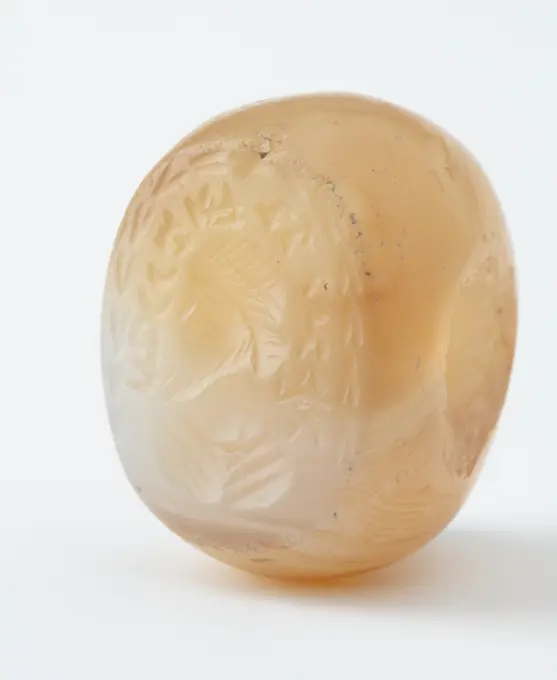
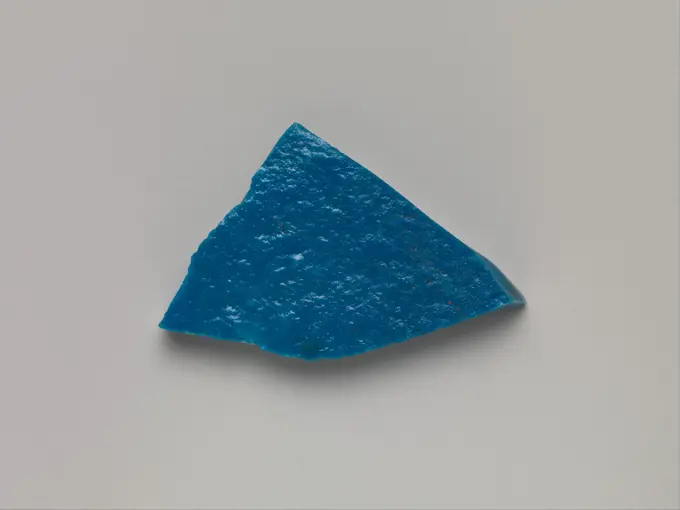
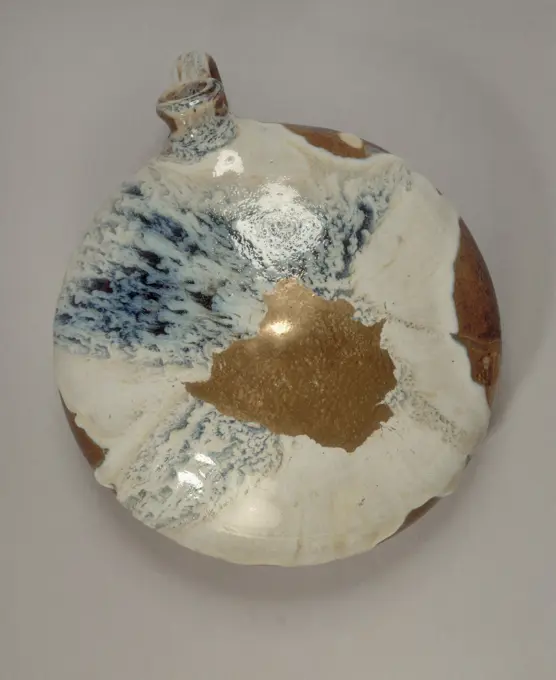
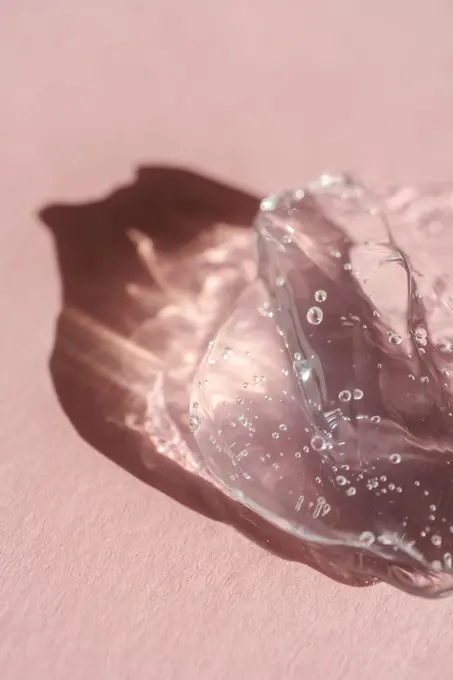
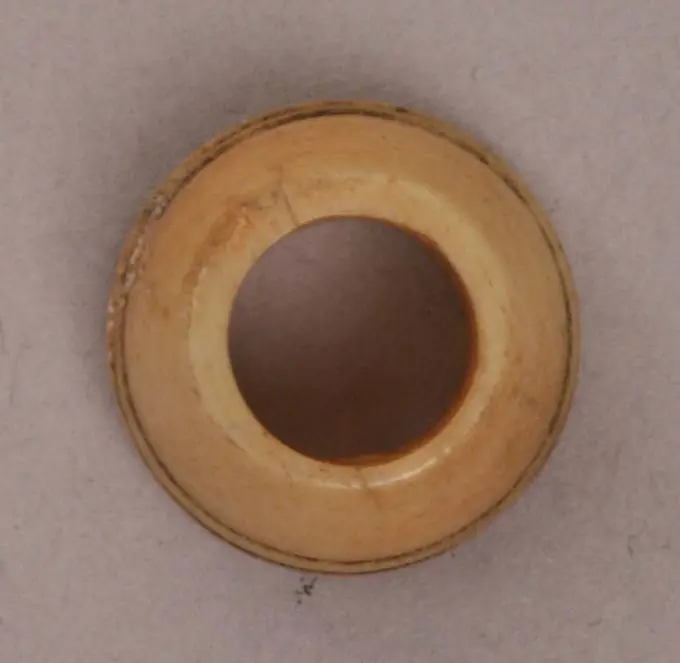
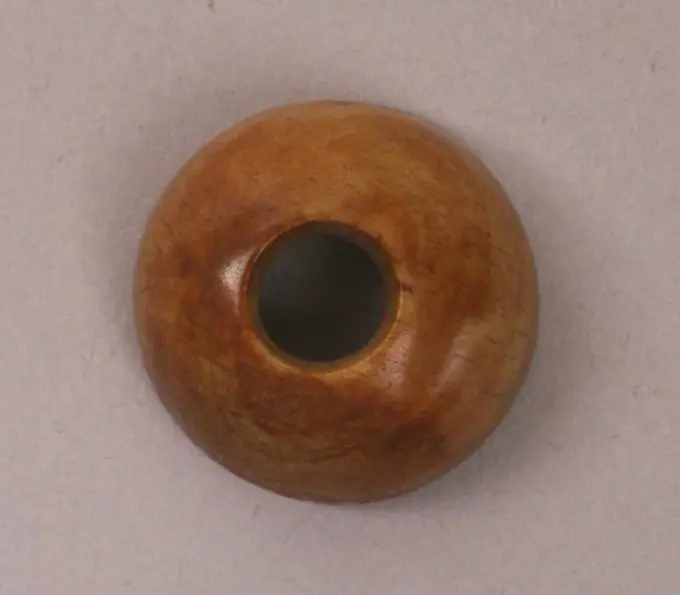
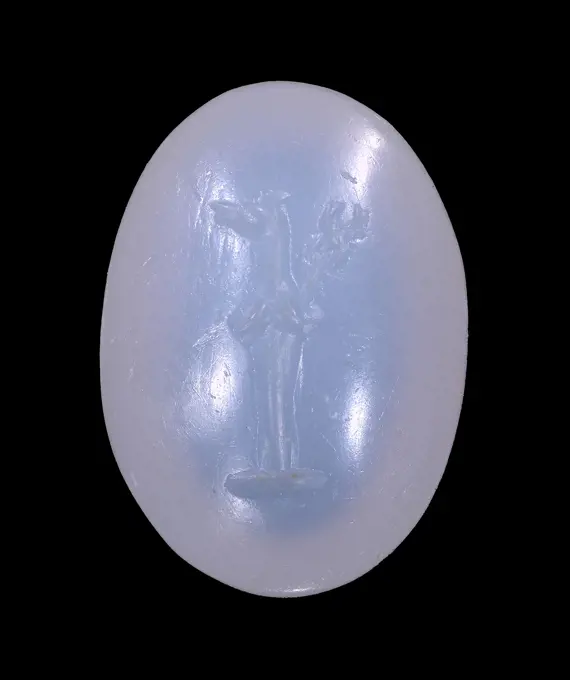
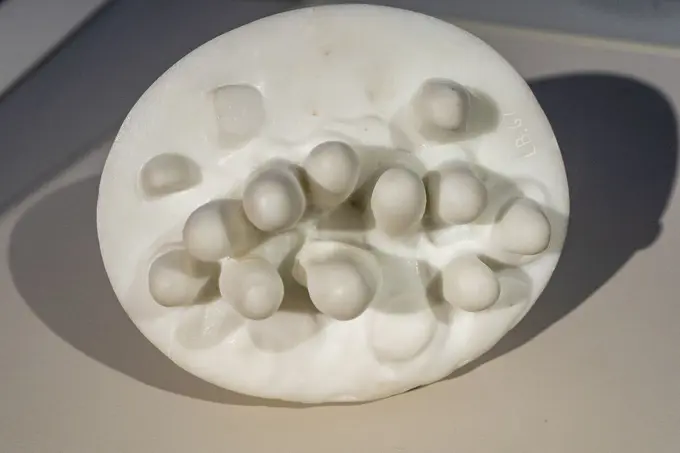
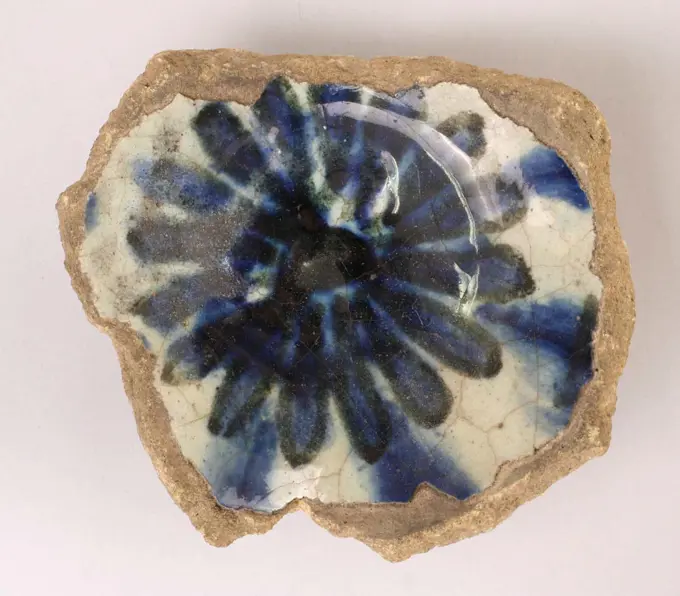
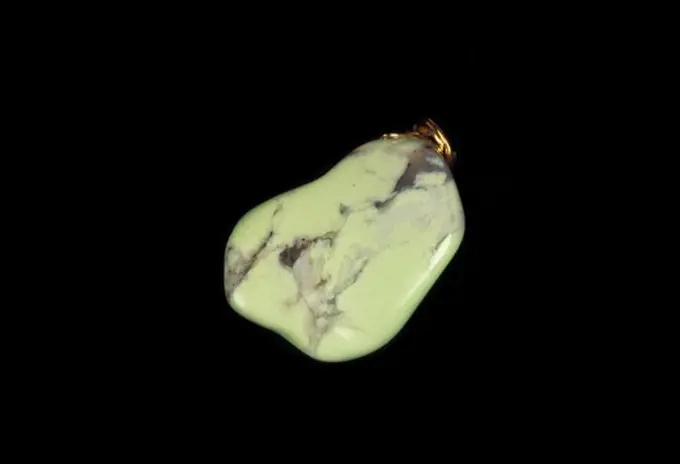
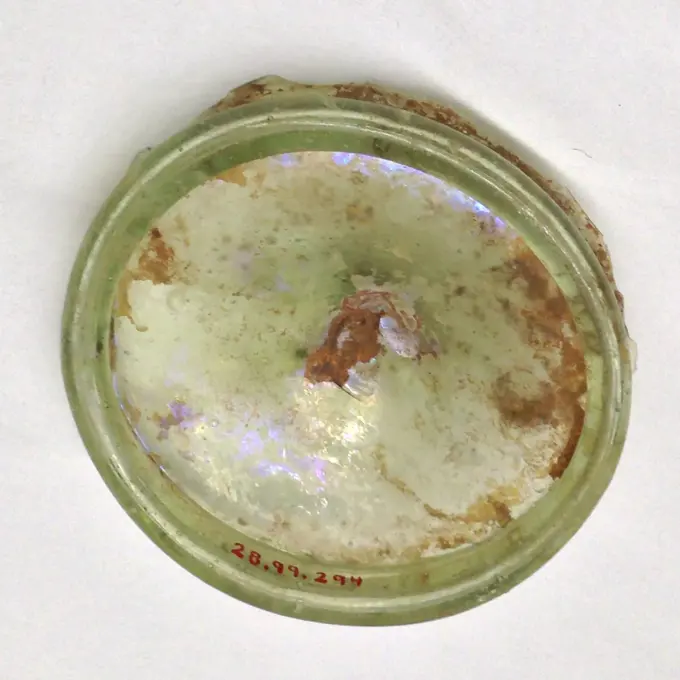
Stamp Seal. Assyria or Mesopotamia, Neo-Assyrian (style), late 8th-7th century B.C.. Tools and Equipment; seals. Colorless chalcedonyGlass mosaic vessel fragment late 1st century B.C.-early 1st century A.D. Roman Thick-walled lid fragment.Translucent honey brown and opaque white.Rim with tapering edge, rounded at bottom; convex curving body forming dome, with chamfered band above rim; hole in body.Spiral mosaic pattern formed from lengths of a single cane in a brown ground with wavy white threads.Chipped around hole on upper side; dulling, pitting, and some iridescent weathering on both sides and edges.. Glass mosaic vessel fragment. Roman. late 1st century B.C.-early 1st century A.D.. Glass; cast, cut, and drilled. Early Imperial. GlassStone Pulidor before 16th century Mexican. Stone Pulidor 317138Waist clamp;  XVIII-XIX century (1701-00-00-1900-00-00);BeadBottle. unknown, craftsmanPaciorek romboidalny. nieznany warsztat północno mezopotamski, workshopSharp of White Baking earthenware, with blue glaze at the front, anonymous, 1600 - 1650  Northern Netherlands earthenware. glaze majolica  Northern Netherlands earthenware. glaze majolicaFragment. Culture: European or Middle Eastern. Dimensions: L. 2 1/4 in. (5.7 cm). Date: ca. 1150-ca. 1250. Museum: Metropolitan Museum of Art, New York, USA.Plate 1 CE-200 CE Roman Empire. Glass, blown technique . Ancient RomanStoneFragment. Culture: European or Middle Eastern. Dimensions: L. 1 13/16 in. (4.6 cm). Date: ca. 1150-ca. 1250. Museum: Metropolitan Museum of Art, New York, USA.Leg (), with pleated garment ca. 1353-1336 B.C. New Kingdom, Amarna Period. Leg (), with pleated garment 549787Detailed and colorful image of jasper mineralCarving in Form of Fujiama 18th century China. Carving in Form of Fujiama. China. 18th century. Rock crystal; green stained ivory stand. HardstoneRegenbogenobsidian auf Bergkristall - Obsidian on rock crystal Regenbogenobsidian auf Bergkristall - Obsidian on rock crystal Copyright: xZoonar.com/lantapixx 7150140Polishing Stone (pulidor) before 16th century Mexican. Polishing Stone (pulidor) 317047Button from the wreck of the East Indians' t Vliegend Hart ,, 1700 - 1735 button Button of processed mother -of -pearl. Middelburg mother of pearlTłok pieczętny. unknown, craftsmanVial. unknown, craftsmanstone isolated on white backgroundFragment. Culture: European or Middle Eastern. Dimensions: L. 1 1/8 in. (2.9 cm). Date: ca. 1150-ca. 1250. Museum: Metropolitan Museum of Art, New York, USA.Teabags in a rowWaist clamp;  19th century (1801-00-00-1900-00-00);Fragment Tuimelaar from the wreck of the East Indians Hollandia, Anonymous, 1700 - in Or Before 1743 drinking glass Base, circular, flat, slightly everted sides. Tumbler. Netherlands glass   SecondGreen onyx sphere on a black background, close upESCULTURA - SIGLO XX. Author: EVA LOOTZ. Location: GALERIA JUANA DE AIZPURU. MADRID. SPAIN.rough layer of Brucite stone on dark background macro shooting of natural mineral rock specimen - rough layer of Brucite stone Magnesium oxide ore on dark granite background from Sverdlovsk Region, Urals, Russia Copyright: xZoonar.com/ValeryxVoennyyx 11392347Lamp ca. 1st century A.D. Nabataean. Lamp 325901Bowl. Egypt, Old Kingdom (). Furnishings; Serviceware. GraniteLid of turtle with Hertekop of silver (series of 28 pieces A to BB), Anonymous, c. 1700 - c. 1799 Turtle of turtle with Hertekop of silver (series from 28 pieces A to BB), Indonesia, 18th century Indonesia silver (metal) Turtle of turtle with Hertekop of silver (series from 28 pieces A to BB), Indonesia, 18th century Indonesia silver (metal)Bead 8th-13th century This object was excavated at Nishapur.Nishapur was a vital city in the early and middle Islamic periods, located along one of the main trajectories that connected Iran and West Asia Islamic lands with Central Asia and China. These itineraries are often referred to by the term Silk routes’ but were in fact crucial to the movement of constellations of materials and objects, as well as people and ideas. The diverse population of Nishapur and its surroundings, from the better-researched elite groups of merchants, land-owning aristocracy, and literates, to the less-known artisans, farmers, miners, and servants, were instrumental in adapting global cultural trends to create their own distinctive visual languages. This is seen in the material remains of everyday life in medieval Nishapur - from pots and pans to lighting devices, inkwells, textiles and trimmings, jewelry, games and toys, talismanic devices, weapons, coins, and architectural fragments.Nishapur lost its poSquare Brush Washer: Guan ware, 1127-1279. China, Hangchou, Suburban Altar Kiln, Southern Song dynasty (1127-1279). Glazed stoneware; overall: 1.2 x 6.4 cm (1/2 x 2 1/2 in.).Fragment of a Bowl. Dimensions: H. 1 1/2 in. (3.8 cm)D: 2 1/16 in. (5.3 cm). Date: 9th-10th century. Museum: Metropolitan Museum of Art, New York, USA.Selenite on a black backgroundMountain China. Mountain. China. White nephrite. Qing dynasty (1644-1911), Qianlong period (1736-95). JadeBox "Houppes". Pressed, cylindrical box of colorless glass. In the shape pressed lid with a motif of dandelion seed balls, the inside covered with a mat etched layer, polished the edge, the top. In the soil engraved: R Lalique, France N 129.Reliquary in the Shape of a Stupa 2nd-4th century Sri Lanka, central or western regions These miniature rock-crystal reliquaries were turned on a lathe. Rock crystal was revered in the early Buddhist world for its purity and ability to transmit light. Each hemisphere has a receptacle to accommodate relics of the Buddhaash, gold, charred bone, and pearlsand a stopper in the form of a square terraced capital (harmika) surmounted by umbrellas. According to early Buddhist Vinaya texts prescribing monastic conduct, the corporeal relics of the Buddha were to be deposited in a reliquary and housed in a sarira stupa. Multiple relic containers were to be provided, with a gold or rock-crystal reliquary at the heart of the assemblage containing the actual relic. Similar rock-crystal reliquaries have been excavated from monumental stupas in central and western Sri Lanka, such as those at Anuradhapura and Dalivada, datable to the early centuries A.D. Reliquary in the Shape of a Stupa. Sri Lanka, Vase fragment. Culture: Greek, Attic. Dimensions: Overall: 2 1/8 x 1 5/16in. (5.4 x 3.3cm). Date: 5th century B.C..Covered with lustrous black glaze. Museum: Metropolitan Museum of Art, New York, USA.tumbled black obsidian gemstone on white macro shooting of natural mineral rock specimen - tumbled black obsidian gemstone on white marble background from Mexico Copyright: xZoonar.com/ValeryxVoennyyx 11951332Fish Pendant 1300 BCE-900 BCE China. Jade .Pearl-ShellFragment glass from the wreck of the East Indians Hollandia, 1700 - in or before 1743  Parts of artefacts; eroded fragments: materials; glass. Netherlands glass   SecondStone Pulidor before 16th century Mexican. Stone Pulidor 317147cupping therapy. cuppingCelt before 16th century Mexican. Celt 317262Eye inlays. Eye inlays. Bone, ivoryRock crystal on yellowRhodochrosite cut and polished. Rhodochrosite is a manganese carbonate mineral. In its (rare) pure form it is typically a rose-red color but impure specimins can be shades of pink to pale brown. Patagonia, Argentina.Stone sphere with brown glaze, marble or ball, marble toy relaxant bullet ammunition soil find ceramic stoneware clay engobe, hand-turned baked Large marble of stoneware. Shiny brown. Layered core. Also called thunder stone called archeology import child child play play marbles shooting cannon ammunition practice ammunitionRound Plaque 3rd century B.C.-A.D. 2nd century Vicús. Round Plaque 315574A drop of cosmetic preparation on a beige background. Perfect for showcasing your product. Top view.Axe 3000 BCE-2500 BCE China. Jade .Scaraboid; Arndt Group; about 400 B.C; Blue chalcedony; 1 × 2.1 × 1.6 cm (3,8 × 13,16 × 5,8 in.)Vintage Photograph. A peanut in middle of frame.Senwosret (), Oil jar ca. 1950-1850 B.C. Middle Kingdom. Senwosret (), Oil jar. ca. 1950-1850 B.C.. Travertine (Egyptian alabaster). Middle Kingdom. From Egypt, Memphite Region, Lisht South, tomb west of the tomb of Senwosretankh, Pit 3, Burial chamber of owner, MMA excavations, 1933-34. Dynasty 12, early - midFlaskSample of natural quartz, which has formed into a prismatic crystals. Dated 21st Centurypolished Hawk s Eye Falcon s Eye gem isolated closeup of sample of natural mineral from geological collection - polished Hawk s Eye Falcon s Eye gemstone isolated on white background Copyright: xZoonar.com/ValeryxVoennyyx 14990891Square Plaque. Culture: Vicús. Dimensions: Height 3-1/8 in. (7.8 cm). Date: 3rd century B.C.-A.D. 2nd century. Museum: Metropolitan Museum of Art, New York, USA.Fragment probably 13th-14th century. Fragment 451585Piece Of Stone Piece of stone on a studio background Copyright: xZoonar.com/AndreyxSkatx 12402742raw crystal of analcime gemstone on dark macro shooting of natural mineral rock specimen - raw crystal of analcime gemstone on dark granite background from Khibiny Mountains, Kola Peninsula, Russia Copyright: xZoonar.com/ValeryxVoennyyx 11392377Polishing Stone (pulidor) before 16th century Mexican. Polishing Stone (pulidor). Mexican. before 16th century. Stone. Mexico, Mesoamerica. Stone-ImplementsFragment. Culture: European or Middle Eastern. Dimensions: L. 2 1/16 in. (5.2 cm). Date: ca. 1150-ca. 1250. Museum: Metropolitan Museum of Art, New York, USA.Amphorapolished Fluorite gemstone on dark background macro shooting of natural mineral rock specimen - polished Fluorite gemstone on dark granite background Copyright: xZoonar.com/ValeryxVoennyyx 11383518Bowls and lamps (2400-2000 BC) from Tiwal esh-Sharqi in the central Jordan Valley. The lamp of this period has four spouts. From analyses it has been possible to identify the fuel used as fish oil.Legs excerpt from the wreck of the East Indians Hollandia, Anonymous, 1700 - in Or Before 1743 fragment Varied parts or fragments, tubes and tube-shaped fragments; straight, exterior rectangular in section, tapering to square, straight ends, hollow core, oval, tapering. Netherlands bone (material)   SecondBliżej KulturyAlabastron. UnknownBernstein auf Bergkristall - Amber on rock crystal Bernstein auf Bergkristall - Amber on rock crystal Copyright: xZoonar.com/lantapixx 7236740Dekorative goldene Kugeln hängen an einem Weihnachtsbaum mit einer weißen Nadel. Gelbe Kugeln auf Weihnachtsbaum von LED-Lampen auf Kette beleuchtet. Decorative golden balls hanging on a Christmas tree with a white needle. Yellow balls on Christmas tree illuminated from LED bulbs on chain. LicenseRF Copyright: xZoonar.com/MilanxVasicekx 12690344Metal boltsPendant in the Shape of a Lotus Blossom Made 1550 BCE-664 BCE Egypt. Faience . Ancient Egyptiantumbled rhodonite gem stone on dark macro shooting of natural mineral rock specimen - tumbled rhodonite gem stone on dark granite background Copyright: xZoonar.com/ValeryxVoennyyx 11383729Soap foam on a grey background. A wonderful display of the texture of a cosmetic product.. Soap foam on a light grey background.Plaque with Interlinked Scrolls. China. Date: 700 BC-600 BC. Dimensions: 2.5 × 2.2 × 0.2 cm (1 × 7/8 × 1/16 in.). Jade. Origin: China. Museum: The Chicago Art Institute, Chicago, USA.Close up of a thinly sliced backlit agateJade itemraw blue Violane stone on white macro shooting of natural mineral rock specimen - raw blue Violane stone on white marble background from Qurama Mountains in Uzbekistan Copyright: xZoonar.com/ValeryxVoennyyx 11951650Fragment 19th century China. Fragment 40609Jean Carriès (1855-1894). "Flat bottle". Enamelled sandstone and golden drips. Museum of Fine Arts of the City of Paris, Petit Palais. 24203-12 Flat, ceramic bottle, gres emailleTransparent cosmetic gel on a pink background in a beam of light.Button or Bead 9th-10th century This object was excavated at Nishapur.Nishapur was a vital city in the early and middle Islamic periods, located along one of the main trajectories that connected Iran and West Asia Islamic lands with Central Asia and China. These itineraries are often referred to by the term Silk routes’ but were in fact crucial to the movement of constellations of materials and objects, as well as people and ideas. The diverse population of Nishapur and its surroundings, from the better-researched elite groups of merchants, land-owning aristocracy, and literates, to the less-known artisans, farmers, miners, and servants, were instrumental in adapting global cultural trends to create their own distinctive visual languages. This is seen in the material remains of everyday life in medieval Nishapur - from pots and pans to lighting devices, inkwells, textiles and trimmings, jewelry, games and toys, talismanic devices, weapons, coins, and architectural fragments.Nishapur lButton or Bead or Spindle Whorl 3rd-7th century. Button or Bead or Spindle Whorl 446078Silver Cone by John Kuss, PhotographDetailed and colorful image of white pearlPendant before 16th century Mexican. Pendant 317397Calcite. minerals. North America; MexicoEngraved Gem; Mediterranean; 2nd - 4th century; Chalcedony, blue-gray; 1.3 x 0.9 x 0.6 cm (1,2 x 3,8 x 1,4 in.)Finger-shaped Cosmetic Scoop ca. 1981-1640 B.C. Middle Kingdom. Finger-shaped Cosmetic Scoop 556907Louis Bourgeois, Germinal, 1967-1992, marble, Casa Milà-La Pedrera, Barcelona, Catalonia, Spain.Fragment of a Bowl 14th-15th century. Fragment of a Bowl 446418Bowl 7th-6th millennium B.C.. Bowl 327123Lemon Magnesite Stone Or Citron Chrysoprase Against Black BackgroundGold Sheet Ornament A.D. 200-900 Peruvian. Gold Sheet Ornament 308897quartz-mica schist stone on white macro shooting of natural mineral rock specimen - quartz-mica schist stone on white marble background Copyright: xZoonar.com/ValeryxVoennyyx 11949522Fragment ca. 1150-ca. 1250 European or Middle Eastern. Fragment 695192Tusks of boar, 2. Tusks of boar, 2 253389 Tusks of boar, 2, Bone, .32: 1 9/16 in. (4 cm) .33: 1 13/16 in. (4.6 cm). The Metropolitan Museum of Art, New York. Anonymous Gift, 1933 (33.138.32, .33)