Ancient Artifacts and Seals

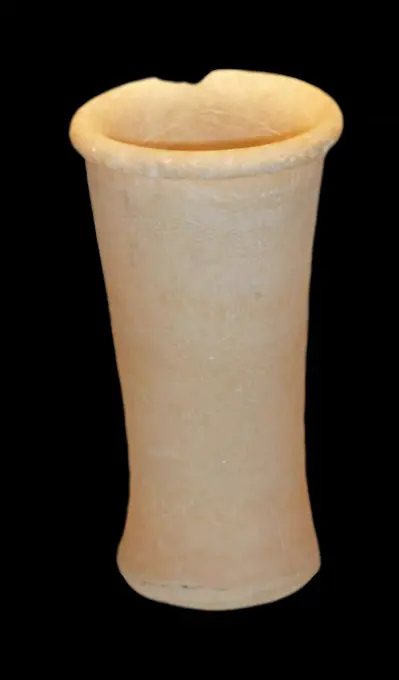
A range of historical artifacts including a kohl pot, small bottles, and ancient metal samples showcasing the craftsmanship from different eras.
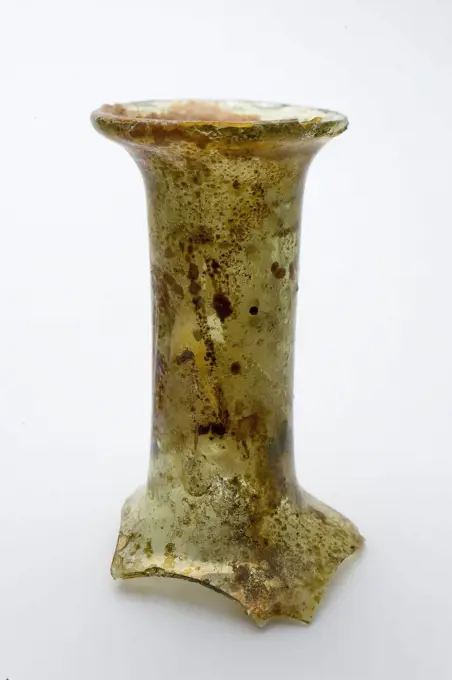
Fragment of part of shoulder, neck and lip of bottle, bottle holder bottomfound glass, cm - 2.1 cm) with widened lip (dm 3.2 cm) archeology Rotterdam rail tunnel medicine drug Soil discovery: rail tunnel Rotterdam.
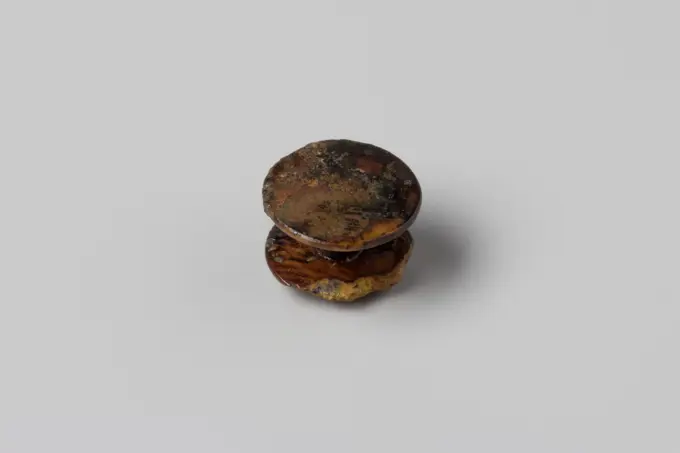
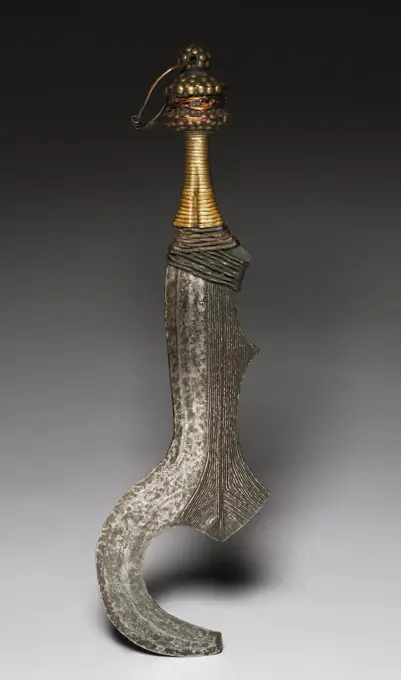
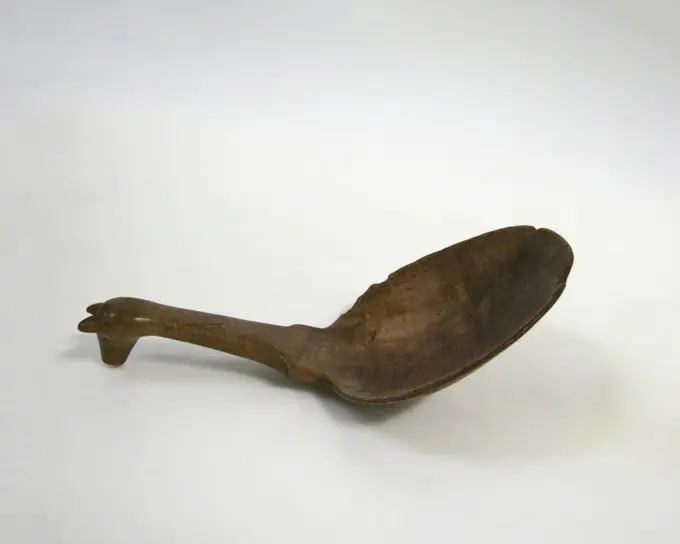
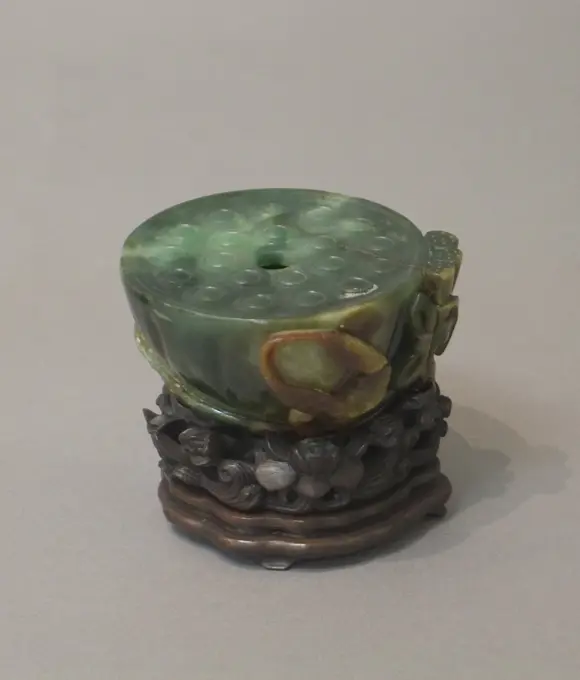
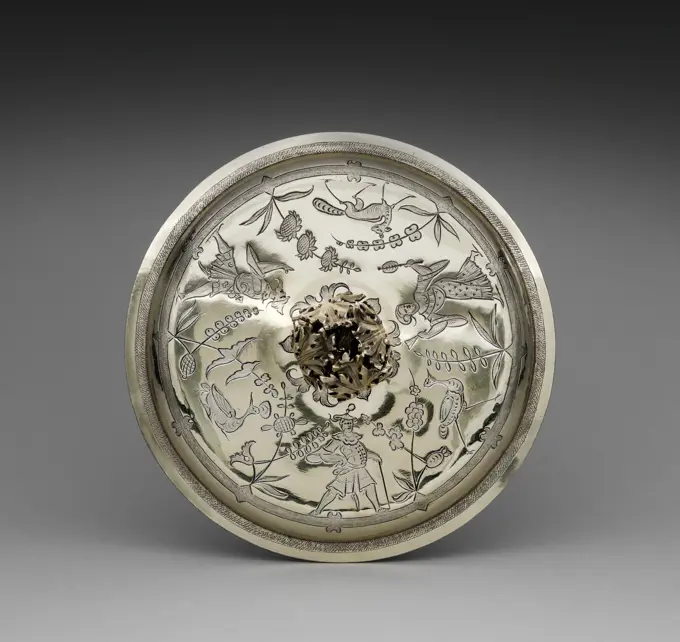
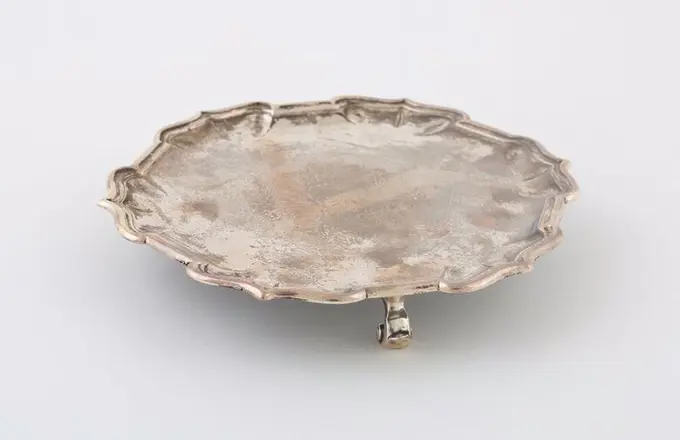
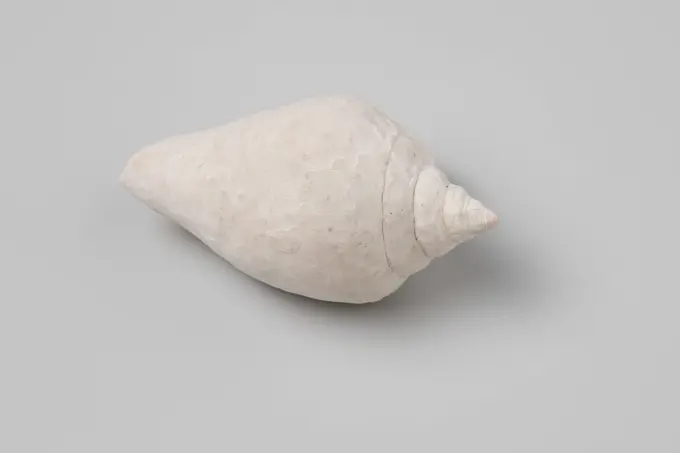
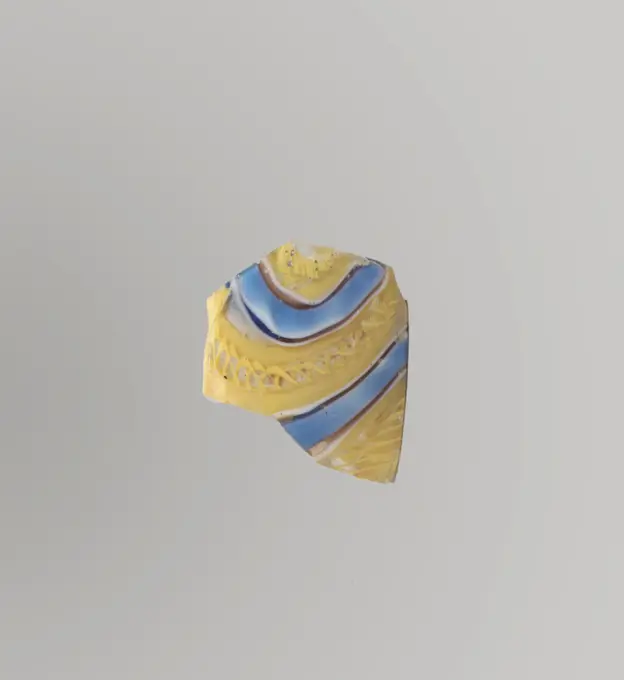
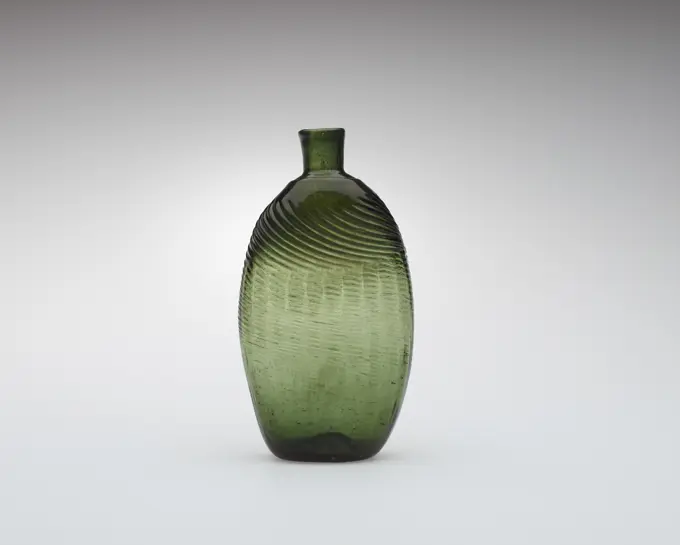
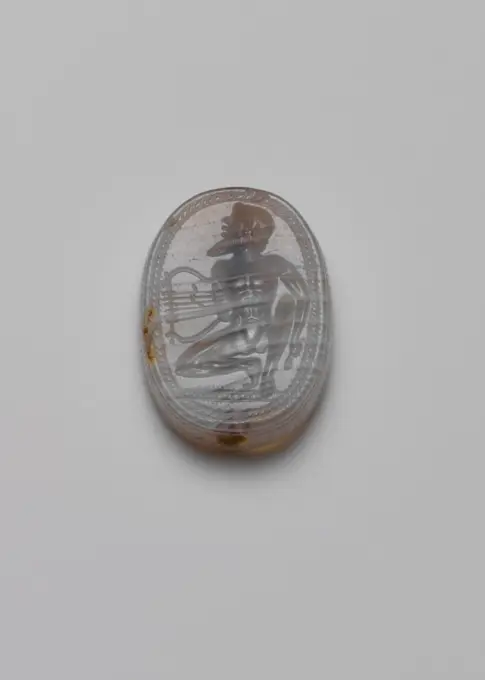
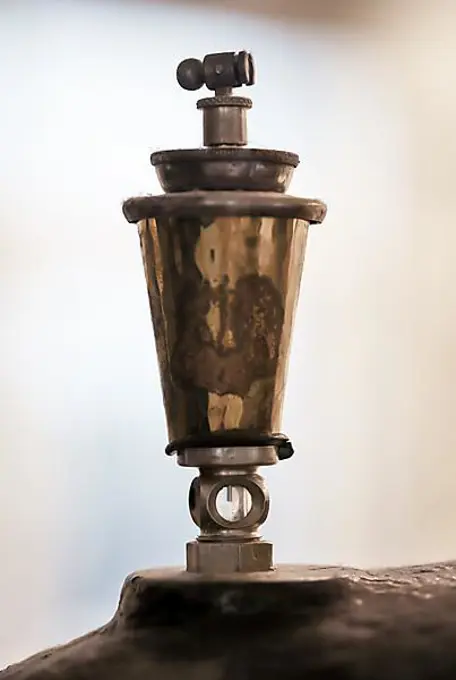
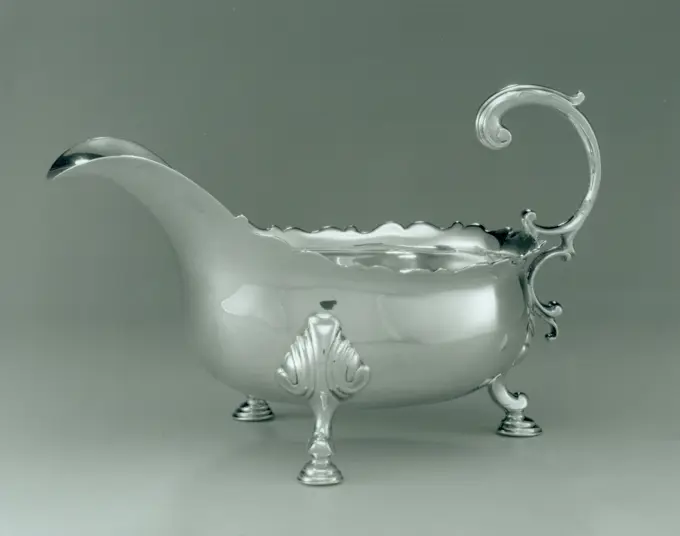
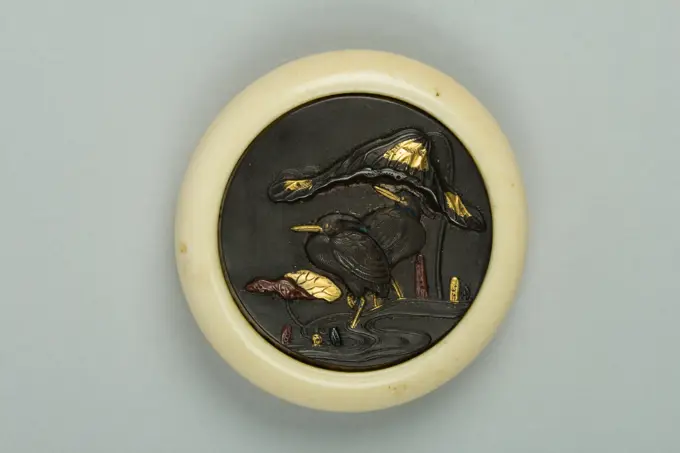
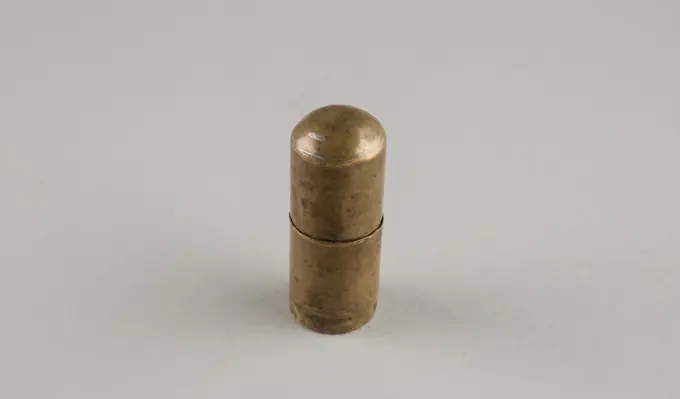
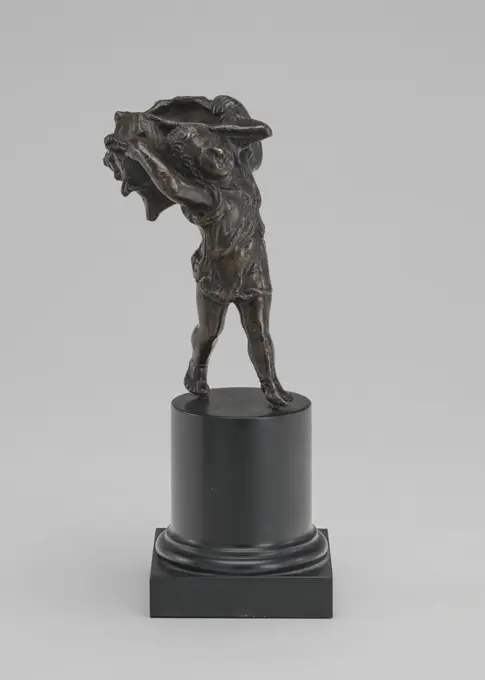
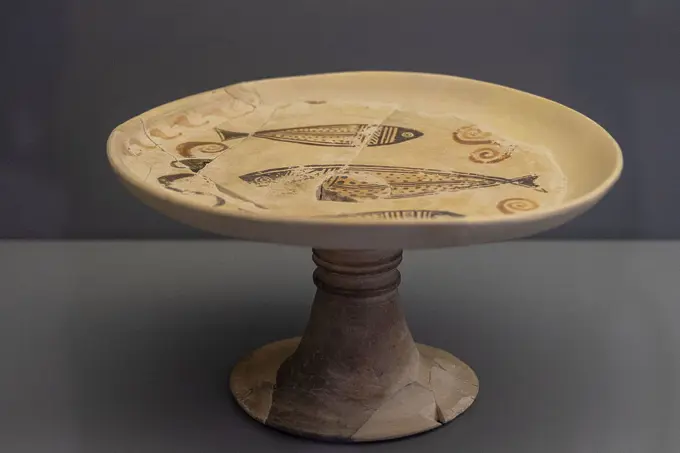
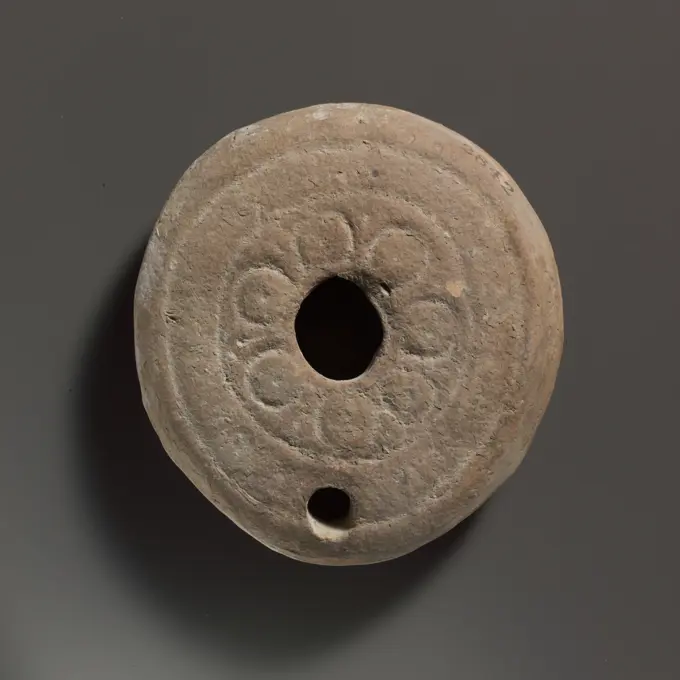
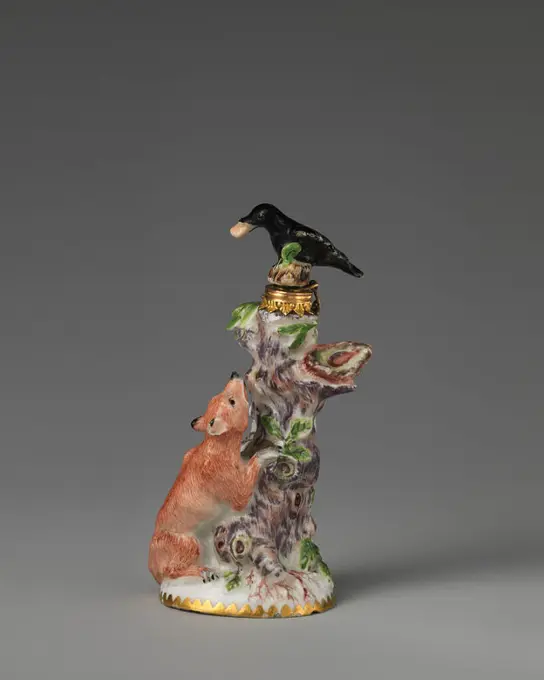
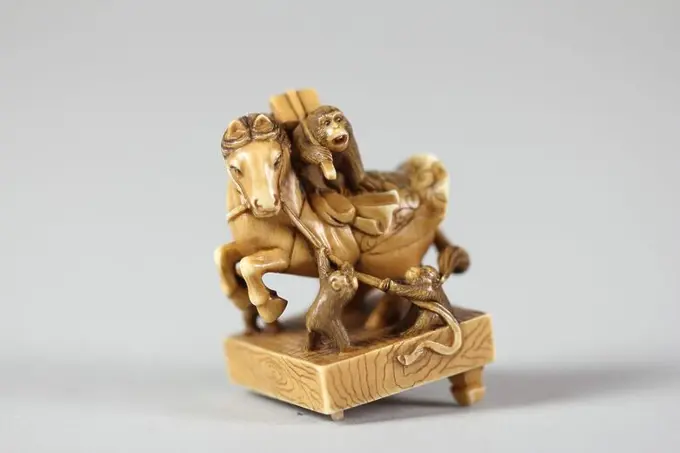
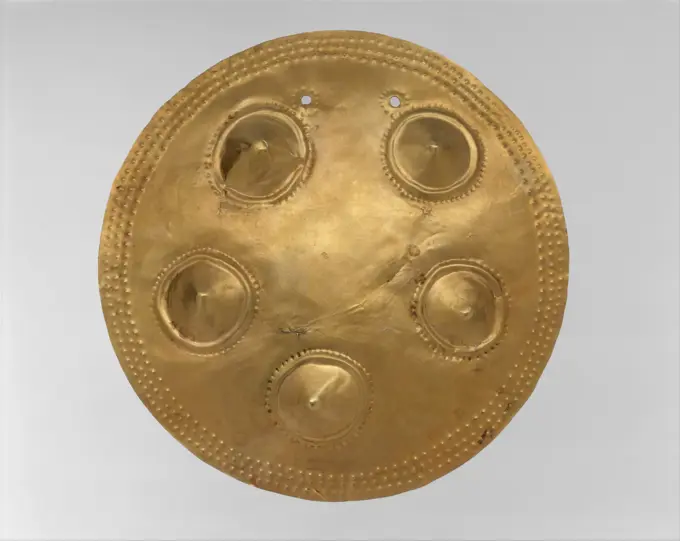
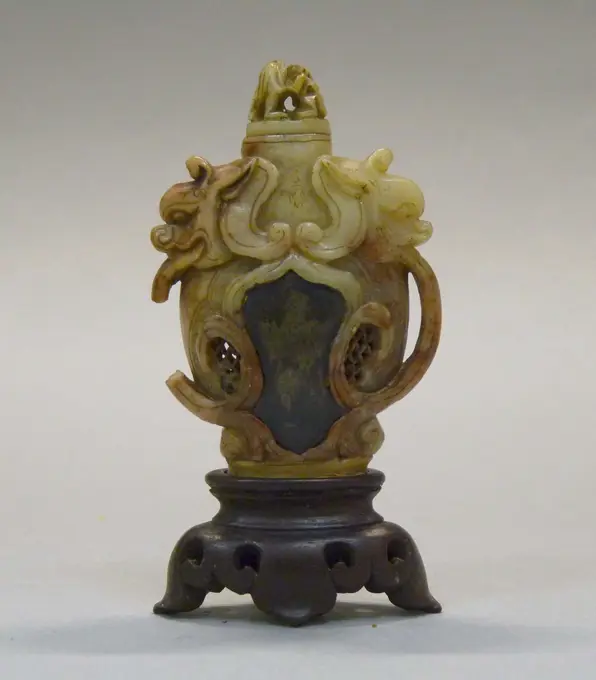
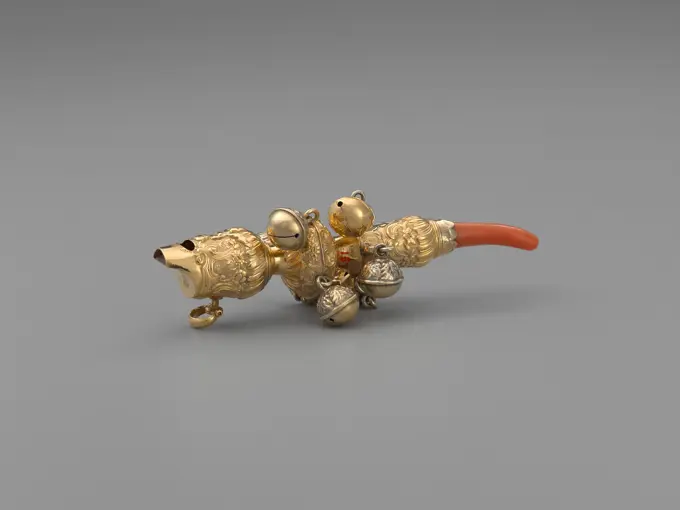
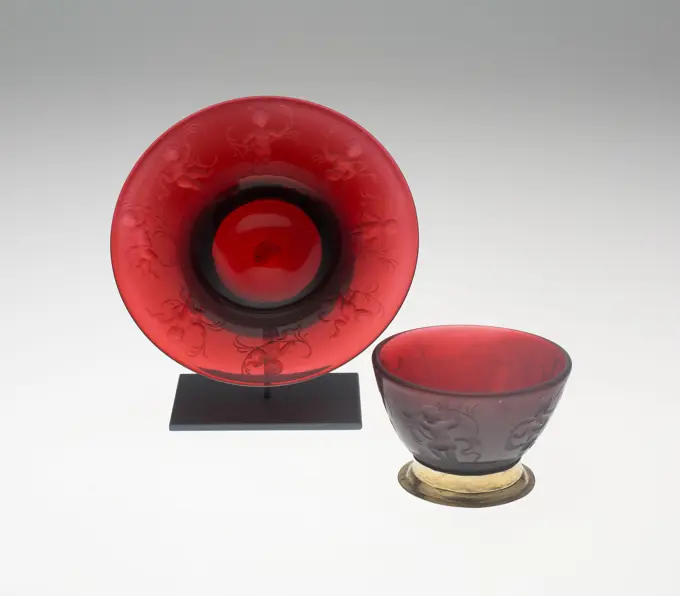
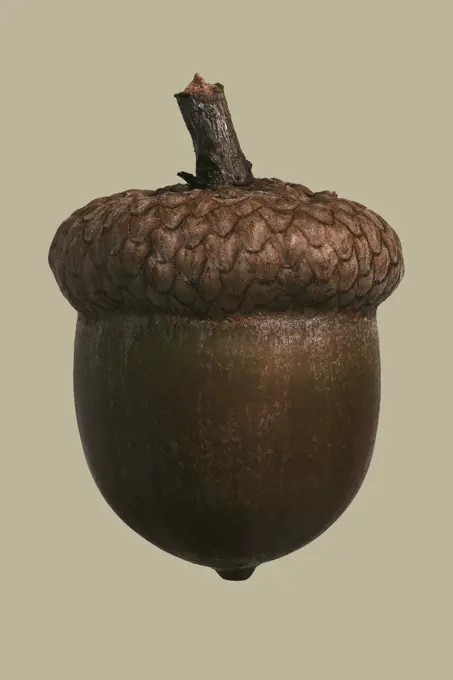
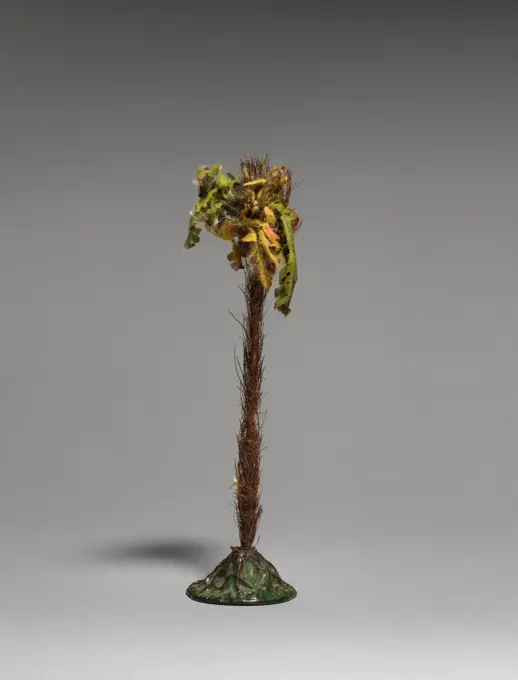
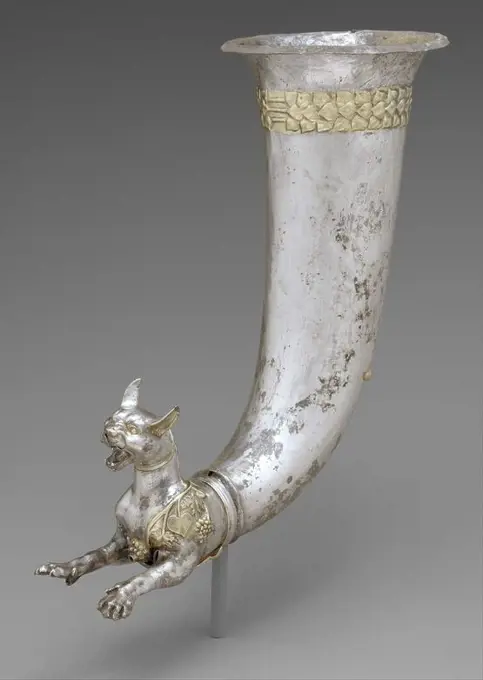
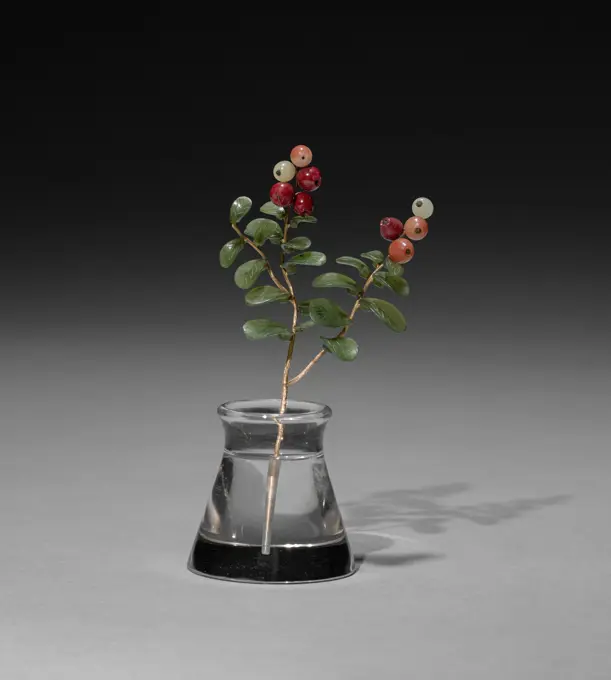
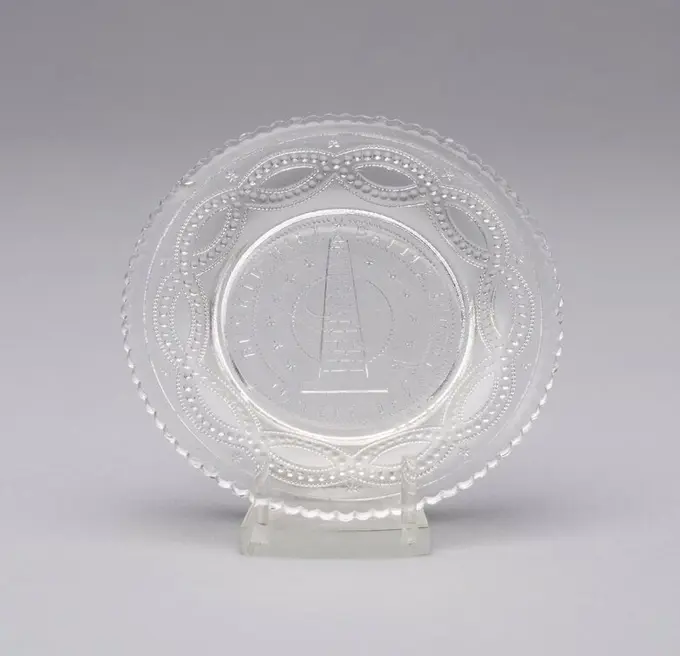
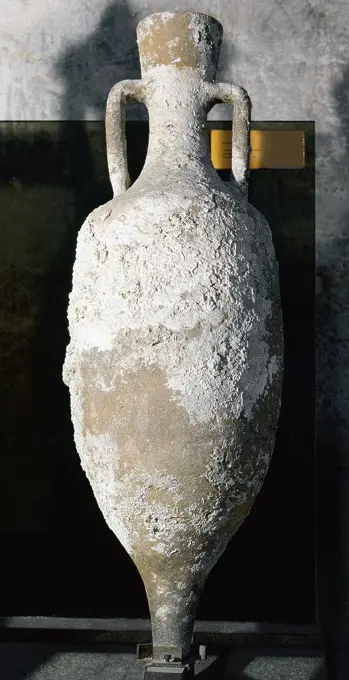
Fork, ivory, silver, steel, Four curved tines, curved shoulders, flat neck flared towards the handle. Silver ferrule engraved with initials 'W v D S.' Ivory handle carved in deep relief. Three virtues: Justice, with sword and scale, Hope, with anchor and bird, and Charity with candle () and three children. Four faces on top end of handle; cap of handle floral-shaped., Netherlands, ca. 1680-1700, cutlery, Decorative Arts, ForkFragment of a Bowl 9th-10th century View more. Fragment of a Bowl. 9th-10th century. Earthenware; reddish buff body, white slip with yellow-black decoration under glaze. Excavated in Iran, Nishapur. CeramicsBoarding Node from the wreck of the East Indians Hollandia, Anonymous, 1700 - in Or Before 1743  Boordeknoop. Stud; (1) circular, flat, plain, eroded (1.3d). Netherlands bone (material)   SecondTassel, Medium: linen Technique: braided and knotted, Pear-shaped linen tassel, braided and knotted. Short loop attached to pear-shaped center unit, from which hang seven end chains fromed by small circular elements and connected to one another by loops., Italy, late 16th-early 17th century, trimmings, TasselSpindle Whorl, from a group of thirteen, 5/8 x 7/8 in. (1.59 x 2.22 cm), Earthenware, MexicoKnife, c. 1900. Africa, Central Africa, Democratic Republic of Congo, Bangala, early 20th Century. Iron, wood, copper alloy, upholstery studs, plant fibers, and rawhide; overall: 57.2 cm (22 1/2 in.); blade: 41.4 cm (16 5/16 in.).Ladle, c. 1860, 7 1/4 x 4 11/16 x 4 in. (18.42 x 11.91 x 10.16 cm), Wood, United States, 19th centuryArtist's water holder China. Artist's water holder 43804Saucer Korea. Saucer 52086Cover for a Two-Handled Cup, 1686. England, London, 17th century (James II). Silver gilt; overall: 23.9 x 32.4 cm (9 7/16 x 12 3/4 in.). Produced a year after the coronation of James II (1633-1701), this lid and the accompanying cup celebrate the monarchy and reflect the political and social alliances that underpinned the aristocracy during the 1600s. During their coronation, James II and his second wife Mary of Modena (1658-1718) were carried through the city of London under a silk canopy adorned with motifs inspired by European perceptions of Chinese art, known as chinoiserie. Following the procession, the thirty-two lords involved in the ceremony were each offered a portion of the cloth from the canopy as well as sixteen troy ounces of silver from the posts. At least two of them commissioned cups adorned with chinoiserie to be made from the silver. While it is unclear if this cup once belonged to one of the thirty-two peers, it was almost certainly created in response to the same mWellHead, 25-220 CE, Earthenware with degraded yellowish glaze, 14 in. (35.56cm), China, Chinese, Eastern Han dynasty (25-220 C.E.), SculptureVase 1830-70 American. Vase 9272Waiter. Edward Feline; English, active 1720-53; London, England. Date: 1738-1739. Dimensions: 2.5 x 16.5 cm (1 x 6 1/2 in.). Silver. Origin: London. Museum: The Chicago Art Institute, Chicago, USA.Strombus Canarium from v.O.C.-ship the 'white lion'. Shell from v.o.c.-ship the 'white lion'.Relief fragments from the tomb of Meketre ca. 1981-1975 B.C. Middle Kingdom. Relief fragments from the tomb of Meketre 545333Gauntlet Sword (Pata). Culture: Indian. Dimensions: L. 44 15/16 in. (114.1 cm); W. 4 in. (10.2 cm); D. 3 1/8 in. (7.9 cm); Wt. 2 lb. 8.4 oz. (1145.3 g). Date: 18th-19th century. Museum: Metropolitan Museum of Art, New York, USA.Glass mosaic bowl fragment late 1st century B.C.-early 1st century A.D. Roman Rim fragment.Translucent blue and purple, opaque yellow and white, with colorless glass.Vertical, rounded rim; convex curving side, tapering downward. Striped mosaic pattern, formed from sections of two canes in a regular pattern: one in yellow spirally twisted threads flanked by bands of yellow, the other in a band of blue backed by white outlined by purple and white.Pinprick bubbles; exterior polished, with pitting of surface bubbles; creamy weathering and iridescence on interior and jagged edges; one edge ground flat.. Glass mosaic bowl fragment. Roman. late 1st century B.C.-early 1st century A.D.. Glass; cast. Early Imperial. GlassFlaskCovered Box 19th century Japan. Covered Box 62212Banded agate scaraboid ca. 480 B.C. Etruscan, Vetulonia Crouching satyr holding a lyre. Banded agate scaraboid. Etruscan, Vetulonia. ca. 480 B.C.. Agate, banded. Late Archaic. Gemslantern, magic, painted tôle, Vertical hexahedron, with hinged back and triple pagoda-like top (a), projecting cylindrical lens-chamber (b) with cap (c), Fitted with lamp of Argand type (d). Green with striping in gilt. In five pieces, though fifth piece (e) does not seem to belong, and top piece seems to be missing. A sixth piece (f), containing a lens, does not belong to this lantern., ca. 1800, metalwork, Decorative Arts, lantern, magicA fragment of a vessel from applied decoration;  2. PO. V-VI century (451-00-00-600-00-00);Red lacquered bowl of wood ,, 1700 - 1799 bowl Deep wooden bowl on a foot ring, completely red -lacquered except inside the foot ring black. Decorated on the outside with three round medallions with Eastern man's portraits in color and gold; A single rank motif three times against the inner wall. Gamron wood (plant material). lacquer (coating). oil paint (paint). lacquering  GamronSalver.   Maker: S. Kirk and Son, active ca. 1846 - 1861Drinking Cup from Dining Set with Plum Blossoms and Cracked-Ice, c. 1875-78. Seifū Yohei II (Japanese, 1844-1878). Porcelain with molded designs; overall: 6.7 x 9.3 cm (2 5/8 x 3 11/16 in.).An old industrial oiler on an old machine, an old grease nippleNutmeg from the wreck of the East India Flying Heart. The half, brown nutmeg has been found in a lump of concrete.Vase 1790.Goldweight Bird's Head, 19th-20th century, 9/16 x 13/16 x 3/8 in. (1.43 x 2.06 x 0.95 cm), Brass, Ghana, 19th-20th centuryFragment of a miniature vase Greek, Laconian Fragment of a miniature vase.. Fragment of a miniature vase. Greek, Laconian. Terracotta. Helladic. VasesDish with Lotus, Peonies, and Stylized Leaves. China. Date: 960 AD-1279. Dimensions: H. 6.2 cm (2 7/16 in.); diam. 31.1 cm (12 1/4 in.). Ding ware; porcelain with underglaze mold-impressed decoration; copper rim. Origin: China. Museum: The Chicago Art Institute, Chicago, USA.Myer Myers, Sauceboat, c. 1765, silver.Bead necklace ca. 6th-8th century A.D. Sasanian or Islamic. Bead necklace 322965Cup Plate 19th century Probably Boston & Sandwich Glass Company. Cup Plate 2950Single-Edged Knife (Scramasax), 600s. Frankish, Burgundy (), Migration period, 7th century. Iron, copper, and gold foil; overall: 36.9 x 4.1 cm (14 1/2 x 1 5/8 in.).Ridder on horseback, possibly St. Joris, Anonymous, c. 1400 - c. 1500 The knight, dressed in armor, consisting of kuras, skirt, leghase and knee pieces, sits on an unloaded horse. Both were cast separately, then recited and provided with stabbed details. The horse wears a bridle with two reins and has a breast and a belly band. It has a short tail. De Ridder has a hairstyle, the crown of which has been shivered and reaches over the ears and back to the neck. The figure is placed on the horse with an iron pin. The lance is missing. The hind legs of the horse are bent. A hole is soldered in the belly. The iron pin of the figure has been renewed. West-Europa bronze (metal) casting / soldering The knight, dressed in armor, consisting of kuras, skirt, leghase and knee pieces, sits on an unloaded horse. Both were cast separately, then recited and provided with stabbed details. The horse wears a bridle with two reins and has a breast and a belly band. It has a short tail. De Ridder has a hairTAIPEI, TAIWAN - November 24 : Antiques are displayed in Taipei’s National Palace Museum on November 24, 2016 in Taipei, Taiwan, Asia.Vase fragment Minoan. Vase fragment 247749Netsuke of Cranes in a Lotus Pond 19th century Japan. Netsuke of Cranes in a Lotus Pond. Japan. 19th century. Ivory with metal disc. Edo (1615-1868) or Meiji period (1868-1912). NetsukeExcerpt, three pieces, from a blue -painted vase, anonymous, c. 1650 - c. 1690 Three fragments of the vase of blue painted faience, with the invnr. BK-1979-22-A. A fragment is part of the foot and the other two fragments are parts of the wall. The fragments are soil finds from Delft. Delft earthenware. tin glaze. Three fragments of the vase of blue painted faience, with the invnr. BK-1979-22-A. A fragment is part of the foot and the other two fragments are parts of the wall. The fragments are soil finds from Delft. Delft earthenware. tin glaze.Colonnet, anonymous, c. 1400 - c. 1950 Colonnet with two torn and cutting work. Northern Netherlands (possibly)Netherlands (possibly) gilding (material). oak (wood) gilding Colonnet with two torn and cutting work. Northern Netherlands (possibly)Netherlands (possibly) gilding (material). oak (wood) gildingDish in the shape of a chrysanthemum flower 18th-19th century China. Dish in the shape of a chrysanthemum flower. China. 18th-19th century. Jade (nephrite). Qing dynasty (1644-1911). JadeRooping art  a lighter made of bullet scales. unknownLid for an Incense Burner with Flowers and Dots, c. 1893-1914. Seifū Yohei III (Japanese, 1851-1914). Silver;Goldweight Drum, 20th century, 7/8 x 1/2 in. (2.22 x 1.27 cm), Bronze, Ghana, 20th centuryClose-up of a Viking ship's bow in a museum, Viking Ship Museum, Oslo, NorwayCover of a musket size of brass with a leather sleeve and leather ears, anonymous, c. 1590 - c. 1596  Cover of a musket size of brass.  brass (alloy) striking (metalworking)  Nova Zembla. Saving HuysPlaque with a bird of prey and winged beasts. Culture: Iran. Dimensions: 5.12 x 8.86 in. (13 x 22.5 cm). Date: ca. 8th-7th century B.C..This finely worked plaque decorated in the technique of repoussé is made up of a number of joining fragments. In the center a griffin bird is shown in flight, its body and wings depicted as seen from above. In its talons the bird grasps two creatures while below its beak is the head of a bearded man. A lion with its mouth open confronts the bird. Three bands showing composite creatures such as winged lions and bulls decorate the perimeter of the object. A guilloche pattern frames the whole object. Almost triangular in shape, this object, with curved sides, probably was originally attached to the shoulder of a garment and may have served as ceremonial armor.In 1947 a treasure was reputedly found at a mound near the village of Ziwiye in northwestern Iran. Objects attributed to Ziwiye are stylistically similar to Assyrian art of the eighth and seventh cWorkshop of Severo da Ravenna, Inkwell in the Form of a Child Carrying a Shell, c 1510 1520 Inkwell in the Form of a Child Carrying a ShellPlate, Butter; tin-glazed earthenware; 10.1 x 1.5 cm (4 x 9/16 in.)copa de lospeces, siglo I a.C. Procedente de Numancia, museo Numantino de Soria, Soria, Comunidad Autónoma de Castilla, Spain, Europe.Belgian Knighthood (Leopolds Order), received by Willem Drees, Anonymous, c. 1950 - c. 1960  The Zilveren Osterster has eight brilliant points, with the middle medallion with lion and reversal, similar to the front of the order sign, still surrounded here with a brilliant golden edge. The lid is lined on the inside with white side, the decorations lie on a yellow velvet elevation, including the shoulder strap. Brussels silver (metal). gold (metal)   Netherlands. BelgiumMusketkogel from the wreck of the East Indians' t Vliegend Hart ,, c. 1700 - c. 1735  Lead spherical bullet that was fired from a musket. The bullet is dark gray in color. The bullet is immersed for conservation in beeswax. Identic to NG-1984-1 to 4. Musket Caliber. Middelburg lead (metal)Statuette of a bird, fragmentary Roman Fragment of green-glazed bird.. Statuette of a bird, fragmentary. Roman. Terracotta. Vases"SELLA" CON TAPA Y DOS ASAS - ARTE POPULAR S XX. Location: ALFARERIA. Coruña. SPAIN.Distorted, ring -shaped fragment from the wreck of the East Indians Hollandia, Anonymous, 1700 - in or before 1743 fragment Varied parts or fragments, rings and ring-shaped fragments; eroded, id. 80H787. Netherlands lead (metal)   SecondPot Stand ca. 1479-1458 B.C. New Kingdom. Pot Stand. ca. 1479-1458 B.C.. Straw and palm leaf. New Kingdom. From Egypt, Upper Egypt, Thebes, Deir el-Bahri, Tomb of Senenmut (TT 353), Foundation deposit 2, 5a, scattered, MMA excavations, 1926-27. Dynasty 18Terracotta oil lamp late 5th-6th century A.D. Roman Vessberg Type 20. Mold-made. Deep, lentoid shape, with impressed decoration. Large, oval central filling hole, surrounded by a rosette pattern comprising seven circular petals, interspersed with indistinct tongues; towards edge, two concentric grooves, the outer one broken by the front edge of the wick hole. On the uneven base, traces of circular grooves.Intact.. Terracotta oil lamp 241600chrismera für die Aufbewahrung der Heiligen Öle und des Chrisams chrismera intended to store the Holy Oils and the Chrism, 9th-10th century, monastery of Sant Pere de Roda, high Emporda, Girona art museum, Girona, Catalonia, Spain Copyright: xZoonar.com/Tolox 22282812Box China. Box 60941Sprinkler probably 18th-19th century. Sprinkler 444748Pickaninny Watch Stand. Dated: c. 1940. Dimensions: overall: 34.5 x 24.8 cm (13 9/16 x 9 3/4 in.). Medium: watercolor, graphite, and goauche on paper. Museum: National Gallery of Art, Washington DC. Author: William O. Fletcher.Fox and crow in a group. Culture: British, Chelsea. Dimensions: Overall: 3 × 1 1/2 in. (7.6 × 3.8 cm). Factory: Chelsea Porcelain Manufactory (British, 1745-1784, Red Anchor Period, ca. 1753-58). Date: ca. 1755. Museum: Metropolitan Museum of Art, New York, USA.Little gold color stone on with a backgroundFragment of a jug with a roundel, anonymous, c. 1580 - c. 1620 Fragment of a jug of stoneware, covered with a brown Engobe. On the shard in relief a printed and imposed medallion with a flower rosette. Raeren. Rae stoneware. glaze. engobe vitrification Fragment of a jug of stoneware, covered with a brown Engobe. On the shard in relief a printed and imposed medallion with a flower rosette. Raeren. Rae stoneware. glaze. engobe vitrificationAmulets, 2123-2040 BC. Egypt, First Intermediate Period. Turquoise faience; overall: 1.3 cm (1/2 in.).Blumentopf mit Kopierraum Flowerpot with empty space LicenseRF Copyright: xZoonar.com/ranczandrasx 5210344Stick handle with figure of a stag 7th BC. Bronze. Proceeds from Kuban, Russia. Scythian Art. Jewelry. RUSSIA. SAINT PETERSBURG. Saint Petersburg. State Hermitage Museum.Para kolczyków w kształcie kółek. unknown, authorNetsuke of a Horse on a Pedestal with Monkeys Playing About. Culture: Japan. Dimensions: H. 1 7/8 in. (4.8 cm); W. 1 1/8 in. (2.9 cm); D. 1 5/8 in. (4.1 cm). Date: 19th century. Museum: Metropolitan Museum of Art, New York, USA.Jade Scepter with Interlocking Pattern, c. 600-400 BC. China, Eastern Zhou dynasty (771-256 BC). Nephrite; overall: 14.6 x 3.2 cm (5 3/4 x 1 1/4 in.).Skull of dead deer cleaned and isolated on white backgroundorigami peacock India Asia Copyright: xVirenxDesai/DinodiaxPhotoxPlate. American; New England. Date: 1835-1845. Dimensions: diam. 21 cm (8 1/4 in.). Earthenware. Origin: United States. Museum: The Chicago Art Institute, Chicago, USA.Oil LampMiniature snuffers 18th century British. Miniature snuffers. British. 18th century. Silver. Metalwork-Silver-MiniaturePectoral Disk (Patena) 11th-16th century Veraguas () Works of hammered sheet gold are usually higher in gold content than are cast objects, and disks or breastplates are most commonly made from it in Central America. Ranging in size from about four to eight inches in diameter, the disks usually have two holes close to the edge, suggesting they were worn as chest ornaments, either fastened to a garment or neckband. Many pectoral disks, also called patenas, are striking in their simplicity, with brilliantly polished, highly reflective surfaces, their only decoration rows of raised dots around the rim. Others have large, centrally spaced bosses, as on this example, and some incorporate complex figural designs. Metalworkers in Central America favored lost-wax casting over hammering for the manufacture of most of their gold objects.In the early 1500s, when Christopher Columbus sailed along the Caribbean coast of present-day Costa Rica and Panama, he reported seeing the Indians wearing "mirCopper Mace Head. Culture: Vicús. Dimensions: Diameter 3-15/16 in. (10 cm). Date: 200 B.C.-A.D. 200. Museum: Metropolitan Museum of Art, New York, USA.Octagonal Pyramidal Stamp Seal. UnknownNest of six crockery, cylindrical with bent lip edge. A flat lid closes the smallest cup, which consists of two screwed halves; The upper is partitioned for salt and spices due to partitions. On the lid, a woman's figure is engraved within a leaf wreath together, holding the weapons of Vlissingen and Borselen. The same figure in a medallion on the other frizz.Snuff Bottle China. Snuff Bottle. China. Soapstone. Qing dynasty (1644-1911), Qianlong period (1736-95). Snuff BottlesPrzeszo Przyszoci unknownCandlestick Jancke, Johann Christoph (young)Whistle and Bells for Mary DuaneNorth.  Maker: Daniel Christian Fueter, American, born Switzerland, 1720-1785Patron: Mary Thong Livingston, American, 1711-1765Pair of Spurs. European. Date: 1620-1645. Dimensions: L. 13.3 cm (5 1/4 in.); W. 9.5 cm (3 1/4 in.). Steel. Origin: Europe. Museum: The Chicago Art Institute, Chicago, USA.Jardiniere And Base (USA); Manufactured by Atchley-Whitney; glazed earthenwareCup and Saucer 1705-1715 Berlin. Blown ruby glass with engraved decoration and silver gilt mounts .Pillow of white cotton, anonymous, c. 1750 - c. 1800 Pillow from the cradle, made of white cotton, filled with fluff. Amsterdam (possibly) cotton (textile) Pillow from the cradle, made of white cotton, filled with fluff. Amsterdam (possibly) cotton (textile)Inktkoker van baron chased, anonymous, c. 1800 - c. 1829  Round ink cooker with flat ends, removable in three parts. The upper is the lid of the ink deservoir and on top in the middle decorated with an inlaid around ivory plate; The middle part is the glass in -deserves contained in palmhout; The lower part is the sand spreader. Around the ink cooker for reinforcement different copper rings. Pocket ink tube. Netherlands boxwood. ivory. brass (alloy). glass. cork (bark) forging / blow molding / drilling / inlay (process)  AntwerpBedspread, printed with bulb motif in the colors brown, red and white. Bedspread, made of printed cotton with bulb motif in the colors brown, red and white.Close up still life textured brown acornTree (crèche accessory) second half 18th-mid-19th century Italian The practice of using crèche figures to restage religious events reached the height of its complexity and artistic excellence in eighteenth-century Naples, and the Metropolitan Museum of Arts group of Neapolitan crèche is one of the finest and most complete survivals of the art form. The ensemble consists of characters traditional to eighteenth-century Italian Christmas holiday customs. The Nativity, featuring the holy family, shepherds and their flocks, and a host of angels and cherubs is joined by the procession of the three Magi and colorful peasants, townspeople, and animals. The figures have articulated bodies of tow and wire with polychromed terracotta heads, and are all in partially distressed condition.These vibrant characters are further brought to life by a wide-ranging set of cloth, embroidery, leather, wicker, wax, and silver accessories. Many of these, such as the figures luxurious costumes, baskets of fruFemale HeadRattle 19th century Native American (Zuni). Rattle 501221Rhyton terminating in the forepart of a wild cat. Culture: Parthian. Dimensions: H. 10 7/8 in. (27.5 cm). Date: ca. 1st century B.C..Elaborate bowls, animal-headed drinking vessels, and rhytons--vessels which have a hole at the front from which liquid flows--were highly valued in ancient Near Eastern society. During the pre-Achaemenid, Achaemenid, and Parthian periods, examples made of silver, gold, and clay were used throughout a vast area extending both to the east and west of Iran. The animals on these vessels included the ram, horse, bull, ibex, supernatural creatures, and female divinities; some were engraved with royal inscriptions. Rhytons made of precious materials were probably luxury wares used at royal courts. Both the rhyton and the animal-headed vessel were adopted by the Greek world as exotic and prestigious Oriental products.Dating from the Parthian period, this silver rhyton is a fine example of the enduring influence of Hellenistic culture, which owes much to the artFlower Study of a Lowbush Cranberry or Lingonberry, c. 1885-1915. House of Fabergé (Russian, 1842-1918). Chalcedony, jade, rock crystal, gold; overall: 11.5 x 4.8 cm (4 1/2 x 1 7/8 in.). This flower study depicts a lowbush cranberry or lingonberry. To achieve a naturalistic effect of ripening fruit, Fabergé varied the coloring of the berries. Some are made of chalcedony in hues of milky white to represent unripe berries, while others appear in deep reddish agate to represent ripe ones. Fabergés inspiration for his flower studies is said to have come from the floral brooches of precious stones that were made in the 1700s for Catherine the Great as well as from the Japanese art of flower arranging, known as ikebana. Fabergés flower studies were given as intimate gifts to friends by the tsarina and others in the court. She also liked to take them around to wherever the imperial family was residing as a reminder of spring during the harsh Russian winters.Cup plate. American; Sandwich, Massachusetts. Date: 1838-1848. Dimensions: diam. 9.4 cm (3 11/16 in.). Pressed glass. Origin: Sandwich. Museum: The Chicago Art Institute, Chicago, USA.Roman era. Spain. Iberian Peninsula. In the Tarraconensis region the Pascual 1 was the most common type, a wine amphora shaped on the Dressel 1. 1st century BC-1st century AD. Archaeological Museum of Girona. Catalonia, Spain.Architectural Bowl Nasca artist 100-300 CE This bowl with high, slightly flared sides represents a walled enclosure with crenulations. On the exterior, the structures lower walls were painted with a red slip, and a door was outlined in white. The interior of the vessel reverses this, with lower walls in white and crenulations in red, and two doors, on either side of the vessel, outlined in blackish brown. In relief on the base of the bowl, the artist depicted an orange smelting furnace on a brown floor, with seven blow tubes resting on it. A figure wearing a headdress and whiskered nose ornament sits to one side, knees drawn up. The structure recalls the battlements found around the Templo del Escalonado at the site of Cahuachi, an important ritual center on Perus South Coast in the first half of the first millennium A.D. The depiction of the smelting furnace is unusual, and it provides a rare opportunity to show an indigenous view of the production of metal objects, of gold, silver,Animal figurine;  III-II century BC () (-300-00-00--201-00-00);