Ancient Artifacts and Seals

A range of historical artifacts including a kohl pot, small bottles, and ancient metal samples showcasing the craftsmanship from different eras.
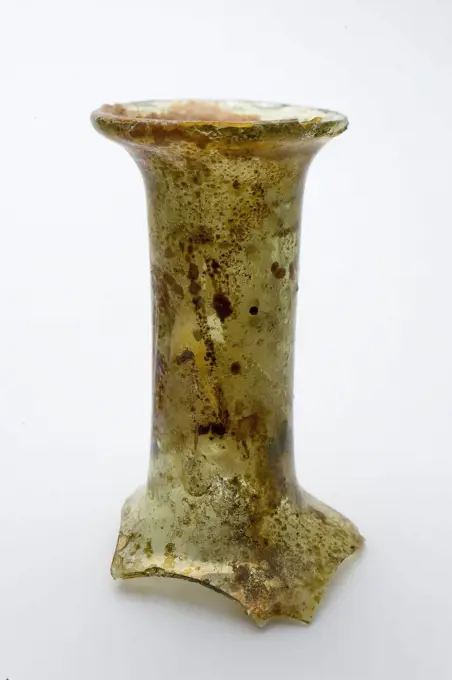
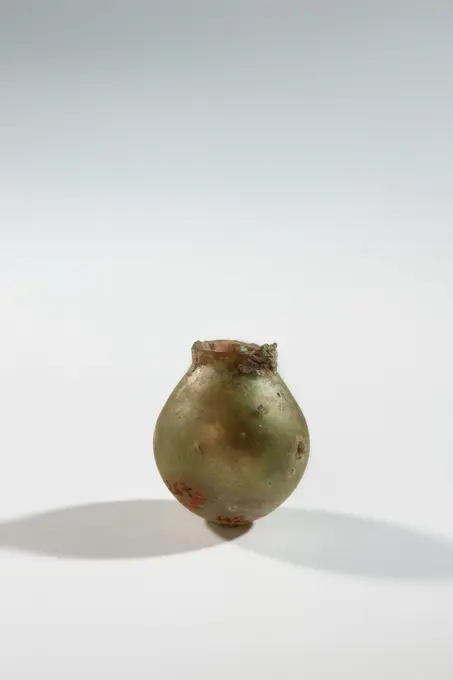
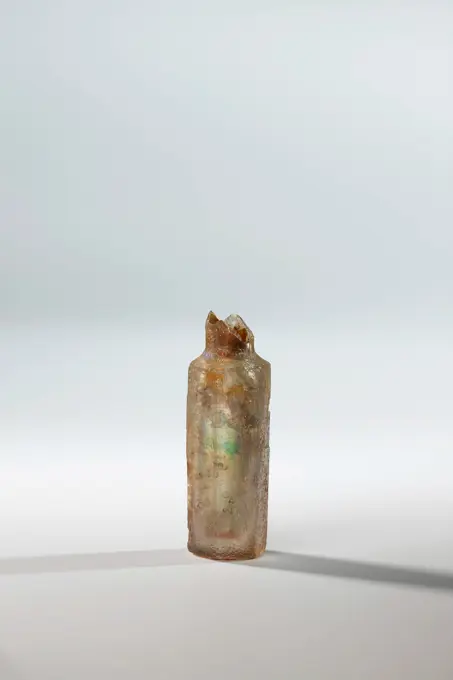
Fragment of part of shoulder, neck and lip of bottle, bottle holder bottomfound glass, cm - 2.1 cm) with widened lip (dm 3.2 cm) archeology Rotterdam rail tunnel medicine drug Soil discovery: rail tunnel Rotterdam.
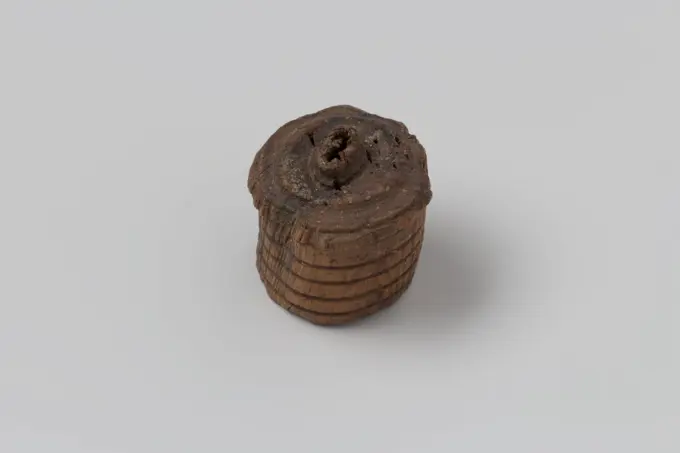
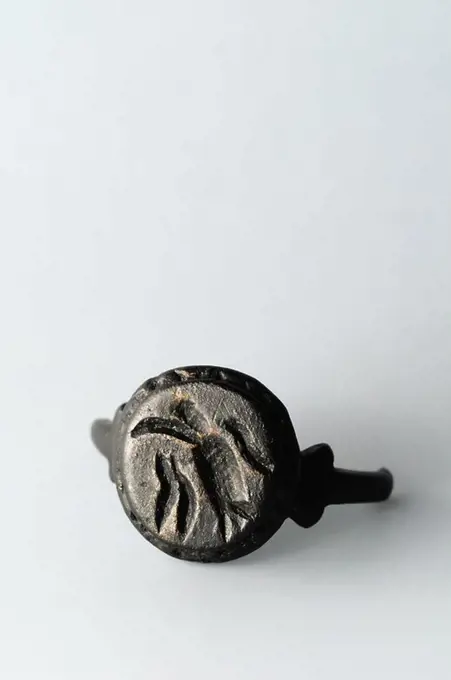
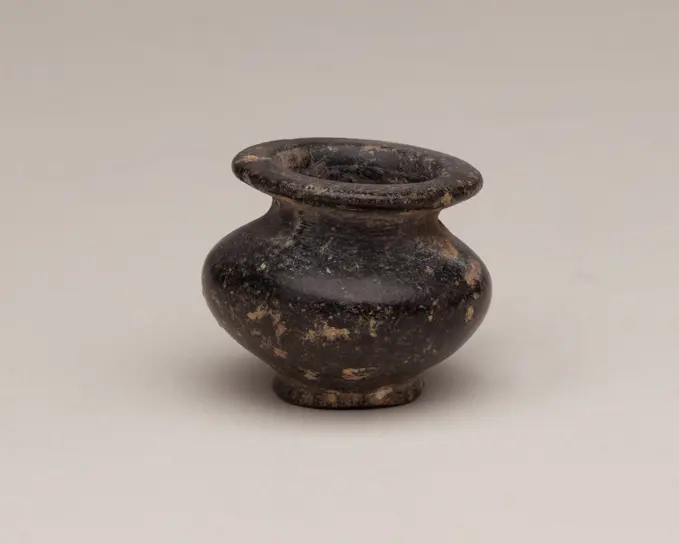
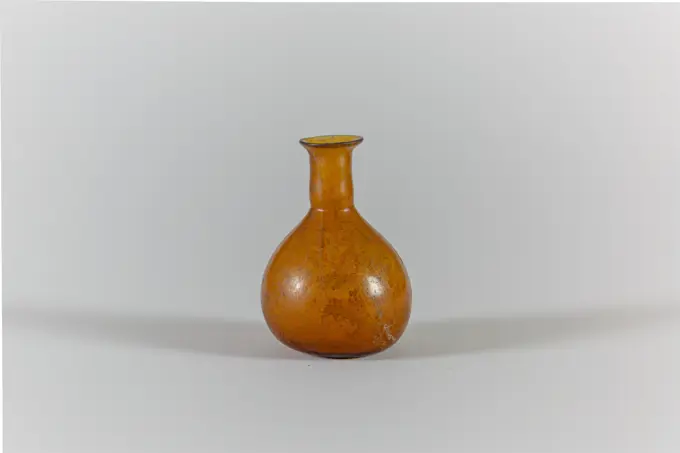
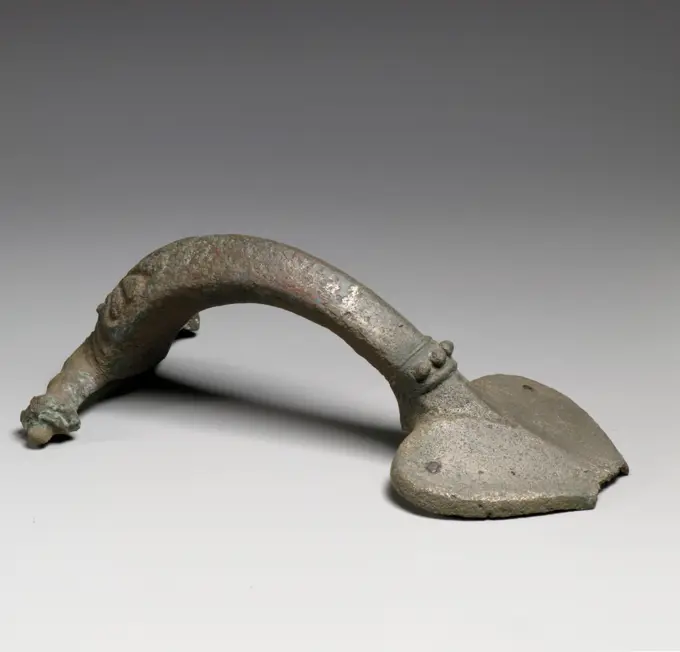
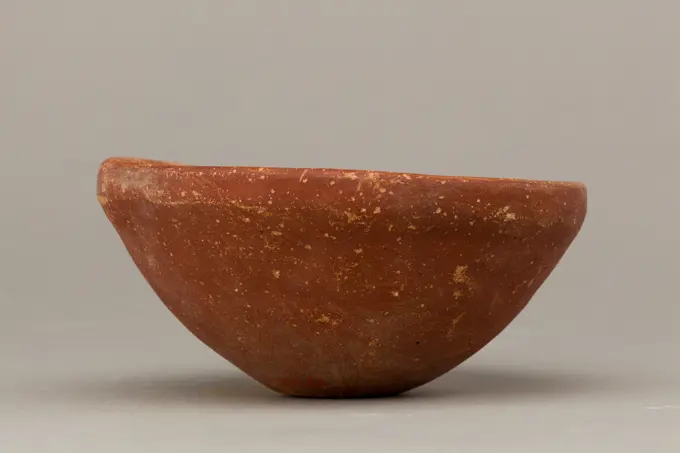
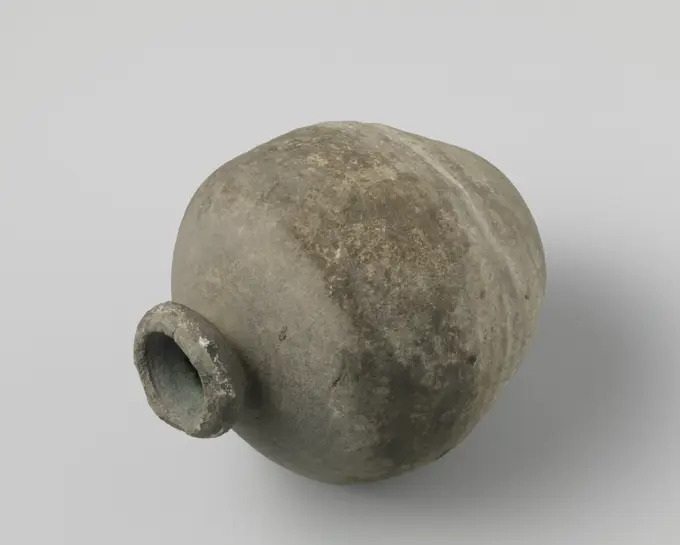
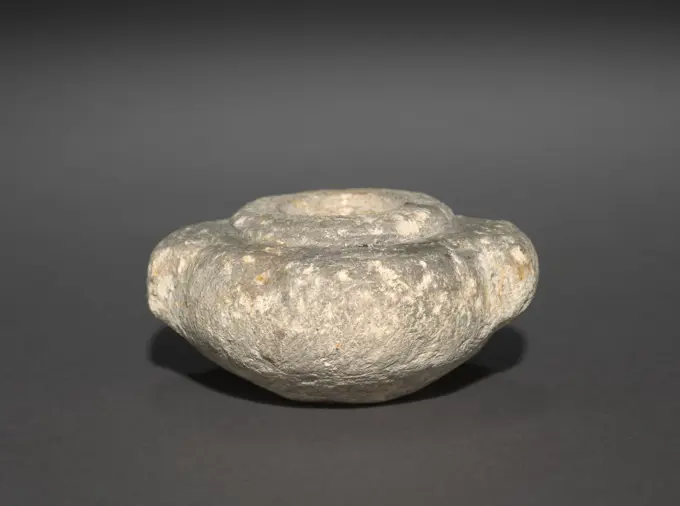
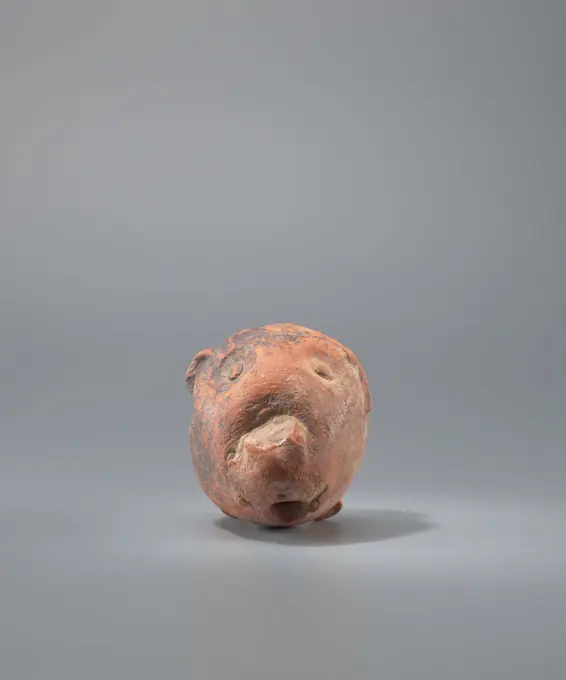
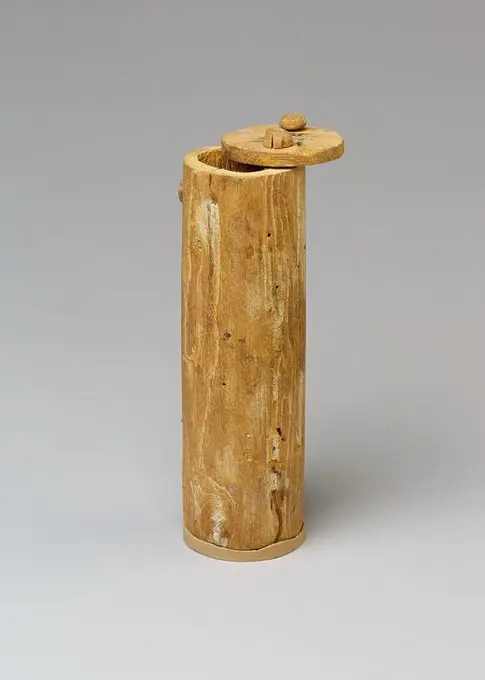
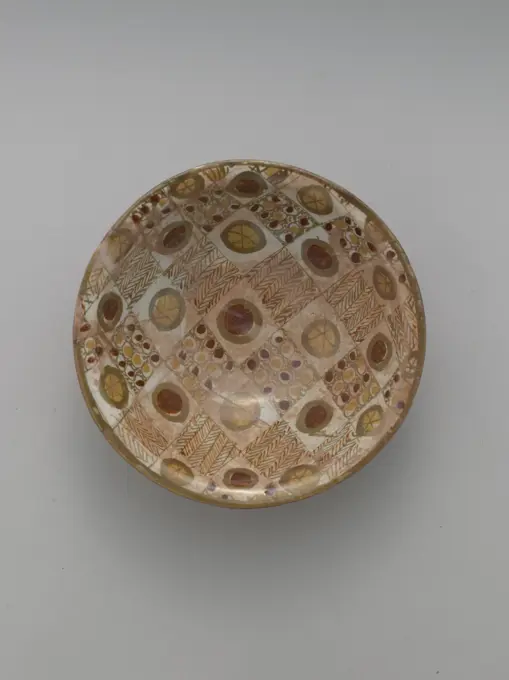
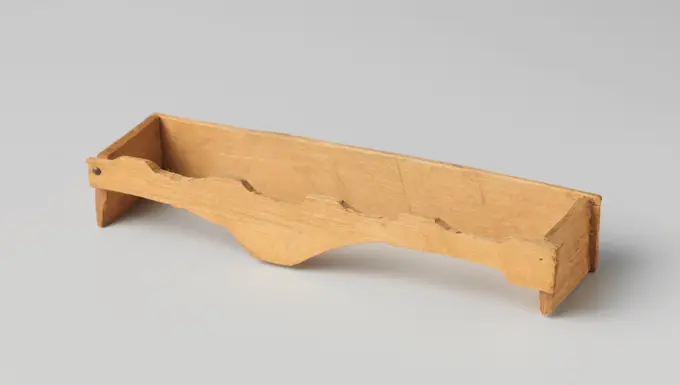
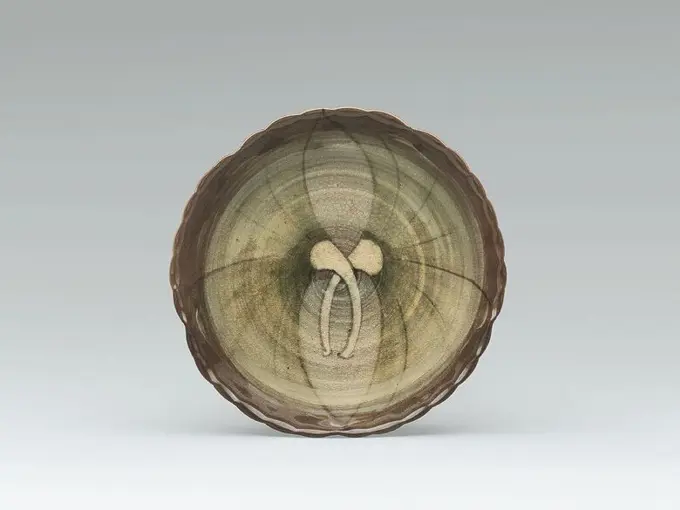
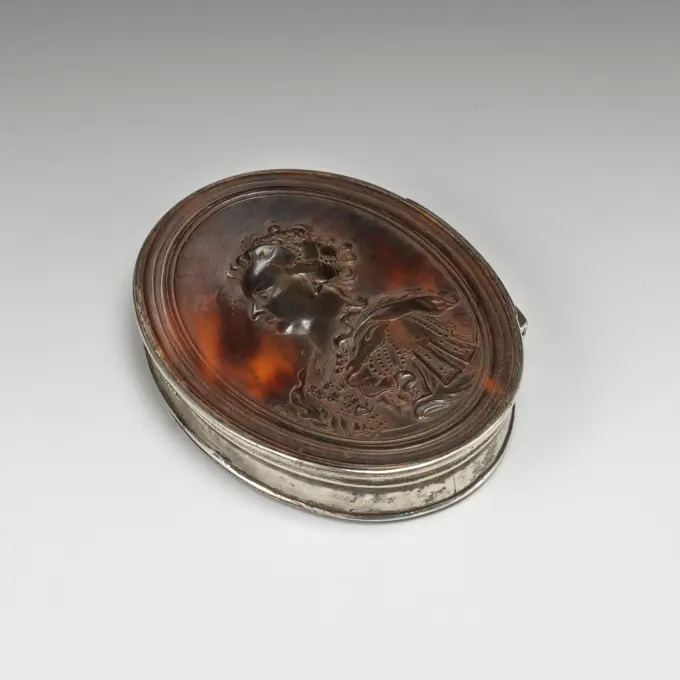
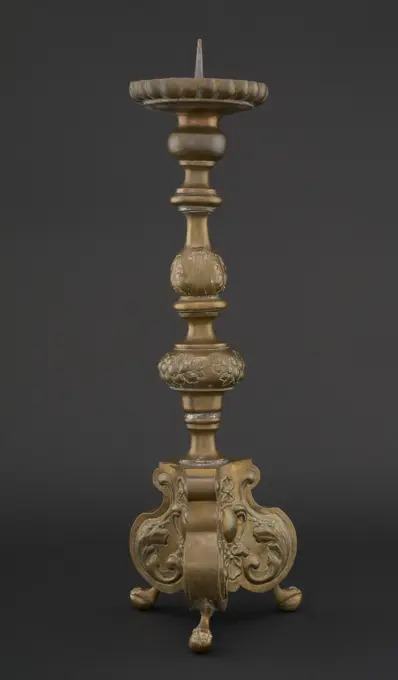
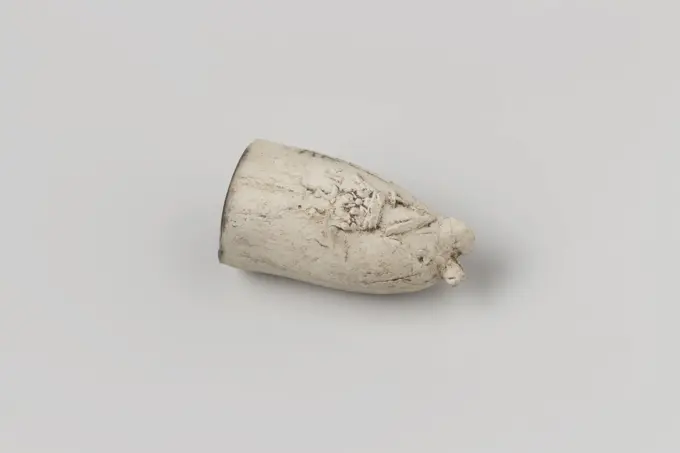
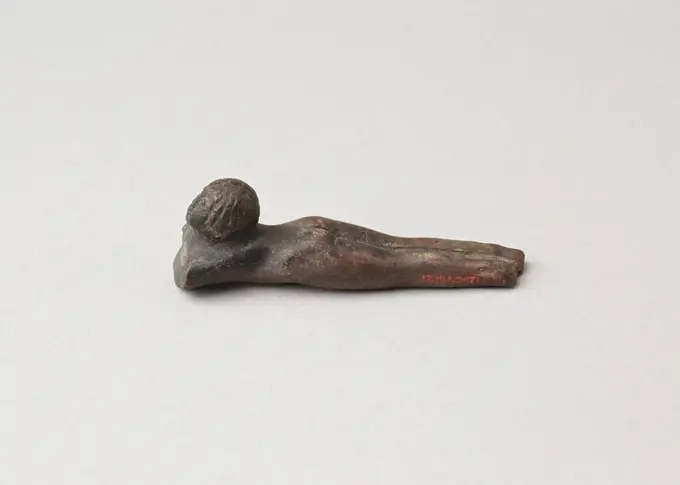
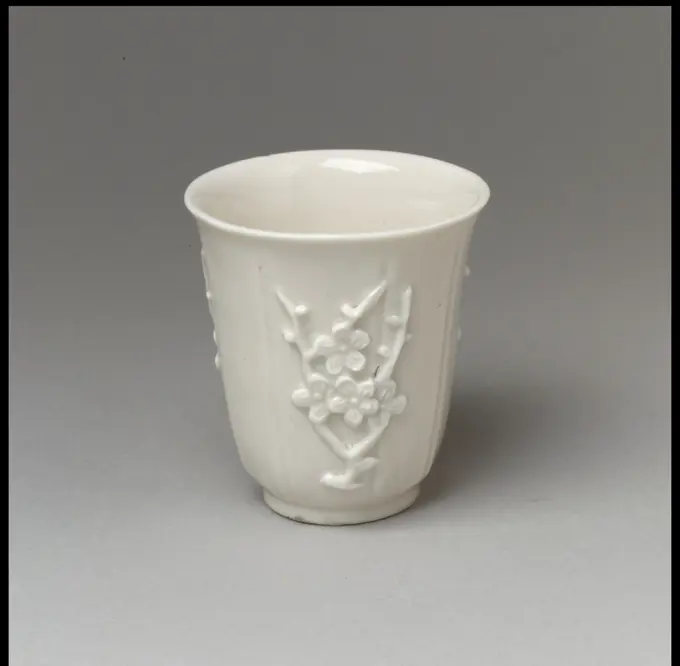
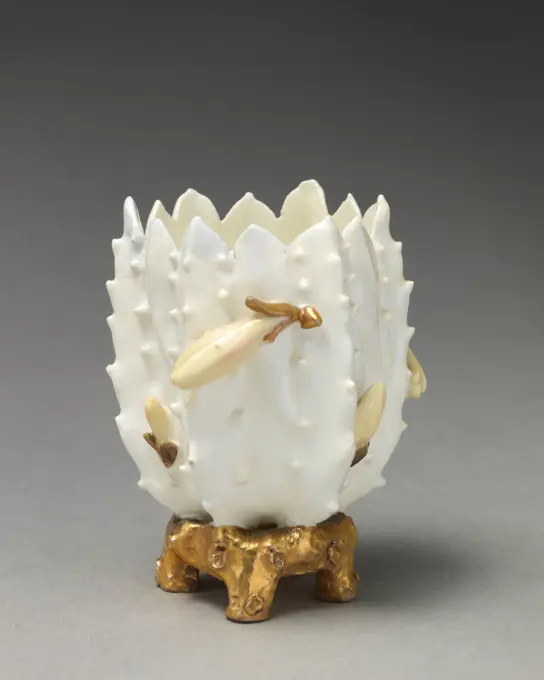
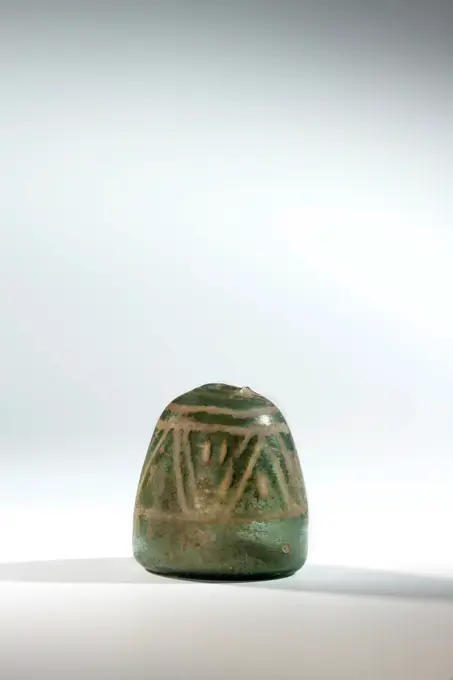
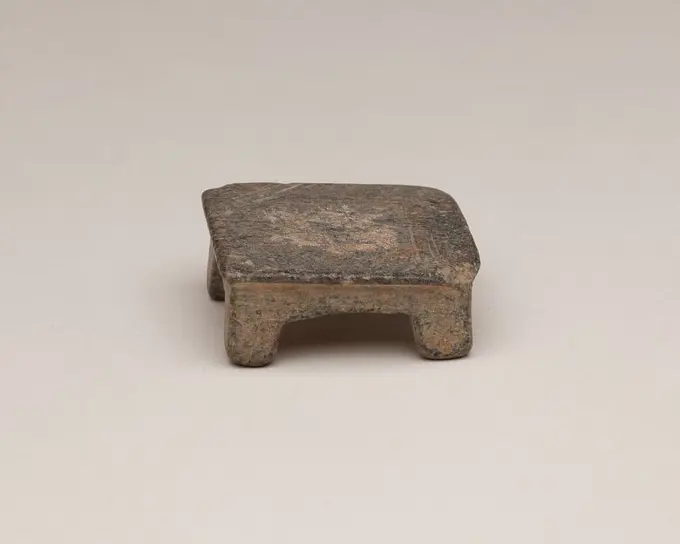
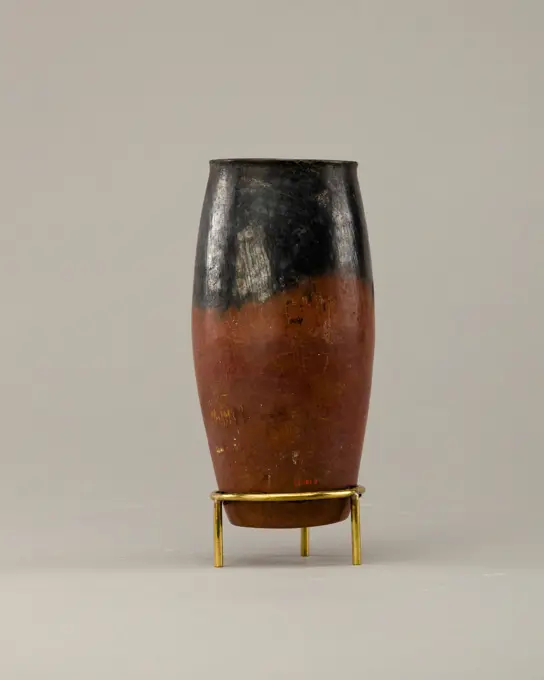
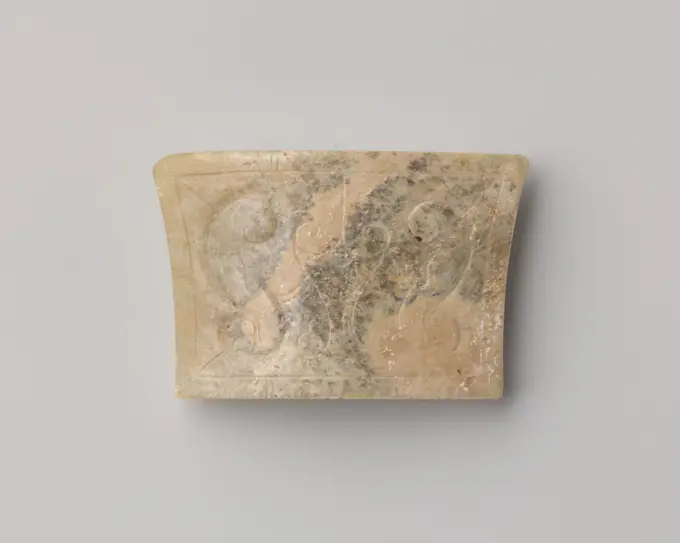
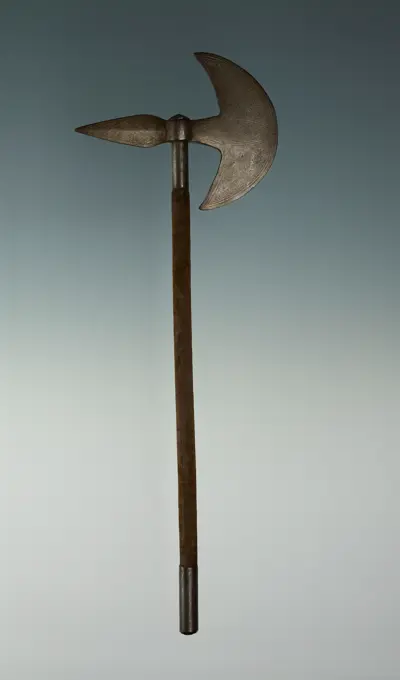
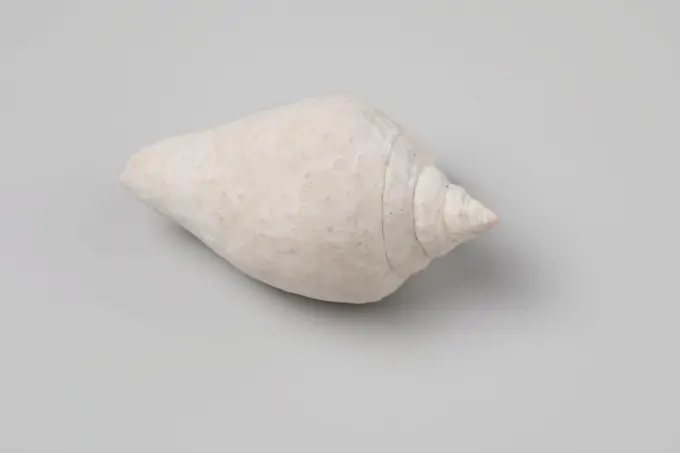
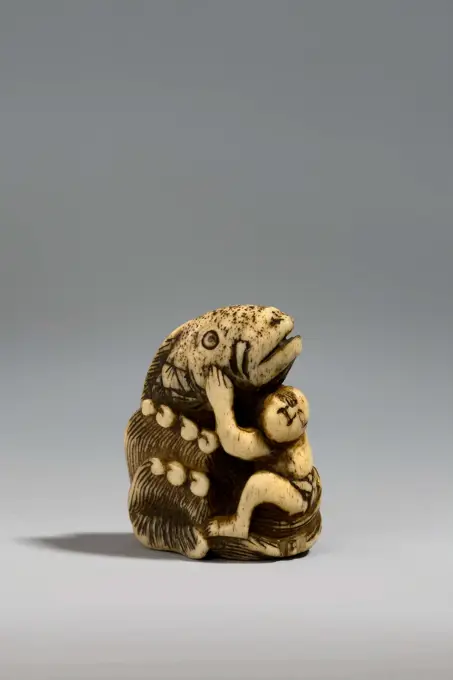
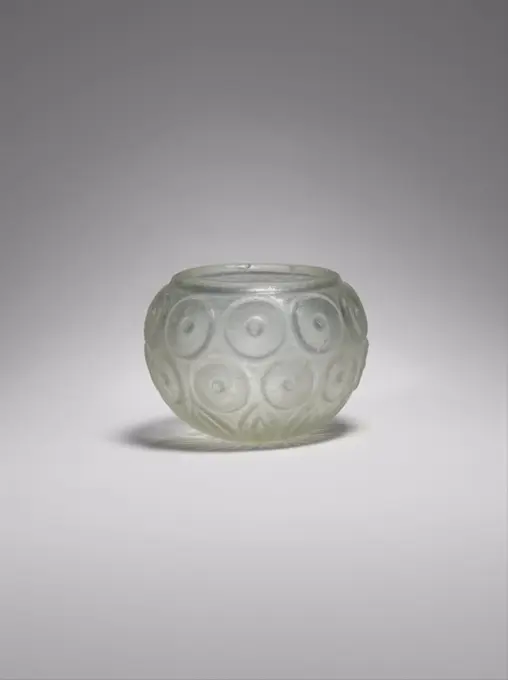
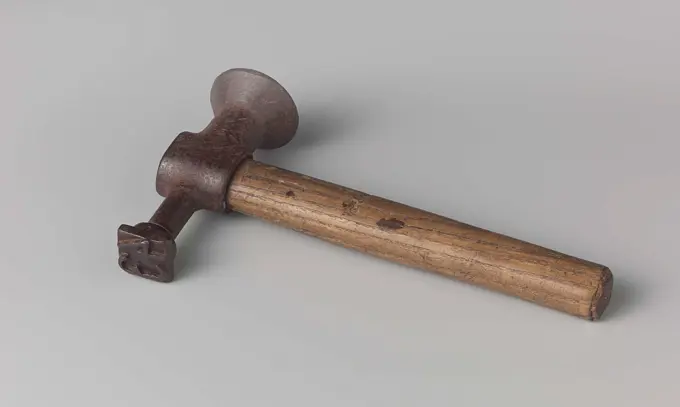
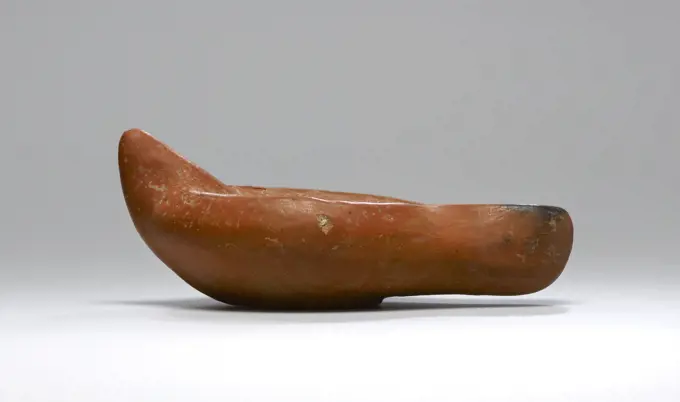
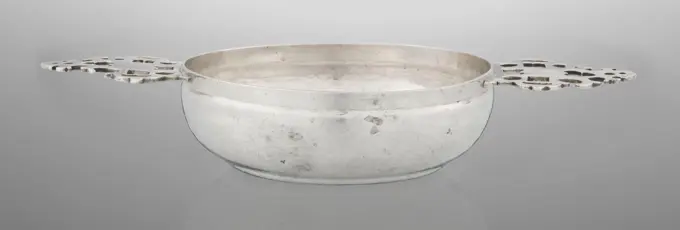
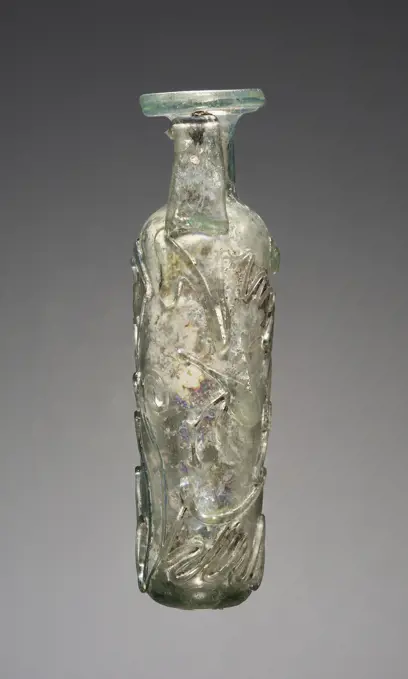
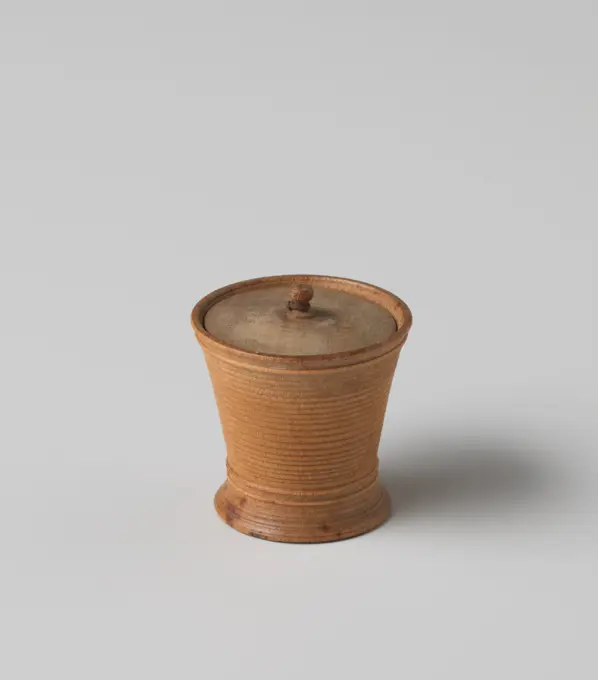
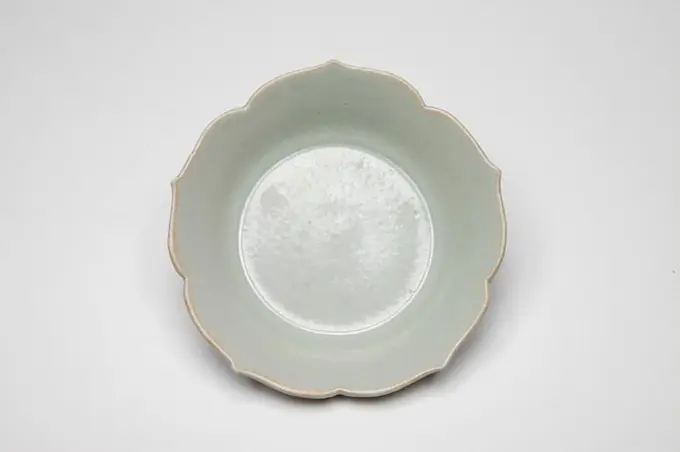
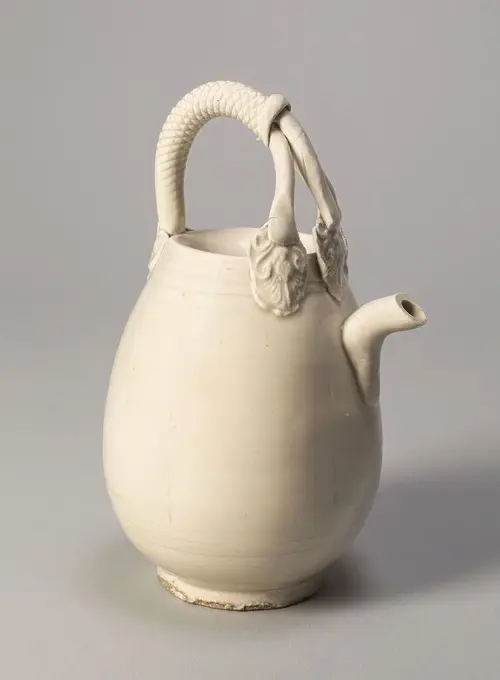
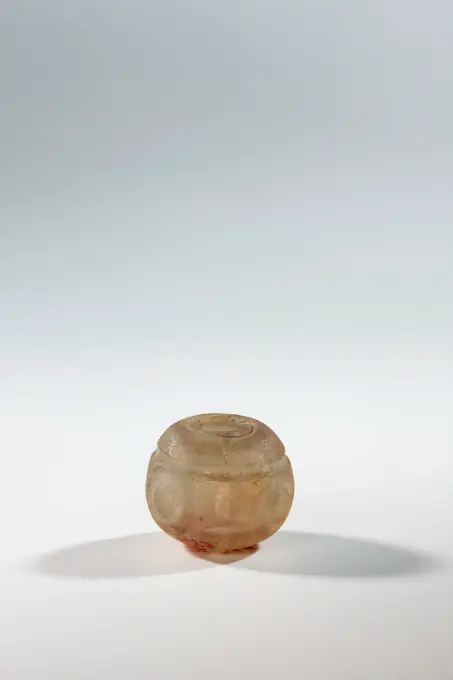
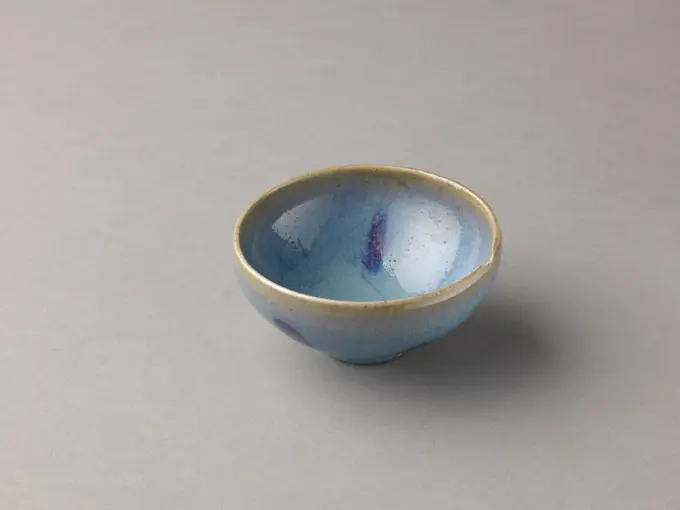
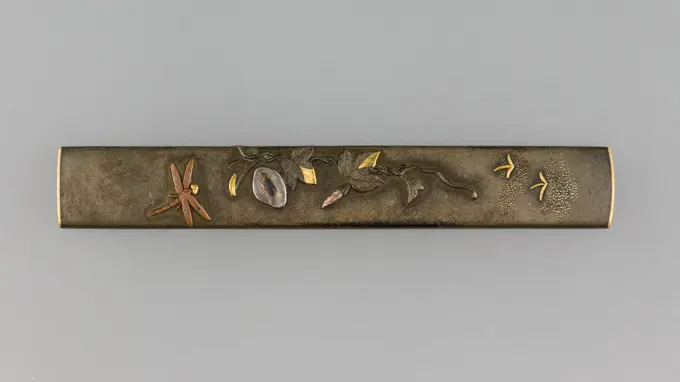
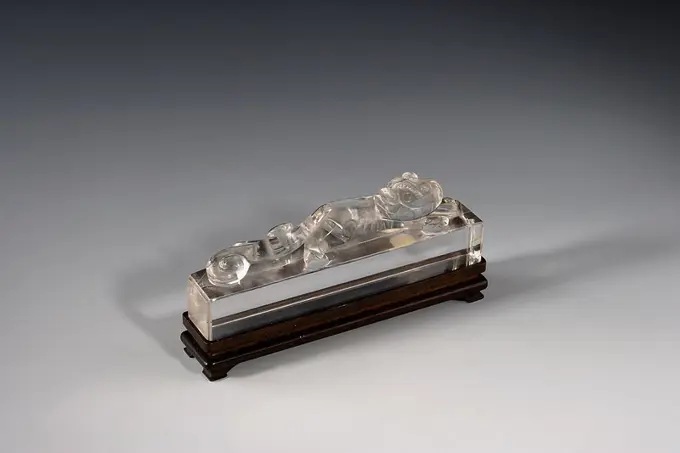
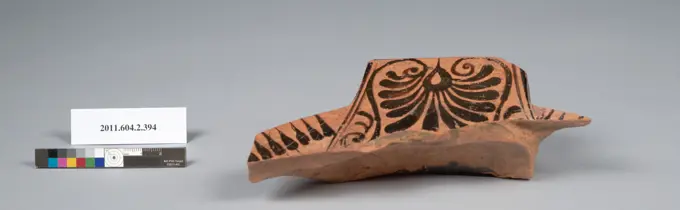
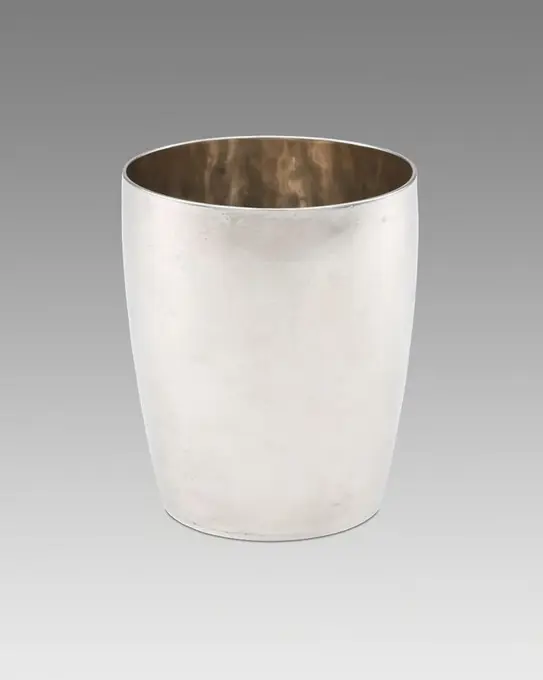
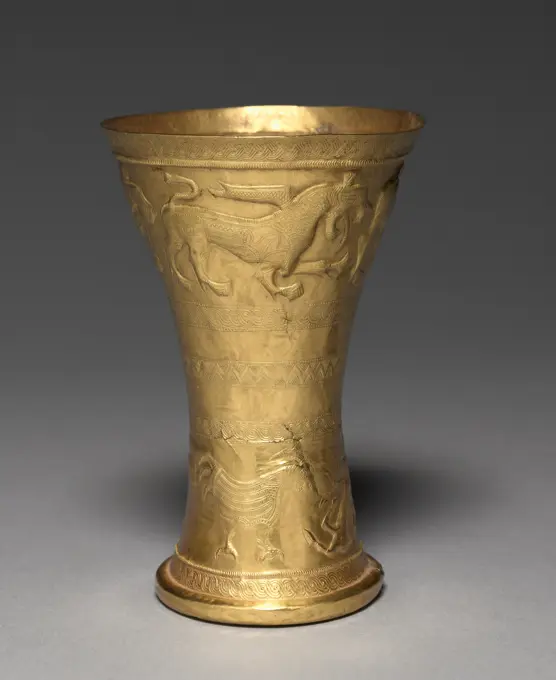
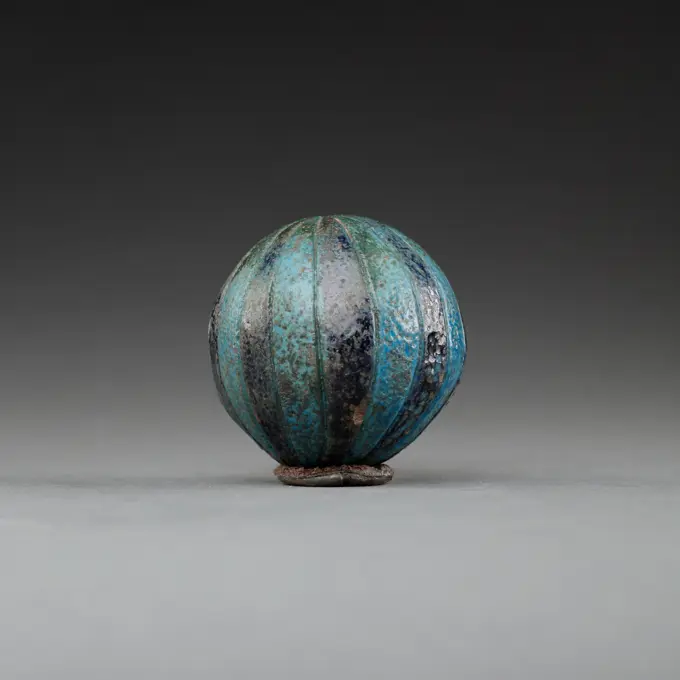
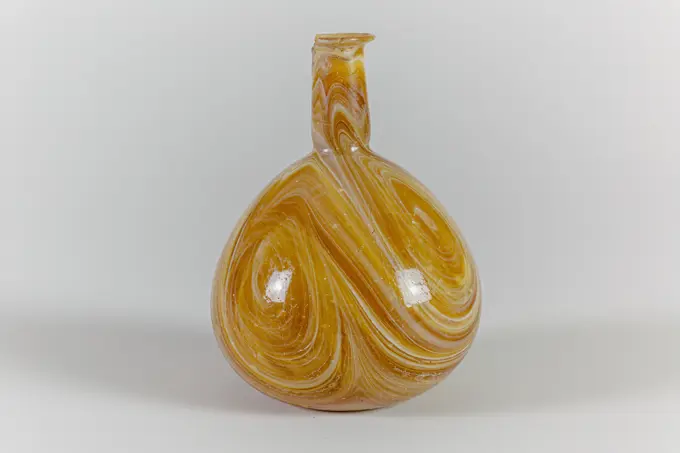
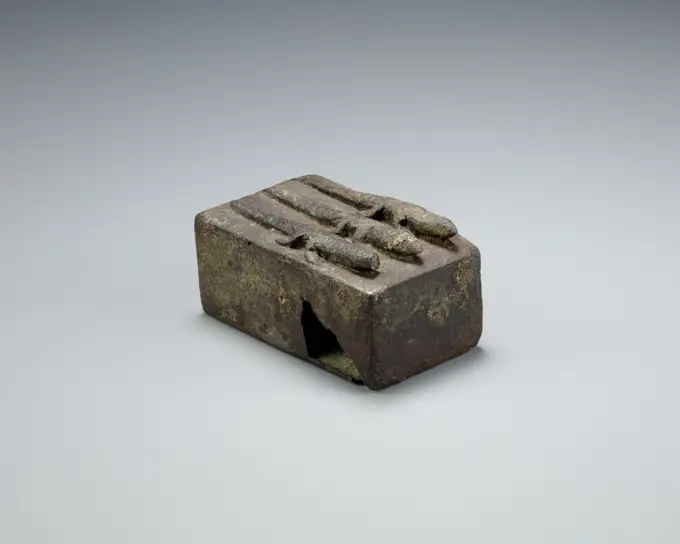
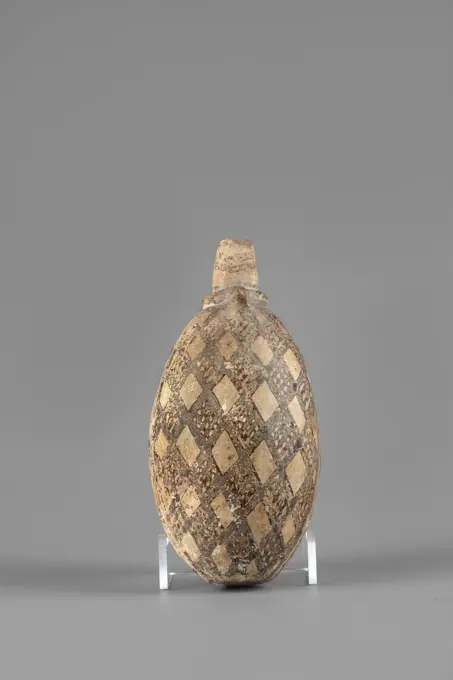
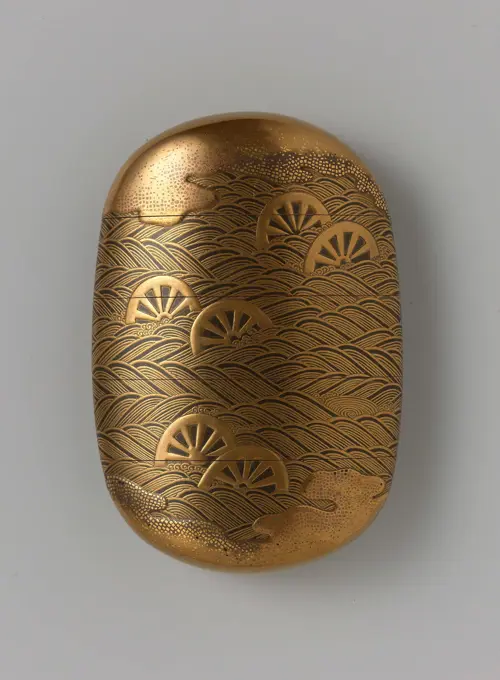
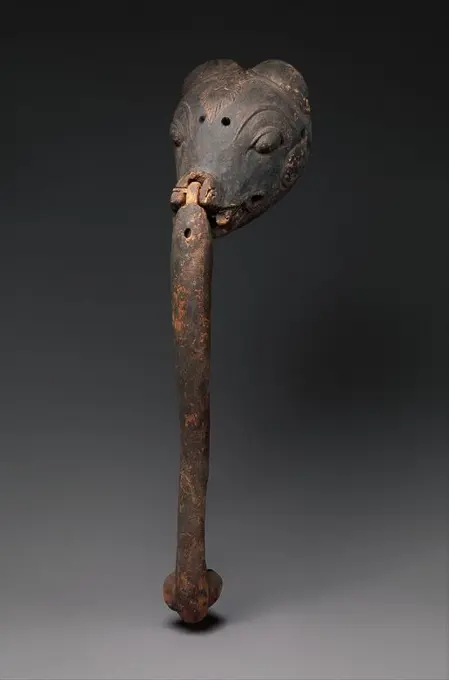
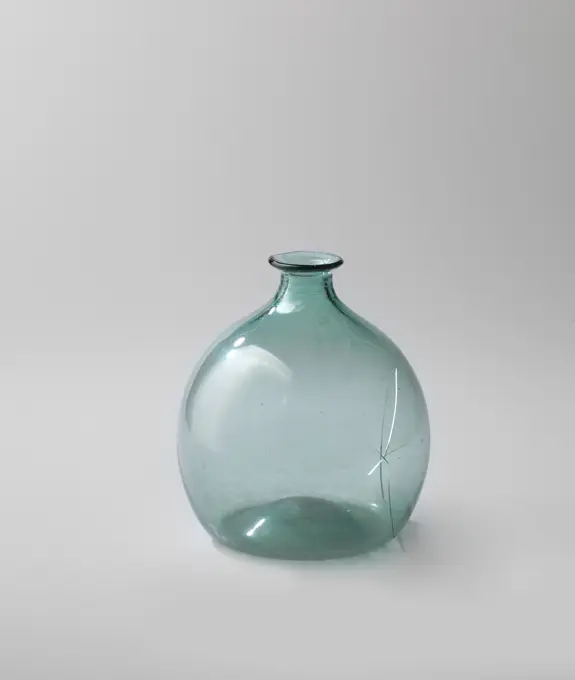
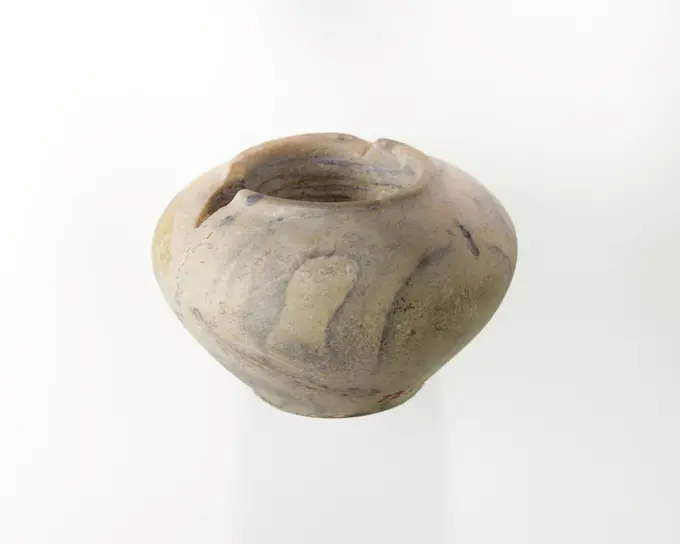
Kohl pot, ring and rim missing ca. 1950-1900 B.C. Middle Kingdom. Kohl pot, ring and rim missing. ca. 1950-1900 B.C.. Blue marble. Middle Kingdom. From Egypt, Memphite Region, Lisht North, S of Tomb of Senimeru (470) below House A2:1,south cemetery, Pit 466, MMA excavations, 1915-16. Dynasty 12, earlySmall bottle. unknown, craftsmanMetal sample. Curved metal sample, perhaps used to test or demonstrate the flexibility of buyer.Rag fragment from the wreck of the East Indians Hollandia, Anonymous, 1700 - in Or Before 1743 lid Parts, various, lid; cylindrical, moulded top with boss in centre (finial), narrow overhanging rim, vertical rim with concentric grooves, hollow core conical in section. Netherlands wood (plant material)   SecondRing-shaped seal turtle. high 21 mm thickness 2 mm diameter seal 13 mm thickness seal 4 mm ( 1st- 3rd CE ) - Roman period , from the archaeological site of Complutum in Alcala de Henares ( Madrid ). SPAIN.35mm originalFragment of part of shoulder, neck and lip of bottle, bottle holder bottomfound glass, cm - 2.1 cm) with widened lip (dm 3.2 cm) archeology Rotterdam rail tunnel medicine drug Soil discovery: rail tunnel Rotterdam.Kohl jar ca. 1981-1640 B.C. Middle Kingdom. Kohl jar 556904Glass perfume bottle mid-1st century A.D. Roman Translucent honey yellow.Everted rim with fire-rounded lip; cylindrical neck, with horizontal tooled indent around base; bulbous body; slightly concave bottom.Intact; some pinprick bubbles; dulling, some pitting, and slight weathering on exterior, soil encrustation on bottom and iridescent weathering on side and neck of interior.. Glass perfume bottle. Roman. mid-1st century A.D.. Glass; blown. Early Imperial. GlassPipe, late 19th century, 13 1/2 x 2 3/16 x 7 1/2 in. (34.29 x 5.56 x 19.05 cm), Terra-cotta, Cameroon, 19th century, Elaborately decorated tobacco pipes of terra-cotta (baked clay), brass and wood were commonly used by men in all regions of Cameroon. The decoration of the pipe was an indication of the owners rank in the social and political hierarchy of his community.Bronze handle late 5th century B.C. Greek. Bronze handle 255209 Greek, Bronze handle, late 5th century B.C., Bronze, H.: 7 3/4 x 4 3/8 x 2 1/2 in. (19.7 x 11.1 x 6.4 cm). The Metropolitan Museum of Art, New York. Gift of Dietrich von Bothmer, 1965 (65.165)Fragment Pijpenkop from the wreck of the East Indians Hollandia, Anonymous, 1700 - in Or Before 1743  Pipe, bowl, bowlmark: sentry; fragm, no hsm. Netherlands pipe clay   SecondBowl ca. 3850-2960 B.C. Predynastic Period. Bowl. ca. 3850-2960 B.C.. Pottery. Predynastic Period. From Egypt, Southern Upper Egypt, Hierakonpolis (Nekhen), MMA excavationsSmall BowlPot, anonymous, c. 1600 - c. 1800 Pot of light (whitish) earthenware, with a short neck and from below giving. Spain (possibly)Italy (possibly)France (possibly) earthenware Pot of light (whitish) earthenware, with a short neck and from below giving. Spain (possibly)Italy (possibly)France (possibly) earthenware. Stoneware incense burner, partly covered with a green glaze (oribbe). The burner has a printed band in the body and a flat edge. On the wall twice an ingrangle, wavy band.Squat Dummy Jar with Lug Handles, 2770-2573 BC. Egypt, Probably Saqqara, north of the Step Pyramid, excavations of J. E. Quibell, 1910-1911, Predynastic, Dynasties 2-3, 2770-2573 BC. Sandstone; diameter: 7.4 cm (2 15/16 in.); diameter of mouth: 2.5 cm (1 in.); overall: 3.5 cm (1 3/8 in.).Animal head. unknown, craftsmanCylindrical Scribe's Box. Dimensions: h. 13 cm (5 1/8 in); diam. 4 cm (1 9/16 in). Dynasty: Dynasty 18. Reign: Joint reign of Hatshepsut and Thutmose III. Date: ca. 1479-1458 B.C.. Museum: Metropolitan Museum of Art, New York, USA.Dish; Unknown Nubian workshop; 16th-18th century (1501-00-00-1700-00-00);Nubian ceramics, nubian vesselsOLYMPUS DIGITAL CAMERAConical Cup; Eastern Mediterranean; 1st century; Glass; 8.5 × 7.3 cm (3 3,8 × 2 7,8 in.)Neck of a Bottle 4th-early 5th century Coptic. Neck of a Bottle 479139Bowl first half 9th century. Bowl. first half 9th century. Earthenware; polychrome luster-painted on opaque white glaze. Made in Iraq, probably Basra. CeramicsBowl. Bowl 243876Rack with space for four barrels, anonymous, c. 1800 - c. 1899 A Lindehout rack, with room for four barrels. Amsterdam (possibly) linden A Lindehout rack, with room for four barrels. Amsterdam (possibly) lindenVaseOil LampDish. Culture: Japan. Dimensions: H. 1 3/4 in. (4.4 cm); Diam. 7 1/4 in. (18.4 cm). Date: kiln in operation ca. 1691-1749.A quintessential example of Utsutsugawa ware, this dish was formed on the wheel, then pressed over a mold to shape the foliate rim, and, finally, decorated with white slip and a painted ginkgo-leaf design. The meticulously brushed slip follows the turn of the potter's wheel, revealing the method of its application. Two large, nearly symmetrical ginkgo leaves with overlapping and entwined stems completely cover the interior of the dish. Superbly executed in iron-oxide pigment and copper-green glaze (and sheathed entirely with a thin layer of clear glaze), they create a design that is almost abstract. Compared to the earthy and exuberant decoration on Takeo Karatsu ware, which also combines iron-brown painting and copper-green glaze, Utsutsugawa pieces are subtler, smoother, and exquisite. Museum: Metropolitan Museum of Art, New York, USA.Snuffbox 1705 John Obrisset. Snuffbox. John Obrisset (British, active London, 1705-28). British, London. 1705. Tortoiseshell, silver. Natural SubstancesBOTIJO DE TRAMPA CON CINCO ASAS - SIN VIDRIAR - ARTE POPULAR S XX. Location: ALFARERIA. MOVEROS. Zamora. SPAIN.Pijpenkop from the wreck of the East Indies Hollandia, 1700 - in or before 1743  Pipe, bowl, heelmark: crowned 91; fragm, 1hms1. Netherlands pipe clay   SecondLand;  XIXW. (1801-00-00-1900-00-00);Fragment Pijpenkop, Johannis Lammoree, 1780 - 1800 Fragment piping head with a crown and the letters I l r and n. Of the excavations on the Hofstede Arentsburg 1827-1831 under the supervision of Professor Reuvens. Schoonhoven pipe clay Fragment piping head with a crown and the letters I l r and n. Of the excavations on the Hofstede Arentsburg 1827-1831 under the supervision of Professor Reuvens. Schoonhoven pipe clayFibula, serpentine type 7th century B.C. Italic With four pairs of bosses and head formed by a knob.. Fibula, serpentine type 246338Handle from a cosmetic spoon. Dimensions: L. 6.4 cm. Dynasty: Dynasty 21-25. Date: ca. 1070-664 B.C.. Museum: Metropolitan Museum of Art, New York, USA.Glass dish with gilding. Culture: Greek. Dimensions: H. 2 5/8 in. (6.7 cm)diameter 10 3/4 (27.3 cm). Date: ca. 2nd century B.C..Colorless with pale yellowish tinge.Plain rounded rim; straight side tapering diagonally downward; slightly concave bottom.On interior, a band below rim, comprising two horizontal grooves, the upper narrow and the lower broader, and halfway down side a broader band comprising a fine groove, followed below by a broader groove, then a ridge, undercut below with another broad groove, and finally another narrow groove. On exterior, traces of gilding on sides and bottom.Broken and repaired, with four small areas of fill; many pinprick and a few larger bubbles; dulling, pitting, iridescence, and small patches of creamy brown weathering.Rotary grinding marks on interior and exterior.This dish finds its closest parallels among the so-called Canosa Group of Hellenistic glass tableware and, like them, it probably comes from South Italy. Museum: Metropolitan MuseuBeaker 17th century Chinese, for European market The gift of the Hans Syz Collection in 1995 endowed the Museum with nearly three hundred examples of European and Asian ceramics meticulously acquired by Swiss-born collector Dr. Syz (1894-1991) to chart the migration of models and patterns from East to West. Documenting a continuous process of influence and adaptation, these pieces provide a discriminating review of the nuances of stylistic change resulting from three centuries of trade.. Beaker 208399Miniature Vase in the form of cactus or succulent 1880s Moore Brothers. Miniature Vase in the form of cactus or succulent. British, Longton. 1880s. Bone china with enamel decoration and gilding. Ceramics-PorcelainCandlestick. Culture: French (). Dimensions: H. 150 cm.. Date: 18th century (). Museum: Metropolitan Museum of Art, New York, USA.Bottle. unknown, craftsmanCup stand. unknown, craftsmanStand for toilet jar. Dimensions: h. 1.8 cm (11/16 in); w. 4 cm (1 9/16 in). Dynasty: Dynasty 12-13. Date: ca. 1981-1640 B.C.. Museum: Metropolitan Museum of Art, New York, USA.Terracotta fragment of a skyphos (deep drinking cup) late 6th/early 5th century B.C. Greek, Attic Part of a circumscribed palmette; below the ornament, meander pattern; outer edge of the foot is glazed; the resting surface is unglazed; the inner wall of the foot is glazed; the underside of the foot has miltos; in the center, there are two concentric circles with a small circle in the middle, which has a dot in the center. Terracotta fragment of a skyphos (deep drinking cup). Greek, Attic. late 6th/early 5th century B.C.. Terracotta; red-figure. Archaic. VasesStamp of iron for the manufacture of Livreikknopen with the coat of arms of the Bijleveld family, Anonymous, c. 1880 Stamp of iron for the manufacture of Livreikknots of copper with the weapon of the Bijleveld family. The stamp is marked, but unreadable. Europe iron (metal) Stamp of iron for the manufacture of Livreikknots of copper with the weapon of the Bijleveld family. The stamp is marked, but unreadable. Europe iron (metal)Vase ca. 3850-2960 B.C. Predynastic Period. Vase. ca. 3850-2960 B.C.. Pottery. Predynastic Period. From Egypt; Said to be from Northern Upper Egypt, AmraSchede, anonymous, -500 - -200 End piece of a sheath of light green jade. Deepened and engraved. China jade (rock) End piece of a sheath of light green jade. Deepened and engraved. China jade (rock)Fragmentary Neolithic standing female figurine. UnknownTabaksdoos, anonymous, 1855 Sirih box, tobacco box, octagonal, decorated with floral motifs applied to the Golden Plaques that are on all sides and the flat lid. Sumatra gold (metal). silver (metal). Sirih box, tobacco box, octagonal, decorated with floral motifs applied to the Golden Plaques that are on all sides and the flat lid. Sumatra gold (metal). silver (metal).Inpopersian axTerracotta Megarian bowl 3rd century B.C. Greek, Asia Minor. Terracotta Megarian bowl. Greek, Asia Minor. 3rd century B.C.. Terracotta; mold made. Hellenistic. VasesStrombus canarium shell from the wreck of the Dutch East India ship Witte Leeuw, before 1613  Shell from V.O.C. ship the 'Witte Leeuw'.  .   Sint-HelenaNetsuke in the shape of the legendary boy Oniwakamaru. unknown, sculptorCup 18th century possibly British. Cup. possibly British. 18th century. Pewter. Metalwork-PewterCut-Glass Cup. Dimensions: H. 2 3/4 in. (7 cm)Diam. 3 5/8 in. (9.2 cm). Date: 8th-9th century.Disks with raised dots at the center encircle the body of this small spherical cup. Echoing the omphalos (navel-shaped) motif found on objects from ninth-century Samarra, designs such as the one seen here are inspired by Sasanian cut glass. The maker achieved a harmonious surface treatment by cutting away the surrounding glass, leaving the circles in relief. Petals radiating from the circular base decorate the lower part of the cup. Museum: Metropolitan Museum of Art, New York, USA.Hungle to the osów;  XVII-XVIII century (1601-00-00-1800-00-00);Hamer met brandijzer.Hammer with a screw-in portion on which a burning iron with the number 43 is attached and a wooden handle. The fire iron may be intended for brands of immovable property on a plantation.Medallion possibly British 19th century View more. Medallion. possibly British. 19th century. Wax; glass, painted. Glass-PaintedLamp, North Africa; 450 - 550; Terracotta; 3.4 x 8.5 x 14.5 cm (1 5,16 x 3 3,8 x 5 11,16 in.)Seal early 20th century China. Seal. China. early 20th century. Grey jade. SealsA bowl for porridge - porringer; Vander, Henry & Vander Arthur, Vander, C.J., Ltd (London; company Z Otnicz; 1856-); 1912/13 (1912-00-00-1913-00-00);Metal Monster, Anonymous, 1850 - 1900 sample Curved metal sample, perhaps used to test or demonstrate the flexibility of copper. unknown copper (metal)Alabastron; Roman Empire; 3rd - 4th century; Glass; 11 x 3.8 cm (4 5,16 x 1 1,2 in.)Part of a brick with a piece of concretion from the wreck of the East Indians' t Vliegend Hart, Anonymous, 1700 - 1735 brick (clay product) Part of a rectangular, yellow -brown brick with a piece of concretion. Brick.  brick (clay product). concretionary stoneBake, bucket -shaped, with lid, anonymous, c. 1675 - c. 1700 A bucket-shaped container turned from maple wood, decorated with profile and groove edges; Loose, smooth lid with button. Amsterdam maple (wood) A bucket-shaped container turned from maple wood, decorated with profile and groove edges; Loose, smooth lid with button. Amsterdam maple (wood)Pair of Foliate-Rimmed Dish. China. Date: 907 AD-999 AD. Dimensions: H. 2.0 cm (13/16 in.); diam. 9.2 cm (3 5/8 in.). Yue ware; glazed stoneware. Origin: China. Museum: The Chicago Art Institute, Chicago, USA.Melon-Shaped Ewer with Triple-Strand Handle. China. Date: 1000-1099. Dimensions: H. 16.4 cm (6 7/16 in.); diam. 10.9 cm (4 5/16 in.). Glazed porcelain with underglaze mold-impressed decoration. Origin: China. Museum: The Chicago Art Institute, Chicago, USA.Oval bowl of spoon with flattened, square handle, spoon cutlery soil find tin metal, poured Oval spoon tray short rat tail quadrangular stem Fitted box: I and T archeology Rotterdam rail tunnel food Soil discovery: rail tunnel Rotterdam.Small bottle. unknown, craftsmanSmall bowl, Jun ware 12th-13th century Chinese. Small bowl, Jun ware 460655. Flute glass on flat foot with beaten edge. The stem made up of a hollow baluster with a disc. Funnel shaped chalice.Box 19th century Japan. Box. Japan. 19th century. Lacquer. LacquerKnife Handle (Kozuka) mid-19th century Japanese A kozuka is a handle of a by-knife that is part of a sword mounting. It is kept in a slot on the reverse of a katana scabbard, often with a matching kōgai (hairdressing tool).. Knife Handle (Kozuka) 29903Pipe in the form of a Human Figure, 20th century, 9-1/2 x 4-5/8 x 4-5/8 in. (24.1 x 11.7 x 11.7 cm), Ceramic, Cameroon, 20th centuryJug (USA); Decorated by Francis Lycett (American, 1861 - ca. 1938); porcelainPaperweight in the form of tiger on a stand. unknown, craftsmanMiniature funnel. Culture: French. Dimensions: Overall: 1 1/2 × 1 1/2 in. (3.8 × 3.8 cm). Date: 18th century. Museum: Metropolitan Museum of Art, New York, USA.Terracotta fragment of a column-krater (bowl for mixing wine and water) 450-430 B.C. Greek, Attic Handle strap with a circumscribed palmette; on the top of the mouth, pendant, linked lotus buds; on the side of the rim, horizontal line between dots. Terracotta fragment of a column-krater (bowl for mixing wine and water). Greek, Attic. 450-430 B.C.. Terracotta; red-figure. Classical. VasesMiniature funnel 18th century French. Miniature funnel. French. 18th century. Gilded silver. Metalwork-Silver-MiniatureBeaker. Charles Farley; American, 1791-1877; Portland, Maine. Date: 1812-1830. Dimensions: 9.5 × 6 cm (3 3/4 × 2 5/16 in.). Silver. Origin: Portland. Museum: The Chicago Art Institute, Chicago, USA.Spoon, 19th century, 12 1/2 x 2 in. (31.8 x 5.1 cm), Wood, United States, 19th centuryCandlestick, Pricket 15th century South Netherlandish. Candlestick, Pricket 467950Beaker , 1100-1000 BC. Northwestern Iran, Marlik, 12th-11th century BC. Gold, low relief repoussé and incised; overall: 14 x 9.3 cm (5 1/2 x 3 11/16 in.).Segmented ball ca. 1550-1295 B.C. New Kingdom This small hollow ball features alternating blue and black segments, which are additionally separated by incised lines. Such faience balls have been found at several shrines dedicated to the goddess Hathor, as well as in funerary contexts. We thus do not know for sure if this particular ball is a donation to the goddess or if it might have had a funerary function.. Segmented ball. ca. 1550-1295 B.C.. Faience. New Kingdom. From Egypt. Dynasty 18Jar (Guan) 25 CE-199 CE Shangyu. Glazed gray stoneware with impressed decoration . Shangyu kilns (Manufacturer)Vase, 1644-1911. China, Qing dynasty (1644-1911). Glass; overall: 10.2 cm (4 in.).Steel-wire bracelet Bracelet; gold, steel wire; Overall: 4 x 6.7 x 7.8 cm (1 9/16 x 2 5/8 x 3 1/16 in.)Glass mosaic perfume bottle early to mid-1st century A.D. Roman Translucent brownish yellow, with opaque white trails.Everted, rounded rim; cylindrical neck, expanding slightly downward, with slight tooled indent around base; broad piriform body; concave bottom.Striped mosaic pattern of applied white trails wound round on a yellow ground and then tooled in four upward strokes into swirling circular patterns.Broken and repaired, with one large hole in rim, another in body, and several smaller holes in neck and body; some small bubbles; some pitting and whitish weathering.. Glass mosaic perfume bottle. Roman. early to mid-1st century A.D.. Glass; blown, trailed, and tooled. Early Imperial. GlassSlot, c. 1400 - c. 1950   iron (metal)   iron (metal)Small bottle. unknown, craftsmanMummy case, lizard 304 B.C.-A.D. 364 Ptolemaic or Roman Period The lizard in later periods of Egyptian history was linked with the creator and solar god Atum, in large part because of their reptilian tendency to warm themselves in the sunshine. Almost all copper alloy representations show the lizards prone, with legs slightly splayed, as if basking in the suns rays. Most rest on top of boxes that would have held mummified lizards. On this example, three lizards lay side-by-side, further intensifying the sacred presence of the deity. The box is open at the back for the insertion of one or more mummies. These boxes would have been offered in temples or for deposition in animal necropoleis, not just in honor of Atum, but also in broad connection with other animal representations linked to solar cult, such as shrew mice, ichneumons, or falcons.. Mummy case, lizard. 304 B.C.-A.D. 364. Cupreous metal. Ptolemaic or Roman Period. From EgyptVase in the shape of a onion cylinder;  XVI-17th century () (1501-00-00-1700-00-00);Paderewski, Ignacy Jan (1860-1941), Paderewski, Ignacy Jan (1860-1941)-collection, qing (style), ceramics, Chinese (culture), gift (provenance), one hundred antiquity of Baig (ornament), Chinese artMirror with a Handle in the Shape of a Young Woman Holding a Papyrus Umbel ca. 1400-1390 B.C. New Kingdom. Mirror with a Handle in the Shape of a Young Woman Holding a Papyrus Umbel. ca. 1400-1390 B.C.. Bronze. New Kingdom. From Egypt, Upper Egypt, Thebes. Dynasty 18Butelka. unknown, authorStylus. Stylus 251918 Stylus, Bronze, Other: 4 13/16 in. (12.2 cm). The Metropolitan Museum of Art, New York. Fletcher Fund, 1925 (25.78.138)Tea Bowl with Hare’s Fur”. Five part inro. Goudlaked garnished with wagon wheels in the water.Ganesha. Culture: Southern India, Tamil Nadu, probably Thanjavur district. Dimensions: H. (on stand) 34 1/4 in. (87 cm); W. 8 1/4 in. (21 cm); D. 13 1/2 in. (34.3 cm). Date: ca. 1700-1750.Ganesha, the elephant-headed son of Shiva and Parvati, does not have a role in the Hiranyakashipu story, but his presence on stage brings auspiciousness to the event. He appears before all such performances to ensure their success and provides a prelude to the main narrative. The articulated trunk and ears (now lost) would have given the actor who wore this mask a lively and endearing stage presence. Museum: Metropolitan Museum of Art, New York, USA.Spherical, green bottle, anonymous, 1800 - 1900 Spherical, green bottle with flat mouth edge, short narrow neck, smooth belly and curved bottom.  glass Spherical, green bottle with flat mouth edge, short narrow neck, smooth belly and curved bottom.  glassSample or Armor Plate. Monster of an armored plate of 6½ English thumb thickness. Two sides are sawn off and polished, two sides are rough and seem broken or torn; The two remaining, opposite surfaces are from the flat sides of the armor plate, since they indicate 6½ English thumb thickness.